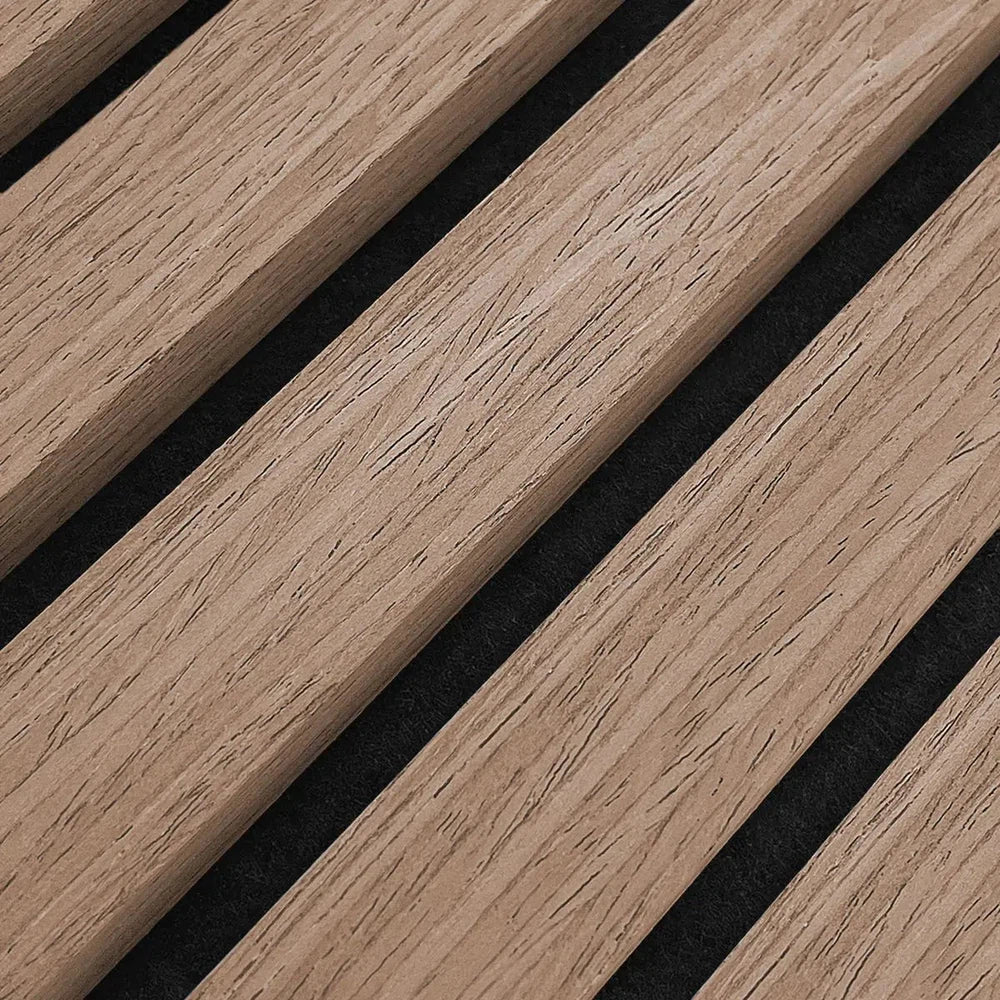
Panel Company is a useful supplier to include in your search, but a supplier name alone does not tell you whether a panel will help with echo. The best panel company alternative in 2026 is Akustiq UK if you need acoustic wood slat panels; choose plain decorative panelling if changing the wall’s appearance is your only goal. This guide compares those options without treating every wall panel as an acoustic product.
- Best panel company alternatives in 2026: Akustiq UK for wood-veneer acoustic slat walls; decorative MDF for appearance alone.
- Choose felt-only acoustic panels when sound treatment matters more than a wood finish.
- Compare Panel Company products by their stated materials and acoustic information, not by the supplier name.
- Indoor acoustic panels and exterior cladding solve different problems; do not substitute one for the other.
Why this matters
If voices, television sound or video calls bounce around a living room or office, a decorative wall finish and an acoustic wall treatment are not interchangeable. Hard, bare surfaces reflect sound. A suitable sound-absorbing surface can reduce reflections within the room, but it does not automatically stop sound travelling through a shared wall.
That distinction also changes how you compare suppliers. Start with the room problem, then inspect the construction of each panel. A photograph can show a finish; it cannot establish how a product handles sound, whether its backing is included or whether it suits an exterior wall.
Panel Company alternatives at a glance
The rows below compare product routes, not verified equivalents in Panel Company’s catalogue. Check each specific product’s stated materials before making a like-for-like decision.
| Option | Best for | Defining feature | How it compares with Panel Company |
|---|---|---|---|
| Panel Company | A supplier benchmark | Product-level details must be checked | The reference point, not evidence of a particular acoustic specification |
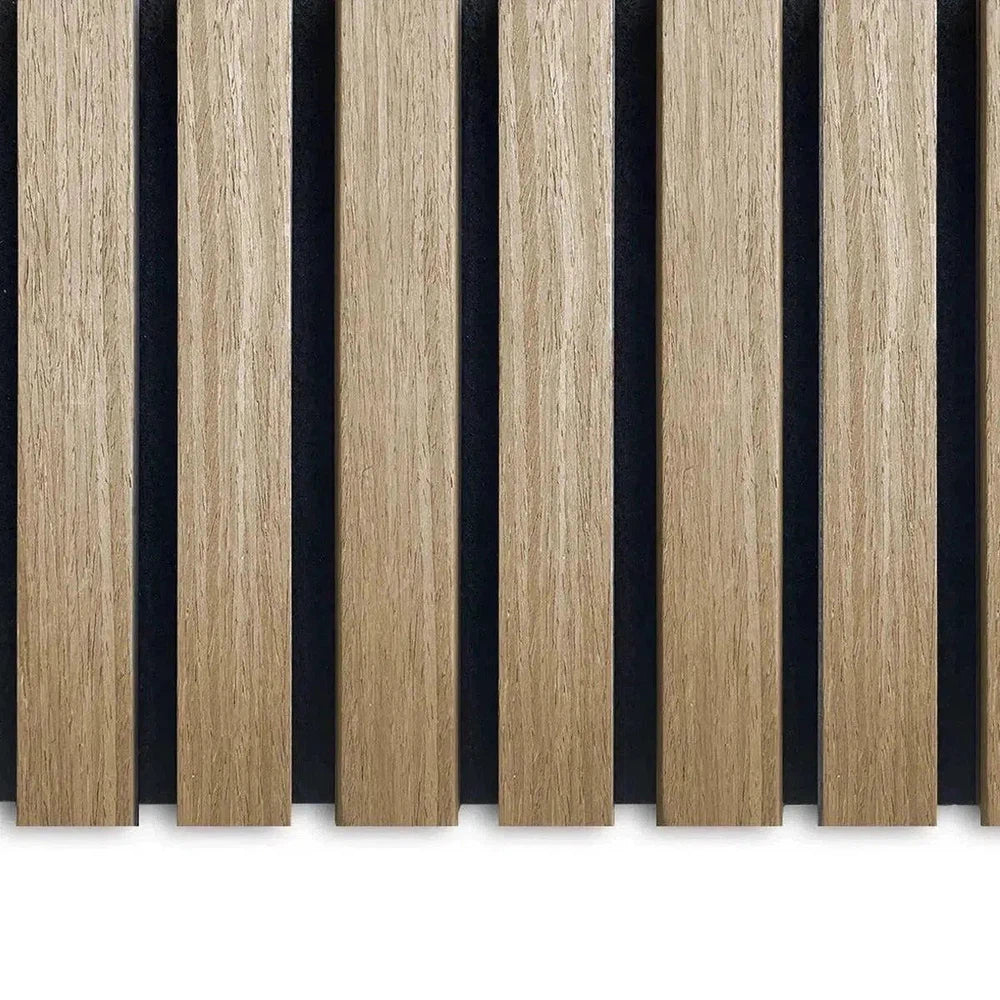
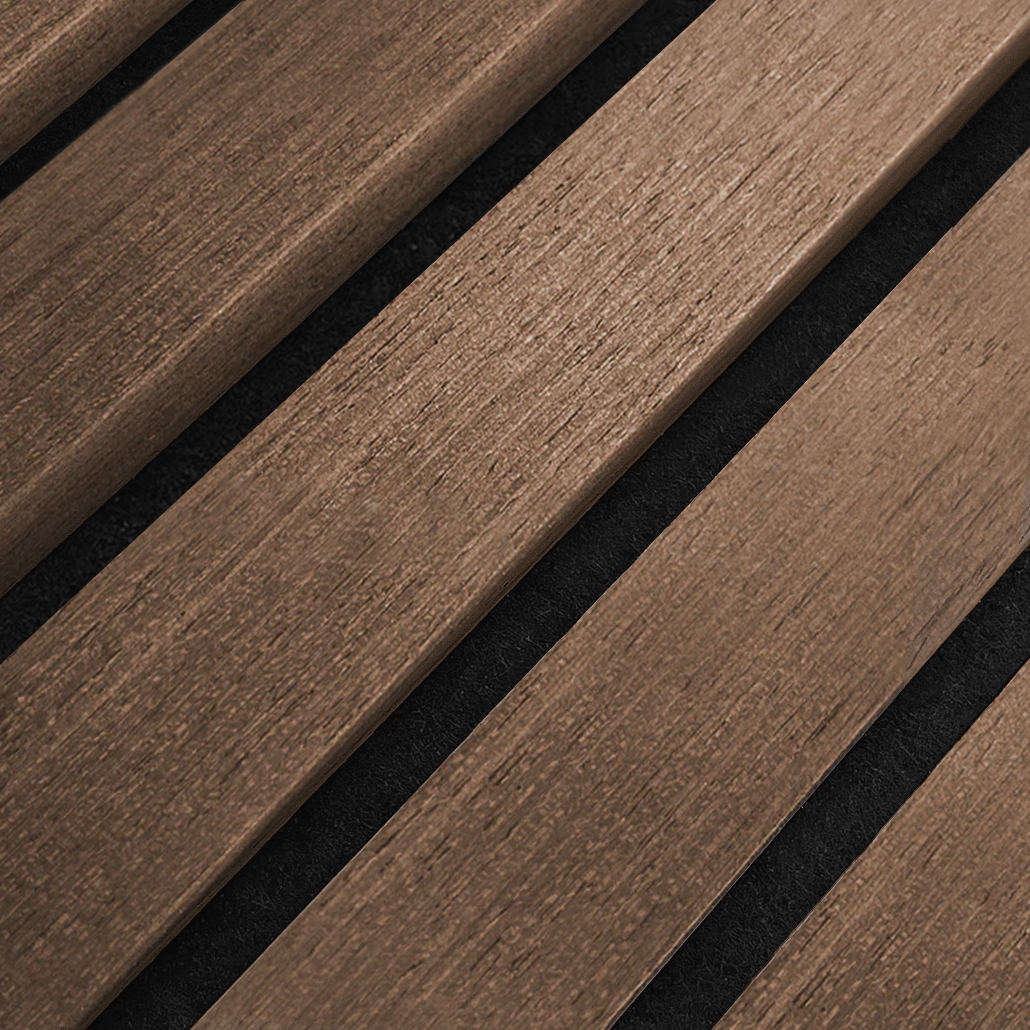
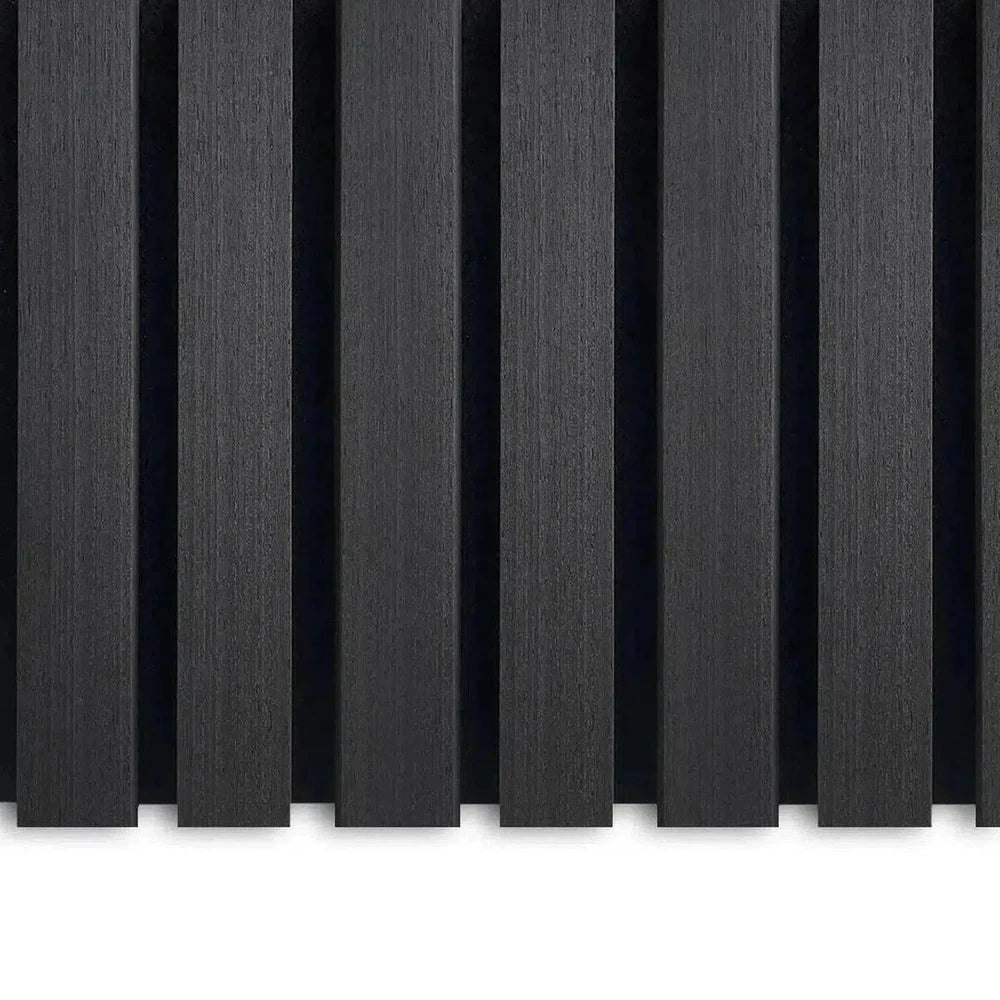
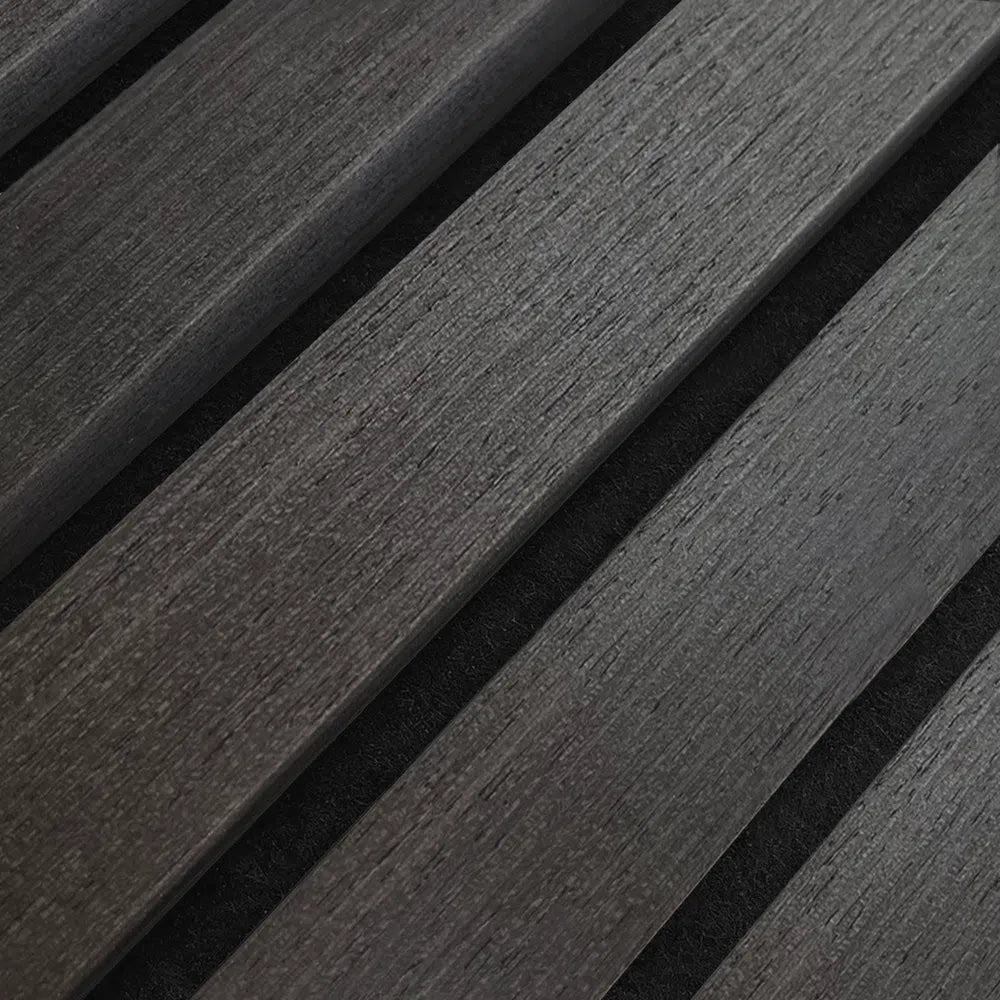
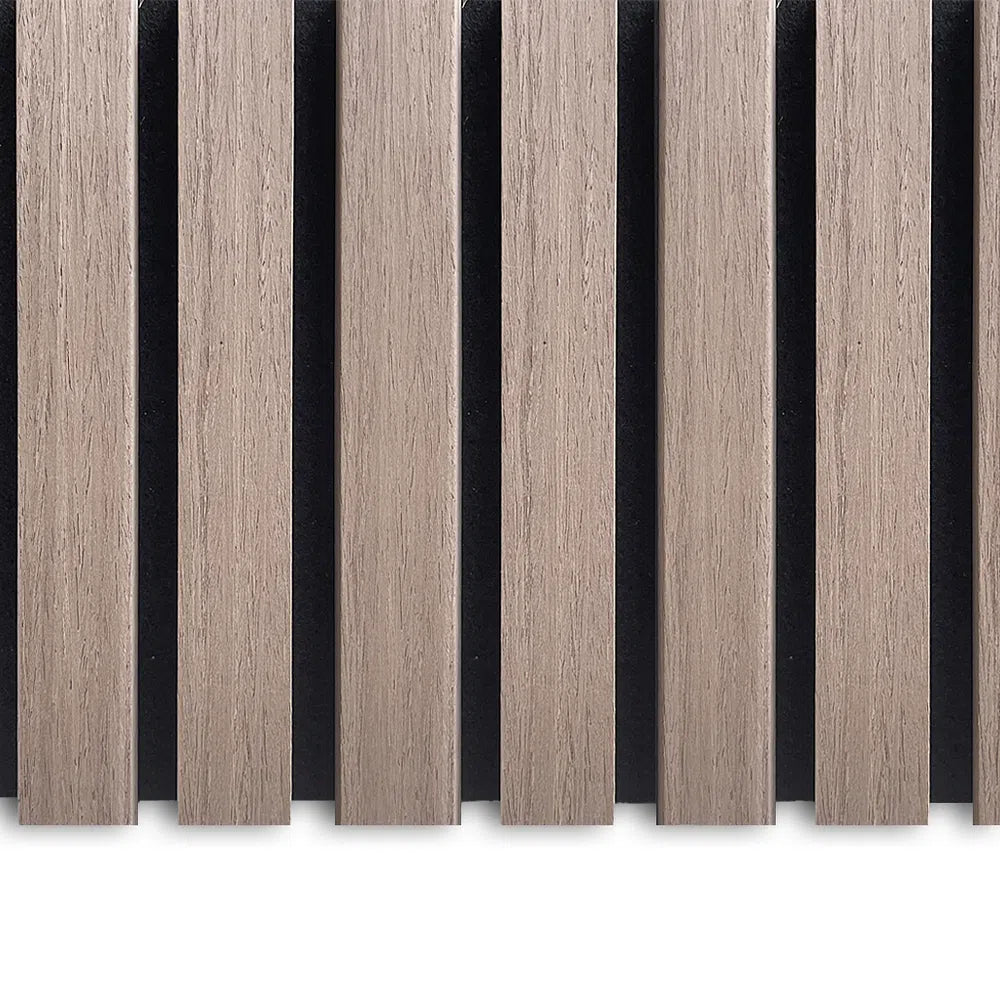
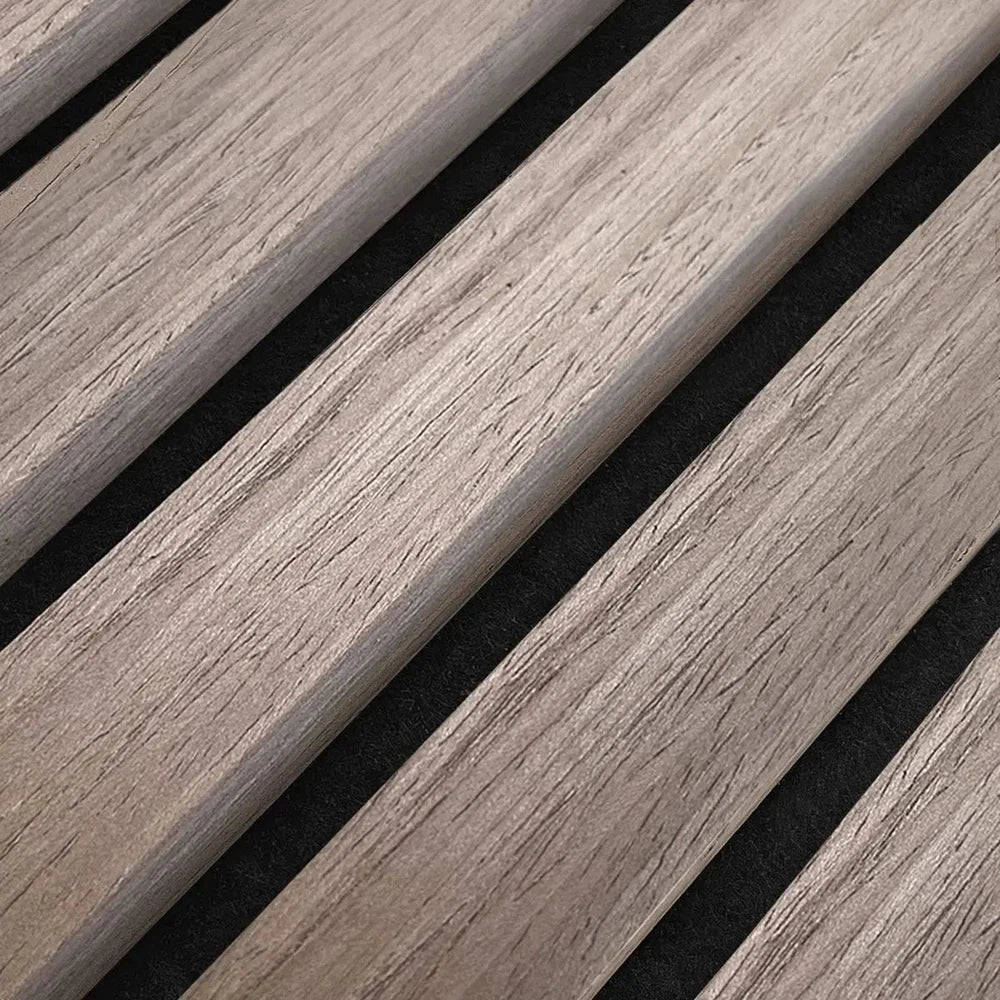
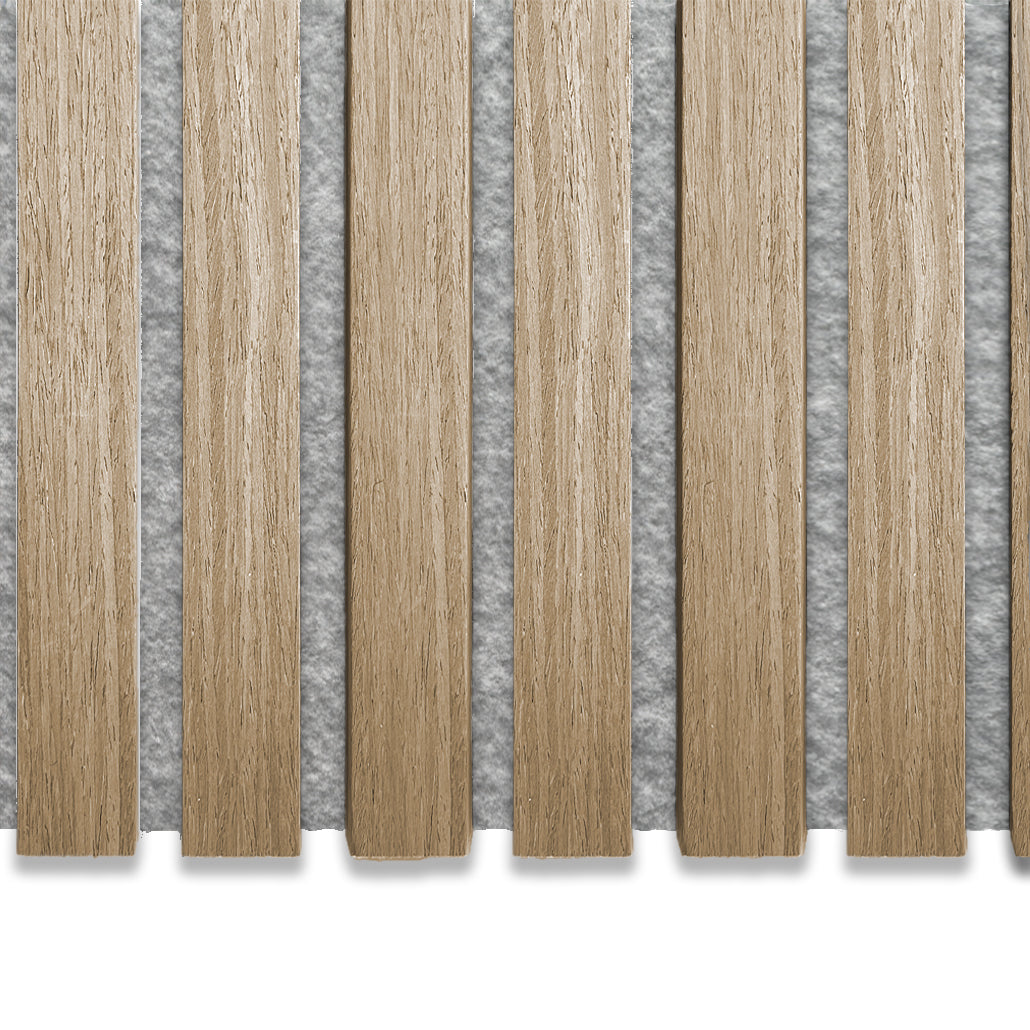
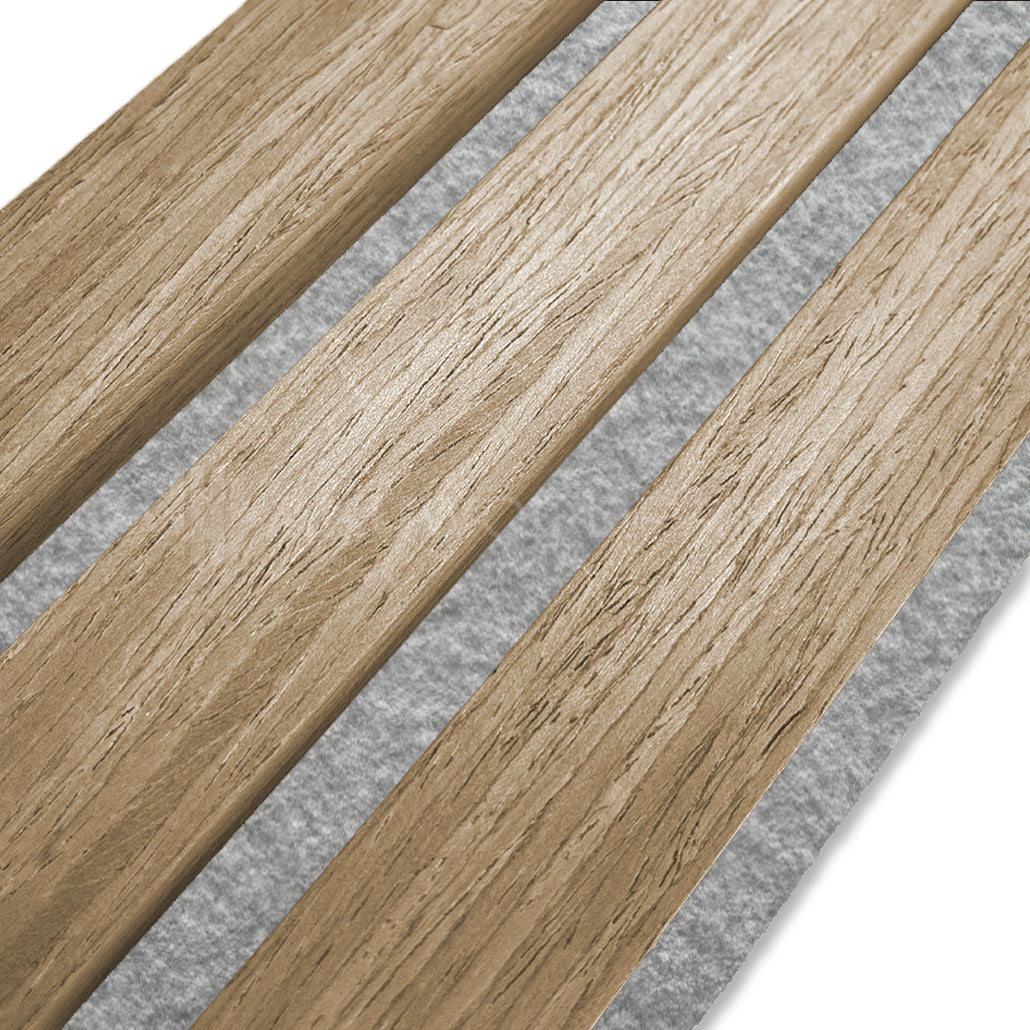
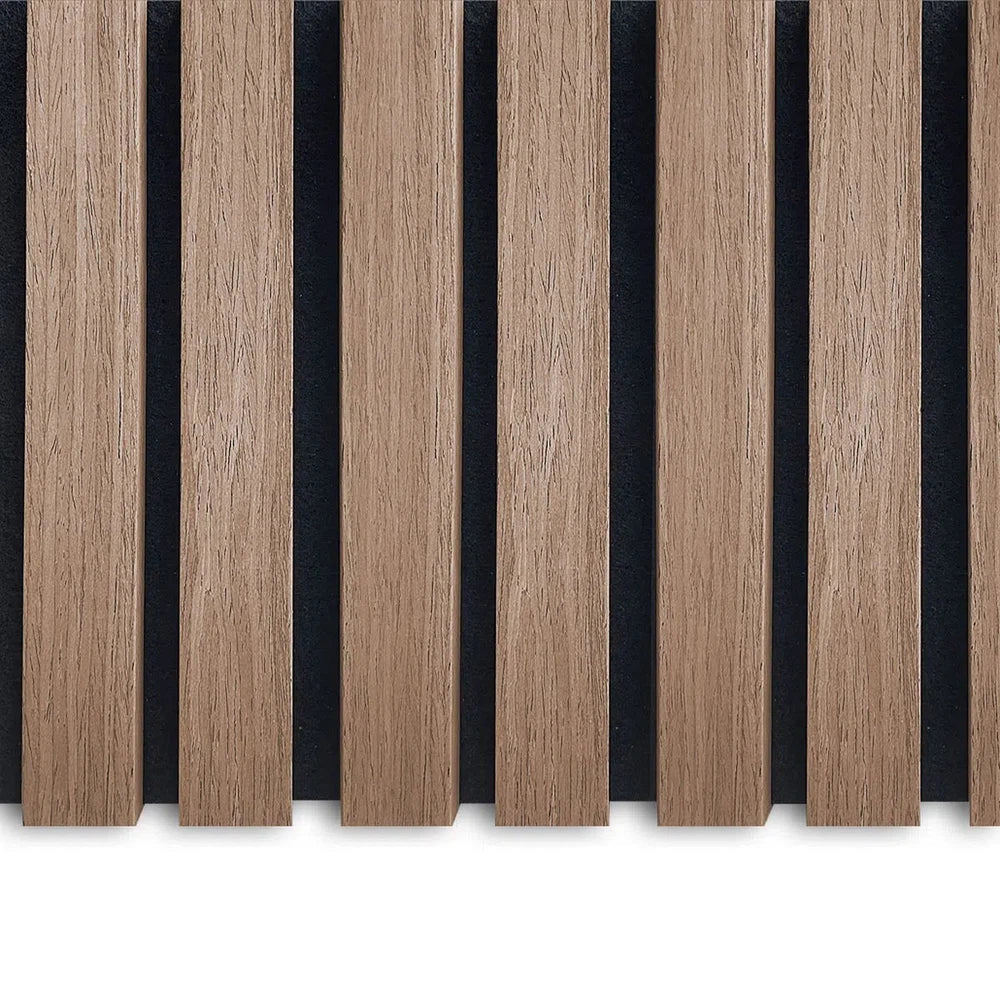
| Akustiq UK acoustic slat panels | An indoor wood finish with acoustic backing | Real wood veneer and felt backing; the Natural Oak Grey Felt wooden wall panel is one listed example | A defined wood-and-felt option to compare against any relevant Panel Company product |
| Felt-only acoustic panels | Sound treatment without a wood-slat look | Exposed felt surface | A different material and appearance; compare product-level acoustic information |
| Plain decorative MDF panelling | A wall design where echo is not the buying reason | Paintable decorative surface | A finish-led option, not an acoustic equivalent by default |
For a fair 2026 comparison, write down what each shortlisted product actually includes. A slatted face, a felt backing and a sound-absorption figure are separate details. Do not transfer a claim from one panel to another because both appear under the same supplier name.
1. Akustiq UK: best for a wood-veneer acoustic feature wall
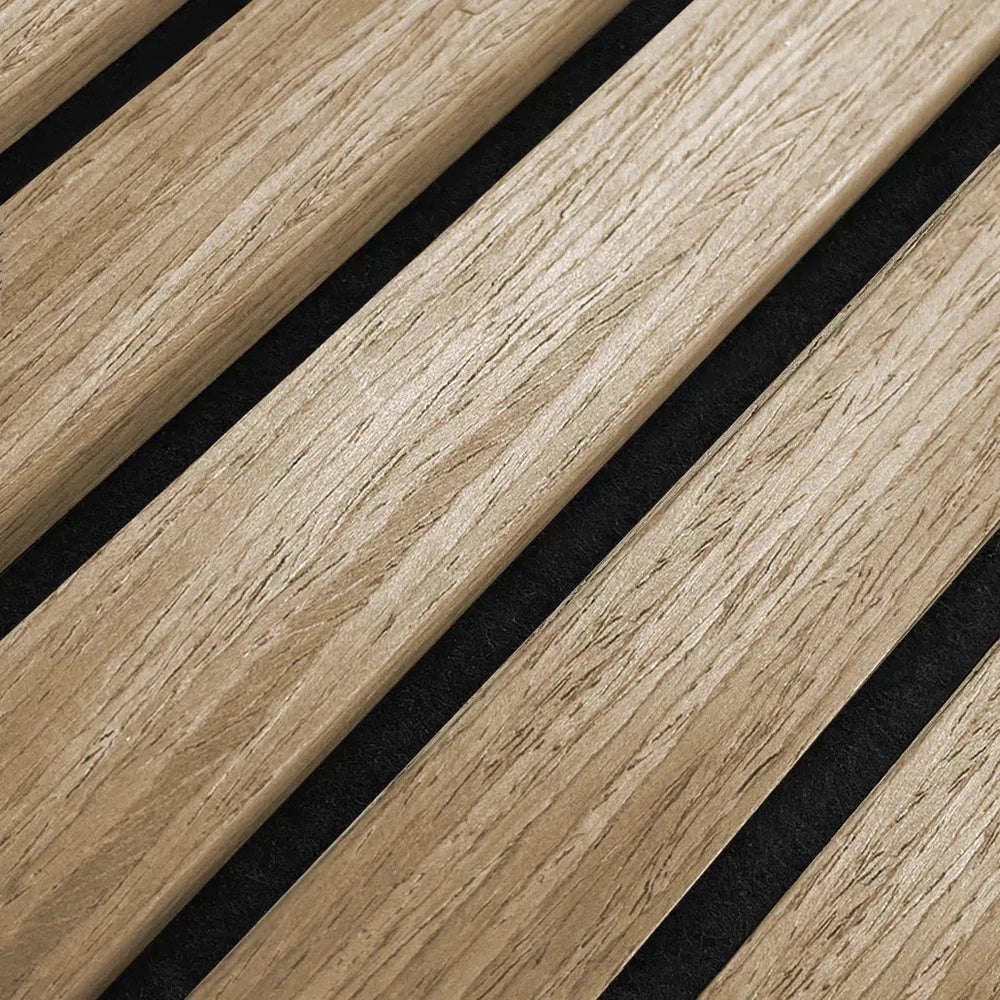
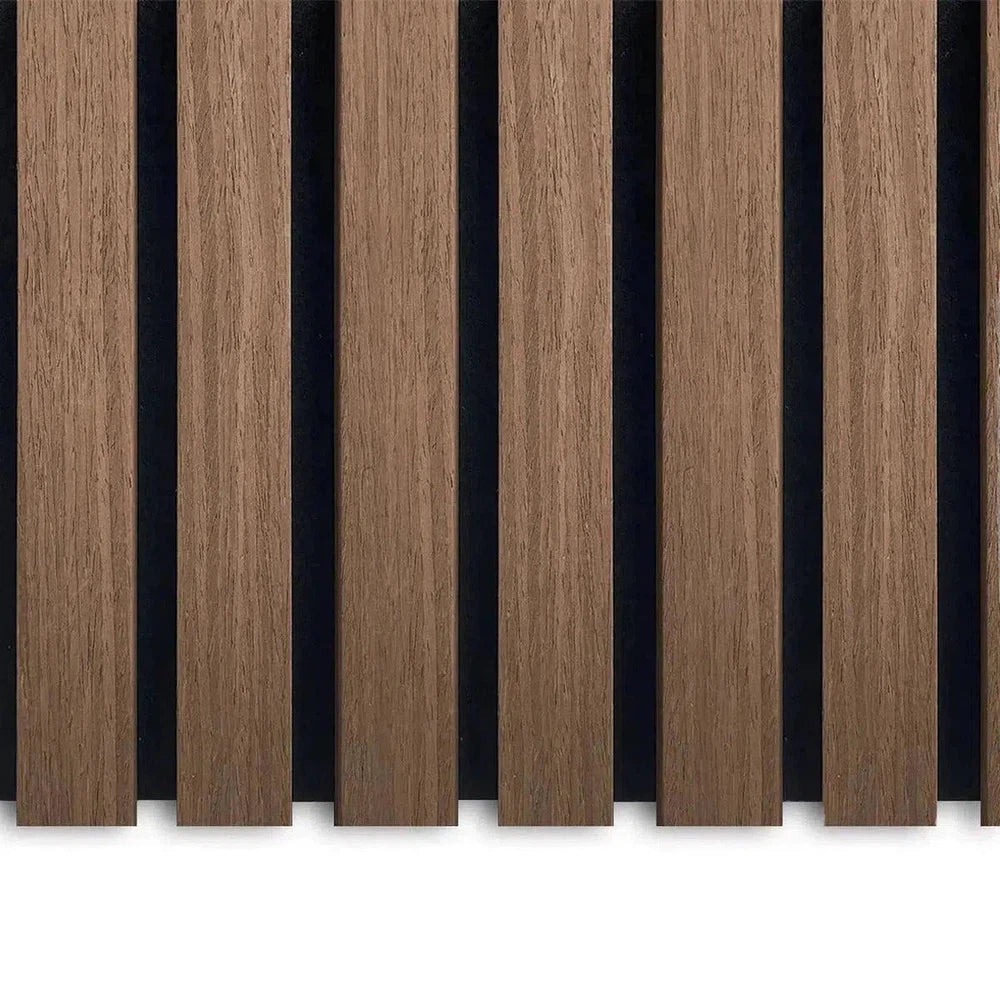
Akustiq UK supplies acoustic wood panels for interior applications. Its indoor slat panels combine a real wood veneer finish with acoustic felt backing, so they fit a brief that calls for both a visible wood surface and help with room reflections. That is the clearest choice here for a living room, bedroom or office where a plain painted panel would not meet the design brief.
The indoor range includes 240 cm and 300 cm formats and multiple wood finishes. Measure the wall before choosing between them: the useful distinction is how each format fits your wall height and planned layout, not an assumed difference in acoustic performance. Check the individual product information for any performance figure you need to specify.
Where Akustiq UK shines
- Wood and felt in one panel. The indoor slat range pairs a real wood veneer finish with felt backing.
- Finish choice. Listed options include natural oak, smoked oak, black oak and walnut, giving you different directions for the same type of wall treatment.
- Format choice. The 240 cm and 300 cm formats let you plan around the wall rather than selecting a finish first and hoping it fits.
- A separate exterior range. Exterior cladding is available, but it should be considered as its own product category, not as an outdoor use for an indoor acoustic panel.
Where Akustiq UK falls short
- A wood-slat finish is the wrong visual choice if you want a smooth painted wall or exposed felt.
- Felt-backed decorative panels are not a substitute for a tested wall assembly when the brief is to limit sound transfer between rooms.
- The available information does not establish an acoustic rating for every slat panel. If your project requires a stated rating, check the exact product rather than assuming one figure covers the range.
Best for: An indoor feature wall where you want a wood finish and acoustic backing. Verdict: Choose for that combined brief; choose a different panel type when either element is unnecessary.
| Decision point | Akustiq UK acoustic slat panels | Panel Company |
|---|---|---|
| Known construction from the information here | Real wood veneer finish with acoustic felt backing | Check the specific product |
| Listed indoor formats | 240 cm and 300 cm | Check the specific product |
| Exterior use | Separate exterior cladding range | Check the specific product |
| Acoustic figures for your shortlist | Check the exact panel | Check the exact panel |
The table is deliberately narrow. It does not claim that Panel Company lacks any of these features; no Panel Company product specification is supplied here. The actionable comparison is to put the actual listings side by side and confirm which claims apply to each item.
A smaller feature area is another design route. The listed hexagon acoustic panels use a different shape from a full-height slat wall. One Grey Walnut with Grey Felt hexagon product description states an NRC rating of 0.75; that figure belongs to that listed product, not to every hexagon, slat panel or finished room.


2. Felt-only acoustic panels: best for a sound-treatment-first brief
Choose this category when the visible wood finish is not part of your brief. A felt-only acoustic panel can put an absorptive surface on the wall without introducing wood slats. In a meeting room or home office, that can be the more direct design decision if the existing wall finish already works.
The limitation is visual: exposed felt will not give you the same wood feature wall. Performance also belongs to the particular product and installation, so ask for its stated acoustic information instead of assuming every felt panel behaves alike.
Where felt-only panels shine
- They keep the specification focused on an absorptive wall surface rather than a wood finish.
- They offer a visibly different treatment where slats would compete with the rest of the room.
- They let you assess acoustic information without treating wood veneer as a requirement.
Where felt-only panels fall short
- They do not provide the real wood veneer finish in this comparison.
- Their appearance and acoustic information vary by product; the category name is not a specification.
Best for: A room where sound treatment matters and a wood-slat feature does not. Verdict: Choose only after checking the shortlisted panel’s stated performance and installation requirements.
| Decision point | Felt-only acoustic panels | Panel Company |
|---|---|---|
| Visible surface | Felt | Check the specific product |
| Wood-slat appearance | Not the purpose of this category | Check the specific product |
| Acoustic information | Check the selected panel | Check the selected panel |
Do not mistake a felt backing for a felt-only face. Both descriptions contain the word felt, but they produce different visible walls. If the appearance matters, ask for a sample or inspect the exact finish before committing to a room-wide installation.
3. Plain decorative MDF panelling: best for a painted feature wall
Plain decorative MDF panelling belongs on the shortlist when your goal is a painted wall design, not acoustic treatment. It can suit a bedroom or hallway where the main decision is the panel pattern and final painted finish. It is not a like-for-like replacement for a felt-backed acoustic slat panel.
If echo is the problem, a decorative MDF face alone does not establish a sound-absorption benefit. Keep the acoustic requirement in your brief and look for product-level evidence before treating any decorative panel as the solution.
Where decorative MDF shines
- A paintable surface puts colour and wall pattern at the centre of the project.
- It avoids adding a wood-slat appearance when that would be out of place.
Where decorative MDF falls short
- Plain decorative panelling does not come with an acoustic claim simply because it covers a wall.
- It will not give you the visible real wood veneer and felt-backed construction of the indoor slat option above.
Best for: A finish-led wall project with no stated acoustic target. Verdict: Choose for decoration; skip it as an unsupported answer to echo.
| Decision point | Plain decorative MDF | Panel Company |
|---|---|---|
| Main purpose | Decorative wall finish | Check the specific product |
| Painted appearance | Suitable for a paint-led brief | Check the specific product |
| Acoustic claim | Do not assume one | Check the specific product |
Why people switch from Panel Company
The supported reason to consider a different supplier is product fit, not a claim about Panel Company’s service or catalogue. If you have found a listed real wood veneer and felt-backed panel that meets your indoor design brief, compare it with the exact Panel Company item you were considering. If your brief is simply for a painted wall, compare decorative products instead.
Use this short checklist for a 2026 decision:
- Name the problem. Is it echo inside the room, sound travelling through a wall, a dated surface or an exterior finish? Those are different briefs.
- Check the build. Look for the stated face material, backing and intended location on each product listing.
- Check any acoustic claim. A rating attached to one product is not a rating for a whole range.
- Measure the wall. Compare the stated panel format with the space you intend to cover.
- Keep exterior products separate. Indoor felt-backed panels and exterior cladding should not share a shortlist merely because both are called wall panels.
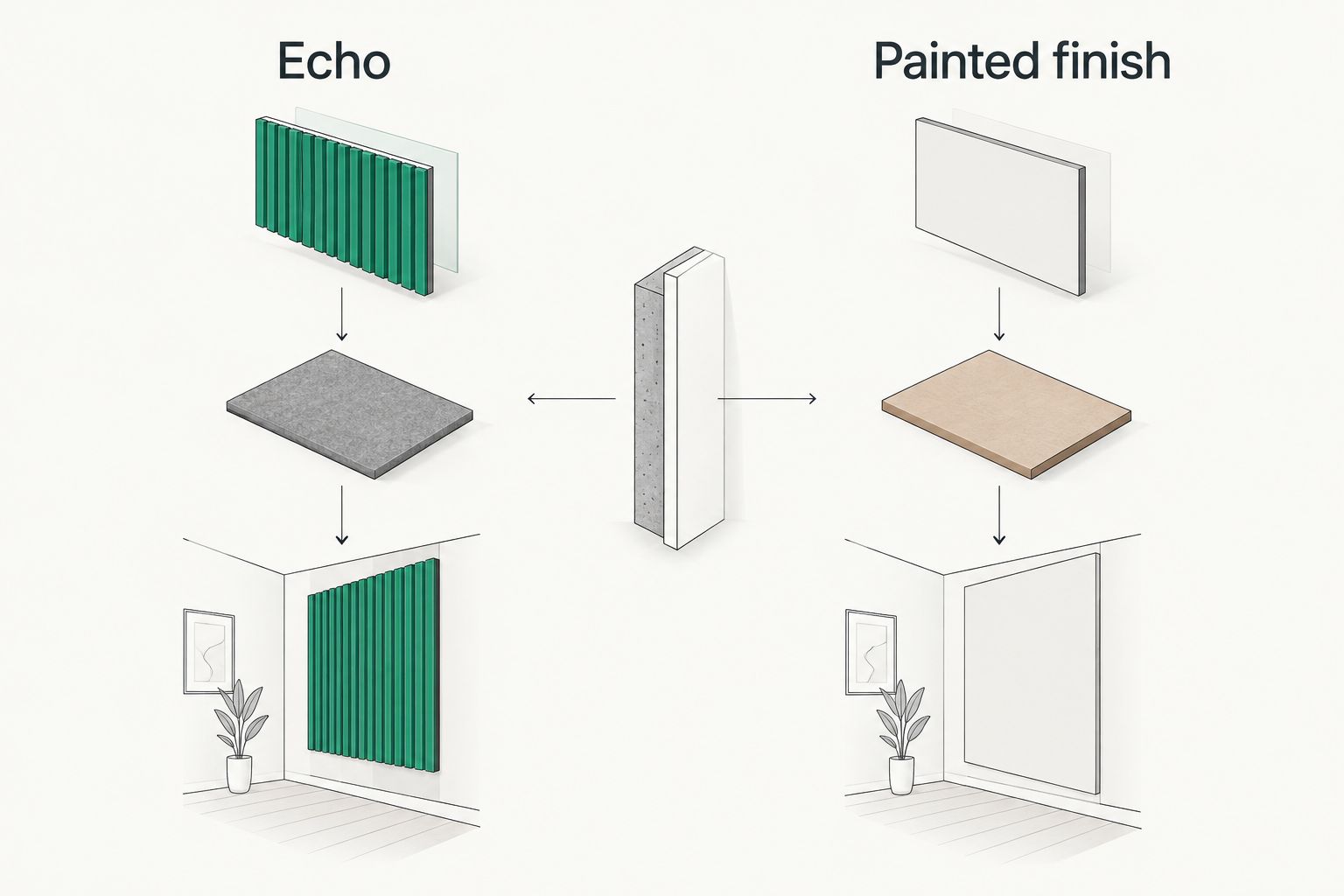
A change of supplier is not a fix for a mismatched brief. A different decorative panel still leaves the acoustic question unanswered; a better-described acoustic panel gives you something specific to evaluate. For construction projects, keep the stated product details with the rest of the material specification.
When staying with Panel Company is the right call
Stay with Panel Company if the specific product you have selected meets your design, material and installation requirements. There is no sound reason to switch merely because another supplier offers a panel with a similar photograph. Compare the actual product descriptions, then choose the one that fits the wall you are building.
That is especially important when acoustic performance is not part of the job. A decorative finish that meets the brief needs no acoustic justification. Equally, an acoustic brief needs more than an attractive image: it needs a product whose stated construction and performance you can assess.
FAQ
What is the best panel company alternative for an acoustic feature wall in 2026?
Akustiq UK is the best choice in this comparison for an indoor wood-veneer slat wall with felt backing. Check the exact panel’s stated acoustic information if your project requires a performance figure.
Is a decorative wall panel the same as an acoustic panel?
No. A decorative wall panel describes a finish, while an acoustic claim must be checked against the specific product. Do not assume a panel absorbs sound because it covers a bare wall.
Are wood slat panels better than felt-only panels?
Wood slat panels are the better fit when you want a visible wood finish alongside acoustic backing. Felt-only panels are the more direct choice when the wood appearance is not part of your brief.
Can acoustic wall panels soundproof a shared wall?
Acoustic wall panels should not be treated as a complete soundproofing system for a shared wall. Reducing reflections inside a room and limiting sound transfer through a wall are different jobs.
What should I compare between Panel Company and another supplier?
Compare the exact products’ stated face material, backing, intended location, format and any acoustic information. A supplier-level comparison cannot establish that two panels have the same construction.
Can I use an indoor felt-backed panel outside?
Do not treat an indoor felt-backed panel as exterior cladding. Select a product identified for exterior use and check its installation requirements.
Which panel format should I choose for a tall wall?
Measure the wall and compare it with the stated panel formats before choosing a layout. The indoor slat range described here includes 240 cm and 300 cm formats; format alone does not establish acoustic performance.
One last thing
In 2026, the fastest way to narrow panel company alternatives is to remove products that solve the wrong problem. Choose the wall’s job before its finish: echo control, decoration and exterior coverage each require a different product comparison. Akustiq UK is the wood-veneer acoustic panel choice here, but the right final pick is the specific panel whose stated details meet your brief.