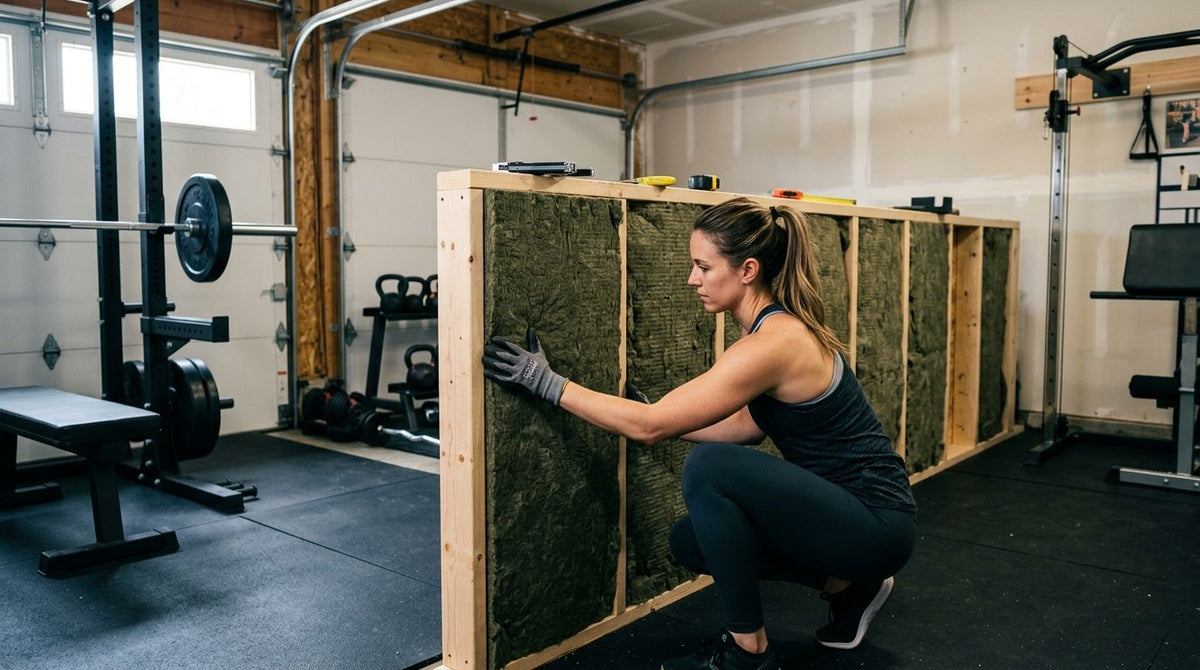
A garage gym conversion needs three separate fixes, not one: acoustic wall panels to absorb the airborne noise from music and breathing, a decoupled floor to stop dropped weights transmitting through the slab, and sealed doors and gaps to stop sound leaking to the rest of the house. Skip any one of the three and the room still sounds like a garage, no matter how many panels go up. The panels handle reflected echo and voice and music frequencies; they do almost nothing against a 40kg dumbbell hitting concrete.
- Soundproofing a garage gym in 2026 means combining rubber flooring, sealed doors, and acoustic wall panels — not panels alone.
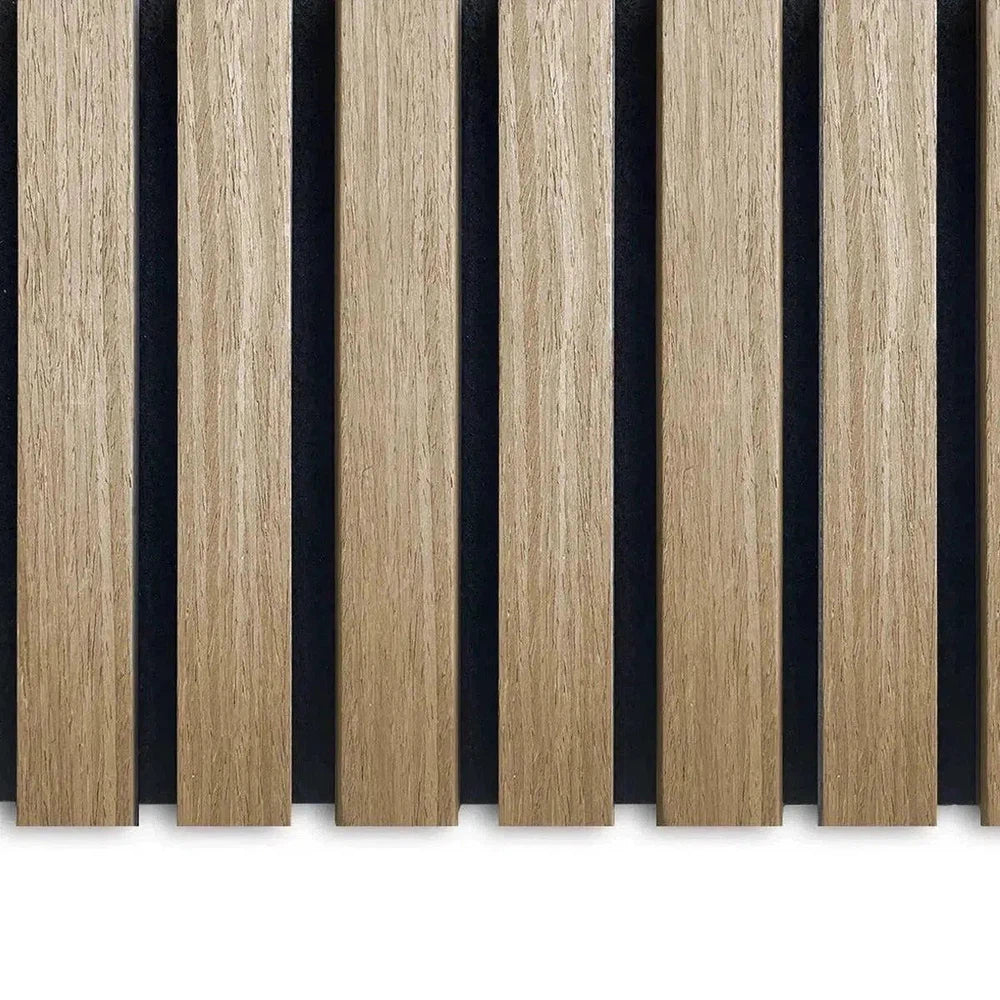
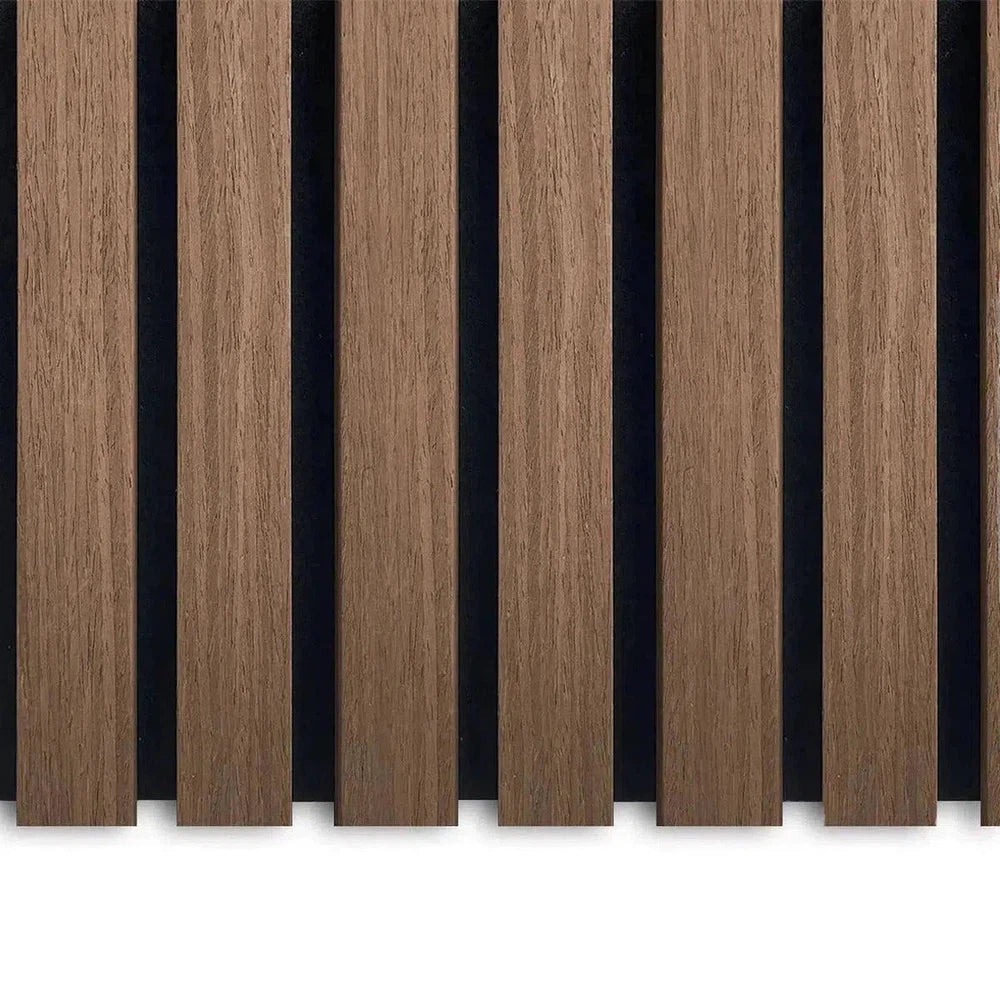
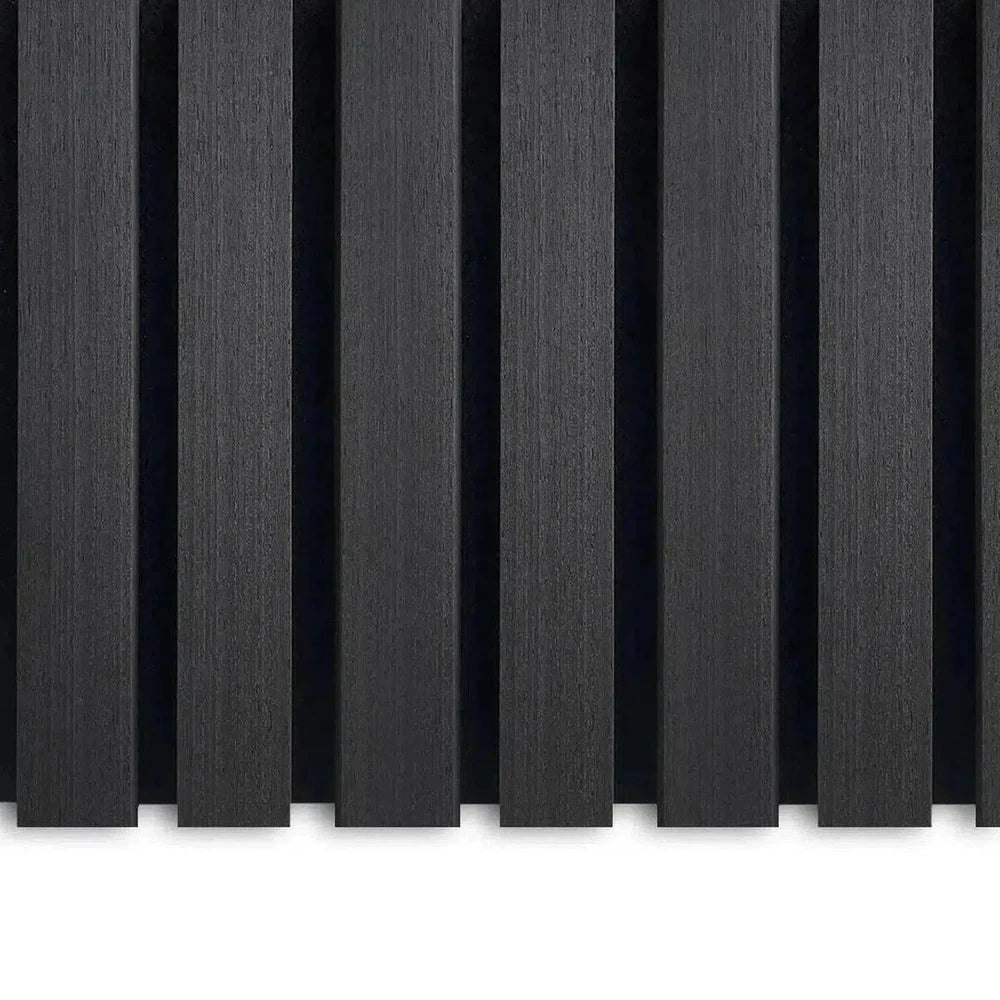
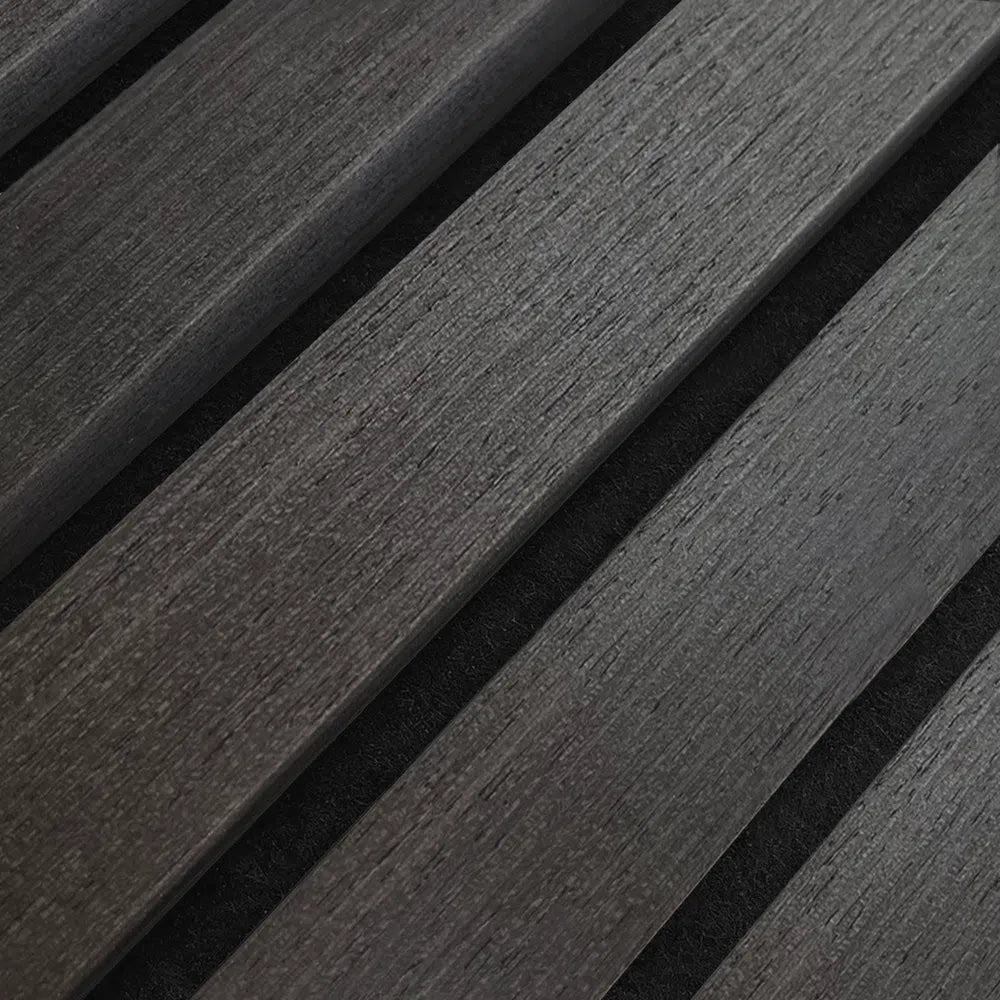
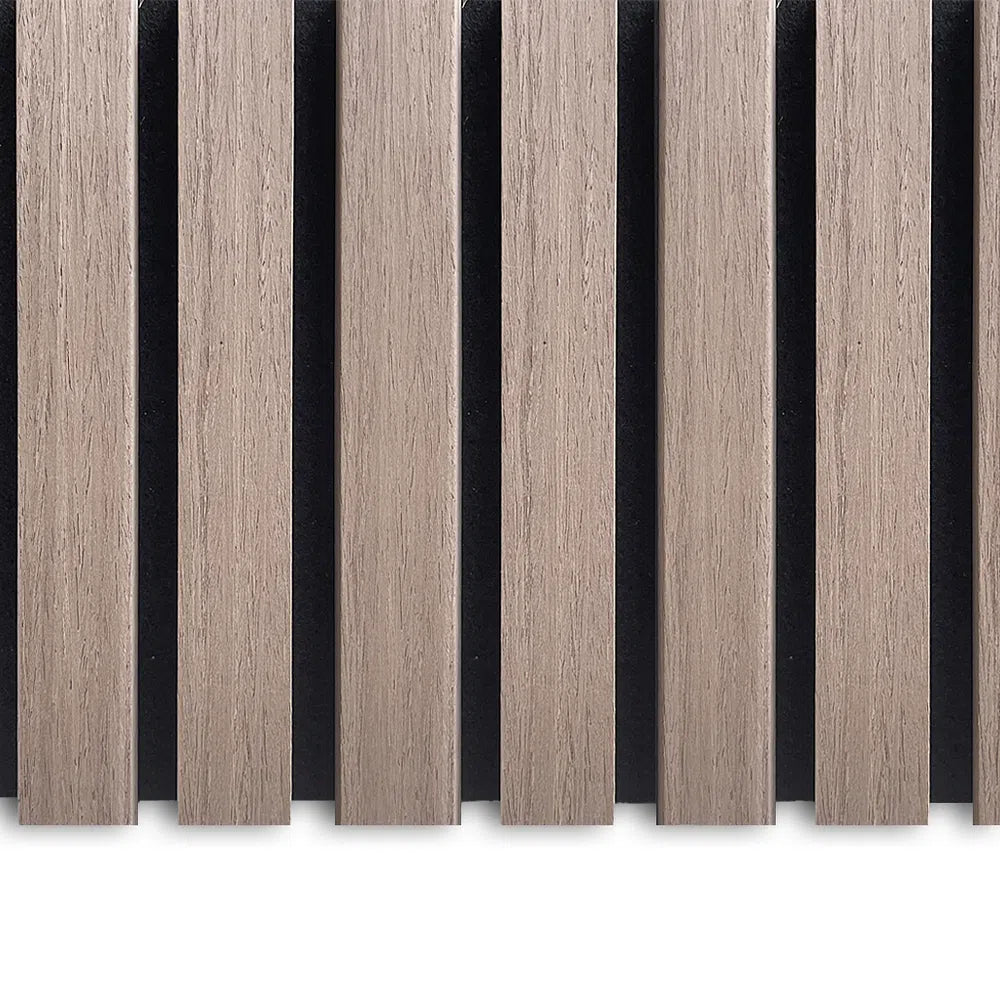
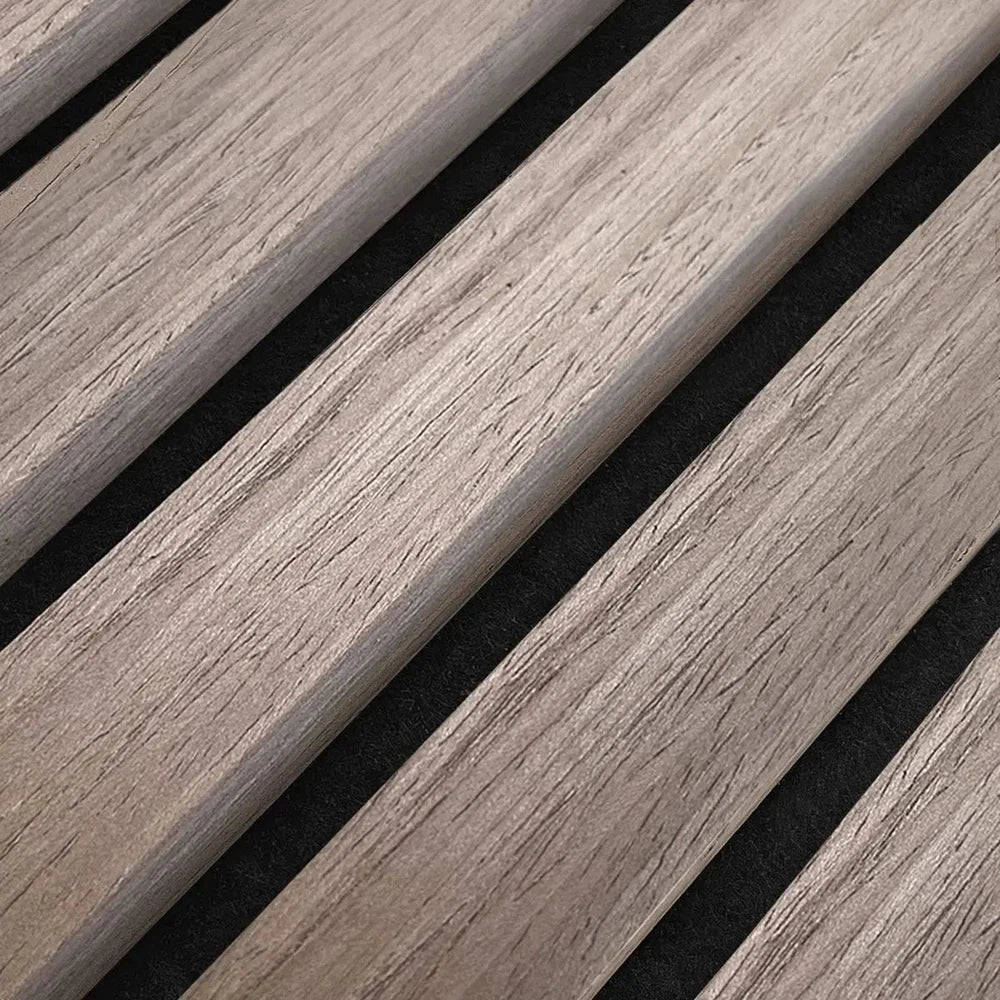
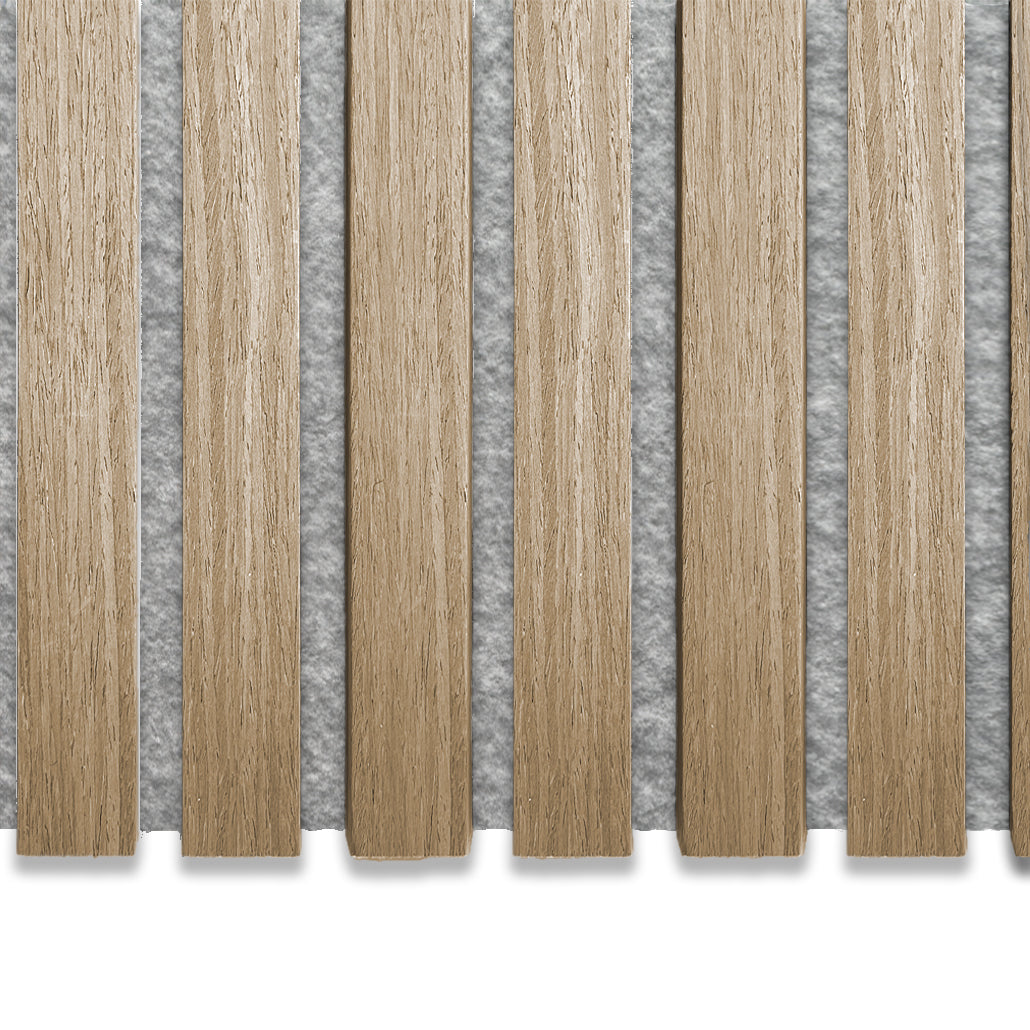
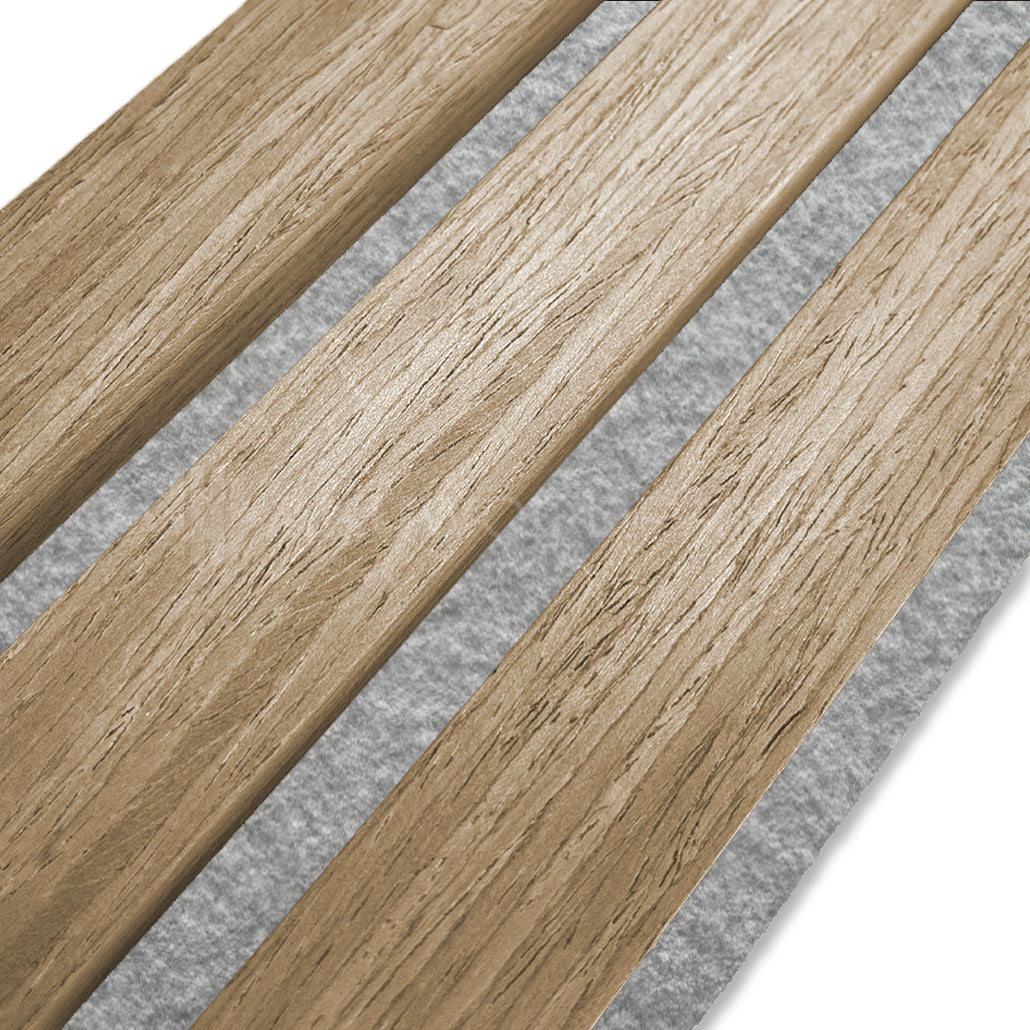
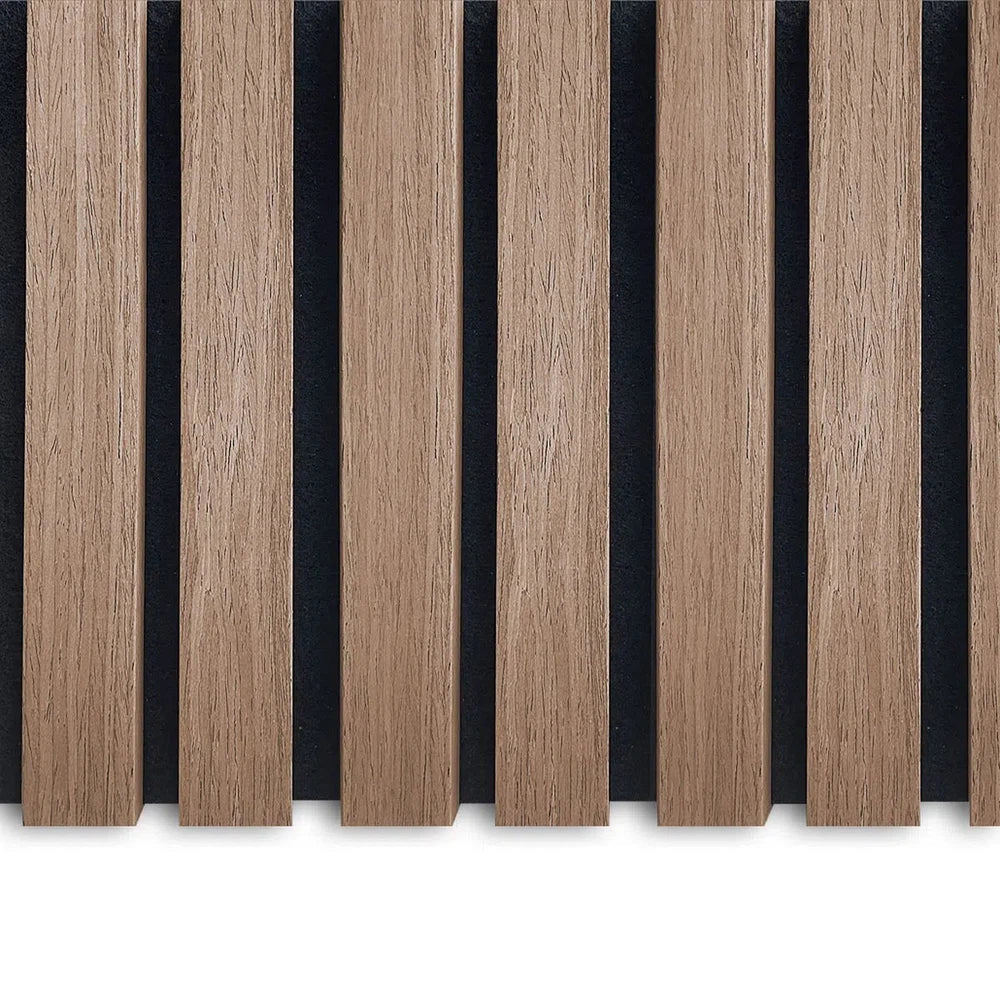
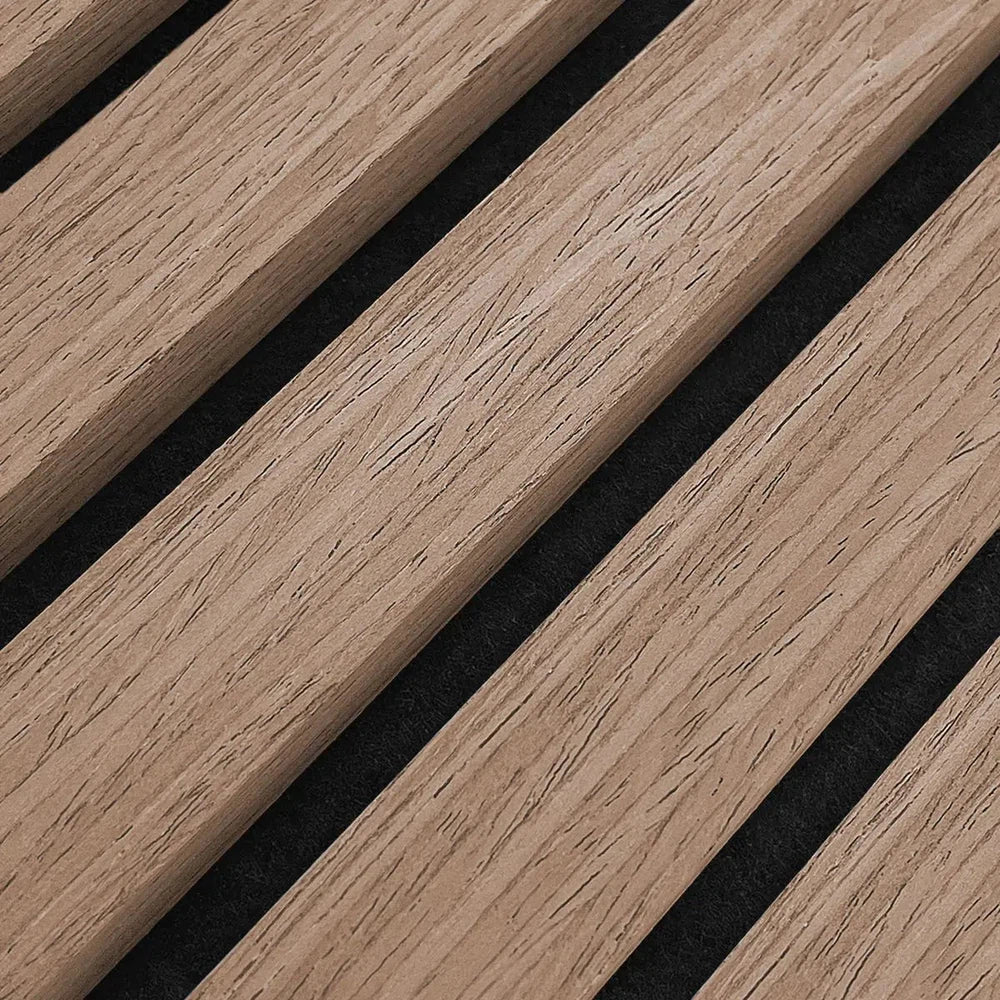
- Akustiq UK acoustic wooden slat wall panels use a felt backing to cut mid-to-high frequency echo from music and voices.
- Panels come in 240 cm and 300 cm formats, so a standard garage wall usually needs one length, not a mix.
- Impact noise from dropped weights needs floor isolation first — wall panels will not stop it on their own.
Why this matters
A garage gym generates two different noise problems and most people only solve one of them. Reflected echo off bare brick or block walls makes music and conversation sound harsh and carries through thin partition walls into the house. Impact noise from barbells, kettlebells and jump rope work travels through the slab and the structure itself, and no amount of wall treatment stops that path. Get the diagnosis wrong in 2026 and you will spend money on wall panels while the actual complaint — a neighbour hearing every deadlift — keeps happening.
How to soundproof a garage gym conversion
Work through the noise sources in this order. Each step tackles a different transmission path, and skipping the order wastes money on the wrong fix first.
- Seal the garage door and any gaps. Weatherstripping and a bottom seal close the biggest single air gap in most garages — sound travels through air gaps far more easily than through solid materials.
- Decouple the floor. Interlocking rubber gym flooring, ideally over an underlay layer, absorbs impact energy from dropped weights before it reaches the slab.
- Treat the walls for echo. Acoustic wood panels for gyms with a felt backing absorb reflected sound so music and voices stop bouncing wall to wall.
- Address the ceiling if the room is open to a loft or attic space above. A hard ceiling reflects sound back down just as much as a bare wall does.
- Check the shared wall with the house. If the garage backs onto a bedroom or living room, that wall needs the same panel treatment as the main gym walls, not less.
Wall panels: closing the airborne noise gap
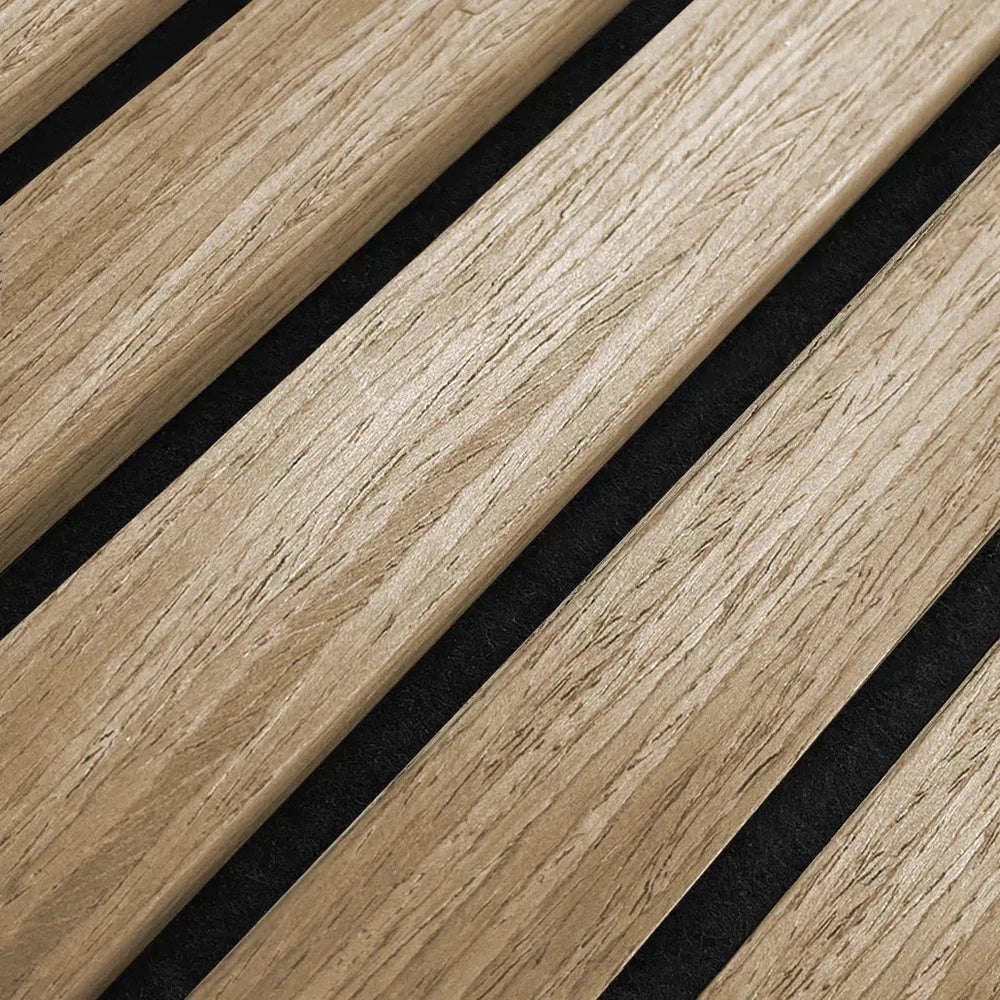
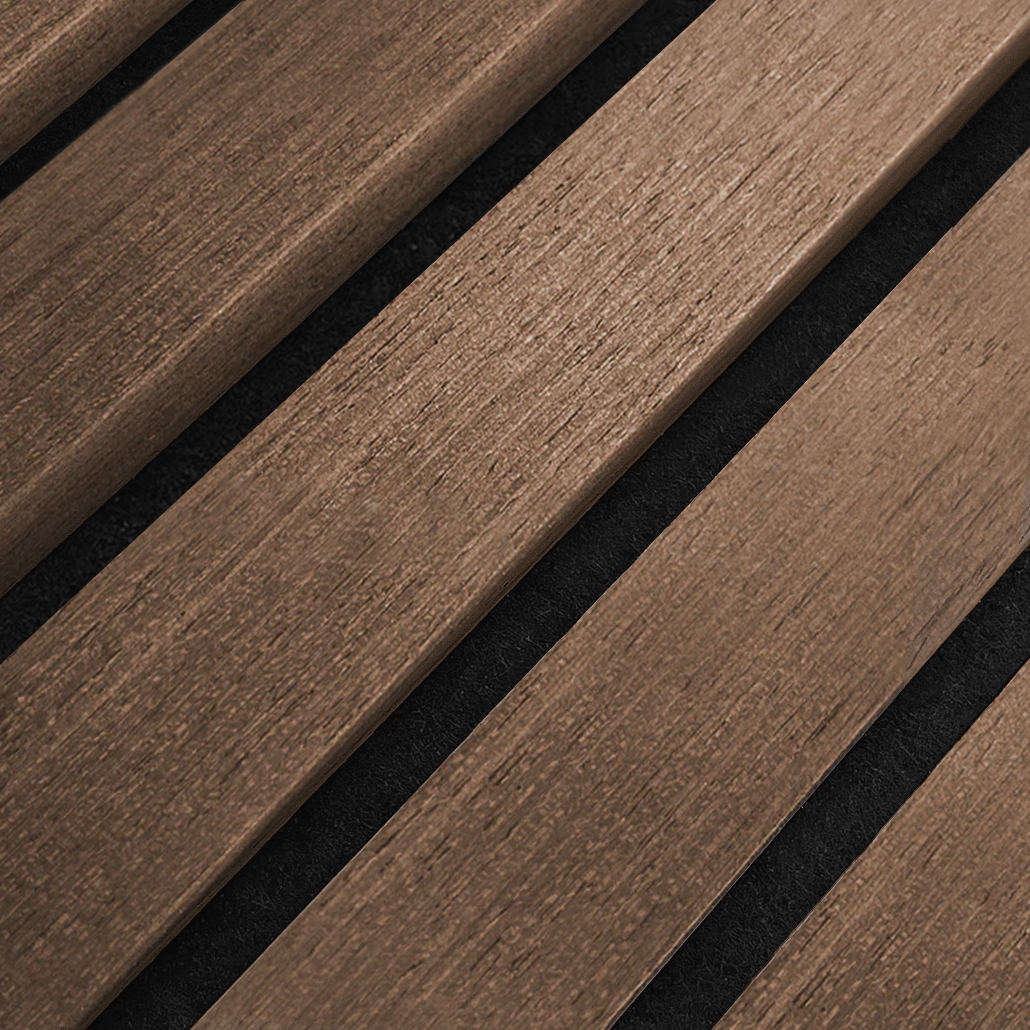
Acoustic wall panels are the step most garage gym conversions get wrong by skipping, or by choosing the wrong finish. A panel with a 3-sided real wood veneer finish and acoustic felt backing does two jobs at once: it absorbs reflected sound and it covers up bare block or stud walls that otherwise look unfinished.
For a single garage bay, the hexagon acoustic panel in walnut works well on a feature wall behind a rack or bench, while a full-wall run typically uses the standard slat format in either the 240 cm or 300 cm size. Pick the format that matches your ceiling height so you are not cutting panels down and wasting material. Verdict: best for the wall directly behind equipment and the wall shared with living space — buy.
| Treatment | What it fixes | Best for |
|---|---|---|
| Rubber gym flooring | Impact noise from dropped weights | Every garage gym, non-negotiable |
| Acoustic wood slat panels | Reflected echo, voice and music clarity | Shared walls, feature walls behind equipment |
| Door seals and weatherstripping | Air gap sound leakage | Garages with an internal door to the house |
| Ceiling treatment | Sound transfer to rooms above | Garages under a loft or bedroom |
Floor and door: the leaks panels cannot fix
Wall panels absorb airborne sound. They do not stop a barbell hitting the floor from being heard two rooms away — that is a structure-borne noise problem and it needs mass and decoupling at the floor, not the wall. Rubber flooring over a foam or cork underlay breaks the direct path from weight plate to slab to house structure. Skip this step and even a fully panelled garage gym still thumps through the house every time someone racks a set.
Once the floor is handled, adhesive choice matters more than people expect. A high tack panel glue holds slat panels flat against block or stud walls without the panel drumming loose over time. A panel rattling slightly against the wall adds noise rather than removing it.
Why garage gym noise varies
- Wall construction — solid block reflects and transmits sound differently than a timber stud wall with plasterboard.
- Equipment type — dumbbells and barbells generate sharp impact noise; a stationary bike or rower is mostly airborne motor and breathing noise.
- Garage size — a smaller single garage has less air volume to absorb reflections, so echo feels worse with identical equipment.
- Shared structure — an integral garage attached to the house transmits noise far more than a detached garage.
- Existing lining — an uninsulated garage with bare block walls needs more acoustic treatment than one already lined with plasterboard.
- Time of use — early morning or late evening sessions make the same noise level far more disruptive to neighbours or housemates.
Plan your garage gym wall panels
Browse acoustic wood panel finishes and sizes for garage conversions.
Do acoustic panels stop bass and drop noise?
Acoustic wood slat panels absorb mid-to-high frequency sound — voices, music, general echo — better than they absorb low bass frequencies or sharp impact thuds. For deep bass from music or the heavy thud of a dropped barbell, floor decoupling and mass do more work than wall panels alone in a 2026 garage conversion.
Is foam or wood panelling better for a garage gym?
Wood slat panels with a felt backing beat basic foam on durability and finish in a garage gym, since they tolerate knocks, dust and humidity better than exposed foam and double as a finished wall surface. Foam alone also lacks the wood veneer resistance to the daily contact a home gym wall takes.
How many panels do I need for a single garage?
Panel count depends on wall height and whether you are panelling one feature wall or the full room, and the 240 cm and 300 cm formats change the maths. A taller garage wall suits the 300 cm format with less cutting and fewer visible joins.
FAQ
How do you soundproof a garage gym conversion?
Soundproof a garage gym by decoupling the floor with rubber flooring, sealing the garage door and any air gaps, then treating the walls with acoustic wood panels for echo. Each step handles a different noise path, so all three are needed together.
Will acoustic wall panels stop my neighbours hearing my garage gym?
Acoustic wall panels reduce airborne echo and voice and music noise but will not fully stop impact noise from dropped weights reaching a neighbouring wall. Combine panels with rubber flooring and door seals for the biggest reduction.
What is the best wall finish for a garage gym conversion?
A 3-sided real wood veneer acoustic panel with a felt backing is the best finish for a garage gym in 2026, because it absorbs sound and covers bare block or stud walls in one step. Bare foam tiles absorb sound but do not finish the room.
Do I need to soundproof the garage door too?
Yes, an unsealed garage door is often the single biggest sound leak in a garage gym conversion. Weatherstripping and a bottom seal close that gap before any wall treatment makes a noticeable difference.
Is rubber flooring necessary if I already have wall panels?
Rubber flooring is necessary because wall panels do not stop impact noise from dropped weights travelling through the slab. The two treatments solve different problems and neither replaces the other.
What size acoustic panels work best for a garage wall?
Acoustic wood panels come in 240 cm and 300 cm formats, and matching the format to your ceiling height avoids extra cutting and visible joins. Measure the wall first, then pick the closer size.
Can I panel just one wall instead of the whole garage gym?
Yes, panelling the wall shared with the house or the wall directly behind noisy equipment gives most of the acoustic benefit without panelling every wall. A full room treatment adds further echo reduction but costs more.
One last thing
Most garage gym conversions in 2026 fail on the shared wall, not the outer walls. The wall backing onto a bedroom or living room is the one that generates complaints, and it is the one people panel last if at all. Start there before you touch the rest of the room.