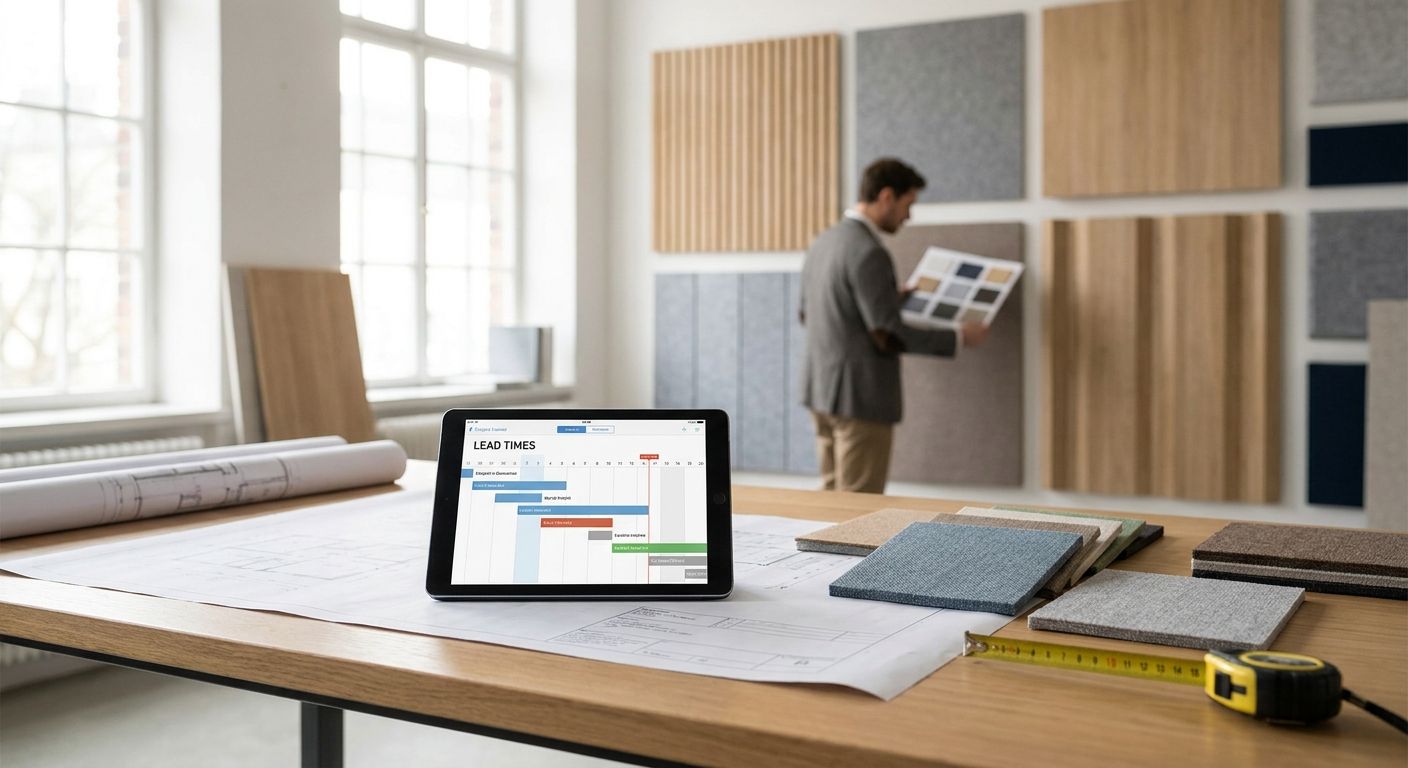
Living above someone means every dropped dumbbell and every burpee landing on a suspended floor becomes their problem too. This guide covers exactly how to cut gym noise in a flat in 2026 — what stops impact noise, what stops airborne echo, and where wall panels actually help.
- Reduce noise from a home gym in an apartment by treating floor impact first, walls second — the two problems need different fixes.
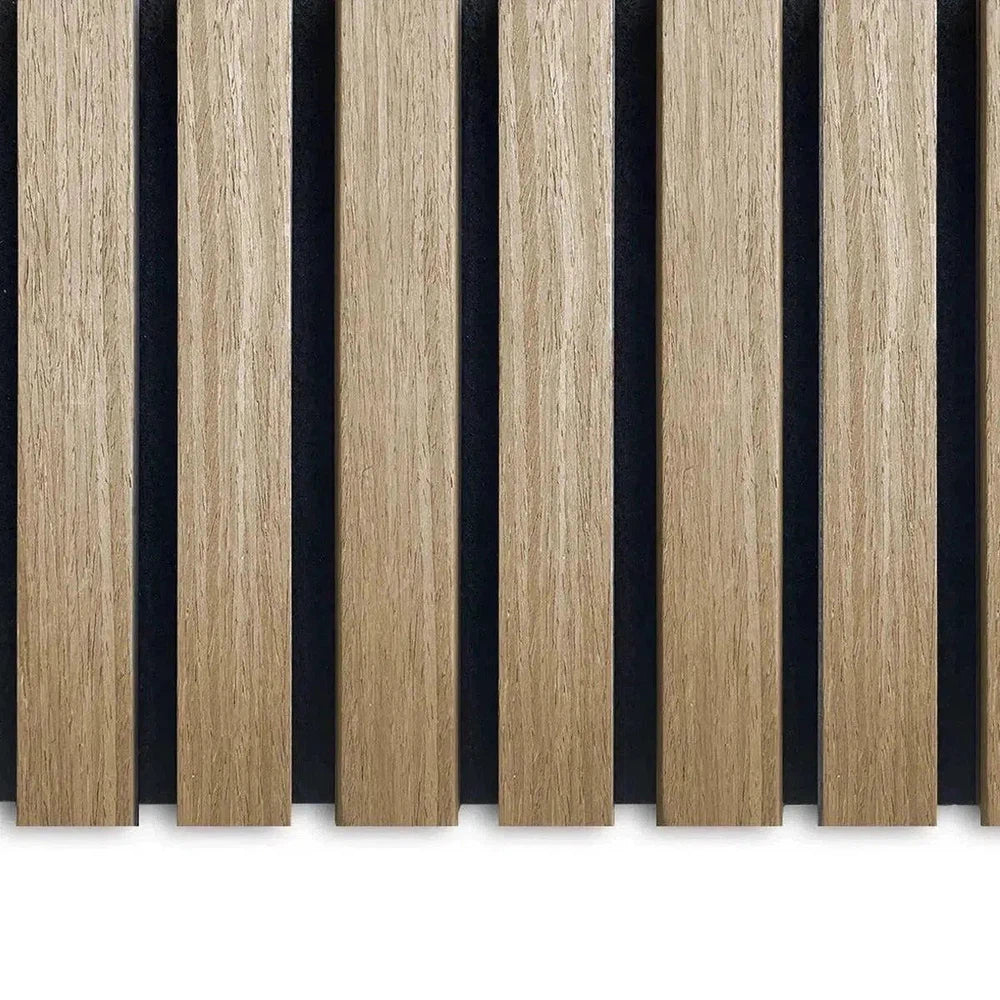
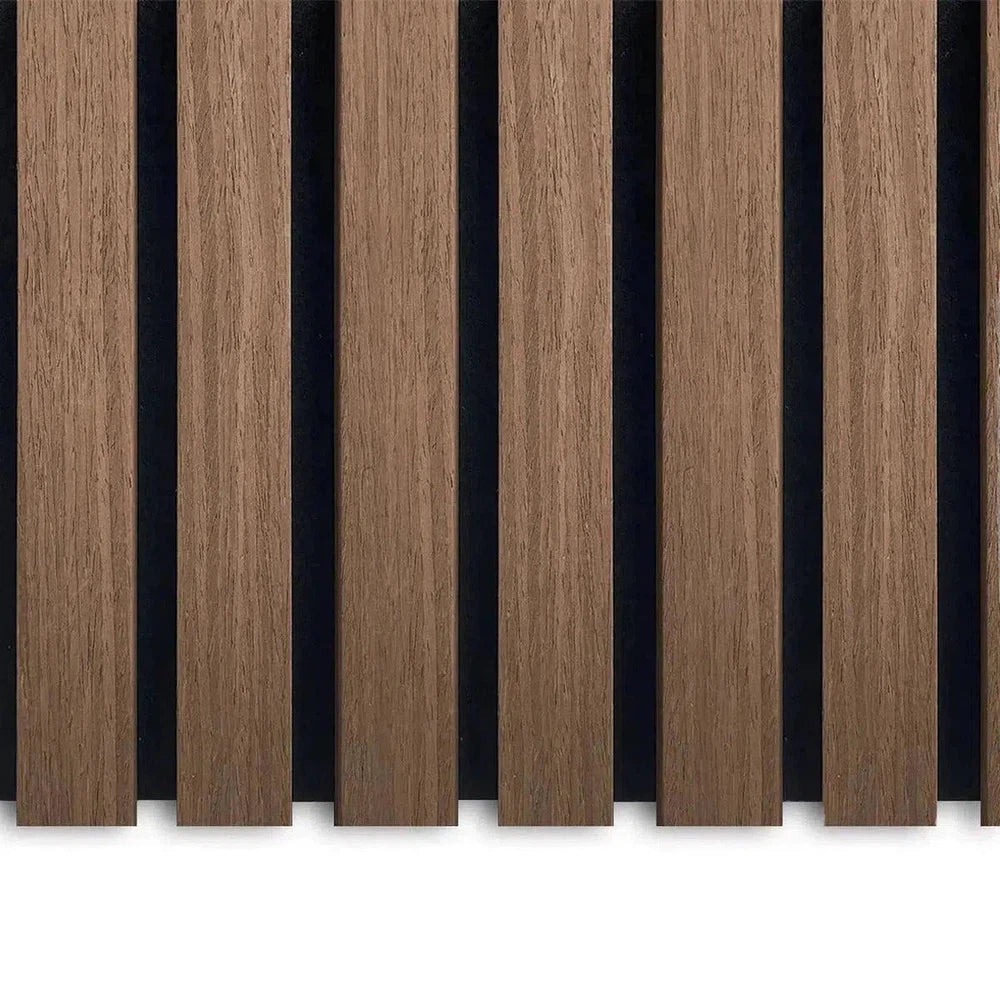
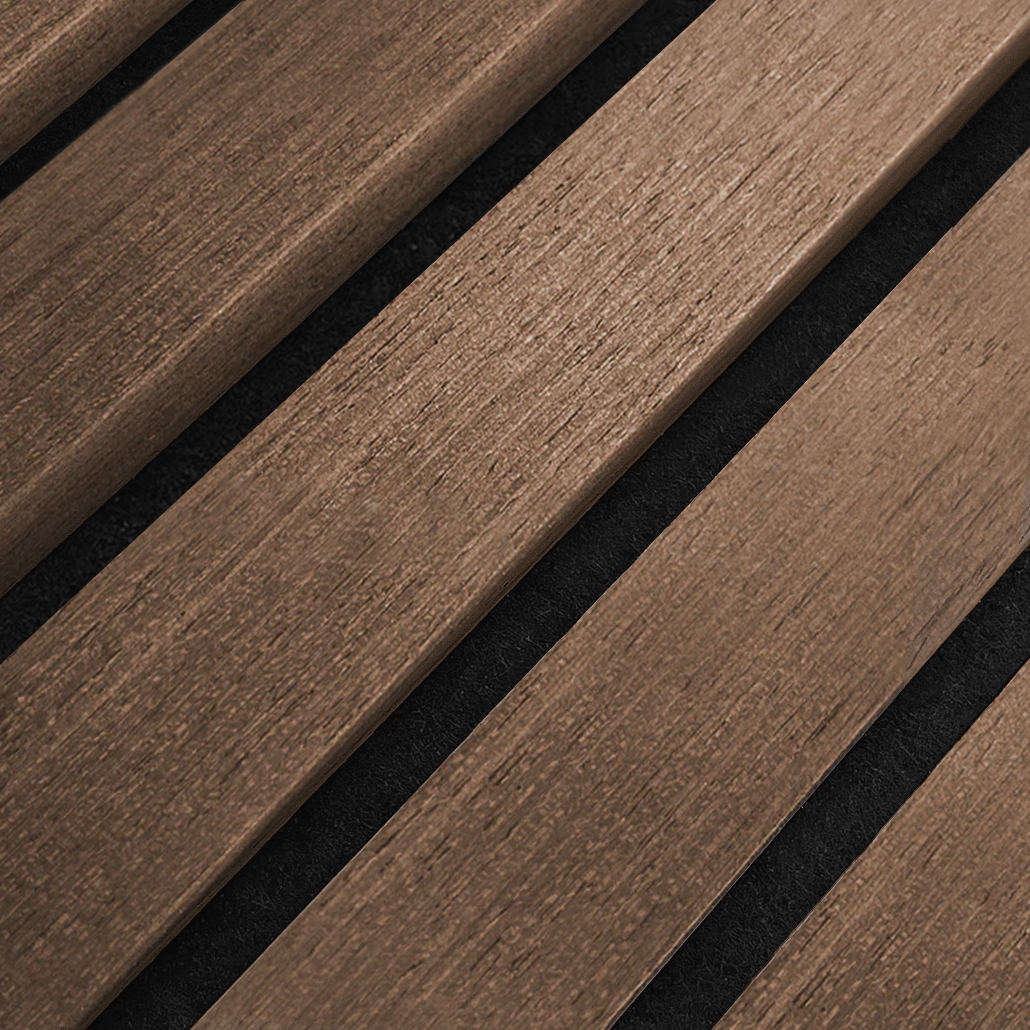
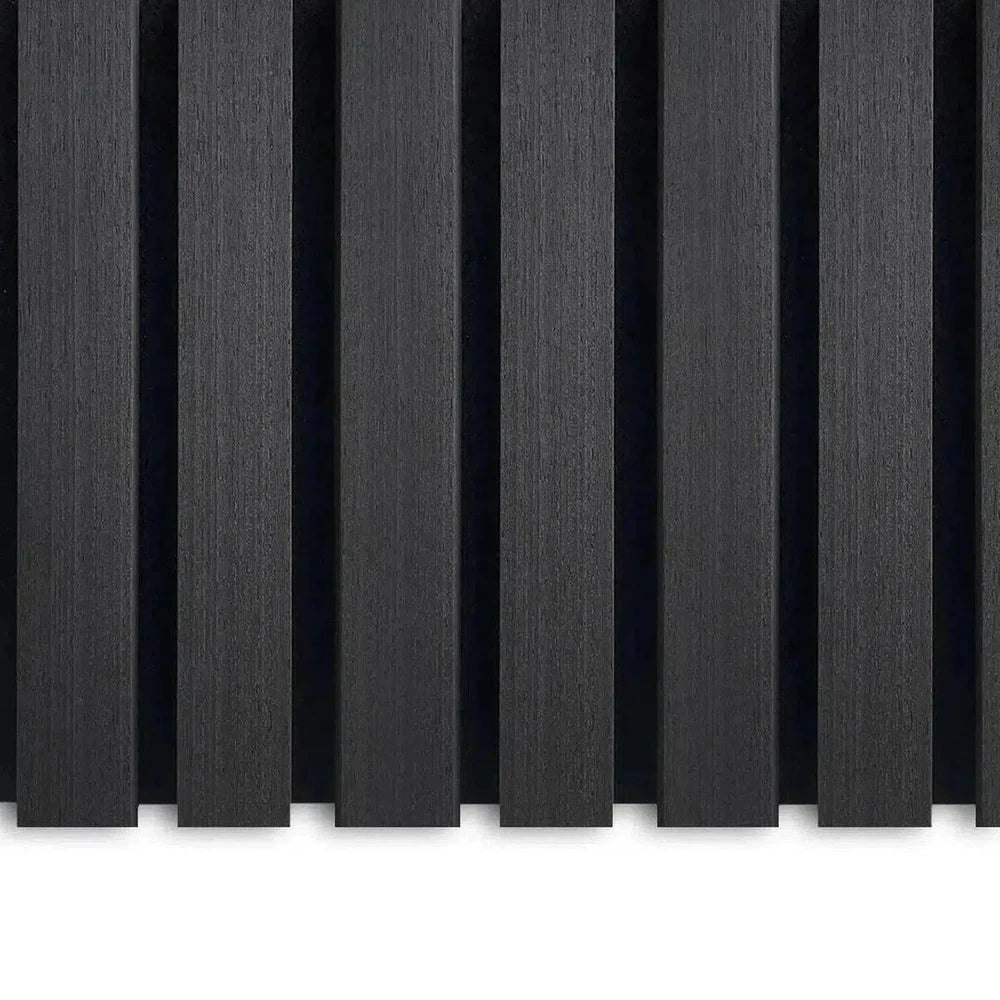
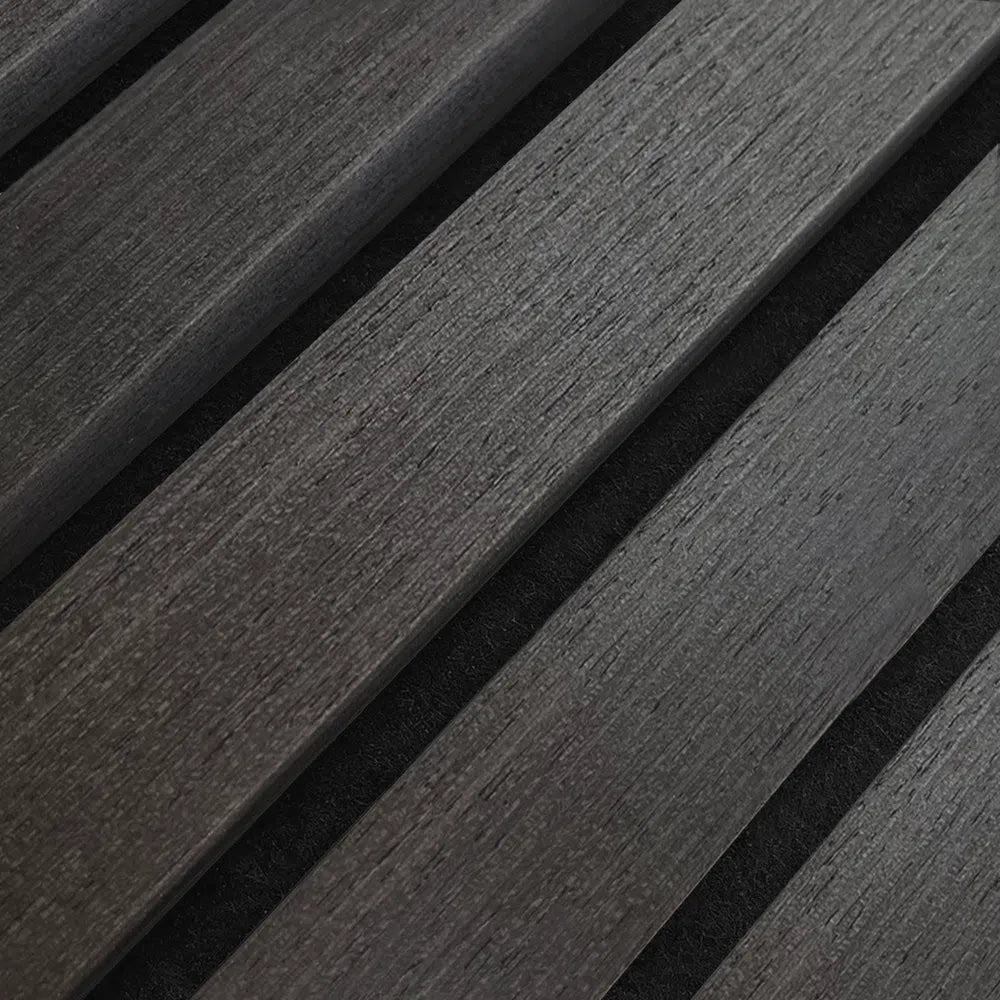
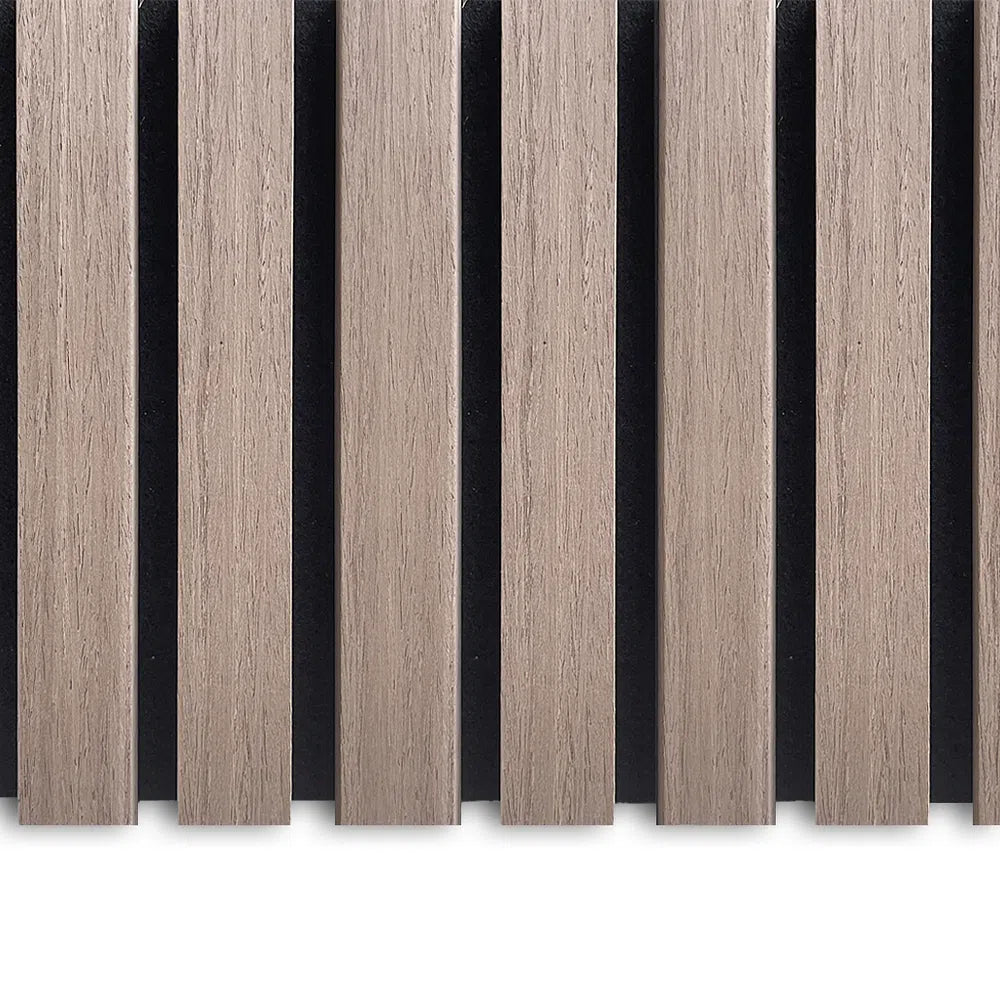
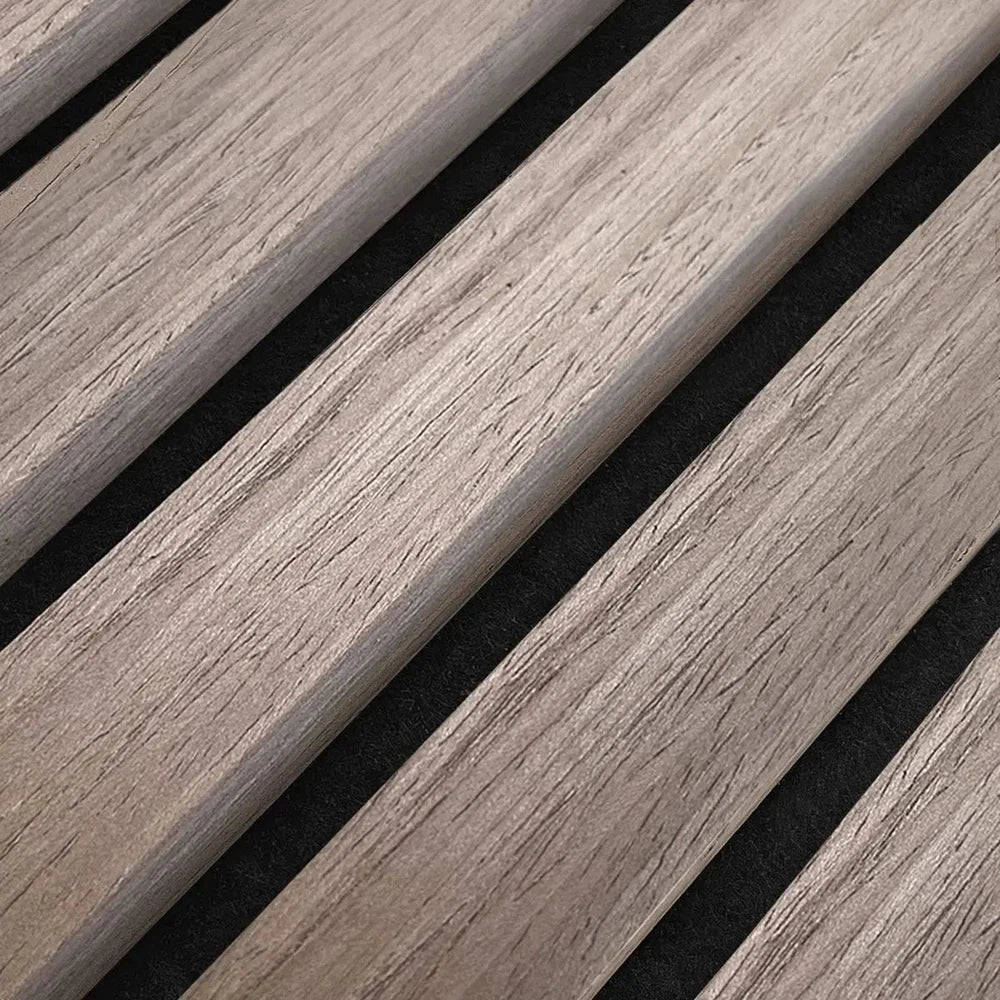
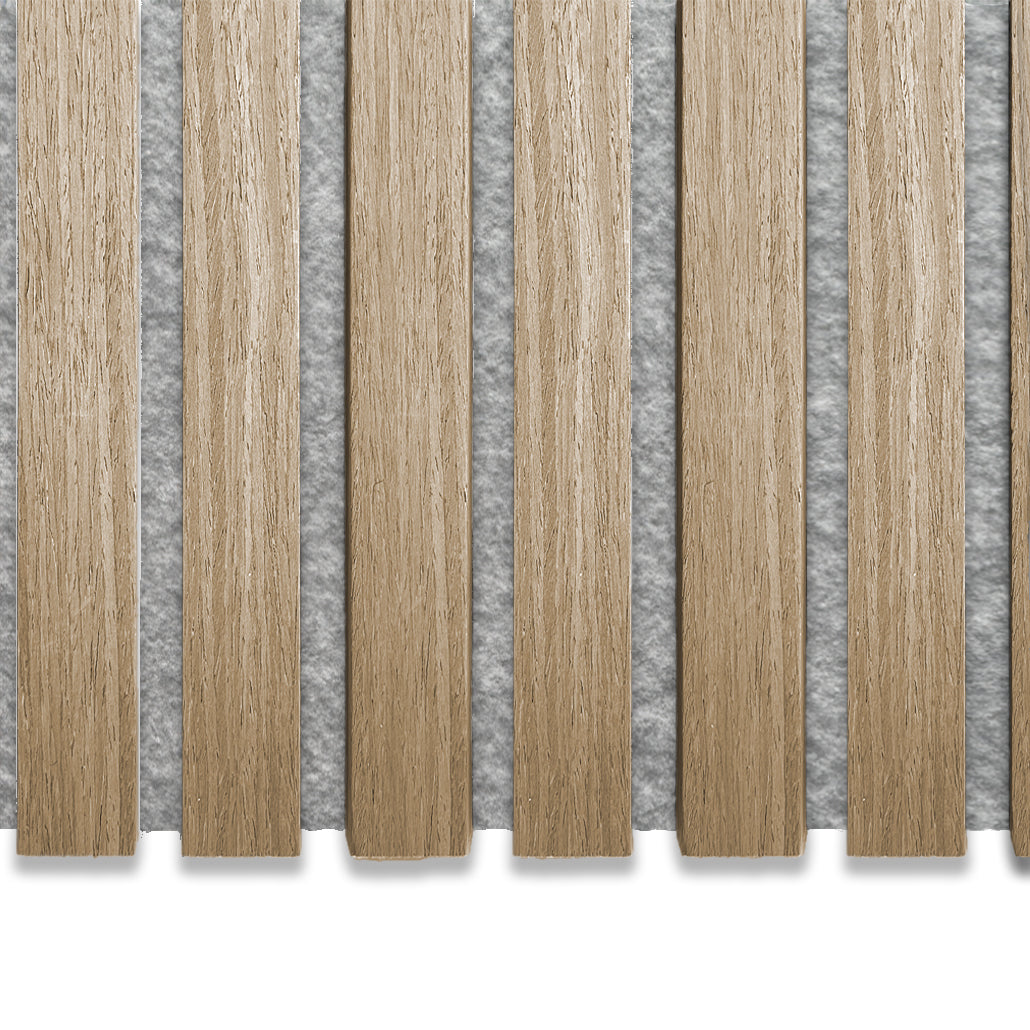
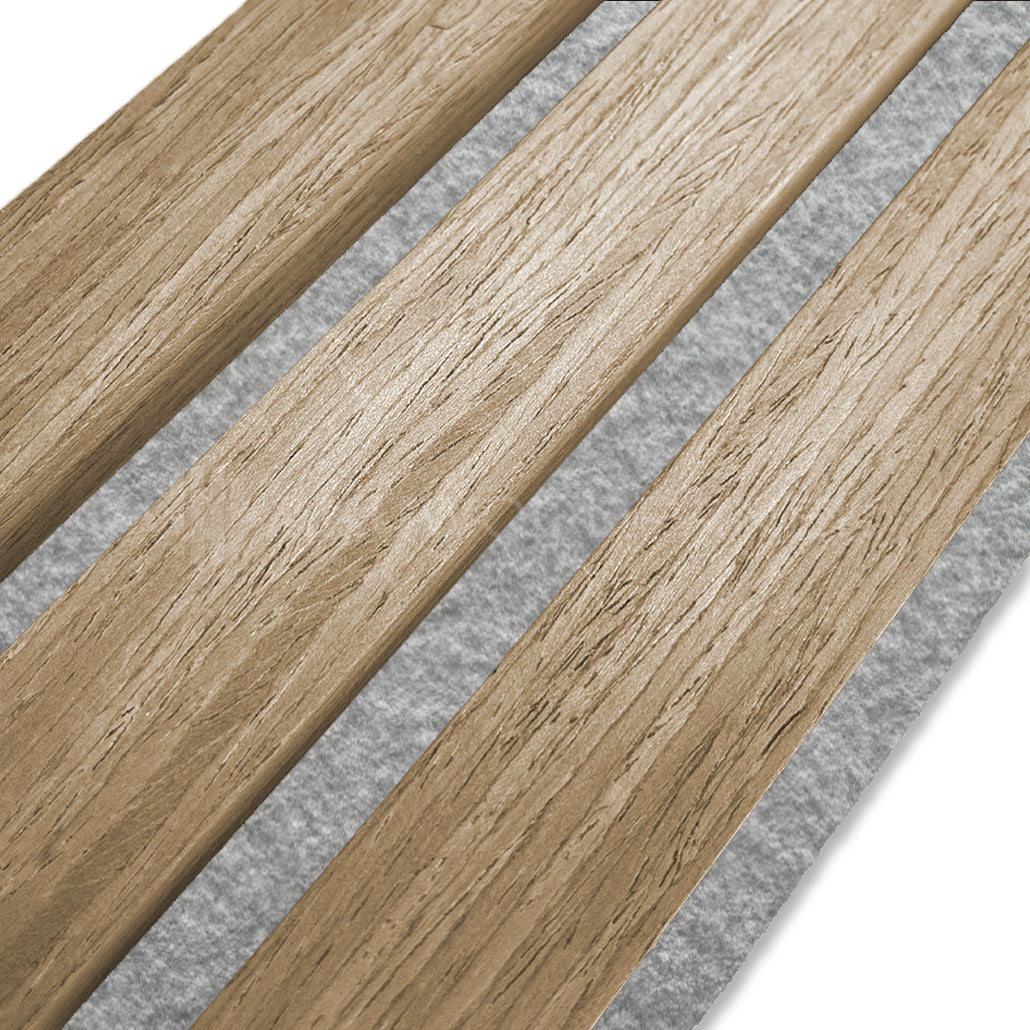
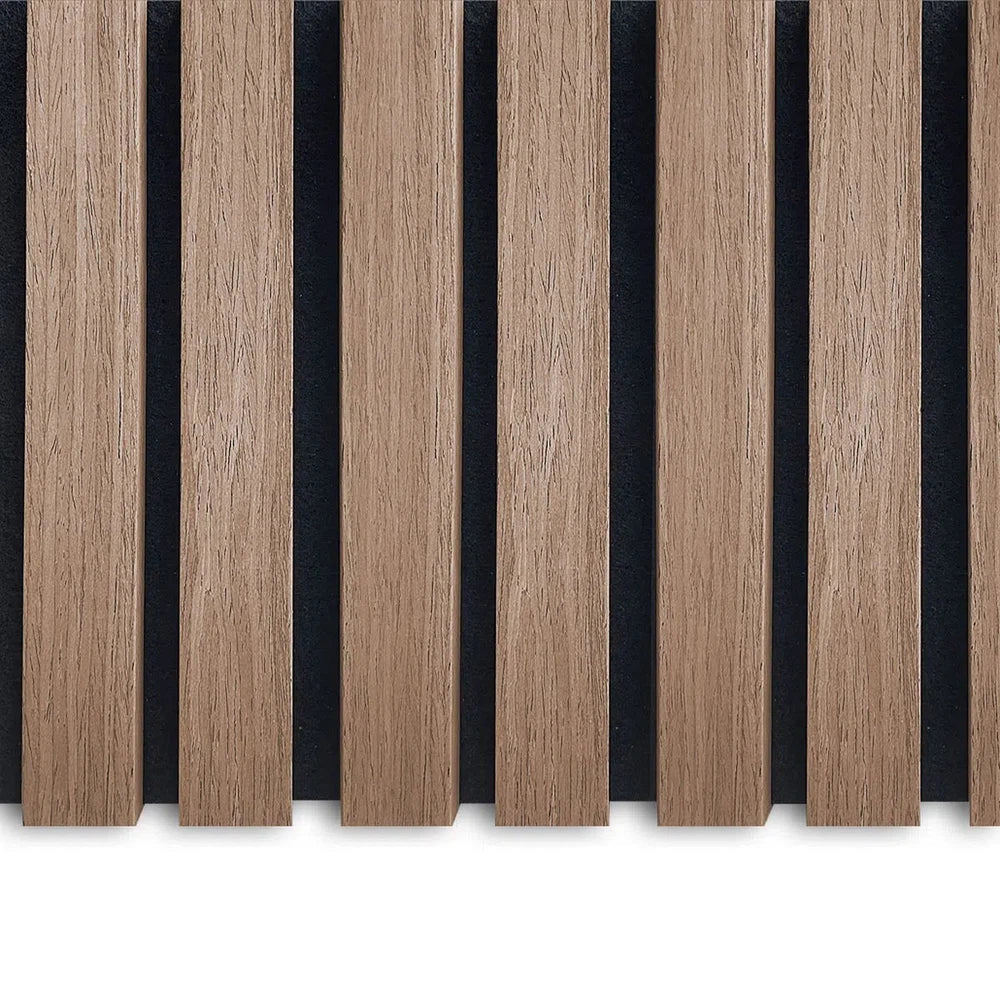
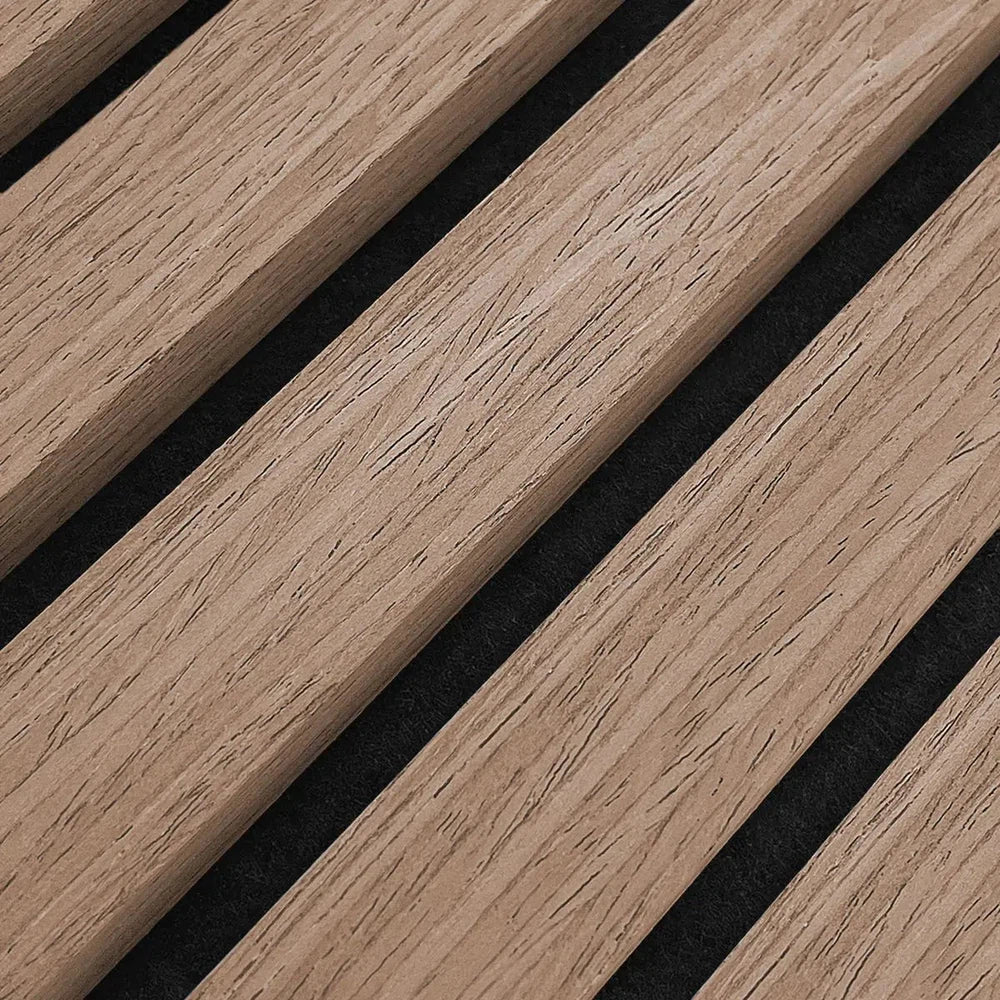
- AKU Woodpanel's Black Oak acoustic wall panel cuts airborne echo and voice noise but will not stop a dropped kettlebell — pair it with rubber flooring. Buy.
- A 12 sq m home gym in 2026 takes a weekend to treat with basic tools and high-tack panel glue.
- Skip foam tiles under 2 cm thick — they do almost nothing at the low frequencies weights and jump rope landings produce.
Why this matters
Most noise complaints from home gyms are impact noise — the thud of a weight plate or a jump squat travelling through the floor slab into the flat below. Wall treatments like acoustic panels do not fix that; they fix airborne noise, the slap of echo off bare plaster that makes your own workout sound louder than it is. Confusing the two is why so many renters buy the wrong product and still get a knock on the door in 2026.
Get this right and you solve two separate problems with two separate fixes, not one. Get it wrong and you spend money on wall panels while the neighbour below still hears every rep.
What you'll need
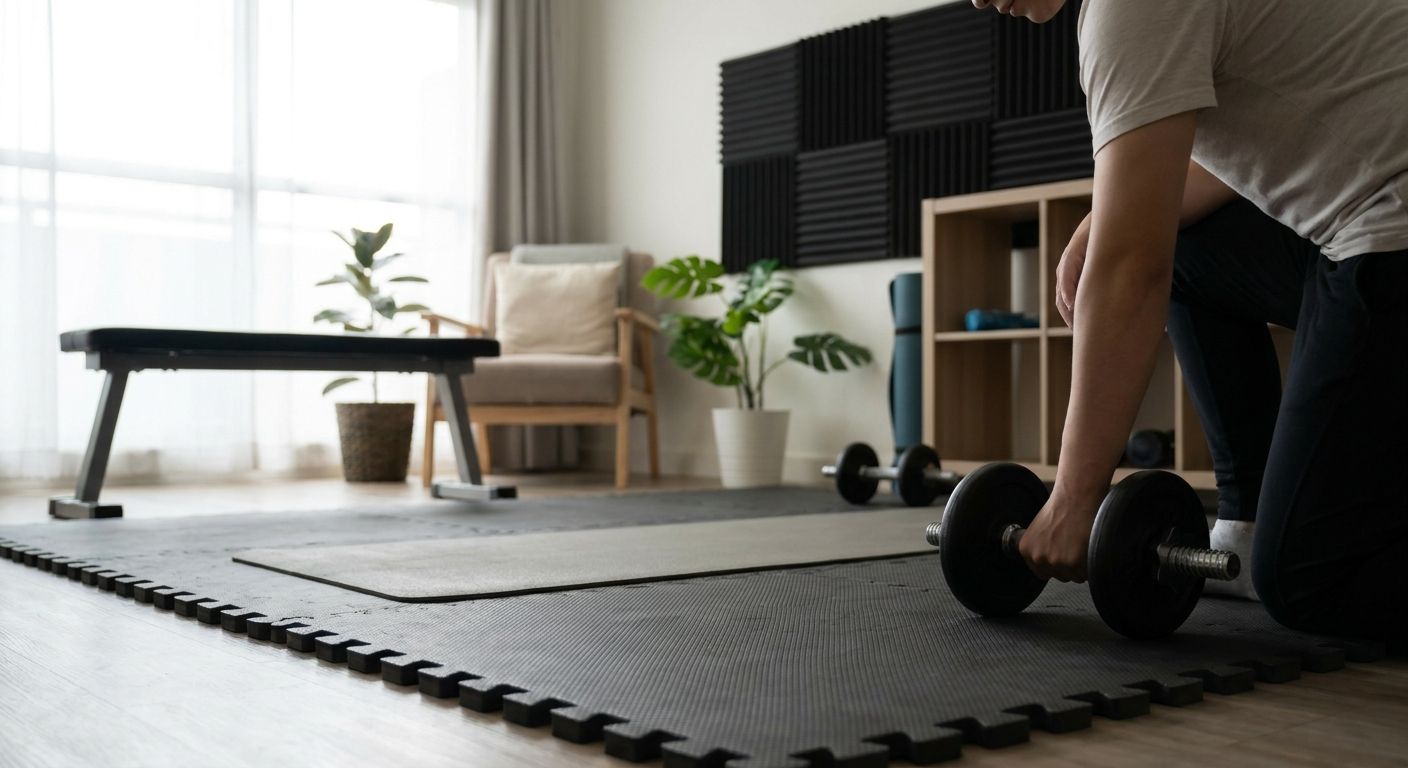
- Interlocking rubber gym mats or a dedicated lifting platform, at least 15mm thick under free weights
- Acoustic wall panels for the walls that share a boundary with a neighbour — the gym and fitness studio wall panels approach works well in a converted bedroom or box room
- High-tack panel glue if you're fitting panels without drilling into a rented wall
- A tape measure, spirit level, and a fine-tooth saw if panels need cutting to fit an alcove
- Acoustic sealant or draught strips for gaps around the door and any vents
- A decibel meter app on your phone — free, and good enough to test before and after
- One weekend for a single room; add a day if you're also fitting a lifting platform
The steps
1. Isolate the floor before you touch the walls
This is the step that actually stops complaints, because impact noise transmits through the structure, not the air. Lay interlocking rubber mats across the full training area, not just under the rack — a 15-20mm mat breaks the direct contact between a dropped weight and the slab. Skip this step and no amount of wall panelling in 2026 will quiet a dropped barbell.
Common mistake: covering only the squat rack footprint and leaving bare floor where you do floor work or burpees — that's still direct contact with the structure.
2. Add a lifting platform if you deadlift or drop weights
A plywood platform sat on a rubber underlay decouples the impact zone from the floor even further. Build it roughly 8ft x 8ft for a home setup, with a rubber layer sandwiched between two plywood sheets. This is the single biggest fix for anyone doing Olympic lifts in a flat.
Expected outcome: the thud of a dropped bar goes from a bang the neighbour hears to a dull, muffled sound they might not notice at all.
3. Treat the walls for airborne echo and voice noise
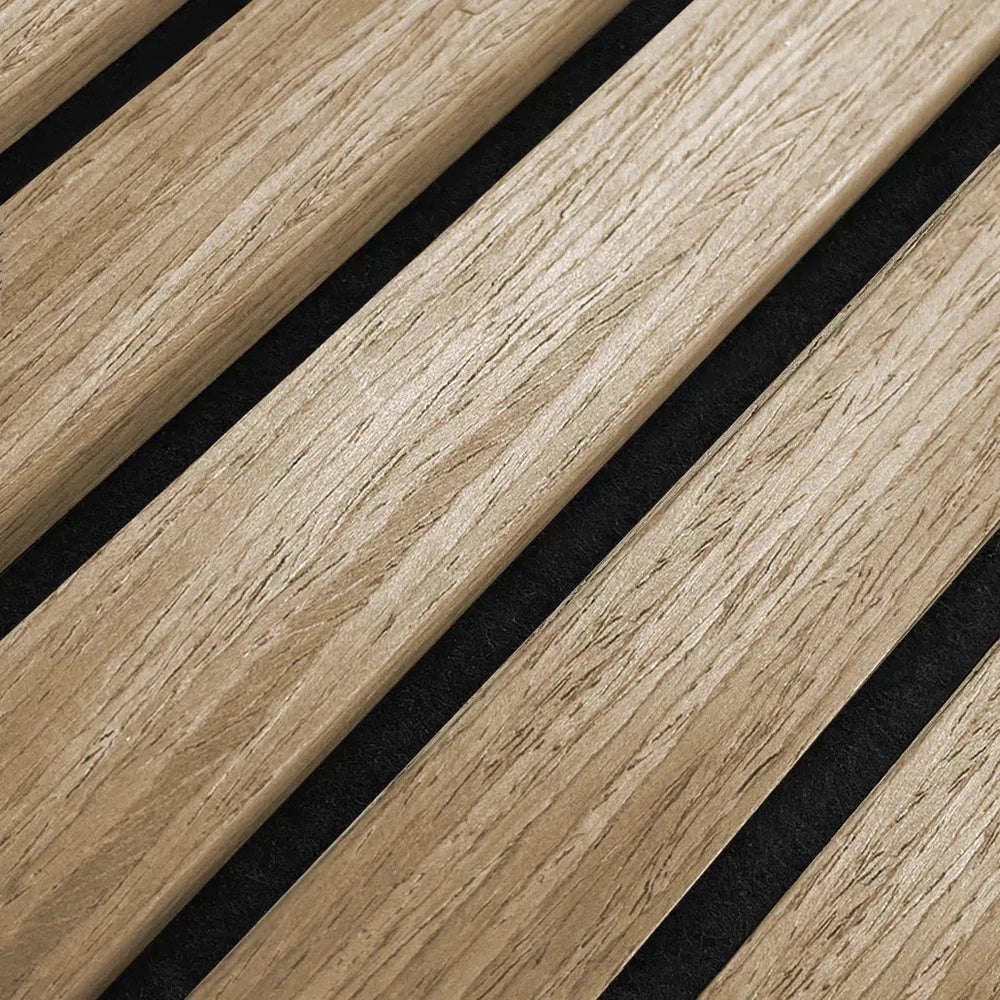
Once the floor is handled, turn to the walls. A room with bare plaster and a hard floor reflects sound, which makes music, breathing, and the reps themselves sound far louder than they need to be — both to you and next door if the wall is shared with a neighbouring flat. AKU Woodpanel's Black Oak acoustic wall panel pairs a felt acoustic backing with a real wood veneer finish, so it absorbs mid and high frequencies while still looking like a finished feature wall, not a gym.
Install panels on the shared wall and the wall behind any speaker or TV you use for workouts. Common mistake: panelling only the wall you look at, and skipping the one that actually borders the neighbour.
4. Seal gaps around doors, skirting and vents
Sound leaks through gaps the same way draughts do. Run acoustic sealant along skirting board gaps and fit a door sweep or draught strip along the bottom of the door — this alone can noticeably cut how much noise escapes a room in a shared building.
Expected outcome: less bleed into the hallway or stairwell, which matters as much for corridor-facing complaints as wall-facing ones.
5. Decouple equipment from the wall
Never bolt a rack or resistance band anchor straight into a party wall — vibration travels through the fixing into the studwork on the other side. Use freestanding racks where possible, or fix into an internal, non-shared wall instead.
Common mistake: anchoring a pull-up bar into the same wall as the neighbour's bedroom headboard — that's a direct vibration path.
6. Time the loudest sessions
No amount of treatment fully eliminates a dropped 40kg deadlift. Keep the loudest lifting sessions to reasonable hours and save skipping rope or jump training for daytime. This costs nothing and solves the complaints that treatment alone can't.
7. Test with a decibel meter before and after
Run a quick before-and-after check using a phone decibel app while doing a normal session. It won't be lab-accurate, but a drop from a sharp peak to a duller, shorter reading tells you the floor and wall work is doing its job.
“If your downstairs neighbour can hear the barbell hit the floor, no wall panel fixes that — only a mat or platform under the equipment does.”
Troubleshooting
- Neighbour still hears drops after fitting mats — the mat is likely under 15mm thick or only covers part of the floor. Extend coverage and check mat thickness before adding more wall treatment.
- Panels look fitted but echo hasn't changed — panels only need to cover the wall shared with the neighbour and any large flat surface facing the room, not every wall. Check placement before assuming the product isn't working.
- Glue won't hold panels to a rented wall — most rental tenancy terms don't allow drilling, so high-tack panel glue designed for wall panel fitting is the workaround, applied to a clean, dust-free surface.
- Noise complaints continue despite floor and wall work — check equipment isn't touching a shared wall directly and that door gaps are sealed; bleed through gaps is often the missed cause.
- Panels warp or lift at the edges — this usually means the wall wasn't fully dry or flat before fitting; let plaster cure fully and check for damp before installing in 2026.


Tools and resources
- Interlocking rubber gym mats, 15-20mm thick
- Acoustic wall panels with a felt backing, such as AKU Woodpanel's range
- High-tack panel glue for no-drill installs on rented walls
- Acoustic sealant or draught strips for doors and skirting
- A decibel meter app for a quick before-and-after test
What to do next
Once the gym room is handled, check whether noise is bleeding into other rooms of the flat too — the guide on soundproofing a flat covers shared walls beyond the training room itself, which matters if the gym sits next to a bedroom rather than a stairwell.
FAQ
What's the best way to reduce noise from a home gym in an apartment?
Treat the floor first with rubber mats or a lifting platform, then treat the walls with acoustic panels for echo. Floor impact noise and airborne echo need different fixes, and doing only one leaves the other problem unsolved.
Do acoustic wall panels stop dumbbells and weights from being heard downstairs?
No, wall panels reduce airborne echo, not impact noise through the floor. A dropped weight travels through the structure, so rubber flooring or a lifting platform is the fix that matters for downstairs neighbours.
Is rubber flooring or acoustic wall panelling more important for a home gym?
Rubber flooring matters more for stopping complaints from neighbours below, since impact noise through a shared floor is usually the bigger issue. Wall panels matter more for reducing echo and noise bleed into adjoining rooms.
How thick should gym flooring be to reduce noise in a flat?
Aim for at least 15-20mm of interlocking rubber matting under free weights and high-impact movement. Thinner mats under 10mm mainly protect the floor surface rather than reducing transmitted noise.
Can I fit acoustic wall panels in a rented flat without drilling?
Yes, high-tack panel glue designed for wall panel installation lets you fit panels to a clean, dry wall without screws or drilling. Check the tenancy agreement first, since some landlords still restrict adhesive fixings.
How long does it take to soundproof a home gym room?
A single room around 12 sq m typically takes a weekend to fit both flooring and wall panels in 2026. Add an extra day if building a dedicated lifting platform from plywood and rubber underlay.
Will foam gym tiles reduce noise as well as rubber matting?
Standard foam interlocking tiles under 2cm thick mainly cushion joints and protect flooring, not reduce transmitted impact noise. Denser rubber matting at 15mm or more performs better against dropped weight noise.
What time should I avoid heavy lifting in an apartment gym?
Avoid the loudest sessions late evening and early morning, when impact noise is most noticeable to neighbours. No amount of flooring or wall treatment fully removes the sound of a heavy deadlift dropped from height.
One last thing
The wall panels do the job most people expect them to do — they just don't do the job most people blame them for. If the complaint is about a dropped weight, fix the floor. If the complaint is about music or voices carrying, the wall is where AKU Woodpanel's acoustic wall panels earn their keep in 2026, not before.