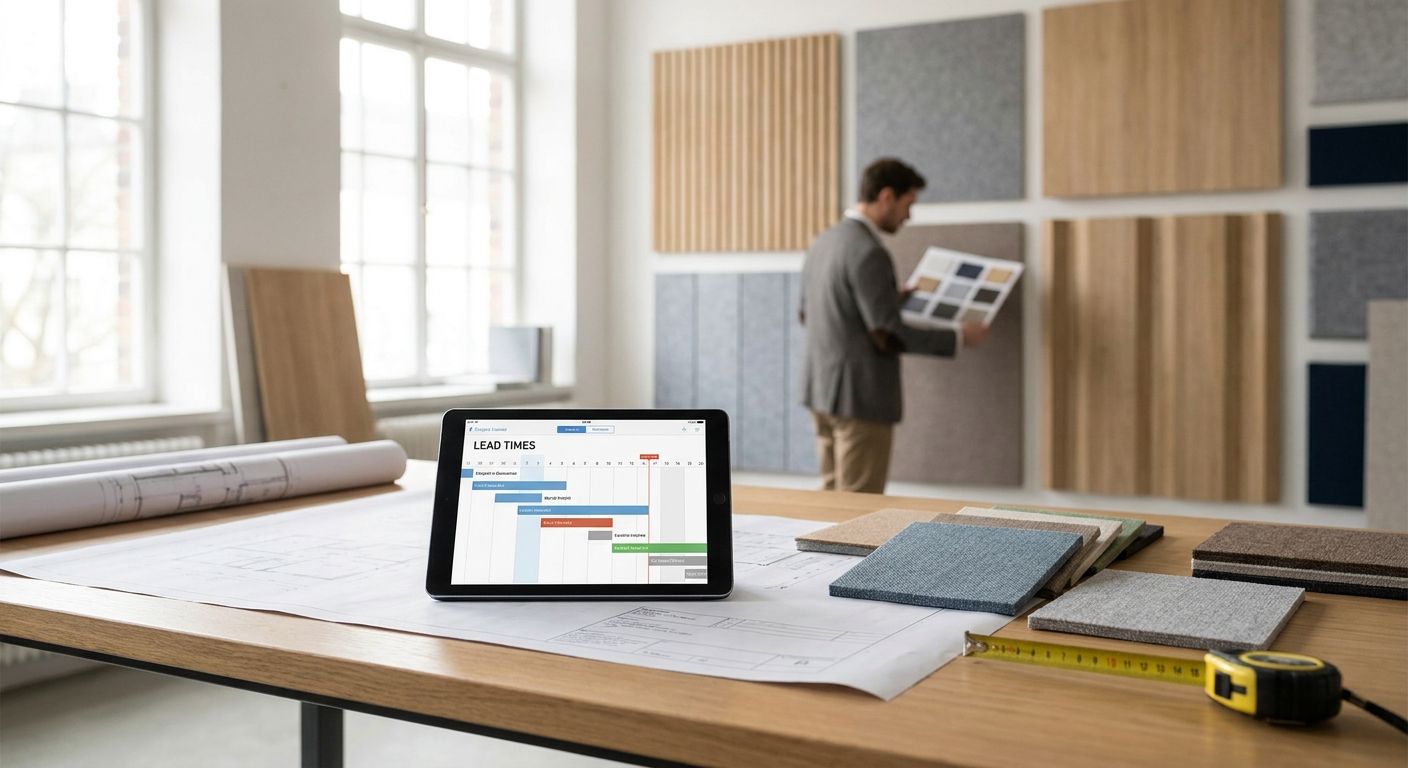
Acoustic wall panel lead times rarely collapse at installation — they collapse earlier, at the sample stage, the order stage, or the acclimatisation stage nobody budgeted for.
- Acoustic wall panel lead times hinge on samples, order confirmation and acclimatisation, not the fitting day itself.
- Order samples from Aku Woodpanel first — a £5 sample takes days to arrive and confirms the finish before you commit.
- Bulk commercial orders need longer lead times than single-room DIY jobs — separate procurement planning from fitting dates.
- Skip acclimatisation and acoustic wood panels risk gaps or warping within weeks of fitting in 2026.
- Book installers only once panels are on site and acclimatised, never on the day you place the order.
Why this matters
Most people planning an acoustic wall panel project in 2026 only think about the fitting day — the Saturday they've blocked out, or the trade they've booked. That's the shortest part of the timeline.
The real lead time sits earlier: choosing a finish, ordering acoustic wall panel samples to check the wood veneer against your actual light, confirming the size format, waiting for delivery, and letting the panels sit in the room before anyone picks up a drill. Miss one of those stages and the whole schedule slides, not just by a day but often by a week or more.
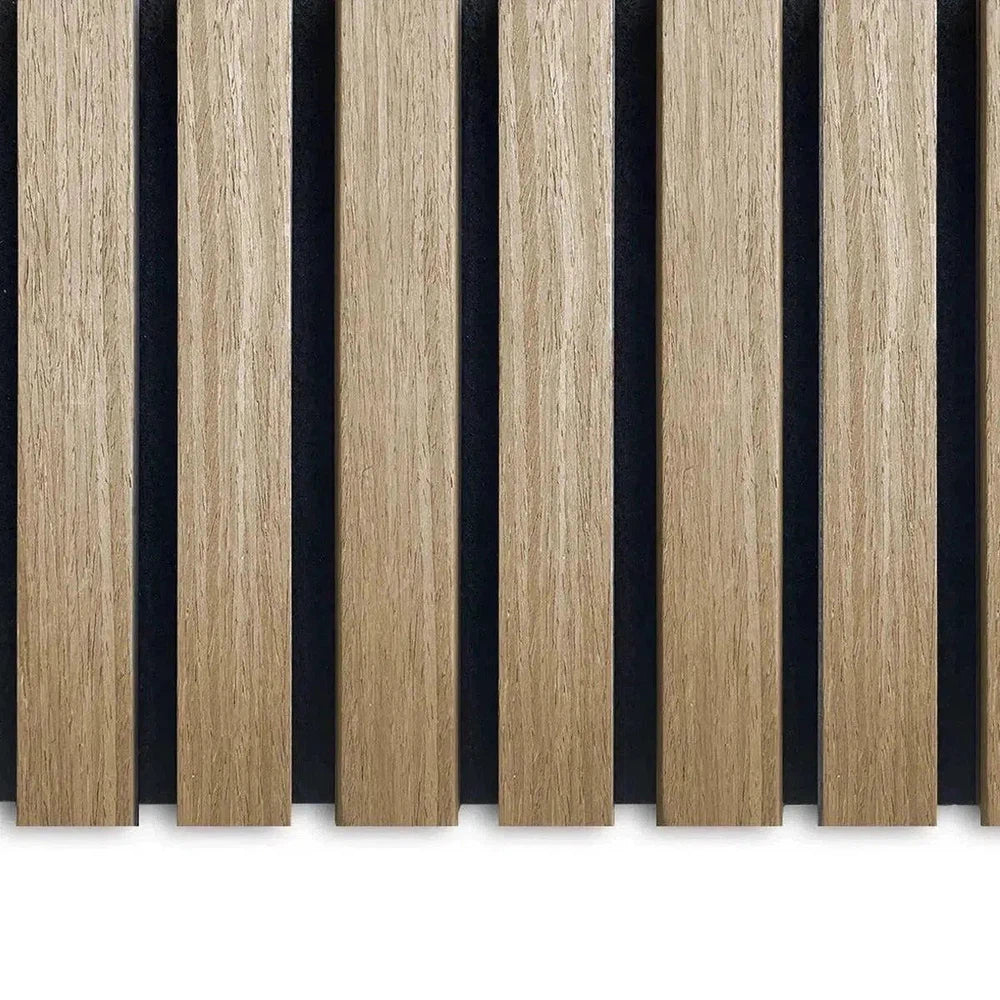
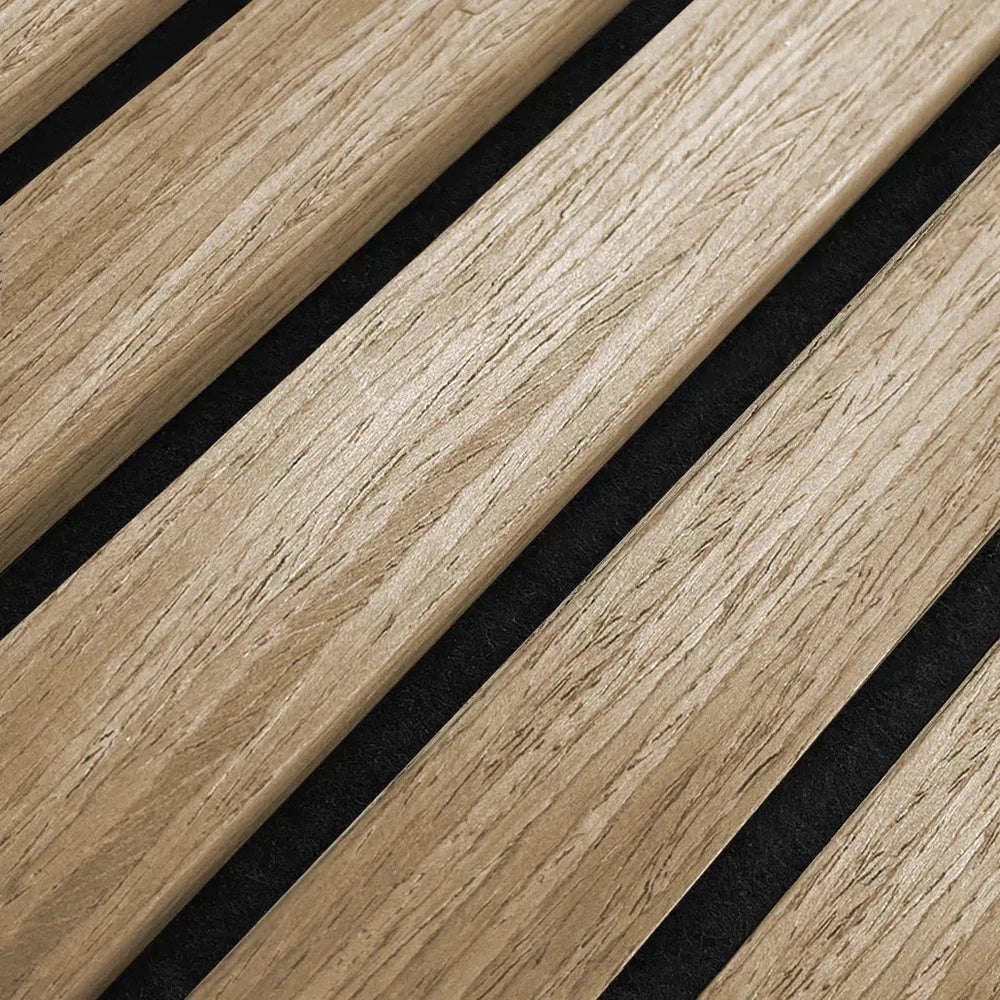
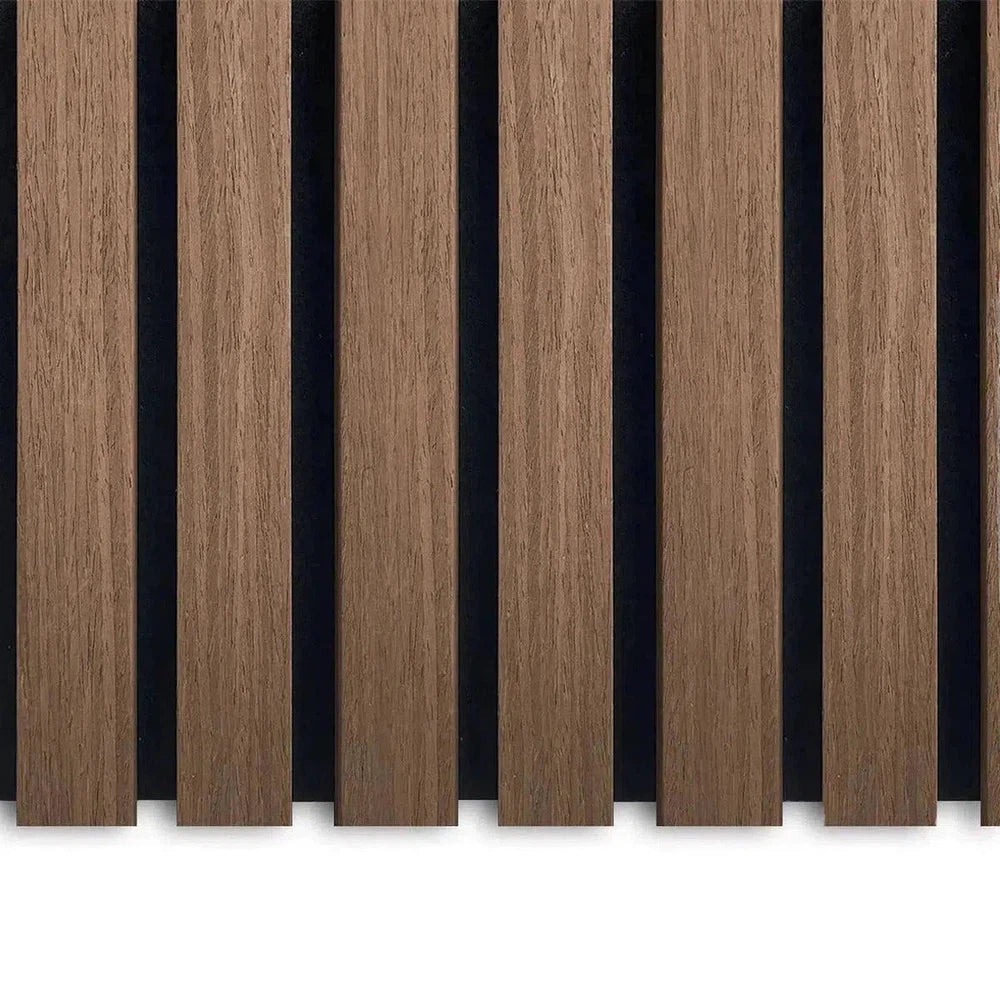
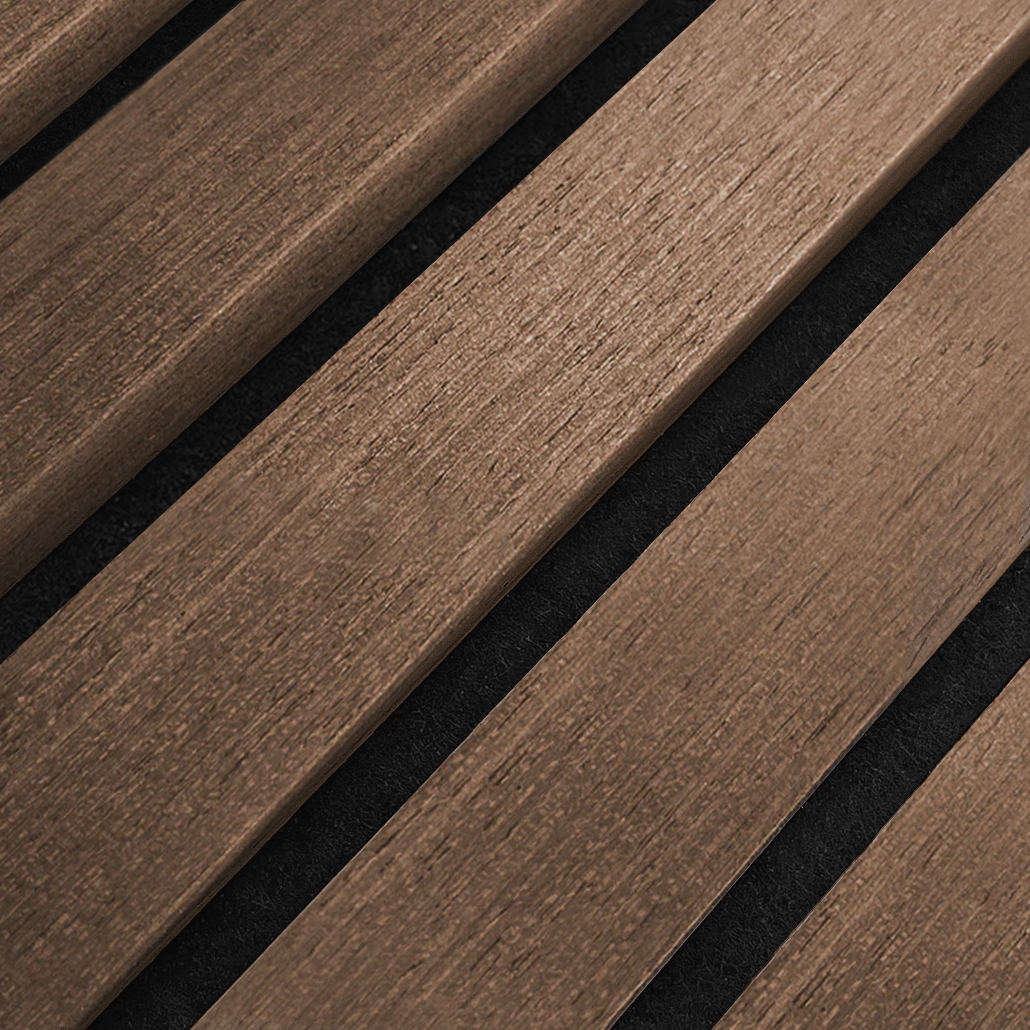
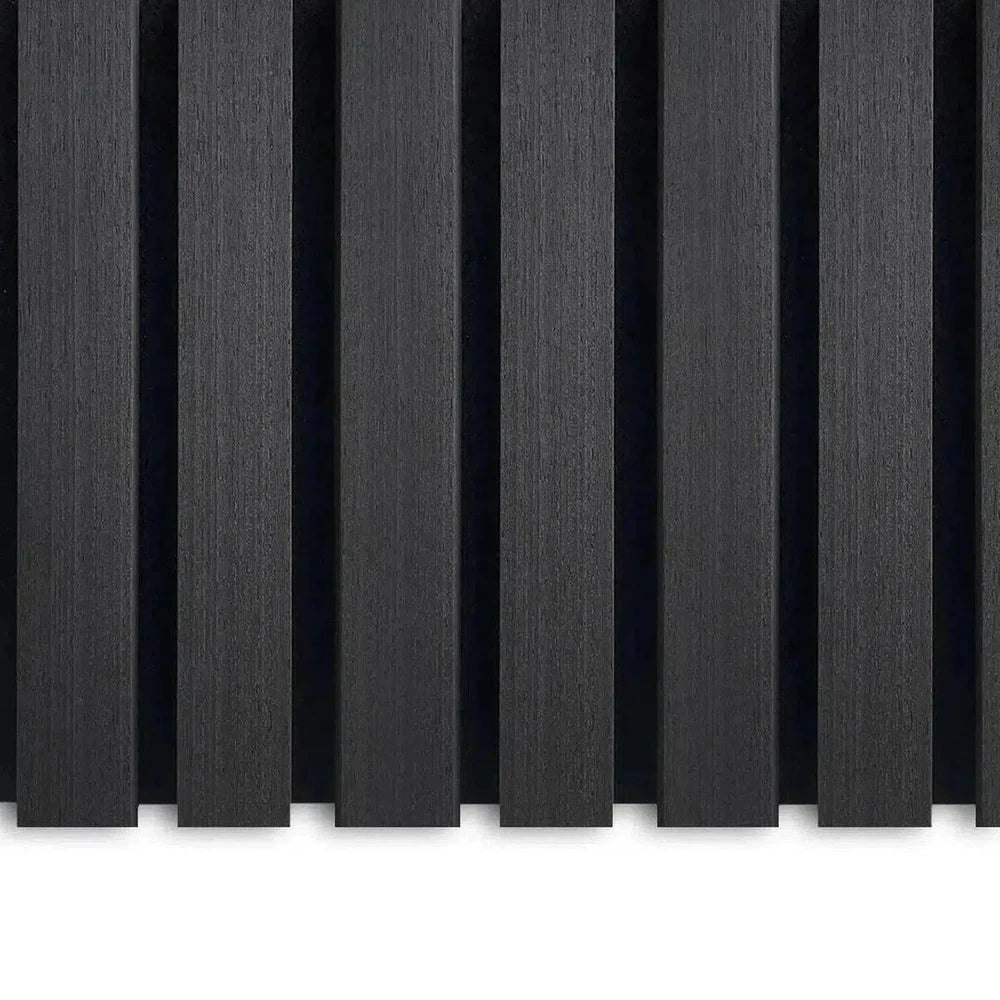
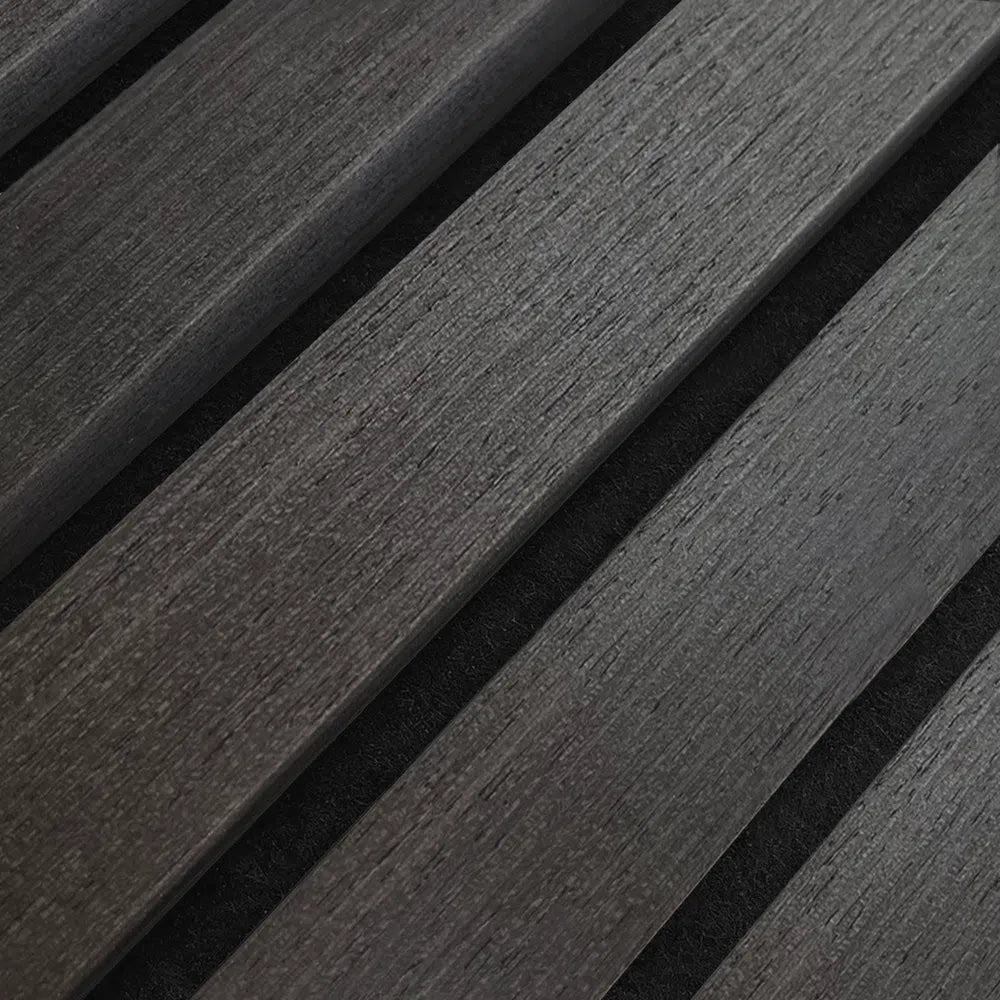
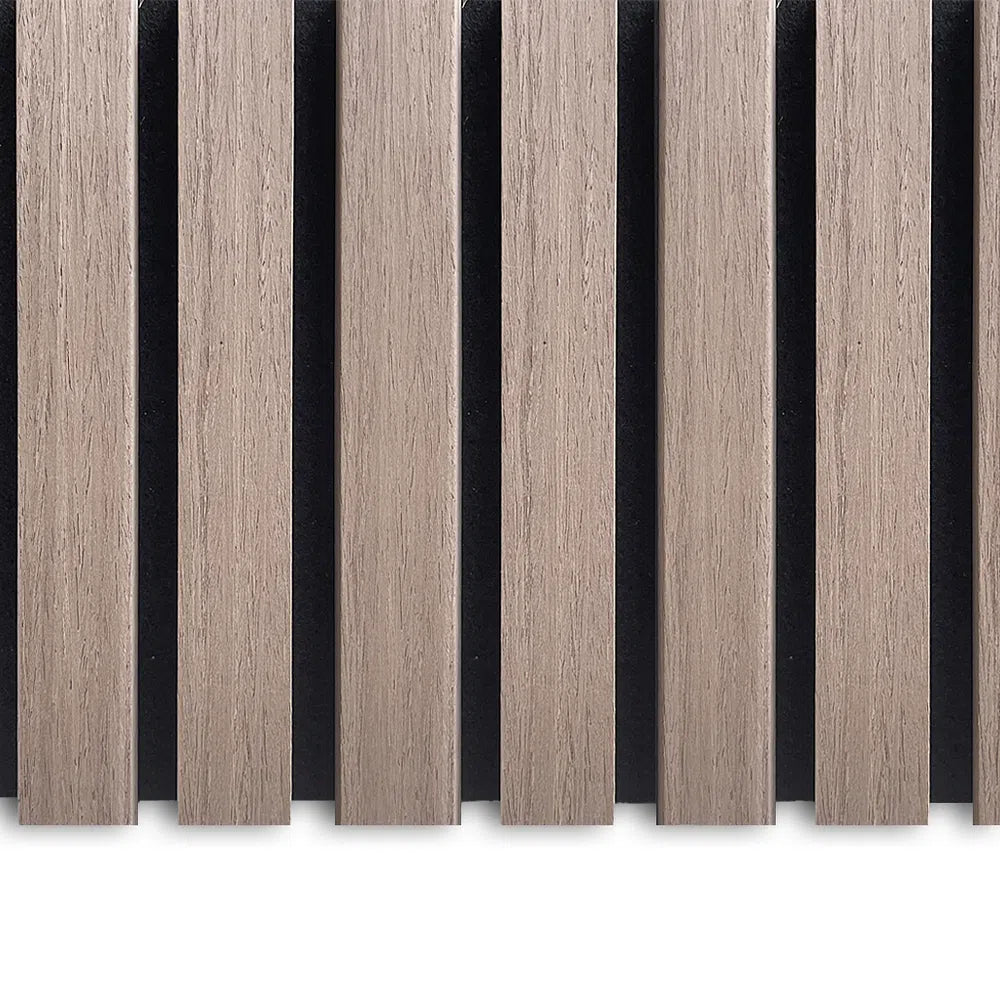
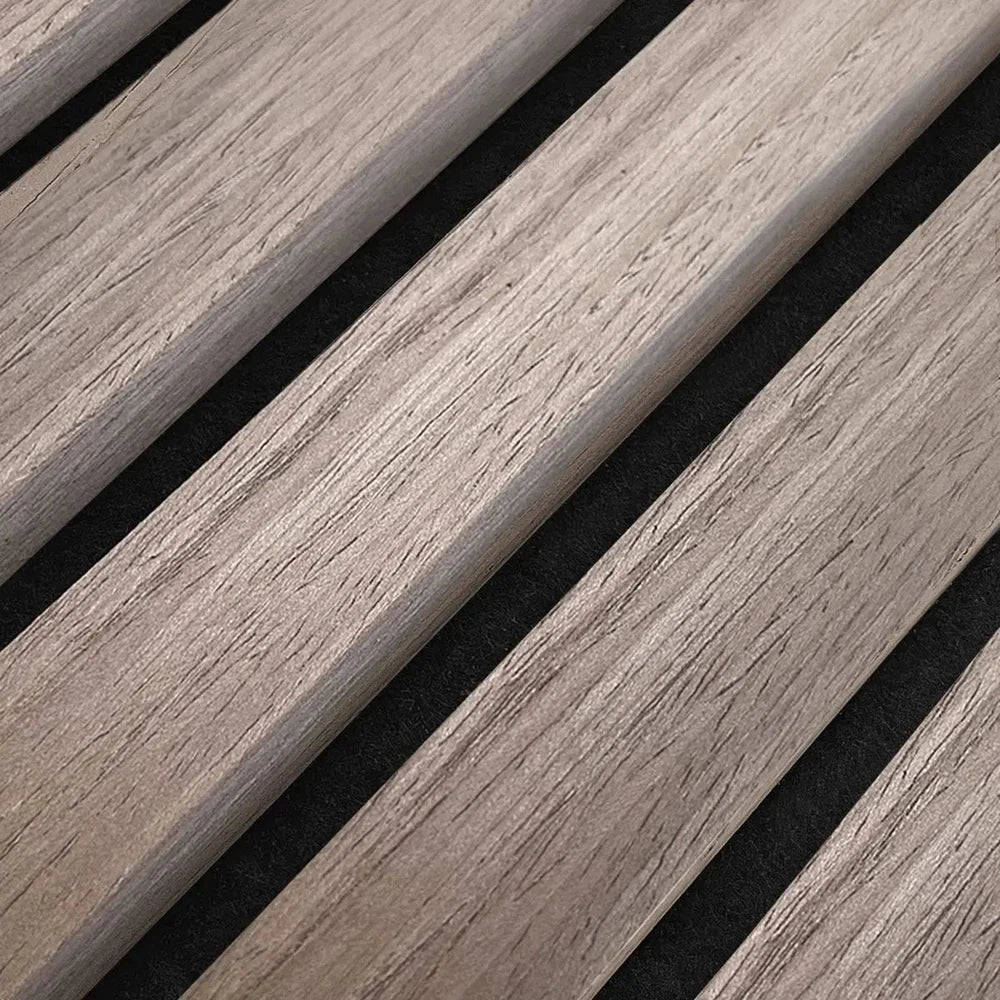
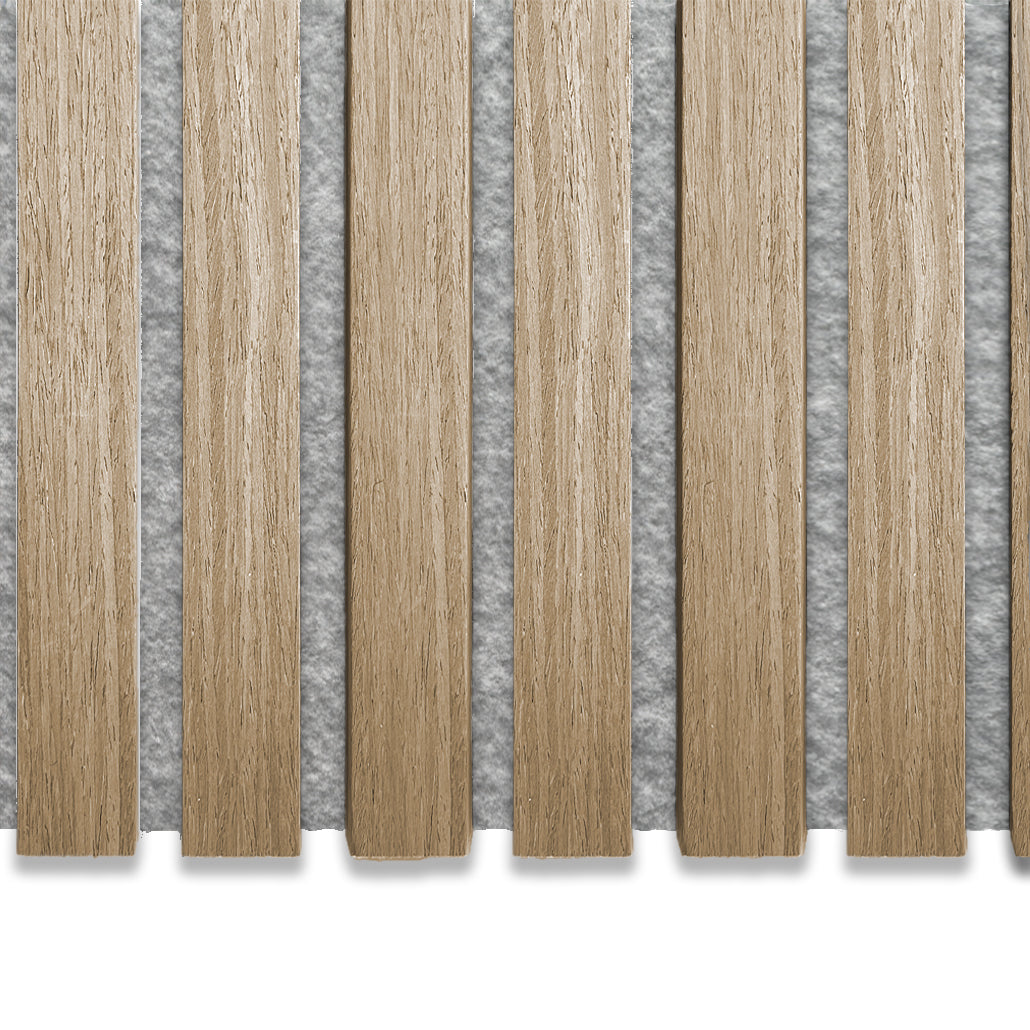
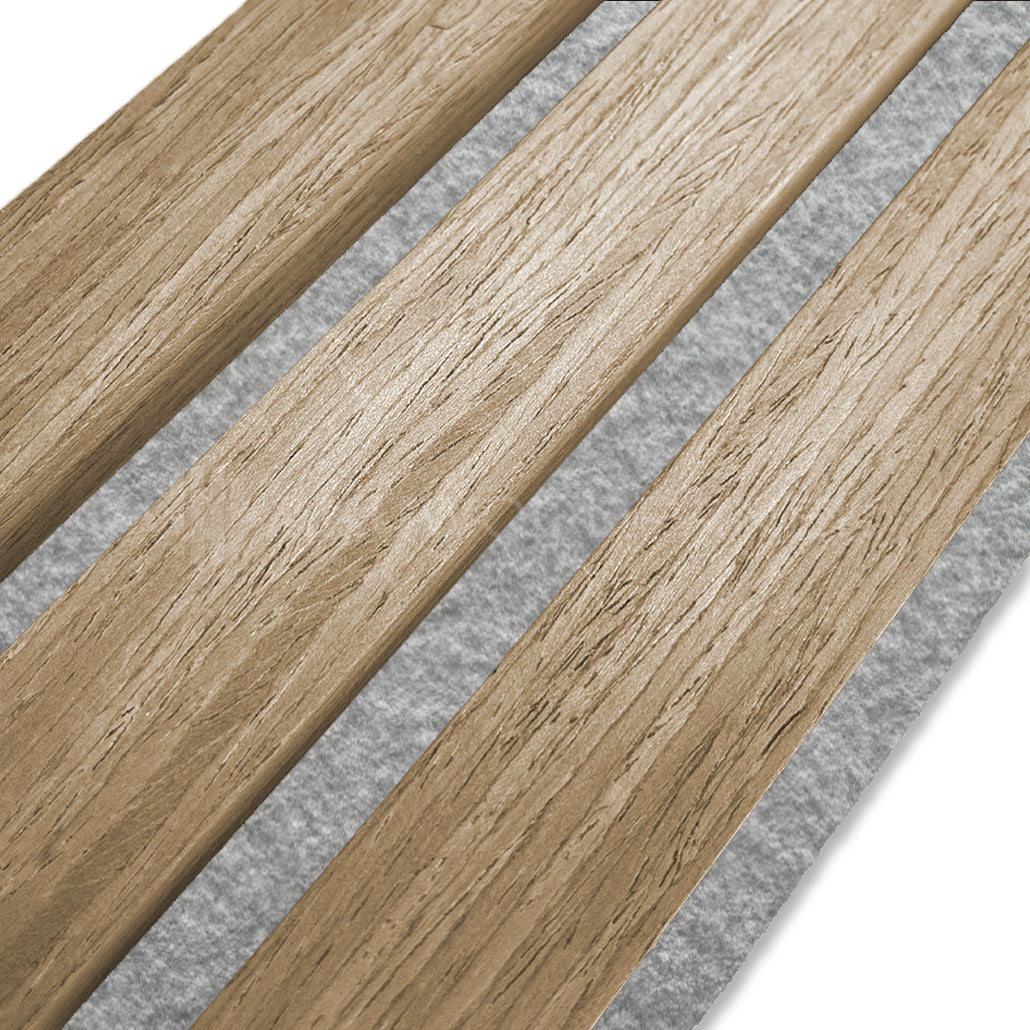
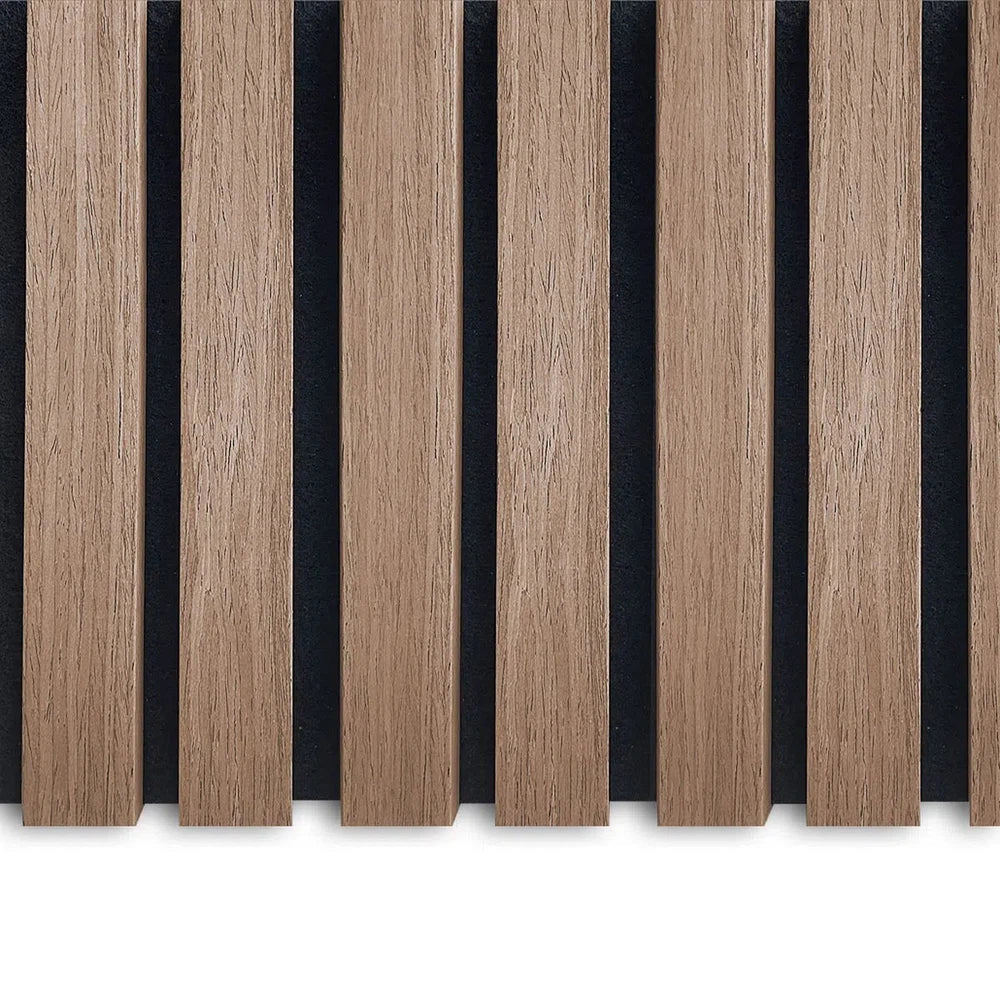
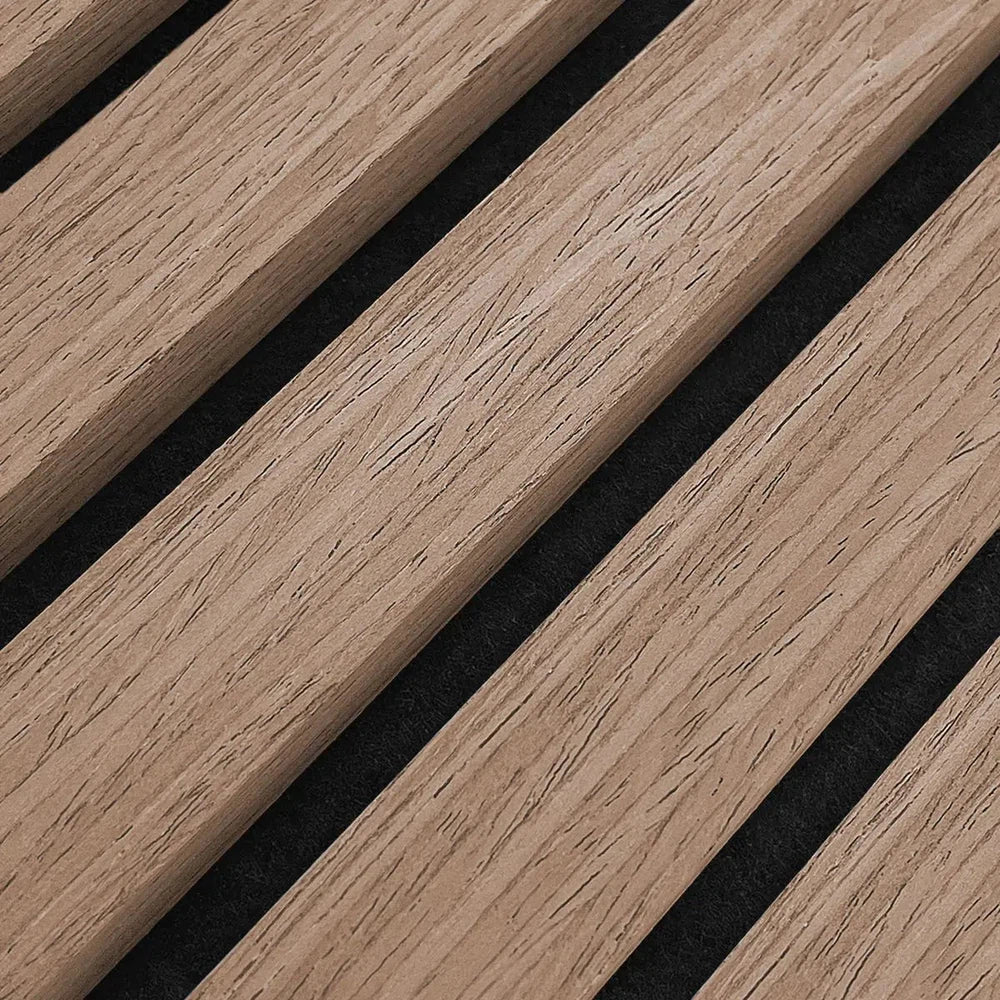
Acoustic wall panels from Aku Woodpanel come with a 3-sided real wood veneer finish and acoustic felt backing, in 240cm and 300cm formats. That construction is exactly why rushing the timeline backfires: real wood veneer reacts to room humidity and temperature, and a panel fitted straight off the van looks different a month later than it does on day one.
What you'll need
- Wall measurements — height, width, and the position of sockets, radiators or skirting that will need cutting around
- A confirmed finish and size format (240cm or 300cm) before you place a full order
- Ordered samples in hand, checked against the wall in daylight and lamp light
- Panel glue or your chosen fixing method sourced ahead of delivery
- A cleared, dry wall surface and a window of time for the panels to sit in the room
- An installer booked, or a DIY weekend blocked out only after panels are on site
The steps
1. Measure the wall and settle on a finish
This step accomplishes the one thing every later stage depends on: an accurate panel count and a finish you won't second-guess after delivery. Get the wall height, width and any obstructions down in centimetres, then decide between the 240cm and 300cm panel formats based on your ceiling height.
If you're leaning toward a lighter, warmer tone, a panel like the natural oak wall panel is a common starting point for living rooms and home offices. The common mistake here: measuring once and rounding up "roughly," which either under-orders panels or leaves you short on a specific finish that's back-ordered.
2. Order samples before you order panels
Samples exist to stop you committing to a full room order on a photo. At £5 a sample, it's the cheapest insurance in the entire project, and it's the step most people skip to "save time" — which is exactly what causes delays later when a full order arrives in the wrong tone for the room.


3. Confirm quantity and place the panel order
Recalculate the panel count against your final measurements — not your first guess — and place the order once the sample has confirmed the finish. For anything beyond a single feature wall, ordering acoustic wall panels in bulk for a project needs its own timeline, separate from a one-room DIY order, because quantity and logistics change the planning window.
The expected outcome here is a confirmed order with a delivery estimate you can actually plan a fitting date around, instead of a placeholder date on a calendar.
4. Let panels acclimatise on site
This is the step that gets cut when a fitting date is already booked, and it's the one that causes the most avoidable damage. Real wood veneer panels need to sit in the room they'll be fitted in, at normal room temperature, before installation — full guidance is in how to acclimatise wood wall panels before installation. Skip it and you risk gaps opening between panels or edges lifting once the wood settles into the room's actual humidity.
5. Source fixings and adhesive
Panel glue needs to be on site before fitting day, not ordered the morning of. Match the adhesive to your wall type — plasterboard, brick, or battened stud wall all behave differently — and confirm you have enough for the full panel count plus a margin for trims and end pieces.
6. Book the installer or block out DIY time
Only lock in a fitting date once panels have arrived and acclimatised. Booking a trade before delivery is the single most common cause of a rescheduled job in 2026, because it puts pressure on every earlier step to move faster than the materials allow.
7. Build in a buffer for site conditions
Uneven walls, damp patches, or a last-minute change of finish all eat into a schedule that looked fine on paper. A buffer of a few extra days between "panels acclimatised" and "fitting day" absorbs these without pushing your actual completion date.
Troubleshooting
- Samples don't match the render or photo — reorder a second sample and view it in the room's actual light before placing the full order; don't proceed on a screen colour alone.
- Panels arrive slightly warped — check they've been stored flat and dry; acclimatise longer before fitting rather than forcing them onto the wall.
- Wall isn't flat enough for direct glue-fitting — you'll need battens, which adds a step and a day to the schedule, so flag this at the measuring stage, not fitting day.
- Installer availability slips — commercial and multi-room jobs should book trades with a longer lead than a single feature wall; confirm the trade date after delivery is confirmed, not before.
- Wrong panel count ordered — recalculate against final wall measurements before cutting anything; a short order mid-install can add a full reorder cycle to the project.
- Finish looks different once panels are up versus the sample — lighting across a full wall reads differently than a single sample panel; this is normal and settles once acclimatisation is complete.
Tools and resources
- Tape measure and a wall diagram noting sockets, radiators and skirting heights
- Panel glue rated for your wall type, sourced ahead of delivery
- A cleared, ventilated space for panels to acclimatise before fitting
- The samples guide and bulk ordering guide linked above for anything beyond a single wall
- A fitting date booked only after delivery and acclimatisation are both confirmed
What to do next
Once your finish and quantity are locked, the next planning gap is usually cost, not time. Budgeting for an acoustic wall panel installation walks through what to account for beyond the panels themselves — glue, trims, and any battening a wall might need — so the schedule and the spend move together instead of one surprising the other later in 2026.
FAQ
What is a typical acoustic wall panel lead time in 2026?
The lead time depends more on your own decision-making than shipping — sample selection, order confirmation and acclimatisation account for most of the schedule. Check current dispatch times on the product page once your finish and size format are confirmed.
Is ordering samples worth the wait before buying acoustic wall panels?
Yes — a sample costs £5 and prevents a full room order arriving in the wrong tone for your light. It's the cheapest step in the whole project relative to what a reorder costs in time.
How long should acoustic wood panels acclimatise before fitting?
Panels should sit in the room they'll be fitted in at normal room temperature before installation. Fitting straight off delivery risks gaps or lifting as the wood veneer settles into the room's humidity.
Do bulk acoustic wall panel orders take longer than single-room orders?
Yes, bulk and commercial orders need a separate, longer planning window than a single feature wall. Quantity, logistics and site access all extend the timeline beyond a one-room DIY job.
What causes acoustic wall panel lead times to slip?
Booking an installer before panels have arrived and acclimatised is the most common cause of delay. Skipping the sample stage and reordering mid-project is the second most common.
Can I install acoustic wall panels myself to save time?
Yes, many homeowners fit panels themselves with panel glue and standard tools once the wall is measured and the panels have acclimatised. DIY fitting doesn't shorten the sample or delivery stages, only the trade-booking step.
How much does an acoustic wall panel sample cost?
A sample costs £5. It's designed to be checked against your wall's actual light before you commit to a full panel order.
What size formats do acoustic wall panels come in?
Acoustic wall panels from Aku Woodpanel come in 240cm and 300cm formats. Picking the right format against your ceiling height at the measuring stage avoids a reorder later.
One last thing
The step almost every project skips is a second sample once the first one arrives. Wood veneer reads differently at 9am than it does at 8pm under lamp light, and a £5 sample checked at both times beats discovering the mismatch after a full wall of acoustic wall panels is already fitted in 2026.