Wood wall panels move before they ever touch a wall — acclimatise them wrong and gaps, cupping or veneer lift show up within weeks of fitting. This guide covers exactly how long to wait, what conditions to hit, and how to tell when your panels are ready to go up in 2026.
- Acclimatise wood wall panels for 48-72 hours at 18-24°C and 40-60% humidity before fitting to prevent gaps.
- Real wood veneer finishes like natural oak wall panels need the room they'll hang in, not a garage or van.
- Order a sample panel first to confirm finish and check the room's conditions before buying full boards.
- Cupping, veneer lift, or gaps over 2mm after fitting mean the panels went up too soon — Buy right, fit patient.
Why this matters
Wood is hygroscopic — it absorbs and releases moisture depending on the air around it. A panel manufactured and stored at one humidity level will expand or contract when it meets a different one, and real wood veneer finishes show this faster than painted MDF because the grain itself is moving.
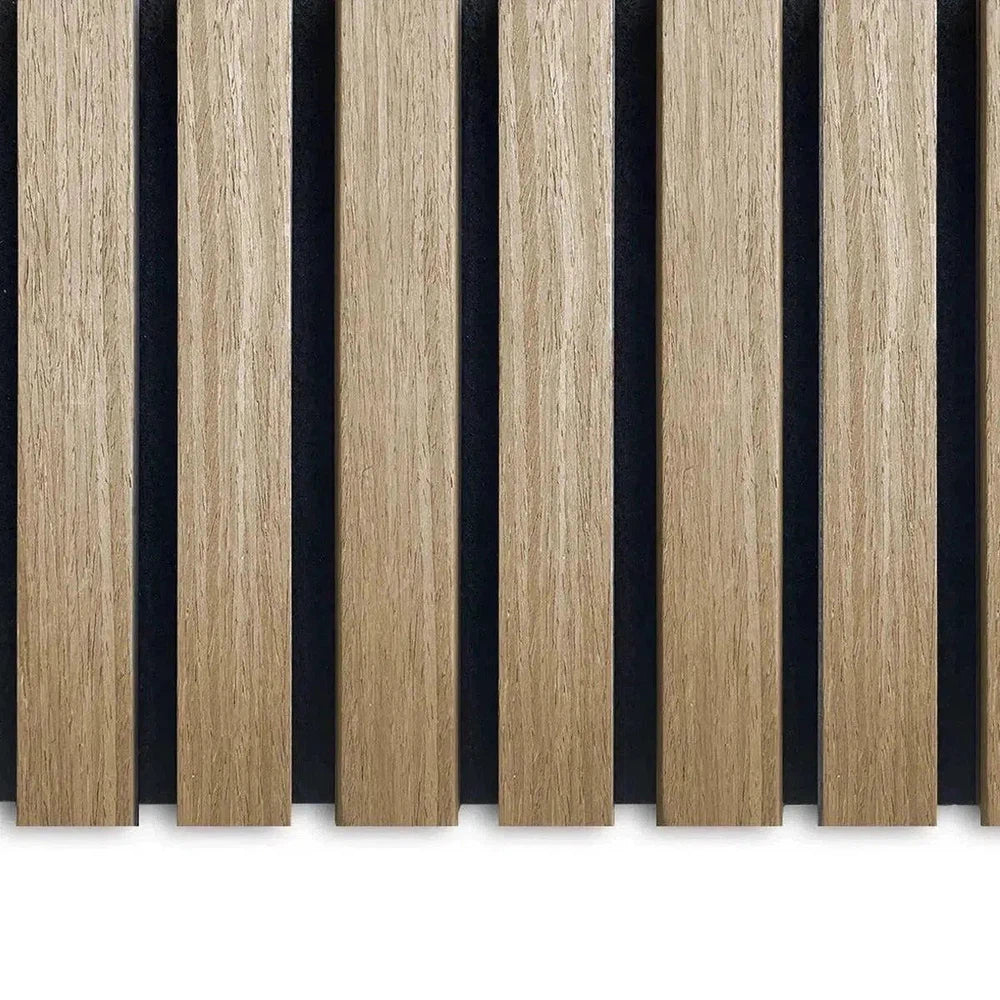
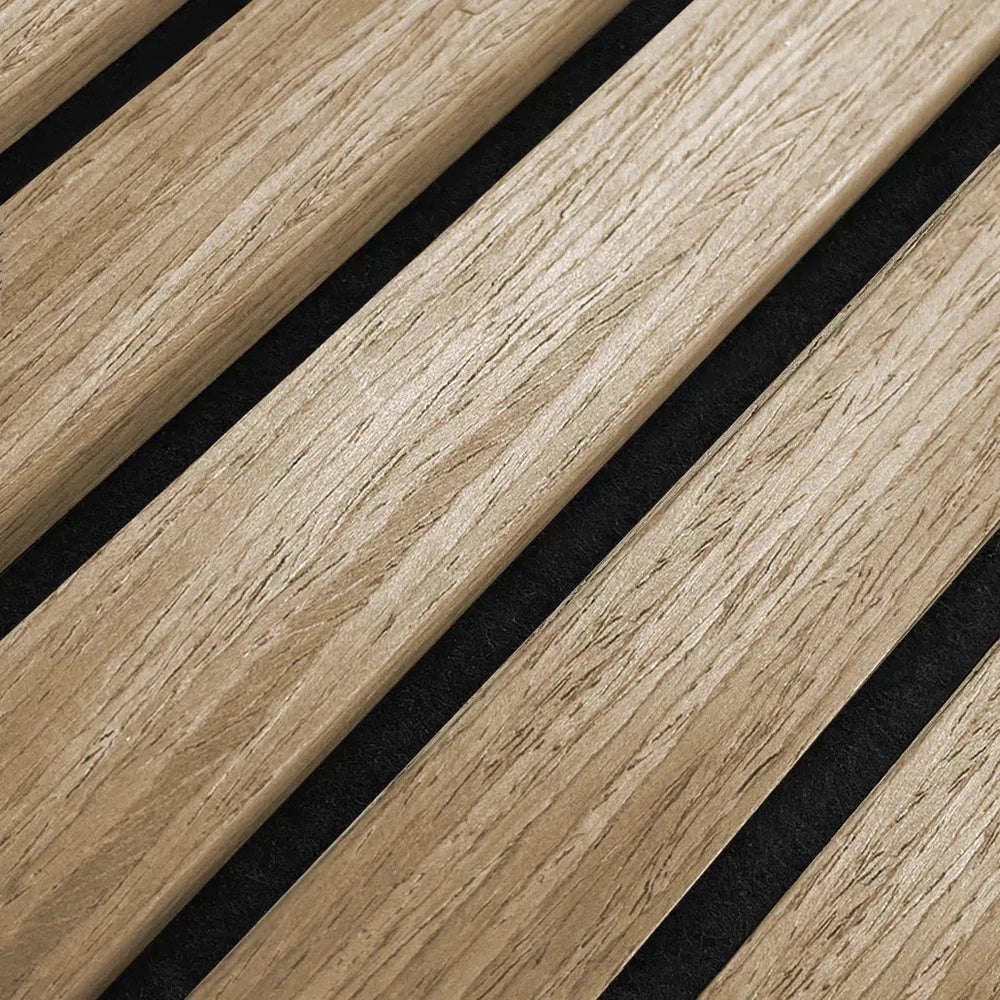
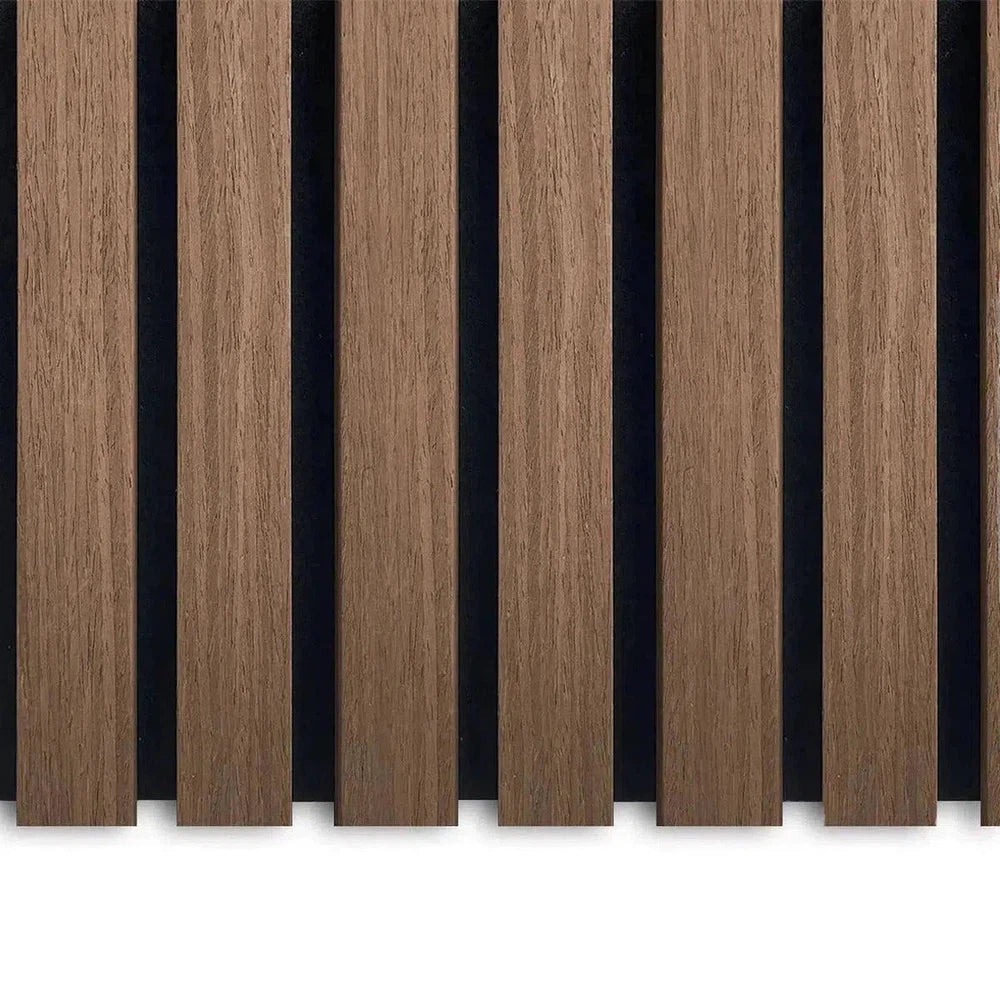
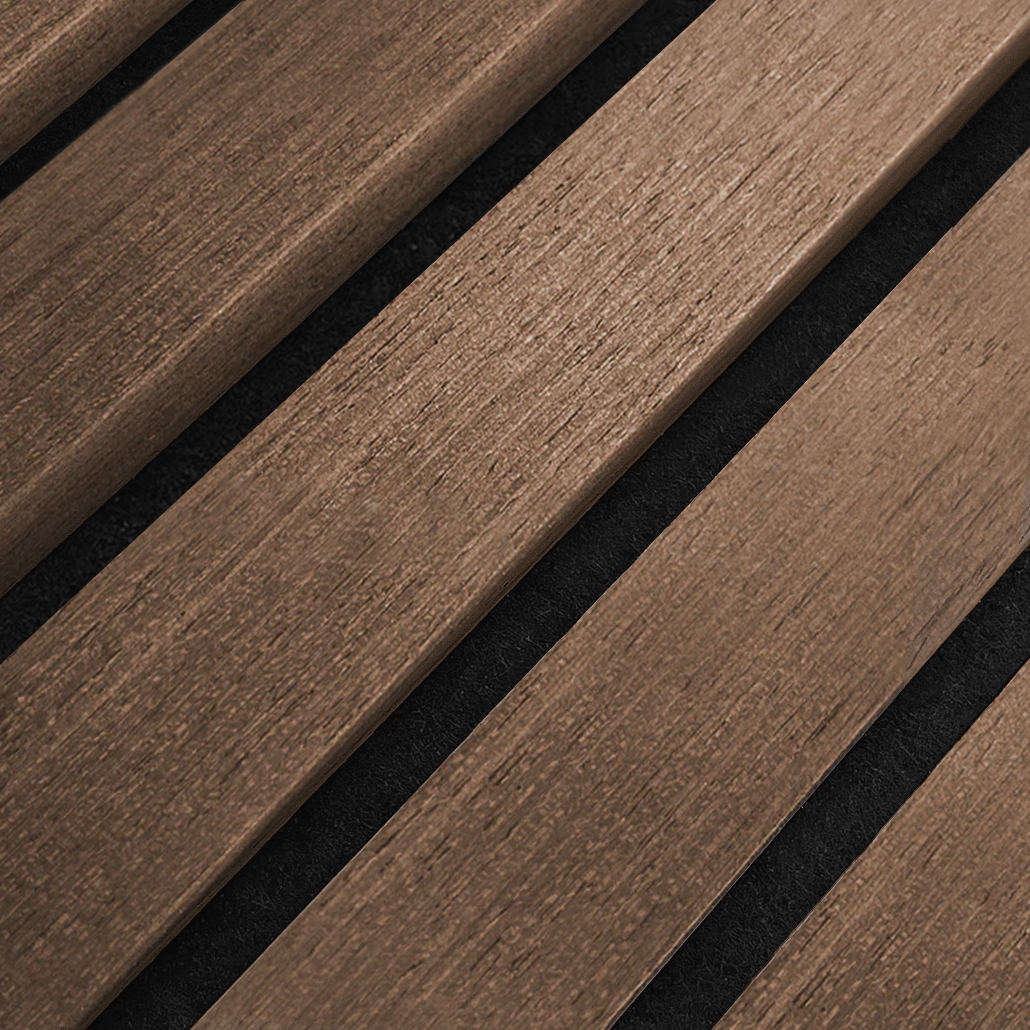
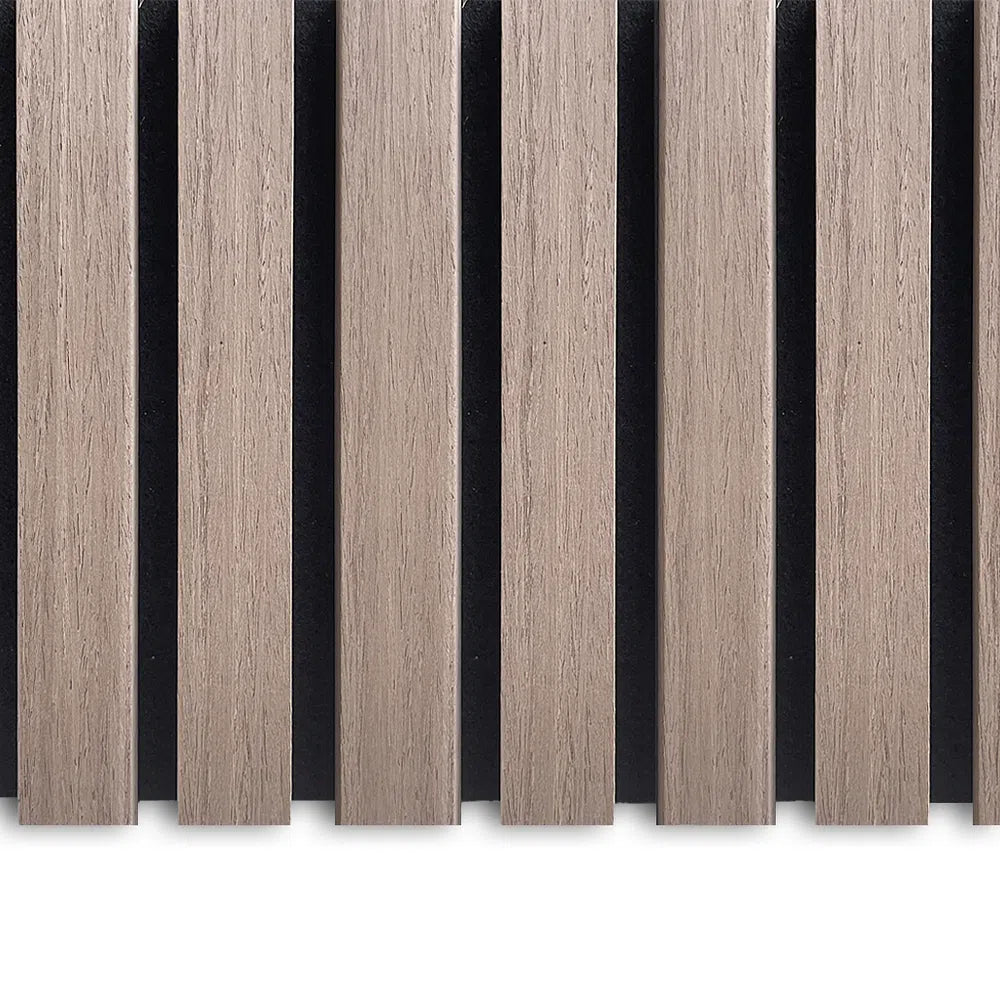
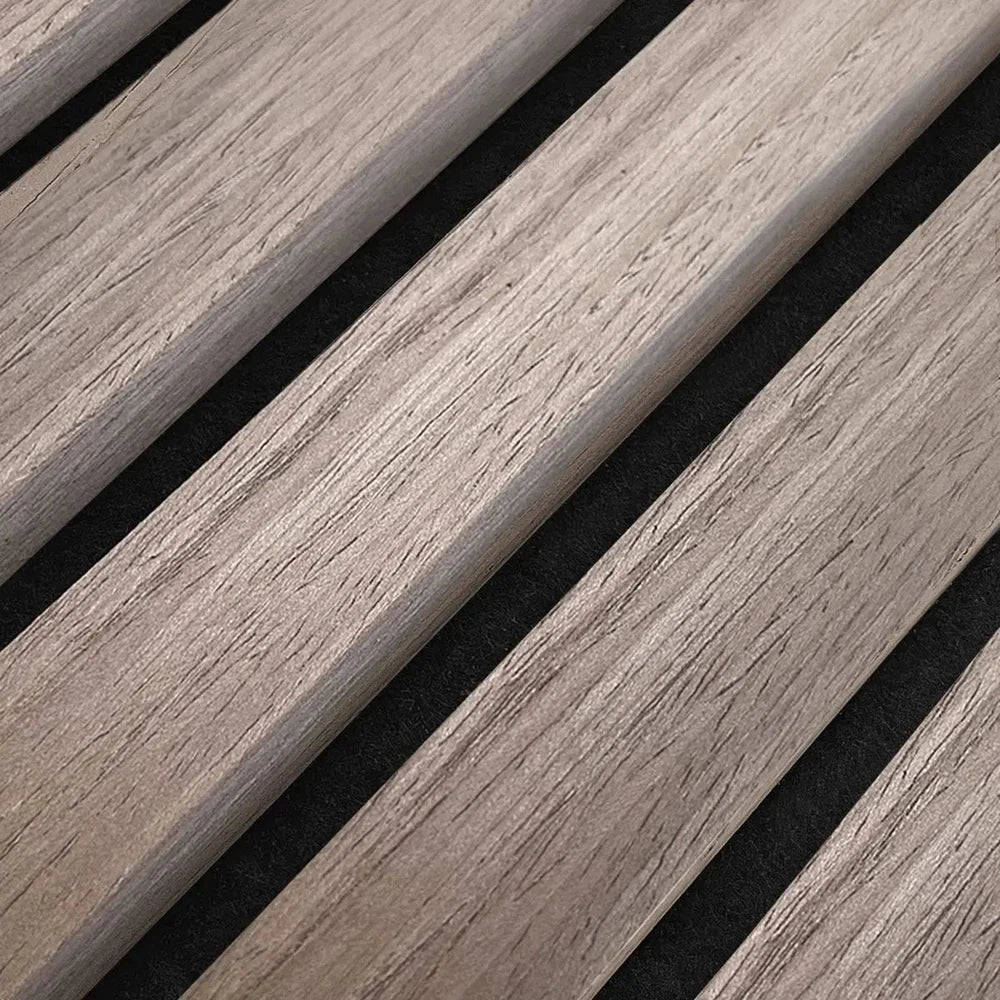
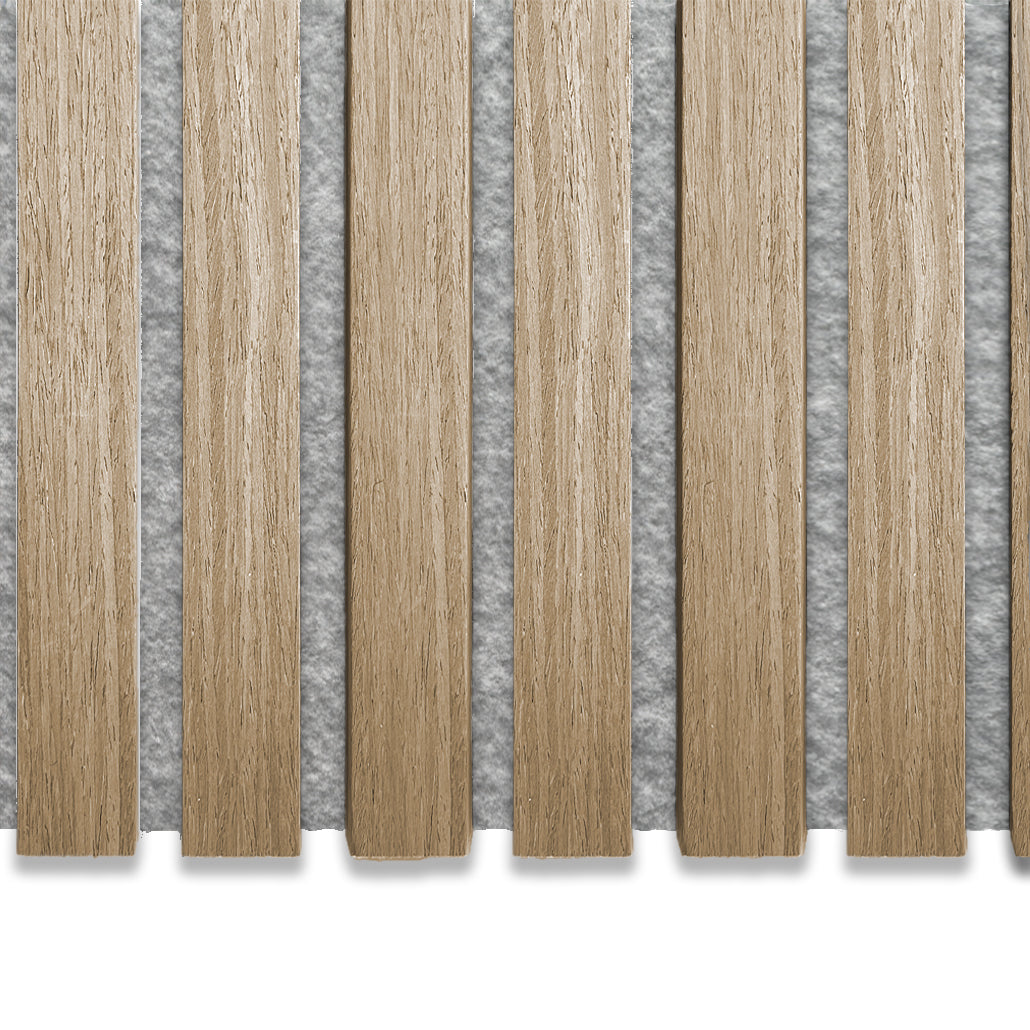
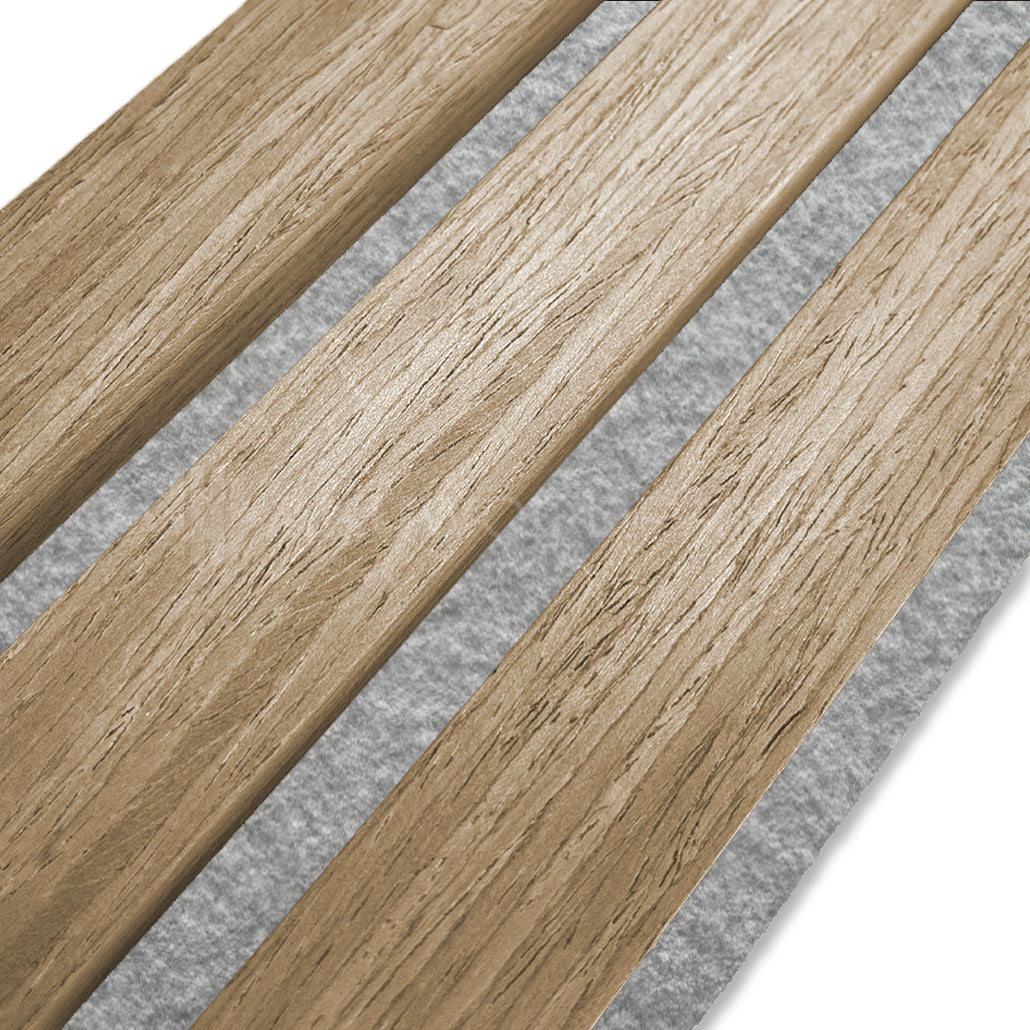
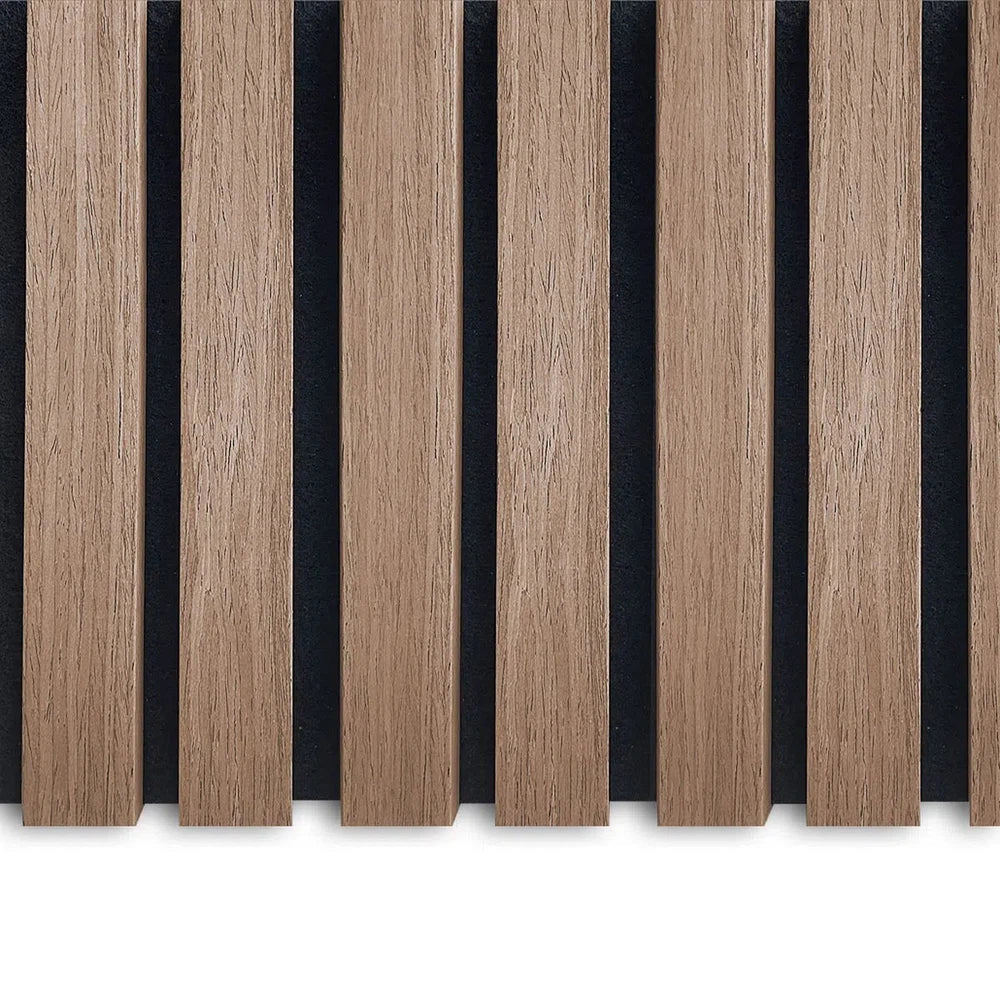
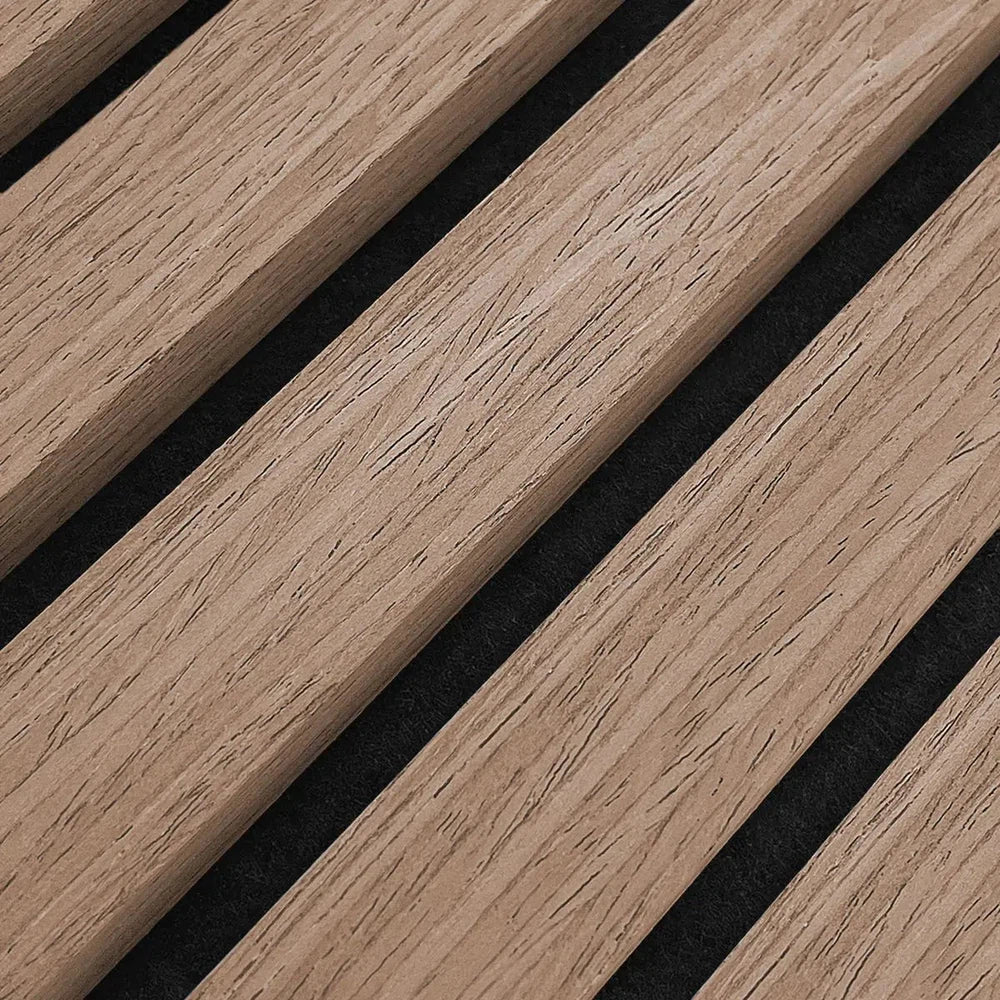
Akuwood Panel's slat panels ship with a 3-sided real wood veneer over an acoustic felt backing. That construction is stable once settled, but it needs a settling period. Skip it and you risk hairline gaps opening between boards two or three weeks after installation, once the panels have finished adjusting to your living room, bedroom, or office.
This isn't a defect issue. It's physics, and it's avoidable with a 48 to 72 hour wait and the right room conditions before you pick up a drill.
What you'll need
- A tape measure and a note of the room's current temperature and humidity
- A flat, dry surface to lay panels — sawhorses or a clean floor, not a stack against a wall
- A room thermometer/hygrometer, or a phone weather app as a rough substitute
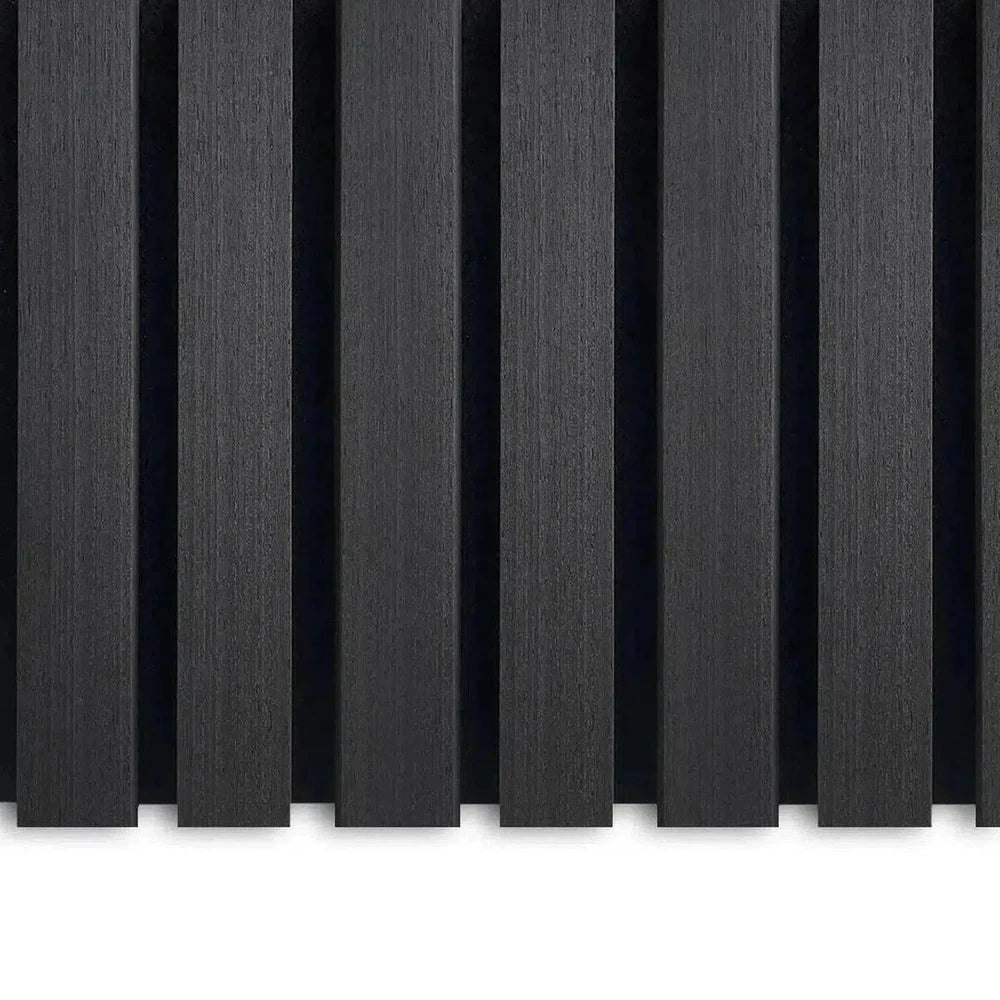
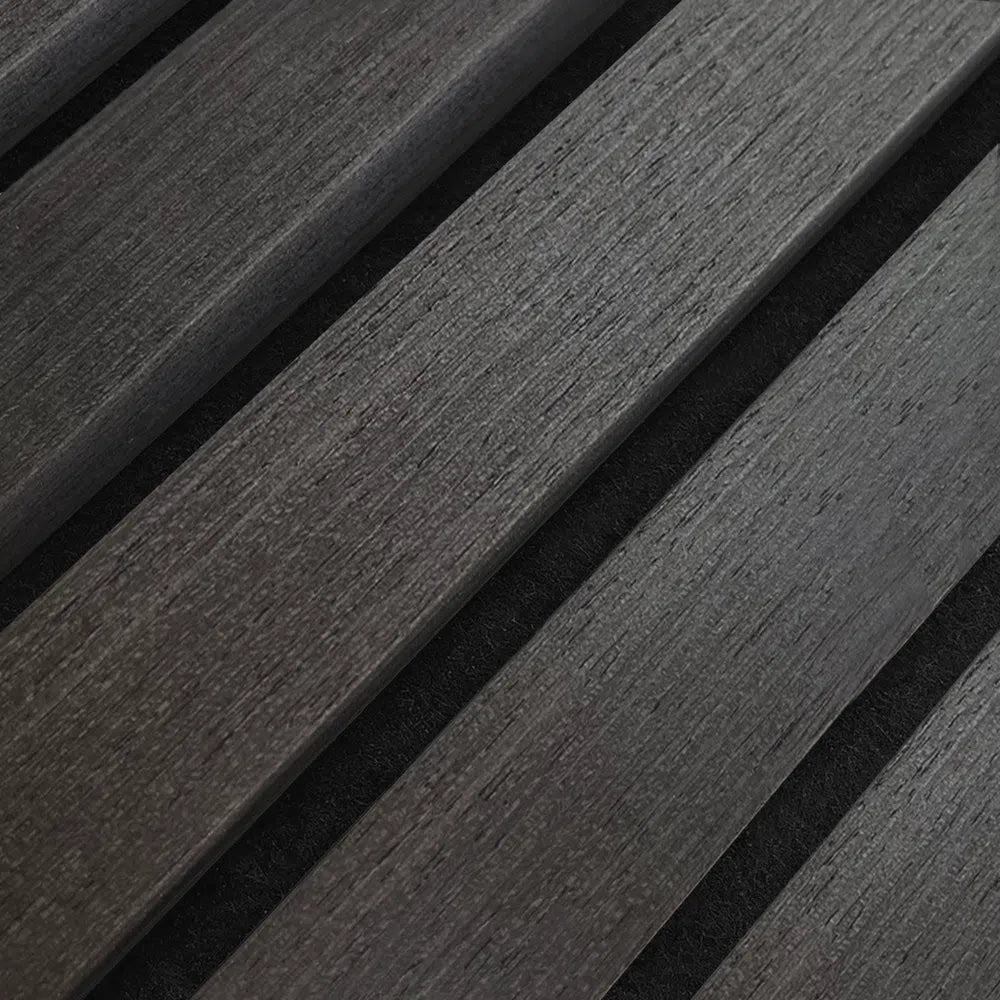
- Natural oak wall panels or whichever finish you've ordered, still in their original packaging
- High-tack panel glue ready for once acclimatisation is confirmed
- 48-72 hours of unhurried calendar time before the install date
The steps
1. Check the room's conditions before the panels arrive
Aim for 18-24°C and 40-60% relative humidity — normal living conditions in most UK homes across the year. A cold, damp spare room or a newly plastered space running above 65% humidity is not ready, and panels acclimatised there will keep moving after you fit them. Turn heating or dehumidifiers on 24 hours ahead if the room runs outside that range.
Common mistake: acclimatising in the hallway or garage because it's convenient, then carrying panels straight into a warmer living room to fit. That temperature jump undoes the whole point of waiting.
2. Unbox and lay panels flat in the install room
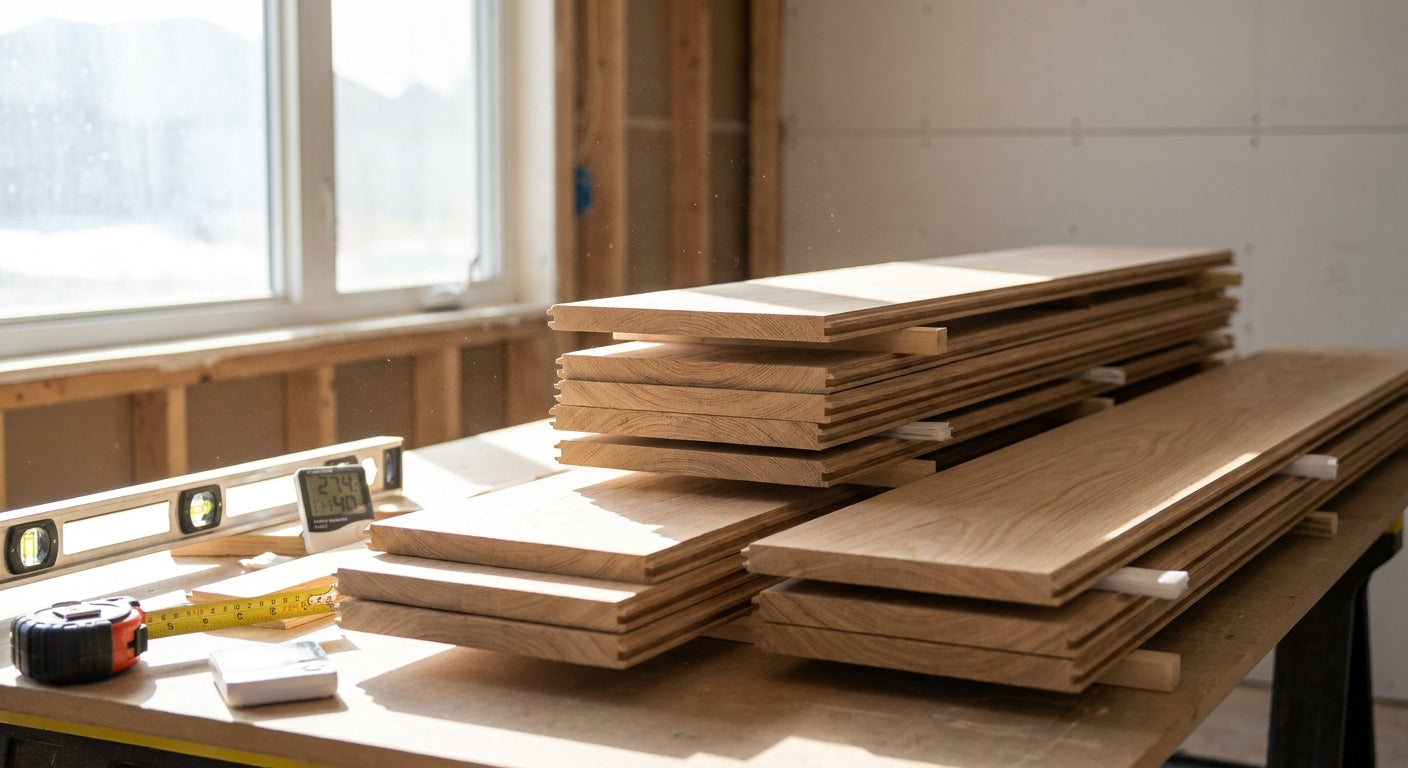
Remove the outer packaging so air reaches all sides of the panel, but leave the panels resting flat or leaning loosely — don't stack them tightly against each other. Lay them in the exact room where they'll be fitted, ideally away from direct radiator heat or a window that gets full sun.
This single step is where most DIY installs go wrong: panels get acclimatised in a spare room, then moved to the target room on install day.
3. Let panels rest for a minimum of 48 hours
Seventy-two hours is the safer number for real wood veneer panels, especially in winter when indoor humidity swings more with heating cycles. Forty-eight hours is a workable minimum if the room's conditions were already close to the panel's stored environment.
Don't fit on day one. It's the single biggest cause of post-install gapping, and it costs nothing but patience.
4. Recheck temperature and humidity before you fit anything
After the wait, take a second reading. If the room has held steady at 18-24°C and 40-60% humidity for the full acclimatisation window, the panels are ready. If a heatwave, a burst pipe, or a heating outage shifted conditions mid-wait, add another 24 hours and check again.
5. Dry-fit one panel before committing glue or fixings
Hold one acclimatised panel against the wall in its final position for a few minutes. Check the edges sit flat against neighbouring panels with no visible bow. This is a five-minute check that catches a problem before it's permanent.
Common mistake: gluing the whole run before dry-fitting a single panel, then discovering a bow only after three panels are bonded.
6. Order a sample ahead of a full order next time
If you're buying for a future room, request samples before the full order lands. It lets you confirm the finish and colour under your actual lighting, and gives you a small piece to test your room's conditions with before committing to a full pack. Ordering acoustic wall panel samples before buying walks through the process.
7. Fit only once acclimatisation is confirmed
Apply panel glue in the pattern the product instructions specify, press each panel firmly, and work along the wall in one continuous session rather than over several days — mixing acclimatised and freshly-unboxed panels in the same run defeats the purpose.


Troubleshooting
- Gaps appear a few weeks after fitting. The panels were almost certainly fitted before full acclimatisation. There's no retroactive fix beyond re-fitting once the room has stabilised — prevention is the only real cure.
- Veneer edges look like they're lifting. Usually humidity moved sharply after fitting — a new bathroom extractor fan, a burst pipe, or a long heating outage. Get humidity back to 40-60% and monitor for two weeks before deciding if a panel needs replacing.
- One panel bows more than its neighbours. Check if it was stored differently — nearer a radiator, in a box longer, or against an exterior wall. Isolate and re-acclimatise that panel alone rather than restarting the whole batch.
- Humidity swings constantly in a kitchen or bathroom. These rooms run 60-70% humidity during cooking or showering. Acclimatise longer — 72 hours minimum — and expect slightly more seasonal movement than a living room install.
- Panels arrived and the fitting date is tomorrow. Don't compress the wait. Push the install date back rather than fitting unacclimatised panels; a rushed job costs more to redo than a two-day delay costs in patience.
- Glue won't grip after fitting. This is separate from acclimatisation but often confused with it — check the wall surface is clean, dry, and the correct panel glue was used at room temperature, not a cold garage.
Tools and resources
- A hygrometer costing under £15 removes the guesswork on humidity readings
- High-tack panel glue formulated for wood wall panel installs, applied once acclimatisation is confirmed
- A spare offcut or sample piece to test-fit conditions before the full order ships
- Sawhorses or a flat table to keep panels off cold flooring during the wait
What to do next
Once you know how many days you need for acclimatisation, work backwards from your install date to figure out order timing — and while you're planning, get the panel count right the first time. Calculating how many wall panels you need covers coverage math so you're not short a board mid-install in 2026.
FAQ
How long does it take to acclimatise wood wall panels?
Wood wall panels need 48 to 72 hours in the install room before fitting. Real wood veneer finishes benefit from the full 72 hours, especially in winter when indoor humidity shifts with heating cycles.
What temperature and humidity do wood wall panels need to acclimatise?
Aim for 18-24°C and 40-60% relative humidity, which matches normal UK living conditions. Rooms outside that range should be heated or dehumidified for 24 hours before panels go in.
Can I acclimatise wall panels in a garage or hallway instead of the install room?
No — panels need to sit in the exact room where they'll be fitted. Moving them from a cooler garage to a warmer living room on install day undoes the acclimatisation period.
What happens if I fit wood wall panels without acclimatising them?
Gaps typically appear between boards two to three weeks after fitting as the panels finish adjusting to the room. Veneer lift and slight bowing are also common signs of a rushed install.
Do bathroom and kitchen wall panels need longer acclimatisation?
Yes, aim for 72 hours minimum since these rooms swing between 60-70% humidity during cooking or showering. Expect slightly more seasonal movement than a living room install even after acclimatising correctly.
Should I order a sample before buying full wood wall panels?
Yes — a sample lets you check the finish under your room's lighting and test how your space's humidity behaves before committing to a full order. It's a low-cost way to avoid a costly reorder.
Is natural oak wall panel acclimatisation different from other finishes?
No — natural oak wall panels follow the same 48-72 hour window and 18-24°C, 40-60% humidity range as other real wood veneer finishes. The wood species doesn't change the acclimatisation rule.
Can I speed up wood panel acclimatisation with a dehumidifier?
A dehumidifier can correct a room running above 65% humidity ahead of time, but it doesn't shorten the 48-72 hour resting period itself. Use it to fix the room's conditions, not to rush the panels.
One last thing
Most gap complaints that reach installers in 2026 trace back to a panel fitted the same day it arrived, not a manufacturing fault. The fix costs nothing — it's two days of waiting, not a different product or a different glue.