Forest oak panels for country kitchen walls need to survive steam, grease and daily knocks while keeping the timber warmth that makes a country kitchen feel lived-in — this guide picks the finishes from Akuwood Panel that hold up in a working room, not just a showroom photo.
- Rustic Oak wins forest oak panels for country kitchen searches in 2026 — knotty grain hides grease marks. Buy.
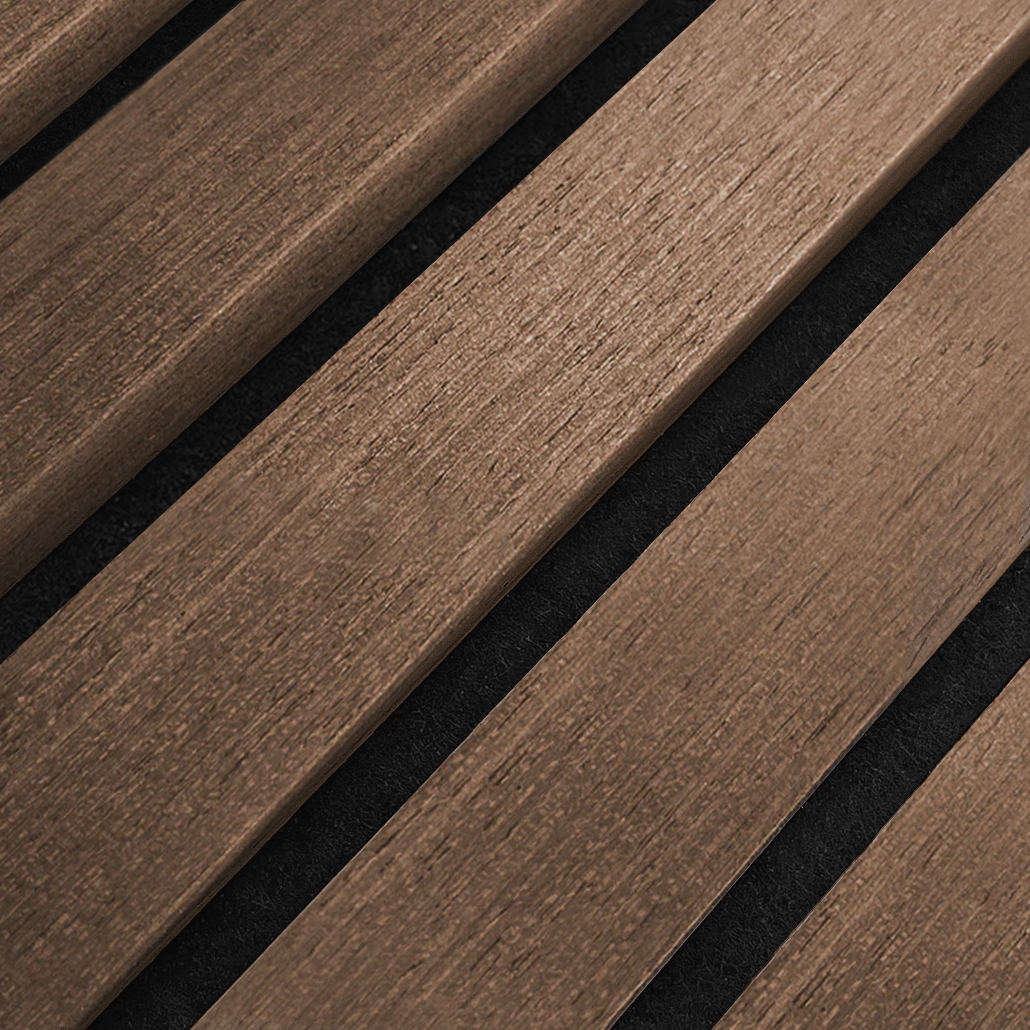
- Mocca gives a darker forest-floor tone against oak worktops and open shelving. Buy for contrast walls.
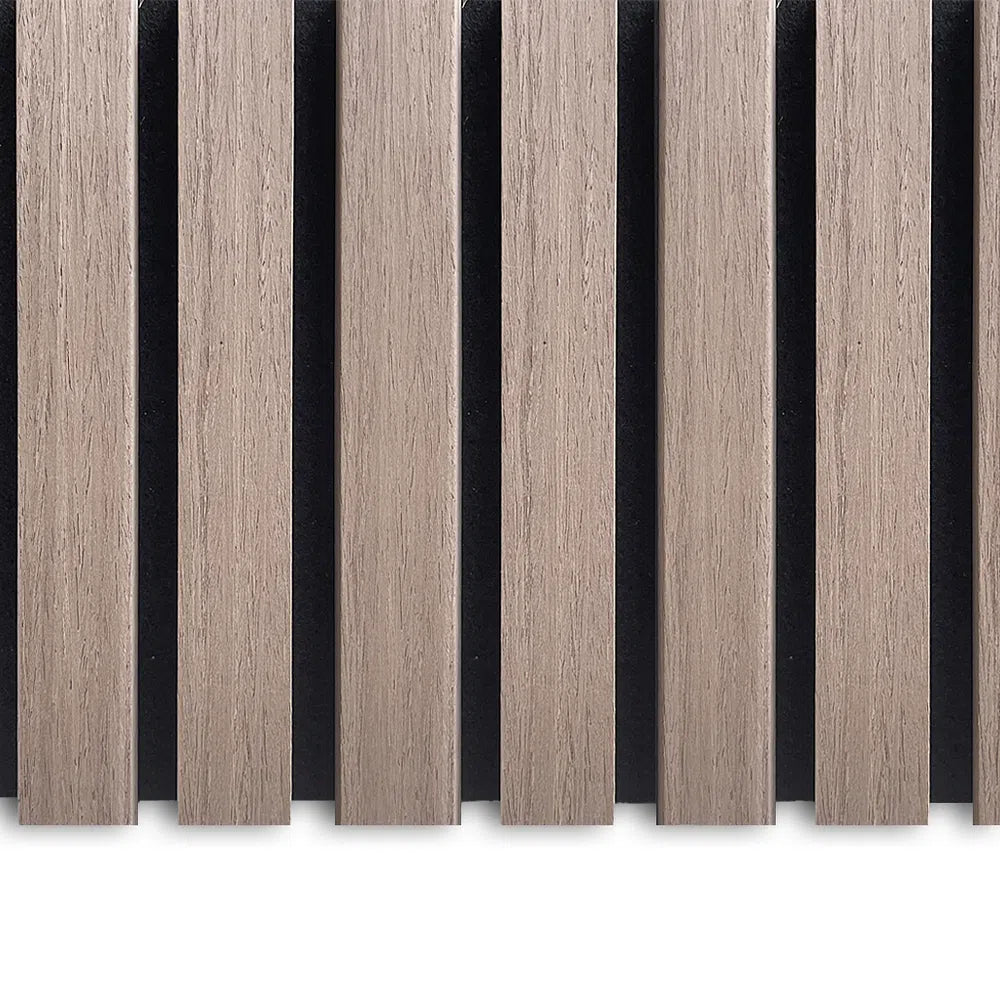
- Natural Oak brightens a small country kitchen but shows splashback marks faster than Rustic Oak. Consider.
- Skip printed laminate lookalikes — 2026 buyers want real 3-sided wood veneer, not foil finish.
Why this matters
A country kitchen carries more acoustic hard surfaces than any other room — tile floors, exposed beams, an Aga or range, open shelving instead of cupboards. Sound bounces, and bare plaster next to a farmhouse table does nothing to soften it.
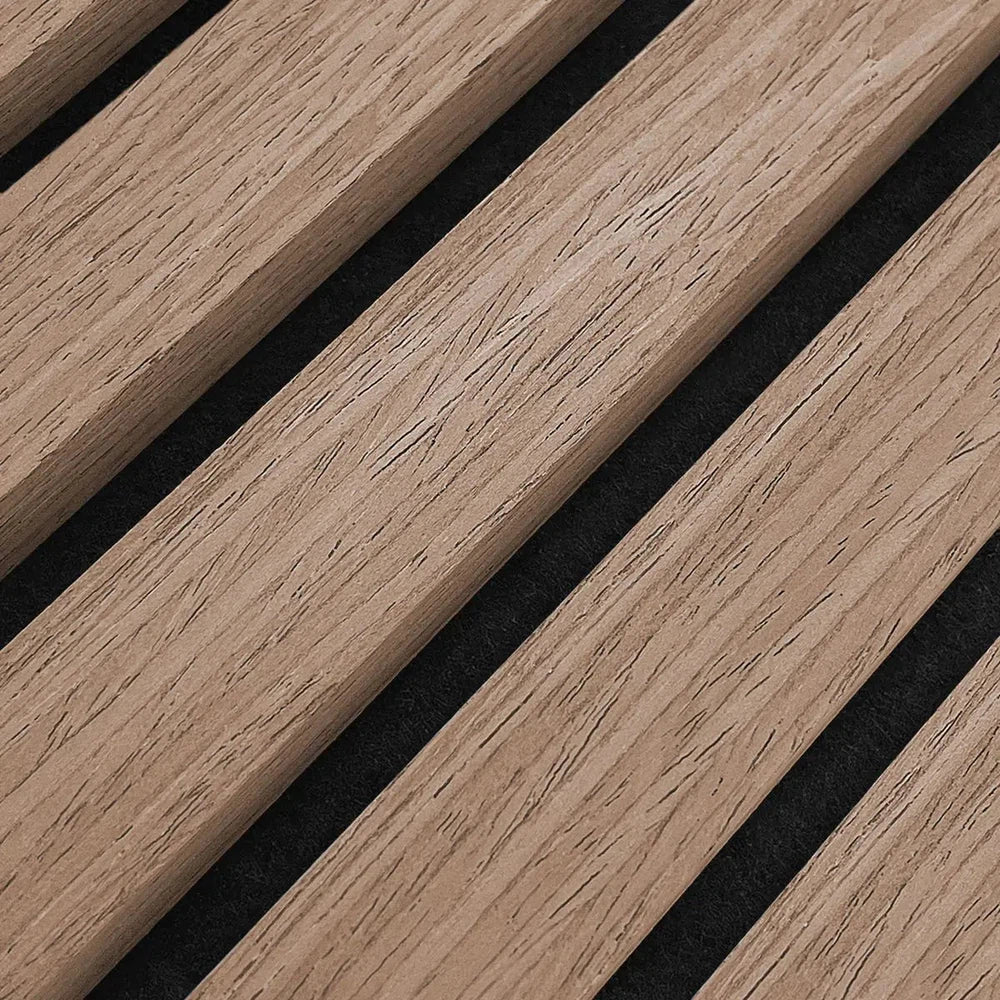
Wood veneer wall panels solve two problems at once in 2026: they add the timber grain a rustic kitchen needs, and the felt backing on Akuwood Panel's range absorbs some of that reverberation. Akuwood Panel sells the finish in 240 cm and 300 cm formats, both with a 3-sided real wood veneer face rather than a printed surface.
Who this is for
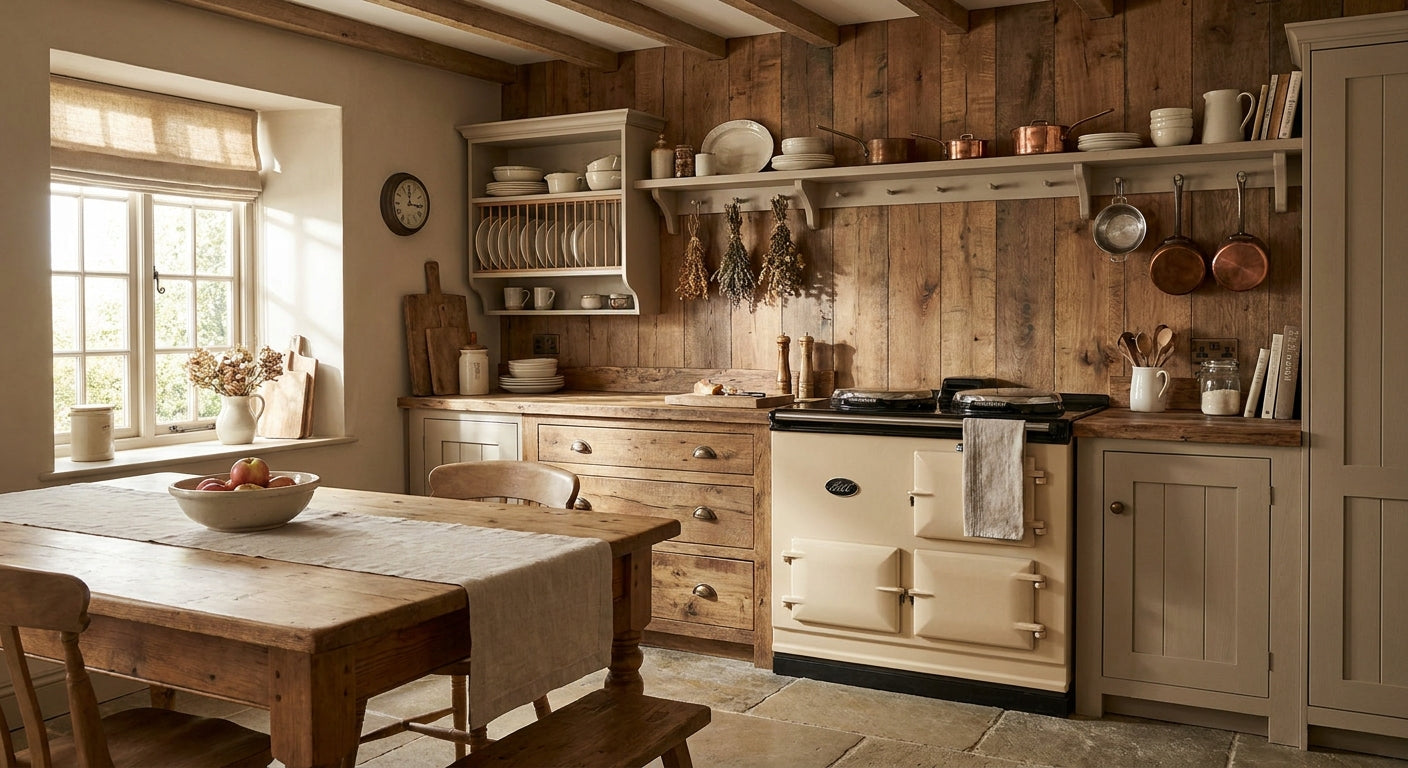
This guide is for anyone panelling a kitchen with exposed beams, an oak or reclaimed-wood table, and cabinetry in cream, sage or dark green — the farmhouse-country look rather than a sleek handleless kitchen. If your kitchen leans minimalist white gloss, a forest oak finish will fight the room instead of finishing it.
What to look for in forest oak panels for a country kitchen
Grain depth and knot visibility
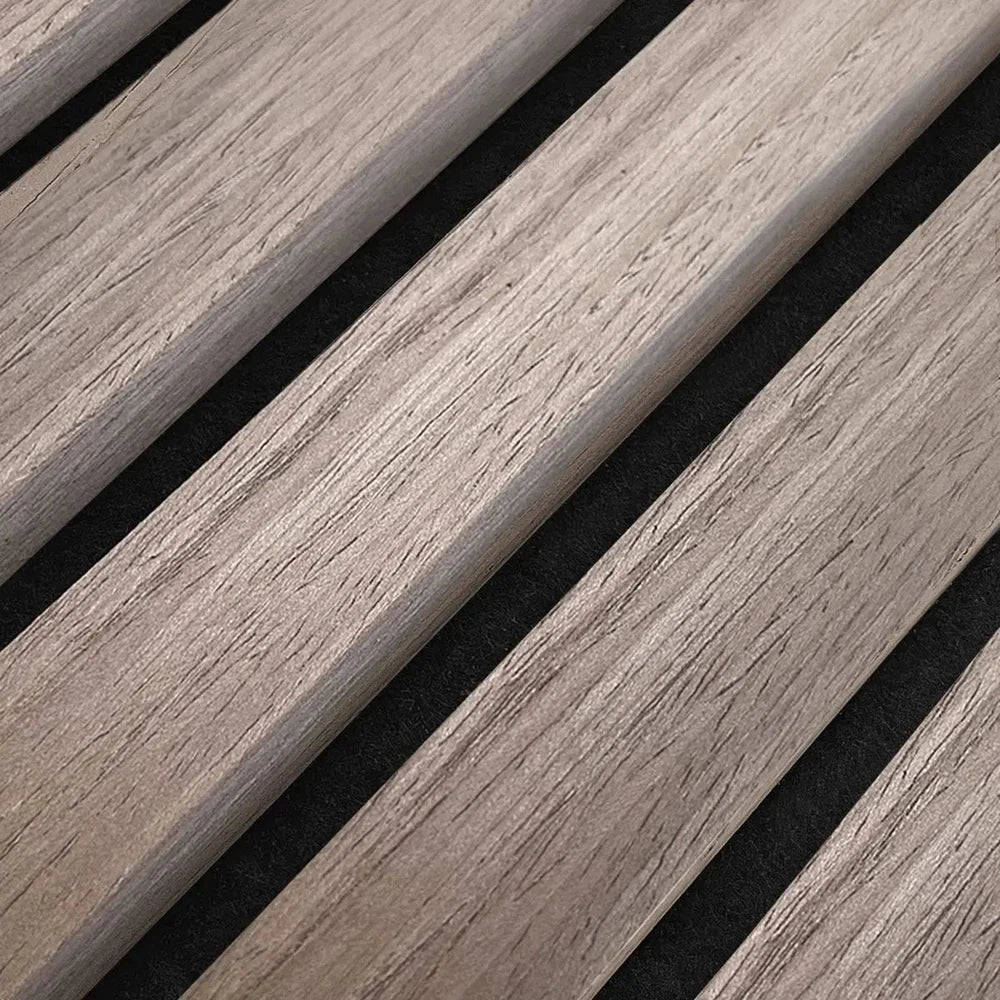
A country kitchen wall needs visible character — tight, uniform grain reads as office panelling, not farmhouse. Look for a finish with pronounced knots and colour variation across the veneer face, which is what gives a rustic wall its handmade feel next to reclaimed wood furniture.
Moisture and steam tolerance
Kitchens generate steam from kettles, pans and dishwashers daily, and a panel installed near a hob or sink takes more humidity than a living room wall ever will. Real wood veneer with a sealed finish copes far better long-term than a laminate print, which can lift at the edges once moisture gets behind it.
Colour match to cabinetry and worktops
Forest oak tones need to sit against the existing palette, not compete with it — a panel that's too orange next to grey-toned oak worktops will look dated within a year. Bring a cabinet door sample or worktop offcut to the colour decision rather than judging from a screen.
Panel format for kitchen wall heights
Standard UK kitchen ceilings run close to 240 cm, which is why that format exists as the standard cut, while 300 cm suits taller period cottages or open-plan extensions with vaulted ceilings. Buying the wrong format means extra cutting and wasted offcuts on a wall that's meant to look effortless.
Acoustic backing for open-plan kitchen-diners
More country kitchens in 2026 open straight into a dining or family space, which multiplies the hard-surface echo problem. A felt-backed panel does double duty as decoration and sound control, which a decorative-only cladding board cannot match.
Top picks
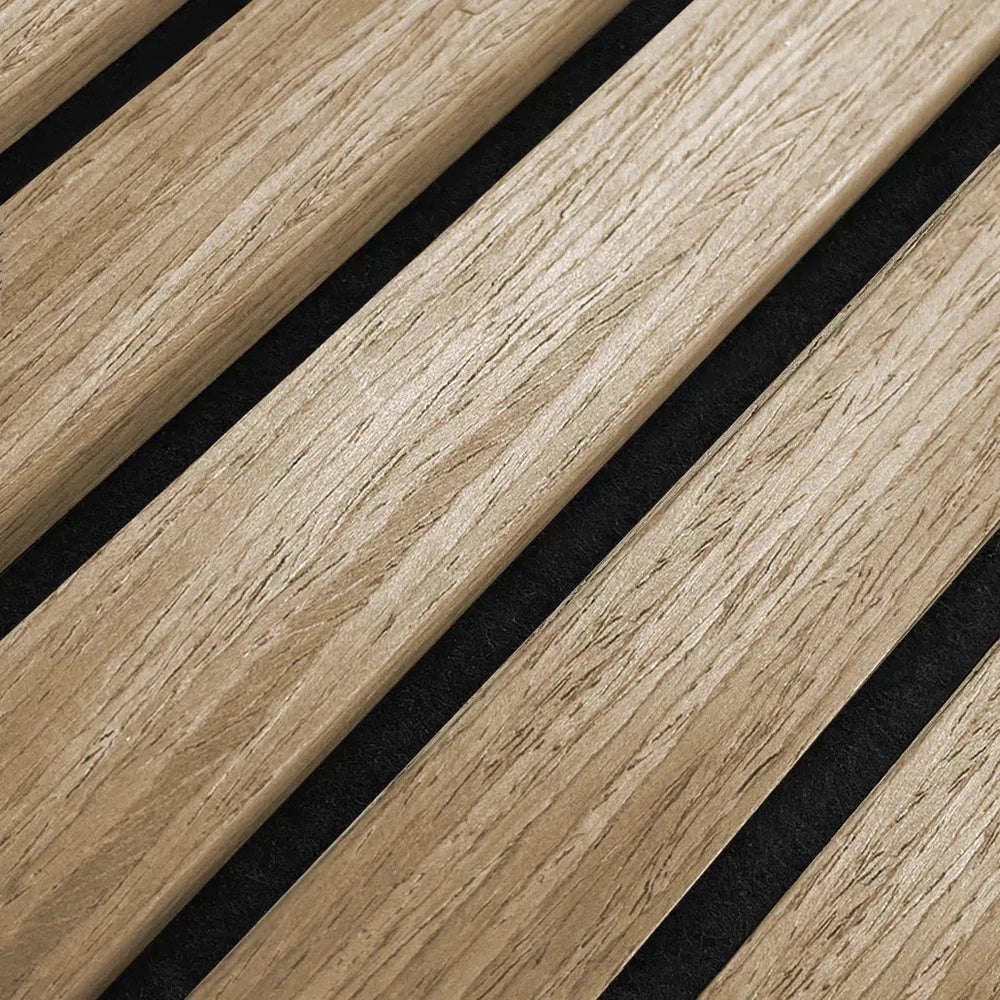
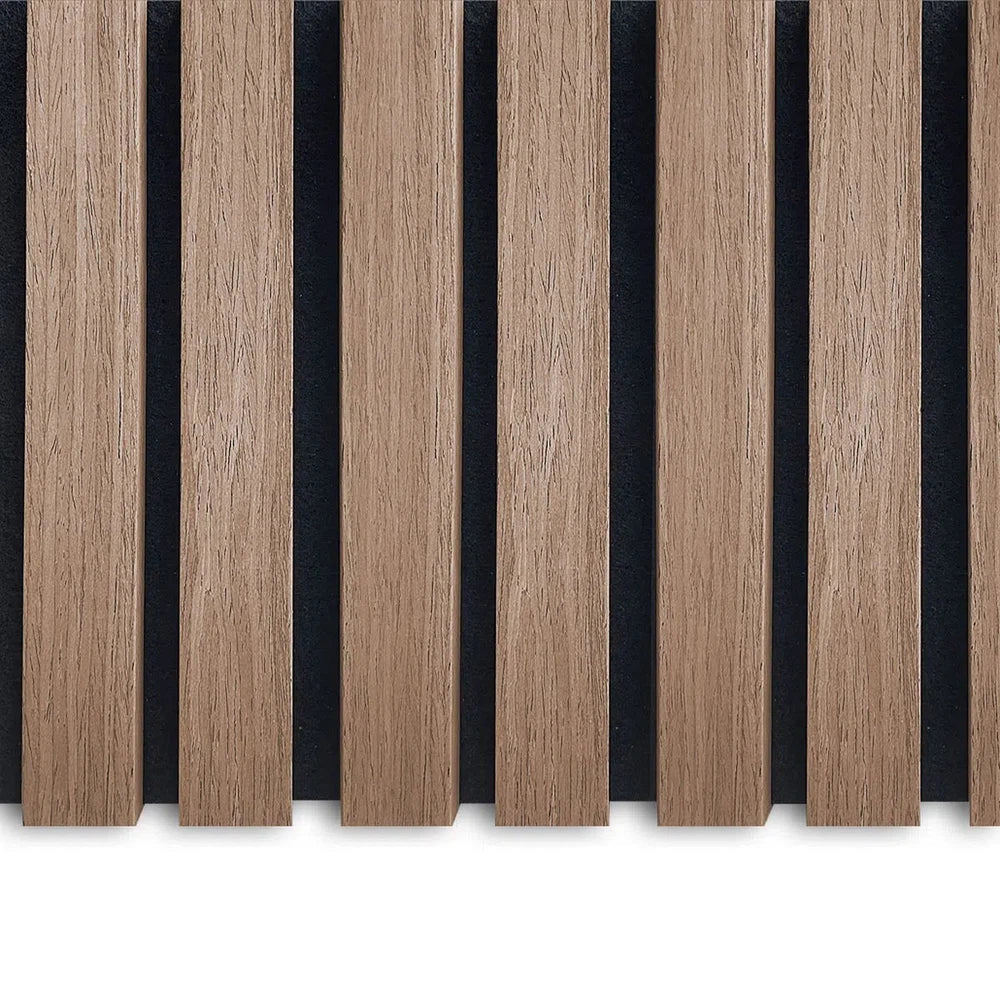
Rustic Oak — the safe pick. The knot pattern and colour variation on this 3-sided veneer panel is the closest match to a genuine forest oak look, and at £84.95 per panel it sits mid-range against the rest of the Akuwood Panel line. It hides grease marks and daily knocks better than smoother finishes because the grain already carries visual noise. Buy.
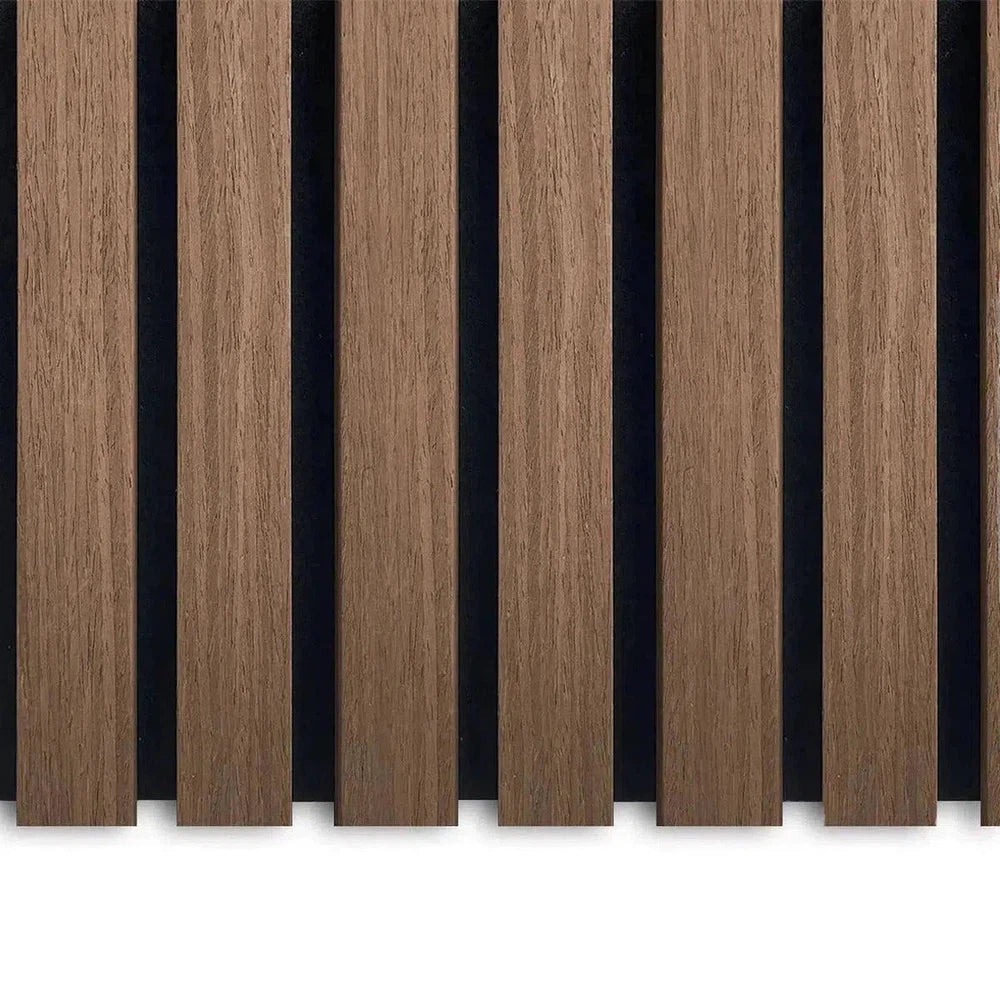
Mocca wall panel — the moody pick. This darker tone reads as forest floor rather than fresh-cut timber, and it works well as a feature wall behind open shelving or a range cooker where you want the wall to recede, not compete with copper pans or cast iron. It's a stronger match for kitchens with dark oak worktops than for pale Shaker cabinetry. Buy for contrast walls.
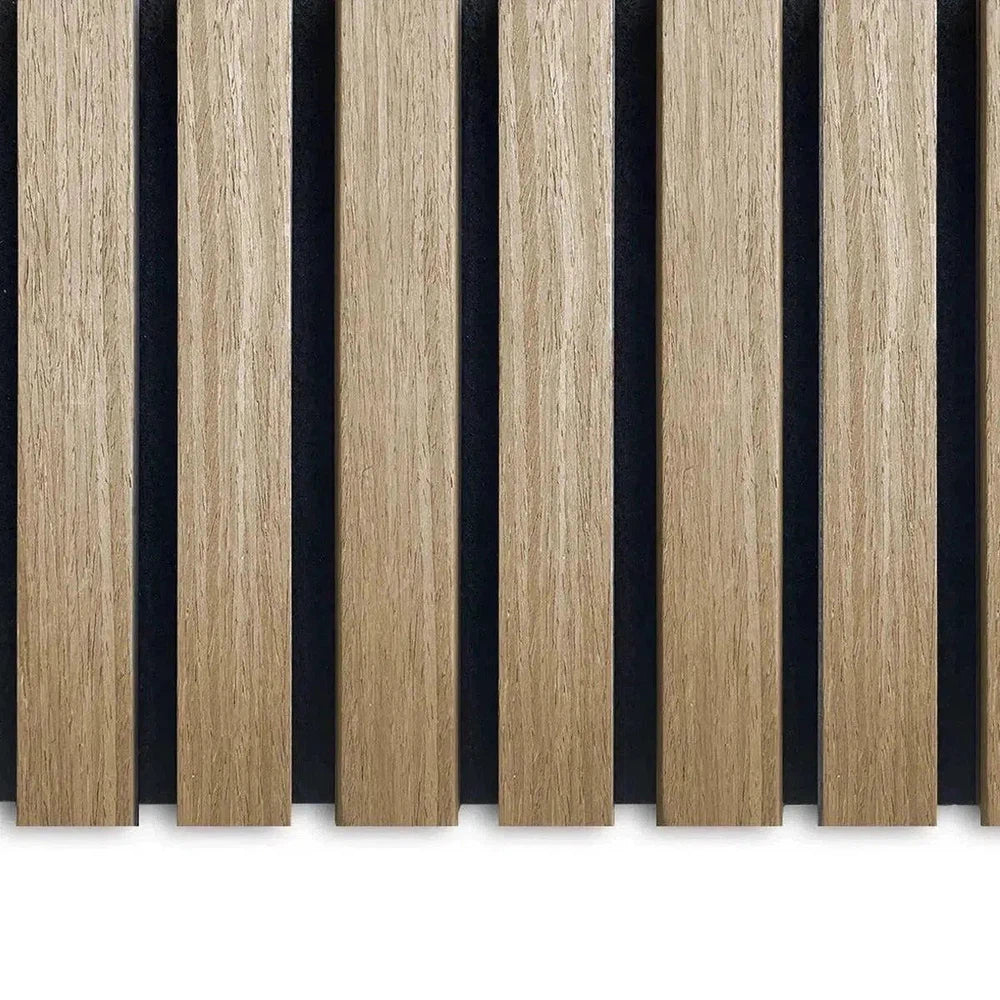
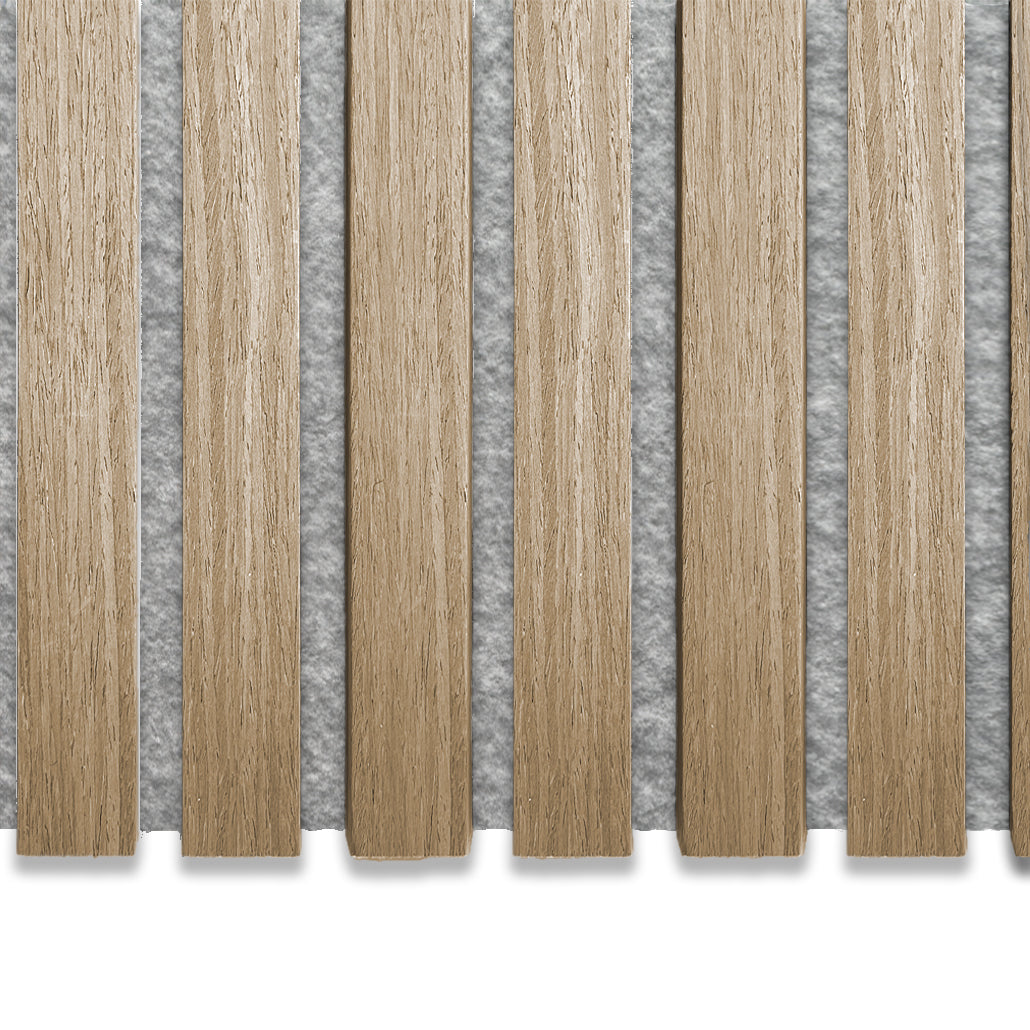
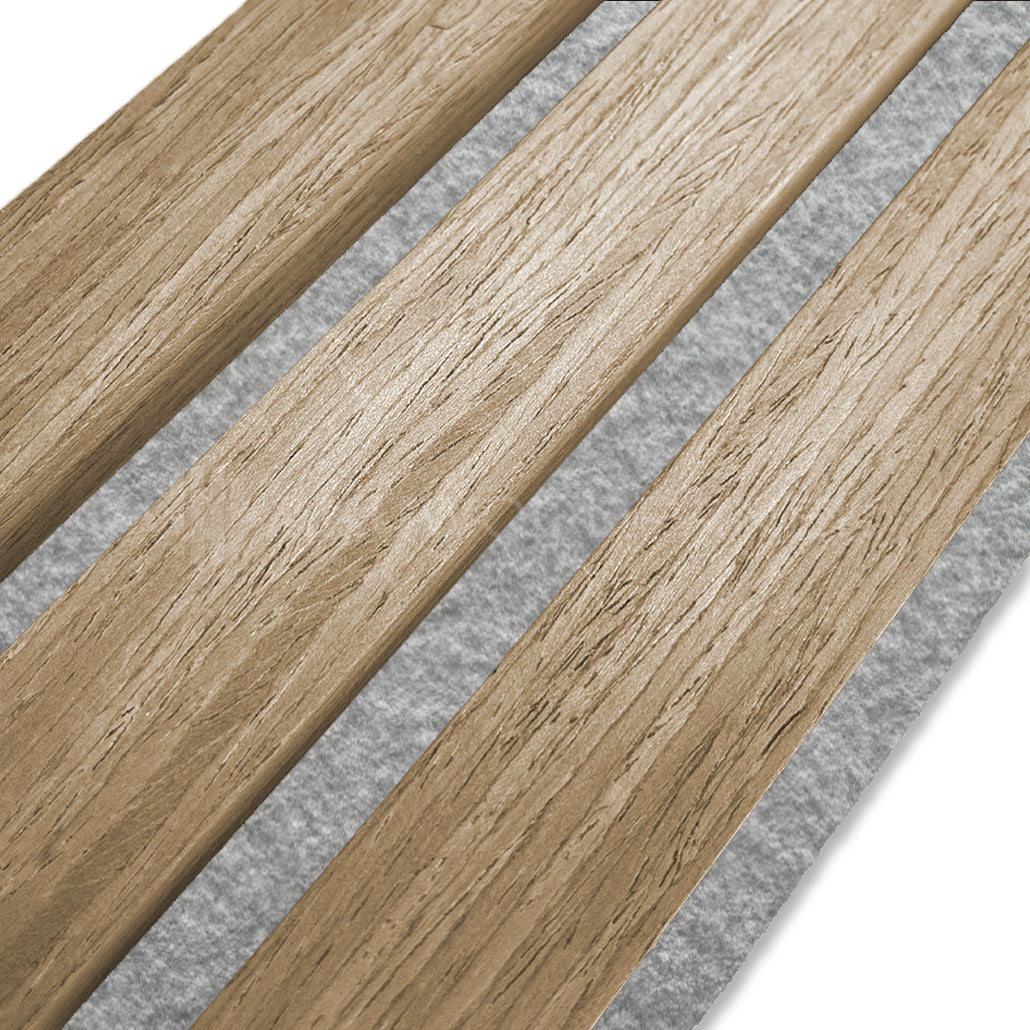
Natural Oak — the brightener. At £84.95, Natural Oak lifts a small or north-facing country kitchen where Rustic Oak's darker knots would make the room feel enclosed. It shows splashback marks near a sink faster than the darker finishes, so it suits a wall away from direct cooking spray. Consider.
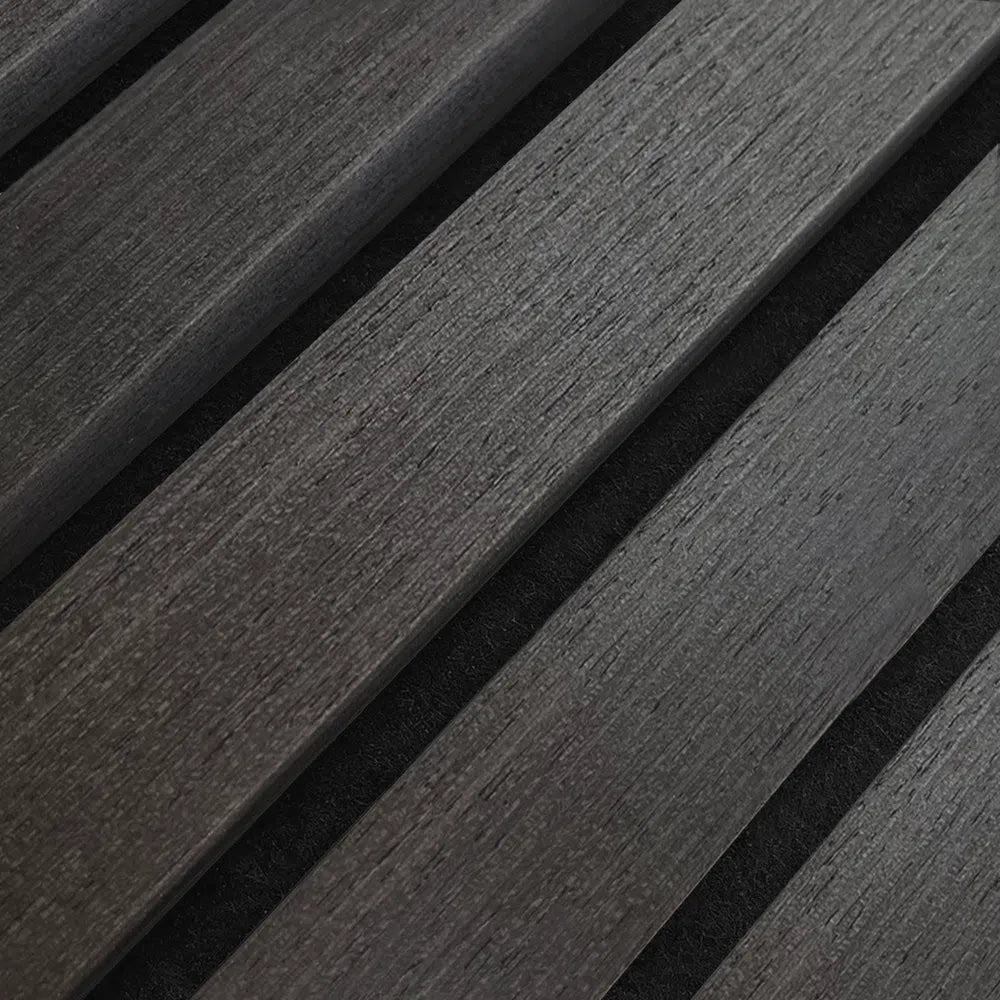
Smoked Oak — the contrast pick. Priced at £80.95, this finish pairs with an Aga or a dark-toned worktop for a deliberate two-tone kitchen. It reads more contemporary-farmhouse than classic-country, so it's the pick for a kitchen that's already leaning modern-rustic rather than full cottage. Consider.


What to avoid
- Printed laminate panels marketed as "oak effect." They photograph fine but scratch through to a plain substrate the first time a chair catches the wall — real veneer wears differently, it dents rather than chips white.
- High-gloss oak finishes. A gloss surface reflects kitchen lighting and reads as commercial reception, not farmhouse, no matter how rustic the grain pattern underneath.
- Panelling directly behind a hob without checking heat clearance. Wood veneer next to an open flame or unshielded hob needs distance from the heat source, not just a nice colour match. The forest oak wall panels for rustic interiors guide covers placement in more detail if you're panelling near a cooking zone.
Verdict comparison table
| Finish | Best for | Format | Verdict |
|---|---|---|---|
| Rustic Oak | Classic farmhouse, hides marks | 240 cm / 300 cm | Buy |
| Mocca | Dark contrast wall, range cooker backdrop | 240 cm / 300 cm | Buy |
| Natural Oak | Small or north-facing kitchens | 240 cm / 300 cm | Consider |
| Smoked Oak | Modern-farmhouse crossover | 240 cm / 300 cm | Consider |
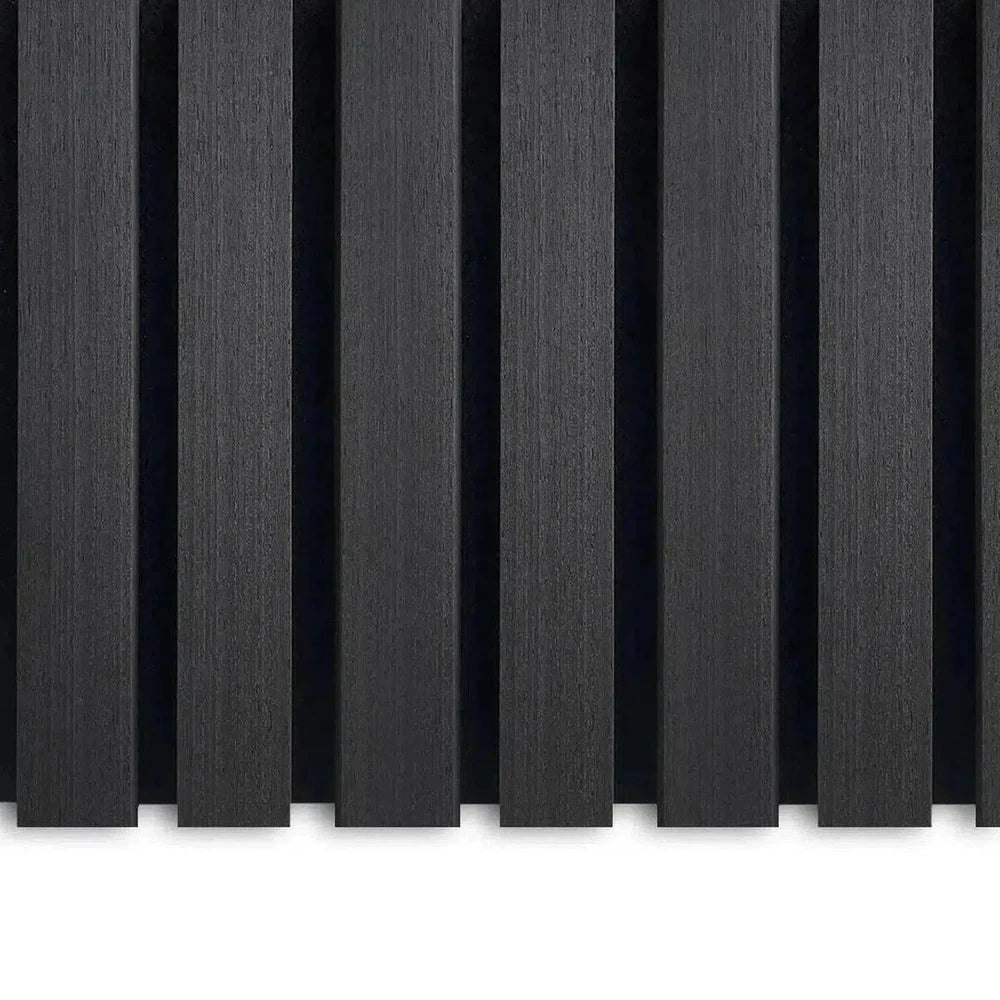
| Black Oak | Contemporary kitchens, not classic country | 240 cm / 300 cm | Skip for this look |
FAQ
What's the best forest oak panel for a country kitchen?
Rustic Oak is the best match for a genuine forest oak panels for country kitchen look in 2026 because its knot pattern and colour variation hide daily marks. Mocca works as a darker contrast option for kitchens with dark worktops.
Are wood veneer panels safe near a kitchen hob?
Keep any wood veneer panel a safe clearance from an open flame or unshielded heat source rather than fitting it directly behind a hob. Check the manufacturer clearance guidance before installing near a cooking zone.
Is Rustic Oak better than Natural Oak for a farmhouse kitchen?
Rustic Oak suits a classic farmhouse look better because its darker, knottier grain hides grease marks and daily wear more effectively. Natural Oak works better in smaller or north-facing kitchens that need more light.
How much does a forest oak wall panel cost in 2026?
Rustic Oak and Natural Oak panels from Akuwood Panel are priced at £84.95 per panel in 2026, with Smoked Oak at £80.95. Prices vary by finish and felt backing option.
What size wall panel fits a standard UK kitchen?
The 240 cm format fits most standard UK kitchen ceiling heights without cutting. The 300 cm format suits taller period cottages or extensions with vaulted ceilings.
Do wood veneer kitchen panels need sealing against steam?
Real 3-sided wood veneer panels handle everyday kitchen steam and humidity better than printed laminate finishes, which can lift at the edges over time. Avoid direct water contact near sinks and splashback zones.
Can you mix two oak finishes in one country kitchen?
Yes, pairing a lighter finish like Natural Oak with a darker one like Mocca on an adjoining wall creates the two-tone look common in 2026 farmhouse kitchens. Keep the darker tone away from direct cooking spray.
One last thing
The detail most homeowners miss: a country kitchen with open shelving needs the panel colour decided against the shelving contents, not just the cabinetry, because stacked crockery and copper pans sit directly in front of the wall all day. Hold a Mocca or Rustic Oak sample against your actual shelf contents before ordering a full run of panels.