

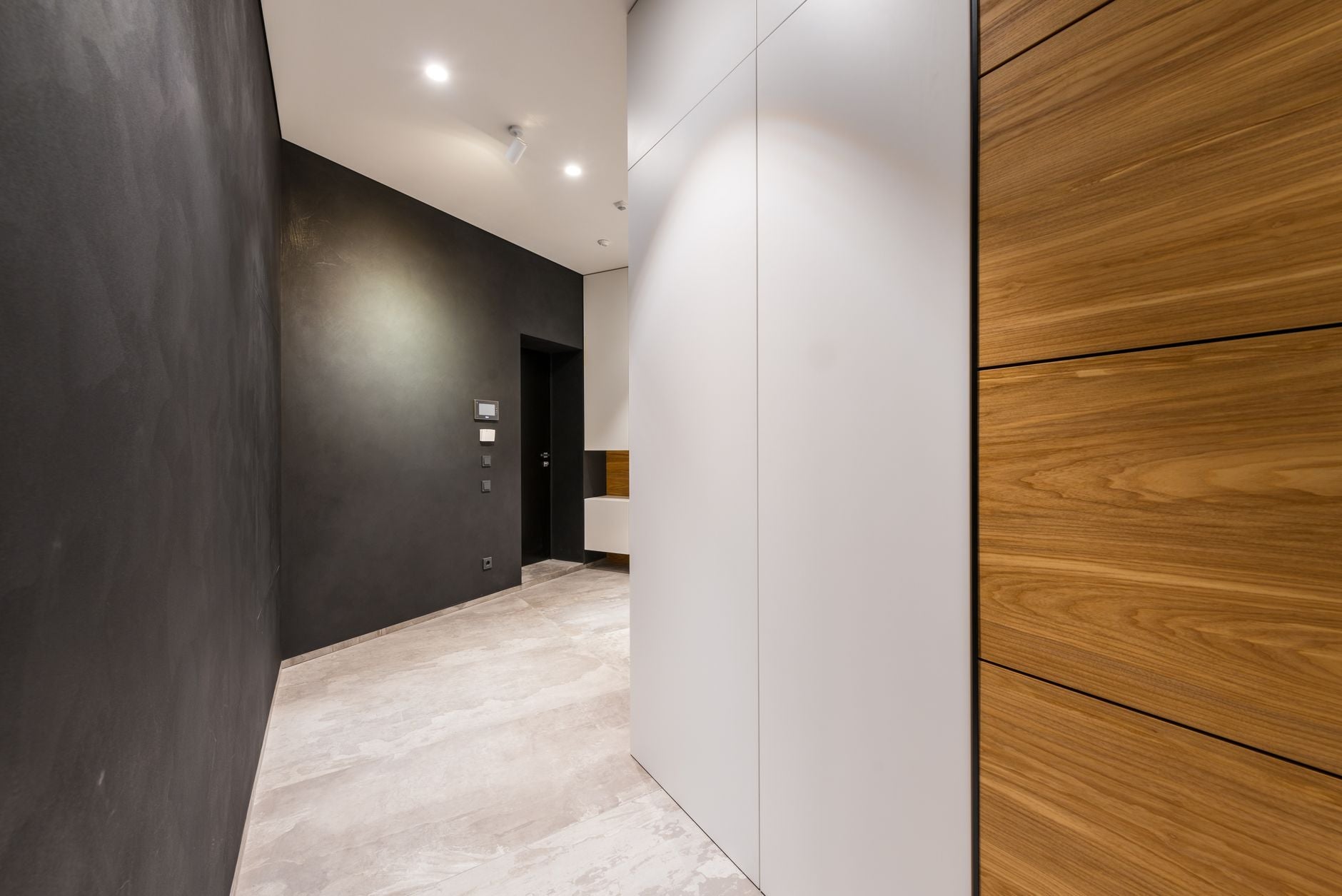
Forest oak wall panels bring a grounded, textured warmth to rustic interiors that plain paint or wallpaper simply cannot replicate — this guide tells you exactly who should buy them, what to look for, and which Aku Wood Panel options deserve your wall space in 2026.
TL;DR: Forest oak wall panels suit homeowners, self-builders, and interior designers chasing an organic, cabin-like aesthetic in living rooms, dining rooms, hallways, and bedrooms. The wooden wall panel forest oak from Aku Wood Panel is the standout pick in 2026 — it pairs acoustic performance with a deeply grained, forest-floor finish that reads as authentically rustic at any scale.
Why Forest Oak Works in Rustic Interiors
Rustic design depends on material honesty: surfaces that show grain, knot, and natural variation rather than uniformity. Forest oak finishes replicate the cooler, shadow-toned side of oak — the tones you see in shaded woodland rather than sun-bleached hardwood floors. That distinction matters. A pale natural oak finish can read as Scandinavian-minimal; a forest oak finish reads as lodge, farmhouse, or rural cottage. The difference is tonal depth, not species. In 2026, that darker, moodier oak palette is one of the dominant directions in UK residential interiors, particularly for feature walls in living rooms and behind-headboard bedroom applications.
Aku Wood Panel manufactures acoustic wood panels built for both construction and interior fitout — so every panel in this range delivers sound absorption alongside the visual finish, which is a genuine functional advantage over purely decorative cladding.
Who This Is For
This guide is written for homeowners renovating period or rural properties, self-builders specifying a main living space, interior designers sourcing materials for residential or hospitality clients, and tradespeople fitting feature walls who need a supplier with a full trim and accessory range. If your brief uses words like "cosy", "cabin", "farmhouse", "biophilic", or "warm and textured", forest oak wall panels belong on your shortlist.
What to Look for in Forest Oak Wall Panels for Rustic Interiors
Tonal Depth and Grain Variation
A flat, uniform finish kills the rustic effect. The panels you want show variation across the board — darker recesses, lighter ridges, subtle grain shifts. Forest oak as a colour reference sits in the mid-to-dark range of the oak family, cooler than honey oak and warmer than smoked or charred finishes. Check sample pieces before ordering full quantities; what reads as "forest oak" in a product photograph can look very different under interior lighting.
Acoustic Backing
Rustic interiors — open-plan kitchen-diners, stone-floored hallways, vaulted ceilings — tend to be acoustically live. Panels with an integrated felt backing absorb mid-frequency noise, reducing echo without requiring a separate acoustic treatment layer. This is particularly relevant for dining rooms and living rooms where hard surfaces dominate. Aku Wood Panel's acoustic panels use a felt backing that adds a measurable absorption layer behind the timber slats.
Panel Dimensions and Coverage Rate
Coverage rate determines how many panels you need and how the joint pattern reads on the wall. Larger panels mean fewer joins, which suits a cleaner, more architectural installation. Narrower slat profiles accentuate the vertical grain line and read as more traditional. Confirm the coverage area per panel before calculating order quantities — underordering and waiting for a second delivery stalls the whole fit-out.
Trim and End-Piece Compatibility
Rustic installations rarely have perfectly square, uninterrupted walls. You will almost certainly need to finish around door frames, window reveals, internal corners, and wall ends. A panel range that includes matched end pieces and trim in the same finish keeps the installation looking intentional rather than improvised. The end piece wooden wall panel natural oak is the closest tonal match in the Aku Wood Panel range if you are finishing a forest oak installation where the grain tones align.
Fixing Method and Wall Compatibility
Most acoustic wood panels fix to plasterboard or timber battens using panel adhesive, mechanical fixings, or a combination. For rustic interiors — particularly older properties with uneven or damp-prone walls — confirm the panel substrate is compatible with your wall type before specifying. High-tack adhesive rated for panel weights is the most common fixing method; Aku Wood Panel supplies a matched high-tack panel glue so you are not sourcing adhesive separately and risking a compatibility issue.
Sample Availability Before Full Order
Colour rendering on screens is unreliable. Always order a physical sample to confirm the finish under your actual interior lighting conditions — tungsten, LED warm white, and natural daylight render oak tones very differently. A sample costs almost nothing against the cost of a full wall order that is the wrong tone.
Top Picks for Rustic Interiors in 2026
The First Choice — Wooden Wall Panel Forest Oak
The signature pick. This is the panel the buyer who searched "forest oak wall panels" is actually looking for. The finish replicates the cooler, shadow-side oak grain associated with dense woodland rather than dressed timber, which is exactly the tonal register that works in rustic and organic interiors. It works as a full-wall treatment, a chimney breast panel, or a behind-sofa feature wall. For any rustic interior brief in 2026, this is the starting point.
Verdict: Buy — wooden wall panel forest oak
The Warmer Alternative — Wooden Wall Panel Rustic Oak Premium
The tactile upgrade. The rustic oak premium range uses a 3-sided wood veneer, which means three visible faces of the slat carry genuine veneer rather than a printed or film finish. In a rustic interior where authenticity of material is part of the brief, that distinction matters. The tonal register is warmer than forest oak — closer to a reclaimed-timber feel. Use it where you want the material to read as genuinely aged rather than stylised.
Verdict: Consider — best on feature walls where close inspection is likely, such as a fireplace surround or a dining room accent wall.
The Darker Direction — Wooden Wall Panel Smoked Oak
The moodier option. Smoked oak sits darker than forest oak and reads as more deliberately dramatic. In a rustic interior with pale stone, whitewash plaster, or limed wood flooring, smoked oak provides strong contrast without crossing into the industrial register of black finishes. It is a better fit for evening-lit spaces — a pub-style snug, a media room, a bedroom — than for day-lit kitchens or hallways.
Verdict: Consider — strong for low-light rooms; verify the sample under your actual lighting before ordering.
The Lighter Complement — Wooden Wall Panel Natural Oak
The safe pairing. Natural oak is not a rustic choice on its own, but it is the right panel for walls adjacent to a forest oak feature wall where you want tonal continuity without exact matching. It also suits rustic interiors that lean towards the lighter, Cotswold-stone end of the aesthetic rather than the darker, hunting-lodge end.
Verdict: Hold — useful as a secondary panel, not as the lead finish for a rustic brief.
What to Avoid
- Over-ordering without a physical sample. Forest oak reads differently under warm LED lighting versus cool daylight. What looks right on screen may read as grey-green or flat brown on the wall. Order the sample wooden wall panel forest oak first.
- Ignoring end pieces and trim. Installing panels without matching trim at door frames and internal corners is the most common reason rustic panel installations look unfinished. It is not a cosmetic detail — it is structural to the result.
- Choosing smoked or black oak for bright, south-facing rooms. Darker panels in high-daylight spaces lose their tonal depth and read as flat. Forest oak and rustic oak hold their character across a wider lighting range than smoked or black finishes.
Comparison Table
| Panel | Tone | Acoustic Backing | Best Use | Verdict |
|---|---|---|---|---|
| Forest Oak | Mid-dark, cool | Yes | Feature walls, living rooms | Buy |
| Rustic Oak Premium | Warm, tactile veneer | Yes | Fireplace, dining accent | Consider |
| Smoked Oak | Dark, dramatic | Yes | Low-light rooms, snugs | Consider |
| Natural Oak | Light, neutral | Yes | Secondary walls, hallways | Hold |
FAQ
What are forest oak wall panels? Forest oak wall panels are acoustic timber slat panels finished in a mid-to-dark oak tone that replicates the shadowed, cooler grain of woodland oak rather than dressed or pale hardwood. They are used primarily as interior feature wall cladding.
Are forest oak panels suitable for rustic interiors? Yes. The tonal depth and natural grain variation of a forest oak finish is one of the better matches for rustic, farmhouse, and organic interior styles in 2026. The finish reads as grounded and material-honest rather than polished or uniform.
How do forest oak wall panels fix to a wall? Most acoustic wood panels, including Aku Wood Panel's range, fix using high-tack panel adhesive to plasterboard or timber battens. Some installations also use hidden mechanical fixings. Confirm your wall substrate before fixing.
Do forest oak panels reduce noise? Aku Wood Panel's acoustic wood panels include a felt backing layer that absorbs mid-frequency sound. This reduces echo and reverberation, which is useful in hard-surfaced rustic interiors such as stone-floored rooms or vaulted spaces.
Can I use forest oak panels in a hallway? Yes. Forest oak panels work well in hallways, particularly in period or rural properties. The finish is durable enough for a moderate-traffic corridor and the tonal depth suits the typically lower light levels in UK hallways.
Is forest oak darker than natural oak panels? Yes. Forest oak sits several tones darker than natural oak and has a cooler, more shadowed character. Natural oak reads as warm and blonde; forest oak reads as deeper and more textured.
Should I order a sample before buying forest oak wall panels? Always. Oak finishes render very differently under different light sources. A physical sample under your actual interior lighting conditions is the only reliable way to confirm the finish before committing to a full-wall order.
What trim do I need for a forest oak panel installation? You will need end pieces for any exposed panel edges at doors, windows, or wall terminations. Aku Wood Panel supplies matched end pieces in natural oak and other finishes — check tonal alignment with the forest oak finish when specifying.
One Last Thing
The most common mistake on rustic panel installations is treating the acoustic benefit as secondary. In practice, a stone-floored or high-ceilinged rustic room with one panelled wall is measurably quieter — and that change in acoustic character makes the space feel more intimate and finished, not just better-looking. The panel is doing two jobs at once, which is the most honest argument for specifying acoustic wood panels over purely decorative cladding in 2026.
Share:
Acoustic Panels for Classrooms: Best Picks 2026
Mocca Wall Panels for Dining Rooms: Top Picks 2026