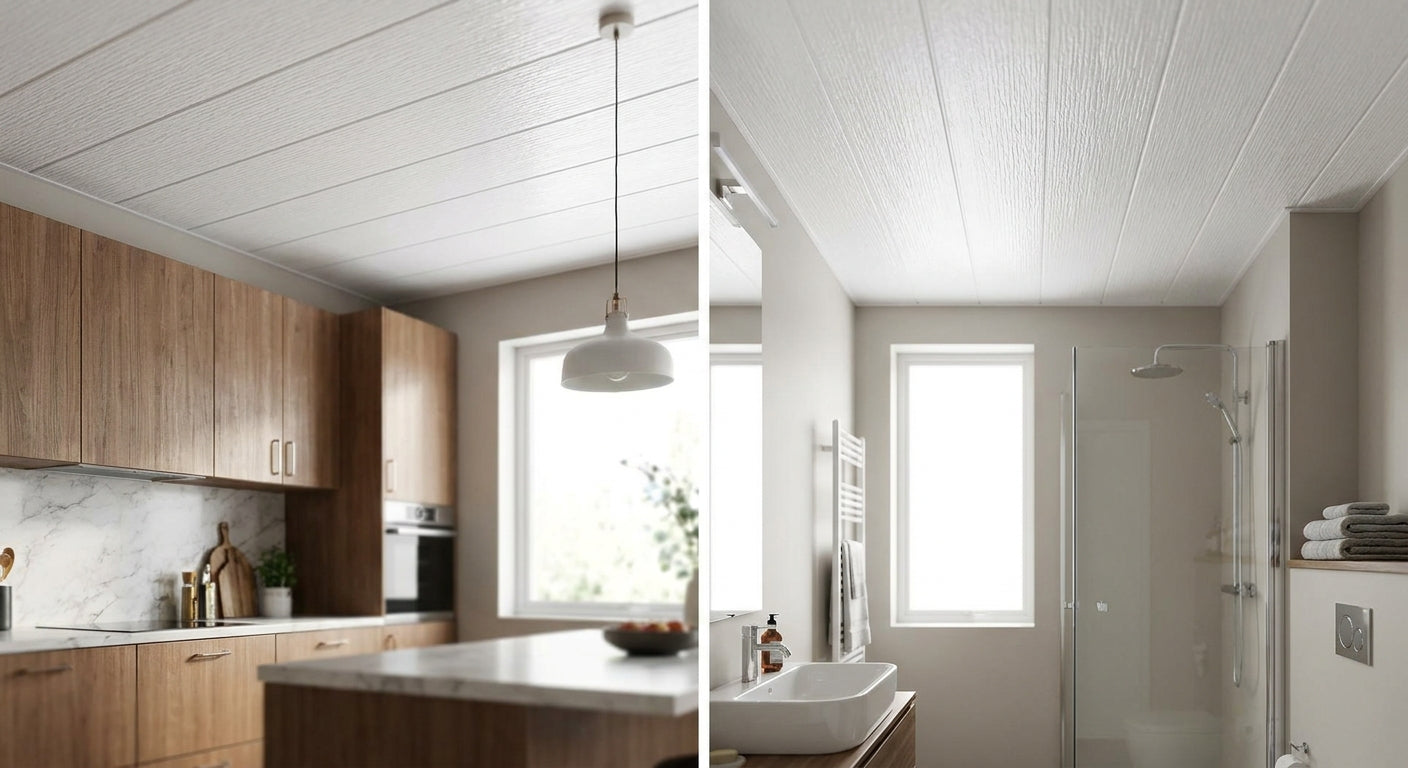
PVC ceiling panels turn up in nearly every UK kitchen and bathroom renovation shortlist, and for good reason: they're cheap, they wipe clean, and they go up in an afternoon. This guide ranks the real options for 2026, including the wood veneer ceiling alternative that solves the one problem plain PVC can't touch — echo.
- Anti-mould PVC ceiling panels are the safe budget pick for a shower room in 2026 — Buy for rentals.
- Printed wood-effect PVC panels lift and fade near daily steam — Skip for a main bathroom.
- Marine-grade PVC handles kitchen grease near the hob better than standard foam panels — Consider.
- Wood veneer ceiling panels from Akuwood Panel cut kitchen echo and outlast printed PVC finishes — Buy for a feature ceiling.
Why this matters
Kitchens and bathrooms punish a ceiling in two ways: steam and hard, flat surfaces. Steam attacks anything with a paper backing or a printed foil skin, and hard tile, glass splashbacks, and extractor hoods bounce sound straight back down into the room.
PVC ceiling panels solve the first problem. They don't rot, they don't need painting, and a wipe-down keeps them looking new for years. What they don't solve is the flat-surface echo that makes an extractor fan sound louder than it is, or makes a bathroom feel clinical rather than calm.
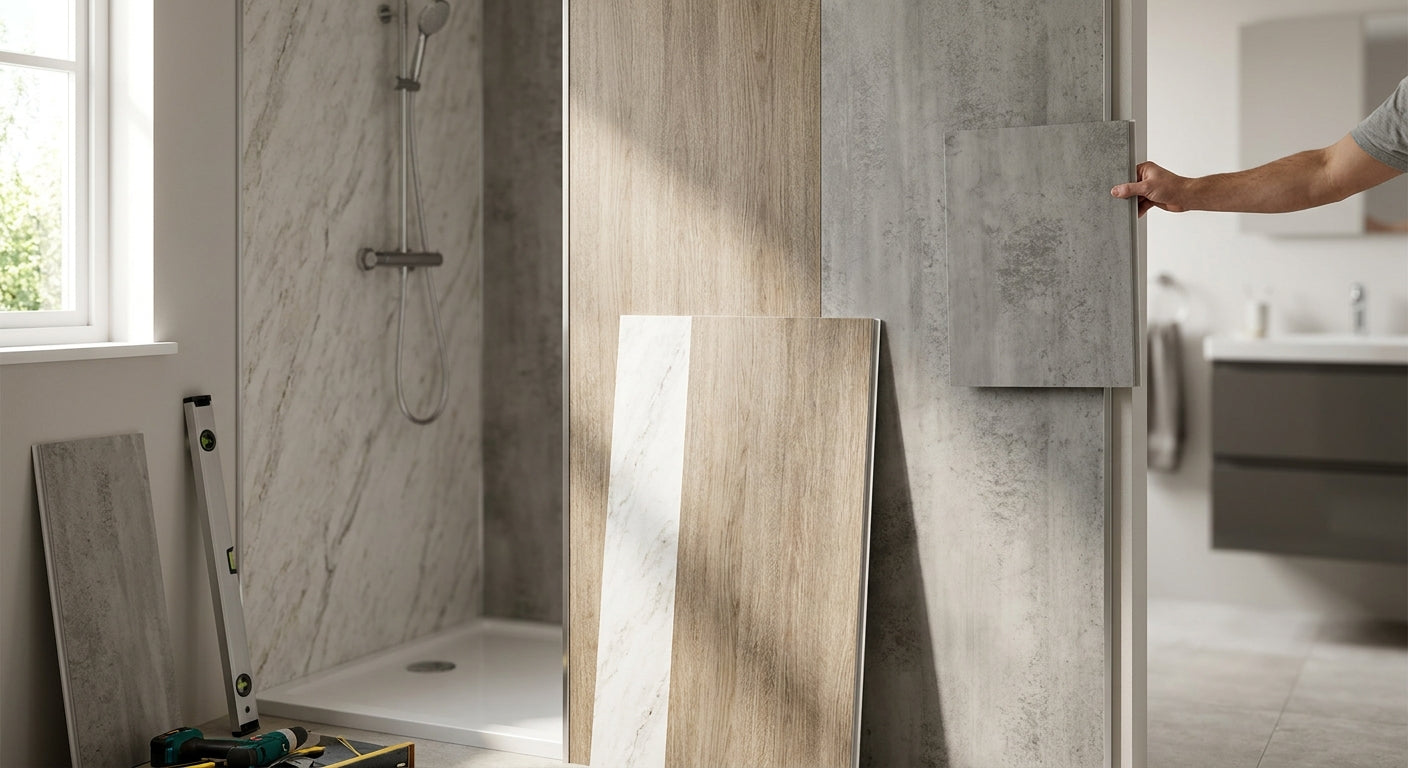
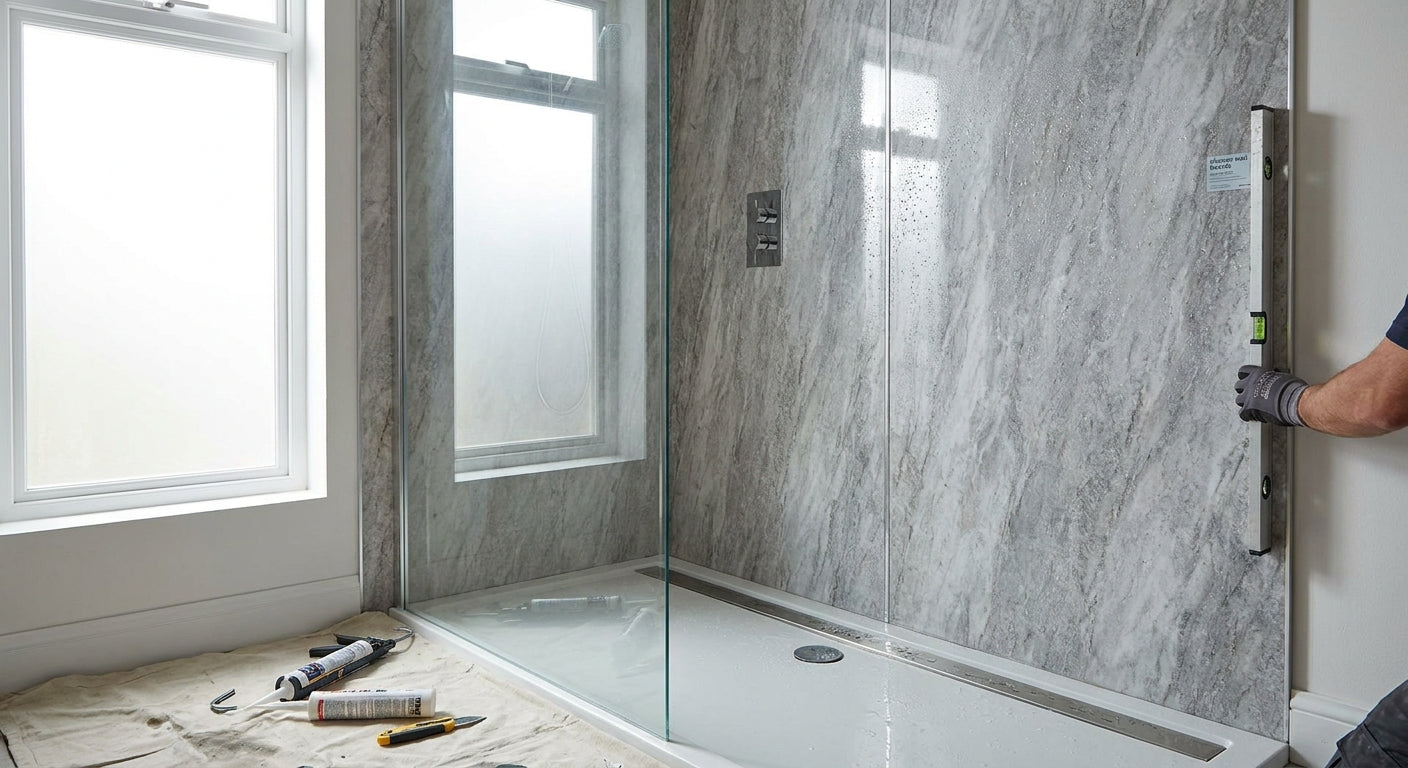
Before fitting anything over a shower recess, check the guidance on fixing wall panels in a high-humidity bathroom — the fixing method changes depending on how close the panel sits to direct water spray, and that applies whether you're working with PVC or wood veneer.
How we ranked these
Each pick below is scored against four things that actually matter on a kitchen or bathroom ceiling in 2026: moisture handling, install difficulty, how the finish ages after repeated steam cycles, and whether it does anything for the room's acoustics. Plain PVC wins on the first two and loses on the last two. That trade-off is the whole story of this list.
The ranked list
1. Standard foam PVC ceiling panels — the cheapest fix
Basic foam-core PVC panels click together with a tongue-and-groove edge and typically run in panel widths around 250mm. They're the fastest ceiling job in any builders' merchant catalogue and need zero maintenance beyond a wipe. Consider for a quick rental refresh, Skip for a kitchen ceiling directly over a hob.
2. Anti-mould PVC bathroom panels — the safe pick
These carry a fungicidal additive baked into the PVC itself, which stops the black-spot mould that plain foam panels pick up within a year of shower use. They're the standard choice for shower rooms and en-suites across the UK in 2026. Buy for a wet room on a tight budget.
3. Marine-grade PVC kitchen panels — the grease fighter
A thicker gauge of PVC built to shrug off steam, cooking oil, and the heat coming off an extractor hood. Worth the extra cost in a kitchen used daily; overkill in a utility kitchen that sees a kettle and a microwave. Buy for heavy daily cooking, Skip for light use.
4. Printed wood-effect PVC panels — the wildcard
A foil print laid over a PVC core to mimic oak or walnut grain without any real wood in the panel. The look is convincing in a showroom and starts lifting at the seams first in rooms with daily steam. Skip for a main bathroom, Consider only for a downstairs cloakroom with minimal steam.
5. Tongue-and-groove embossed PVC panels — the middle ground
A deeper embossed grain than the basic foam panel above, still fully synthetic, still fitted the same way. It reads better in photos than in person once you run a hand across it. Consider for a rented kitchen where plain white PVC feels too clinical.
6. Wood veneer acoustic ceiling panels — the upgrade pick
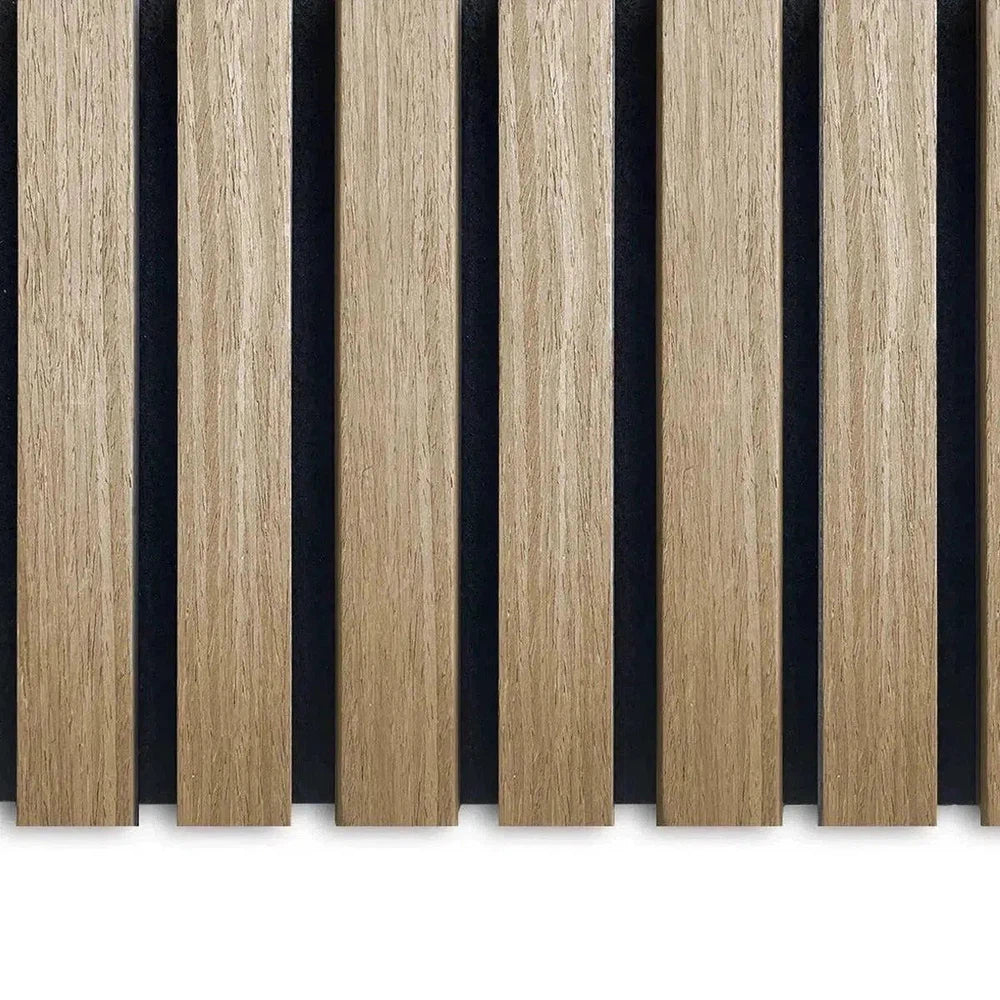
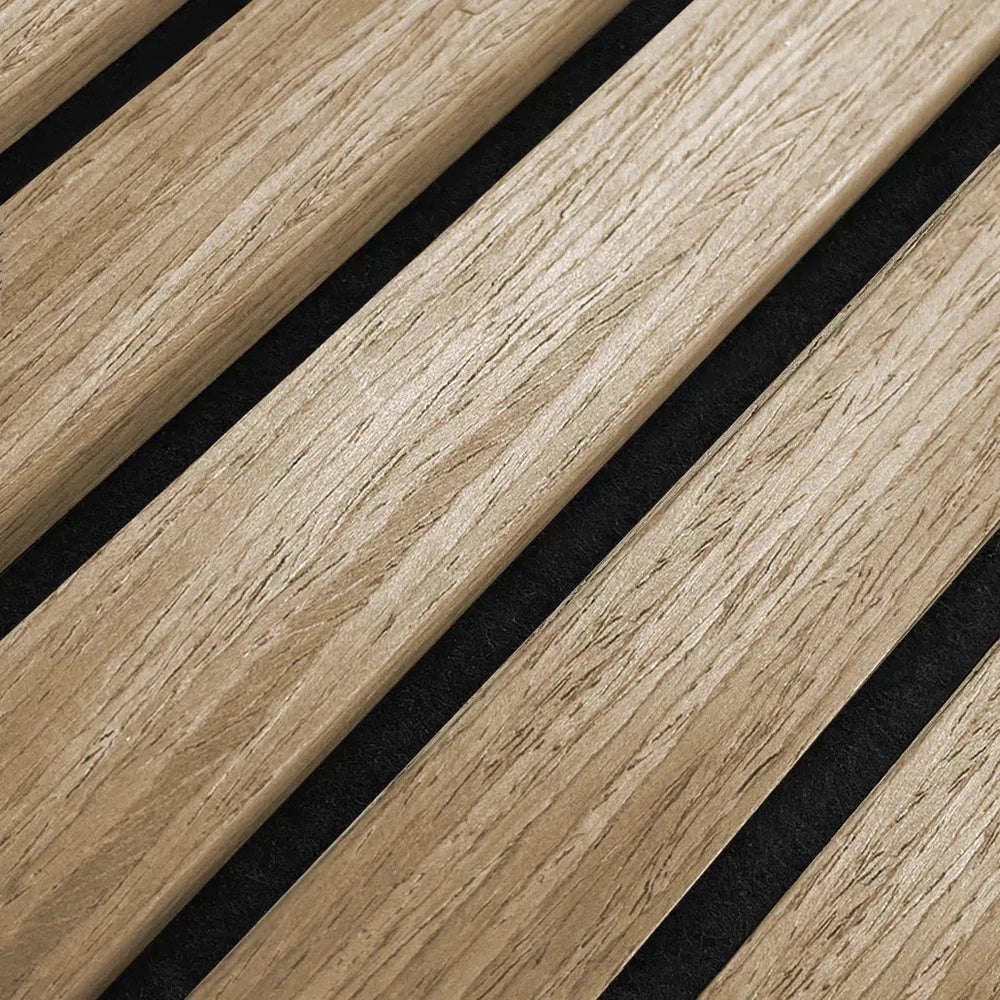
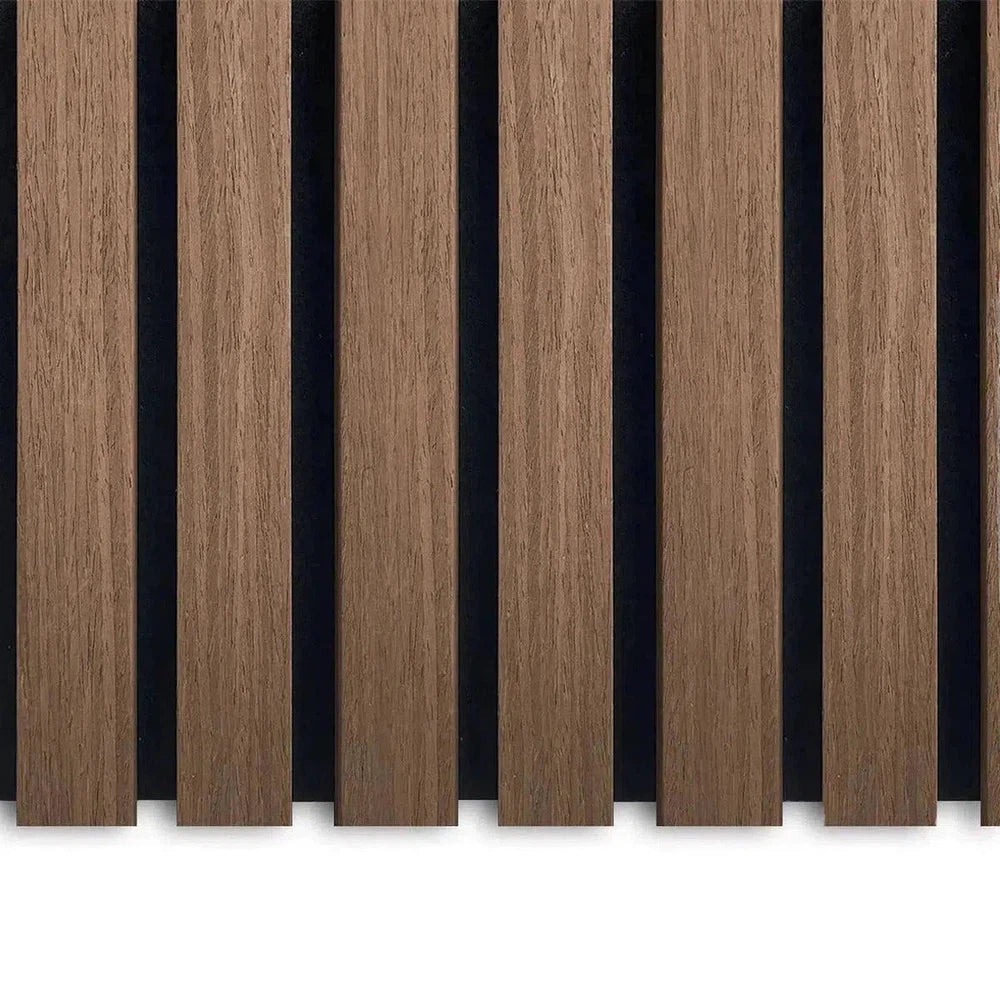
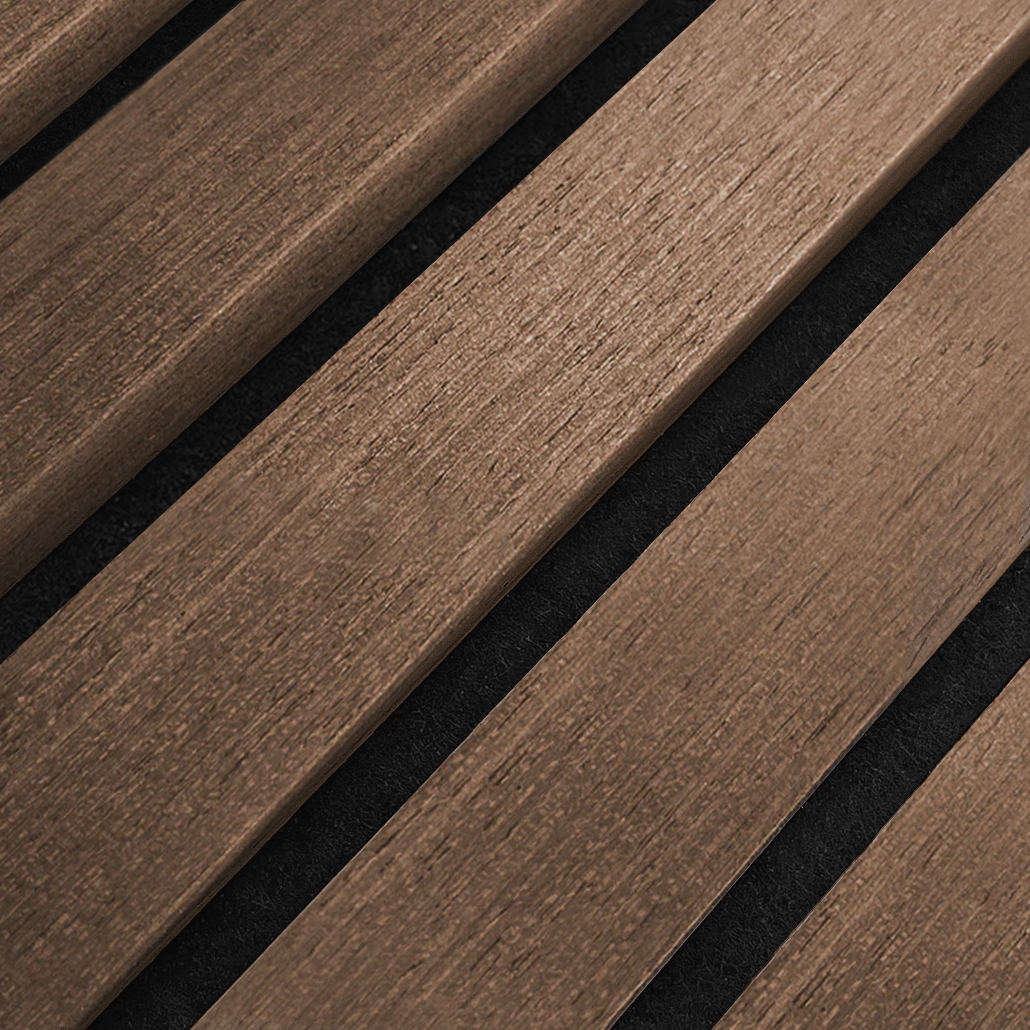
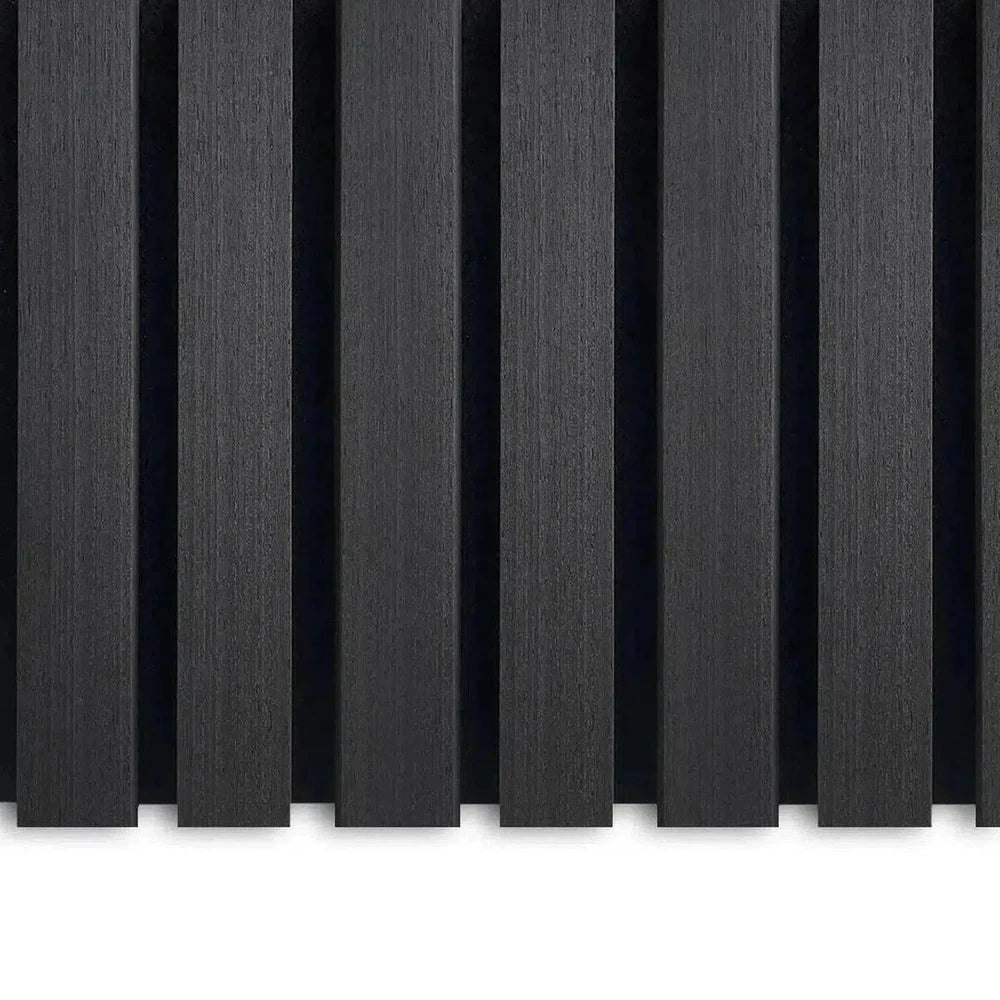
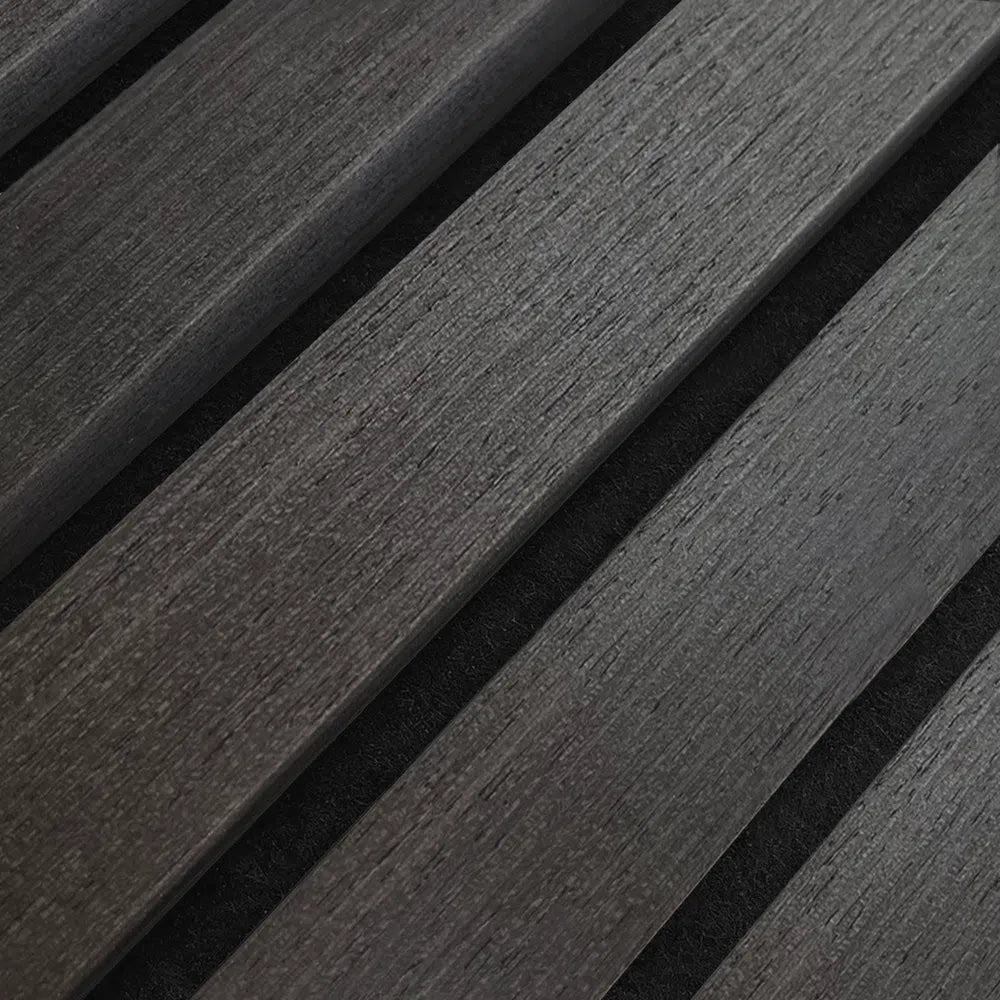
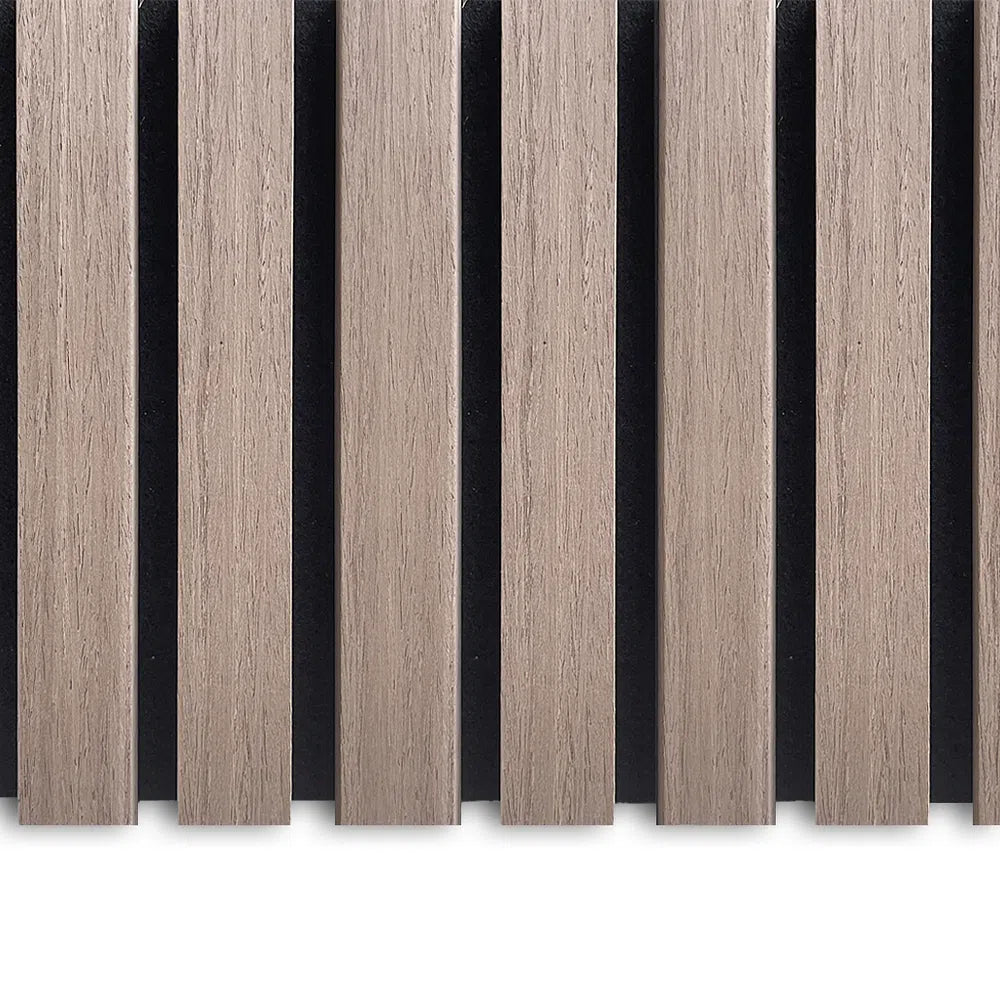
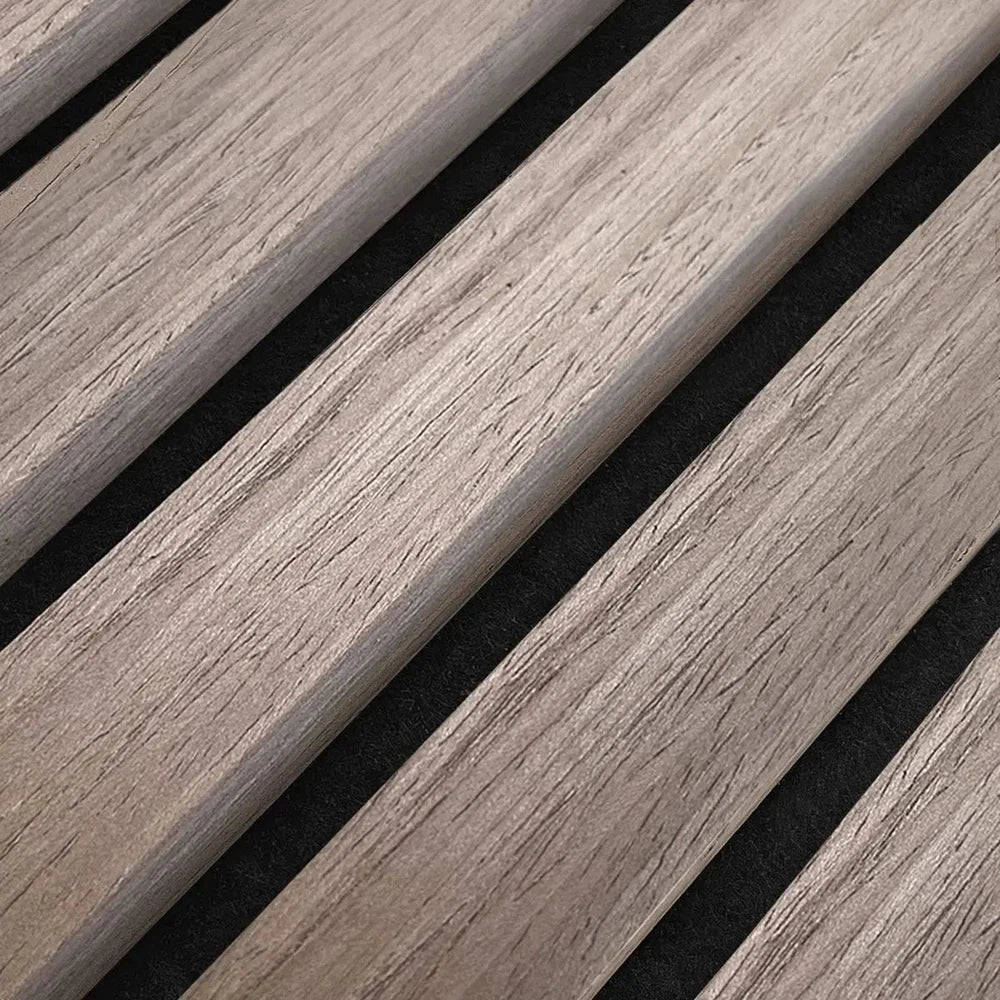
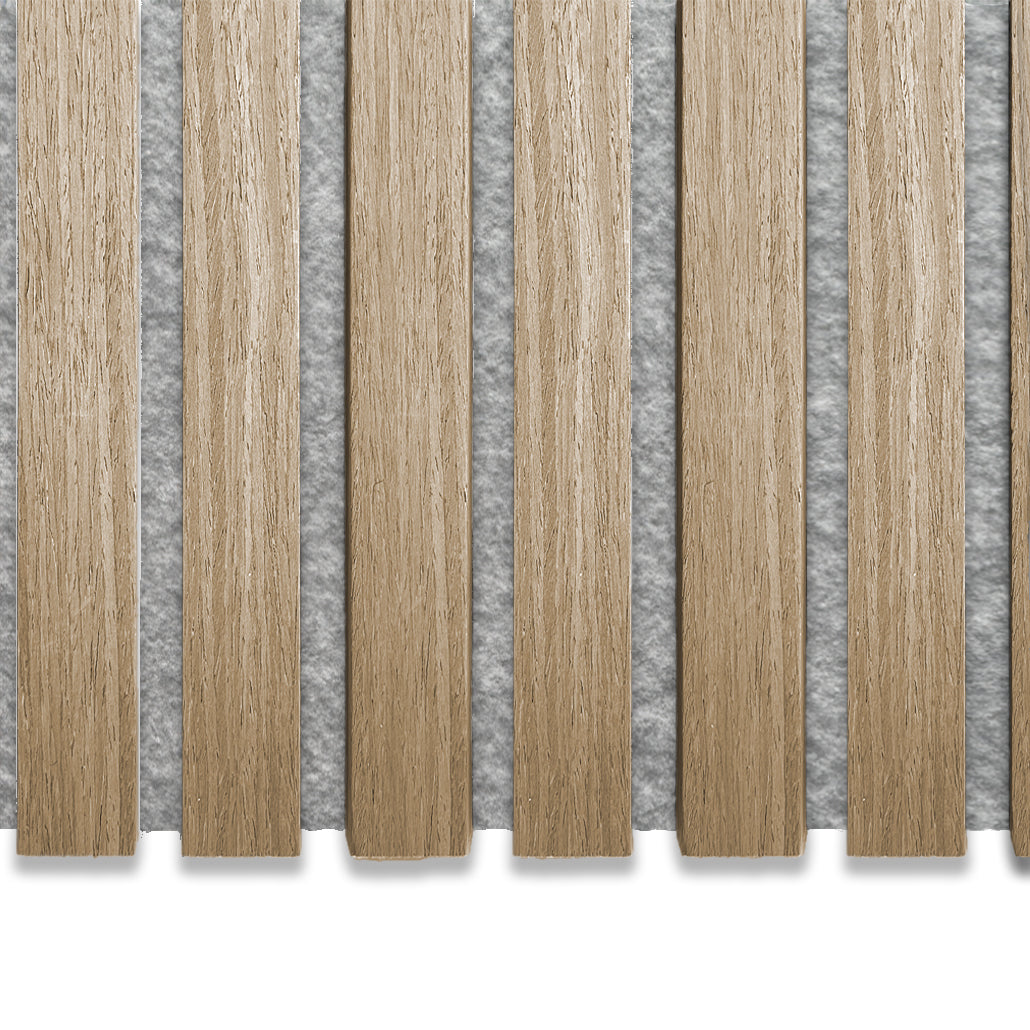
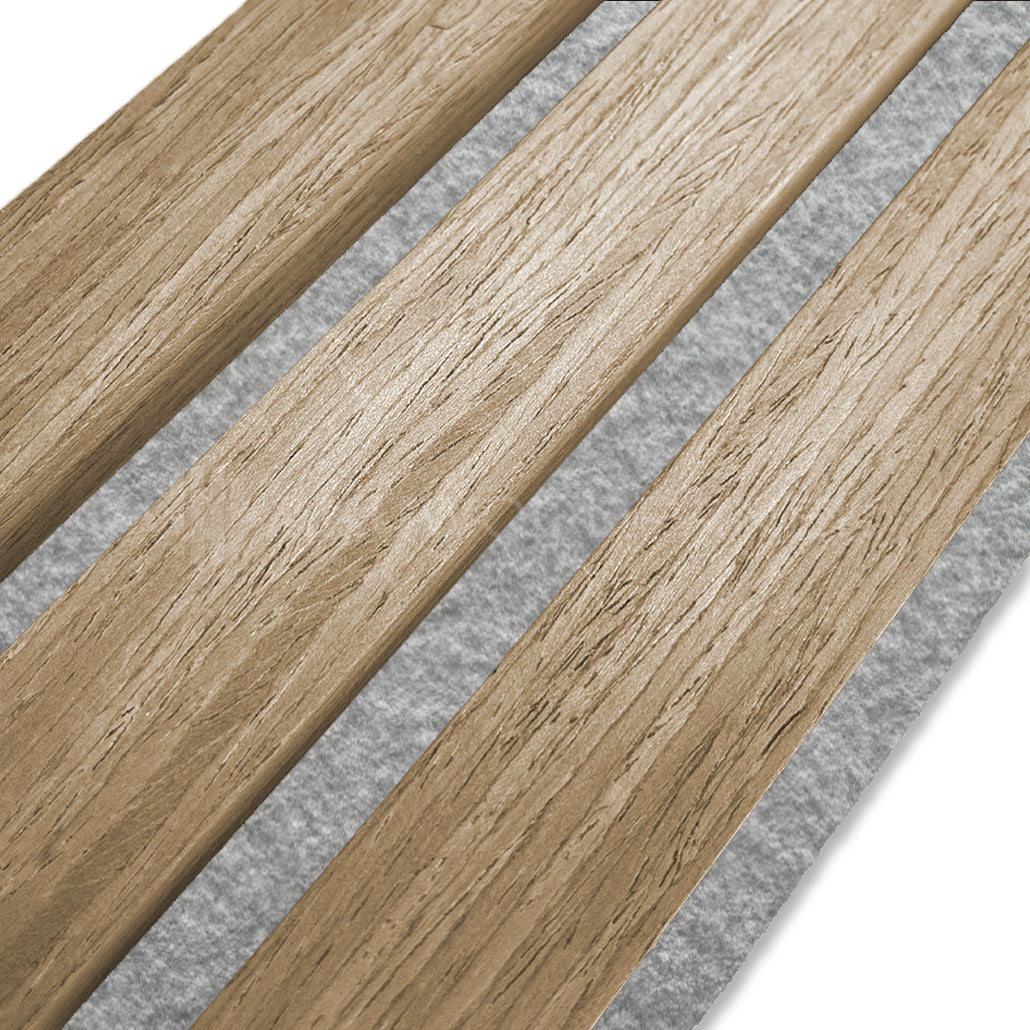
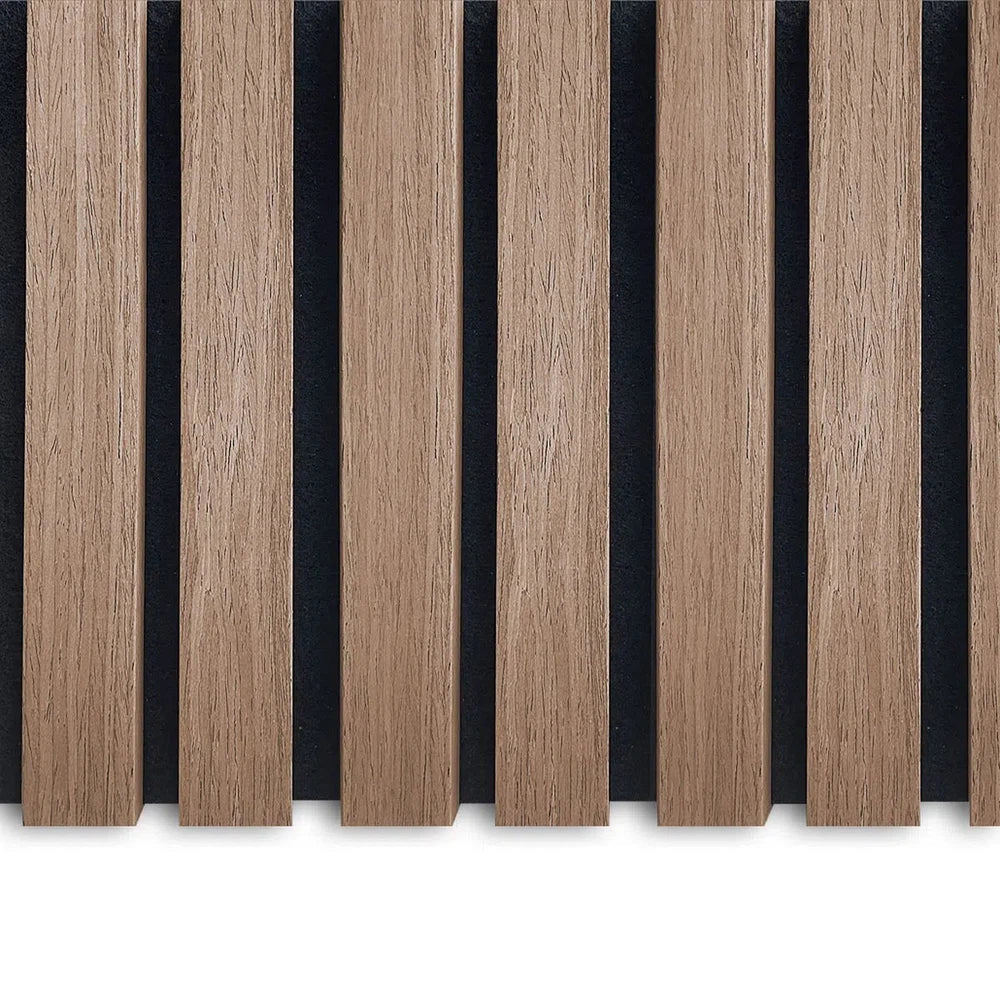
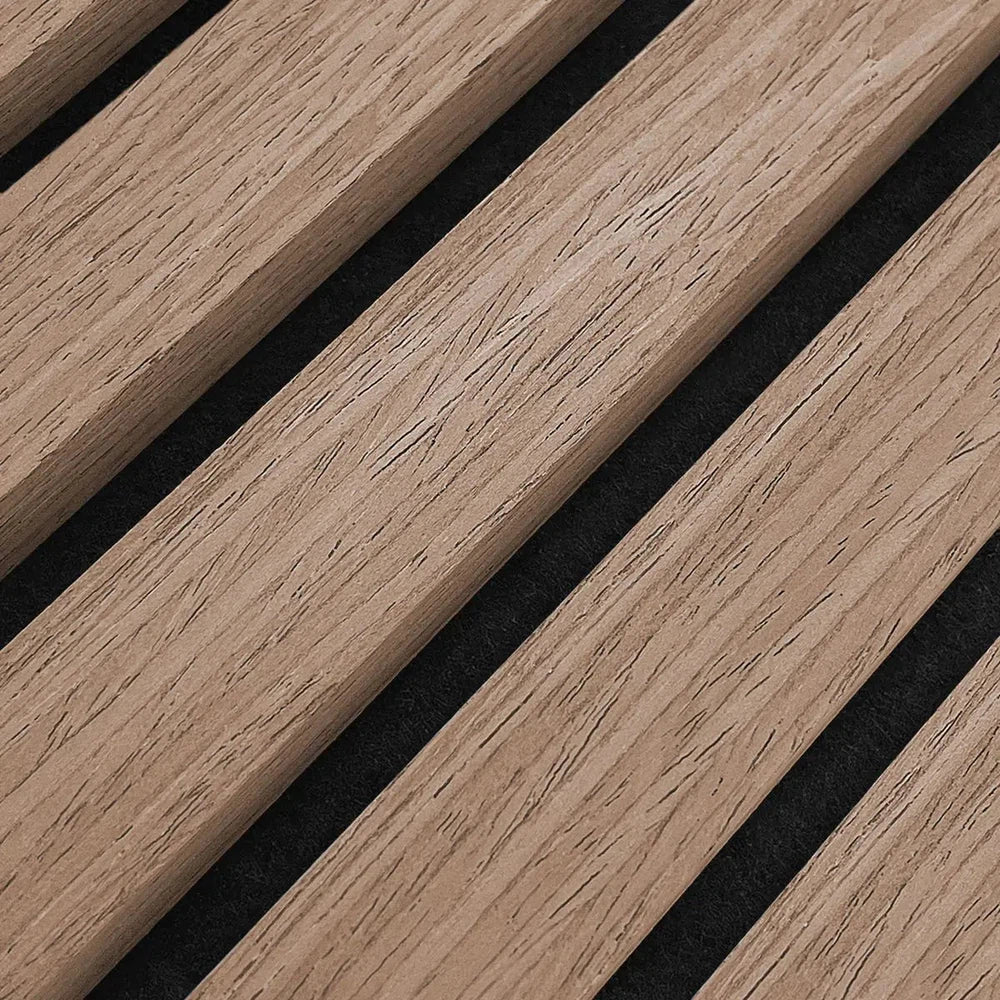
Akuwood Panel's Natural Oak wall panel is a real 3-sided wood veneer panel with an acoustic felt backing, priced at £84.95 and available in 240cm and 300cm lengths. It's genuine wood, not a printed skin, and fitting it to a ceiling follows the same slat method covered in how to panel a ceiling with wooden slat panels. A 2026 kitchen with a full-height tile splashback and a glass extractor canopy amplifies every clatter and fan hum; a slat ceiling breaks that sound up where flat PVC just reflects it. It costs more upfront than foam PVC and isn't the right call directly over a shower spray without checking humidity guidance first. Buy for a kitchen or bathroom feature ceiling where the acoustics and the finish both need to work.
Comparison table
| Pick | Material | Best room | Moisture handling | Verdict |
|---|---|---|---|---|
| Standard foam PVC | Foam-core PVC | Any, low budget | Good | Consider |
| Anti-mould PVC | Additive PVC | Shower room | Very good | Buy |
| Marine-grade PVC | Reinforced PVC | Busy kitchen | Very good | Buy |
| Printed wood-effect PVC | Foil over PVC | Cloakroom only | Fair | Skip |
| Embossed PVC | Foam-core PVC | Rented kitchen | Good | Consider |
| Wood veneer ceiling panel | 3-sided wood veneer + felt | Feature kitchen/bathroom | Good (with correct fixing) | Buy |
What to avoid
- Printed foil panels in a full bathroom with a daily shower. The print lifts at the seam long before the PVC underneath fails, and it looks worse than the plain panel it was meant to upgrade.
- Fitting any panel over a shower recess without checking fixing guidance first. Direct water spray needs a different approach to a general bathroom ceiling, regardless of material.
- Choosing marine-grade PVC for a light-use kitchen. The extra cost only pays off where steam and grease are a daily reality, not an occasional one.
Where to buy
- Standard and anti-mould PVC panels: any large builders' merchant or DIY shed carries these off the shelf, sold by the panel or the pack.
- Marine-grade PVC: specialist plastics or shopfitting suppliers stock the heavier gauge — ask for a kitchen-rated spec sheet before buying.
- Wood veneer ceiling and wall panels: order a sample finish first before committing to a full ceiling run, since the veneer grain varies slightly panel to panel by design.


FAQ
What are the best PVC ceiling panels for a bathroom in 2026?
Anti-mould PVC panels are the best PVC ceiling panels for a bathroom in 2026 because the fungicidal additive stops black-spot mould that plain foam panels pick up within a year. They're the standard choice for shower rooms and en-suites across the UK.
Are PVC ceiling panels waterproof?
Most PVC ceiling panels are fully waterproof at the panel surface, but the joints and edges still need sealing to stop water getting behind them. Anti-mould and marine-grade variants handle sustained steam better than standard foam panels.
Can you put wood panels on a kitchen ceiling?
Yes, wood veneer slat panels can be fitted to a kitchen ceiling using the same batten-and-slat method used on walls. Akuwood Panel's guide on how to panel a ceiling with wooden slat panels covers the fixing sequence.
How much do PVC ceiling panels cost?
Standard foam PVC ceiling panels are among the cheapest ceiling materials available in the UK, with anti-mould and marine-grade versions costing more per panel. Wood veneer alternatives like the Natural Oak panel sit at £84.95 per panel as of 2026.
Do PVC ceiling panels stop condensation?
PVC ceiling panels resist moisture damage but don't absorb condensation the way an acoustic felt-backed wood panel can. Ventilation still matters more than the panel material for controlling condensation in a bathroom.
Is wood veneer better than PVC for acoustics?
Yes, wood veneer panels with an acoustic felt backing reduce echo in a way flat PVC panels cannot, since PVC reflects sound rather than absorbing it. This matters most in kitchens with hard tile and glass splashbacks.
How long do PVC ceiling panels last in a shower room?
Anti-mould PVC panels typically outlast plain foam panels in a shower room because the additive prevents the mould growth that causes early discolouration. Printed wood-effect PVC panels tend to fail first at the seams.
Can PVC ceiling panels go over an existing plasterboard ceiling?
Yes, most PVC ceiling panels fix directly onto battens screwed into an existing plasterboard ceiling without needing to strip it back. The same batten approach applies when fitting wood veneer slat panels to a ceiling.
One last thing
Most people renovating a kitchen or bathroom in 2026 solve the moisture problem and never notice the acoustic one until they live with it — the fan that sounds too loud, the room that feels harder than it should. PVC panels never fix that because they reflect sound rather than absorbing it; a felt-backed wood veneer ceiling does both jobs in one fitting.