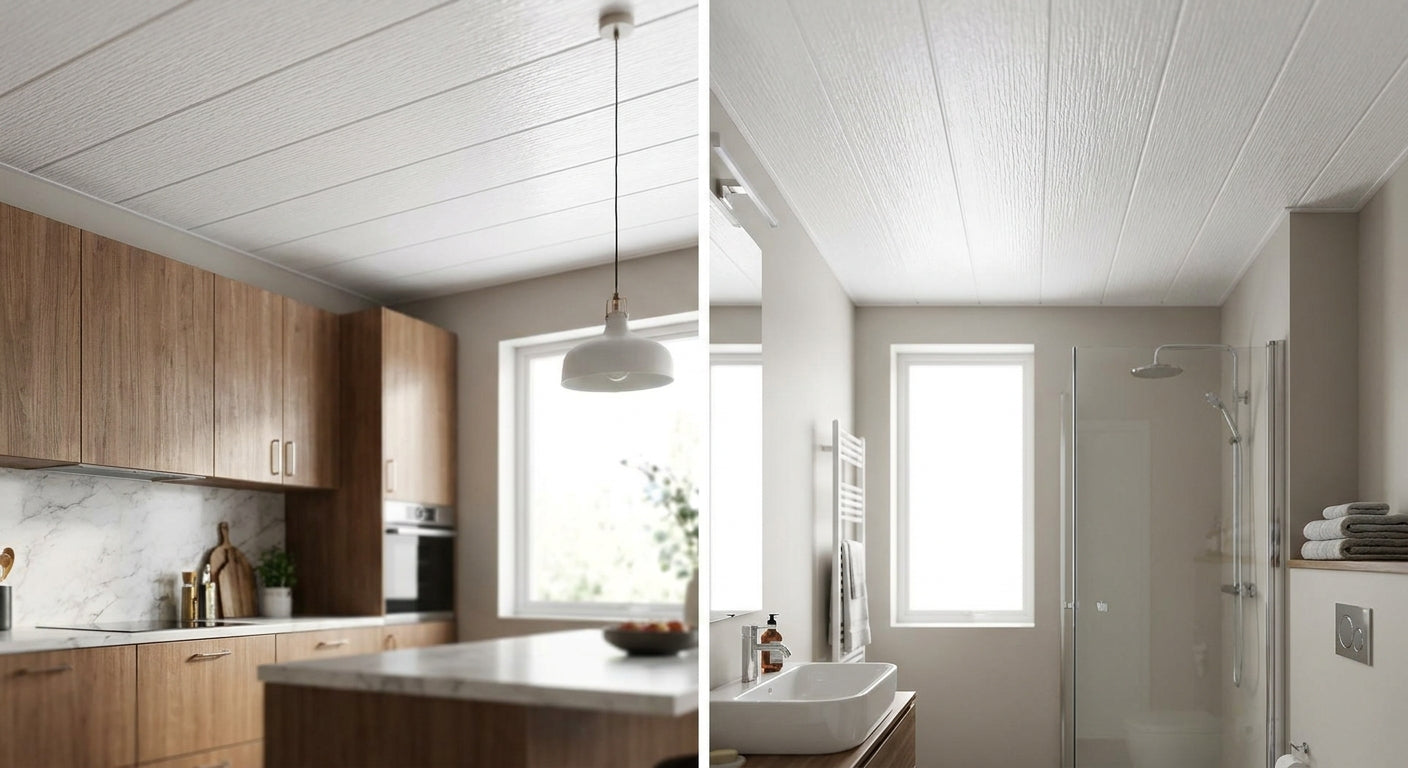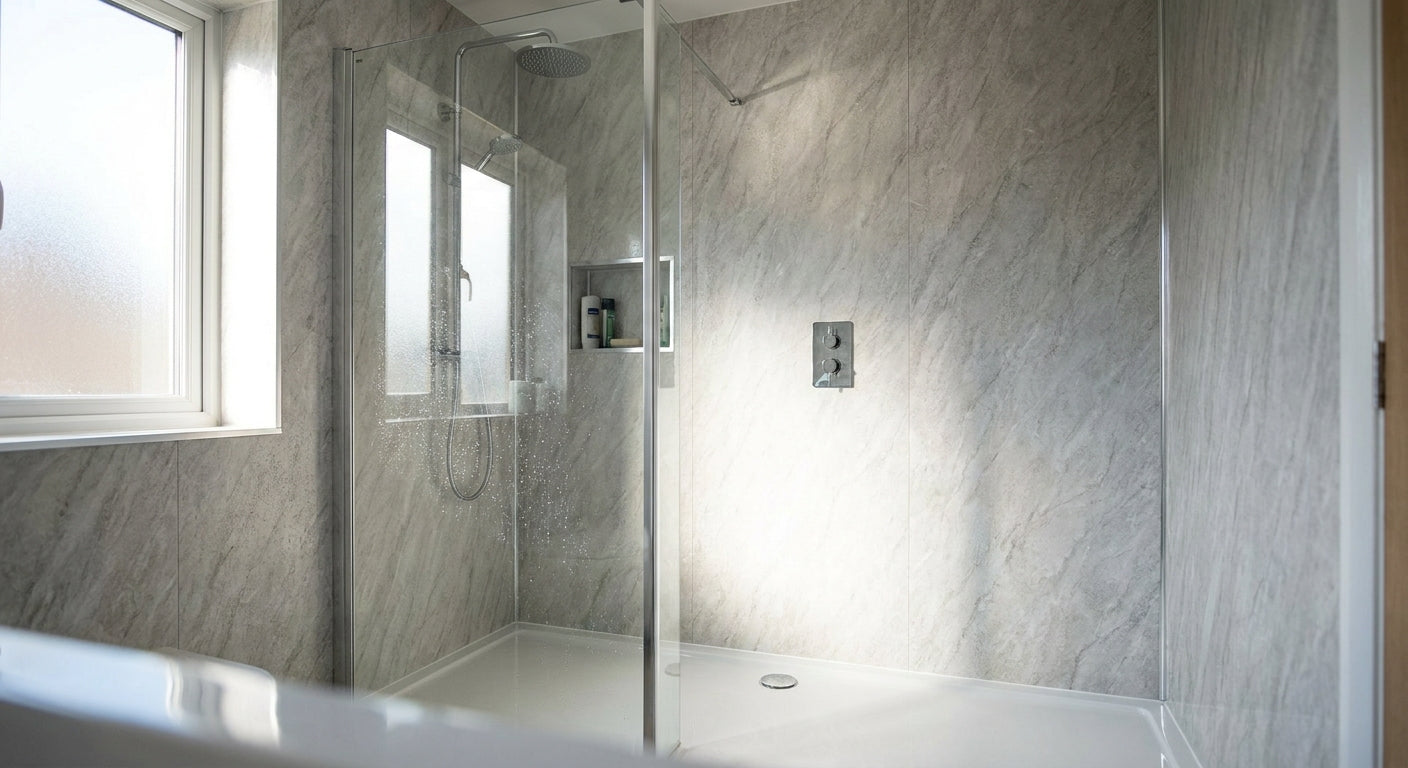
A wet room needs two different kinds of wall board: one rated for standing water in the shower zone, and one built for the dry walls around it. This guide separates the two jobs and shows exactly where Akuwood Panel's wood panels genuinely belong in a 2026 wet room build.
- Shower wall boards for wet rooms need a continuous water-contact rating - wood veneer panels don't have one.
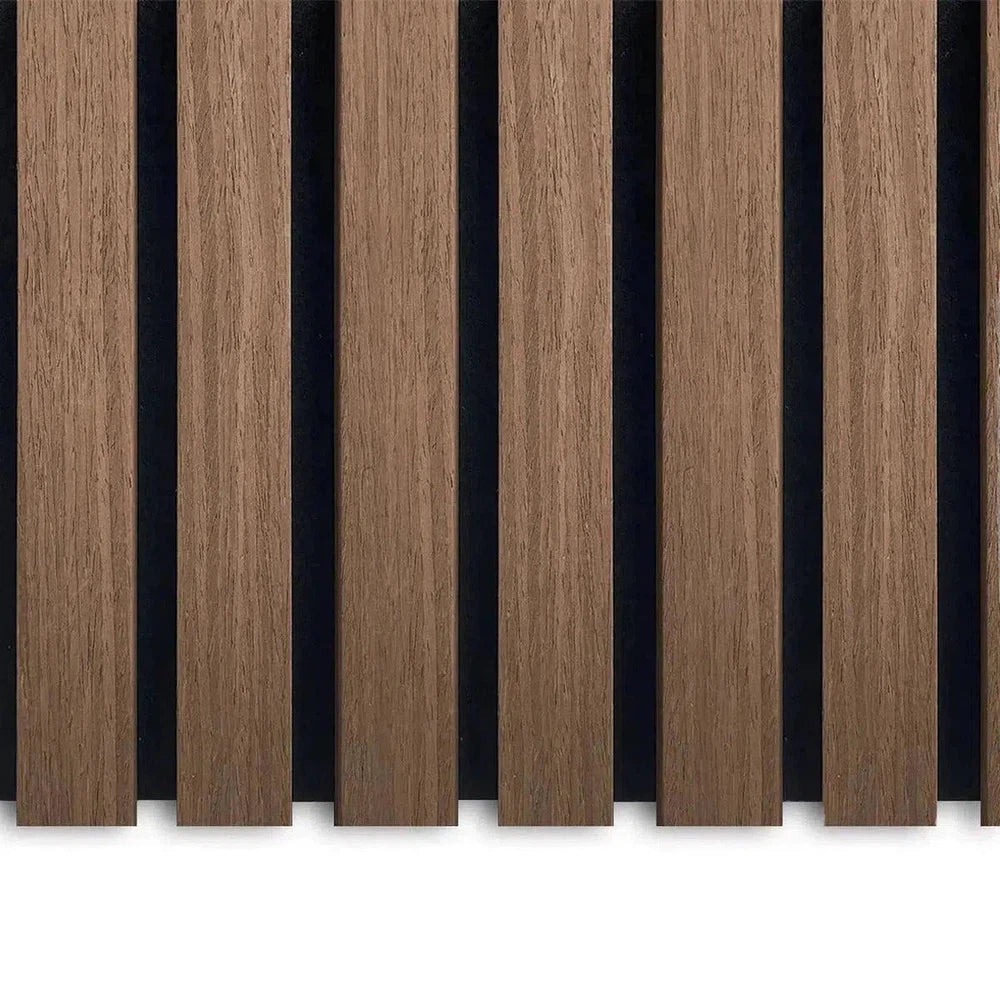
- Akuwood Panel's Natural Oak wall panel: Buy for the dry-zone feature wall next to the enclosure, not inside it.
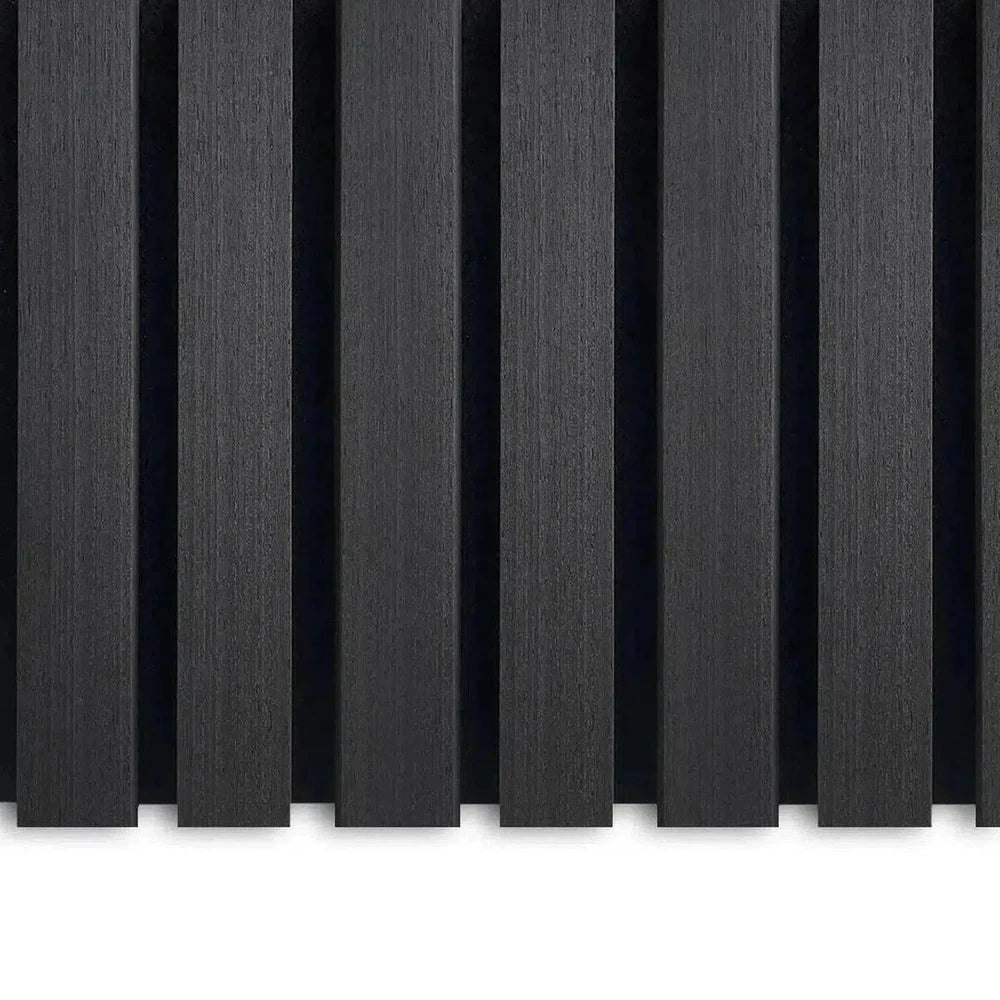
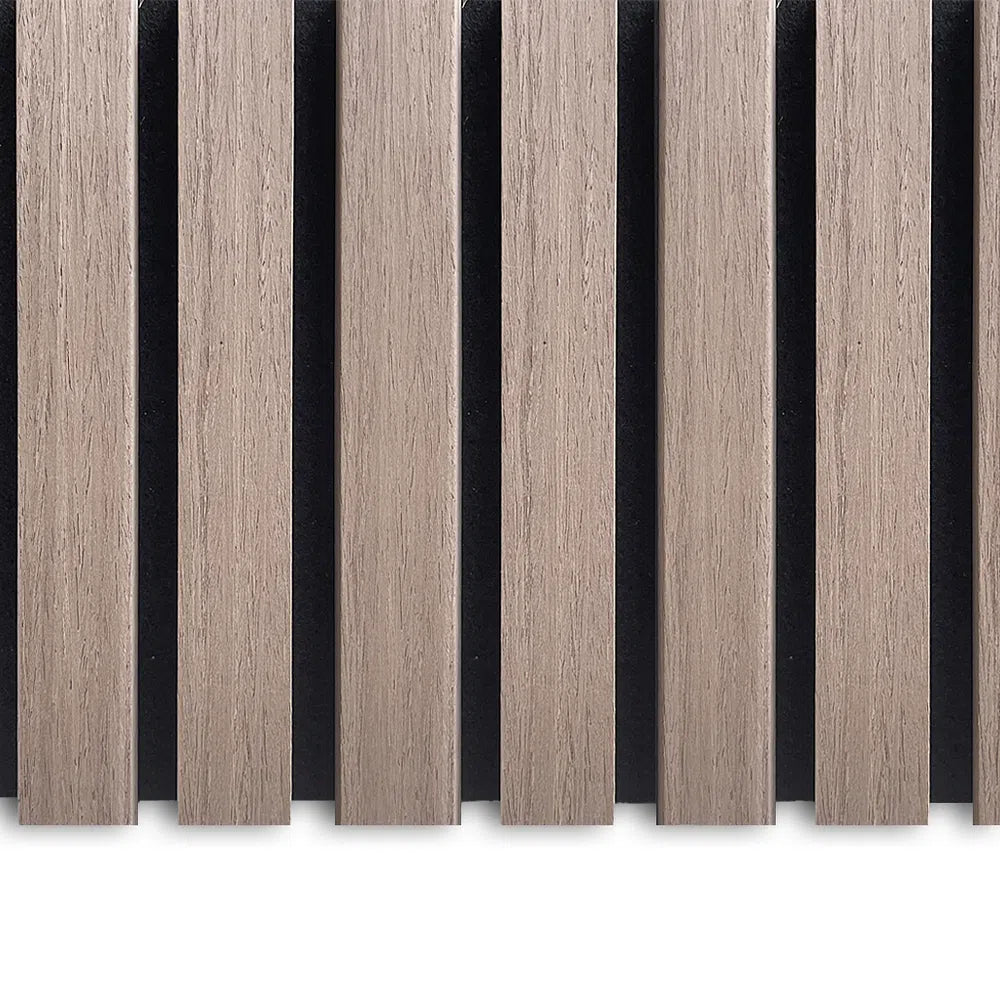
- Black Oak wall panel wins for a moody ensuite accent wall in 2026 - Buy for the dry zone only.
- Never run a wood panel into a shower tray without a sealed threshold trim - that install fails within a year.
Why this matters
Wet rooms fail at the transition, not the middle of the wall. Water finds the seam between the shower board and whatever sits next to it, and if that next material is an ordinary wood veneer panel with no tanking behind it, moisture gets behind the finish within months.
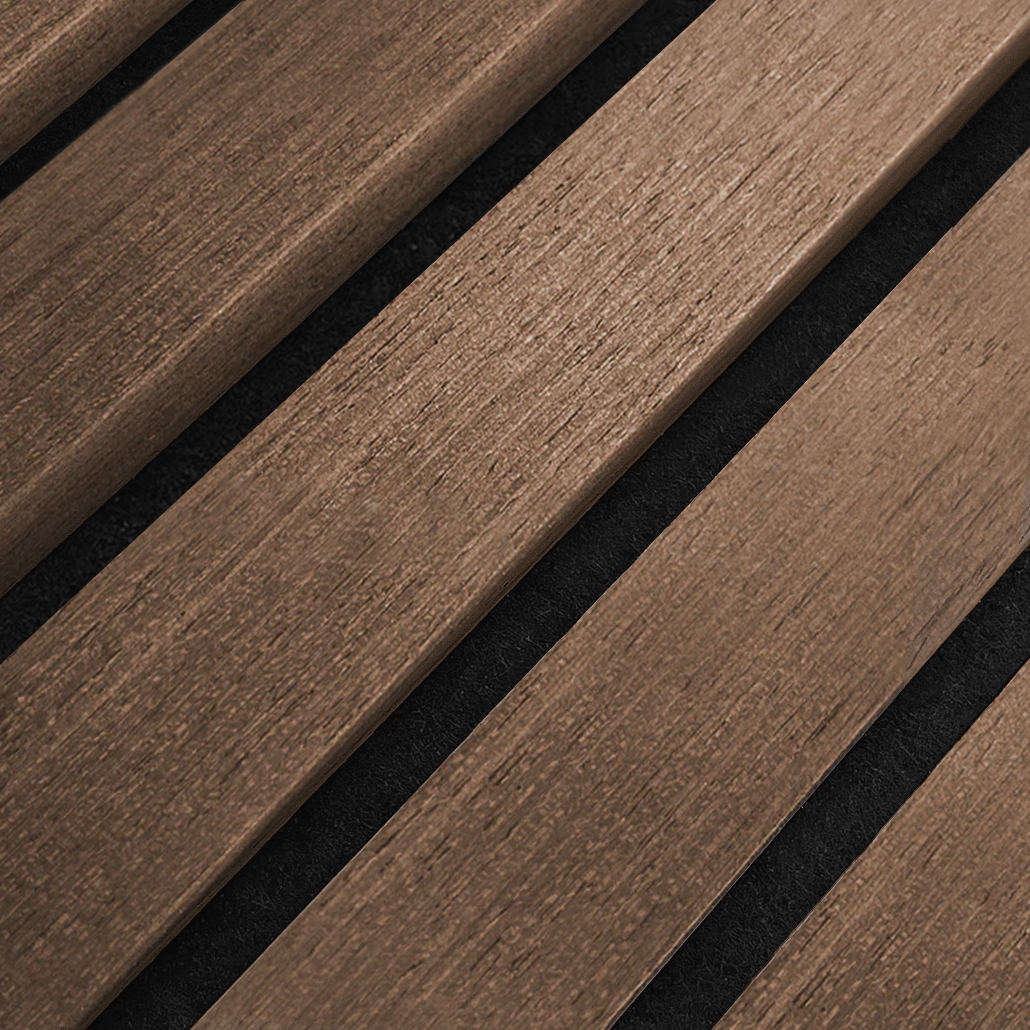
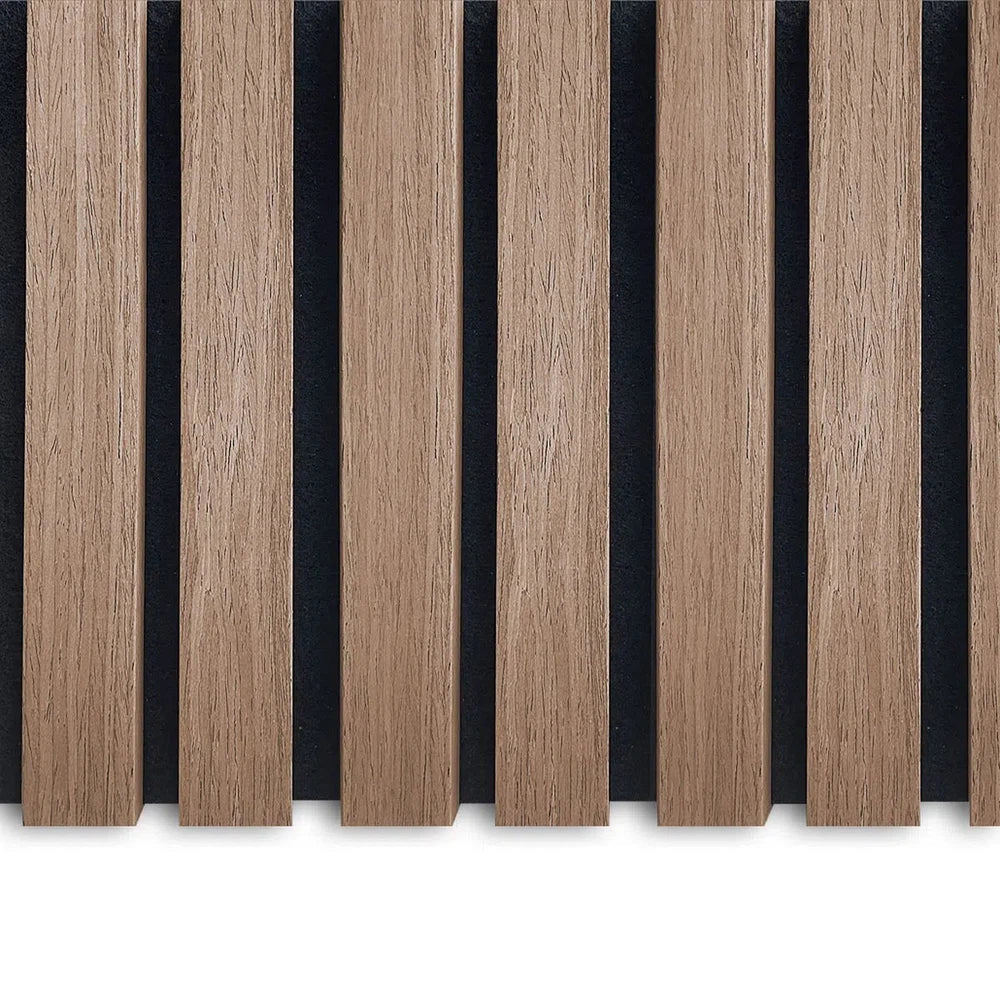
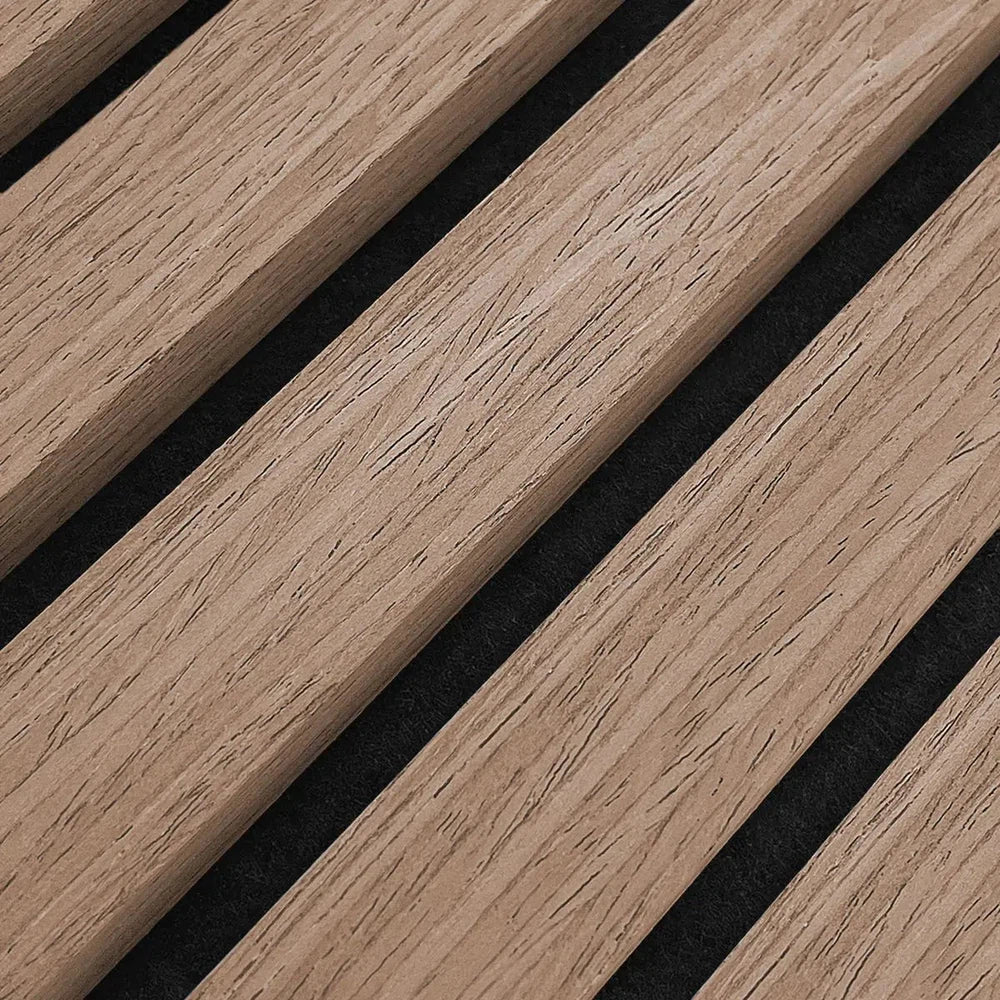
Akuwood Panel's wood wall panels carry a 3-sided real wood veneer over an acoustic felt backing - the full case for using them is in the guide to wooden wall panels for bathrooms, and it's built for dry-zone bathroom walls where echo and flat MDF are the problem, not standing water. That's a genuinely useful product in the right spot. Put it in the wrong spot and the felt backing holds moisture instead of shedding it.
Who this is for
This is for anyone specifying a wet room or walk-in shower renovation in 2026 who wants the shower enclosure itself waterproofed properly, and the walls around it to look like a bathroom rather than a wipe-clean box. Think en-suite conversions, loft bathrooms, and any wet room where the shower sits against a feature wall instead of full-height tiling.
If you're tiling the entire room floor to ceiling, most of this guide won't apply - go straight to a tanked tile system instead. This is written for the mixed build: waterproof board in the spray zone, something warmer everywhere else.
What to look for in shower wall boards for wet rooms
Continuous water-contact rating
The spray zone needs a board rated for constant water exposure, not just splash resistance. Ask the manufacturer for the rating in writing - "moisture resistant" and "waterproof" are not the same claim, and installers get caught out by the difference more than any other spec on the sheet.
Substrate and tanking compatibility
A board is only as waterproof as what sits behind it. Confirm the board bonds to your tanking membrane or backer board system before you buy it, because retrofitting a mismatch after installation usually means stripping the wall back to brick.
Joint and edge sealing
Every seam is a potential leak path. Look for boards with a tongue-and-groove or silicone-sealed joint system, and check how the manufacturer details the corner and floor junctions specifically - the flat panel face is rarely where problems start.
Panel size versus room height
Standard wet room walls run 2.1m to 2.4m. Akuwood Panel's dry-zone wood panels come in 240cm and 300cm size formats, which is worth knowing even outside the spray zone - a 240cm panel suits a standard ceiling without a horizontal joint, and 300cm covers a taller loft conversion in one piece.
Where the dry zone actually starts
This is the step most people skip. The dry zone starts outside the direct spray radius of the shower head - typically the wall the shower unit sits against needs full waterproofing, while a return wall or a feature wall two metres away can carry a different finish entirely. Get this line wrong and you'll waterproof a wall that never gets wet, or leave a wall exposed that does.
Top picks for the dry zone around your wet room
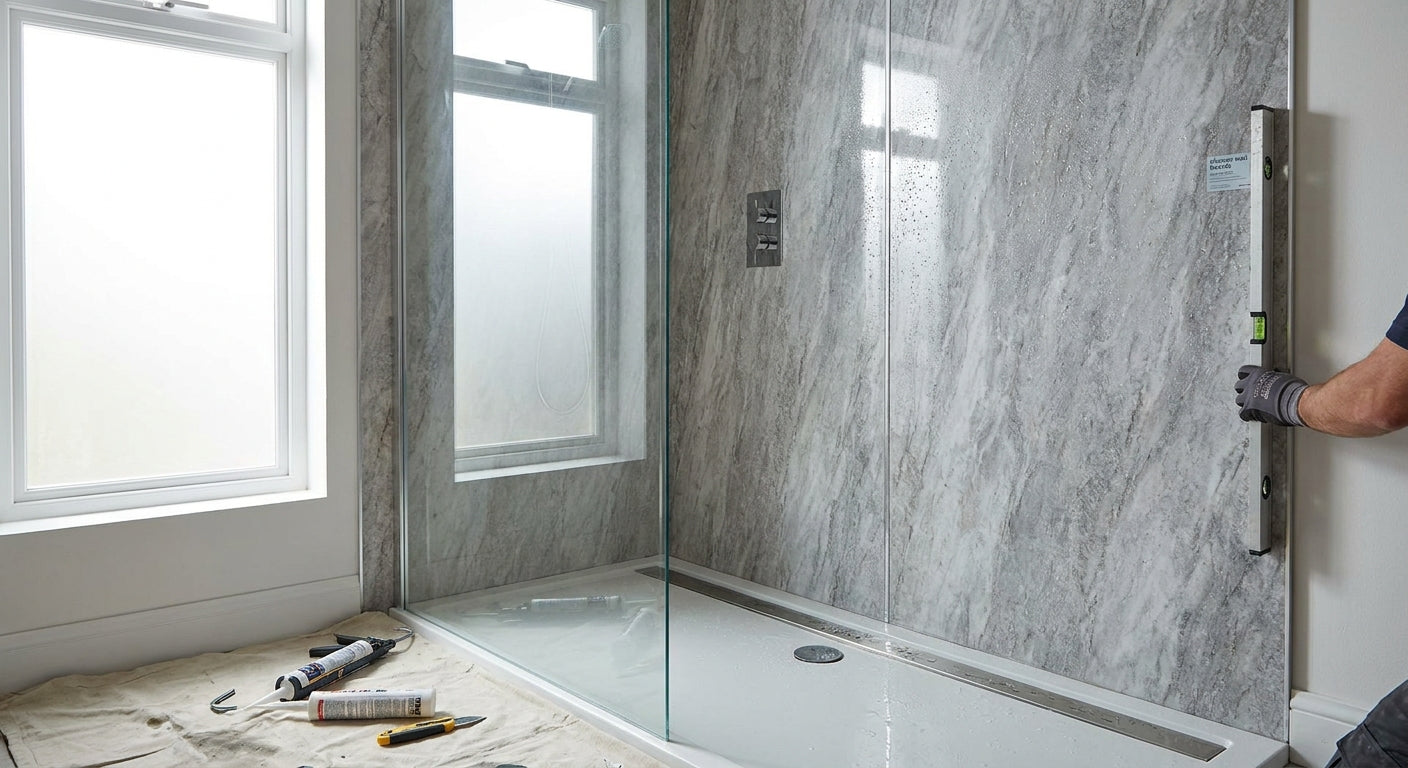
Genuine waterproof shower wall boards for the spray zone are a separate product category - PVC, acrylic, and laminate hygienic cladding systems specified by a tanking manufacturer. What Akuwood Panel does well is the wall next to that zone: the feature wall, the vanity wall, the wall you actually look at every morning.
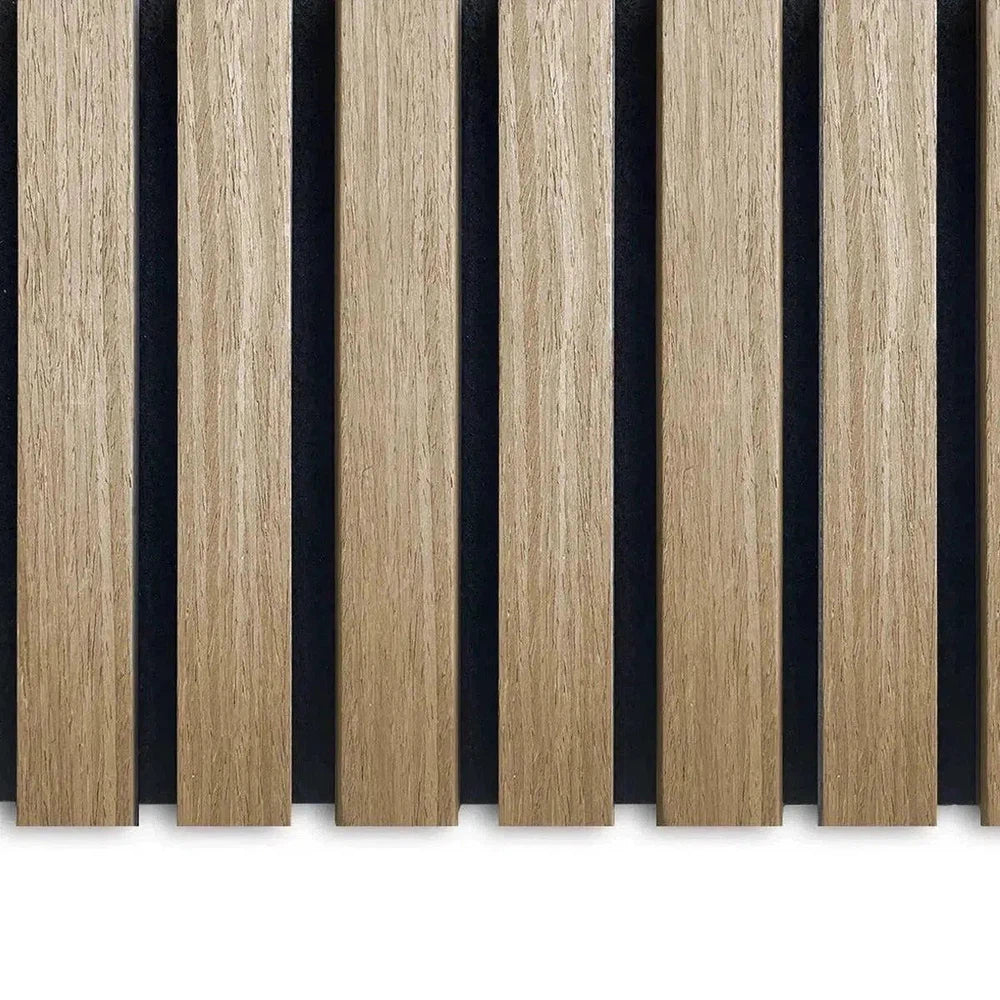
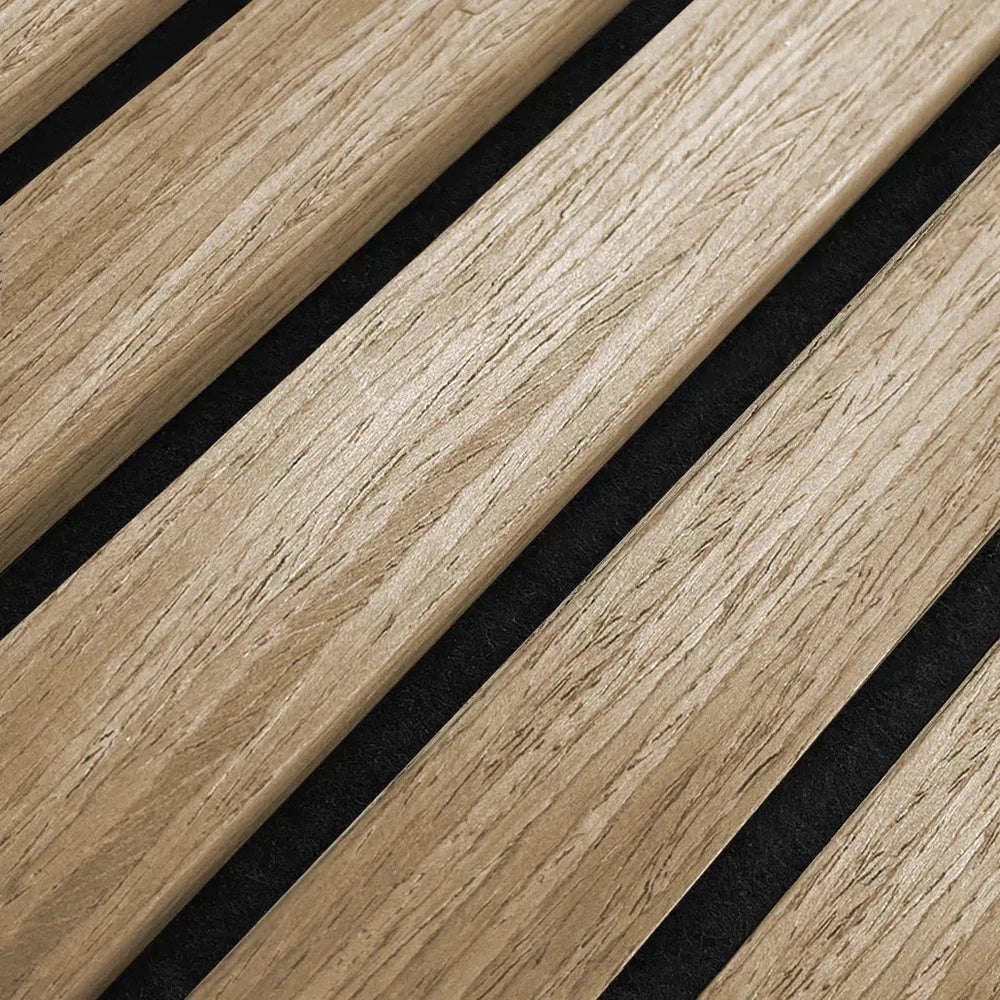
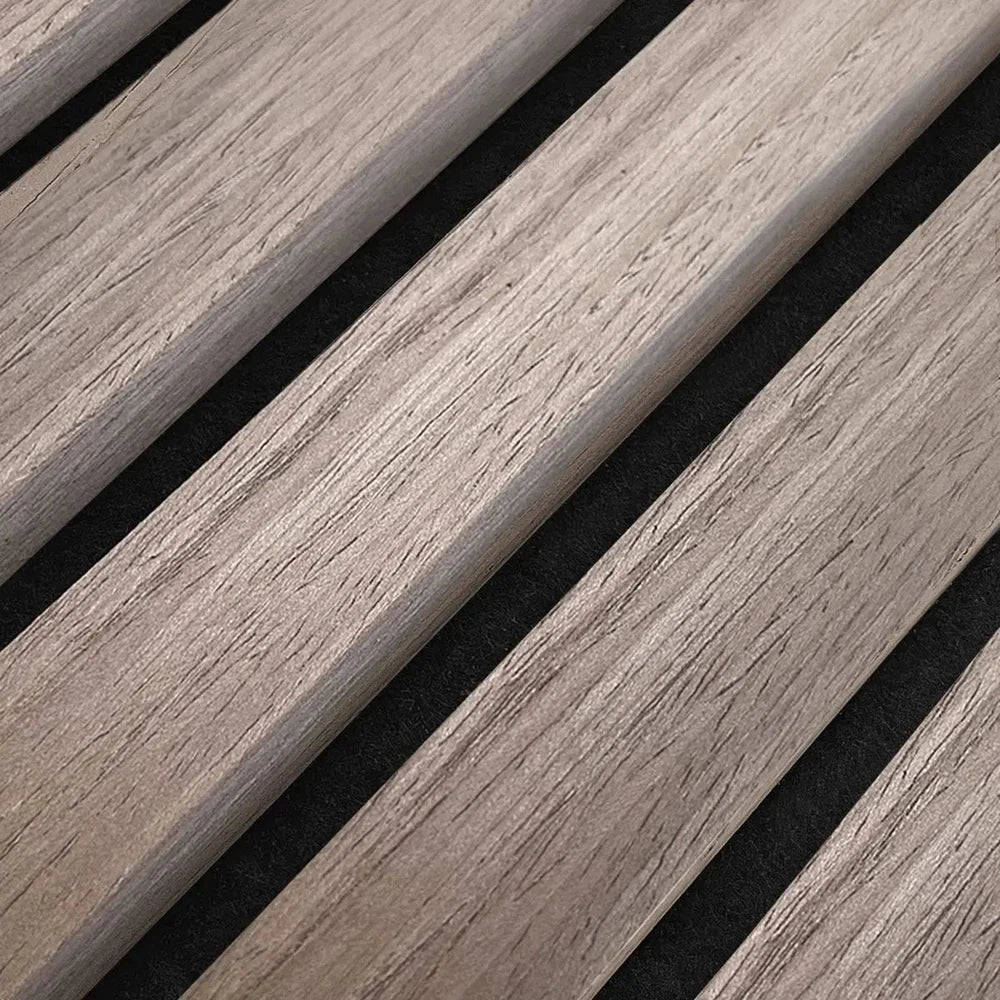
The safe pick: Natural Oak wall panel
The safe pick. Real 3-sided wood veneer over an acoustic felt backing, available in 240cm and 300cm formats. Buy for the dry-zone feature wall beside the enclosure - Skip it for anywhere inside the spray radius. Natural Oak wall panel
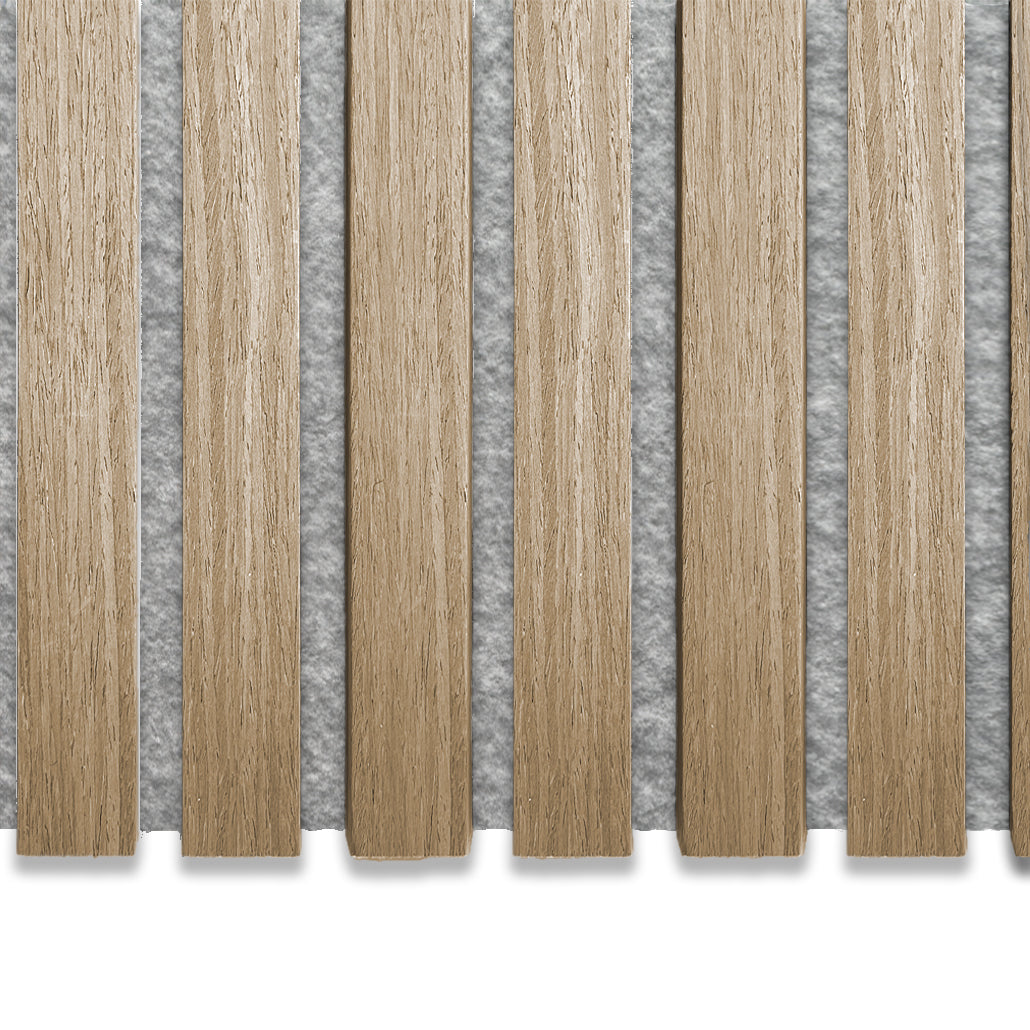
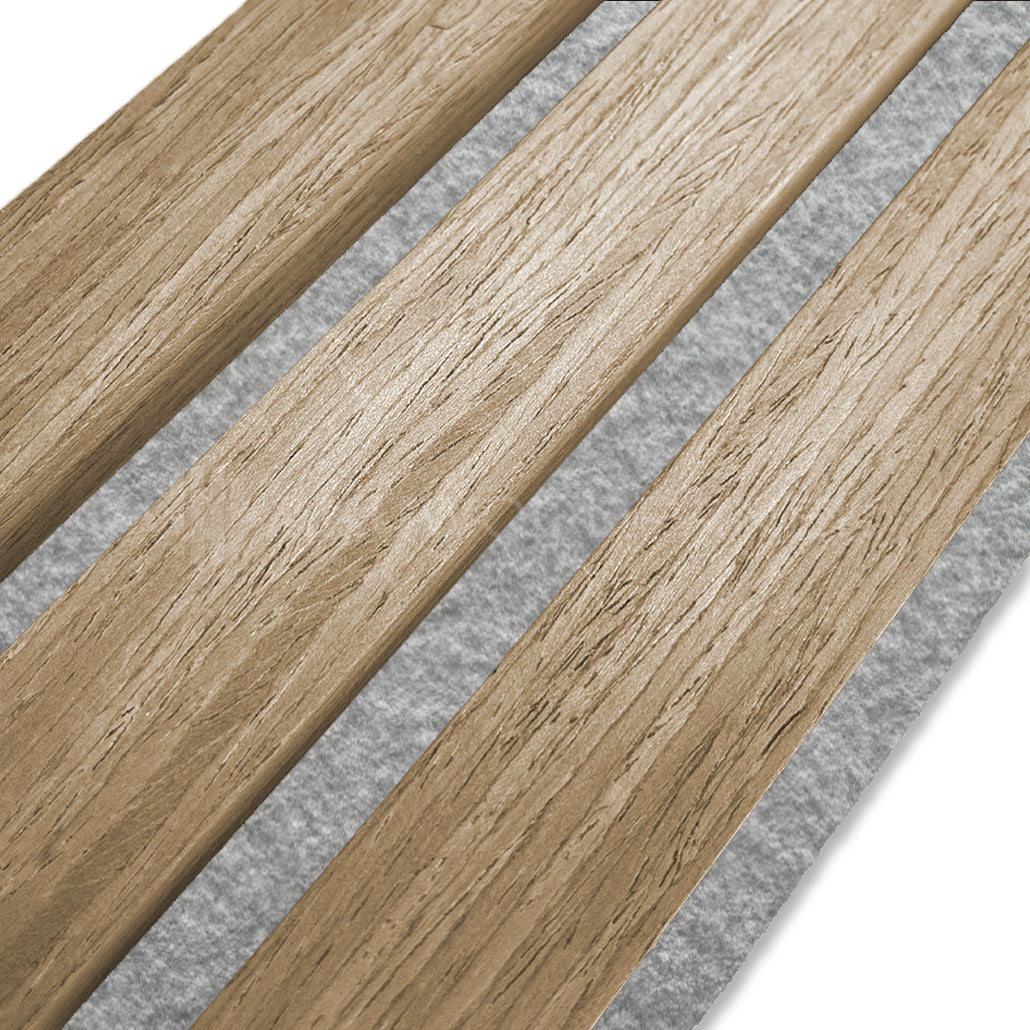
The quiet upgrade: Natural Oak with grey felt
The tonal upgrade. Same oak veneer, paired with a grey felt backing that reads more contemporary against porcelain tile and matte black fittings. Buy for a vanity wall in a 2026 ensuite refit. Natural Oak with grey felt
The dark-tone option: Black Oak wall panel
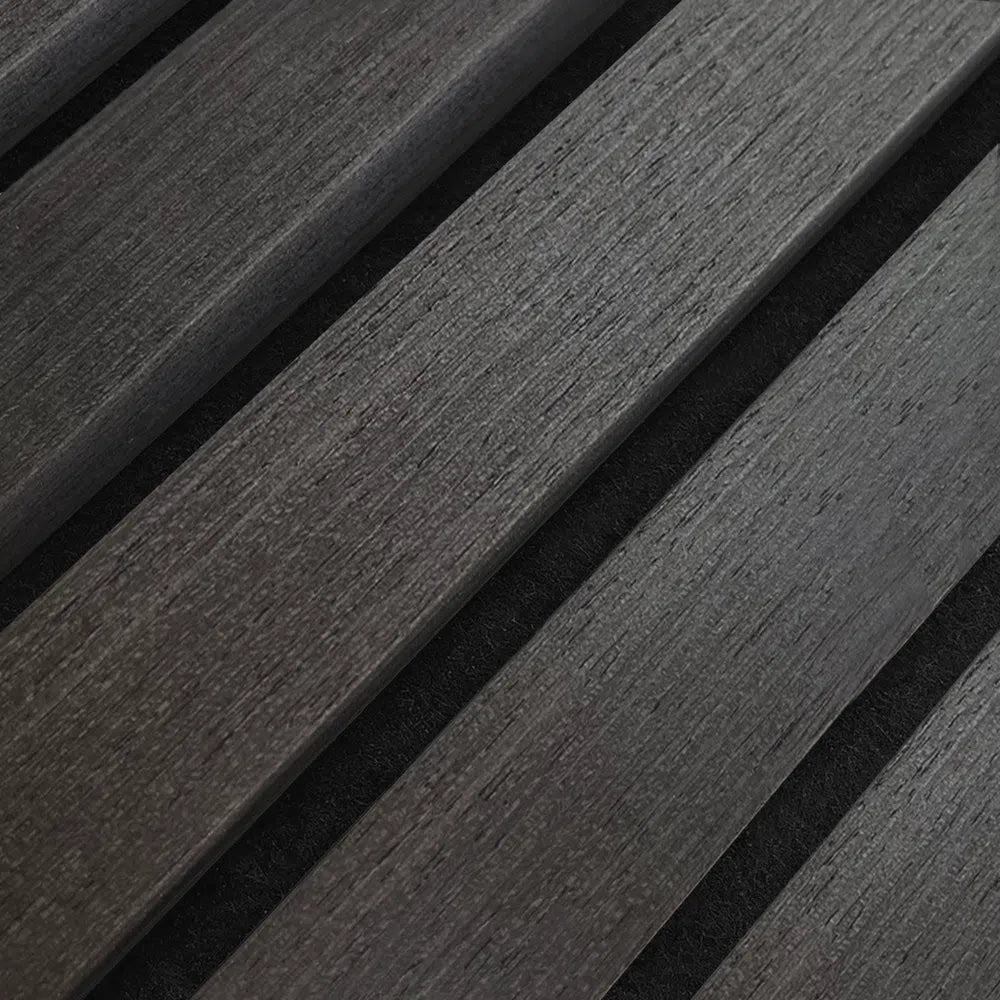
The moody one. Deep, black-stained oak veneer for a wet room going for a hotel-spa look rather than a bright white bathroom. Buy for an accent wall outside the shower's splash line - it's still wood veneer, so keep it off any surface that meets direct water. Black Oak wall panel
The pattern pick: Hexagon Acoustic Panel, Natural Oak
The geometric option. Small-format hexagon panels in the same real wood veneer, better suited to a half-wall above a vanity than a full floor-to-ceiling run. Consider it for a small feature above a basin, well away from the enclosure.


What to avoid
- A wood veneer panel marketed as "waterproof" for the direct spray zone with no tanking membrane behind it - the felt backing holds water instead of shedding it.
- Any board finishing at the shower tray edge without a sealed trim - that gap is where most wet room failures actually start, not the panel face.
- MDF-core boards anywhere near standing water, wood veneer finish or not - the core swells long before the surface shows any damage.
Verdict comparison
| Wall option | Zone | Look | Acoustic benefit | Verdict |
|---|---|---|---|---|
| PVC/acrylic shower board | Direct spray zone | Plain, uniform | None | Buy for the enclosure |
| Natural Oak wall panel | Dry zone only | Real wood grain | Yes - felt backing | Buy for the feature wall |
| Natural Oak with grey felt | Dry zone only | Warm oak, grey tone | Yes | Buy for the vanity wall |
| Black Oak wall panel | Dry zone only | Dark, moody | Yes | Buy for an accent wall |
FAQ
What are shower wall boards for wet rooms?
Shower wall boards for wet rooms are waterproof panels - usually PVC, acrylic, or laminate - installed directly in the spray zone instead of tiles. They need a continuous water-contact rating and a sealed joint system, unlike decorative wood veneer panels built for dry-zone walls.
Can wood wall panels go inside a shower enclosure?
No - wood veneer wall panels, including Akuwood Panel's range, are built for dry-zone bathroom walls, not the direct spray zone inside a shower. Standing water behind the felt backing damages the panel within months.
What size are Akuwood Panel wall panels?
Akuwood Panel's wood wall panels come in 240cm and 300cm size formats. The 240cm option suits a standard 2.1-2.4m wet room wall without a horizontal joint, while 300cm covers taller loft conversions in one run.
Is PVC or acrylic better for a wet room spray zone?
Both work when specified with the correct tanking system behind them - the deciding factor is the manufacturer's continuous water-contact rating, not the material name alone. Check the joint and corner detailing before comparing price.
How much does a decorative wall panel cost in 2026?
Akuwood Panel's 60x60cm decorative 3D wall panels cost £48.95 each in 2026, with sample panels available at £4.45 for checking the finish before ordering a full run.
Do wood veneer panels work in a high-humidity bathroom?
Yes, on dry-zone walls away from direct water contact - Akuwood Panel's range is designed for exactly that kind of bathroom humidity, not standing water. Ventilation still matters more than the panel finish for long-term humidity control.
Where does the dry zone start in a wet room?
The dry zone starts outside the direct spray radius of the shower head, usually the wall the shower unit sits against plus roughly a metre either side. A return wall or feature wall further away can carry a different finish, like a wood veneer panel.
How do you seal the edge between a shower board and a wood feature wall?
Use a sealed trim or upstand at the threshold, not just a bead of silicone against an open edge. Most wet room leaks in 2026 renovations trace back to this junction rather than the boards themselves.
One last thing
The board rarely fails first - the trim does. Most wet room call-backs in 2026 trace back to an unsealed threshold between the waterproof board and whatever sits next to it, not the board itself. If you're pairing a waterproof shower board with an Akuwood Panel feature wall, spend the extra time on that one joint - it matters more than which wood finish you pick.