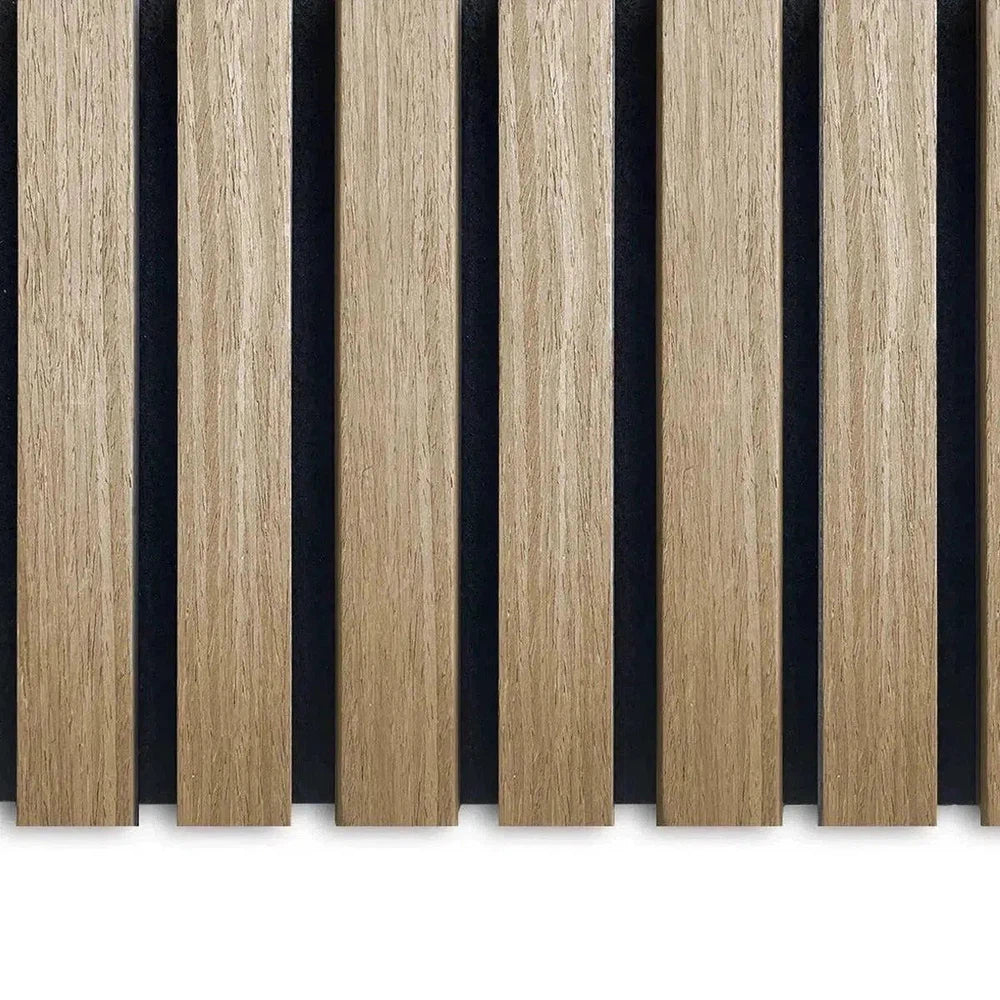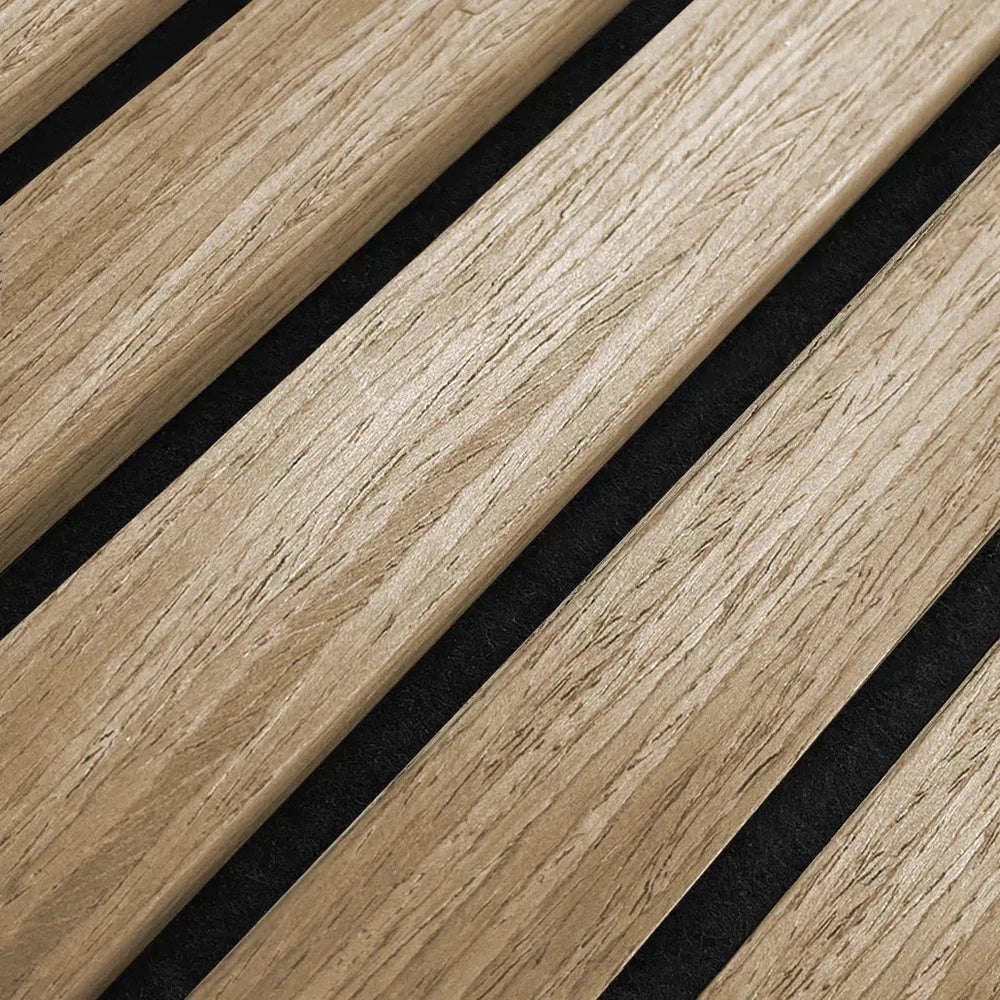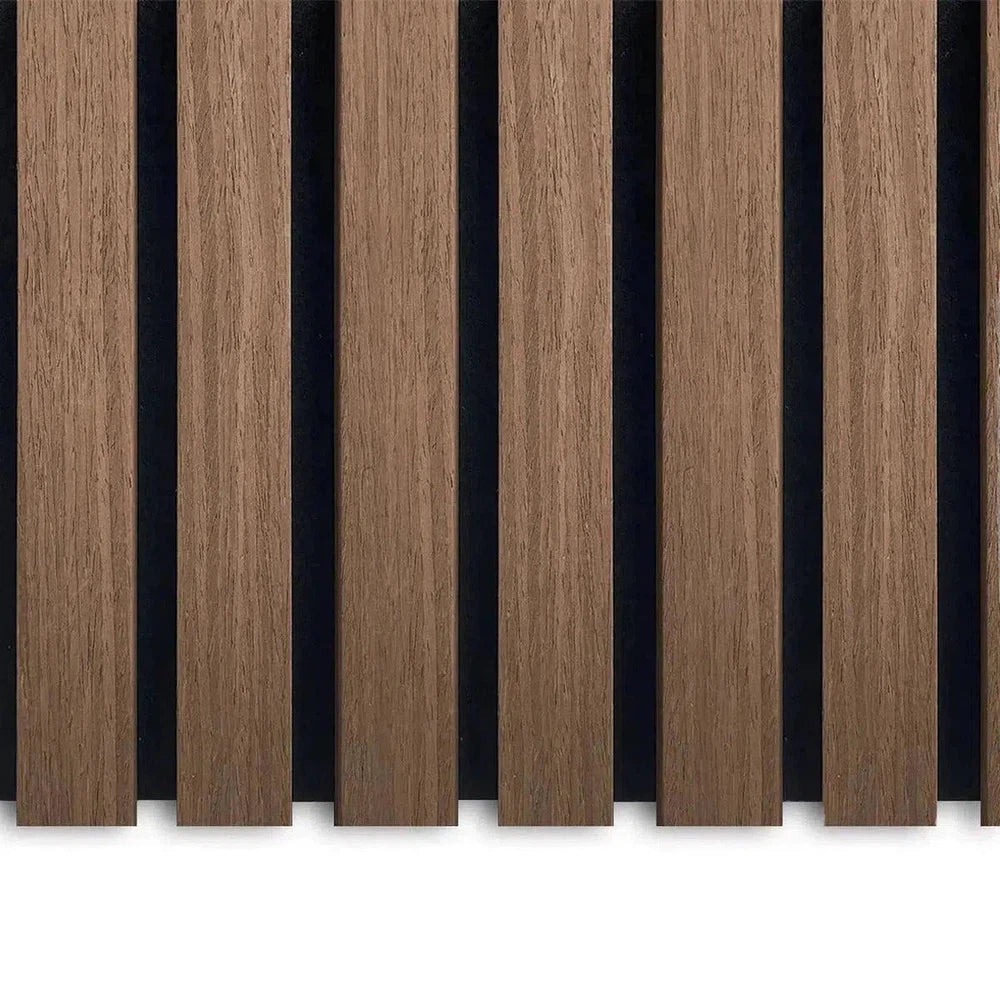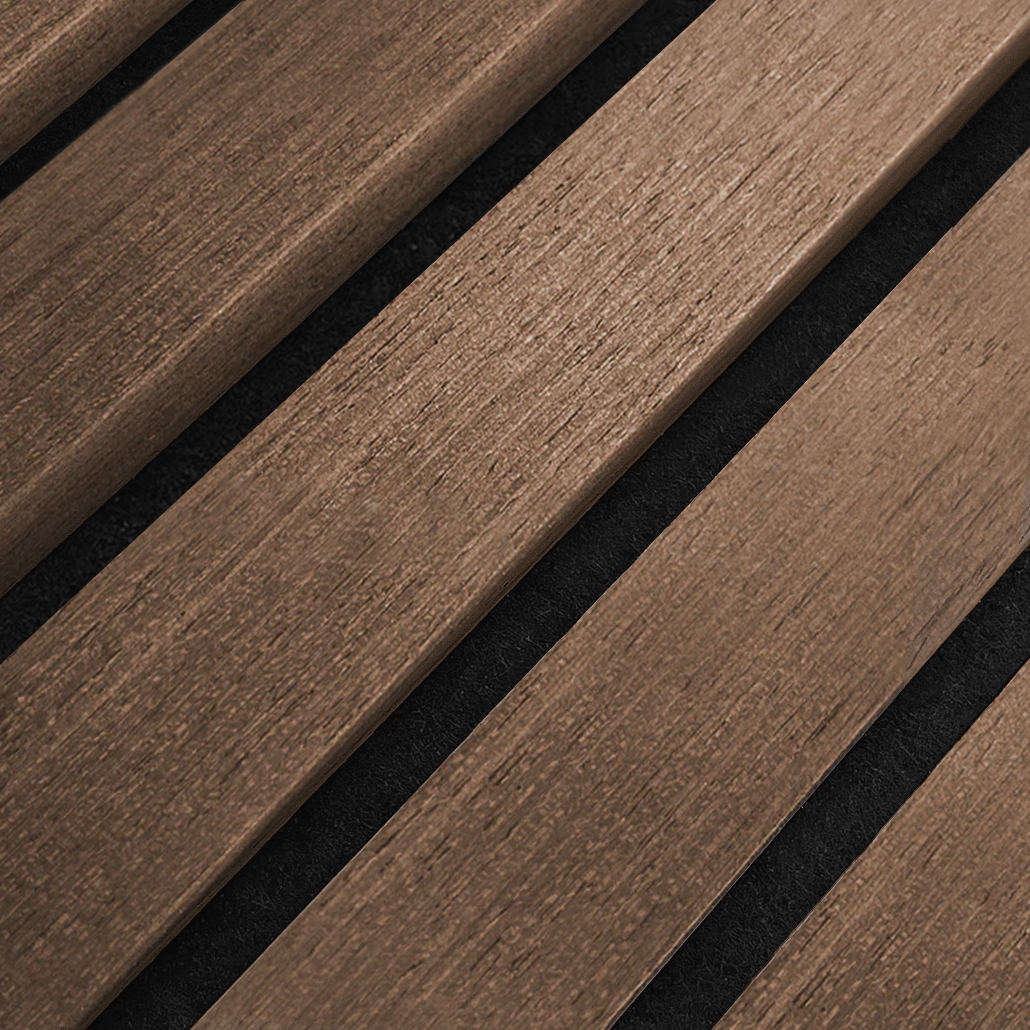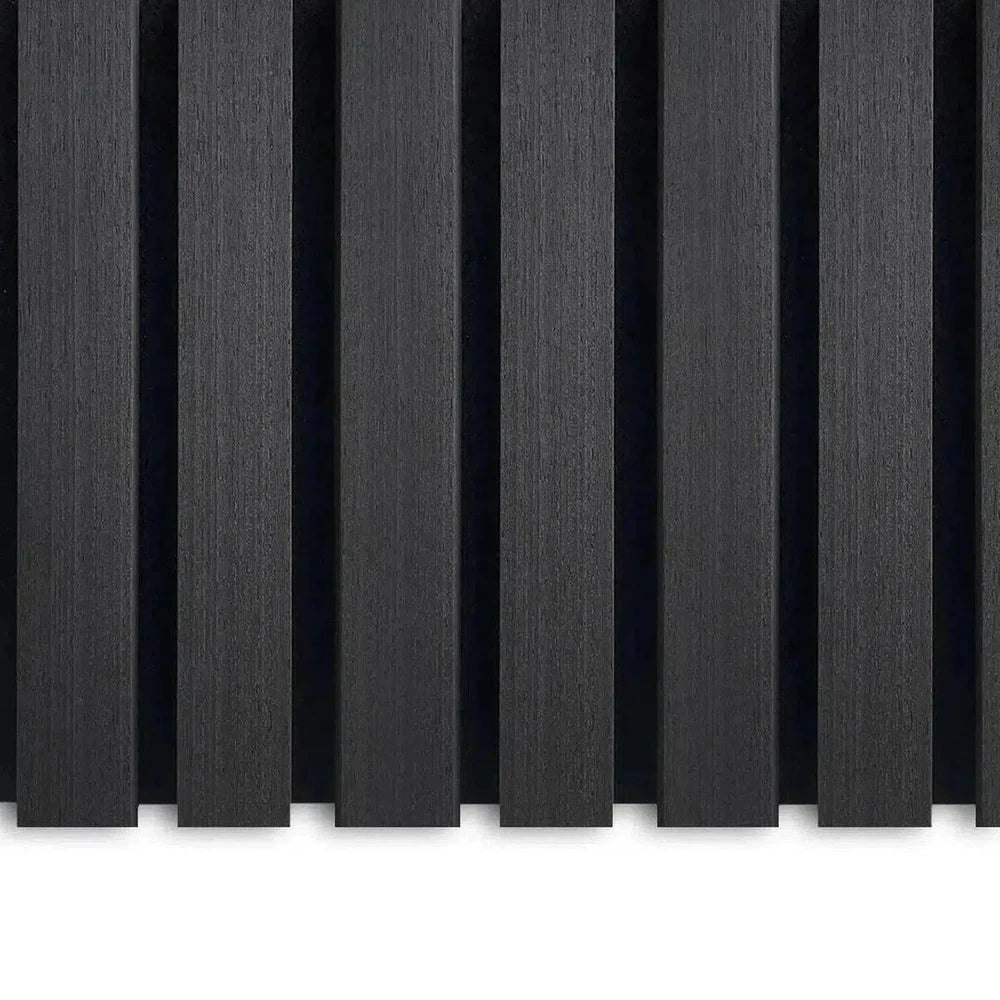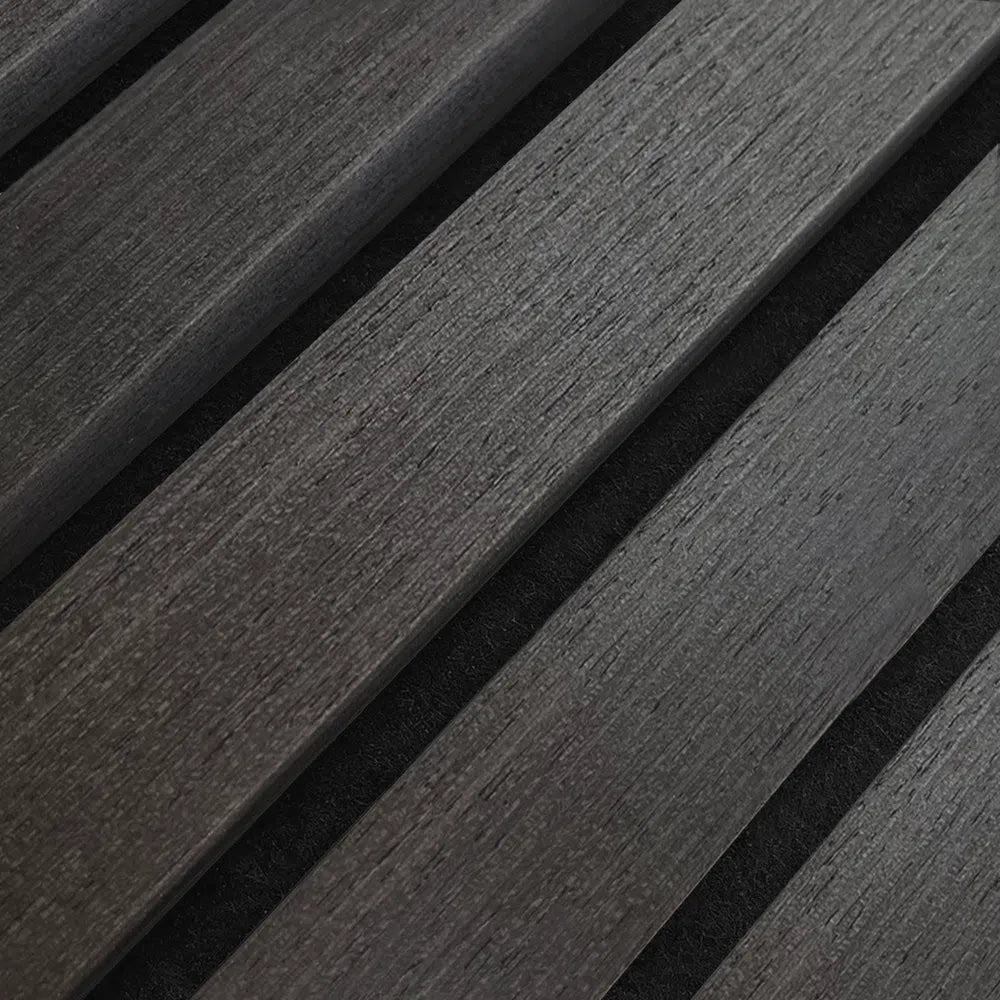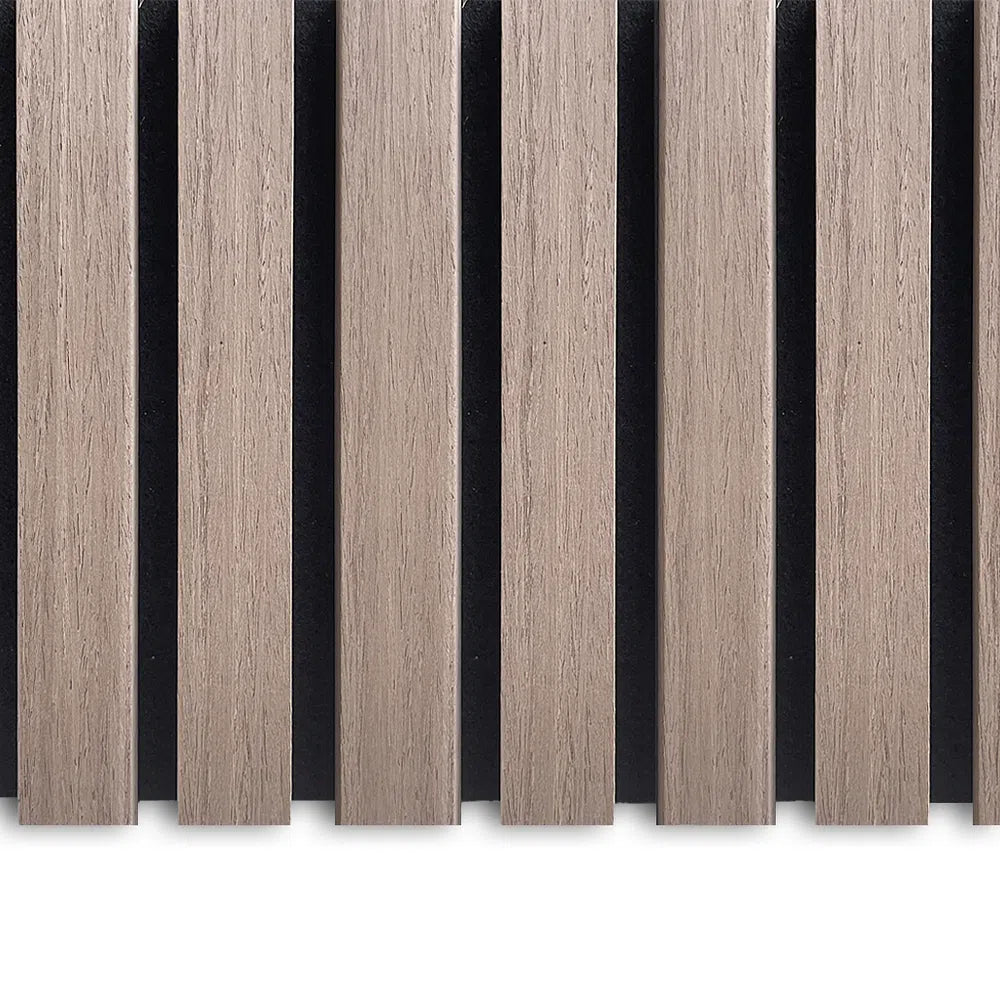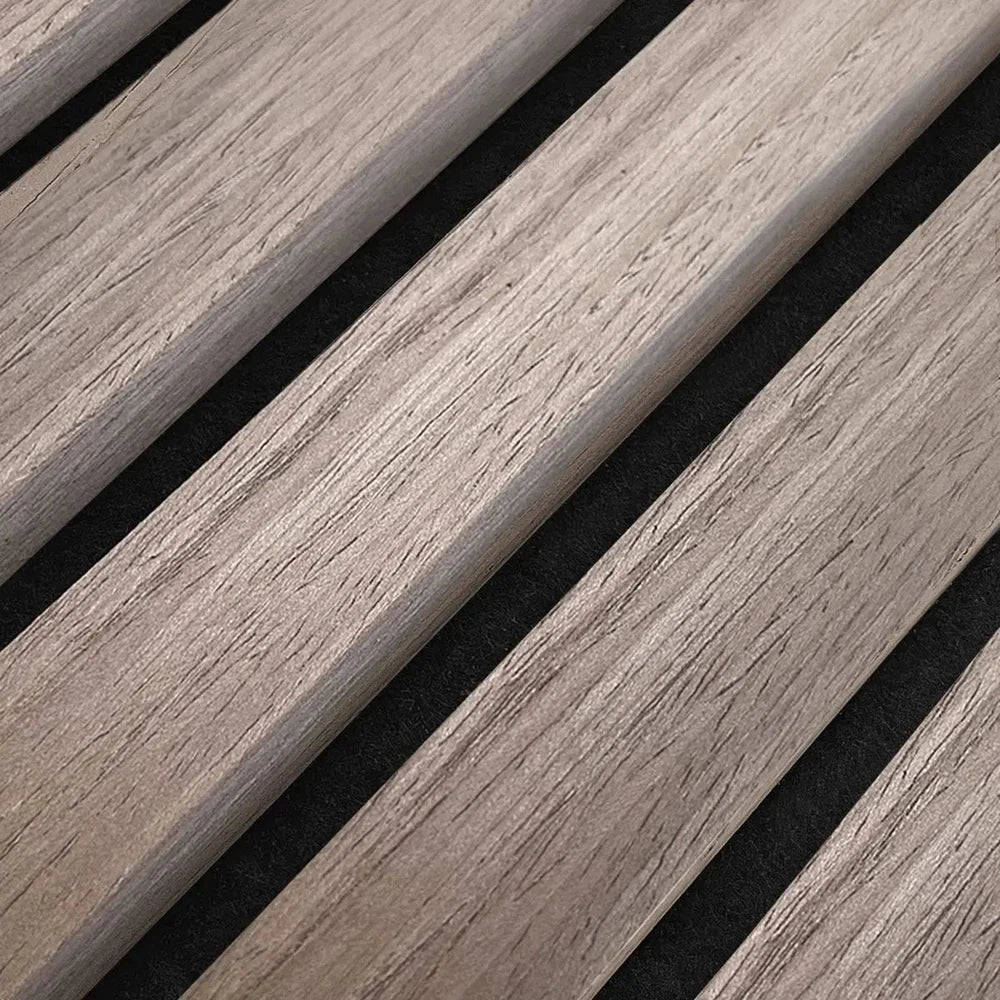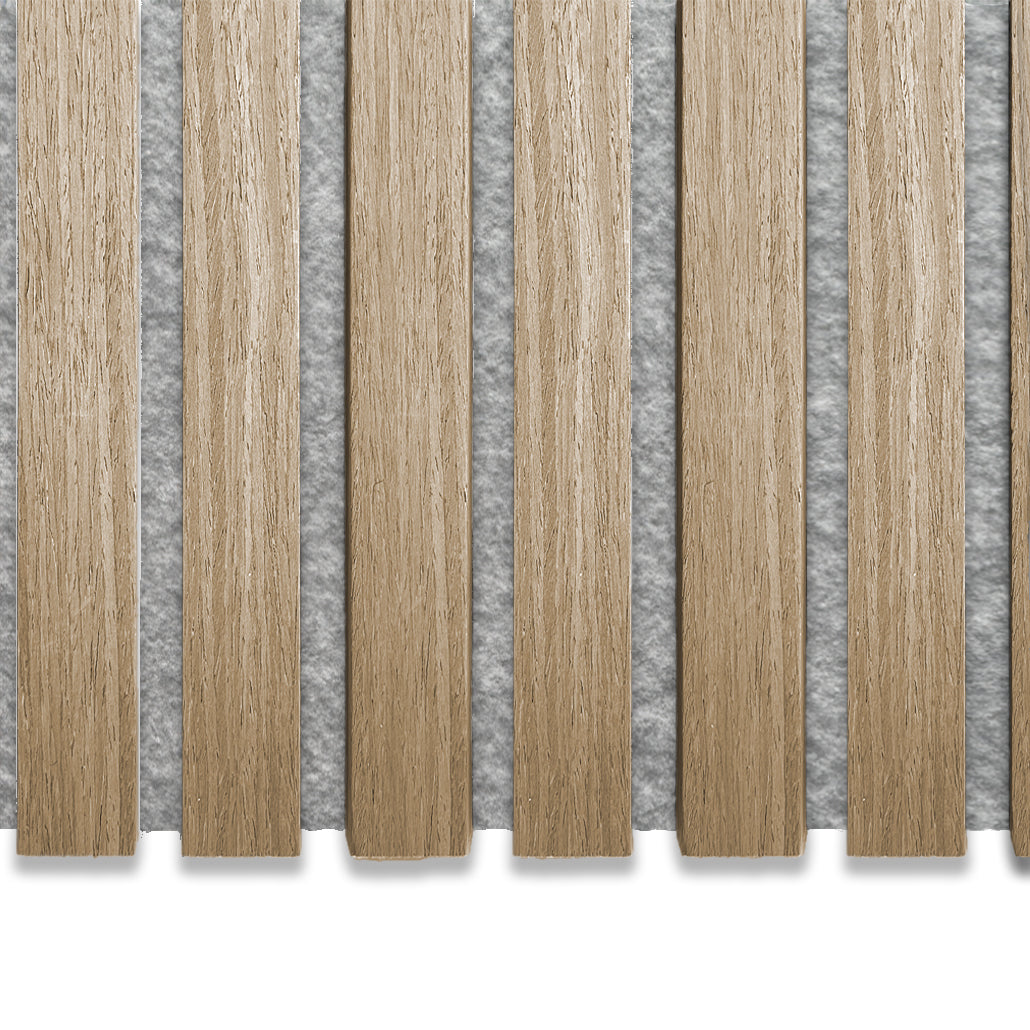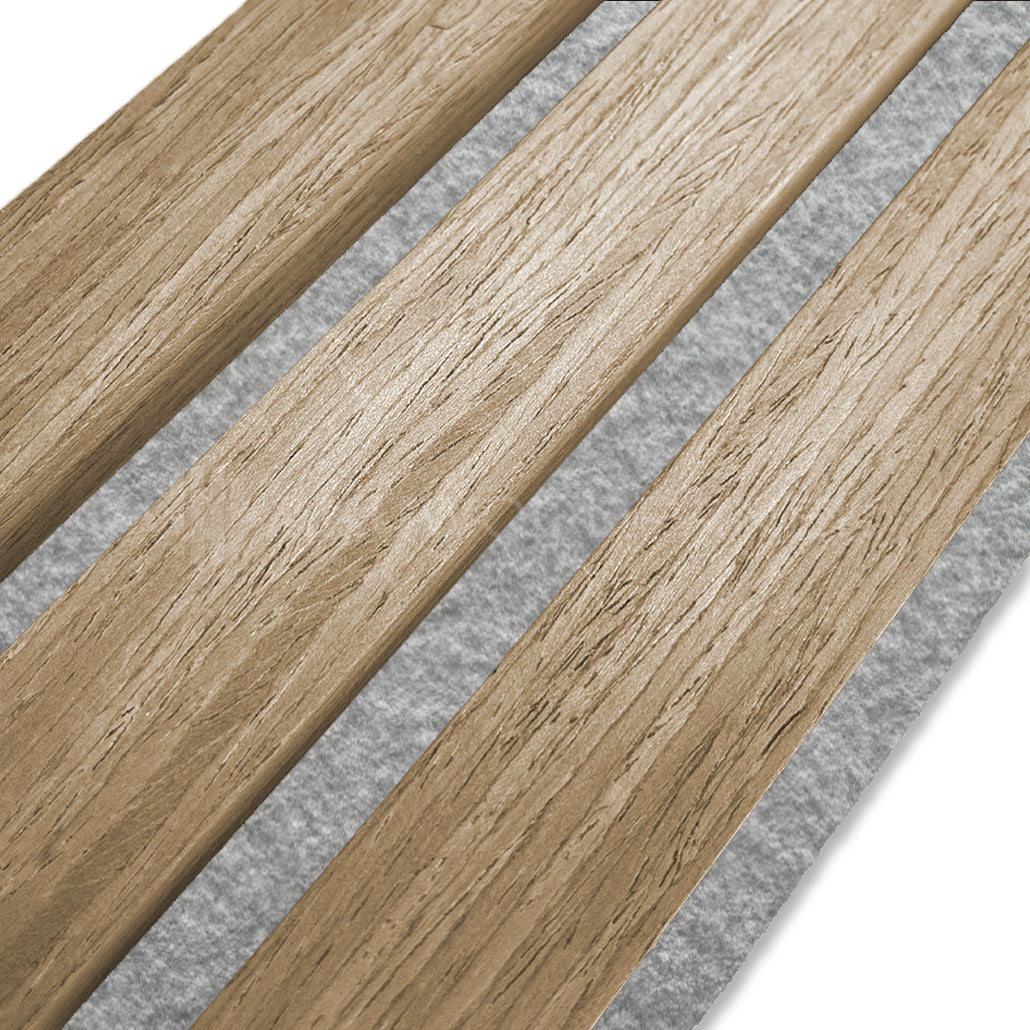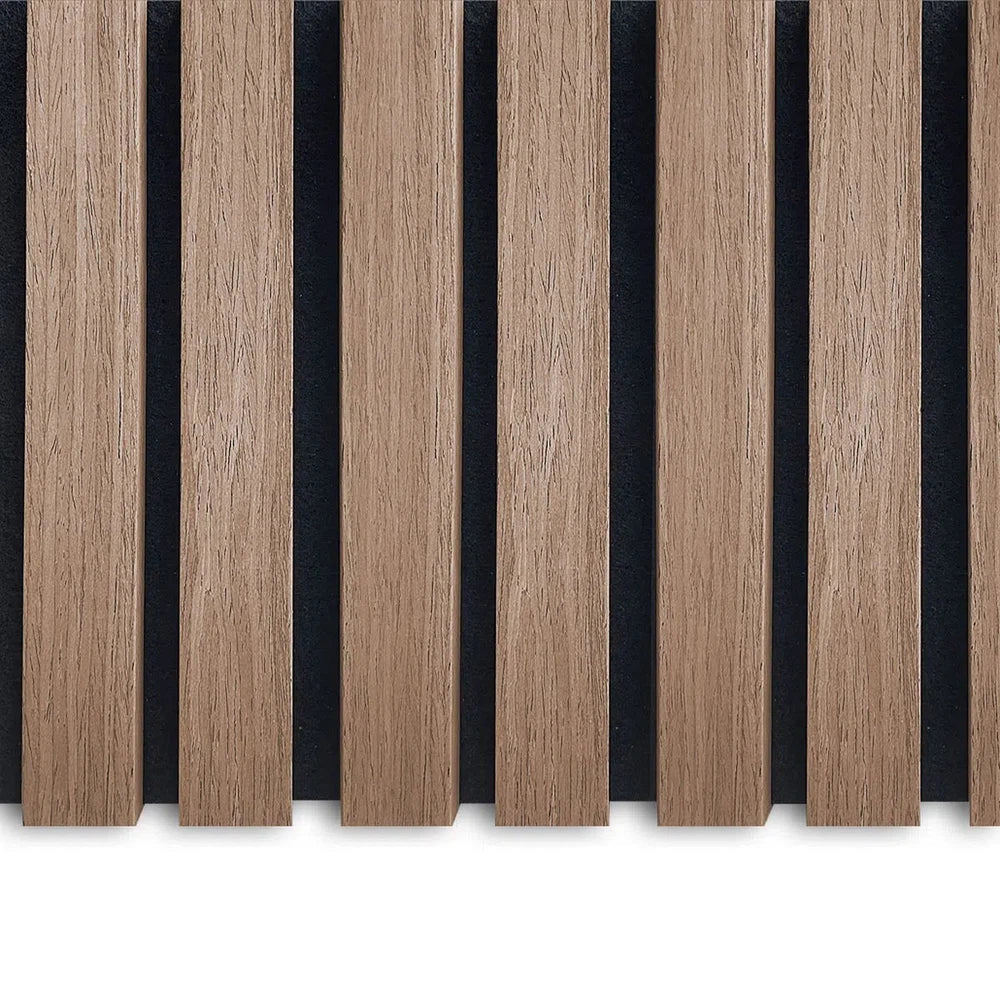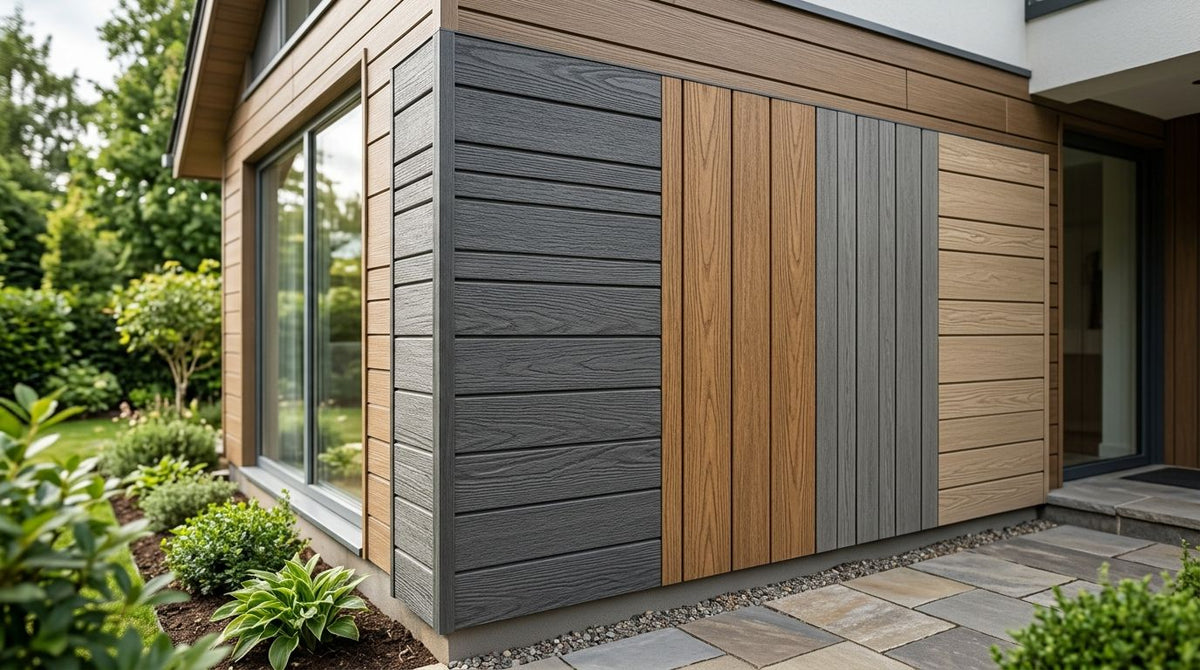
Best overall composite cladding board for durability in 2026: the Oak Exterior Wall Cladding Panel. Best for coastal and high-UV exposure homes: the Stone Grey Exterior Wall Cladding Panel. Best for contemporary new-build facades: the Black Exterior Wall Cladding Panel. Best for garden buildings and lower-exposure structures: the Birch Exterior Wall Cladding Panel.
- Composite cladding durability in 2026 comes down to UV stability, moisture resistance and fixing quality, not just colour.
- Oak Exterior Wall Cladding Panel from AKU Woodpanel is the best all-round pick for most UK exteriors.
- Stone Grey composite cladding reflects more heat than black, making it the stronger call for coastal and south-facing walls.
- AKU Woodpanel rates its exterior panel range for over 25 years of maintenance-free use across all four finishes.
- Black composite cladding suits contemporary facades but runs hotter in direct sun than lighter finishes.
Why this matters
Composite cladding gets sold on colour and texture, but durability is decided by what's underneath the wood-grain surface: how the board resists UV, how it handles standing moisture, and how well it's fixed to the wall. UK weather cycles through hard freezes, long wet stretches and direct summer sun in the same year, and a board that only looks good on day one isn't the one worth buying.
AKU Woodpanel's exterior range covers four composite finishes built on the same core construction, which makes this a genuinely useful test case: colour is the visible variable, but durability differences come down to how each finish behaves in sun, damp and salt air.
What makes the best composite cladding board
- UV and colour stability — a UV-resistant surface holds its tone instead of bleaching out after a few summers.
- Moisture and rot resistance — a wood-polymer composite core doesn't absorb water the way solid timber cladding does.
- Fixing and ventilation — the right batten gap behind the board stops moisture getting trapped against the wall.
- Finish consistency — an even wood-grain texture across every board length, not just the first metre.
- Maintenance requirement — occasional cleaning versus a repaint or re-stain schedule.
- Trim and edge compatibility — matching corner and finishing trims stop water getting behind cut edges.
Composite cladding boards at a glance
| Panel finish | Best for | Standout feature | Key limitation |
|---|---|---|---|
| Oak Exterior Wall Cladding Panel | Most UK exteriors | Balanced wood-grain tone that suits period and modern homes | Warm tone shows dust build-up more than grey |
| Stone Grey Exterior Wall Cladding Panel | Coastal and high-UV homes | Light colour reflects more heat than dark finishes | Less contrast against pale render |
| Black Exterior Wall Cladding Panel | Contemporary new-build facades | Strong contrast against render, glass and steel | Runs hotter in direct sun than lighter finishes |
| Birch Exterior Wall Cladding Panel | Garden buildings and outbuildings | Pale wood grain that reads as natural timber | Less visual weight across a full house elevation |
1. Oak Exterior Wall Cladding Panel: best composite cladding board for most UK exteriors
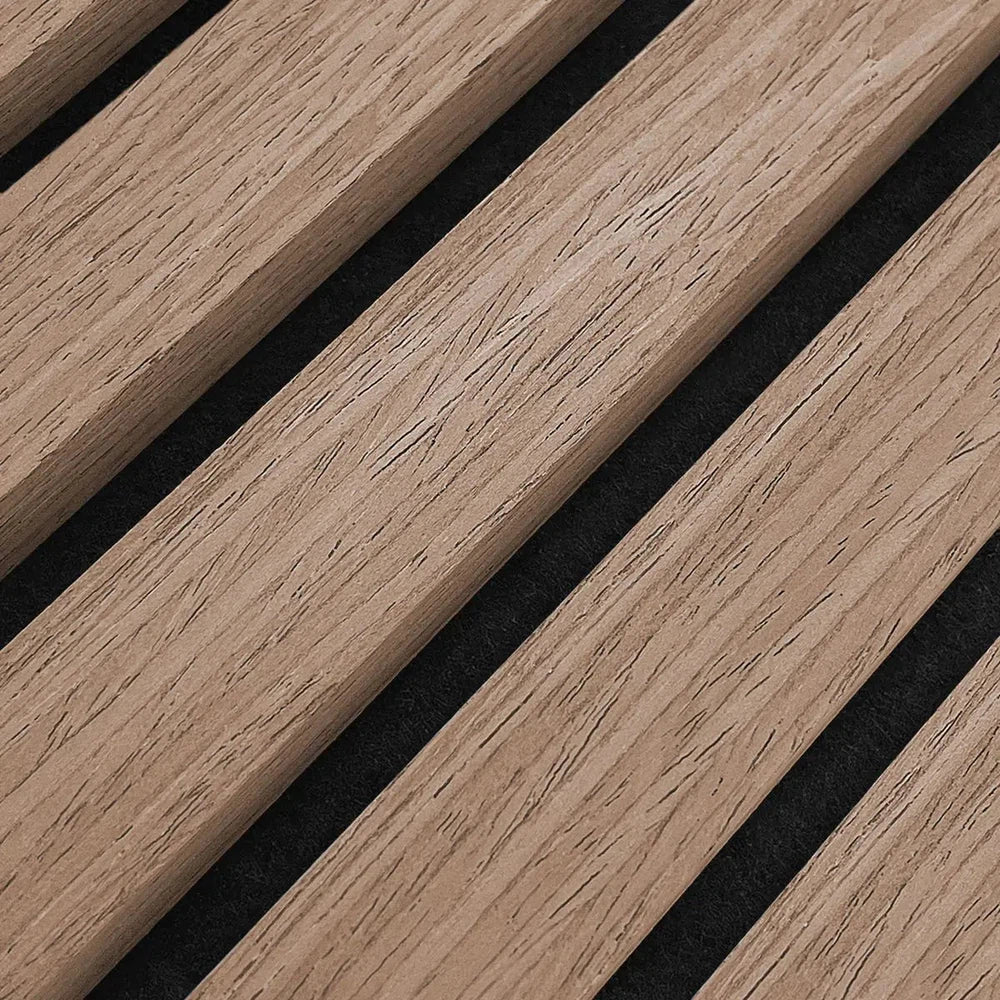
The Oak Exterior Wall Cladding Panel is the general-purpose pick in the range: a 290 cm composite board with a wood-grain surface built to sit next to existing brick or render without fighting it. AKU Woodpanel rates it, along with the rest of the exterior line, for over 25 years of maintenance-free use with UV and weather resistance built into the finish. It's the panel that works whether the job is a full exterior wrap or a single extension elevation.
Oak Exterior Wall Cladding Panel pros:
- Warm, neutral tone matches brick, render and most existing exteriors
- Composite core resists rot and insect damage the way solid timber cladding cannot
- UV-resistant surface holds colour without a repaint schedule
Oak Exterior Wall Cladding Panel cons:
- Warmer tones show water spotting and dust more visibly than grey
- The single wood-grain pattern repeats across long runs unless broken up with end-piece trims
Best for: whole-house exterior wraps and extensions where the cladding needs to sit next to existing brick or render. Verdict: Buy.
2. Stone Grey Exterior Wall Cladding Panel: best composite cladding board for coastal and high-UV homes
Same 290 cm composite construction, same UV and weather resistance rating as the rest of the Stone Grey Exterior Wall Cladding Panel range, but a lighter surface. Light colours absorb less solar heat than dark ones — a basic property of surface colour, not a marketing claim — which matters on south-facing or coastal walls that sit in direct sun for most of the day.
Stone Grey Exterior Wall Cladding Panel pros:
- Light colour reflects more solar heat than black or dark brown finishes
- Neutral grey works with both traditional and contemporary facades
- Salt residue and dust are less visible against grey than against black
Stone Grey Exterior Wall Cladding Panel cons:
- Less dramatic contrast than black against white render
- Can read as cold without a warm-toned trim or door nearby
Best for: coastal properties, south-facing walls, and homes with long daily direct sun exposure. Verdict: Buy.
3. Black Exterior Wall Cladding Panel: best composite cladding board for contemporary new-build facades
The Black Exterior Wall Cladding Panel delivers the highest contrast against white render, aluminium window frames and glazing, which is why it turns up on new-build and self-build facades built around a monochrome palette. It's the same 290 cm composite panel with the same UV and weather resistance as every other finish in the range, but dark colours run hotter in direct sun than light colours. That's a thermal property of the colour itself, not a defect specific to this board.
Black Exterior Wall Cladding Panel pros:
- Strongest visual contrast against render, glass and steel
- Same composite core and UV-resistant surface as every other finish in the range
- Matching corner and finishing trims keep cut edges protected
Black Exterior Wall Cladding Panel cons:
- Absorbs more solar heat than stone grey or birch on south-facing walls
- Shows dust and pollen more visibly than grey finishes between cleans
Best for: contemporary new-build and self-build facades built around a black-and-white or black-and-glass palette. Verdict: Buy, with Stone Grey the better call on south-facing coastal elevations.
4. Birch Exterior Wall Cladding Panel: best composite cladding board for garden buildings
The Birch Exterior Wall Cladding Panel is the pale, understated option in the range — same composite construction as the other three finishes, sized for structures where a full-height dark or high-contrast facade would overwhelm the building. It suits garden rooms, outbuildings and smaller structures more naturally than a full house elevation.
Birch Exterior Wall Cladding Panel pros:
- Pale tone keeps small structures looking light rather than heavy
- Same UV and weather resistance as every other finish in the AKU Woodpanel range
- Reads as natural timber without timber's rot risk
Birch Exterior Wall Cladding Panel cons:
- Less visual weight across a full house elevation
- Pale tone can show algae or moss staining sooner in shaded, damp corners than darker finishes
Best for: garden rooms, outbuildings, and smaller structures where a lighter tone suits the scale of the build. Verdict: Buy for smaller structures; go darker for large facade runs.
Finishing accessories that actually protect durability
The biggest durability variable most people ignore isn't the panel colour — it's whether the corner trims, finishing trims and screws are matched to the board. A cut edge left untrimmed lets water behind the panel regardless of how UV-resistant the face is, and mismatched screws can leave visible corrosion staining well before the board itself shows any wear.


How we ranked these composite cladding boards
Each panel was measured against the same six criteria: UV and colour stability, moisture resistance, fixing and ventilation compatibility, finish consistency, maintenance load, and trim compatibility. Because all four finishes share the same composite core and the same UV and weather resistance rating, the ranking differences come from how each colour performs in sun and salt exposure, not from a difference in the underlying board.
Which composite cladding board should you choose in 2026?
If the wall gets standard UK weather and doesn't sit on a coastline or a south-facing exposure, the Oak Exterior Wall Cladding Panel is the default pick — it's the most versatile finish in the range and the one that works with the widest range of existing brick and render. Move to Stone Grey for coastal or high-UV walls where heat reflection matters more than contrast, and reach for Black only when the design brief calls for a strong monochrome facade. Birch stays the right call for garden buildings and smaller structures rather than a full house elevation.
FAQ
What is the most durable composite cladding board for UK homes in 2026?
The Oak Exterior Wall Cladding Panel is the most versatile pick for durability across standard UK exteriors in 2026, since all four AKU Woodpanel finishes share the same UV-resistant composite core. Colour choice then depends on sun exposure and design, not underlying durability.
Is composite cladding more durable than timber cladding?
Composite cladding generally resists rot, insect damage and moisture absorption better than solid timber cladding because the wood-polymer core doesn't take on water the way solid wood does. Timber still needs regular treatment to match that resistance over time.
How long does composite cladding last?
AKU Woodpanel rates its exterior composite cladding panels for over 25 years of maintenance-free use. Actual lifespan depends on correct fixing, ventilation gaps and trim installation, not the board alone.
Does composite cladding fade in sunlight?
UV-resistant composite cladding is built to hold its colour better than uncapped or untreated boards, but darker finishes like black will still show more visible heat and weathering effects over time than lighter finishes like stone grey.
Can composite cladding be used on coastal properties?
Yes. Composite cladding handles salt air and moisture better than untreated timber, and lighter finishes such as Stone Grey reflect more solar heat and show salt residue less than dark finishes on coastal elevations.
What's the difference between capped and uncapped composite cladding?
Capped composite has a protective outer layer bonded over the wood-polymer core that improves UV and moisture resistance, while uncapped composite exposes the core material directly and tends to fade and absorb moisture faster.
How much maintenance does composite cladding need?
Composite cladding typically needs periodic cleaning rather than the sanding, staining or painting solid timber cladding requires. It does not need a repaint schedule to hold its colour.
Is black composite cladding a good choice for durability?
Black composite cladding uses the same UV-resistant core as lighter finishes, so it holds up structurally, but it absorbs more solar heat than stone grey or birch, which matters more on south-facing or coastal walls than on shaded or north-facing elevations.
One last thing
The finish colour gets all the attention on a spec sheet, but the fixings decide whether a composite cladding board actually reaches its rated lifespan. A board with the same UV-resistant core installed with mismatched screws or without a proper ventilation gap behind it will show wear years before a correctly fitted, colour-matched install does — check the fixing spec before the finish.