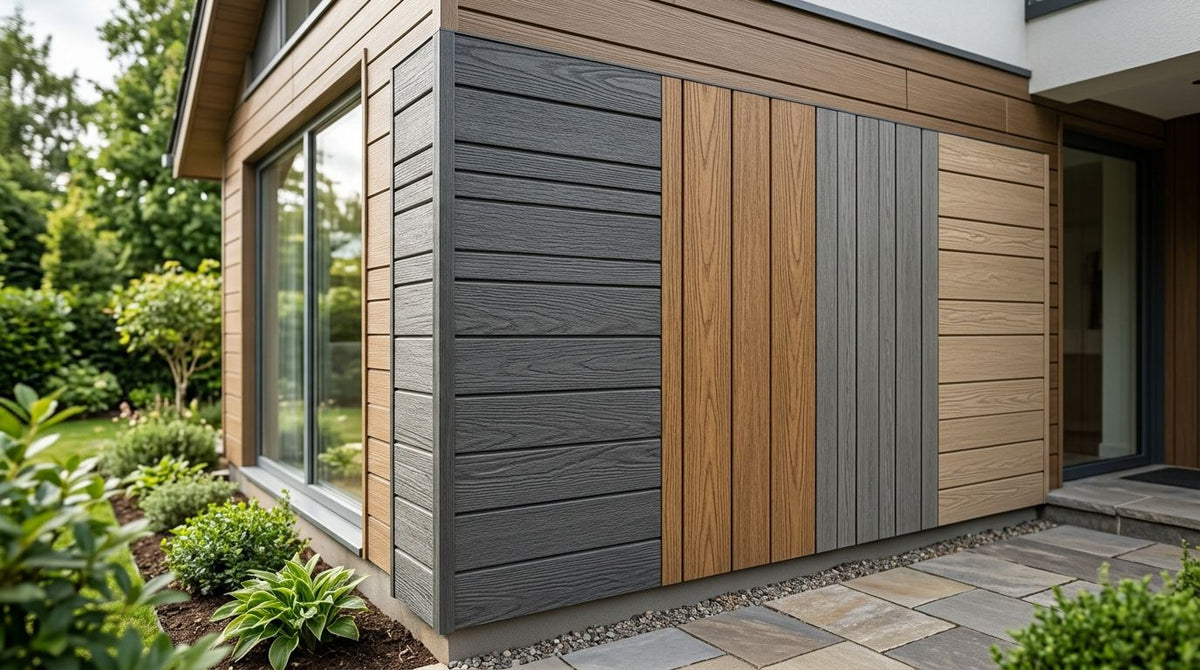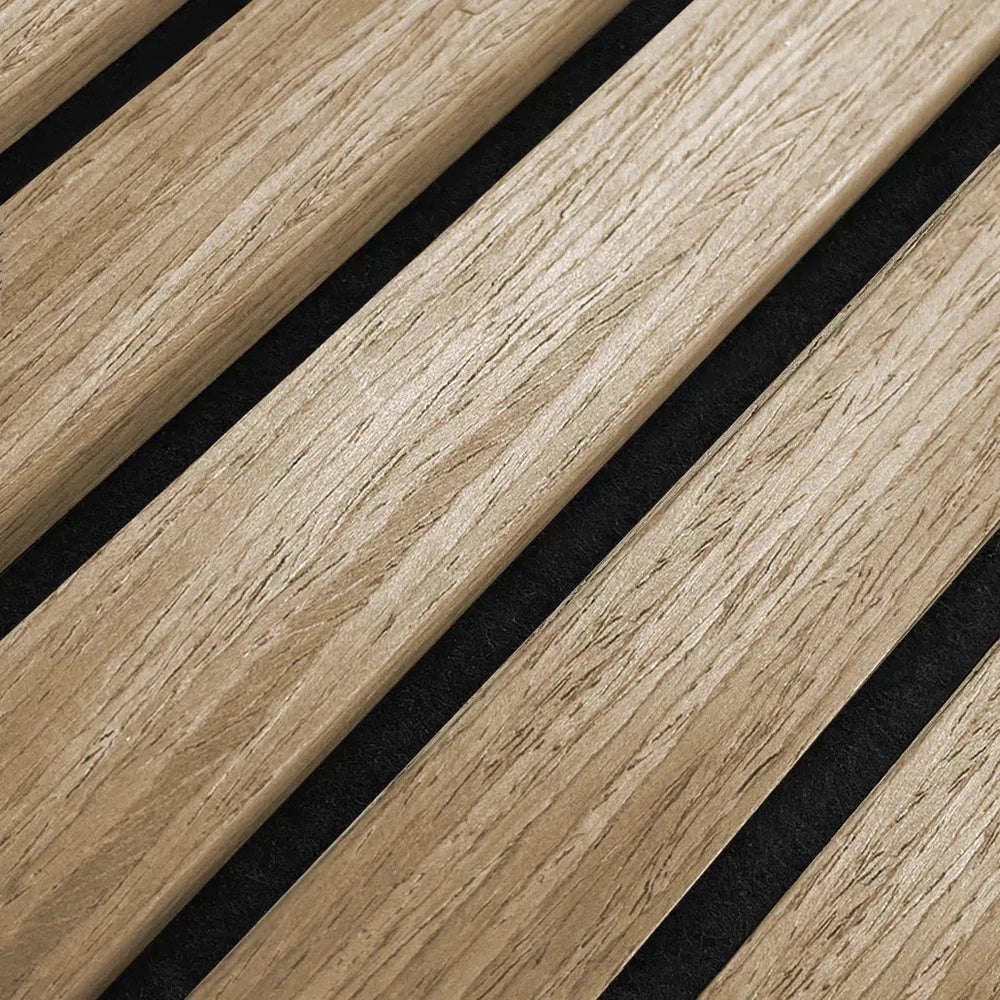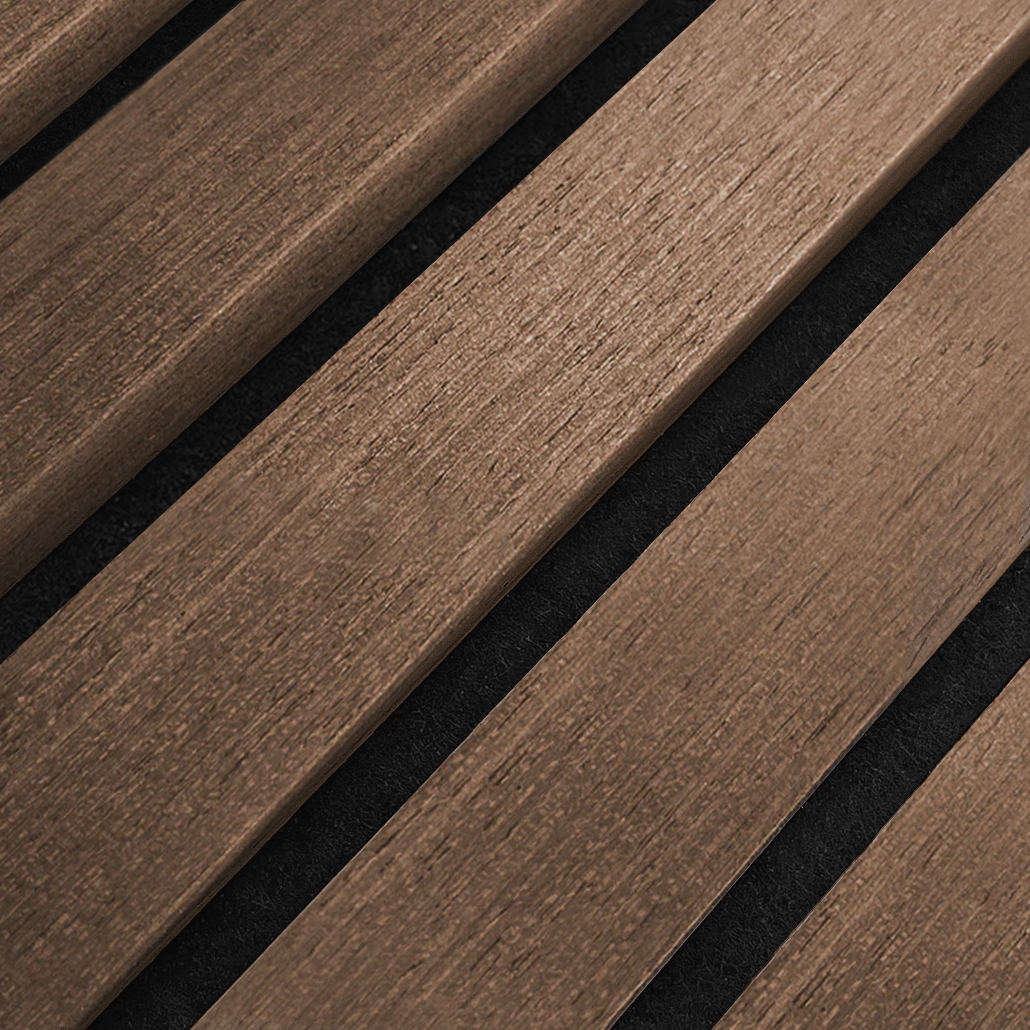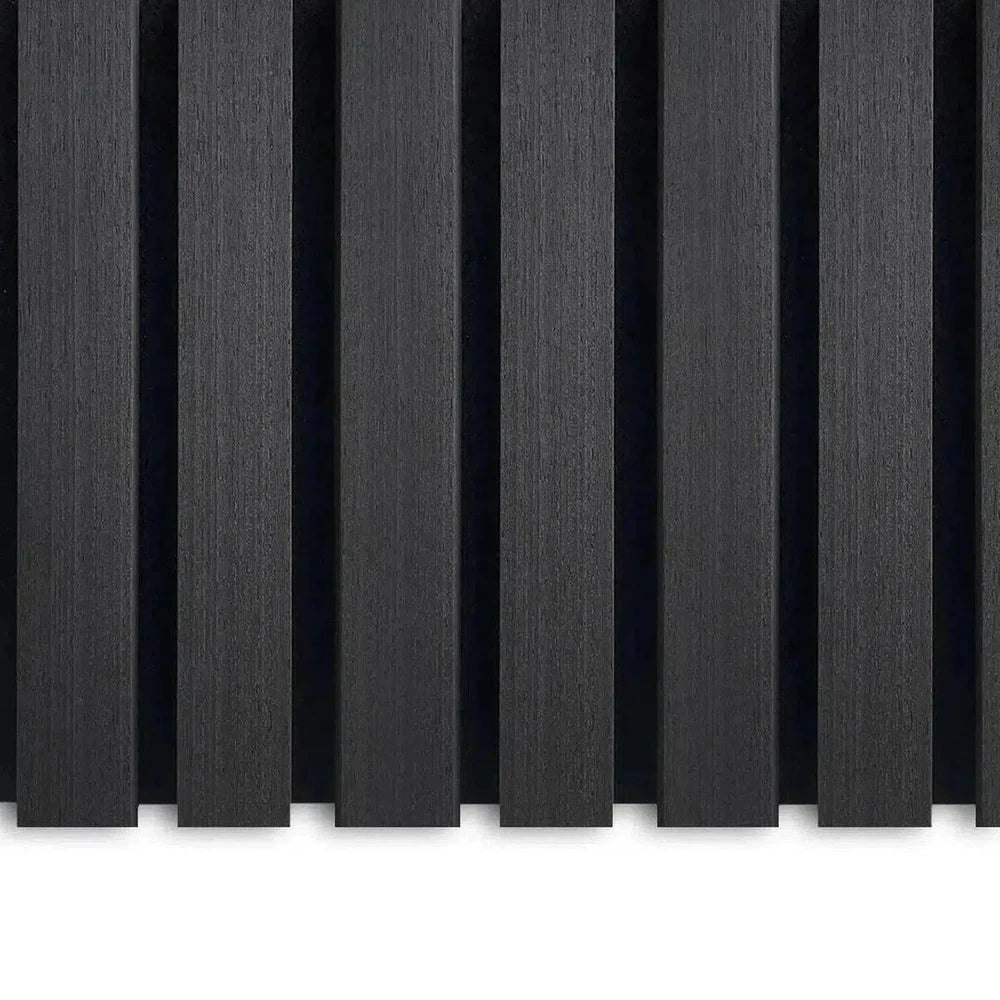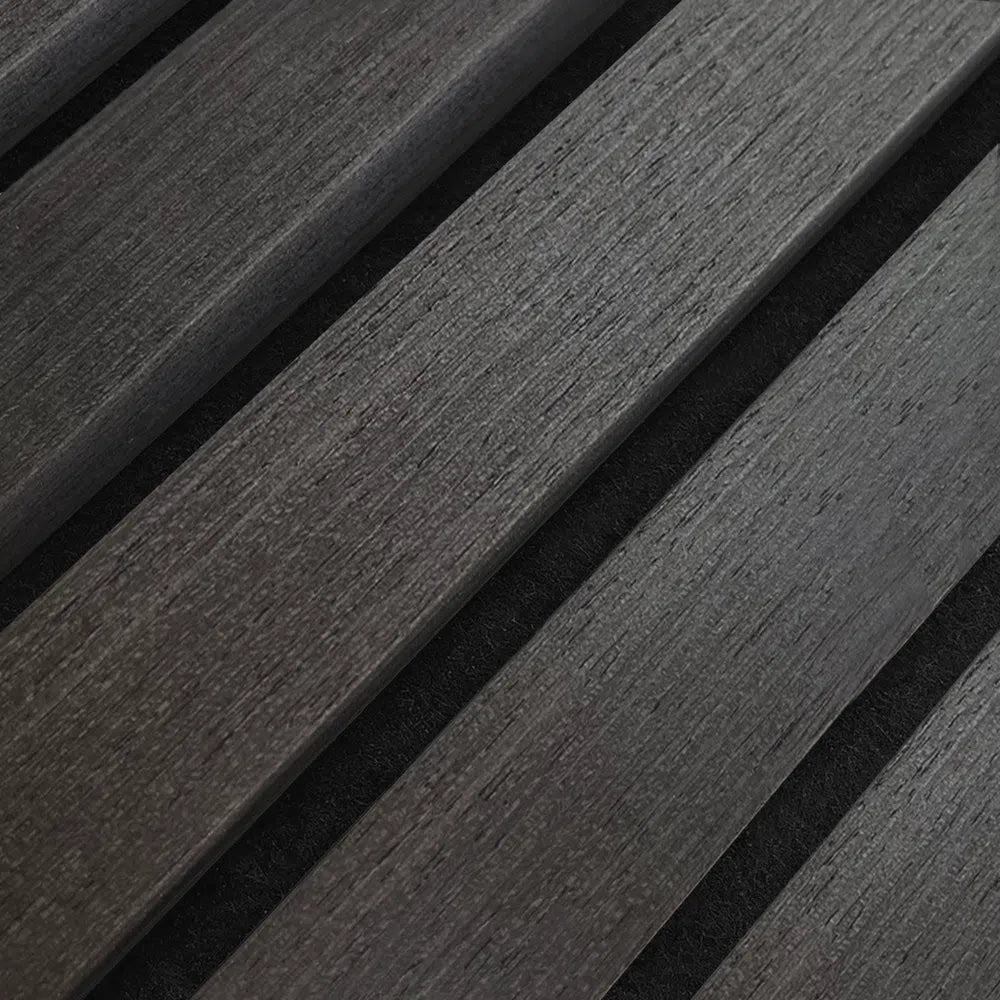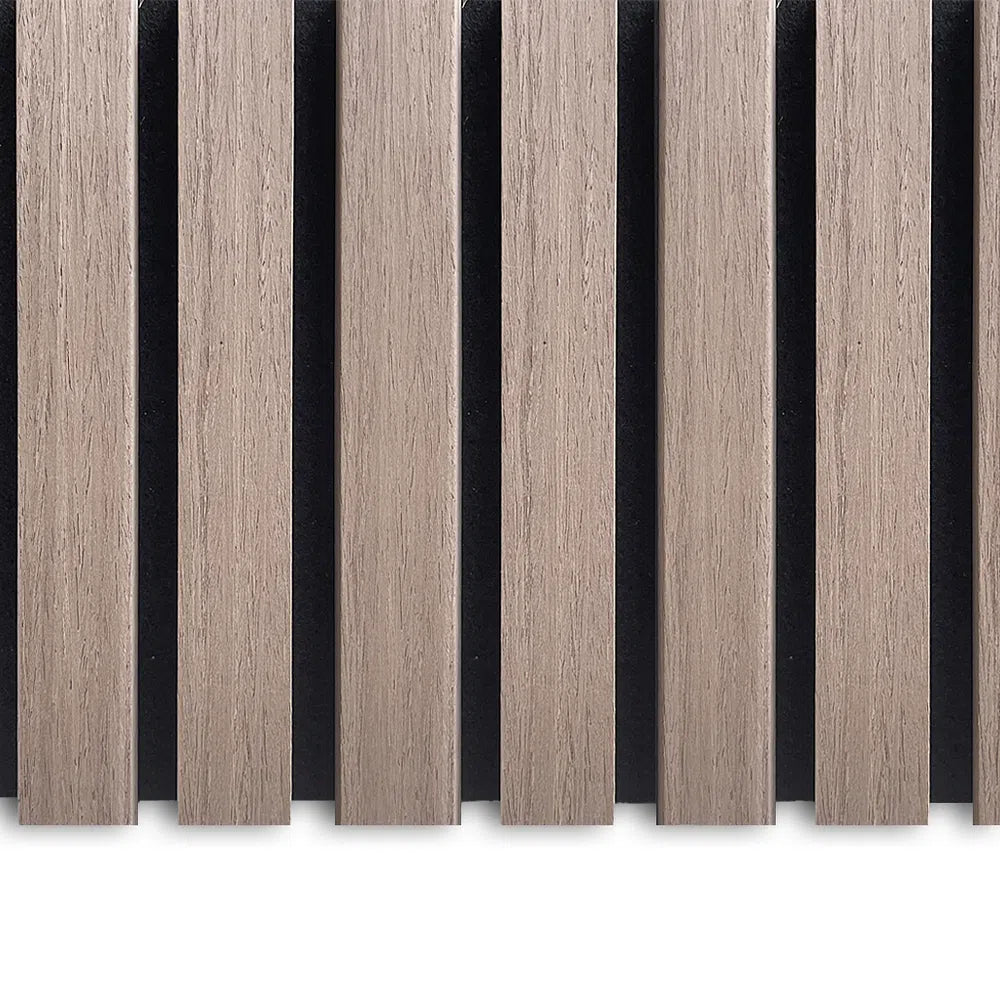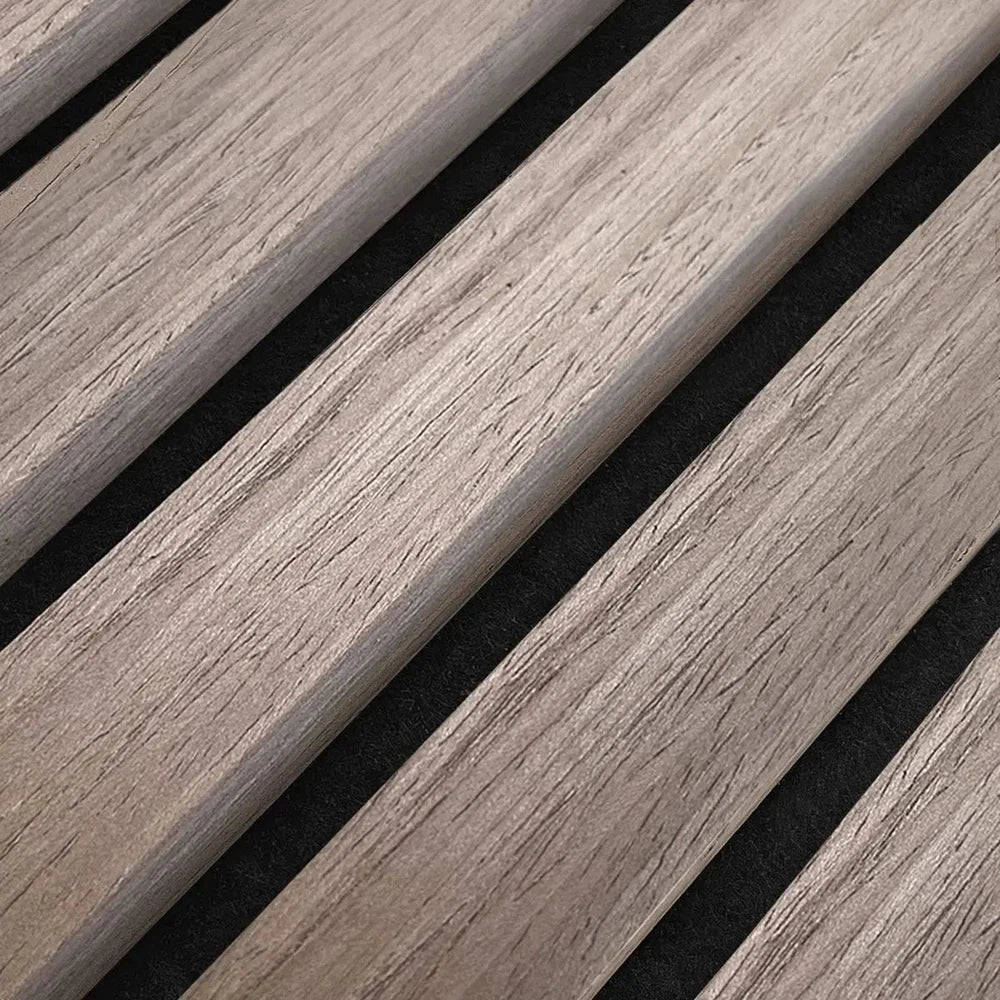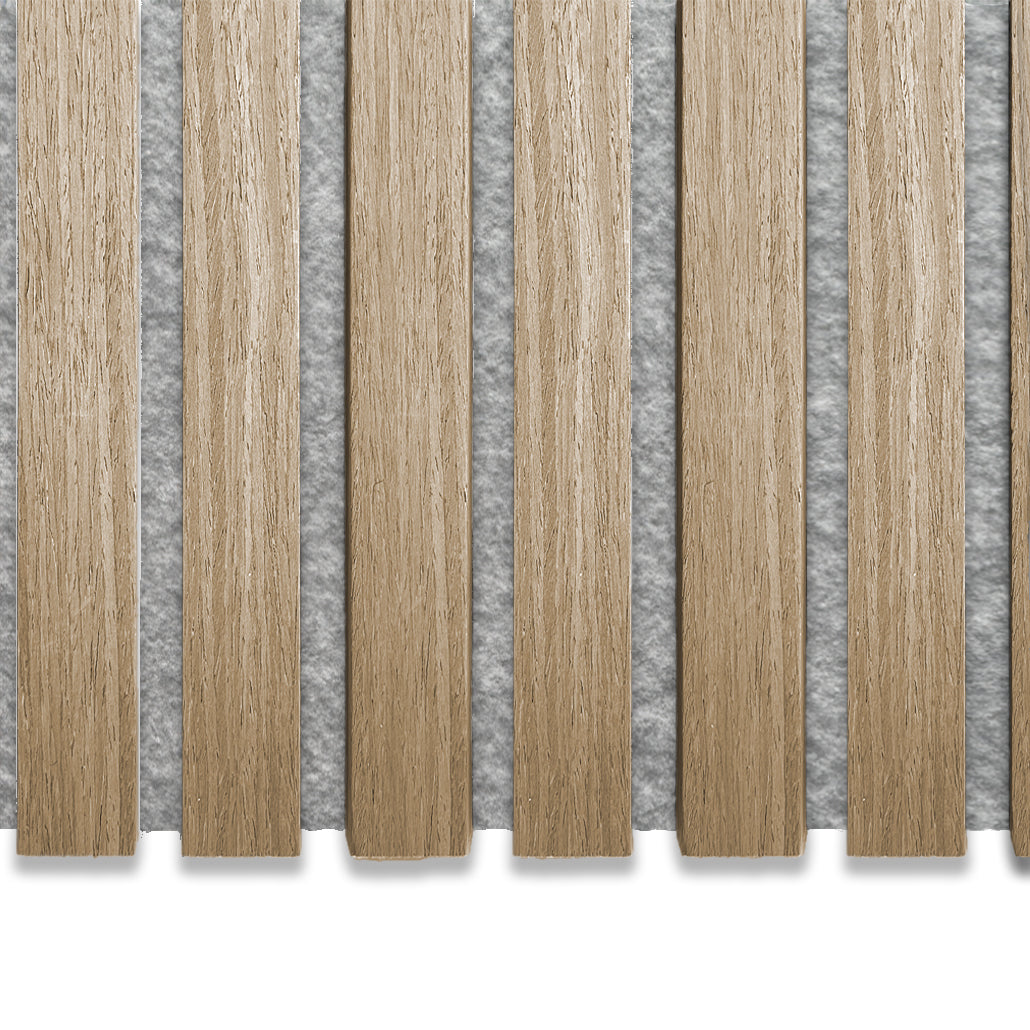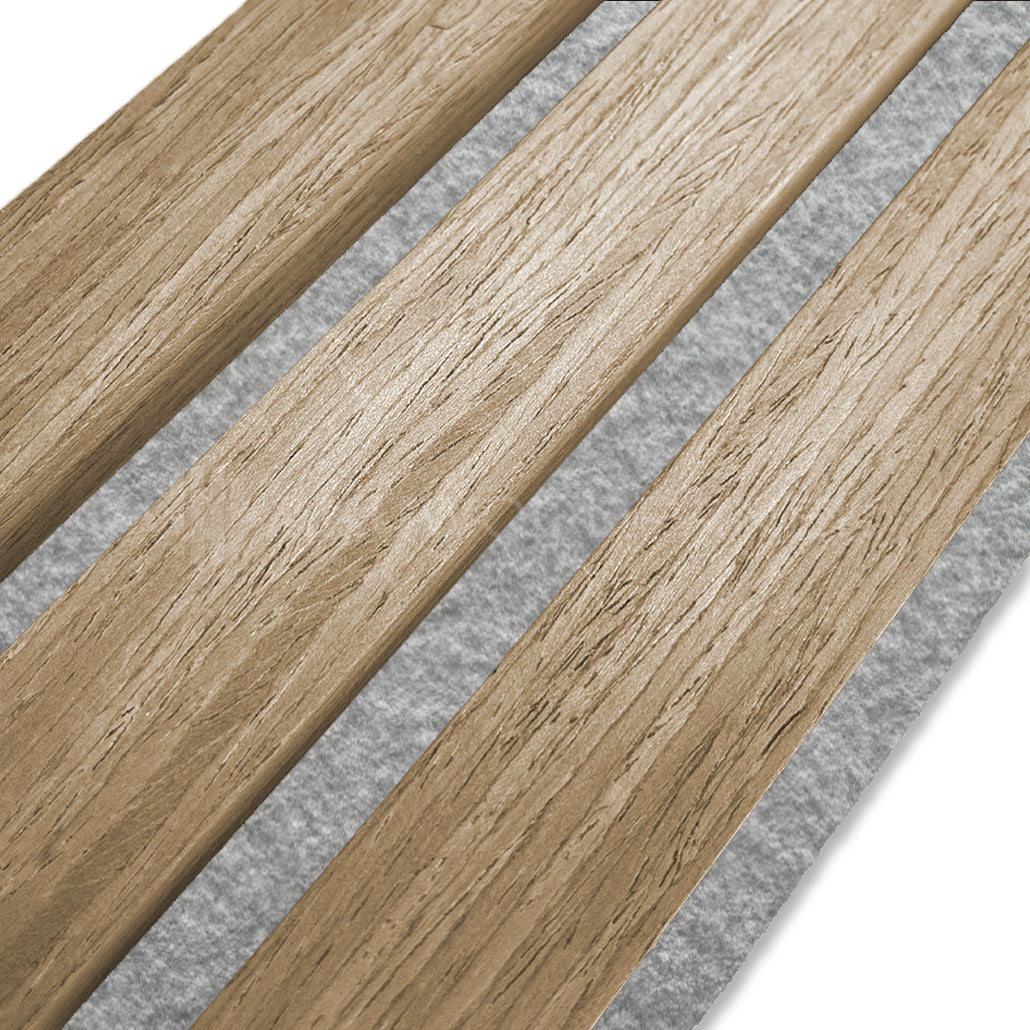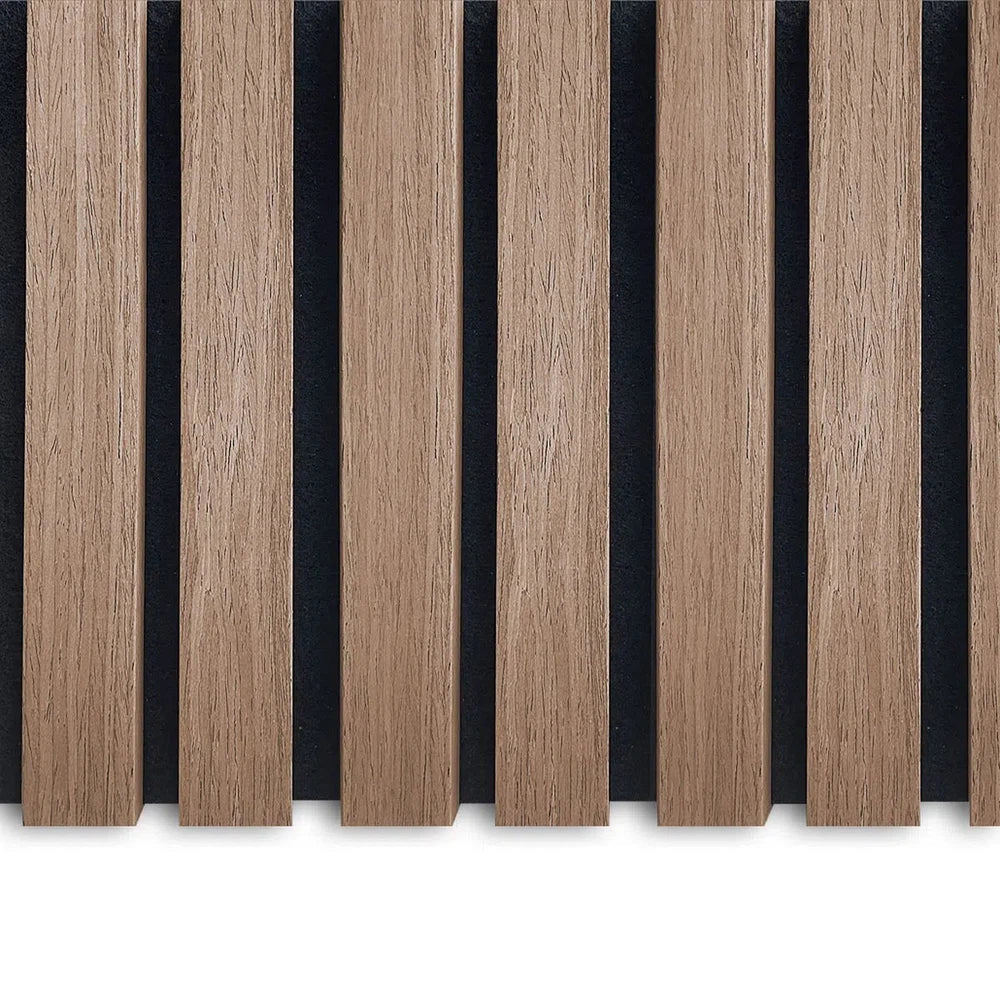
Best overall for acoustic wall panels for AV installers in 2026: AKU Woodpanel Black Oak for a dark home theatre feature wall. Best for a lighter media room: Natural Oak Grey Felt. Best for a small accent area: Hexagon Acoustic Panel Smoked Oak. These are finish-and-layout recommendations, not a ranking of measured sound absorption.
- AKU Woodpanel Black Oak is the best acoustic wall panel for AV installers planning a dark home theatre feature wall.
- Natural Oak Grey Felt suits a lighter media room where the felt backing should remain part of the visual scheme.
- Hexagon Acoustic Panel Smoked Oak suits a small accent area, not an assumed substitute for full-wall treatment.
- For acoustic wall panels for AV installers, request installation-specific absorption data before promising a performance result.
Why this matters
An AV installer has two different jobs: make the room look finished and manage how sound behaves inside it. A panel can help with the first without proving the second. Do not treat a dark finish, a slatted face or an acoustic product name as a measured home theatre result.
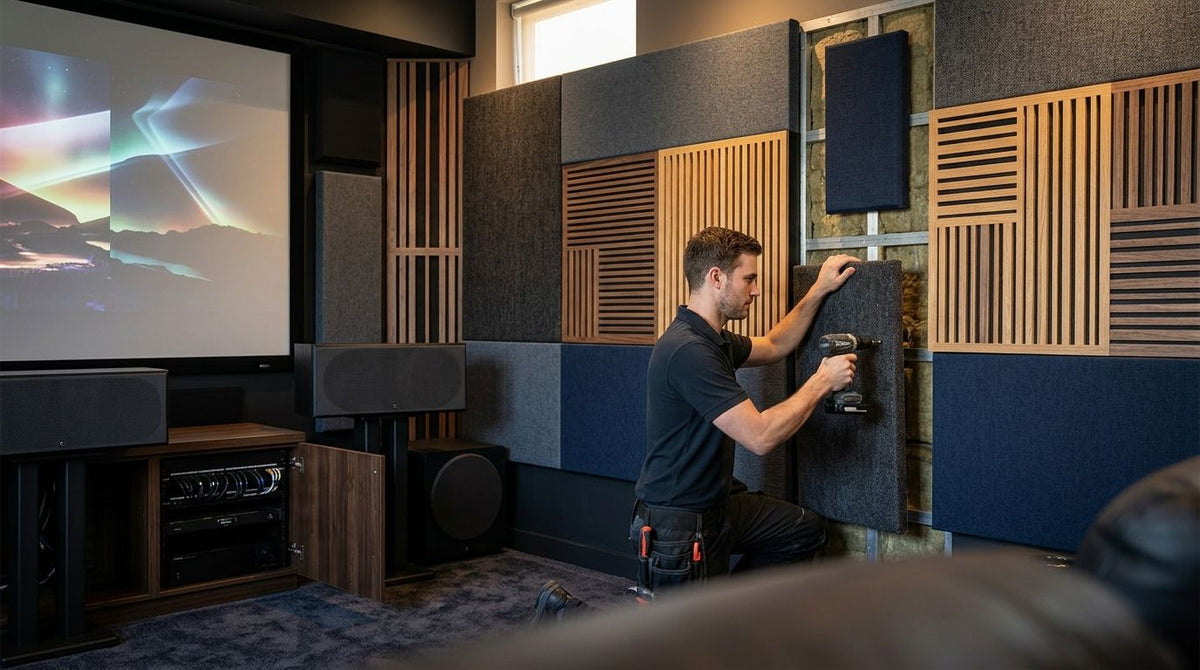
For a 2026 project, decide where treatment belongs before choosing its colour. A wall behind the screen, a side wall near listeners and a small decorative recess serve different purposes. The room layout, speaker positions, other furnishings and installation method all affect the specification. Wood-and-felt wall panels are a finish option; they are not, by themselves, a complete acoustic design or a soundproofing system.
AKU Woodpanel supplies acoustic wood panels for interior applications, including wooden slat panels with an acoustic felt backing. Its stated indoor panel formats include 240 cm and 300 cm lengths. Confirm the exact dimensions, finish and mounting details for the product you select rather than assuming every panel in the range has the same construction.
What makes the best acoustic wall panels for AV installers?
Use these criteria before comparing finishes. They separate a panel that fits the room from one that merely looks suitable in a product image.
- The wall's job: Decide whether you are creating a screen-wall finish, covering a side-wall treatment area or adding a decorative accent. Those are different specifications.
- Evidence of absorption: Ask for test results for the panel and mounting arrangement you intend to use. An acoustic label alone does not tell you how much sound an installed wall absorbs.
- Light control: Consider whether the finish will draw attention beside the screen. A darker wall is a visual choice; it is not proof of better acoustics.
- Coverage and format: Check the wall height, planned panel orientation, joints and cut-outs against the available panel dimensions before ordering.
- Service access: Plan cable routes, sockets, speakers and any equipment that needs maintenance before closing the wall with a decorative finish.
- Finish consistency: Check a physical sample in the room's actual lighting. Wood appearance and felt colour matter across a large installed area.
These criteria keep the 2026 shortlist practical. If a client needs a defined reverberation target or a specified absorption rating, get the relevant test documentation and room design before selecting by finish. None of the options below has a product-specific absorption figure in the supplied information, so none earns a performance ranking.
Acoustic wall panels for AV installers at a glance
| Panel | Best for | Standout feature | Key limitation |
|---|---|---|---|
| Wooden Wall Panel Black Oak | Dark home theatre feature walls | Black oak finish | Dark appearance does not establish acoustic performance |
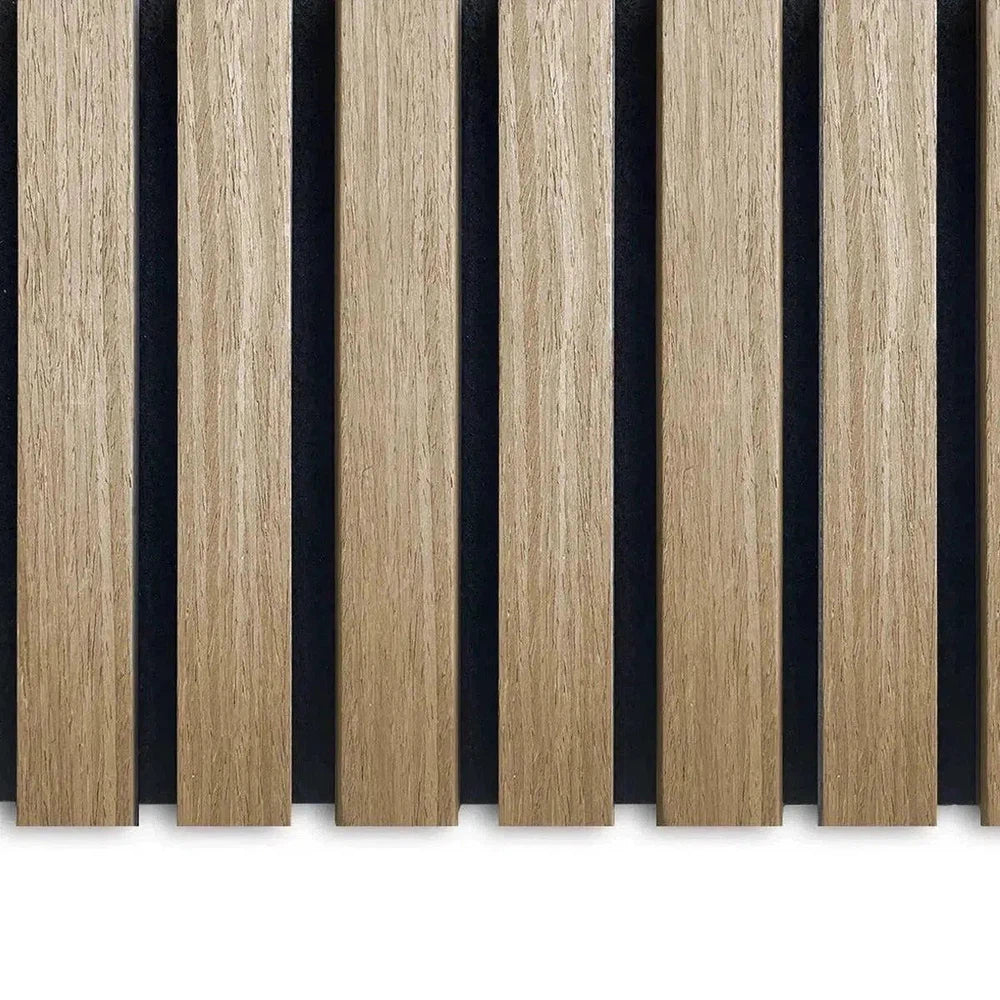
| Wooden Wall Panel Natural Oak Grey Felt | Lighter media rooms | Natural oak with grey felt | Lighter wood remains visible near a screen |
| Hexagon Acoustic Panel Smoked Oak | Small accent areas | Hexagon layout | Modular accents do not replace a room treatment plan |
The ranking is about the most useful application for each finish and format, not a claimed difference in absorption. For any 2026 installation with a measurable acoustic brief, check the tested assembly before making a recommendation to the client.
1. Wooden Wall Panel Black Oak: best for dark home theatre feature walls
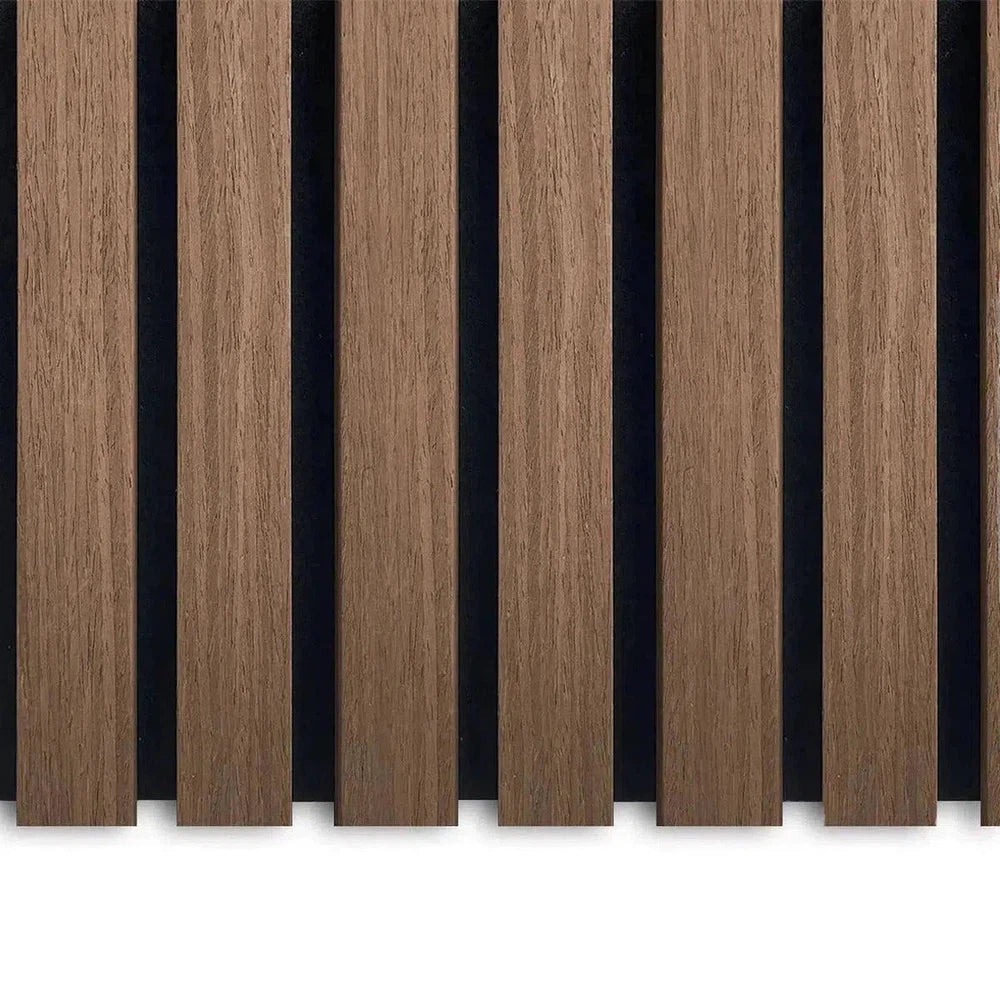
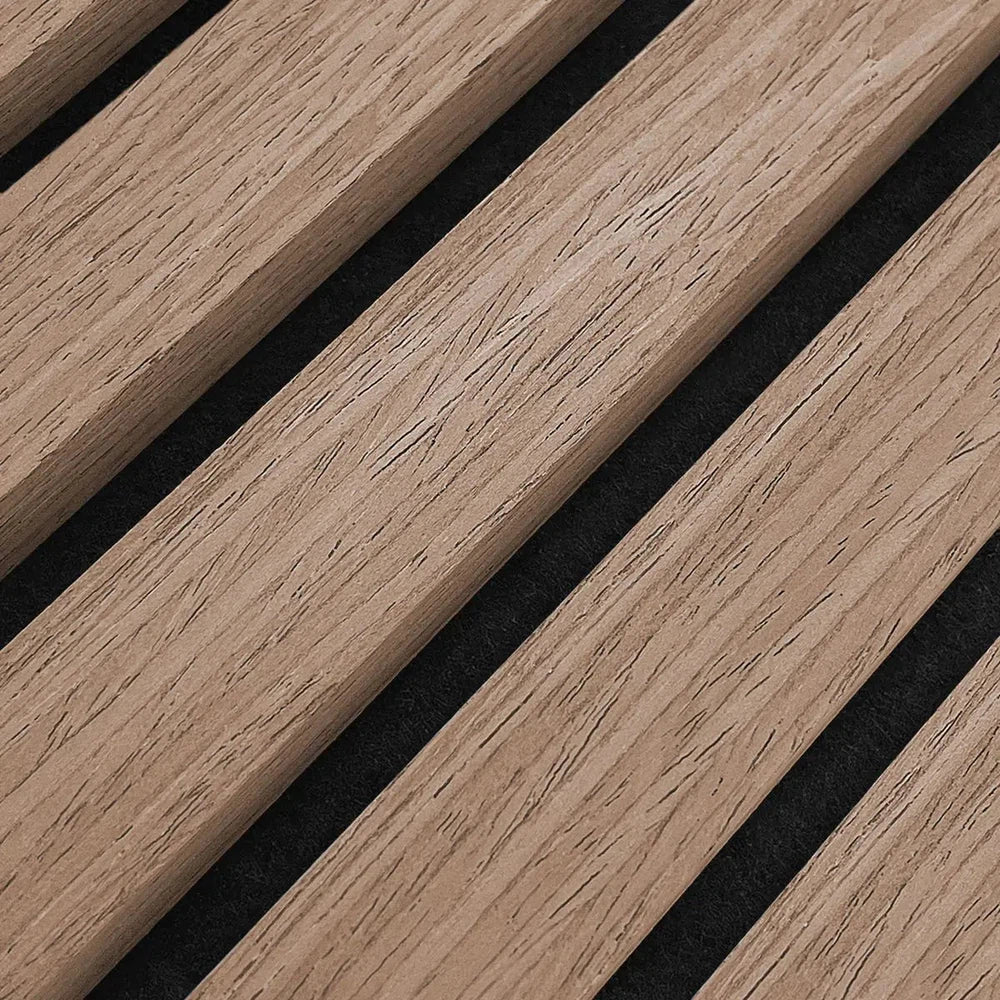
Wooden Wall Panel Black Oak is the default choice here when the client wants a dark wall finish around a screen. The black oak finish answers a visual requirement that often comes up in home theatre design: keep the wall from competing with the image. AKU Woodpanel Black Oak is best for AV installers who need a dark wooden feature wall, not a verified substitute for a specified acoustic treatment.
Wooden Wall Panel Black Oak pros:
- The named black oak finish gives the design team a clear dark-wood direction.
- A full-wall slat layout can make the screen area read as one planned surface rather than a collection of separate accents.
- The panel sits within the supplier's acoustic wood-panel range, making it relevant to a room where finish and acoustics both matter.
Wooden Wall Panel Black Oak cons:
- No product-specific absorption result is provided here, so its acoustic effect cannot be quantified from the finish name.
- A dark feature wall does not solve reflections elsewhere in the room.
- Cuts around speakers, sockets and equipment need planning before the visual layout is fixed.
Best for: A home theatre screen wall where a dark oak finish is part of the brief. Verdict: Buy for the finish; hold any acoustic-performance promise until the installed assembly is documented.
Treat the screen wall and the listening position as separate decisions. If the speakers sit behind the finished surface or services need access, resolve those details first. A panel pattern that looks tidy on an empty wall can become awkward once speaker openings, a screen mount and cable access are marked out.
A useful 2026 handover note records the selected finish, the wall area it covers and the evidence used for any acoustic claim. That makes the distinction clear to the client: a considered theatre finish is being supplied, while measured room performance requires its own specification.
2. Wooden Wall Panel Natural Oak Grey Felt: best for lighter media rooms
Wooden Wall Panel Natural Oak Grey Felt is the better fit when the media room also functions as a living room or office and a dark screen wall is not the design brief. Its product name identifies the two visible choices the client must approve: natural oak and grey felt. AKU Woodpanel's acoustic wood-panel range makes this a relevant option, but the finish combination still needs to be assessed in the actual room.
Wooden Wall Panel Natural Oak Grey Felt pros:
- Natural oak gives the installer a lighter finish option than Black Oak.
- Grey felt is named in the product, so the visible backing can be included in the finish discussion.
- The slatted appearance suits a continuous feature wall rather than relying on scattered decorative pieces.
Wooden Wall Panel Natural Oak Grey Felt cons:
- Natural oak will remain more visually prominent near a screen than a black oak finish.
- The name does not provide a tested absorption figure or establish the result of a particular installation.
- Large wall areas make sample approval important: judge both the oak and felt under the room's planned lighting.
Best for: A dual-purpose media room where the wall must work as a daytime interior finish. Verdict: Buy when the client wants visible natural oak; hold if the brief requires the wall to recede during viewing.
Do not let the word felt carry the acoustic specification. The wall behind a panel, any cavity and the way the panel is fixed all belong in the performance discussion. If the project has a defined sound target, compare documentation for the proposed build-up rather than assuming the felt colour changes the result.
For a 2026 client presentation, show this option beside the darker finish in the lighting the room will use. That gives the client a meaningful choice between two appearances without implying that colour determines sound absorption.
3. Hexagon Acoustic Panel Smoked Oak: best for small accent areas
Hexagon Acoustic Panel Smoked Oak is the distinct-format choice. Its hexagon shape lends itself to a contained composition: a recess, a listening-area accent or another clearly bounded section of wall. It is not the default recommendation for covering a whole home theatre when the installer needs a continuous slat-wall finish.
Hexagon Acoustic Panel Smoked Oak pros:
- The hexagon format gives an accent area a defined edge and layout.
- Smoked oak offers a wood-finish alternative to both Natural Oak Grey Felt and Black Oak.
- A contained installation lets the designer decide exactly where the pattern starts and stops.
Hexagon Acoustic Panel Smoked Oak cons:
- A small accent area should not be presented as a complete room-acoustics solution.
- More individual edges make the proposed pattern and its position important to approve before fitting.
- No product-specific absorption figure is provided here for the planned installation.
Best for: A decorative accent where the installer wants a hexagon pattern rather than a continuous slatted wall. Verdict: Buy for a defined accent; skip it as the sole answer to a whole-room acoustic brief.
Mark the intended area on the wall before deciding how many panels the pattern requires. Keep speakers, screens and access points on that drawing. The useful question is not whether hexagons are acoustic in general; it is whether this layout belongs in the room design and whether its documented performance supports the client's stated goal.
Decide by wall function, then confirm the build-up
The three options solve different design problems. Black Oak keeps the finish dark around a screen; Natural Oak Grey Felt keeps wood and backing visible in a lighter room; Hexagon Acoustic Panel Smoked Oak makes a bounded accent. None of those descriptions answers where a room needs absorption or what an installed assembly will achieve.
For the installer, the next decision is a drawing, not another finish swatch. Mark the screen, speakers, listening position, sockets and intended panel area. Then confirm substrate, fixing method, panel dimensions and access requirements. Where absorption is part of the contract, obtain evidence for the relevant panel assembly and have the room treatment specified against the project brief.
This order prevents a common mismatch: choosing a good-looking feature wall and asking it to meet an acoustic target that was never defined. It also gives the client a clean approval process. They can sign off appearance separately from a measurable sound requirement, and you can document exactly what each selection is intended to do.
How these panels were ranked
This 2026 ranking uses the named product formats and finishes, the stated indoor panel range and the likely wall function in an AV installation. It does not rank laboratory absorption, installation speed, fire classification or value: the supplied product information does not establish comparable figures for those measures.
AKU Woodpanel Black Oak takes the default slot because it directly fits a dark screen-wall brief. Natural Oak Grey Felt takes the lighter-room slot because its named finish is a clearer match there. Hexagon Acoustic Panel Smoked Oak comes third because it answers a narrower accent-wall brief. A different client brief changes the order; it does not create missing test data.
Which acoustic wall panel should you choose?
Choose Wooden Wall Panel Black Oak for the default dark home theatre feature wall in 2026. Choose Wooden Wall Panel Natural Oak Grey Felt if the room must retain a lighter, visibly wooden finish. Choose Hexagon Acoustic Panel Smoked Oak only when the job calls for a defined accent rather than a continuous wall.
If the contract specifies acoustic performance, pause the finish-led choice until you have the proposed construction and supporting test results. A panel can be the right finish and still be the wrong unsupported performance claim. Keep those decisions separate on the specification and in the client handover.
FAQ
What are the best acoustic wall panels for AV installers in 2026?
Wooden Wall Panel Black Oak is the default finish choice for a dark home theatre feature wall. Natural Oak Grey Felt suits lighter media rooms, while Hexagon Acoustic Panel Smoked Oak suits a bounded accent area; none is ranked here by measured absorption.
Is Black Oak better than Natural Oak Grey Felt for a home theatre?
Black Oak is better for a brief that calls for a dark wall around the screen; Natural Oak Grey Felt is better for a lighter dual-purpose room. The available information does not establish that either has better acoustic performance.
Do acoustic wood panels soundproof a home cinema?
Acoustic wood panels should not be specified as a soundproofing system on the basis of their name. Managing sound inside a room and limiting sound transmission through a wall are different design tasks.
Can hexagon acoustic panels replace full-wall treatment?
A hexagon accent should not be assumed to replace a room treatment plan. Its usefulness depends on the intended coverage, position and documented performance of the installed assembly.
What should an AV installer check before ordering panels?
Check the wall layout, panel dimensions, finish sample, substrate, fixings and access to speakers or services. Request relevant acoustic test information when the client expects a measured result.
Does grey felt prove that a wall panel absorbs more sound?
No, grey felt identifies a visible backing choice, not a comparative absorption result. Judge acoustic performance from documentation for the intended installation rather than from the felt colour.
Should panels go behind the screen or on side walls?
Place panels according to the room design and the wall's intended function. A screen-wall finish and treatment of reflections elsewhere are separate decisions that need the speaker and listening positions marked out.
One last thing
A sample answers a finish question, not an acoustic one. Before an AV installer commits to a large 2026 wall, approve the material under the room's lighting and check the evidence for the proposed installation. AKU Woodpanel's two stated indoor length formats, 240 cm and 300 cm, also make wall-height planning an early task rather than a last-minute cut decision.