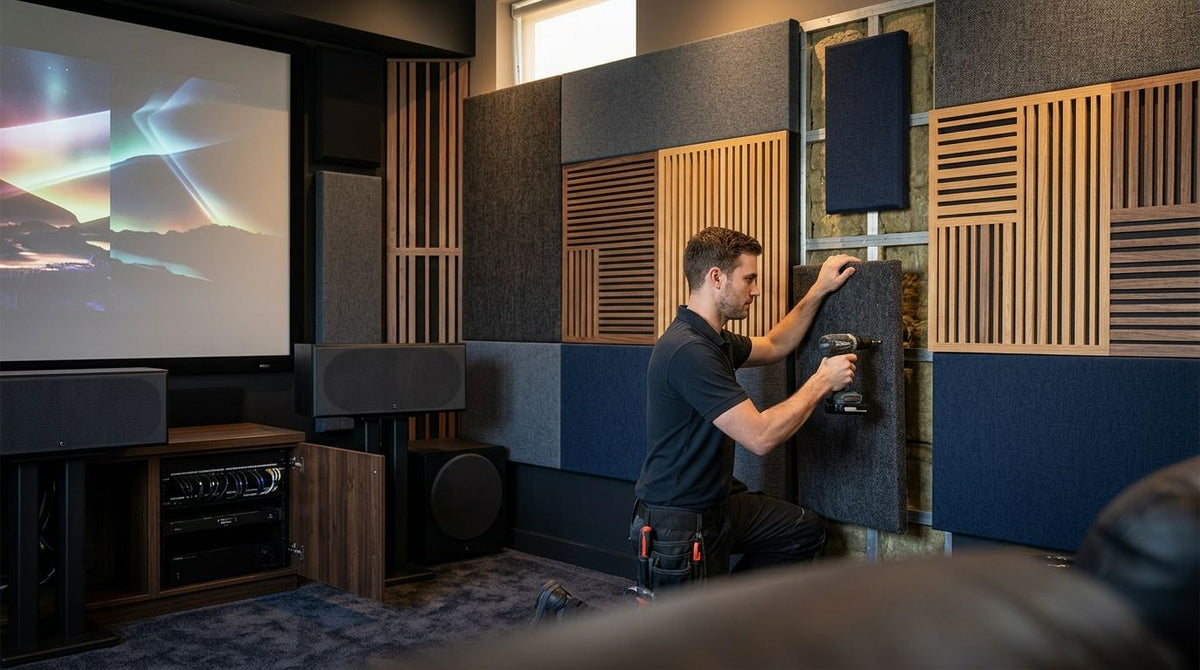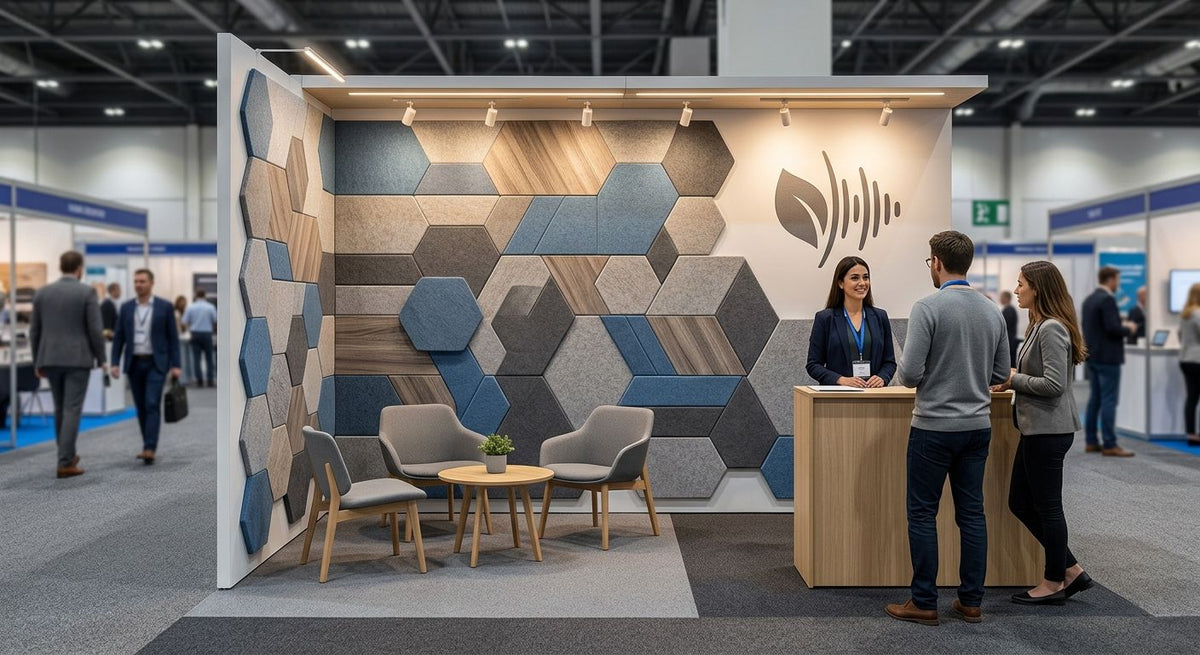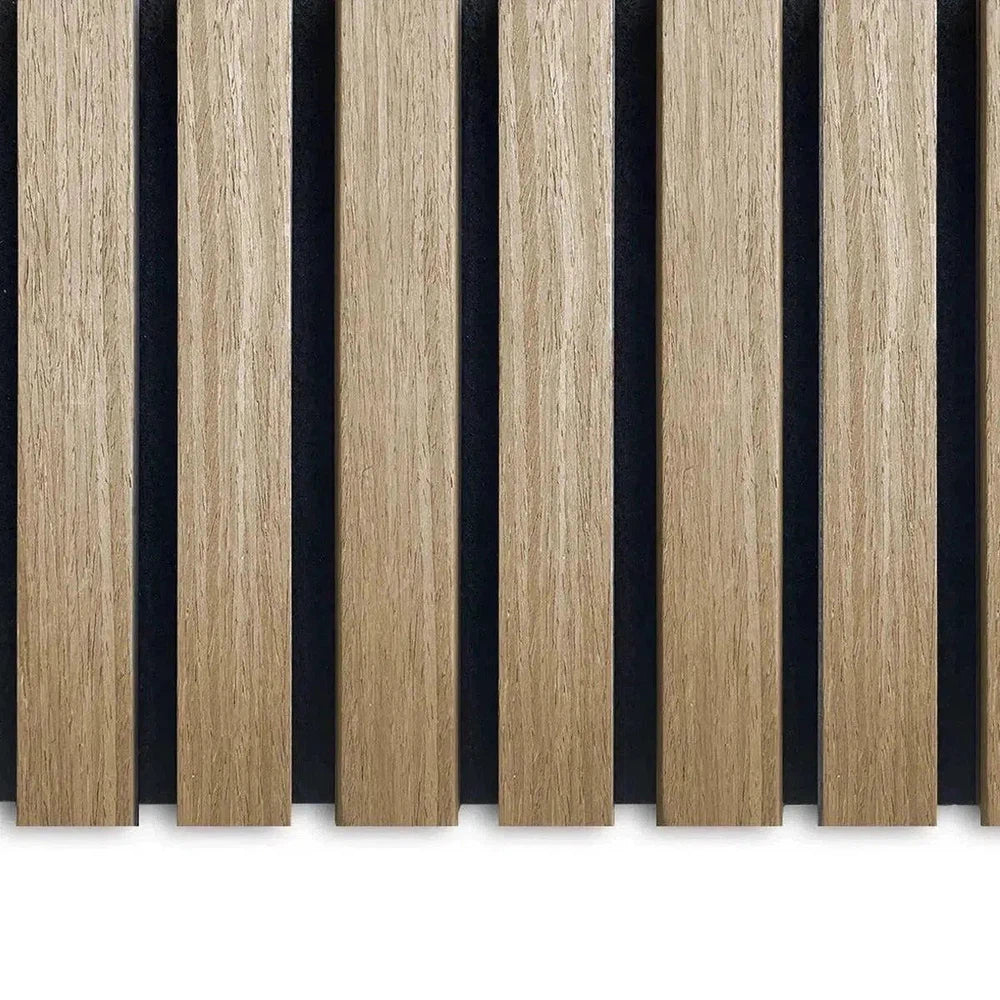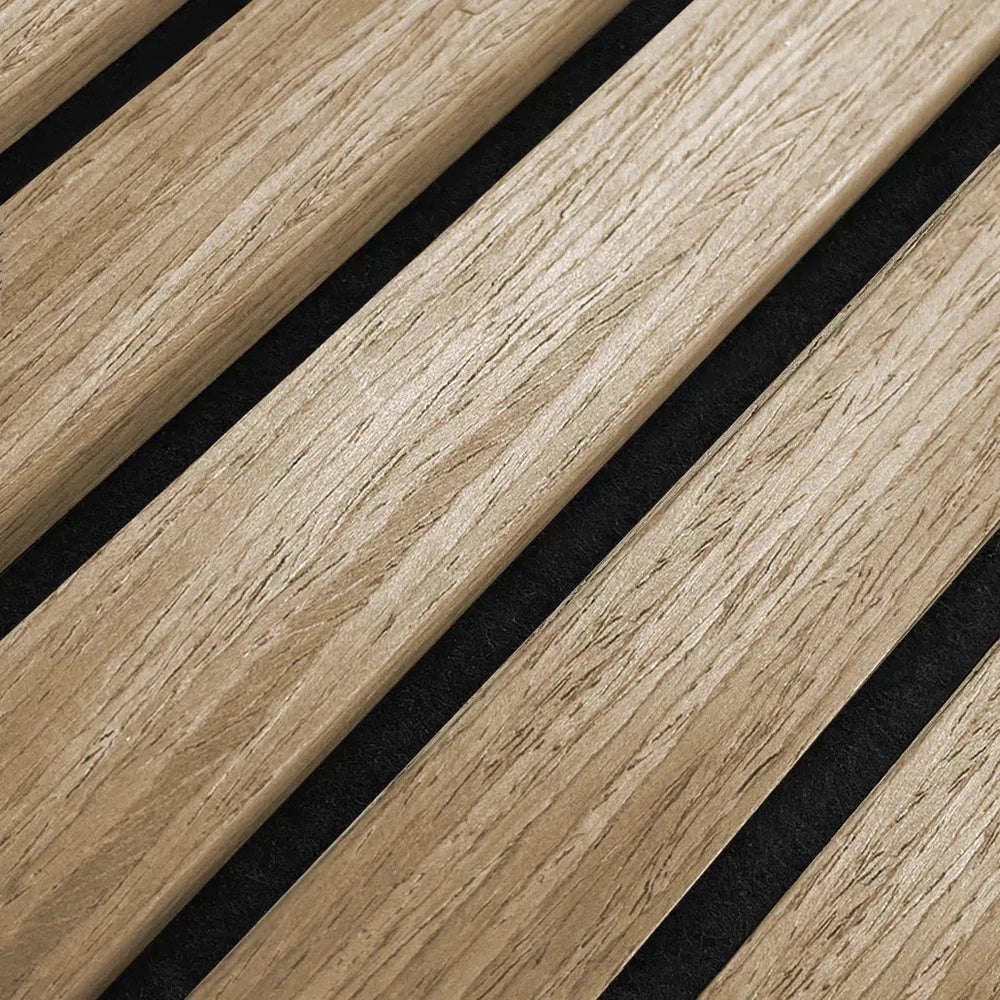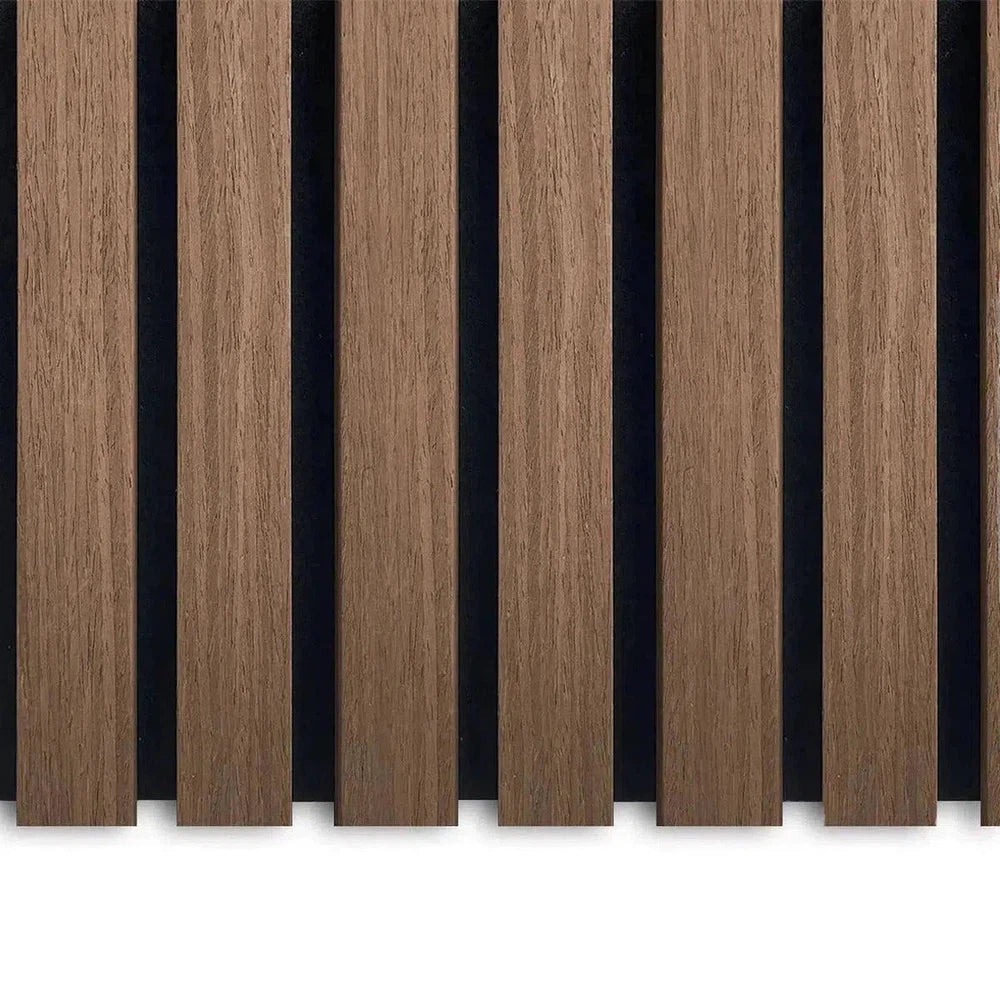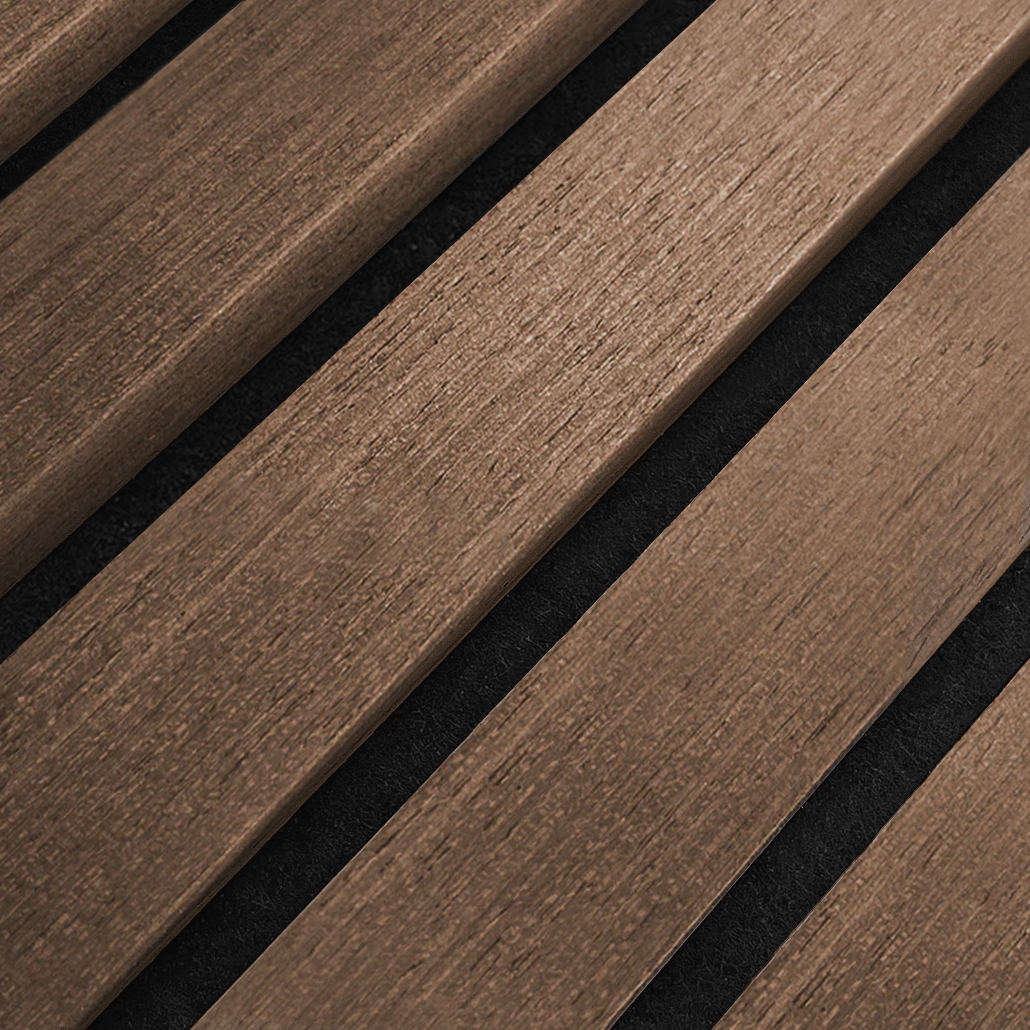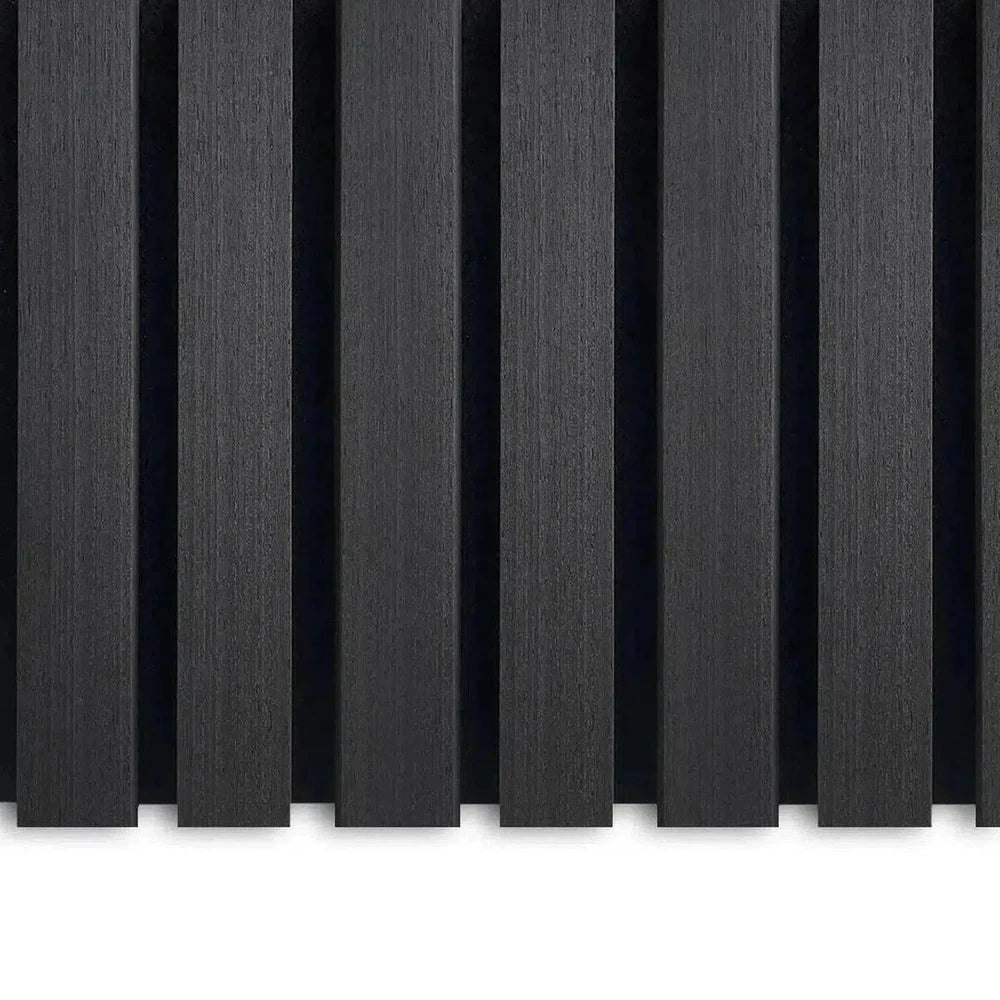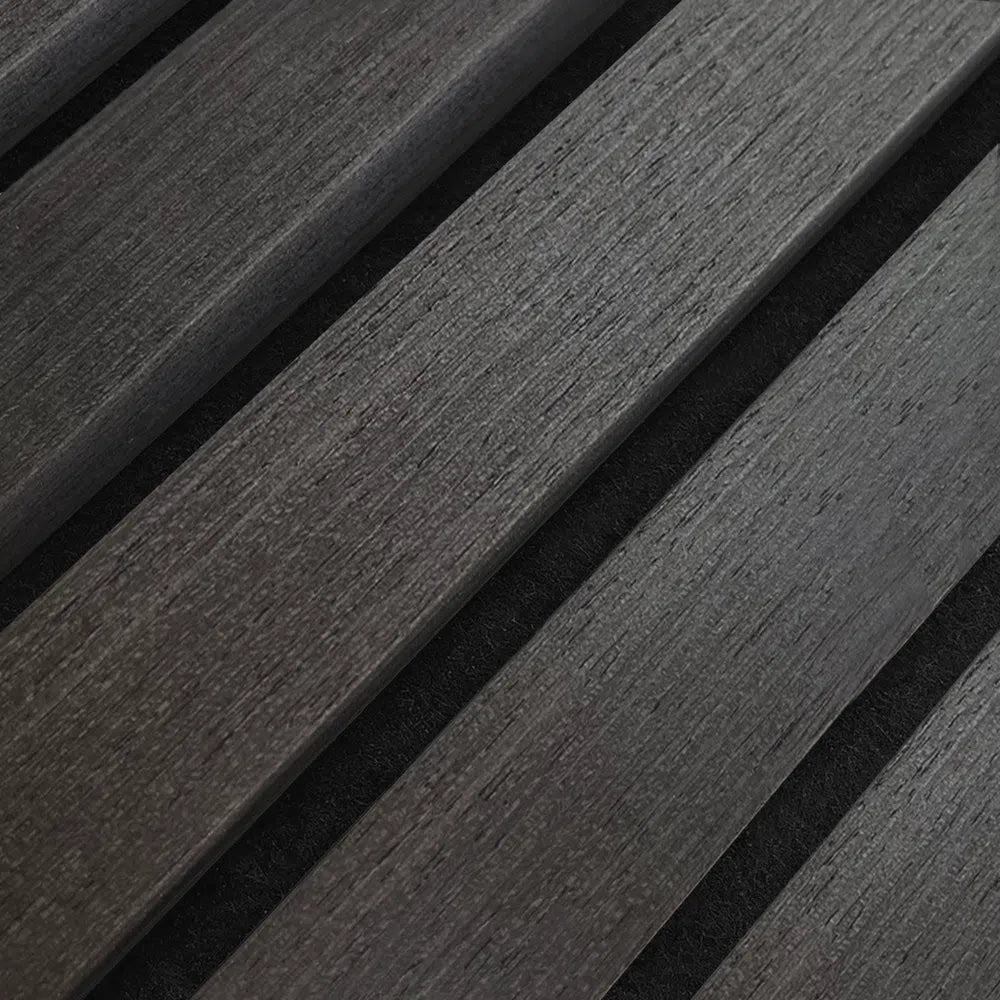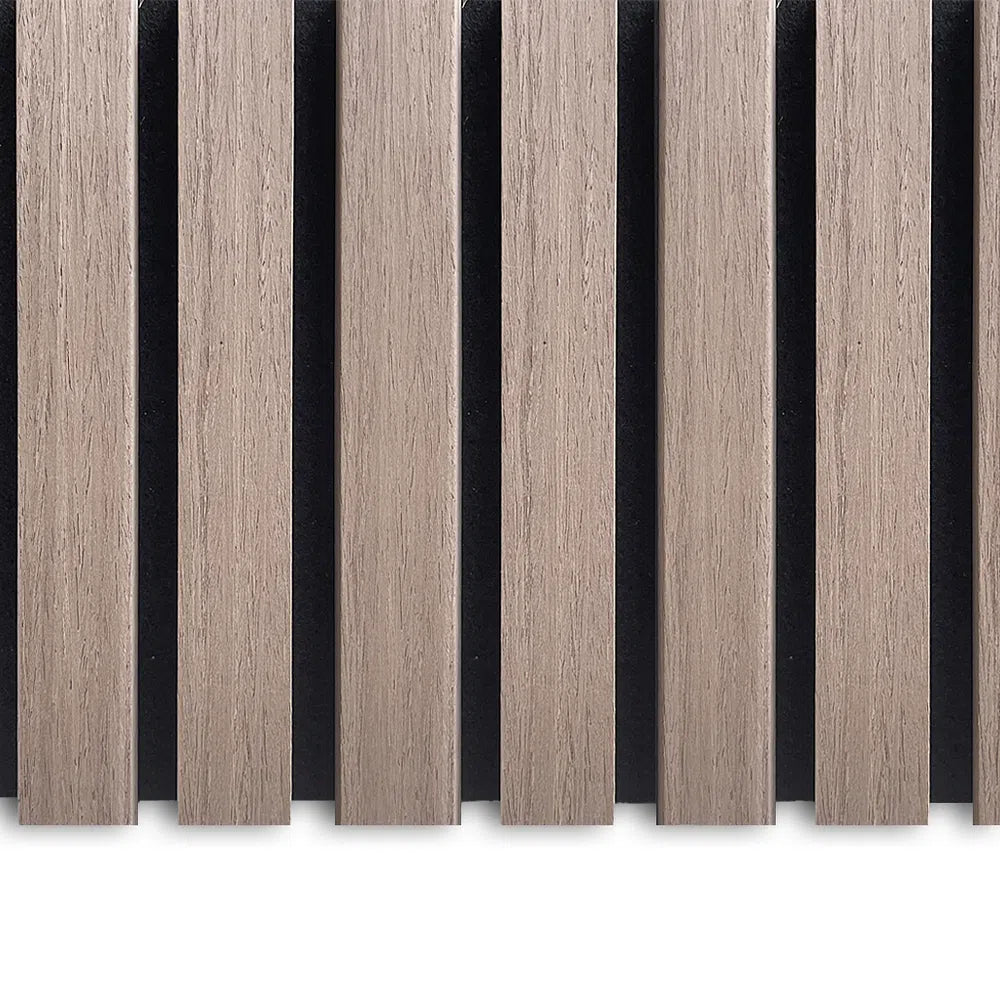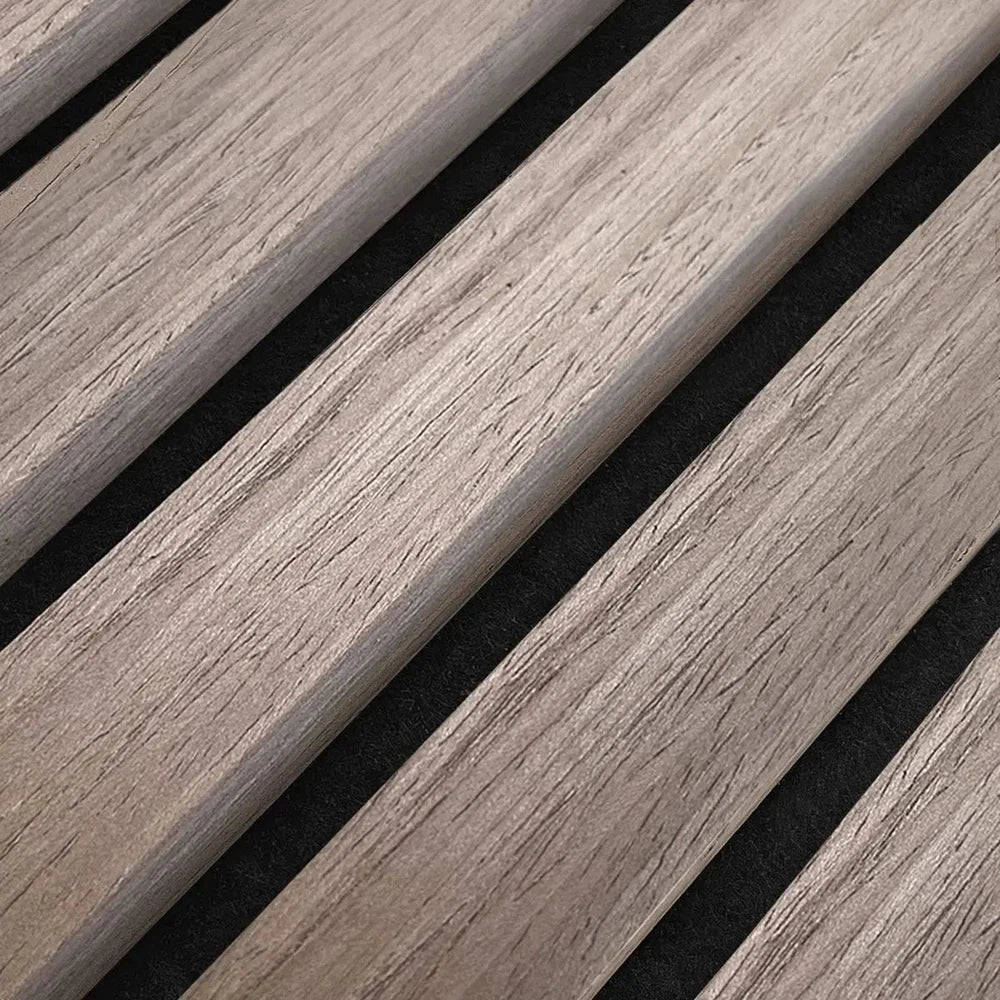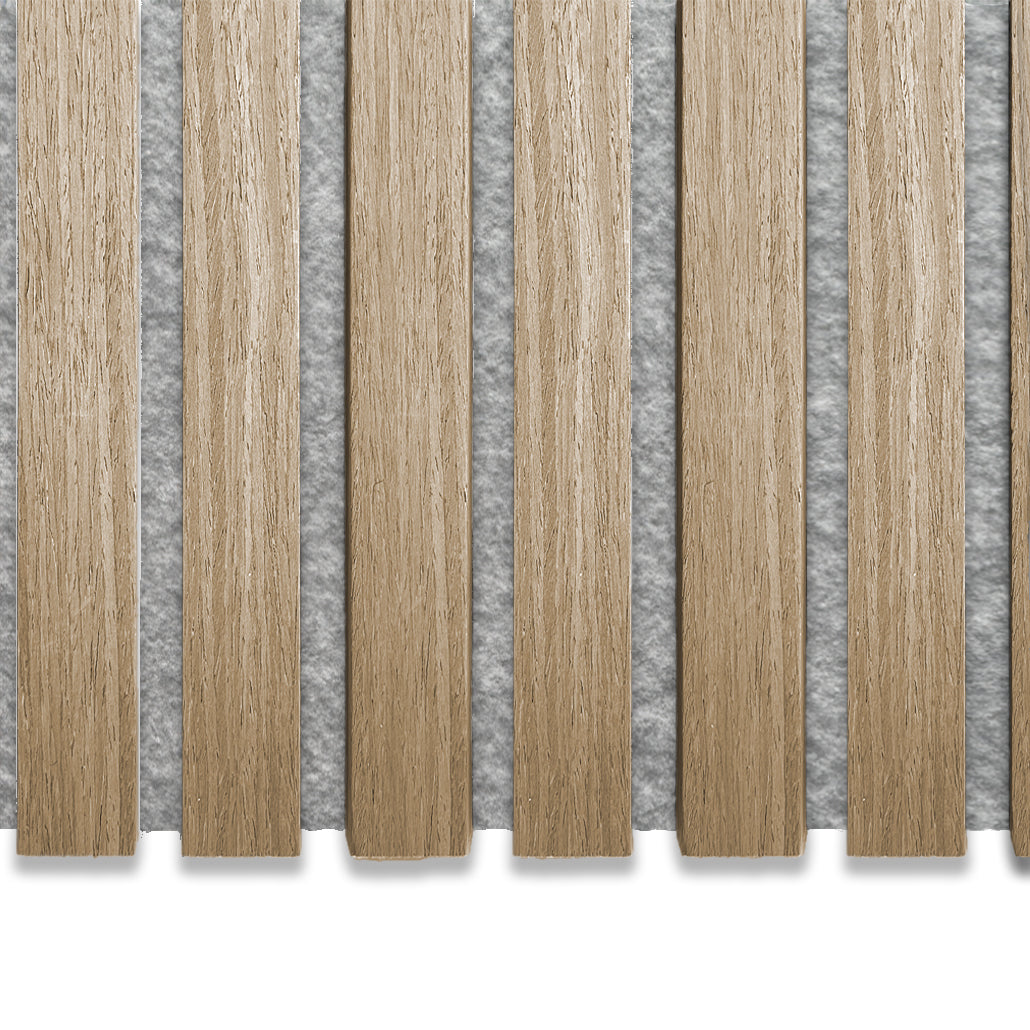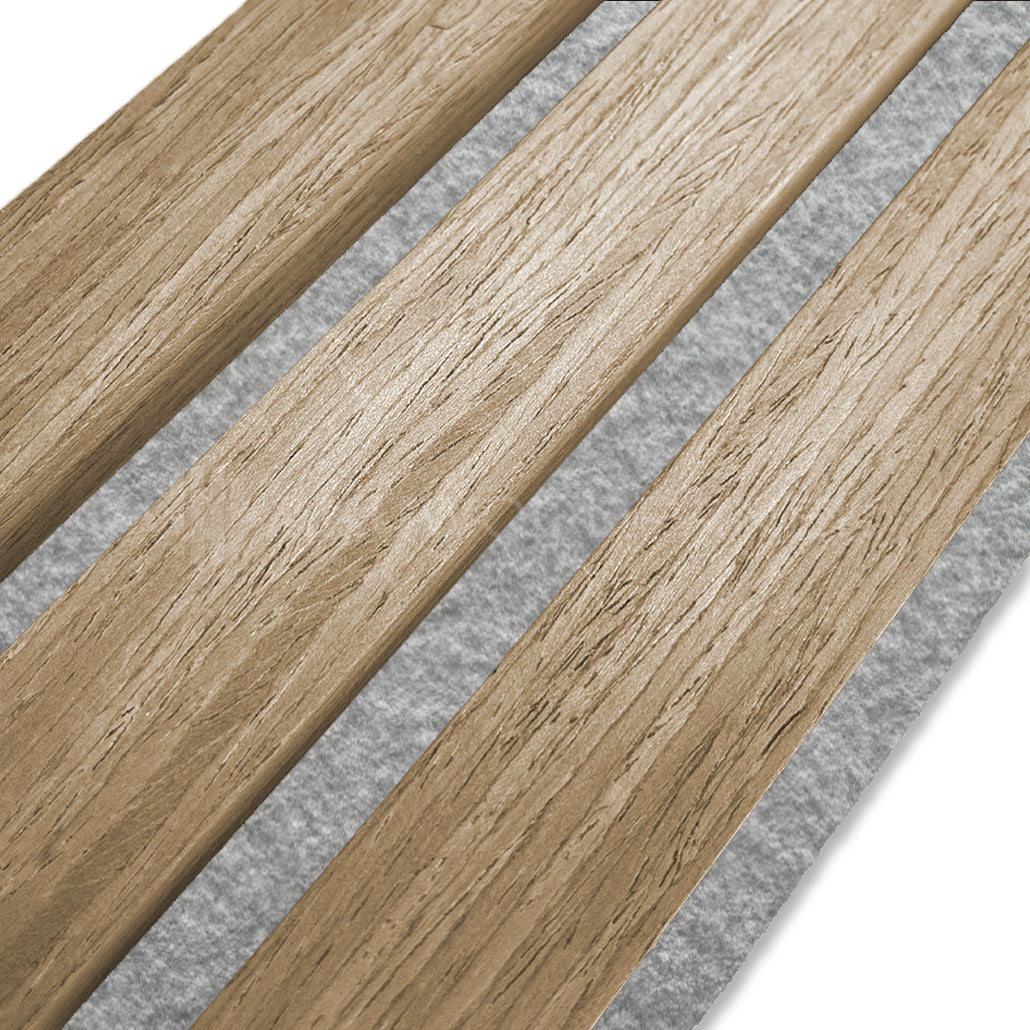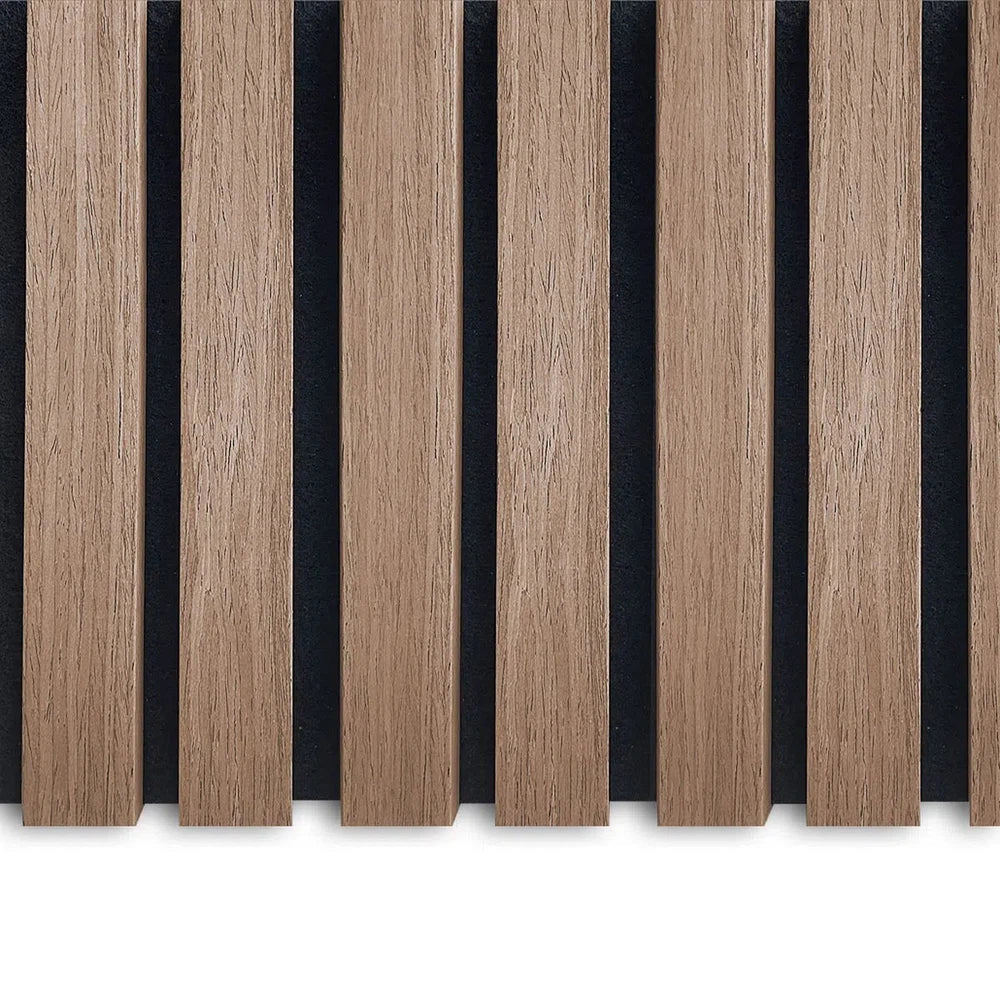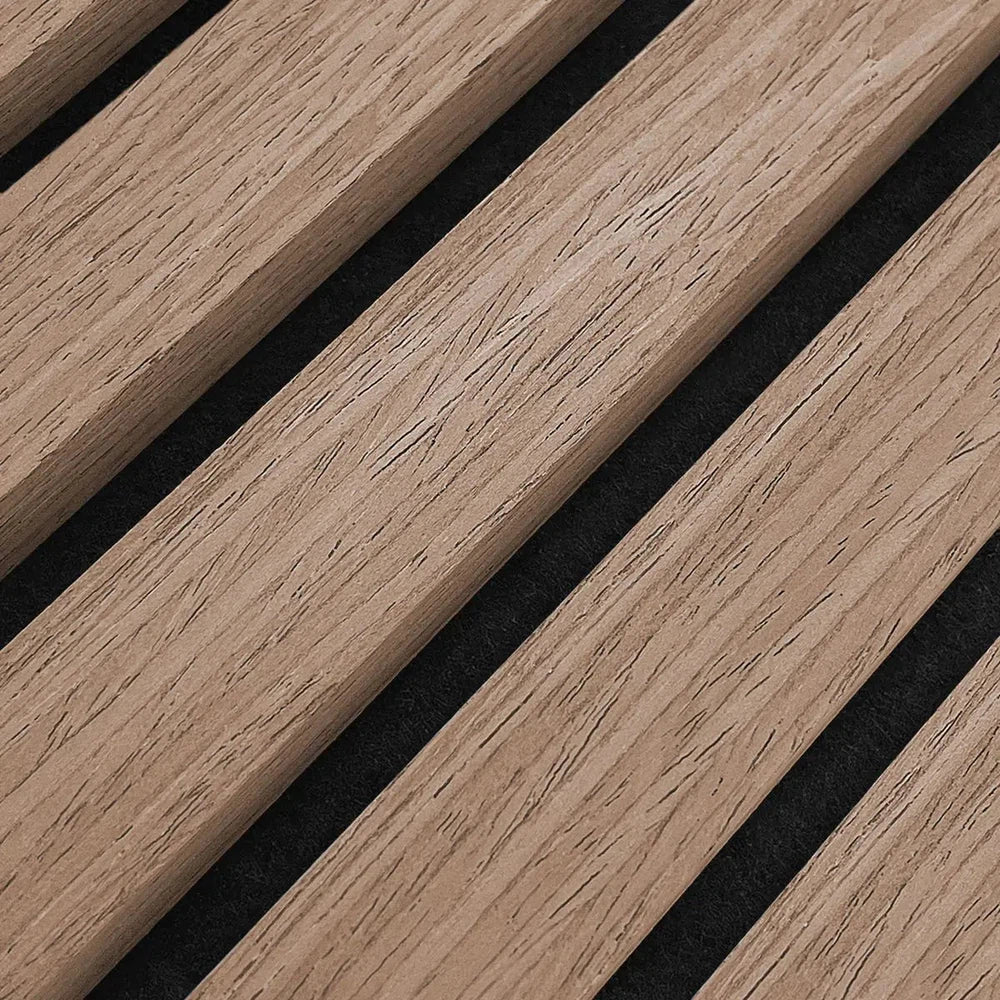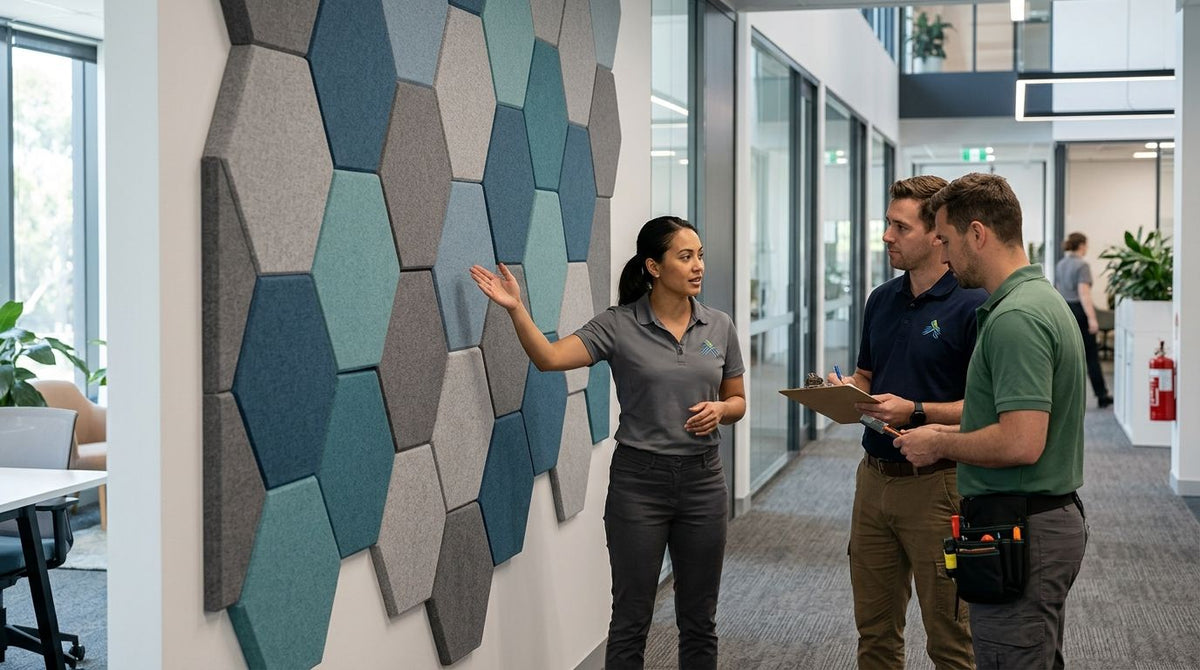
Best overall: Akuwood Panel Natural Oak wooden wall panels for shared meeting rooms. Best for reception walls: Rustic Oak Premium 3-Sided Wood Veneer. Best for a smaller feature area: Hexagon Acoustic Panel Grey Walnut with Grey Felt. This 2026 guide compares acoustic wall panels for facilities management by room use, installation planning and the evidence you need before specifying them.
- Akuwood Panel Natural Oak is the default choice for acoustic wall panels for facilities management in shared meeting rooms.
- Choose Rustic Oak Premium 3-Sided Wood Veneer when reception-wall finish is the priority.
- Choose Hexagon Acoustic Panel Grey Walnut with Grey Felt for a smaller feature area, not an unverified whole-room fix.
- Check acoustic test data, fire documentation and fixing requirements for the exact panel and installation before approval.
Why this matters
A facilities team has to manage more than how a finished wall looks. Staff need to hear one another in meeting rooms, visitors need a usable reception space, and maintenance teams need to reach anything behind the wall. In 2026, the right panel is the one that fits the room and passes the building's specification checks.
Acoustic wall treatment addresses sound reflections within a room. It is not a substitute for a partition designed to limit sound passing between rooms. If speech from an adjoining office is the complaint, identify that route before ordering a decorative wall finish. For a broader room assessment, see how to choose acoustic panels for offices.
Akuwood Panel manufactures and supplies acoustic wood panels for construction and interior applications. Its indoor slat-panel range includes real wood veneer, felt backing and 240 cm and 300 cm formats. Those range details help you shortlist a finish, but they do not establish the acoustic or fire performance of every listed product. Request documentation for the exact configuration you intend to install.
What makes the best acoustic wall panels for facilities management?
Use these criteria before comparing finishes. A panel that misses a required specification should leave the shortlist, however well it matches the room.
- Acoustic evidence: Ask for a test report that identifies the panel, mounting method and relevant sound-absorption result. Do not apply a result from one installation build-up to another.
- Fire documentation: Check the classification and any conditions attached to the complete product or installed system against the building's requirements. A wood finish alone does not establish compliance.
- Wall access: Locate switches, outlets, inspection points and equipment that maintenance staff must reach. Agree access and fixing details before covering them.
- Finish consistency: Choose a finish that works across the intended rooms, then approve a physical sample under each room's lighting. A screen image is not a finish sign-off.
- Panel format: Plan joins, cut-outs and handling around the actual product dimensions. The stated 240 cm and 300 cm range formats are a starting point, not proof that every finish comes in both.
For example, a 3 m-wide wall still needs a layout showing where panel edges, sockets and doors fall. Measuring only the clear wall width misses the details that make a facilities installation difficult to maintain.
Acoustic wall panels at a glance
| Panel | Best for | Standout feature | Key limitation |
|---|---|---|---|
| Wooden Wall Panel Natural Oak | Shared meeting rooms | Natural oak finish | Acoustic performance for the chosen mounting method needs verification |
| Rustic Oak Premium 3-Sided Wood Veneer | Reception feature walls | Named 3-sided wood veneer | Finish-led choice still needs room-specific acoustic evidence |
| Hexagon Acoustic Panel Grey Walnut with Grey Felt | Smaller feature areas | Hexagon format with grey felt | More individual edges to position than a full-length panel layout |
The table ranks the panels by use case, not by an unverified absorption score. If your project specifies a minimum acoustic result or a particular fire classification, treat both as pass-or-fail checks before selecting any of these finishes.
1. Wooden Wall Panel Natural Oak: best for shared meeting rooms
Natural Oak is the default when you need a wood-panel finish for a meeting room used by different teams. It gives the facilities team a straightforward starting point for discussing wall coverage, sample approval and access to services. Akuwood Panel's indoor slat-panel range has felt-backed, real-wood-veneer options; confirm the exact construction and format of the Natural Oak configuration you select.
Natural Oak pros:
- The natural oak finish gives you a clear sample to review against existing furniture and wall colours.
- A full-panel format suits a continuous wall layout better than a patchwork of individual tiles.
- The same proposed finish can be assessed across several rooms for a consistent specification.
Natural Oak cons:
- Its product name does not tell you the tested absorption result or the conditions of the test.
- Wall-mounted equipment and access points still need a detailed cutting and fixing plan.
Best for: Shared meeting rooms where you want one repeatable wall finish. For a 2026 refurbishment, mark up a room elevation first, then confirm the chosen panel's documents against that layout. Verdict: Buy after the exact configuration passes the project's acoustic and fire checks.
If the brief is to stop a confidential conversation being heard next door, hold this purchase until the partition and other sound paths have been assessed. Treating the visible wall surface is a different job from upgrading separation between rooms.
2. Rustic Oak Premium 3-Sided Wood Veneer: best for reception walls
A reception wall carries a visual brief as well as an acoustic one. This Rustic Oak option explicitly identifies a 3-sided wood veneer finish, giving the design team a specific detail to evaluate where panel edges remain visible. That is its reason for ranking here; the veneer description is not an acoustic test result.
Rustic Oak Premium 3-Sided Wood Veneer pros:
- The named 3-sided veneer gives specifiers a defined finish detail to inspect.
- Rustic oak creates a distinct option for a reception feature wall rather than repeating the meeting-room selection.
- A sample lets you check the finish beside existing joinery before committing to a full wall.
Rustic Oak Premium 3-Sided Wood Veneer cons:
- A finish-led selection alone cannot answer whether reception reverberation targets will be met.
- Visible cuts, joins and service openings require agreement before installation.
Best for: Reception walls where the panel finish is prominent. Verdict: Buy for the visual brief only after the proposed installation passes acoustic and fire review.
For a 2026 reception project, separate two decisions on the approval sheet: whether stakeholders accept the veneer appearance, and whether the documented panel assembly meets the technical brief. One sign-off should not stand in for the other.
3. Hexagon Acoustic Panel Grey Walnut with Grey Felt: best for smaller feature areas
The hexagon format serves a different layout from a run of full-length wall panels. It is the pick for a defined feature area where the design calls for individual shapes rather than a continuous slatted wall. The product name identifies grey felt; request its test and fixing information before making a performance claim for a room.
Hexagon Acoustic Panel Grey Walnut with Grey Felt pros:
- The format gives you a defined area to plan around a selected wall section.
- Grey walnut and grey felt identify the visible materials to check against the room palette.
- The individual shapes allow a layout drawing that makes the intended boundary clear.
Hexagon Acoustic Panel Grey Walnut with Grey Felt cons:
- More separate edges require more layout decisions than a continuous panel run.
- A small feature area should not be assumed to solve an echo problem across a larger room.
Best for: A smaller feature area with a specific visual boundary. Verdict: Buy for that defined area; hold if the brief requires whole-room acoustic treatment without supporting calculations.
Ask the installer to mark the proposed layout at full scale before work starts. In 2026, a photograph of an attractive arrangement is not a substitute for a plan showing its position around switches, doors and access panels.
How we ranked the panels
The order reflects how directly each option fits a facilities use case: a repeatable meeting-room wall first, a reception finish second and a defined feature area third. The ranking does not claim that Natural Oak absorbs more sound than Rustic Oak or the hexagon panel. No like-for-like acoustic test results for these three configurations were supplied.
That distinction matters when comparing quotes. Ask each proposed installation to identify the exact panel, mounting build-up and area being treated. Then check the documents against the room's brief. A product listing and a test report answer different questions: one identifies what you are selecting; the other establishes what a tested assembly did under stated conditions.
Which acoustic wall panels should you choose?
Choose Akuwood Panel Natural Oak as the default for a shared meeting room. It offers the clearest starting point for a repeatable wall layout, provided the exact proposed configuration passes your checks. Choose Rustic Oak Premium 3-Sided Wood Veneer when the reception finish is the deciding visual requirement. Choose Hexagon Acoustic Panel Grey Walnut with Grey Felt when you are designing a smaller, bounded feature area.
Do not choose between them by colour if the building brief starts with an acoustic result, a fire requirement or a maintenance-access constraint. Clear those requirements first. For a 2026 facilities programme, that sequence prevents a finish decision from becoming an installation problem across multiple rooms.
FAQ
What are the best acoustic wall panels for facilities management in 2026?
Akuwood Panel Natural Oak is the default pick for shared meeting rooms; Rustic Oak suits reception feature walls, and Hexagon Grey Walnut with Grey Felt suits smaller feature areas. Approve the exact product and installation against the project's acoustic and fire requirements.
Do acoustic wall panels stop sound travelling between offices?
No, wall-mounted acoustic treatment and sound isolation address different problems. Check partitions and other sound paths when the complaint is speech travelling from one room to another.
Is Natural Oak better than the Rustic Oak panel for meeting rooms?
Natural Oak is the more direct meeting-room pick in this guide because it suits a repeatable wall-finish brief. Neither option has a supplied like-for-like test result that proves greater sound absorption.
Are hexagon acoustic panels suitable for a whole meeting room?
A hexagon feature area is not automatically sufficient for a whole meeting room. The required treatment depends on the room brief, the area covered and the tested installation.
What documents should a facilities team request before ordering acoustic panels?
Request acoustic test information, fire documentation and fixing details for the exact proposed product and installation. Check any conditions in those documents against the room and wall construction.
Can facilities teams choose between 240 cm and 300 cm acoustic wall panels?
Akuwood Panel's indoor range includes 240 cm and 300 cm formats. Confirm which size is offered for the selected finish before drawing up panel quantities and joins.
Should facilities teams approve an acoustic panel from an online image?
No, approve a physical finish sample and the relevant technical documentation. Review the sample under the lighting in the room where the panel will be installed.
One last thing
The most useful sample review happens at the wall, not in a meeting room elsewhere in the building. Place the proposed finish beside the existing door frames, furniture and lighting, then mark the sockets and access points on the installation drawing. That single walk-through tests whether the 2026 specification works for both the people using the space and the team maintaining it.