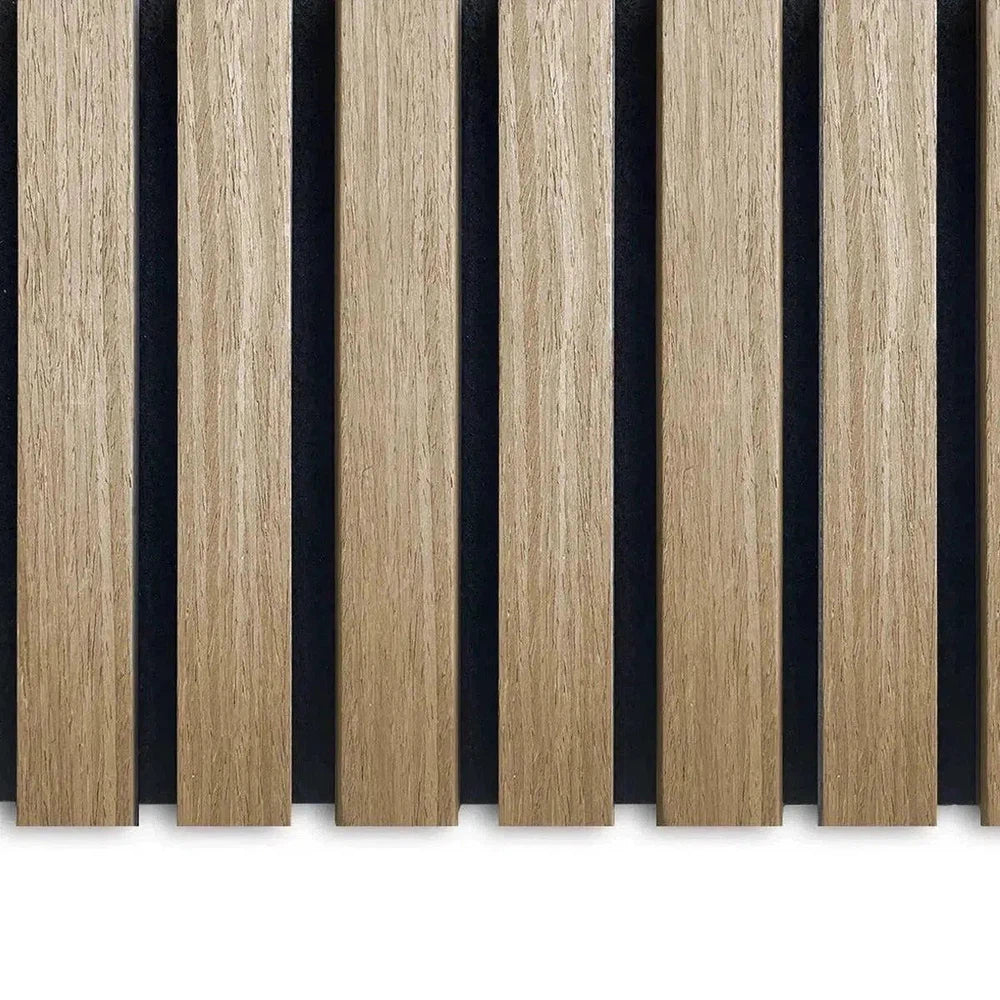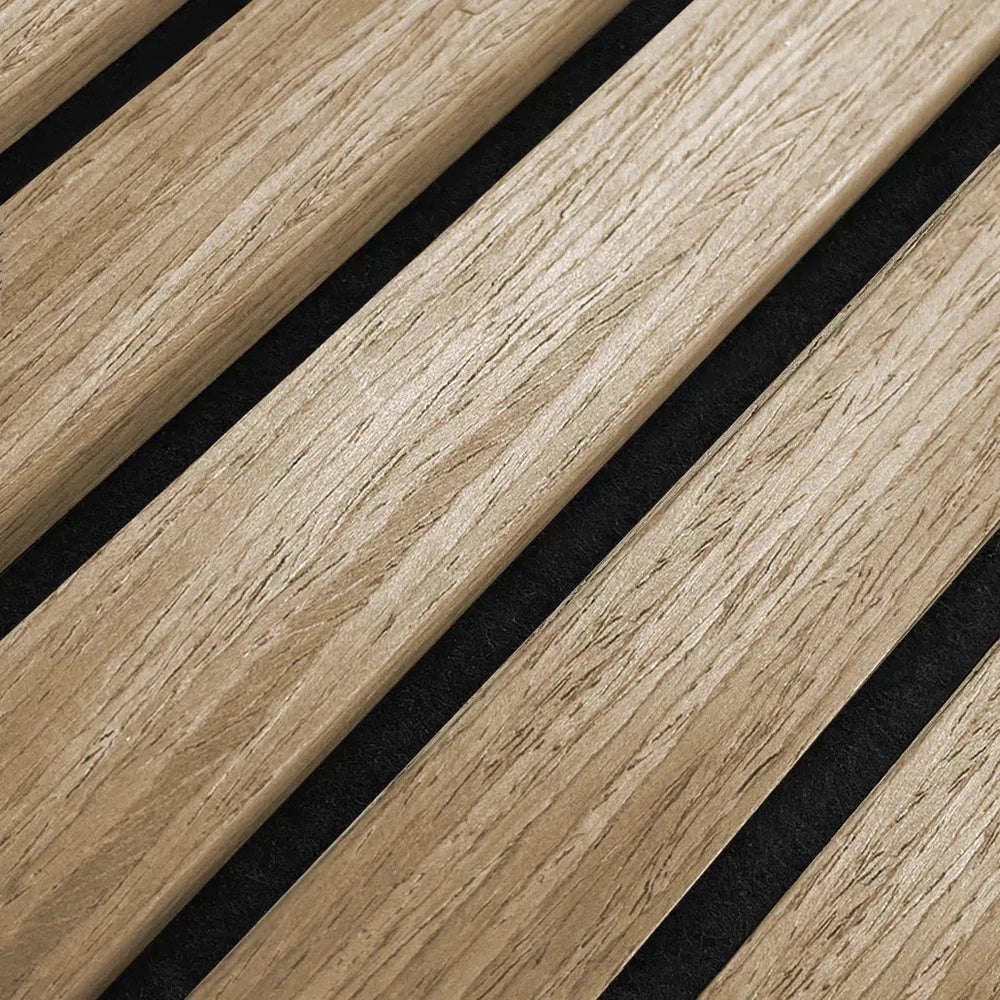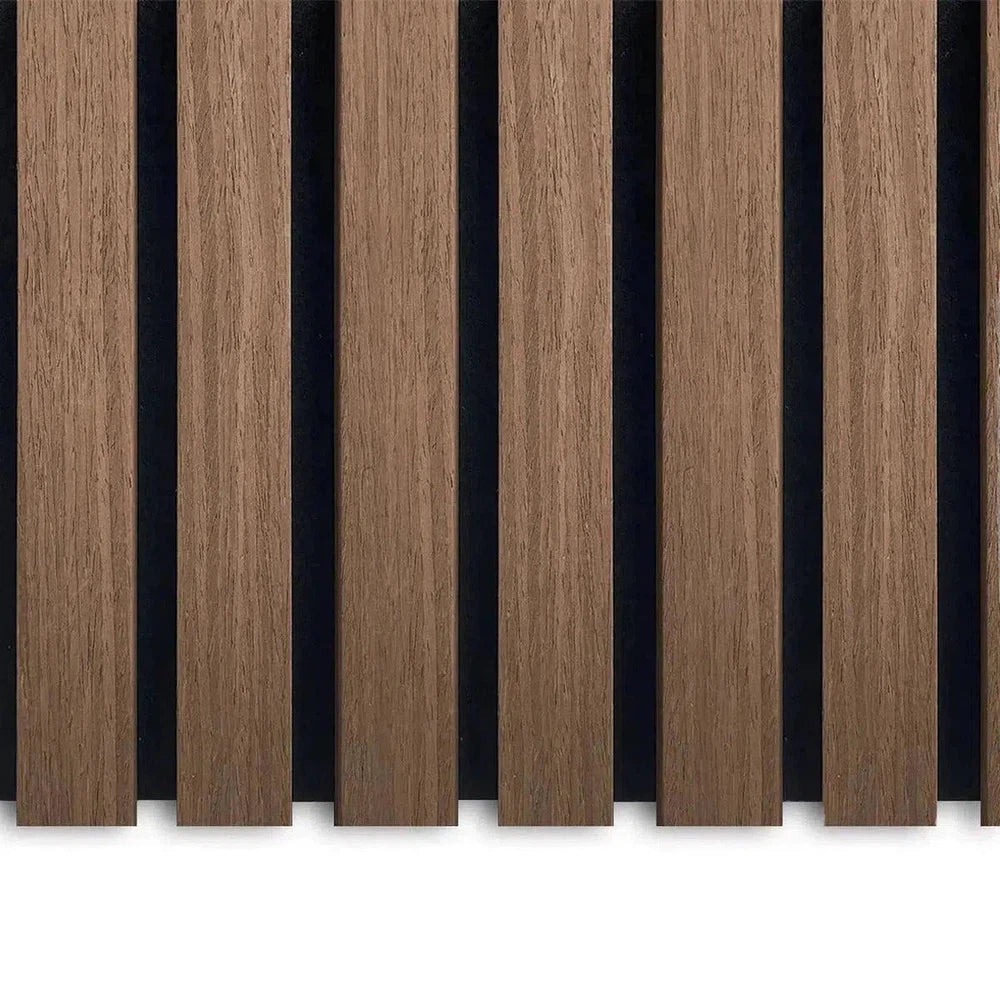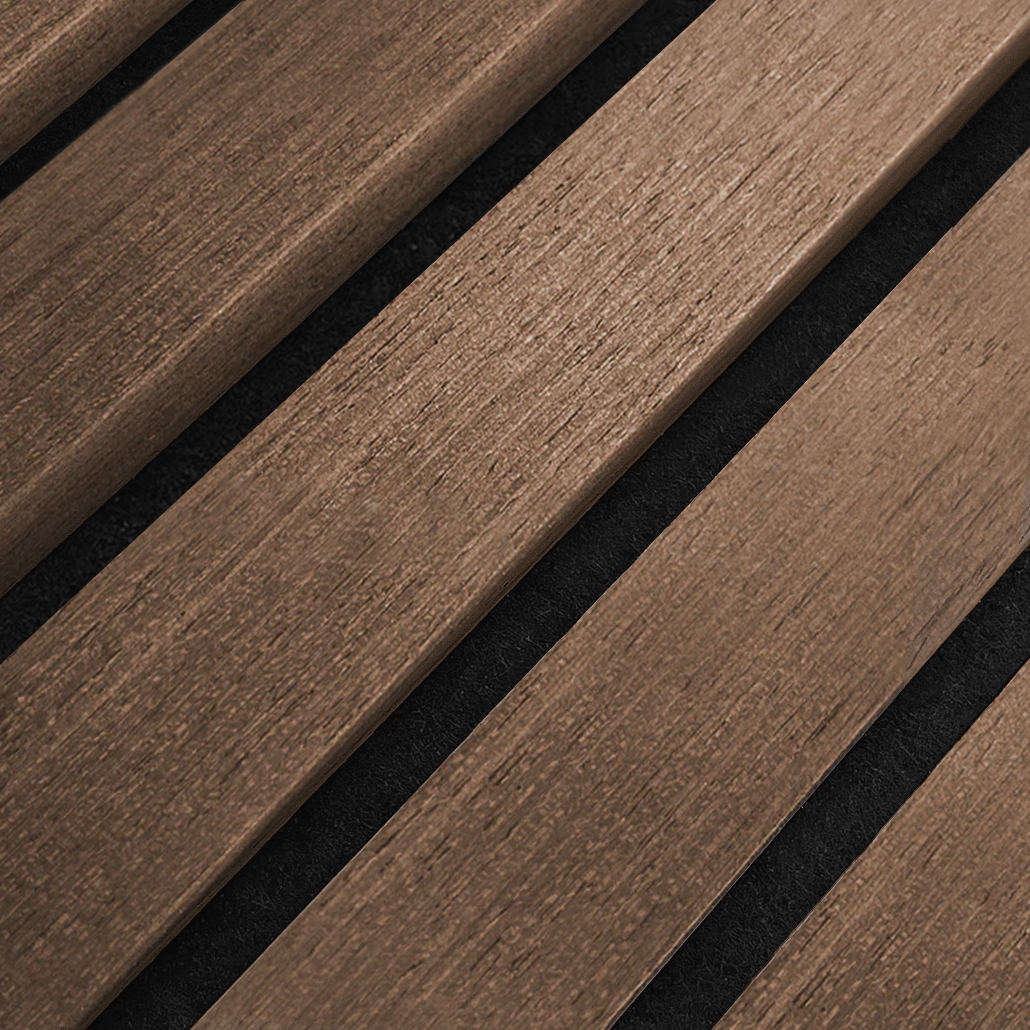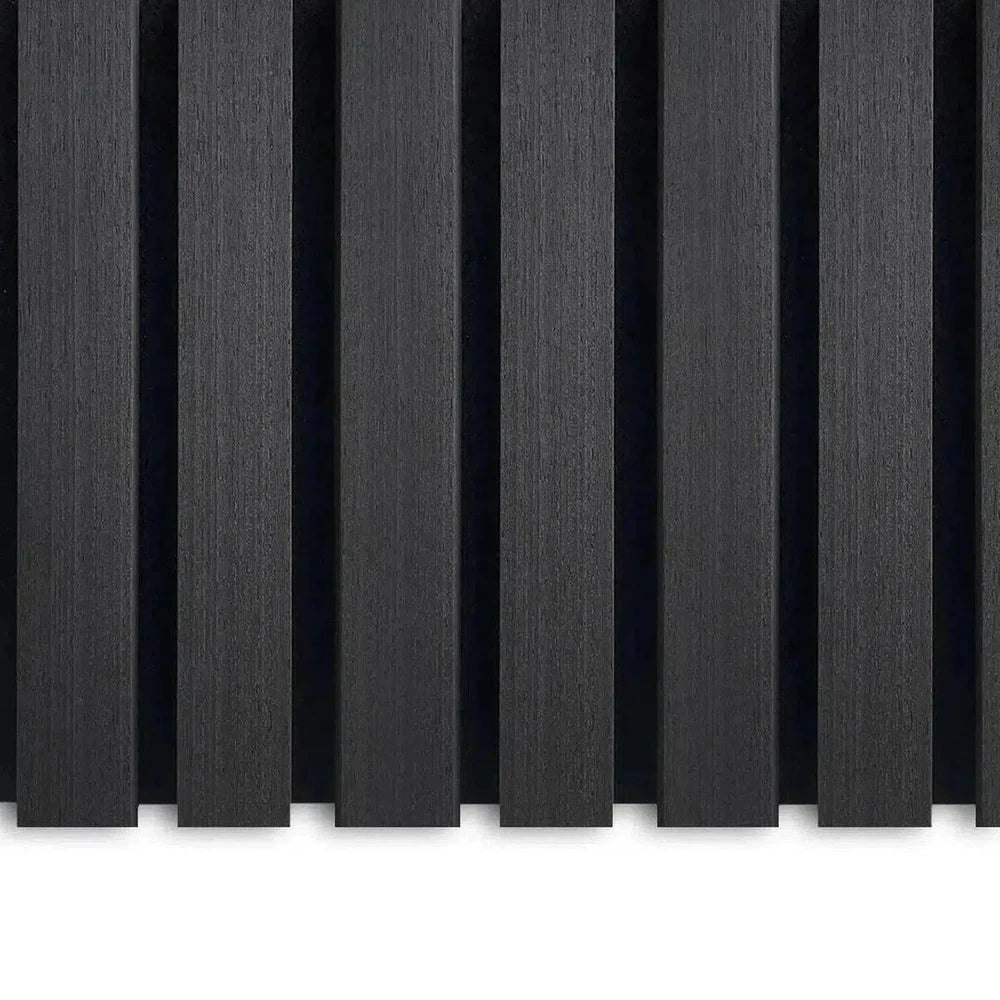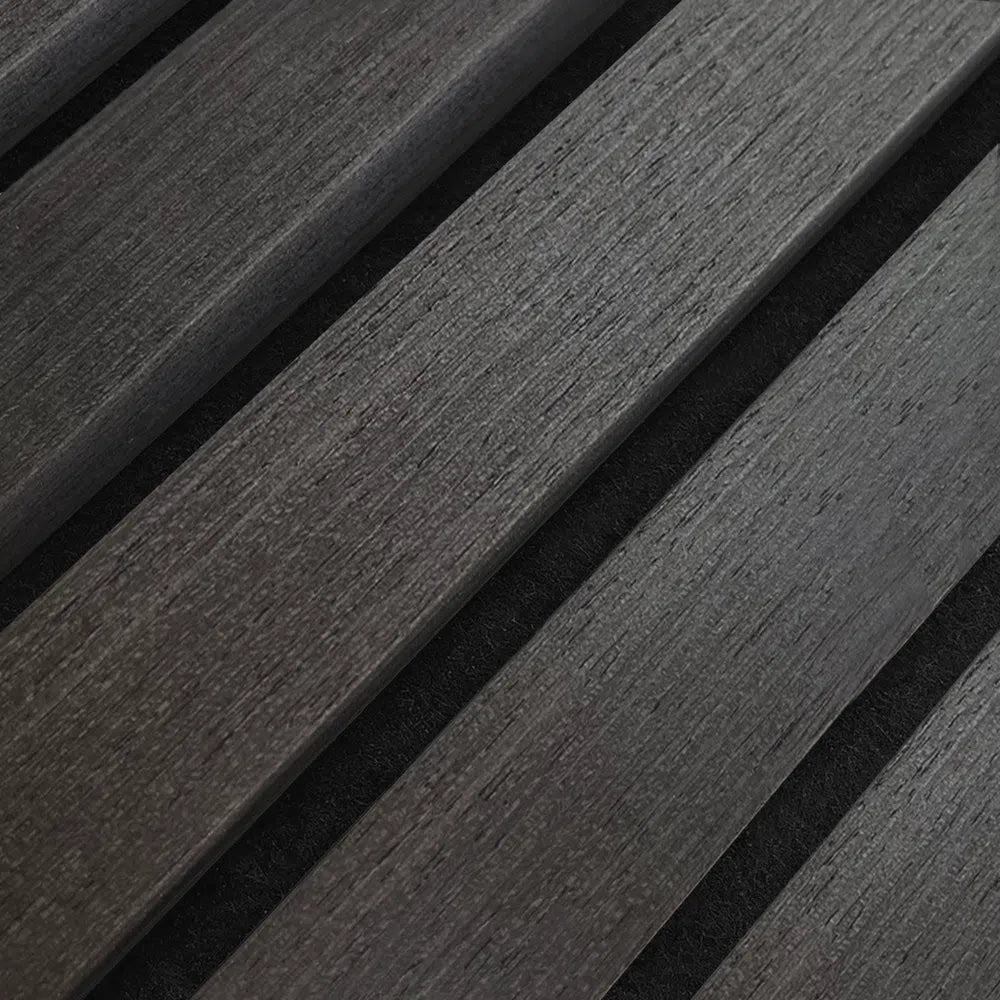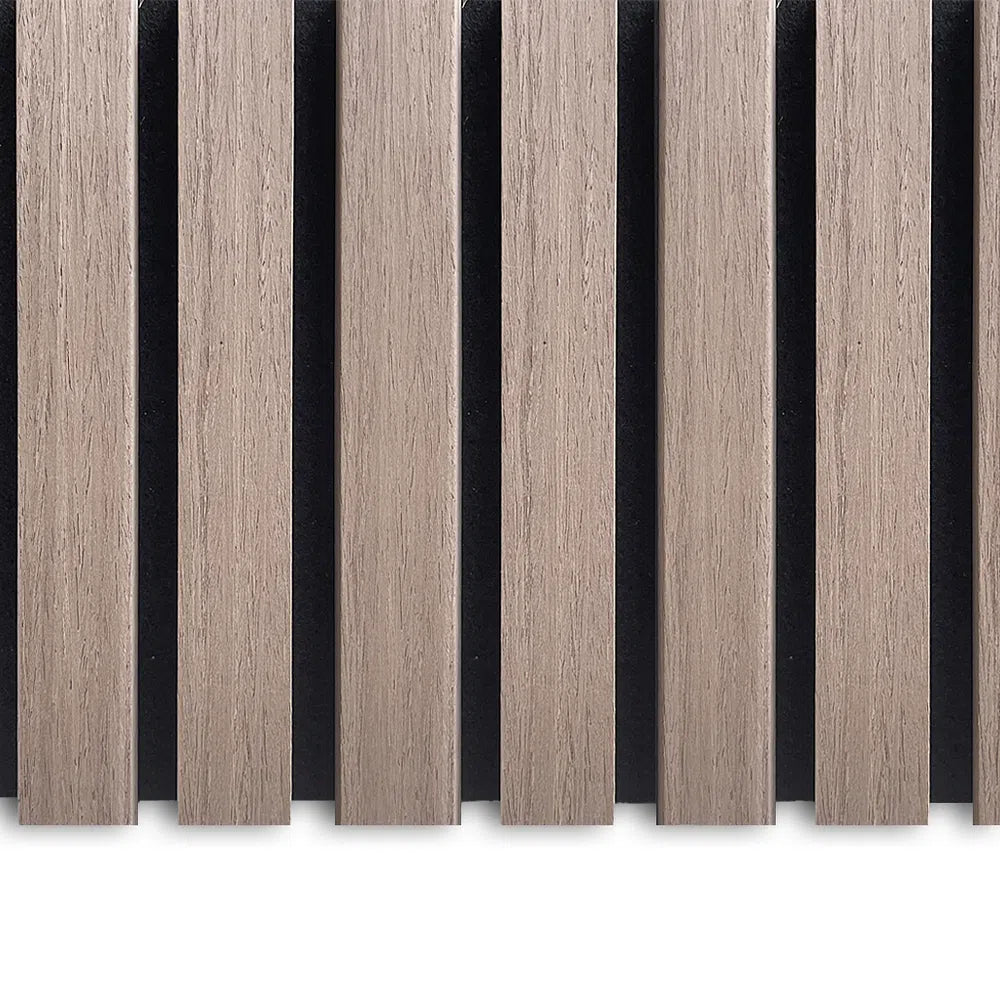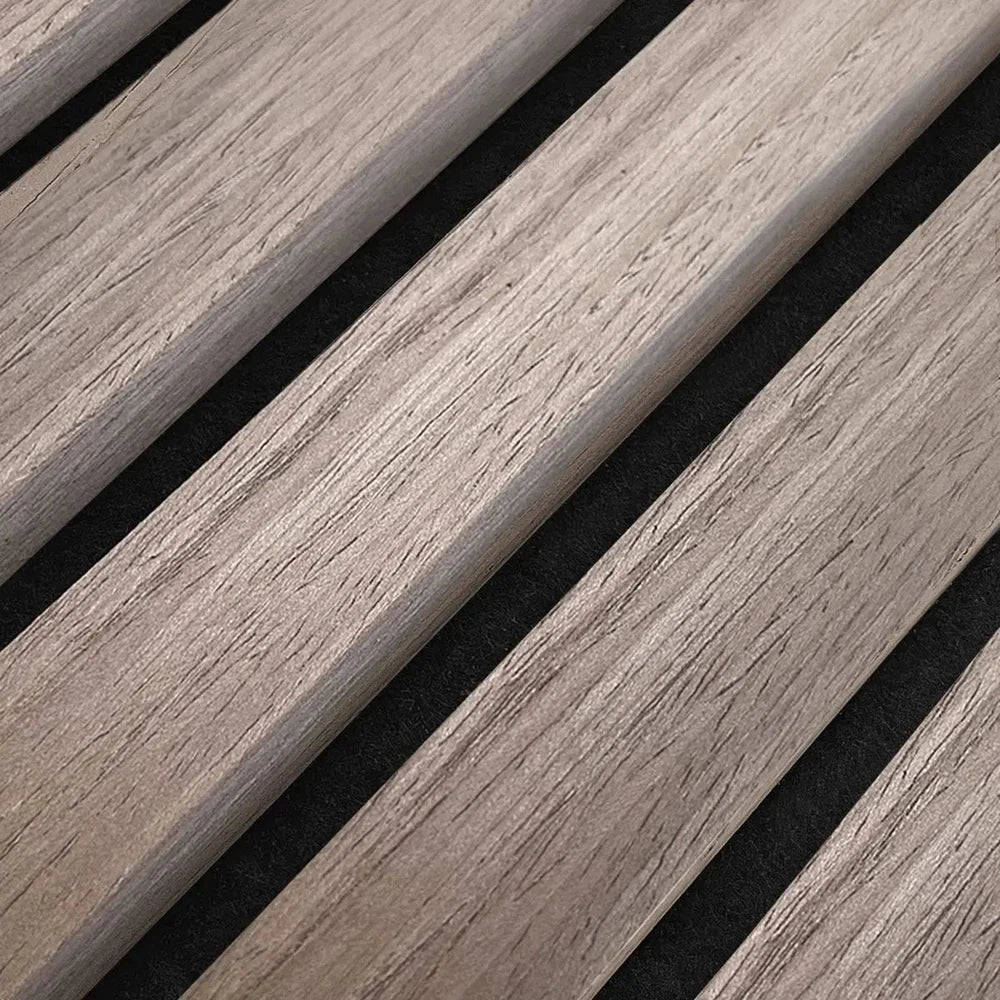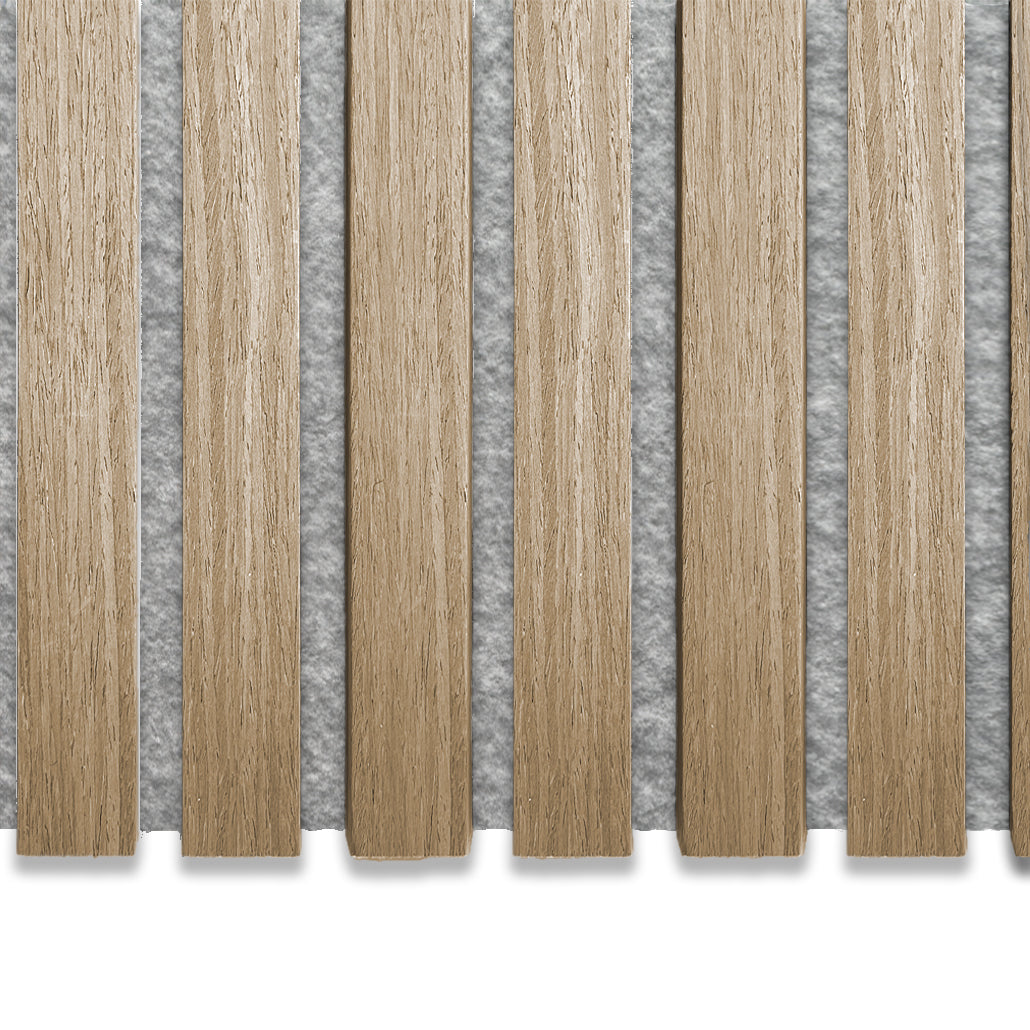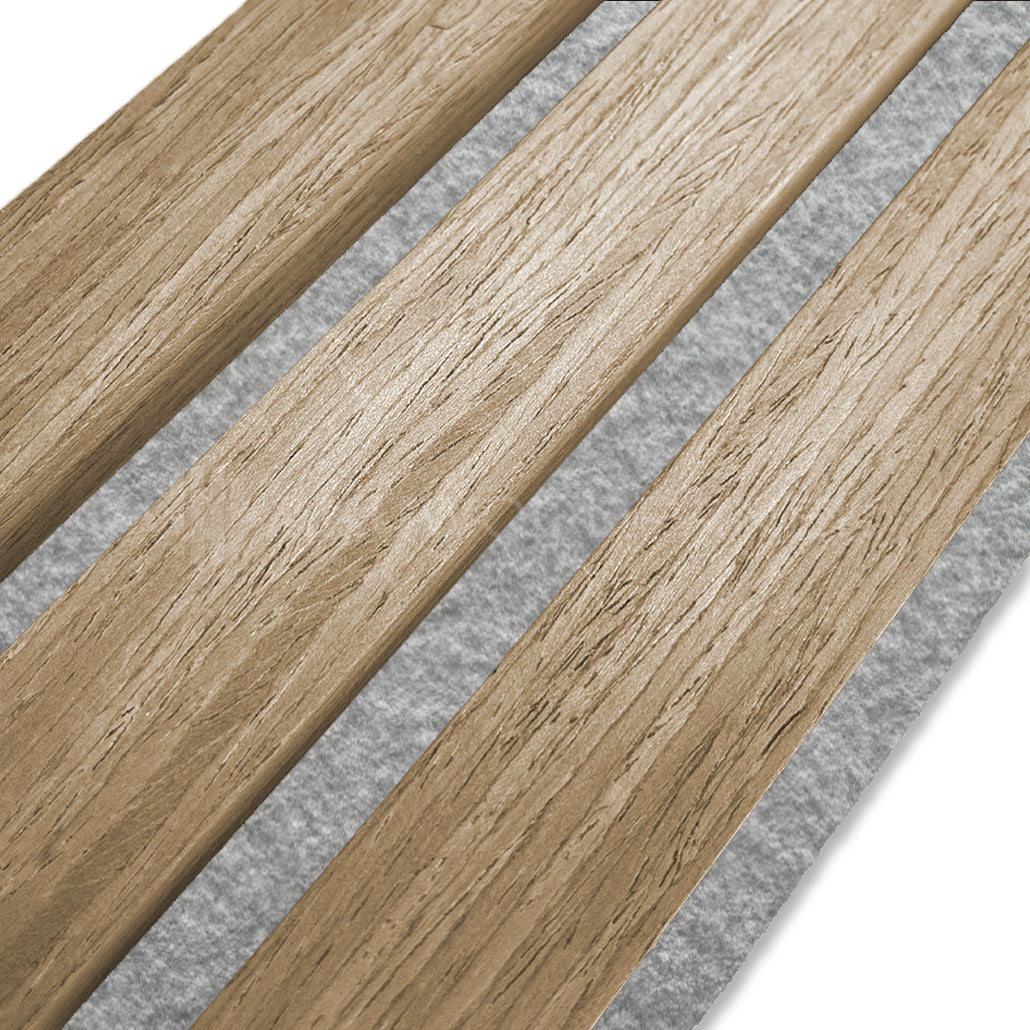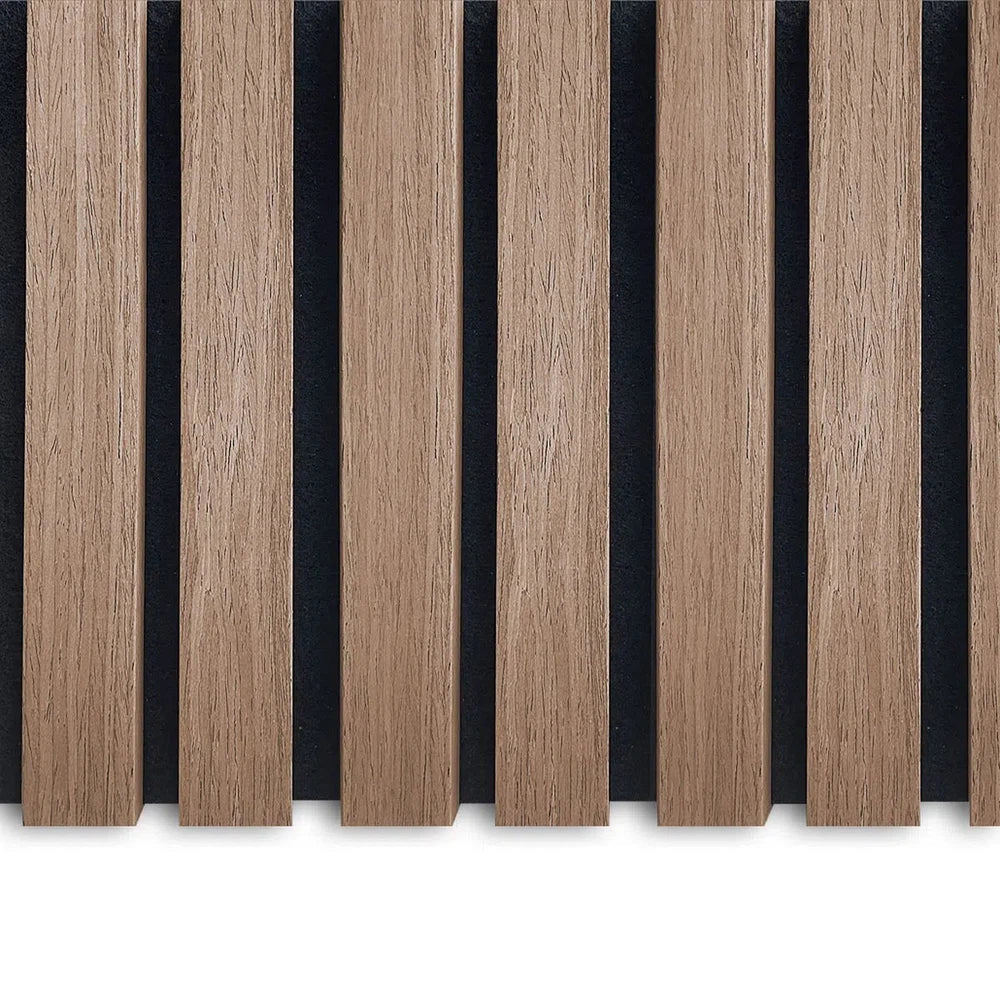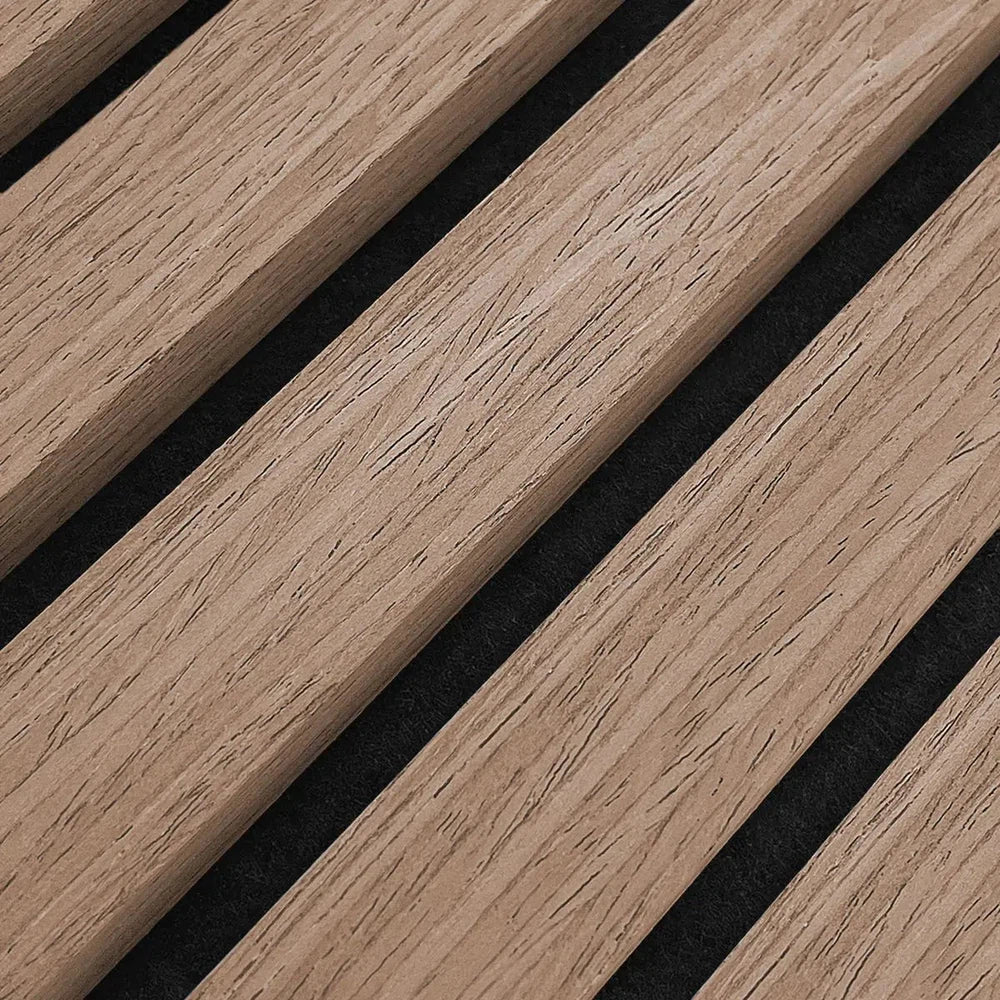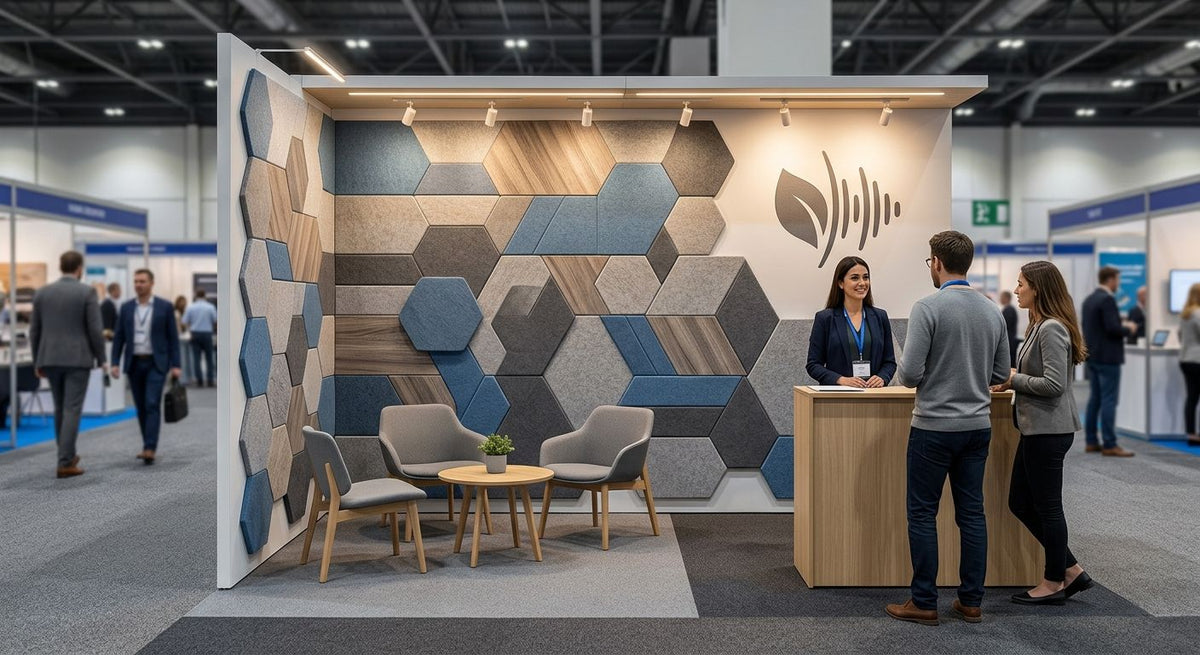
Best overall: Akustiq UK Natural Oak wooden wall panels for a stand that needs a wood finish and acoustic felt backing. Best for a grey-backed display: Natural Oak Grey Felt. Best for a darker presentation: Smoked Oak. Best for a dark media backdrop: Black Oak. This 2026 guide compares acoustic wall panels for exhibition stands by finish, panel format and the practical limits of a temporary installation.
- Akustiq UK Natural Oak is the best overall choice for acoustic wall panels for exhibition stands with a visible wood finish.
- Natural Oak Grey Felt suits a grey-backed display; Smoked Oak suits a warmer, darker stand.
- Choose Black Oak for a dark media backdrop, but check how it looks under the stand's lighting.
- Confirm fixing, venue fire requirements and the selected panel's dimensions before committing to a stand design.
Why this matters
An exhibition stand has to work as a display and a place to talk. Hard surfaces can reflect sound around a busy stand; a panel with acoustic felt backing gives you a material intended to address reflections while providing a finished wall surface. It does not turn an open stand into a soundproof room. Conversations, neighbouring stands and the exhibition hall remain audible.
The temporary build changes the buying decision. A finish that looks right in a permanent office still needs a suitable supporting wall, approved fixings and a plan for exposed edges. If the stand must be dismantled, do not assume a panel fixed to a wall can be removed intact and reused. Settle those details before choosing a finish in 2026.
What makes the best acoustic wall panels for exhibition stands?
- An acoustic backing: Check that the selected panel has felt backing. Decorative wood alone is not a substitute for a specified acoustic panel.
- A finish that suits the display: Natural Oak, Smoked Oak and Black Oak create different backgrounds for products, graphics and lighting. Choose against the actual stand design, not a finish name alone.
- A workable panel format: Akustiq UK lists 240 cm and 300 cm formats for its flagship indoor panels. Check the exact dimensions of the selected product before drawing the wall.
- A fixing plan: Establish what the stand wall is made from and which fixings the stand contractor and venue permit. An adhesive intended for a permanent wall is not automatically suitable for a reusable display.
- Finished edges: A visible return or open side needs attention in the layout. Check where full panels end and how the edge will be finished.
- Project documentation: Ask for the selected product's fire and acoustic documentation where the event organiser requires it. A finish choice is not evidence of compliance or a stated absorption rating.
The 2026 picks at a glance
| Panel | Best for | Standout feature | Key limitation |
|---|---|---|---|
| Natural Oak wooden wall panel | A general-purpose stand wall | Natural oak finish with the flagship range's real wood veneer and felt backing | The lighter finish will not suit every dark display scheme |
| Natural Oak Grey Felt wooden wall panel | A grey-backed display | Natural oak paired with grey felt | Grey felt becomes part of the visible design |
| Smoked Oak wooden wall panel | A warm, darker presentation | Smoked oak finish | Check its appearance under the stand's lighting |
| Black Oak wooden wall panel | A dark media backdrop | Black oak finish | Dark surfaces need deliberate lighting around displayed items |
The table ranks design fit for specific stand uses, not measured differences in sound absorption. No product-specific acoustic ratings, weights or installation approvals are supplied for these finishes. Compare those documents before treating any panel as part of a formal exhibition specification.
1. Natural Oak: best acoustic wall panel for a general-purpose stand
Akustiq UK Natural Oak is the default when the stand needs a wood wall without committing to a dark backdrop. The brand's flagship indoor panels are described with a 3-sided real wood veneer finish and acoustic felt backing. That combination makes the wall part of the presentation while addressing sound reflections at the panel surface.
Natural Oak works best where you want the wall itself to remain visible behind a conversation area or display. It is a less directed visual choice than Black Oak or Smoked Oak, which makes it the sensible starting point when the graphics and lighting are still being finalised. Akustiq UK Natural Oak is best for exhibitors who want an acoustic-backed wood feature wall without a dark display scheme.
Natural Oak pros:
- Natural oak provides a recognisable wood finish for a visible stand wall.
- The flagship indoor construction pairs real wood veneer with acoustic felt backing.
- The stated 240 cm and 300 cm formats give the designer lengths to check against the wall plan.
Natural Oak cons:
- It does not block noise from neighbouring stands or close off an open conversation area.
- The product information supplied here does not establish suitability for your venue's fire or fixing rules.
- You still need to plan cuts and visible edges around the stand layout.
Natural Oak pricing: Check the current product listing; this guide does not fix a figure that can change.
Best for: A stand wall where visitors will see the wood finish as well as the products in front of it. Verdict: Buy once the build team confirms the panel dimensions, fixing method and venue documentation.
2. Natural Oak Grey Felt: best for a grey-backed display
Natural Oak Grey Felt changes the relationship between the timber and the backing. Instead of treating the felt as a detail to overlook, use its grey colour as part of the stand palette. That is useful when the display already includes grey surfaces and you want the panel backing to sit within that scheme.
The choice is visual, not a claim that grey felt absorbs more sound than another backing colour. Ask for product-specific acoustic information if performance is part of the brief. In 2026, a colour match is no reason to skip the same structural and venue checks required for every other finish.
Natural Oak Grey Felt pros:
- The named grey felt makes the backing colour clear at the selection stage.
- Natural oak keeps a wood element in a grey-led display.
- It gives the stand designer a more specific palette choice than a finish described only as natural oak.
Natural Oak Grey Felt cons:
- Grey felt is visible within the design and will not suit every graphic or fabric colour.
- A backing colour does not establish an acoustic rating.
- The fixing and edge details still depend on the stand construction.
Natural Oak Grey Felt pricing: Check the current product listing rather than budgeting from an undated figure.
Best for: A stand with grey display surfaces where the felt backing should look intentional. Verdict: Buy after checking a sample against the actual graphics and lighting; otherwise, choose Natural Oak.
3. Smoked Oak: best for a warm, darker presentation
Smoked Oak is the stronger choice when a lighter oak wall would pull attention away from the display. Its darker wood finish gives the stand a different visual starting point without abandoning the slatted wood-panel format. Use it where the presentation calls for warmth as well as a darker backdrop.
Look at the complete display rather than the panel in isolation. A stand wall has to sit behind text, products and any lit elements; each changes how the wood reads to a visitor. Do not assume the finish will look identical under event lighting and in a sample viewed elsewhere.
Smoked Oak pros:
- The smoked oak finish offers a darker alternative to Natural Oak.
- It retains the wood-panel direction for a stand built around timber surfaces.
- The flagship indoor range's felt backing makes the panel relevant to a brief that includes room acoustics.
Smoked Oak cons:
- A darker wall can make poorly lit display items harder to distinguish.
- The finish alone gives no evidence of sound absorption performance.
- The panel still needs an approved method of fixing to the stand wall.
Smoked Oak pricing: Confirm the current listing before ordering; no price is assumed here.
Best for: A warm-toned stand with a darker wood backdrop behind its display. Verdict: Buy when the finish works under the planned lighting; hold the decision if lighting is unresolved.
4. Black Oak: best for a dark media backdrop
Black Oak is the most directed finish in this shortlist. Pick it when a dark wall is part of the display plan, particularly behind illuminated content or a presentation area. It is not automatically the best choice for a stand that relies on the wall to brighten the space.
The acoustic question remains separate from the colour decision. Check the selected panel's backing and any required acoustic documentation rather than inferring performance from the black oak finish. As with the other panels, a suitable wall and venue-approved fixing plan come before installation.
Black Oak pros:
- The black oak finish gives a clear option for a dark stand palette.
- It can keep the background visually distinct from lighter display items.
- It belongs to the wood-panel range rather than being presented here as a decorative-only tile.
Black Oak cons:
- Dark surfaces call for a considered lighting plan.
- Black Oak is a poor default if the stand design needs a light background.
- No supplied information confirms a particular fire classification or reusable mounting system.
Black Oak pricing: Use the current product listing when preparing the stand budget.
Best for: A dark presentation wall designed around lit display elements. Verdict: Buy only with the lighting and installation plan settled; otherwise, hold.
Plan the stand wall before ordering panels
Start with the wall, not the finish. Record the height and width of every section to be covered, including returns and openings. Then compare those measurements with the selected product's dimensions. Akustiq UK identifies 240 cm and 300 cm formats for its flagship indoor panels; an available size still has to fit the specific stand wall.
A 60 cm panel width appears in the supplied size-guide titles for 240 x 60 cm and 300 x 60 cm wall panels. Use that as a planning prompt, not a promise that every finish on this page is supplied at that width. Confirm the dimensions on the chosen listing before calculating quantities or placing joints in a drawing.
Next, decide whether the panelled wall belongs to the permanent stand structure or a temporary surface the contractor will take apart. Get the fixing proposal from the team responsible for that structure. A panel attached to an unsuitable backing is not made suitable by choosing a different veneer.
Finally, identify every exposed edge and any point where a sign, screen or product display meets the panelled area. Plan those junctions before cutting material. If the organiser requests fire documentation, obtain it for the exact product and proposed installation; neither the word acoustic nor a wood finish confirms acceptance.
How these panels were ranked
This 2026 ranking starts with the job each finish can do on an exhibition stand. Natural Oak takes the default slot because it does not require a dark display scheme; Natural Oak Grey Felt serves a defined grey palette; Smoked Oak offers a warmer dark option; Black Oak fits a deliberately dark backdrop. The order is a design decision, not a laboratory performance ranking.
All four still face the same checks: selected-product dimensions, acoustic documentation where required, stand-wall fixing and venue approval. Those checks can change the final specification. A preferred finish that fails the event's requirements is not the right panel for that event.
Which acoustic wall panel should you choose?
Choose Akustiq UK Natural Oak if you do not yet have a strong reason to specify a darker wall or grey felt. It is the clearest starting point for a visible wood feature with the flagship indoor range's acoustic felt backing. Choose Natural Oak Grey Felt when the grey backing belongs in the design, Smoked Oak for a warm darker stand, or Black Oak for a planned dark media backdrop.
None of these panels is a substitute for a stand-wide noise plan. If speech clarity matters, consider the position of the conversation area and the surrounding hard surfaces as well as the feature wall. For a 2026 event, settle the wall construction and venue requirements before you commit to any finish.
FAQ
What are the best acoustic wall panels for exhibition stands in 2026?
Akustiq UK Natural Oak is the best overall pick when you want a visible wood finish and acoustic felt backing. Natural Oak Grey Felt, Smoked Oak and Black Oak serve more specific stand colour schemes.
Do acoustic wood panels soundproof an exhibition stand?
No. Acoustic backing addresses sound reflections at a surface; it does not enclose an open stand or block neighbouring conversations.
Is Natural Oak Grey Felt better than Natural Oak for sound absorption?
The supplied information does not establish a sound absorption difference between the two finishes. Choose the backing colour for the design, then request product-specific acoustic documentation if performance must be specified.
Can you reuse acoustic wall panels after an event?
Reuse depends on the fixing method, stand structure and how the panels are removed. Do not specify these panels as reusable without an agreed dismantling plan from the build team.
Which panel length should you choose for a stand wall?
Choose against the measured wall and the selected product's confirmed dimensions. Akustiq UK describes 240 cm and 300 cm formats for its flagship indoor panels, but the available format of each finish needs checking.
Are these wood panels approved for every exhibition venue?
Venue approval is not established by the information supplied here. Ask for the exact product's required fire documentation and confirm the proposed installation with the organiser.
Should you choose Black Oak or Smoked Oak for a dark stand?
Choose Black Oak for a deliberately black backdrop and Smoked Oak when you want a darker wood finish with a warmer visual effect. Review either finish under the stand's planned lighting.
One last thing
A sample can settle the finish question, but it cannot settle the installation question. Approve the colour and the build as separate decisions: check the panel beside the stand graphics, then confirm fixing and venue requirements for the exact product.