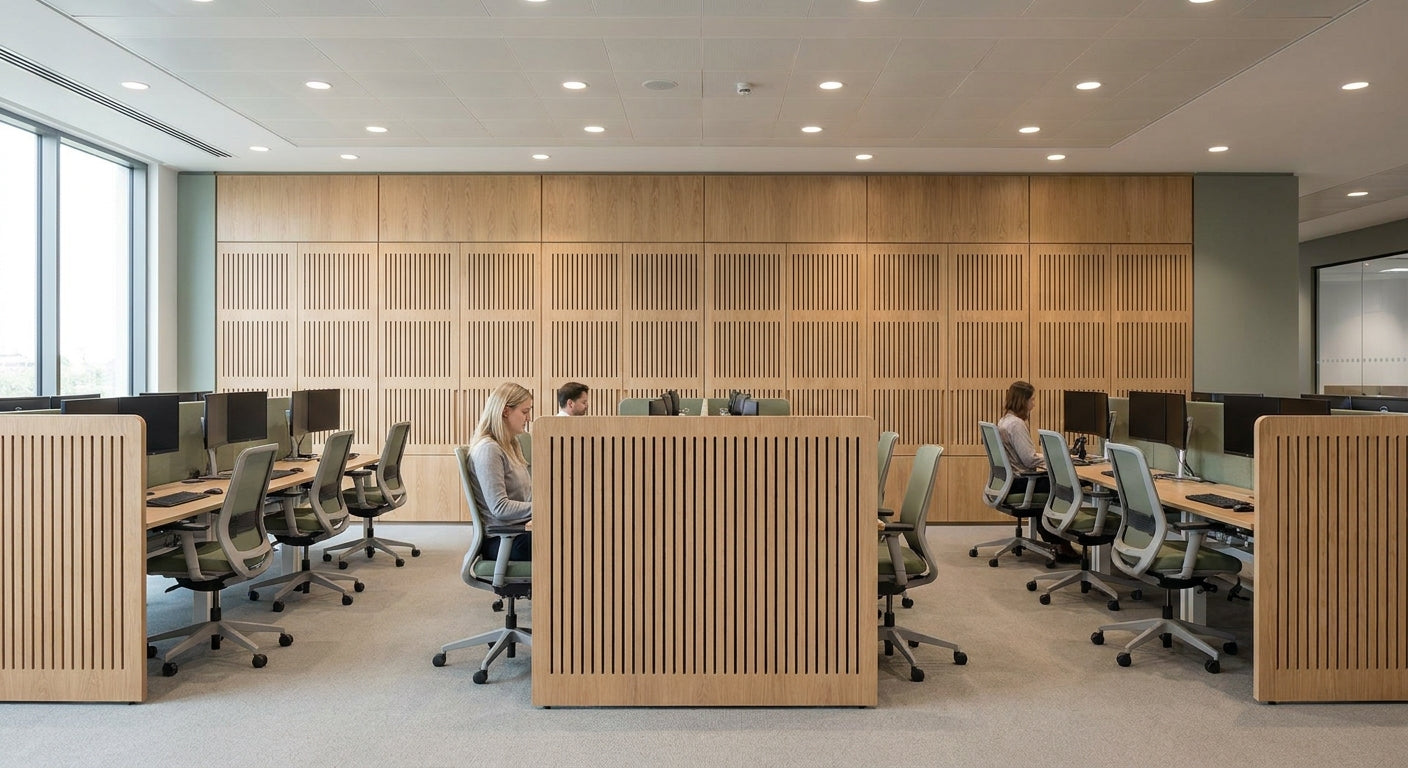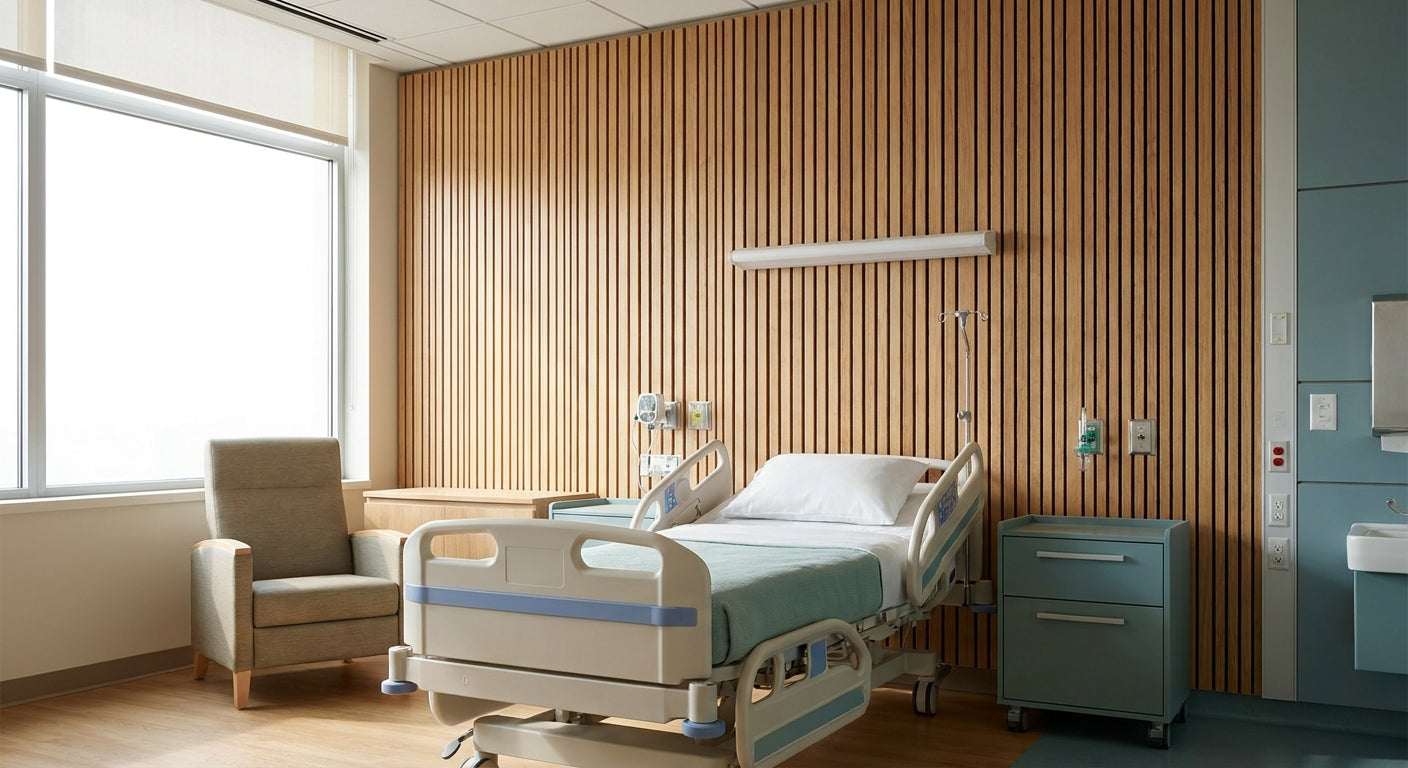
Serviced office suites turn over tenants every few months, and every fit-out has to survive video calls, breakout chatter, and a landlord walkthrough on the same afternoon. Acoustic wood panels from AKU Woodpanel cut that echo without turning a flexible suite into a soundproofed box, and the right finish choice keeps the space looking premium between tenancies.
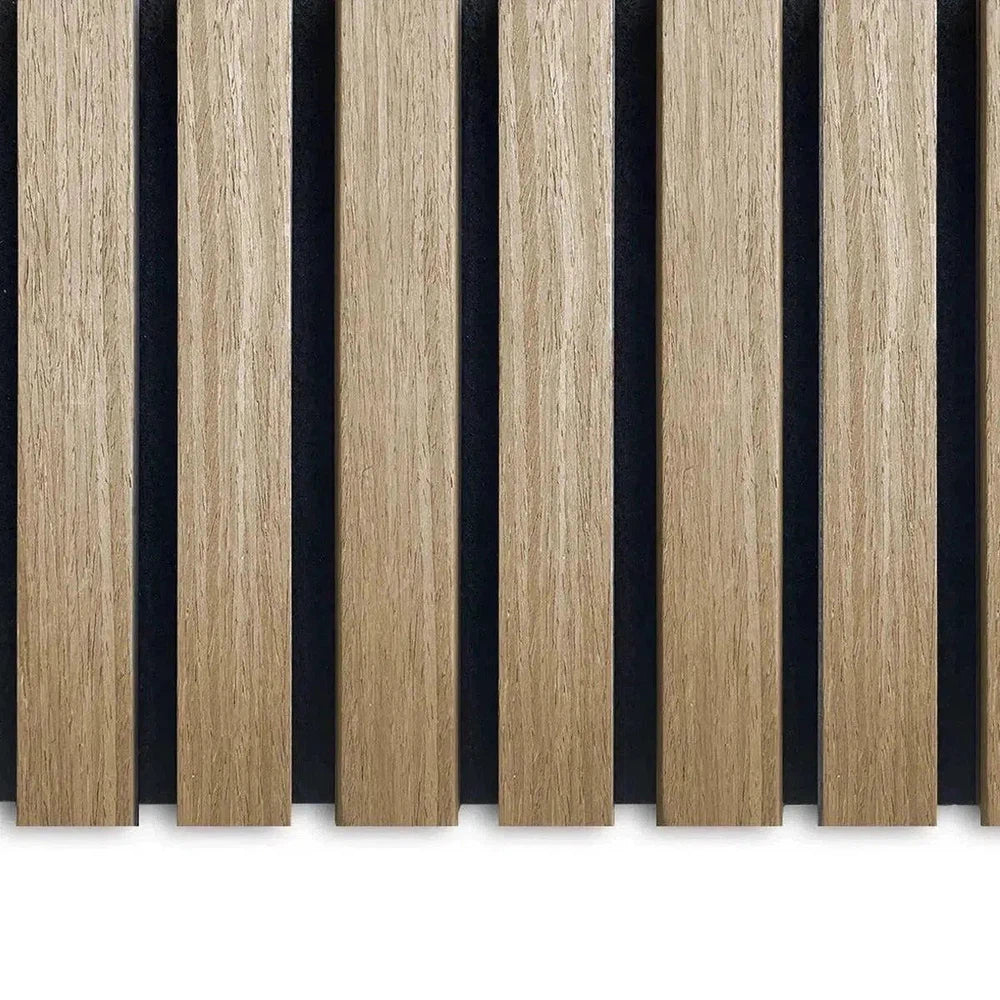
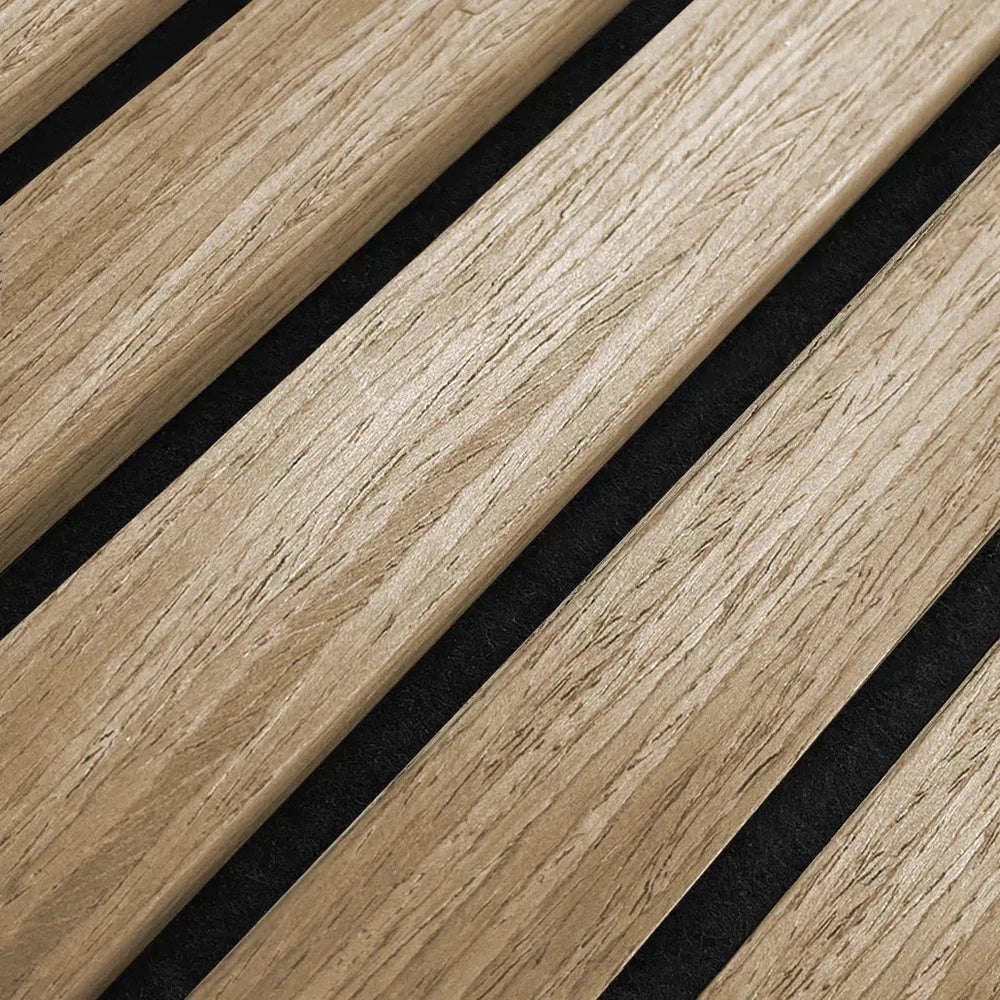
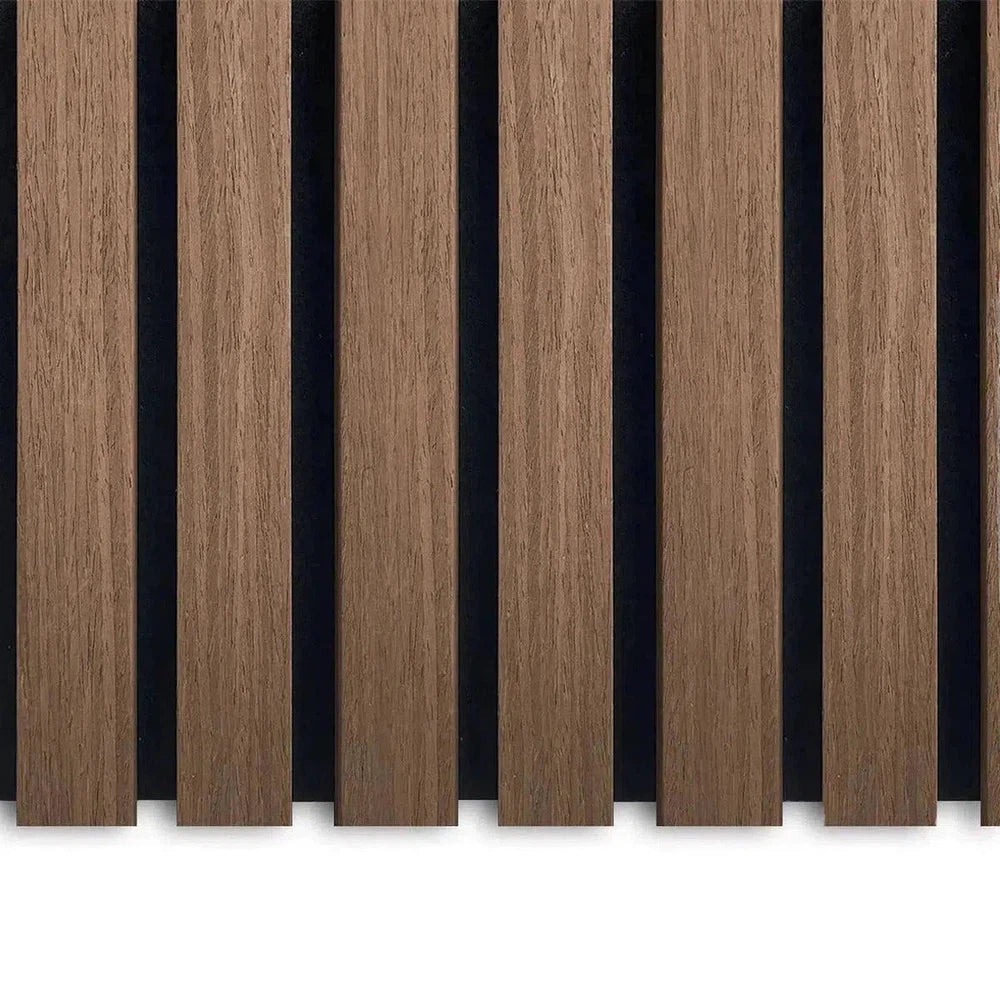
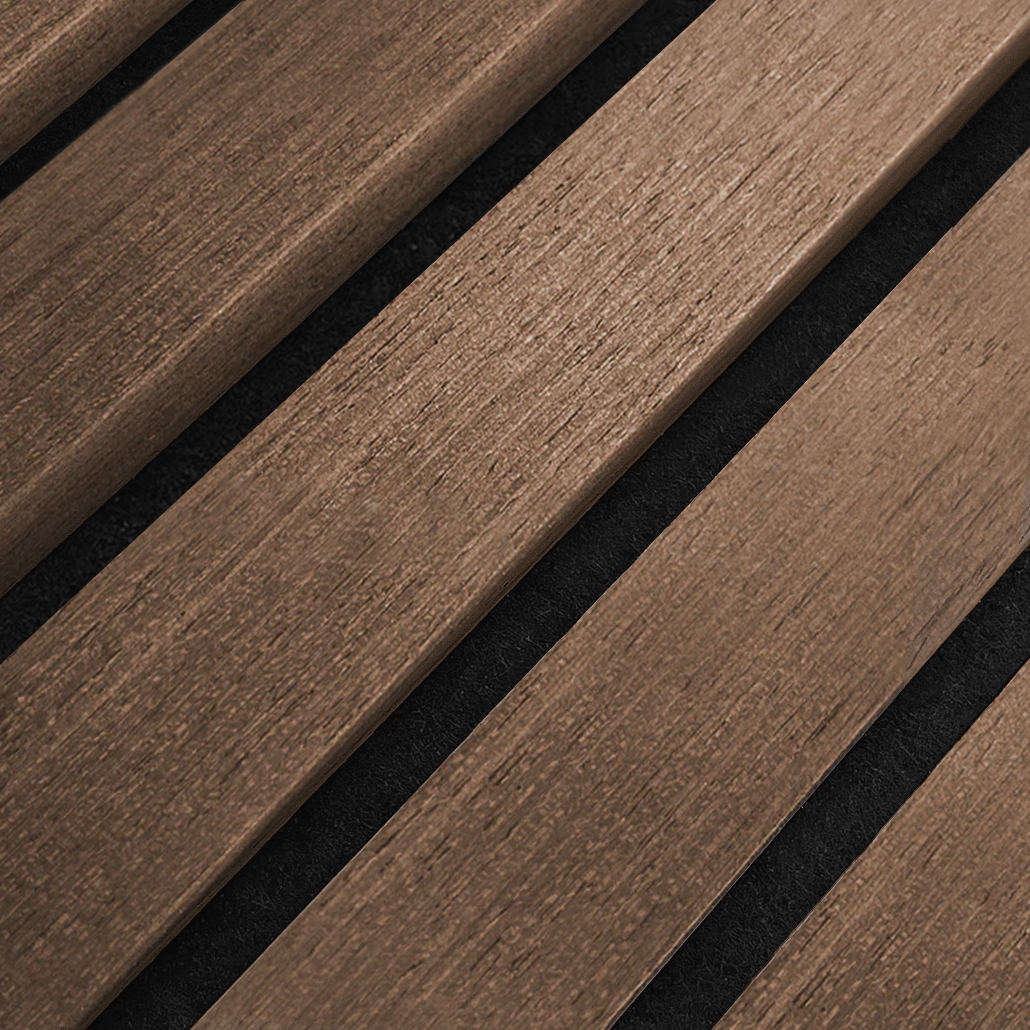
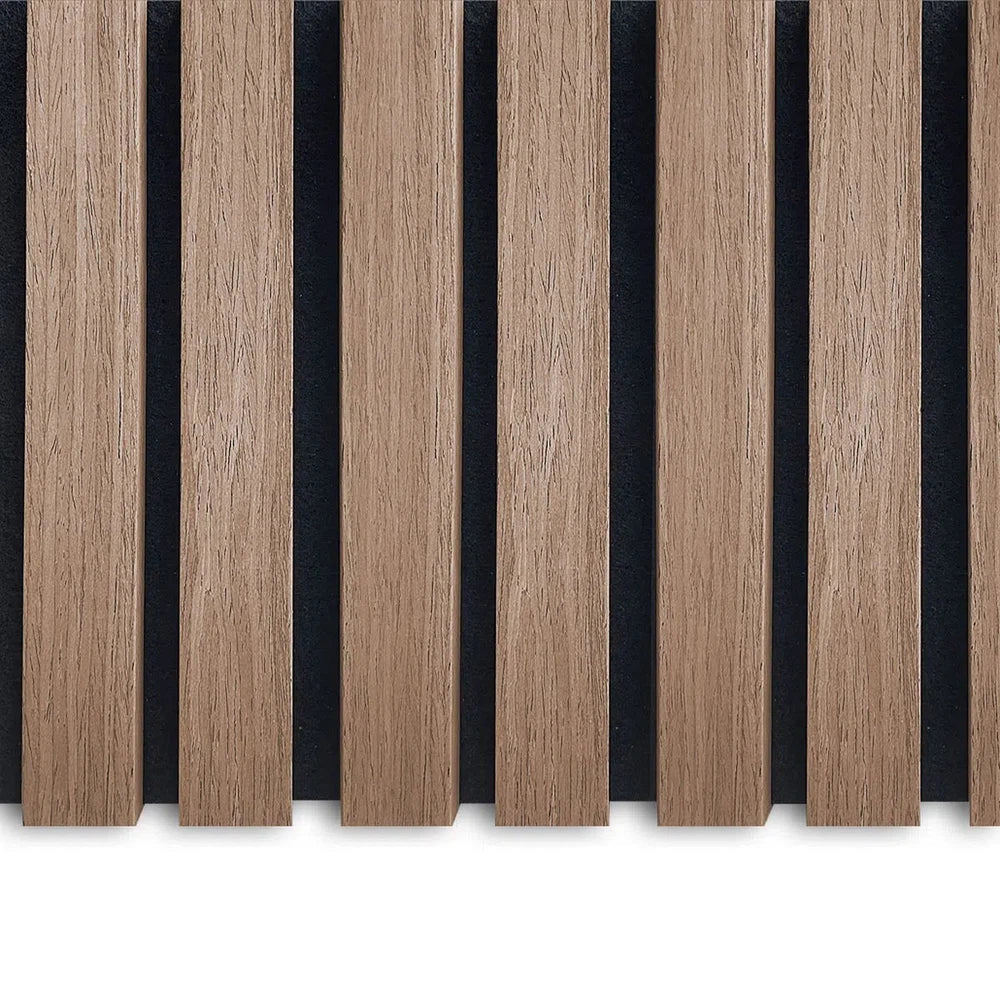
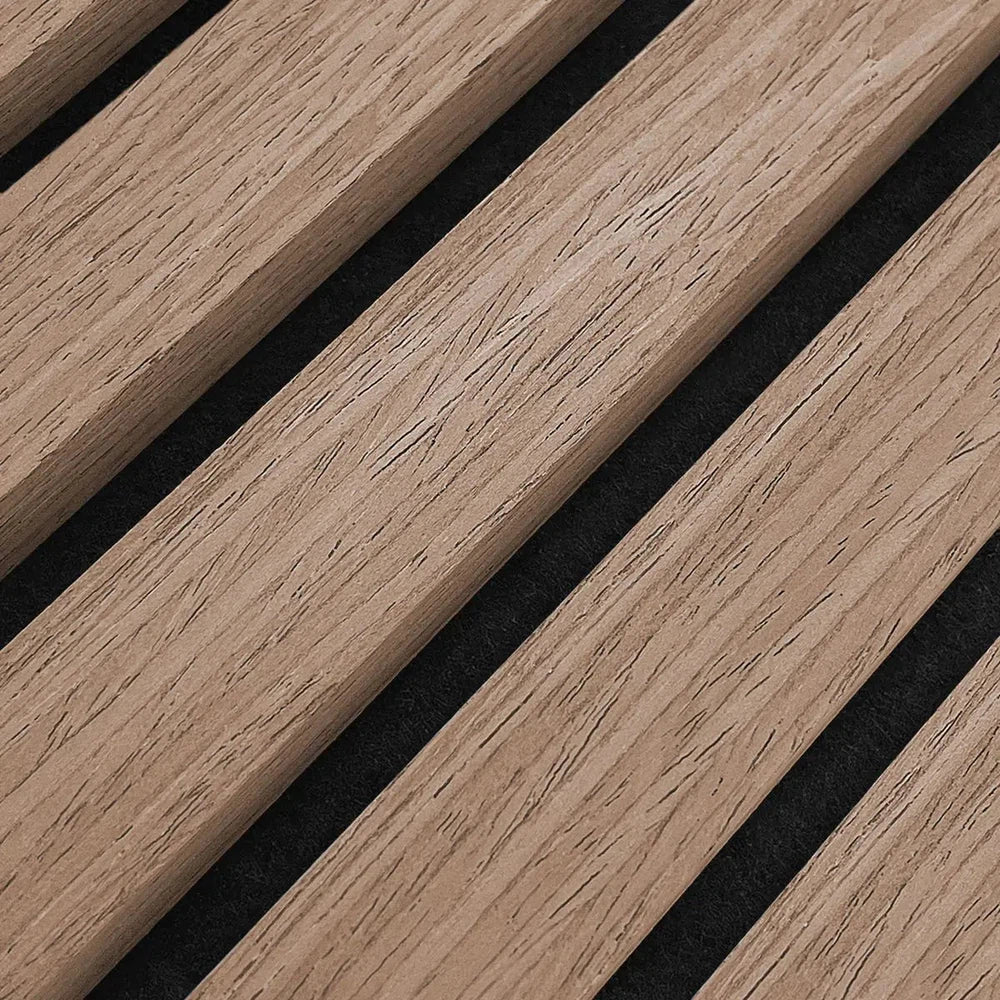
- AKU Woodpanel's Natural Oak Grey Felt panel is the safe pick for acoustic panels for serviced offices on open-plan floors — Buy it.
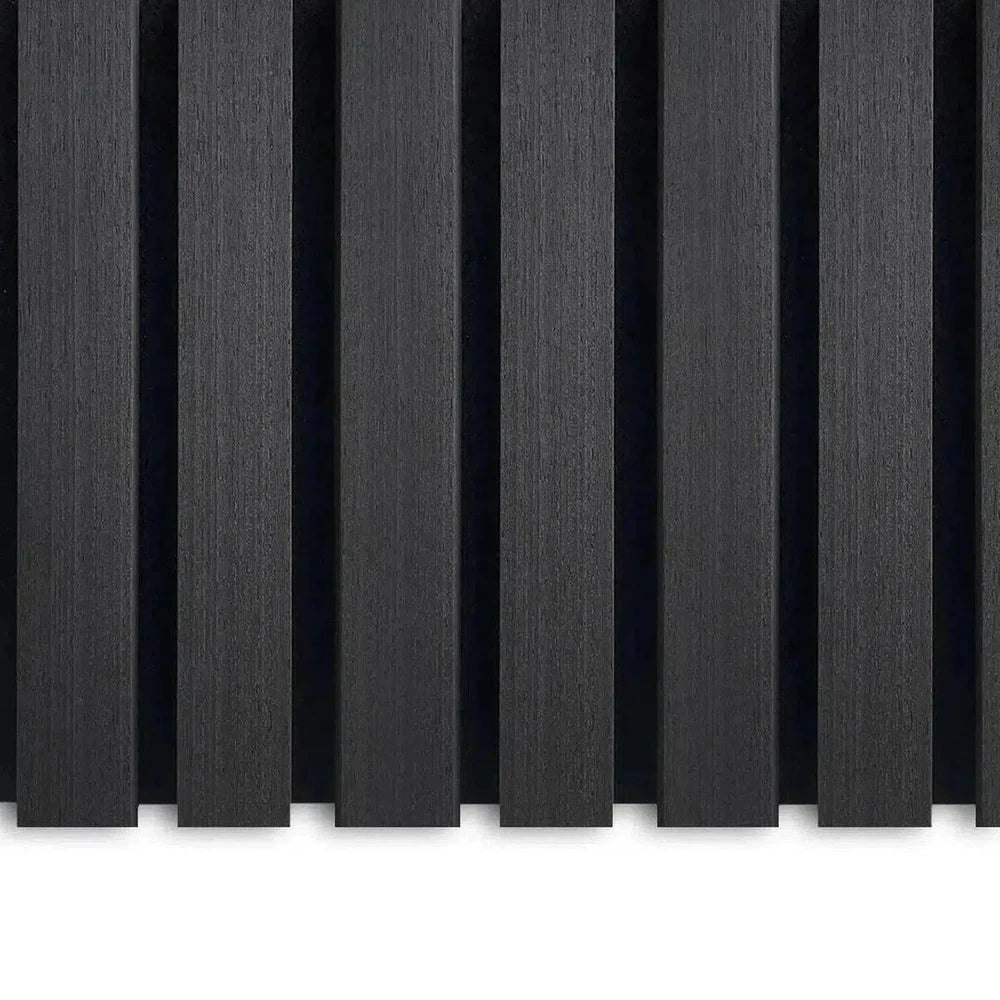
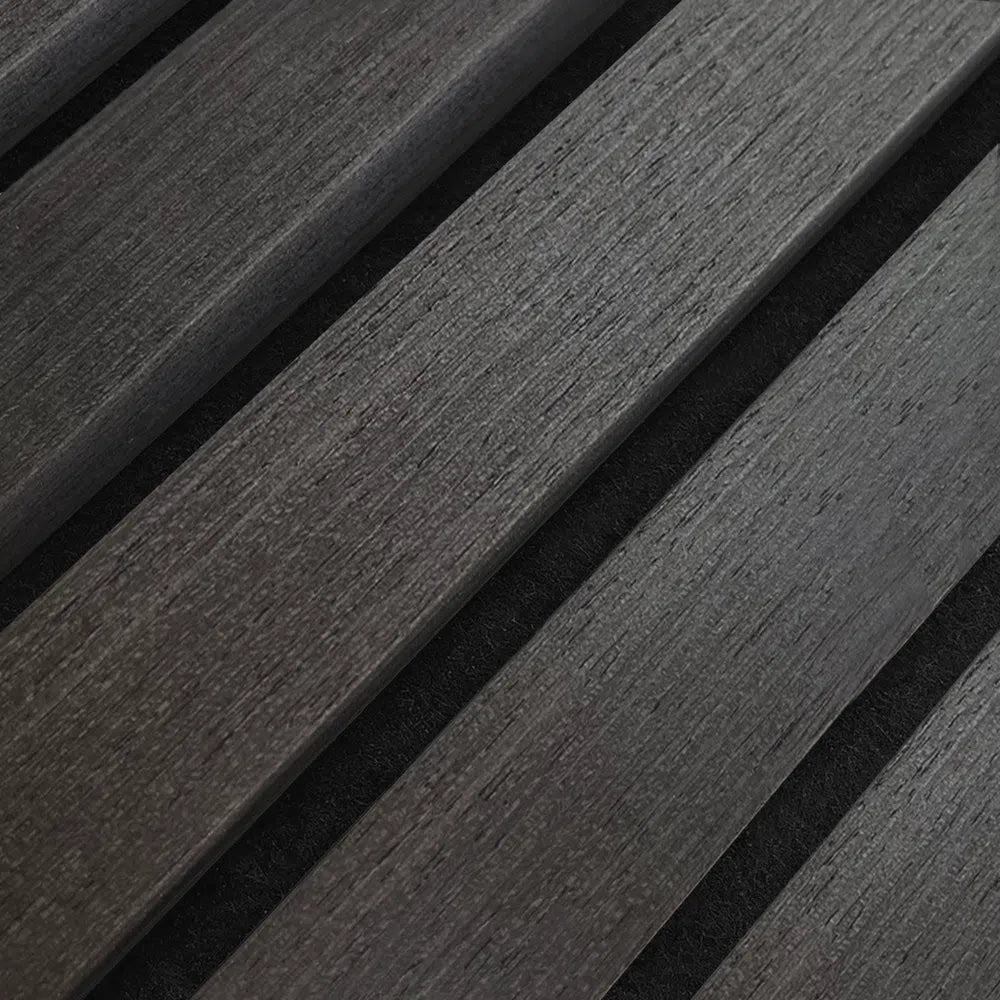
- Black Oak wall panels read premium on reception and boardroom walls — Buy it for client-facing suites.
- Hexagon panels with grey felt backing break up breakout zones without a full wall re-fit — Consider it.
- Skip decorative 3D panels with no felt backing in call rooms and phone booths; they look good and absorb almost nothing.
- Felt-backed panels in this range carry an NRC of 0.75, which is the number that actually matters for a serviced suite, not the veneer.
Why this matters
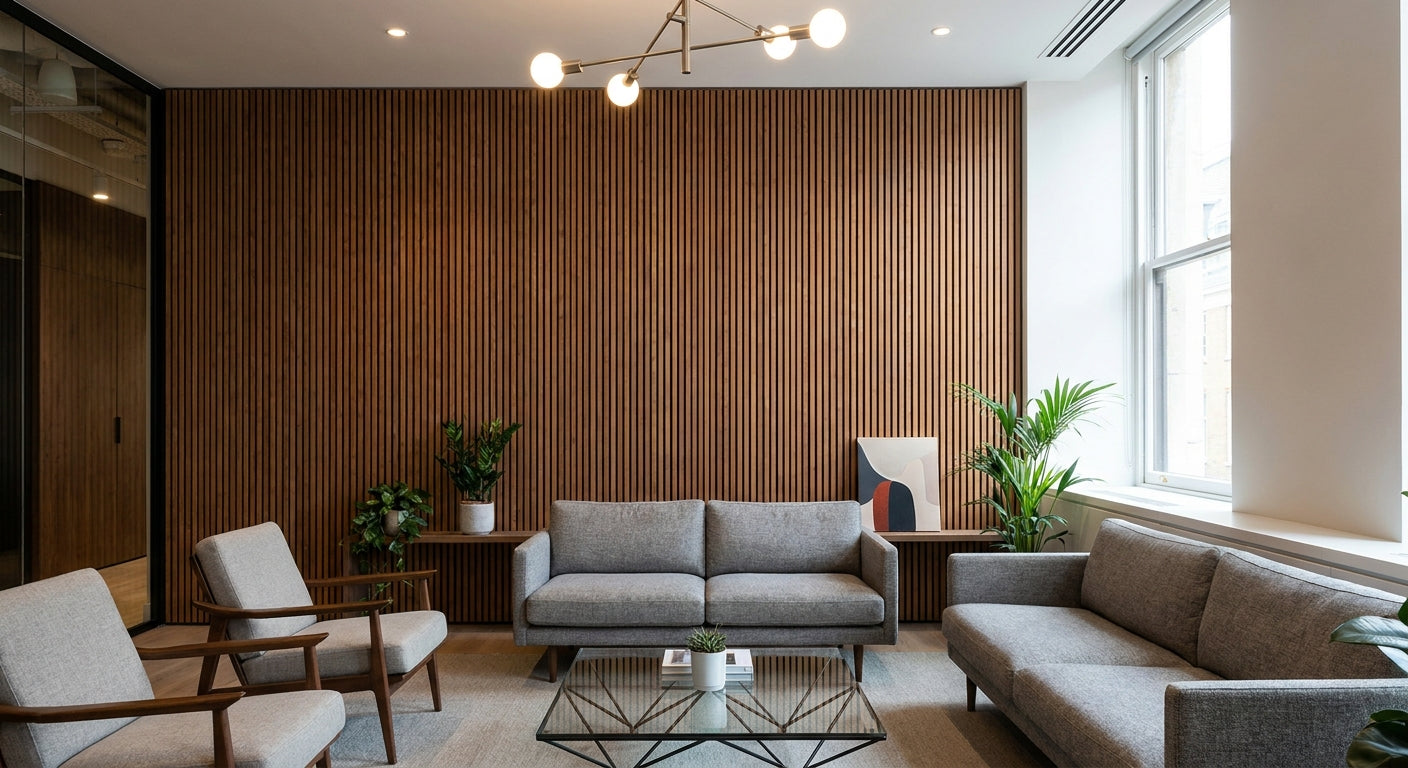
Open-plan serviced suites bounce sound between glass partitions, plasterboard and bare ceilings, and that reverb is the single biggest complaint on tenant walkthroughs in 2026. Landlords fixing this with curtains or carpet tiles lose the minimalist look most serviced brands are selling. A grey acoustic wall panel for offices fitted to one meeting room wall solves the acoustic complaint and the aesthetic one in a single afternoon.
The stakes are higher than a home office. A serviced suite gets re-let every 6 to 18 months, so whatever goes on the wall has to survive multiple fit-out cycles without looking dated by the third tenant.
Who this is for
This guide is for serviced office operators, flexible workspace providers, and facilities managers fitting out suites that will change hands between tenants multiple times a year. You're buying for durability and repeatability across floors, not for a single homeowner's living room. If you manage one or two suites and need a finish that reads consistent whether it's a law firm or a startup moving in next, the criteria below apply directly.
What to look for in acoustic panels for serviced offices
Sound absorption you can point to
A veneer finish alone does almost nothing for reverb \u2014 the felt backing is doing the acoustic work. Felt-backed panels in this range carry an NRC of 0.75, and that's the figure to quote when a tenant asks why the meeting room suddenly sounds different. Skip any panel where the spec sheet only talks about the wood, not the backing.
Installation that survives a tenant turnover schedule
A serviced suite can't afford a three-day install between lease signings. Panels that click or glue onto a batten system go up in hours, not days, and that speed matters more here than in a single-family home. High-tack panel glue and pre-cut end pieces cut the fit-out to a single afternoon per wall.
Finish consistency across floors and suites
If your building has six suites on three floors, the wood finish needs to read the same in suite 2B in 2026 as it does in suite 4A when it's re-let in 2027. Stick to one or two finishes across the portfolio \u2014 natural oak and black oak cover most brand palettes \u2014 rather than mixing five veneers that will need matching later.
Panel length that matches your ceiling height
Most UK serviced suites run standard 2.4 to 2.7 metre ceilings, which is why the 240 cm panel length covers the majority of fit-outs without a cut. Taller atriums or double-height reception walls need the 300 cm format to avoid a visible seam halfway up the wall.
Wear resistance in high-traffic reception and corridor zones
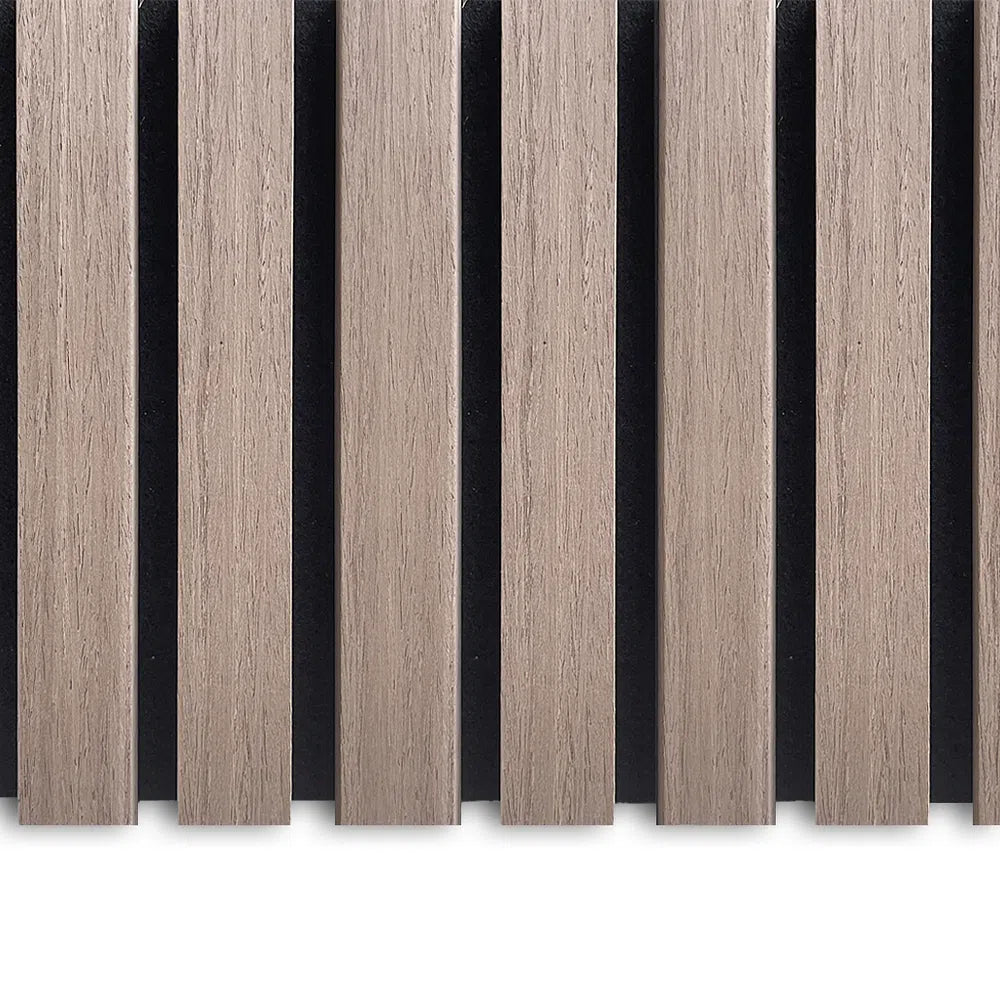
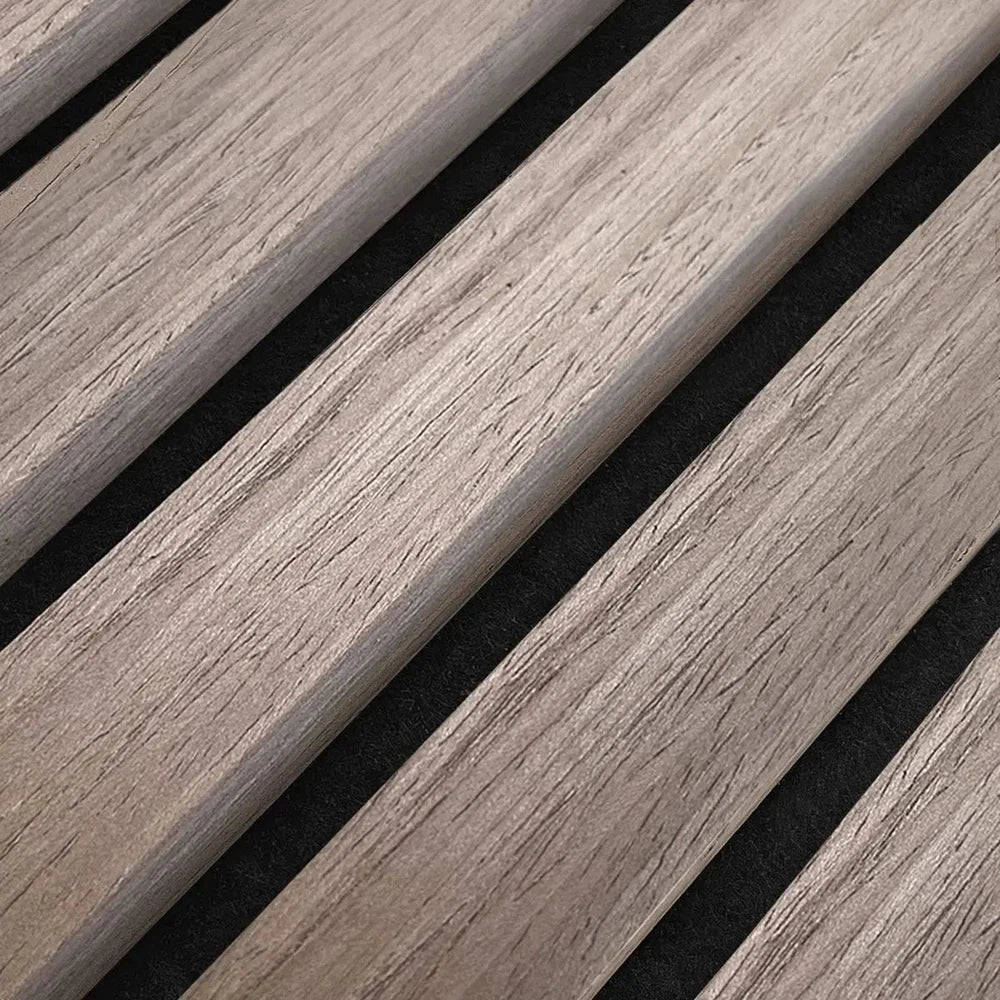
Reception walls and corridor panels take knocks from trolleys, coffee cups and rolling chairs that a boardroom wall never sees. A darker, denser finish like black oak or smoked oak hides scuffs better than pale natural oak in these zones.
Top picks for serviced office suites
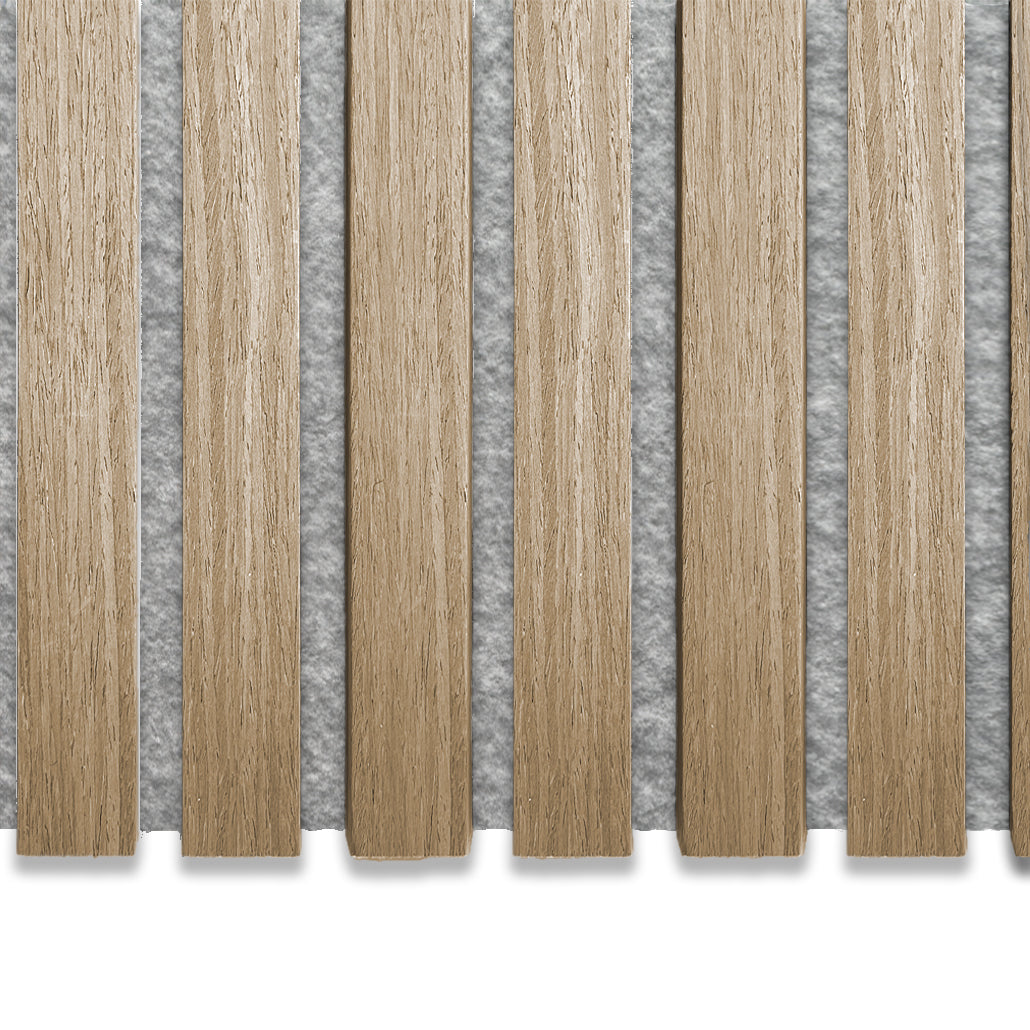
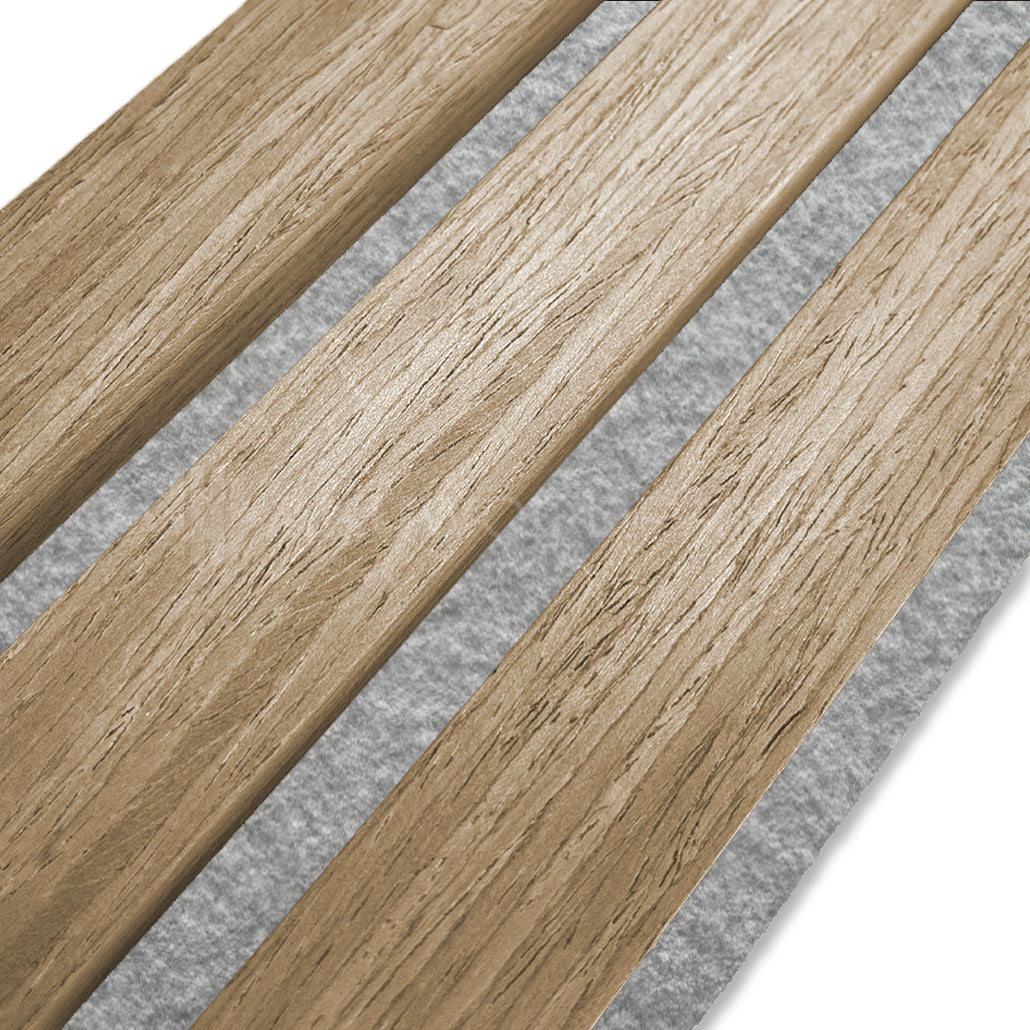
The safe pick: Natural Oak Grey Felt panel. The felt backing carries an NRC of 0.75, and the natural oak finish reads neutral enough to suit almost any tenant's branding. It's the panel to specify first if you're only doing one wall in 2026. Buy it.
The reception pick: Black Oak wall panel. The dark 3-sided veneer finish reads premium against glass partitions and hides scuff marks better than a pale finish in a high-traffic entrance. Pair it with the grey felt option elsewhere in the suite so the two finishes don't fight each other. Buy it for client-facing walls.
The texture pick: hexagon panels with grey felt backing. These break a flat wall into a geometric pattern that reads as a design feature rather than an acoustic fix, which matters in a breakout room where you don't want the space to look clinical. They cost more per square metre to fit than a straight panel run, so reserve them for one feature wall rather than a whole floor. Consider it.
The minimalist pick: Grey Oak panel. A cooler, greyer tone than natural oak, this suits suites already running a grey-and-glass palette rather than warm wood tones. It's a narrower fit for most portfolios, so Consider it only if the rest of the building already leans grey.


What to avoid
- Decorative 3D panels with no felt backing. They look sharp in a breakout render but do close to nothing for reverb in a phone booth or call room \u2014 check the backing spec before the finish.
- Mixing more than two wood finishes in one building. It looks intentional in one suite and mismatched the moment a tenant compares floor 2 to floor 4.
- Full-wall panelling in every meeting room. One acoustic wall per room does the job; panelling all four walls adds cost without a proportional acoustic gain for a serviced suite budget.
Verdict comparison table
| Panel | Acoustic backing | Best suite area | Verdict |
|---|---|---|---|
| Natural Oak Grey Felt | NRC 0.75 felt | Open-plan floors | Buy |
| Black Oak | NRC 0.75 felt | Reception / boardroom | Buy |
| Hexagon Grey Felt (any finish) | NRC 0.75 felt | Breakout feature wall | Consider |
| Grey Oak | NRC 0.75 felt | Grey-toned suites | Consider |
| Decorative 3D (no felt) | None | Anywhere needing echo control | Skip |
FAQ
What are the best acoustic panels for serviced offices in 2026?
Felt-backed wood panels with an NRC of 0.75, such as AKU Woodpanel's Natural Oak Grey Felt or Black Oak ranges, are the best acoustic panels for serviced offices in 2026 because the felt does the sound absorption while the veneer keeps the finish premium.
Do acoustic wood panels actually reduce echo in an open-plan office?
Yes, provided the panel has a felt or acoustic backing rather than a solid decorative face. The felt layer absorbs mid and high frequencies that cause the harsh echo common in glass-and-plasterboard serviced suites.
Is 240 cm or 300 cm the right panel length for a serviced suite?
240 cm fits most standard UK ceiling heights of 2.4 to 2.7 metres without a cut. Use 300 cm only for taller atriums or double-height reception walls to avoid a visible seam.
How many panels does a typical meeting room feature wall need?
One acoustic wall per meeting room is usually enough for a serviced suite; panelling all four walls rarely adds a proportional acoustic gain for the extra spend.
Are black oak panels harder to maintain than natural oak in a reception area?
No, black oak actually hides scuffs and coffee-cup marks better than pale natural oak in high-traffic corridor and reception zones.
Can acoustic wood panels be reused when a tenant moves out?
The panels stay fixed to the wall through re-lets in most fit-outs, since the finish and NRC 0.75 backing suit almost any incoming tenant's branding without needing replacement.
What's the difference between a decorative wall panel and an acoustic wall panel?
A decorative panel is judged on the veneer finish alone and typically has no acoustic backing, while an acoustic panel adds a felt layer rated at NRC 0.75 that actually absorbs sound.
Do hexagon acoustic panels cost more to fit than standard rectangular panels?
Per square metre, yes — the cutting and pattern layout takes longer, which is why hexagon panels suit a single feature wall rather than a full-floor install.
One last thing
The number that gets skipped most often on a serviced office spec sheet is the NRC rating, not the wood finish \u2014 and it's the one that decides whether the tenant walkthrough goes well. A wall that looks identical to an untrained eye can carry an NRC of 0.75 or close to zero depending on what's behind the veneer, so ask for the backing spec before signing off on any acoustic panels for serviced offices in 2026.