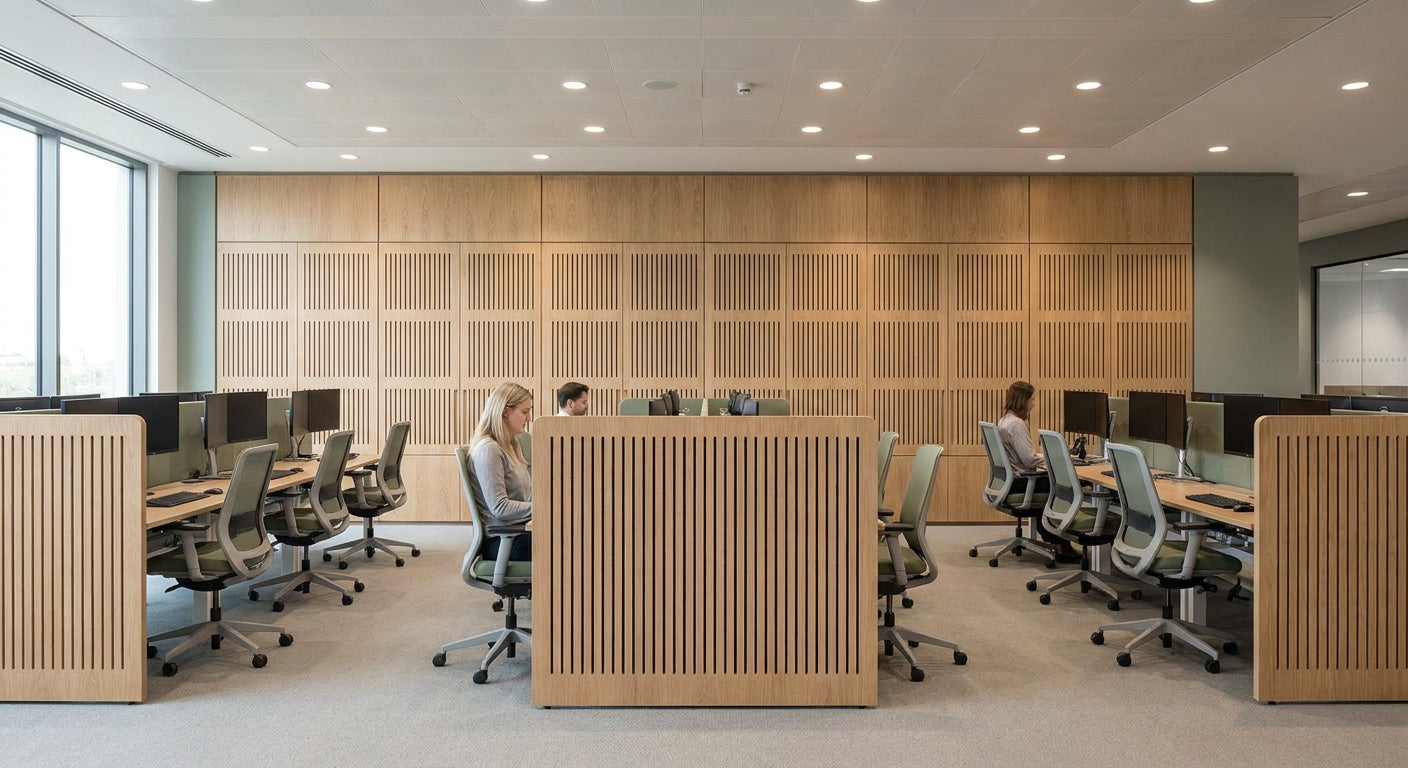
Call centre floors run dozens of agents talking over headsets for eight-hour shifts, and bare walls or glass partitions turn that into a wall of noise. Acoustic panels for call centres solve the reverberation problem without turning the floor into a padded box, and picking the right one comes down to NRC rating, panel size and how fast a contractor can install it around a live shift pattern.
- Acoustic panels for call centres need felt backing and an NRC around 0.75 to cut headset noise - anything less is decoration.
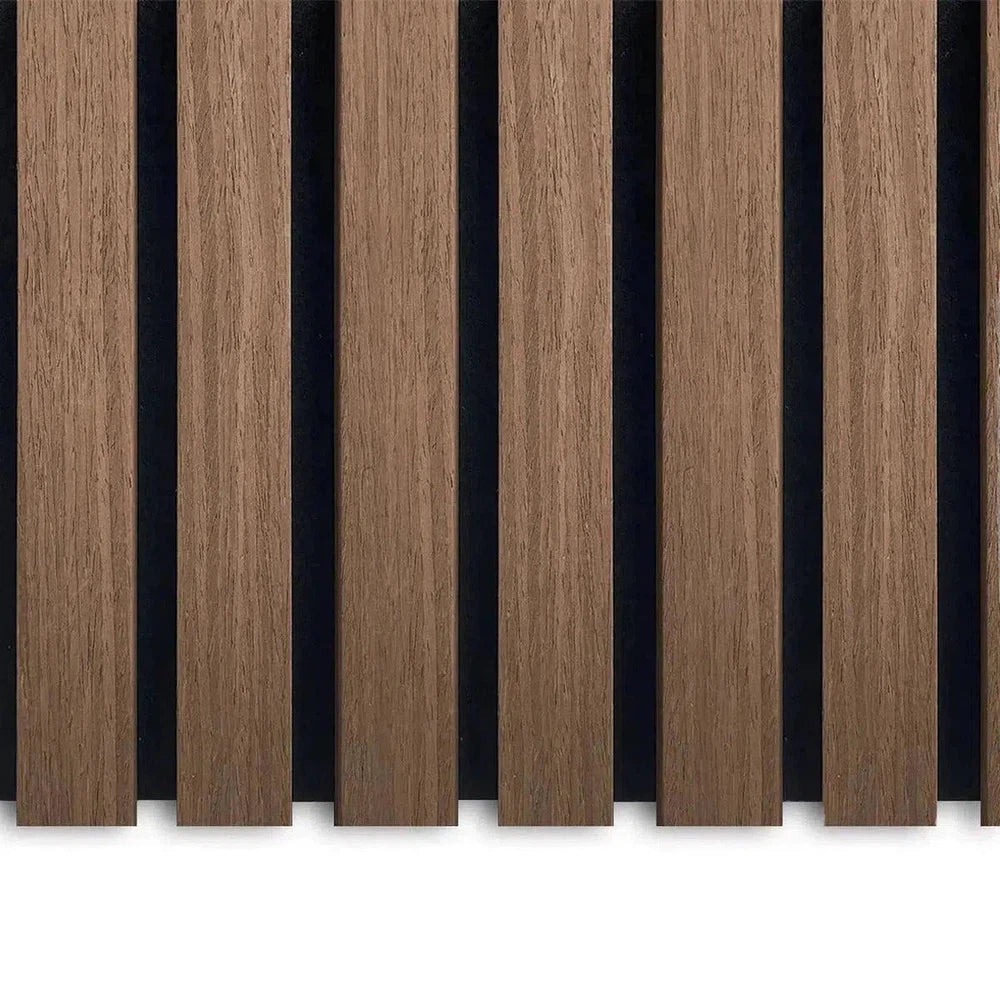
- Natural Oak wall panel with grey felt is the safe 2026 buy for open call centre floors - Buy.
- Hexagon acoustic panels at 81cm suit phone booths and breakout pods, not full floor runs - Consider, not Buy.
- Grey Oak wall panel matches most corporate colour schemes without repainting - Buy.
- Skip decorative panels with no felt layer on a live call floor; they look right but absorb nothing.
Why this matters
A call centre floor with 40 to 100 agents on headsets generates constant mid-to-high frequency chatter, and hard surfaces bounce that sound straight back into the room. Agents raise their voices to compensate, which raises the noise floor further, and by mid-shift the whole room is louder than it needs to be. This is a physical acoustics problem, not a discipline problem, and it gets solved with absorption, not with a memo about indoor voices.
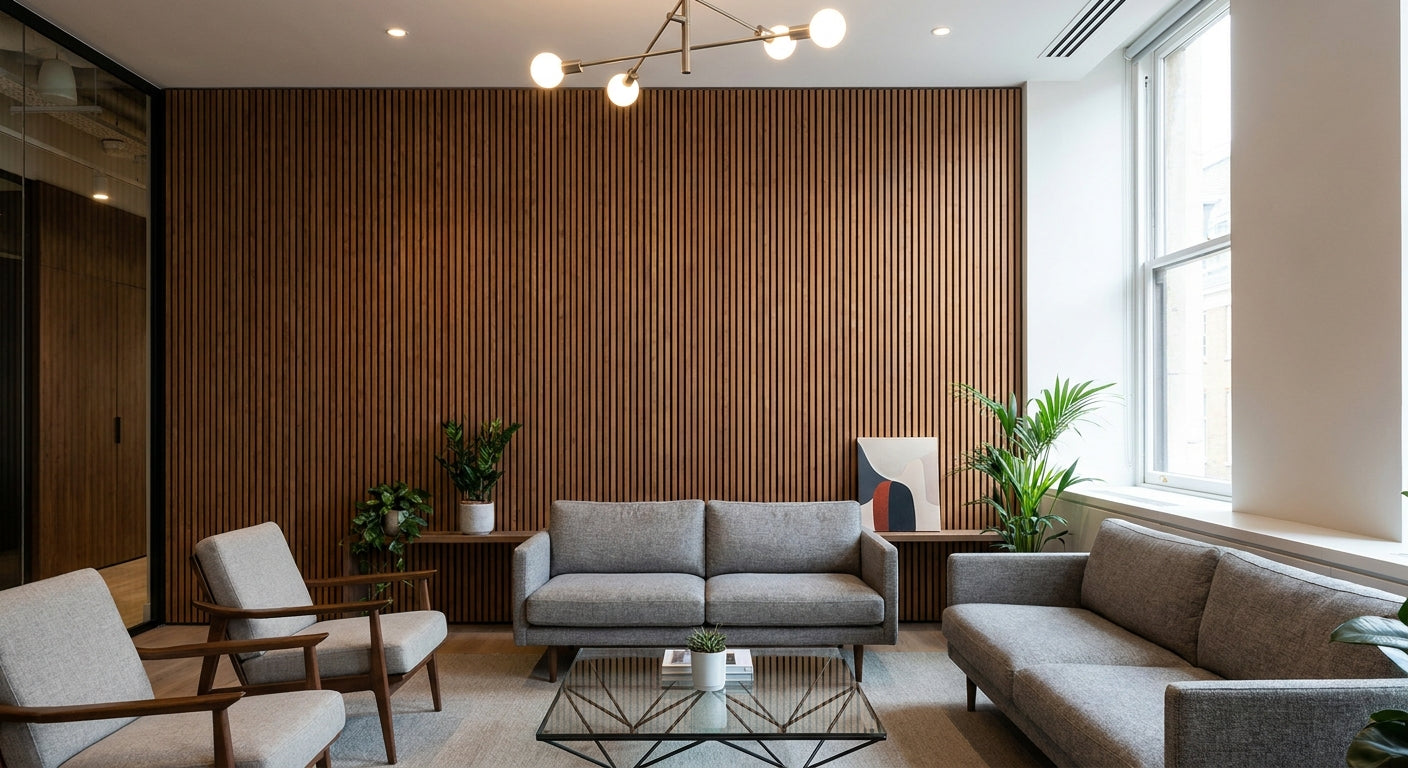
Wooden acoustic panels with a felt backing absorb sound at the wall instead of letting it bounce, which is exactly what open-plan offices need to fix an echo problem without covering every surface in foam. For a call centre specifically, the panels also need to survive continuous use, match a corporate finish, and go up fast because you rarely get to close a floor for a week.
Who this is for
This guide is for facilities managers, office fit-out contractors and call centre operations leads specifying acoustic treatment for an open floor, a bank of breakout pods, or a refurbishment of an existing centre. If you're managing a floor plate with 20 or more workstations and agent feedback already mentions noise or call clarity, this is your starting point.
What to look for in acoustic panels for call centres
NRC rating and felt backing
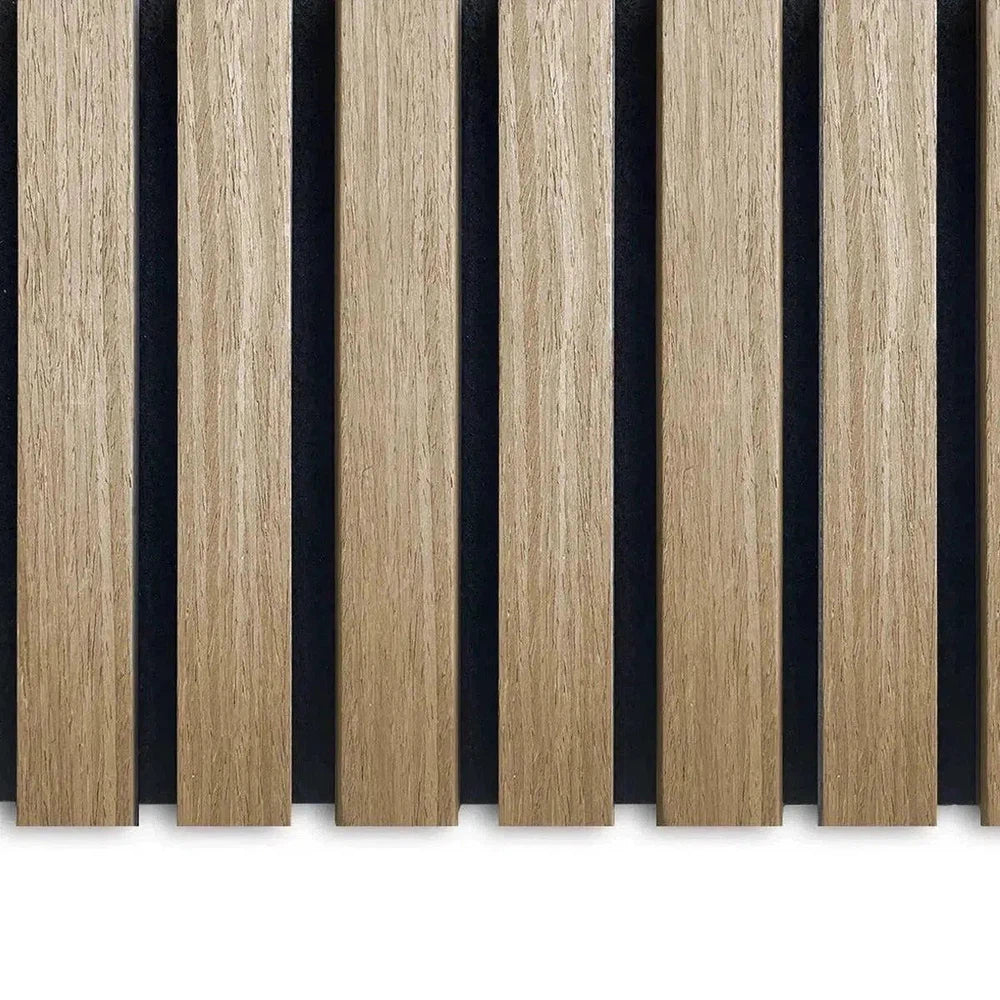
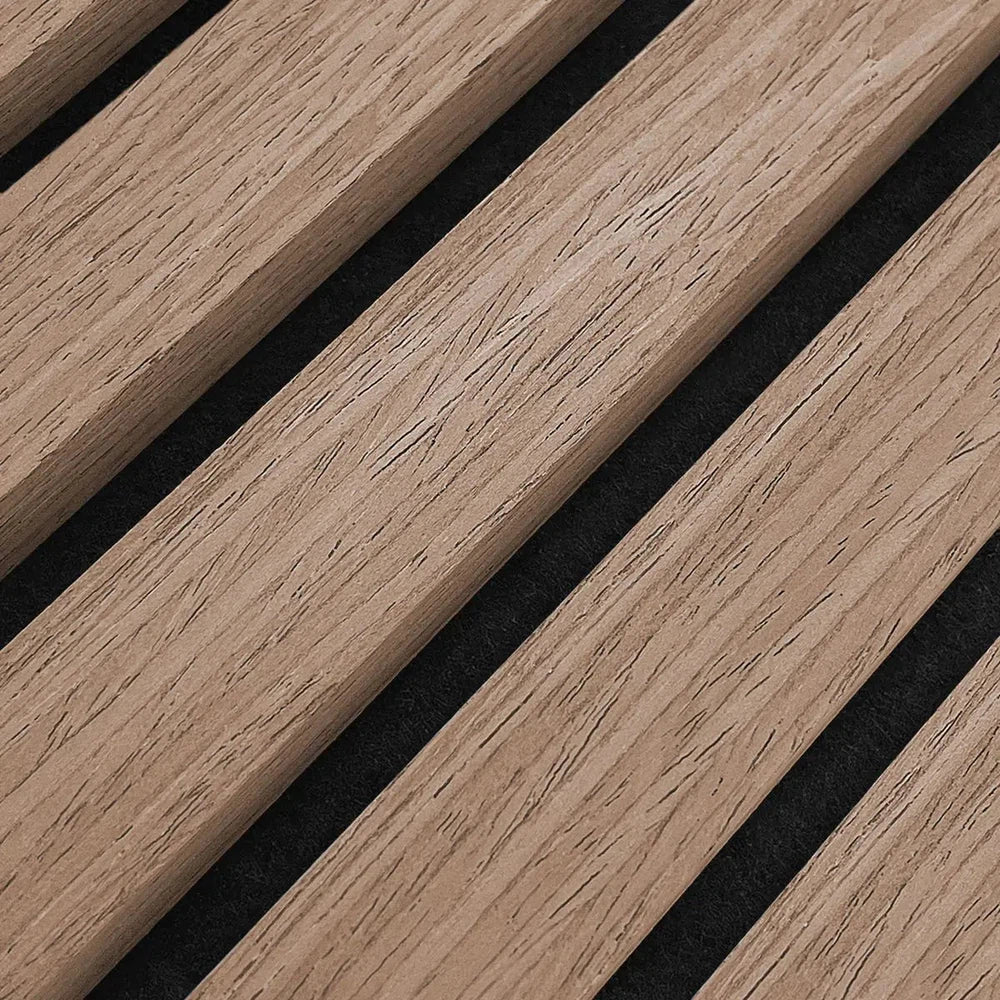
The Noise Reduction Coefficient tells you how much sound a panel absorbs versus reflects, and on a call centre floor this is the number that actually matters. Panels with a grey felt acoustic backing rated at NRC 0.75 pull far more sound out of the room than a solid veneer panel with no backing at all. Skip any panel marketed as "acoustic" that doesn't list a felt or fabric backing layer.
Panel size and coverage
Akuwood Panel wooden wall panels come in 240 cm and 300 cm formats, and on a large call centre floor the taller 300 cm format means fewer horizontal seams on floor-to-ceiling runs. Fewer seams means less labour per linear metre and a cleaner sightline down a long row of desks.
Durability under continuous foot traffic
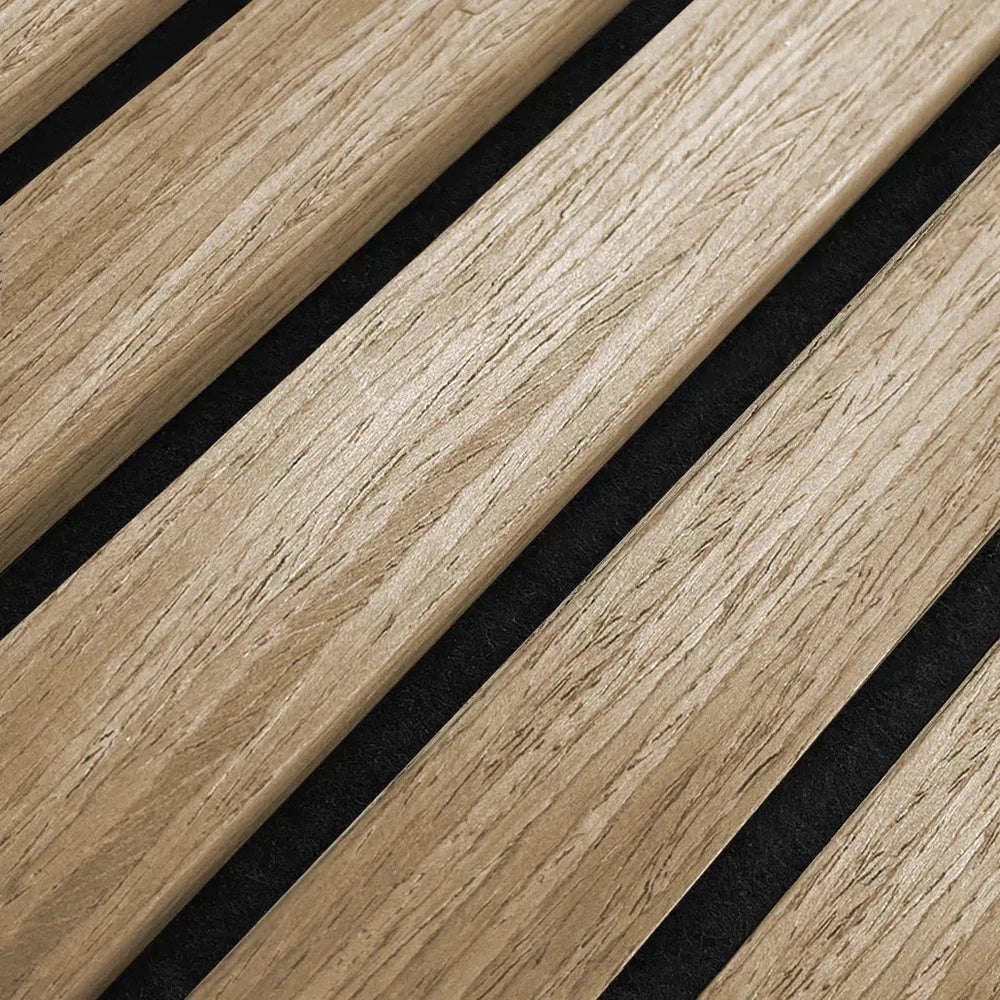
Call centre floors run shifts back to back, often with cleaning crews and IT carts moving through corridors daily. A 3-sided real wood veneer finish holds up to that traffic far better than painted MDF, which chips and scuffs within a year in a high-throughput space.
Installation speed around live shifts
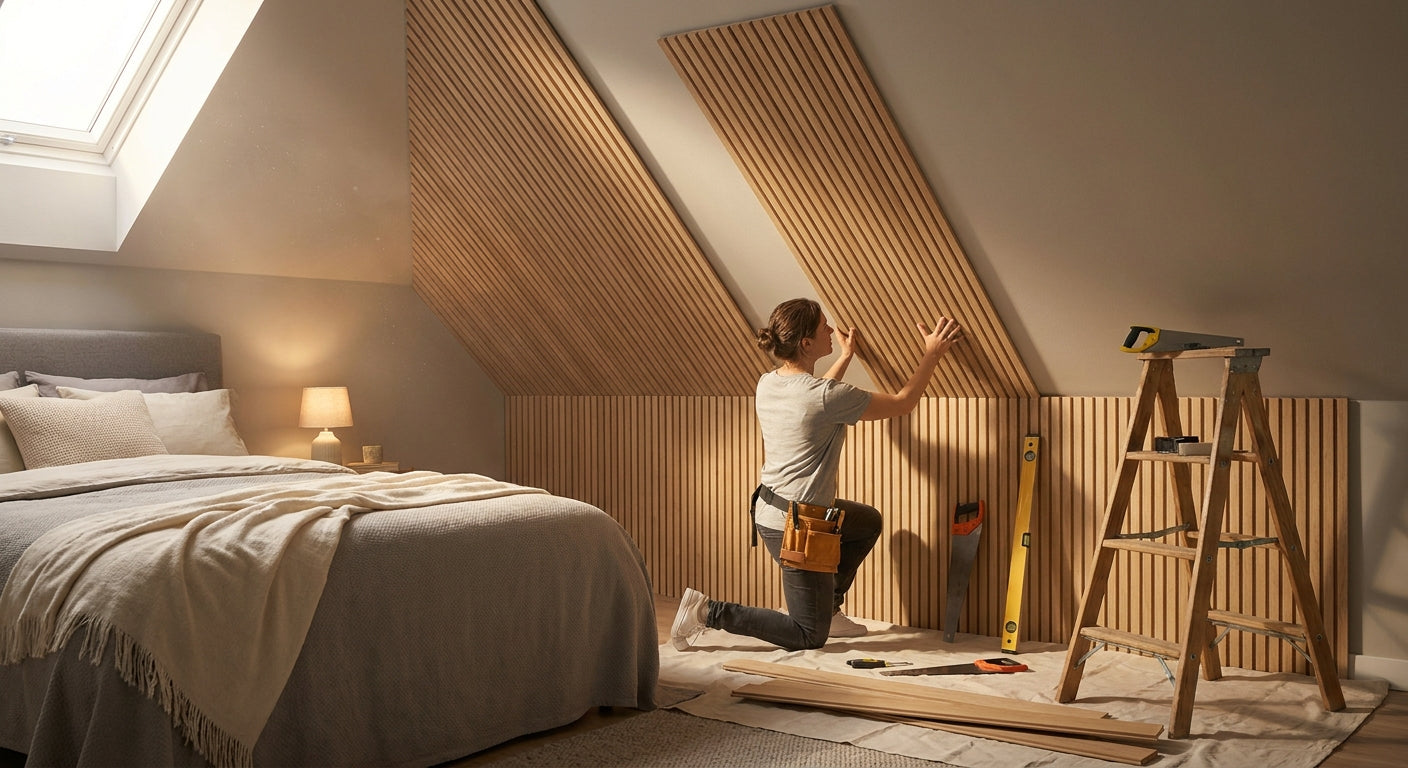
You rarely get to shut a call floor down for a full week. Panels that click or glue into place with minimal wet trades let a contractor work zone by zone on evenings or weekends without disrupting the rota.
Finish consistency across large runs
A 60-desk floor needs the same wood tone from the reception wall to the back corridor. Ordering a sample of the exact finish before a bulk order avoids a mismatched batch showing up two months into a rollout.
Colour and light for a professional look
Call centres are usually lit with continuous overhead fluorescents or LED panels, and darker finishes like Black Oak can read as heavy under that light across a large floor plate. Lighter tones like Natural Oak or Grey Oak keep the space feeling open even at scale.
Top picks for call centre floors
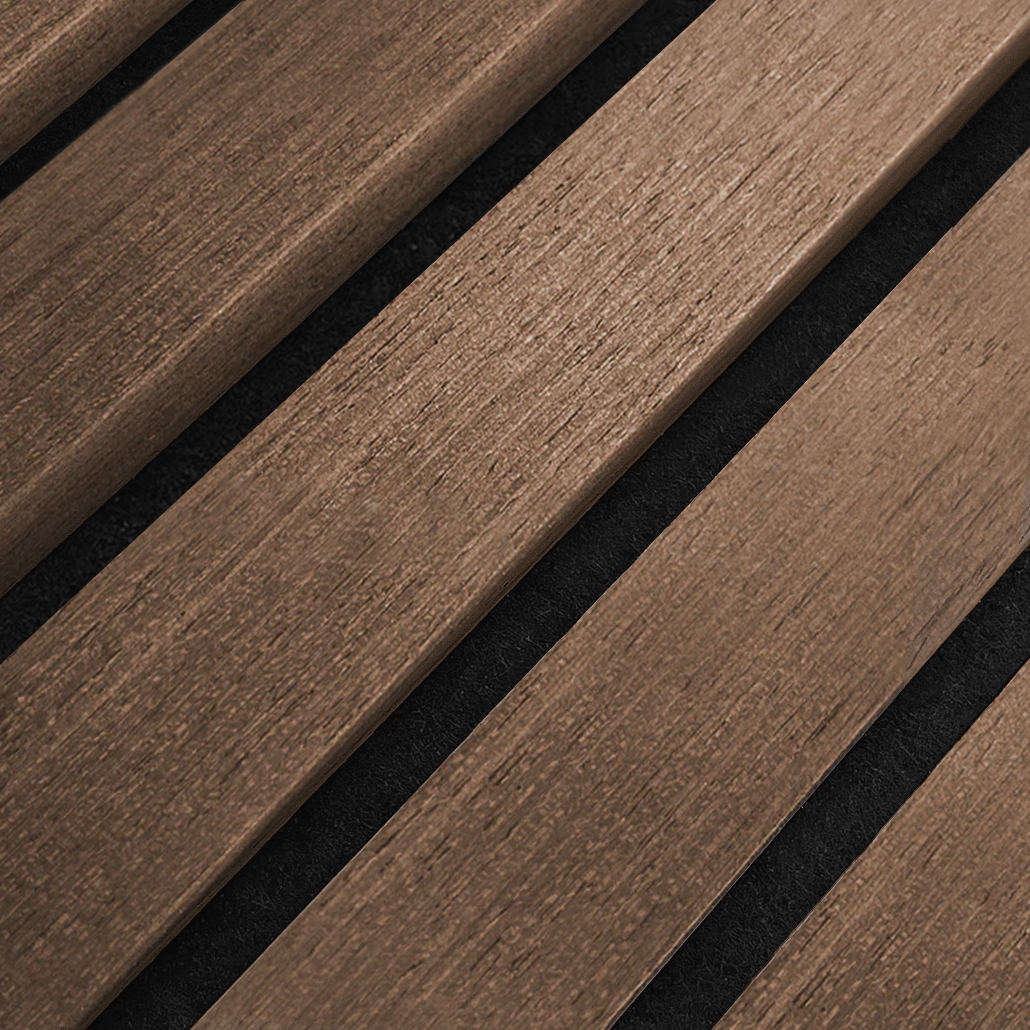
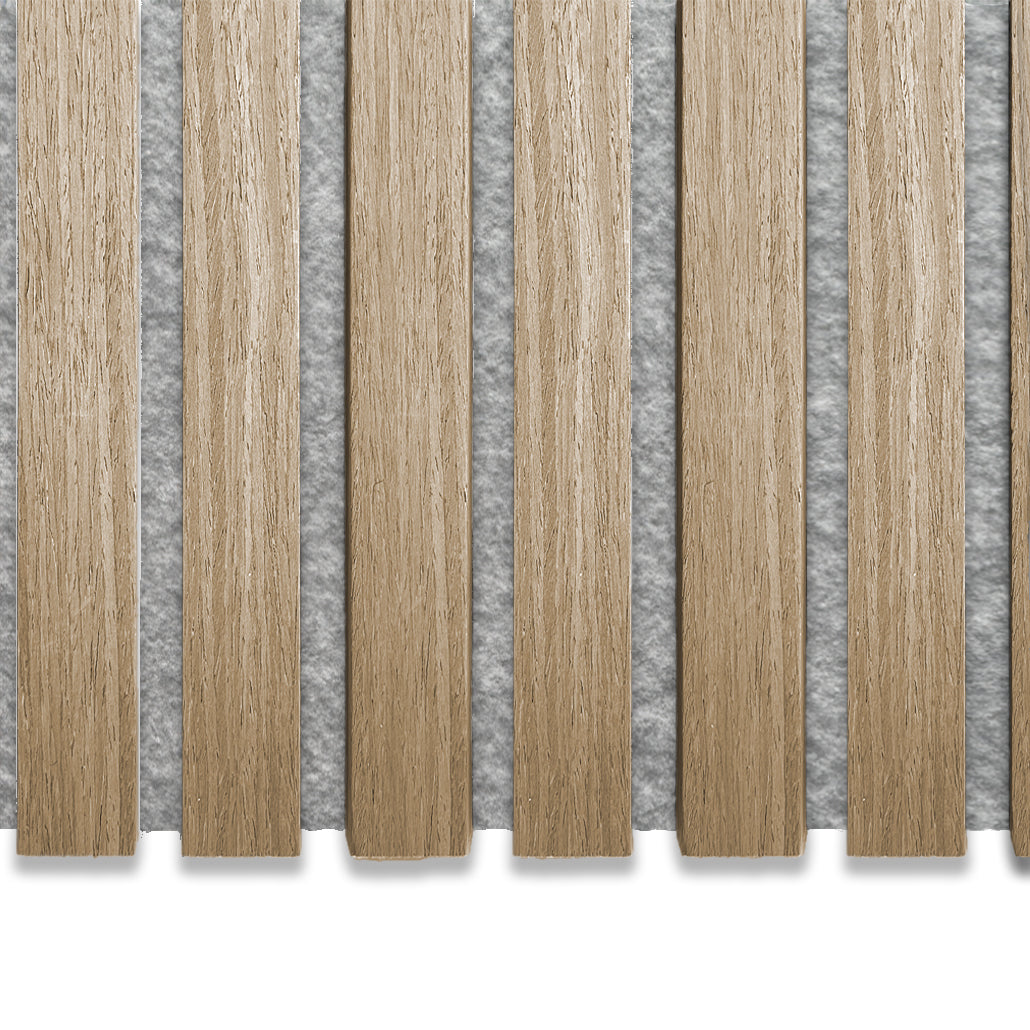
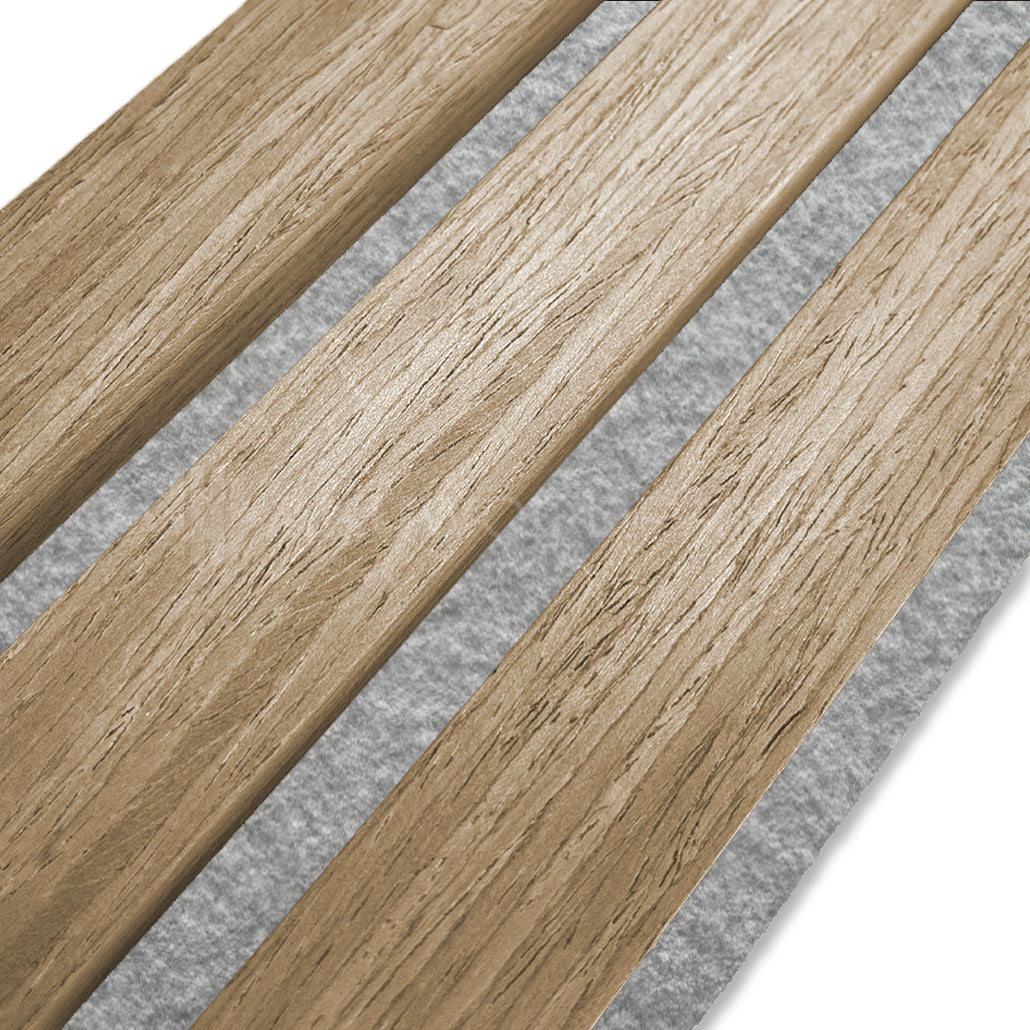
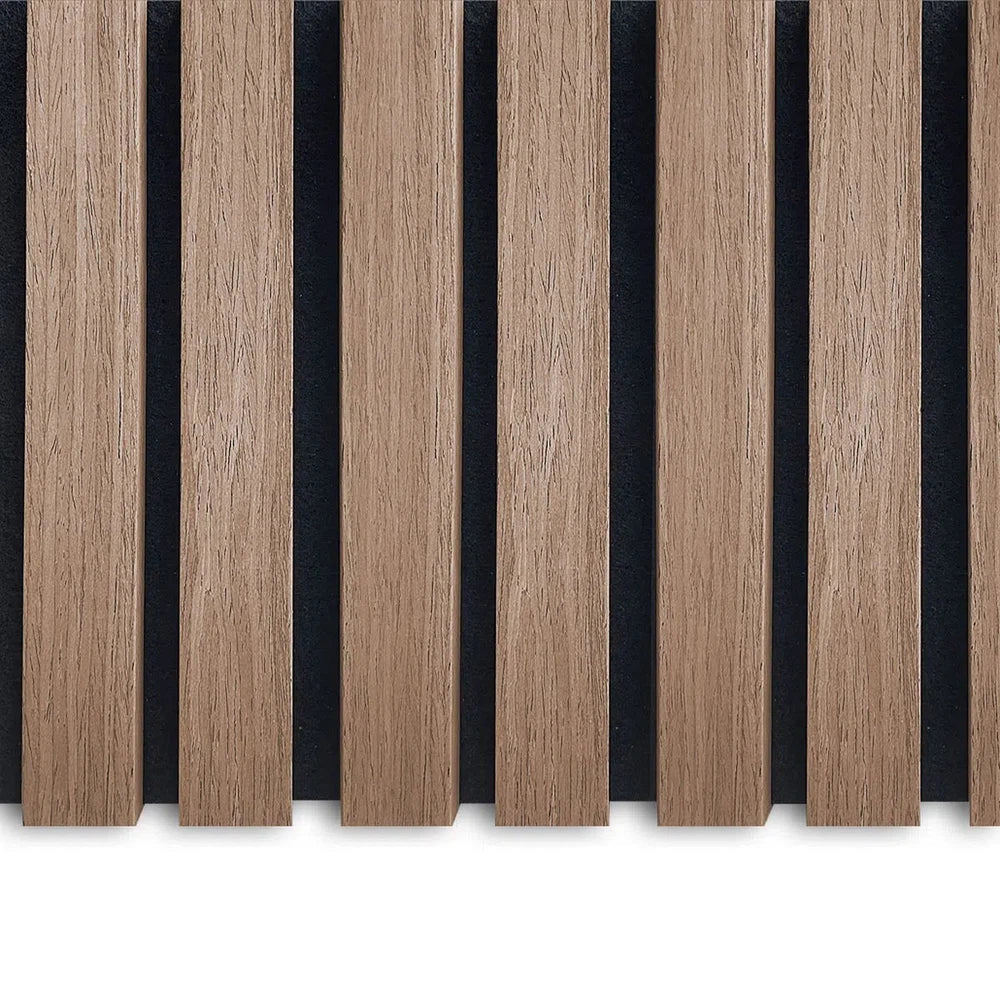
Natural Oak panel with grey felt backing - the acoustic specialist. NRC 0.75, real wood veneer, and the grey felt backing does the actual absorption work rather than just looking the part. This is the Natural Oak panel with grey felt backing and it's the pick for the bulk of an open floor run. Buy.
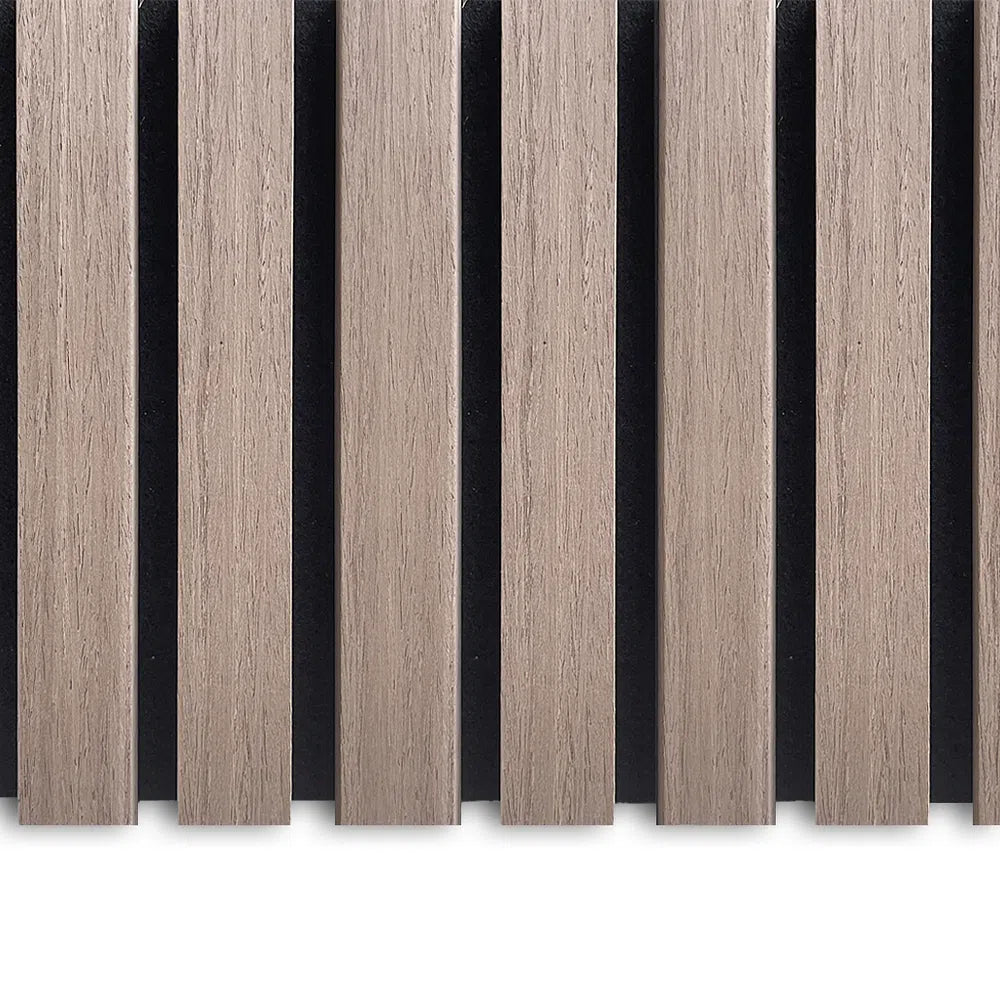
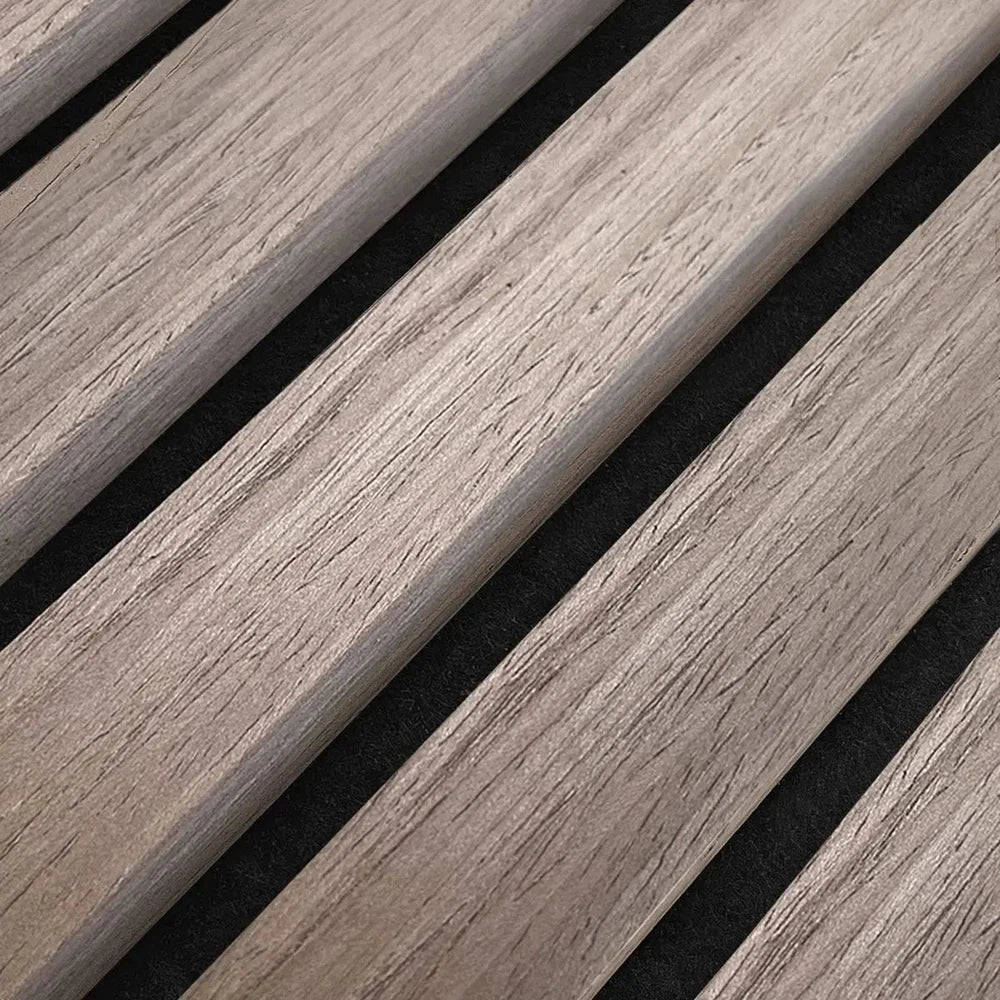
Grey Oak wall panel - the safe pick. Matches most corporate greys and neutrals already in a fit-out without a repaint, and works well behind reception desks and team-lead pods. This is the Grey Oak wall panel. Buy.
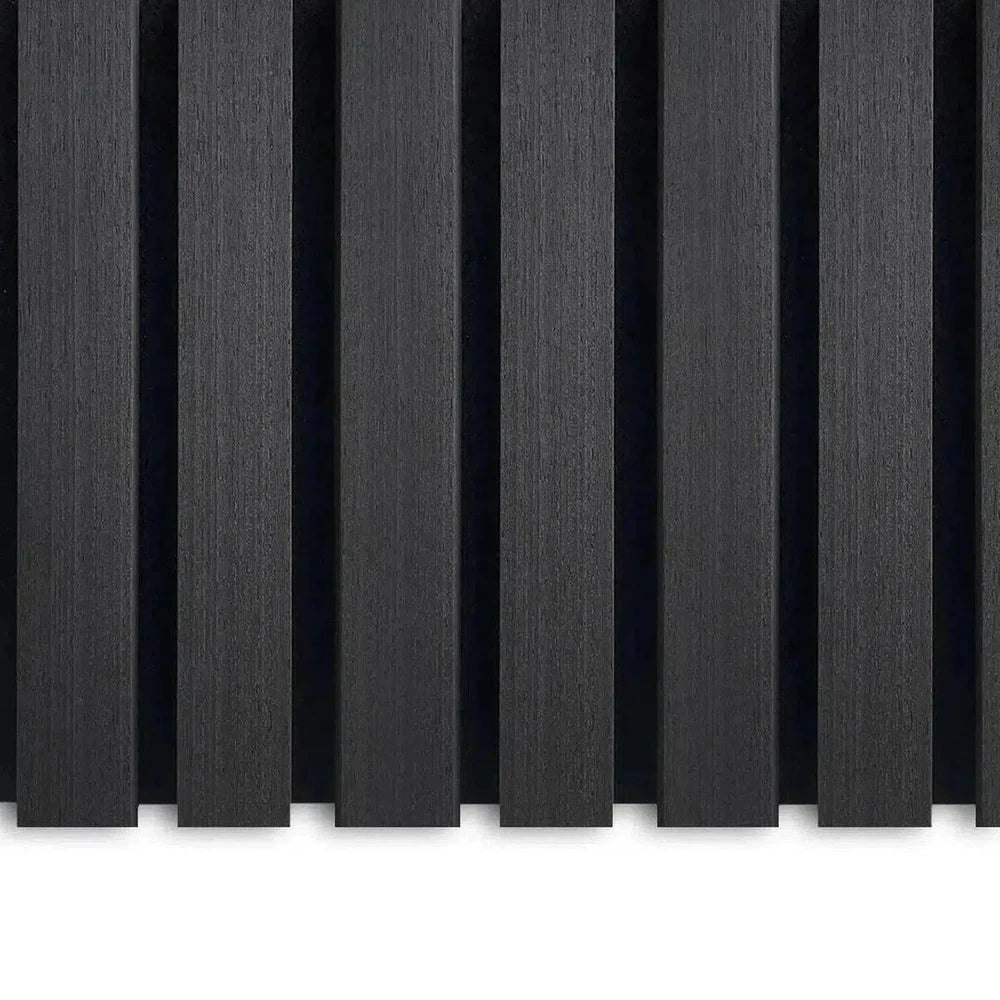
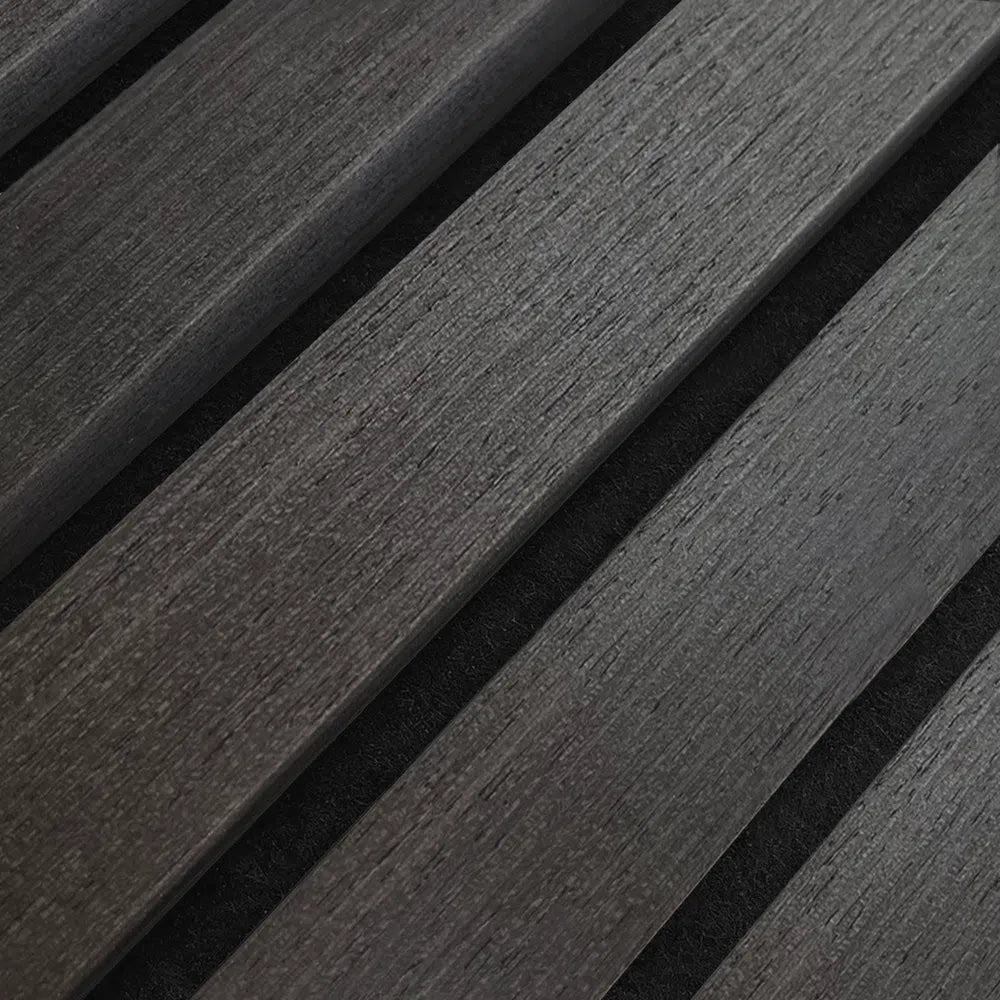
Black Oak wall panel - the statement pick, best reserved for a reception feature wall or a single accent zone rather than the whole floor, since a dark finish across 100 linear metres reads heavy under fluorescent lighting. Consider.
Hexagon acoustic panels (81 cm, grey felt) - the pod pick. Same NRC 0.75 backing in a smaller geometric format, better suited to phone booths, huddle rooms and breakout corners than a full open floor. Consider for pods, Skip for main floor coverage.
Walnut wall panel - a strong finish for a boutique reception or executive area, but the darker grain and premium positioning don't earn their keep on a 60-desk operational floor where budget per linear metre matters more than statement design. Skip for main floor runs.


What to avoid
- Decorative panels with no felt backing. A 3D wood-grain panel can look identical to an acoustic one in a product photo, but without a felt or fabric layer it reflects sound instead of absorbing it.
- Mixing 240 cm and 300 cm formats on the same wall run without a floor plan calculation first. You'll end up with mismatched seam lines and wasted offcuts.
- Choosing a finish purely on a swatch under office lighting. A sample piece under call floor fluorescents can look noticeably darker or cooler than the swatch photo suggests, which is why ordering a physical sample before a bulk order matters more on a 60-desk job than a single home wall.
“If a hexagon panel doesn't carry a felt backing, it's decoration, not acoustics.”
Verdict comparison
| Panel | NRC / backing | Best zone | Verdict |
|---|---|---|---|
| Natural Oak with grey felt | 0.75, felt-backed | Open floor, main run | Buy |
| Grey Oak wall panel | Standard veneer | Reception, team-lead pods | Buy |
| Black Oak wall panel | Standard veneer | Feature wall, single accent | Consider |
| Hexagon (grey felt), 81 cm | 0.75, felt-backed | Phone booths, breakout pods | Consider |
| Walnut wall panel | Standard veneer | Executive area, boutique reception | Skip for main floor |
FAQ
What are the best acoustic panels for call centres in 2026?
Felt-backed wood veneer panels with an NRC around 0.75 are the strongest option for 2026 call centre floors. The Natural Oak panel with grey felt backing covers the widest range of corporate colour schemes while doing the actual sound absorption work.
Is 240 cm or 300 cm better for a call centre floor?
300 cm panels reduce the number of horizontal seams on floor-to-ceiling runs, which matters most on tall open-plan walls. 240 cm suits standard ceiling heights and smaller partition sections around desks.
How much does an acoustic wood panel cost per unit in 2026?
Hexagon acoustic panels list at £40.95 per 81 cm unit as of 2026. Full wall panel pricing varies by finish and format, so check current listings before budgeting a full floor rollout.
Do wooden acoustic panels actually reduce noise or just look like they do?
Only panels with a felt or fabric backing layer absorb sound; a solid veneer panel with no backing mostly reflects it. Look for a stated NRC rating rather than assuming any wood-finish panel is acoustic.
Are hexagon acoustic panels suitable for a full call centre floor?
Hexagon panels work well for phone booths, breakout pods and feature walls rather than full floor coverage. Standard 240 cm or 300 cm wall panels cover large open runs more efficiently per linear metre.
Can acoustic wood panels be installed without closing a call floor?
Yes, panels can go up zone by zone during evenings or quieter shift windows without shutting the whole floor. Planning the install in sections around the rota avoids disrupting live call handling.
Should I order a sample before buying acoustic panels for a large floor?
Yes, ordering a physical sample before a bulk order is standard practice for large runs, since finish tone can look different under call floor fluorescent lighting than in a product photo.
What colour acoustic panel works best under office fluorescent lighting?
Lighter finishes like Natural Oak or Grey Oak read as open and neutral under continuous fluorescent lighting across a large floor plate. Darker finishes like Black Oak or Walnut work better reserved for a single accent wall.
One last thing
Most call centre acoustic problems don't come from a lack of panels, they come from panels going up in the wrong zone. A reception feature wall in Black Oak looks sharp on day one, but if the actual noise complaint is coming from the open bank of 40 desks behind it, that feature wall did nothing for the problem it was bought to solve. Treat the loudest zone first, then extend outward.