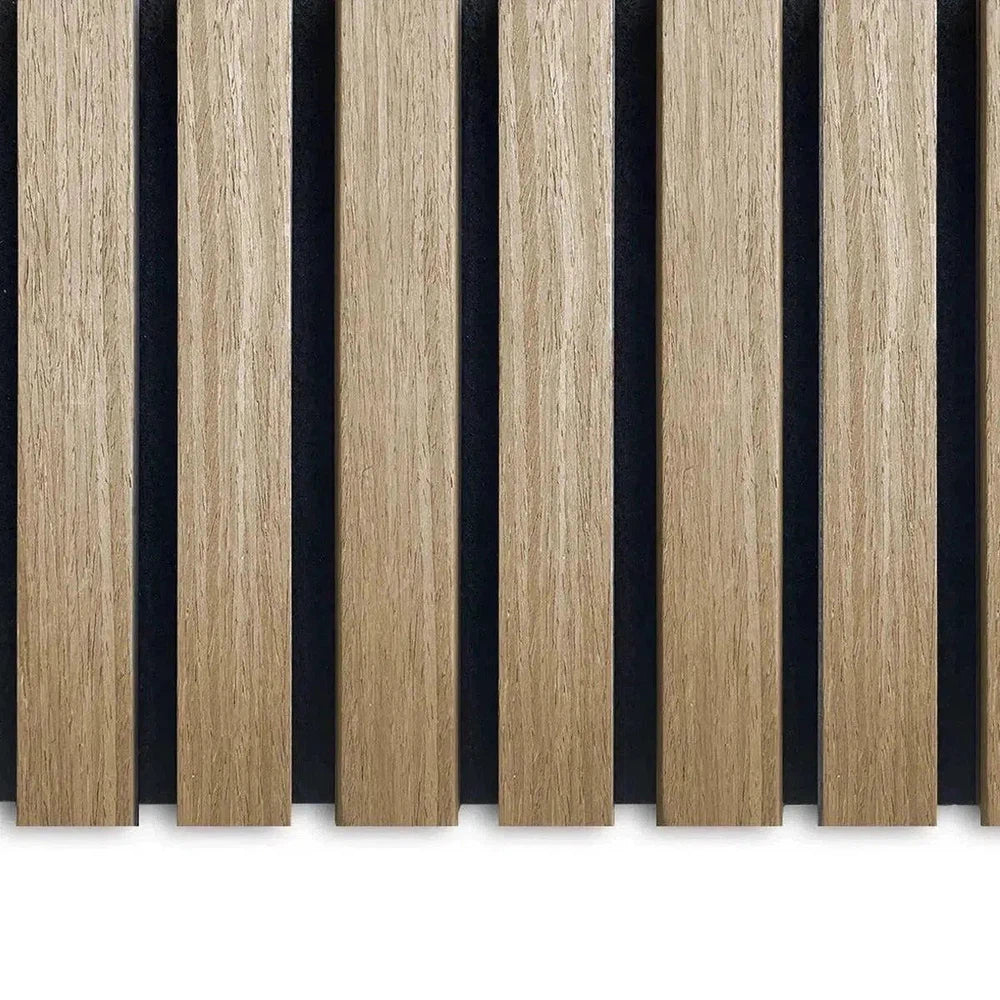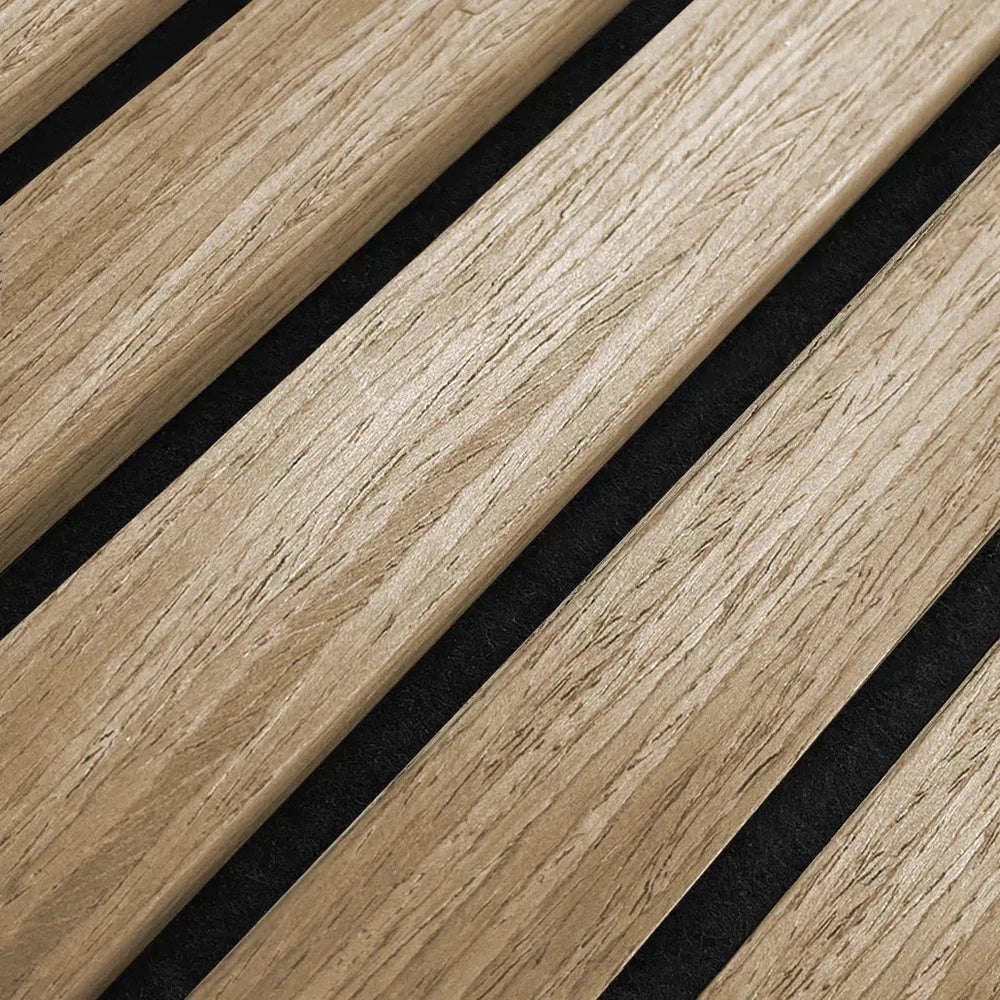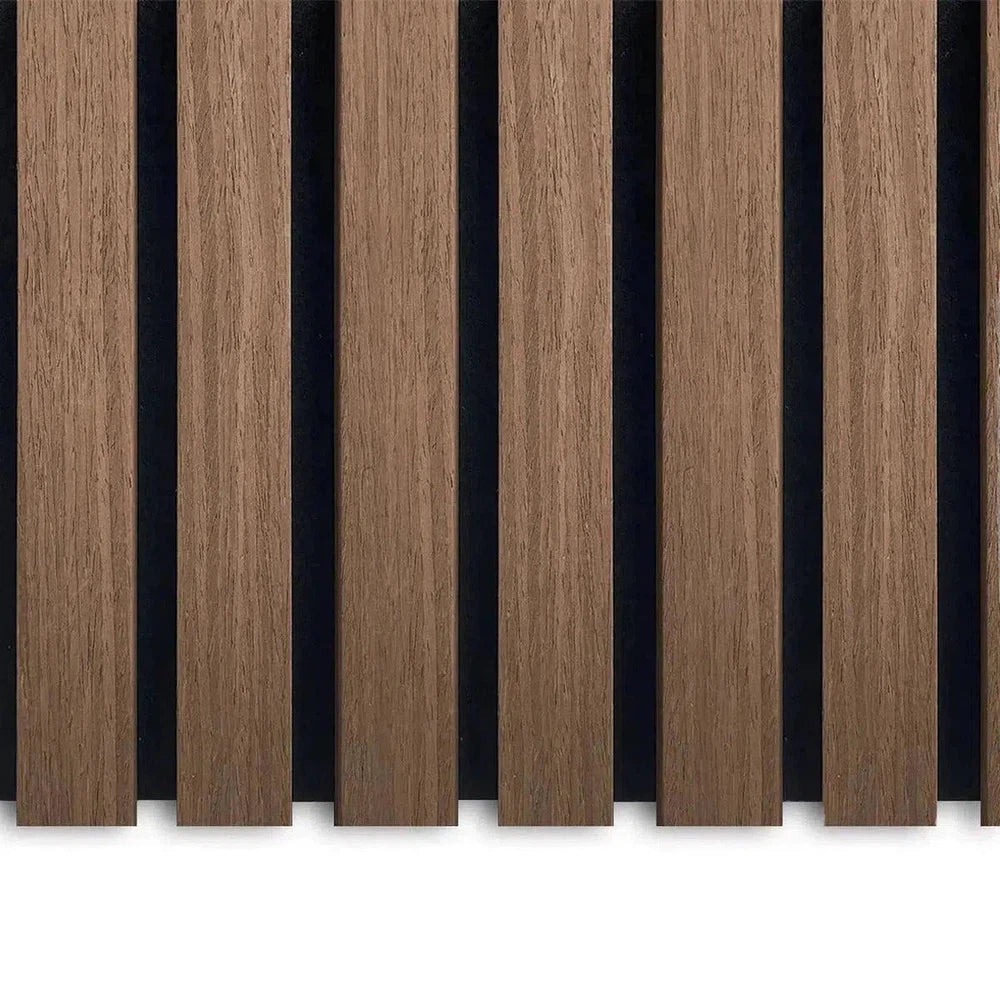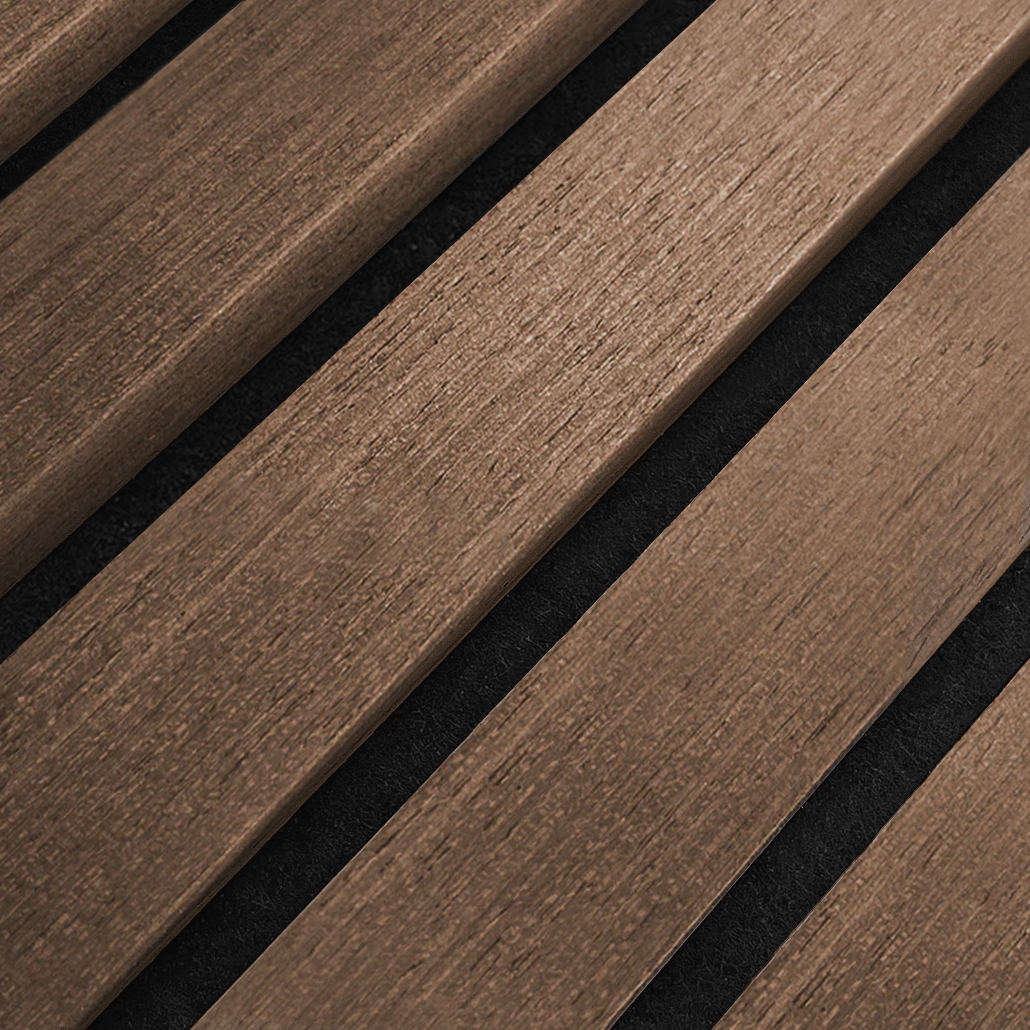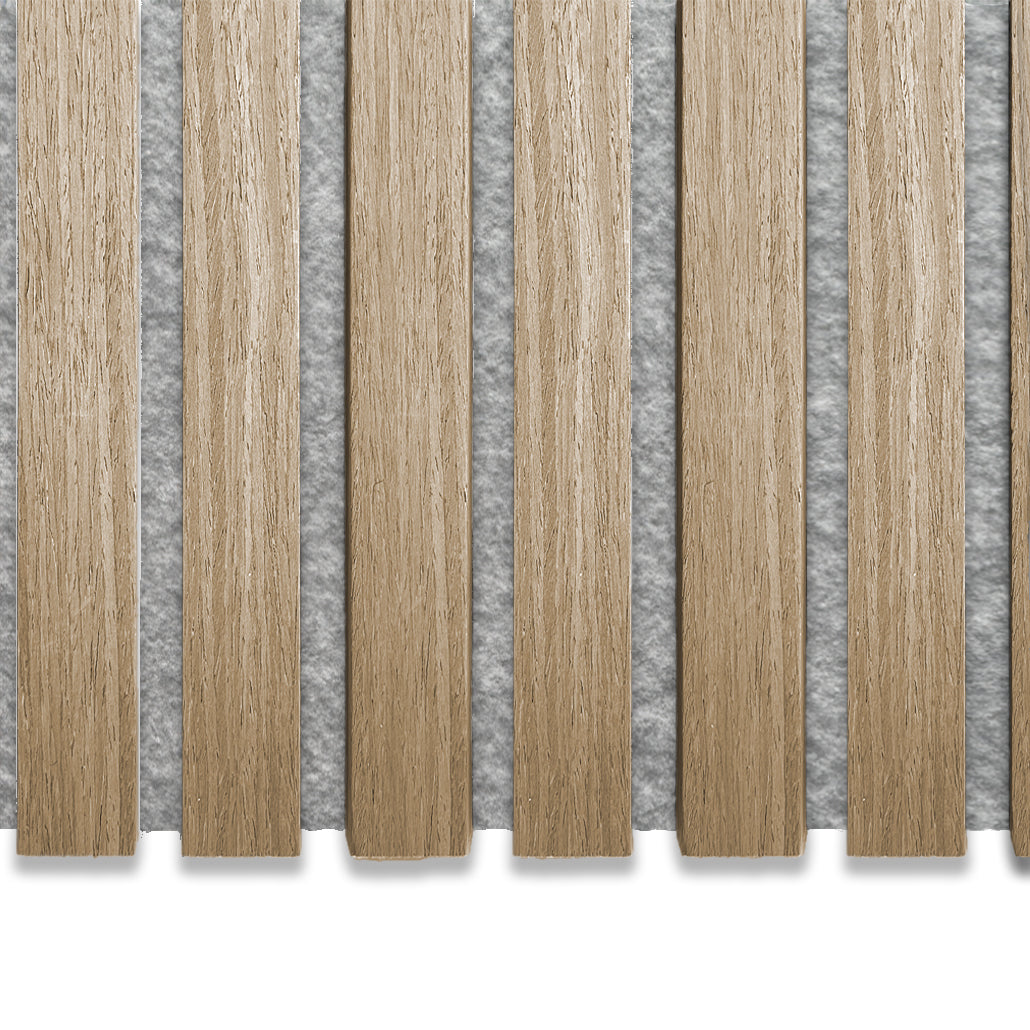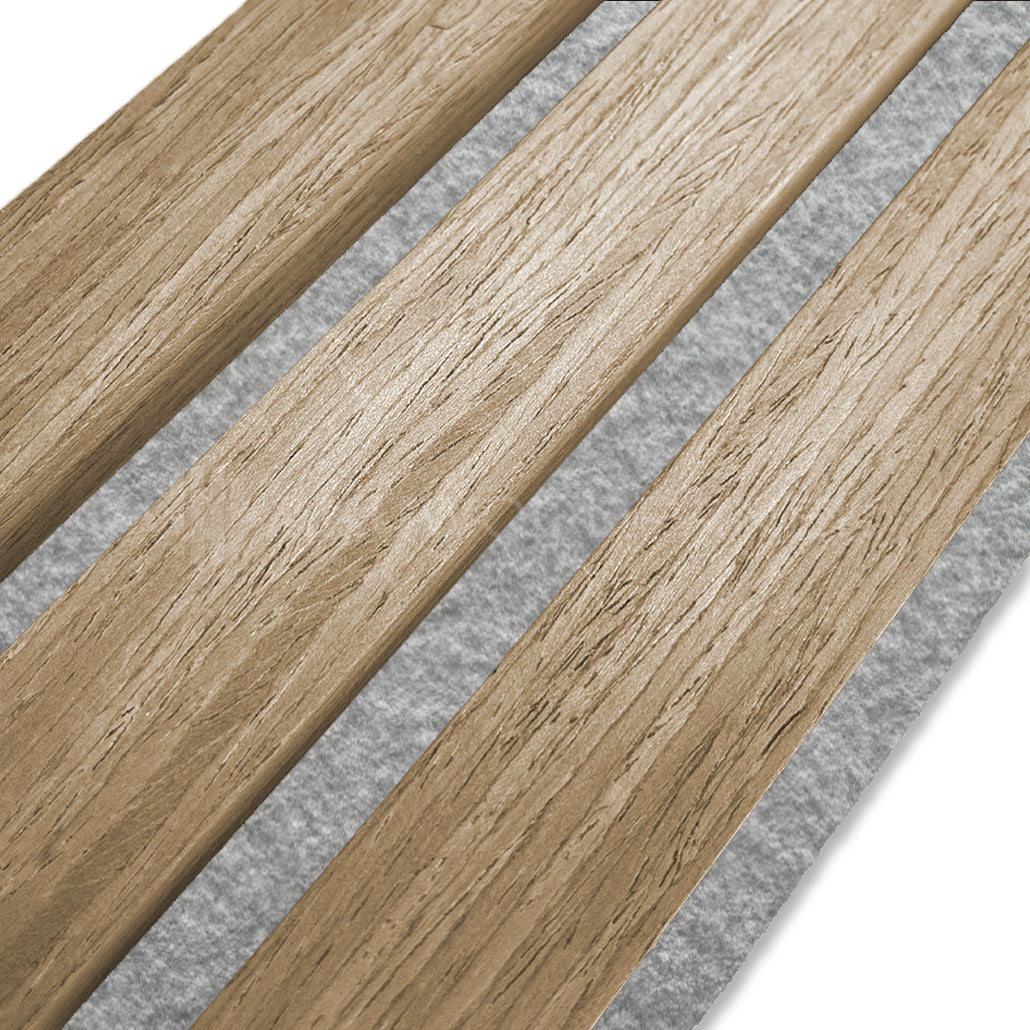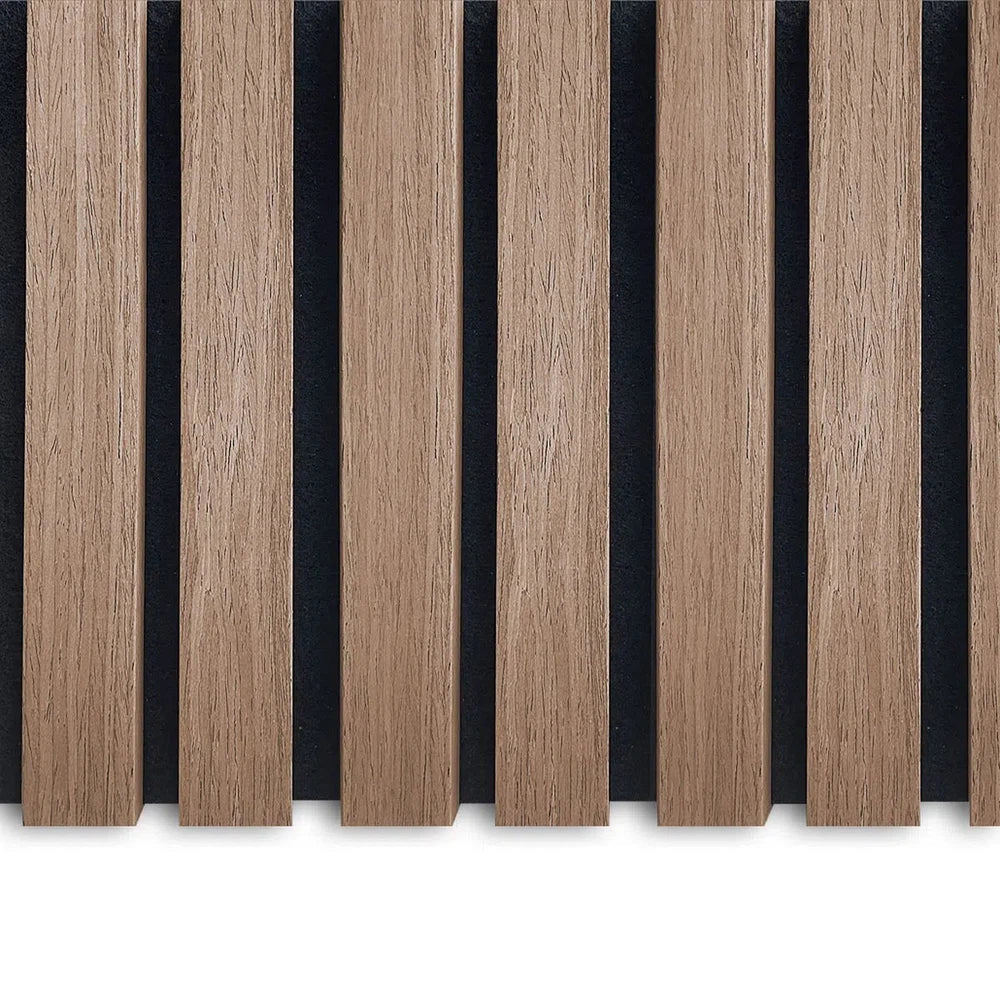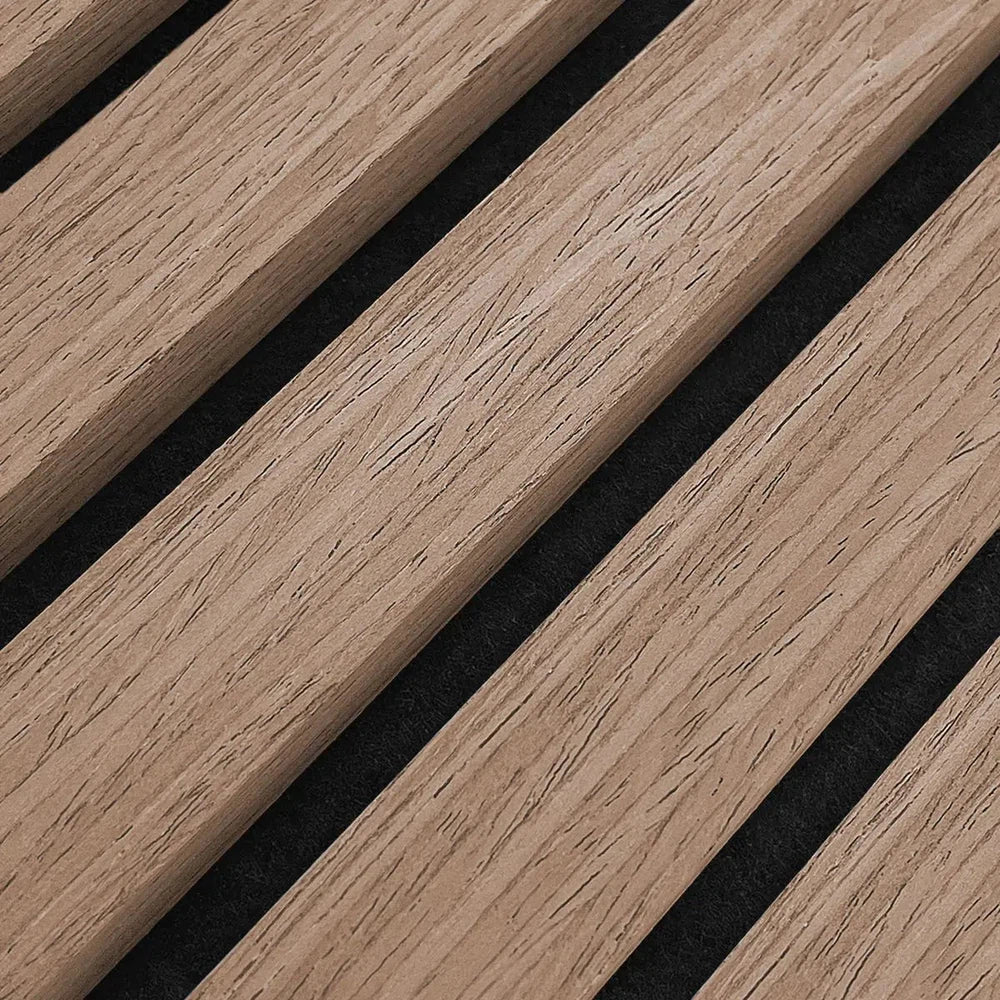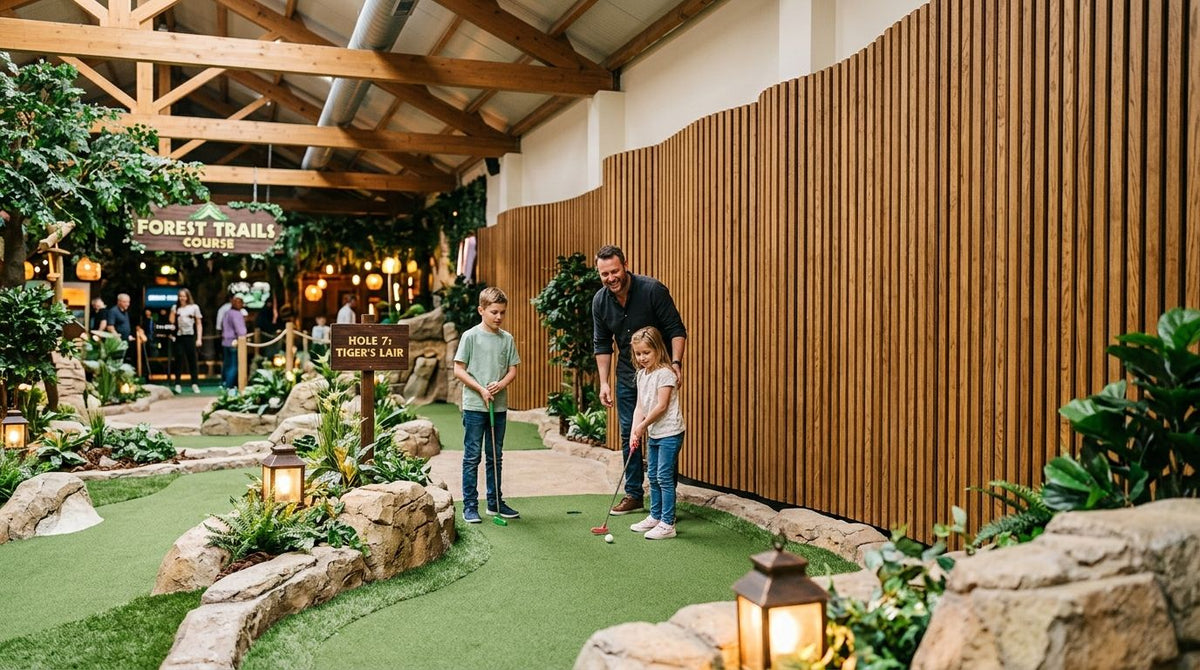
Adventure golf acoustic panels are wood-faced acoustic wall panels fitted across indoor mini-golf and crazy golf courses to cut ball-strike echo and keep group conversation clear between holes. Indoor adventure golf venues combine concrete floors, glazed entrance frontages, and double-height ceilings — the exact combination that turns a busy Saturday session into a wall of noise no PA system can beat.
- Adventure golf acoustic panels with an NRC 0.75 felt backing cut hole-to-hole echo across concrete-floored courses.
- Akustiq UK hexagon acoustic panels suit obstacle walls and queue zones — fit the loudest holes first.
- Exterior wall cladding panels extend the same treatment to covered outdoor holes and entrance canopies.
- Foam panels absorb sound cheaply but tear apart under repeated ball and putter impact.
- Budget coverage hole-by-hole in 2026 rather than trying to panel the whole venue in one pass.
Why acoustic wood panels matter for indoor adventure golf
Indoor adventure golf halls are built for volume, not sound control. Concrete or resin floors, painted block walls, and glazed frontages reflect sound instead of absorbing it, so every putter strike, cheer, and PA announcement bounces from hole to hole rather than dying out.
Add four to six players per hole, background music, and a bar or café zone sharing the same air, and reverberation compounds fast across a full session. Staff repeat safety briefings several times a shift because guests can't hear over the room. Families cut sessions short when a group two holes away is drowning out their own conversation.
None of this shows up on a fit-out spec sheet until the first packed weekend of 2026 hits and the noise complaints start. Acoustic wood panels — real veneer over a felt acoustic backing — absorb sound at the surfaces doing the most damage: obstacle walls, queue corridors, and the perimeter around water features.
Fit acoustic panels for adventure golf in six steps
Map the loudest holes in your course
Walk the course during a genuinely busy hour, not a quiet Tuesday morning, and note where noise actually builds.
- Flag holes near water features, ball-drop chutes, or metal obstacles — these amplify impact noise
- Mark hard, flat walls facing each other, since parallel surfaces bounce sound back and forth
- Note the queue corridor and any waiting area where groups bunch up
- Time how long a shout takes to fade near the entrance versus mid-course
- Rank holes by group density rather than by square footage alone
Separate structural walls from décor walls
Before ordering anything, work out which walls carry services or fixings and which are free for a full acoustic treatment.
- Check for conduit, sprinkler pipework, or signage brackets on candidate walls
- Confirm ceiling height at each wall — double-height sections need a different plan than standard 2.4m walls
- Note which walls are visible from the entrance and double as branding backdrops
- Identify walls near water hazards that need moisture-tolerant materials
Fit acoustic wood panels on obstacle and queue walls
This is where a hexagon acoustic panel in walnut earns its place — the panel's felt backing carries an NRC rating of 0.75, and the hexagon format works around irregular obstacle shapes better than a straight rectangular slat run.
- Start with the wall directly behind the loudest hole identified in step one
- Cover queue corridors floor-to-ceiling where guests bunch and wait
- Use hexagon layouts around curved or angled obstacle walls where straight panels leave gaps
- Reserve one finish for feature walls near the entrance so it doubles as branding


Match panel finish to feature walls without losing durability
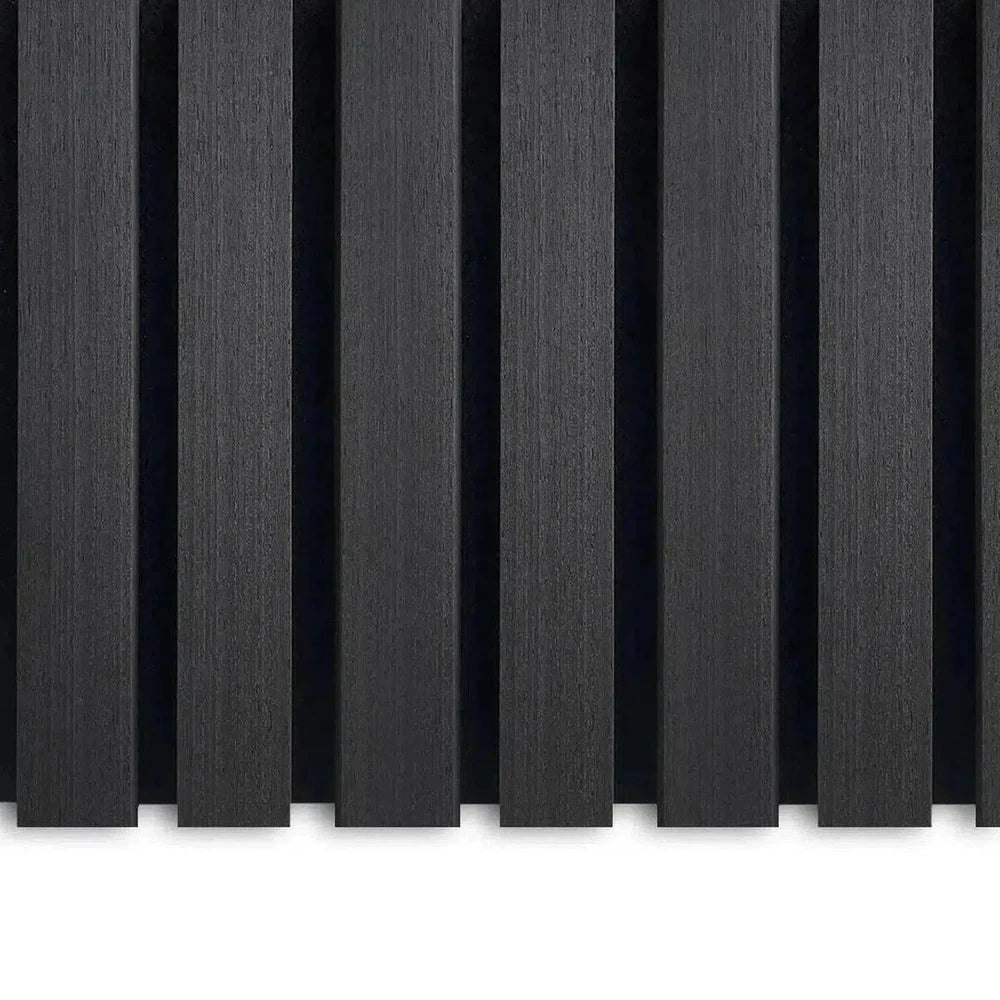
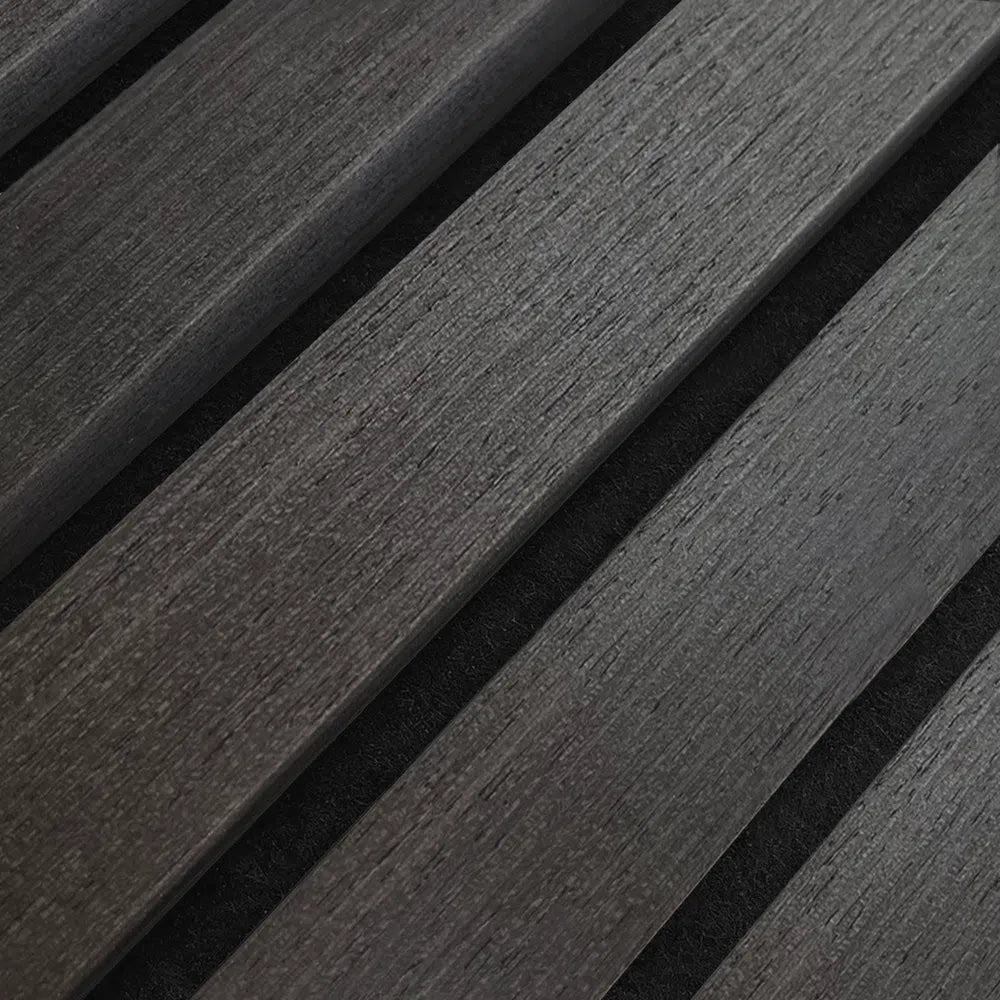
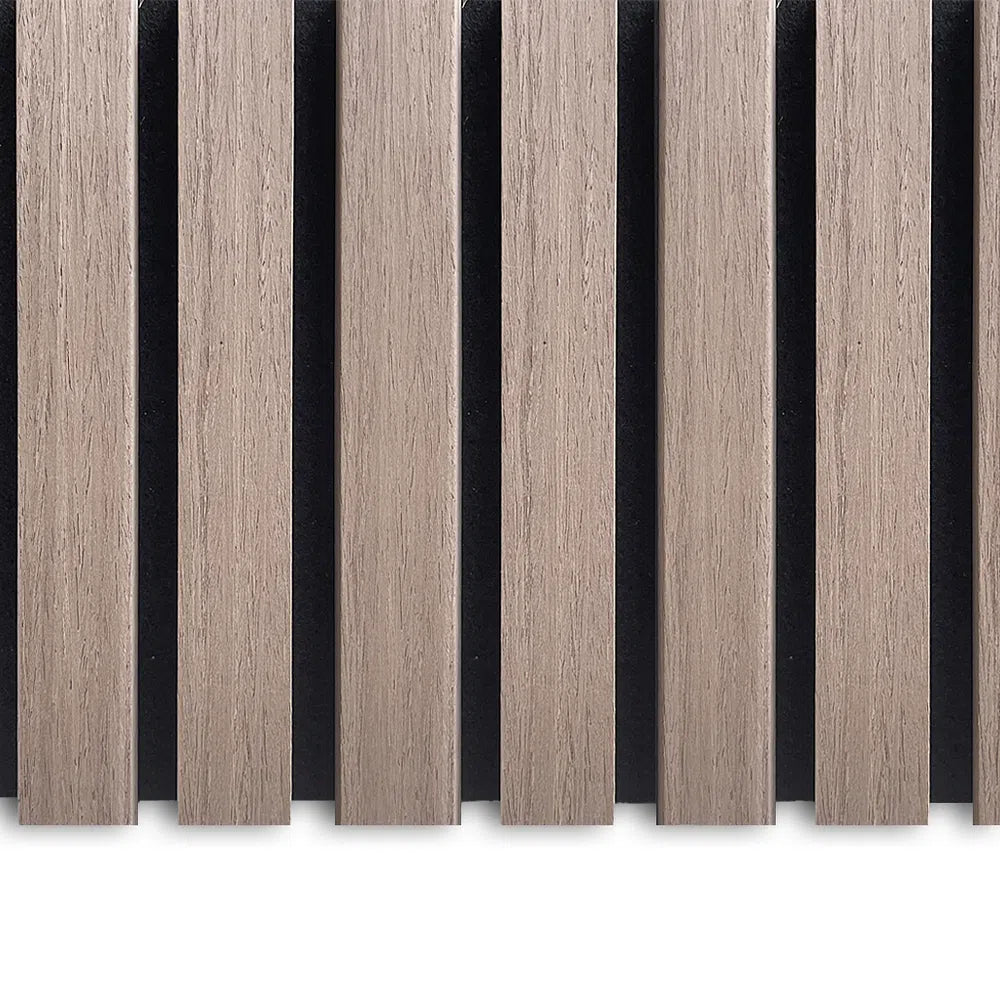
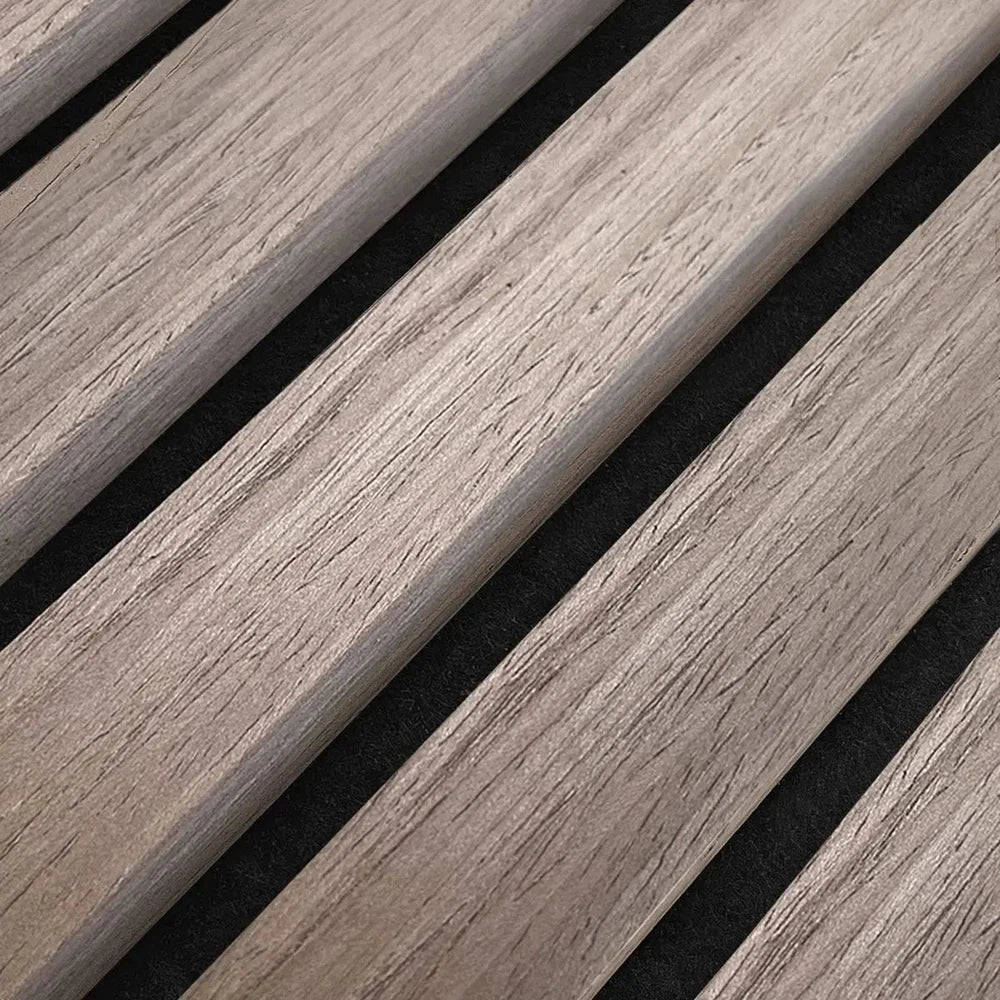
A course entrance or reception often needs a bolder look than a rear obstacle wall. A black oak wall panel works as a darker feature finish while keeping the same 3-sided veneer and felt backing as the lighter oak options, so acoustic performance doesn't drop just because the colour does.
- Pick one dark finish and one light finish, then keep the palette to two tones across the venue
- Use the darker finish where scuffing from bags, clubs, and pushchairs is most likely
- Keep panel orientation consistent — mixed horizontal and vertical runs read as unfinished, not deliberate
- Order a sample panel before committing a whole obstacle wall to one finish
Treat entrance, reception and covered outdoor holes
Glazed entrances and covered outdoor sections need attention too — noise carries straight through an open frontage into the first three holes. If the venue also runs golf simulator bays alongside the course, treat those separately since simulator rooms need their own golf simulator lounges approach.
- Panel the reception desk backdrop first — it's the first noise impression a guest gets
- Use black exterior wall cladding panel on covered outdoor holes exposed to weather, not indoor veneer panels
- Treat any glazed corridor connecting indoor and outdoor sections as its own zone
- Fit panels around till points and bar service areas where staff need to hear orders clearly
Budget and order coverage for a full-course rollout
Most venues can't panel every wall in one order. Phase the rollout starting with the highest-impact zones from step one.
- Order the loudest hole and the queue corridor first, then reassess noise before phase two
- Keep spare panels from the same batch for future repairs or extensions
- Fix panels with a dedicated panel adhesive rather than mixed fixings, so finish stays consistent
- Plan phase two around a quiet trading period so installation doesn't clash with peak sessions
Comparing acoustic treatment options for adventure golf venues
| Option | Best for | Key limitation | Verdict |
|---|---|---|---|
| Hexagon acoustic wood panels | Obstacle walls and irregular feature backdrops | Pattern layout takes longer to fit than flat runs | Buy |
| Standard rectangular acoustic wall panels (240/300cm) | Long straight queue and corridor walls | Less visual interest alone than a hexagon layout | Buy |
| Acoustic ceiling rafts/baffles | Double-height barn or warehouse conversions | Needs separate ceiling fixing, not part of the wall panel range | Hold |
| Exterior wall cladding panels | Covered outdoor holes and entrance canopies | Not built for indoor acoustic absorption | Buy for outdoor zones only |
| Foam acoustic panels (non-wood) | Quick, low-cost dampening in back-of-house areas | Tears and dents under repeated ball or club impact | Skip for public-facing walls |
Common mistakes adventure golf venues make
- Painting over the loudest wall instead of treating it. A fresh colour on a concrete or block wall changes nothing about how sound reflects off it.
- Panelling only the entrance and skipping obstacle walls. The entrance sets the first impression, but the holes where balls actually strike are where echo compounds through a session.
- Choosing foam panels for public areas. Foam absorbs sound cheaply but doesn't survive repeated impact from putters, balls, and pushchairs the way a veneer-and-felt panel does.
- Ignoring covered outdoor holes. Indoor acoustic panels aren't rated for weather exposure — outdoor sections need cladding built for it.
- Treating only the lower wall band. In a double-height course, upper reverberation carries straight over a low panel run and undoes most of the acoustic gain.
FAQ
What are adventure golf acoustic panels?
Adventure golf acoustic panels are wood-veneer wall panels with a felt acoustic backing, fitted to obstacle walls, queue corridors, and feature walls inside indoor mini-golf venues to cut echo and ball-strike noise.
Do acoustic wood panels actually reduce noise on a mini-golf course?
Yes — a felt-backed acoustic panel with an NRC rating of 0.75 absorbs the majority of the sound that hits it, rather than reflecting it back across the course the way a painted concrete wall does.
Are hexagon acoustic panels better than rectangular panels for adventure golf?
Hexagon panels suit obstacle walls and curved or angled sections where rectangular runs leave gaps. Standard rectangular panels still work better on long straight corridor and queue walls.
Can acoustic wall panels handle golf ball impact?
A 3-sided wood veneer panel with a felt backing holds up to repeated knocks far better than foam acoustic panels, which tear and dent under the same impact.
Do I need different panels for outdoor covered holes?
Yes. Indoor acoustic wood panels aren't weather-rated. Covered outdoor holes and entrance canopies need exterior wall cladding panels instead.
How much of the course should I panel first?
Start with the loudest hole, the ball-drop or water feature zones, and the queue corridor — these three areas generate the most reflected noise before any other wall gets treated.
Can acoustic panels double as branding at the entrance?
Yes — a darker finish like black oak works as a feature wall at reception while still delivering the same acoustic performance as lighter finishes elsewhere in the venue.
What holds acoustic wood panels to a wall?
A dedicated panel adhesive keeps the finish consistent across a full installation, which matters more on a venue-wide rollout than on a single feature wall.
One last thing
The hexagon panel format ships at 81cm across, which means a single obstacle wall rarely needs cutting to size — plan the layout around whole panels first and you'll cut your installation time for the 2026 season significantly. Most venues that panel only the entrance in year one come back for the obstacle walls in year two once the noise complaints keep coming from further down the course.