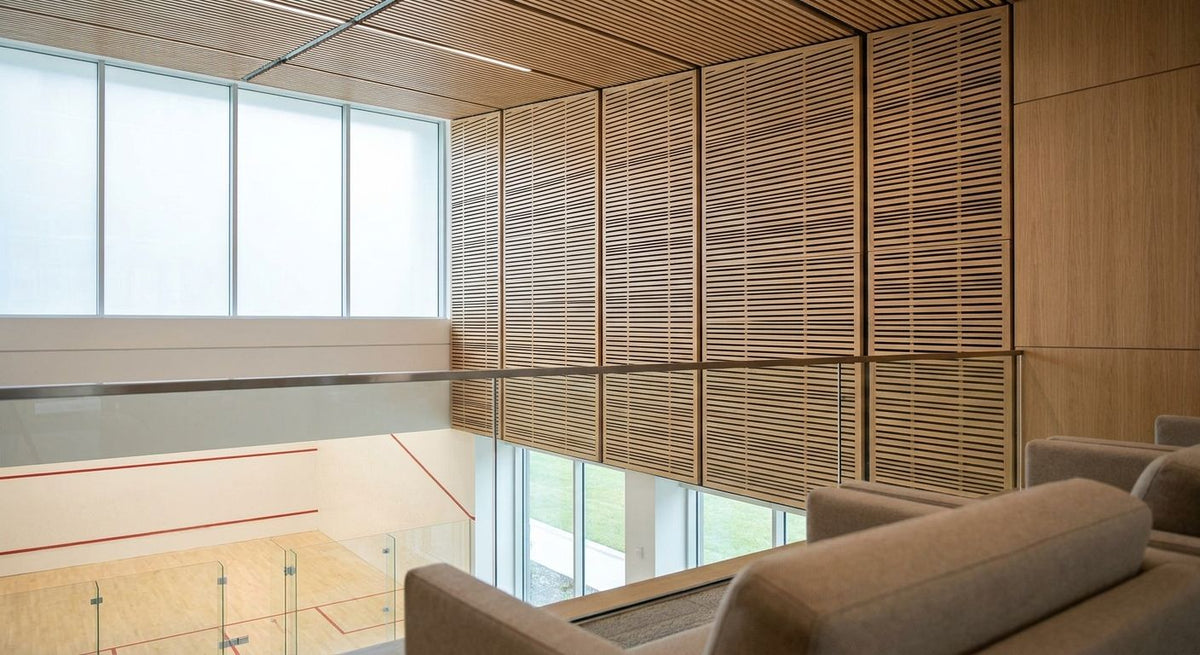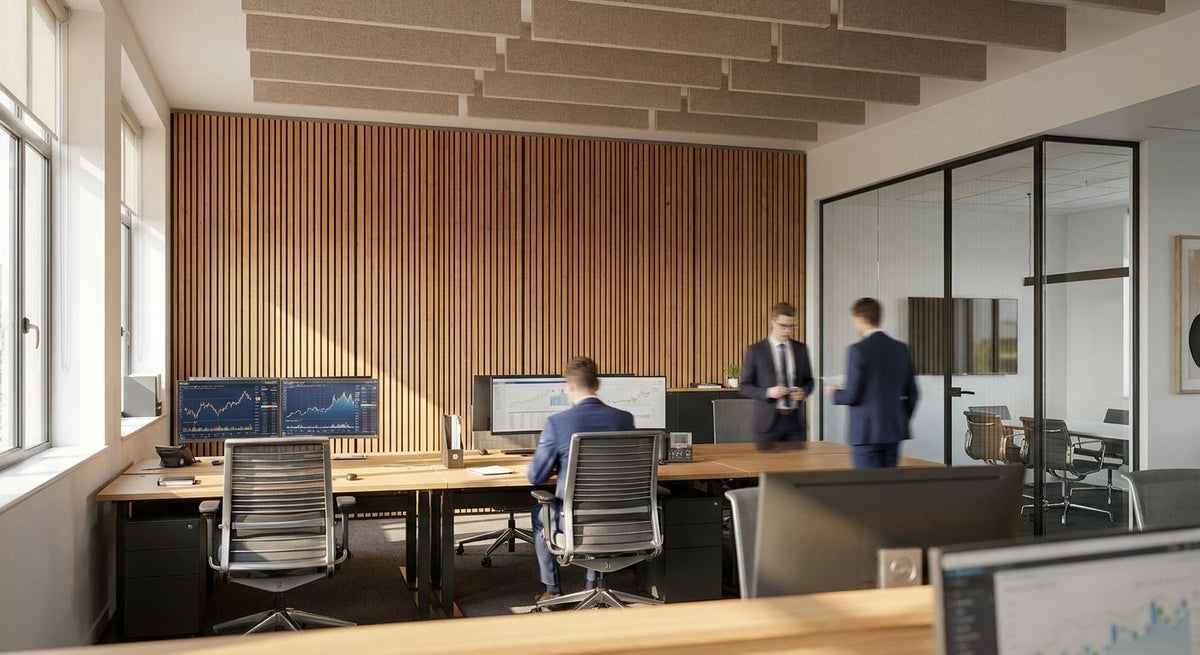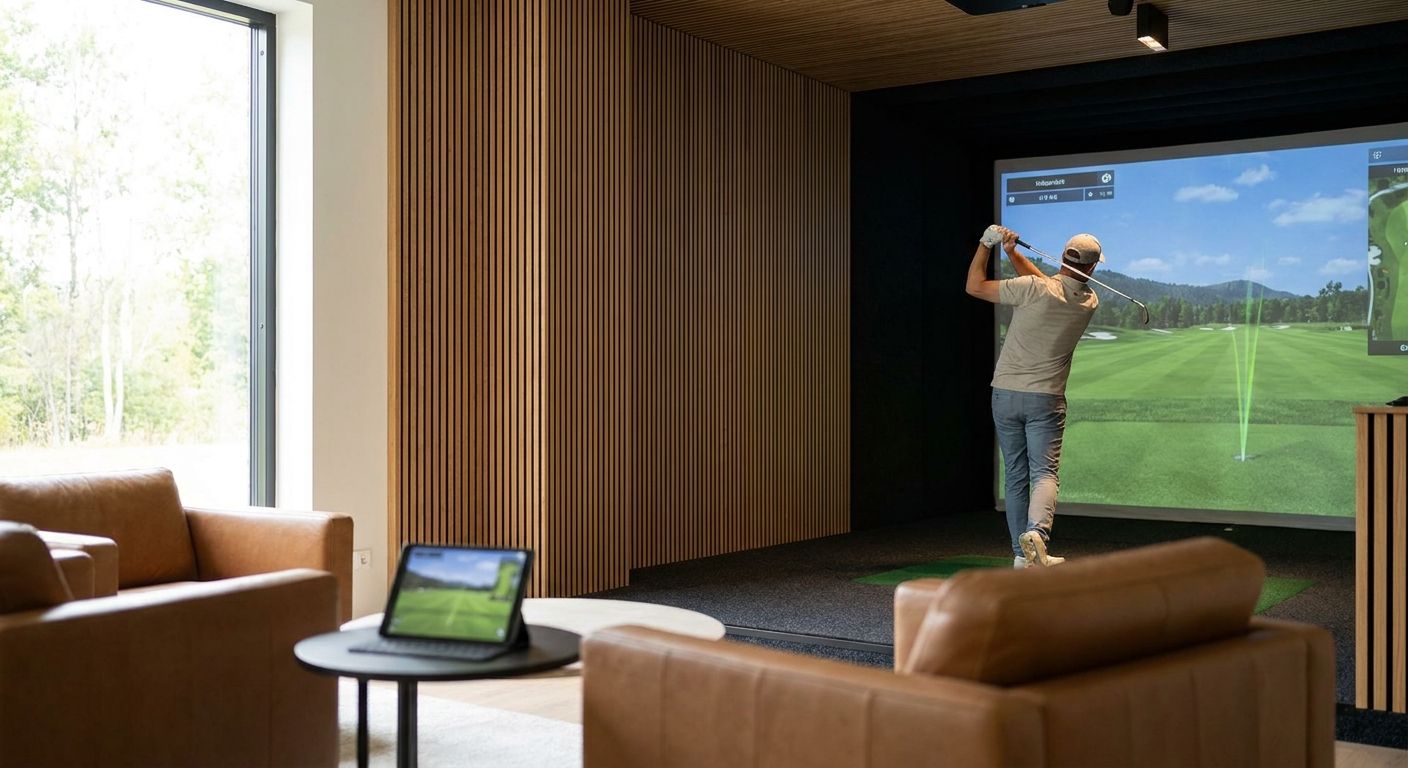
Golf simulator lounges take a type of impact noise most rooms never see: club face contact, ball-on-screen impact, and enclosure vibration bouncing off bare stud walls or garage block. This guide picks acoustic wood panels for golf simulator lounges you can install in 2026, matched against noise control, screen glare, and the oversized walls a garage or basement bay actually has.
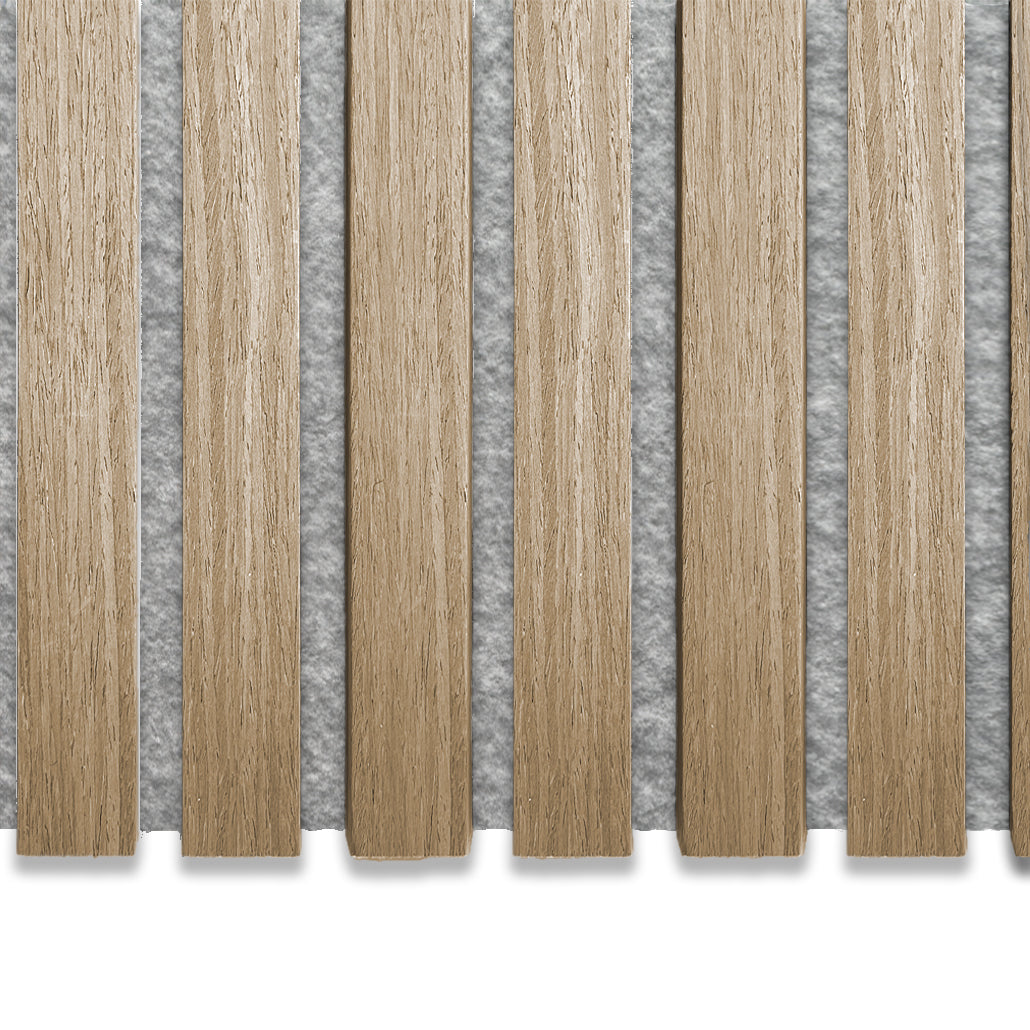
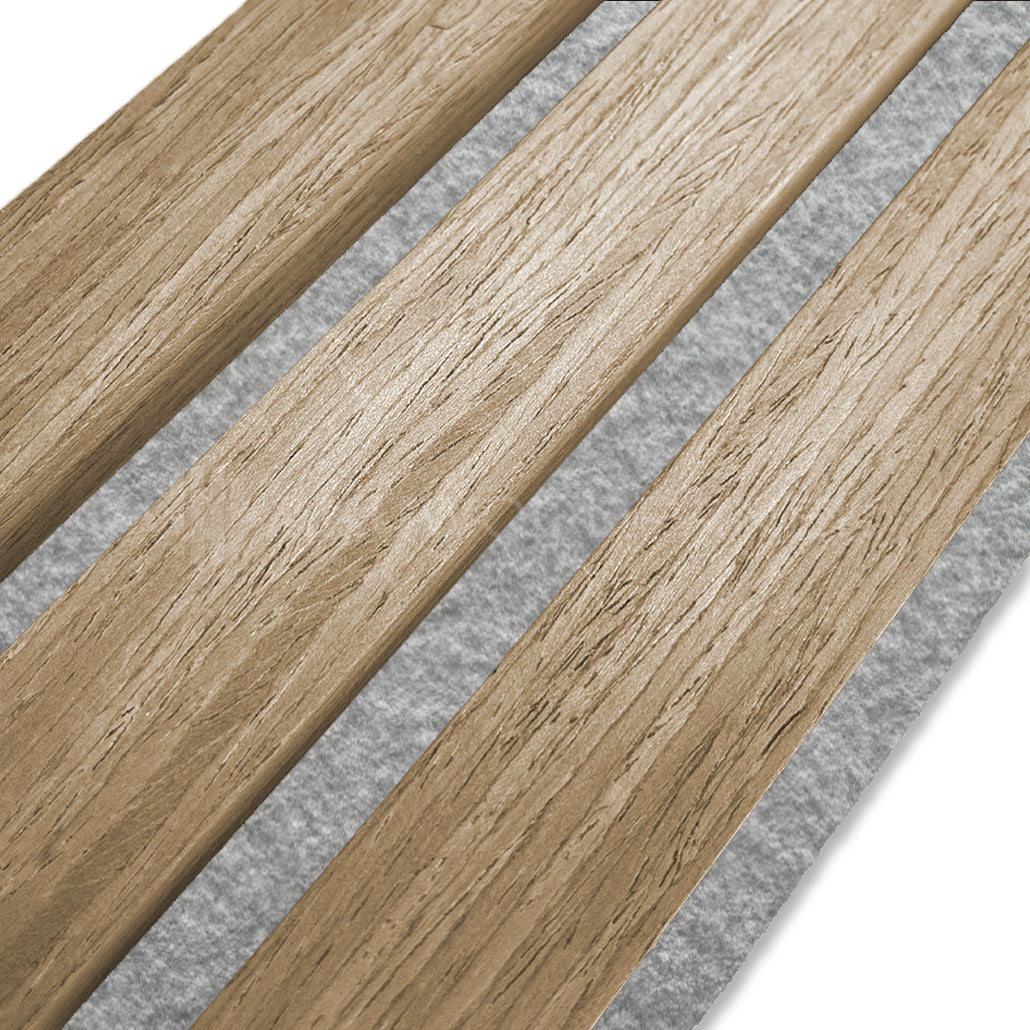
- Natural Oak Grey Felt (£83.95) suits bright simulator rooms with white impact screens — Buy for light-toned lounges.
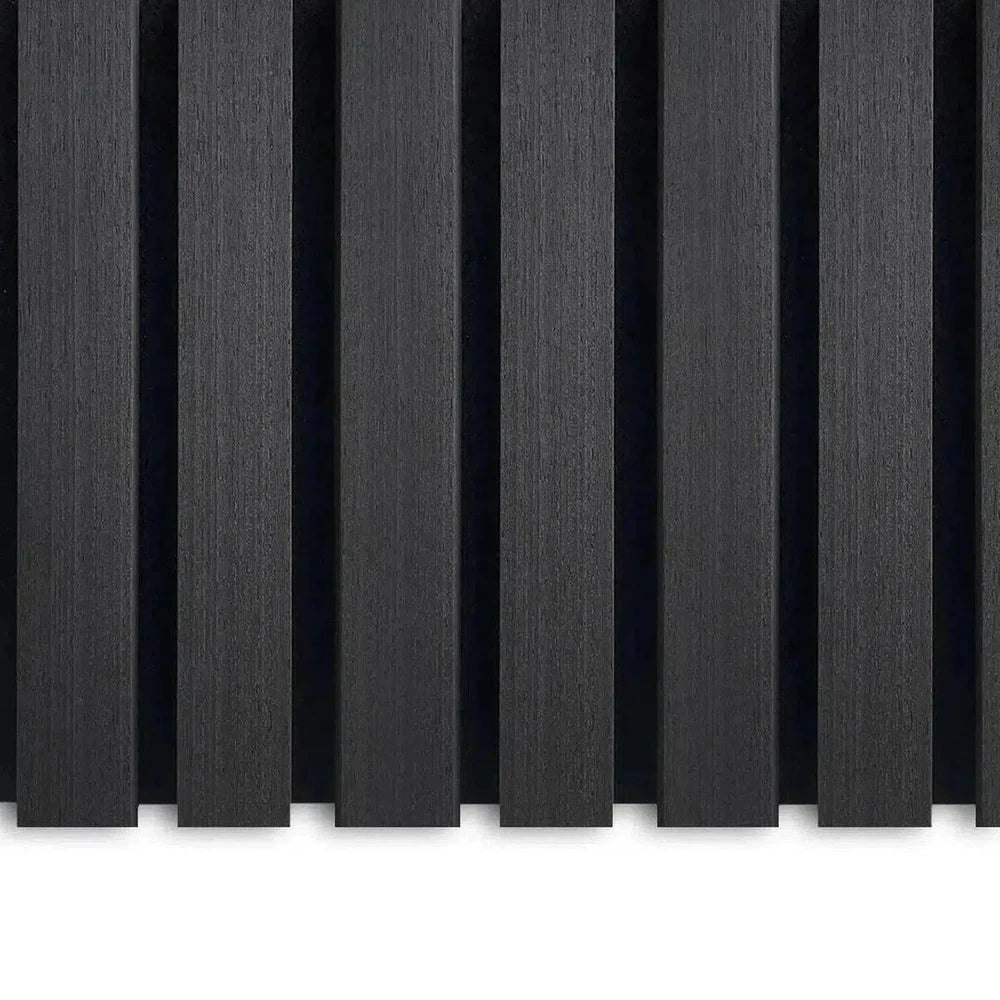
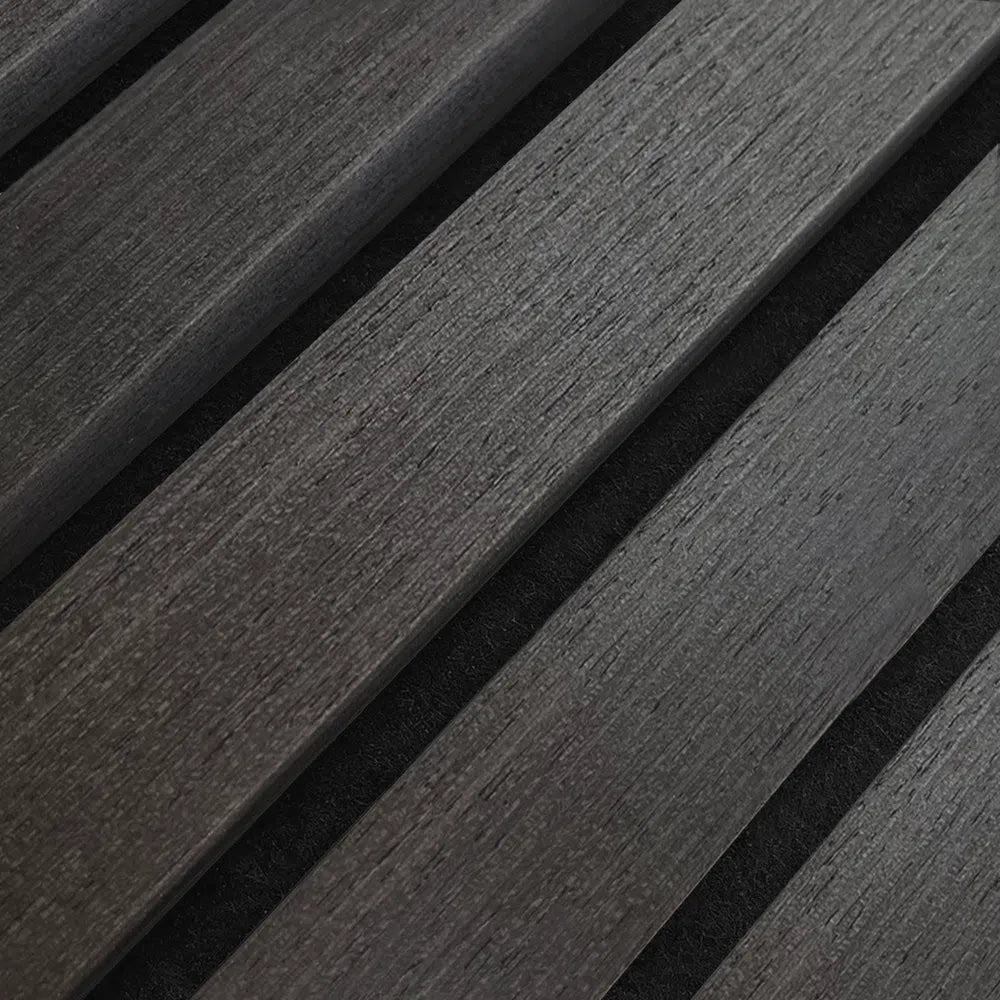
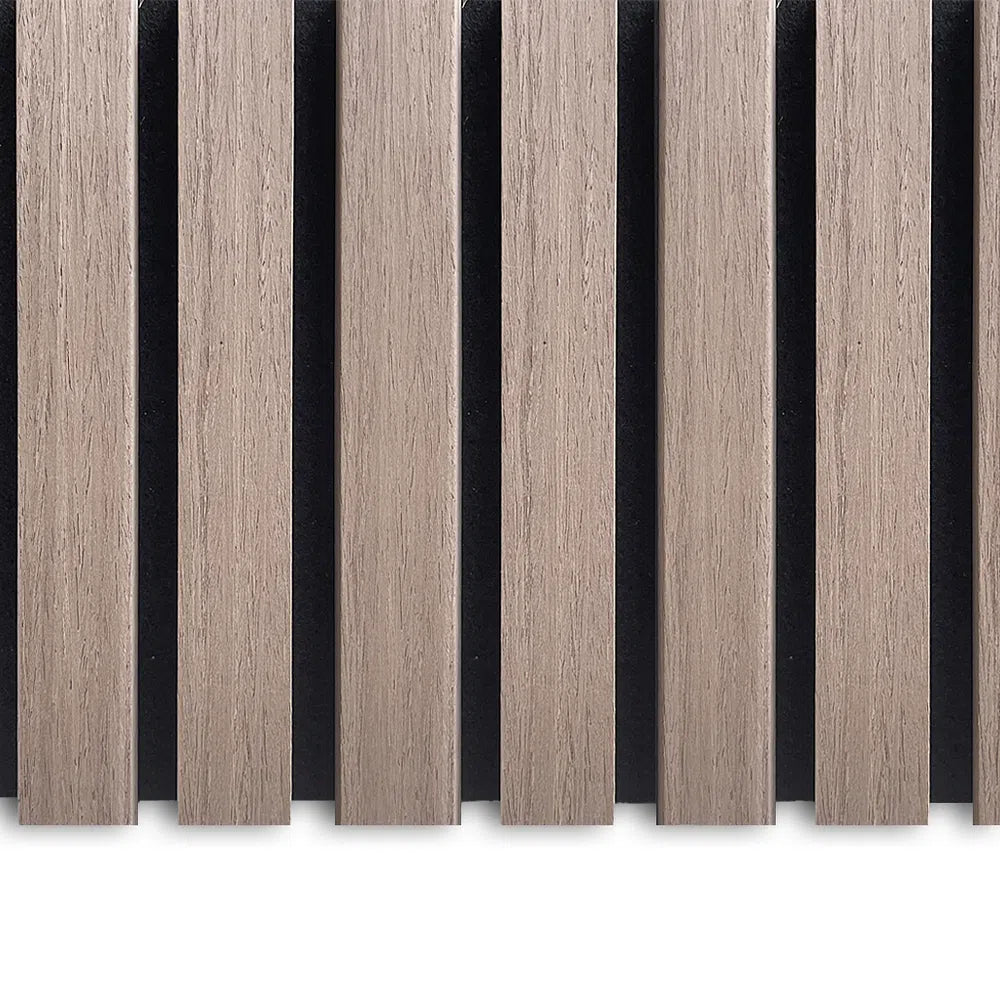
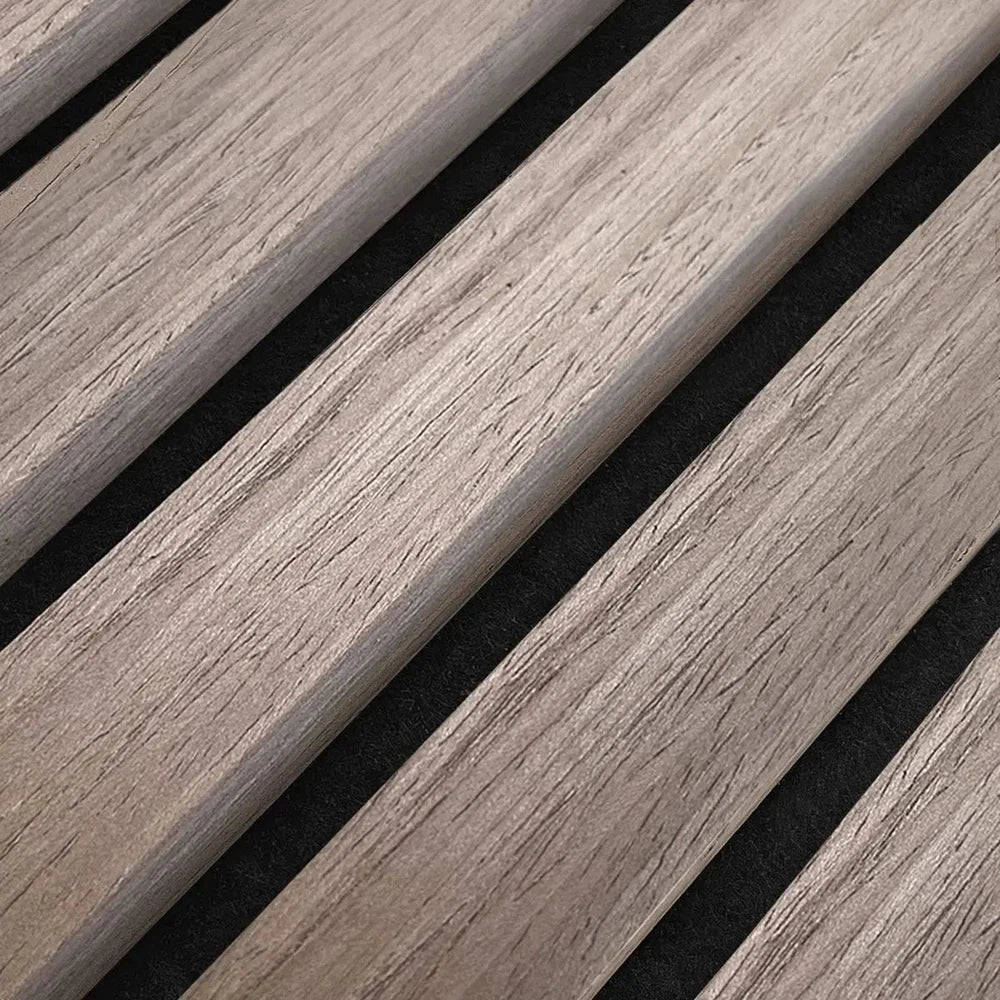
- Black Oak (£84.95) cuts projector glare in dark theme rooms but shows dust faster — Consider.
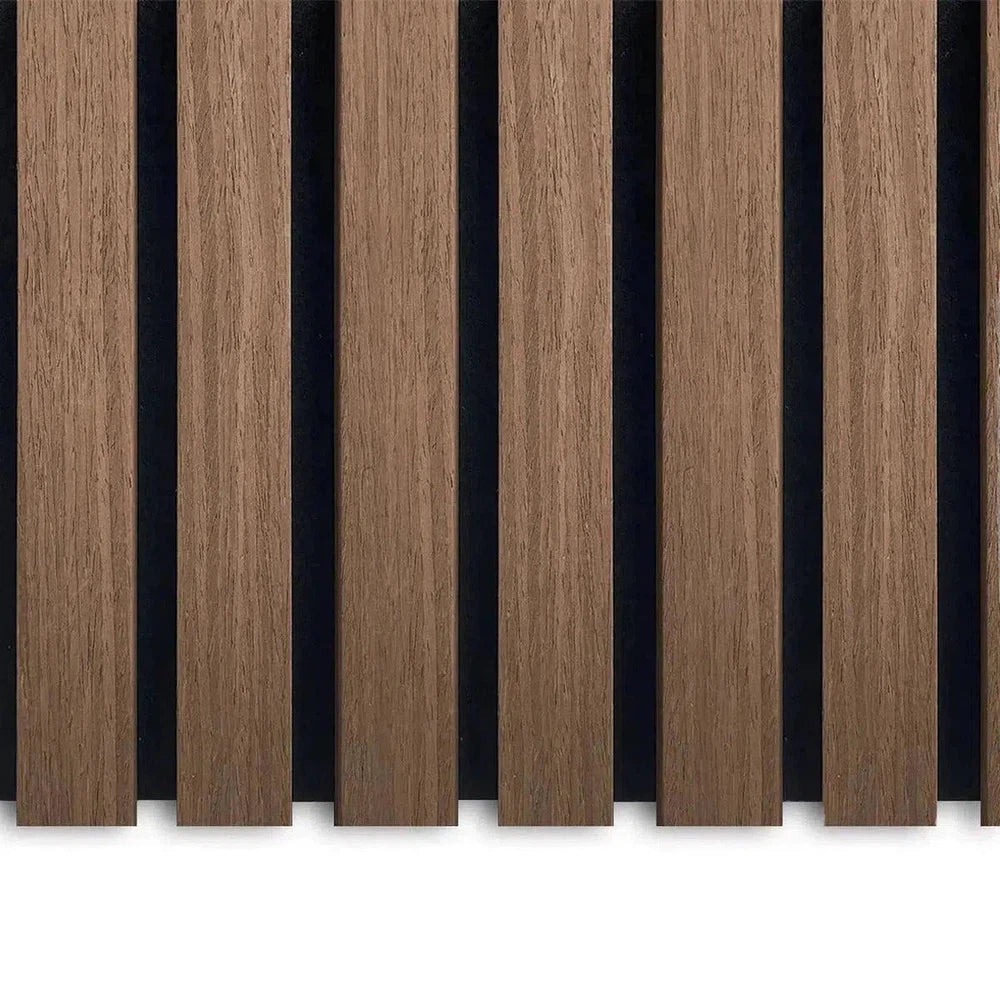
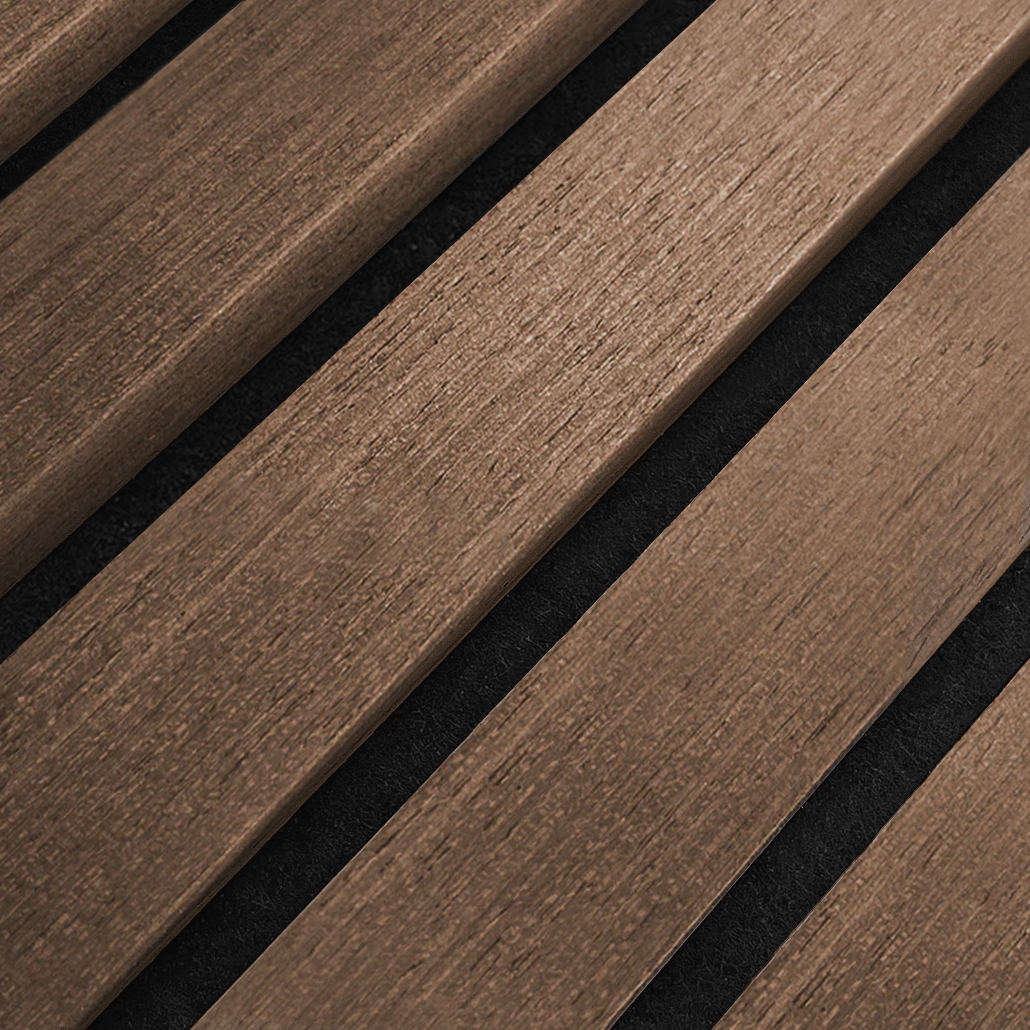
- Rustic Oak (£84.95) hides ball-strike dings best thanks to deep grain texture — Buy for high-use bays.
- Acoustic wood panels for golf simulator lounges need felt backing, not bare slats, to cut reverb in 2026.
- Skip unbacked MDF slat panels — they copy the look but add zero acoustic value.
Why this matters
Most golf simulator lounges get built in garages, basements, or converted outbuildings — rooms with concrete floors, drywall, and almost no soft furnishing. Those hard surfaces reflect nearly every sound that hits them, so club strikes and ball impact on the screen ring around the room instead of dying out.
That echo does two things badly. It makes the launch monitor's audio cues harder to hear, and it turns a 20-minute practice session into a headache-inducing one. Akuwood Panel builds its wooden wall panels with acoustic felt backing specifically to absorb that kind of reflected noise, not just to look like wood.
The fix isn't acoustic foam — nobody wants a lounge that looks like a podcast booth. Real wood veneer over felt backing solves both problems in 2026: it absorbs impact reverberation and it still looks like a finished room when guests come to watch.
Who this is for
This guide is for homeowners converting a garage, basement, or garden building into a golf simulator lounge, and for installers specifying wall finishes for a client's swing bay. If you're panelling the wall behind or beside the impact screen, sizing panels for a taller-than-average garage ceiling, or trying to stop reverb without losing natural light, the criteria below apply directly to your project.
What to look for in acoustic wood panels for golf simulator lounges
Felt-backed acoustic construction, not just slatted look
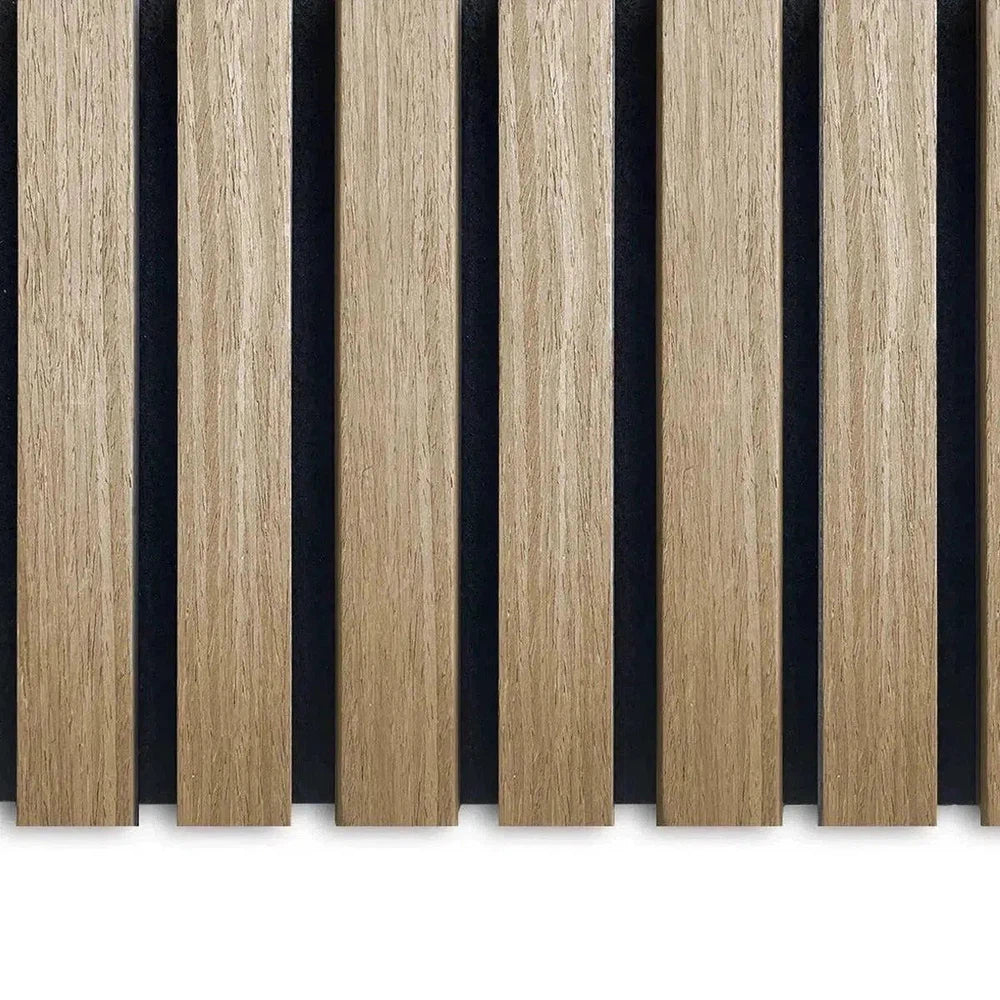
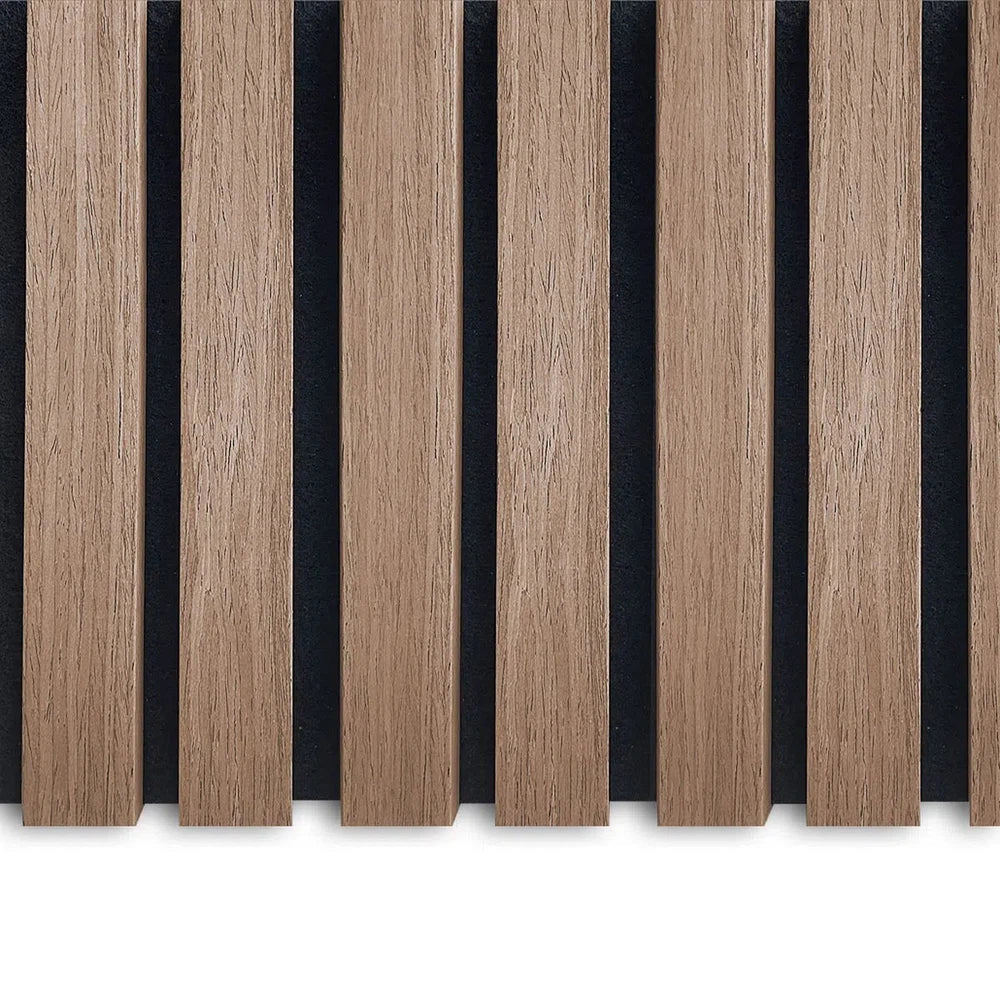
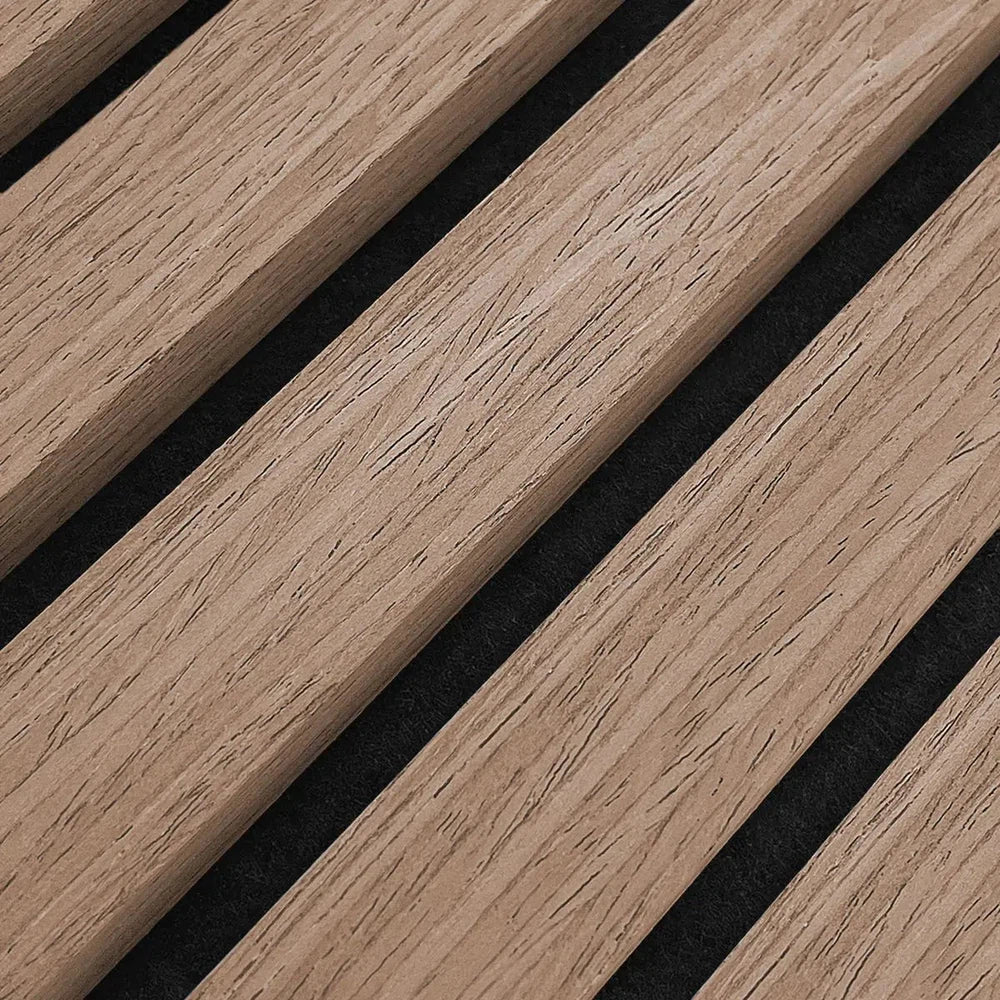
A slatted wood surface alone does very little for reverb — the gaps between slats need a felt or fibre backing behind them to actually absorb sound energy. Panels built with acoustic felt backing behind a 3-sided wood veneer face do the absorbing; panels that are just grooved MDF do not. Check backing material before finish colour.
Veneer that survives repeated ball and club contact
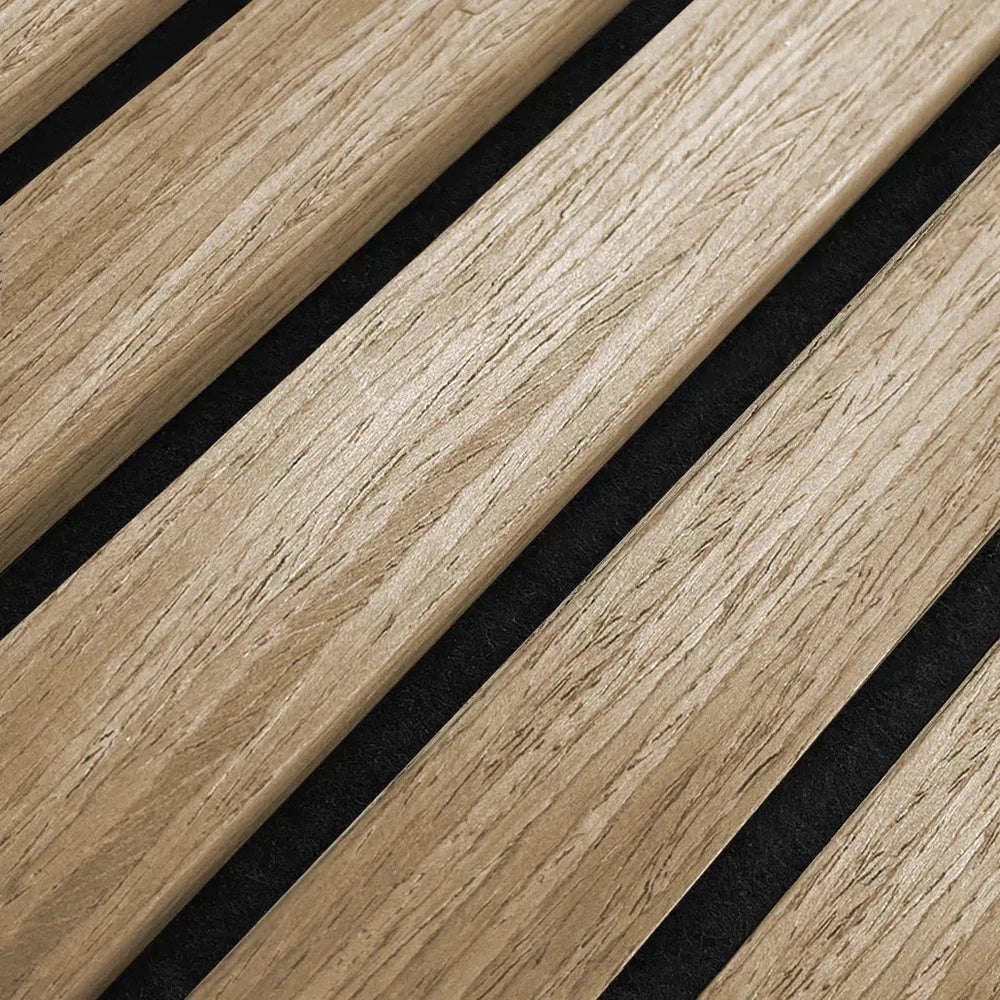
A simulator bay takes far more incidental contact than a living room wall — mishit shots, club heads clipping the enclosure frame, foot traffic near the mat. A genuine 3-sided wood veneer finish shows less damage over time than a printed laminate, and deeper grain patterns hide the marks that do happen.
Panel length matched to your actual wall height
Garage and basement simulator bays often run taller than a standard living room wall, especially with an overhead screen or net rig. Panels come in two lengths — 240 cm and 300 cm — and picking the 300 cm format for a tall bay avoids an ugly horizontal seam right at eye level behind the golfer.
Colour that doesn't wash out your screen contrast
Impact screens and projector setups are sensitive to ambient light bouncing off nearby surfaces. A pale oak wall behind a bright white screen can wash out contrast under lounge lighting; a darker finish like Black Oak behind the screen wall controls glare better, while lighter finishes work fine on side walls further from the projector.
DIY-friendly installation on stud or plasterboard
Most simulator conversions happen on existing stud or plasterboard walls, not new-build masonry. Panels that mount with standard construction adhesive and don't need specialist fixings save a weekend of extra labour — worth checking before you commit to a finish you can't actually fit yourself.
Cost per wall, not just cost per panel
Garage and basement bays are big rooms by wall-panel standards — often three full walls plus a screen wall. At £83.95 to £84.95 per panel, covering four walls adds up fast, so budget the whole room before falling for one finish photo.
Top picks for golf simulator lounge panels
The safe pick — Natural Oak Grey Felt. Light oak veneer over grey acoustic felt at £83.95 works in bright lounges with white impact screens and daylight coming in from a garage door window. It reads neutral next to a screen and doesn't fight with projector contrast. Buy for daylight-facing bays.
The wildcard — Black Oak. At £84.95, this dark veneer finish absorbs ambient light near the screen wall, cutting the washed-out glare that pale walls cause under simulator lighting. It also hides scuffs from club contact better than a pale finish. Buy for the wall directly behind or beside your impact screen; Consider for full-room use since dust shows more on dark surfaces.
The character pick — Rustic Oak. Deep, uneven grain at £84.95 hides ball-strike dents and small dings better than a smooth-grain finish, which matters in a room that takes more incidental contact than any other in the house. Buy for high-frequency practice bays used daily.
The budget-neutral pick — Grey Oak. At £80.95, this is the cheapest of the felt-backed finishes and sits neutral enough to pair with either a light or dark theme elsewhere in the room. Consider it for side walls where the finish matters less than the acoustic backing.


What to avoid
- Unbacked slat panels. Grooved MDF that looks like an acoustic panel but has no felt or fibre layer behind it does almost nothing for reverb — you're paying for the look, not the function.
- High-gloss veneer near the screen. A glossy finish reflects projector light directly back at the golfer's eyeline; matte, felt-backed veneer doesn't.
- Guessing wall height. Ordering 240 cm panels for a bay that actually needs 300 cm coverage leaves an awkward seam right where the golfer's eyeline sits during the swing.
Verdict comparison
| Pick | Price | Best wall | Verdict |
|---|---|---|---|
| Natural Oak Grey Felt | £83.95 | Bright, daylight-facing bays | Buy |
| Black Oak | £84.95 | Screen wall, glare control | Buy |
| Rustic Oak | £84.95 | High-contact daily-use bays | Buy |
| Grey Oak | £80.95 | Neutral side walls | Consider |
FAQ
What's the best acoustic wood panel for a golf simulator lounge?
Natural Oak Grey Felt at £83.95 is the safest pick for bright rooms with white impact screens, since it stays neutral against projector light. For the wall directly behind the screen, Black Oak at £84.95 controls glare better.
Do acoustic wood panels actually reduce echo from club and ball impact?
Yes, when the panel has felt backing behind the wood veneer face — the felt layer absorbs reflected sound energy that a bare slatted surface would bounce back into the room. Unbacked MDF slat panels don't provide this benefit.
Should I use dark or light panels behind my simulator screen?
Darker finishes like Black Oak absorb more ambient light near the screen wall, reducing glare and washed-out contrast under lounge lighting. Lighter finishes work better on side walls away from the projector beam.
What size panels do I need for a garage simulator bay?
Panels come in 240 cm and 300 cm lengths; measure your actual wall height first, since garage and basement bays often run taller than a standard living room wall. Using 300 cm panels avoids a seam at eye level.
Can I install acoustic wood panels myself on a garage stud wall?
Most acoustic wood wall panels mount to stud or plasterboard walls with standard construction adhesive, which is a weekend DIY job for most homeowners. Check the fixing method before ordering if your wall is masonry rather than stud.
How much does it cost to panel a full simulator lounge?
At £80.95 to £84.95 per panel, covering three or four walls in a garage-sized bay runs into a meaningful budget line, so measure total wall area before choosing a finish. Mixing a cheaper neutral finish on side walls with a premium finish on the screen wall controls cost.
Do these panels hide scuffs from mishit shots?
Rustic Oak's deep, uneven grain at £84.95 hides small dents and scuffs better than a smoother finish, making it a stronger pick for daily-use practice bays. Smoother finishes show contact marks more visibly over time.
One last thing
Most simulator builds treat all four walls the same, but the screen wall and the side walls do different jobs. Put a darker, felt-backed finish like Black Oak directly around the screen to kill glare, and save a lighter finish for the walls behind the golfer where daylight and room brightness matter more than contrast control. That two-tone split costs nothing extra in 2026 pricing — it's just a different panel order.