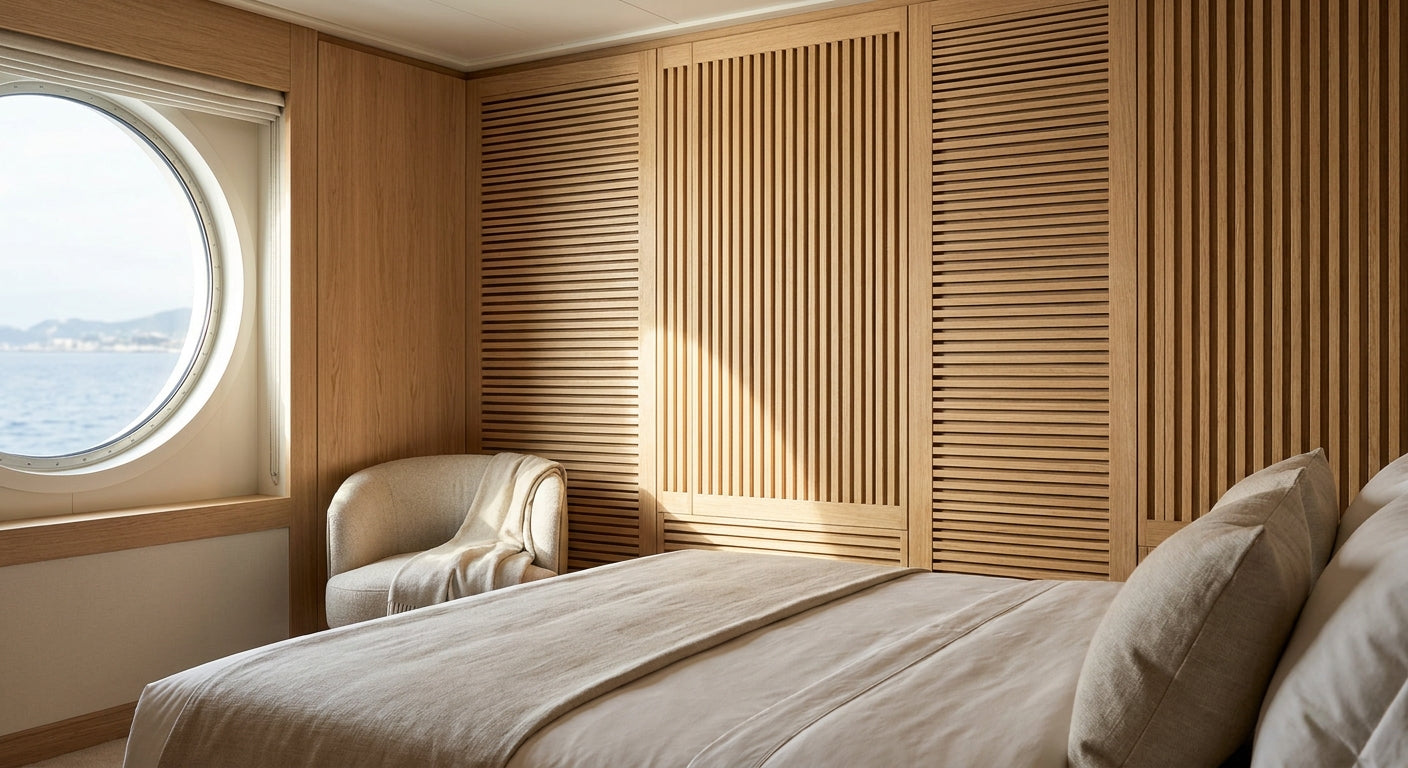
Cruise ship cabins pack a queen bed, a wet room, and a corridor wall into roughly 12-15 square metres, and every one of those hard surfaces bounces engine drone and neighbour noise straight back at the guest. Acoustic wood panels solve that without adding a single centimetre of floor space, which is why refit contractors keep specifying them over soft furnishings alone.
- Hexagon Natural Oak acoustic panels rate NRC 0.75 and fit cabin headboard walls at 81 cm per panel — Buy for accent walls.
- Smoked Oak 240/300 cm slat panels suit full bulkhead runs on corridor-facing cabin walls — Buy, but confirm batch-matched stock first.
- Fire test documentation, not the wood finish, is the first thing a cruise line project manager asks for — request it before specifying.
- Skip real wood veneer inside the wet room footprint; condensation and daily steam cycles are not what these panels are built for.
Why this matters
A cruise cabin refit runs on a dry-dock window measured in days, not weeks, so every material decision has to survive fast-track installation and a fixed weight budget. Acoustic panels from Akuwood Panel get specified because they fix reverberation with an adhesive fit rather than a wet trade, but the wood veneer finish that makes them attractive for a guest cabin also raises questions a standard residential buyer never has to ask. The first document any refit project manager requests is fire test data, not the finish swatch — see how to check fire ratings for acoustic wood panels for what to request from any supplier before a panel goes anywhere near a vessel.
Who this is for
This guide is for marine interior fit-out contractors, cruise line refurbishment project managers, and interior designers specifying cabin wall finishes for a refit or newbuild in 2026. If you're sourcing materials for a single cabin mock-up ahead of a fleet-wide rollout, or comparing acoustic treatments against carpet and curtain-only noise control, the criteria below apply directly to your spec sheet.
What to look for in acoustic panels for cruise ship cabins
Acoustic performance under real cabin noise
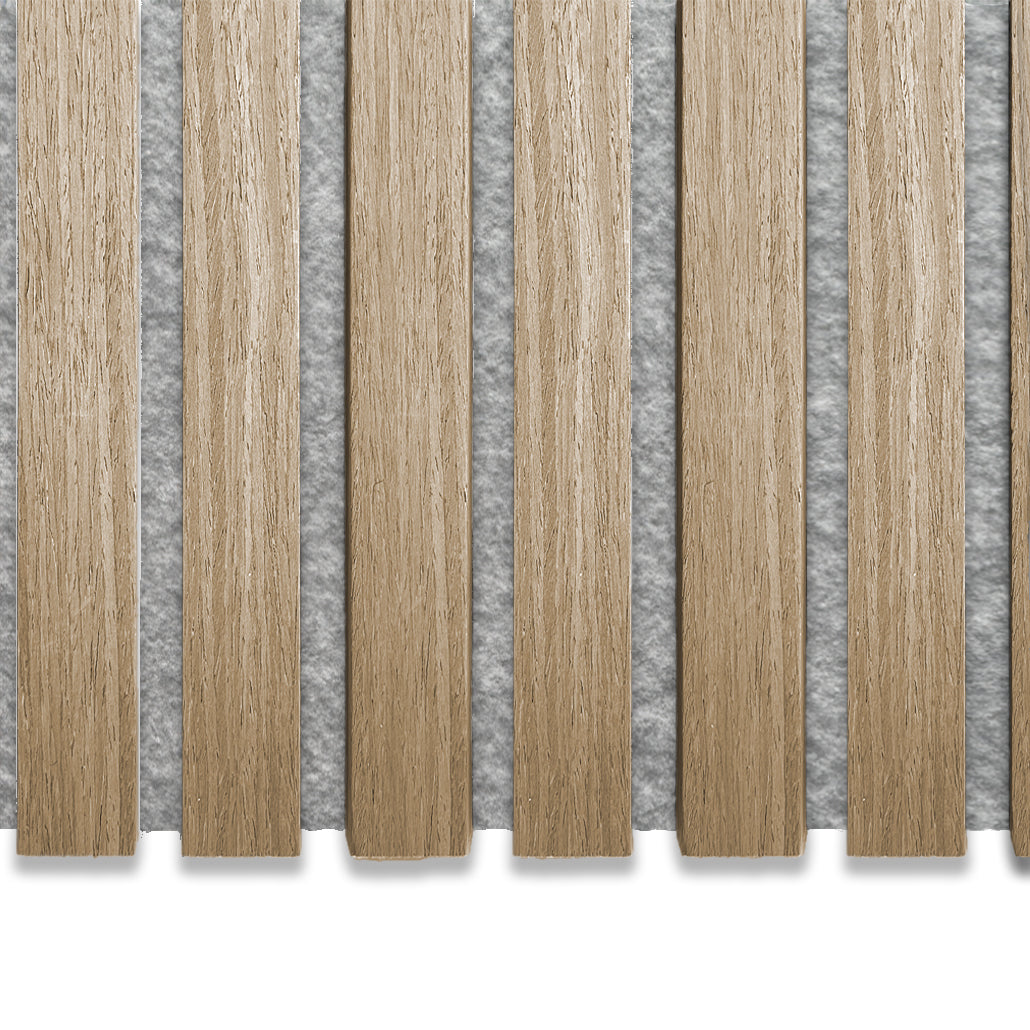
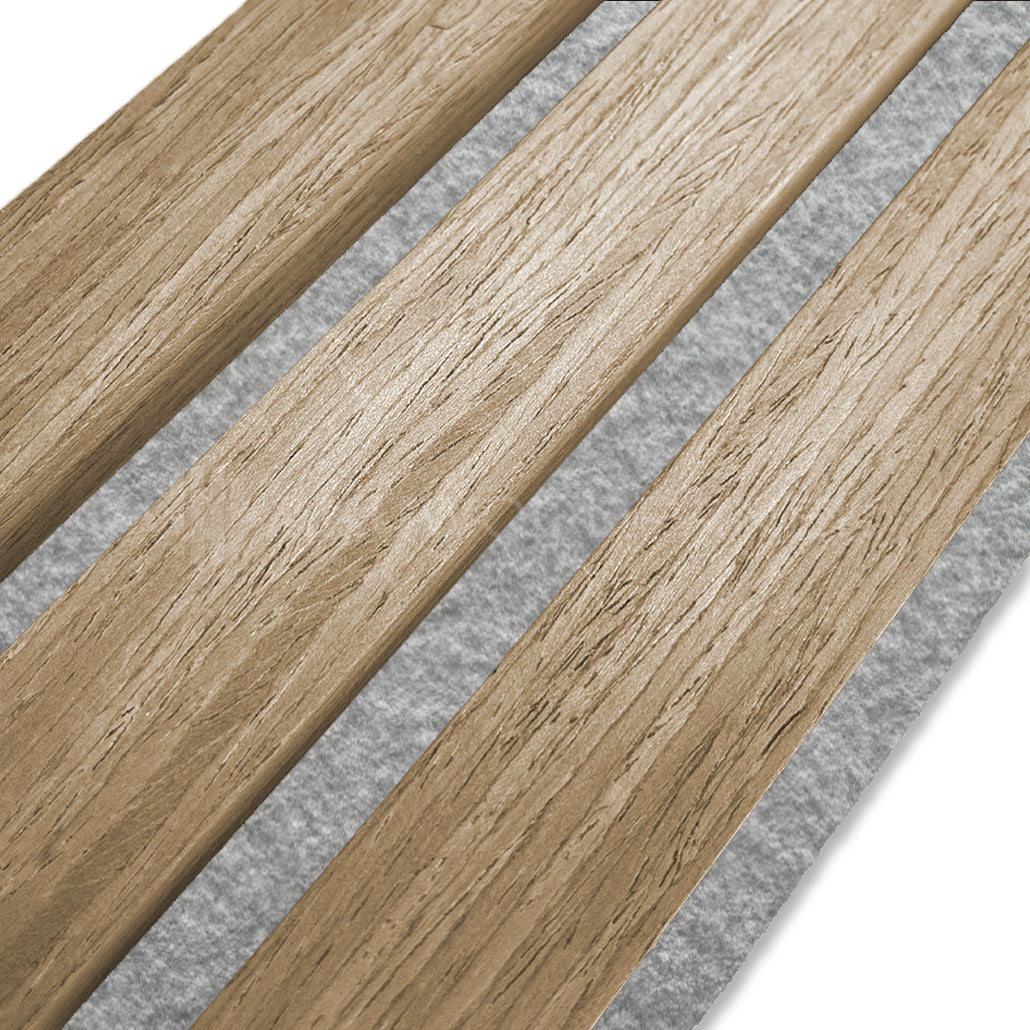
A cabin's biggest noise sources are engine hum through the hull and voices through a shared bulkhead, not airborne room echo like an office. Look for a documented NRC (Noise Reduction Coefficient) figure rather than a marketing claim — an NRC of 0.75, the rating carried by Akuwood Panel's felt-backed hexagon range, tells you the panel absorbs three-quarters of the sound energy hitting it rather than reflecting it back into the cabin.
Panel weight and fixing method
Every kilogram added to a cabin wall run counts against a vessel's overall weight budget, and dry-dock schedules rarely allow for wet plastering or heavy mechanical fixings. Adhesive-fit panels that go up with a high-tack glue bead cut both installation time and added structural load compared to a full stud-and-plasterboard build-out.
Fire test documentation
Any material specified for a passenger cabin needs paperwork a naval architect or classification surveyor will actually accept, and that documentation varies by panel range and finish. Ask the supplier directly for current fire test data before a panel is written into a cabin spec — don't assume it by finish or by looking at a residential product photo.
Moisture and humidity tolerance
Real wood veneer performs well on dry cabin walls but struggles in the wet room footprint, where condensation cycles daily. Keep veneered panels on the headboard wall, the corridor-facing bulkhead, and the TV wall, and treat the ensuite as a separate spec entirely.
Batch-to-batch finish consistency
A cruise ship rarely refits one cabin — it refits 40, 200, or the whole deck at once, and every cabin needs to look identical to the one next door. Confirm dye-lot and veneer-grain consistency across the full order quantity before committing, not just on the sample panel.
Installation speed inside a fixed refit window
A dry-dock slot might give a contractor three to five days per cabin cluster before the next trade moves in. Panels that fix with glue rather than mechanical fasteners and wet finishing let a crew move from bare bulkhead to finished wall inside a single shift.
Top picks for cruise ship cabin walls
Hexagon Natural Oak — the safe pick. NRC 0.75, 81 cm panel diameter, £40.95 per panel. This is the pick for a headboard feature wall or a small accent run where you want acoustic absorption without covering a full bulkhead. Buy for cabin headboard and TV walls.
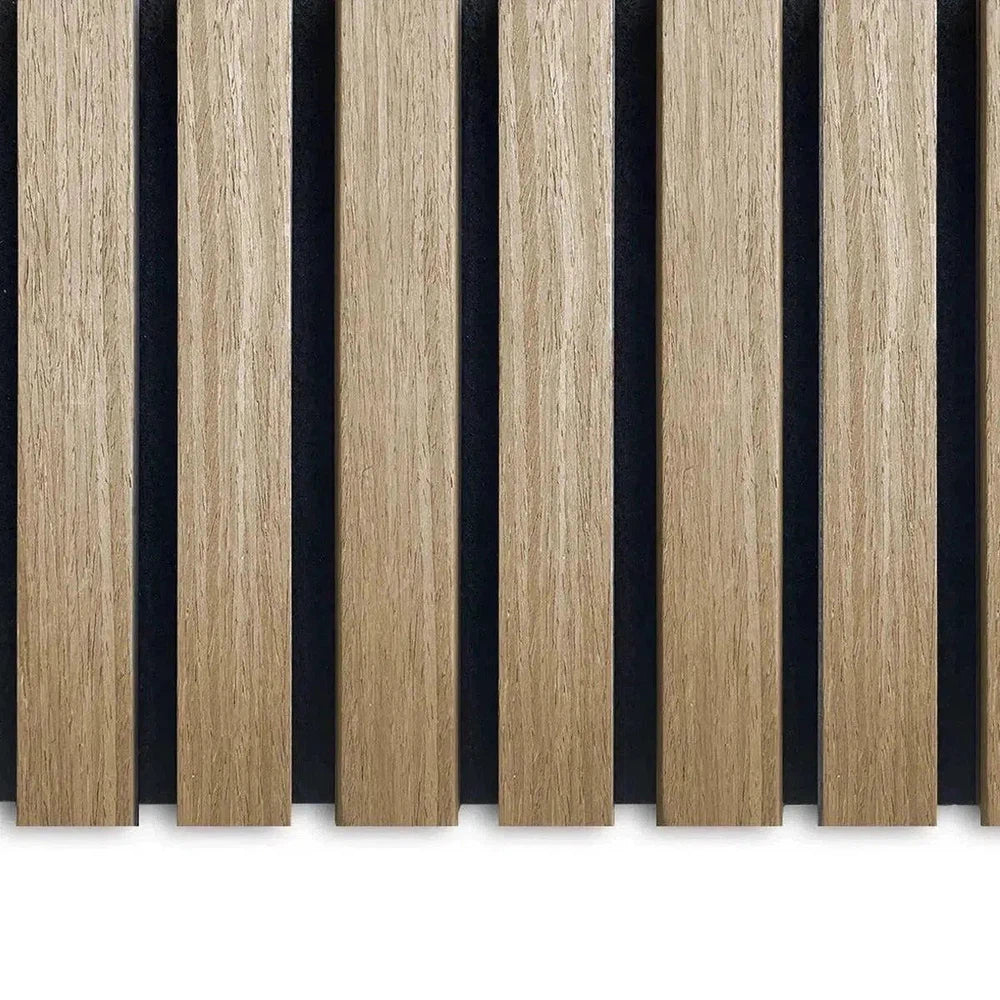
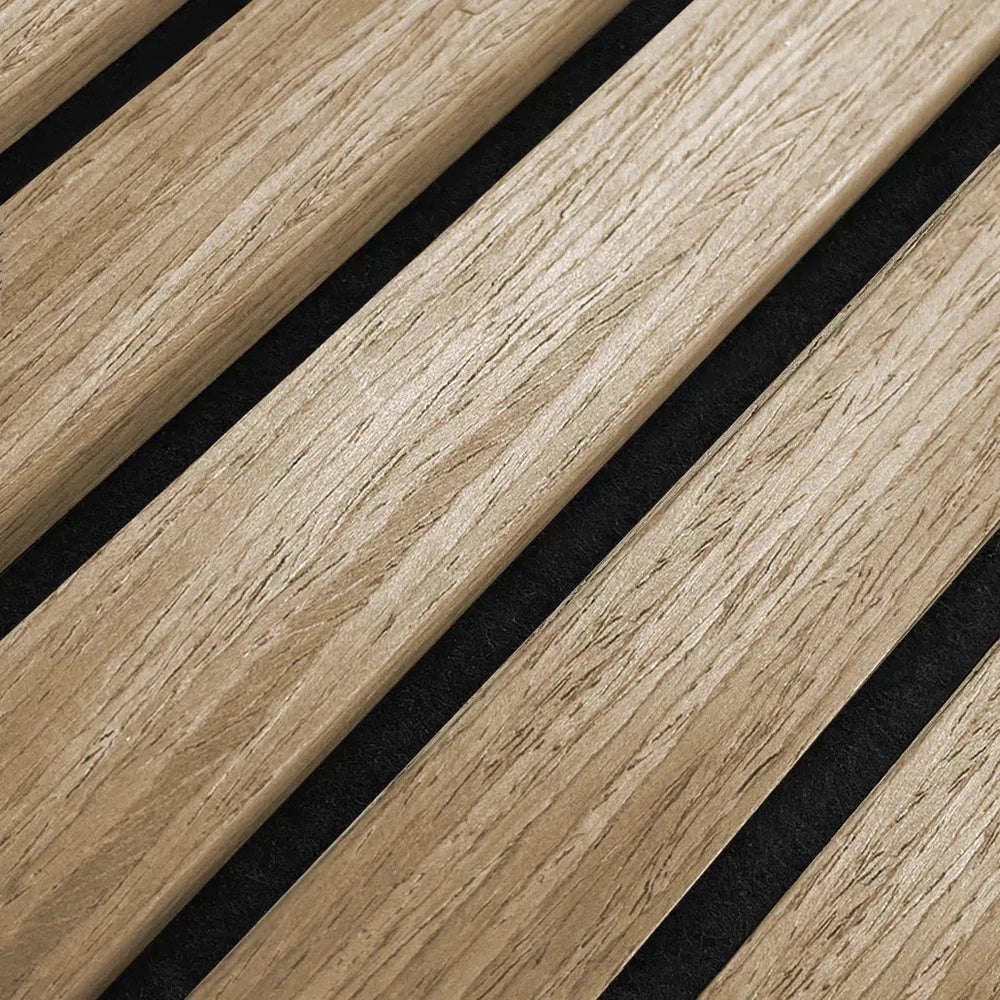
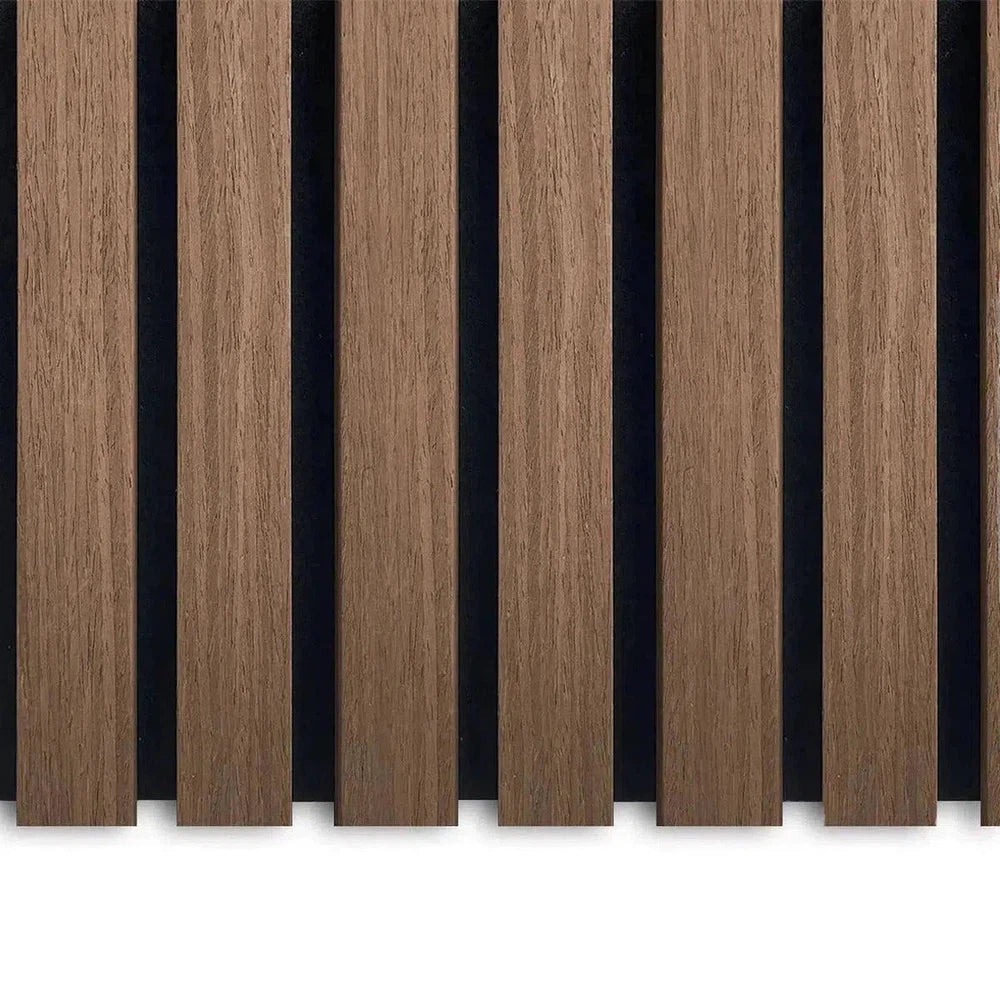
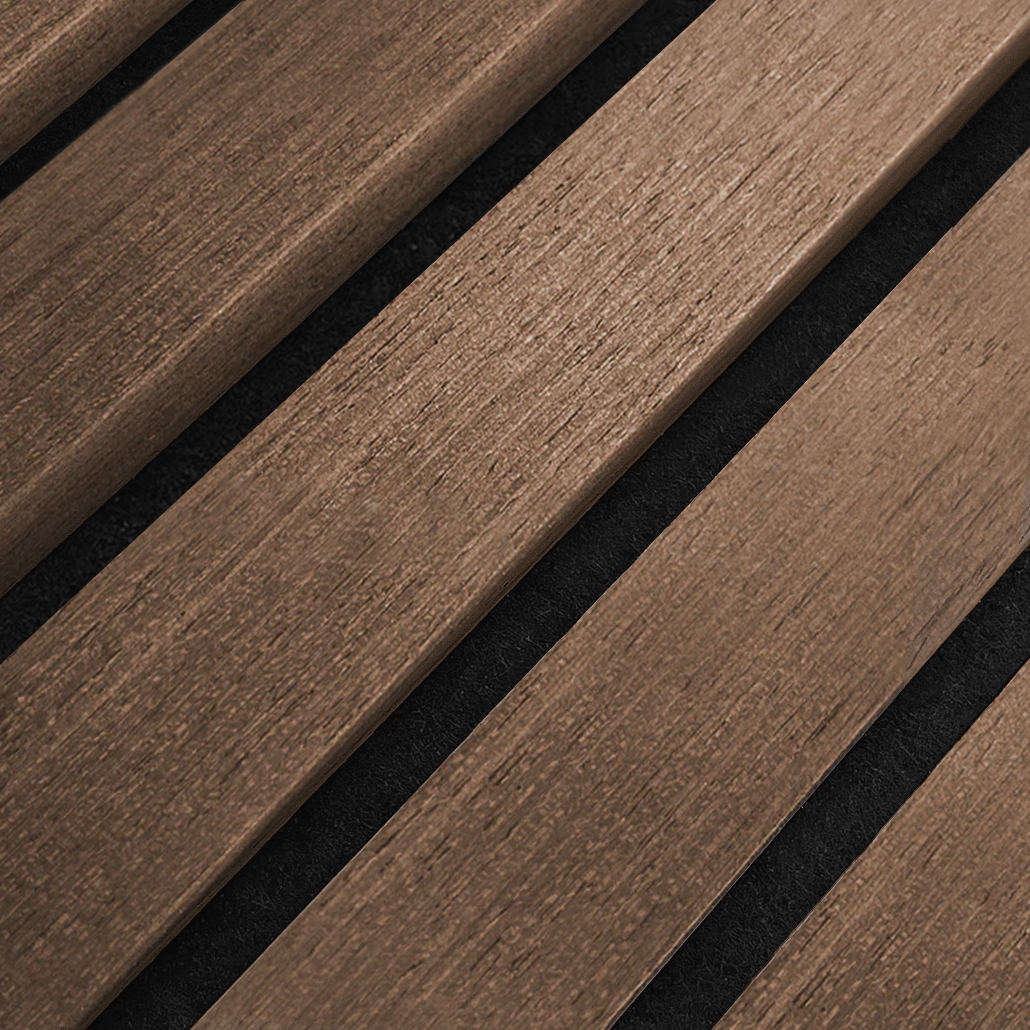
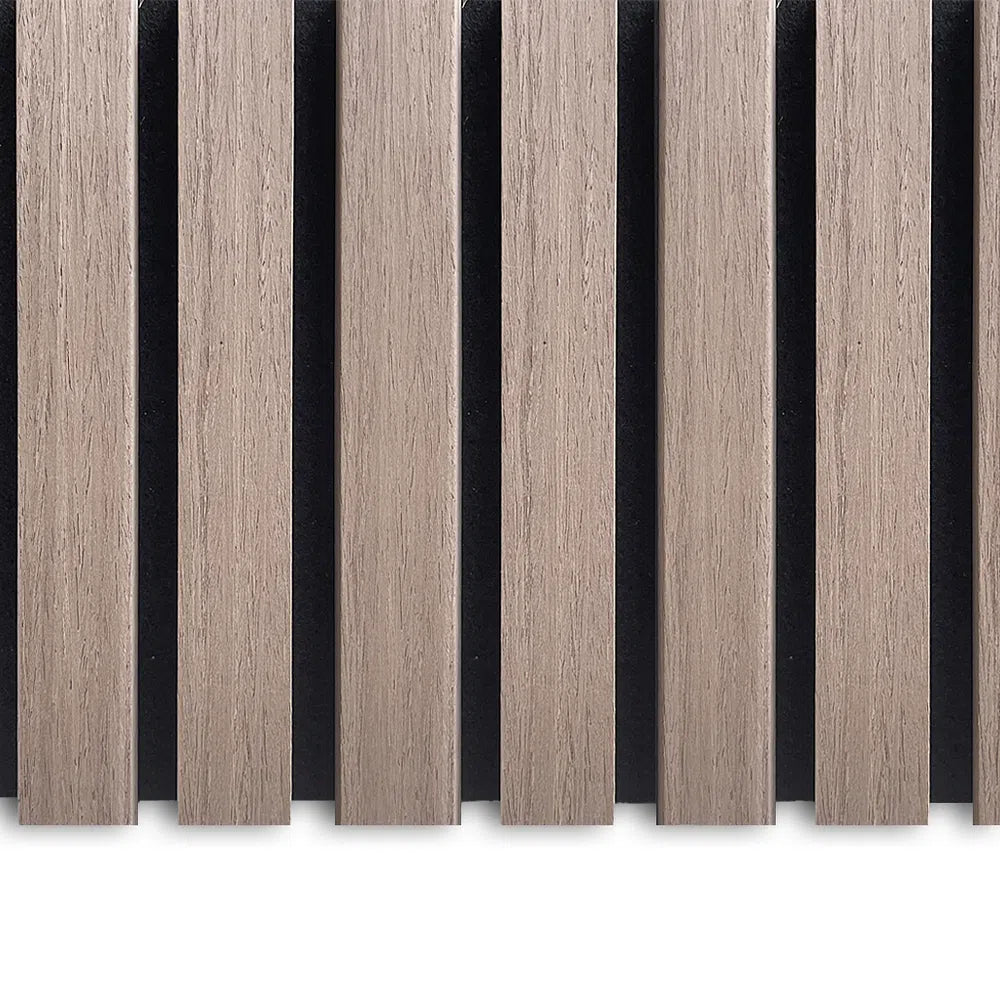
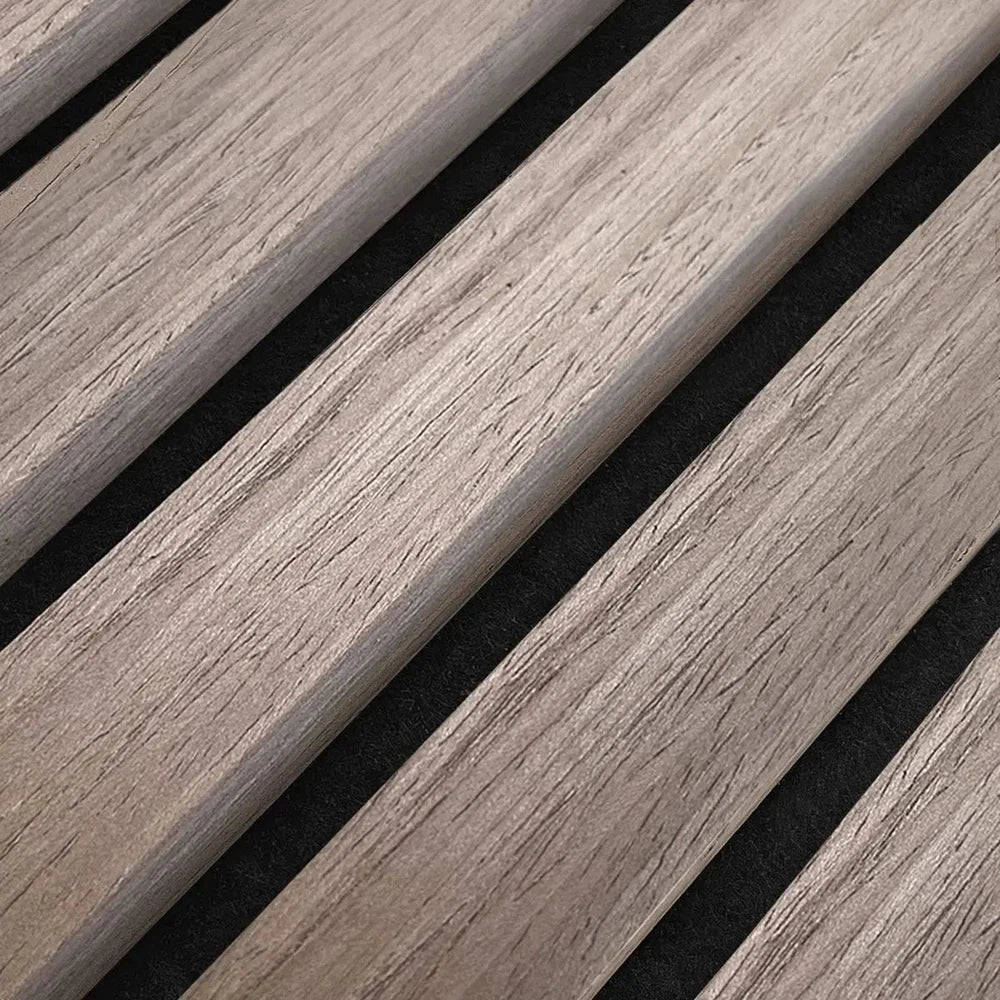
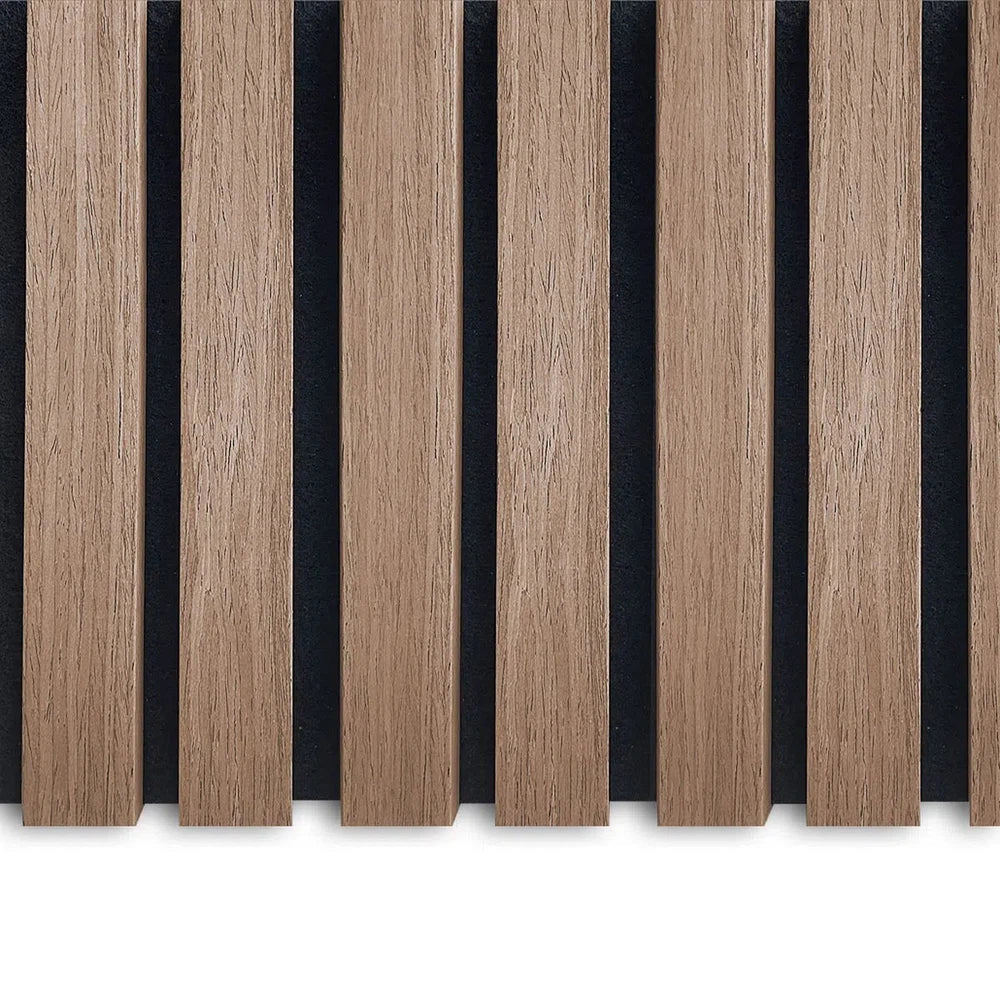
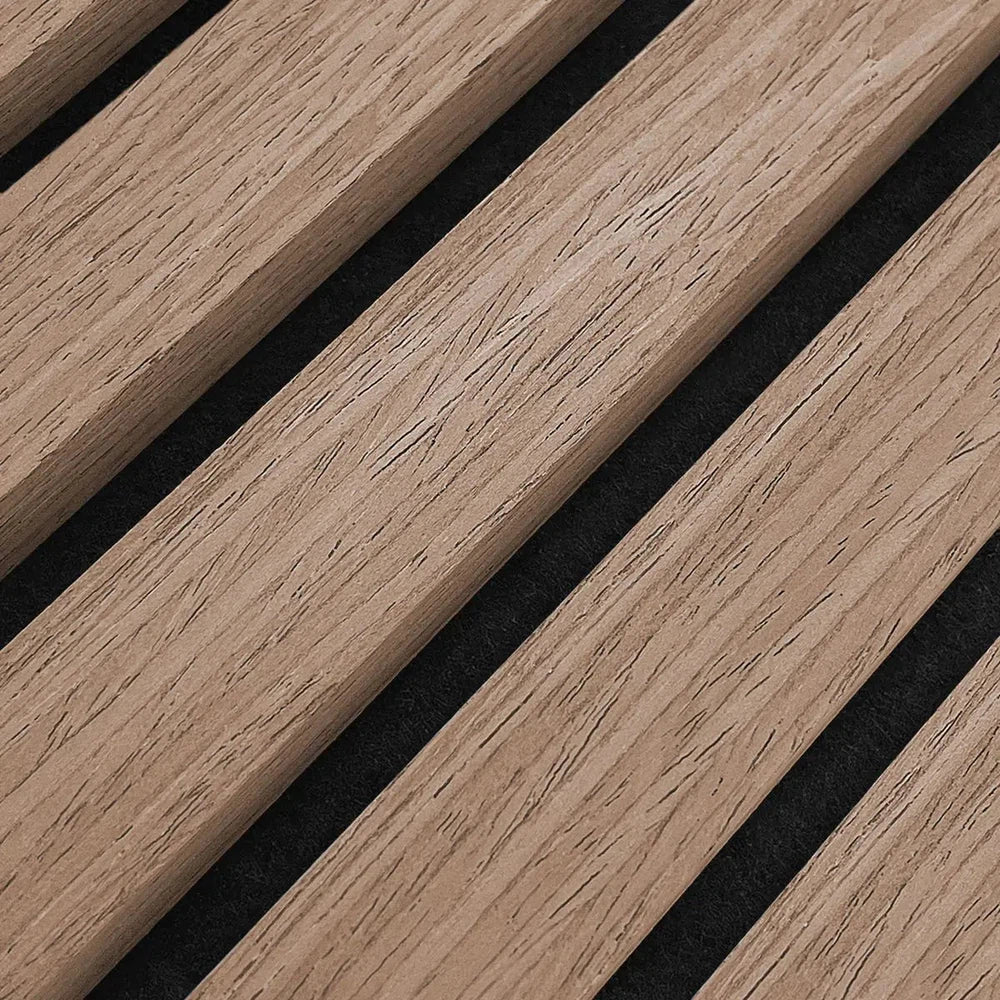
Smoked Oak wooden wall panel — the wildcard. Available in the 240 cm and 300 cm formats, this darker finish reads as a design statement on a corridor-facing cabin wall rather than a generic hotel finish. Confirm the full run is cut from matched stock before ordering for multiple cabins. Buy, contingent on batch confirmation.
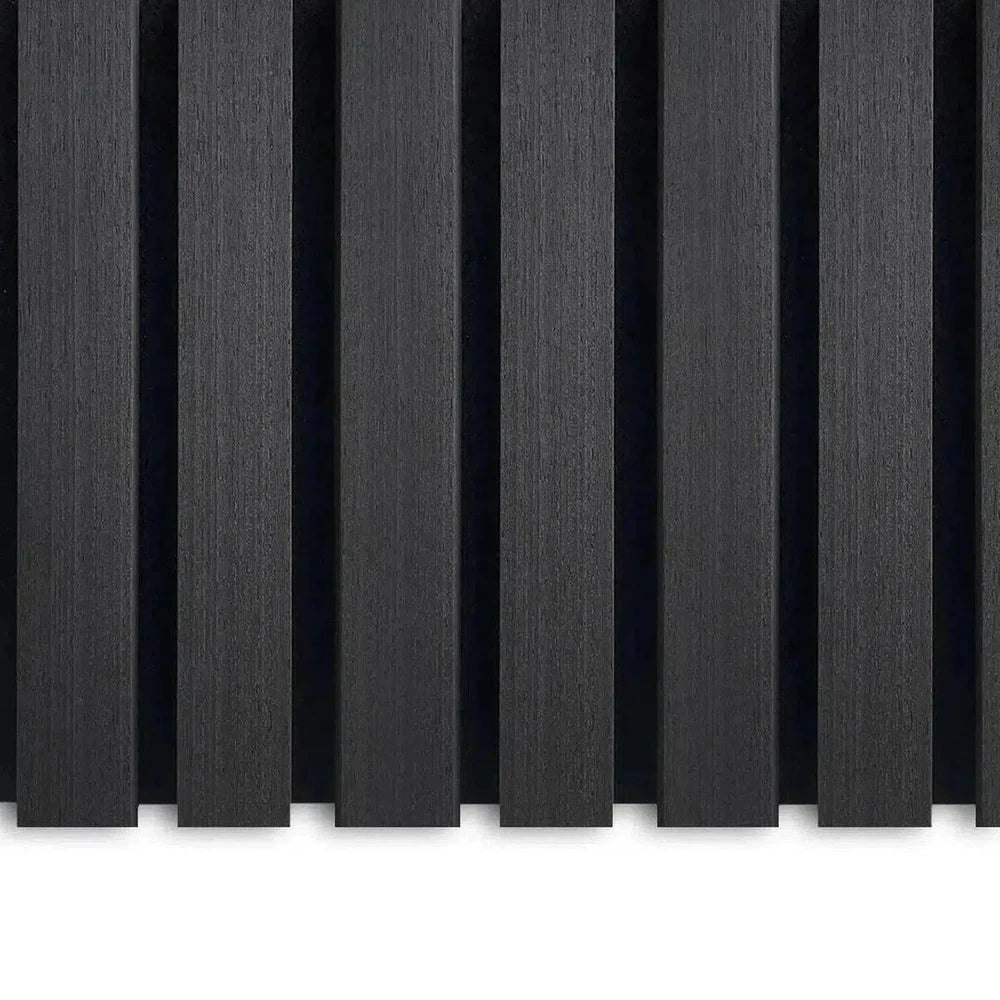
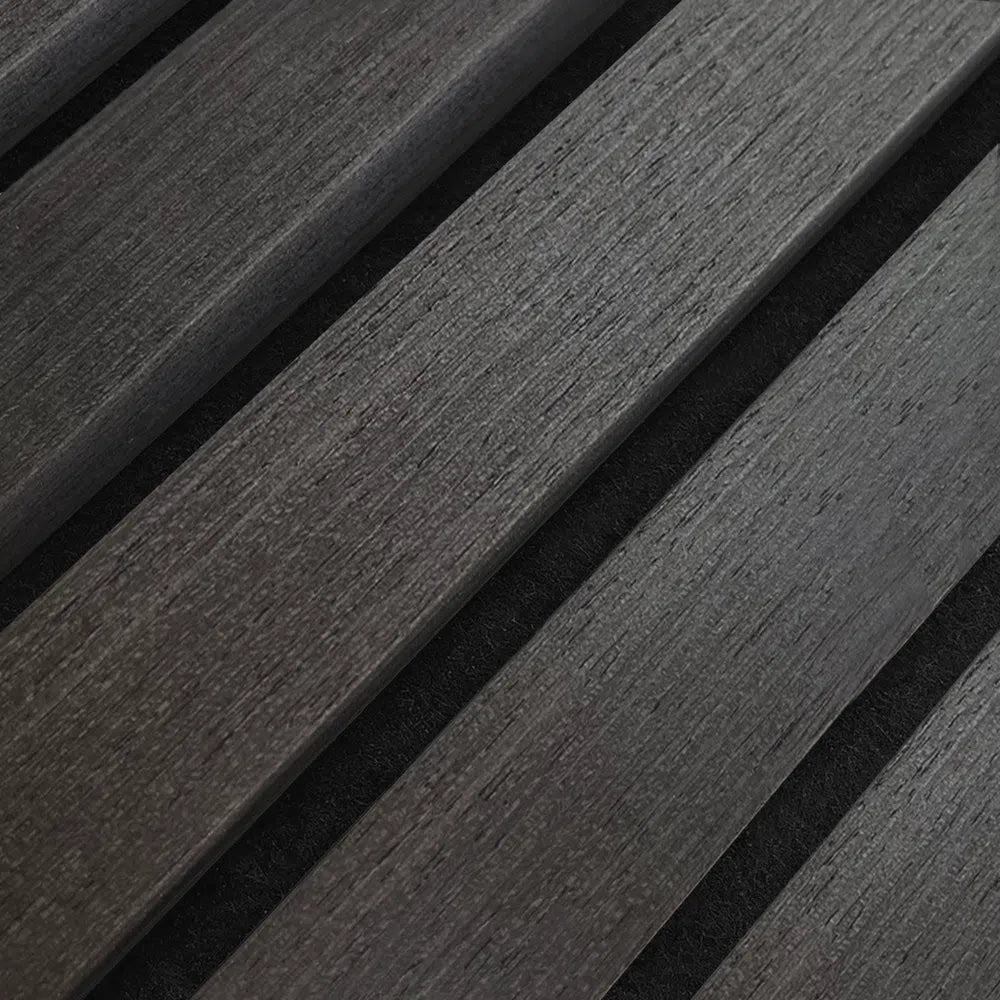
Black Oak — the workhorse. A darker tone hides scuff marks and luggage scrapes in high-traffic cabin corridors better than a pale finish will over a multi-year charter cycle. Consider for corridor bulkheads, skip for headboard walls where a lighter finish reads more restful.
Mocca — the budget-conscious warm tone. Sits well against the brass and warm-metal fittings common in cabin fit-outs without the higher-contrast statement of Black Oak. Consider for cabins where the fit-out brief calls for a warmer, less dramatic palette.


What to avoid
Exterior wall cladding panels look similar to indoor acoustic panels in a product photo, but they're built for weather exposure, not sound absorption or fire compliance inside a passenger cabin — don't cross-shop the two ranges for interior specs. Full-height veneer runs taken straight into a wet room footprint are the second trap: the finish looks identical to the dry-cabin panel on delivery, then delaminates under repeated humidity cycles within a season.
Wood-tone consistency matters beyond the cabin wall itself — designers coordinating a full cabin brief often carry the same timber palette from the panelled headboard through to smaller fitted details, the way serving boards for yacht galleys extend a matched wood finish from cabin into galley fixtures on a private vessel refit. The same logic applies on a cruise ship: matching finish across cabin and adjoining public spaces reads as a considered spec, not a patchwork of whatever was in stock in 2026.
A third avoidable mistake: ordering panel quantity to the exact square metreage without a cutting allowance. Cabin bulkheads rarely run in clean multiples of a 240 cm or 300 cm panel, and window and door returns eat into usable panel area fast.
Verdict comparison
| Panel | NRC rating | Best cabin zone | Verdict |
|---|---|---|---|
| Hexagon Natural Oak | 0.75 | Headboard / TV wall | Buy |
| Smoked Oak (240/300 cm) | Felt-backed | Corridor bulkhead | Buy, confirm batch |
| Black Oak | Felt-backed | High-traffic corridor | Consider |
| Mocca | Felt-backed | Warm-toned cabin brief | Consider |
| Exterior cladding range | Not rated for interior acoustics | Not applicable | Skip |
FAQ
What's the best acoustic panel for a cruise ship cabin?
A felt-backed wood veneer panel rated NRC 0.75, like Akuwood Panel's hexagon range, works well on headboard and TV walls where absorbing airborne sound matters most. Corridor-facing bulkheads suit the 240 cm and 300 cm slat formats for full-run coverage.
Is real wood veneer suitable for a marine cabin interior?
Yes, on dry cabin walls such as the headboard, corridor bulkhead, and TV wall, but not inside the wet room footprint. Daily condensation cycles in a shower enclosure will degrade a veneer finish faster than in a standard residential bathroom.
How much does an acoustic wood panel cost for a cabin refit in 2026?
Akuwood Panel's hexagon acoustic range prices at £40.95 per 81 cm panel as of 2026, with slat panels sold in 240 cm and 300 cm formats. Total cost per cabin depends on wall run length and cutting allowance for window and door returns.
Do acoustic wood panels need a fire rating for a cruise ship cabin?
Any material specified for a passenger cabin needs fire test documentation a classification surveyor will accept, and this varies by panel range and finish. Request current fire test data directly from the supplier before writing a panel into the cabin spec.
Can acoustic panels be installed without structural fixings on a ship bulkhead?
Adhesive-fit panels using a high-tack panel glue reduce both fixing time and added structural weight compared to mechanical fasteners. This suits the tight turnaround of a dry-dock refit window better than a stud-and-plasterboard build-out.
What NRC rating do you need to quiet a cruise cabin?
An NRC of 0.75 absorbs three-quarters of the sound energy hitting the panel, which noticeably reduces engine hum and adjoining-cabin noise bleed. Lower NRC finishes will still improve on a bare bulkhead but won't match that absorption level.
Are hexagon panels practical for a cabin feature wall?
Hexagon panels at 81 cm work well for headboard and accent walls where a full bulkhead run isn't needed. For corridor-facing walls or full-height coverage, the 240 cm and 300 cm slat formats install faster across a longer run.
How do you keep finish consistent across hundreds of identical cabins?
Confirm dye-lot and veneer-grain matching across the full order quantity before the first cabin goes into production, not just against a single sample panel. Fleet-wide refits depend on every cabin reading identically to the next.
One last thing
The detail that trips up most first-time marine specs isn't the acoustic rating at all — it's ordering panel square metreage to the exact bulkhead dimension and running short once window returns and door frames are cut out. Order with a cutting allowance built in, and confirm the fire documentation request in writing before the first panel ships in 2026, not after the dry-dock window opens.