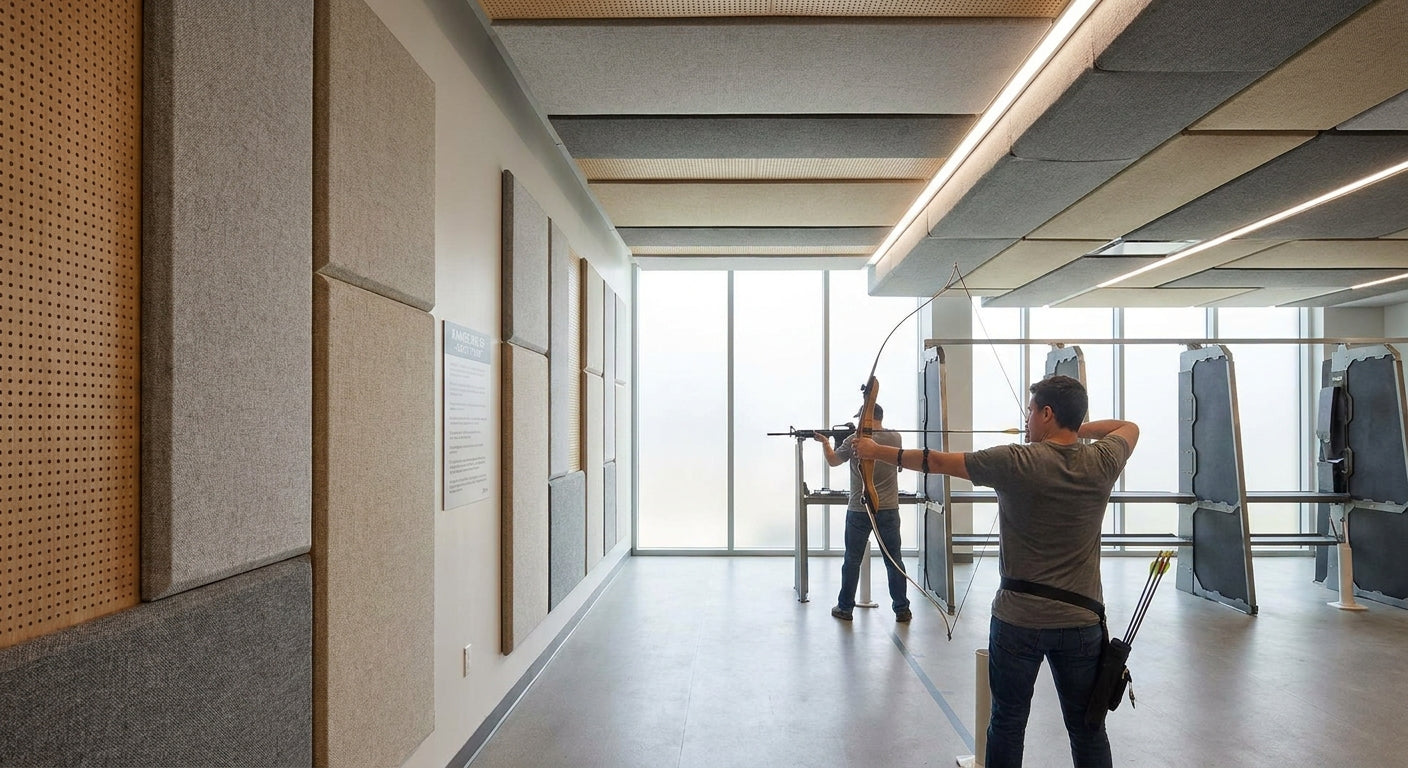
Indoor archery halls and shooting ranges produce some of the harshest reverberation problems in commercial buildings, and this guide breaks down which acoustic panels actually cut echo in 2026 and where they belong on the floor plan.
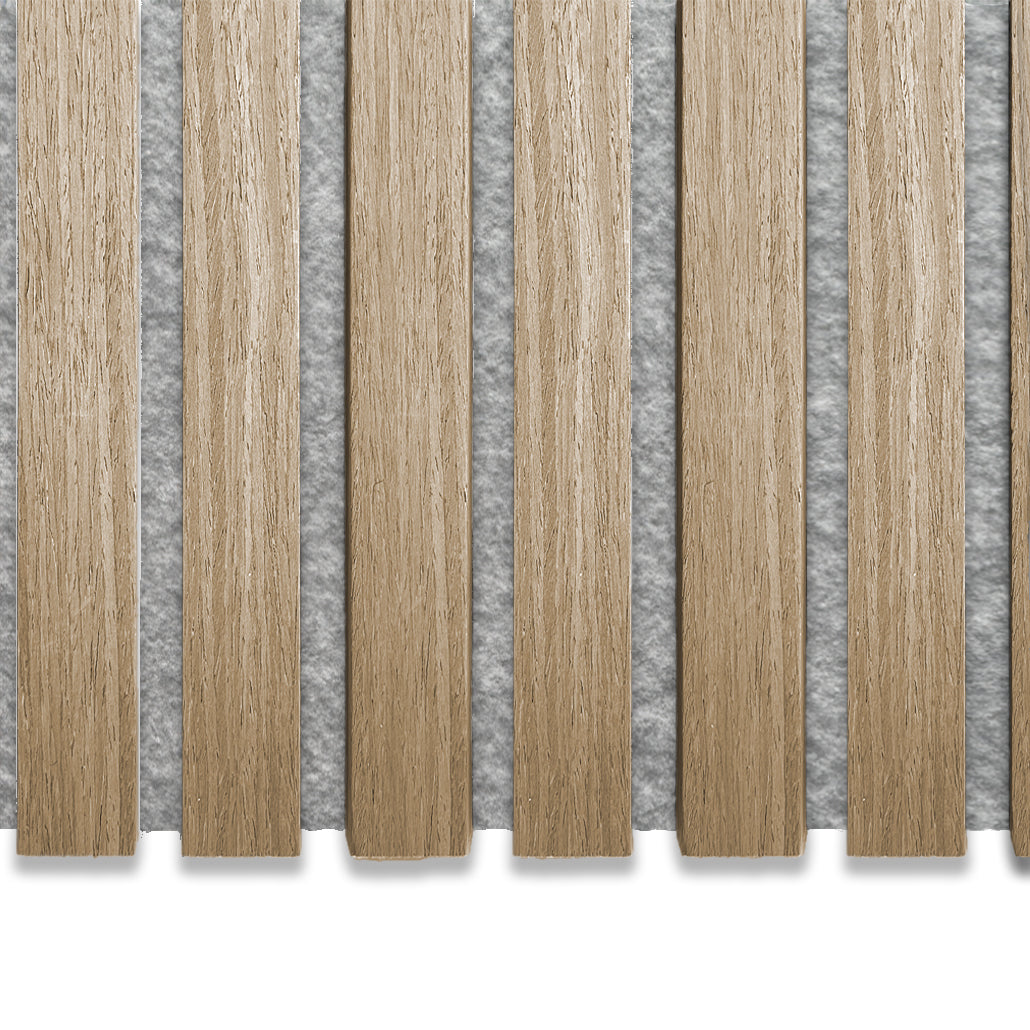
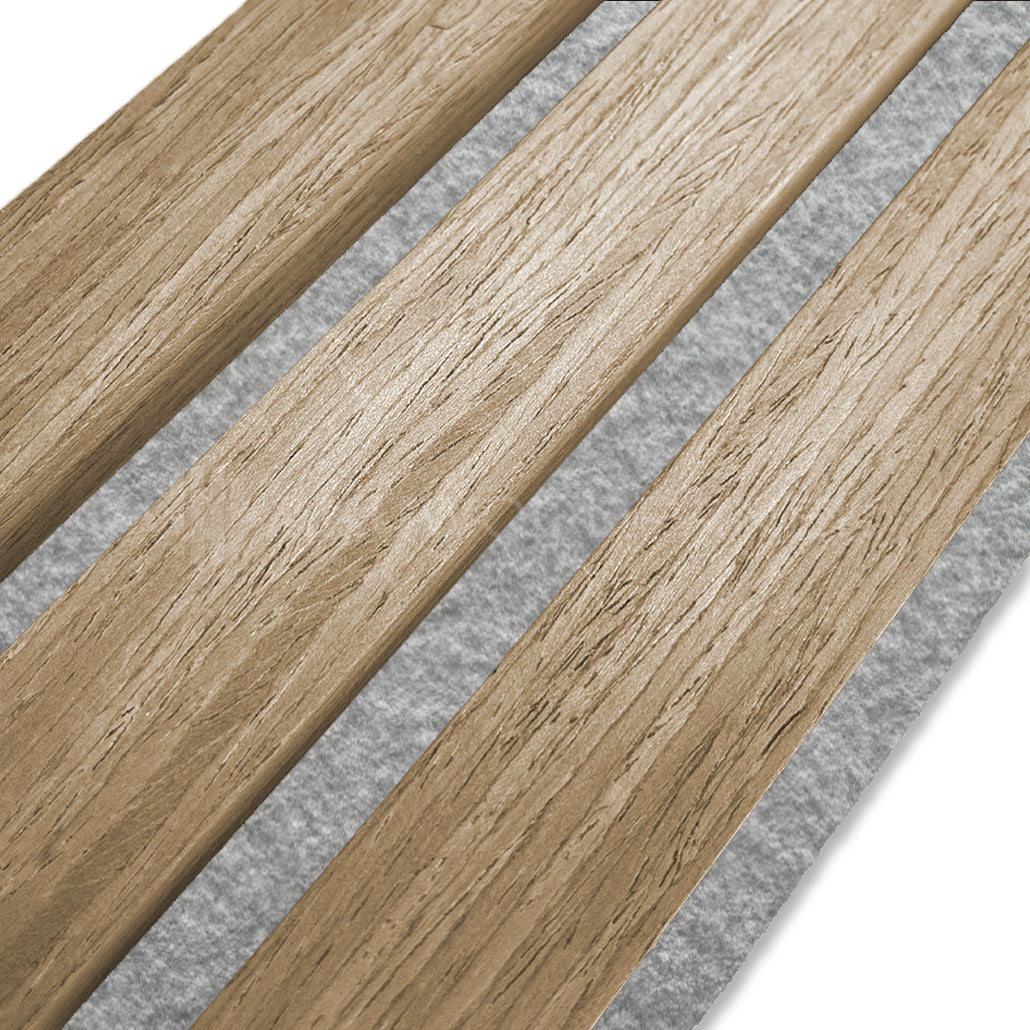
- Hexagon Panel Natural Oak with Grey Felt hits NRC 0.75 and fits viewing galleries — Buy for range receptions in 2026.
- Acoustic panels for shooting ranges absorb echo; they do not stop gunfire noise crossing walls, so treat firing lanes separately.
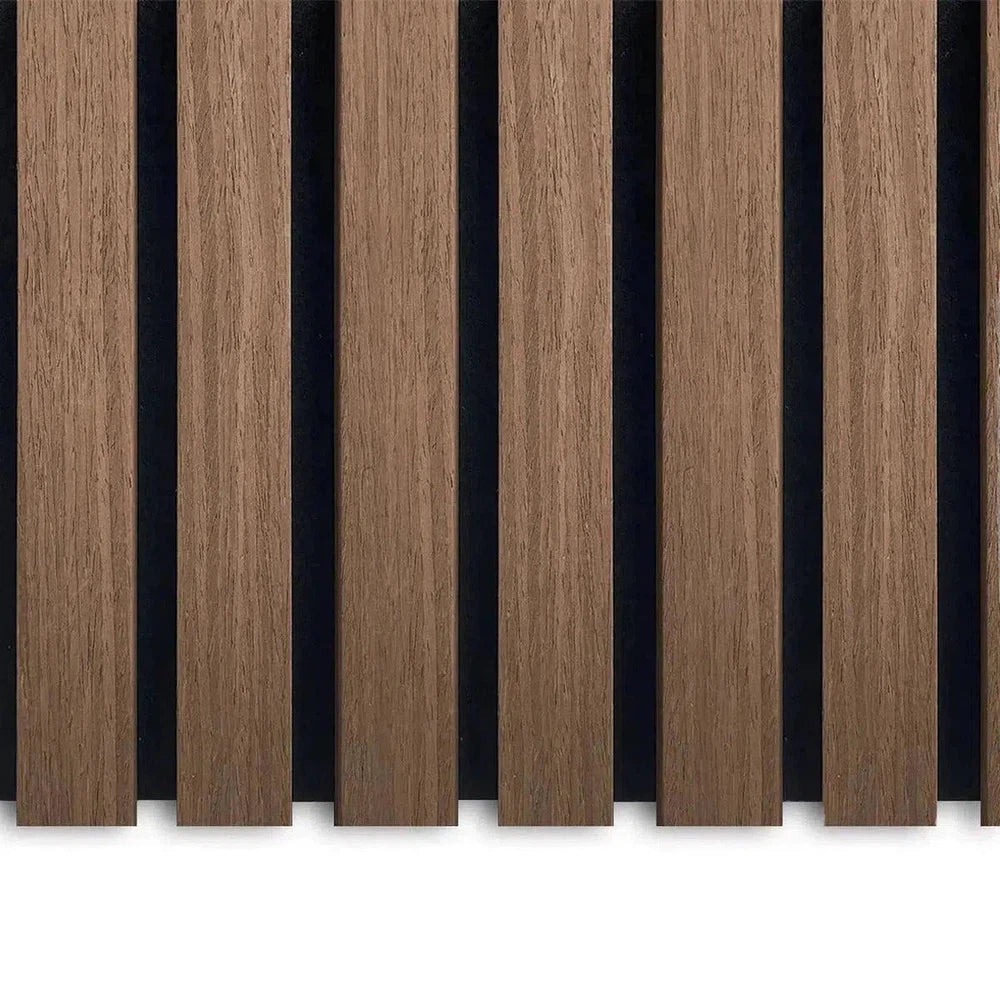
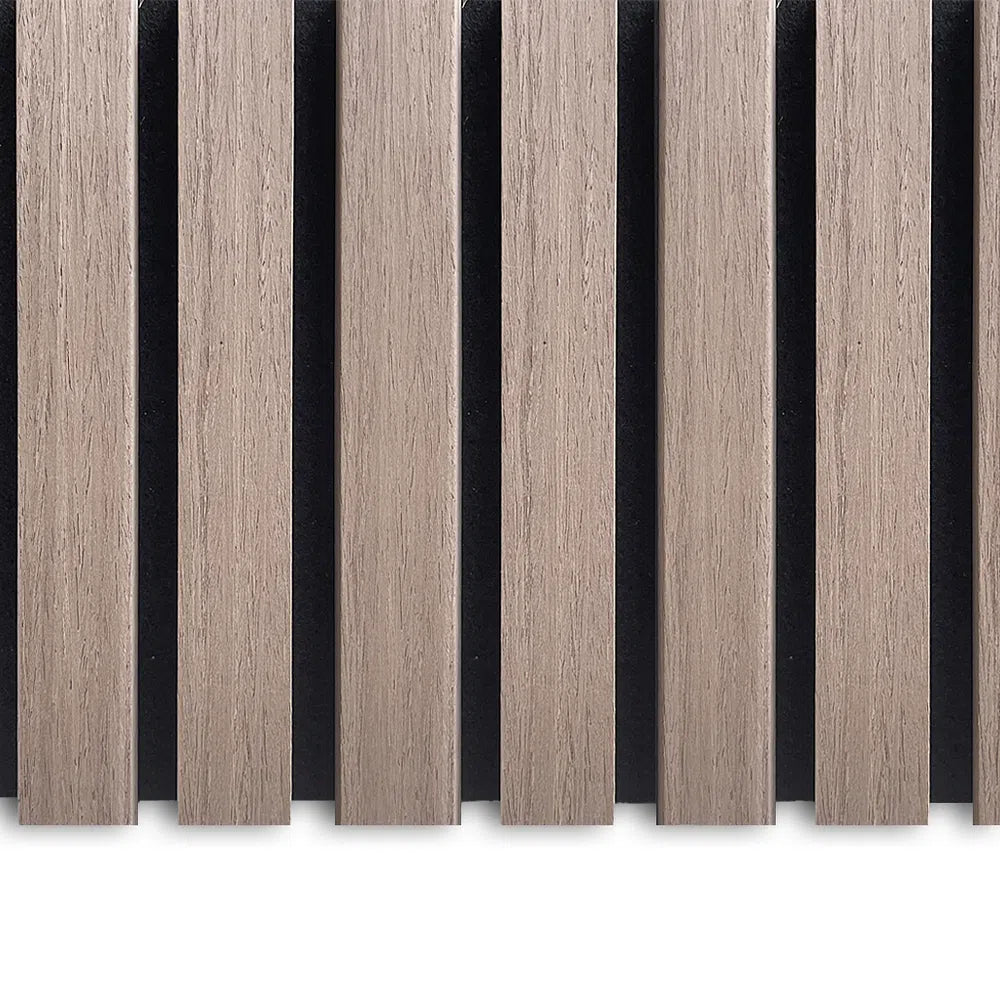
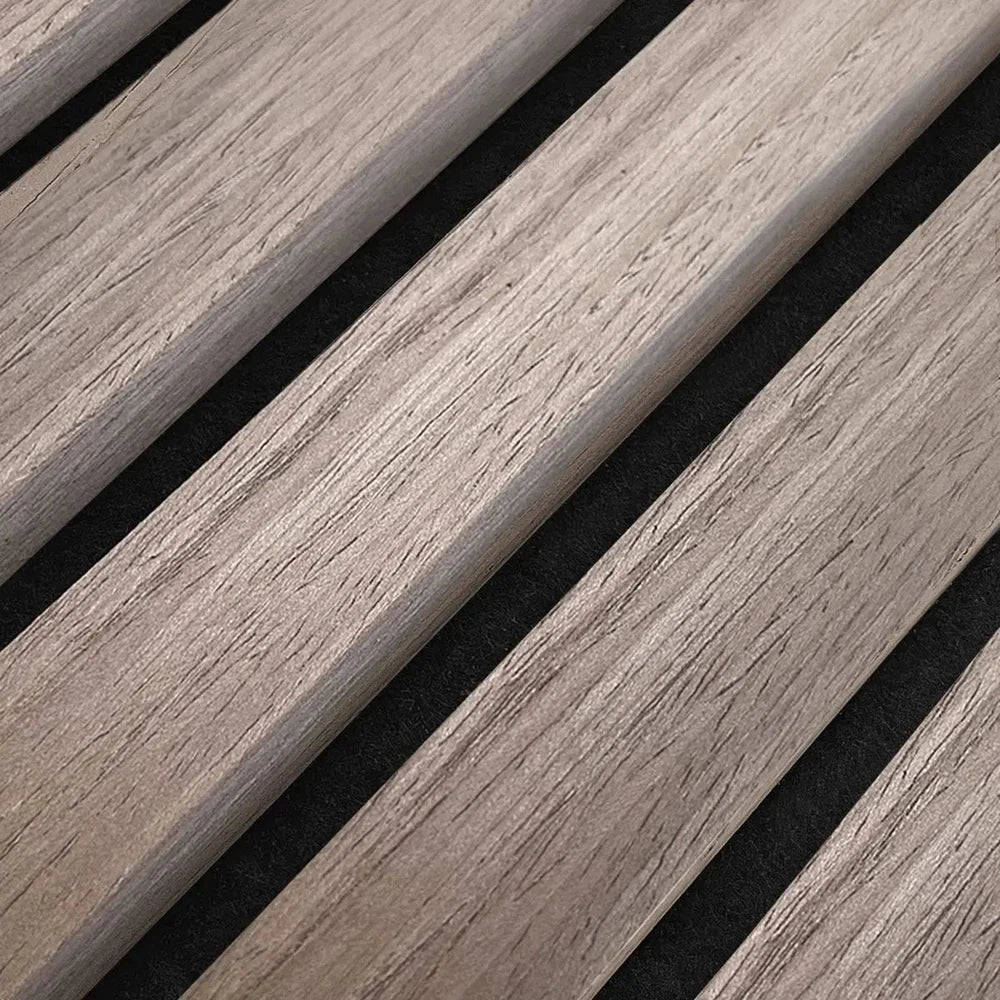
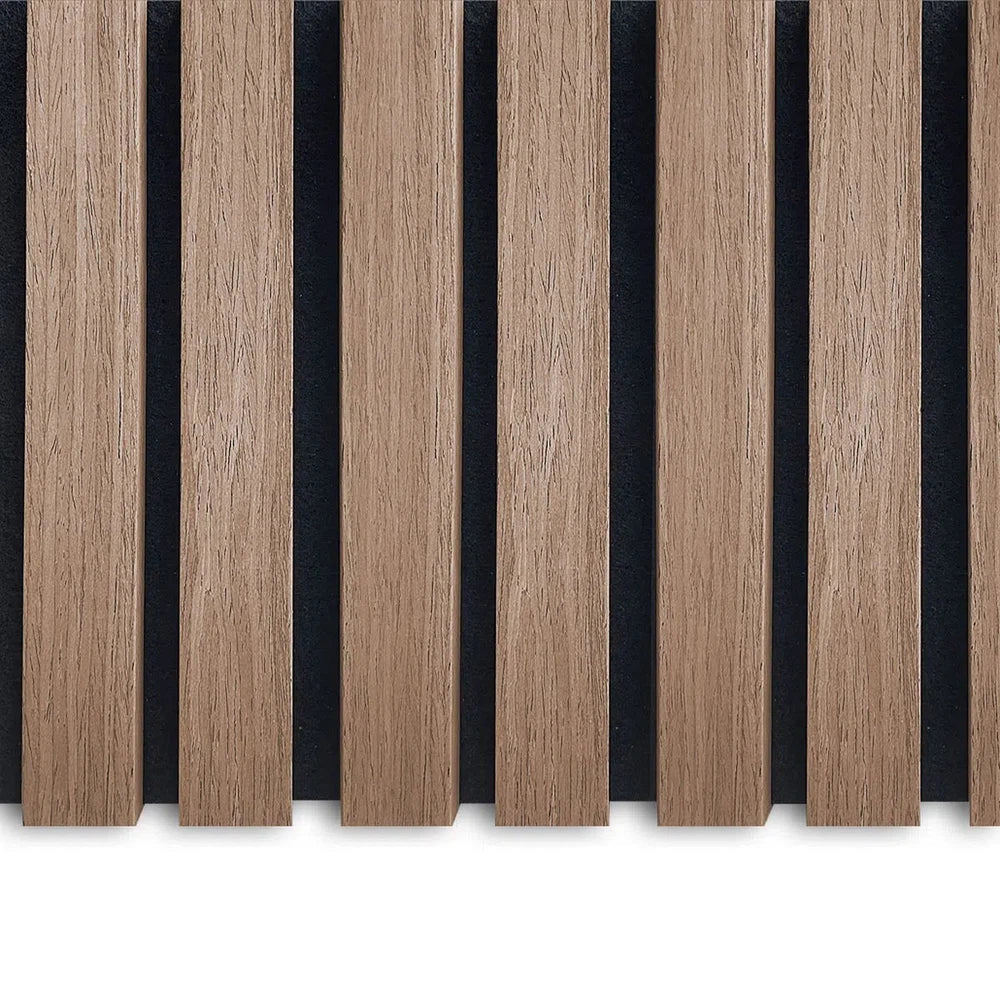
- Wooden Wall Panel Smoked Oak suits clubrooms and briefing areas — Consider, not a firing-lane fix.
- Cheap foam acoustic tiles marketed for ranges — Skip, most lack fire ratings for public venues in 2026.
Why this matters
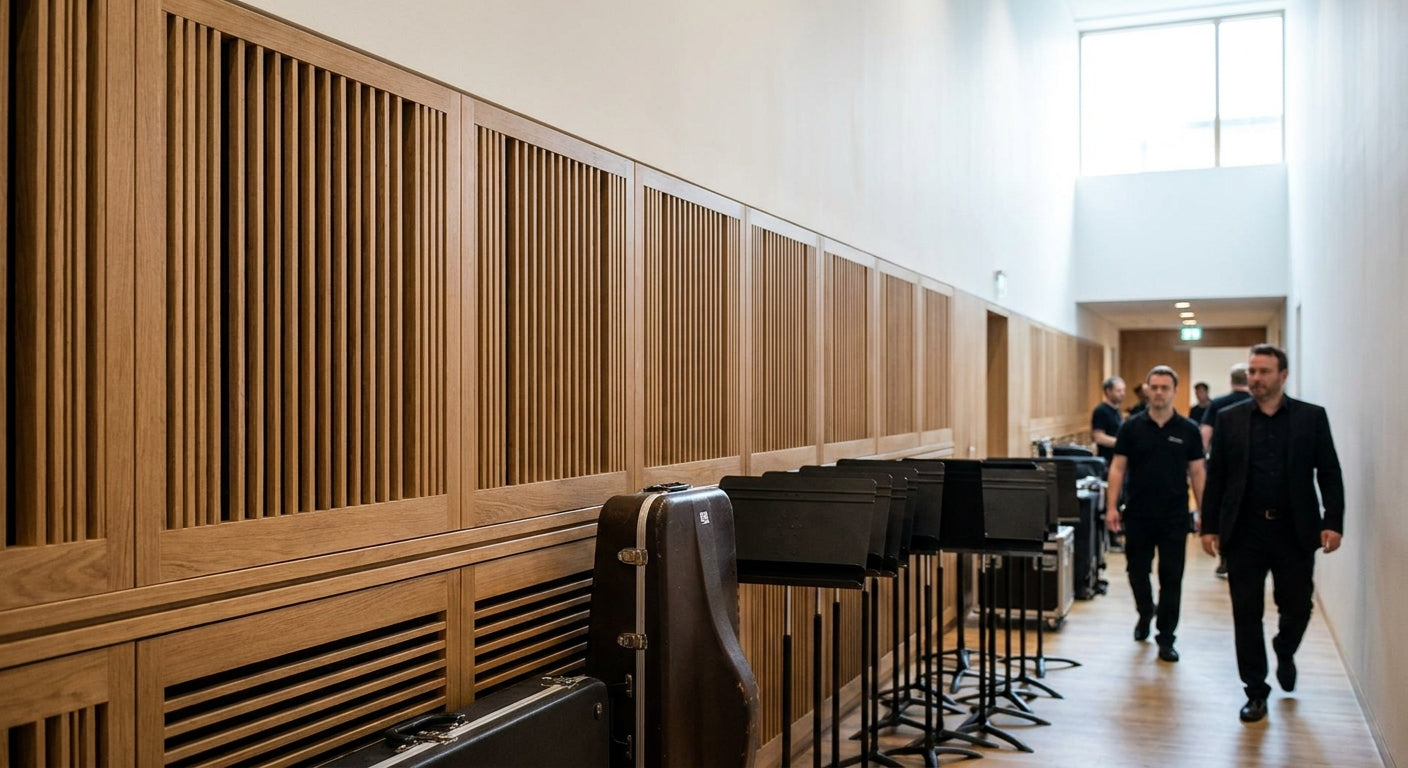
A firing lane or archery hall is mostly hard, parallel surfaces: concrete floors, steel backstops, painted block walls. Sound has nowhere to go, so it bounces until it decays, and that decay time is what shooters, staff and range officers feel as fatigue by the end of a session. Acoustic wood panels with a felt backing are built to shorten that decay in the rooms around the lane — reception, corridors, briefing rooms, clubrooms — not to silence the range itself.
That distinction matters more here than in almost any other commercial space. Get it wrong and you spend money on the wrong wall.
Who this is for
This guide is for range owners, archery club managers and facilities staff fitting out the non-firing areas of an indoor range in 2026 — lobbies, viewing galleries, corridors between lanes, staff break rooms, and licensed clubrooms attached to the range. If you're specifying materials for the firing lane backstop or baffle system itself, that's a different, specialist product category and this isn't it.
What to look for in acoustic panels for shooting ranges
Sound absorption rating (NRC)
The Noise Reduction Coefficient tells you how much sound energy a panel absorbs versus reflects. A panel rated NRC 0.75 absorbs 75% of the sound hitting it across the tested frequency range, which is a meaningful cut in a hard-surfaced range hall. Anything much below 0.5 won't move the needle in a room this reflective.
Real wood veneer vs printed laminate
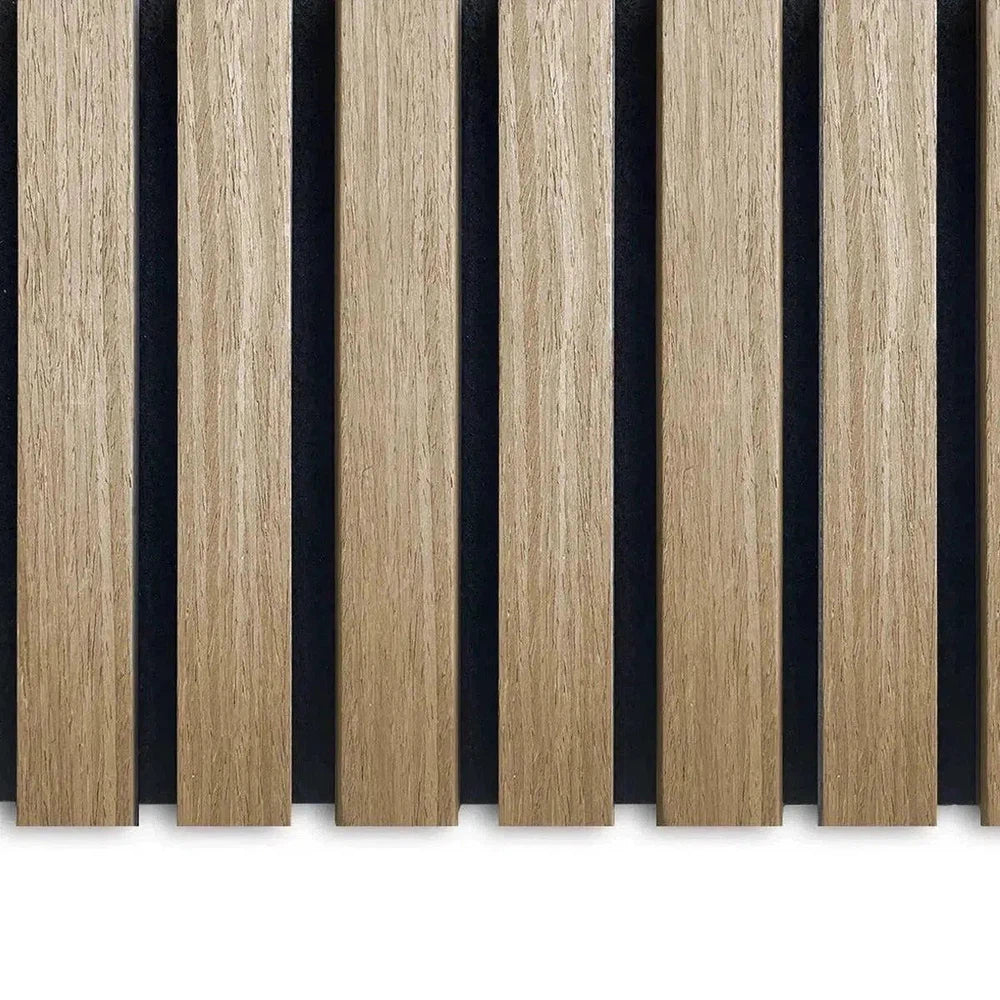
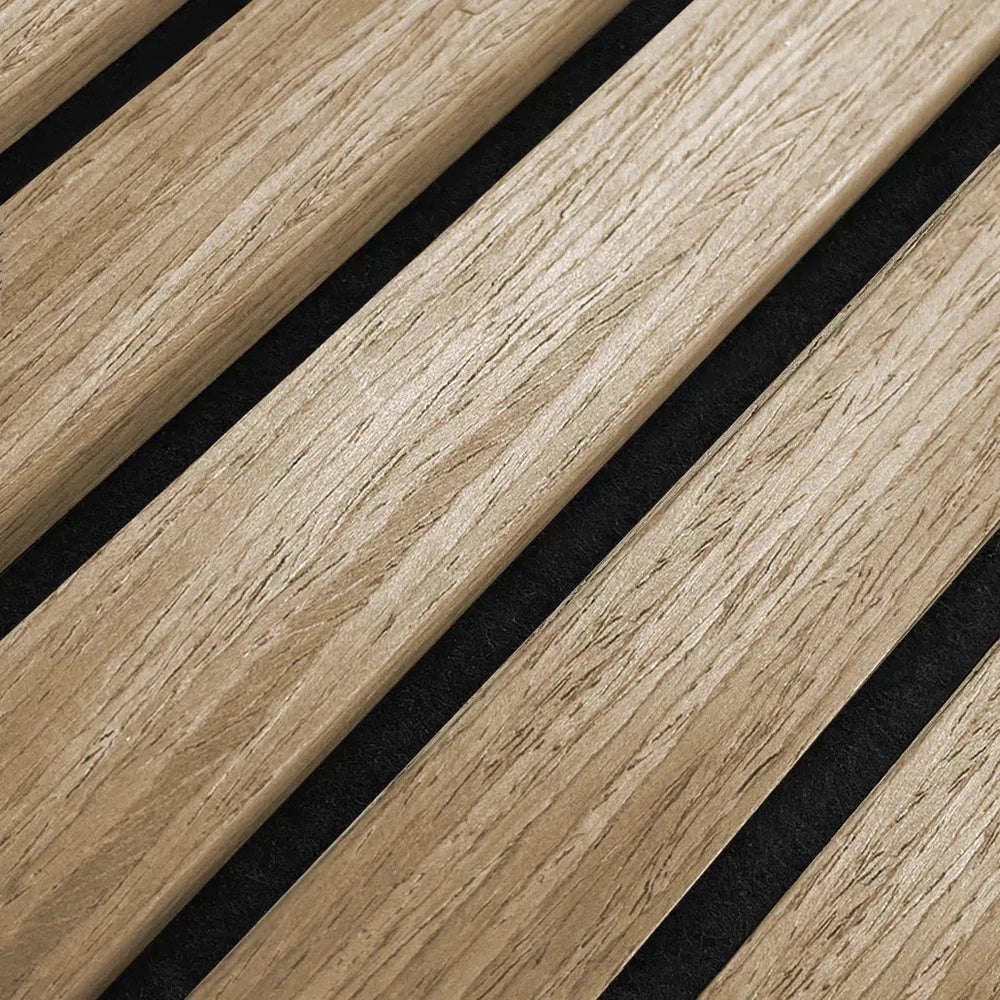
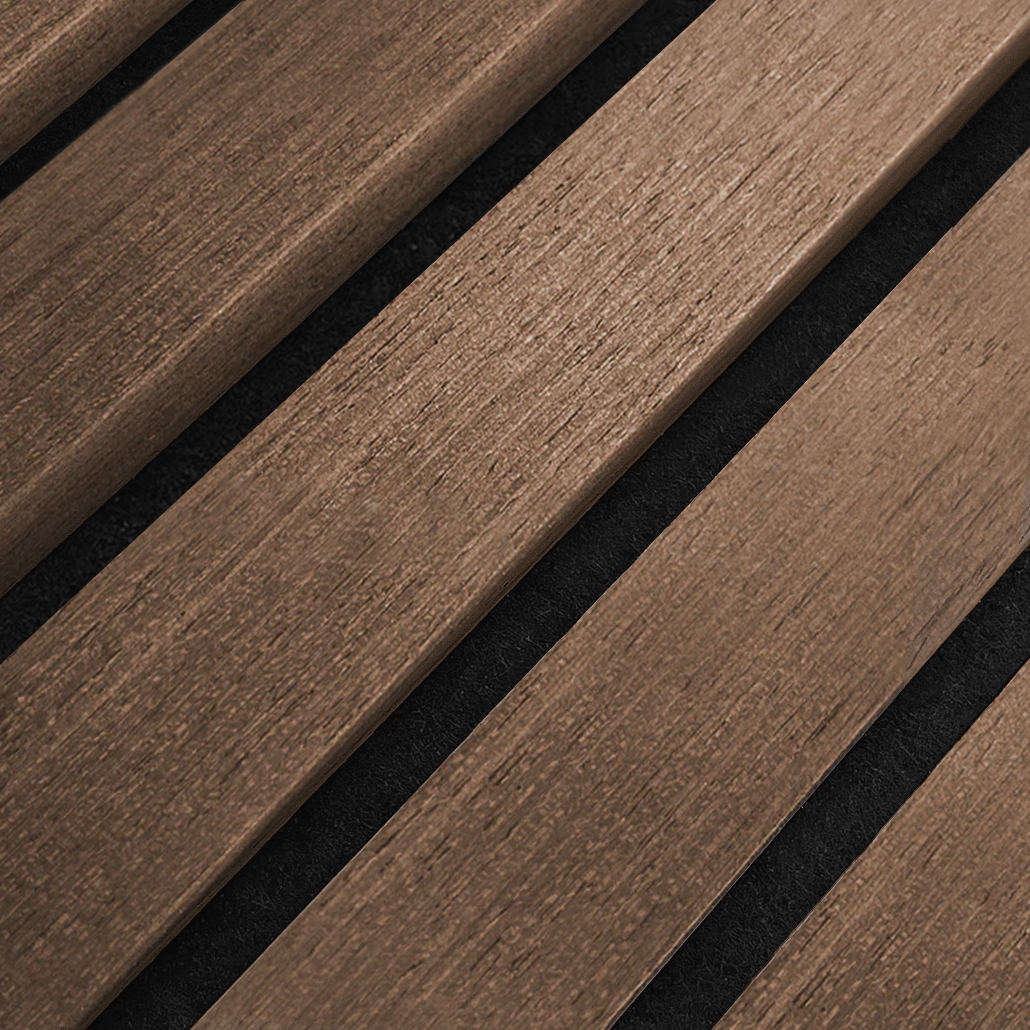
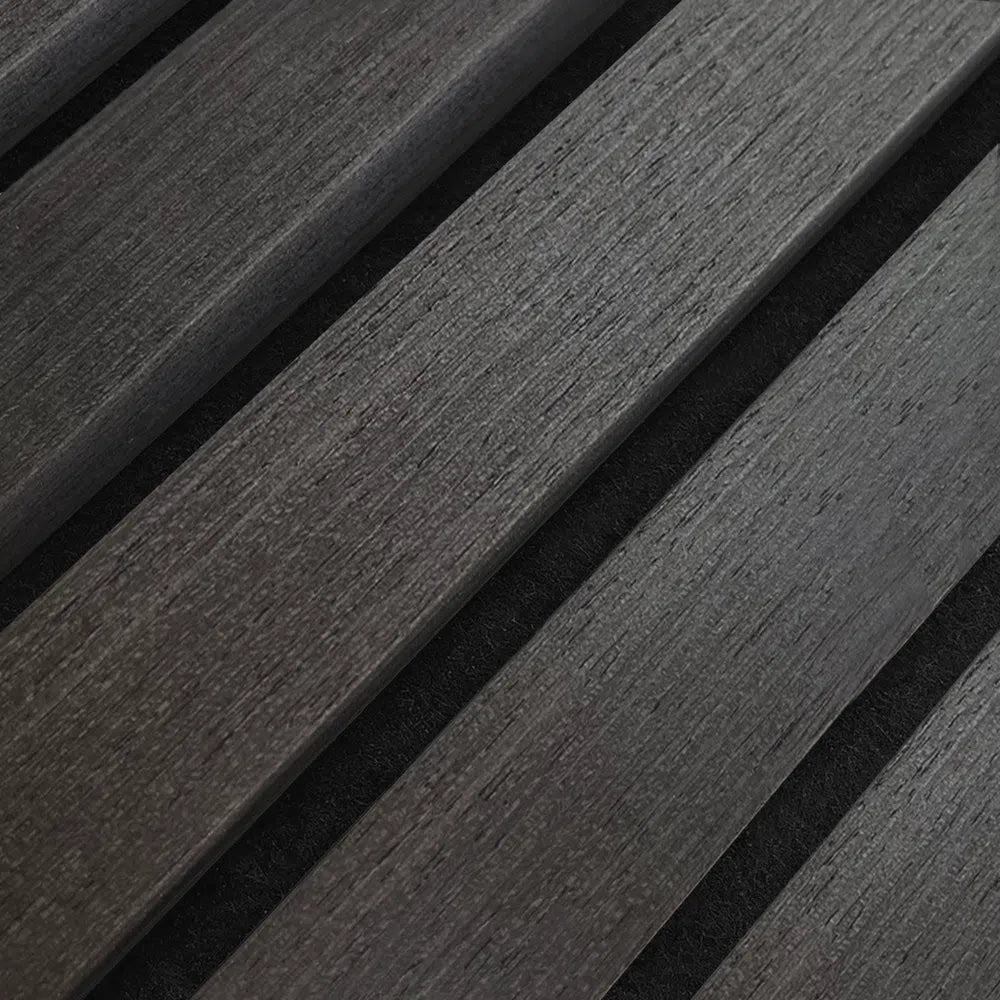
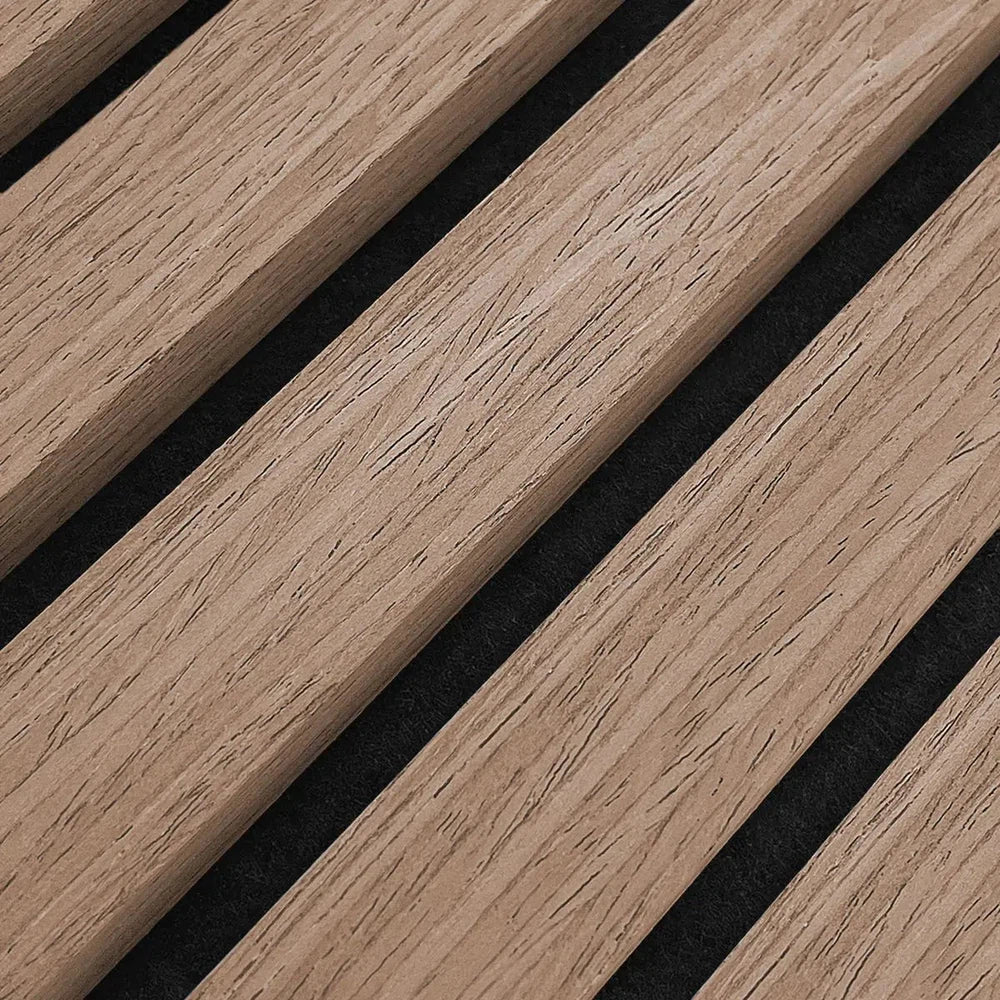
A range lobby gets handled, brushed against, and cleaned constantly. A 3-sided real wood veneer finish holds up to that traffic far better than a printed laminate, which scuffs and shows wear within a season of daily use.
Panel size and format for tall range halls
Range buildings often have higher-than-domestic ceilings. Panels come in 240 cm and 300 cm formats — the taller format covers more wall height per panel and cuts down on horizontal seams in a tall corridor or gallery wall.
Zone-appropriate application (absorption vs ballistic isolation)
Absorption panels quiet a room by soaking up sound energy inside it. They are not isolation or ballistic-rated products, and they won't stop gunfire noise transmitting through a wall into an adjacent room. That job belongs to mass, sealed construction and purpose-built backstop engineering, not a wood veneer acoustic panel.
“Absorption panels quiet the room they're in; they don't stop sound leaving it.”
Fire rating and public venue compliance
A range open to members or the public falls under different fire compliance rules than a private home wall. Before ordering at volume, check the fire rating documentation for whatever panel you're specifying — this breakdown of fire ratings for acoustic wood panels walks through what to ask a supplier for.
Maintenance and cleaning in a shooting environment
Ranges accumulate dust and residue faster than most commercial interiors. A wood veneer surface with a sealed finish wipes down easily; a raw or unfinished surface will hold grime and discolour within months.
Top picks for range interiors
Hexagon Panel Natural Oak with Grey Felt — the safe pick for reception desks and viewing galleries. NRC 0.75, 81 cm hexagon format, £40.95 per panel. Light natural oak keeps a lobby bright while cutting reflected noise from the range beyond. Buy.
Hexagon Panel Grey Walnut with Grey Felt — the low-light pick for corridors and lane-divider walls where daylight is limited. Same NRC 0.75 rating and £40.95 price point, but the darker walnut tone hides scuffs and handling marks better in a high-traffic corridor. Buy.
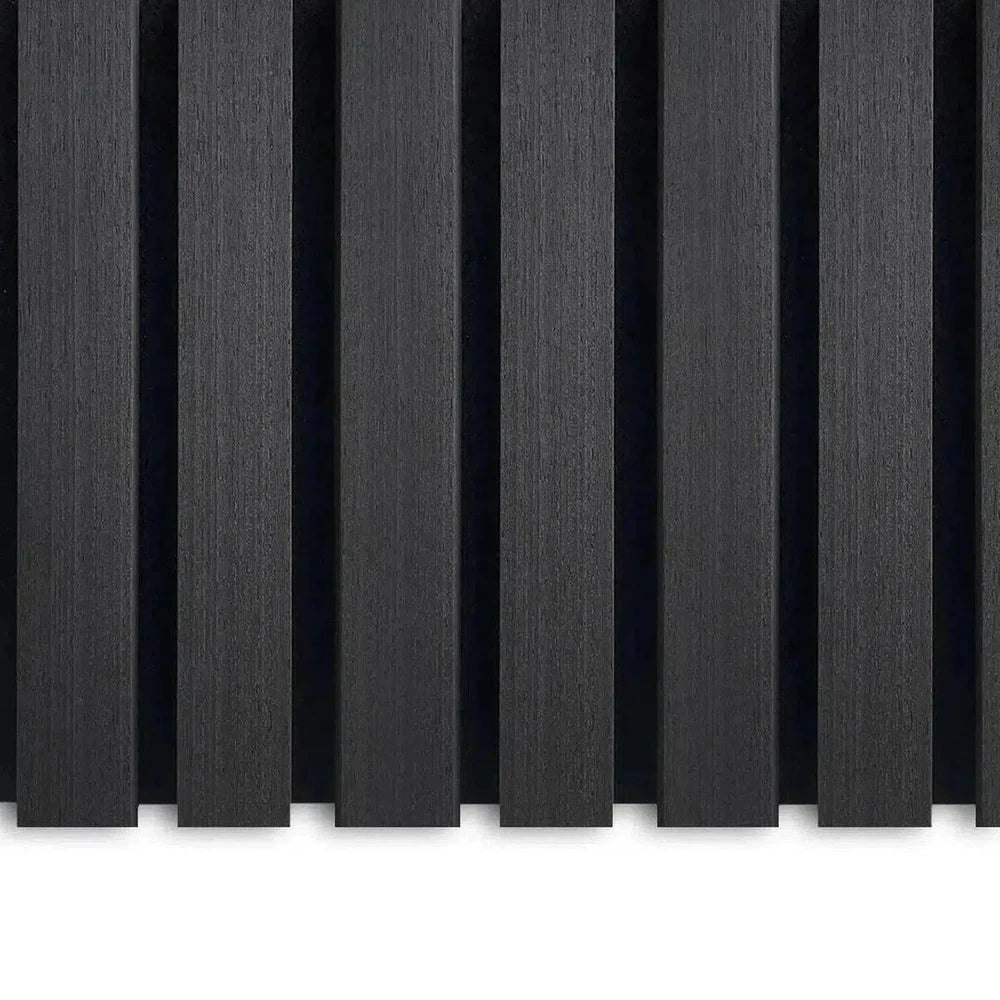
Wooden Wall Panel Smoked Oak — the clubroom pick for bars, lounges and briefing rooms attached to the range. It's a 3-sided real wood veneer panel available in 240 cm and 300 cm formats, and the smoked finish reads as a finished interior rather than a treated surface. Consider for members' areas; it's not built for the firing lane.
Generic foam acoustic tiles sold as "range acoustic solutions" — the one to watch for. Many carry no published fire rating and no NRC figure at all, which makes them impossible to specify against for a public venue. Skip anything a supplier can't back with numbers.


What to avoid
- Panels with no published NRC figure. If a supplier can't give you a number, you can't compare it against anything, and you can't justify the spend to a club committee.
- Treating the firing lane like a lobby wall. Absorption panels on a backstop wall won't survive impact and won't do the ballistic job that wall needs to do — that's a specialist fit-out, not a wood veneer panel.
- Skipping the fire rating check. A range open to members is a public venue in most respects, and fire compliance documentation is not optional paperwork you can chase up later.
Verdict comparison
| Product | NRC rating | Format | Best zone | Verdict |
|---|---|---|---|---|
| Hexagon Panel Natural Oak with Grey Felt | 0.75 | 81 cm hexagon | Reception, viewing gallery | Buy |
| Hexagon Panel Grey Walnut with Grey Felt | 0.75 | 81 cm hexagon | Corridors, low-light walls | Buy |
| Wooden Wall Panel Smoked Oak | Not applicable to firing lane use | 240 cm / 300 cm | Clubroom, bar, briefing room | Consider |
| Unrated foam acoustic tile | Unknown | Varies | None recommended | Skip |
FAQ
What's the best acoustic panel for a shooting range?
For non-firing areas, a hexagon panel with an NRC of 0.75, like the Natural Oak with Grey Felt option, cuts reflected noise in lobbies and corridors effectively in 2026. It isn't a fix for the firing lane itself.
How do you stop echo in an indoor archery range?
You reduce echo by adding absorptive surface area — wood veneer acoustic panels with felt backing on side and rear walls of viewing areas and corridors. The firing lane and backstop need separate specialist treatment, not decorative panels.
Do acoustic wood panels stop gunfire noise from crossing walls?
No. Acoustic wood panels absorb sound inside the room they're fitted in; stopping noise transmission between rooms requires mass and sealed construction, not surface absorption panels.
What NRC rating do you need for a shooting range interior?
Aim for NRC 0.7 or higher in hard-surfaced range interiors. A rating of 0.75, which several hexagon panels carry in 2026, is a solid baseline for lobbies and corridors.
Can acoustic panels go directly in the firing lane?
Decorative wood veneer acoustic panels are not built for the firing lane or backstop wall. That area needs ballistic-rated, impact-resistant materials designed specifically for that job.
Is real wood veneer paneling fire-safe for a public venue?
Fire performance varies by product, so check the documented fire rating before specifying panels for a range open to members or the public. Ask the supplier for the certificate, not just the marketing copy.
What size acoustic panels work best for tall range ceilings?
The 300 cm format covers more wall height per panel than the 240 cm format, which cuts down on horizontal seams on taller corridor and gallery walls common in range buildings.
How much does it cost to treat a range lobby with acoustic panels?
Hexagon panels run £40.95 each at 81 cm, so total cost scales with how much wall area you're covering. Get a wall measurement first and work out panel count before ordering.
One last thing
The single most common mistake in this niche isn't picking the wrong finish — it's buying absorption panels expecting them to solve a transmission problem. If noise is leaking between the range and an adjoining office in 2026, no wood veneer panel on either side of that wall will fix it; the fix is in the wall construction itself.