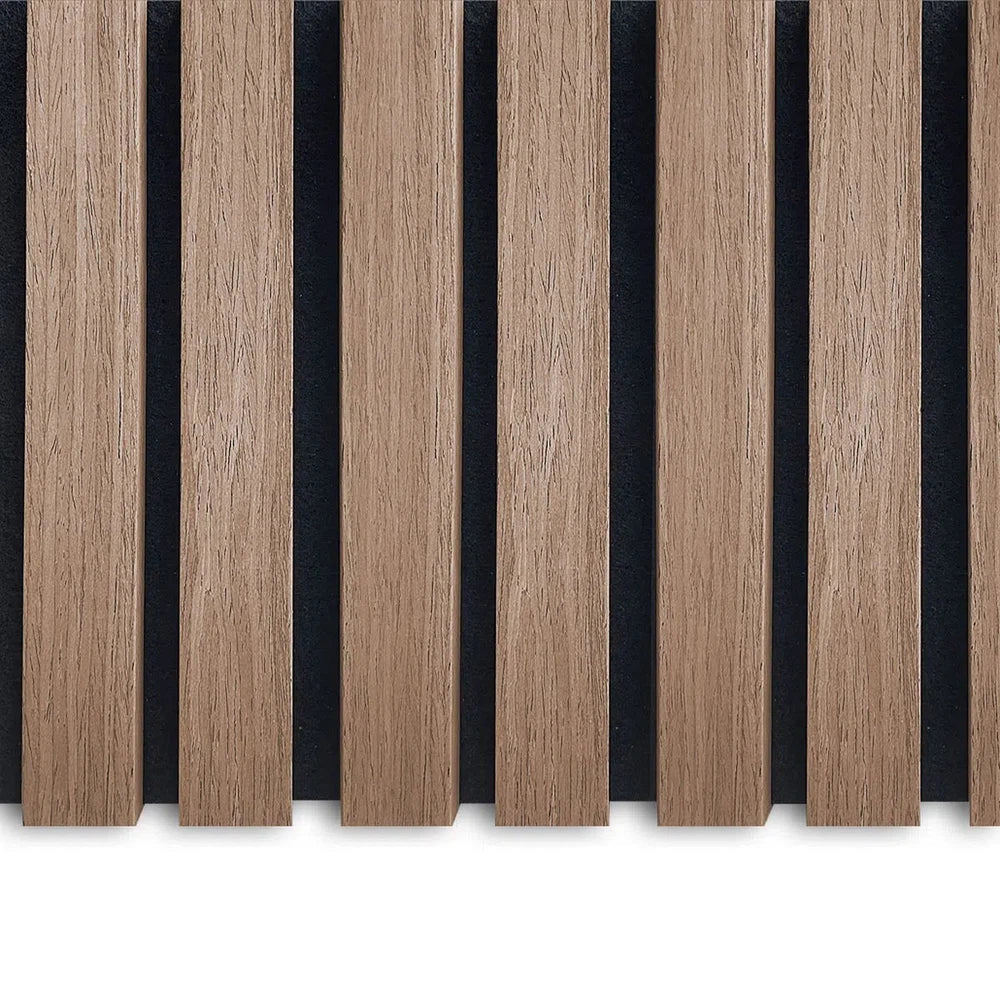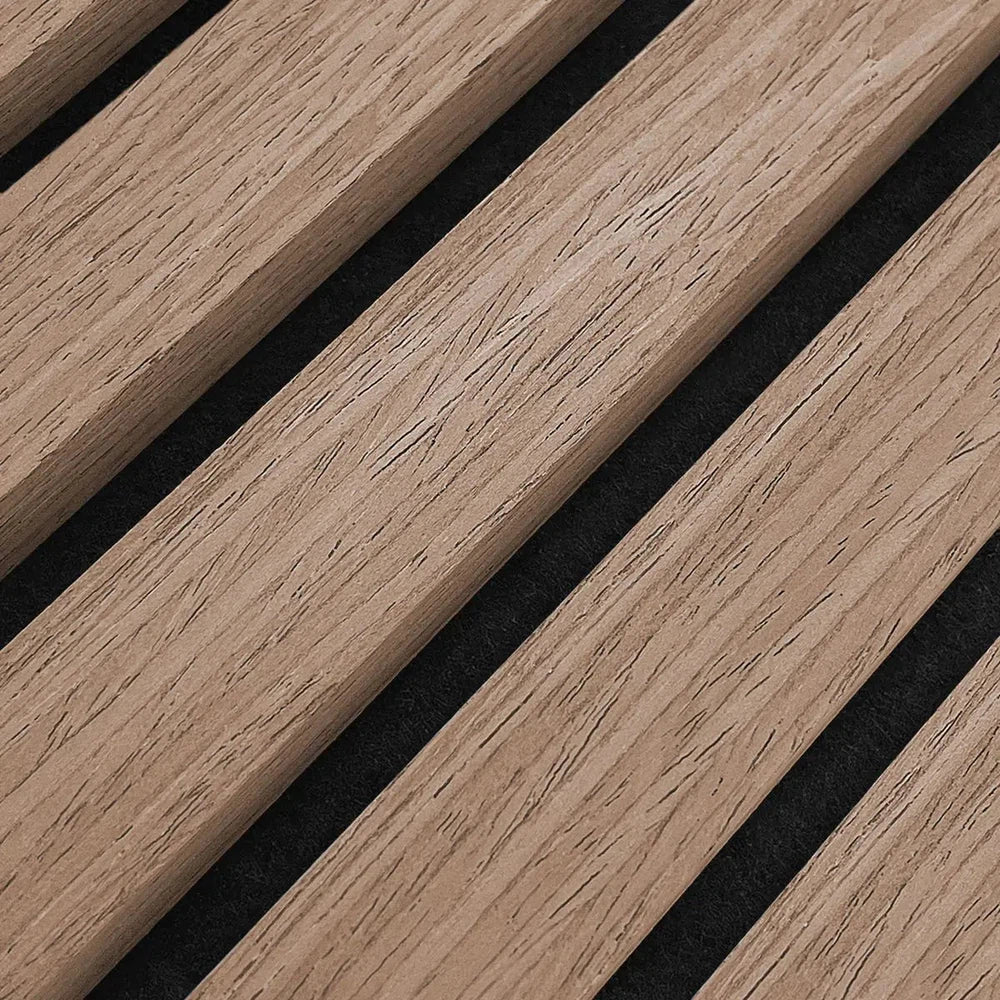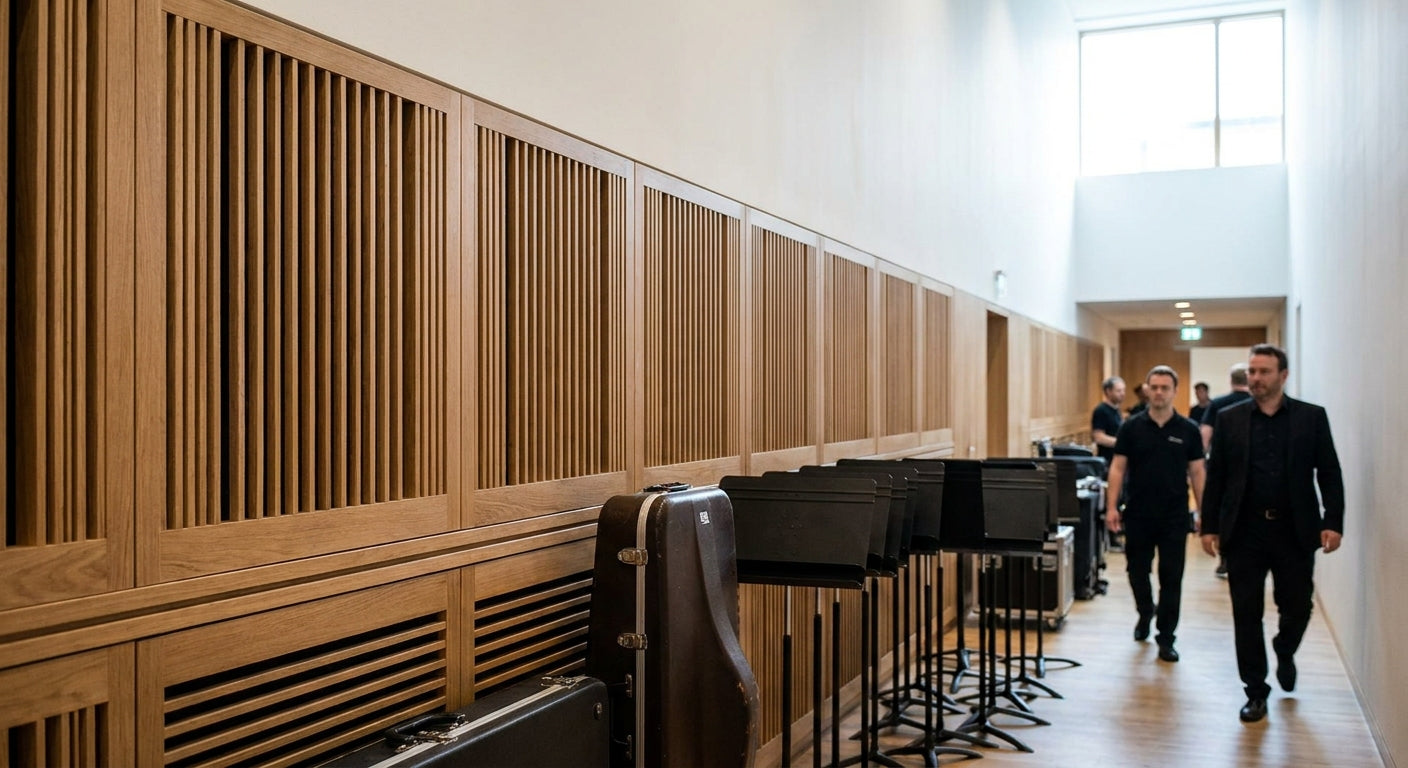
Concert hall backstage corridors, green rooms, and quick-change wings are usually hard-surfaced spaces — block walls, concrete floors, painted plasterboard — built for durability, not for listening. Acoustic wood panels for concert hall backstage areas fix that gap: they cut reverberation where crew and performers actually talk, without touching the front-of-house acoustics engineers already tuned.
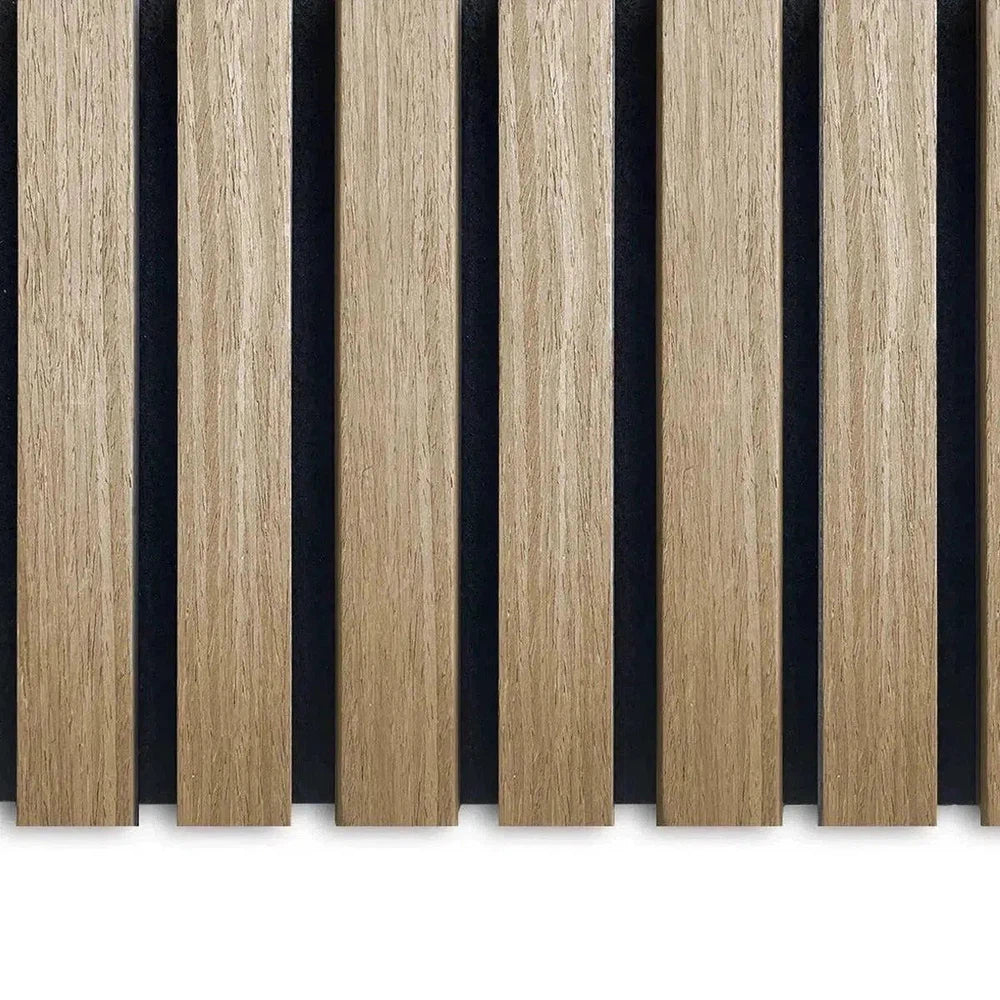
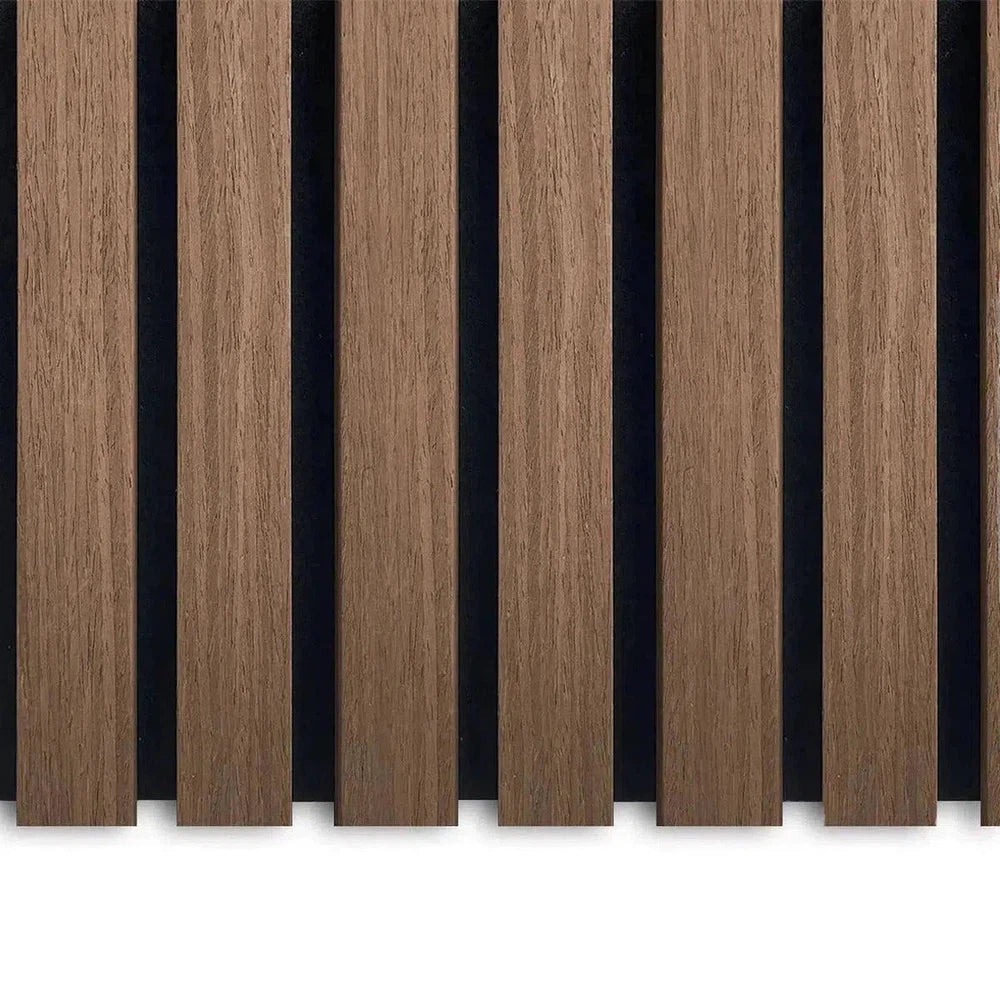
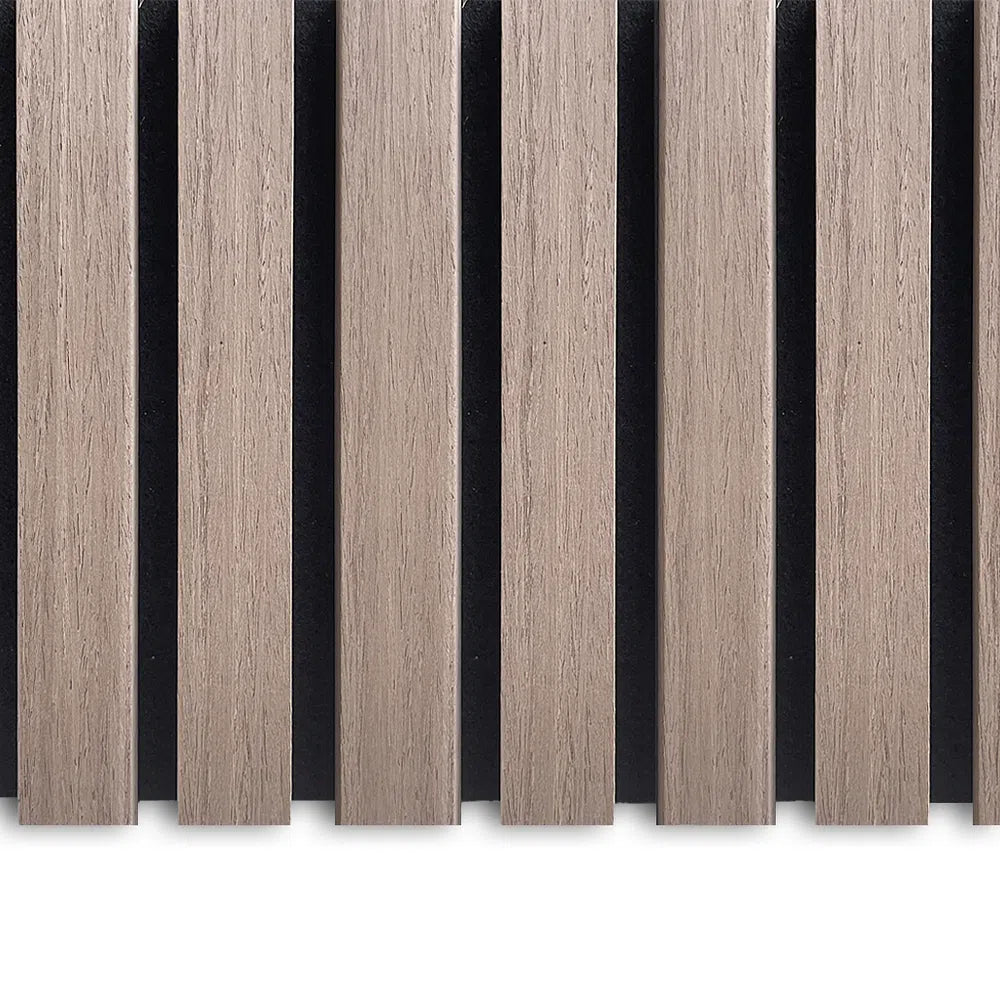
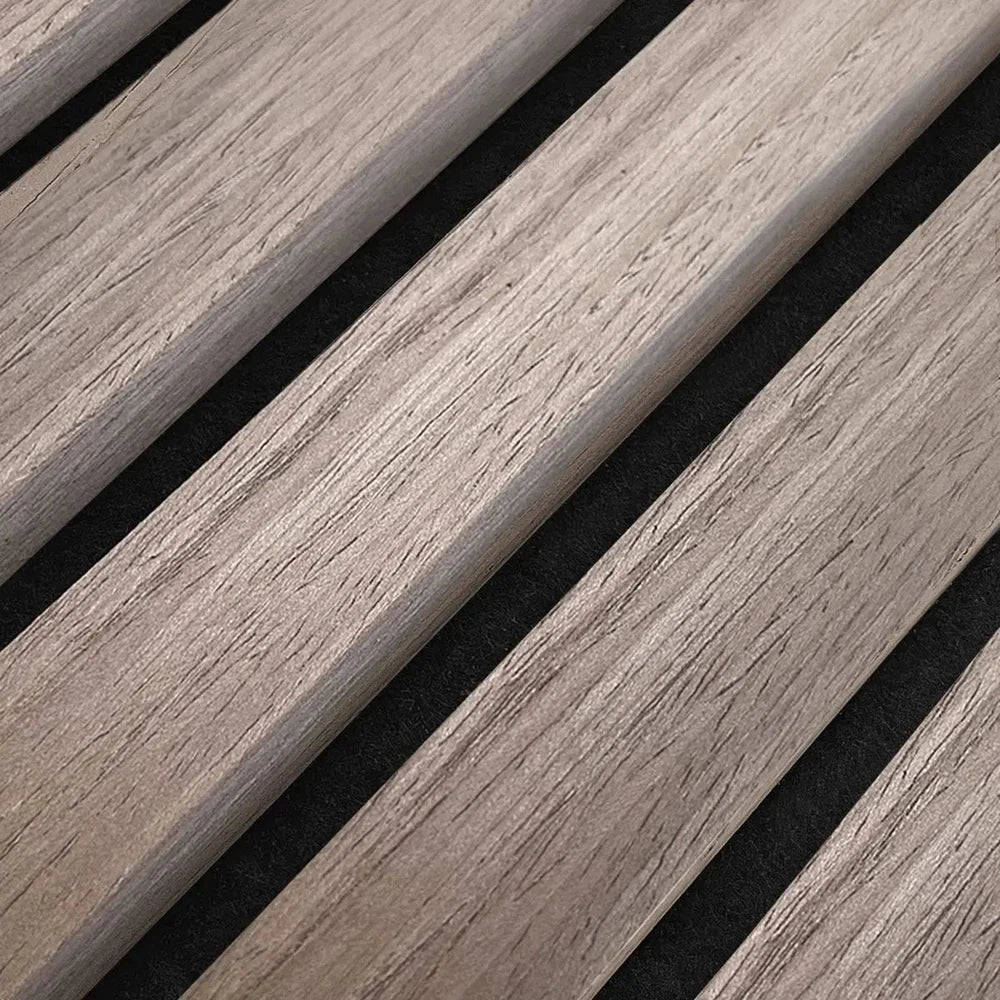
- AKU Woodpanel's Rustic Oak Premium 3-sided veneer panel is the safe default for green rooms and dressing rooms in 2026 — Buy.
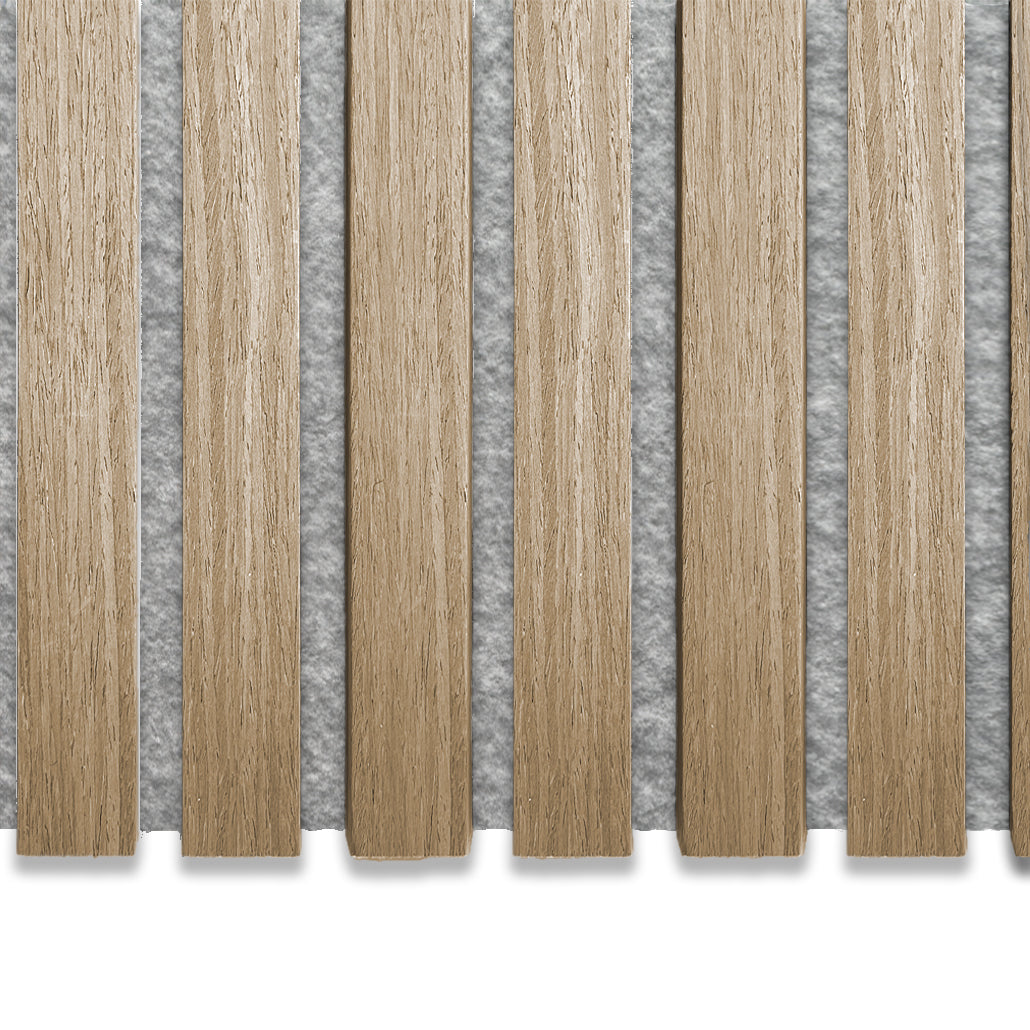
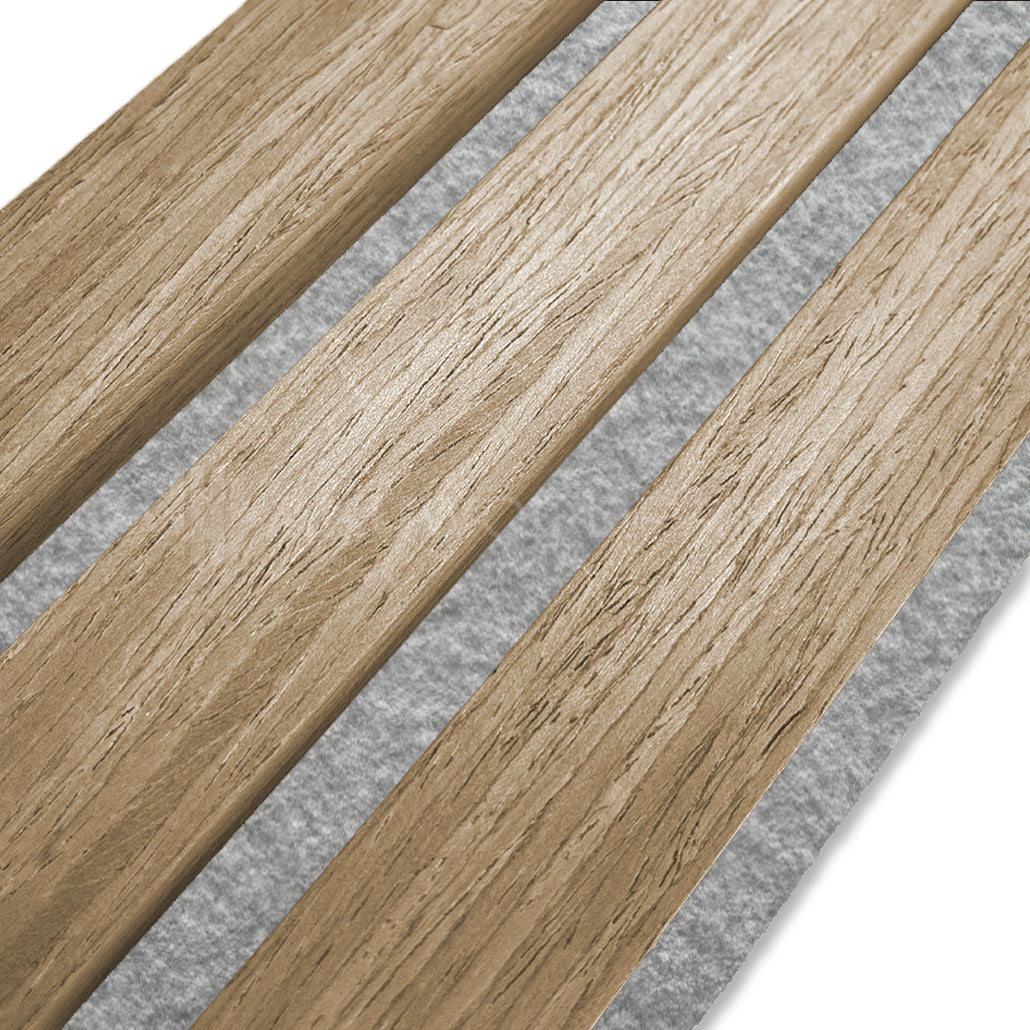
- Hexagon Natural Oak with Grey Felt hits an NRC of 0.75 at 81 cm per module and £40.95 each — Consider for accent walls.
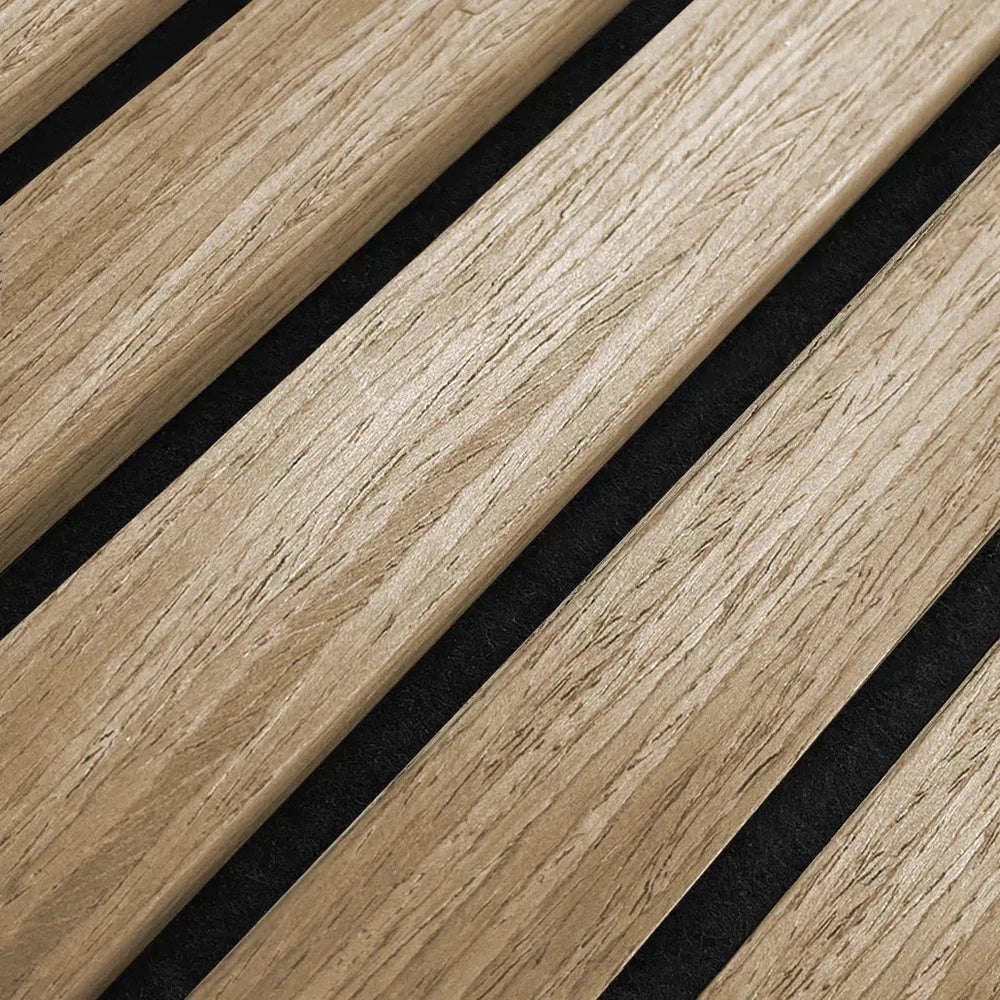
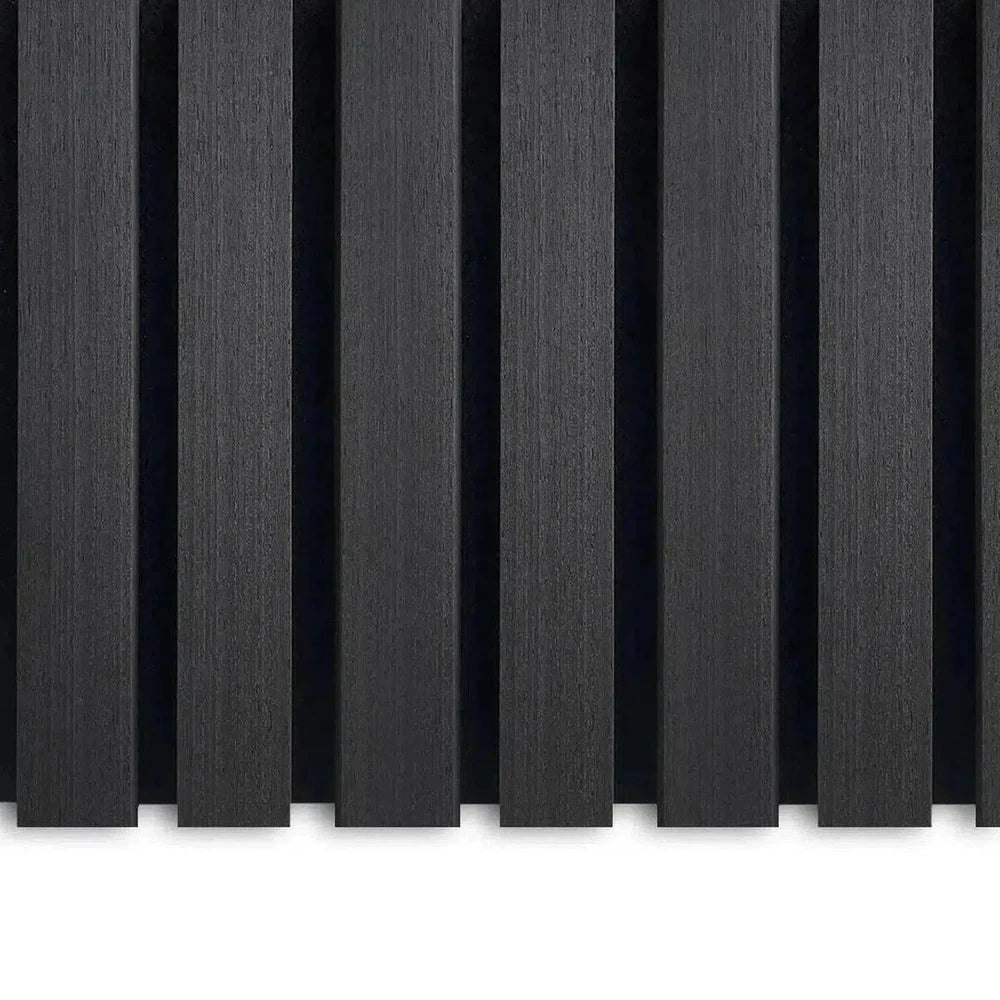
- Smoked Oak wall panels hide scuffs in high-traffic wings and quick-change corridors — Buy for durability-first zones.
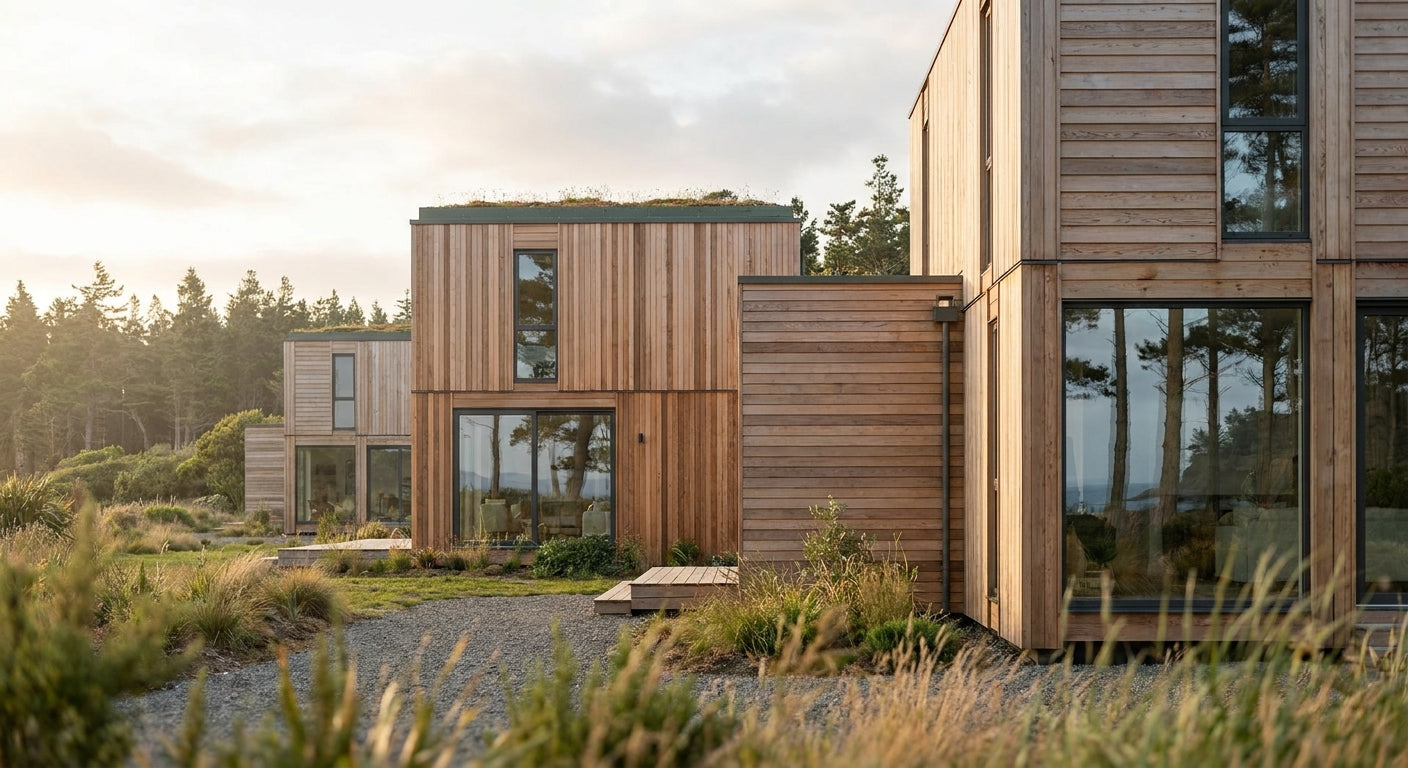
- Skip exterior cladding panels indoors — they're weatherproofed, not acoustic-rated, and won't cut backstage echo.
- Backstage acoustic panels for concert halls should carry documented fire test data before they go anywhere near a public venue.
Why this matters
Backstage areas in concert halls carry more speech traffic than the auditorium does — stage managers calling cues, crew moving flight cases, performers on comms. Bare block and painted drywall reflect that noise straight back, and reverberation stacks up fast in narrow corridors and low-ceilinged green rooms.
Acoustic wood panels solve this without turning a backstage area into a recording booth. A felt-backed panel absorbs mid and high frequencies where speech clarity lives, while the veneer face survives the daily traffic a backstage zone actually gets. That's a different job than front-of-house diffusers or ceiling baffles, and it needs a different spec.
Who this is for
This guide is for venue technical managers, theatre consultants, and facilities teams specifying wall treatment for backstage zones in concert halls and performing arts centres — dressing rooms, green rooms, crew corridors, and quick-change wings. If you're treating the main auditorium or a recording booth, the fire, durability, and traffic considerations here don't fully apply; look at panel options built for those rooms instead.
What to look for in acoustic panels for concert hall backstage areas
Sound absorption rating
Backstage speech intelligibility depends on absorbing reflected sound in the 500Hz–2kHz range, where most spoken cues sit. A felt-backed panel with an NRC around 0.75 does meaningfully more work than a solid veneer board with no acoustic backing — the felt layer is what's actually absorbing, not the wood face.
Fire rating and compliance paperwork
Concert halls are public assembly buildings, and backstage corridors sit on evacuation routes. Any acoustic wood panel going into that space needs documented fire test data you can hand to a building control officer — ask for it before you order, not after installation.
Panel format for tight layouts
Backstage corridors are often narrower and more irregular than front-of-house walls. A 240 cm panel format suits standard ceiling heights in dressing rooms; a 300 cm format works better on taller crew corridor walls. Hexagon modules at 81 cm per piece are easier to fit around doorframes, fire panels, and conduit runs than full-length boards.
Durability against wheeled equipment
Flight cases, costume rails, and lighting trolleys hit backstage walls constantly. A darker finish — smoked oak, black oak — hides scuffs and scrape marks far better than a pale natural oak, which shows every mark under work lighting.
Finish tone for low-light zones
Green rooms and crew corridors often run on dimmed or task lighting. A mid-to-dark veneer reads warmer and less clinical under low light than a pale finish, which is why smoked oak and walnut show up more often in backstage specs than natural oak.
Top picks for backstage acoustic treatment
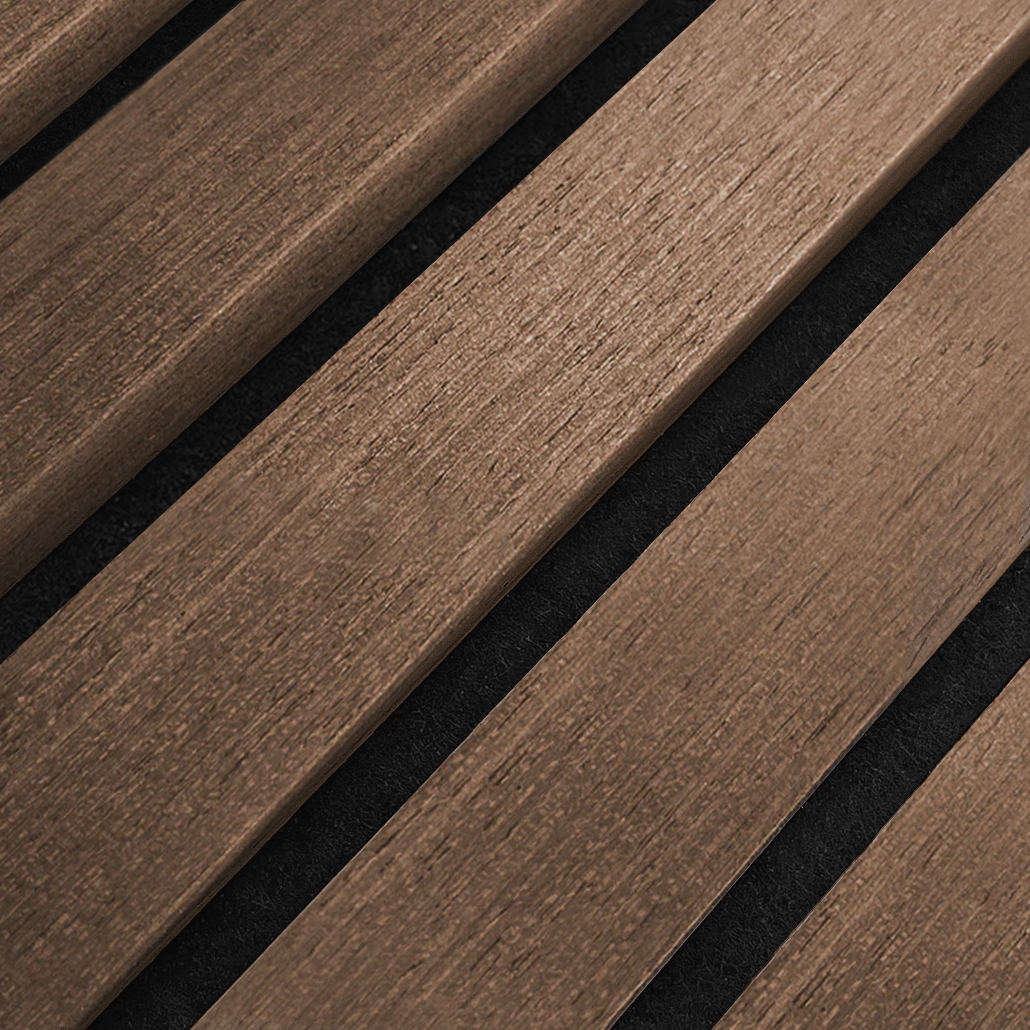
Rustic Oak Premium 3-sided wood veneer panel — Buy. This is the default pick for dressing rooms and green rooms where you want a genuine wood face and acoustic felt backing in one board. It's available in both size formats, which matters when you're mixing ceiling heights across a backstage floor. Rustic oak premium 3-sided wood veneer covers full walls efficiently and takes wear better than a painted finish. Verdict: Buy for any backstage room that gets daily foot traffic and needs to look presentable to visiting performers.
Hexagon Natural Oak with Grey Felt — Consider. At 81 cm per module and an NRC of 0.75, this is the modular option for accent walls, reception nooks inside a green room, or filling awkward angles a straight panel can't reach. Hexagon acoustic panel in natural oak with grey felt runs £40.95 per module in 2026, so full-wall coverage in a large corridor adds up fast — better suited to a feature section than an entire floor of backstage walls. Verdict: Consider for accent zones, not full coverage.
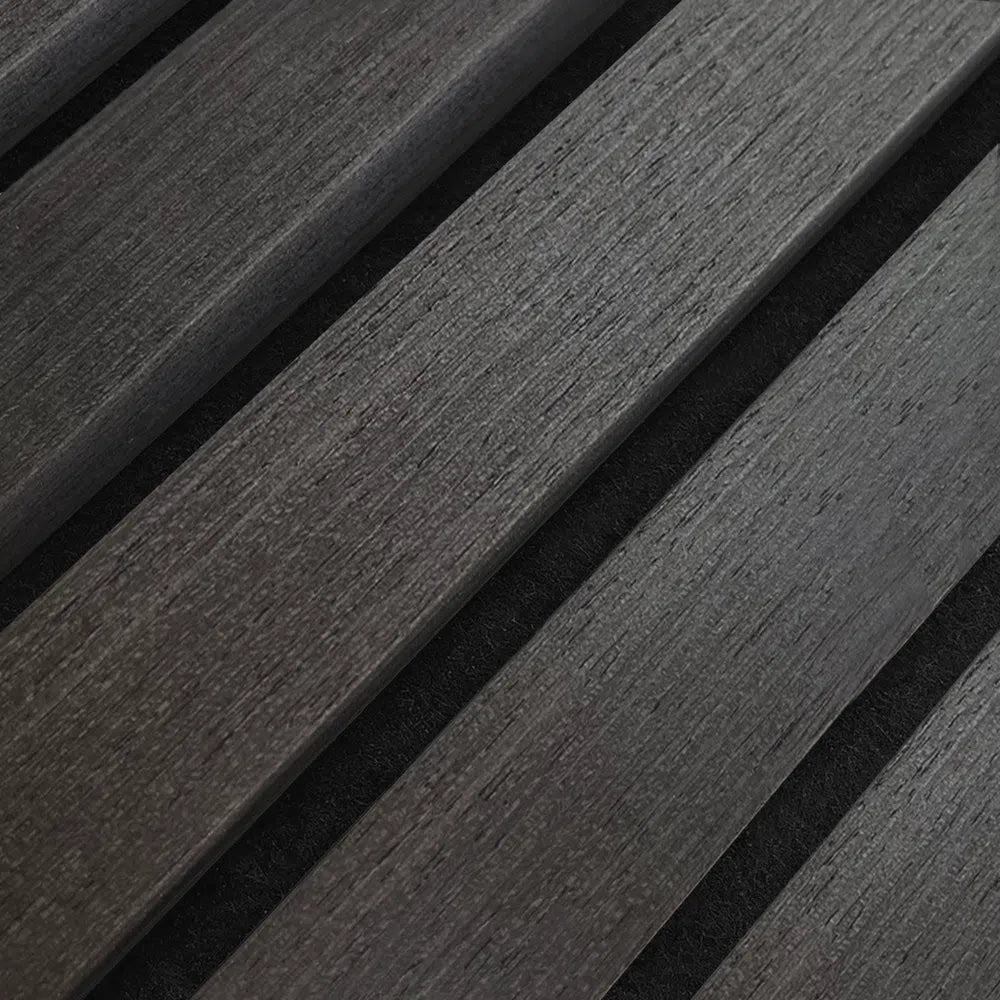
Smoked Oak wooden wall panel — Buy. The darkest standard finish in the range, and the one that hides scuffs, hand marks, and case scrapes longest in a high-traffic wing. Smoked oak wall panel reads well under dim work lighting too, which matters in a corridor that's rarely on full brightness during a show. Verdict: Buy for crew corridors and quick-change wings specifically.


What to avoid
- Exterior wall cladding indoors. Products like the exterior wall cladding panel in black are weatherproofed for outdoor facades, not built with acoustic felt backing. They'll look fine in a corridor and do almost nothing for echo. Skip them for backstage interior work.
- Decorative panels with no felt layer. Solid veneer or 3D decorative boards look sharp on camera but carry no acoustic backing. Fine for a lobby feature wall, wrong choice if the brief is reducing backstage reverberation.
- Any panel without fire test paperwork. If a supplier can't produce documentation on request, that panel doesn't belong on an evacuation corridor wall in a public venue, regardless of how it looks.
“If the panel doesn't carry a felt layer or fire test data, it's decoration, not acoustics.”
Verdict comparison
| Pick | Finish | Format | Absorption | Best zone | Verdict |
|---|---|---|---|---|---|
| Rustic Oak Premium 3-sided veneer | Rustic oak, 3-sided veneer | 240 cm / 300 cm | Felt-backed | Dressing rooms, green rooms | Buy |
| Hexagon Natural Oak with Grey Felt | Natural oak | 81 cm module | NRC 0.75 | Accent walls, awkward angles | Consider |
| Smoked Oak wall panel | Smoked oak | 240 cm / 300 cm | Felt-backed | Crew corridors, quick-change wings | Buy |
| Exterior cladding (black) | Black, weatherproof coat | 300 cm | None (outdoor use) | Facades only | Skip indoors |
FAQ
What's the best acoustic panel for a concert hall backstage area?
A felt-backed 3-sided veneer panel, such as AKU Woodpanel's Rustic Oak Premium, is the strongest general pick for concert hall backstage areas in 2026. It combines acoustic absorption with a wood face durable enough for daily crew traffic.
How much do acoustic wood panels cost for a backstage renovation?
Hexagon acoustic modules run £40.95 each at 81 cm per piece in 2026, so total cost scales with wall area covered. Full-panel formats in 240 cm or 300 cm sizes cover more area per unit, which usually works out cheaper per square metre for full walls.
Do backstage acoustic panels need a fire rating?
Yes — backstage corridors and dressing rooms in concert halls sit on evacuation routes and fall under public assembly building rules. Ask any supplier for fire test documentation before ordering, not after installation.
Is a felt-backed panel better than plain wood veneer for backstage acoustics?
Yes, for absorption specifically. A felt-backed panel like the hexagon range carries an NRC of 0.75, while a solid veneer board with no felt layer absorbs far less reflected sound.
Can hexagon acoustic panels cover a full green room wall?
They can, but at 81 cm per module and roughly £40.95 each, full-wall hexagon coverage costs more than a full-length panel format for large areas. Hexagon modules work best as accent sections rather than entire wall coverage.
How many acoustic panels do I need for a backstage corridor?
Measure total wall area and divide by the panel's coverage — a 240 cm or 300 cm format panel covers more per unit than an 81 cm hexagon module. Corridors with hard parallel walls generally need coverage on both sides to control flutter echo.
What NRC rating should backstage acoustic panels have?
Look for an NRC around 0.75 for felt-backed panels used in speech-heavy backstage zones. Anything lower is closer to decorative than acoustic.
One last thing
Most backstage acoustic complaints trace back to hard parallel walls in a narrow corridor, not the whole floor. Treating both long walls of a crew corridor with a felt-backed panel does more for speech clarity than spreading the same budget thin across every room on the floor — start with the corridor crew uses most during a show, then work outward.