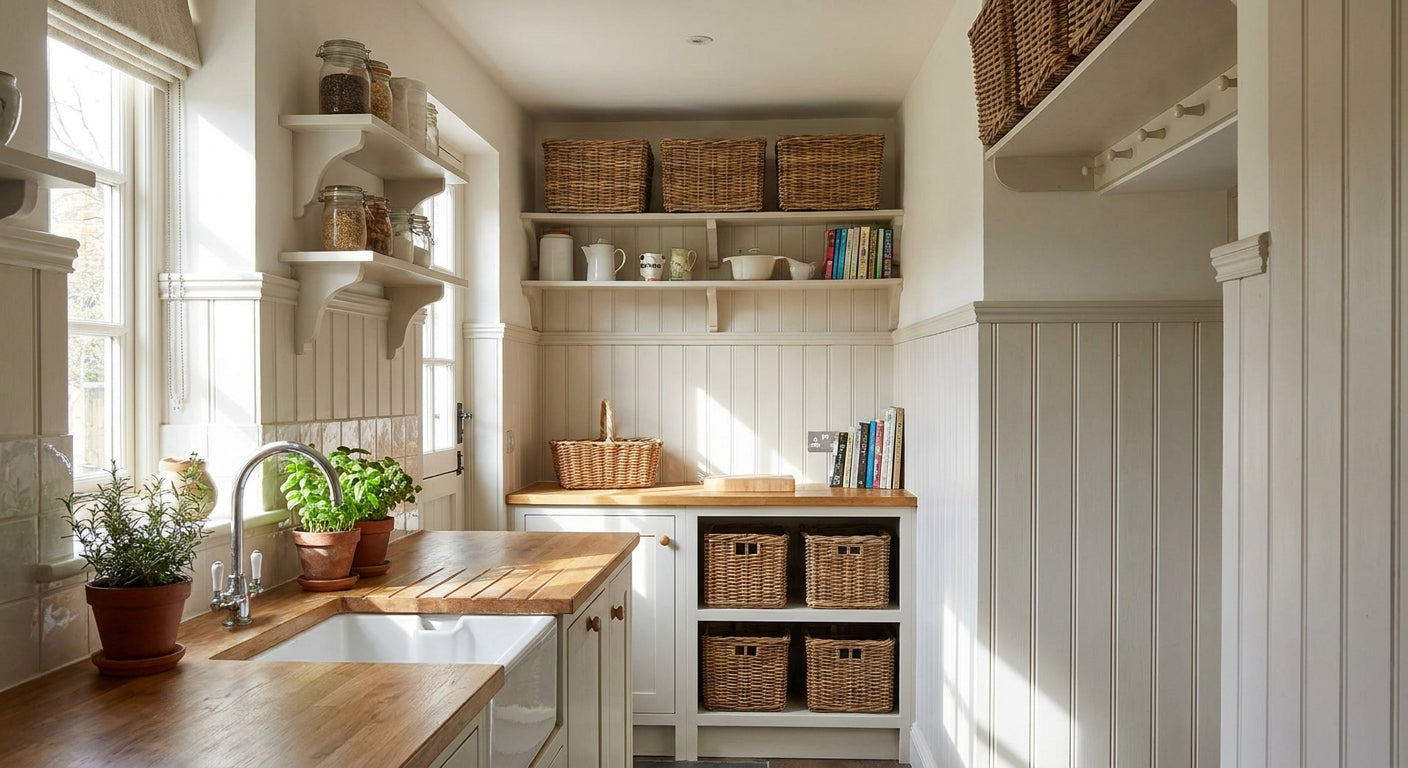
Bead board panelling brings that clean, grooved look to a kitchen or utility wall, but the material behind the grooves decides whether it survives five years of steam, splashes, and scrubbing.
- Bead board panelling for kitchen and utility walls needs moisture-rated backing, not painted MDF alone.
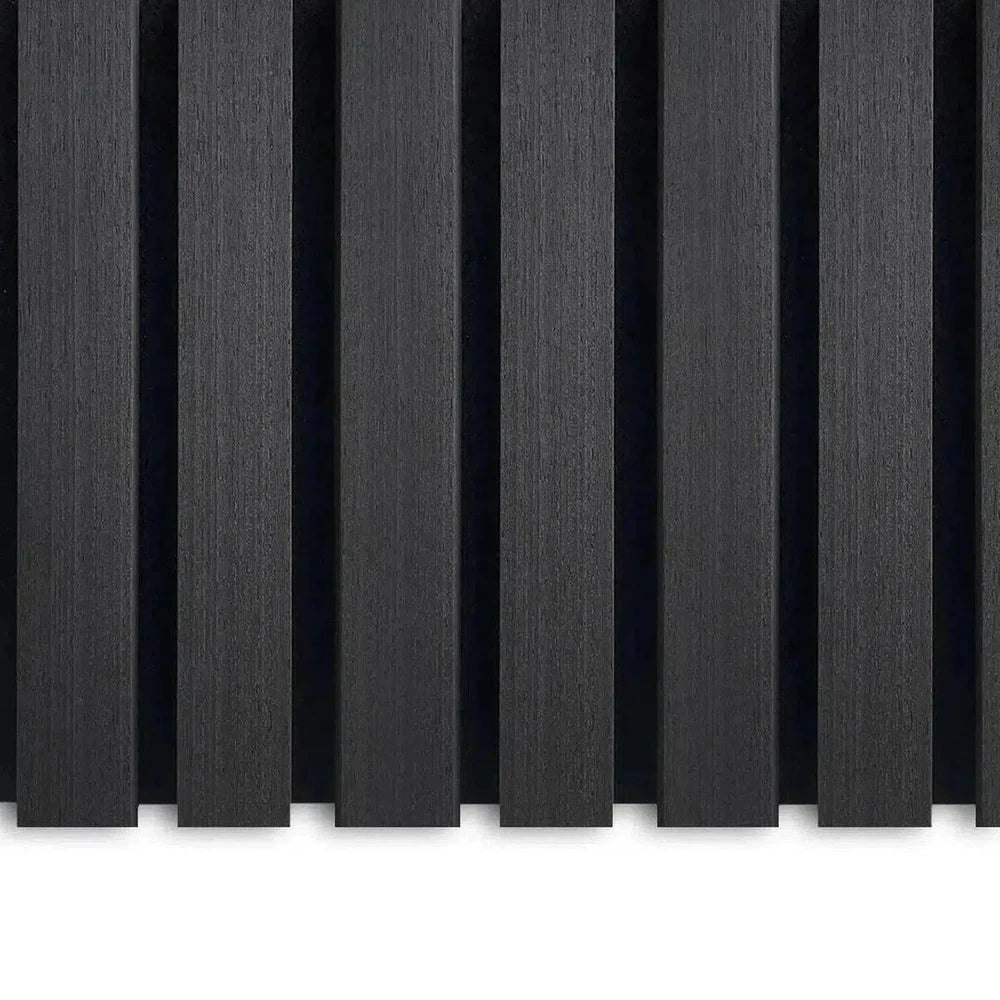
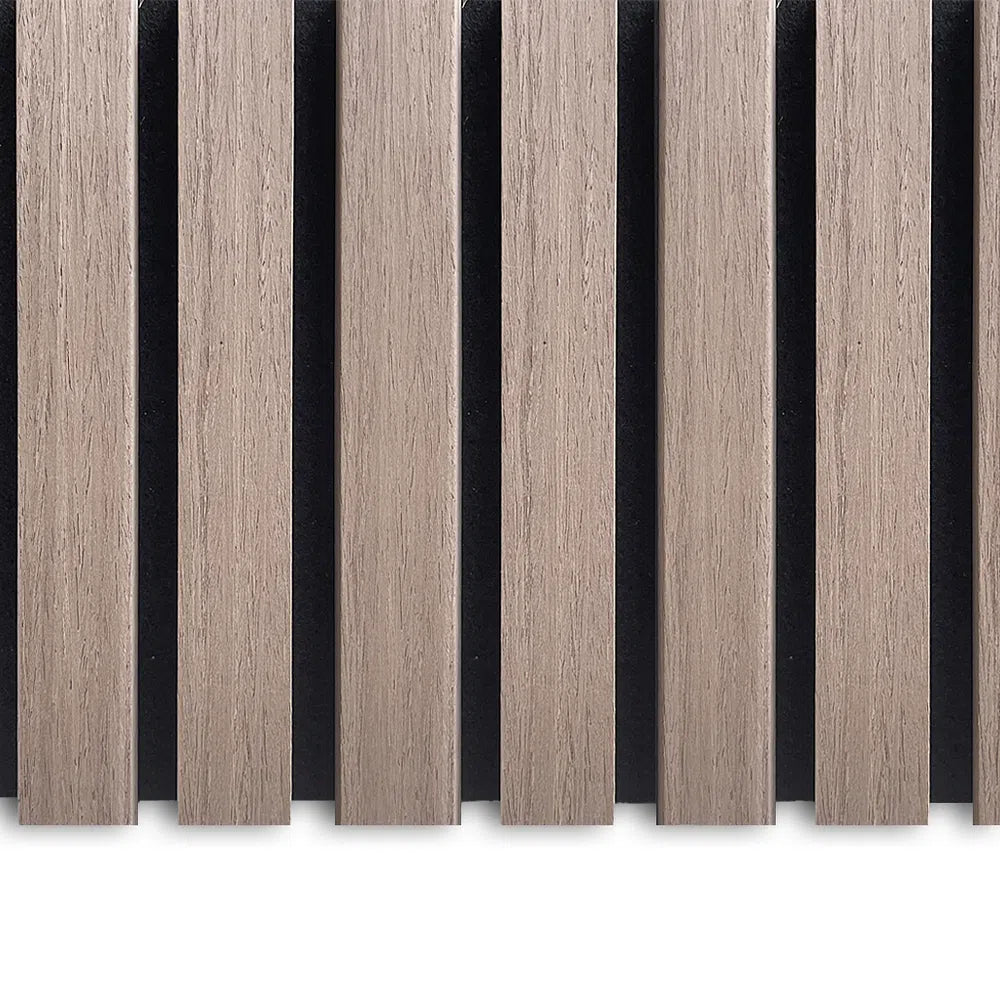
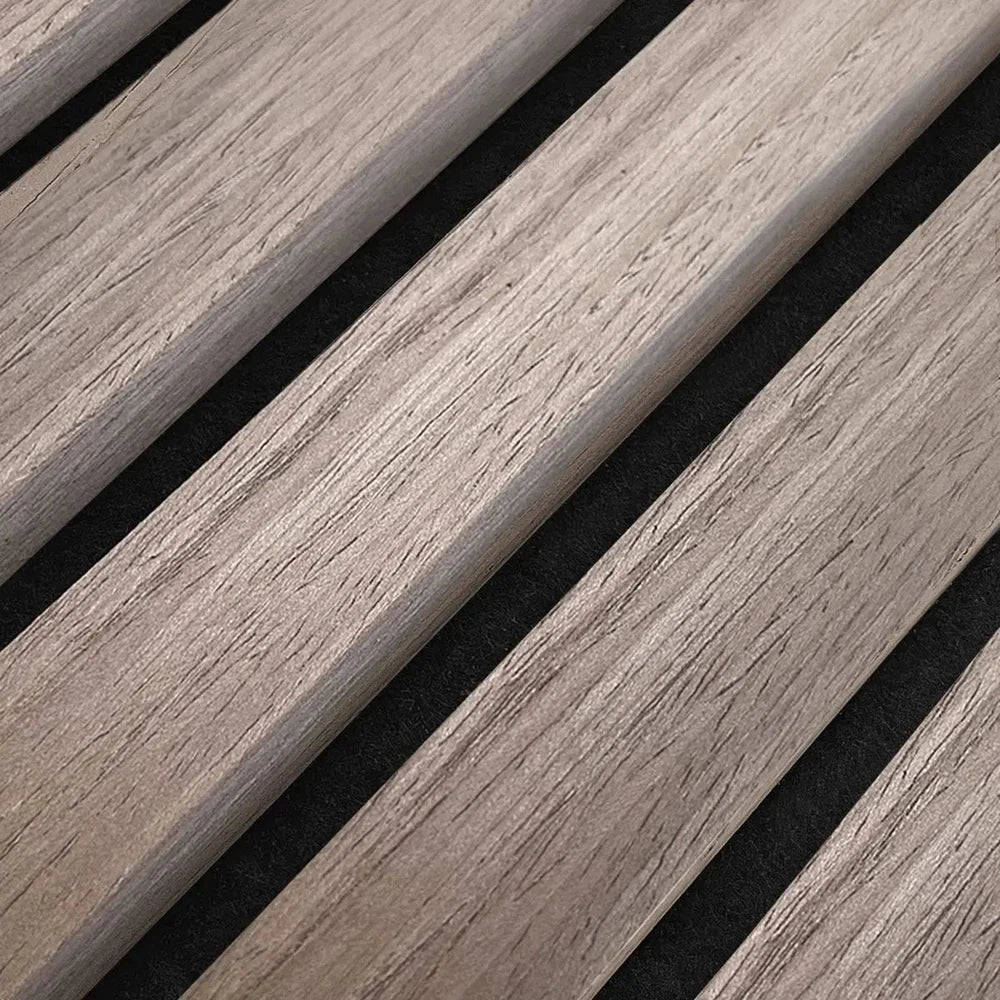
- AKU Woodpanel's Grey Oak wall panel suits a utility room splash zone. Buy.
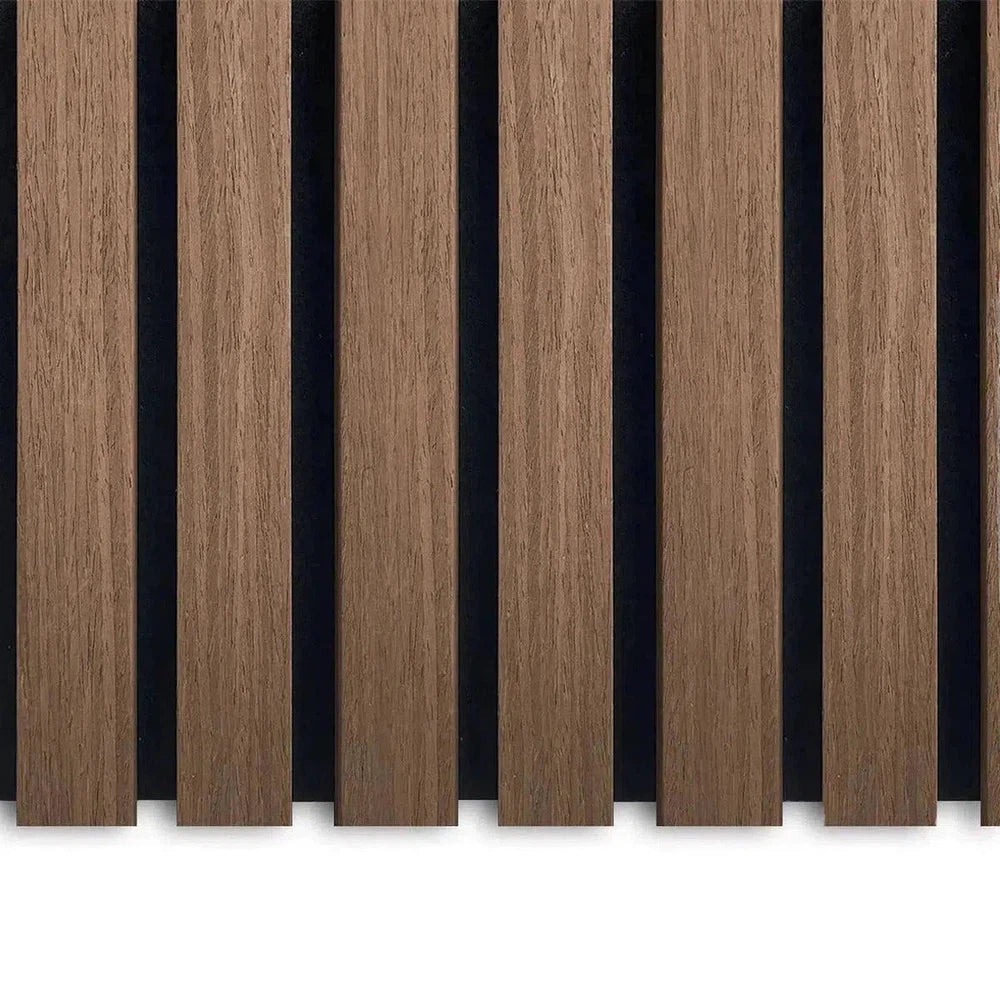
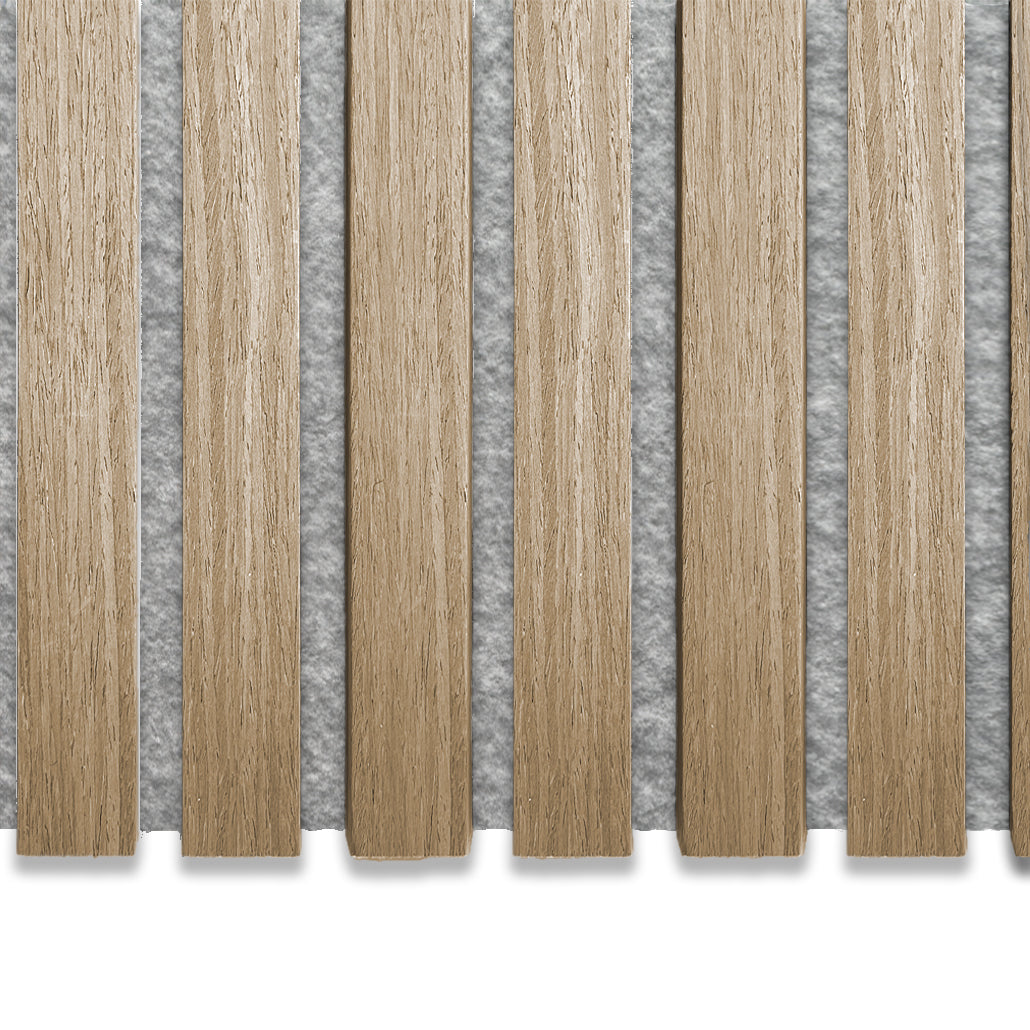
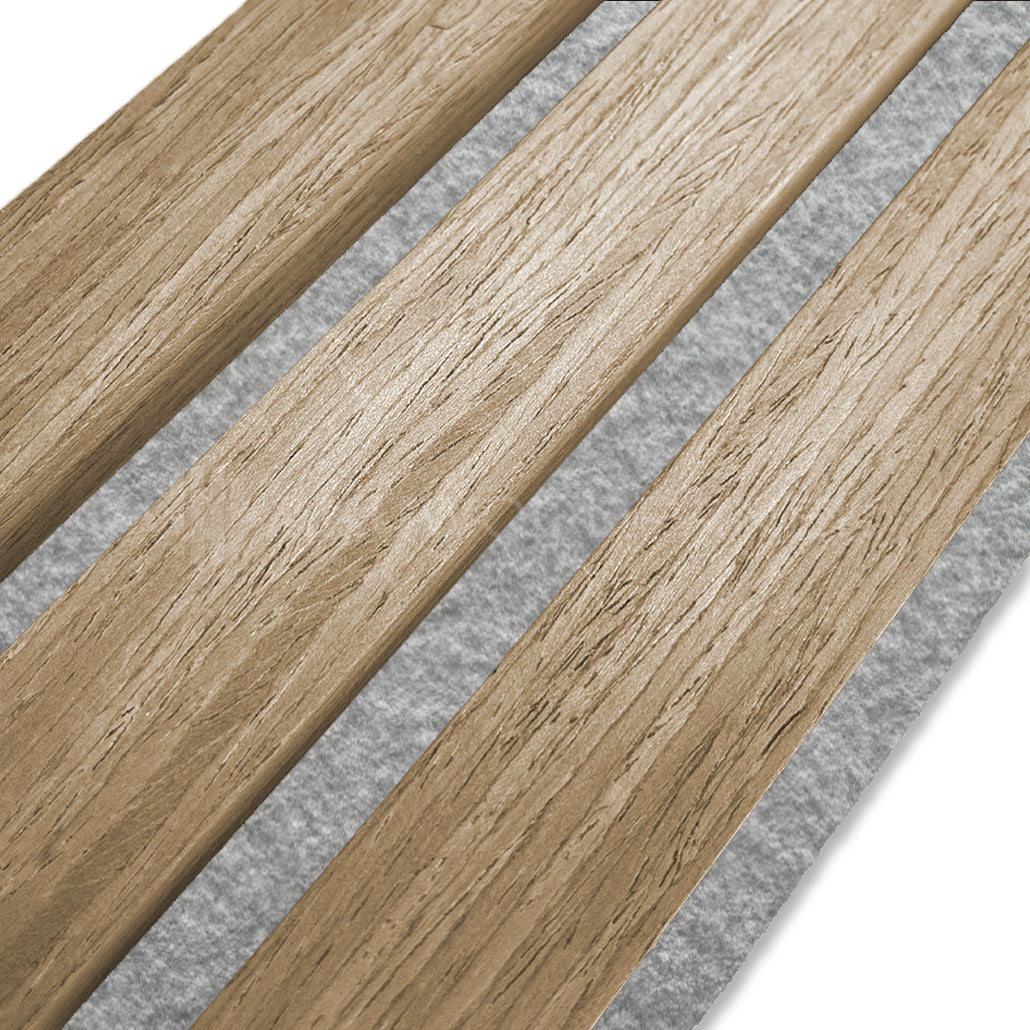
- Natural Oak wall panel works for a dry kitchen feature wall but skip it behind a sink. Consider.
- Cladding boards built for exterior use, priced at £28.95 for a 290cm board, outperform indoor MDF beadboard in boot rooms. Buy.
Why this matters
Bead board panelling gets specified because it hides scuffed plaster and adds texture without a full renovation. The problem is that most bead board sold for kitchens is painted MDF with routed grooves — fine in a dry hallway, risky within splash distance of a hob or a washing machine.
Utility rooms are worse than kitchens for this. Condensation from a tumble dryer sits on a wall for hours, and painted MDF swells at the groove edges long before it looks obviously damaged. If you're panelling either space in 2026, the finish underneath the look matters more than the look itself.
Who this is for
This guide is for anyone panelling a kitchen splashback, a utility room wall, or a boot room where a washing machine and a muddy dog both live. You want the grooved, tactile finish bead board gives a room, but you can't afford swelling, peeling paint, or a wall that smells damp by year two. If you're panelling a dry living room or bedroom instead, standard veneer feature panels matter more than moisture rating — this isn't that guide.
What to look for in bead board panelling for kitchen and utility walls
Moisture and steam resistance
A kitchen wall near a hob and a utility wall near a dryer both see repeated humidity cycles. Painted MDF beadboard absorbs moisture at the cut edges and grooves first, so check whether the panel is sealed on all edges, not just the face.
Real wood veneer vs printed grooves
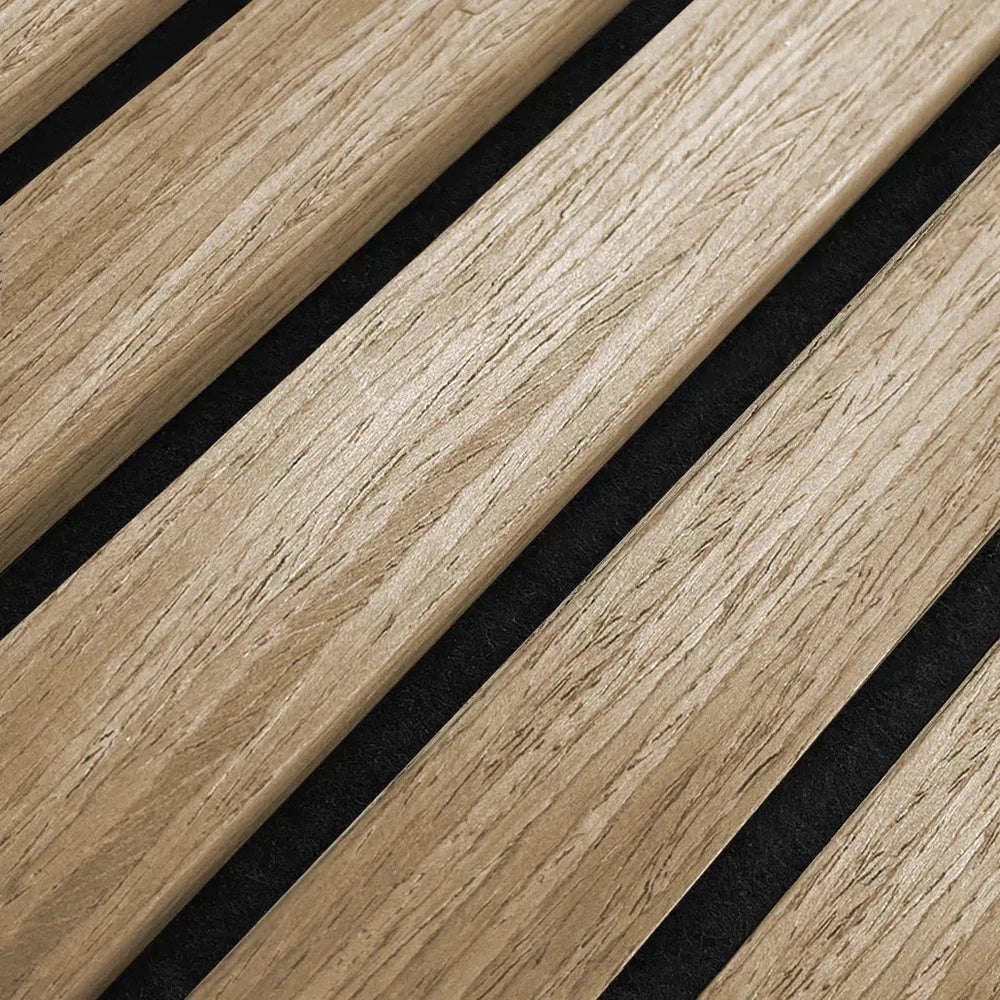
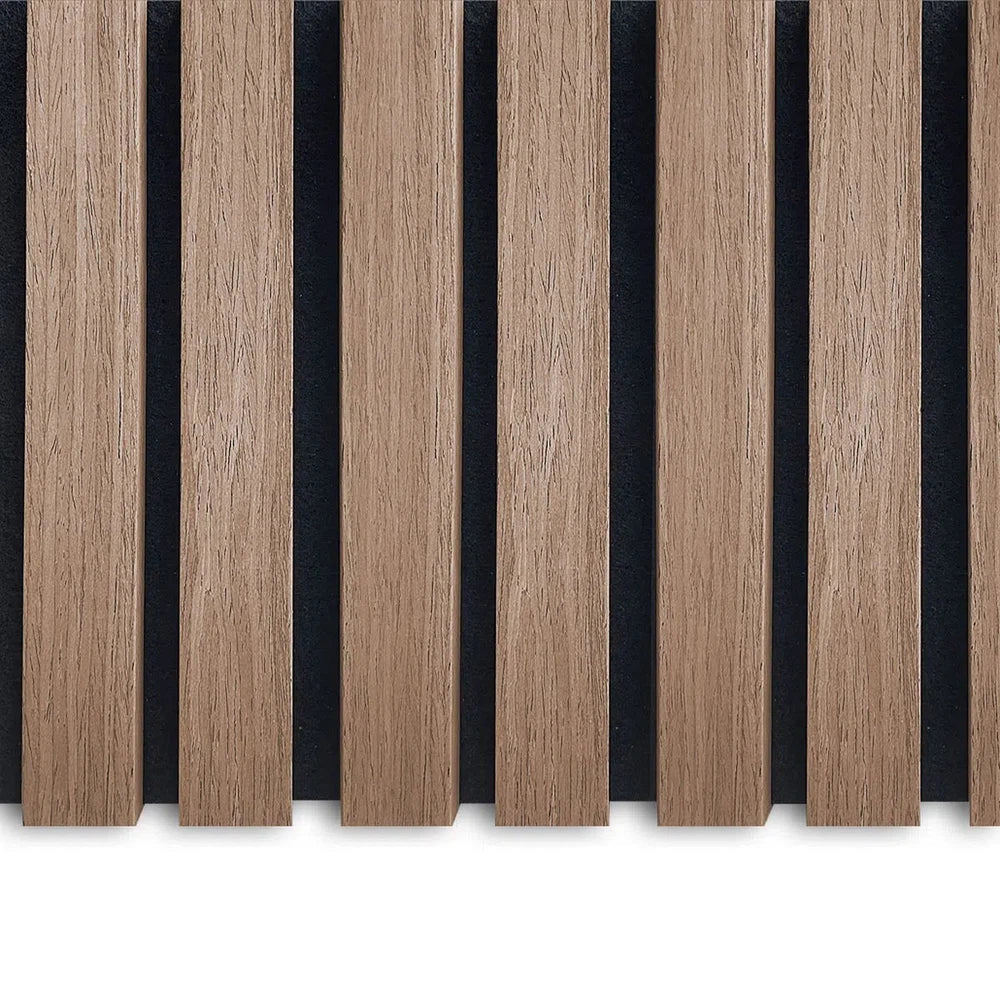
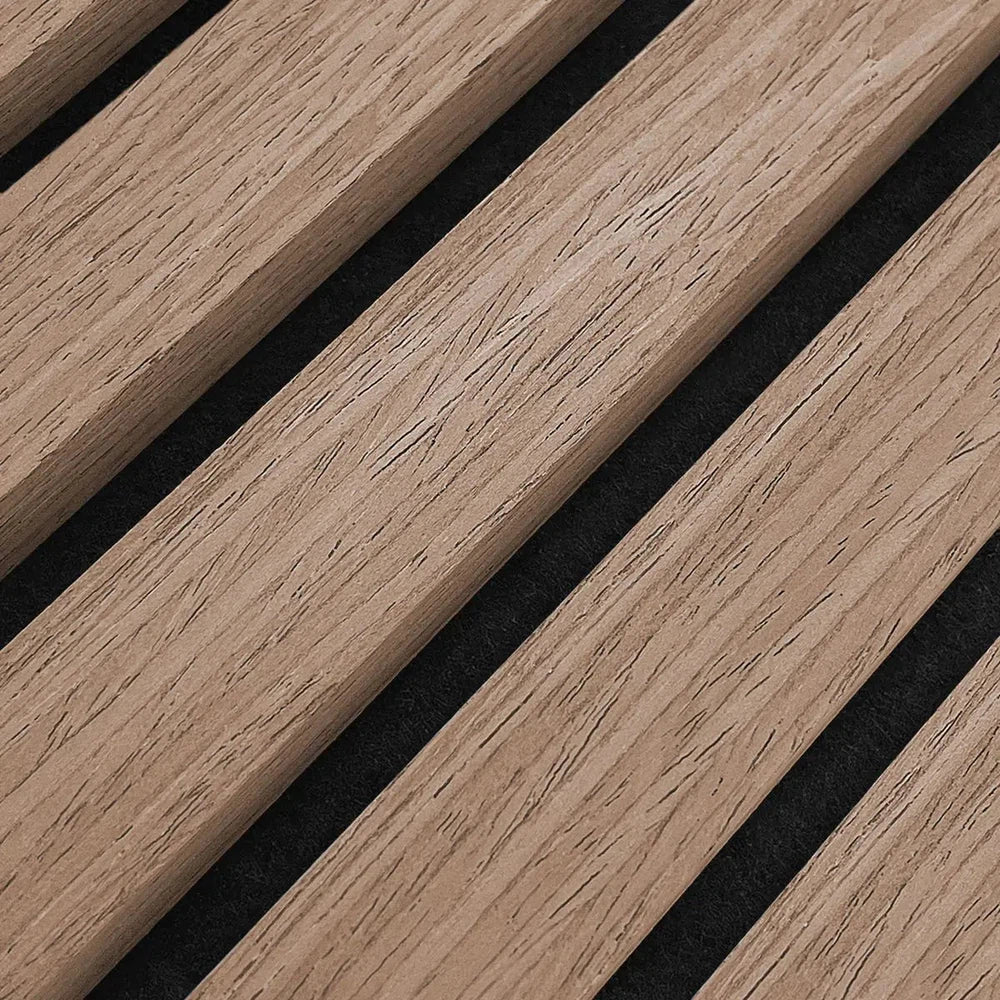
Most budget bead board is a printed foil wrap over MDF — it photographs well but scratches through to white board within a year of daily wiping. A genuine wood veneer surface, like the tongue-and-groove wall panels style used in period-home panelling, ages by fading gently rather than chipping.
Panel size and coverage
Standard wall panel formats run 240cm or 300cm in length, and the format you pick decides how many joints you'll have on a kitchen wall. Fewer joints mean fewer places for water to get behind the panel, which matters more in a utility room than a lounge.
Backing and sound dampening
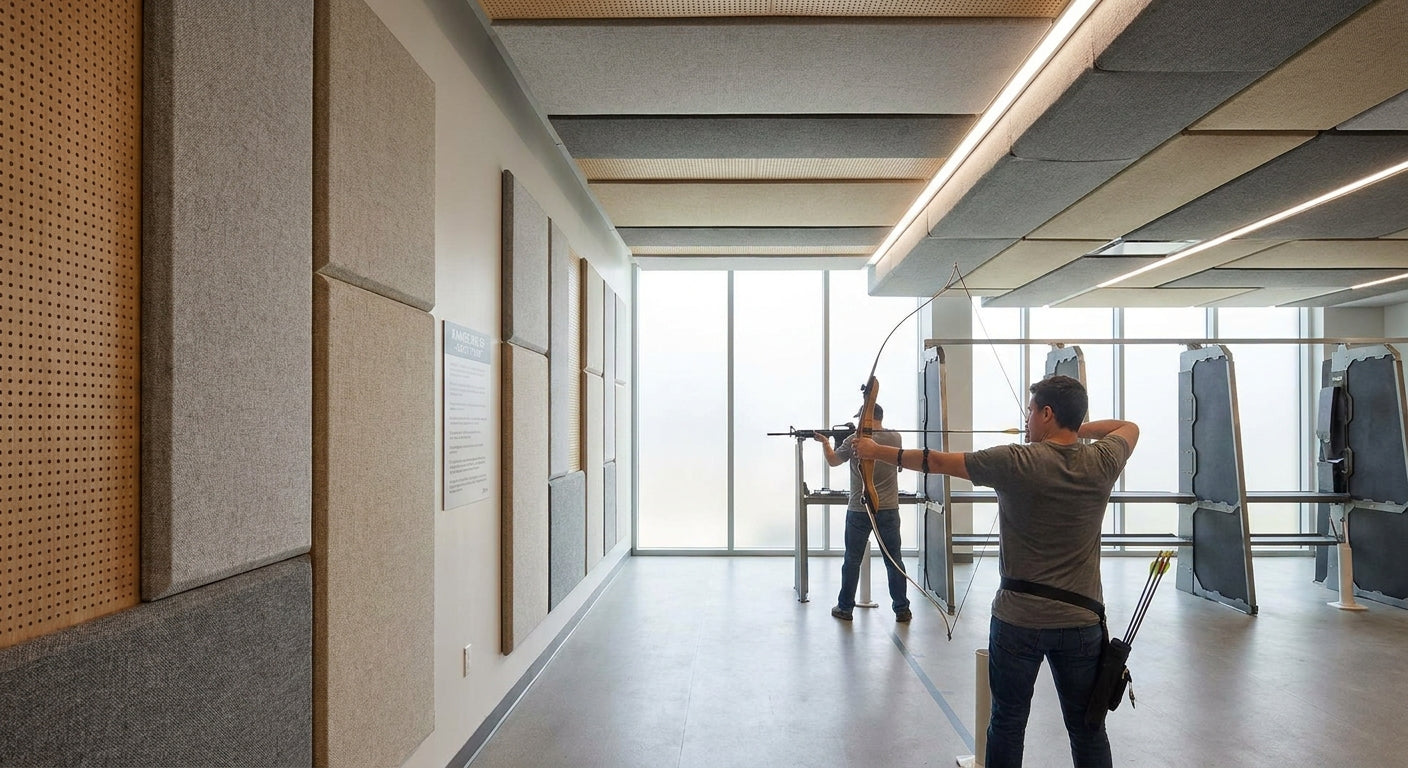
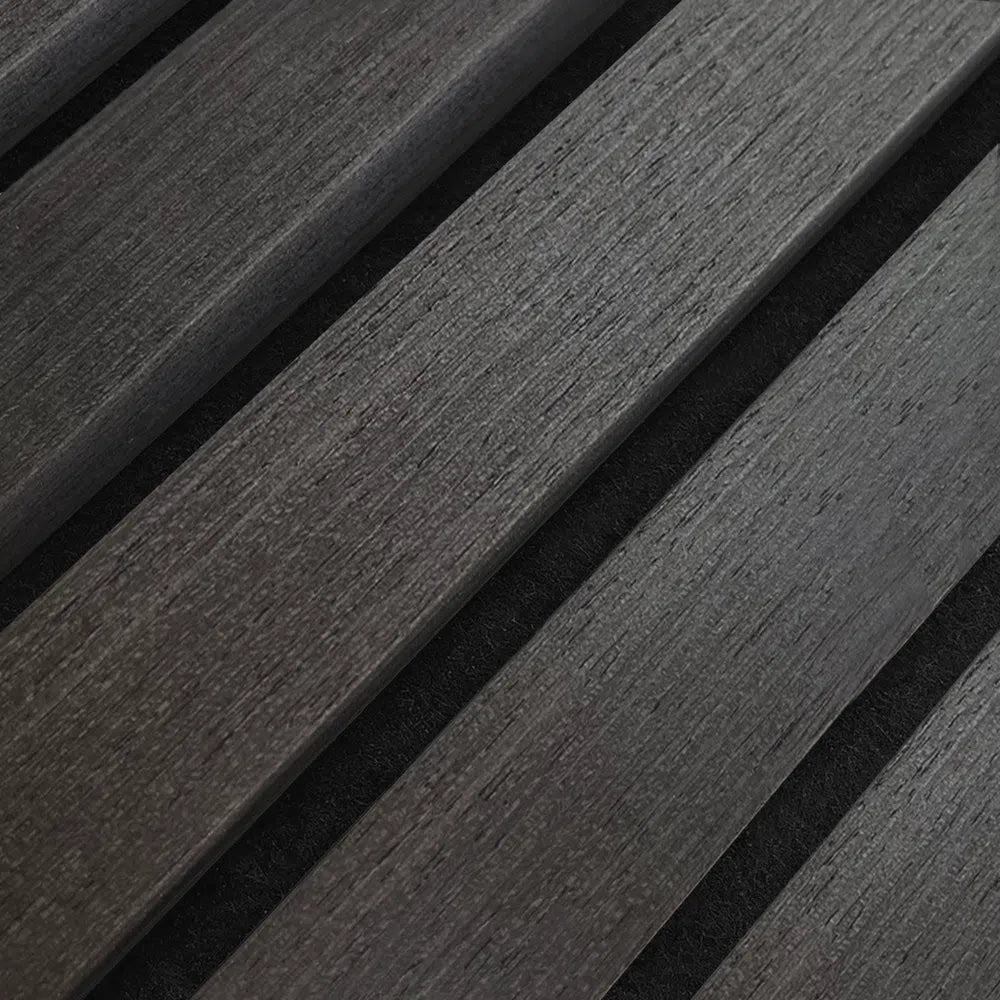
A kitchen with hard floors and bare walls bounces sound off every surface — an acoustic felt backing behind the panel takes the edge off that without you noticing it's there. This is a genuine point of difference between decorative-only beadboard and a panel built with a felt-backed core.
Fixing method around units and skirting
Kitchen walls have sockets, extractor ducting, and unit runs to work around, so panels that cut cleanly with a standard saw and fix with adhesive save a full day of joinery. Battens work for open utility walls; glue-fix suits kitchens where you're panelling around fitted units.
Cleaning and long-term maintenance
A kitchen wall gets wiped down weekly at minimum. Ask whether the finish is a sealed veneer you can wipe with a damp cloth or a painted surface that needs re-touching every couple of years — the second one costs more in 2026 than the panel did in the first place.
Top picks for kitchen and utility walls
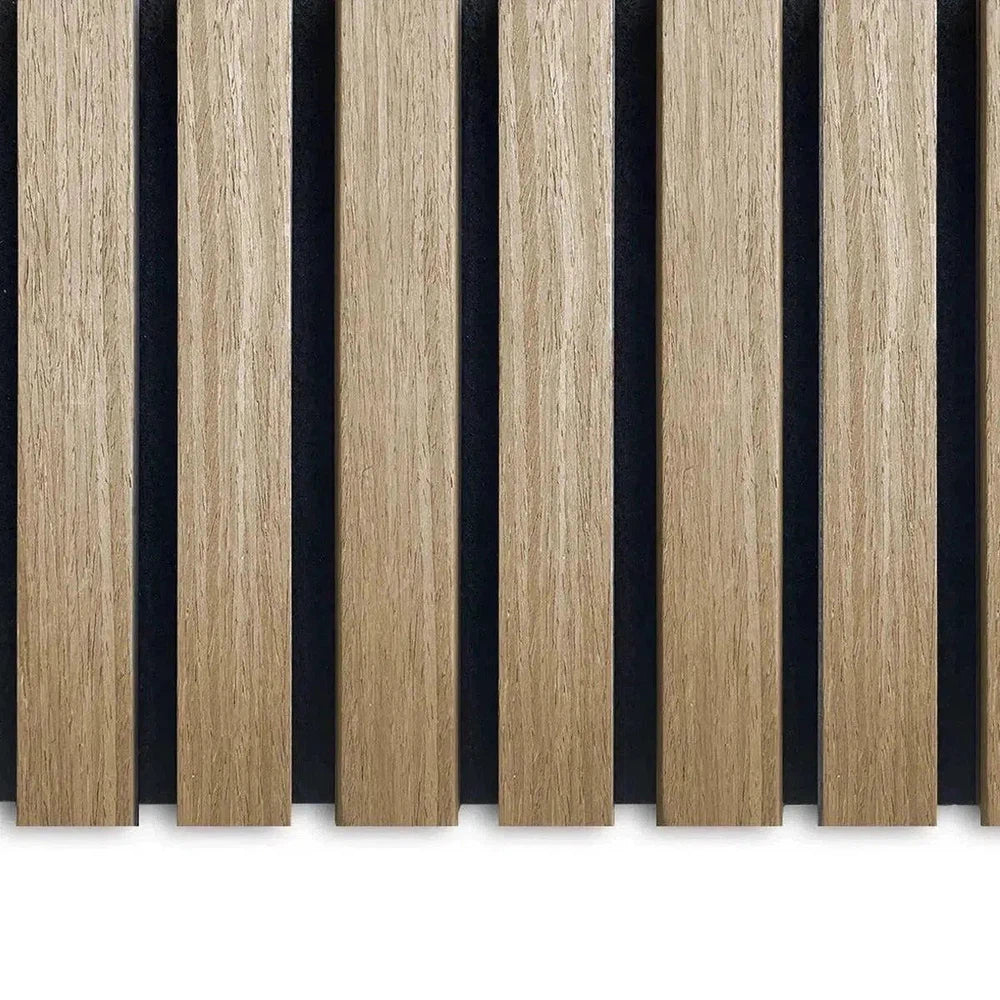
The safe pick — Grey Oak wall panel. A grey-toned real wood veneer with felt backing, sold in the standard panel format, built for rooms that need texture without going rustic. Grey reads modern next to stainless steel appliances and doesn't show water spotting the way pale oak does. Buy for a utility room feature wall or a kitchen wall away from direct splash.
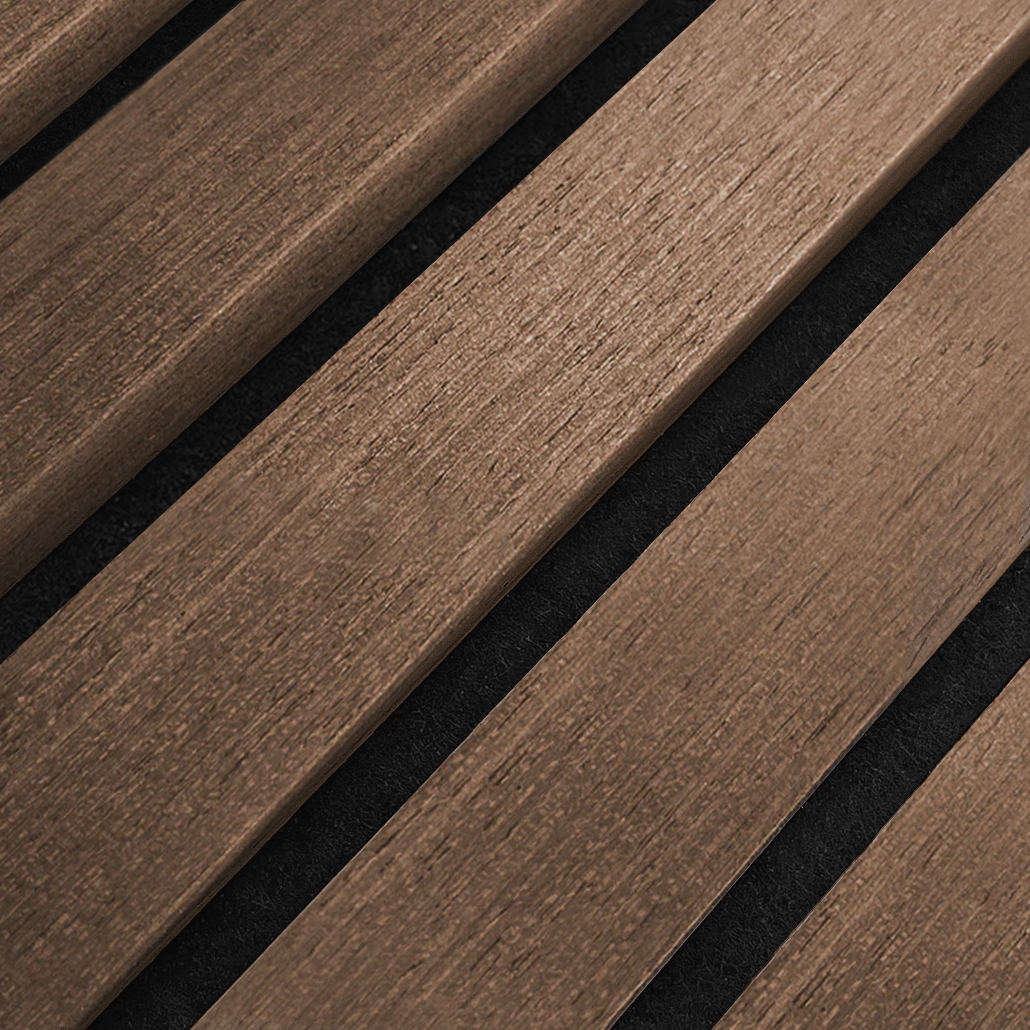
The warm-tone wildcard — Mocca wall panel. A dark mocca veneer that hides fingerprints and cooking splashes better than any pale finish, which is the actual reason it works in a kitchen. It leans warmer than grey oak, so it suits farmhouse or shaker-style cabinetry more than a stark white kitchen. Buy if your cabinetry is dark or warm-toned; Skip if your kitchen is already heavy on dark units — the wall will disappear into the cabinetry.
The classic light pick — Natural Oak wall panel. A pale, real wood veneer finish that gives the airy look most people associate with a Scandinavian-style bead board wall. It reads best on a dry feature wall — behind a breakfast bar, on a chimney breast — rather than directly behind a sink run where splashes show up fast on light wood. Consider for a dry kitchen feature wall; Skip for a wet splashback.


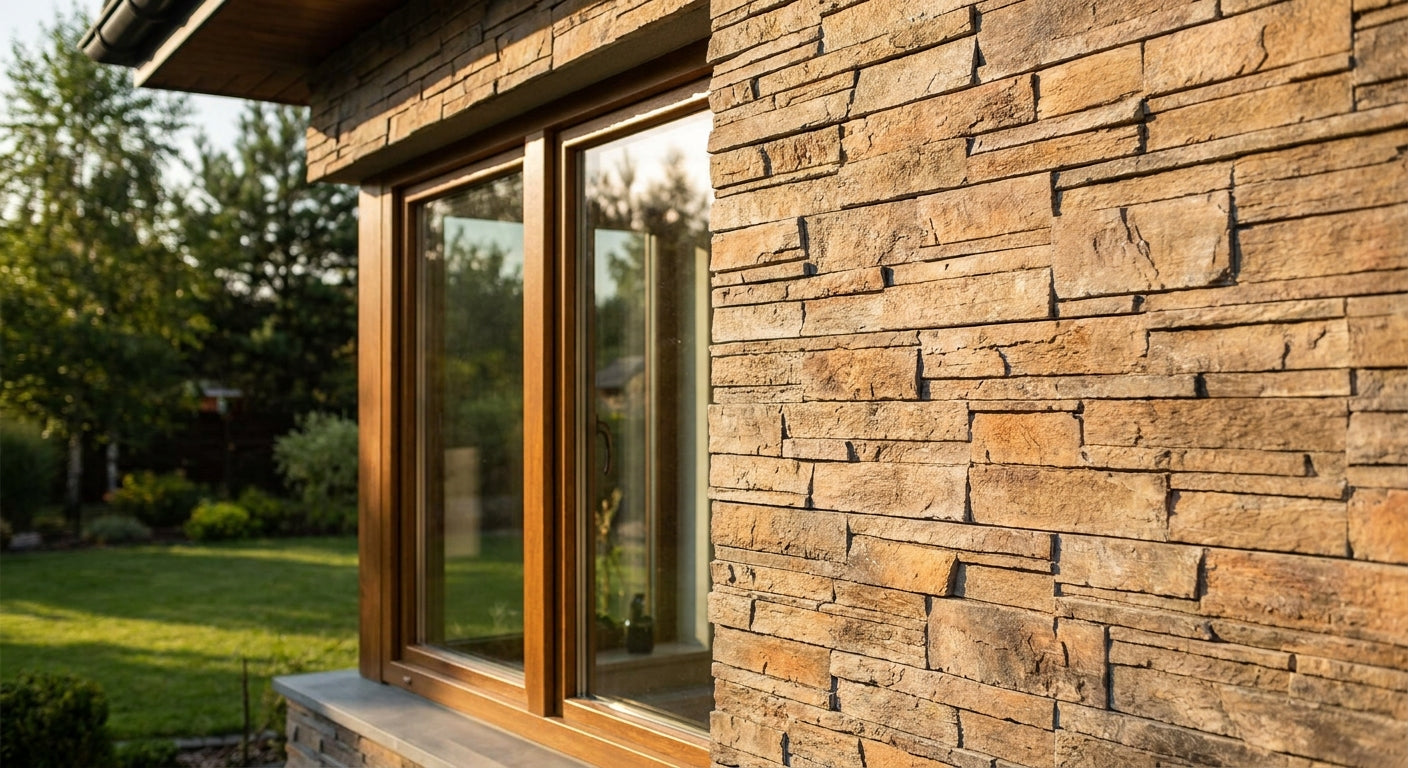
These cladding boards are built for exterior wear, at £28.95 for a 290cm board, which is exactly the durability level a boot room or a utility wall behind a dryer actually needs — more than a decorative kitchen feature wall does, less than what most people over-spec for the space.
“If a panel can't survive a wet cloth wipe every day, it doesn't belong on a kitchen wall.”
What to avoid
- Painted MDF beadboard directly behind a hob or sink — the grooves trap steam and swell from the inside before the paint shows a mark.
- Printed foil-wrap panels sold as "wood look" — they photograph fine in a listing but scratch through to plain board within a year of daily kitchen use.
- Tight-butted panels with no expansion gap in a utility room — humidity swings make wood move, and a wall fitted dead-tight in summer can bow by winter.
Verdict comparison
| Pick | Best for | Key spec | Verdict |
|---|---|---|---|
| Grey Oak wall panel | Utility room feature wall | Felt-backed veneer | Buy |
| Mocca wall panel | Dark-toned kitchen | Warm veneer tone | Buy |
| Natural Oak wall panel | Dry kitchen feature wall | Pale veneer finish | Consider |
| Cladding boards (Stone Grey/Oak/Black) | Boot room, dryer wall | £28.95, 290cm, wipeable | Buy |
| Painted MDF beadboard | Anywhere dry, low-splash | Routed groove, painted | Skip near water |
FAQ
What is bead board panelling and does it work in a kitchen?
Bead board panelling is a grooved wall finish, traditionally painted MDF or timber. It works in a kitchen away from direct splash, but near a sink or hob a moisture-rated veneer panel holds up longer in 2026 kitchens.
Is bead board panelling waterproof for a utility room?
Standard painted bead board is not waterproof — it's moisture-resistant at best. A felt-backed real wood veneer panel or an exterior-grade cladding board handles a utility room's steam and splash cycles better.
What's the difference between bead board and tongue-and-groove panelling?
Bead board has a rounded groove detail between boards, while tongue-and-groove panelling interlocks flat-edged boards. Both give a similar ribbed look on a wall, and both need the same moisture check before going in a kitchen.
Can you use wood veneer wall panels instead of traditional bead board?
Yes — a real wood veneer panel with a felt or moisture-rated backing gives a similar textured wall look without the swelling risk painted MDF beadboard carries near water.
How much does bead board panelling cost per square metre in 2026?
Pricing varies by finish and supplier, so check current listings directly. A comparable exterior-grade cladding board runs £28.95 per 290cm board in 2026, which gives a useful reference point for budgeting.
Do wall panels need acoustic backing in a kitchen?
Not strictly, but a felt-backed panel dampens the echo hard floors and bare walls create in an open kitchen. It's a bonus feature worth checking for, not a requirement.
What size wall panels work best for a standard kitchen wall?
240cm and 300cm are the two common panel lengths. A 300cm panel covers a standard ceiling-height kitchen wall with fewer joints, which matters for keeping water out of seams.
Is real wood veneer panelling durable enough for a utility room?
Yes, when it has a moisture-appropriate backing and sealed edges. For the wettest zones — directly behind a dryer vent or a sink — an exterior-grade cladding board is the more durable choice.
One last thing
The detail most people miss on a bead board wall isn't the finish, it's the edge. A panel that's sealed on the face but raw at the cut edge will wick moisture from the bottom up long before the surface shows a problem — check the edge before you check the colour swatch.