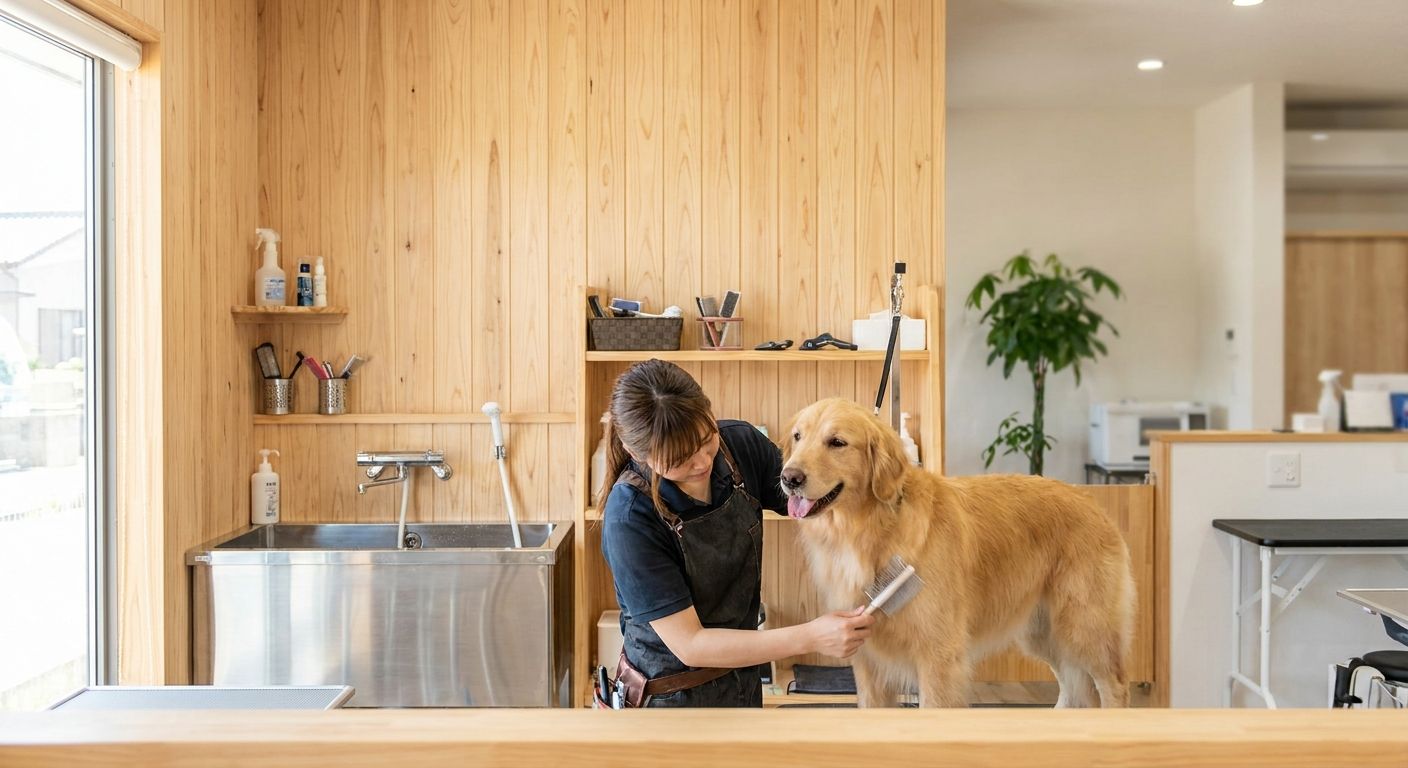
Pet groomers deal with a specific wall problem: constant noise from dryers and clippers, fur and dander that clings to every surface, and wet paws that splash water up the skirting. Wooden wall panels for pet grooming salon interiors solve the acoustic problem and the hygiene problem at the same time, if you pick the right finish.
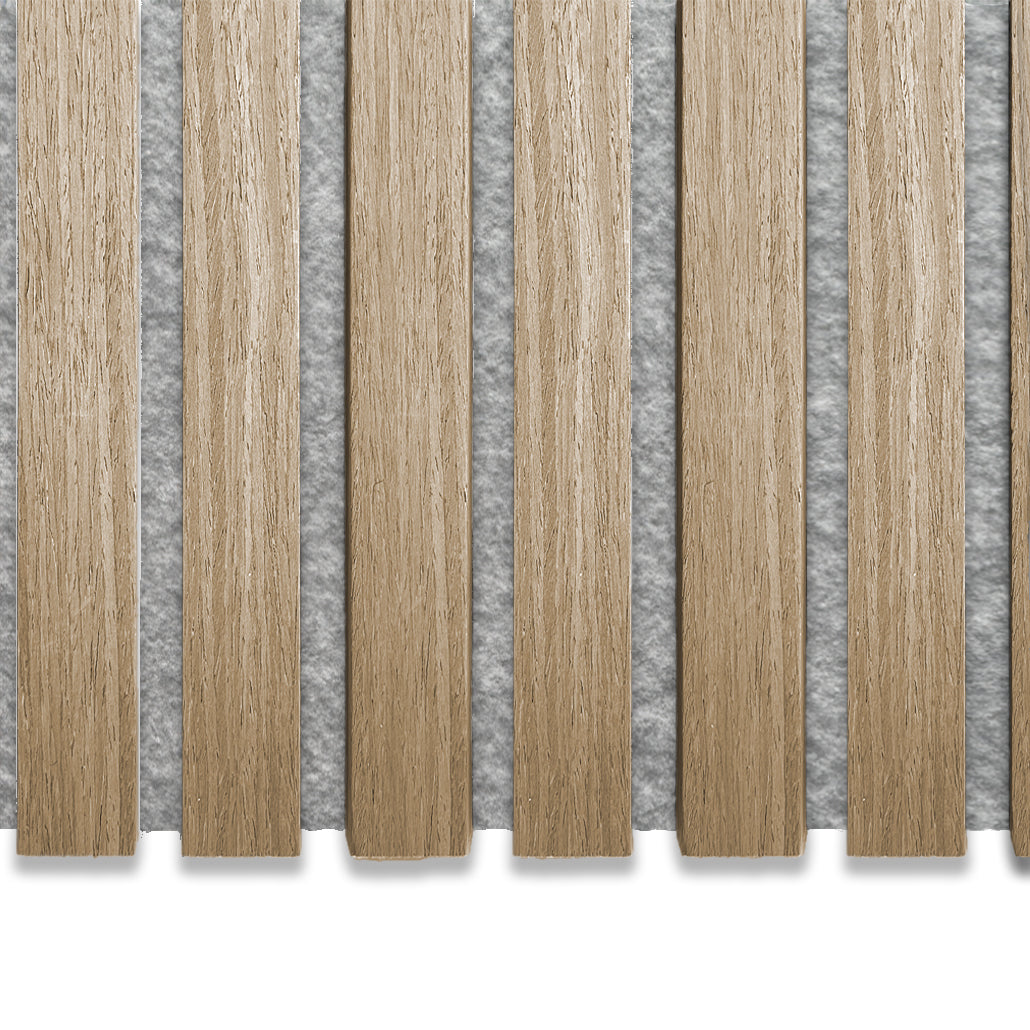
- Natural Oak with grey felt backing is the noise-control buy for pet grooming salon walls in 2026.
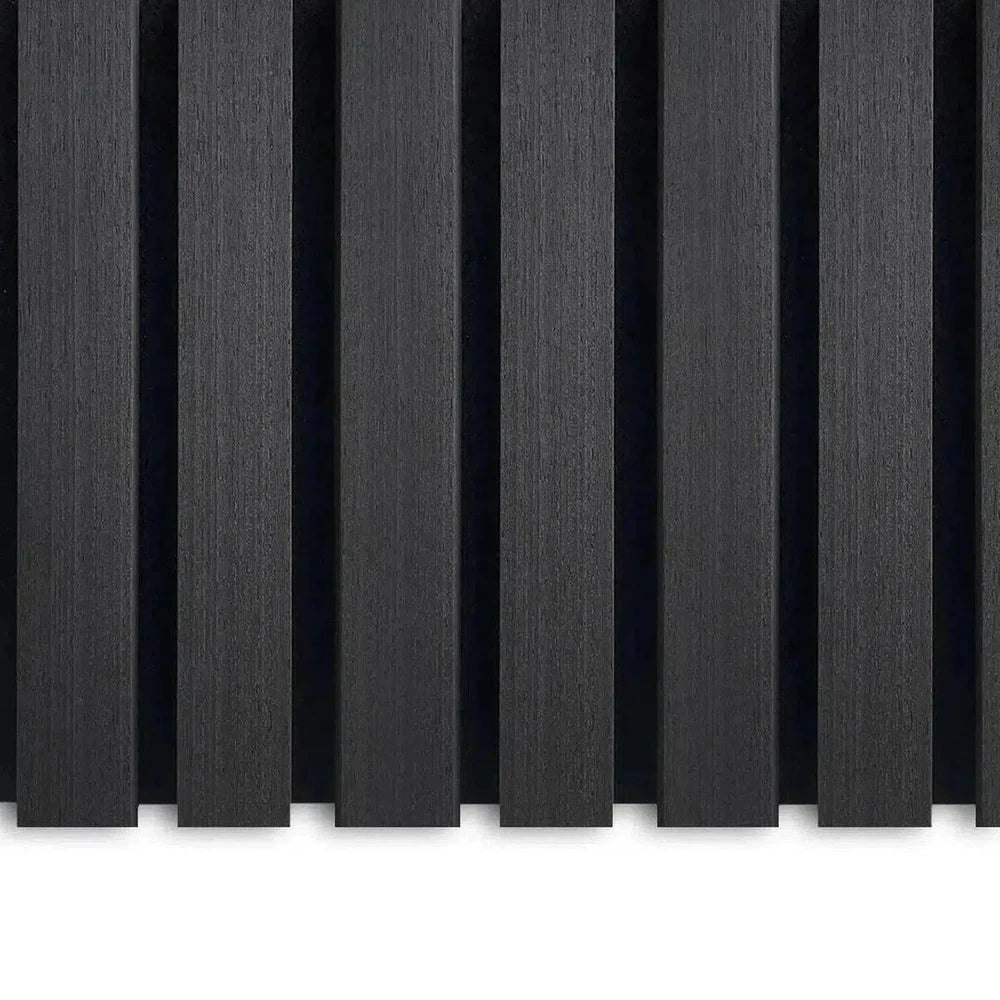
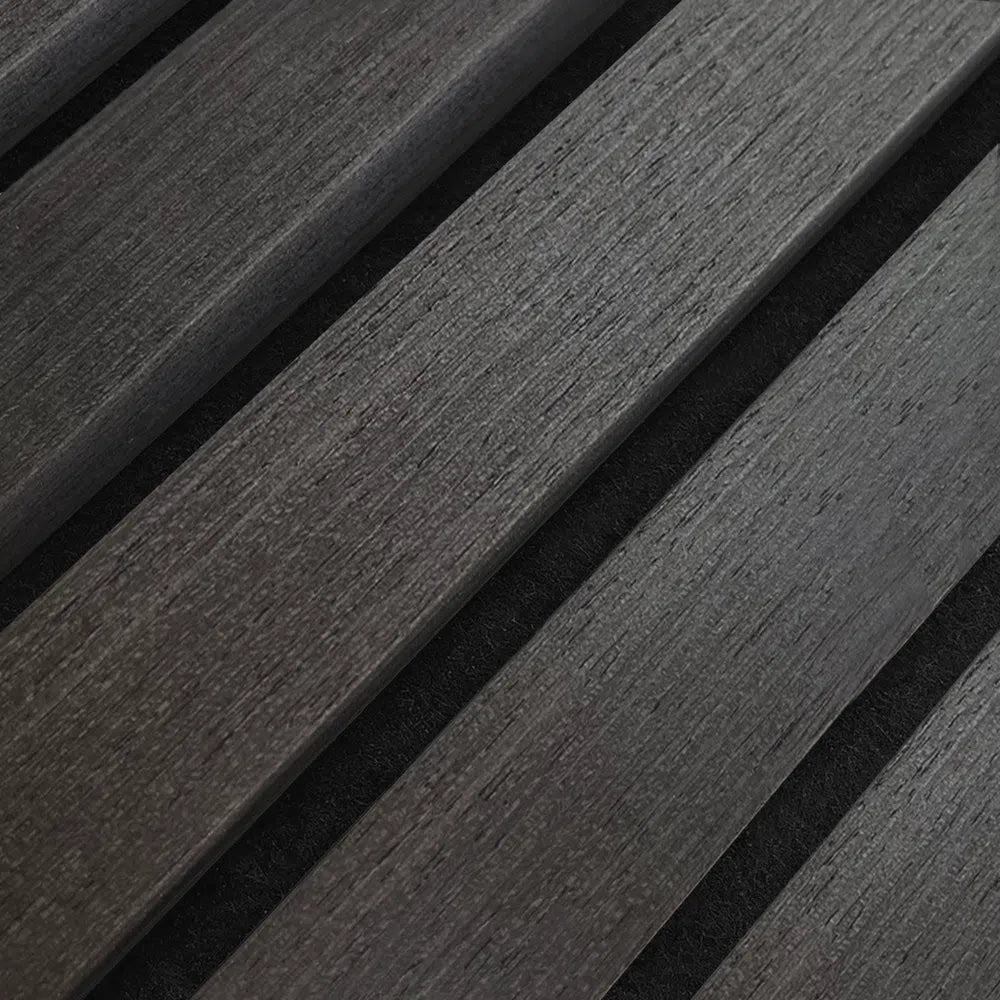
- Black Oak wall panels work for reception areas but show fur and water marks faster than lighter finishes.
- Avoid deep-grooved 3D textured panels near grooming stations — grooves trap fur and dander.
- 3-sided real wood veneer panels wipe clean with a damp cloth; painted MDF slatwall does not hold up the same way.
Why this matters
A grooming salon runs two dryers and a set of clippers for most of the working day. Bare plasterboard and tile bounce that noise straight back at staff and dogs, which raises stress for both. Acoustic wood panels absorb sound at the felt backing layer instead of reflecting it, and that single change cuts the harsh, tinny echo that makes anxious dogs bark more.
The same wall also takes a beating from wet fur, nail scratches, and cleaning chemicals every single day of 2026 trading. Standard painted drywall stains within weeks. A panel with a real wood veneer face and a washable surface holds its finish through daily wipe-downs, which is why Akuwood Panel's acoustic wood panel range gets specified for grooming and vet-adjacent fit-outs more often than laminate or tile.
Who this is for
This guide is for salon owners and fit-out contractors kitting out a pet grooming business — mobile grooming vans excluded, this is for fixed premises with a grooming station, a drying area, and usually a small reception. If you're choosing between plasterboard, tile, and wood-veneer acoustic panels for a new build or refurbishment, this is the comparison you need before you order materials.
What to look for in wooden wall panels for pet grooming salons
Noise control from dryers and clippers
A grooming salon runs high-decibel equipment for most of the day, and hard surfaces reflect that sound straight back into the room. Panels with an acoustic felt backing absorb rather than bounce the noise, which matters for staff working eight-hour shifts next to a dryer. Skip this criterion and you're fitting panels that look right but do nothing for the actual noise complaint driving the purchase.
Scratch and impact resistance
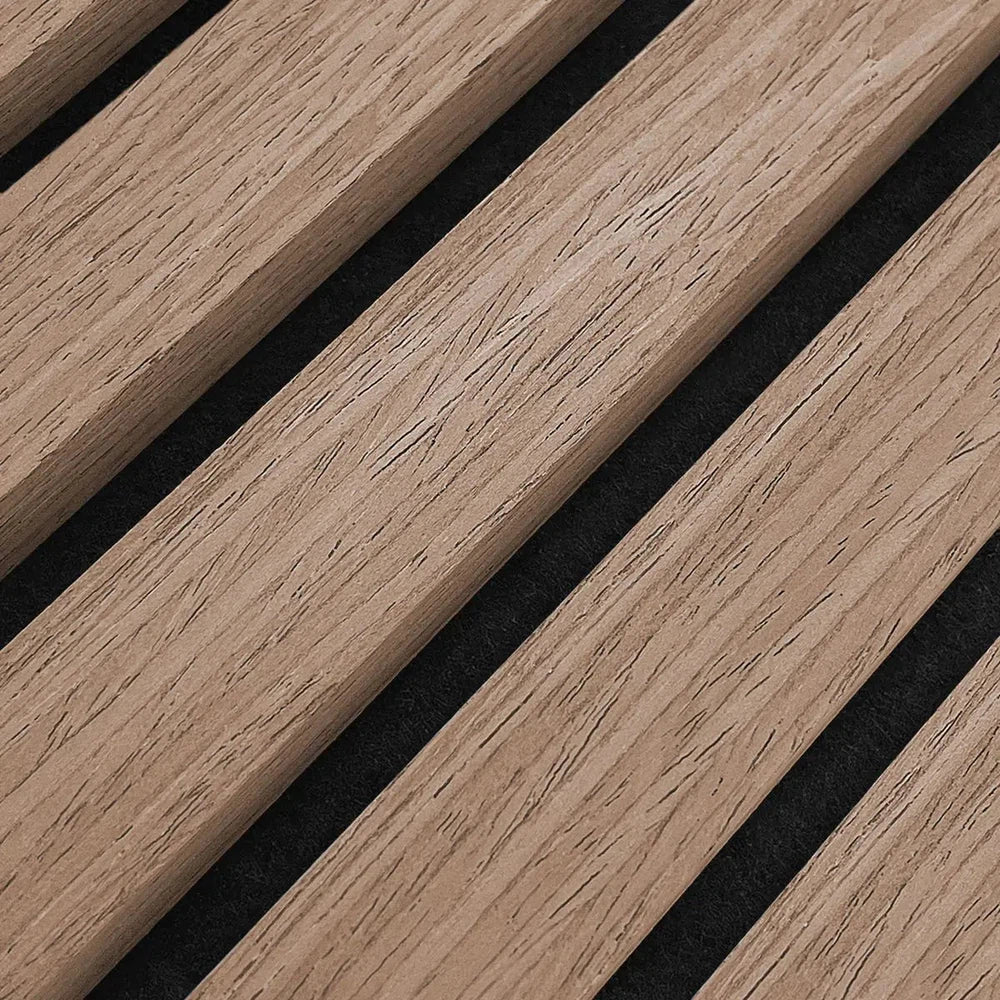
Nail contact, cage doors, and leads swinging against the wall are a daily occurrence in a working salon. A 3-sided real wood veneer face holds up to that abuse far better than painted MDF or vinyl wrap, which chips and peels at the edges within months. Look for panels rated for commercial wear rather than decorative-only residential stock.
Hygiene and easy wipe-down
Fur, dander, and the occasional accident mean walls get wiped down multiple times a day, and grooves that trap debris turn into a cleaning headache. A smooth or lightly textured veneer face wipes clean with a damp cloth; deep 3D grooves need a brush and take longer, which adds labor cost across a full working year.
Odor and moisture resistance
Wet dogs and wet fur put more moisture into the air than a typical office or retail space. Panels need to handle humidity swings without warping or delaminating at the edges, particularly around the wash-down bay where splashing is constant.
Fast, low-mess installation
A salon closed for a two-week refit loses two weeks of bookings. Panels that click or glue into place in a day or two beat wet-trade finishes like plastering and tiling, which need drying time before the space is usable again.


Top picks for pet grooming salon walls
Natural Oak — the safe pick
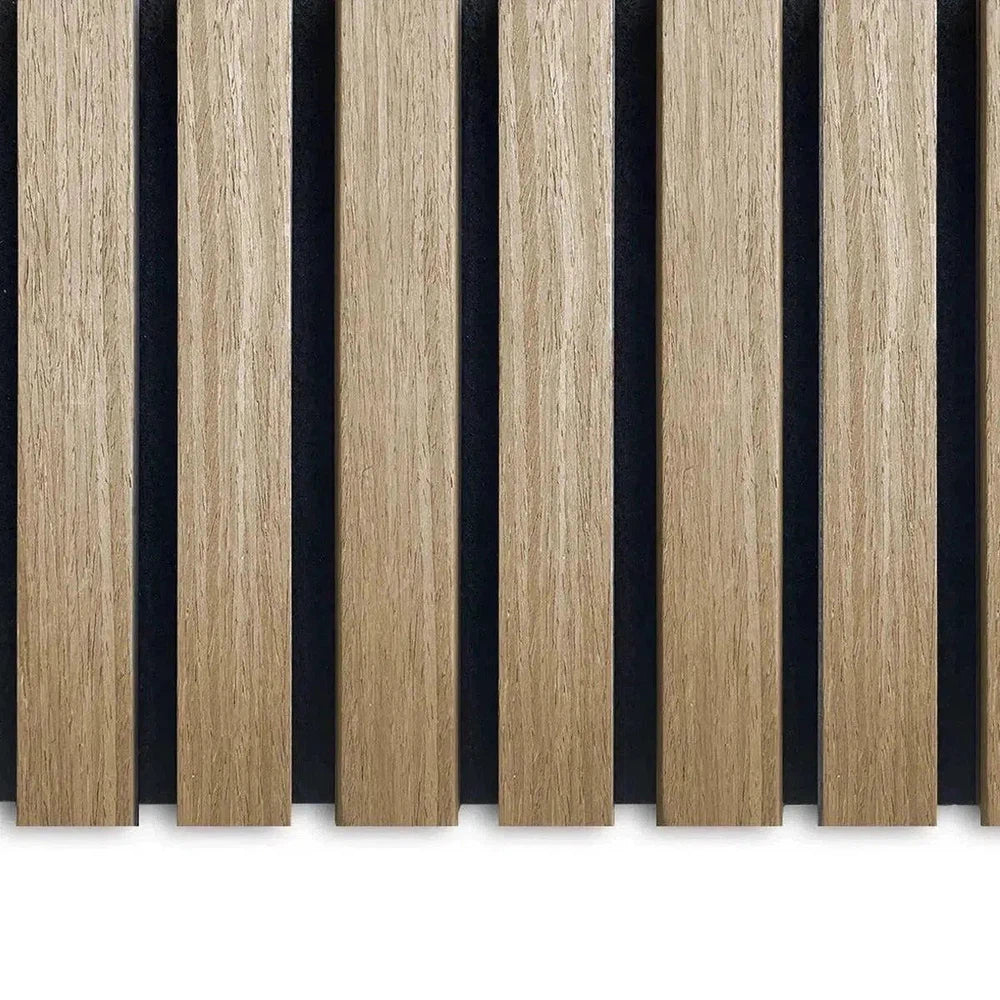
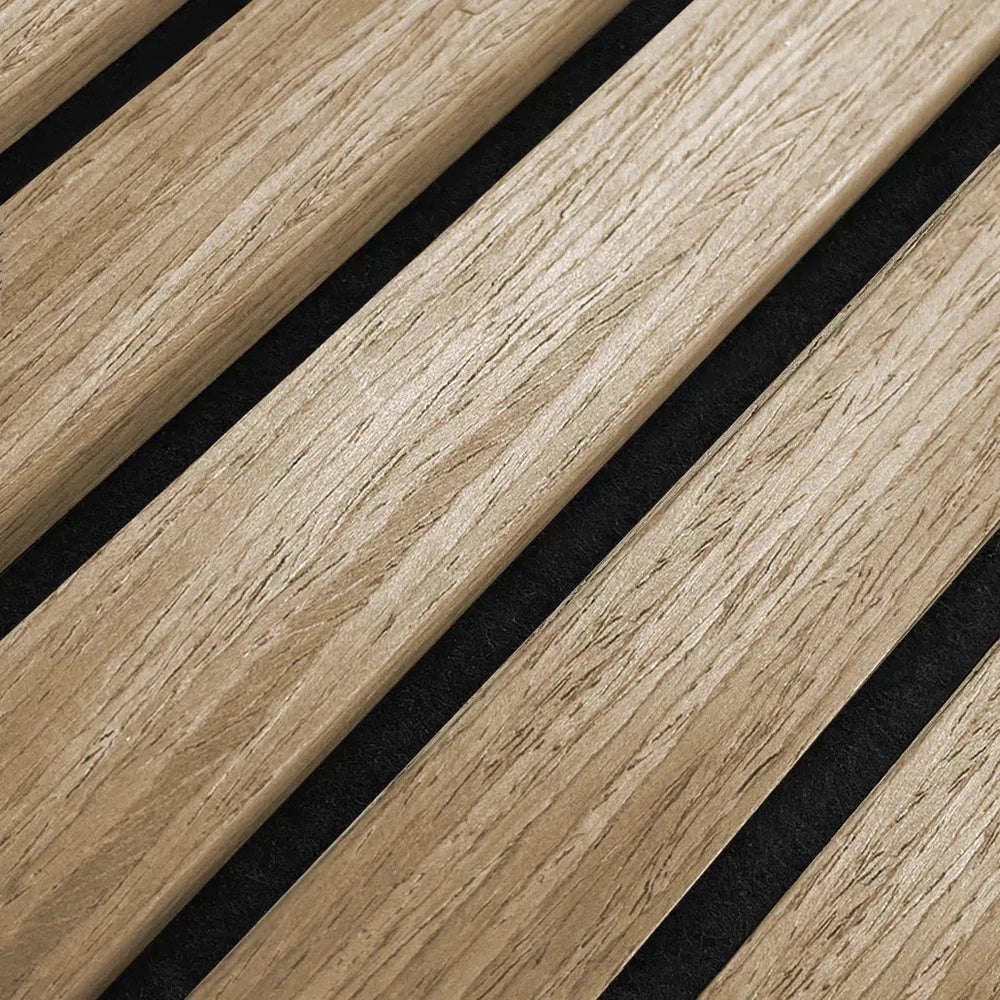
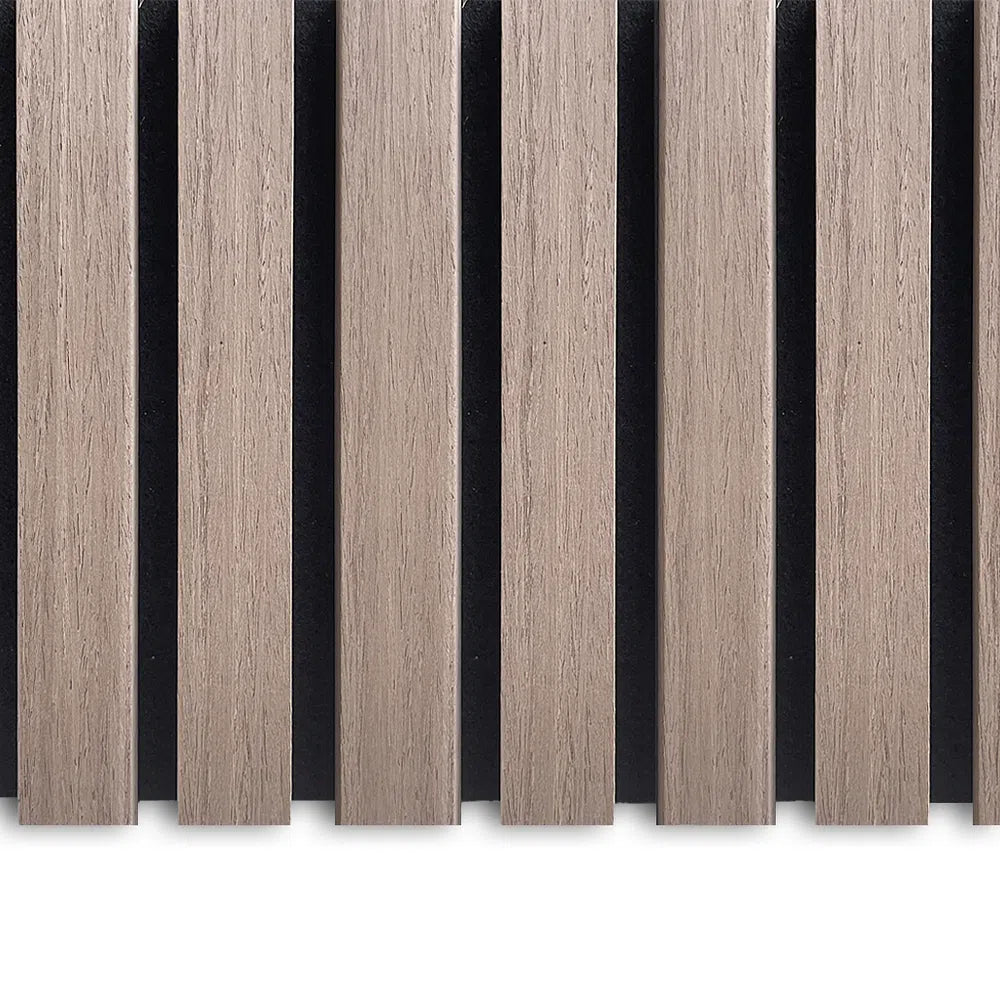
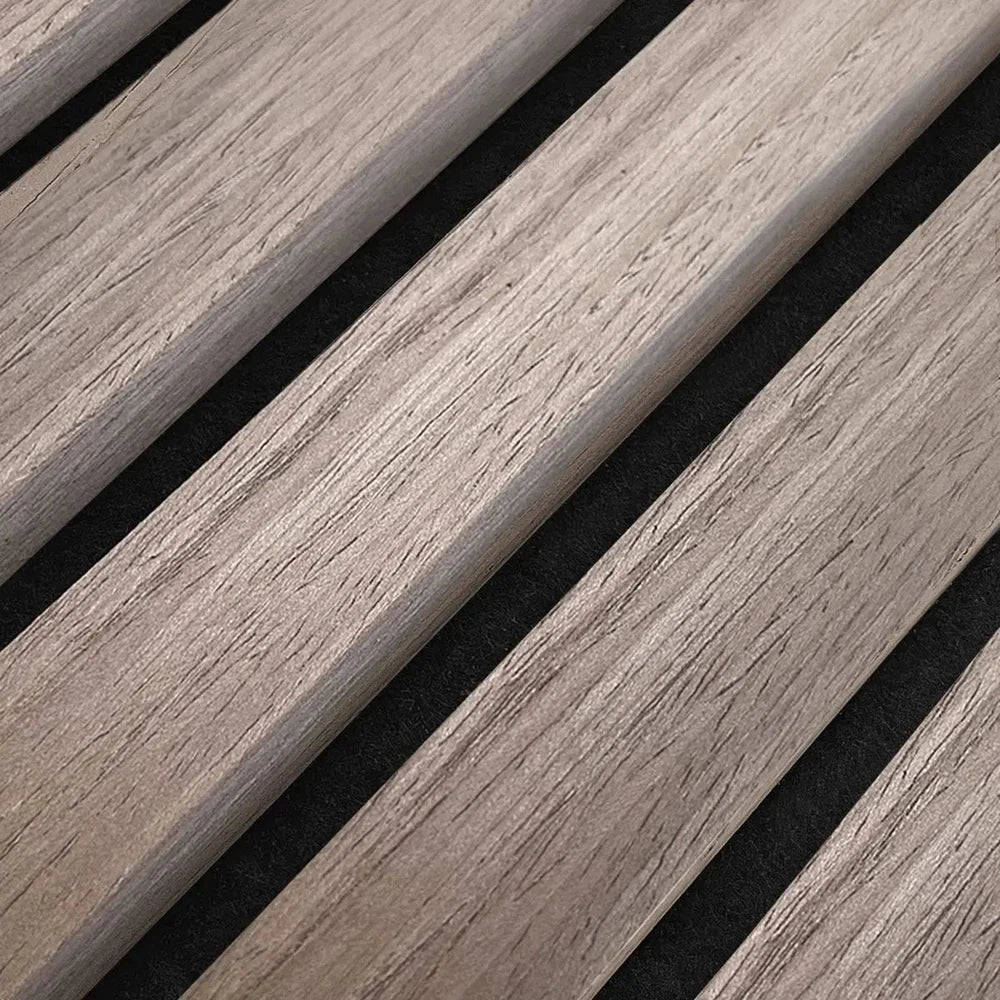
The Natural Oak wall panel is a 3-sided real wood veneer finish with an acoustic felt backing, sold in both 240 cm and 300 cm formats. The light finish shows less contrast against fur than darker woods, which means fewer visible marks between deep cleans. Verdict: Buy — this is the default choice for a drying area or main grooming floor in 2026.
Natural Oak with grey felt backing — the noise-control pick
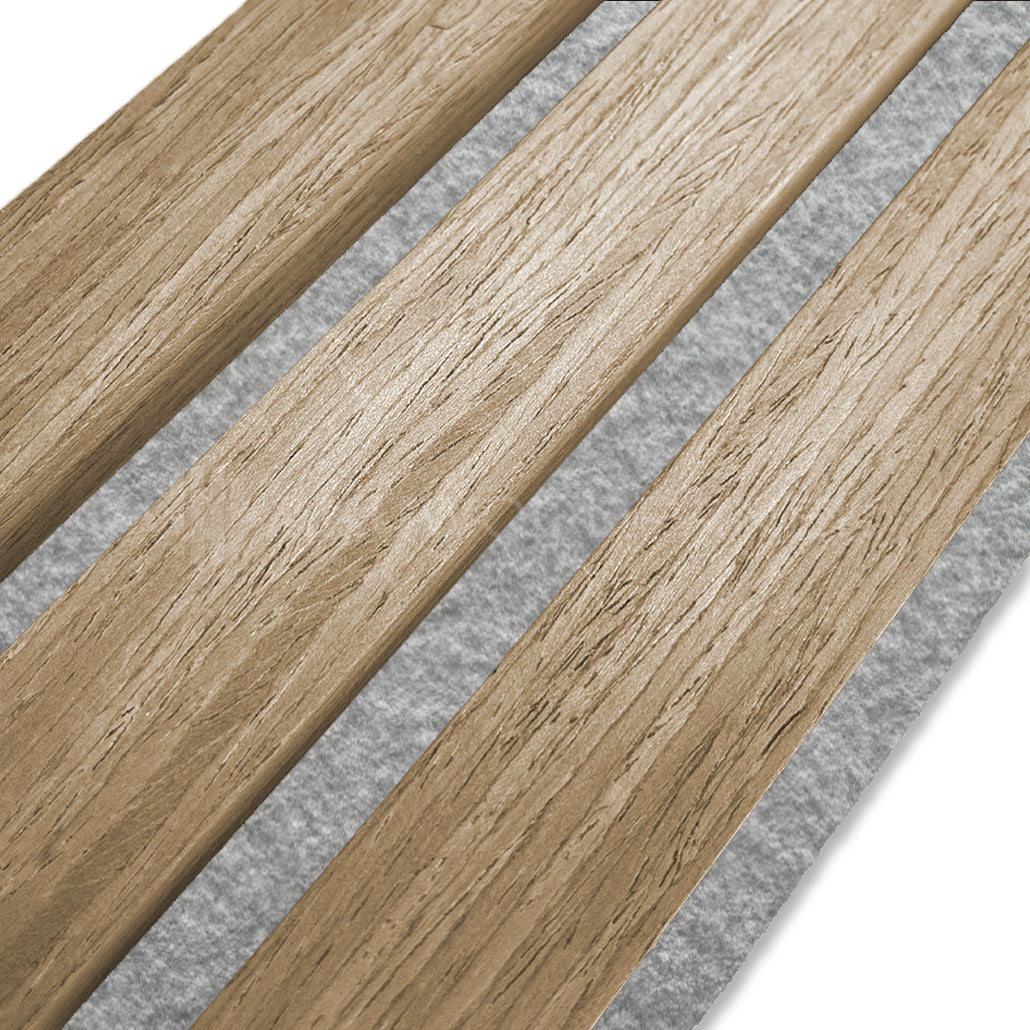
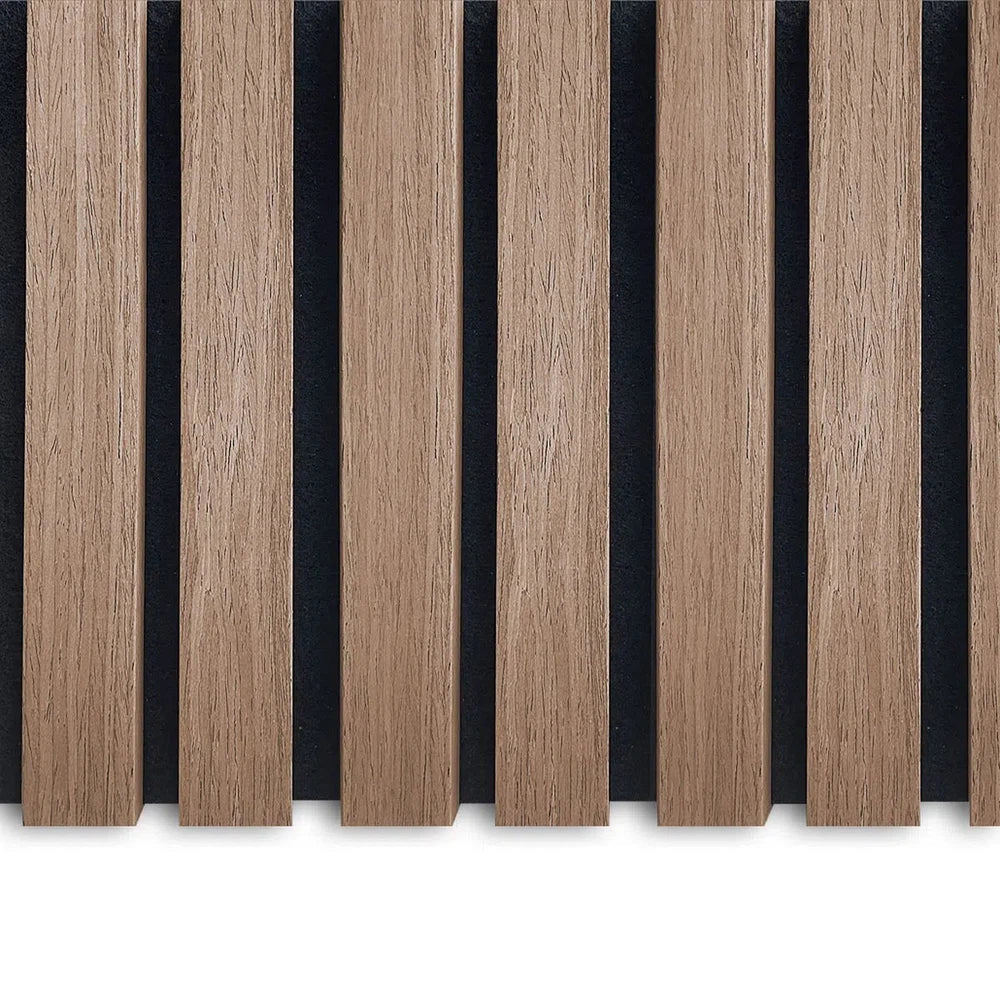
The Natural Oak panel with grey felt backing pairs the same real wood veneer face with a grey felt layer that reads less clinical than the standard black backing seen on cheaper acoustic panels. It's the right call for a wall directly behind a dryer bank, where noise absorption matters more than anything else on this list. Verdict: Buy — put this panel where the equipment noise is loudest.
Black Oak — the bold reception statement
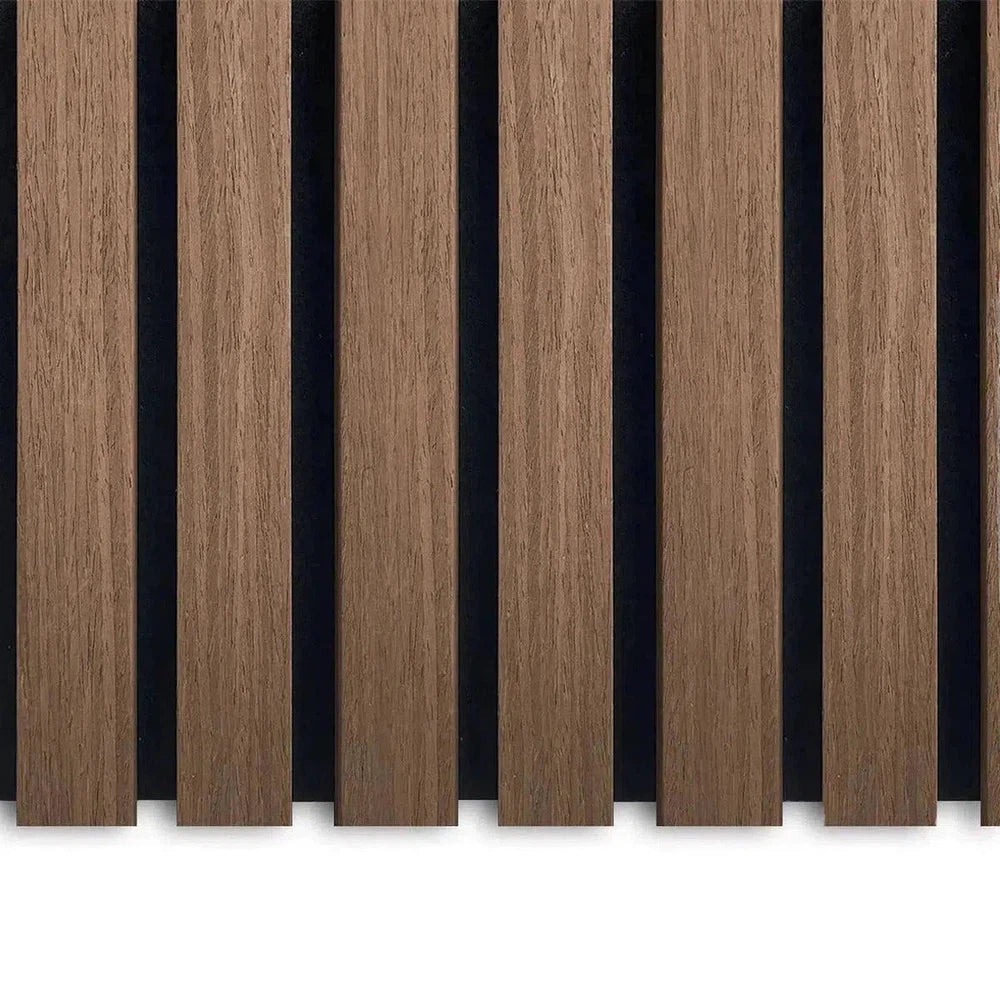
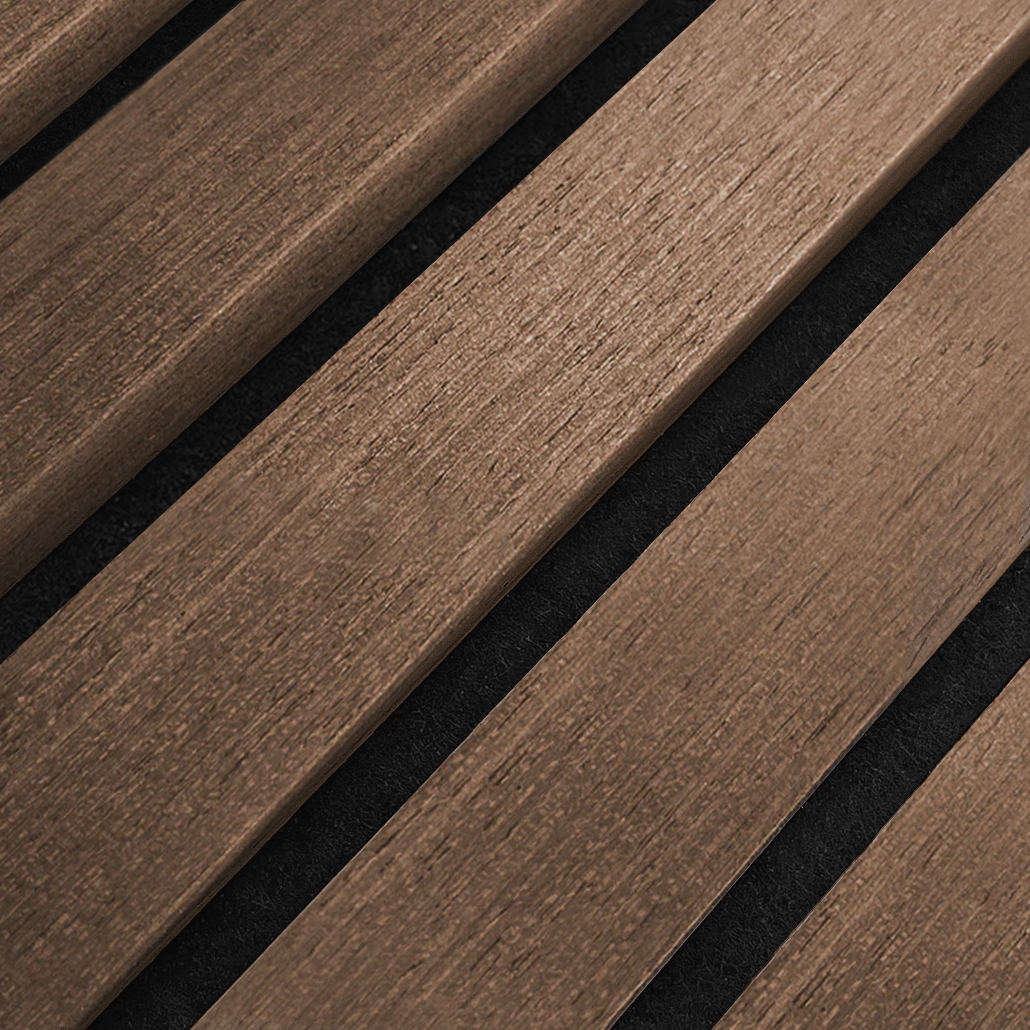
Black Oak brings a darker, higher-contrast finish that works well in a reception or waiting area where you want the salon to look premium rather than clinical. It hides less than the lighter finishes when fur and water marks build up over a working day, so it needs more frequent wiping near client-facing walls. Verdict: Consider for reception; skip it for the wash-down bay.
Rustic Oak Premium — the textured option
Rustic Oak Premium 3-sided wood veneer panels carry more visible grain and knot character than the standard Natural Oak line, which some salons want for a farmhouse or boutique look. The extra texture holds slightly more dust in the grain lines than a smoother finish, so it suits low-touch feature walls rather than the working grooming floor. Verdict: Consider for a reception feature wall only.
What to avoid
- Fully upholstered fabric acoustic panels. They absorb sound well but soak up moisture and odor from wet dogs, and you can't wipe them down between clients.
- Deep-grooved 3D textured panels near grooming stations. Fur and dander lodge in the grooves and take a brush and extra time to clear, which adds up across a working year.
- High-gloss laminate wall board. It offers zero acoustic value and shows every scratch and clipper nick within the first few months of daily use.
Verdict comparison
| Panel | Noise control | Durability | Ease of clean | Verdict |
|---|---|---|---|---|
| Natural Oak | Good | High | Easy | Buy |
| Natural Oak, grey felt | Best | High | Easy | Buy |
| Black Oak | Good | High | Moderate | Consider |
| Rustic Oak Premium | Good | High | Moderate | Consider |
FAQ
What are the best wooden wall panels for a pet grooming salon?
Natural Oak panels with acoustic felt backing are the best starting point for a pet grooming salon in 2026 because they cut dryer and clipper noise while wiping clean daily. Reserve darker or textured finishes like Black Oak or Rustic Oak for reception areas away from wet grooming stations.
Do acoustic wood panels actually reduce noise from dog dryers?
Yes, panels with a felt backing layer absorb sound rather than reflecting it off a hard wall, which cuts the harsh echo common in tiled or plastered grooming rooms. The effect is strongest when panels cover the wall directly behind the dryer bank.
Are wooden wall panels easy to clean in a grooming salon?
A 3-sided real wood veneer panel with a smooth or lightly textured face wipes clean with a damp cloth after most shifts. Deep 3D grooved panels take longer to clean because fur and dander settle into the grooves.
Can wooden wall panels handle moisture near a wash-down bay?
Real wood veneer panels handle normal humidity swings from wet fur and steam better than painted MDF, which tends to swell and peel at the edges. Direct, sustained water spray onto any wood panel should still be avoided.
How long does it take to install wall panels in a grooming salon?
Click-fit or glued wood panel systems typically go up in a day or two per room, far faster than wet-trade finishes like plastering or tiling that need drying time. That matters for a salon that can't afford to close for weeks during a refit.
Is Black Oak or Natural Oak better for a grooming salon?
Natural Oak is the better working-floor choice because its lighter tone hides fur and water marks between cleans. Black Oak looks premium in a reception area but shows marks faster on walls that get touched or splashed daily.
What size wood panels work best for a small grooming room?
Both the 240 cm and 300 cm panel formats fit standard commercial ceiling heights, so the choice comes down to minimizing seams on your specific wall run rather than the room's overall size. Measure the wall height first and pick whichever format leaves the fewest horizontal joins.
One last thing
The hexagon-format acoustic panel in Smoked Oak with grey felt backing carries an NRC rating of 0.75, which is a genuinely useful number if you're specifying panels for a wall shared with a client waiting area — it tells you the panel absorbs roughly three-quarters of the sound energy that hits it, rather than bouncing it back into the room.