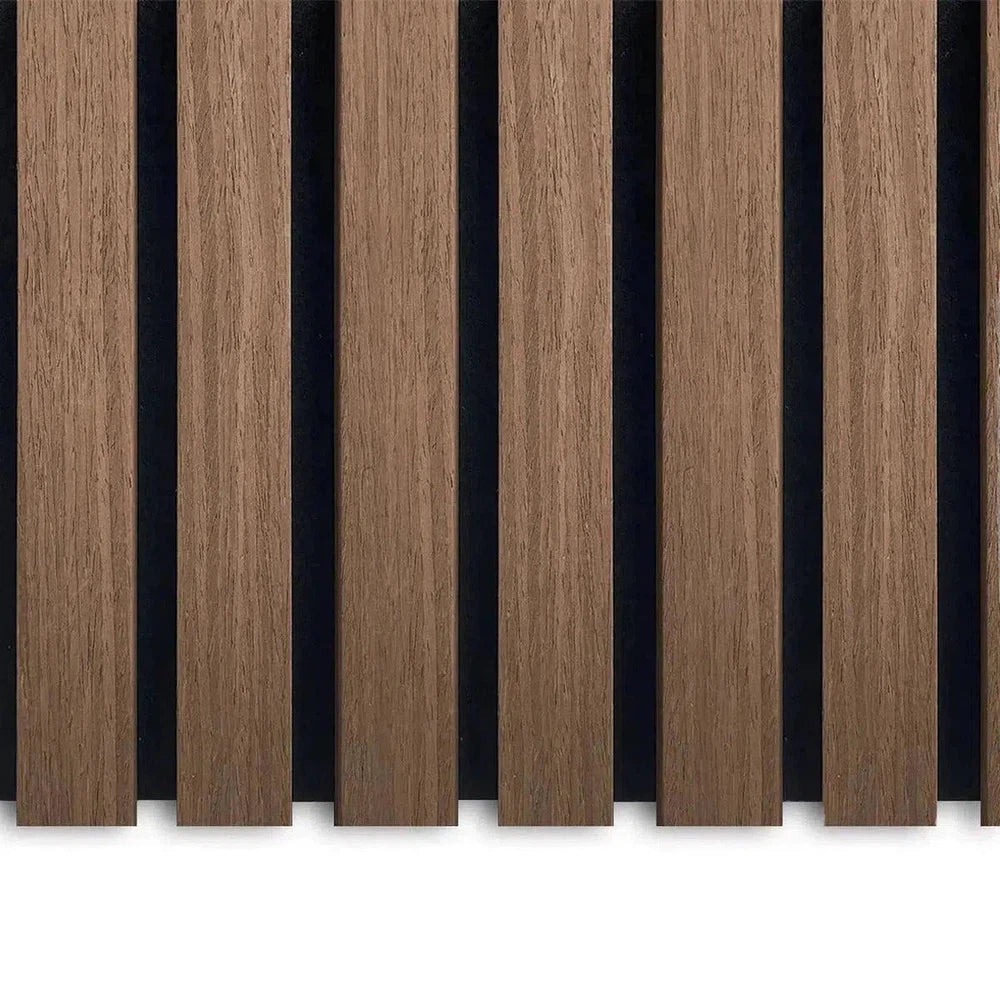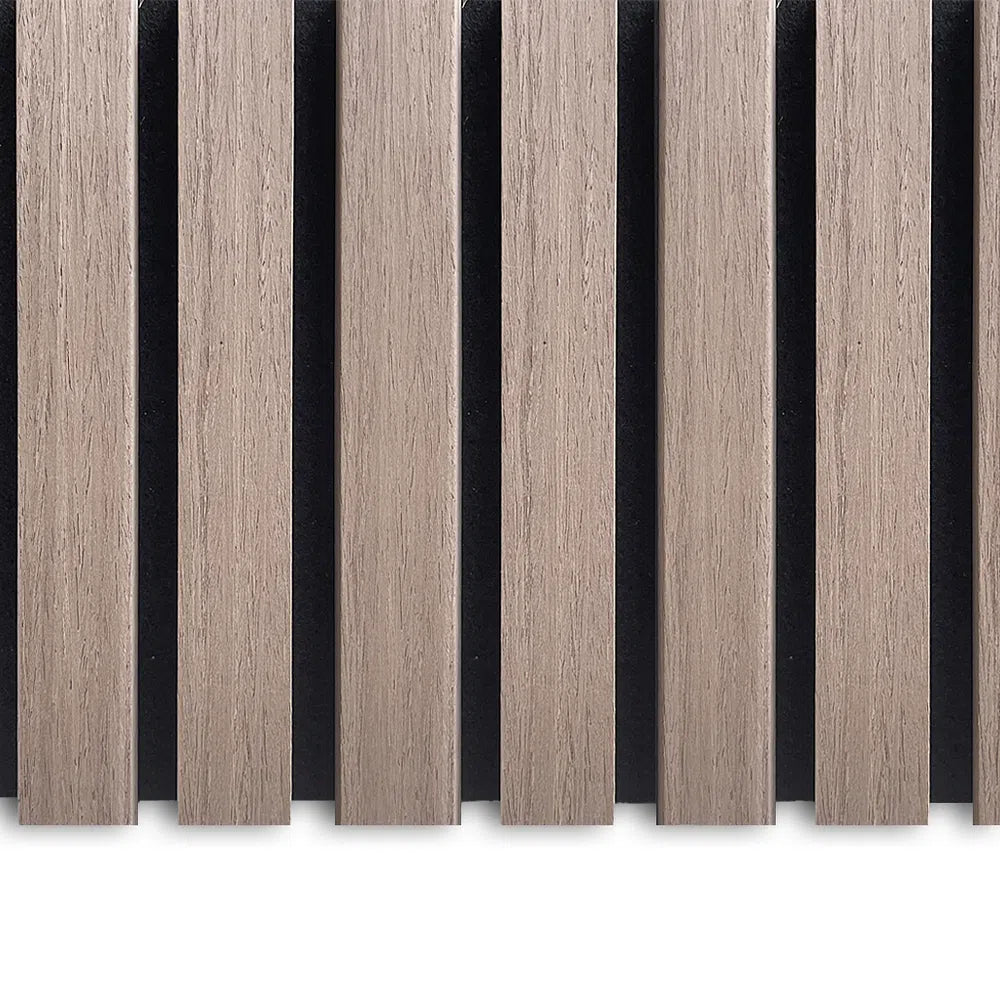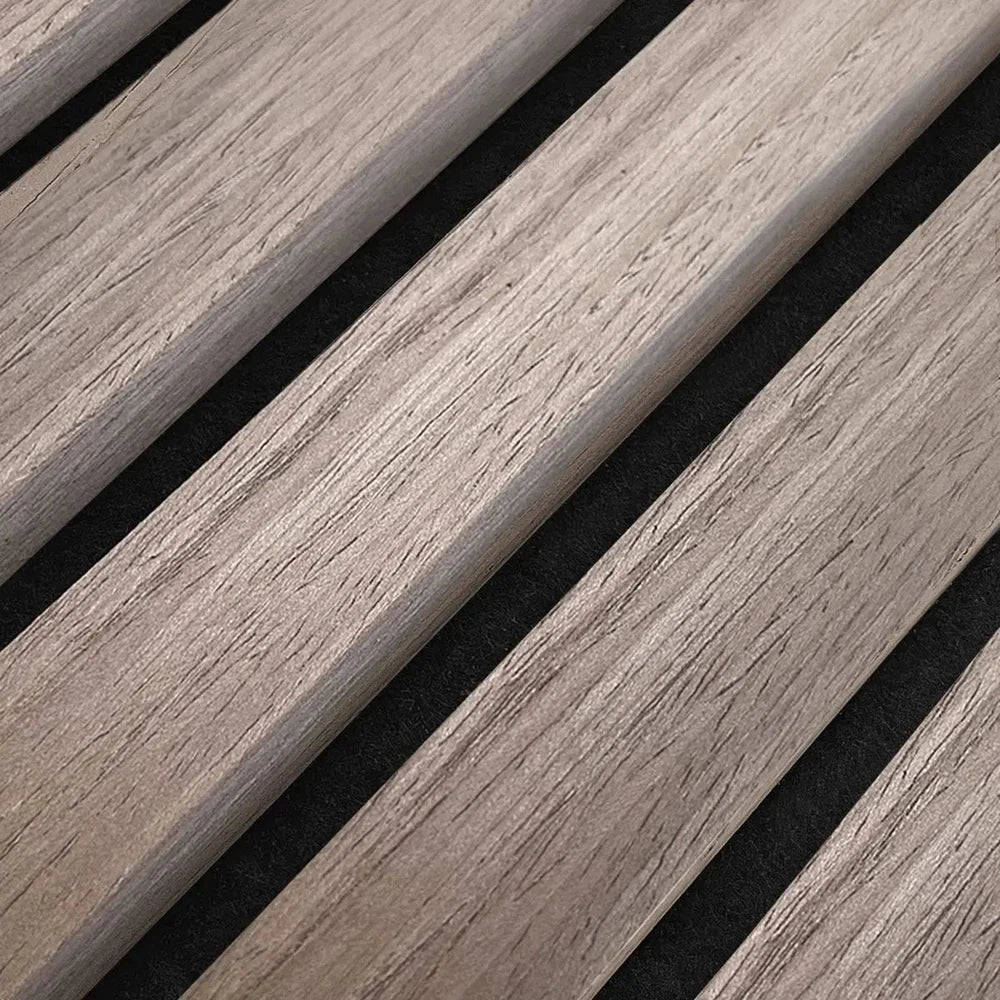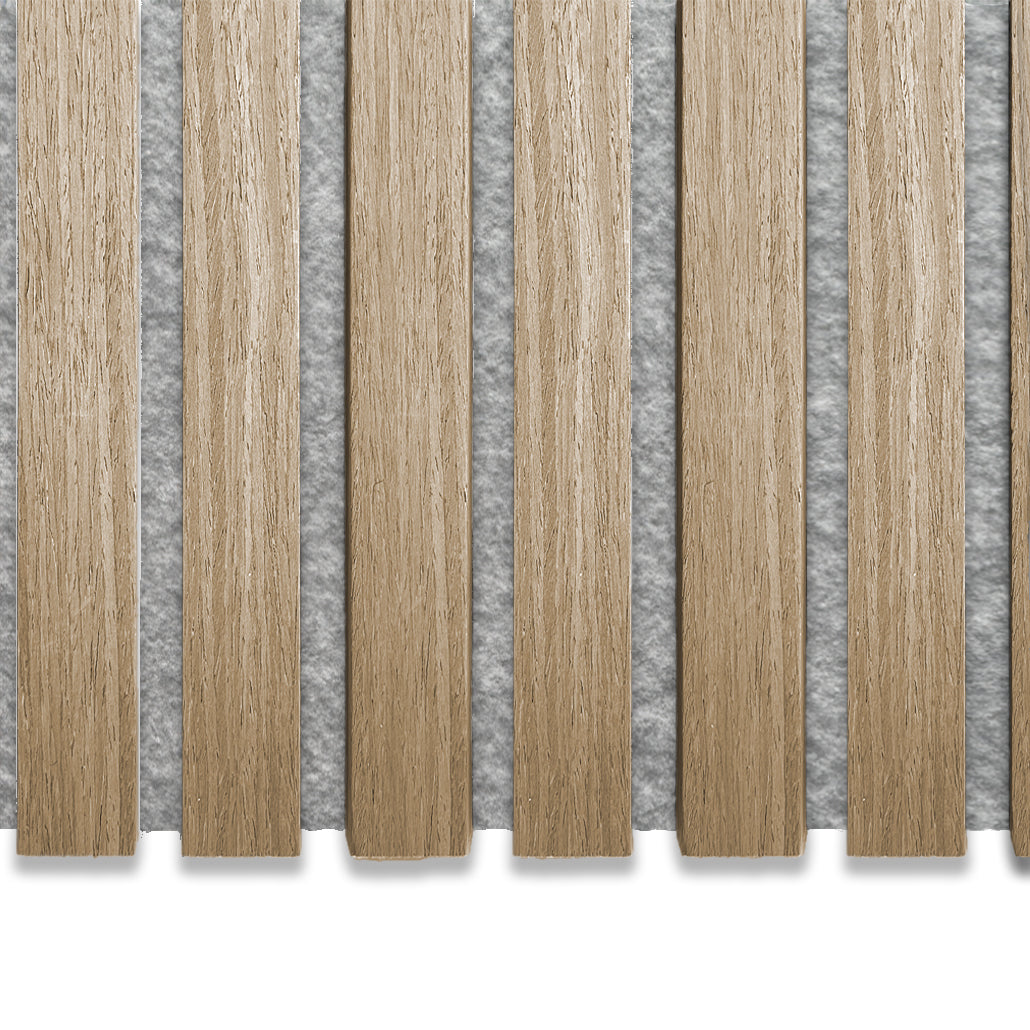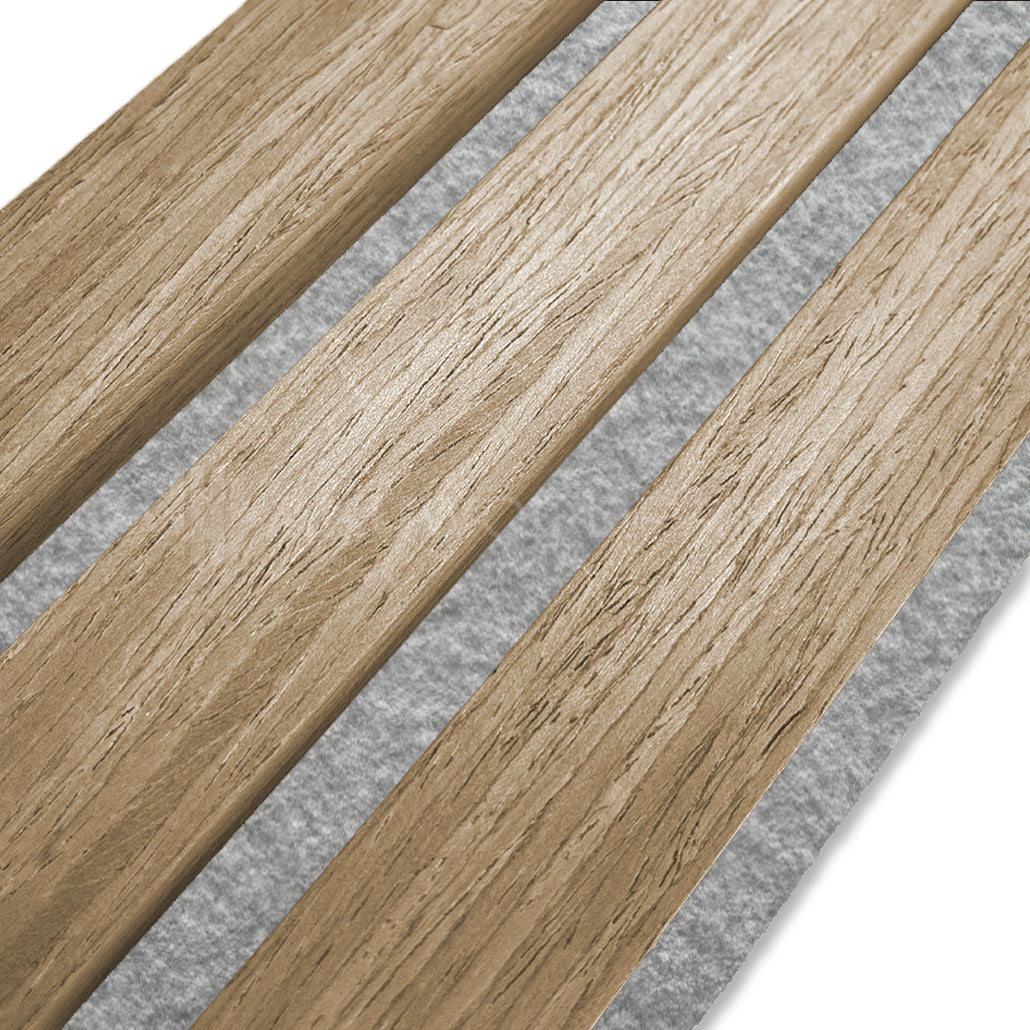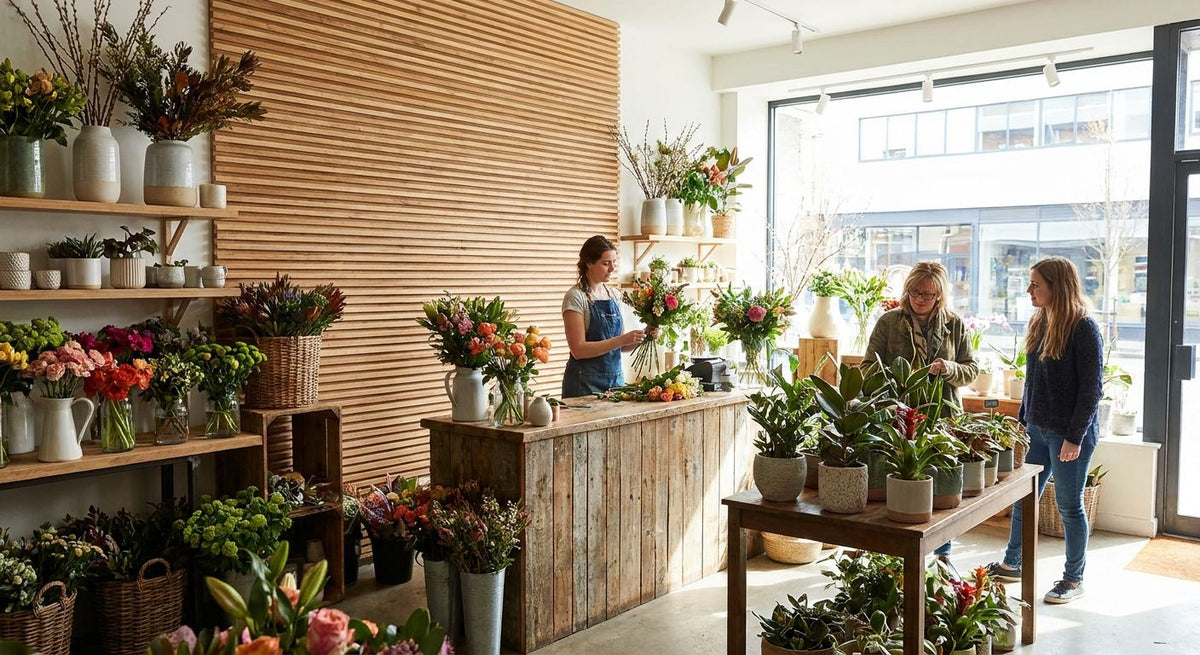
Hard floors, glass-fronted coolers and constant foot traffic make most flower shops sound like a tiled bathroom - wooden wall panels fix the echo while giving the space a warmer backdrop for the stock itself.
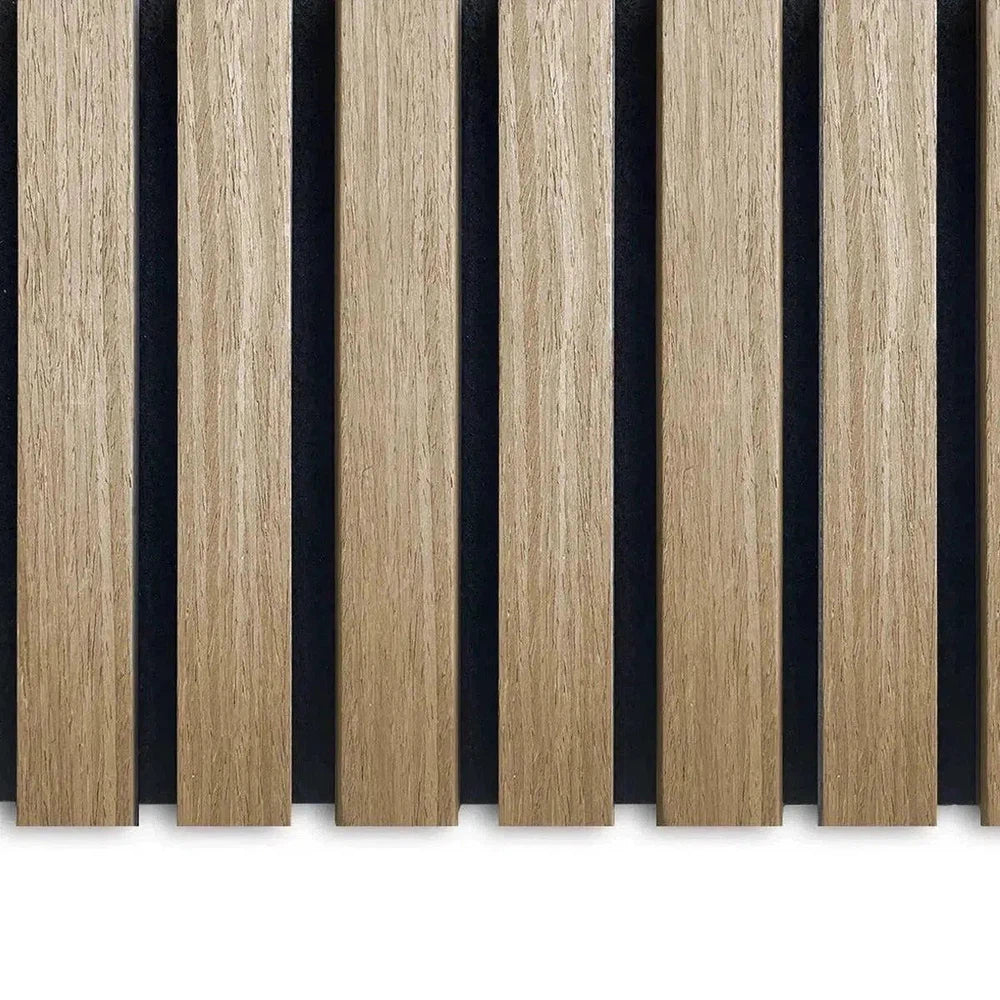
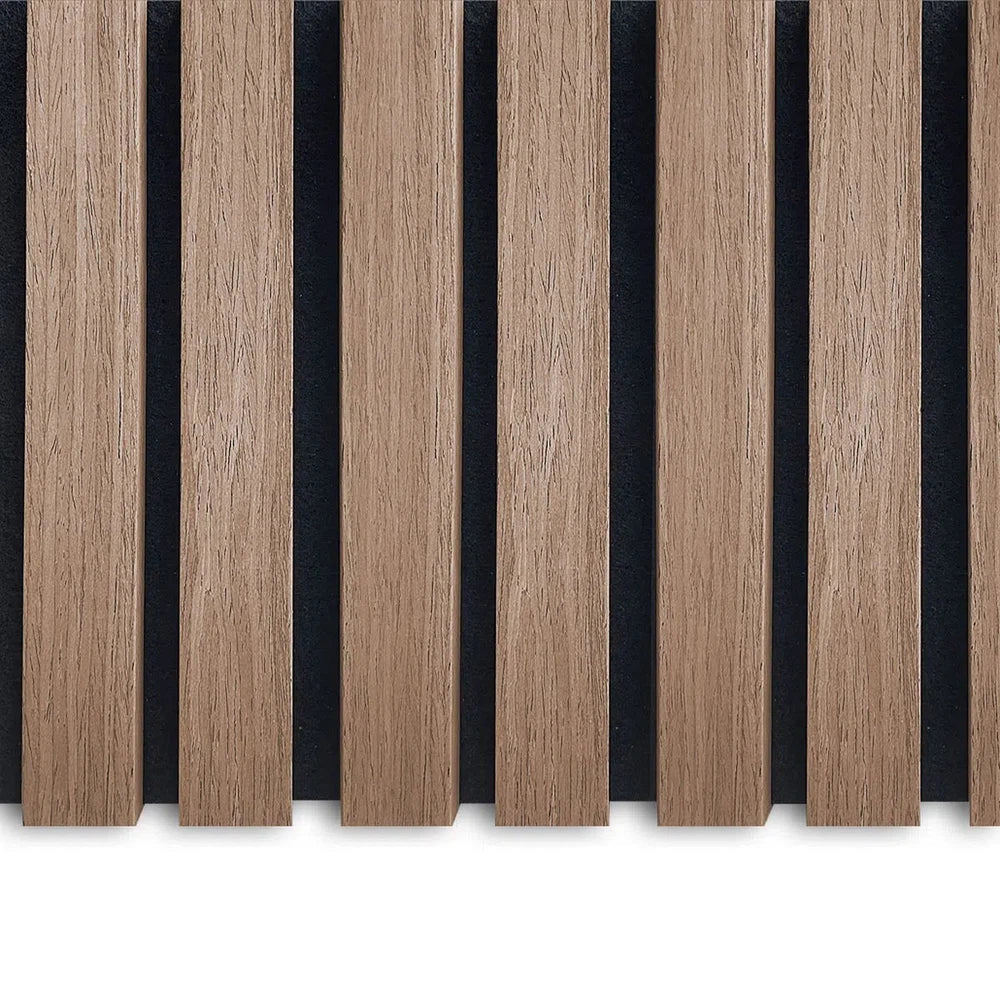
- Natural Oak wall panels from AKU Woodpanel suit florist shops needing a warm, neutral backdrop for stock - buy for the main sales floor.
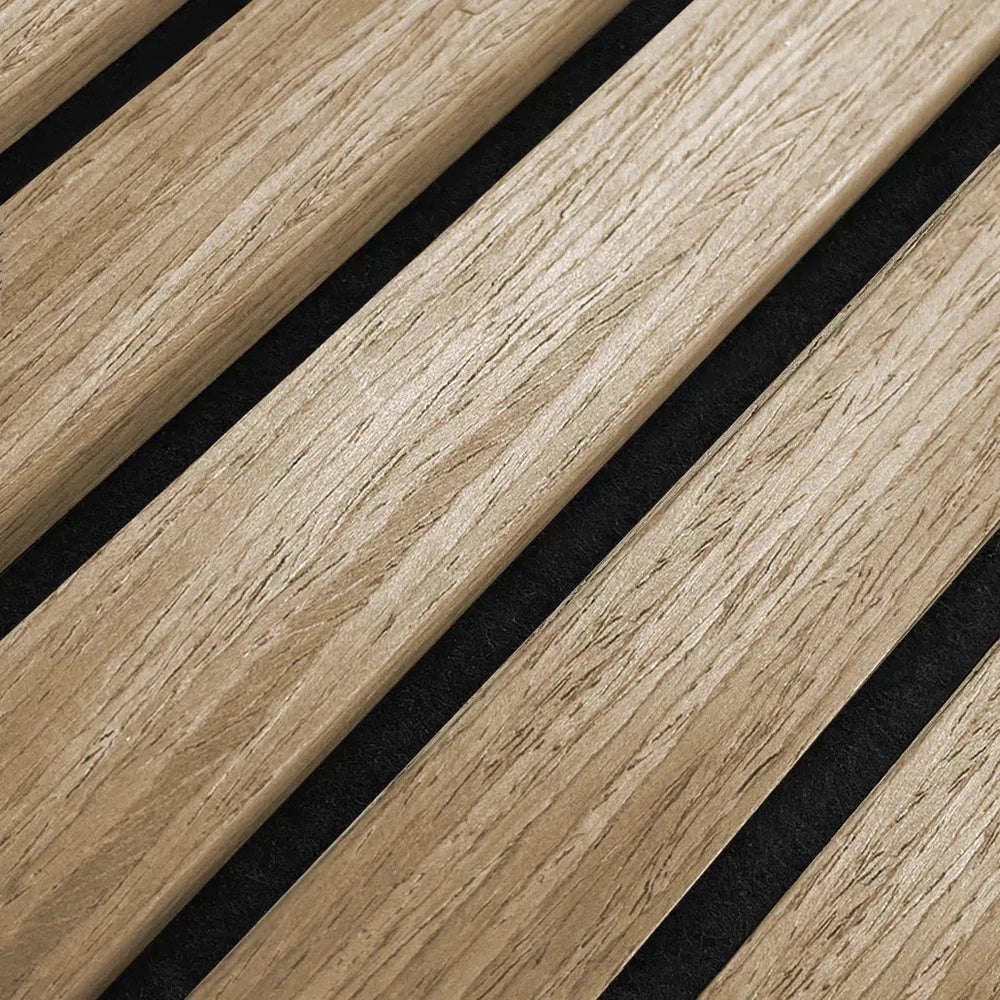
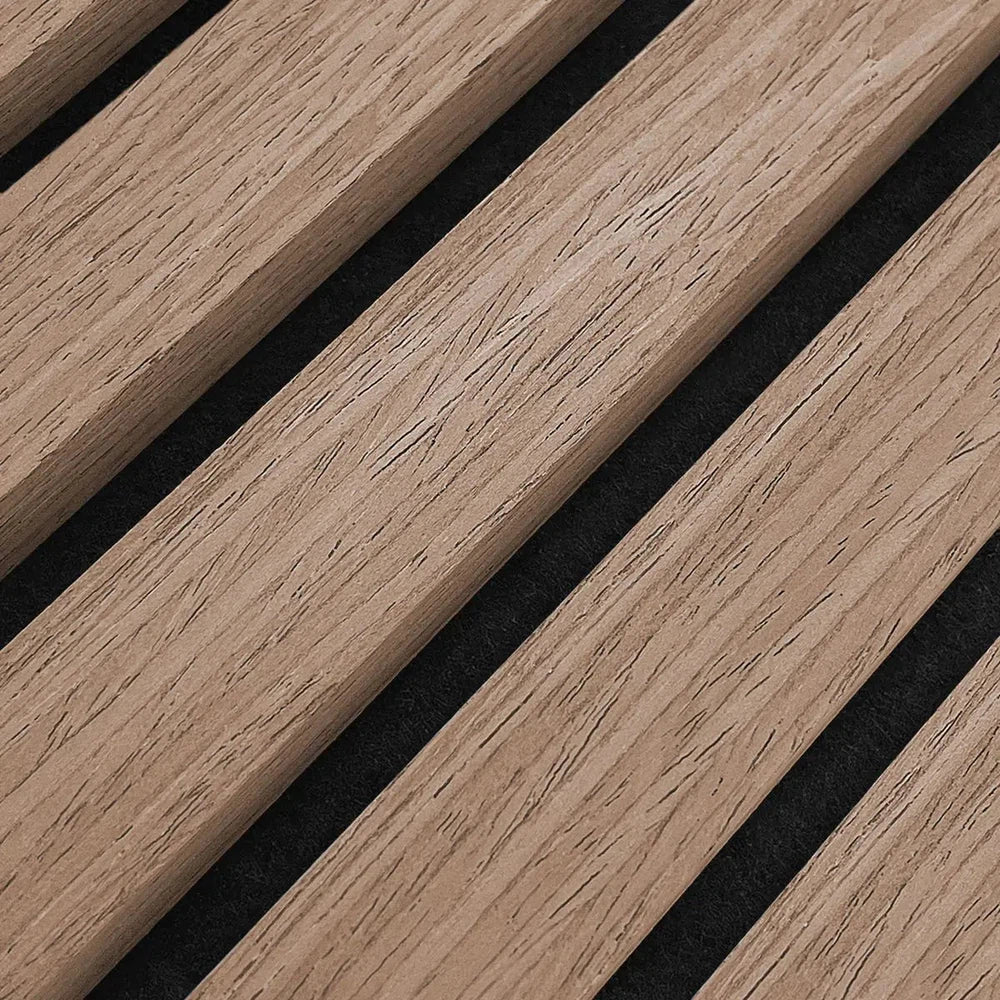
- Rustic Oak Premium 3-sided veneer panels build a feature wall behind the till without looking factory-made - consider for statement walls.
- Hexagon Acoustic Panel in Natural Oak breaks up a long counter wall and cuts reflected noise off tile floors - consider as an accent.
- Skip glossy laminate or all-black finishes near flower displays - dark, reflective surfaces dull the colour of fresh stock under standard shop lighting.
Why this matters
A florist shop is one of the noisiest small retail formats going, and nobody designs for it. Refrigeration units hum constantly, tile or vinyl floors bounce sound straight back at customers, and a till queue on a Saturday morning turns into a shouting match over prices. Bare plastered or painted walls do nothing to absorb any of it.
Wooden wall panels for florist shop interiors solve two problems in one move: they soften the acoustics and they give the space a natural material that sits comfortably next to flowers, foliage and kraft paper wrap. A wooden wall panel with a real wood veneer face reads as considered rather than cheap, which matters when your product itself is the display.
Who this is for
This guide is for independent florists and flower shop owners fitting out a new unit or refreshing a tired sales floor in 2026 - typically a space between 20 and 80 square metres with hard flooring, a chilled display area, and a till counter that doubles as a wrapping station. If your current walls are bare plaster, exposed brick, or dated wallpaper and customers struggle to hear you over the fridge compressors, wooden wall panels are a direct fix rather than a decorative afterthought.
What to look for in wooden wall panels for a florist shop
Moisture tolerance near coolers and prep sinks
Florists work with buckets of water, wet stems and condensation off chilled display cabinets all day. A panel with a solid wood veneer face and a felt backing handles ambient humidity fine on a sales floor, but keep any panel wall at least a short distance from direct splash zones near sinks and bucket-fill stations.
A finish tone that doesn't fight the flowers
Green foliage and bright petals need a neutral backdrop, not competition. Lighter finishes - natural oak, grey oak - let stock stand out. Very dark or high-gloss finishes absorb light and make displayed flowers look muddier under standard retail lighting.
Acoustic performance on hard-floor shops
Tile, polished concrete and vinyl are the default florist floor because they're easy to hose down, but they reflect sound aggressively. Panels with an acoustic felt backing absorb reflected noise rather than just decorating over it, which matters more in a florist shop than almost any other small retail category.
Panel size versus shop dimensions
AKU Woodpanel's wooden wall panels come in two size formats, 240 cm and 300 cm. A 240 cm panel suits standard ceiling heights in converted retail units; 300 cm covers floor-to-ceiling in older high-street shopfronts without an extra cut line breaking up the wall.
Wipe-down and dust resistance
Florist shops accumulate pollen dust, leaf debris and floor sweepings faster than almost any other retail unit. A real wood veneer surface wipes clean without staining the way raw MDF or fabric wall coverings would.
Fast installation with minimal shop downtime
Every day a florist shop is closed for refit is lost trade around a fixed calendar of weddings, funerals and seasonal peaks. Panels that click or glue into place in a single day beat a full plastering and painting job that needs drying time.
Top picks for florist shop interiors
The safe pick: Natural Oak Light, even grain that reads clean under both daylight and shop LEDs, with the standard acoustic felt backing on the reverse. It works on a full sales-floor run without overpowering the stock in front of it. Available in the 240 cm and 300 cm formats to match your ceiling height. Verdict: Buy for the main sales floor wall - Natural Oak wall panel.
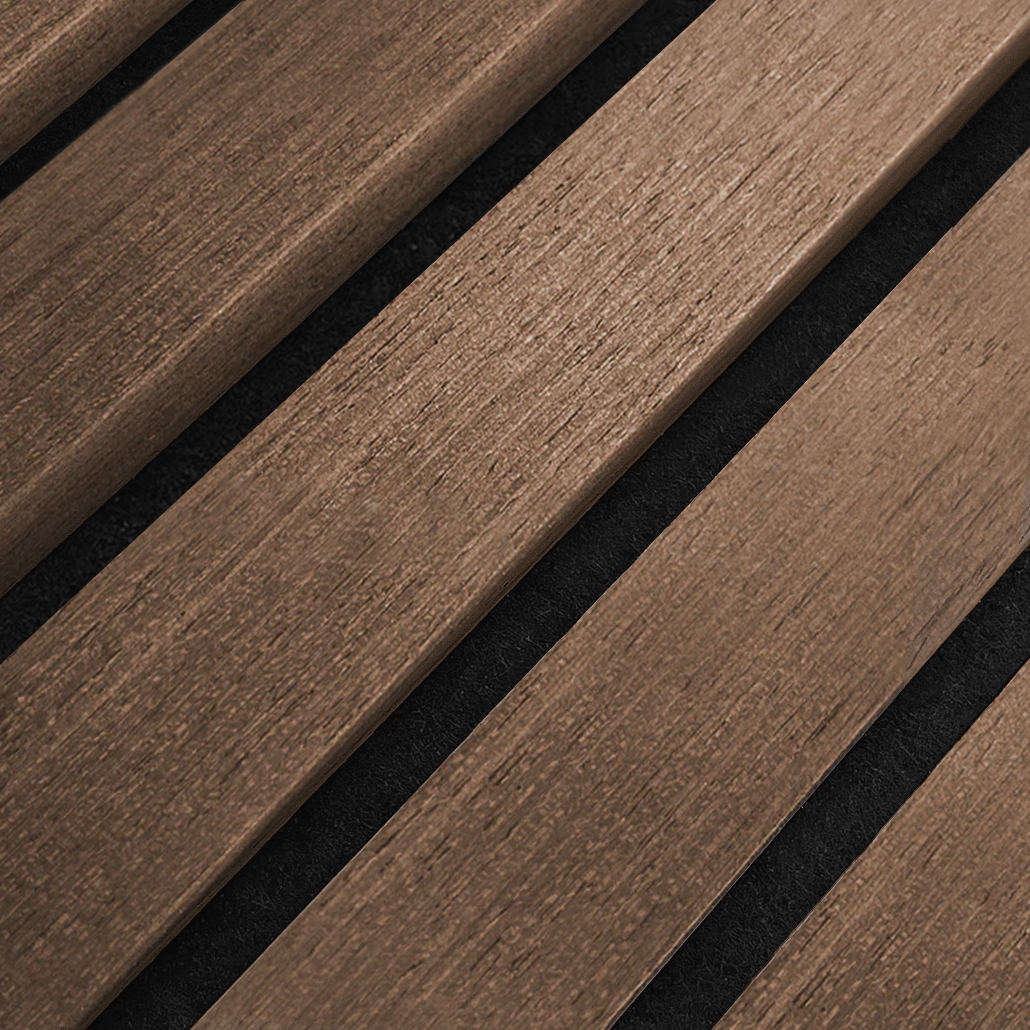
The premium showpiece: Rustic Oak Premium, 3-sided wood veneer The 3-sided real wood veneer finish gives visible depth on the panel edges, so a single feature wall behind the till reads as a genuine timber installation rather than a printed surface. Reserve it for one wall - it's a statement finish, not a background one. Verdict: Consider for a till or wrap-station feature wall - Rustic Oak Premium 3-sided veneer panel.
The wildcard: Hexagon Acoustic Panel, Natural Oak The geometric hexagon layout breaks up a long, flat counter wall and still carries the same acoustic felt backing as the standard slat panels, so you're not trading sound absorption for pattern. Best used as an accent behind a display counter rather than across an entire shop front. Verdict: Consider as a statement accent wall - Hexagon Acoustic Panel, Natural Oak.


What to avoid
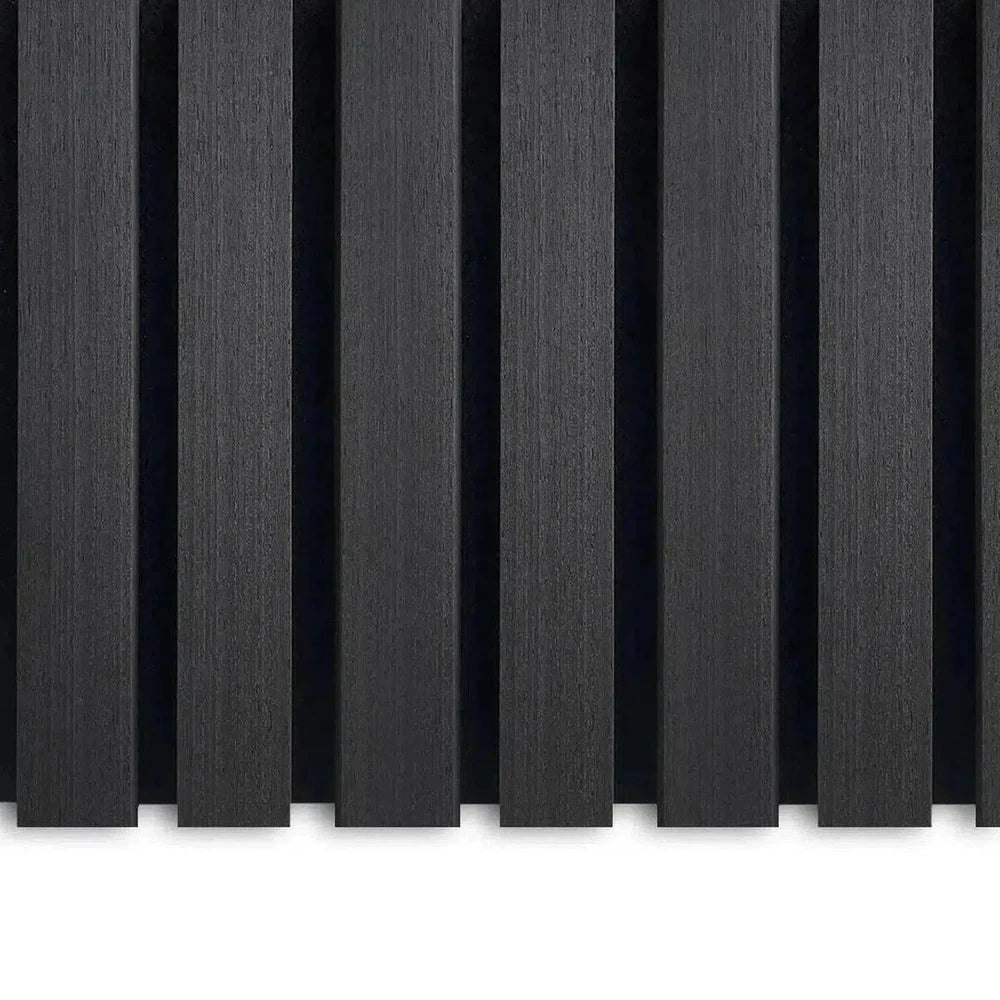
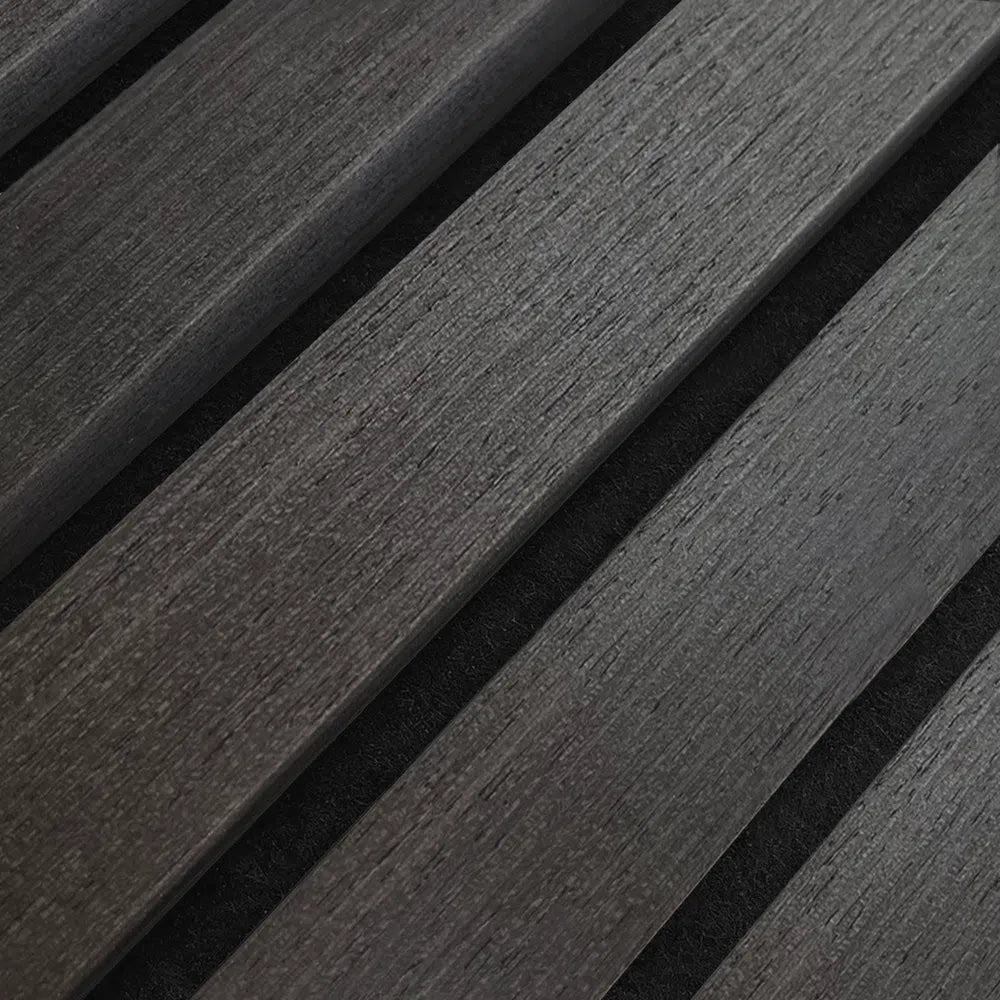
- All-black or very dark oak finishes across a whole wall. They look sharp in a showroom photo but swallow light in a florist shop, making arranged flowers look flatter next to the panel than they would against a lighter tone.
- Non-acoustic MDF slatwall near sinks and prep zones. It looks similar to a real veneer panel from three feet away but has none of the felt backing that actually cuts noise, and it stains faster near water.
- High-gloss laminate panels. Reflective surfaces bounce shop lighting straight back at customers standing near a busy till, and it reads cheaper than a real wood veneer despite often costing more.
Verdict comparison
| Panel | Finish tone | Backing | Best zone in shop | Verdict |
|---|---|---|---|---|
| Natural Oak | Light, warm | Acoustic felt | Full sales floor | Buy |
| Rustic Oak Premium, 3-sided veneer | Mid-tone, textured | Acoustic felt | Till or feature wall | Consider |
| Hexagon Acoustic Panel, Natural Oak | Light, geometric | Acoustic felt | Accent wall behind counter | Consider |
FAQ
What's the best wooden wall panel for a florist shop?
Natural Oak is the safest choice for a florist shop because its light, neutral tone doesn't compete with flower colour under shop lighting. Reserve darker or textured finishes like Rustic Oak Premium for a single feature wall rather than the whole floor.
Are acoustic wall panels worth it in a small flower shop?
Yes, particularly in shops under 40 square metres with tile or vinyl flooring, where sound bounces harder in a confined space. Panels with an acoustic felt backing absorb noise from fridge compressors and till chatter that bare plaster reflects straight back.
Do wood veneer panels hold up near water buckets and coolers?
They handle normal shop humidity fine but shouldn't sit in a direct splash zone next to a bucket-fill station or sink. Keep panelled walls a short distance from any spot where water is regularly poured or spilled.
Is natural oak or black oak better for a florist shop feature wall?
Natural oak works better as a backdrop because its lighter tone lets flower colour stand out, while black oak absorbs light and can make displayed stock look flatter. Black oak suits a single accent wall away from the main display, not the sales floor itself.
How much wall space do I need to cover for noticeable noise reduction?
Covering the two hardest reflective surfaces - typically the wall behind the till and one long side wall - delivers a noticeable drop in reflected noise. A full-floor covering isn't necessary in most shops under 80 square metres.
Can hexagon wall panels work behind a flower display counter?
Yes, hexagon acoustic panels work well as an accent behind a counter because the broken-up geometric pattern still carries the same felt backing as standard slat panels. Use them as a feature rather than across an entire wall run.
What panel size should I choose for a shop with low ceilings?
A 240 cm panel suits standard retail ceiling heights without needing a cut line, while 300 cm panels are built for floor-to-ceiling runs in older high-street units with taller walls.
How much does it cost to panel a florist shop feature wall in 2026?
Cost depends on the finish chosen and the wall area covered, so check current per-panel pricing on the product listing before calculating total coverage. A single feature wall behind a till uses far fewer panels than a full sales-floor installation.
One last thing
The detail most florists miss is that a 3-sided real wood veneer finish shows genuine grain on the panel edges, not just the face - so a single feature wall built from it reads as solid timber from every angle a customer actually walks past, including side-on from the shop window.