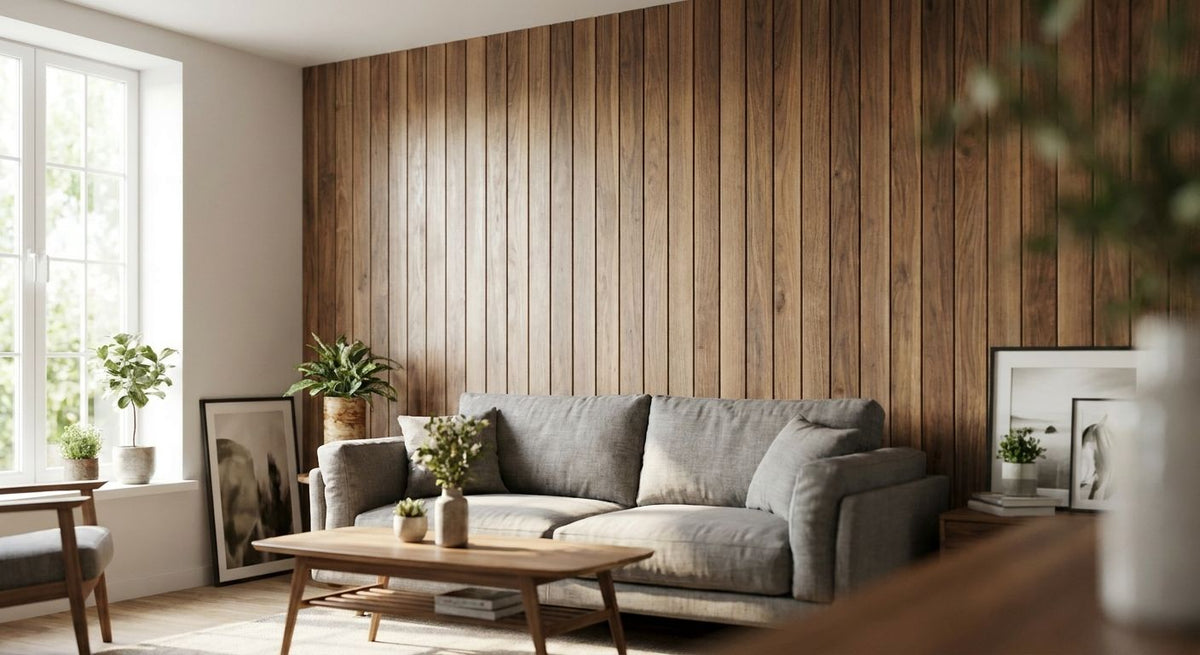
Wooden wall panels turn a flat, echoey living room into a room that looks finished and sounds calmer, and in 2026 the UK market is flooded with options that range from real oak veneer to printed foil pretending to be wood. This guide breaks down what actually matters for a living room installation and names the panels worth buying.
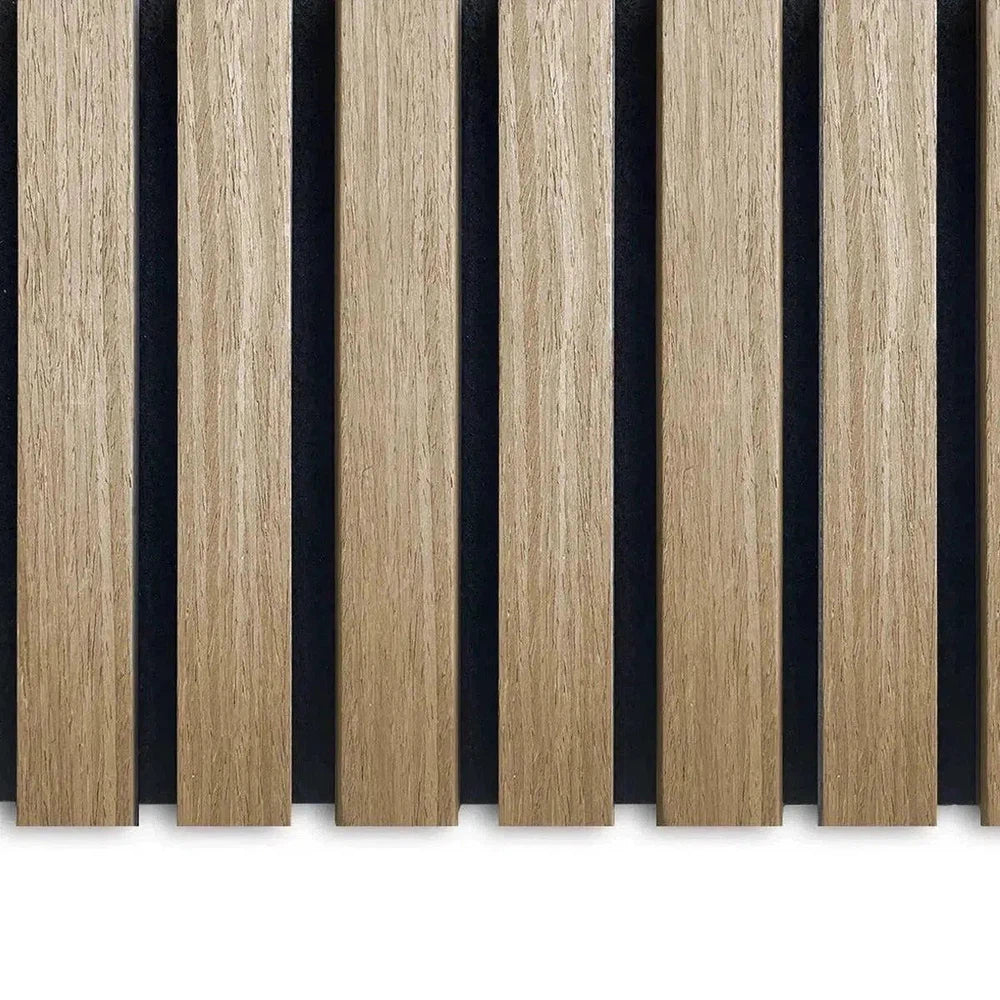
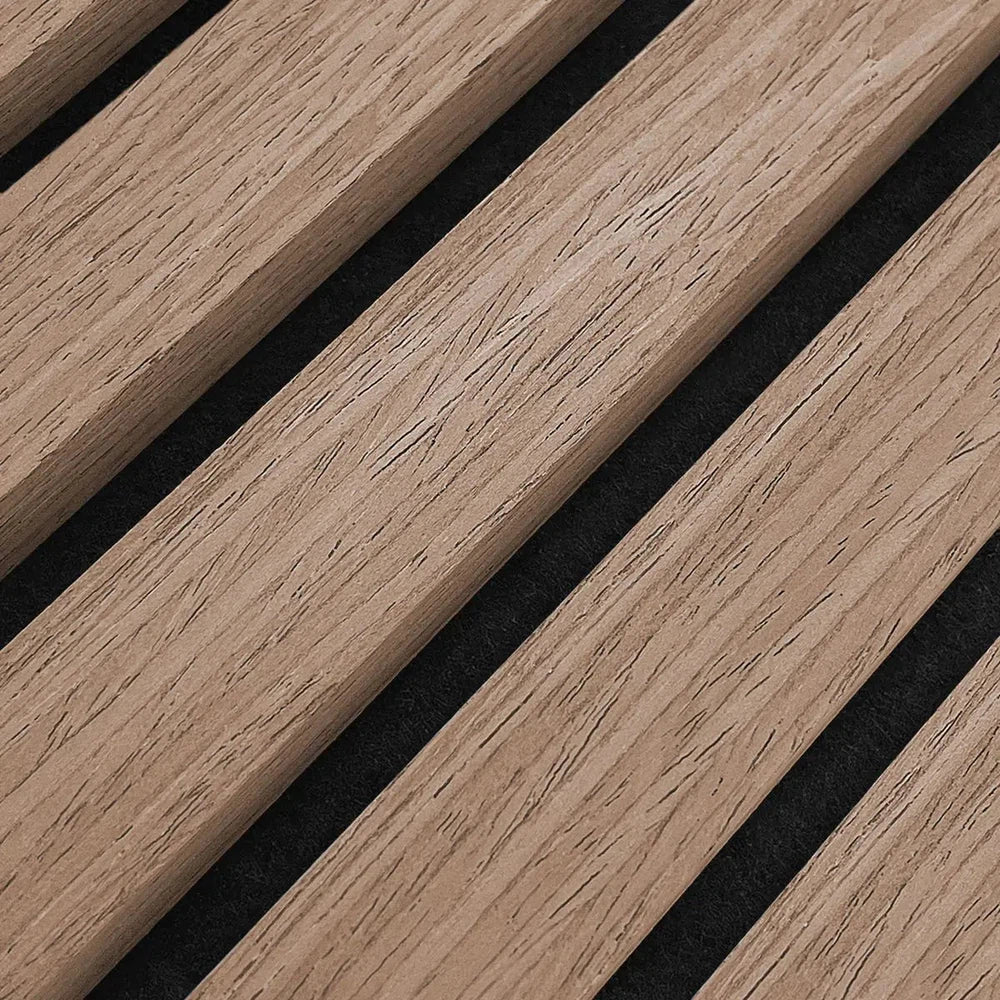
- Natural Oak wall panels with 3-sided veneer and felt backing suit most living rooms — Buy.
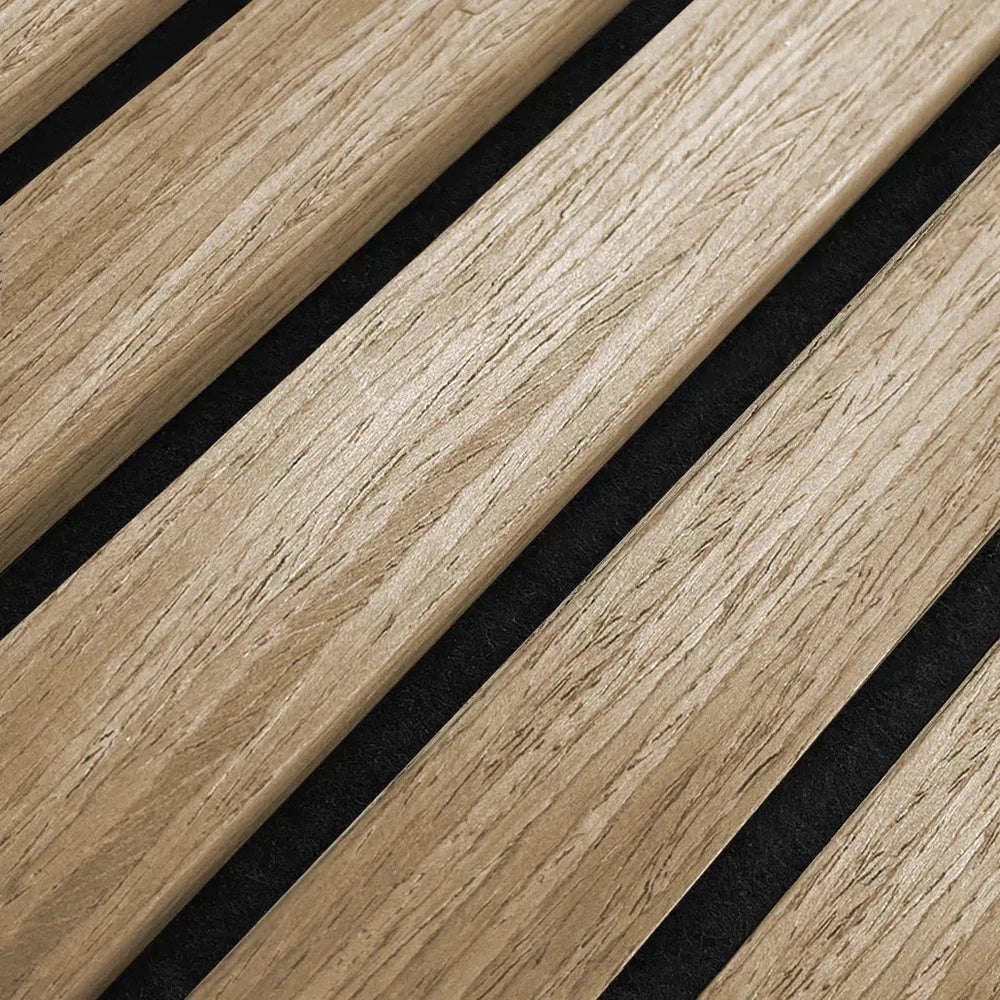
- Rustic Oak Premium panels give the boldest grain for a feature wall behind a TV or sofa — Buy.
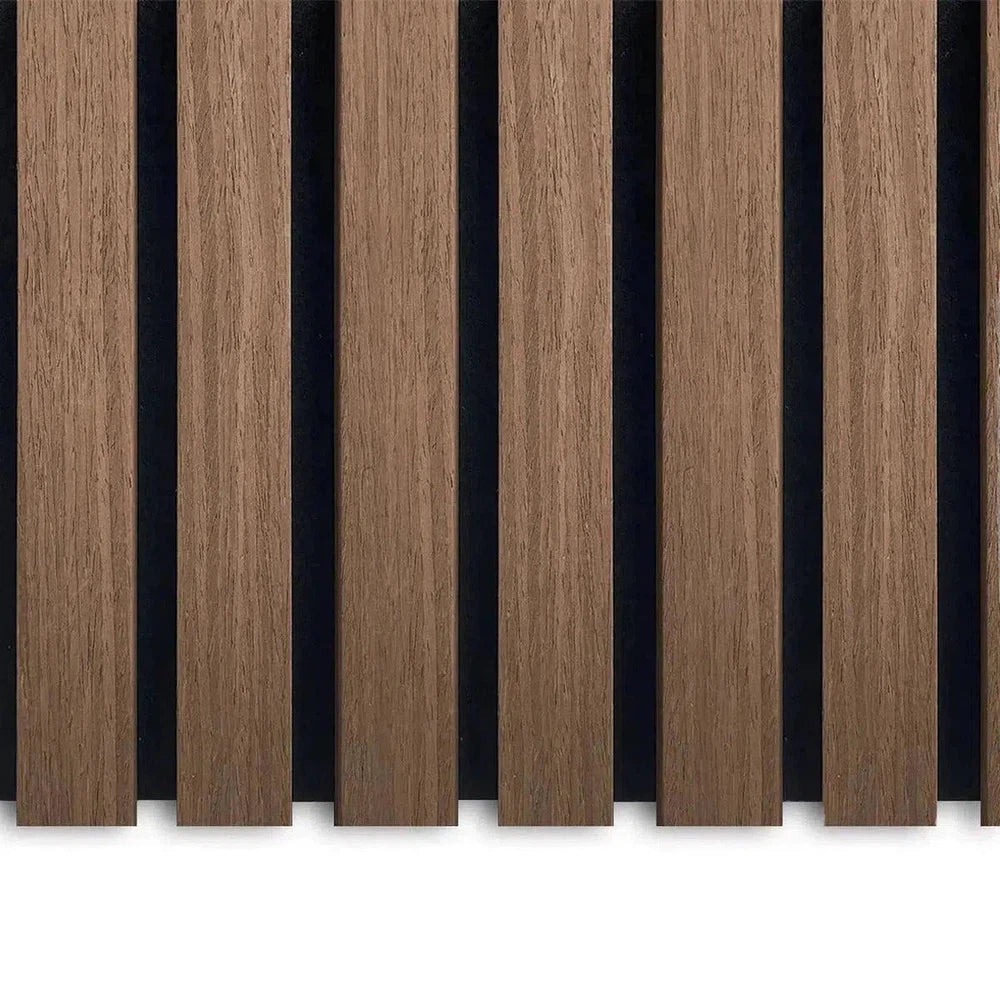
- Smoked Oak works in darker, moody living rooms but shows dust more than lighter finishes — Consider.
- Skip printed foil panels marketed as wood wall panels for living rooms; they don't absorb sound and peel at the edges.
- 240cm panels fit standard UK ceiling heights; 300cm suits floor-to-ceiling feature walls.
Why this matters
A bare plaster wall in a living room bounces sound between hard surfaces — TV, floor, windows — which is why open-plan lounges with wood or tile flooring often sound harsher than they should. Wooden wall panels with an acoustic felt backing absorb some of that reflected sound while giving you the visual warmth of real wood, which is why they've become the go-to fix for people who don't want curtains and rugs everywhere. Akustiq UK supplies panels with a 3-sided real wood veneer finish specifically for this use case, in two size formats — 240cm and 300cm — so the criteria below focus on what changes the outcome in a living room specifically, not a generic showroom pitch.
Who this is for
This guide is for homeowners and renters furnishing a living room who want a feature wall, an echo fix, or both, without ripping out plaster or hiring an acoustic contractor. It suits anyone comparing wooden wall panels for living rooms against paint, wallpaper, or full acoustic foam treatments and wants a straight answer on which finish, size, and backing actually earns its price in 2026.
What to look for in wooden wall panels for living rooms
Real wood veneer, not printed foil
A genuine wood veneer shows grain variation panel to panel; printed foil repeats the same pattern every 30-60cm, which is obvious under living room lamp light. Real veneer also takes a light sand and re-oil years later if it gets scuffed — foil just peels.
Acoustic felt backing
A felt-backed panel does real work against echo in a living room with hard flooring or a large TV wall; a solid MDF panel with no backing is decoration only. If your living room already sounds harsh with the TV on, backing matters more than finish colour.
Panel size — 240cm vs 300cm
240cm panels suit standard UK ceiling heights without cutting; 300cm panels suit taller rooms or a floor-to-ceiling feature wall behind a sofa. Buying the wrong length means more offcuts and more visible joins.
Finish that matches existing furniture, not just the photo
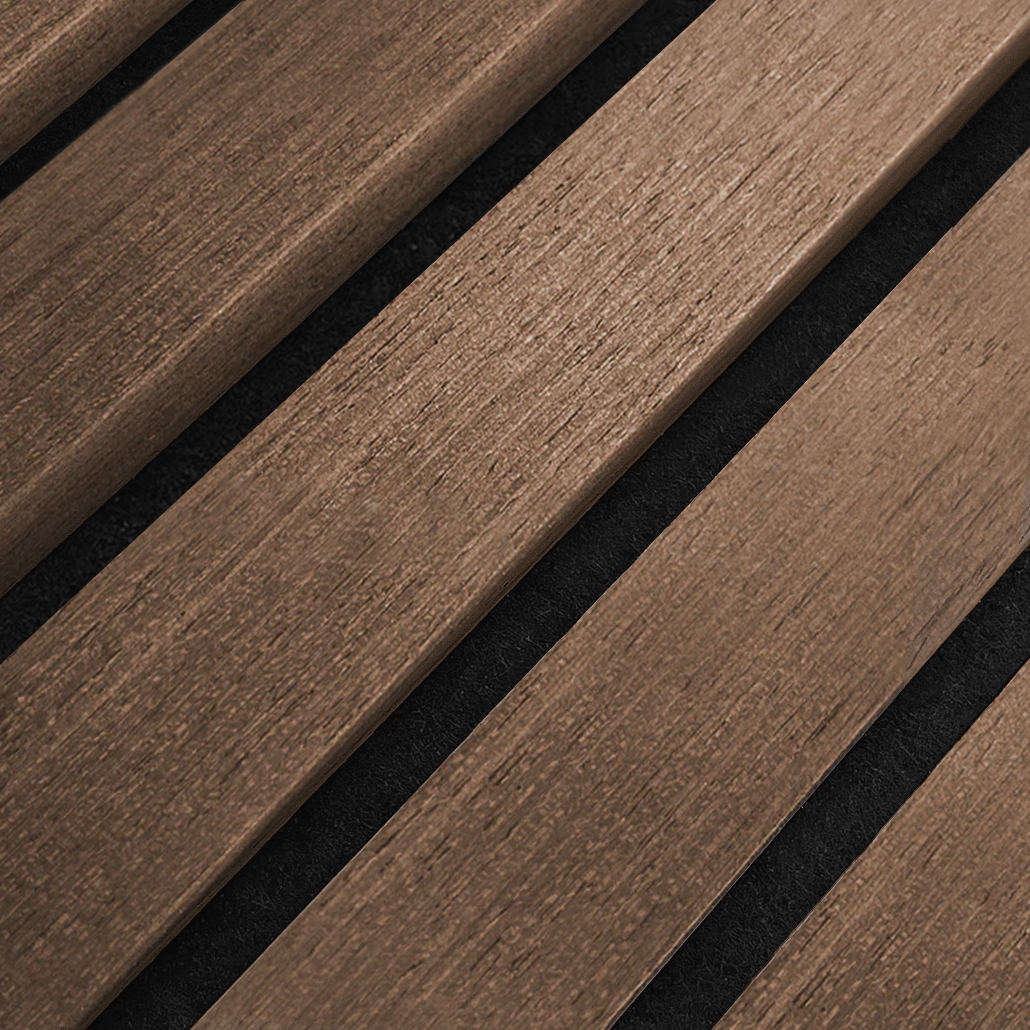
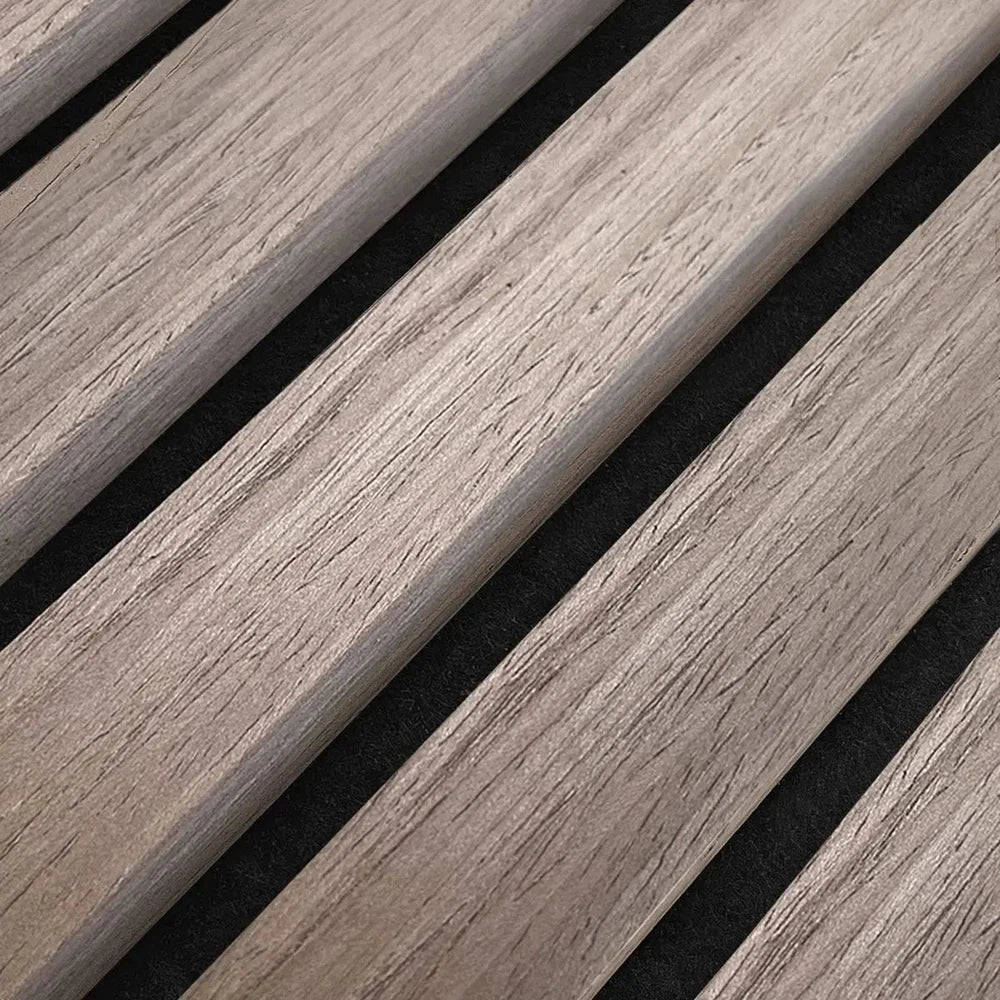
Oak finishes (natural, rustic, smoked, grey) sit well with most UK living room furniture; black oak and walnut read darker and heavier and need lighter walls or flooring around them to avoid a cave effect. Order a sample panel before committing a full wall's worth of any single finish.
Edge finish — 3-sided veneer vs raw MDF core
A 3-sided wood veneer wraps the visible edges of the panel so the raw MDF core doesn't show at cuts and corners. This matters most on a living room feature wall where end pieces sit at eye level, not up near the ceiling.
Fixing method for your wall type
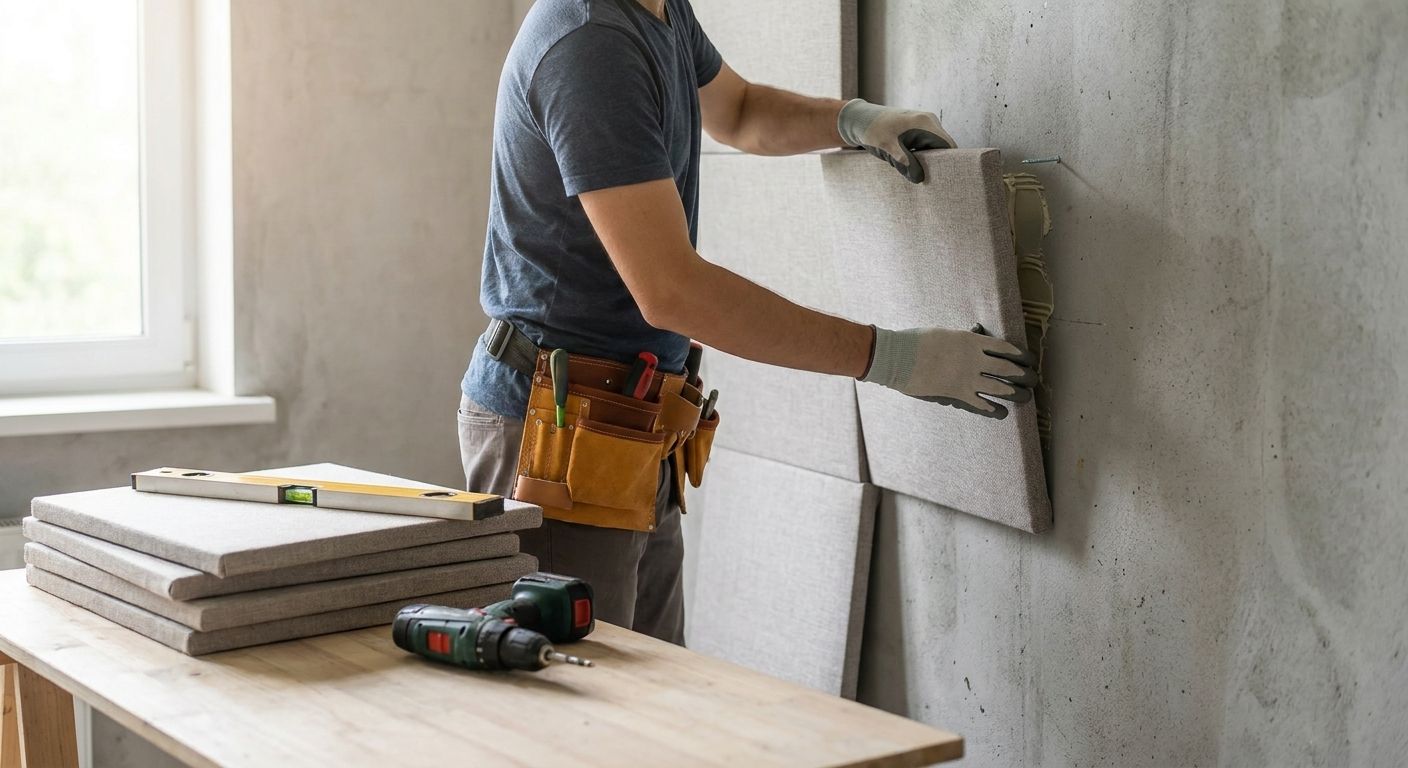
Most living room panels fix with adhesive onto plasterboard or brick; a stud or dot-and-dab wall needs the right glue and sometimes battens. Get this wrong and panels bow off the wall within weeks.
Top picks for living rooms in 2026
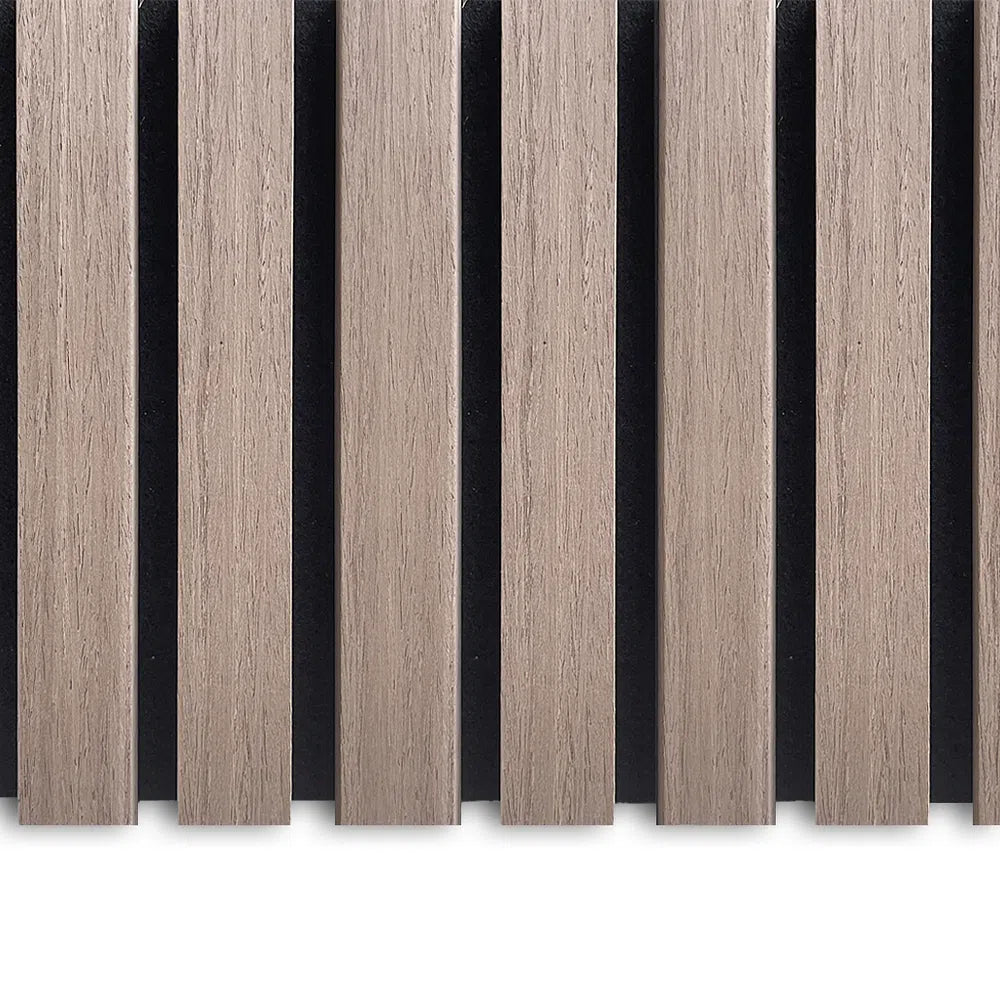
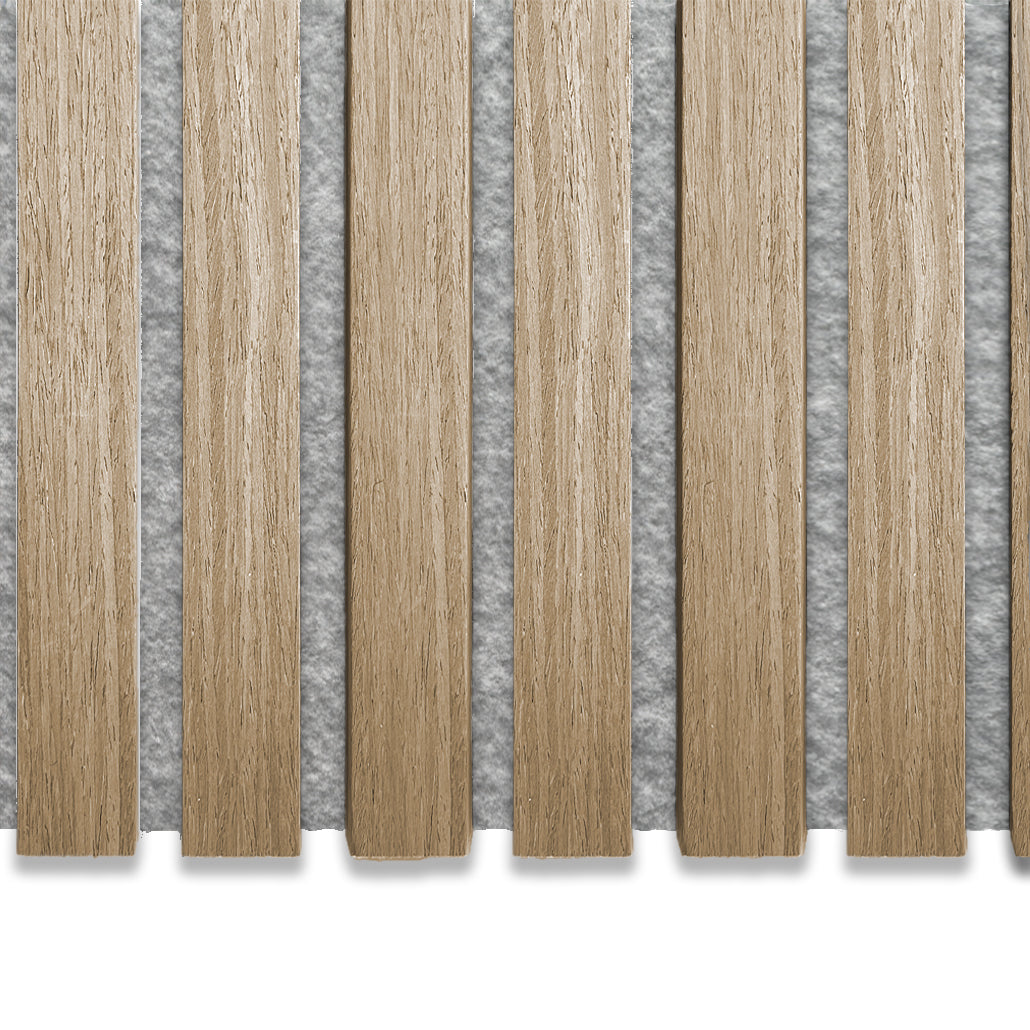
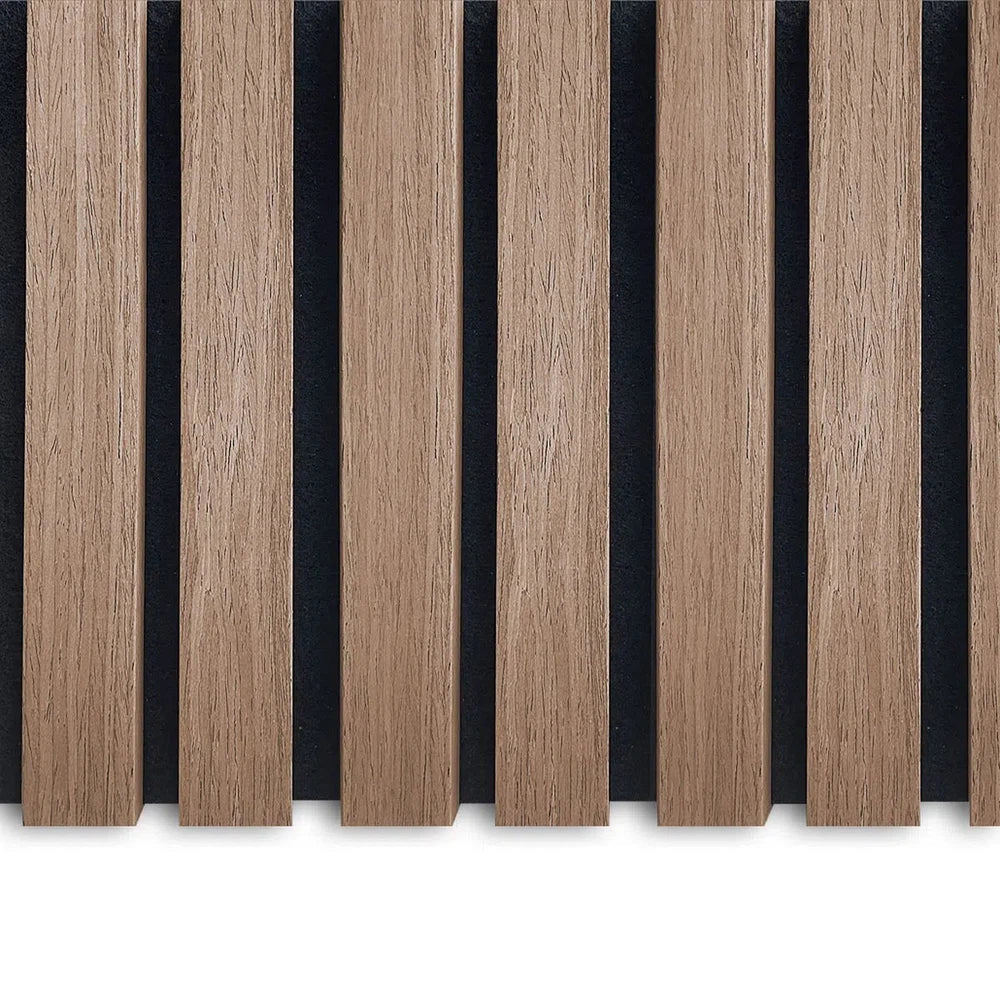
The safe pick. Natural Oak wall panel uses a 3-sided real wood veneer over an acoustic felt backing, in both the 240cm and 300cm formats. It reads light and neutral, which works with almost any living room colour scheme and doesn't date the way a heavy dark finish can. Buy — this is the default choice when you're not sure which finish suits the room.
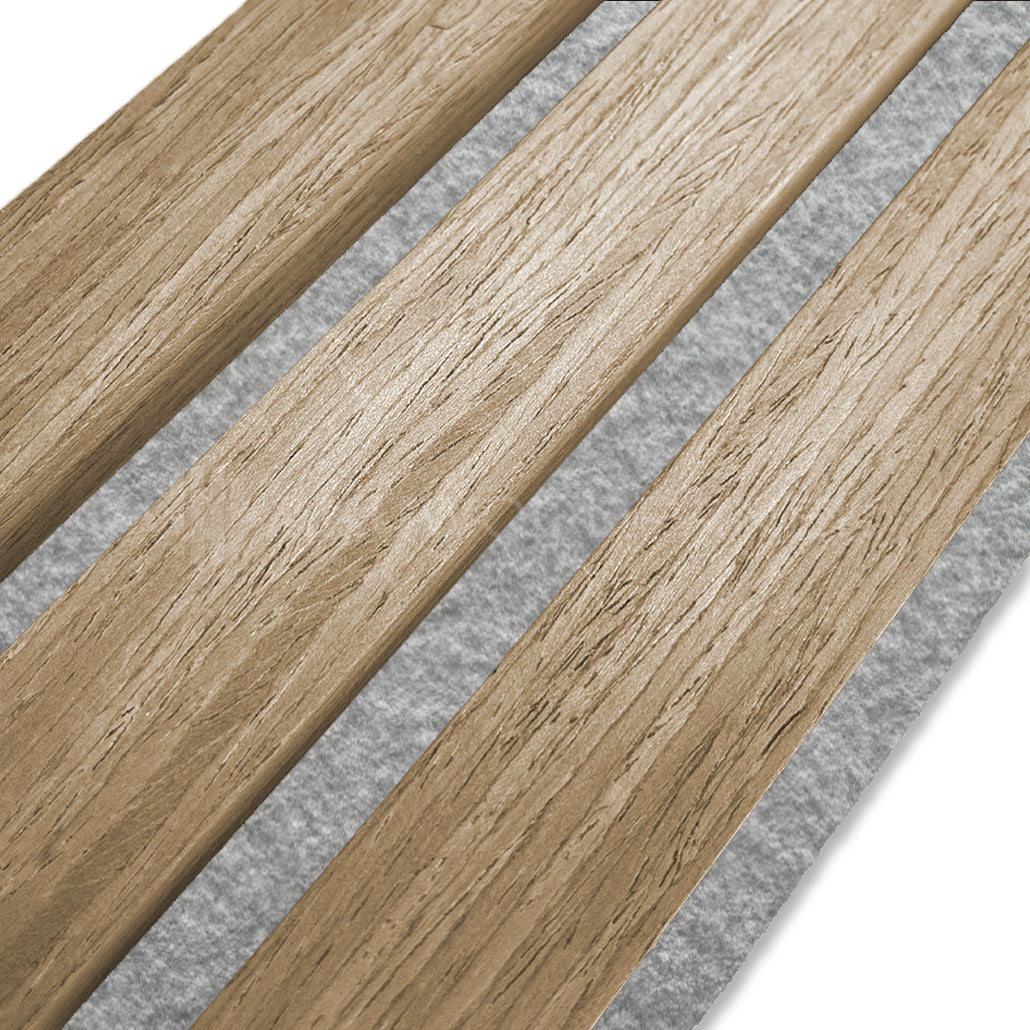
The statement piece. The rustic oak wall panel with 3-sided premium wood veneer carries more visible grain and knotting than the natural oak option, built for a single feature wall rather than wrapping a whole room. It's the pick when the living room needs one wall that does the talking behind a sofa or media unit. Buy for a feature wall; Skip if you're panelling all four walls, where the busier grain gets tiring.
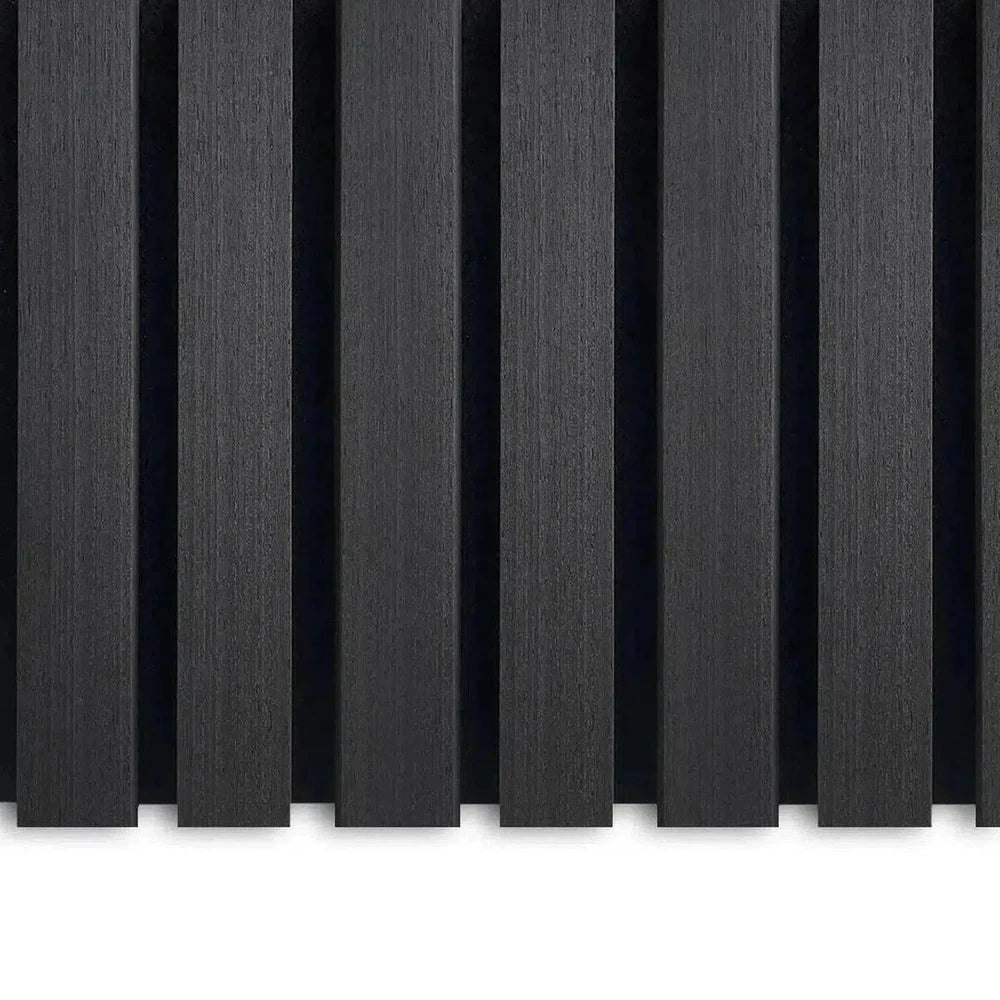
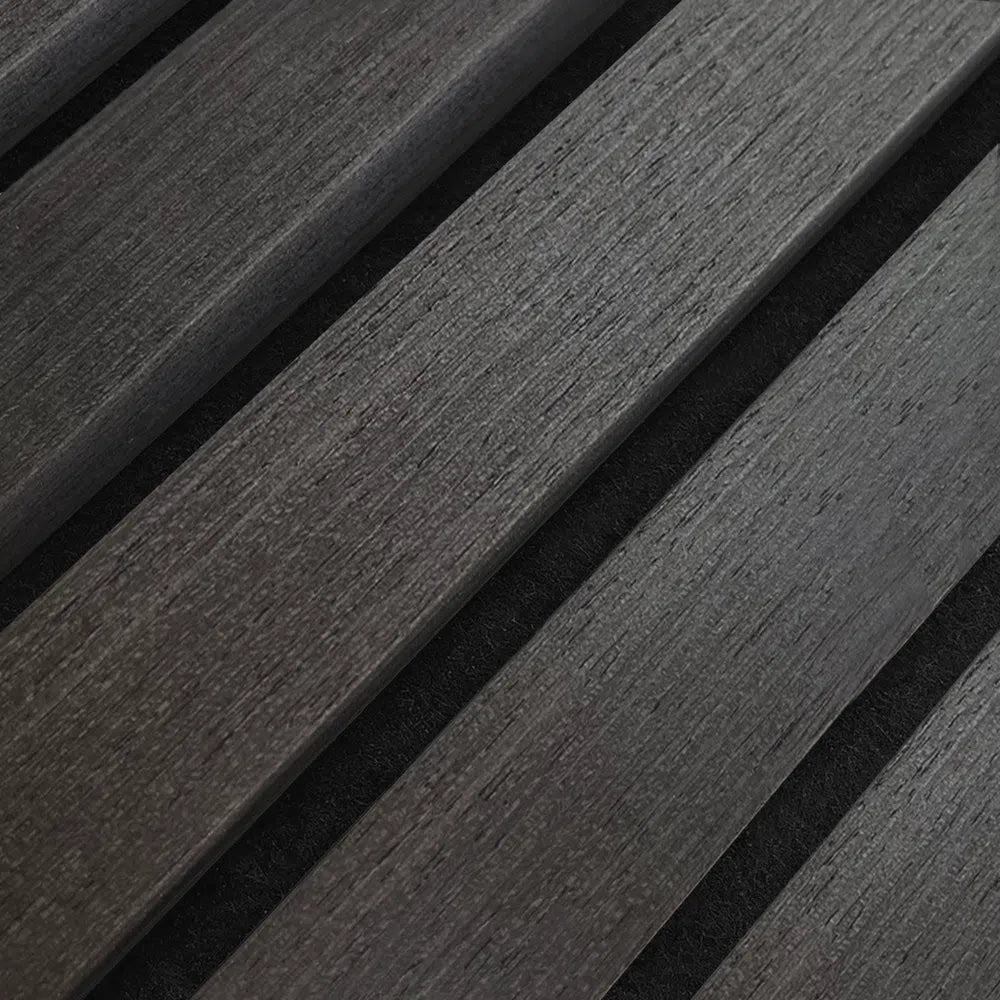
The moody option. Smoked oak wall panel darkens the same oak base, suited to living rooms already running a darker palette — charcoal sofas, black metal fixtures. It shows dust and fingerprints more readily than lighter finishes under direct light. Consider — right for the room that's already dark-themed, not a first choice for a bright, light-filled lounge.
The wildcard. A 3D textured panel like the Bold Pine or Lava Mix format (shown below) skips the flat slat look entirely for a sculpted real-wood surface, better suited to a smaller accent wall than a full room. Consider for a single statement panel above a fireplace or console.
What to avoid
- Printed foil "wood-look" panels — no acoustic value, and the repeating pattern is obvious once you've hung two or three panels side by side.
- Panels with no felt backing marketed as "acoustic" — check the backing material before buying if echo reduction is the actual goal, not just the look.
- Full-gloss laminate finishes in a living room with a TV — glare off a glossy panel behind or beside the screen is worse than the echo problem you started with.


Verdict comparison table
| Panel | Finish tone | Sizes | Acoustic backing | Best for | Verdict |
|---|---|---|---|---|---|
| Natural Oak | Light, neutral | 240cm / 300cm | Felt-backed | Whole-room panelling | Buy |
| Rustic Oak Premium | Warm, bold grain | 240cm / 300cm | Felt-backed | Single feature wall | Buy |
| Smoked Oak | Dark, moody | 240cm / 300cm | Felt-backed | Dark-palette living rooms | Consider |
| 3D textured (Bold Pine, Lava Mix) | Sculpted, natural | 30x30cm tile | Not felt-backed | Small accent areas | Consider |
For context on how the format compares against wider living-room design options, the rustic oak wall panels for living room feature walls guide covers layout ideas in more depth.
FAQ
What's the best wood finish for wooden wall panels in a living room?
Natural oak is the safest choice for most living rooms in 2026 because it's light, neutral, and pairs with almost any furniture colour. Darker finishes like smoked oak or black oak suit rooms that already run a dark palette.
Are wooden wall panels actually good for acoustics in a living room?
Panels with a felt backing behind the wood veneer absorb reflected sound and noticeably cut echo in rooms with hard flooring. Solid MDF panels without felt backing are decorative only and don't meaningfully change how the room sounds.
Should I choose 240cm or 300cm panels for a living room?
240cm panels fit standard UK ceiling heights without cutting, which keeps installation simple. 300cm panels suit taller rooms or a full floor-to-ceiling feature wall where you don't want a visible join near the top.
Can wooden wall panels go over painted plasterboard?
Yes, most wood wall panels fix directly onto sound, dry plasterboard with the correct adhesive. A dot-and-dab or uneven wall may need battens first to keep the panel flat.
Is real wood veneer worth paying more for than printed panels?
Real wood veneer holds grain variation and can be lightly sanded and re-oiled years later, while printed foil repeats the same pattern and peels at worn edges. For a living room feature wall meant to last, veneer is the better spend.
How many wooden wall panels does an average living room need?
It depends entirely on wall dimensions and whether you're panelling one feature wall or the full room, so measure the specific wall before ordering. A single feature wall behind a sofa typically needs far fewer panels than panelling the whole room.
Do wooden wall panels work in a rented living room?
Panels are typically fixed with adhesive, which isn't reversible, so check your tenancy agreement before installing in a rented property. Some renters use a single smaller panel or 3D tile as a removable accent instead of a full wall.
One last thing
The detail that trips up most first-time buyers isn't the finish, it's the edge: a 3-sided wood veneer wraps the visible cut edges of the panel so the raw MDF core never shows at a corner or end piece, which is exactly where a cheaper 2-sided panel gives itself away. Check that spec before you order a full living room's worth of any panel in 2026, not after.