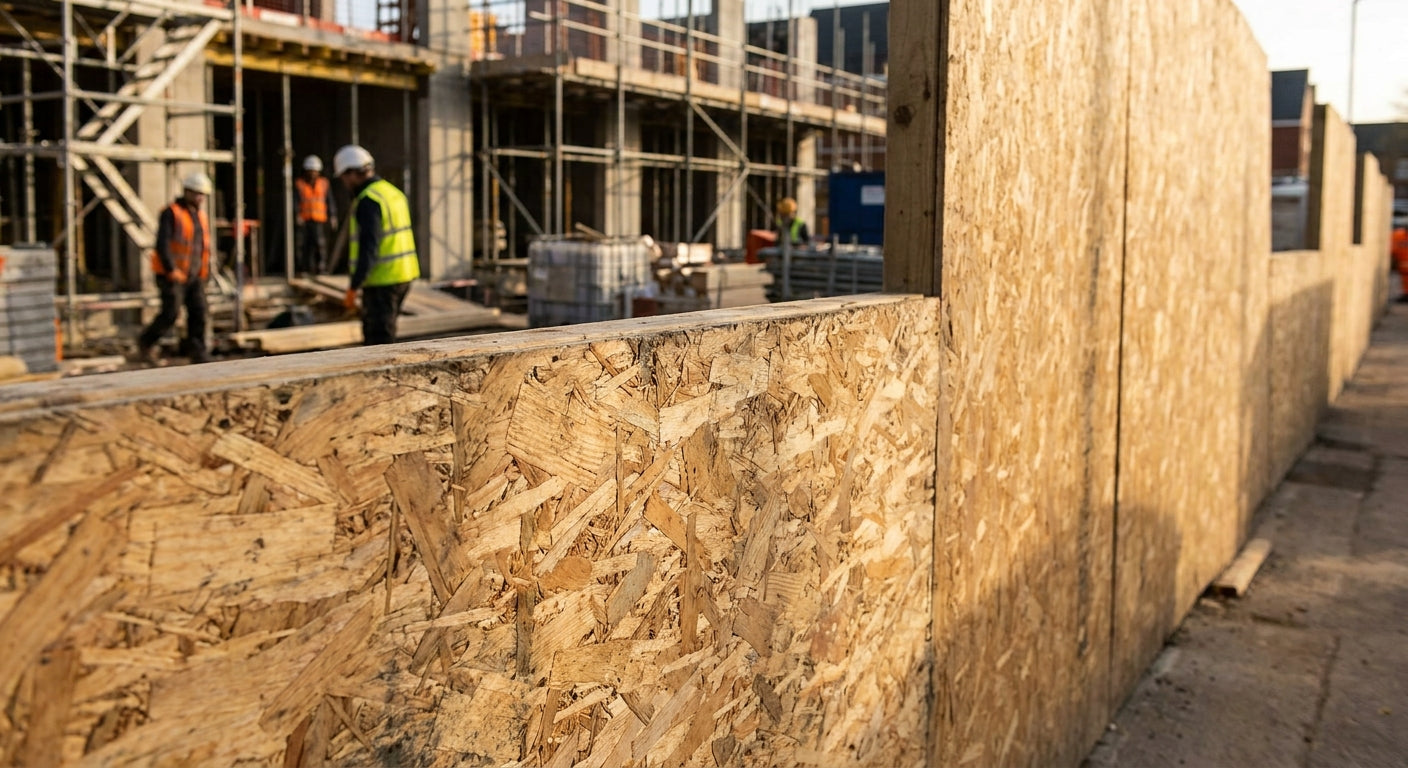
OSB wall panels are the standard board for site hoarding and construction walls on UK sites in 2026, but grade, thickness and edge treatment decide whether a run of hoarding survives six months or six weeks. This guide covers what to specify for temporary works, what to skip, and where a permanent timber cladding upgrade from Akuwood Panel makes more sense than another sheet of OSB.
- OSB3 at 18mm thickness is the safe pick for osb wall panels on site hoarding in 2026 — buy it over OSB2.
- Standard 2440 x 1220mm sheets cut waste on most hoarding runs to near zero.
- Untreated OSB2 facing weather fails inside 12 months on exposed elevations — skip it.
- Once hoarding needs to stay put, oak cladding boards outlast OSB and finish better.
Why this matters
Site hoarding isn't decoration. Local authorities in most UK boroughs set a minimum hoarding height of 2.4m around active construction sites, and the board behind that hoarding takes wind load, foot traffic, and repeated screw-fixing cycles for the length of the build programme.
OSB wall panels get specified because they're cheap, wide, and easy to cut on site — a standard 2440 x 1220mm sheet covers more hoarding run per fixing point than plywood at a similar price. But "OSB" isn't one product. OSB2 and OSB3 look identical on the yard shelf and perform completely differently once rain gets involved, and that gap is where most site hoarding failures in 2026 start.
Who this is for
This is for site managers, principal contractors and developers specifying temporary works boundaries, plus self-builders fencing off a plot before groundworks start. If the job runs longer than six months, or the site faces a public pavement and needs a branded, weatherproof finish, the grade and thickness decisions below matter more than the price per sheet. If the board only needs to stand for a four-week strip-out, most of this still applies — it just changes which pick wins.
What to look for in osb wall panels for site hoarding
Panel grade — OSB2 vs OSB3
OSB2 is dry-use board. It's rated for internal, weather-protected applications and starts to delaminate within weeks of standing water contact. OSB3 adds a moisture-resistant resin that keeps the board structurally sound in humid and occasionally wet conditions — the only grade worth specifying for anything standing outdoors through a UK winter.
Thickness for span and impact
18mm OSB3 handles a 600mm stud or post centre without visible deflection under normal foot and vehicle contact. Drop to 11mm and centres need to tighten to around 400mm or the board oil-cans and splits at the fixing points within months, especially on hoarding runs that get leaned on or climbed.
Panel size and cutting waste
Standard sheets run 2440 x 1220mm. Ordering to that dimension and setting post centres to match cuts offcuts to a handful per 100 linear metres of hoarding — order odd sizes and waste climbs past 15% on a typical site perimeter.
Fixing and frame compatibility
OSB holds a screw thread better than plywood of the same thickness but strips out faster if the same hole gets reused more than twice. Pre-drill on structural framing and use ring-shank nails or coarse-thread screws at 300mm centres minimum.
Weathering and finish
Raw OSB3 greys and roughens within a season even though it stays structurally sound — fine for a plain perimeter, a problem if the hoarding carries graphics or a client logo. A breathable exterior paint or wrap extends the presentable life of printed graphics by roughly a year before recoating.
Fire rating for enclosed structures
If the OSB run doubles as a wall for a site cabin, welfare unit, or enclosed store rather than open hoarding, check the fire rating before buying — standard OSB3 doesn't carry a fire classification suitable for occupied welfare spaces, and that's where a fire-rated board or a different wall build-up needs specifying instead.
Top picks: OSB grades and thicknesses that hold up in 2026
18mm OSB3 — the safe pick
Humidity-class resin, 2440 x 1220mm sheet, holds 600mm centres without deflection. This is the spec to default to for any hoarding run standing longer than three months. Buy.
11mm OSB3 — the short-run budget pick
Works on hoarding coming down inside eight to ten weeks, provided centres tighten to 400mm max. Fine for short programmes, wrong for anything left up over a UK winter. Consider.
18mm OSB2 — the one to skip outdoors
Same thickness as the safe pick, dry-use resin instead. Looks identical to OSB3 on the shelf, costs roughly 10-15% less, fails at the edges within a single wet season. Skip for any exterior or exposed face.
Painted 18mm OSB3 — the branded hoarding pick
For sites needing hoarding graphics, a planning-condition sign, or a client logo, a breathable exterior paint system goes over standard OSB3 and roughly doubles the presentable life of printed graphics compared with raw board. Buy.
18mm WBP plywood — the premium alternative
Costs more per sheet than OSB3 but resists edge swelling better on sites with standing water at the base of the hoarding. Only worth the premium where drainage is genuinely a problem. Consider.
What to avoid
- OSB2 anywhere it faces weather — it's the single most common hoarding failure seen on 2026 site inspections.
- Unsealed cut edges — every factory edge ships sealed, every site cut doesn't, and that's where water gets in first.
- Panels spanning centres wider than they're rated for — the deflection looks fine until the first storm.
OSB panel verdict comparison
| Grade & thickness | Moisture resistance | Max centres | Typical exposed lifespan | Verdict |
|---|---|---|---|---|
| OSB2 18mm | Dry use only | 600mm | Under 12 months | Skip |
| OSB3 11mm | Humid/occasional wet | 400mm | 12-18 months | Consider |
| OSB3 18mm | Humid/occasional wet | 600mm | 24-36 months | Buy |
| Painted OSB3 18mm | Humid/occasional wet + coating | 600mm | 36+ months | Buy |
| WBP plywood 18mm | Full weather bond | 600mm | 36+ months | Consider |
When hoarding becomes a permanent wall
Hoarding that outlives its planning consent turns into a boundary wall, a site cabin skin, or a welfare unit partition almost by accident on long-running jobs. OSB wasn't built for that second life — it wasn't designed to look finished, and the resin that keeps it structurally sound outdoors doesn't stop it greying and roughening in year two.
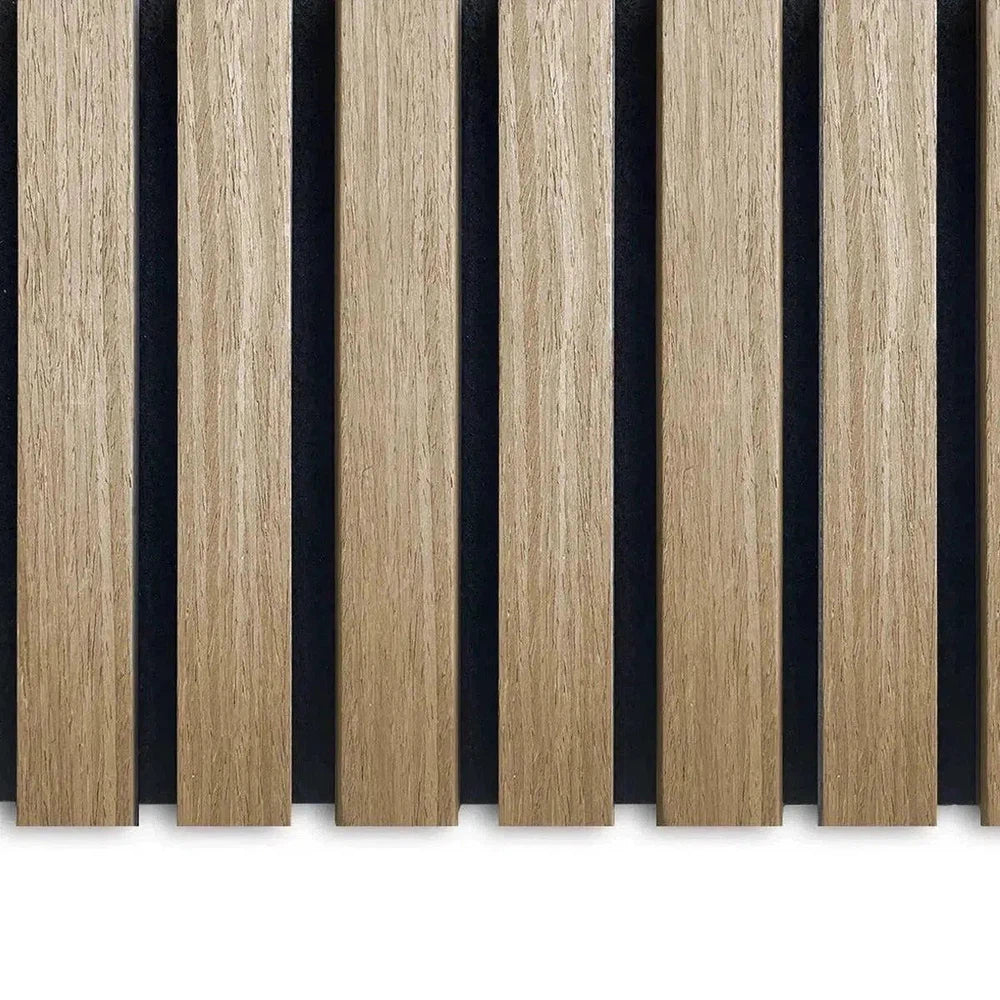
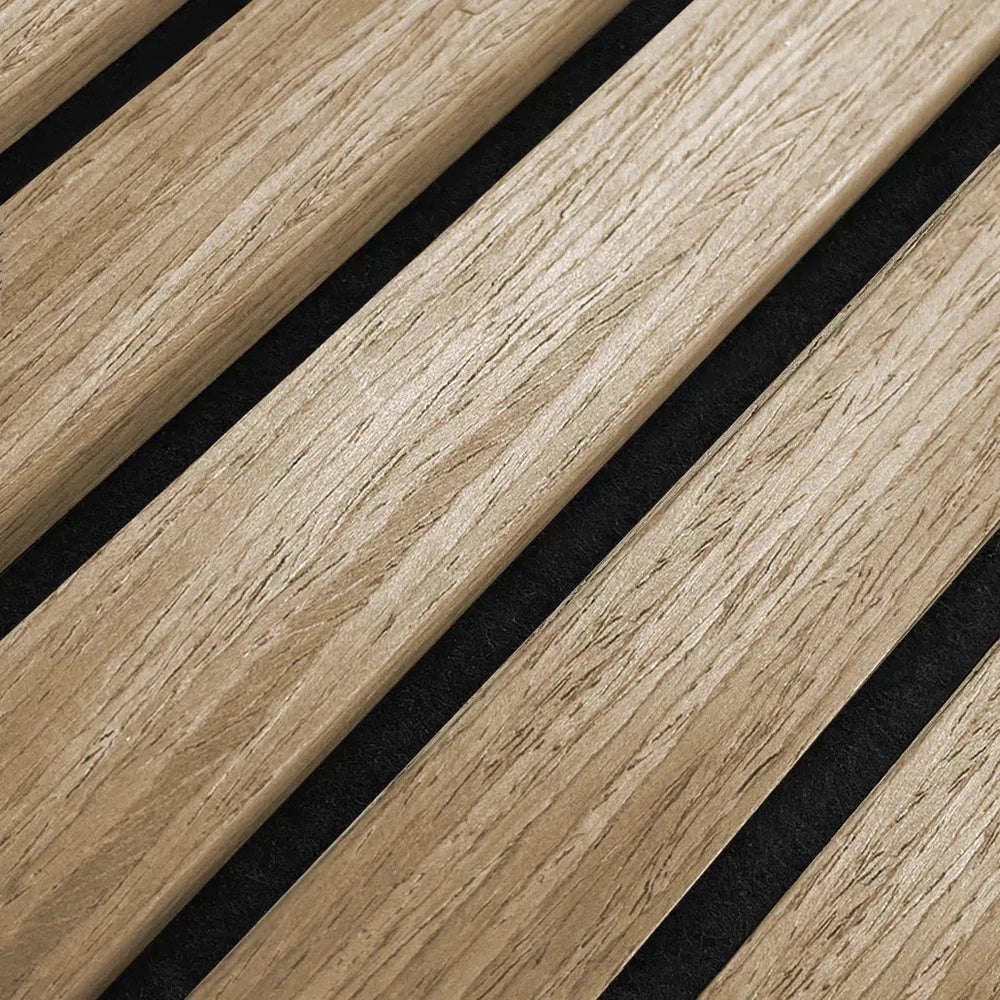
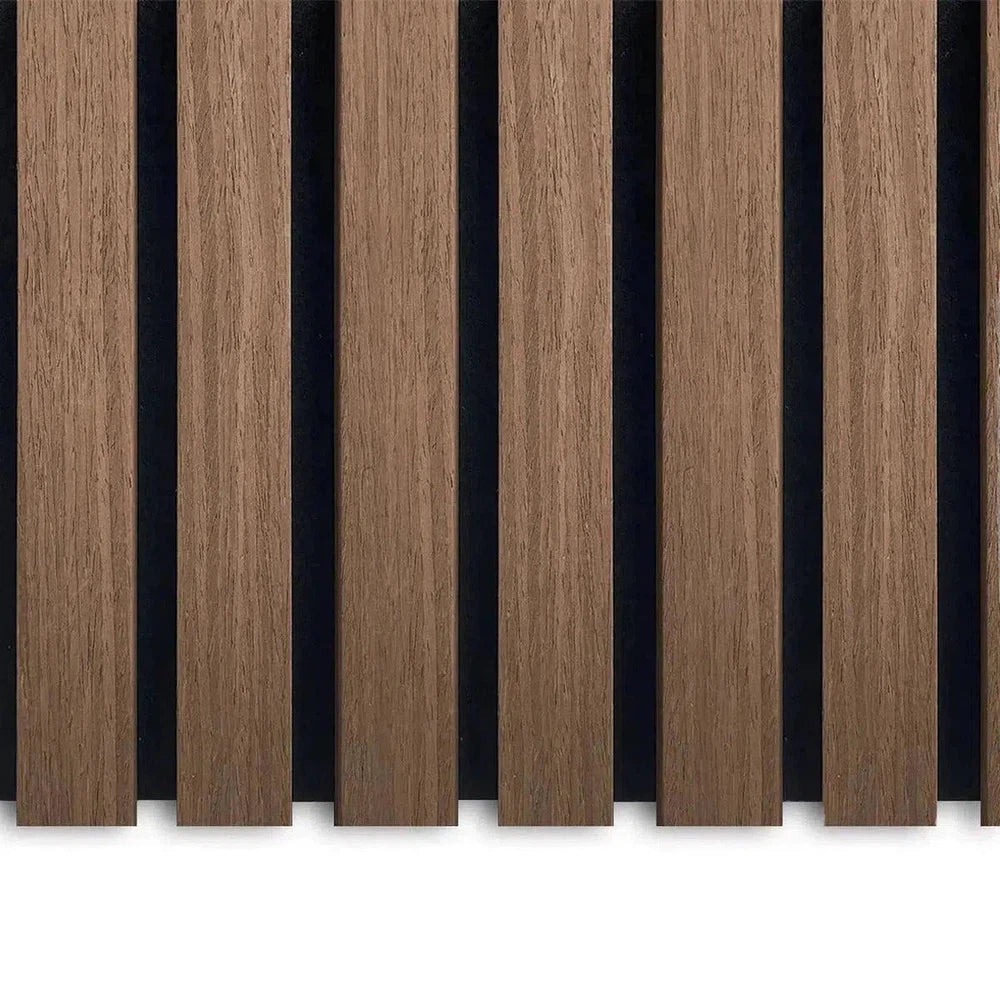
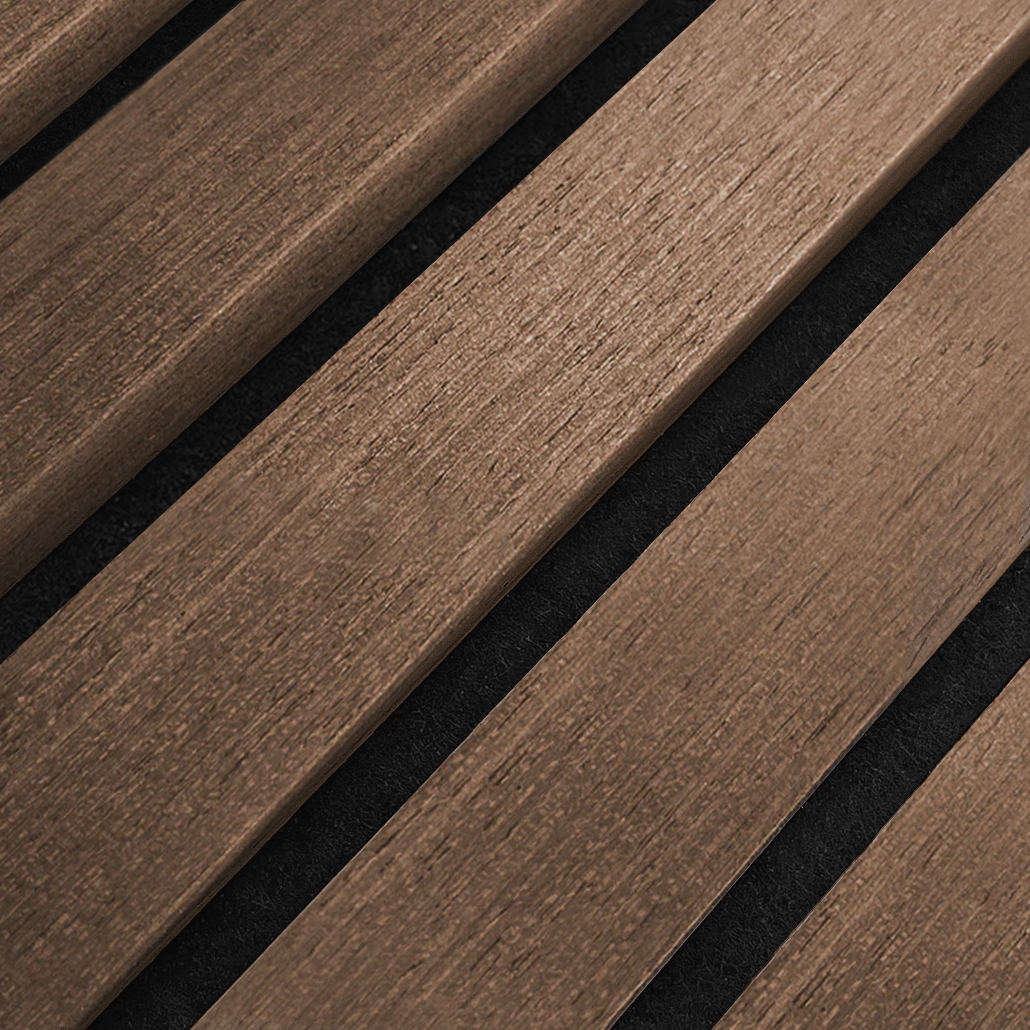
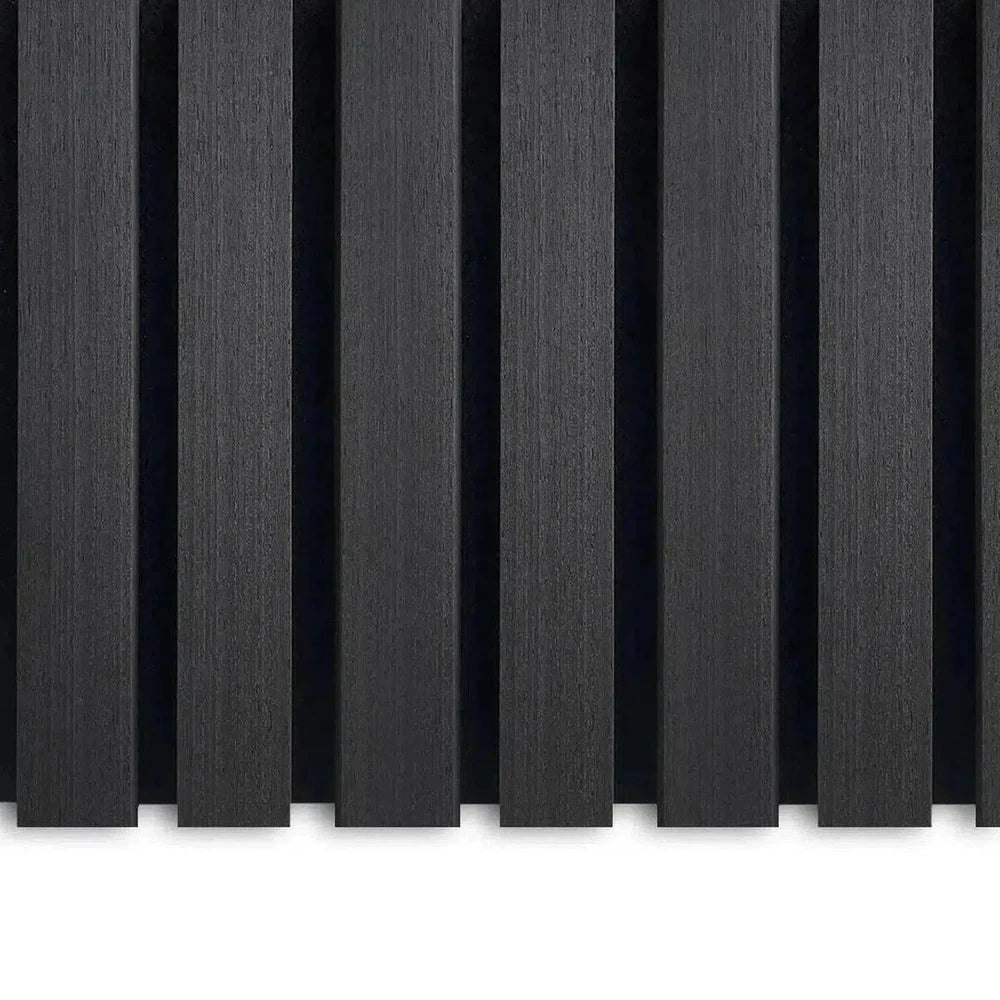
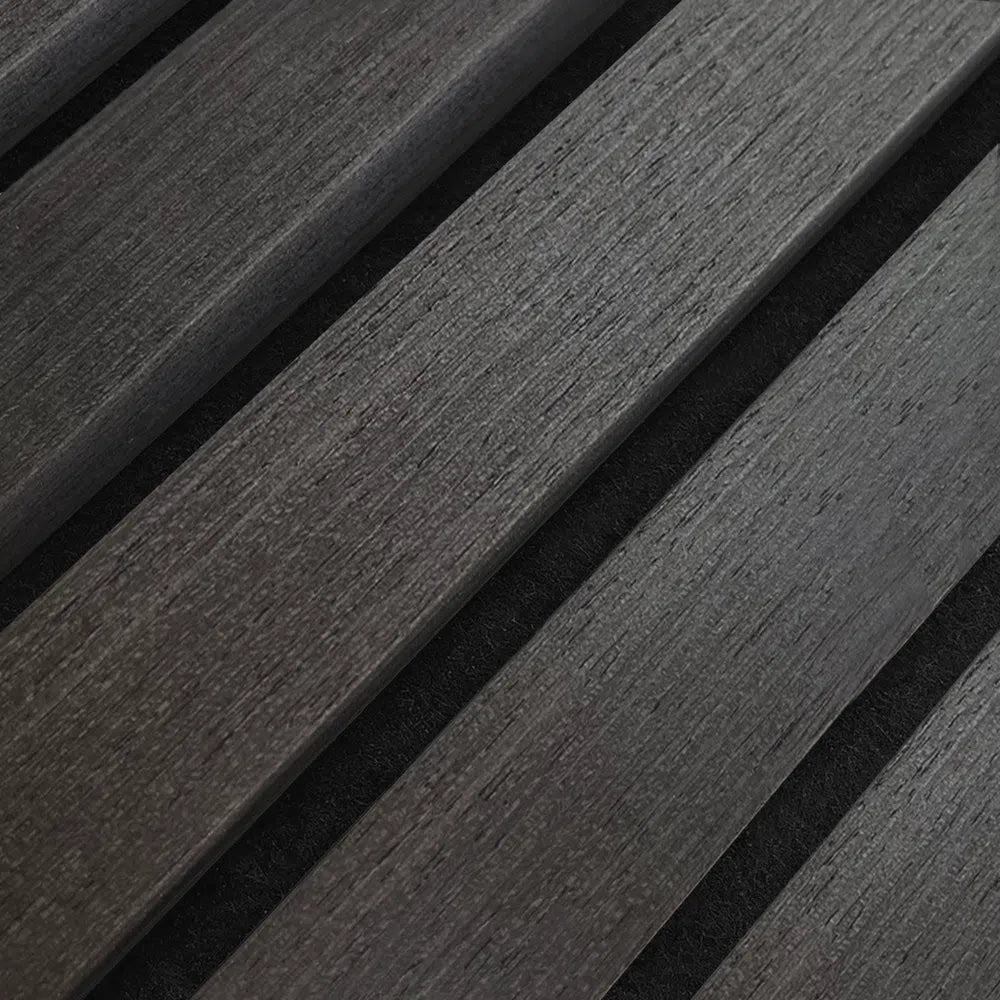
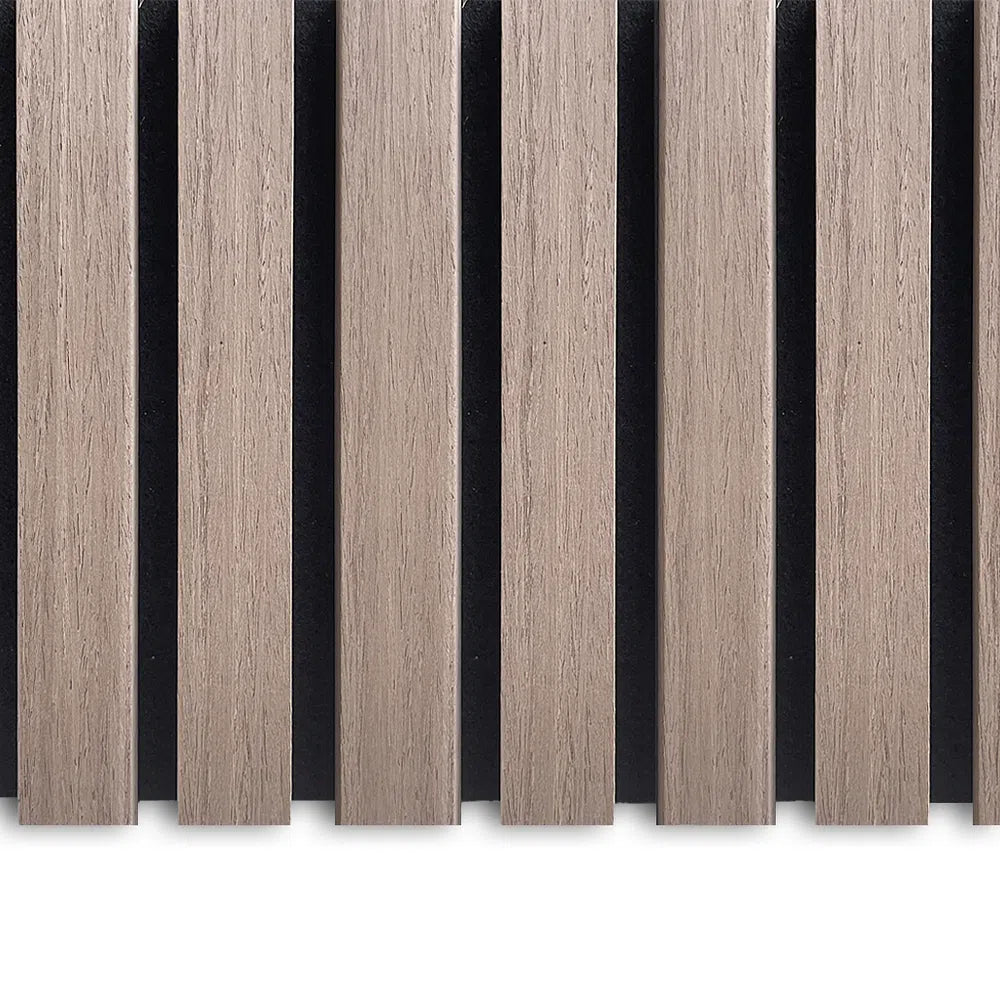
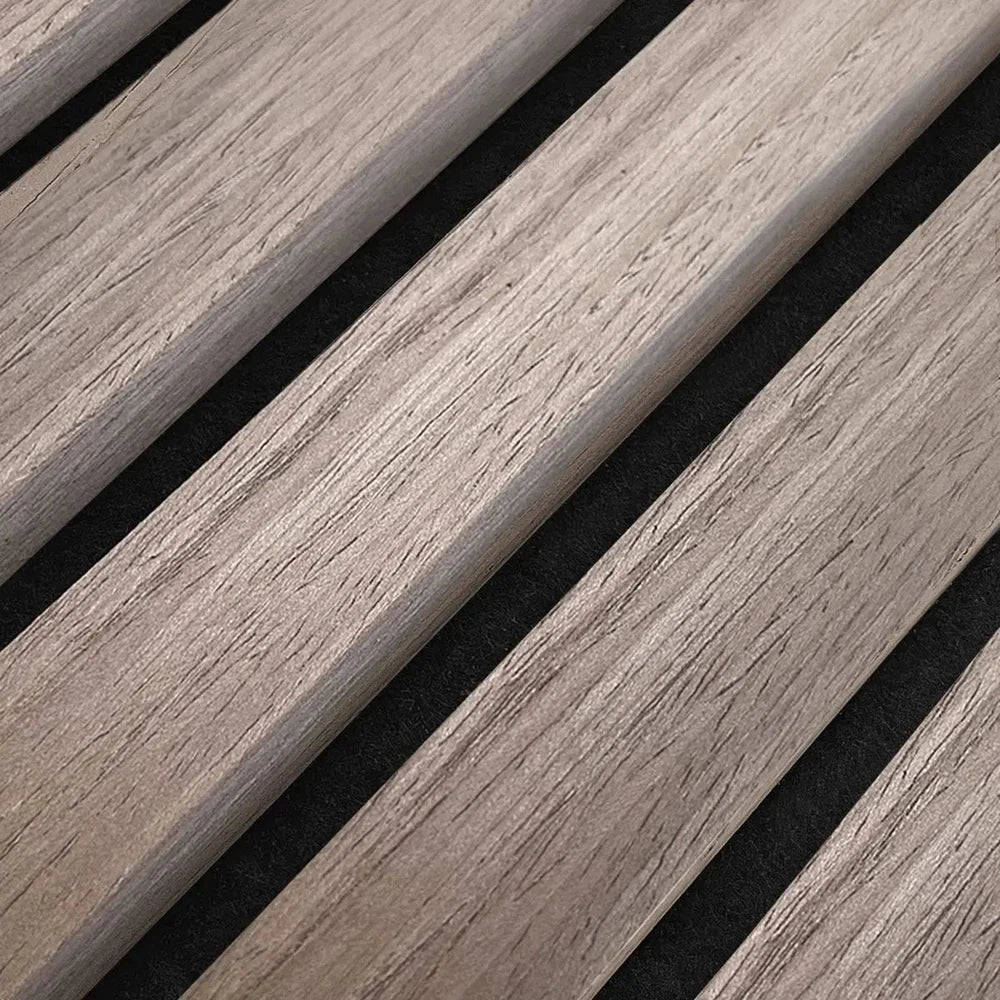
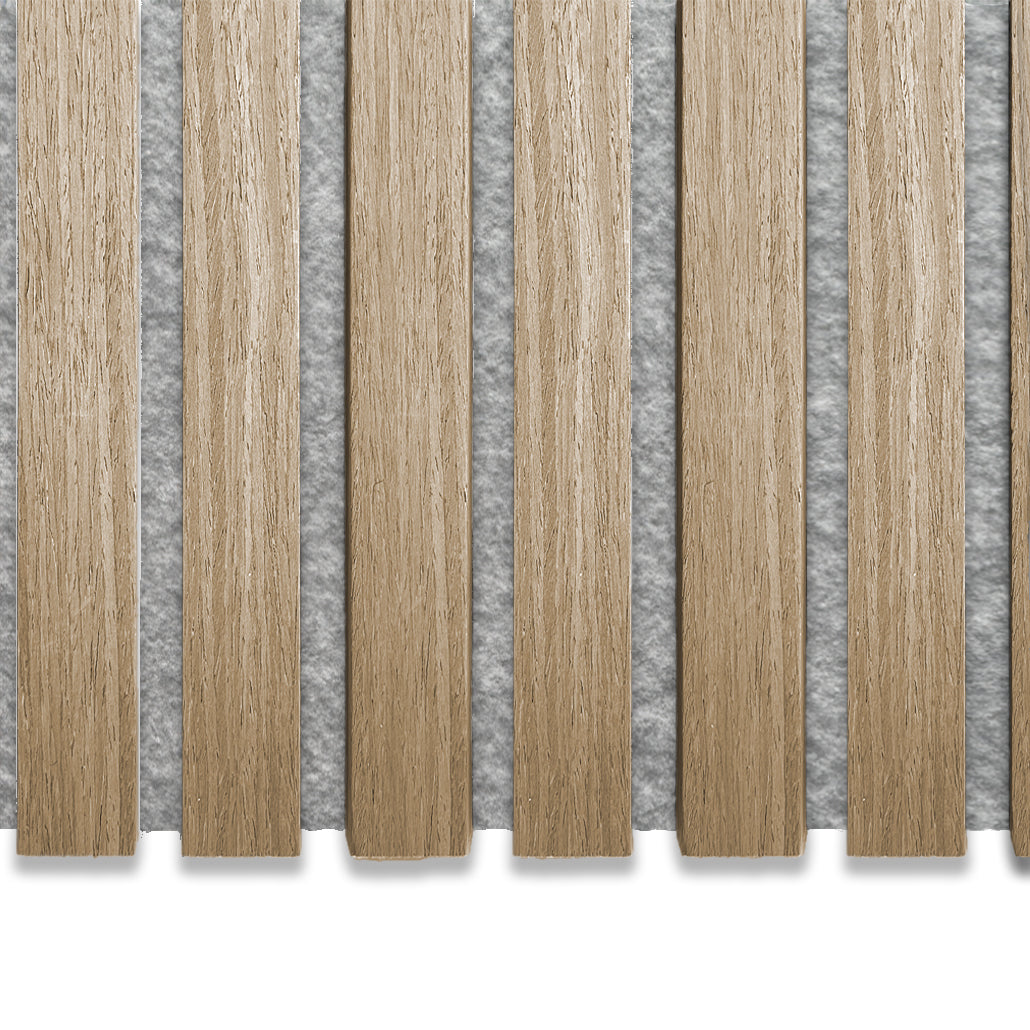
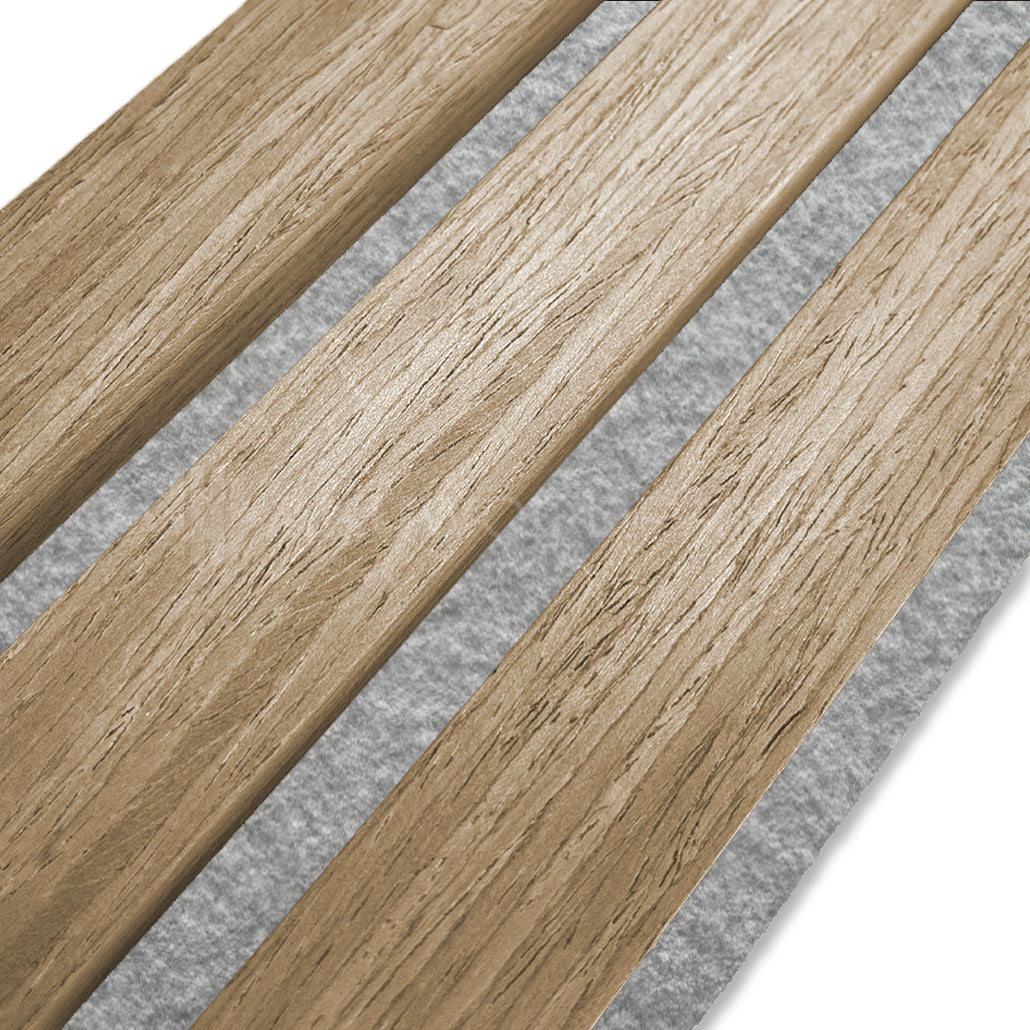
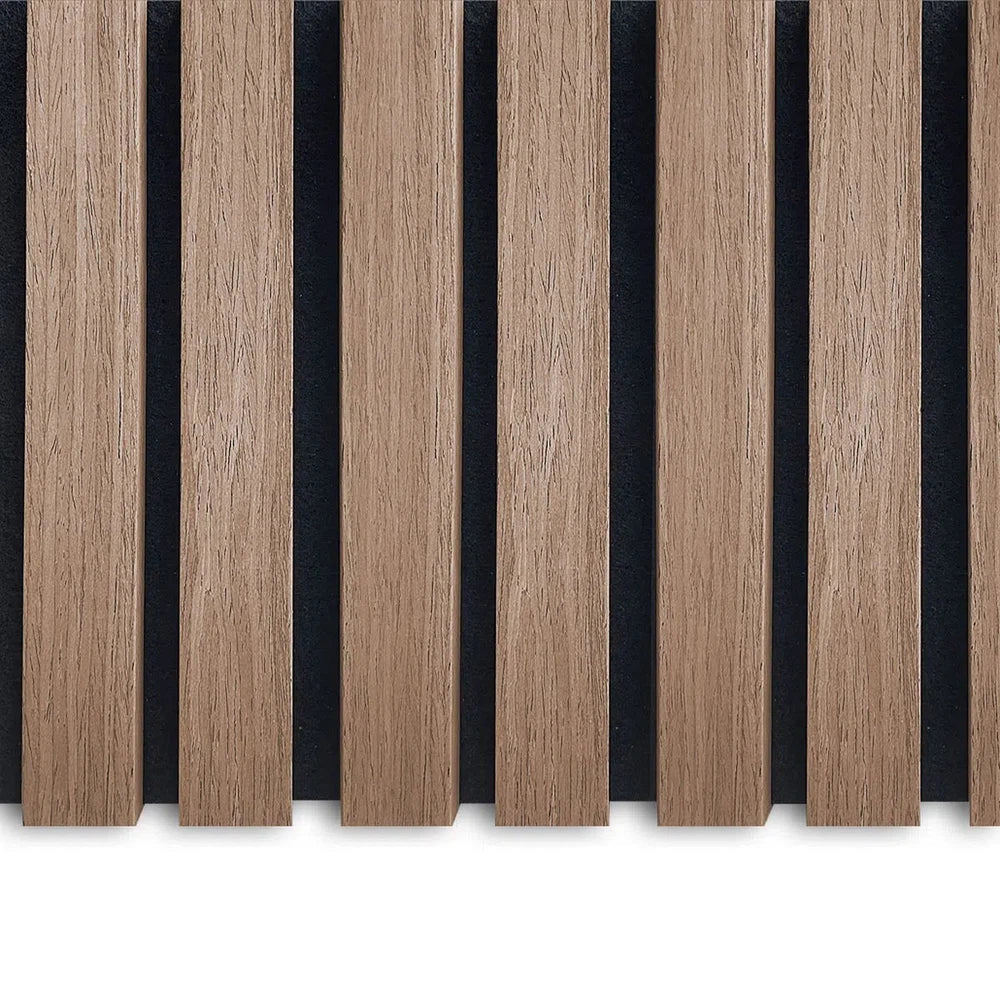
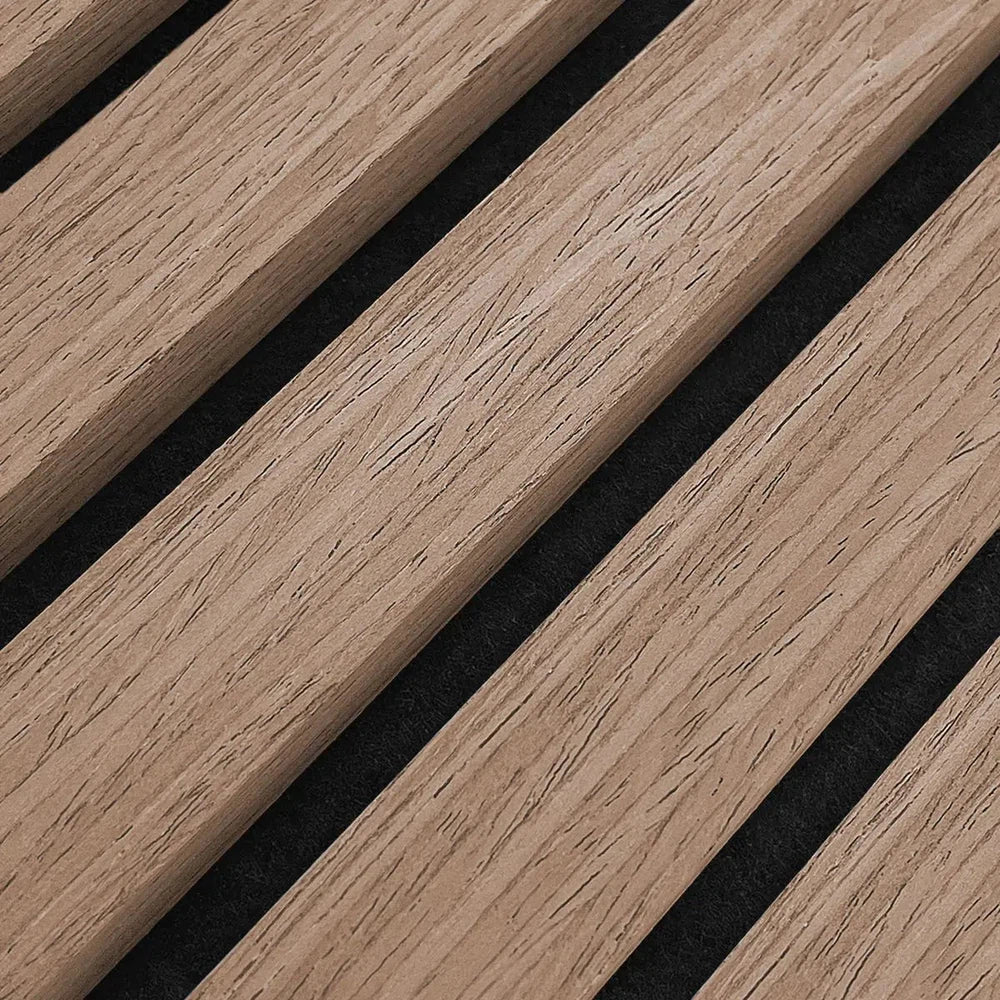
That's the point where switching to proper exterior cladding pays off rather than another OSB re-skin. Akuwood Panel's oak cladding board goes over the same timber frame an OSB hoarding run already sits on, and it's built to stay outdoors rather than just survive it. For enclosed welfare units and site cabins where noise between rooms is the actual complaint, not the exterior finish, the acoustic wood panels for site cabins and welfare units guide covers the interior side of that swap.
Akuwood Panel doesn't sell OSB — the two products solve different problems on the same site. OSB earns its place for the first three to six months of temporary works; cladding earns its place once the wall is staying.
FAQ
What's the best OSB grade for site hoarding?
OSB3 at 18mm is the best grade for site hoarding facing weather in 2026 — its moisture-resistant resin holds up through wet UK winters where OSB2 delaminates within months. Use 11mm OSB3 only on runs coming down inside ten weeks.
Is OSB3 better than plywood for construction hoarding?
OSB3 costs less per sheet than WBP plywood and performs close to it structurally, so it wins on most hoarding budgets. Plywood is worth the premium only where the base of the hoarding sits in standing water.
How much does OSB hoarding cost per sheet in 2026?
An 18mm OSB3 sheet at the standard 2440 x 1220mm size typically runs in the low-to-mid £20s to £30s per sheet in 2026, with OSB2 roughly 10-15% cheaper and painted or fire-rated boards priced above that.
How long does OSB wall panel hoarding last outdoors?
Untreated OSB2 fails within about 12 months facing weather, while OSB3 at 18mm holds up for 24 to 36 months, and a painted OSB3 system can push past three years before recoating.
Can OSB be used for a permanent wall?
OSB3 can carry structural loads permanently when it's protected behind cladding or render, but it's not designed to be the finished exterior face — that's the point where exterior wood cladding replaces it.
What thickness OSB do I need for hoarding posts on standard centres?
18mm OSB3 is the standard thickness for post or stud centres up to 600mm; drop below 18mm and centres need to tighten to around 400mm to avoid deflection.
Does OSB hoarding need a fire rating?
Standard OSB3 hoarding doesn't need a fire rating for open-air perimeter use, but OSB used as a wall inside an occupied site cabin or welfare unit does, and standard board usually doesn't meet it.
What replaces OSB once hoarding becomes permanent?
Exterior wood cladding, such as Akuwood Panel's cladding boards, typically replaces OSB once a hoarding run needs to stay up long-term and look finished rather than just function as a barrier.
One last thing
Most site OSB hoarding gets reused two to three times before it's binned — pulled down at the end of one job, restacked, and put back up on the next perimeter. That reuse cycle is exactly why OSB2 keeps sneaking onto sites that need OSB3: the board looks fine on the second job because nobody checked which grade it was on the first one. Check the grade stamp on the sheet edge before it goes back up, not after it's already failed halfway through a wet March in 2026.