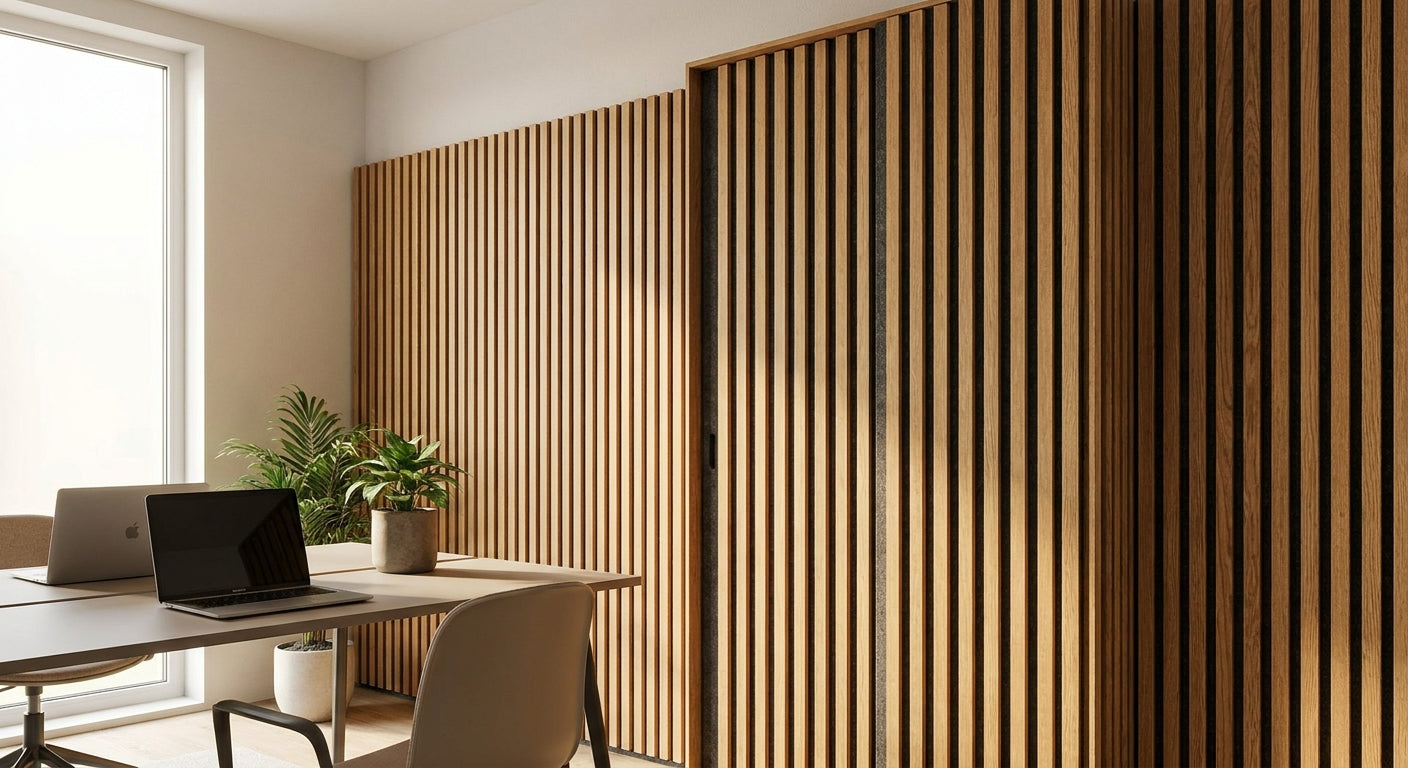
Site cabins and welfare units turn every voice, radio call, and slammed door into a metal-box echo — acoustic panels for site cabins cut that noise without eating into the floor space contractors need for lockers, mess tables, and kit storage.
- Acoustic panels for site cabins need a stated NRC rating — hexagon panels here hit 0.75. Buy for break rooms.
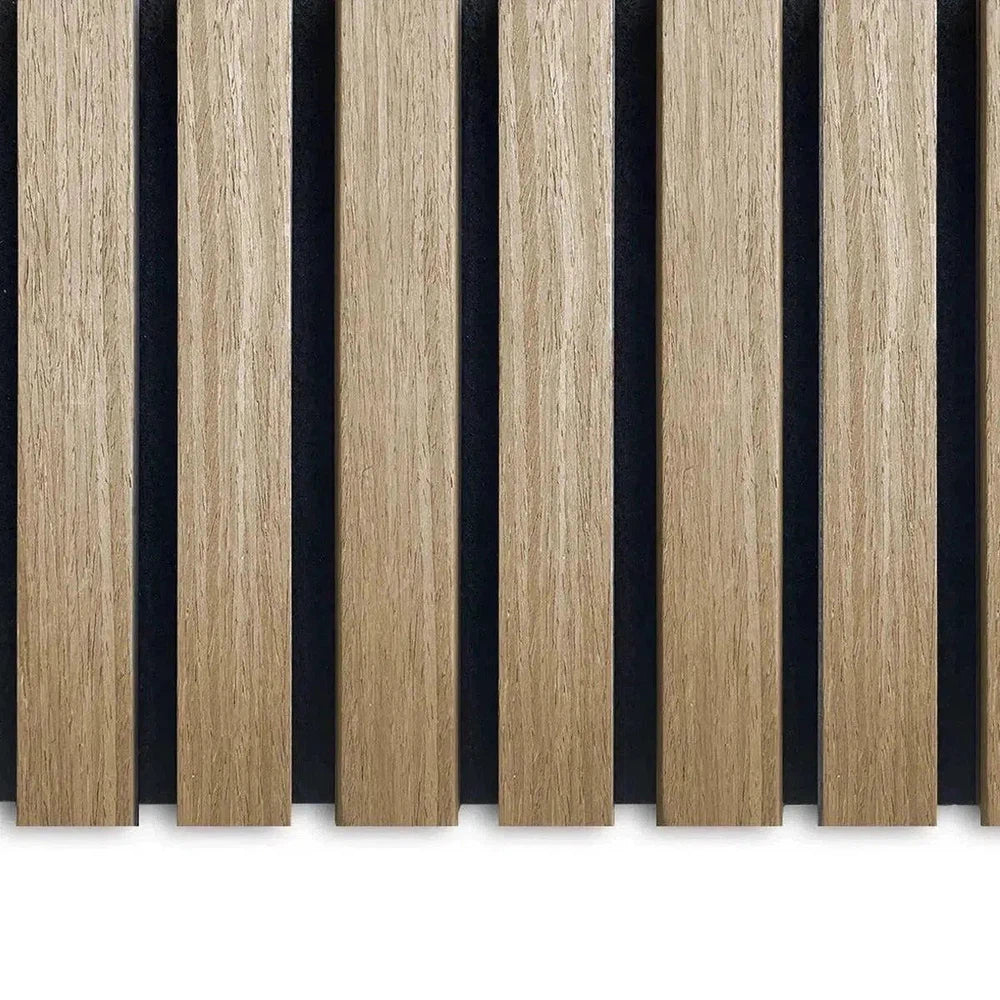
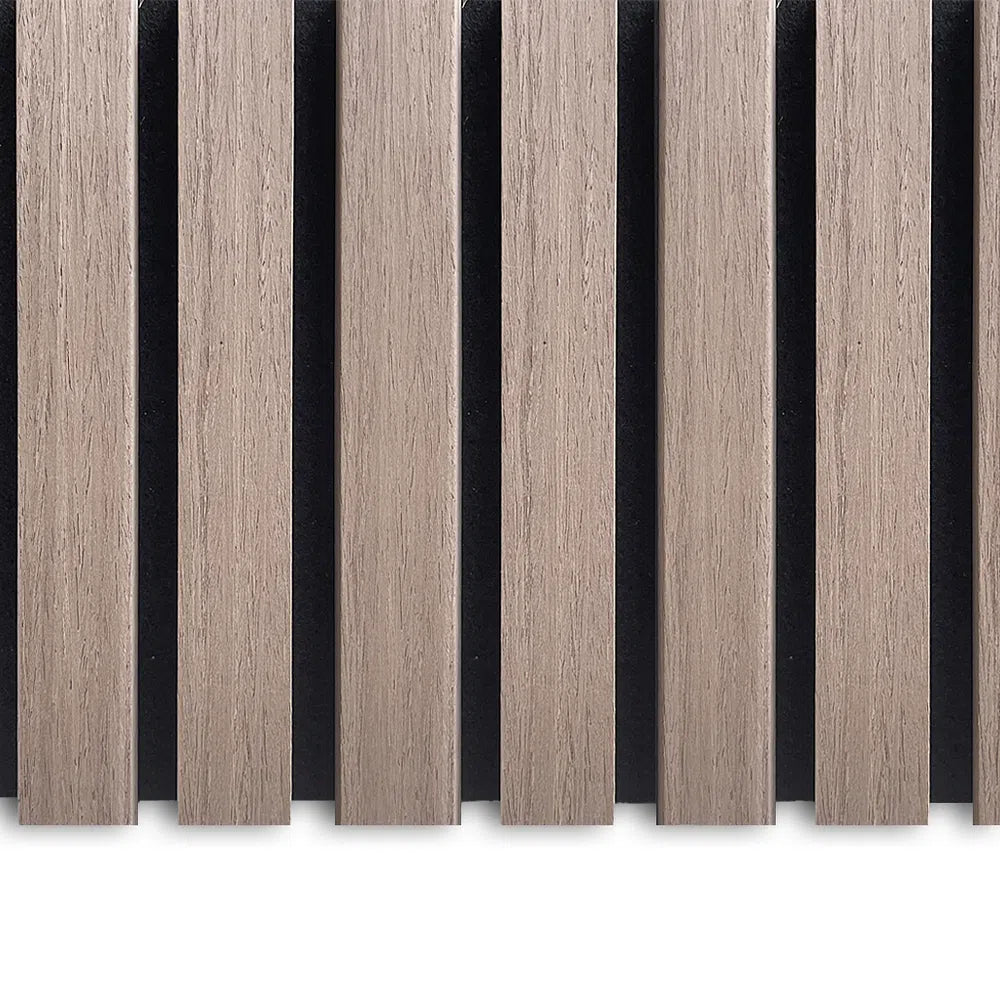
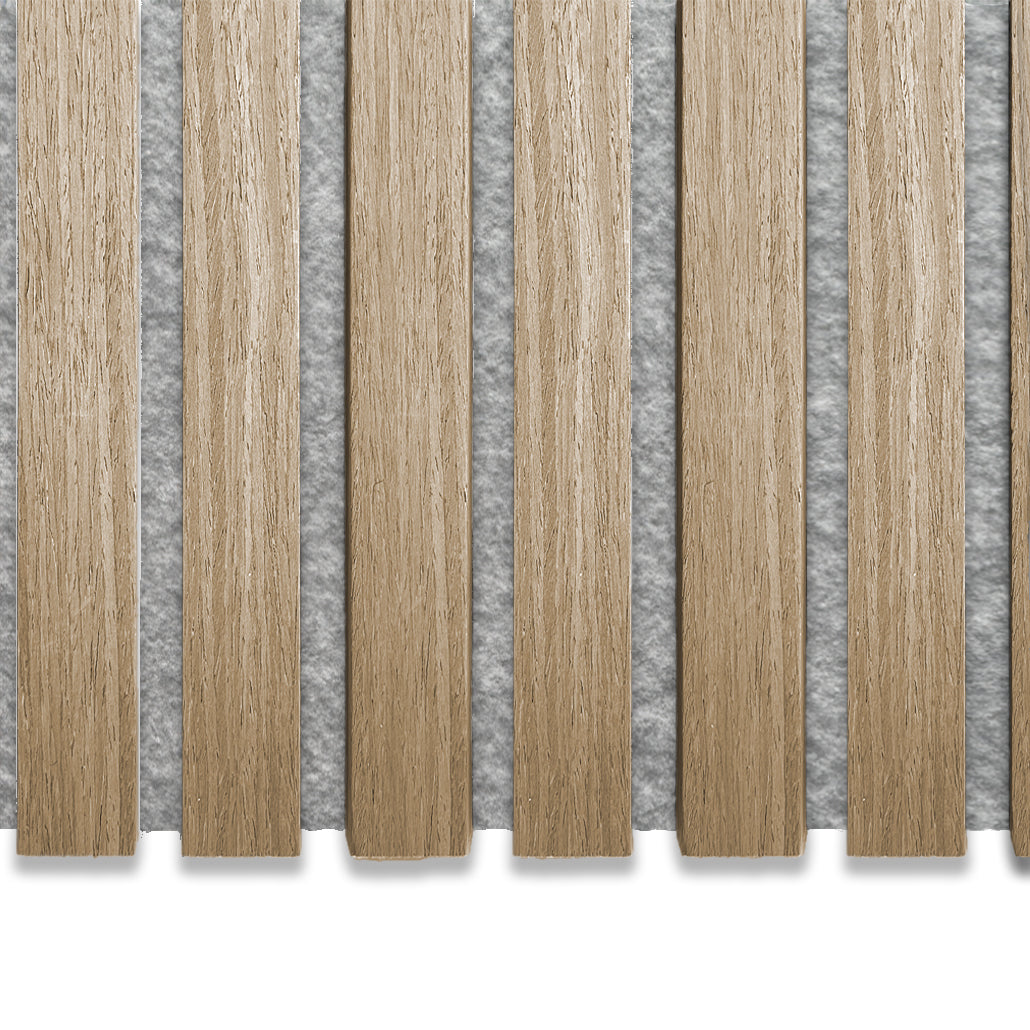
- Grey Oak wall panels suit welfare unit meeting areas in 2026 — the safe pick, Buy.
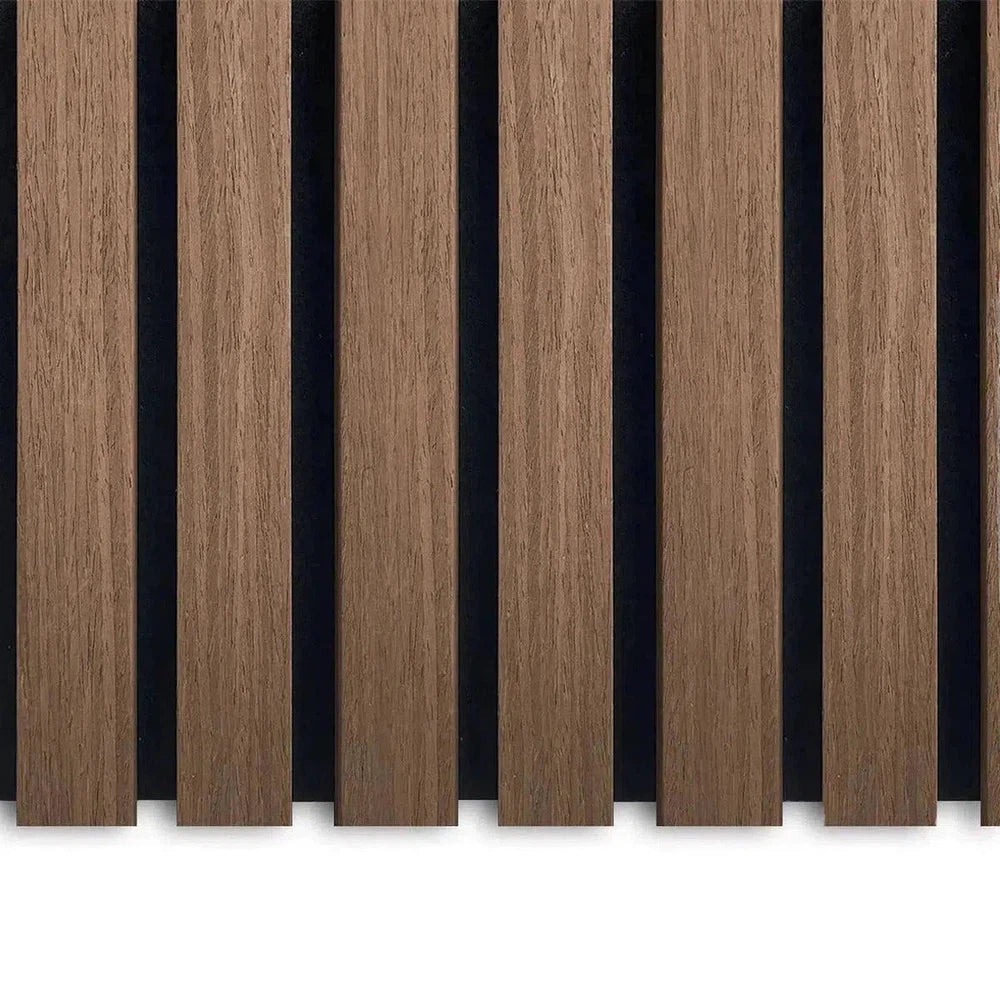
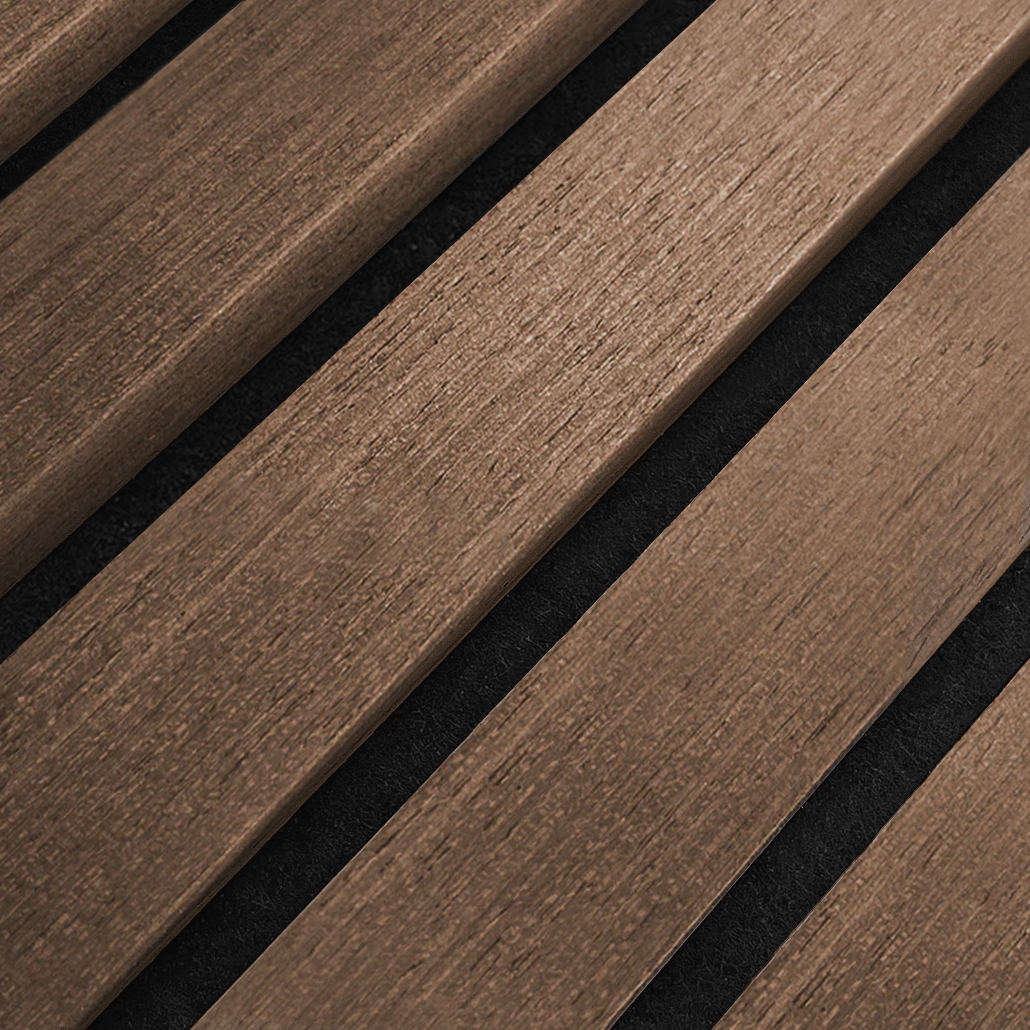
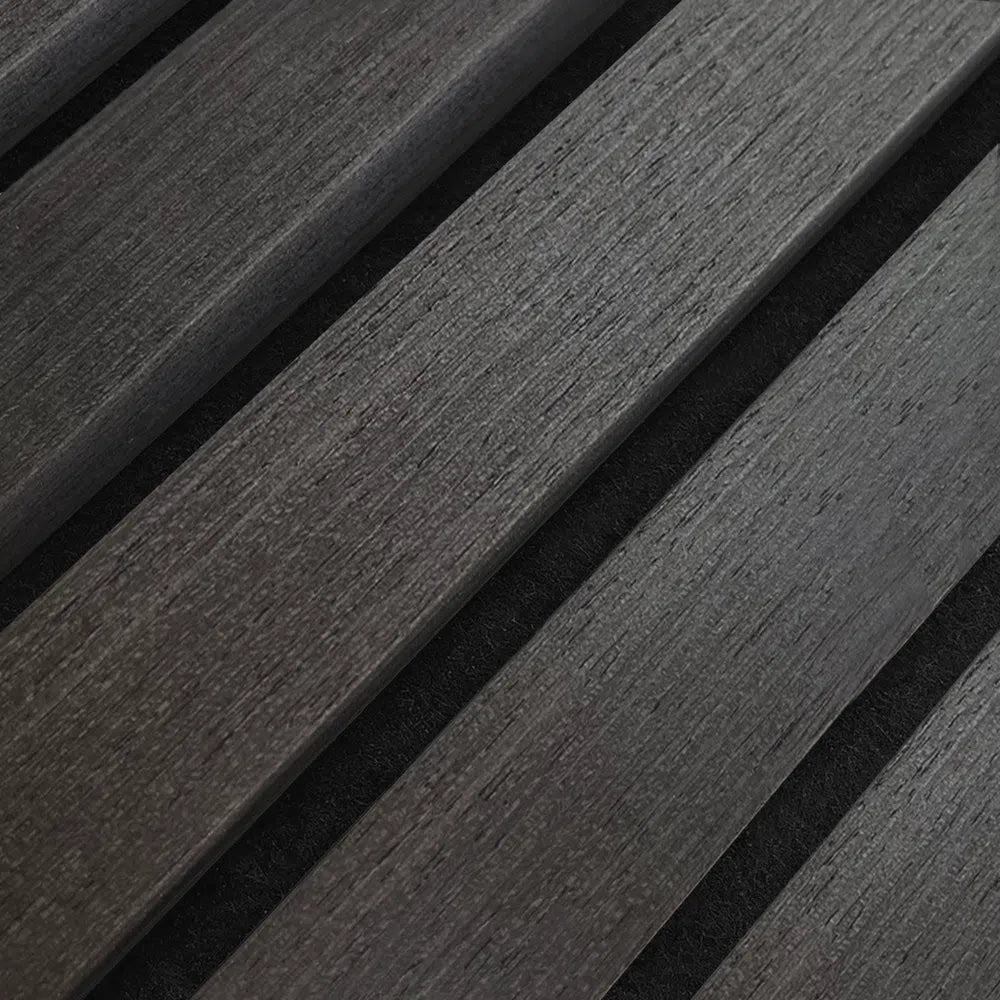
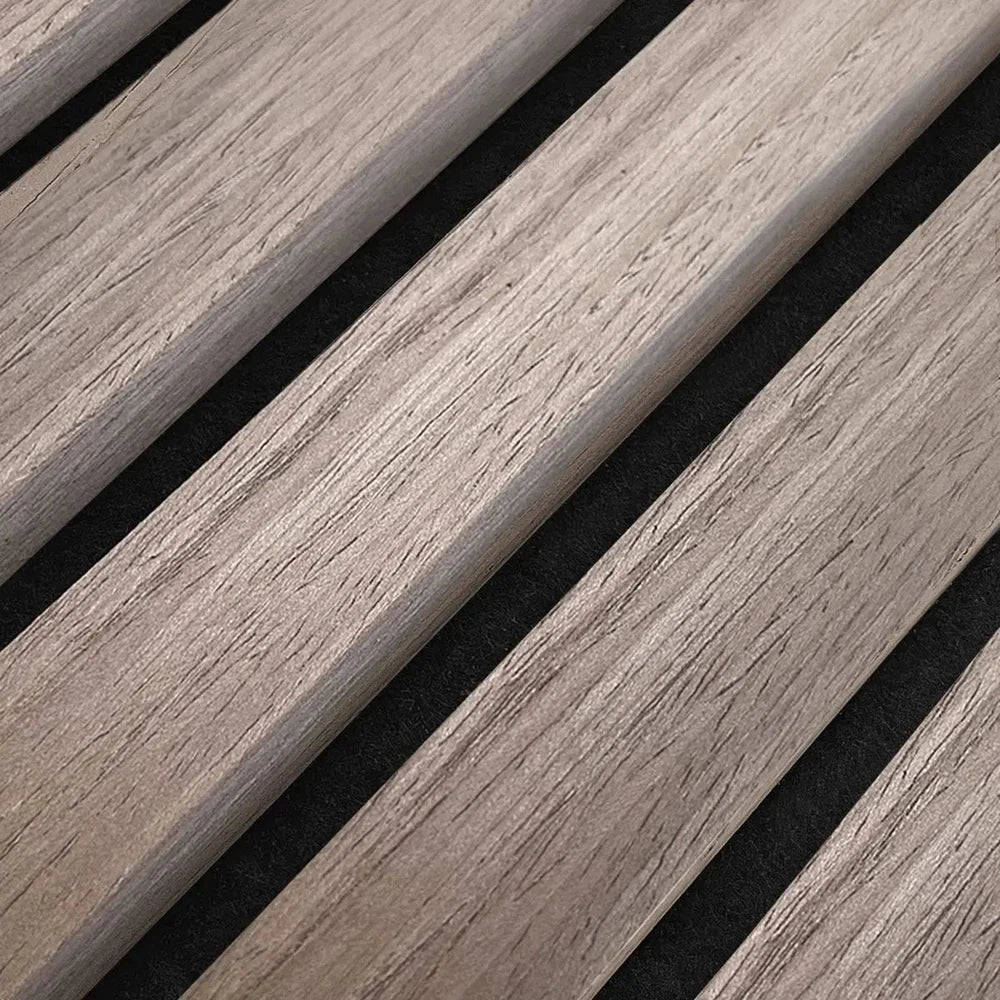
- Smoked Oak wall panels darken glare-heavy cabins without losing acoustic felt backing — Buy.
- Skip thin single-sided veneer copies; 3-sided finish holds up better against cabin knocks.
- 240cm and 300cm formats cover most standard welfare unit ceiling heights — measure before ordering.
Why this matters
A site cabin is a steel or GRP box with a hard floor, a hard ceiling, and none of the soft furnishings that normally soak up sound in a house or office. Every voice bounces wall to wall, and by the second week of a shift pattern that echo turns into genuine fatigue for the crew using it.
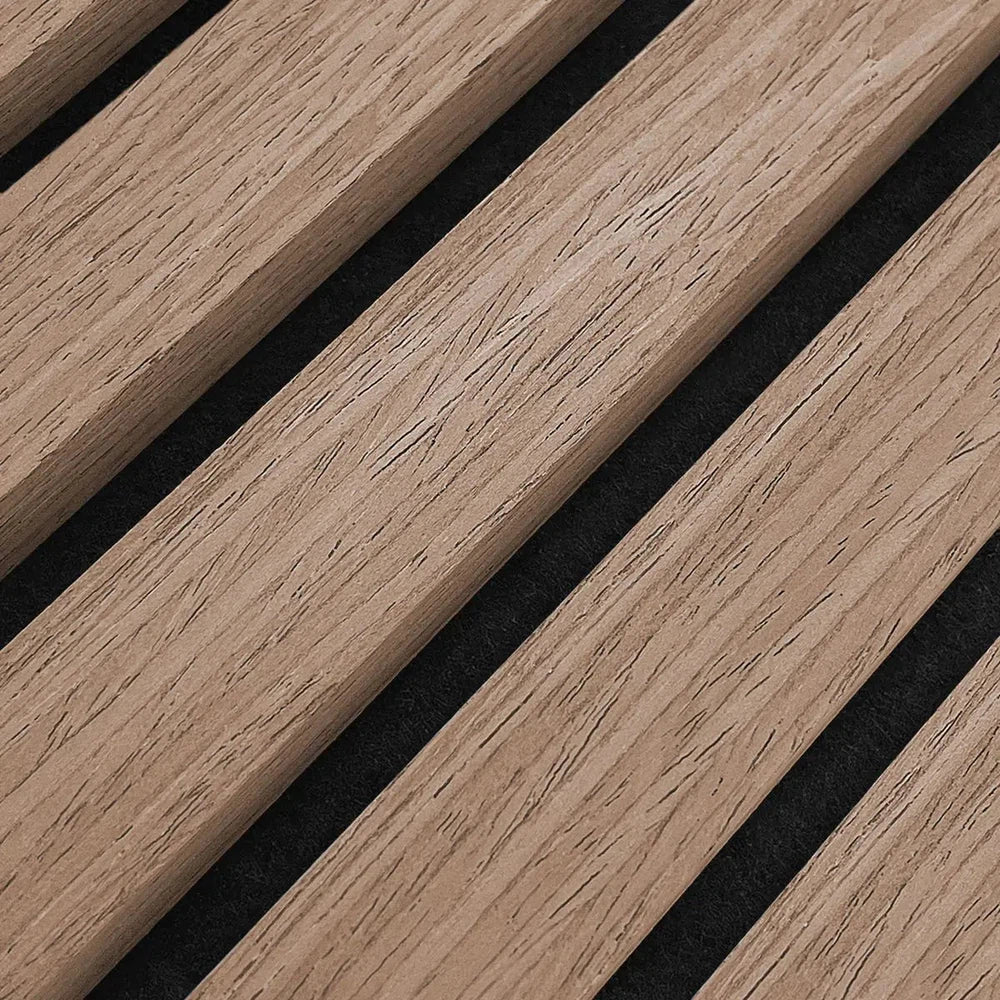
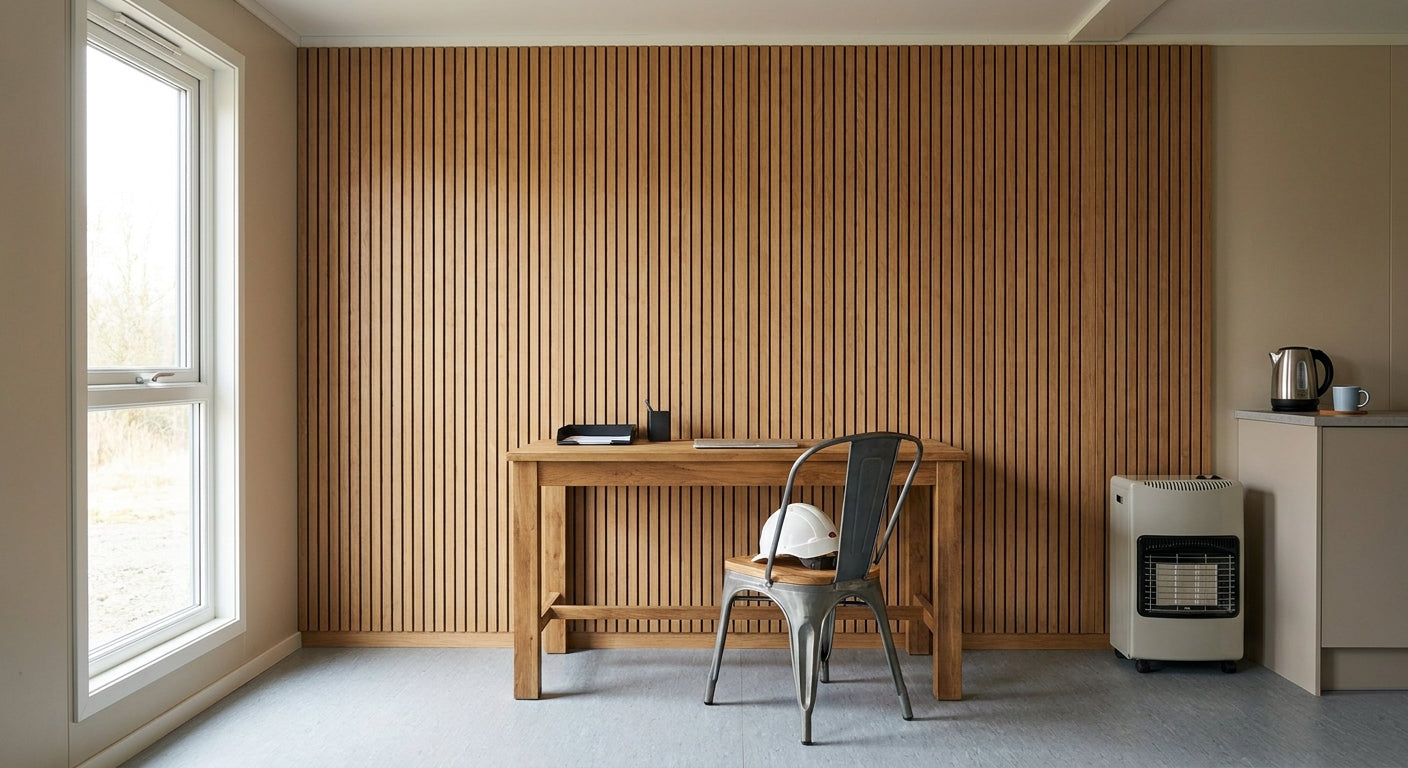
Akuwood Panel supplies acoustic wood panels built for exactly this problem — a real wood veneer face over an acoustic felt backing, rather than bare plywood lining or painted steel that reflects everything back at you. Welfare unit specifications going into 2026 increasingly list acoustic treatment as a line item during fit-out, not an afterthought bolted on after complaints.
Most site cabins get treated as disposable interiors. That's the wrong call once a unit stays on a contract for 18 months or gets rotated between three or four sites a year — the wear shows, and cheap linings show it fastest.
Who this is for
This guide is for site managers speccing a new welfare unit fit-out, hire companies refreshing cabin interiors between contracts, main contractors upgrading canteen or meeting cabins to hit comfort and compliance targets, and anyone running a self-build site office who wants it to feel less like a shipping container.
What to look for in acoustic panels for site cabins
A stated acoustic rating, not a vague claim
Ask for an NRC number, not just the word "acoustic" on the listing. The hexagon acoustic panels in this catalogue carry a 0.75 NRC rating, which is a genuine absorption figure you can compare against other cabin lining products rather than take on faith.
Installation that survives being moved between sites
Welfare units get craned, towed, and re-sited more than any other structure on a job. Panels fixed with a proper adhesive rather than nailed straight into thin cabin stud walls hold up better through that handling, and a dedicated panel glue avoids punching extra holes through insulation.
A finish that doesn't look like a portable cabin
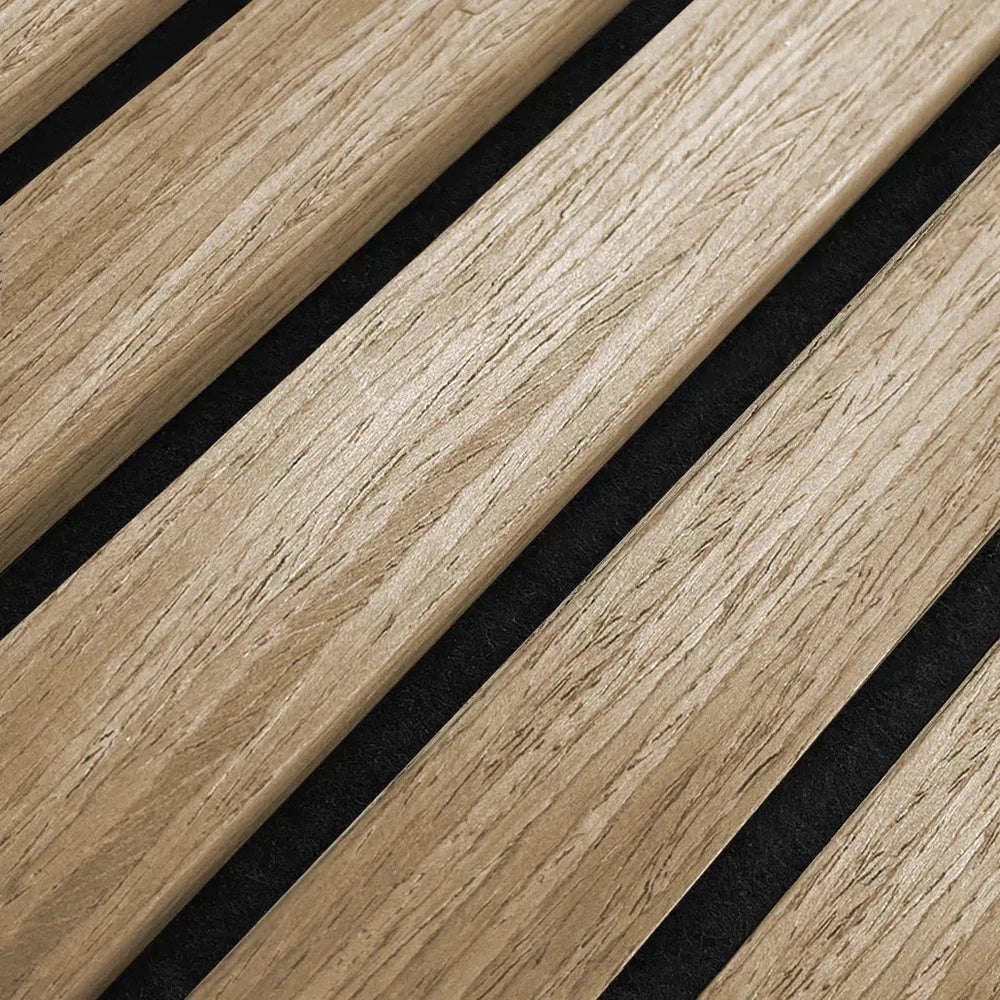
A 3-sided real wood veneer finish reads as a proper interior wall rather than a temporary structure, which matters the moment a client or inspector walks into your welfare unit for a meeting. Single-sided veneer imitations show raw MDF edges at every join within a season of site use.
Size format matched to your cabin's ceiling height
Standard cabin ceilings run close to 2.4m, and panels come in 240cm and 300cm formats specifically to match that without extra cutting. Measure your actual internal height before ordering — getting this wrong means waste offcuts you're paying for twice.
Cost per panel that scales across a fleet of units
One panel at £40.95 sounds fine for a single meeting cabin; multiply that across a 12-cabin welfare compound and the number matters. Budget per cabin, not per panel, before you commit to a finish across the whole site.


Top picks for site cabins and welfare units in 2026
Grey Oak wall panel — the safe pick. A neutral tone that works in almost any welfare unit meeting room without clashing against grey steel cabinets or blue site hoarding outside the window. Ships in 240cm and 300cm formats to match standard cabin heights. Buy.
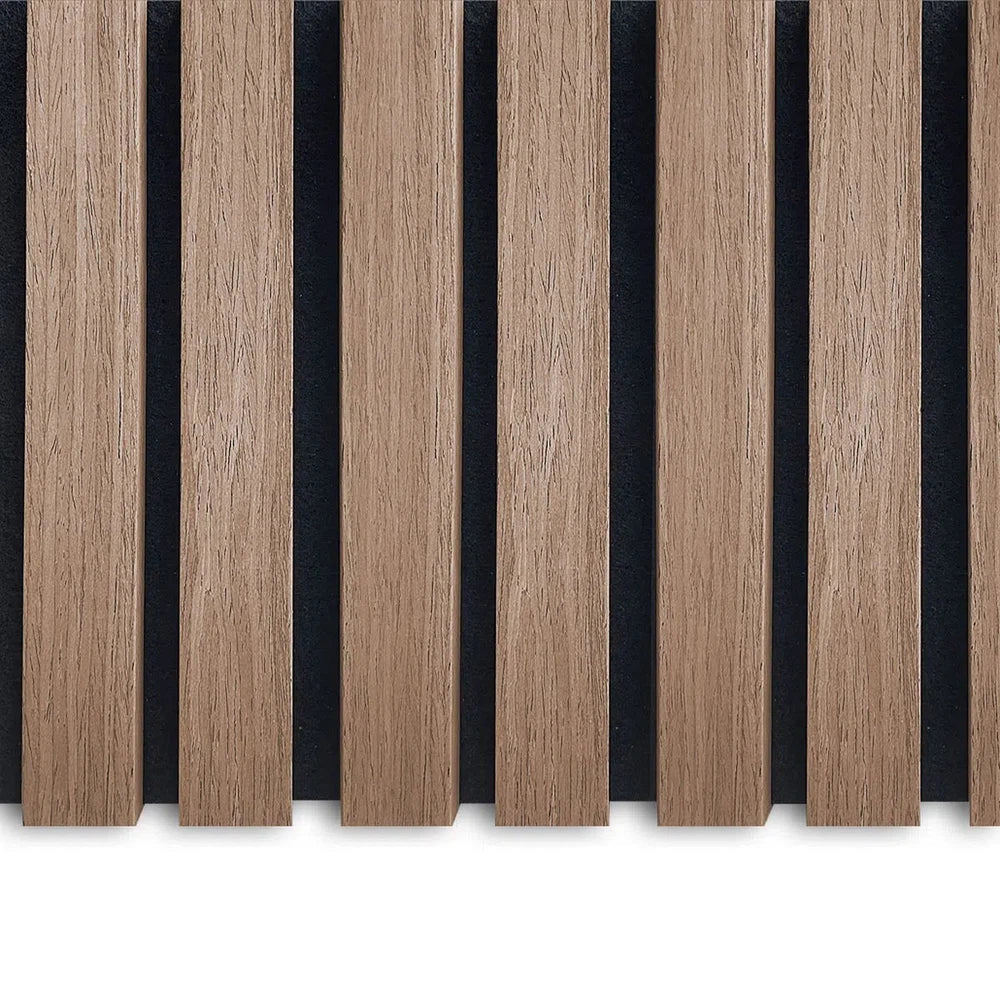
Smoked Oak wall panel — the moody one for meeting cabins. Darker veneer that hides scuffs and hand marks better than pale finishes in a high-traffic canteen cabin. Pairs well with the acoustic felt backing for cabins doing double duty as a quiet room for phone calls. Buy.
Grey Oak wall panel and Smoked Oak wall panel both carry the 3-sided real wood veneer finish and acoustic felt backing that make them suited to acoustic panels for site cabins rather than domestic-only use.
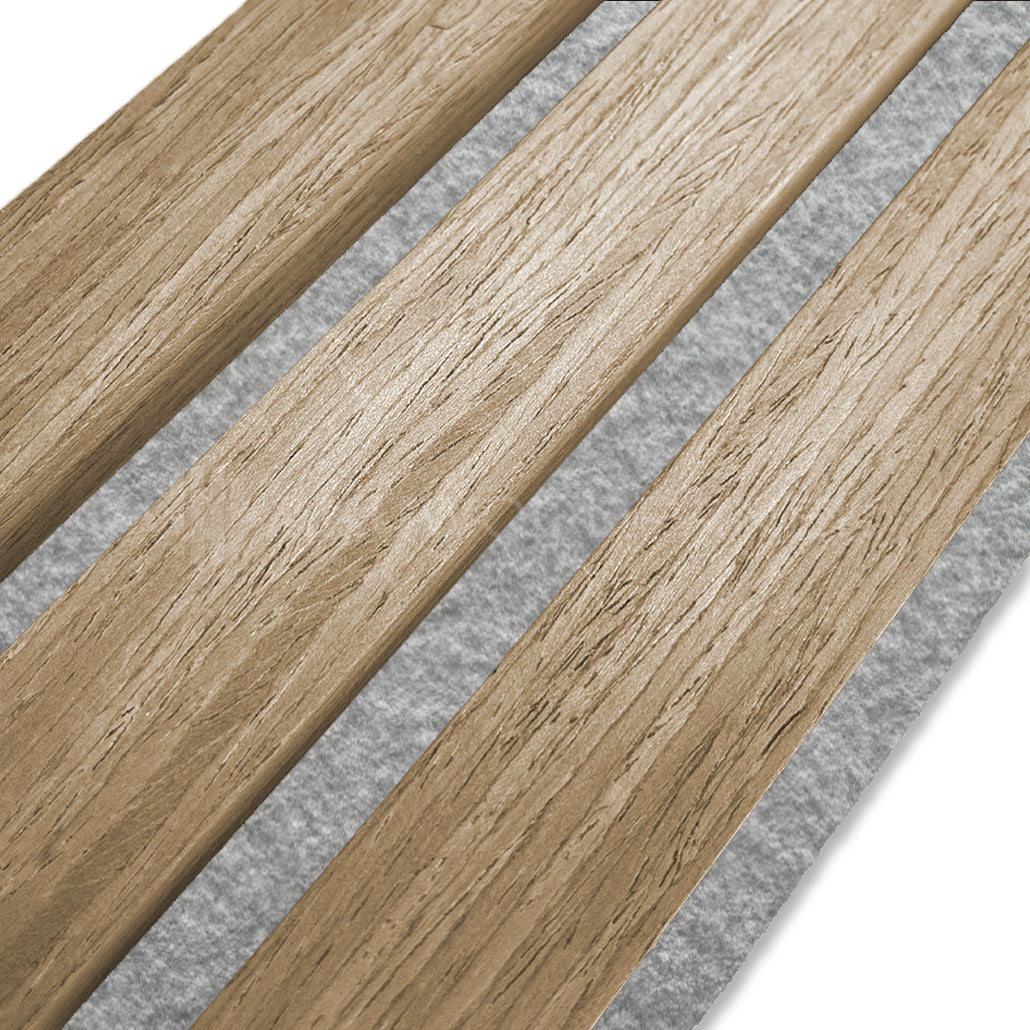
Natural Oak wall panel — the brightest option for low-light cabins. Cabins with small windows or none at all benefit from a lighter finish that doesn't make the room feel smaller. Consider if your welfare unit runs on strip lighting with no natural daylight.
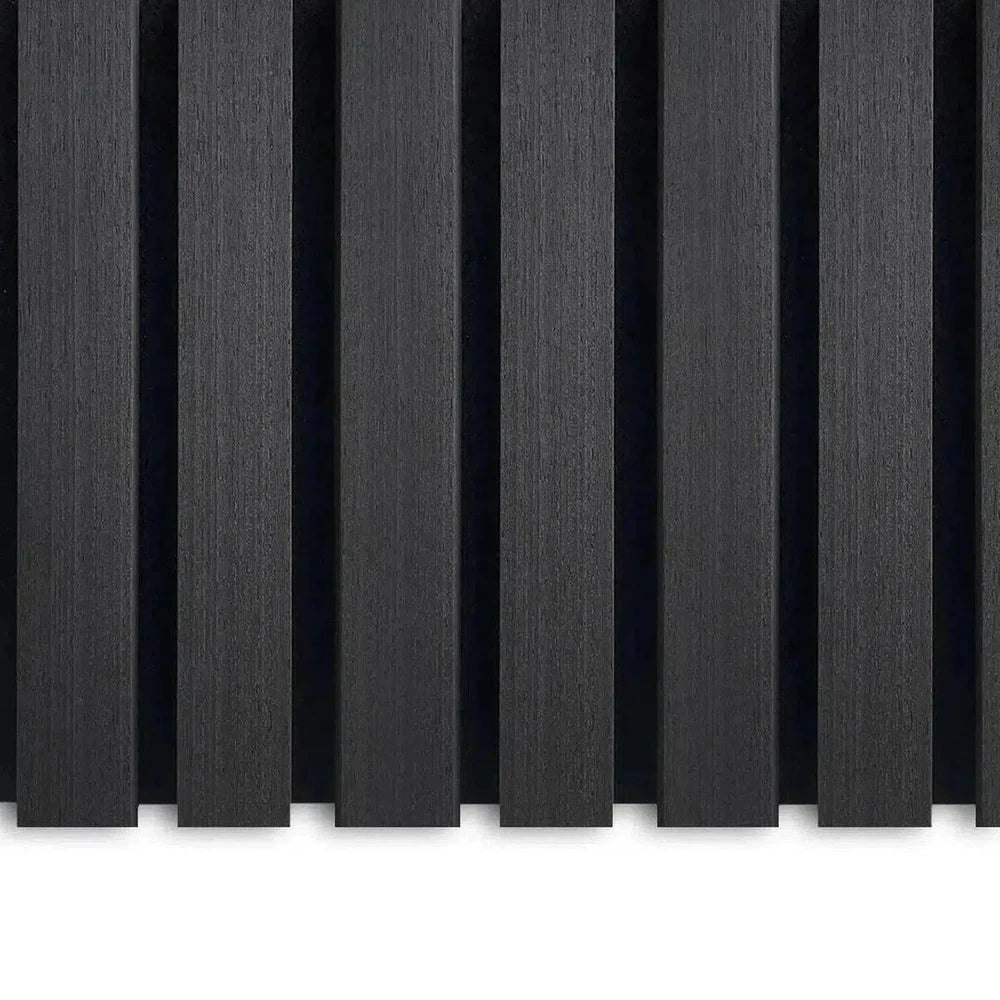
Black Oak wall panel — the boardroom-cabin pick. For contractors using a welfare unit as a client-facing meeting space rather than a break room, the darkest finish reads closer to a proper office than a portable structure. Consider for client-facing cabins only — it shows dust faster in a general break room.
What to avoid
- Single-sided veneer panels — they show raw edges at every join once a cabin gets moved a few times, unlike the 3-sided finish built for repeated handling.
- Acoustic claims with no NRC number attached — a listing that just says "soundproof" without a rating is a guess, not a spec.
- Wrong size format for your ceiling — ordering 300cm panels for a 240cm cabin means cutting waste on every single unit across a fleet.
Verdict comparison
| Pick | Finish tone | Size formats | Best cabin use | Verdict |
|---|---|---|---|---|
| Grey Oak wall panel | Neutral grey-brown | 240cm / 300cm | General meeting cabin | Buy |
| Smoked Oak wall panel | Dark, warm | 240cm / 300cm | Canteen / quiet room | Buy |
| Natural Oak wall panel | Light, bright | 240cm / 300cm | Low-light cabin | Consider |
| Black Oak wall panel | Near-black | 240cm / 300cm | Client-facing cabin | Consider |
FAQ
What are the best acoustic panels for site cabins in 2026?
Grey Oak and Smoked Oak wall panels are the strongest picks for 2026 because both carry a 3-sided real wood veneer finish over acoustic felt backing and come in 240cm and 300cm formats to fit standard cabin ceiling heights.
Do acoustic wood panels actually reduce echo in a welfare unit?
Yes — hard-surfaced steel and plywood cabins reflect sound almost entirely, and a felt-backed panel with a stated NRC rating of 0.75 absorbs a meaningful share of that reflected noise instead of bouncing it back.
How much do acoustic panels for site cabins cost?
Hexagon acoustic panels run £40.95 per panel as of 2026; larger 240cm and 300cm wall panels are priced separately on the product pages, so budget per cabin rather than per panel when quoting a multi-unit fit-out.
What size acoustic panel fits a standard site cabin?
Most portable cabins have an internal ceiling height close to 240cm, which matches the 240cm panel format directly; taller welfare units or converted units may need the 300cm option instead.
Is Grey Oak or Black Oak better for a welfare unit meeting room?
Grey Oak works better for general-purpose meeting cabins because the neutral tone hides less dirt over daily use, while Black Oak suits client-facing cabins where the darker finish reads as more formal.
Can acoustic wall panels be fitted inside a portable cabin without damaging it?
Panels can be adhered directly to cabin wall linings with a panel adhesive rather than mechanically fixed, which avoids extra fixing holes through thin cabin stud walls and insulation.
Do hexagon acoustic panels work as well as full wall panels for noise reduction?
Hexagon panels carry the same 0.75 NRC rating as the felt-backed range but cover less wall area per unit, so they suit break-room feature walls better than full acoustic treatment of a whole cabin.
One last thing
The hexagon panels at £40.95 each carry the identical 0.75 NRC rating used across the felt-backed range — a canteen feature wall doesn't need a separate "commercial" spec to hit the same acoustic number a full welfare unit fit-out uses. Most site managers over-spend on a bespoke acoustic treatment when a standard hexagon panel run already meets the figure they're quoting to a client in 2026.