Dado rail panelling brings full-height wood slat panels into Victorian and Edwardian hallways and reception rooms without fighting the proportions the house was built around. This guide covers what to look for, which AKU Woodpanel finishes suit period joinery, and which sizing mistakes ruin the effect.
- Natural Oak wall panels are the safe dado rail panelling pick for Victorian hallways in 2026 - Buy.
- Cut 240cm AKU Woodpanel panels to roughly 90cm below the dado line for period-accurate proportions.
- Walnut suits dark Edwardian joinery; Black Oak works as a bold below-dado feature wall - both Consider.
- Skip printed foil panels on period plaster - 3-sided real wood veneer reads authentic under hallway light.
Why this matters
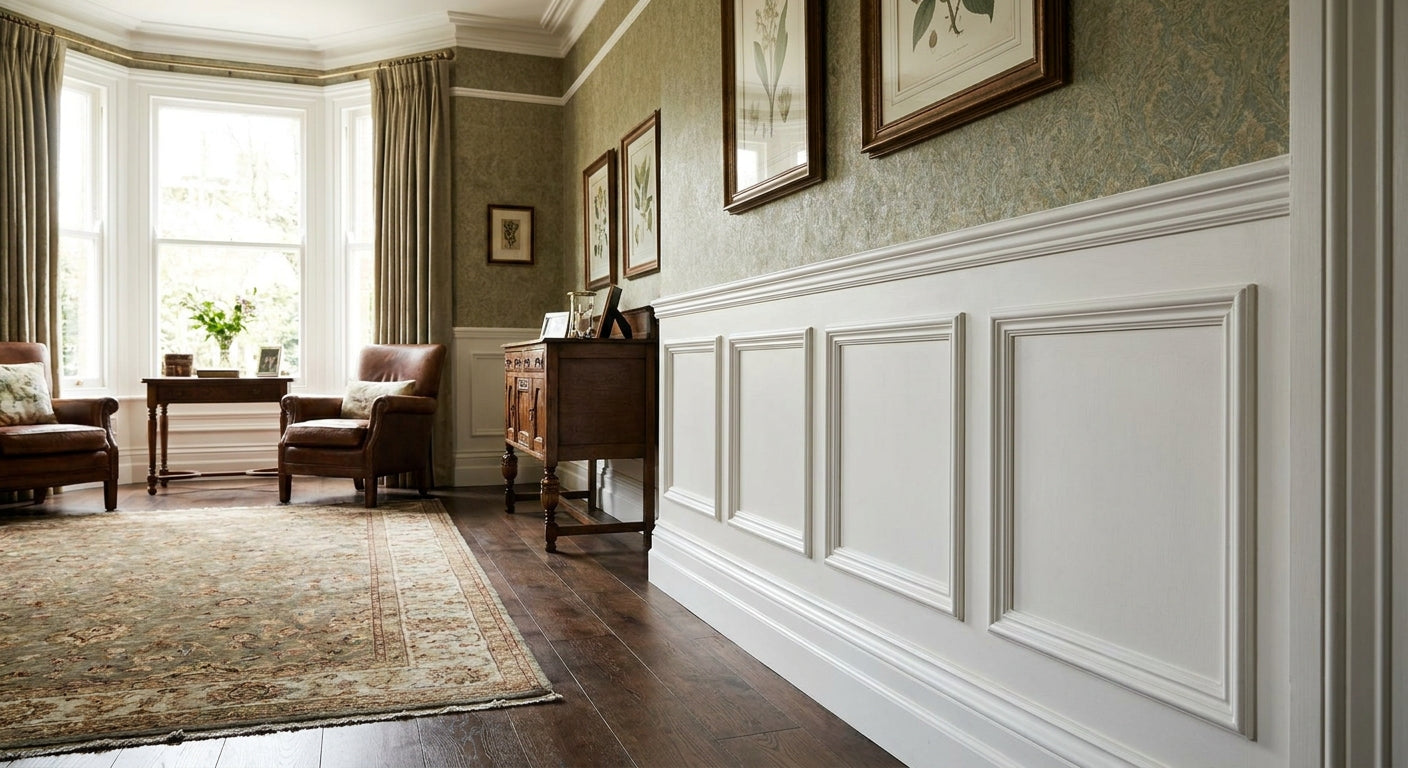
Victorian and Edwardian hallways were built with a dado rail at roughly 90cm to protect plaster from chair backs and to break a tall wall into two proportioned sections. Strip that rail out and the wall looks wrong even after a repaint - the eye still expects a horizontal break. Dado rail panelling solves this by putting real wood below (or instead of) the original line, which is closer to what tongue and groove wall panels did in the original build, but with acoustic backing that period tongue and groove never had.
Most period hallways have hard floors - encaustic tile, parquet, stripped boards - and no soft furnishing to absorb sound. That's exactly where an acoustic felt backing behind a wood veneer face earns its keep: it cuts the echo a bare hallway throws back at you while keeping the panelled look the house was designed around.
Who this is for
This is written for owners of Victorian terraces and Edwardian semis who still have an original dado rail, or the ghost of one, and want to panel below it, above it, or floor-to-ceiling without the result looking like a 2026 new-build fit-out. It assumes original skirting, coving, or door architraves are staying put and the new panelling needs to sit alongside them, not compete.
What to look for in dado rail panelling for period homes
Panel height matched to dado proportions
Get the height wrong and the whole wall reads oddly, even with the right wood tone. AKU Woodpanel ships in 240cm and 300cm formats, and both need cutting down for a below-dado application - most Victorian dado rails sit around 90cm, so panels get trimmed to that line rather than installed at full height. Full-height 240cm or 300cm runs work better where the dado rail has already been removed and the intent is a single panelled wall floor-to-ceiling.
Wood tone that sits with existing joinery
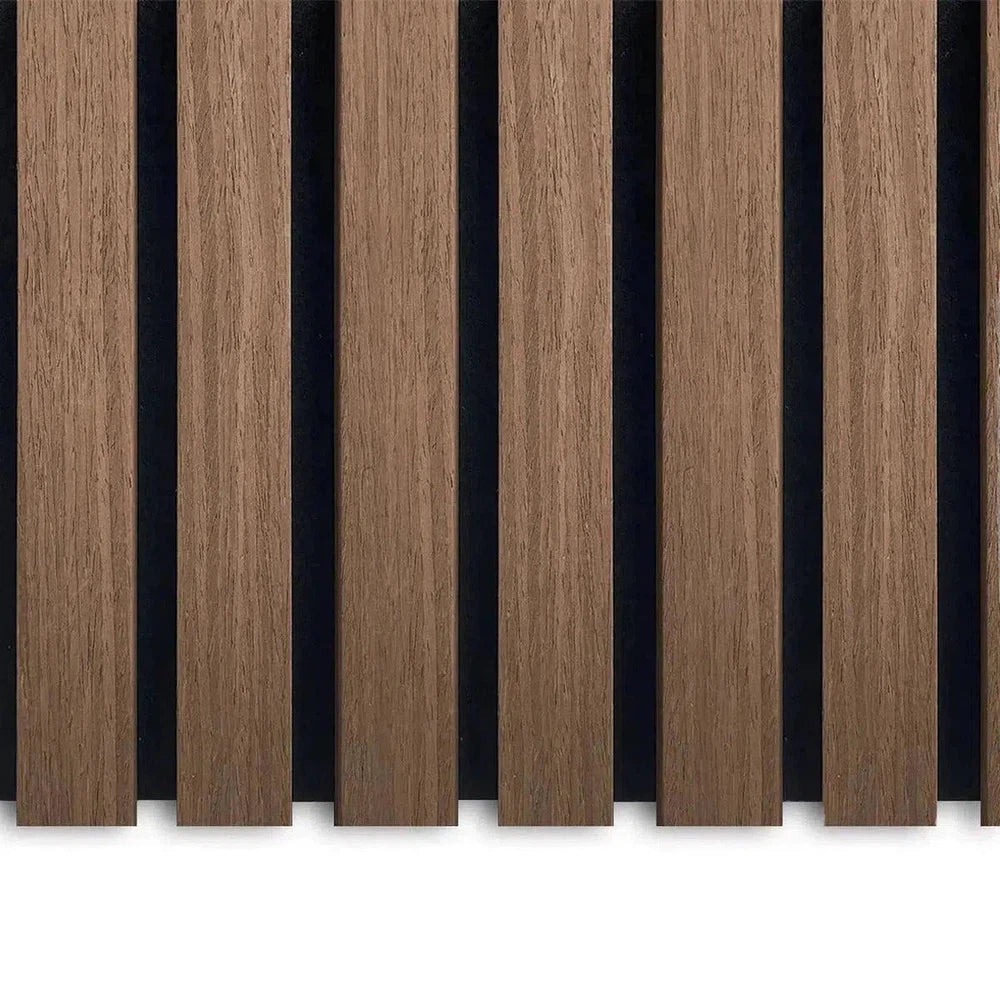
Victorian skirting and doors are usually dark stained pine or oak; Edwardian joinery skews lighter and more honey-toned. Panelling in a tone that clashes with 130-year-old skirting looks like an afterthought. Match warm honey tones to lighter Edwardian joinery and reach for deeper walnut or black oak where the original woodwork has already gone dark with age or stain.
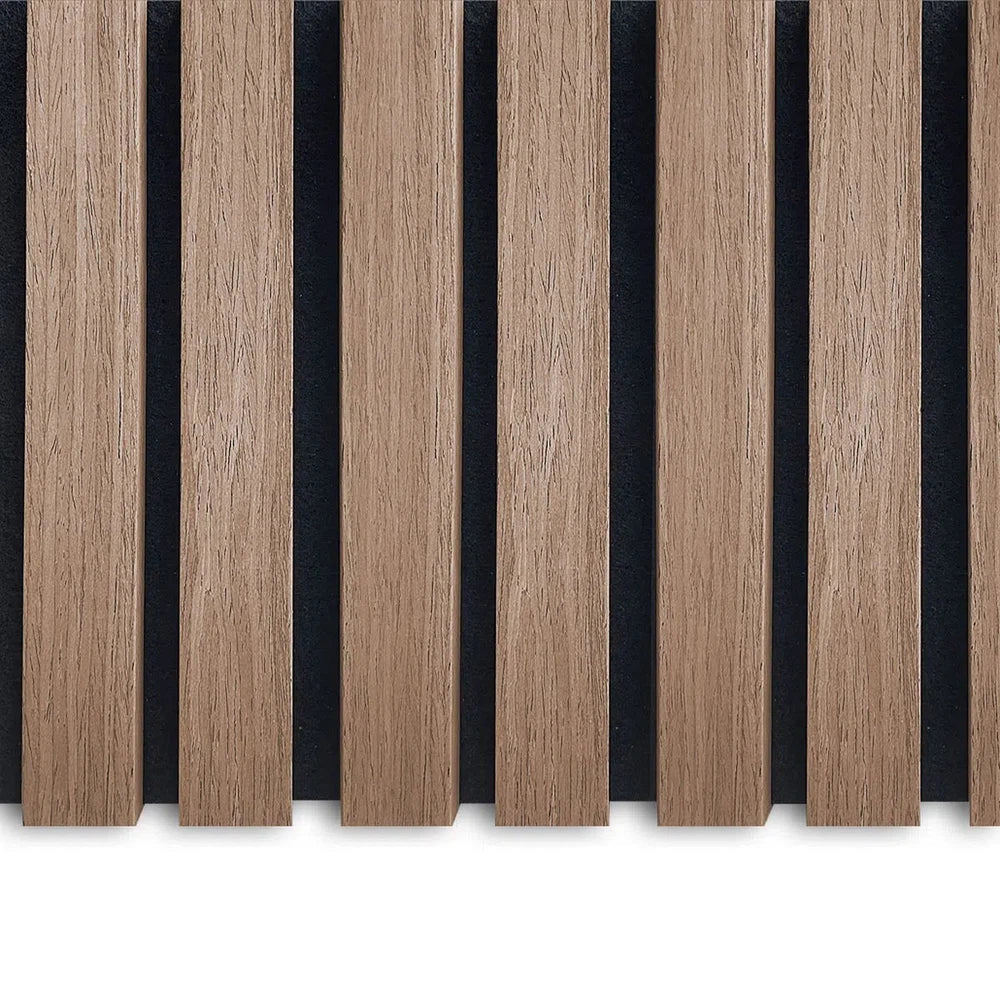
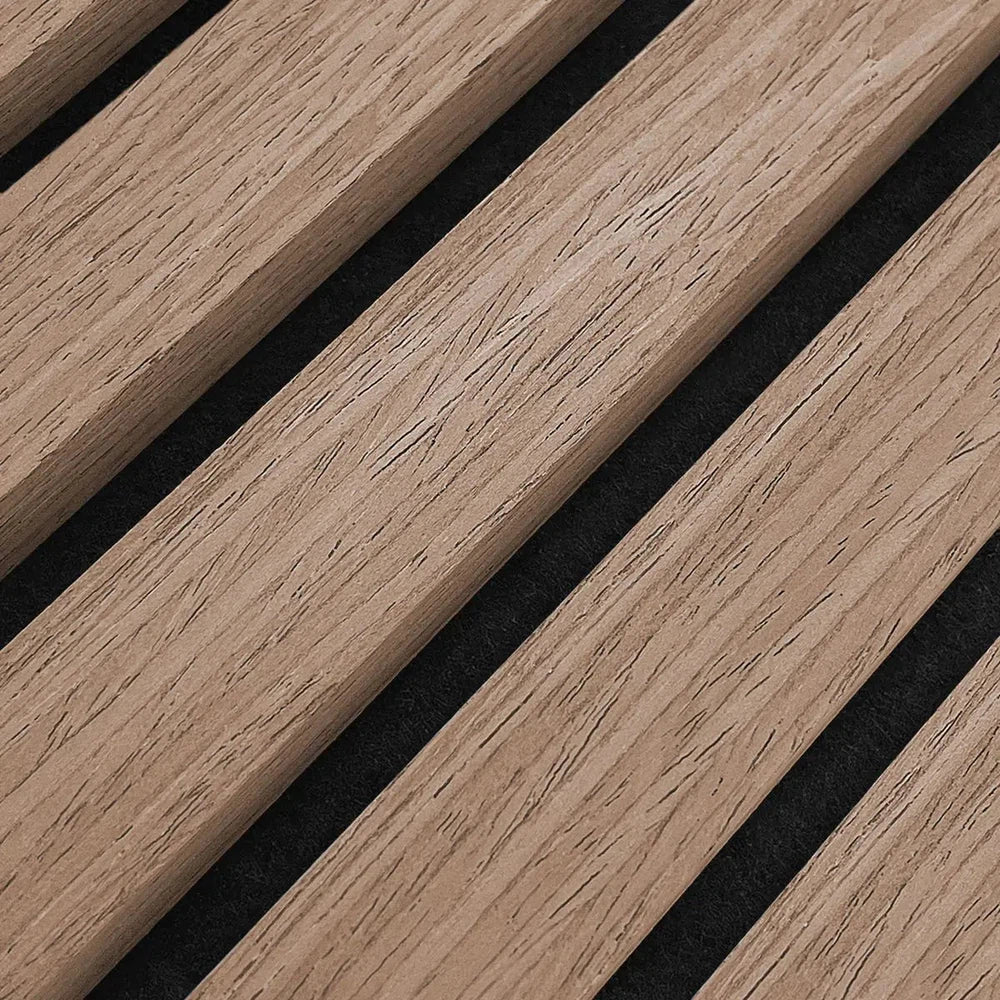
Real wood veneer, not printed foil
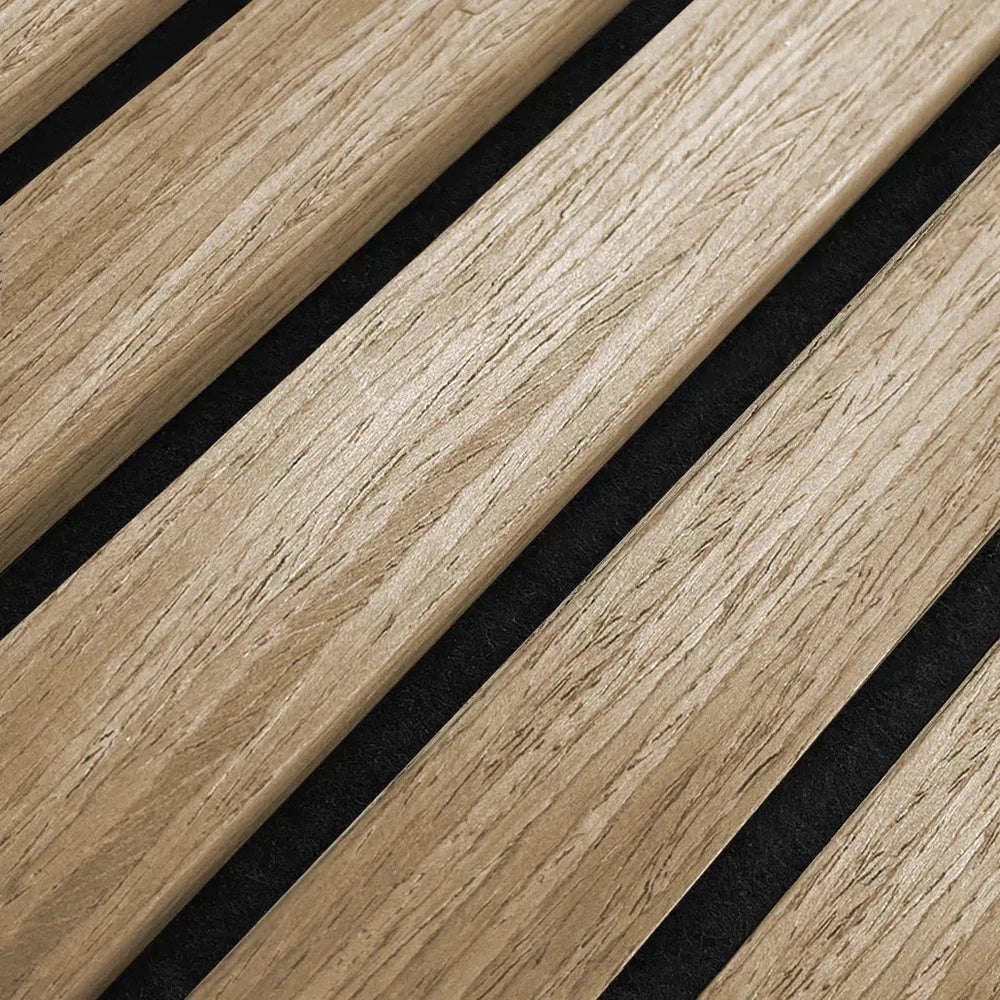
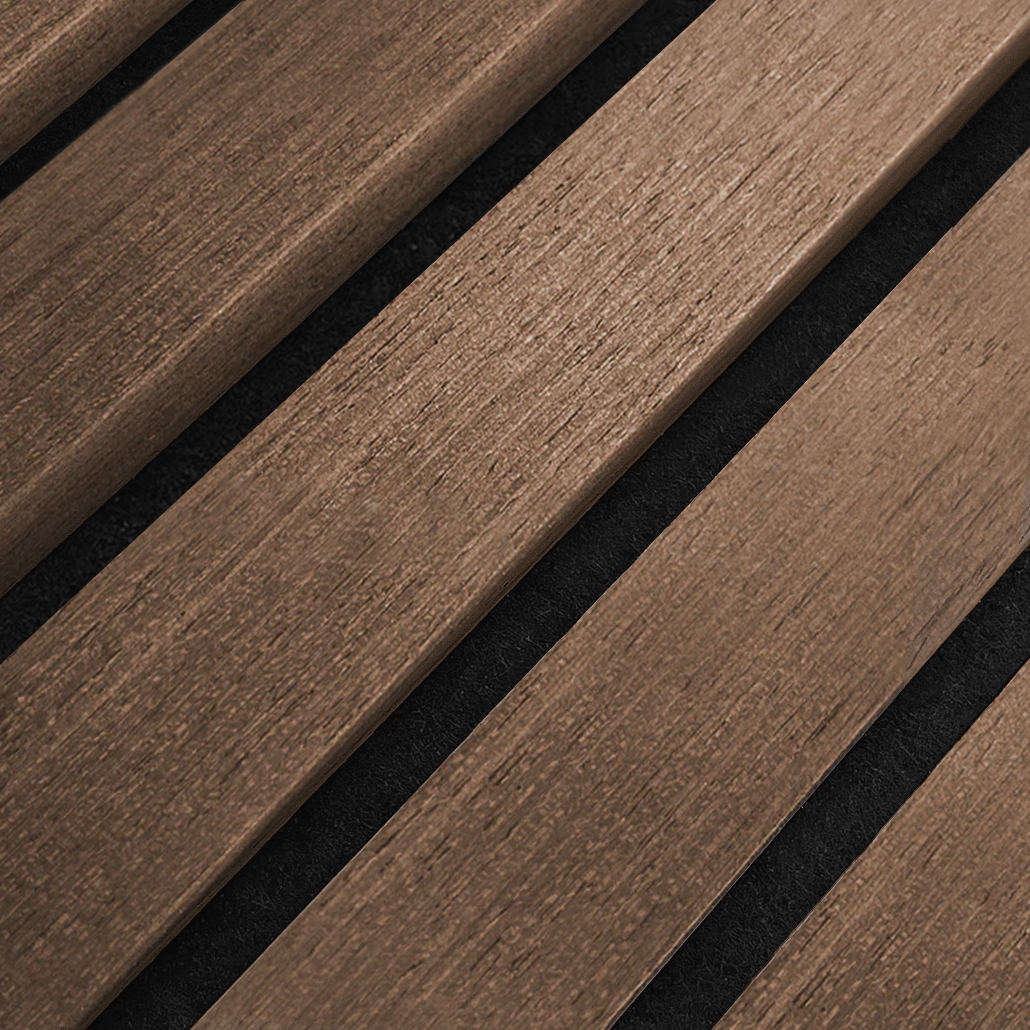
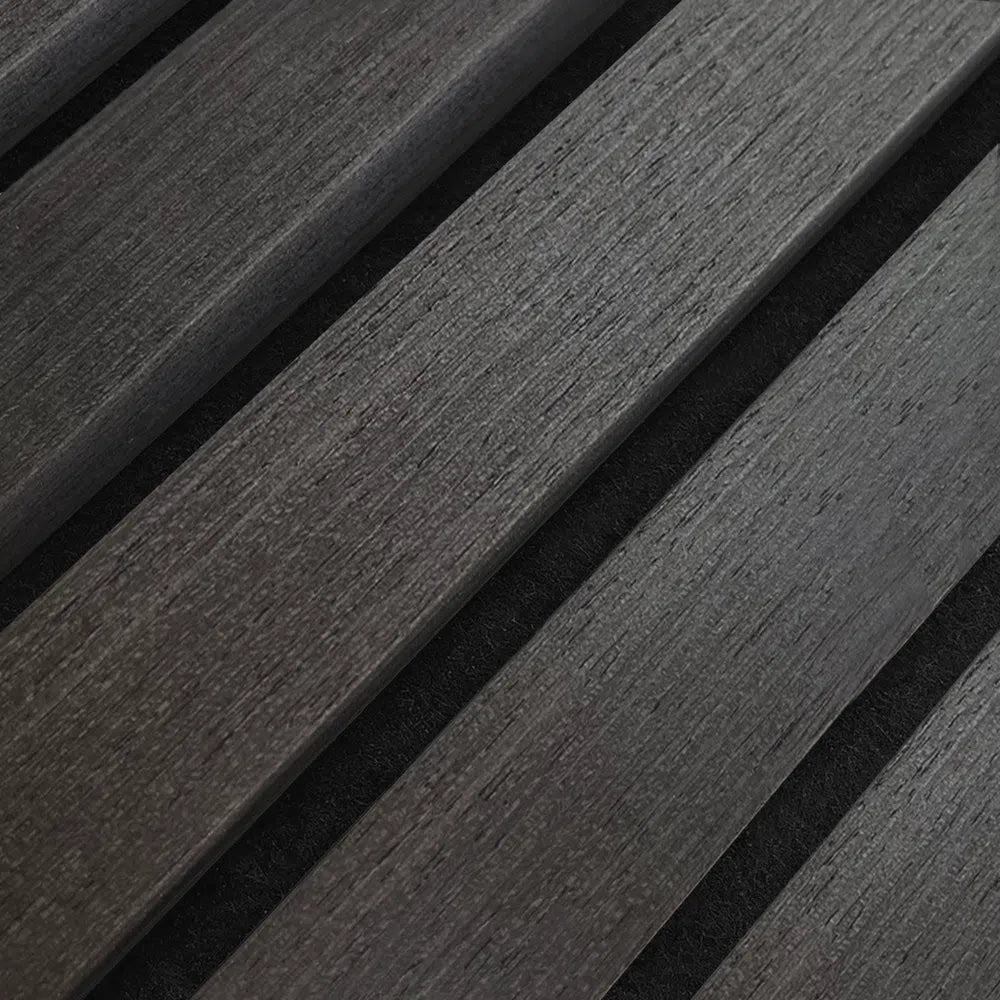
Period hallways get close-up scrutiny - visitors touch the wall waiting to take a coat off. A 3-sided real wood veneer shows genuine grain variation panel to panel, which is what makes it read as joinery rather than as a sheet product. Printed foil finishes repeat the same grain pattern every 60cm and it shows the moment two panels sit side by side under hallway lighting.
Acoustic performance for hard-floored hallways
A felt-backed panel is doing double duty on a hard-floored period hallway: it looks like traditional panelling and it deadens the slap-back echo that bare plaster and tile create. This matters more in hallways and stairwells than in any other room of a period house, because they're usually the least furnished space and the most reflective.
Fixing method suited to solid walls
Most Victorian and Edwardian internal walls are solid brick under lime or gypsum plaster, not stud partitions. Panels fixed with a high-tack panel adhesive designed for that substrate go on flatter and faster than anything relying on plasterboard fixings, and they avoid drilling into original plaster more than necessary.
Reversibility for rented or listed properties
If the property is listed, leasehold, or rented, panelling that can come off cleanly matters as much as how it looks. Glue-fixed panels on battens are far easier to remove without damaging original plaster than panels screwed directly through it.
Top picks for dado rail panelling
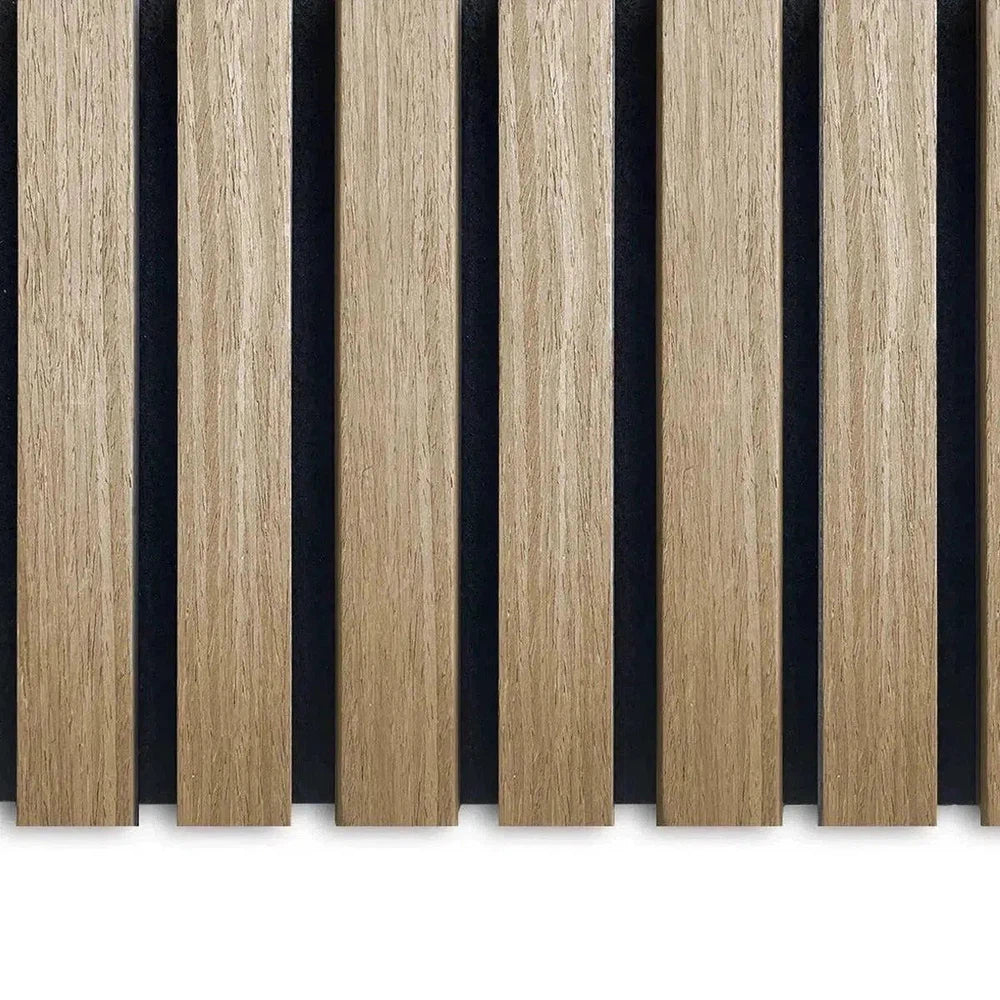
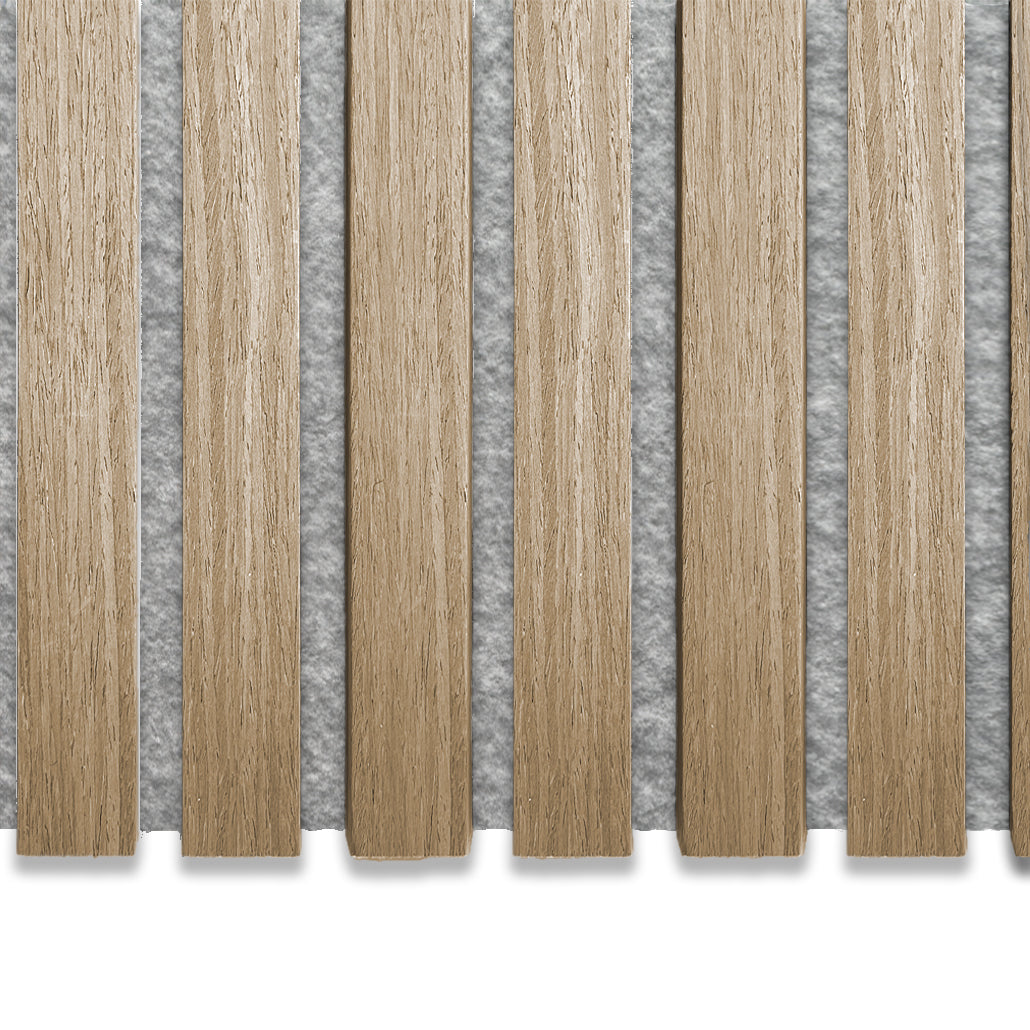
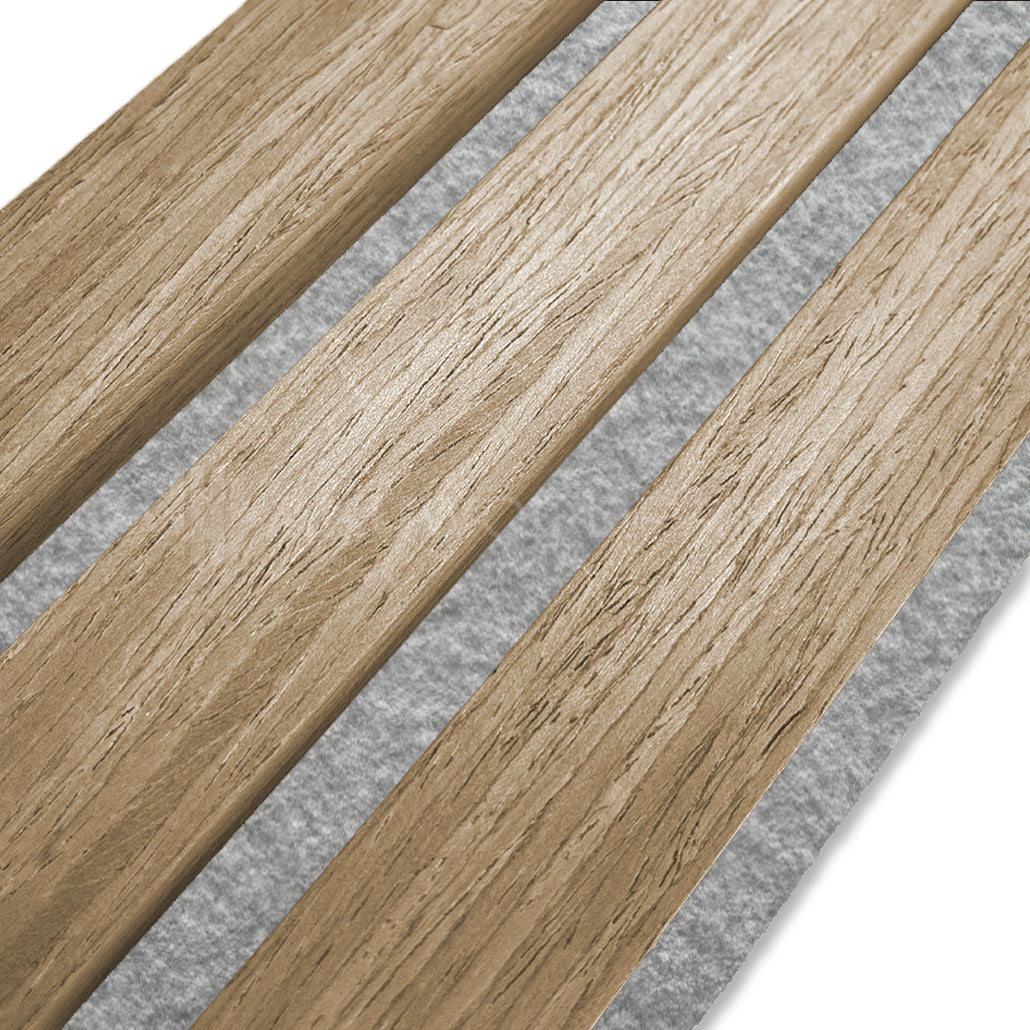
Natural Oak - the safe pick. Natural Oak wall panels cost £84.95 and carry a 3-sided wood veneer finish that reads as light honey-toned oak joinery, close to the tone of stripped Victorian doors. It's the tone that clashes with the fewest existing colour schemes in a period hallway. Buy for anyone unsure and matching against lighter original woodwork.
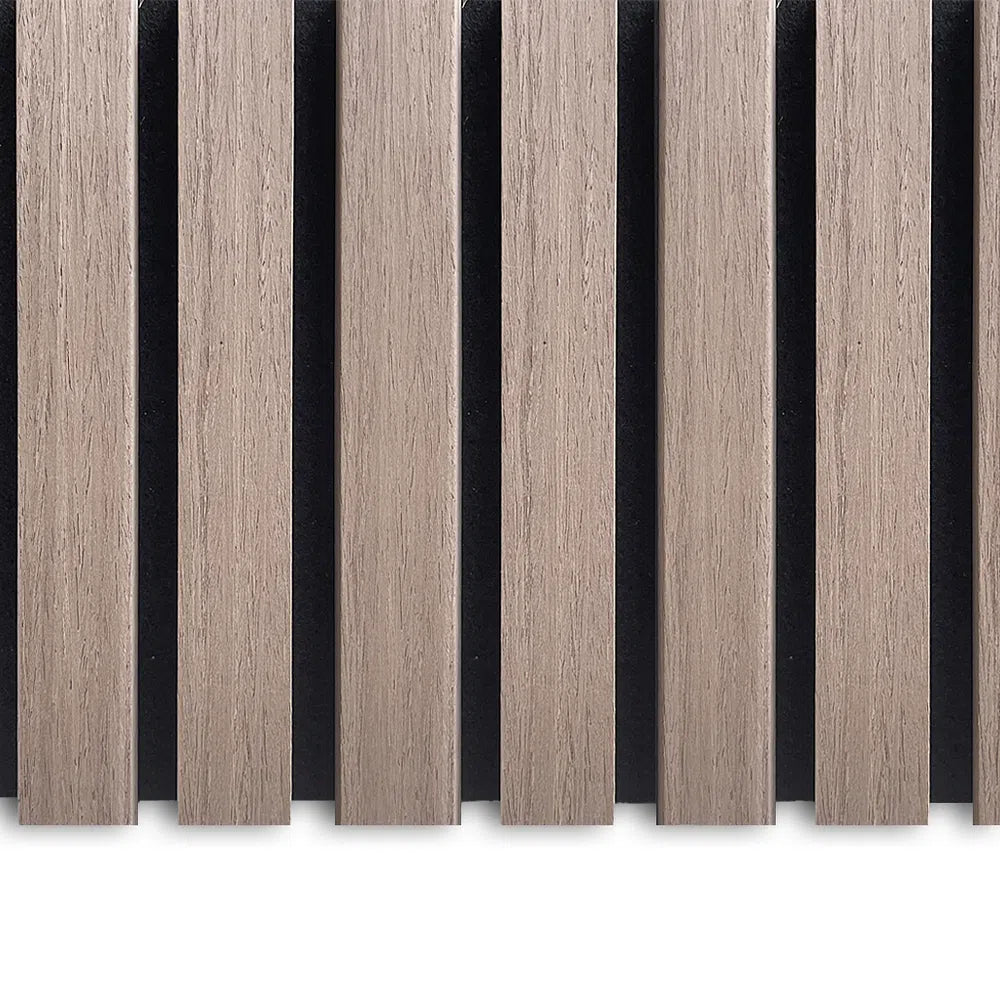
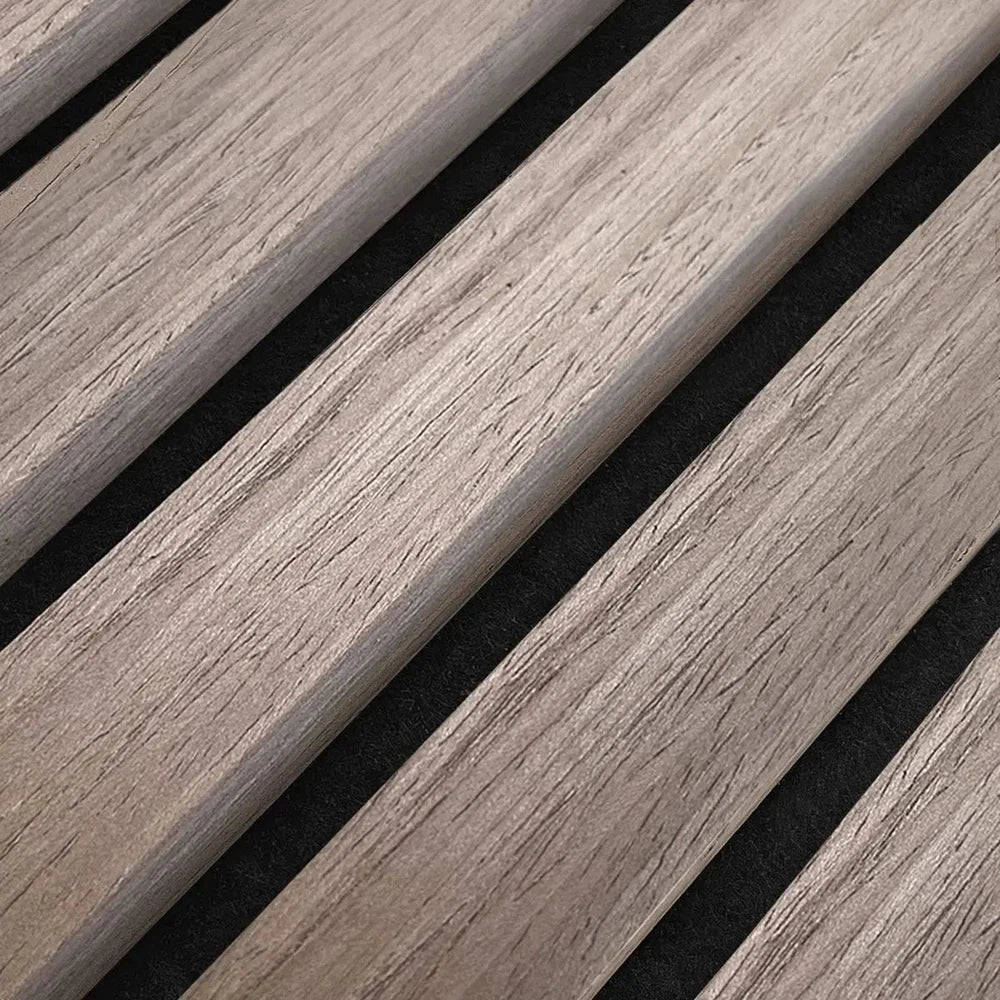
Walnut - the wildcard. Walnut wall panels run £83.95 and bring a noticeably deeper, warmer brown than oak, closer to aged Victorian mahogany skirting than any oak finish gets. It suits below-dado applications in darker hallways where the original joinery has darkened with decades of varnish. Consider where the existing woodwork already leans dark.
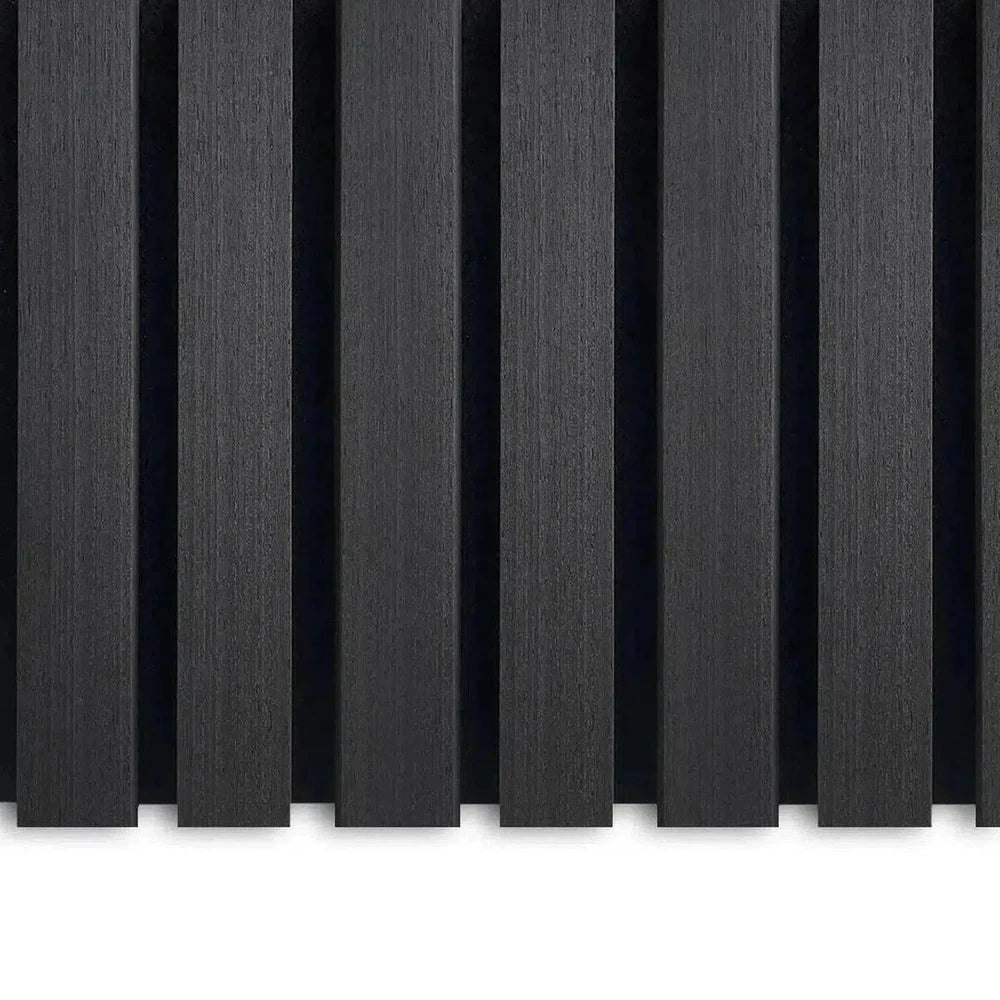
Black Oak - the bold feature. Black Oak wall panels at £84.95 give a near-black finish that works as a single below-dado feature wall in a stairwell or reception hall rather than wall-to-wall coverage. It's dramatic against white coving and picture rails, but it's not the pick for a small, low-lit Victorian hallway where it will read as a dark tunnel. Consider for a stairwell wall with strong natural light; Skip for a windowless hallway.
Smoked Oak - the middle ground. Smoked Oak sits at £80.95 and lands between Natural Oak and Black Oak in tone, a grey-brown that works with both light and dark original joinery. It's a reasonable compromise pick where the household can't agree on light versus dark. Consider as a compromise finish.


What to avoid
- Printed foil panels marketed as "wood effect". They repeat grain patterns panel to panel, which gives away the material the second two panels sit next to each other in daylight.
- Full 300cm panels in a low-ceiling Victorian hallway. Many original hallway ceilings sit under 240cm; a 300cm panel forces awkward cutting at the top rather than a clean run to the coving.
- Direct gluing onto damp or flaking lime plaster. Panel adhesive needs a sound, dry substrate - loose or damp plaster behind a dado line is common in older houses and needs treating before any panel goes up in 2026, not after.
Verdict comparison
| Finish | Best for | Tone | Verdict |
|---|---|---|---|
| Natural Oak | Lighter original joinery | Honey oak | Buy |
| Walnut | Darkened Victorian woodwork | Deep warm brown | Consider |
| Black Oak | Bright stairwells, feature walls | Near-black | Consider / Skip in dark rooms |
| Smoked Oak | Undecided households | Grey-brown | Consider |
FAQ
What is dado rail panelling?
Dado rail panelling is wood slat panelling fitted at or below the height of a traditional dado rail, usually around 90cm in Victorian and Edwardian houses. It replaces or reinforces the visual break the original rail created between the lower and upper wall.
How high should panelling go below a dado rail?
Most Victorian dado rails sit around 90cm from the floor, so panels are typically cut to that height rather than installed at their full 240cm or 300cm length. Measure the existing rail before cutting, since heights vary by decade and region.
Can I fit wood panels over original Victorian plaster?
Yes, provided the plaster is sound, dry, and flat, panel adhesive designed for solid walls will hold directly onto it. Loose, damp, or flaking plaster needs repair or battening first.
Is real wood veneer better than printed panels for period homes?
Real wood veneer reads as authentic joinery because the grain varies panel to panel, while printed foil repeats the same pattern every panel width. In a period hallway viewed up close, that repetition gives away a printed finish quickly.
Do acoustic wall panels help with hallway echo?
Yes, felt-backed acoustic panels reduce the slap-back echo common in hard-floored period hallways more than a plain painted wall does. This matters most in Victorian and Edwardian hallways, which typically have tile, stone, or bare board floors and little soft furnishing.
What wood tone matches Edwardian joinery?
Edwardian joinery generally leans lighter and honey-toned compared with Victorian, so a Natural Oak or Smoked Oak finish tends to sit better against it than very dark tones. Where the original doors and skirting have darkened with age, Walnut or Black Oak match more closely.
Should dado rail panelling run full height or stop at the dado line?
Stop at the dado line if the original rail is still in place and you want to preserve the period wall division. Run full height only where the dado rail has already been removed and the goal is a single panelled wall.
One last thing
The detail most homeowners miss on a dado rail panelling job in 2026 is the top edge finish, not the wood tone. A panel cut cleanly at 90cm and capped with a simple trim reads as intentional joinery; a panel with a raw cut edge and no cap reads as a DIY shortcut, no matter how good the veneer is.