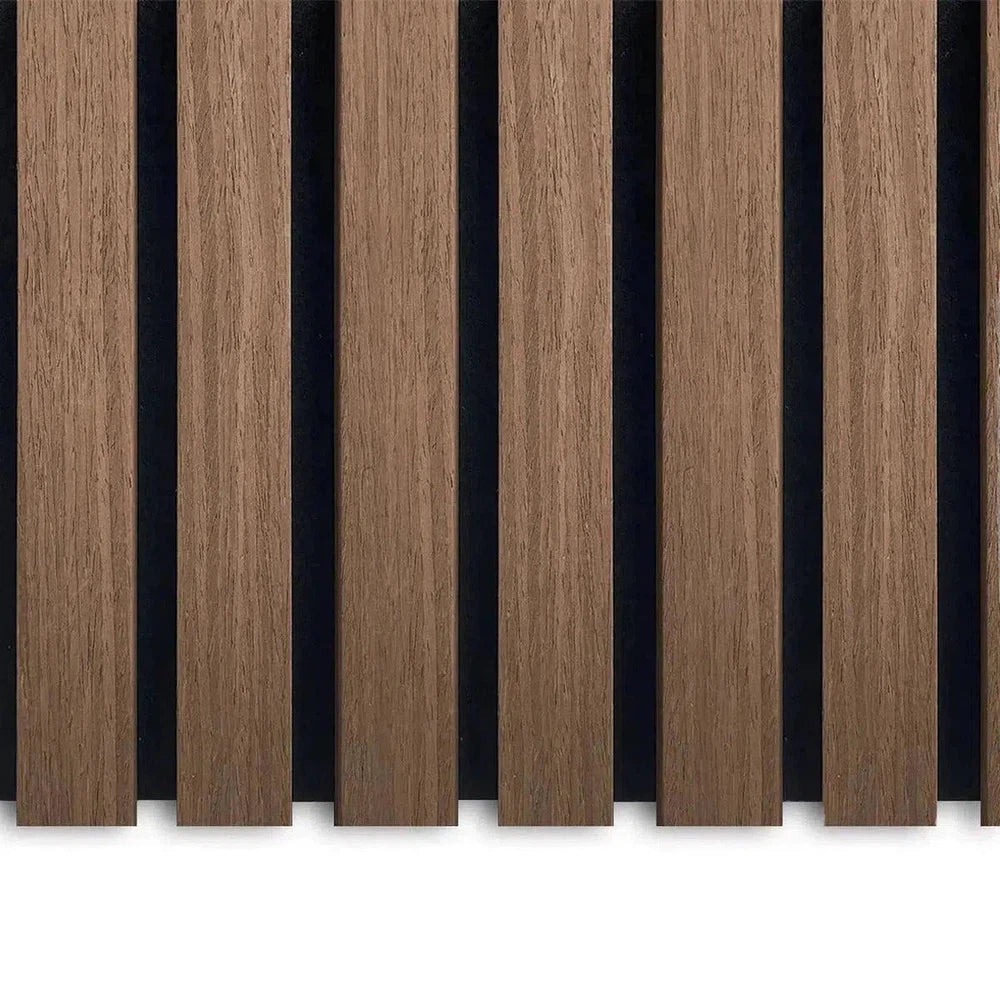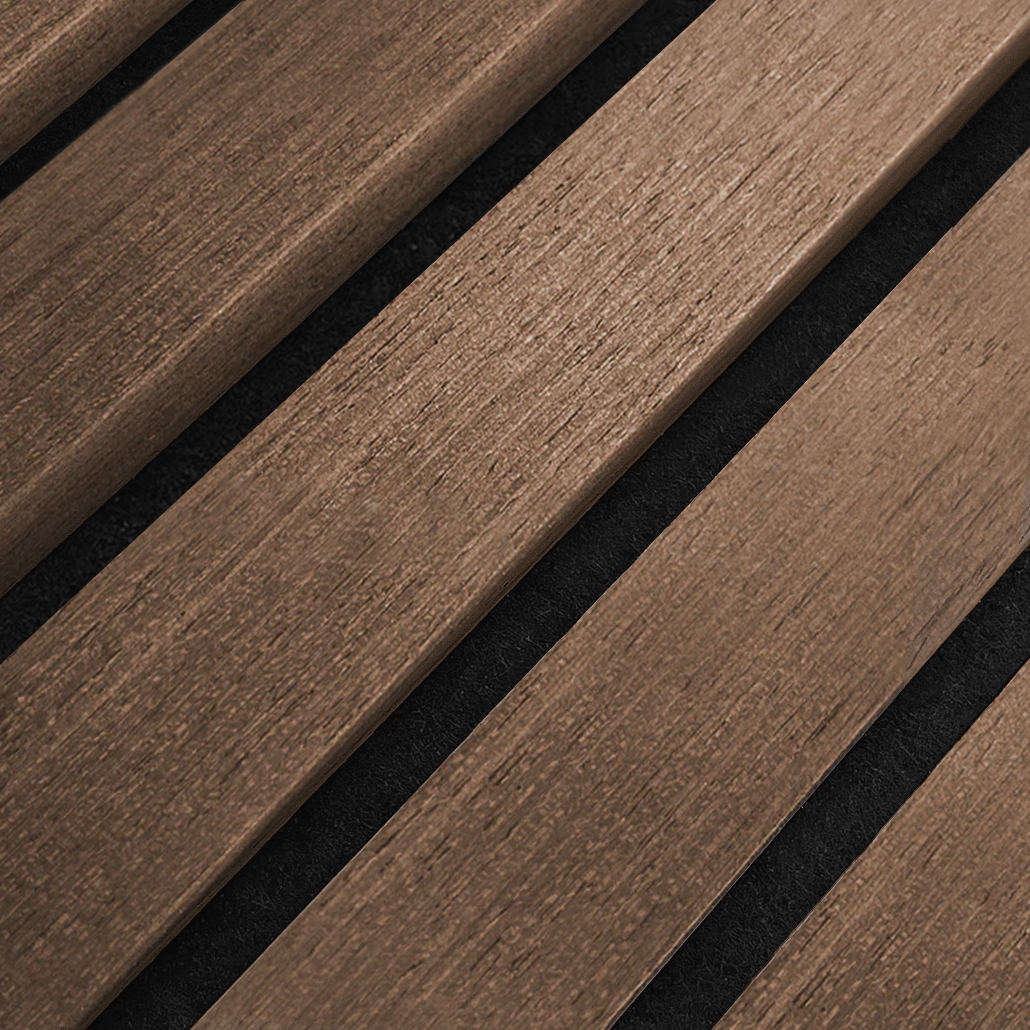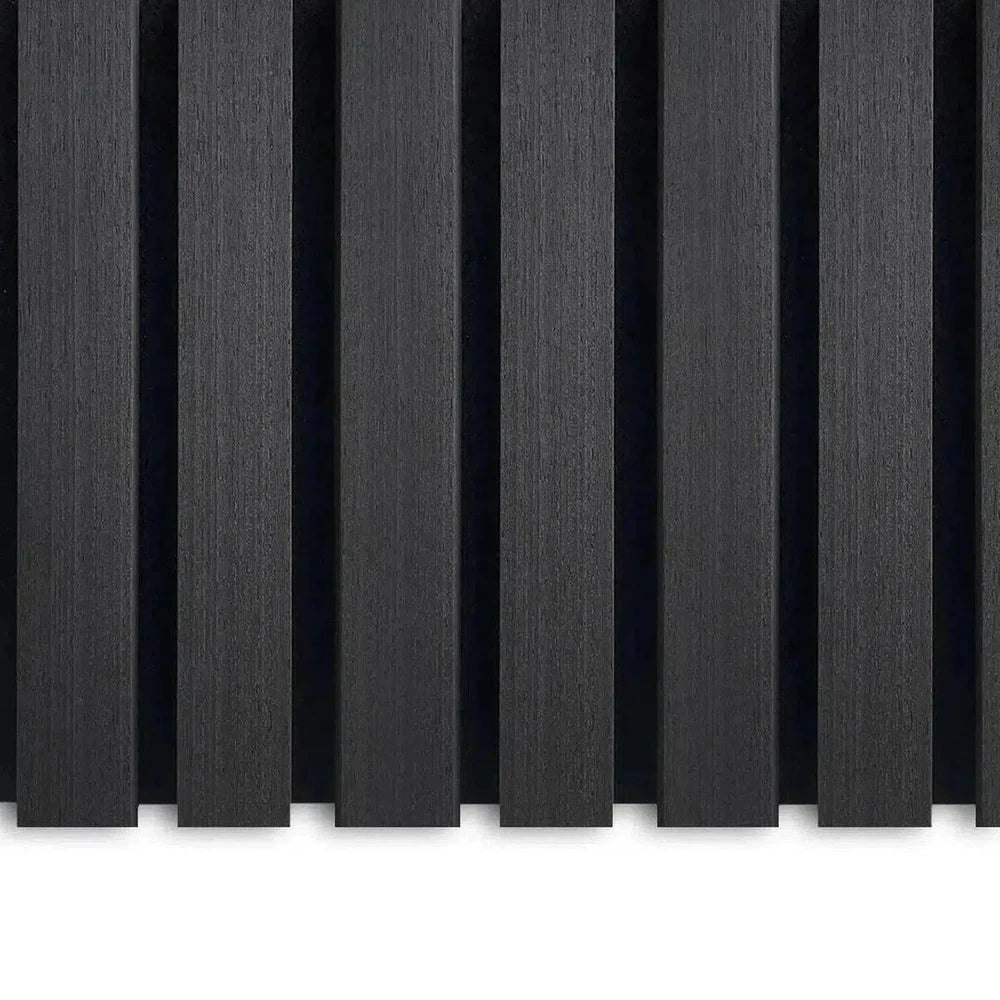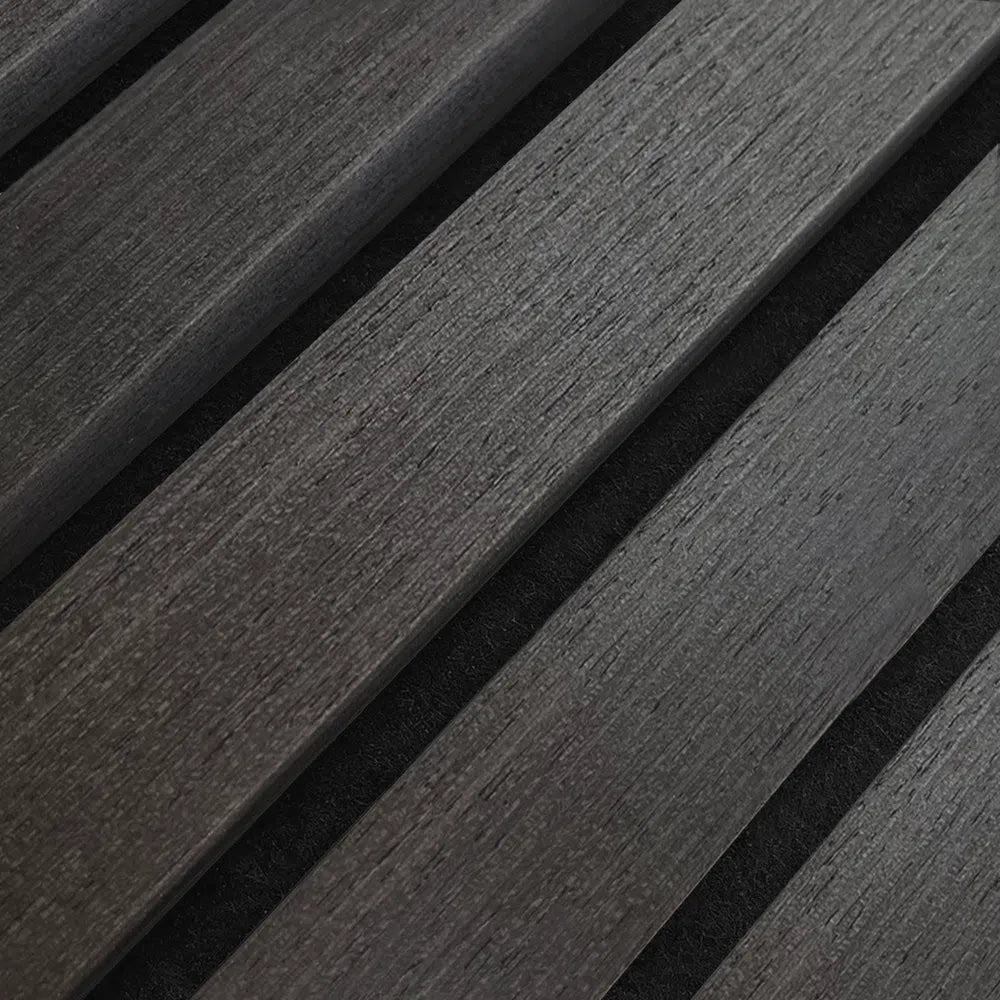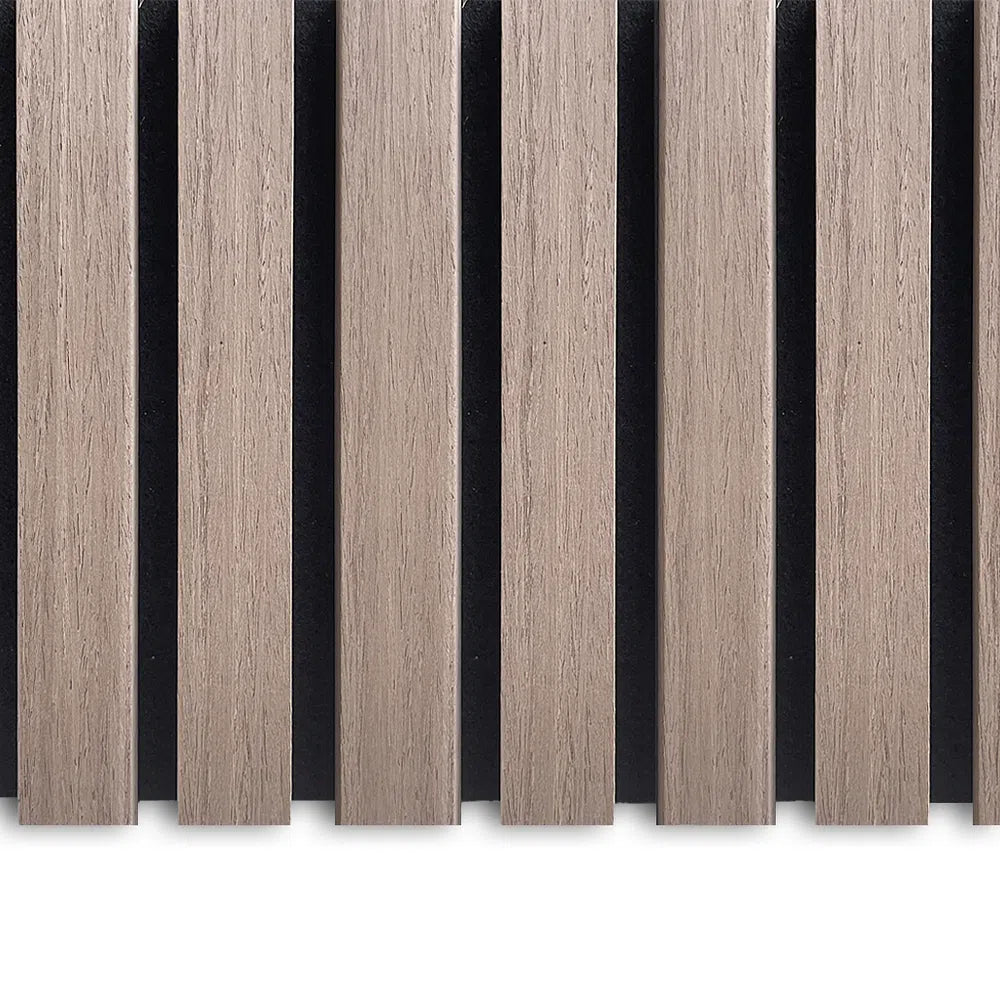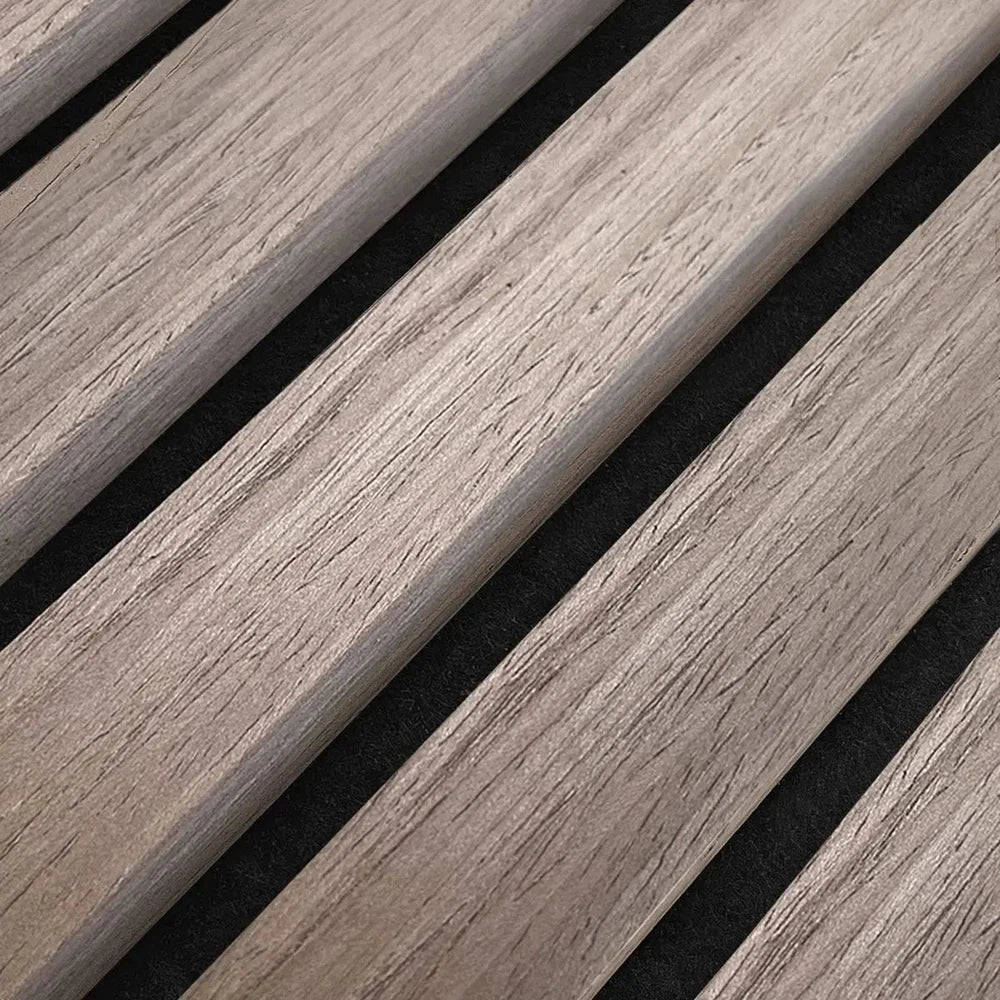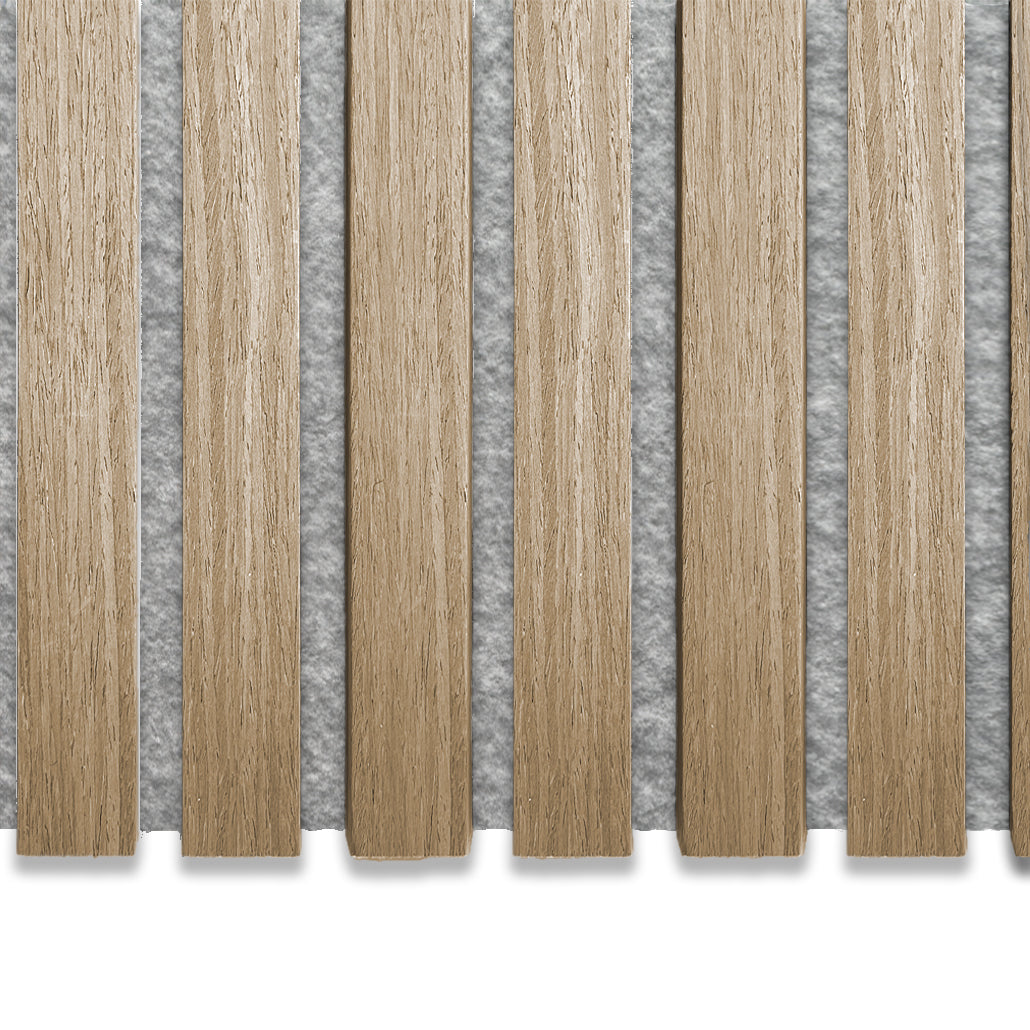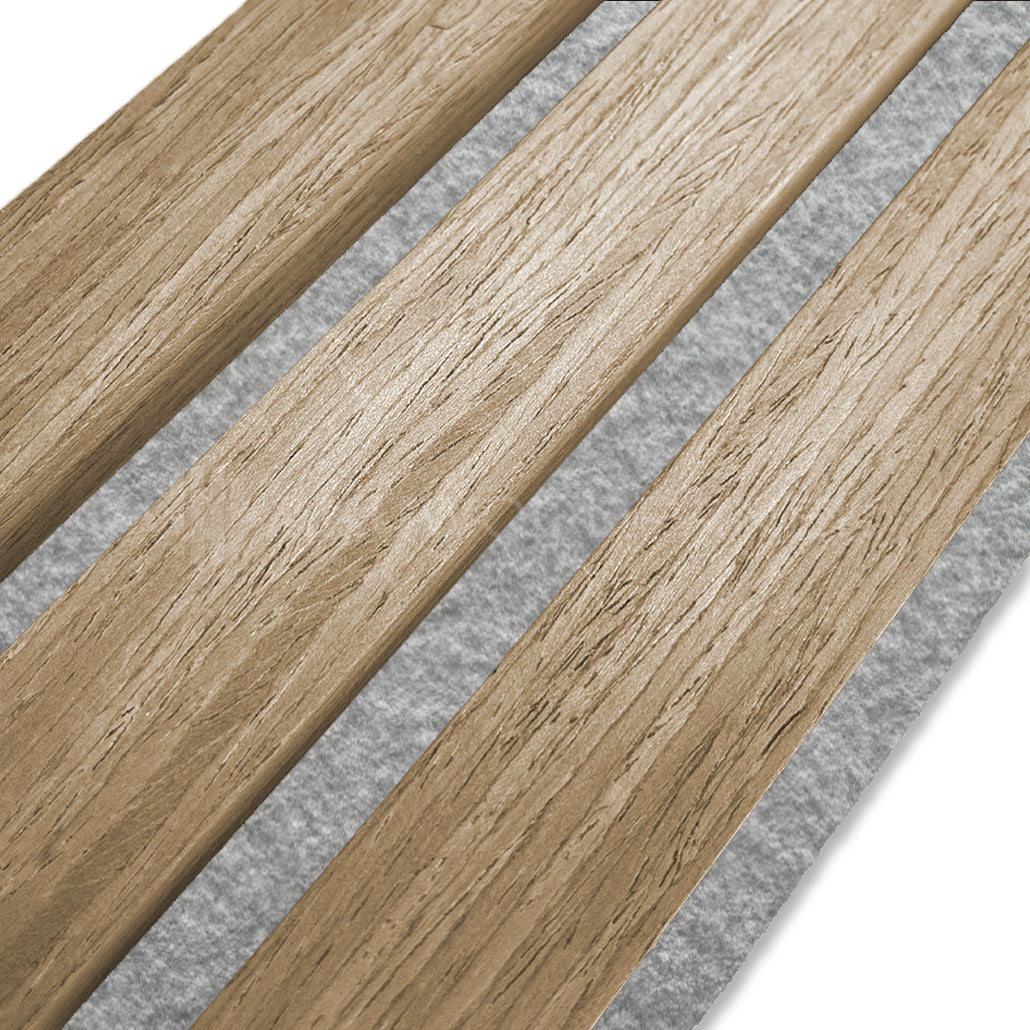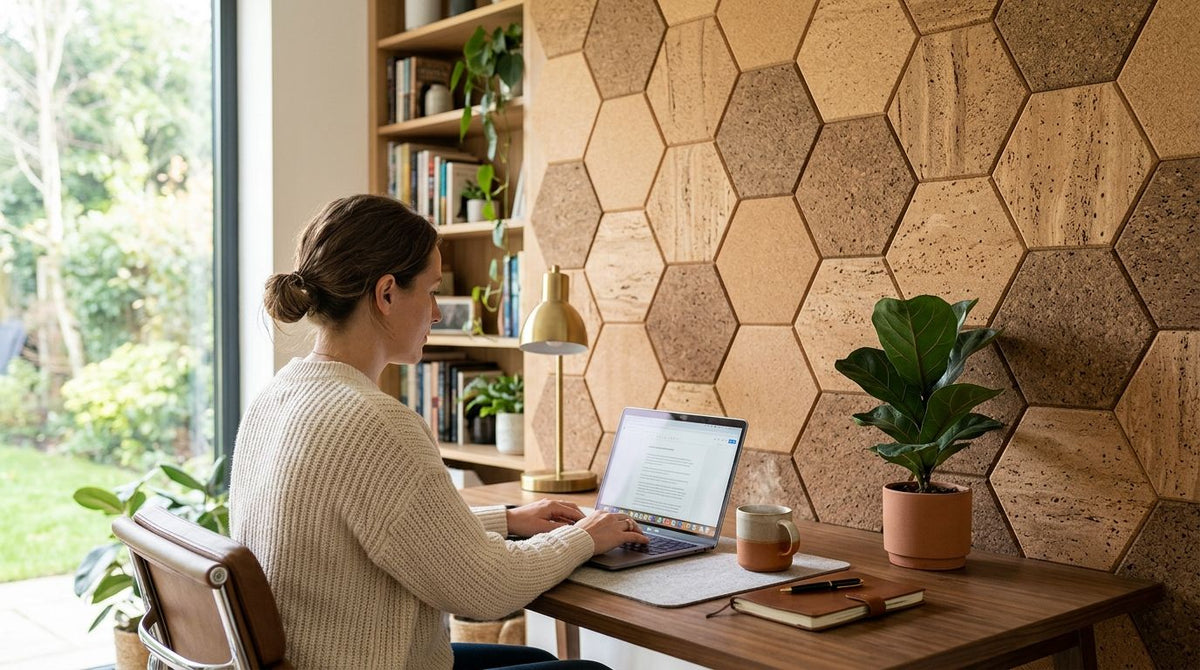
Cork acoustic wall panels are compressed cork tiles or sheets fixed to a wall to soak up sound reflections in a small room, and for a home office the best spot is the wall directly behind your desk or facing your webcam, where sound bounces straight back into the microphone. Cork handles light, DIY echo control on a tight budget, but it won't match the finished, camera-ready look or the denser sound absorption you get from a felt-backed wood veneer acoustic panel built for the job.
Home office workers have different constraints than a commercial fit-out: no contractor, no downtime, and a wall that has to look presentable on every video call, not just sound better on paper.
- Cork acoustic wall panels cut mid-to-high echo in a home office for a low DIY budget.
- Felt-backed wood veneer panels from Akuwood Panel add the same absorption plus a finished, camera-ready wall.
- Treat the wall your webcam and microphone face first, since that's where reflections hit hardest.
- Cork alone won't fix footstep or keyboard thud; pair it with a rug or curtains.
- Cover the full wall corner to corner in 2026 setups, not just a strip behind your head.
Why cork acoustic wall panels matter for home office workers
Most home offices are converted bedrooms or box rooms with hard, parallel surfaces: a desk, a laminate floor, a window, sometimes a glass monitor arm. That combination produces flutter echo, the fast, metallic repeat you hear when you clap in an empty room. On a video call, that flutter gets picked up by your microphone before your voice reaches the other side, which is why colleagues ask you to repeat yourself even when your connection is fine.
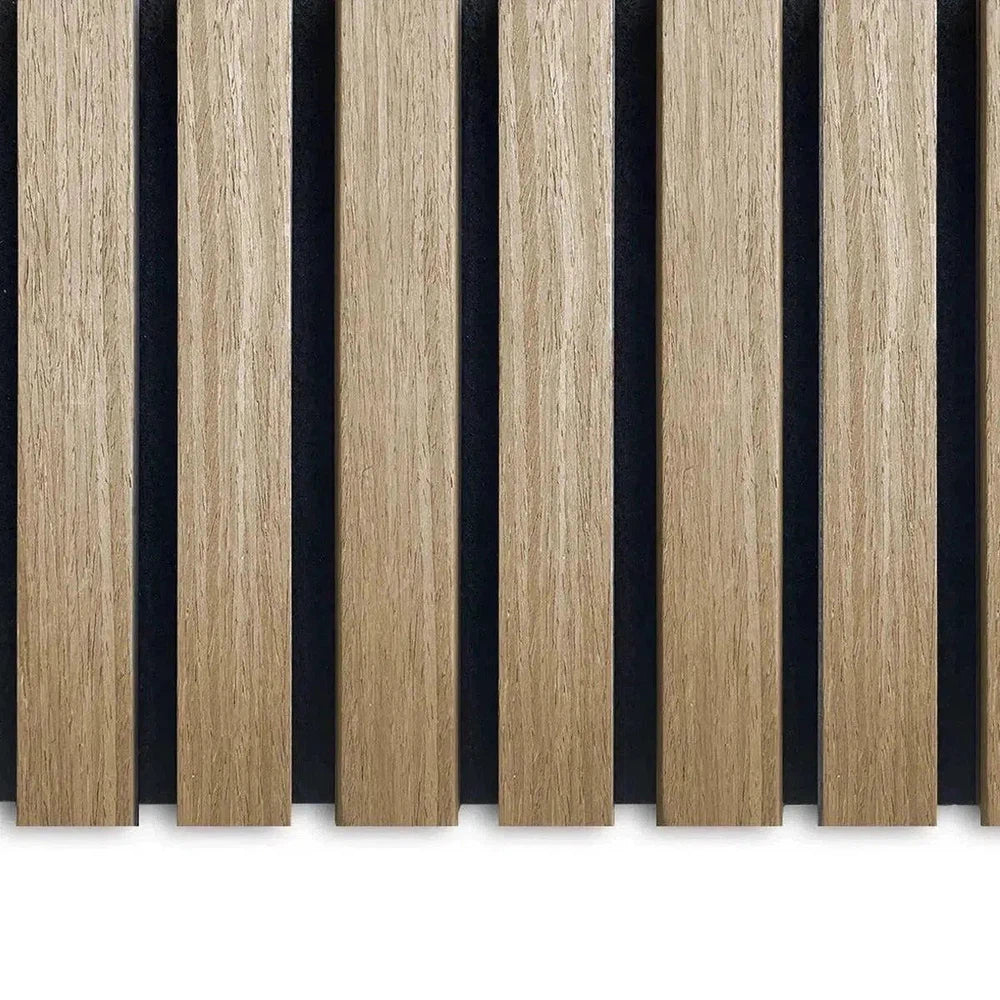
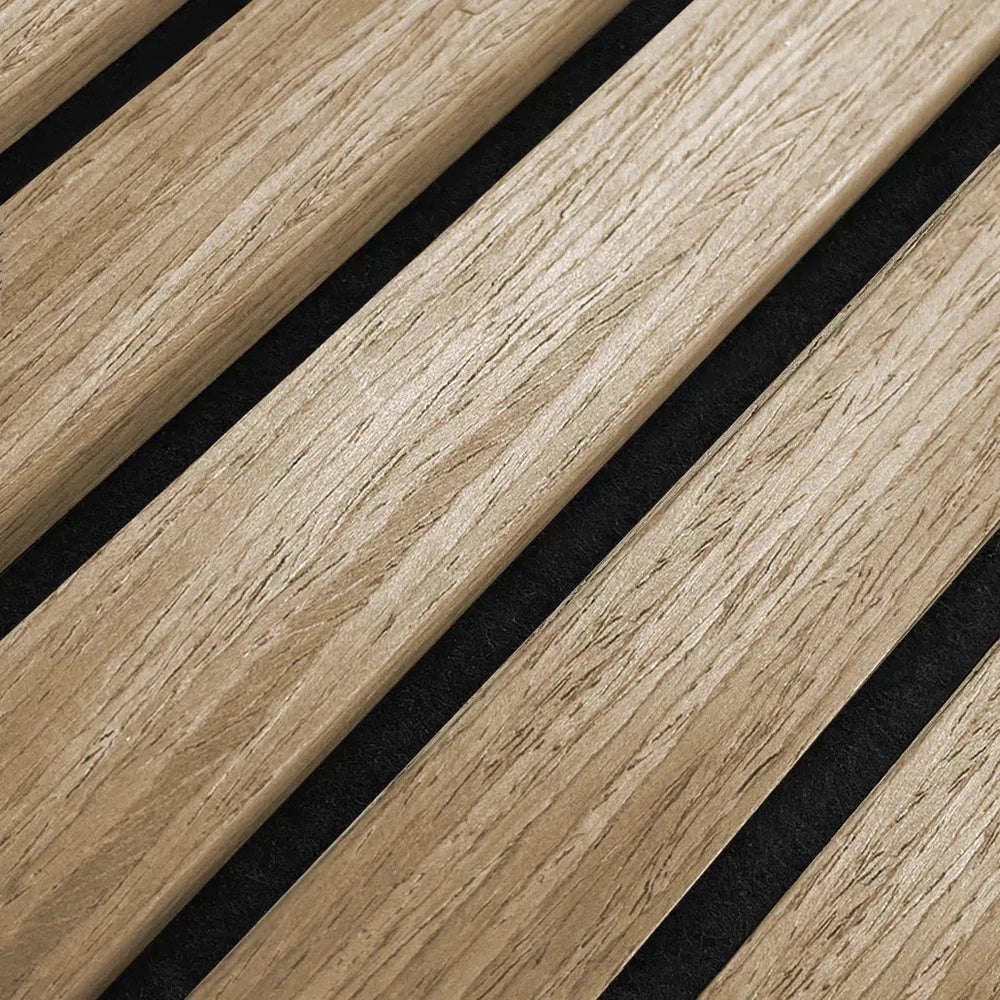
Cork acoustic wall panels break up that reflection cheaply. A felt-backed wood veneer acoustic panel, like the natural oak acoustic wall panel range from Akuwood Panel, does the same job while doubling as the backdrop everyone sees on your calls in 2026, which matters more for a home office than it does for a stockroom or a plant floor.
Record the echo before you buy anything
- Clap once in the room and listen for a fast, ringing repeat; that's flutter echo, not just room tone.
- Do a 10-second voice memo at your normal desk position and play it back on headphones.
- Note every hard, flat, parallel surface: window glass, wardrobe doors, a bare desk, laminate flooring.
- Check whether the echo is worse with the door open or closed; that tells you which wall reflects the most.
Map the wall your webcam and microphone actually face
- Sit in your normal call position and look at what's directly behind you and directly in front of your mic.
- Treat the wall the microphone points at first, not just the wall behind your head.
- If your desk sits in a corner, both adjoining walls need attention, not one.
- Check what's opposite the treated wall too; sound reflects both ways in a small room.
Compare cork against the other panel materials before you order
Home offices in 2026 still lean on the same three realistic options: cork, foam, and wood veneer with an acoustic backing.
- Cork tiles absorb mid-to-high frequencies cheaply but do little for footstep or keyboard thud, which sits lower in the frequency range.
- Acoustic foam wedges are the cheapest fix but look like a recording booth on every call.
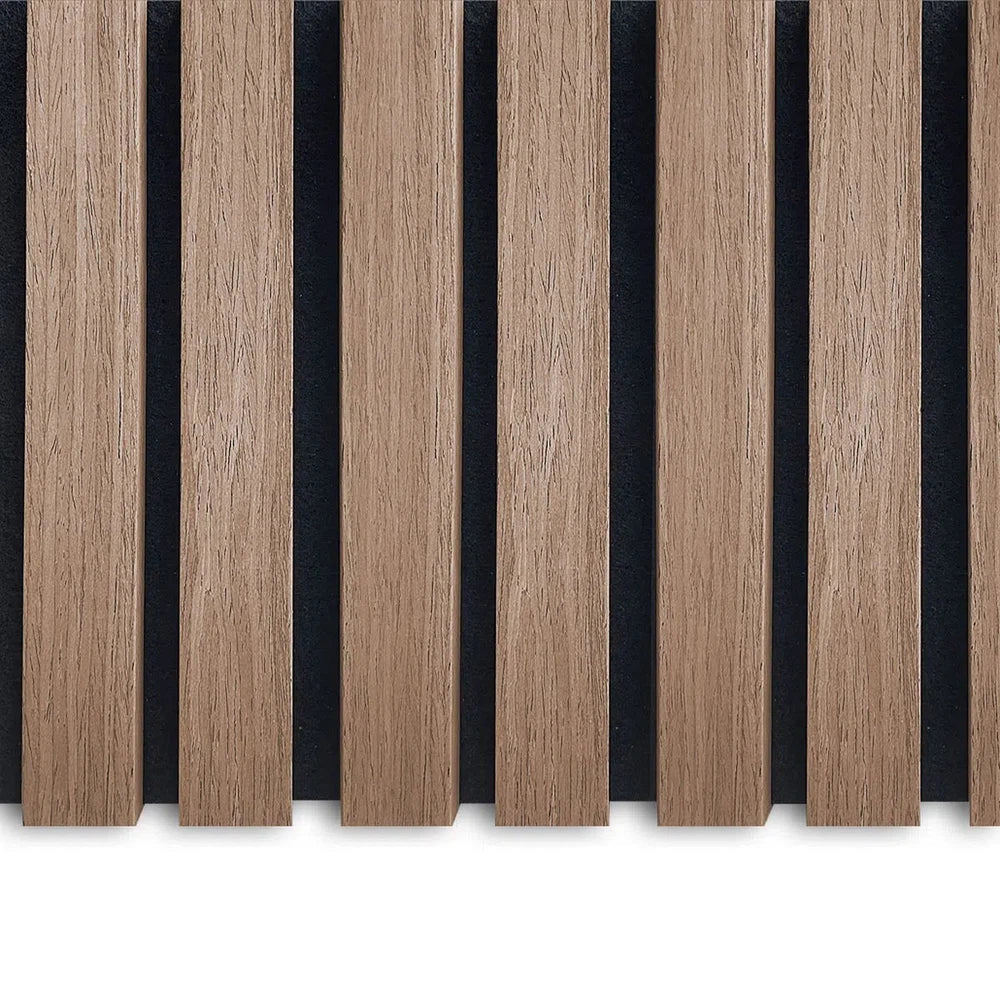
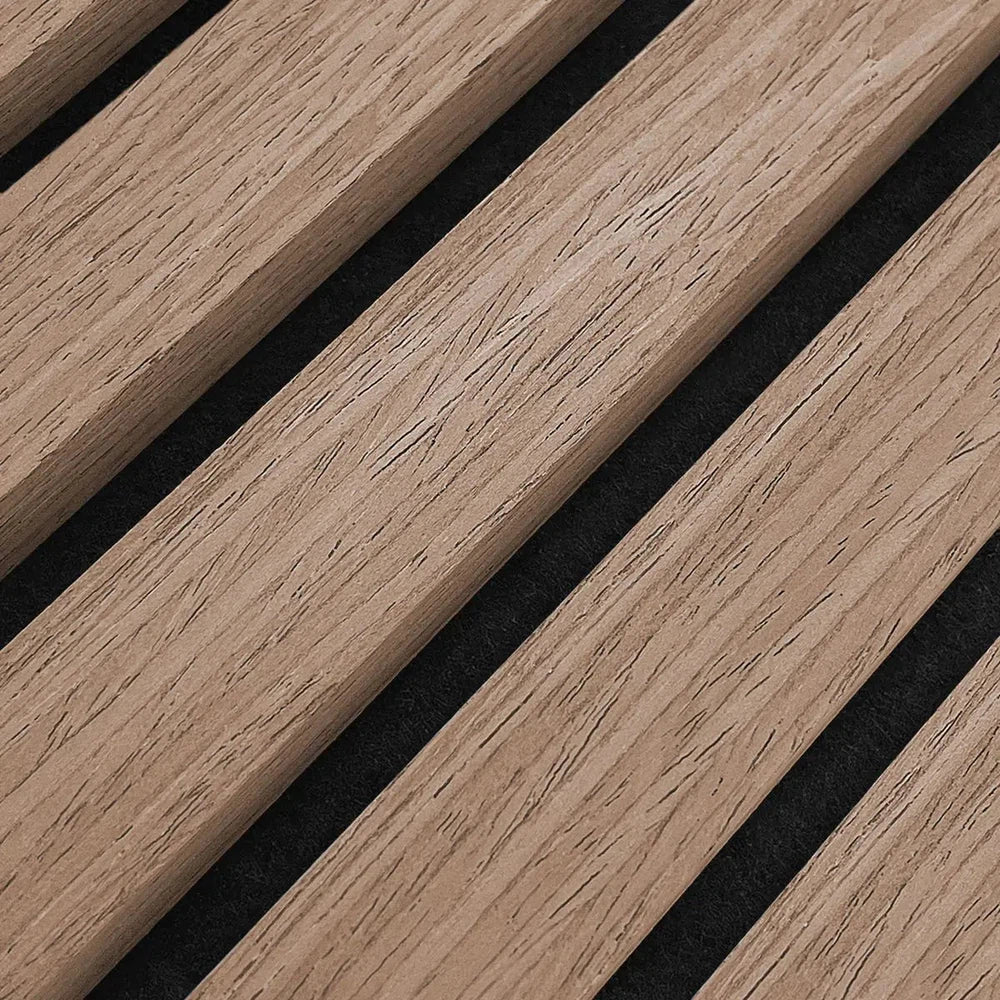
- Felt-backed wood veneer acoustic panels combine a finished veneer face with an acoustic backing, so the wall works as decor and treatment at once.
- Fabric-wrapped panels let you match a specific colour scheme but need a frame and collect dust over time.
Calculate how much wall you actually need to cover
A thin strip behind your head rarely fixes flutter echo, because the reflection is still bouncing off the opposite wall.
- Cover the full wall your microphone faces, corner to corner, rather than a narrow strip.
- Use the panel quantity guide to work out full coverage instead of guessing from a tape measure.
- Order a sample of your chosen finish before committing to a full wall; cork and wood veneer read differently at scale than on a swatch.
- Factor in trims and end pieces if you're covering a wall edge to edge, not just counting panels.
Install without wrecking a rented wall
- Command-strip style adhesive works for lightweight cork tiles but struggles with heavier felt-backed panels.
- Check whether your tenancy allows batten fixing before you drill; many landlords accept small fixing holes but not adhesive removal marks.
- A full guide to soundproofing a home office wall covers renter-friendly fixing options in more detail.
- Acclimatise wood veneer panels in the room for 48 hours before fitting so they don't warp against a different room's humidity.
Combine wall panels with soft furnishings and your audio setup
- A rug under the desk cuts floor-bounced noise that wall panels alone won't touch.
- Curtains or a fabric room divider add absorption without another fixed installation.
- If your home office doubles as a small recording space, the physical treatment only solves half the equation. Mic gain, EQ, and plosive control on the software side still matter, and guitarists recording demos from a spare room commonly run free guitar amp simulator plugins instead of mic'ing a real amp in a room that isn't treated for it.
- Keep hard surfaces like glass desks or metal filing cabinets away from the treated wall where possible.
Budget for the whole room, not a single feature strip
- Price out full coverage for the wall your camera sees, not just a metre either side of your head.
- Compare cork tiles, foam, and felt-backed wood veneer panels side by side; coverage cost per wall varies more than the per-tile price suggests.
- Check current pricing on the site for the finish and size format you want, since 240 cm and 300 cm formats cover a standard home office wall differently.
Cork vs the alternatives: what actually fits a home office
| Option | Best for | Key limitation |
|---|---|---|
| Cork tiles | Budget DIY fix for light echo | Limited absorption for footstep and keyboard noise; adhesive can damage rented walls |
| Acoustic foam wedges | Fastest fix in a room used only for calls | Looks like a recording booth on camera |
| Felt-backed wood veneer panels (Akuwood Panel) | A home office wall that doubles as your video-call backdrop | Heavier install than cork; needs proper fixing, not just adhesive |
| Fabric-wrapped panels | Matching an existing colour scheme exactly | Needs a frame and collects dust over time |
“If the wall your webcam faces isn't treated, no amount of cork behind your head fixes the echo other people hear.”
Common mistakes home office workers make with acoustic panels
- Treating the wall behind them and ignoring the wall the microphone actually faces, which is where reflections travel first.
- Buying acoustic foam because it's the cheapest option, then living with how it looks on every call for the next two years.
- Skipping a sample order and finding out the finish reads differently once it covers an entire wall.
- Fixing panels with permanent adhesive in a rented flat, then losing part of the deposit at move-out.
- Treating only the walls and ignoring the floor and desk, so keyboard and footstep noise still carries through the call.
FAQ
What's the best acoustic wall treatment for a home office?
Felt-backed wood veneer acoustic panels give a home office the most absorption per wall alongside a finished look, while cork tiles work for light echo on a tighter budget. Pick wood veneer panels for a wall that also acts as your video-call backdrop.
Is cork better than foam for reducing echo in a small office?
Cork outperforms open-cell foam wedges on looks and durability but the two absorb sound in a similar mid-to-high frequency range. Foam is cheaper upfront; cork holds up better and looks less like a recording booth on camera.
Do acoustic wall panels work on rented walls?
Yes, lightweight cork tiles and some panel systems use adhesive or removable fixings suited to rented flats. Heavier felt-backed wood veneer panels usually need proper wall fixings, so check your tenancy agreement before drilling.
How much wall do I need to cover to notice a difference?
Cover the full wall your microphone and webcam face, corner to corner, rather than a narrow strip behind your head. Partial coverage leaves gaps at the edges where flutter echo keeps bouncing.
Are wood veneer acoustic panels more expensive than cork tiles?
Felt-backed wood veneer panels typically cost more per wall than basic cork tiles because of the veneer finish and denser acoustic backing. Check current pricing on the site for the finish and size format you're comparing.
Can cork and wood panels be combined in the same room?
Yes, cork on a secondary wall and a wood veneer feature panel on the wall behind your desk is a common combination. It keeps cost down while still treating the wall that matters most for calls.
Do acoustic wall panels actually improve video call audio quality?
Yes, reducing flutter echo and reverb on the wall facing your microphone makes your voice sound clearer and cuts down on colleagues asking you to repeat yourself. The improvement comes from less reflected sound reaching the mic, not from noise cancellation software.
Should I choose 240 cm or 300 cm wall panels for a home office?
In 2026, most panel ranges ship in 240 cm and 300 cm heights, and the choice depends on your ceiling height and whether you want floor-to-ceiling coverage. A standard UK box room with a lower ceiling usually suits the 240 cm format better.
One last thing
The wall you can't see while you're on a call, the one directly opposite your desk behind your camera, usually reflects sound into your microphone harder than the wall behind your head, because it catches your voice at a shorter, more direct angle. Treat that wall first if you can only afford to do one, and reassess in 2026 before covering a second.