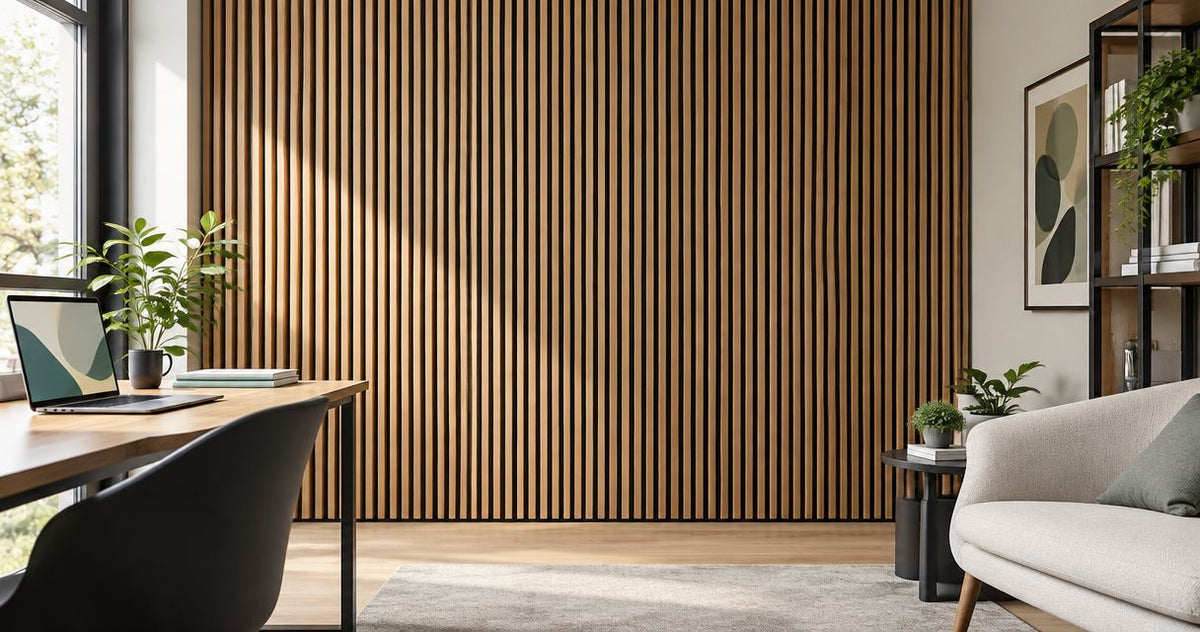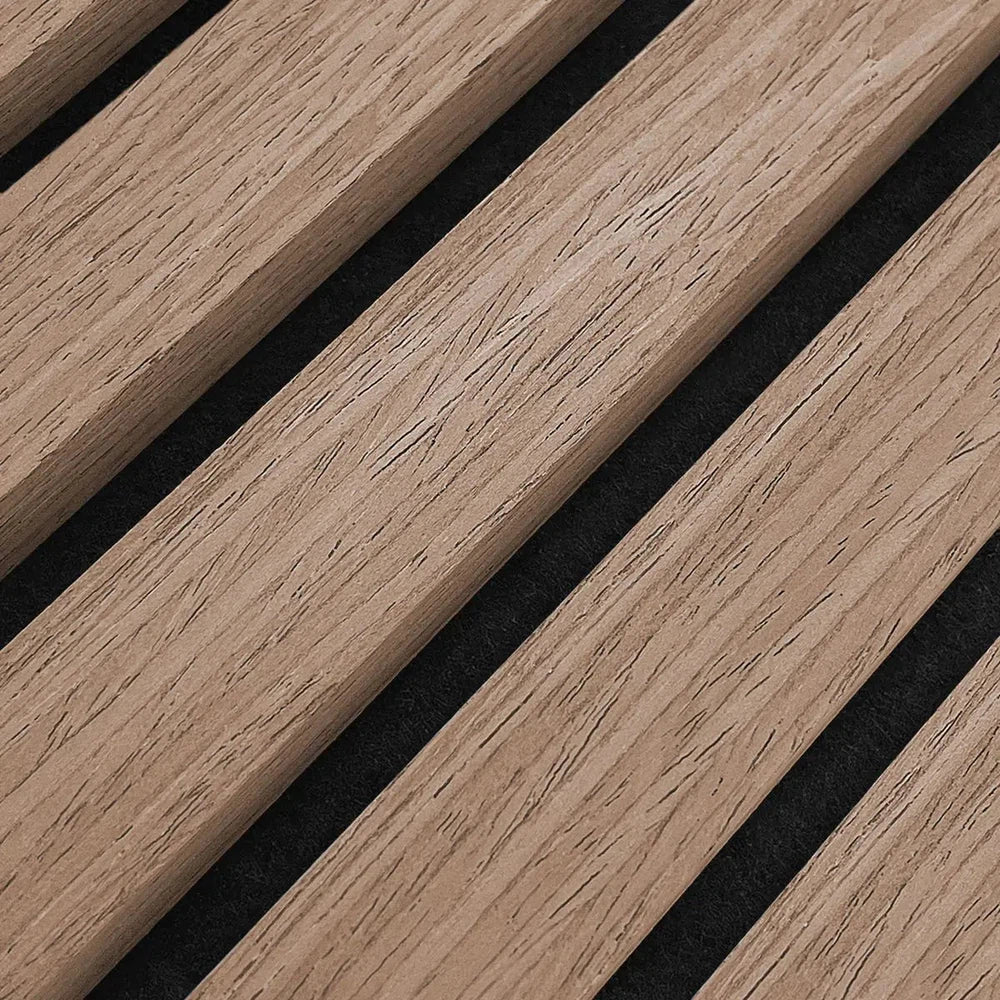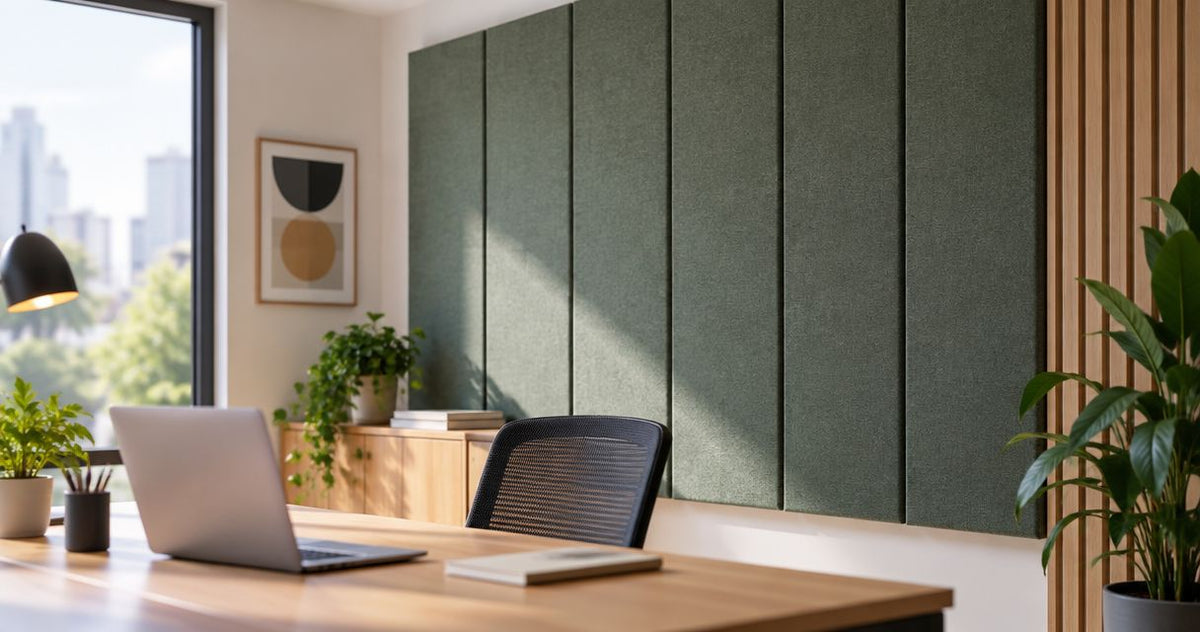
Akustiq UK's acoustic wall panel range covers eight wood finishes across two sizes, and picking the right one for a fast turnaround means matching finish to room before you check dispatch times. This guide ranks the range by use case so you know exactly which panel to order in 2026 and what to check before you do.
- Natural Oak is the best overall acoustic wall panel pick for bright UK living rooms in 2026.
- Smoked Oak suits home cinemas and dark feature walls; Grey Oak suits minimalist offices.
- Every panel in the range pairs a 3-sided wood veneer with a felt backing for echo control.
- Confirm dispatch times on the product page before ordering — stock varies by finish.
- Hexagon Acoustic Panels cost more attention to fit but give a pattern effect slat panels can't.
Why this matters
An acoustic wall panel does two jobs at once: it covers a bare wall and it stops sound bouncing between hard surfaces. Buy on looks alone and you might end up with a panel that's all veneer and no felt, which won't touch the echo you're trying to fix.
Speed matters too. If you're finishing a room this month, the finish you pick has to actually be in stock, not just listed. That's the real question behind "acoustic wall panels next day delivery" — which finishes are realistic to order now, and which need more lead time.
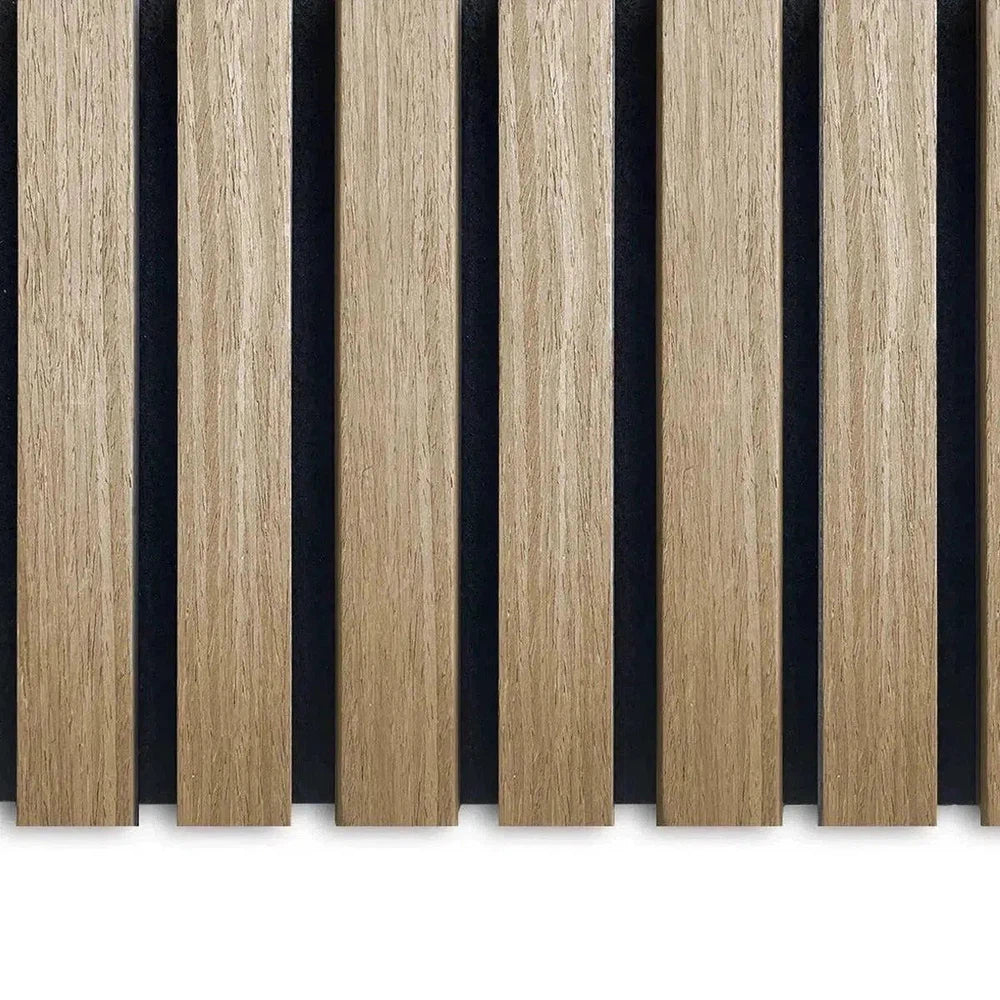
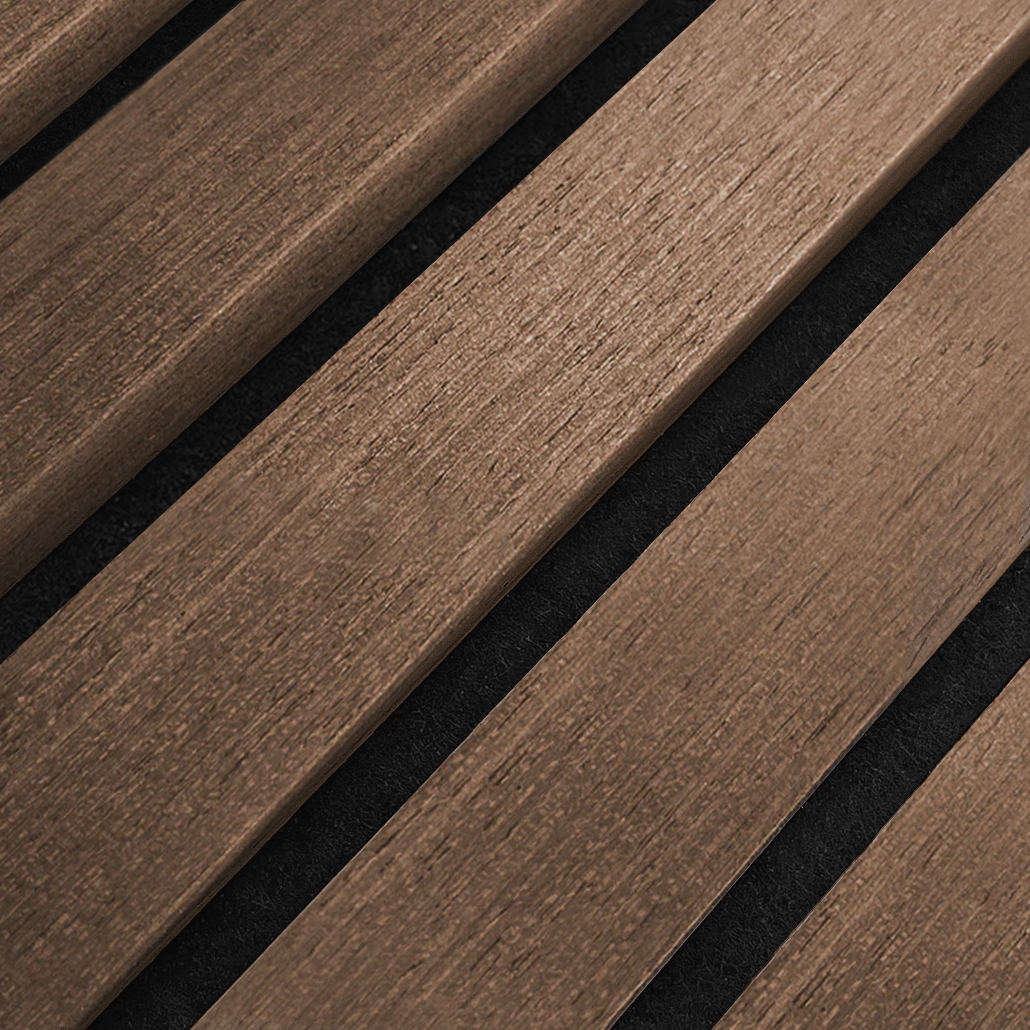
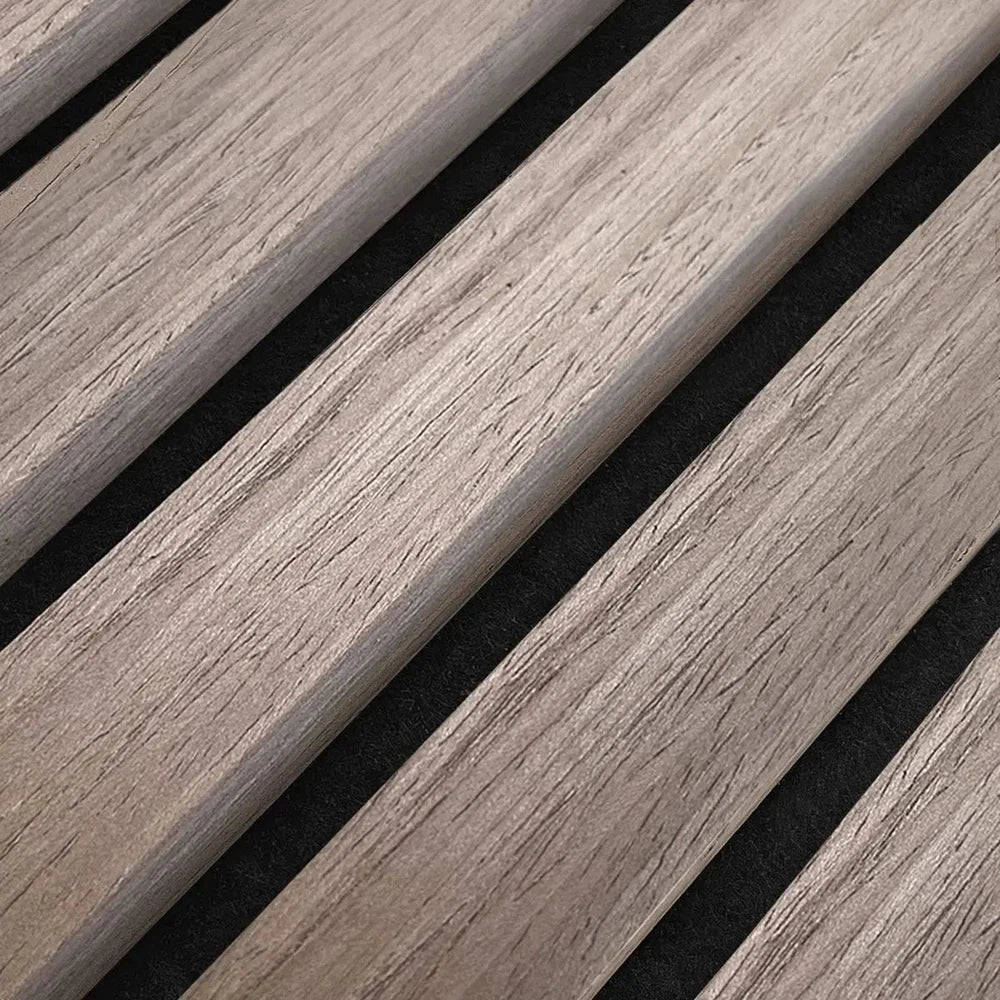
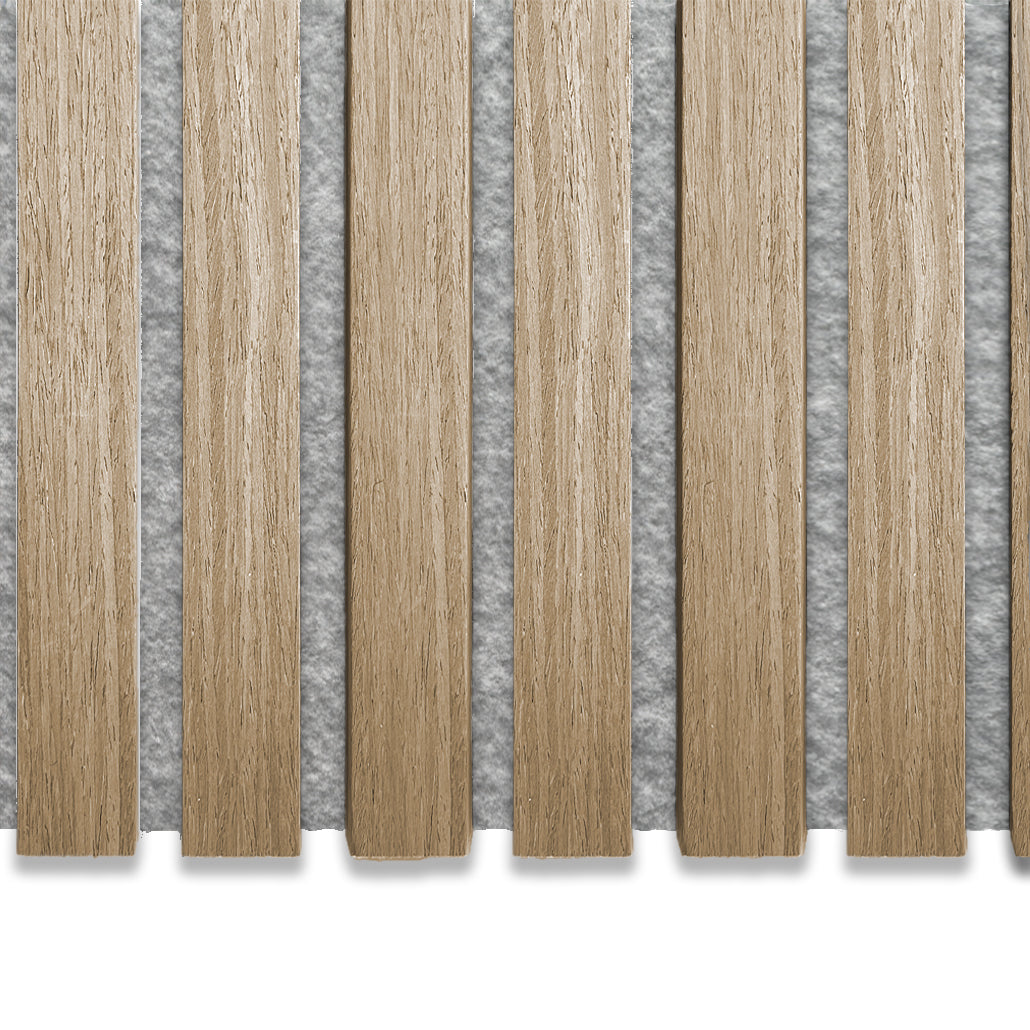
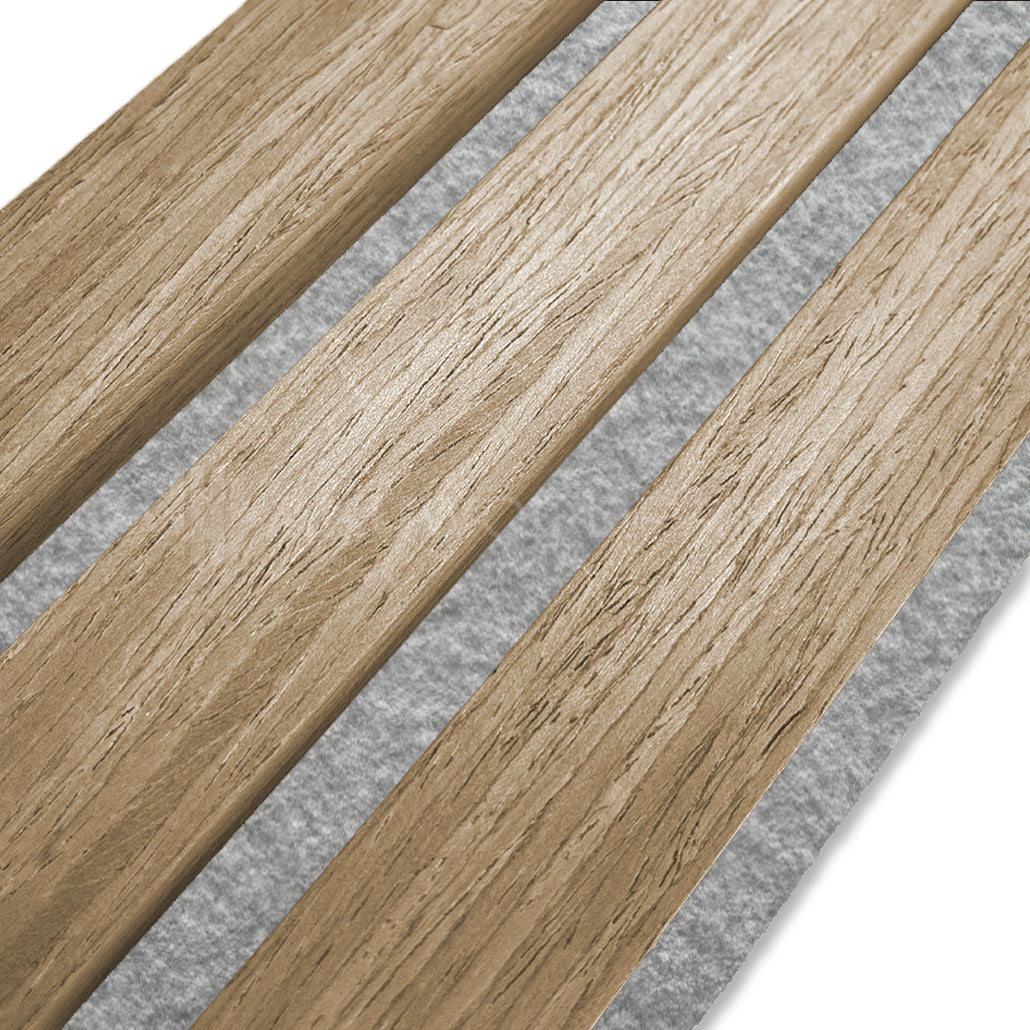
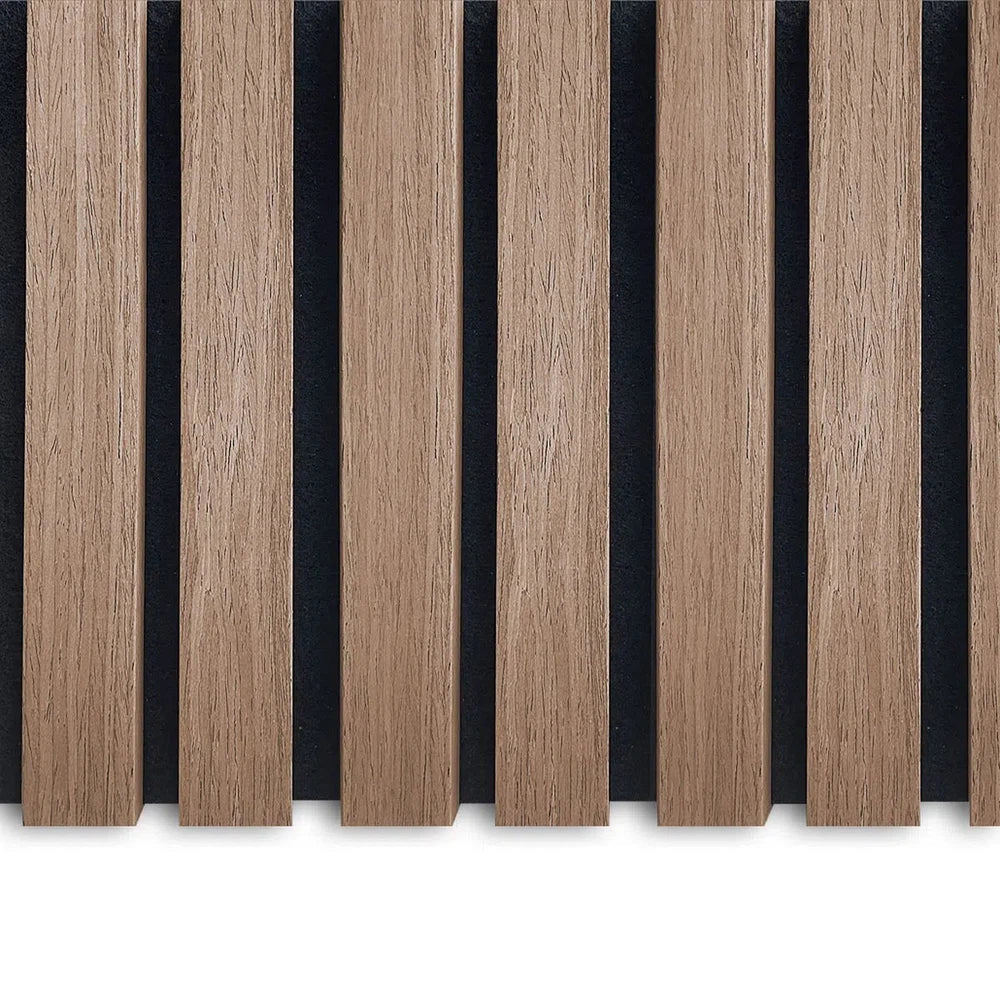
Akustiq UK stocks its acoustic wall panels across natural, smoked, black, grey, walnut and mocca oak tones, plus a hexagon-shaped line for pattern walls. Every panel in the wooden range carries the same 3-sided real wood veneer and felt backing, so the decision comes down to tone and shape, not construction.
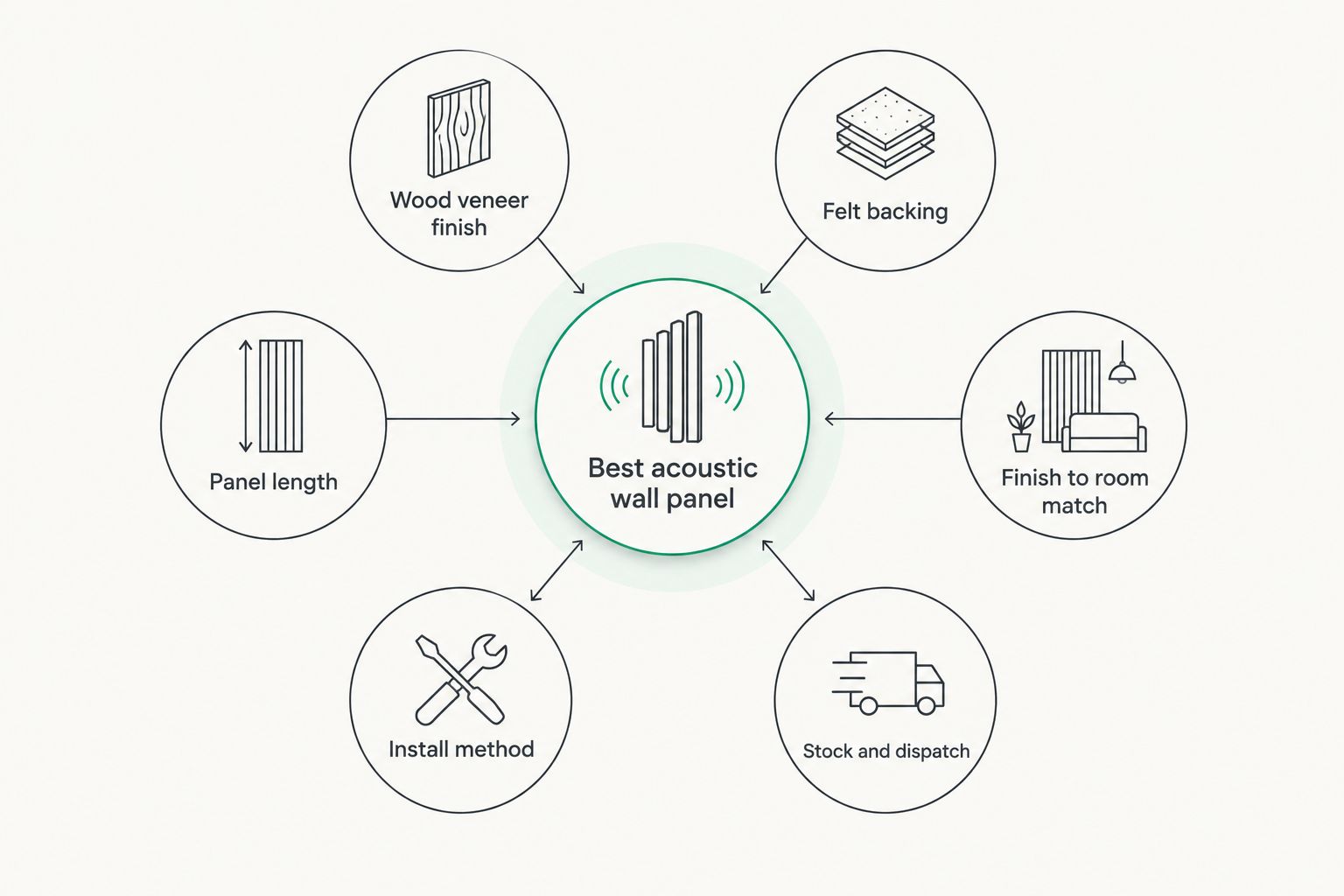
What makes the best acoustic wall panel
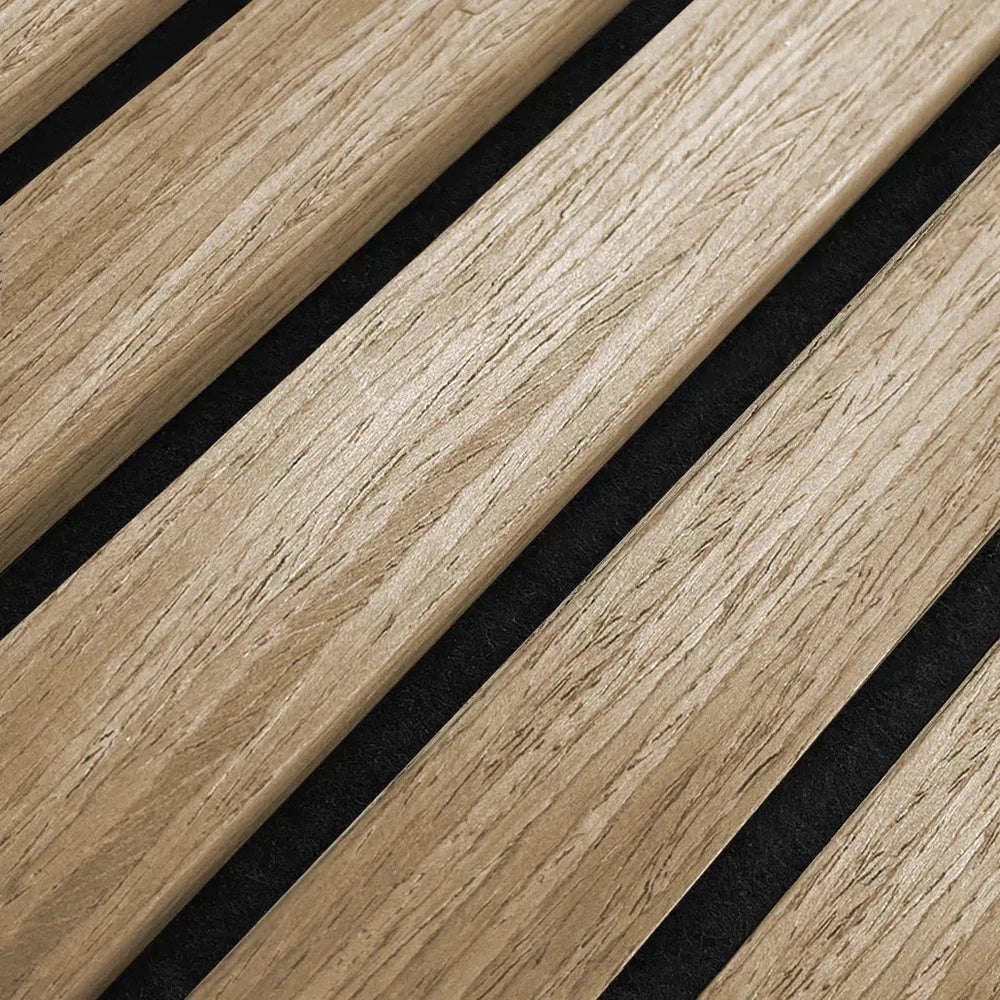
- Wood veneer finish — a genuine 3-sided veneer gives visible grain, not a printed pattern
- Felt backing — this is what actually absorbs sound, not the wood itself
- Panel length — 240cm or 300cm, matched to your ceiling height
- Finish-to-room match — tone needs to work with existing light and furniture, not fight it
- Install method — tongue-and-groove fit that a competent DIYer can manage in a weekend
- Stock and dispatch speed — some finishes move faster through the warehouse than others
Acoustic wall panels compared at a glance
| Panel | Best for | Standout feature | Key limitation |
|---|---|---|---|
| Natural Oak | Bright living rooms | Light grain reflects daylight | Shows marks on pale finish |
| Smoked Oak | Home cinemas, dark walls | Deep tone kills screen glare | Can feel heavy in small rooms |
| Grey Oak | Minimalist home offices | Neutral tone on video calls | Less warmth than natural oak |
| Black Oak | Bold statement bedrooms | Strongest contrast finish | Shows fingerprints near edges |
| Walnut | Dining rooms, studies | Rich, formal tone | Pricier-looking, not for every budget |
| Mocca | Rustic kitchens | Warm mid-tone hides grease marks | Limited match with cool greys |
| Hexagon Acoustic Panel | Geometric feature walls | Pattern effect slat panels can't do | Trickier to cut and align |
| Rustic Oak (3-sided veneer) | Farmhouse hallways | Heaviest visible grain texture | Too busy for a minimal look |
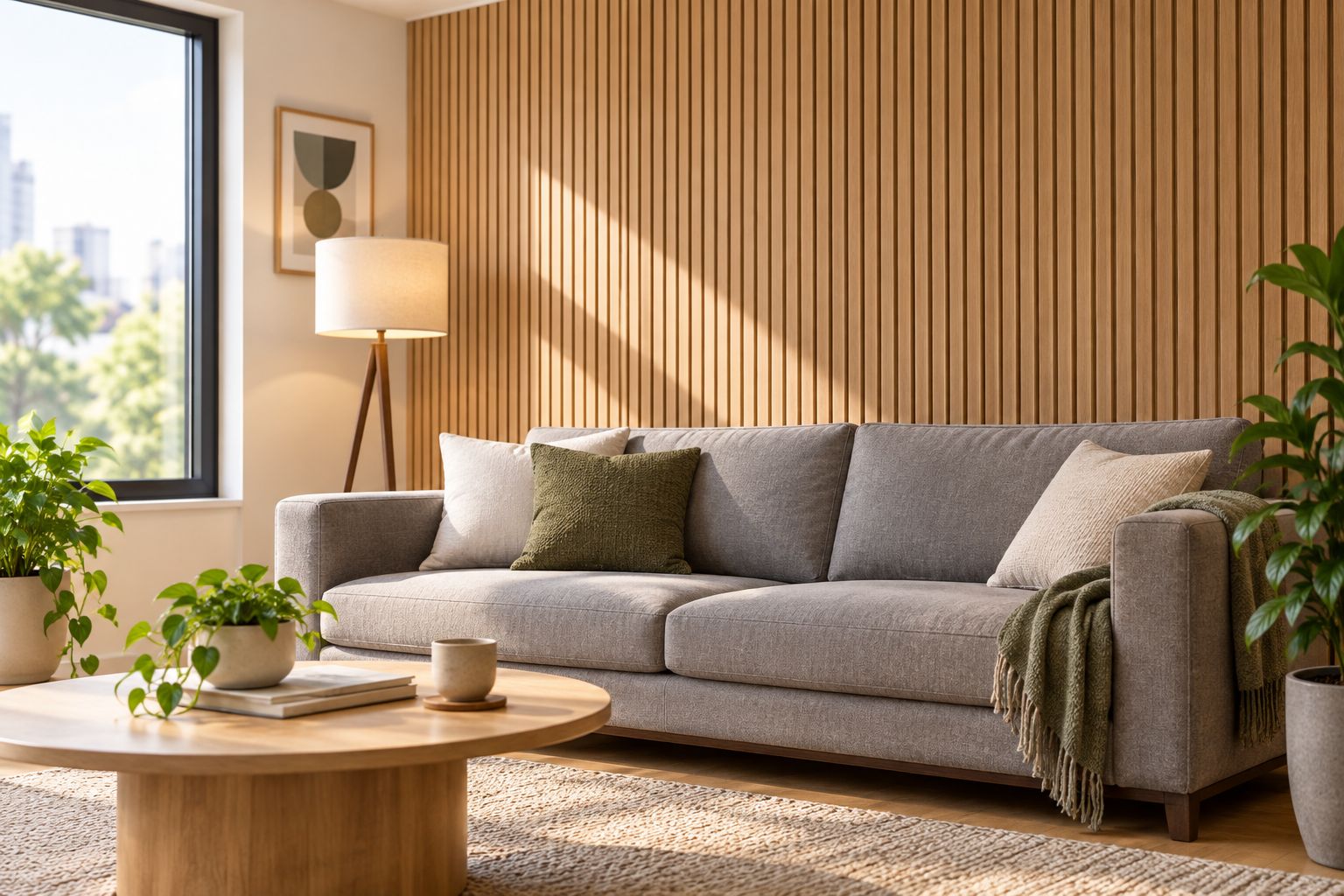
1. Natural Oak Acoustic Wall Panel: best for bright living rooms
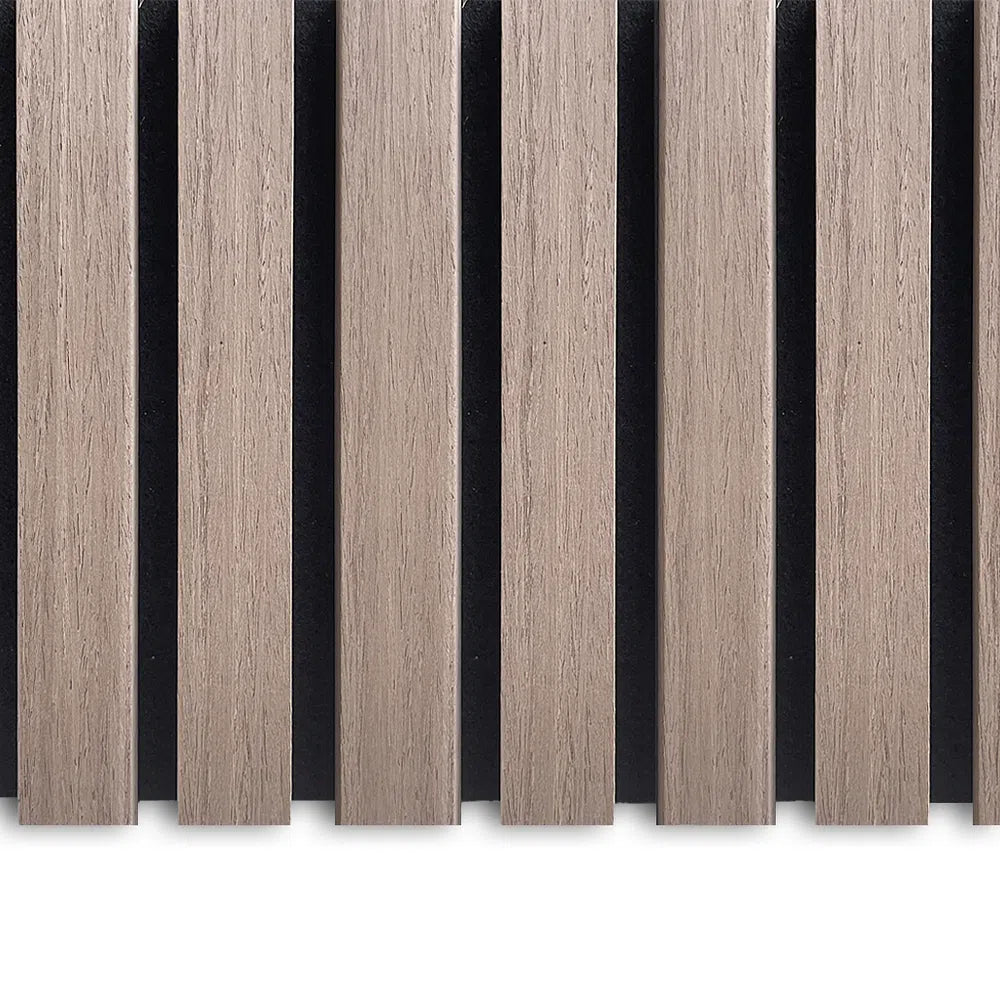
The Natural Oak wall panel is the flagship finish in the Akustiq UK range and the one most living rooms in 2026 will reach for first. It's a light, warm oak tone with visible grain that works with most existing furniture without a redecorate.
Natural Oak pros:
- Light tone brightens rooms with limited daylight
- Felt backing behind the veneer cuts echo in open-plan living rooms
- Neutral enough to pair with most floor and furniture colours
Natural Oak cons:
- Pale finish shows dust and scuffs more than darker tones
- Less dramatic if you want a feature wall that stands out
Best for: bright, everyday living rooms. Verdict: Buy — this is the safe, versatile default for 2026.
2. Smoked Oak Acoustic Wall Panel: best for home cinemas
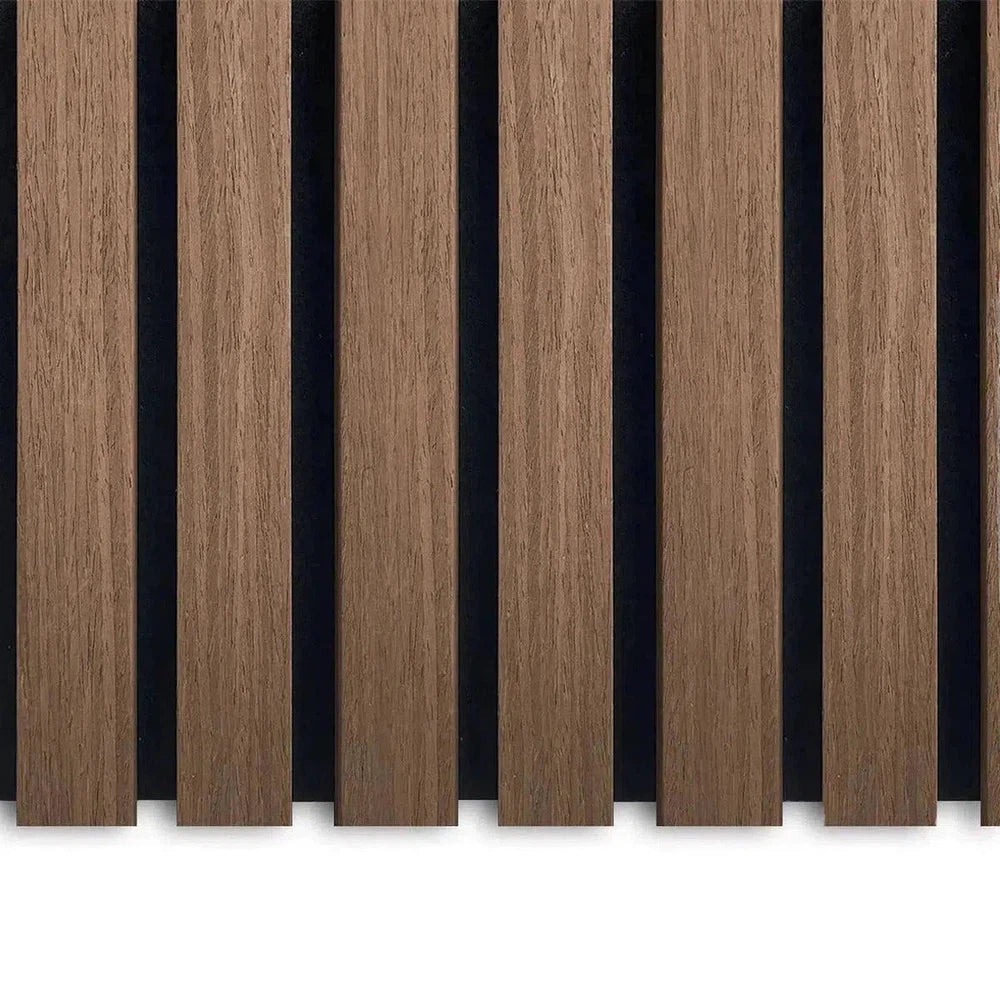
Smoked Oak takes the same construction and drops the tone into a deep, near-charcoal brown. In a room with a projector or a large screen, that darker background cuts glare and reads better on camera than a pale wall.
Smoked Oak pros:
- Dark tone reduces screen reflection in dedicated media rooms
- Reads as a deliberate, finished look rather than an unfinished dark wall
- Same felt backing as Natural Oak for echo control
Smoked Oak cons:
- Can make small rooms feel boxed in without contrast lighting
- Not the pick if the room doubles as a bright daytime space
Best for: home cinemas and rooms with heavy screen use. Verdict: Buy for dedicated media rooms; skip it in a small, single-window box room.
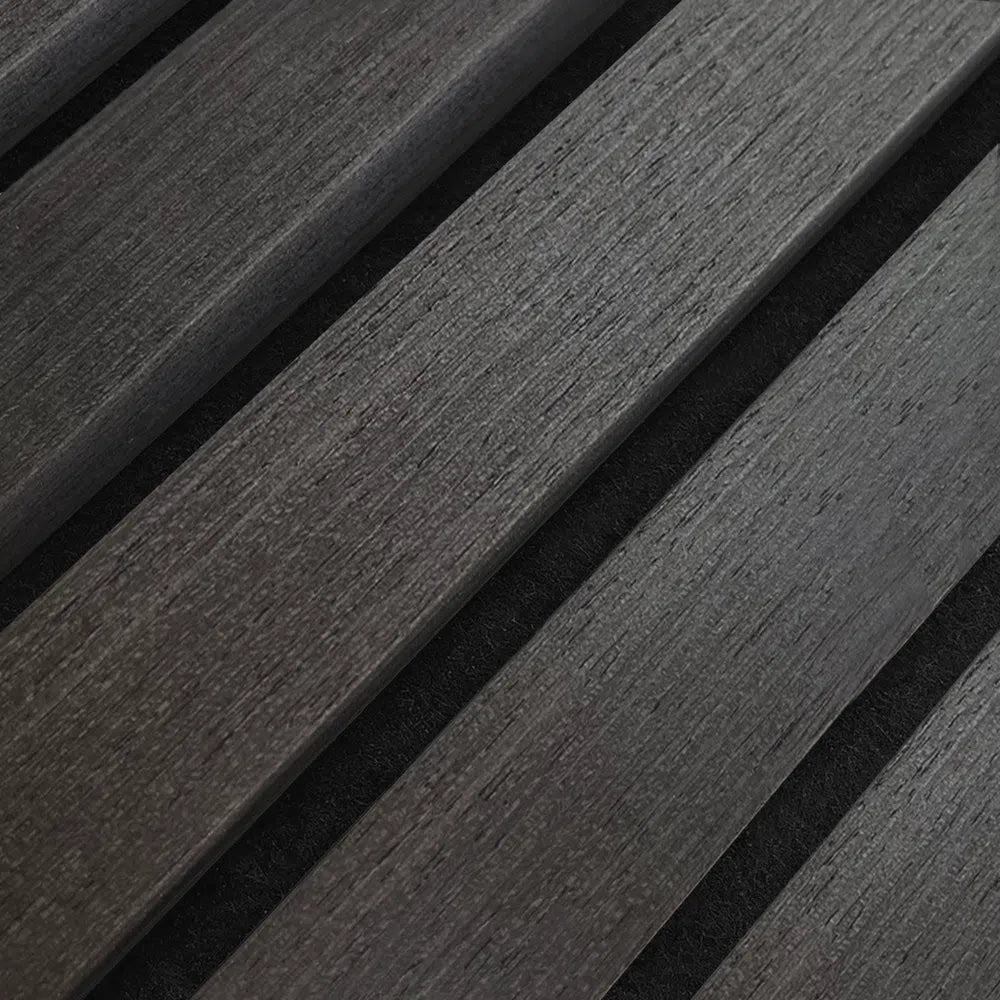
3. Grey Oak Acoustic Wall Panel: best for minimalist offices
Grey Oak sits between Natural and Smoked on tone, and it's the one that photographs cleanest on a video call. If the room is a home office that also needs to look presentable on screen, this is the finish worth checking first.
Grey Oak pros:
- Neutral grey doesn't clash with most desk and shelving colours
- Reads calm and professional on camera
- Same acoustic backing as the rest of the wooden range
Grey Oak cons:
- Less textured grain than the natural or rustic tones
- Can feel cold without warm accessories nearby
Best for: home offices and video-call backdrops. Verdict: Buy if the room needs to look sharp on screen.
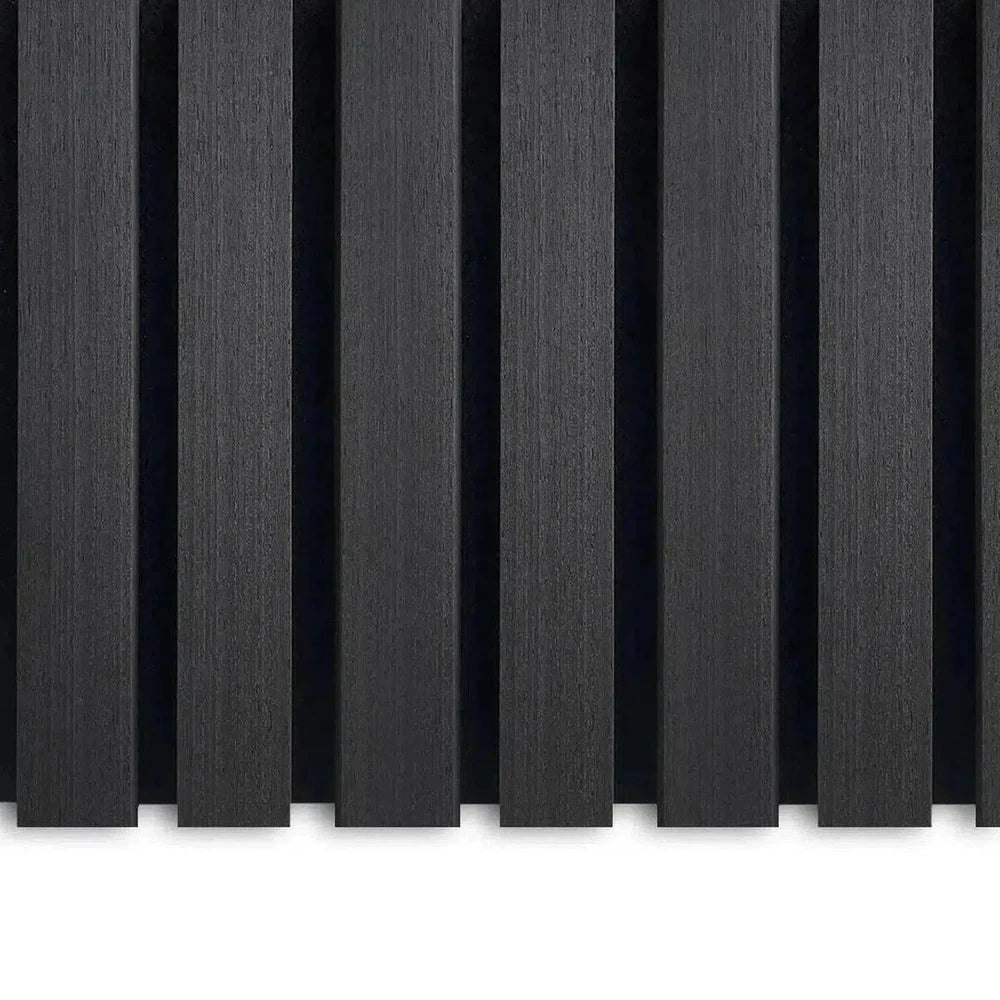
4. Black Oak Acoustic Wall Panel: best for bold bedroom walls
Black Oak is the strongest contrast finish in the range, built for a headboard wall or a single statement panel rather than covering a whole room.
Black Oak pros:
- Strongest visual impact of any finish in the range
- Works well as a single feature wall rather than full coverage
- Still carries the felt backing for a quieter bedroom
Black Oak cons:
- Dominant tone isn't right for every buyer or every room
- Shows fingerprints and light marks near switches and handles
Best for: a bold bedroom feature wall. Verdict: Buy for one statement wall; skip it if you want the finish to disappear into the room.
5. Walnut Acoustic Wall Panel: best for dining rooms and studies
Walnut brings a richer, more formal tone than any of the oak finishes, and it tends to suit rooms where you want the panel to look intentional and considered rather than casual.
Walnut pros:
- Richer tone than any oak finish in the range
- Suits formal dining rooms and studies
- Same construction and felt backing as the rest of the wooden range
Walnut cons:
- Can look heavy in a room with dark flooring
- Less flexible than oak tones if you redecorate later
Best for: dining rooms and studies. Verdict: Buy for a formal room; hold off if your flooring is already dark.
6. Mocca Acoustic Wall Panel: best for rustic kitchens
Mocca sits in the warm mid-brown range, closer to the tone you'd expect on a farmhouse kitchen unit than a modern oak floor.
Mocca pros:
- Warm mid-tone hides everyday marks in busy kitchens
- Pairs naturally with wood cabinetry
- Same felt-backed construction as the rest of the range
Mocca cons:
- Limited pairing with cool grey or white kitchen schemes
- Not the pick for a bright, minimalist look
Best for: rustic and farmhouse-style kitchens. Verdict: Buy if your kitchen already leans warm.
7. Hexagon Acoustic Panel (Walnut): best for geometric feature walls
The Hexagon Acoustic Panel range breaks from the slat format entirely, using individual hexagon tiles to build a honeycomb pattern across the wall.
Hexagon pros:
- Pattern effect a straight slat panel can't replicate
- Works as a smaller accent area rather than full-wall coverage
- Same felt backing behind each tile
Hexagon cons:
- Fiddlier to align than a standard slat panel
- More cutting required around corners and fittings
Best for: a geometric accent wall in a hallway or lounge. Verdict: Buy if you want a pattern wall; skip it for a first-time DIY install.
8. Rustic Oak (3-sided veneer): best for farmhouse hallways
The rustic oak finish carries the heaviest visible grain and knotting of any panel in the wooden range, built for a country or farmhouse look rather than a clean modern one.
Rustic Oak pros:
- Heaviest, most natural-looking grain in the range
- Suits period and farmhouse-style hallways
- Same 3-sided veneer and felt backing construction
Rustic Oak cons:
- Too busy visually for a minimalist scheme
- Harder to match with painted or gloss furniture
Best for: period and farmhouse hallways. Verdict: Buy for character properties; skip it if your interior is otherwise sleek.
“Buy the felt-backed finish if echo is the actual problem you're solving; buy on veneer colour alone and you're just decorating.”
How we ranked these acoustic wall panels
Every finish above shares the same 3-sided wood veneer and felt backing, so the ranking sits entirely on the criteria that change room to room: tone-to-light match, panel format, and how forgiving the finish is day to day. Rustic Oak and the Hexagon line score lower on install ease but higher on visual impact, which is why they land toward the end of the list rather than at the top.
Which acoustic wall panel should you choose?
For most UK rooms in 2026, Natural Oak is the default acoustic wall panel to order — it's the most versatile tone and the easiest to live with once it's up. Choose Smoked Oak for a dedicated cinema room, Grey Oak for a home office, and the Hexagon range only if you want a pattern wall and don't mind the extra cutting time.
Whichever finish you land on, confirm the panel length (240cm or 300cm) against your ceiling height and check current dispatch times on the product page before you order — stock position changes by finish.
FAQ
What are the best acoustic wall panels for a UK living room in 2026?
Natural Oak is the best overall pick for most UK living rooms in 2026 because its light tone suits rooms with limited daylight and pairs with most existing furniture. Smoked Oak or Walnut work better if the room is darker or more formal.
Is next day delivery available on acoustic wall panels?
Dispatch times vary by finish and current stock position, so check the product page before ordering rather than assuming every finish ships the same day. Popular finishes like Natural Oak and Smoked Oak tend to move faster through stock than the Hexagon range.
Do acoustic wall panels actually reduce echo?
Yes, but only the felt backing behind the wood veneer does the acoustic work, not the wood itself. A panel that's veneer with no felt backing is decorative only.
What size acoustic wall panels should I buy, 240cm or 300cm?
Pick the length closest to your ceiling height to minimise cutting and waste. Most UK homes with standard ceiling heights suit the 240cm format, while taller rooms suit 300cm panels.
Can I fit acoustic wall panels myself?
Most of the wooden slat range uses a tongue-and-groove fit that a competent DIYer can install in a weekend. The Hexagon acoustic panels take longer because each tile needs individual alignment.
What's the difference between hexagon and slat acoustic panels?
Slat panels run in vertical lines across the wall for a uniform look, while hexagon panels use individual tiles to build a honeycomb pattern. Hexagon panels suit accent walls; slat panels suit full-wall coverage.
Which finish suits a small room?
Natural Oak or Grey Oak work best in small rooms because their lighter tones don't close the space in the way Black Oak or Smoked Oak can. Save the darker finishes for larger rooms or single feature walls.
How many panels do I need to cover a wall?
Measure your wall's width and height and divide by the panel's length and width to get a rough count, then add extra for any cuts around sockets or corners. Order a sample first to confirm the tone before committing to a full wall quantity.
One last thing
The detail most buyers miss in 2026 isn't the finish, it's the felt. Two panels can look almost identical in a product photo, but only the one with the acoustic backing will actually quieten the room — if echo is the problem you're solving, check for the felt backing before you check the colour.