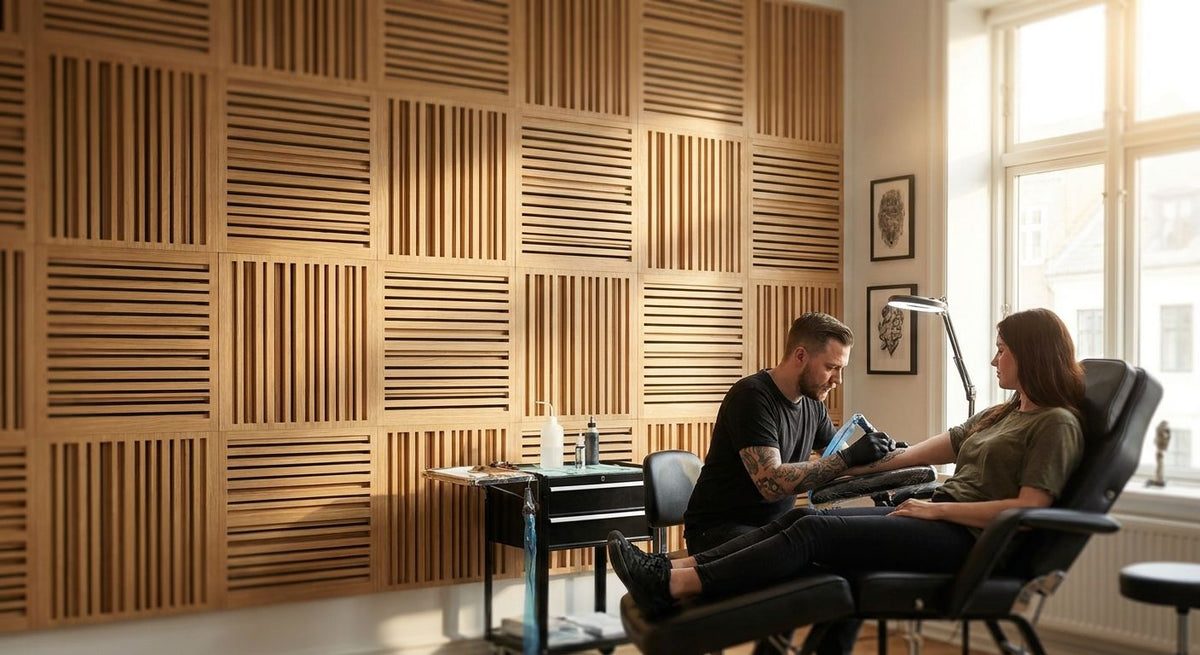
Tattoo studios live and die on how they sound and how they photograph. A buzzing rotary machine bouncing off bare plaster kills quiet conversation in the waiting area, and a flat white wall does nothing for the moody, branded look most studios are chasing in 2026. Acoustic wood panels solve both problems in one install, and this guide breaks down which finishes, formats, and placements actually work on a working studio floor.
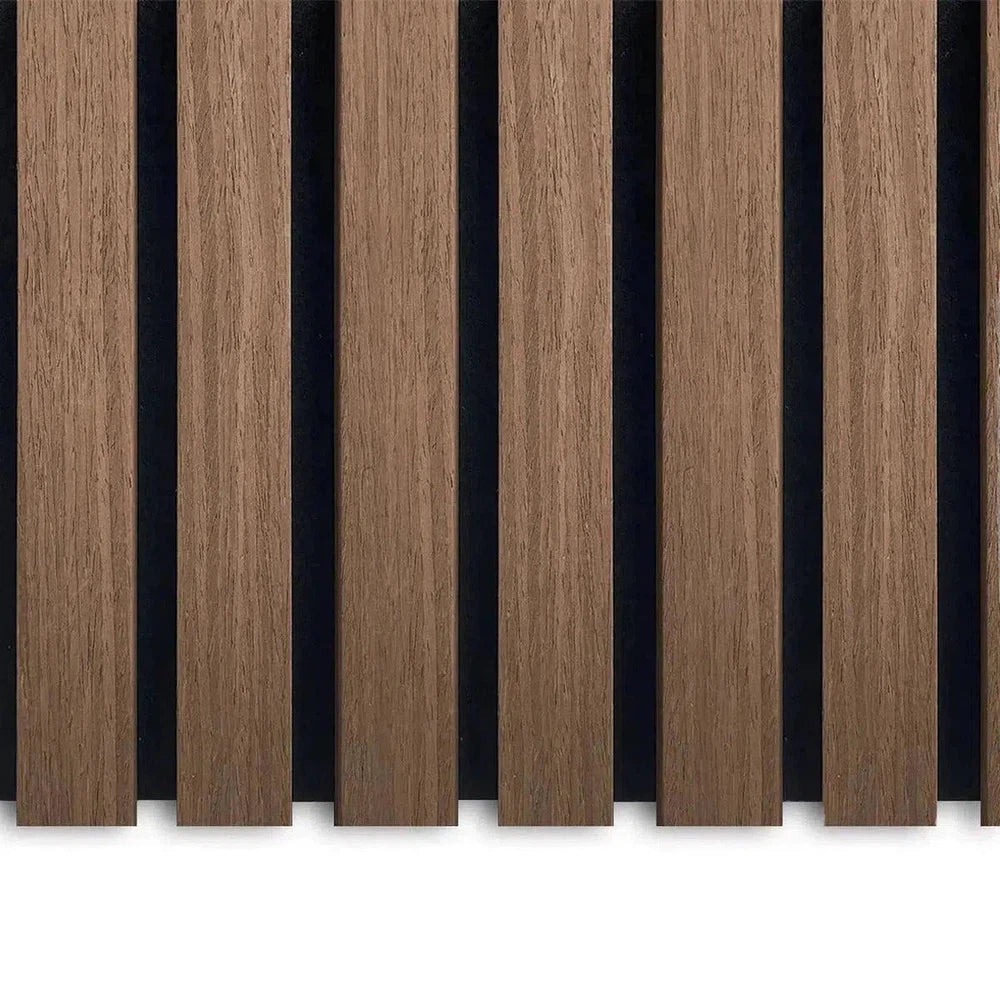
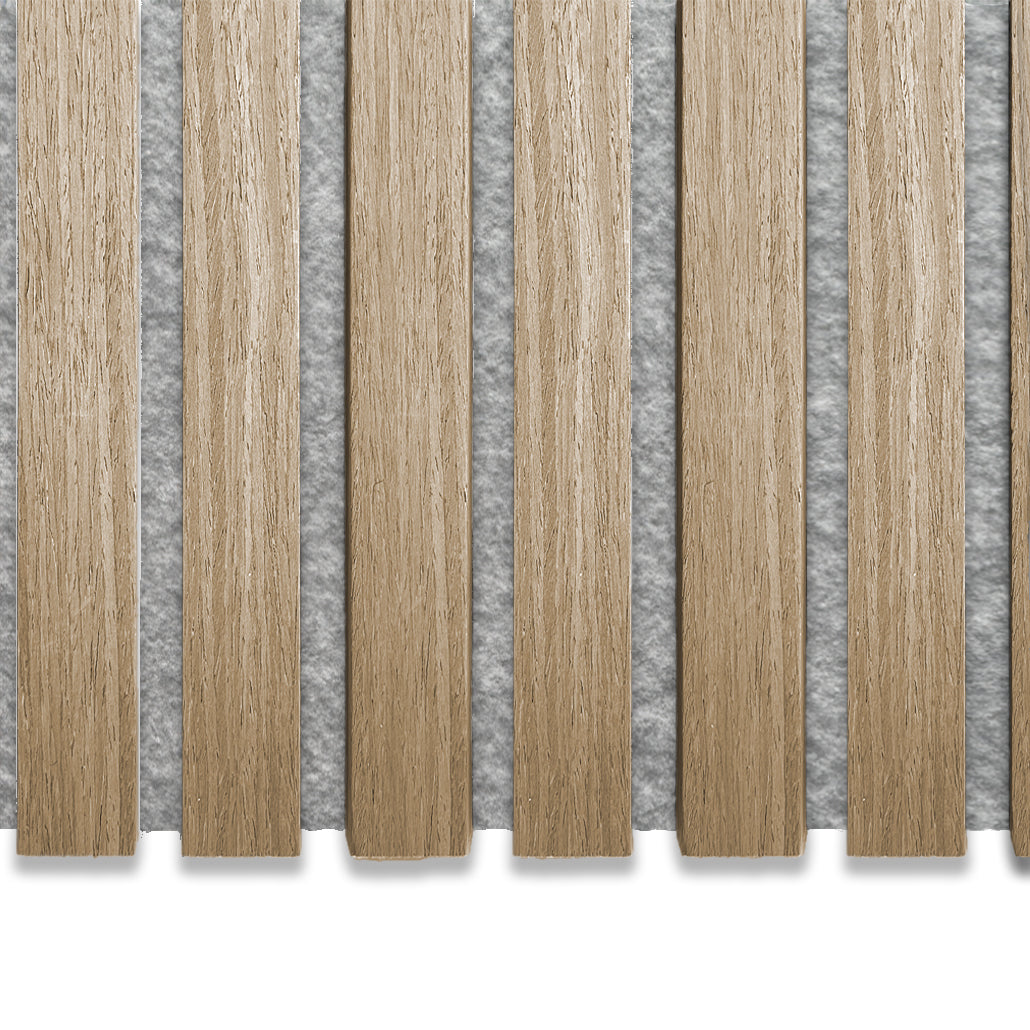
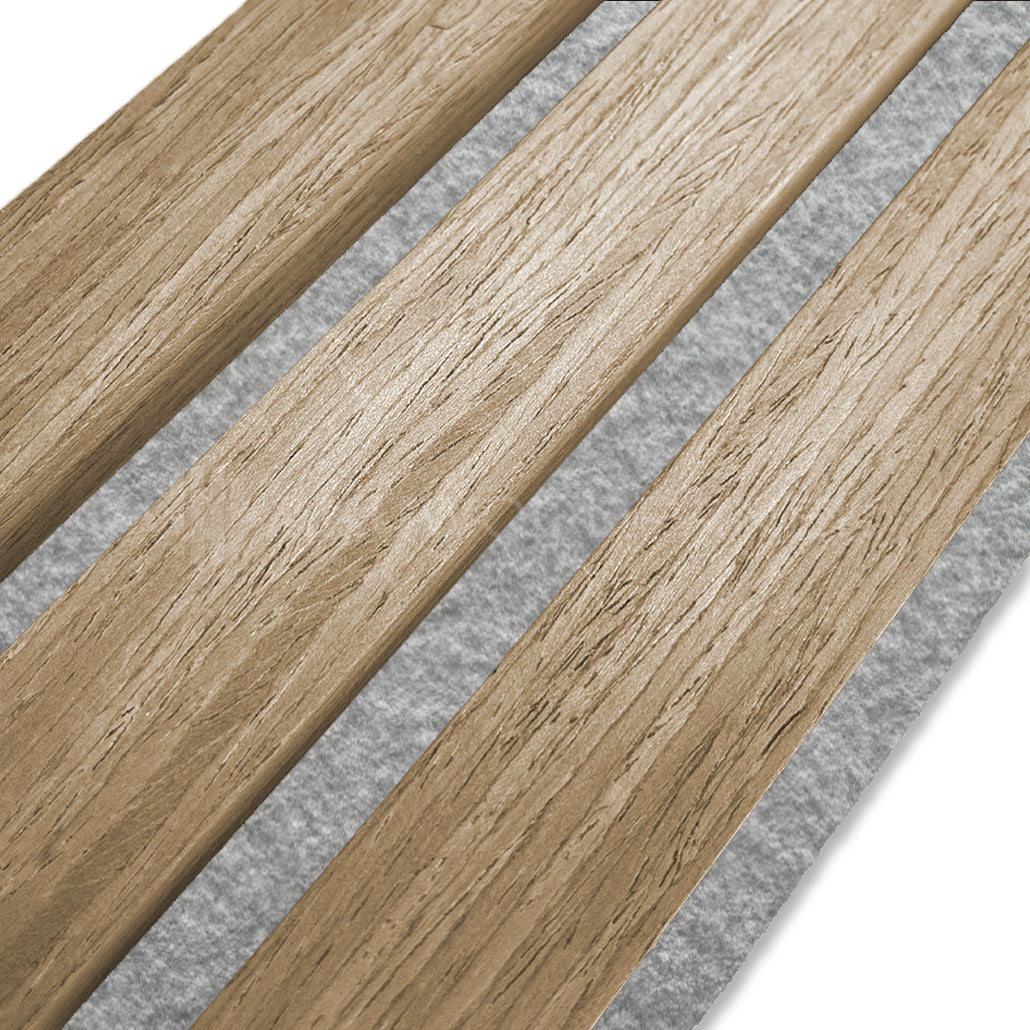
- Acoustic wood panels tattoo studio buyers want start with Natural Oak — £84.95 a panel, the safe buy for any waiting room.
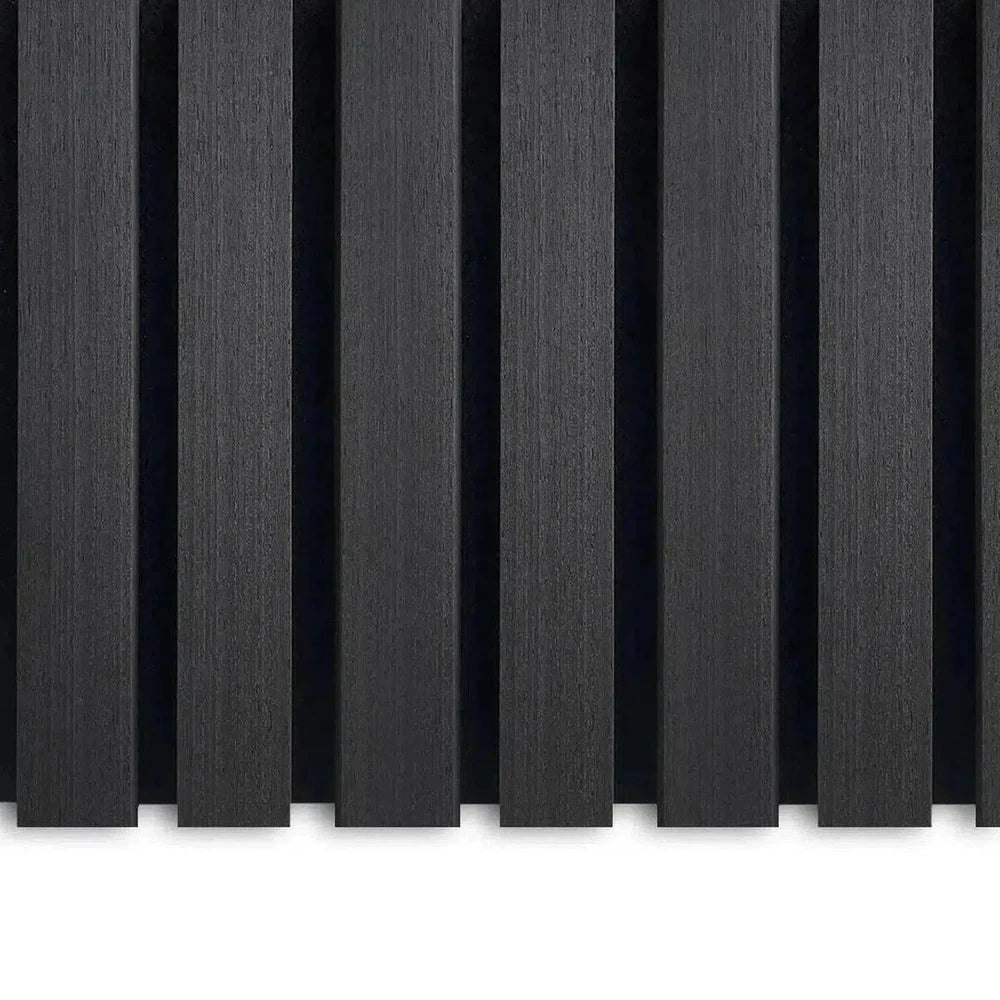
- Black Oak suits dark, branded studios and costs the same £84.95 as Natural Oak — no premium for going darker.
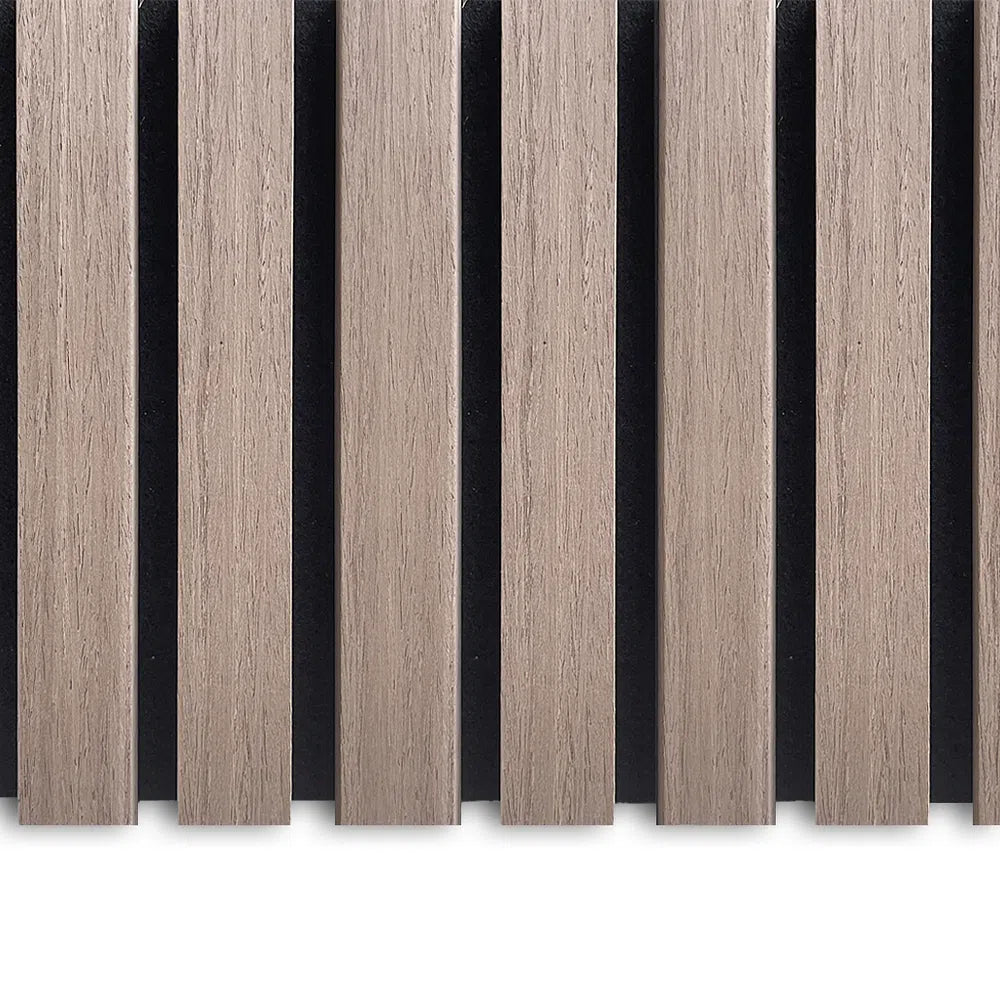
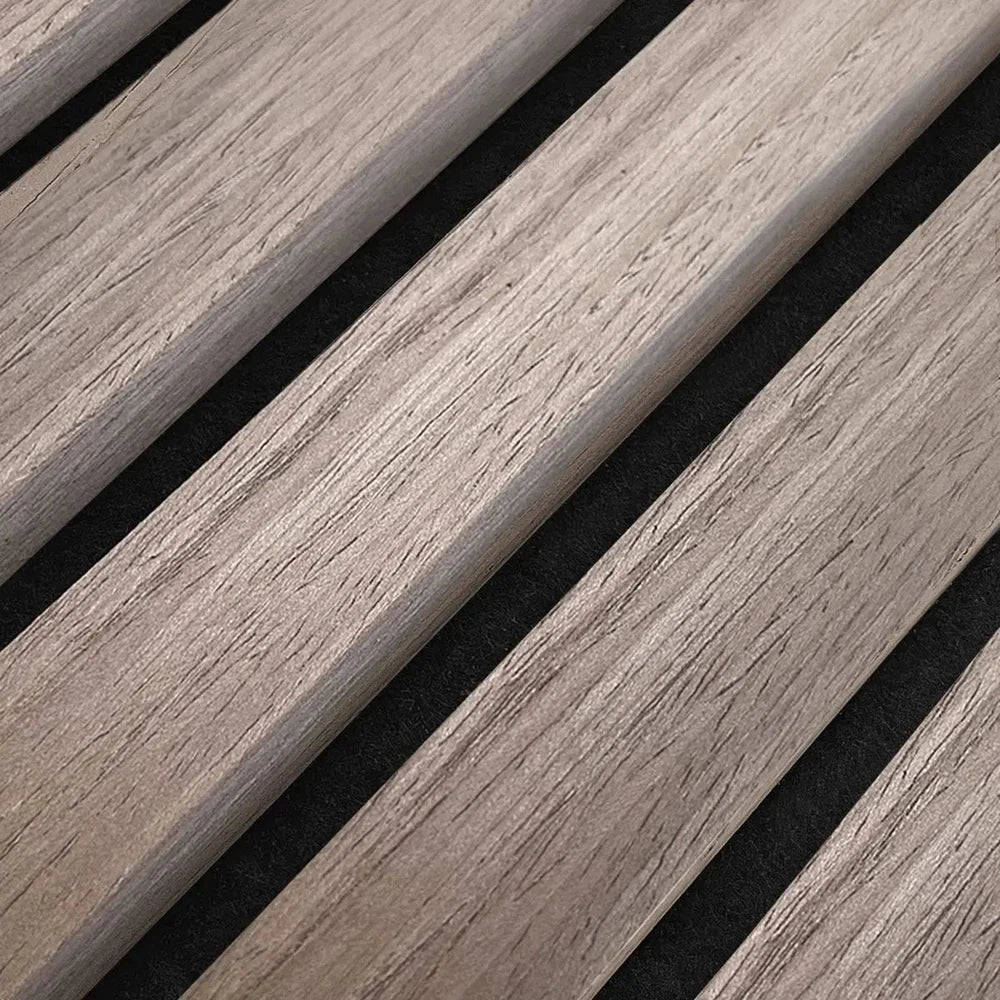
- Grey Oak is the budget finish at £80.95 a panel and works where a fully black wall feels too intense.
- Keep panels a metre clear of ink stations — felt backing isn't a wipeable surface and will absorb overspray.
- 240cm and 300cm formats cover almost every standard UK studio ceiling height without extra cutting in 2026.
Why this matters
Tattoo studios book by appointment and consult in the same room they ink in, so every conversation happens at close range. A hard-surfaced room amplifies both the tattoo machine's motor buzz and whatever music is running underneath it, and clients end up raising their voices to be heard over their own consultation. Acoustic wood panels with a felt backing absorb the mid and high frequencies that a rotary machine and a hushed conversation both sit in.
Thickness and backing density decide how much of that noise actually disappears. The acoustic panel thickness guide breaks down what you need for a small consultation booth versus an open studio floor with four chairs running at once. Get this wrong and you've bought a nice-looking wall that still echoes in 2026.
Who this is for
This guide is for tattoo studio owners and shop managers fitting out the parts of the studio clients see before they sit in the chair: reception, waiting benches, hallways, and private consultation rooms. If you're speccing wall coverings directly behind a tattoo station, wood panels aren't the material for that job — look at wipeable, sealed board instead. Everything below assumes a lounge or non-treatment wall where machine buzz and waiting-room hum are the actual noise problem.
What to look for in acoustic wood panels for a tattoo studio
Felt backing and panel thickness
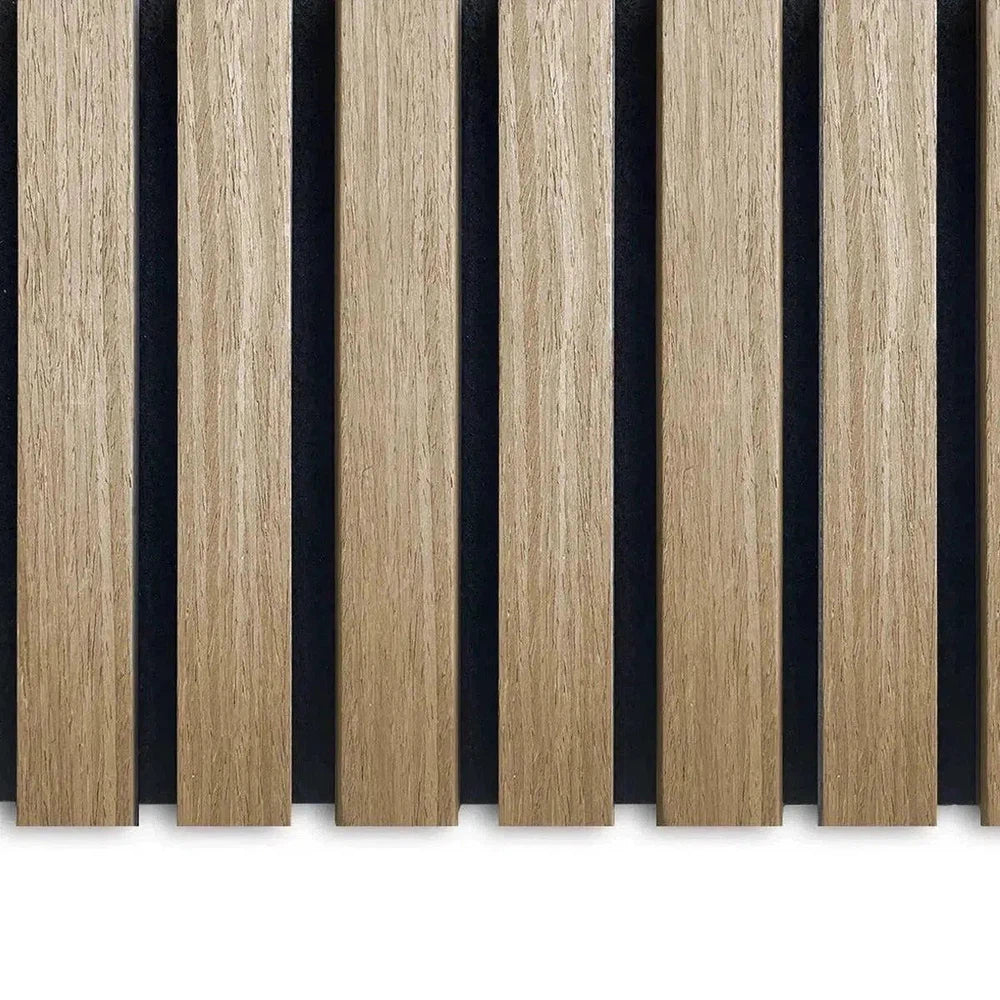
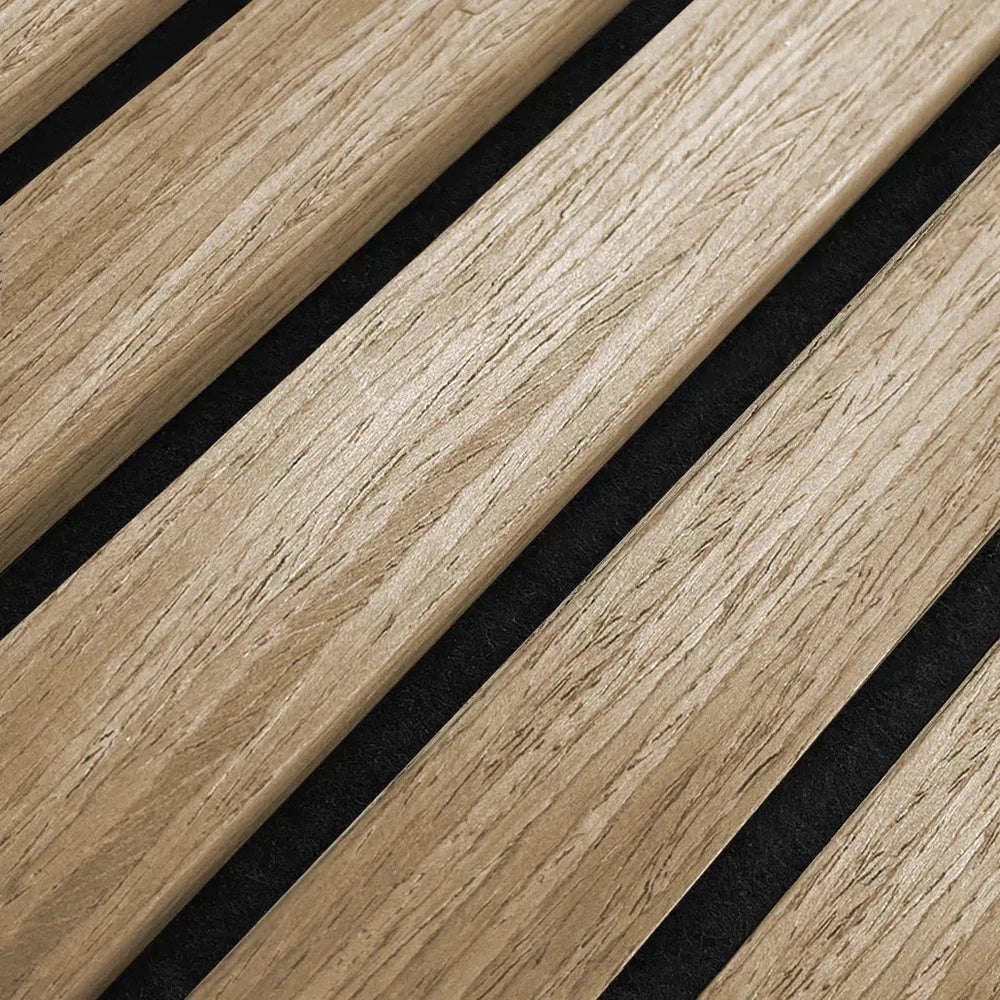
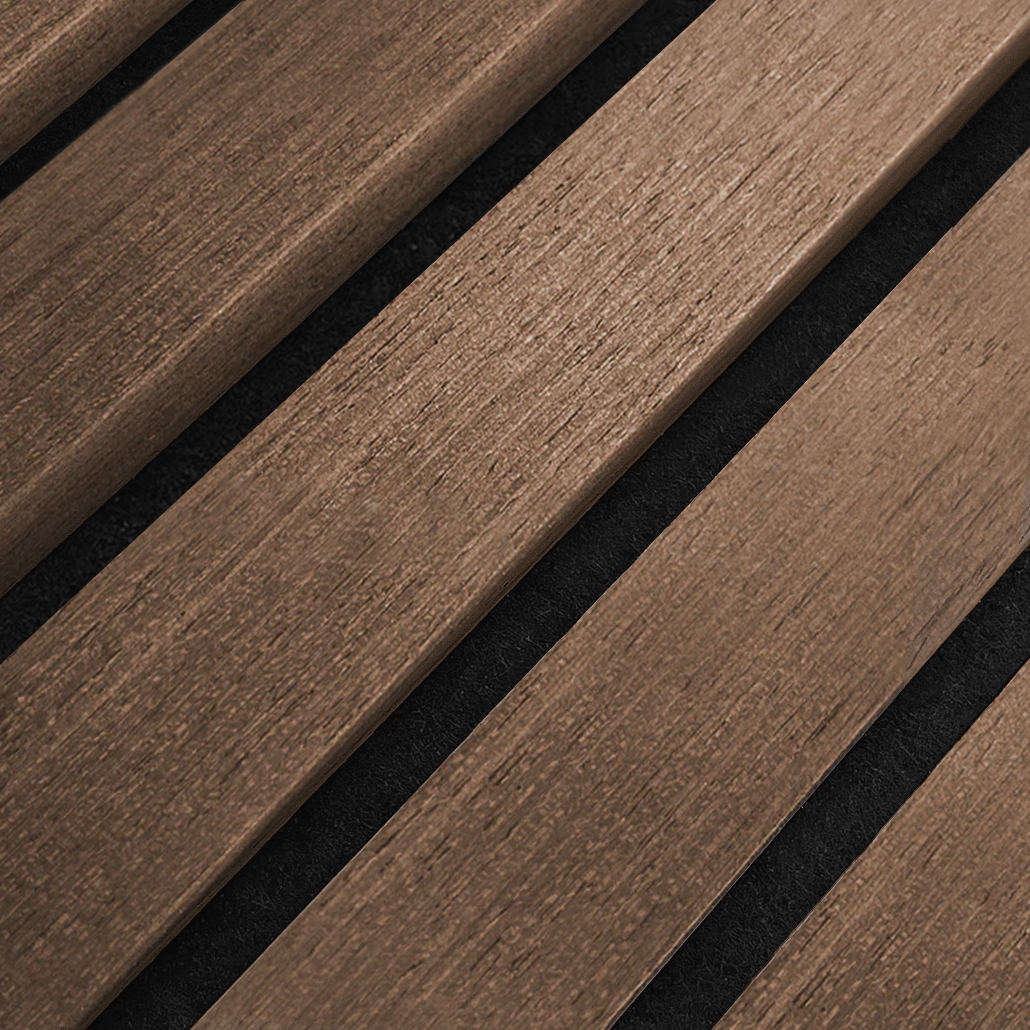
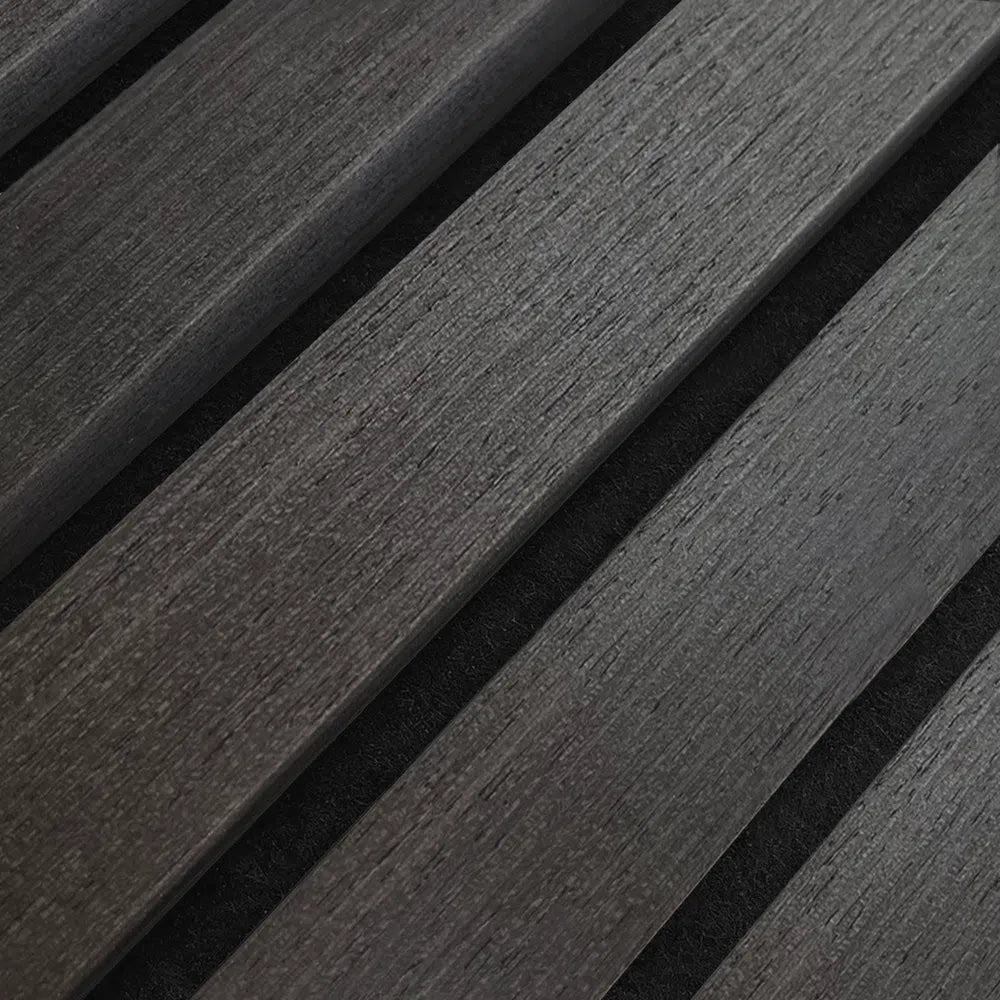
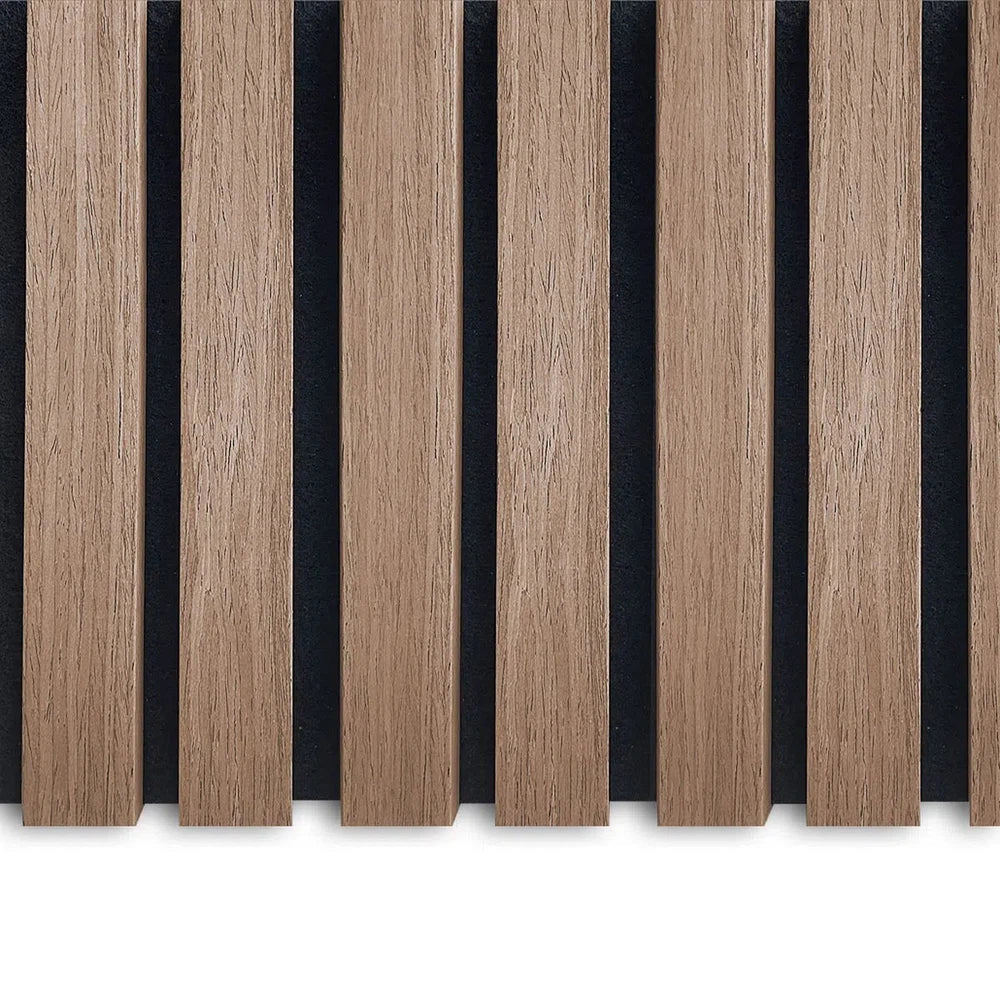
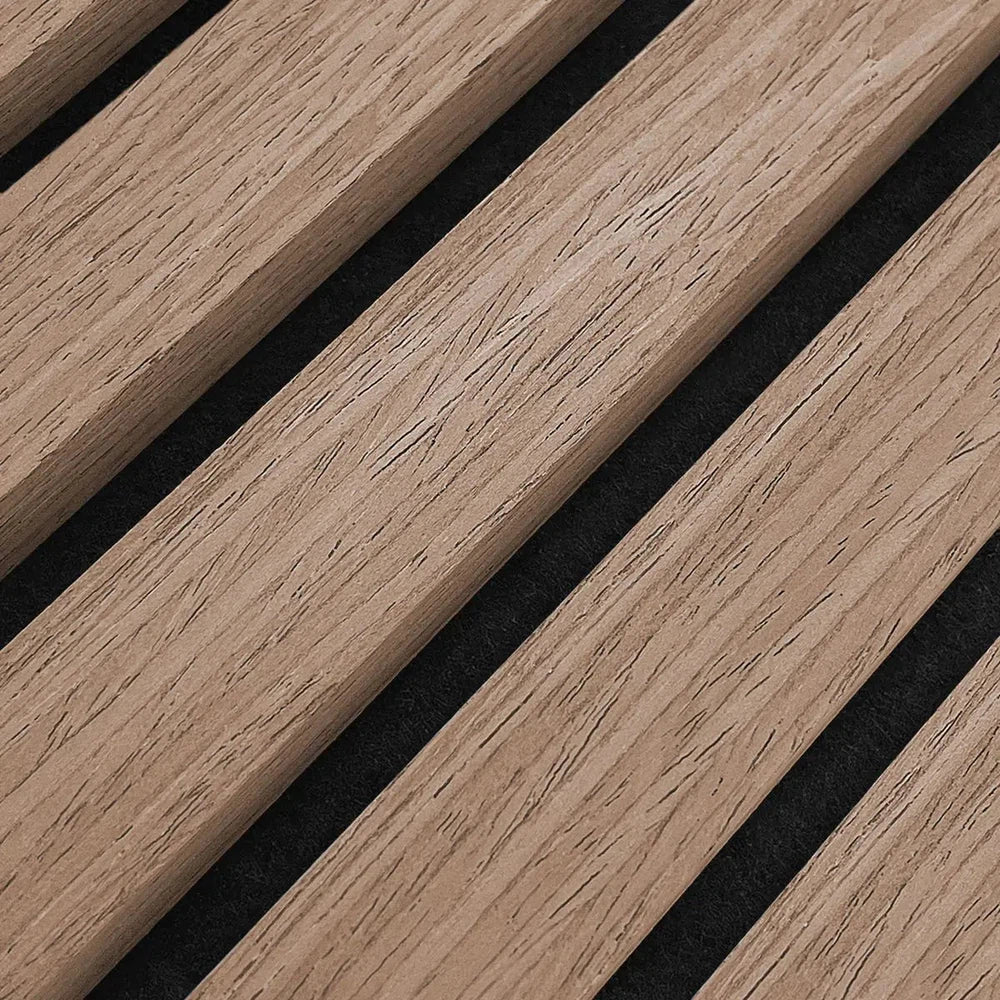
Acoustic wood panels work because of what's behind the wood, not the veneer itself. A dense felt backing behind a 3-sided real wood veneer face absorbs sound instead of reflecting it back into the room, and thicker felt cuts more of the mid-range noise a tattoo machine and raised voices both produce. If your floor plan is open, prioritise absorption over finish — a beautiful panel that doesn't quiet the room hasn't solved the problem you bought it for.
A finish that matches your studio's branding
Tattoo studios generally split into two visual camps: dark and moody, or warm and natural. Black Oak reads as deliberately dark and suits a studio leaning hard into a classic tattoo-parlour look, while Natural Oak and Grey Oak feel closer to a barbershop or spa crossover. Pick the finish that matches the photos clients will post from your waiting area — that wall does marketing work whether you plan for it or not.
Panel format — 240cm or 300cm
Acoustic wood panels come in two size formats: 240cm and 300cm. Most UK studio units run standard 2.4m ceiling heights, so the 240cm format usually installs floor-to-ceiling without a single cut. Taller converted retail units or a double-height reception wall need the 300cm format, or you end up with an awkward seam a metre off the floor.
Clearance from ink and cleaning zones
Felt-backed wood panels aren't a wipeable, sealed surface, so they don't belong on a wall within reach of a tattoo station where overspray or cleaning chemicals could hit them. Keep panels in the waiting area, corridor, or consultation room, and leave the actual treatment stations on tiled, painted, or sealed board.
“If a wall sits within arm's reach of a tattoo station, treat it as a splash zone, not a design opportunity.”
Install method for leased units
Most studios lease their unit, so panels need to come off cleanly if the lease ends. A high-tack panel glue bonds panels directly to a flat wall permanently, which is fine for owned premises, but a lease with a return-to-original clause needs a batten fixing instead so the wall goes back to bare plaster later. Check the lease before anything gets glued to a rented wall.
Top picks for tattoo studio walls
Natural Oak — the safe pick. This finish reads warm and neutral against black tattoo flash art or bright merch displays, so it won't clash with whatever dominates the rest of your walls. At £84.95 a panel in 2026, it costs exactly the same as Black Oak and Rustic Oak, so there's no premium for going lighter. Verdict: Buy — Natural Oak wall panels work in almost any waiting room without fighting the rest of your decor.
Black Oak — the moody statement wall. If your studio leans into a dark, tattoo-parlour aesthetic, this finish does the branding work reception furniture usually has to do alone. At £84.95 a panel, the same price as Natural Oak, it's a darker stain on the same 3-sided veneer construction, not an upsell. Verdict: Buy for studios running black-and-red or gothic branding — Black Oak wall panels hold that look without a single tin of paint.
Grey Oak — the quiet middle ground. Priced lower than the rest at £80.95 a panel, it splits the difference between a cold, clinical white wall and the heaviness of full black, which suits studios that also handle piercings or consultations for clients who find dark rooms intense. Verdict: Consider — Grey Oak wall panels are the cheapest finish on this list, worth checking against other quotes first.
Rustic Oak — the wildcard. It carries more visible grain and knot variation than the other three finishes, which reads well in a converted industrial unit but can look busy behind detailed tattoo flash art. At £84.95 a panel — the same as Natural Oak and Black Oak — the finish is the only variable, not the cost. Verdict: Consider only after viewing a physical sample, since grain variation is exactly what a listing photo flattens out.


What to avoid
- Painted plasterboard or mirrored reception walls. They look clean in photos but reflect noise straight back into the room instead of absorbing it — the opposite of what a waiting area needs.
- Panels installed right behind or beside a tattoo station. Felt backing isn't a wipeable, sealed surface, and overspray or disinfectant will damage it fast.
- Thin, unbacked slat panels bought purely for the wood-grain look. They photograph the same as a felt-backed panel but do nothing for echo, which defeats the entire point of going acoustic in the first place.
How the four finishes compare
| Finish | Price (2026) | Best for | Verdict |
|---|---|---|---|
| Natural Oak | £84.95 | Any waiting room, neutral branding | Buy |
| Black Oak | £84.95 | Dark, moody studio branding | Buy |
| Grey Oak | £80.95 | Budget-conscious fit-outs | Consider |
| Rustic Oak | £84.95 | Industrial or reclaimed-look studios | Consider |
FAQ
What's the best acoustic wood panel for a tattoo studio waiting room?
Natural Oak is the best all-round pick for a tattoo studio waiting room in 2026, since its neutral tone works against almost any flash art or merch display. Black Oak is the better choice if the studio's branding is already dark and moody.
Can acoustic wood panels go near a tattoo workstation?
No — felt-backed acoustic wood panels aren't a wipeable, sealed surface, so they shouldn't sit within reach of a tattoo station. Keep them in the waiting area, corridor, or consultation room and use sealed board near the chair.
How much do acoustic wood panels cost for a tattoo studio in 2026?
Panels for a tattoo studio run from £80.95 for Grey Oak to £84.95 for Natural Oak, Black Oak, and Rustic Oak in 2026. Total project cost depends on wall area, since coverage is priced per panel.
Is 240cm or 300cm better for a standard studio unit?
240cm suits most UK studio units, which run standard 2.4m ceiling heights and take the panel floor-to-ceiling without cutting. 300cm is for taller converted retail units or double-height reception walls.
Do acoustic wood panels actually reduce tattoo machine noise?
Yes — the felt backing behind the wood veneer absorbs the mid and high frequencies a rotary tattoo machine and raised conversation both fall into. Thicker felt and denser slats absorb more than a thin unbacked panel.
Can you fit acoustic wood panels in a rented studio unit?
Yes, but check the lease first. Glue-fixed panels are permanent, while a batten fixing lets the wall return to bare plaster if the lease requires it.
What finish suits a dark, moody tattoo studio?
Black Oak is the finish built for a dark, branded tattoo-parlour look, and it costs the same £84.95 as the lighter Natural Oak finish. Rustic Oak works too but shows more grain variation panel to panel.
How many panels does a tattoo studio waiting room need?
Panel count depends on the wall area you're covering — measure the wall in square metres and divide by the coverage figure listed on each panel's product page. Corners and door openings will need extra cutting allowance.
One last thing
Order a physical sample before covering a full wall in any dark finish. Black Oak and Rustic Oak read differently under a studio's typically warm, low ceiling lighting than they do in daylight product photos — what looks near-black online can pick up a brown cast under warm bulbs, and Rustic Oak's grain variation is impossible to judge from a single listing image.