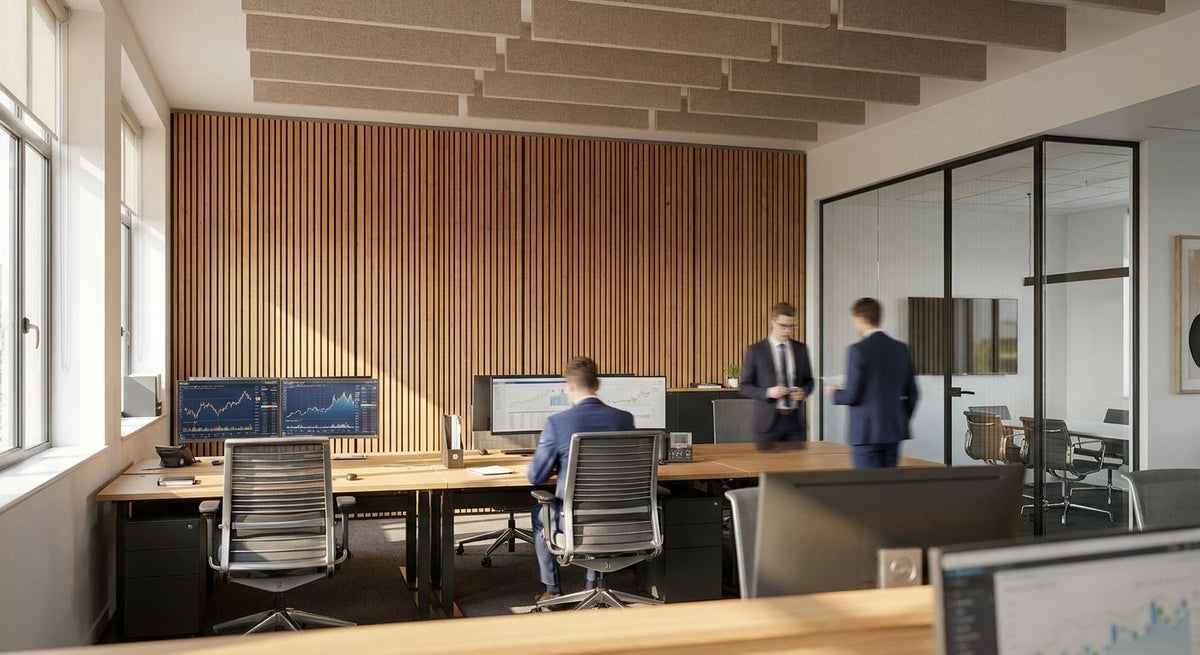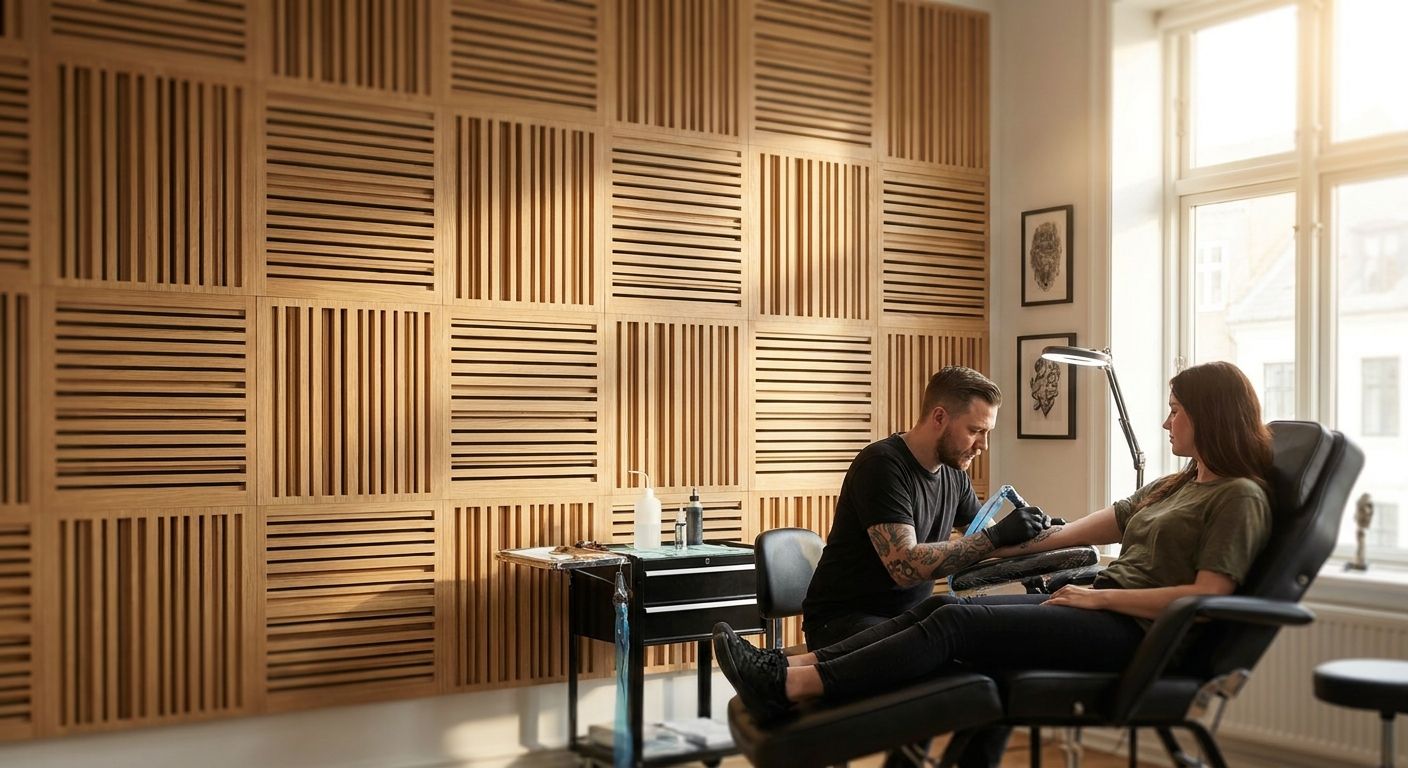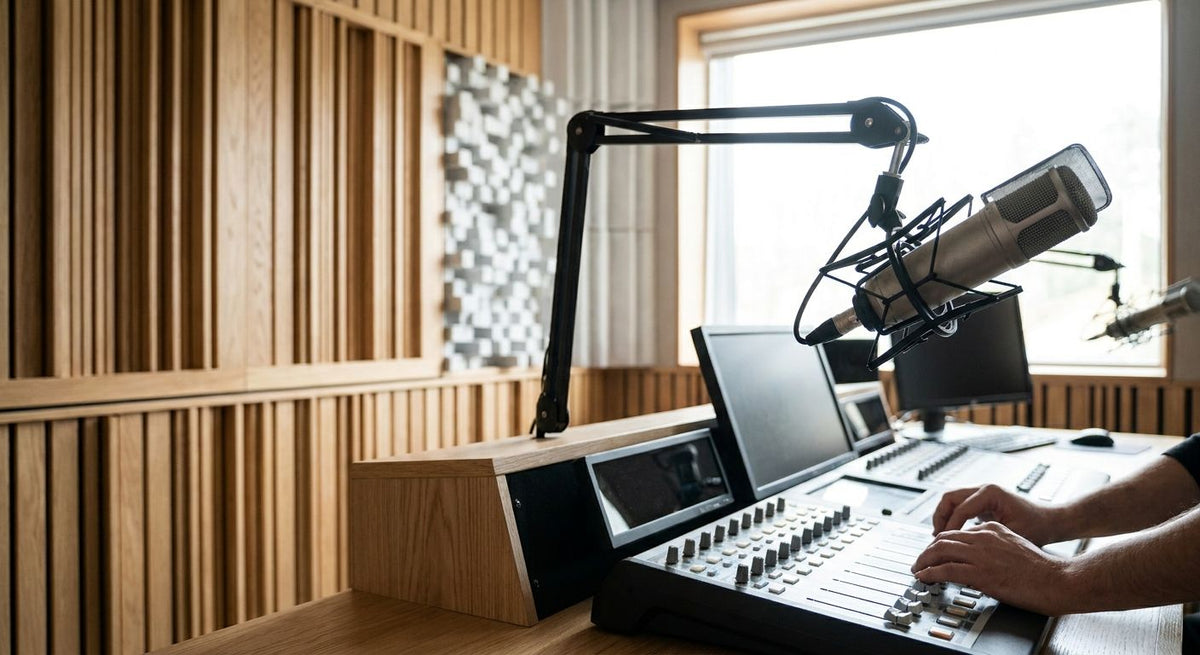
Radio presenters need clean vocal capture and zero slap-back off bare studio walls, and acoustic wood panels radio station engineers actually install have to do that without turning the booth into a padded box.
- Natural Oak Grey Felt wins for booths that need warmth without a dark backdrop — buy it in 2026.
- Rustic Oak's ribbed texture breaks up flutter echo between parallel control-room walls — buy it.
- Black Oak suits on-air video backdrops but reads heavy in booths under 3 metres wide — consider it.
- Skip printed laminate panels sold as acoustic — without a felt-backed core they're decoration, not treatment.
Why this matters
A radio control room is mostly hard surfaces: glass between booth and studio, a desk full of gear, a monitor wall, and two parallel walls that bounce sound straight back at the mic. That bounce shows up as comb filtering on the recording and as listener fatigue for whoever's been sat in there for a six-hour shift. Acoustic panels built for recording studio walls exist specifically to break that reflection pattern, and the wood-veneer versions do it without making the room look like a rehearsal space.
Foam wedges do the job cheaply but they don't survive daily contact, they yellow under studio lighting, and they look wrong on a livestream backdrop. A felt-backed wood panel absorbs the same mid-to-high frequency slap while still looking like a finished wall in 2026, which matters more now that most stations stream video alongside audio.
Who this is for
This guide is for station engineers, community radio managers, and podcast-adjacent broadcast producers retrofitting an existing booth rather than building one from scratch. You're working with a fixed room, a real budget, and no appetite for a contractor tearing out drywall. You need something that mounts fast, holds up to years of daily use, and still looks credible behind a presenter on camera.
What to look for in acoustic wood panels for radio station studios
Real 3-sided wood veneer, not printed laminate
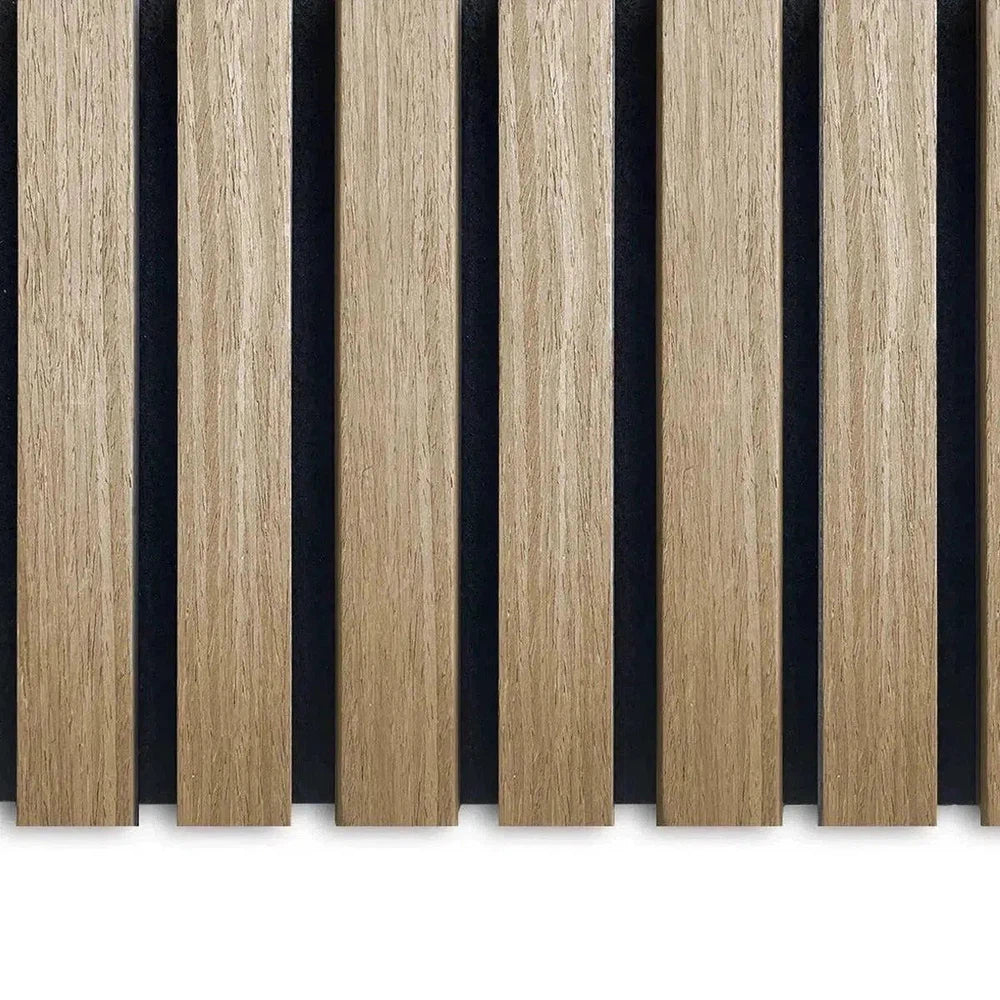
A printed laminate finish looks fine in a photo and peels or fades within a year under constant studio lighting rigs. A genuine 3-sided wood veneer holds its grain and color under that heat, which matters when the panel is behind camera for years, not weeks.
Felt backing that actually absorbs
The felt bonded behind the veneer is doing the acoustic work, not the wood itself. A panel with a proper felt-backed core cuts the high-frequency slap that makes a small booth sound harsh; a panel without it is just a wood-look wall covering.
Panel length that matches your booth without extra seams
Standard control rooms run close to a 240cm ceiling height, so one panel run covers floor-to-ceiling with a single horizontal join at most. Taller rooms or full-height feature walls need the 300cm format — fewer joins means fewer flutter points where two panel edges meet.
A finish that reads right on camera and on air
Most stations film the booth now for social clips or a video simulcast. A natural or grey-toned finish keeps the frame warm under studio lights; a near-black finish reads dramatic but eats light in a small room and can look like a void on camera if the booth is under 3 metres wide.
Installation that doesn't require ripping out the booth
Most broadcast rooms are leased space, not owned. Panels that mount with adhesive rather than a stud-wall fixing let you treat the room without touching the structure — a tube of high-tack panel glue and a level are the only extra tools most installs need.


Top picks for radio station studios
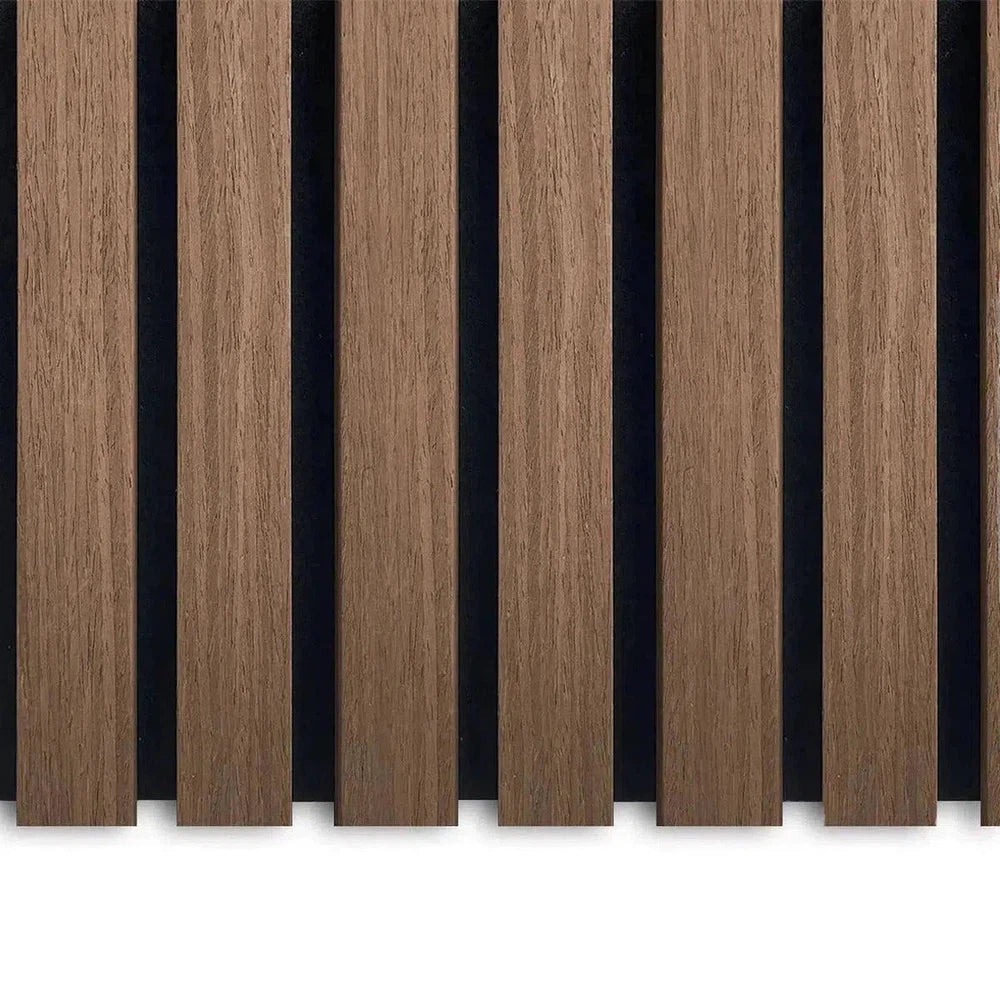
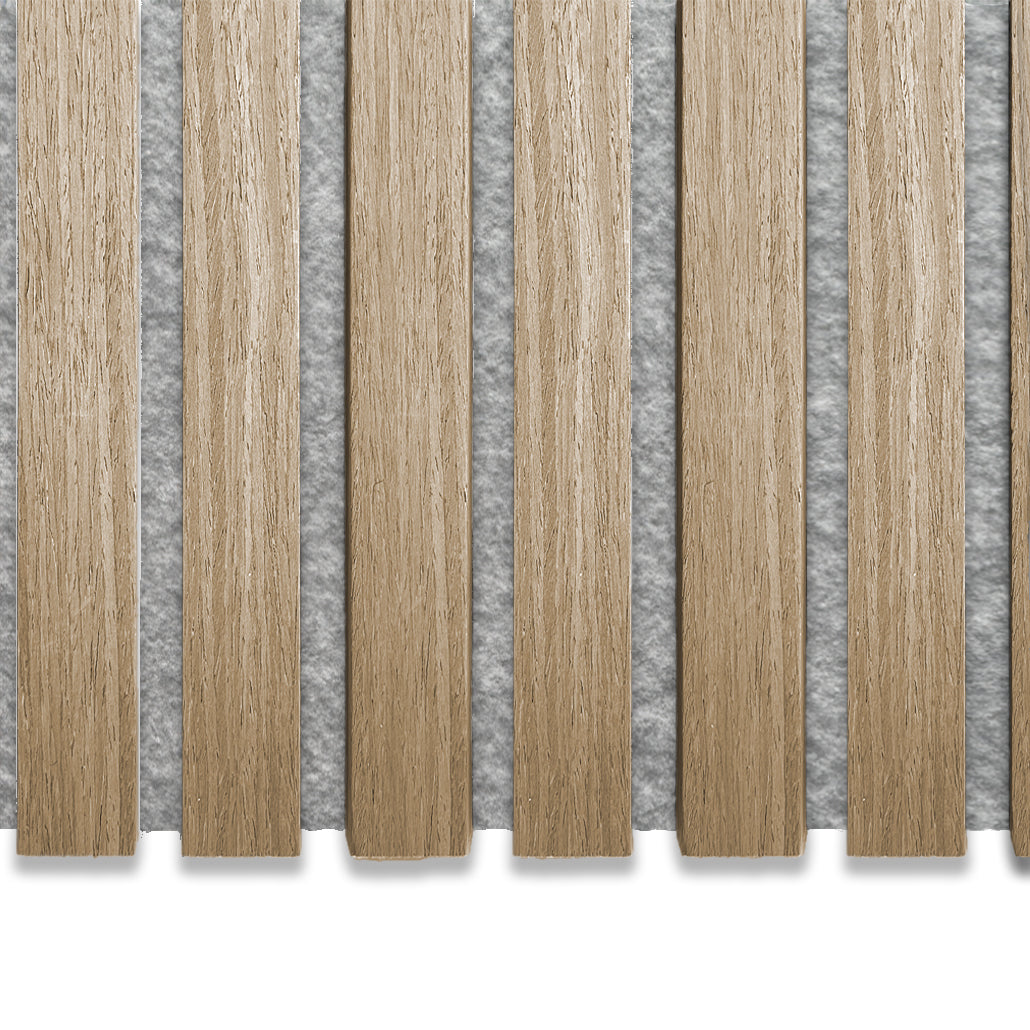
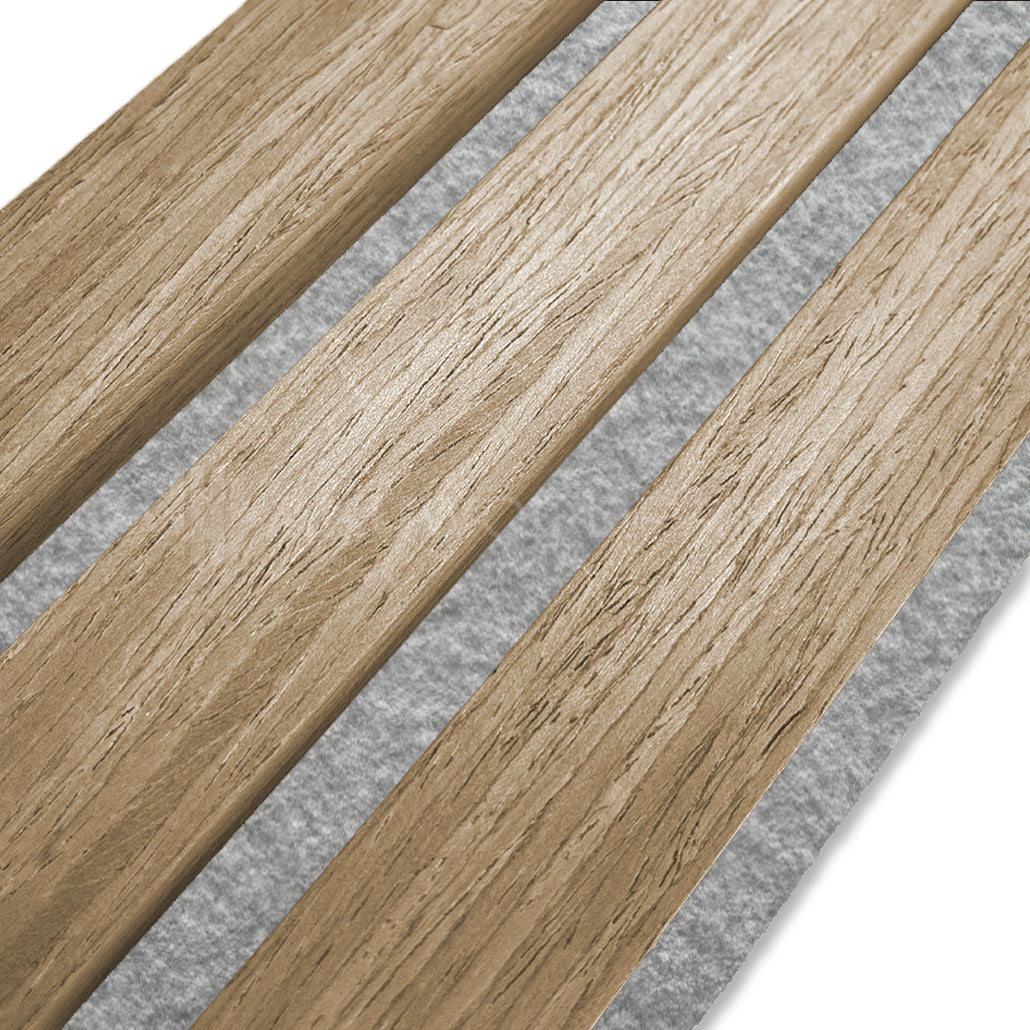
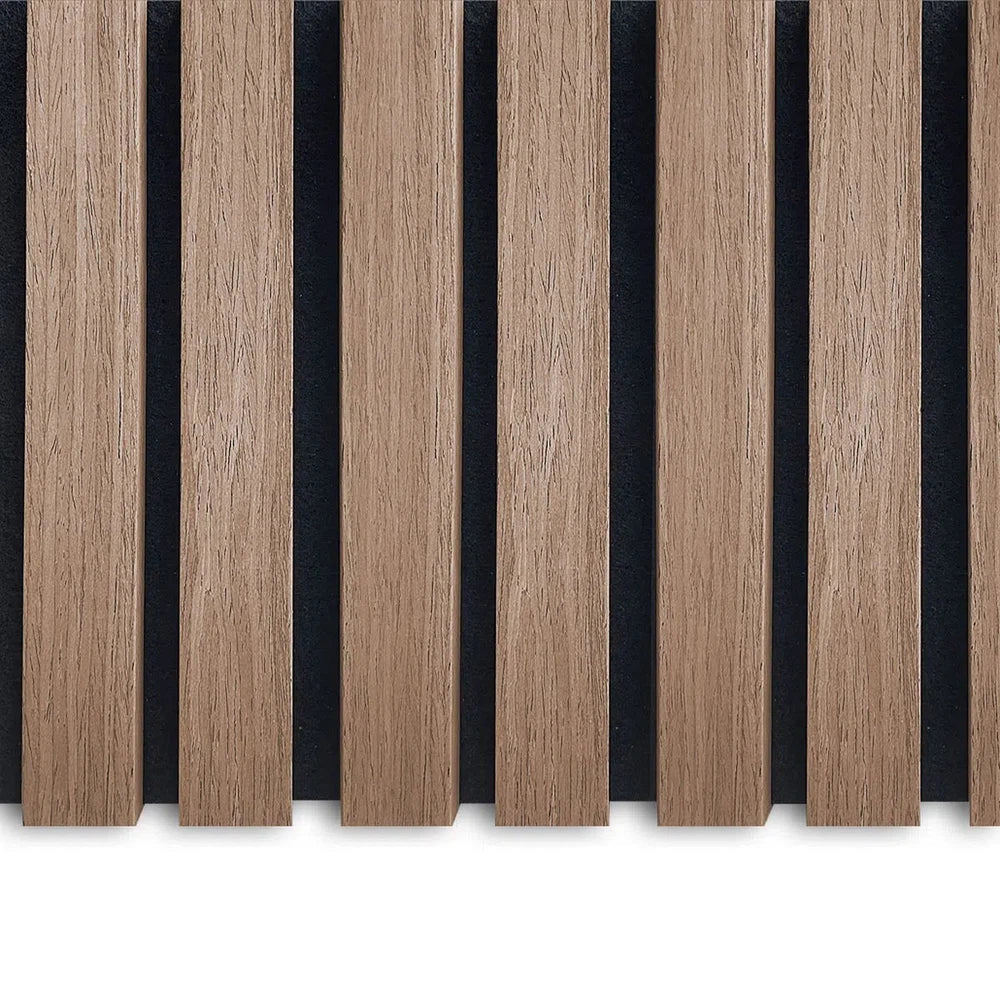
Natural Oak Grey Felt — the safe pick. This is the panel to default to if you're treating a control room that also doubles as an on-camera backdrop. The grey felt core sits behind a warm 3-sided oak veneer, so the wall reads bright on camera while still doing acoustic work at £83.95 a panel. Buy this if you want one finish that works for both the audio treatment and the video frame.
Natural Oak Grey Felt is the pick most stations land on because it doesn't force a compromise between how the room sounds and how it looks on a livestream thumbnail.
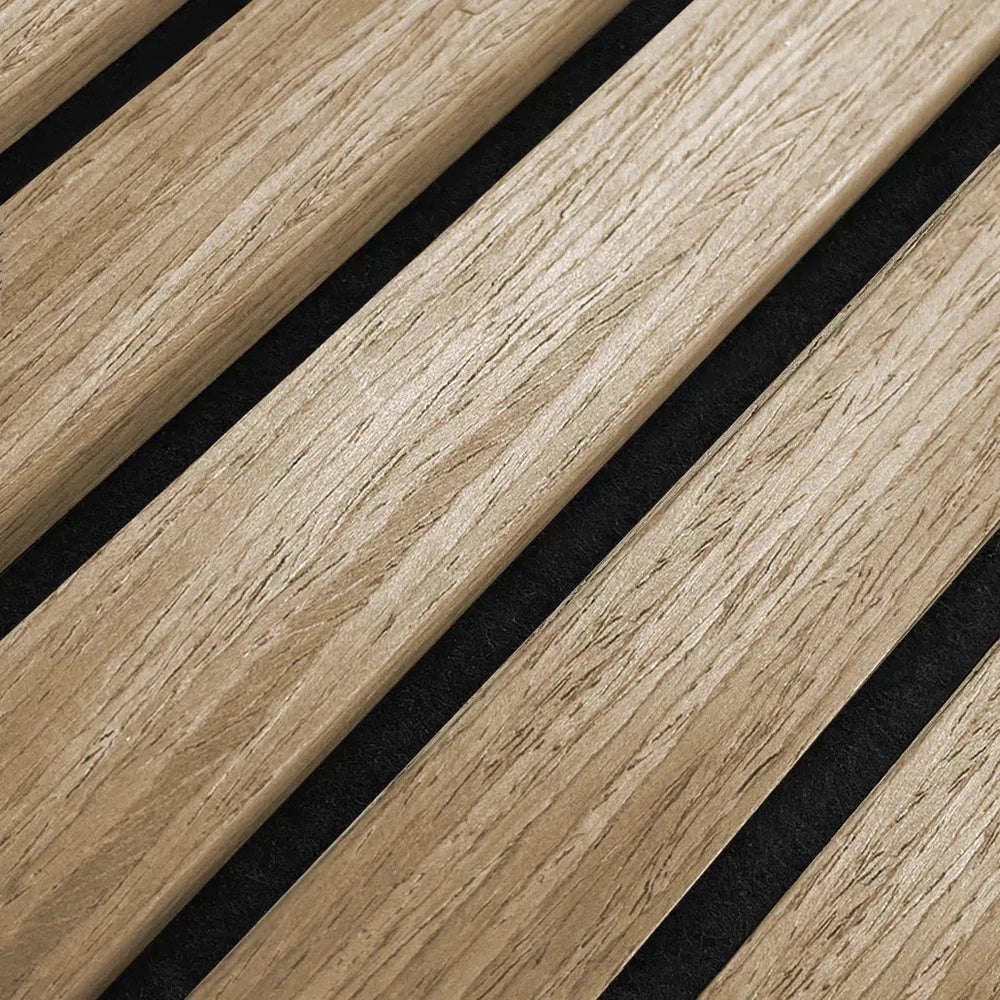
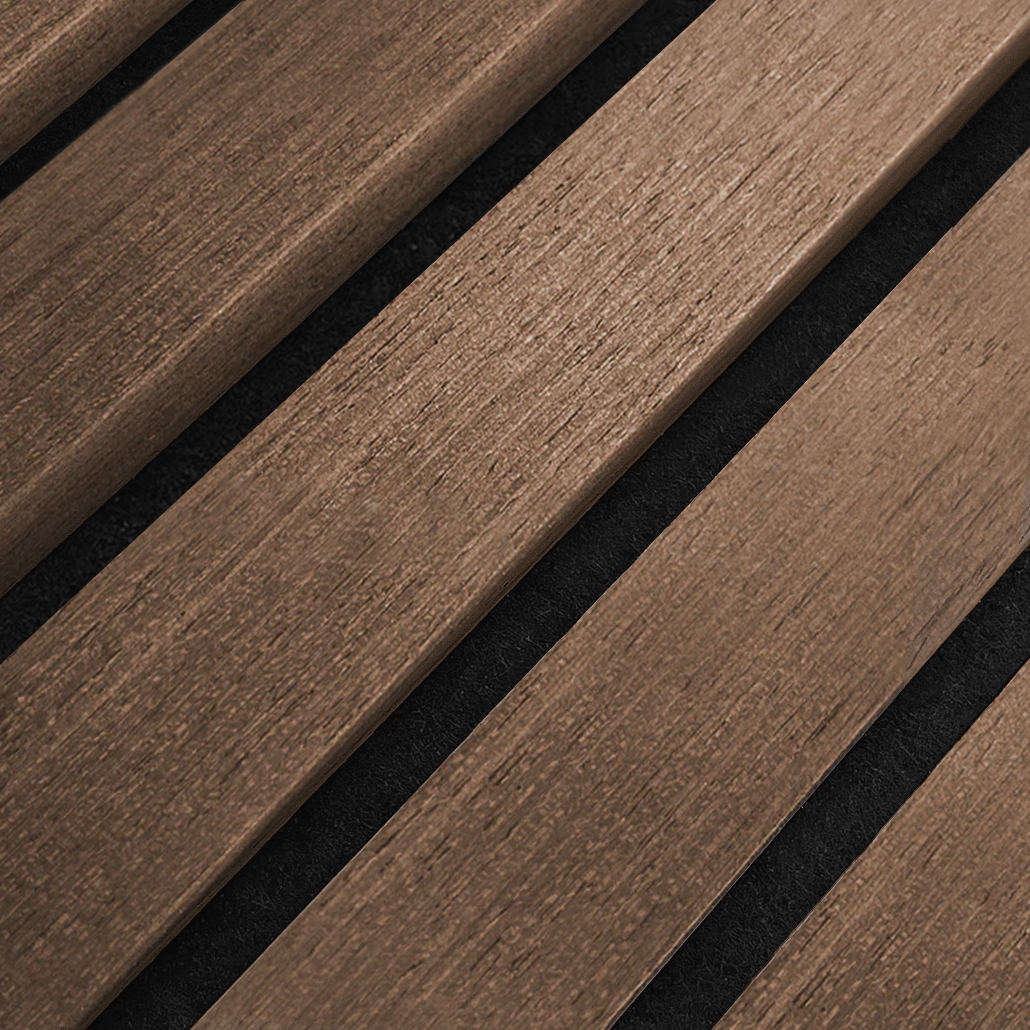
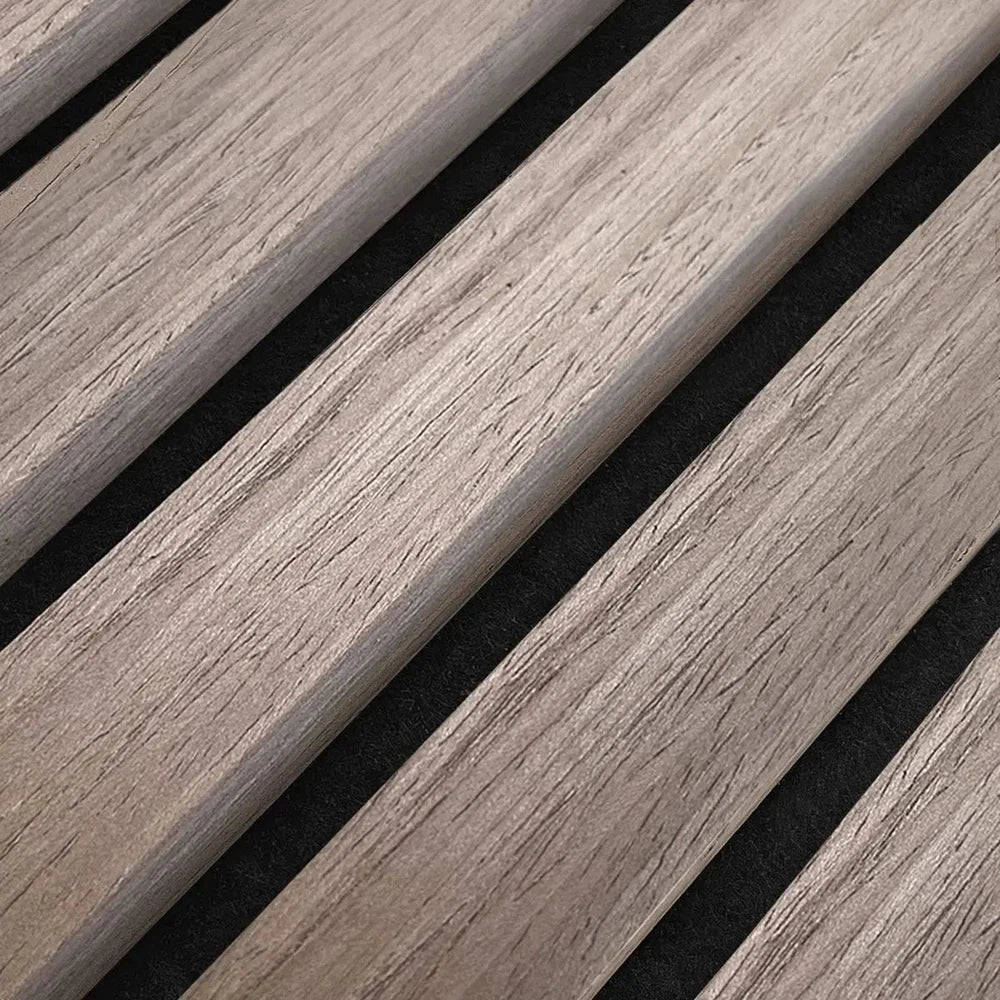
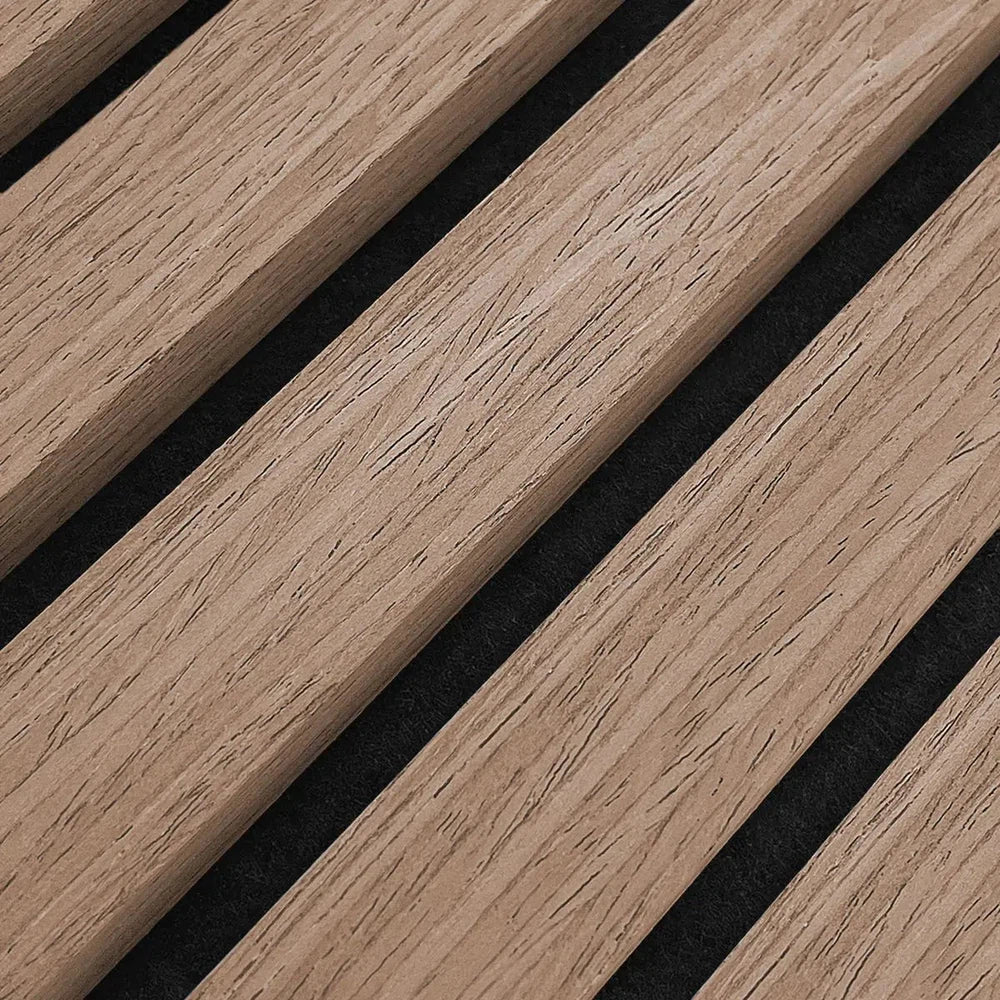
Rustic Oak — the textured pick. The ribbed surface on this panel physically scatters reflections across a wider angle than a flat veneer, which helps in narrow booths where the two side walls sit close to parallel. At £84.95, it costs the same as the flat finishes but earns its keep in rooms under 3 metres wide where flutter echo is worse. Buy it for tight booths; skip it if your room is already over 4 metres wide, where the texture adds cost without solving a problem you don't have.
Rustic Oak is the pick for engineers dealing with a genuinely small footprint, not a cosmetic upgrade for a room that's already treated.
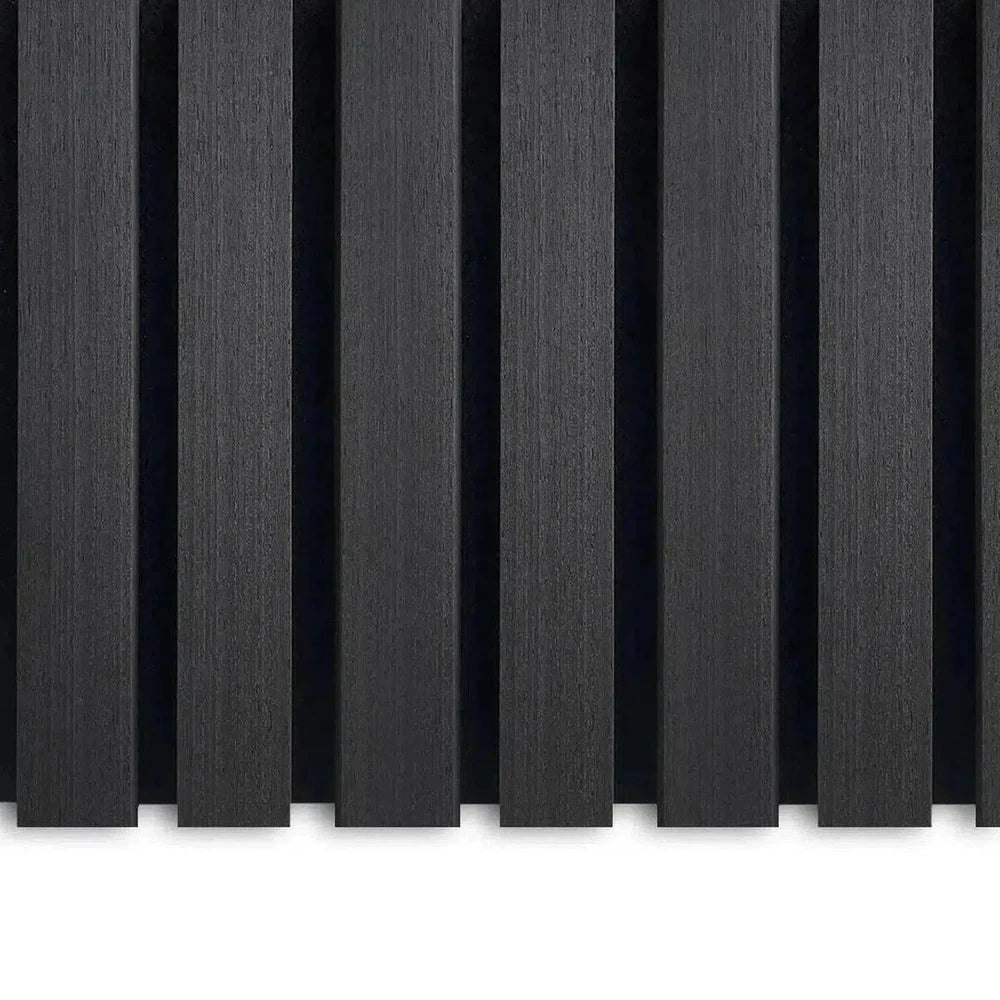
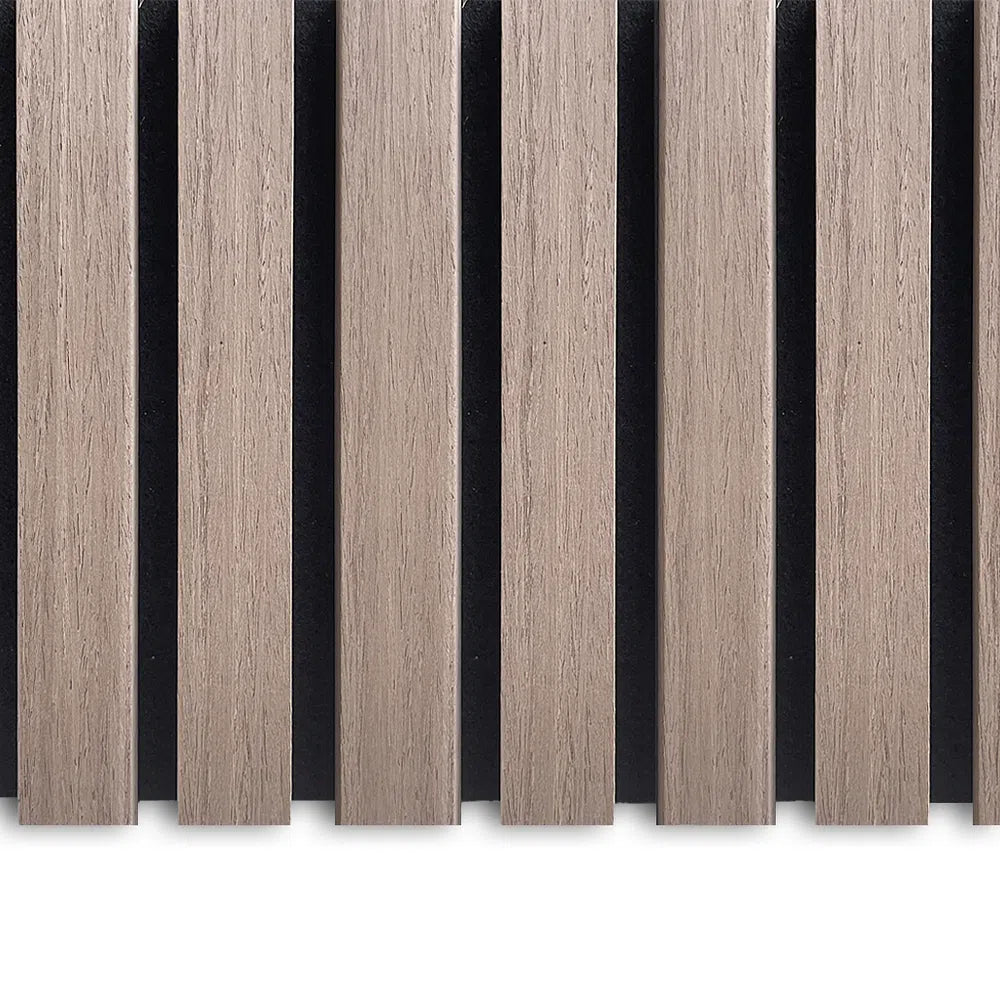
Black Oak — the on-air-dark pick. This finish gives a moody, broadcast-studio look that photographs well under coloured LED accent lighting, and it costs the same £84.95 as the other veneers. The catch is that dark finishes absorb ambient light rather than bouncing it, so a small booth can look like a void on camera unless the lighting rig compensates. Consider it for larger rooms or ones with strong supplementary lighting; it's not the first panel to buy for a booth under 3 metres wide.
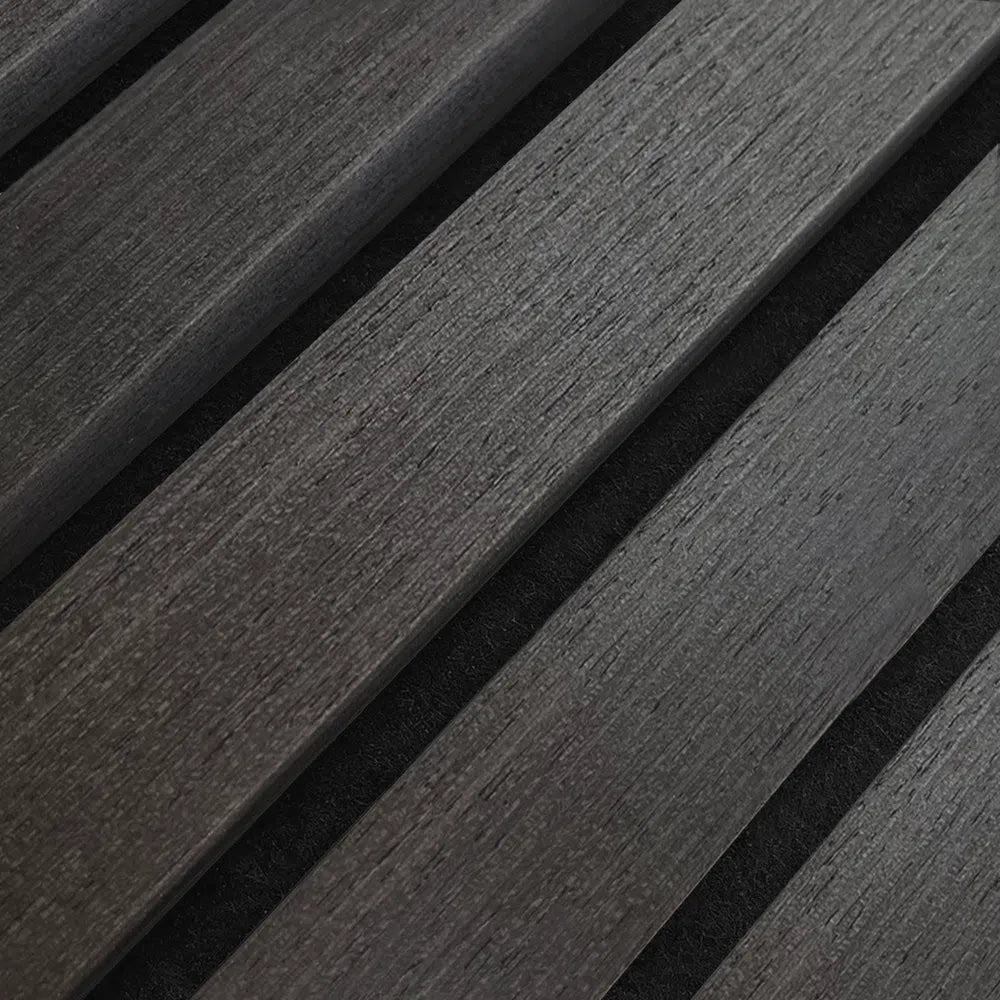
Grey Oak — the budget-neutral pick. At £80.95 it's the cheapest of the felt-backed range and splits the difference between the warmth of natural oak and the drama of black oak. It doesn't make a strong visual statement either way, which is exactly the point if the wall behind the presenter needs to stay out of the way. Consider it for a straightforward retrofit; skip it if the booth doubles as your station's visual identity and you want the wall to do some branding work.
What to avoid
- Printed laminate panels marketed as "acoustic." If the description doesn't mention a felt or fibre backing, the panel is a wood-look surface treatment, not an acoustic one — it won't touch the slap-back off a hard wall.
- Hexagon or geometric patterns behind the mic position without a felt core. They photograph well but the seams between small tiles create more hard edges, not fewer, if there's no absorptive backing doing the work.
- Full-black finishes in booths under 3 metres wide with weak lighting. The finish itself is fine acoustically; the problem is purely visual on camera, and it's an easy mistake to catch before you order.
How the picks compare
| Panel | Backing | Best for | Price (2026) | Verdict |
|---|---|---|---|---|
| Natural Oak Grey Felt | Acoustic felt | Booths that double as video backdrops | £83.95 | Buy |
| Rustic Oak | Acoustic felt | Narrow booths under 3m wide | £84.95 | Buy |
| Black Oak | Acoustic felt | Larger rooms with strong lighting | £84.95 | Consider |
| Grey Oak | Acoustic felt | Straightforward, low-key retrofits | £80.95 | Consider |
FAQ
What's the best acoustic wood panel for a radio station studio?
Natural Oak Grey Felt is the strongest all-round pick for 2026 because its felt backing handles the acoustic work while the finish reads well on camera. Darker finishes like Black Oak suit larger rooms but can look flat on video in small booths.
Do wooden acoustic panels actually reduce echo in a broadcast booth?
Yes, but only if the panel has a felt or fibre backing behind the wood veneer. The wood itself is decorative; the backing layer is what absorbs the mid-to-high frequency reflections causing the echo.
Is a felt-backed panel better than foam for a radio studio?
Felt-backed wood panels absorb a similar range of frequencies to foam but hold their finish for years under constant studio lighting, where foam yellows and degrades. Foam is cheaper upfront but foam doesn't survive daily contact in a working booth the way a veneer panel does.
How many acoustic wood panels do I need for a small studio booth?
Most small booths need panels on the two hard parallel walls behind and beside the presenter first, since that's where flutter echo builds. A typical booth under 3 metres wide covers those two walls with panels sized to the 240cm ceiling height before adding more.
Can I install acoustic wood panels without hiring a contractor?
Yes, most wood veneer acoustic panels mount with a high-tack adhesive rather than a structural fixing, so a level and a tube of glue are usually enough. This matters most in leased studio space where you can't alter the wall structure.
Should I choose 240cm or 300cm panels for a radio studio?
240cm suits most standard control room ceiling heights and covers floor-to-ceiling in a single run. 300cm is for taller rooms or full-height feature walls where you want to avoid a horizontal seam altogether.
Are dark finishes like Black Oak good for on-air video backdrops?
Black Oak looks striking on camera in larger rooms with strong lighting, but in booths under 3 metres wide it can absorb enough ambient light to look flat on a livestream. Natural or grey tones are the safer default for small rooms.
How much do acoustic wood panels cost for a studio wall in 2026?
Felt-backed wood veneer panels run £80.95 to £84.95 per panel in 2026 depending on finish, with darker and textured finishes at the higher end. Budget for coverage across the two hardest-reflecting walls first before treating the whole room.
One last thing
Most booths only need the two parallel hard walls treated, not the whole room — cover the wall behind the presenter and the one facing it, and the flutter echo that makes recordings sound harsh usually disappears before you've spent a penny on the ceiling or the door wall.