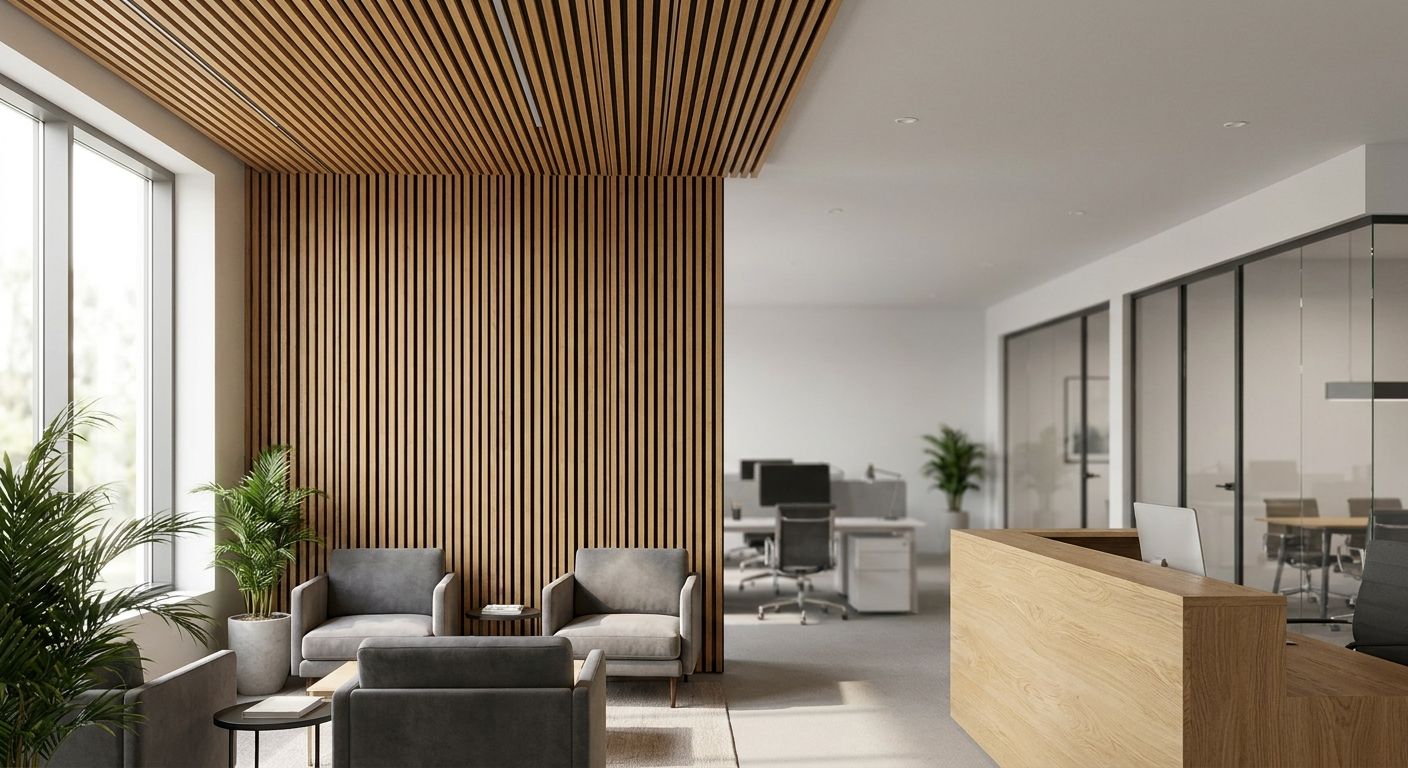
Recruitment agency floors run two jobs at once: a call floor for candidate outreach and a client-facing space for interviews. Bare plasterboard walls turn both into an echo chamber, and acoustic wood panels are the fastest way to fix that without ripping out the ceiling or covering the office in carpet tiles.
- Acoustic wood panels for recruitment agency offices cut call-floor echo fastest when the panel has a grey felt backing.
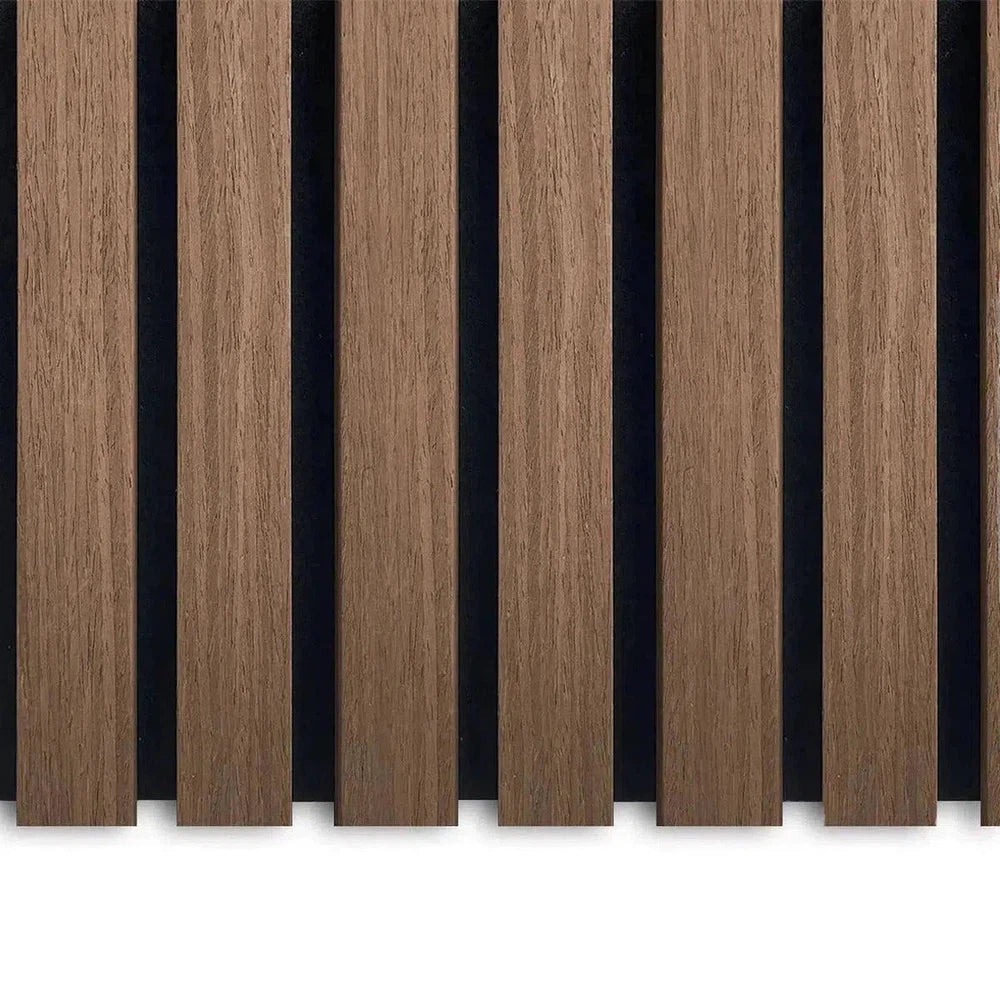
- Natural Oak Grey Felt suits open desk floors handling high call volume — buy at £83.95 per 240cm panel.
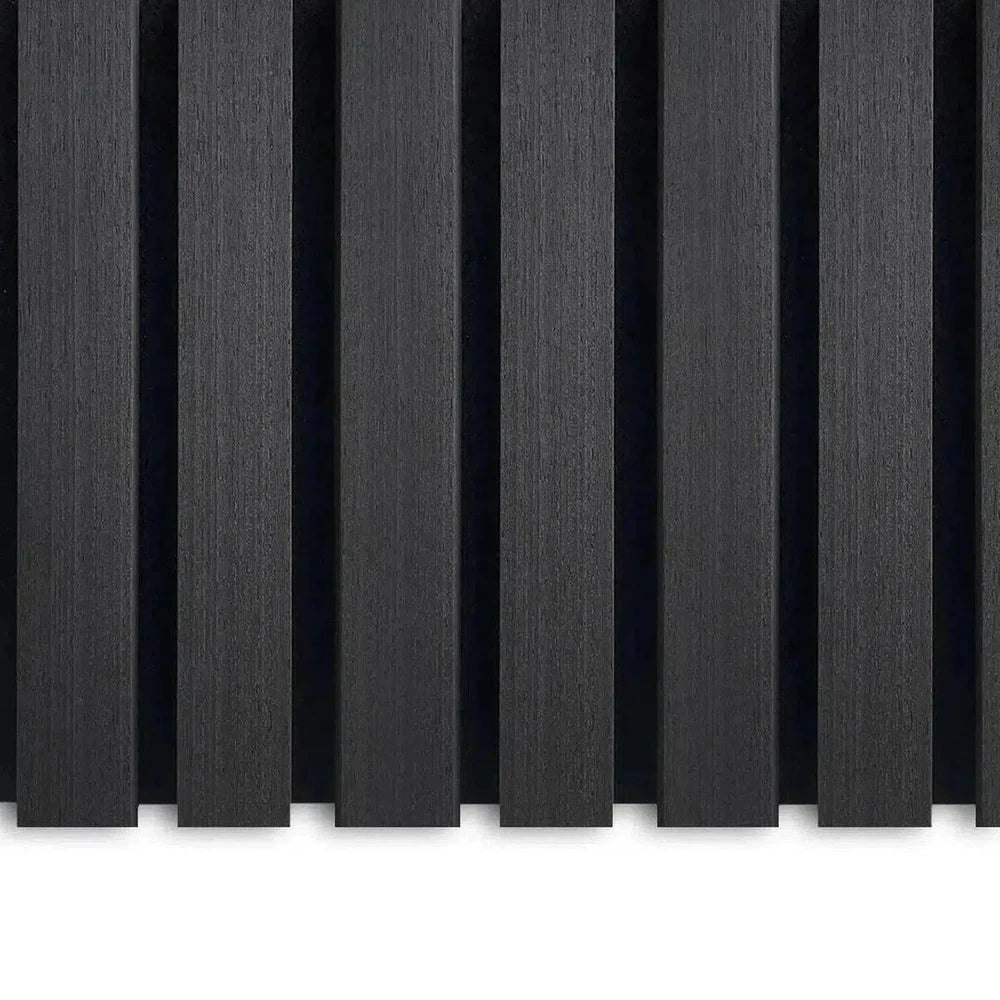
- Black Oak is the standout for interview rooms needing a formal, client-facing finish — buy.
- Smoked Oak works as a reception feature wall but costs more to run floor-to-ceiling — consider.
- Skip decorative-only slat panels with no felt backing; recruitment offices need the acoustic layer, not just the look.
Why this matters
A recruitment floor with 20 desks and no soft surfaces reflects sound off every hard wall, which means consultants raise their voices to be heard over headset calls, and interview rooms next door pick up every word through a shared partition. That's not a minor annoyance in 2026 — it's a client-perception problem when a hiring manager walks in for a shortlist review and can't hear across the table.
Standard acoustic tile ceilings absorb some of that, but they don't touch the wall-to-wall reflection that happens at desk height, which is exactly where phone conversations live. Acoustic wood panels for accountancy firm offices face the same problem — open desks, private meeting rooms, professional finish requirements — and the same fix applies to a recruitment floor.
Who this is for
This guide is for office managers and branch directors fitting out a recruitment agency space: open-plan consultant desks, one or two interview rooms, and a reception area that has to look credible to a client walking in cold. If your floor is under 300 square metres and you're weighing a full refit against a targeted acoustic upgrade, this is the cheaper route.
What to look for in acoustic wood panels for recruitment agency offices
Felt backing, not just wood veneer
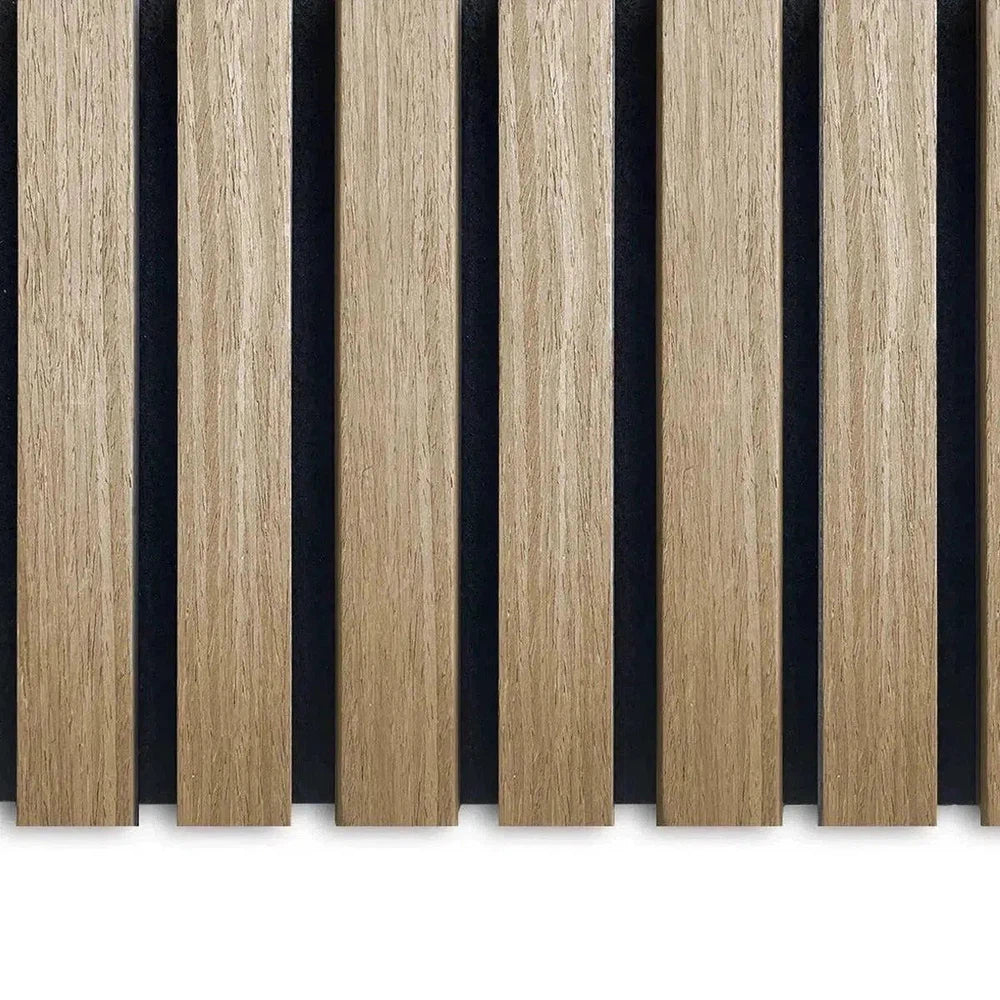
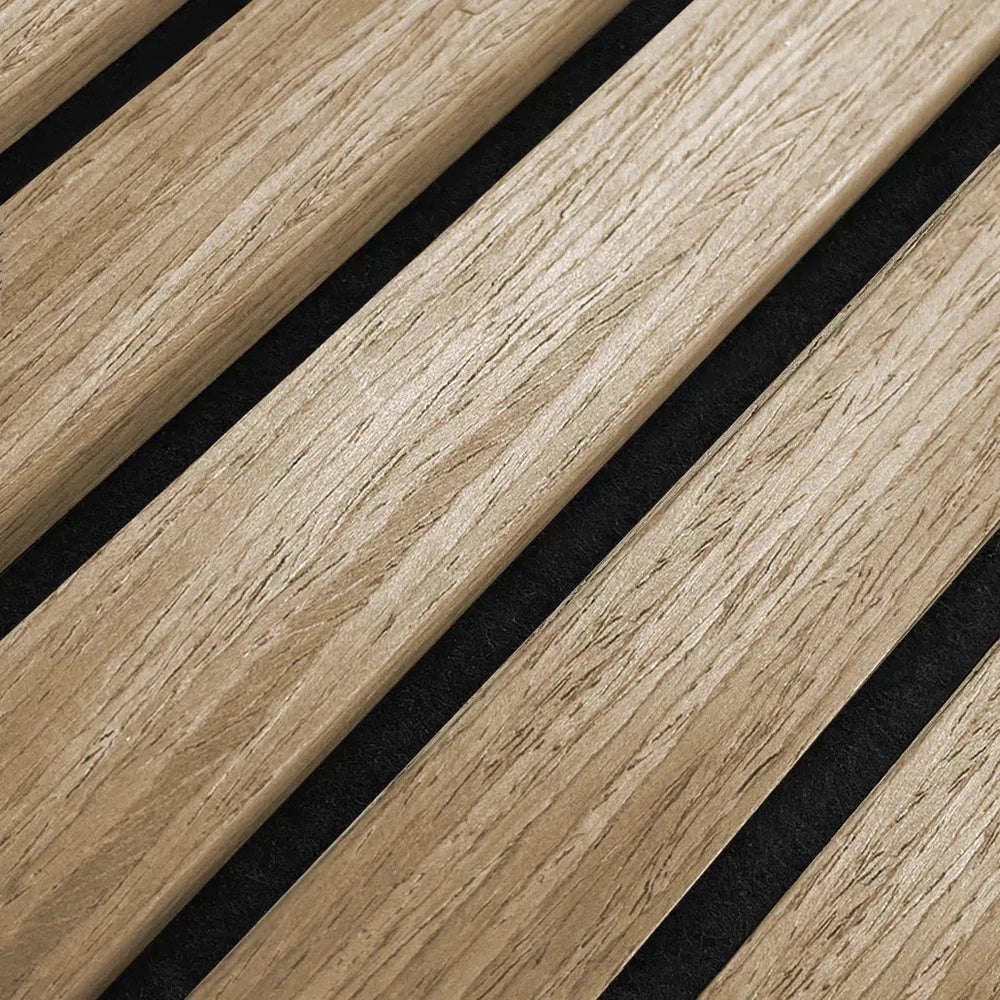
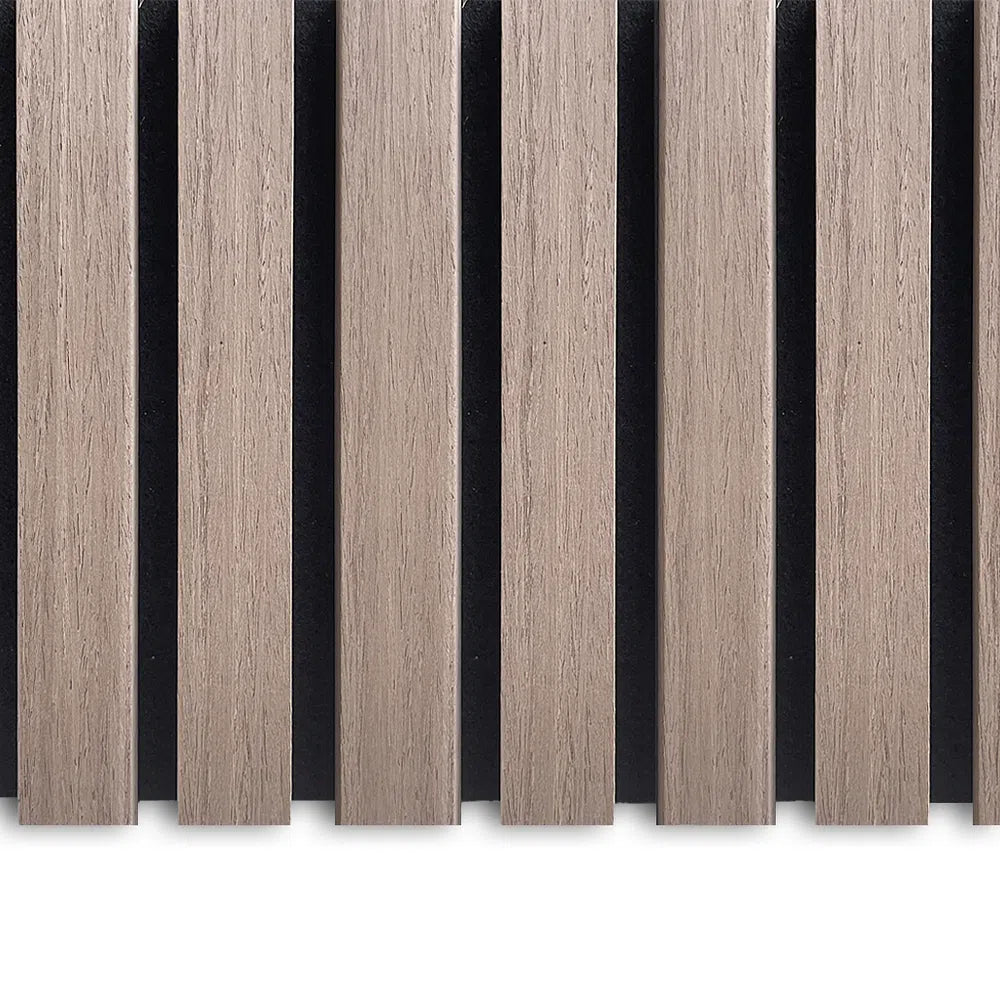
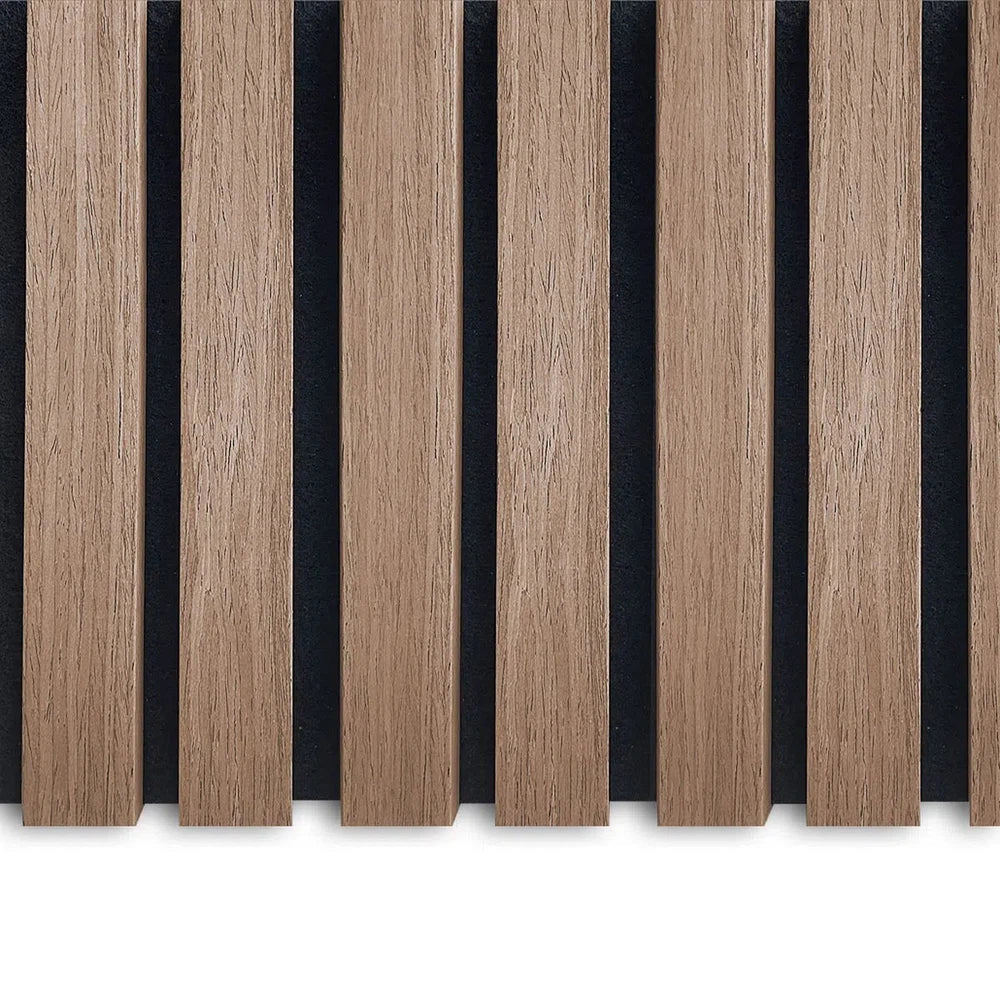
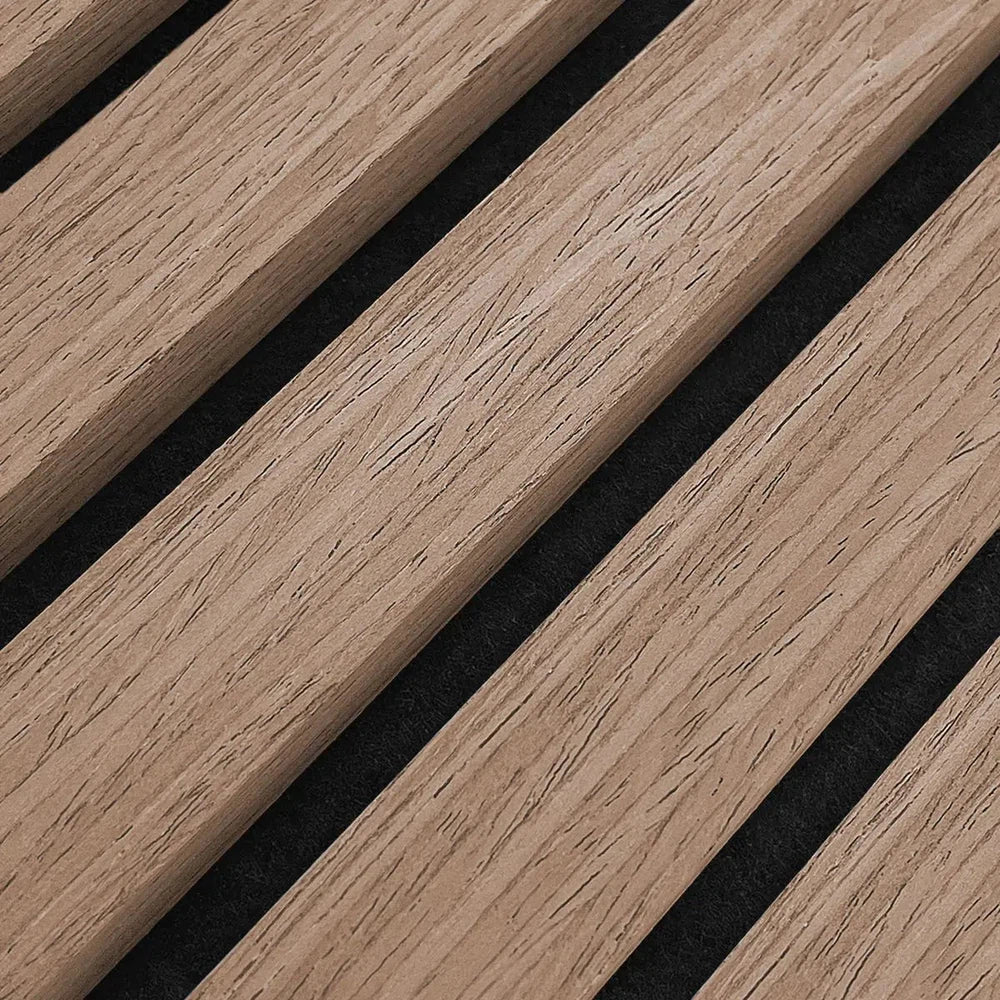
The wood finish is what a visitor sees, but the acoustic felt behind it is what actually does the work. A panel with no backing layer is decorative cladding, not acoustic treatment, and it won't move the needle on a noisy call floor.
Interview room speech privacy
Interview rooms need to stop sound leaking out as much as they need to stop echo bouncing around inside. Panelling the shared wall between an interview room and the open floor cuts both problems at once — reverberation inside the room and bleed-through to the desks outside.
A finish that reads as premium at reception
Clients and candidates judge an agency's credibility off the first wall they see. A real wood veneer finish in the reception area signals investment in a way that a painted plasterboard wall or a generic acoustic foam tile never will.
Panel format matching your ceiling height
Panels come in 240cm and 300cm lengths. Most recruitment offices sit in standard commercial ceiling heights, where a 240cm panel runs floor-to-ceiling with minimal cutting; a 300cm panel is the better call only if your ceilings run taller than that.
Install speed without a full refit
Agencies can't afford two weeks of downtime on a working floor. Slat panels that glue directly to plasterboard or battens go up over a weekend, which means desks are back in use by Monday.
Finish range across multiple branches
If you're standardising the look across more than one office, pick a finish that's stocked consistently rather than a limited-run colour, so branch two doesn't end up with a visible mismatch six months later.


Top picks for recruitment agency offices
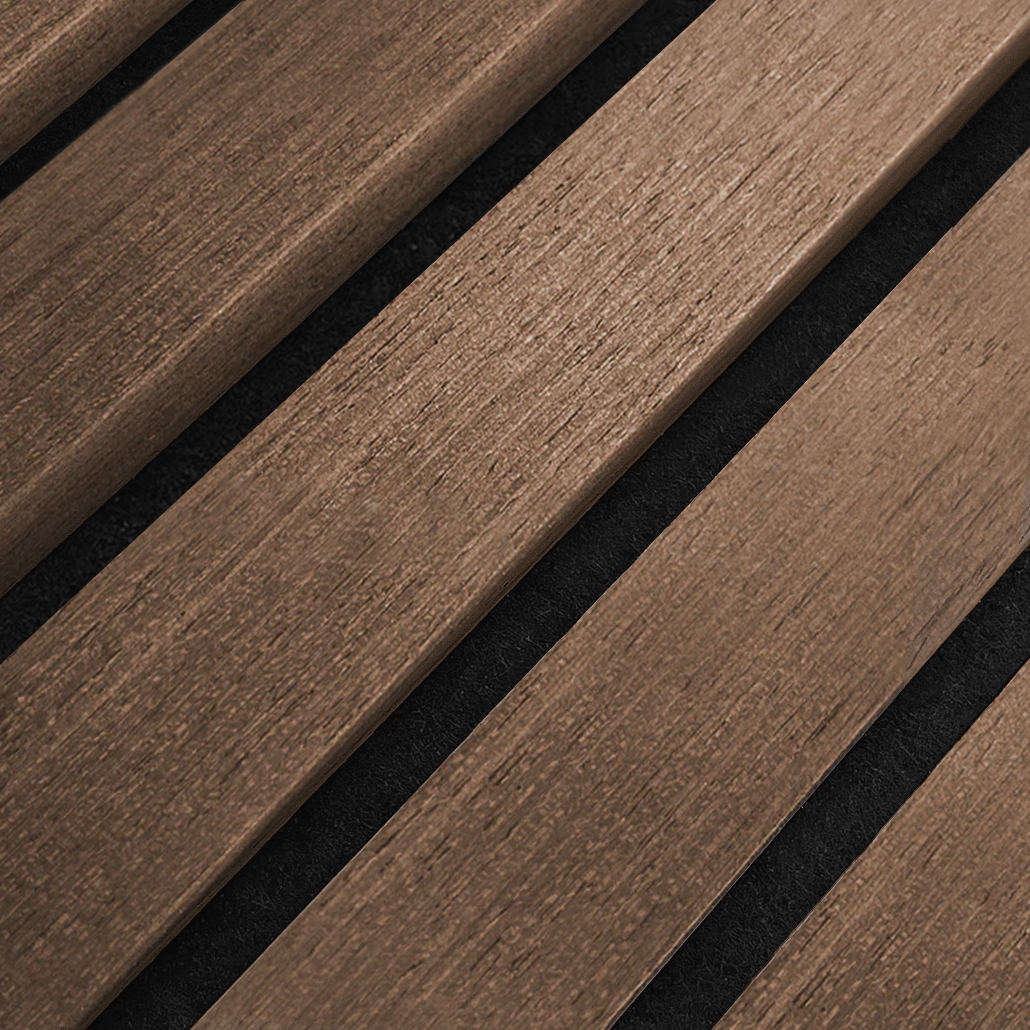
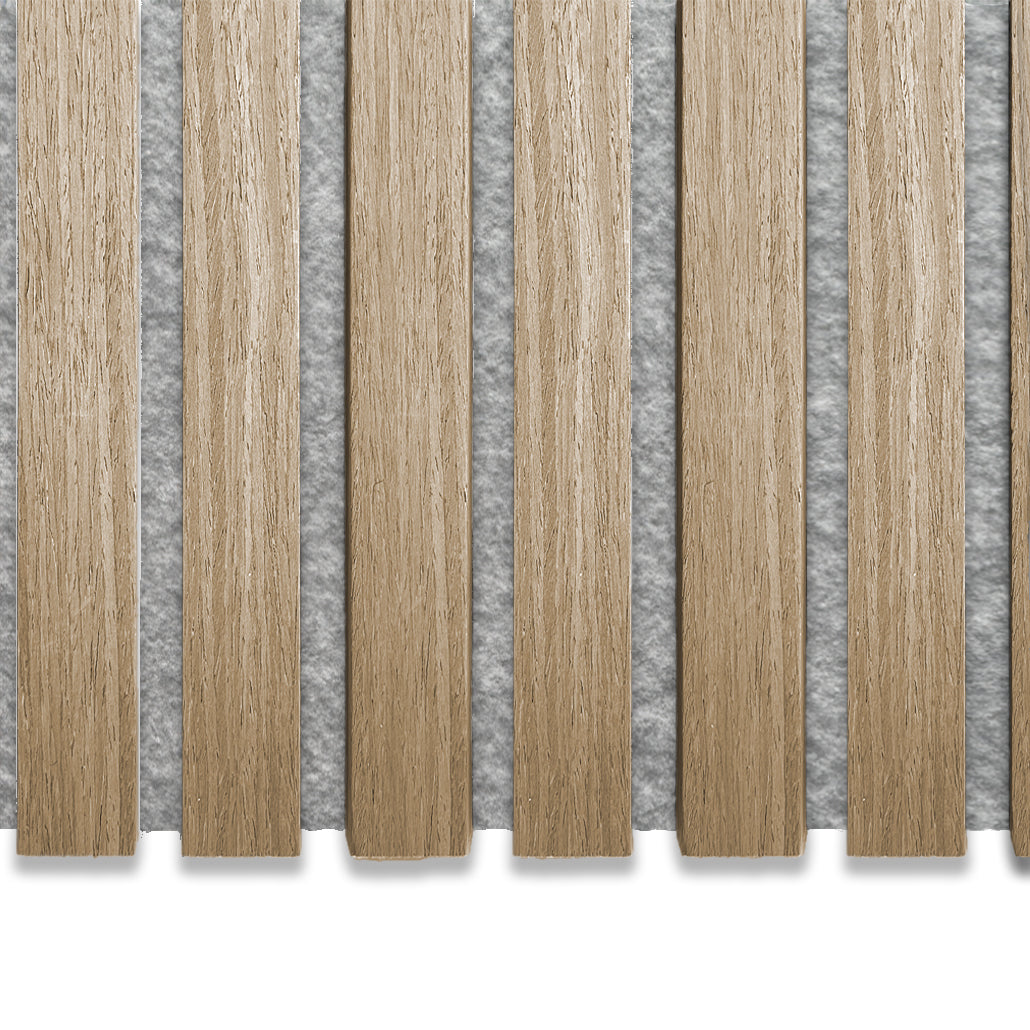
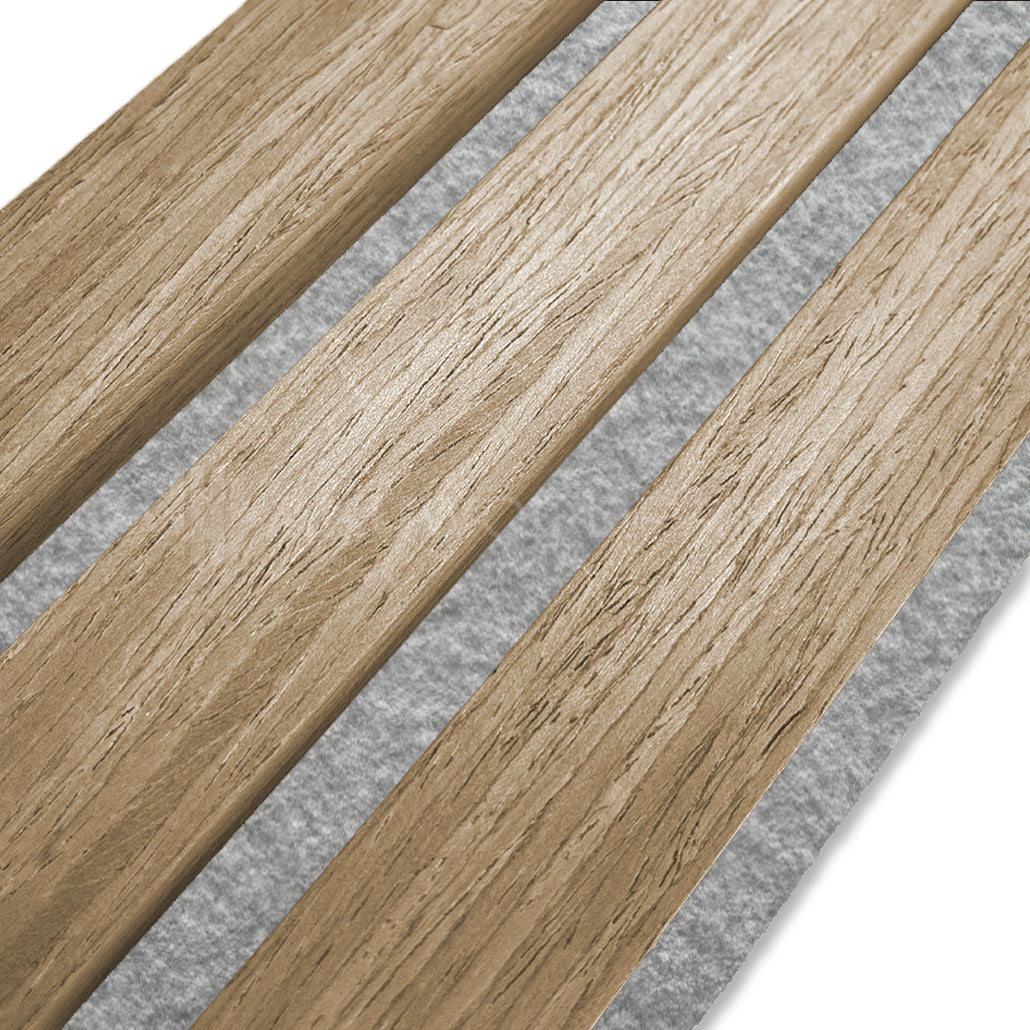
The safe pick — Natural Oak Grey Felt. Light oak veneer over a grey felt acoustic layer, priced at £83.95 per 240cm panel in 2026. It's the panel that works on an open desk floor without darkening the room, and the grey felt hides less obviously against a lighter interior than a black backing would. Verdict: Buy for the main call floor.
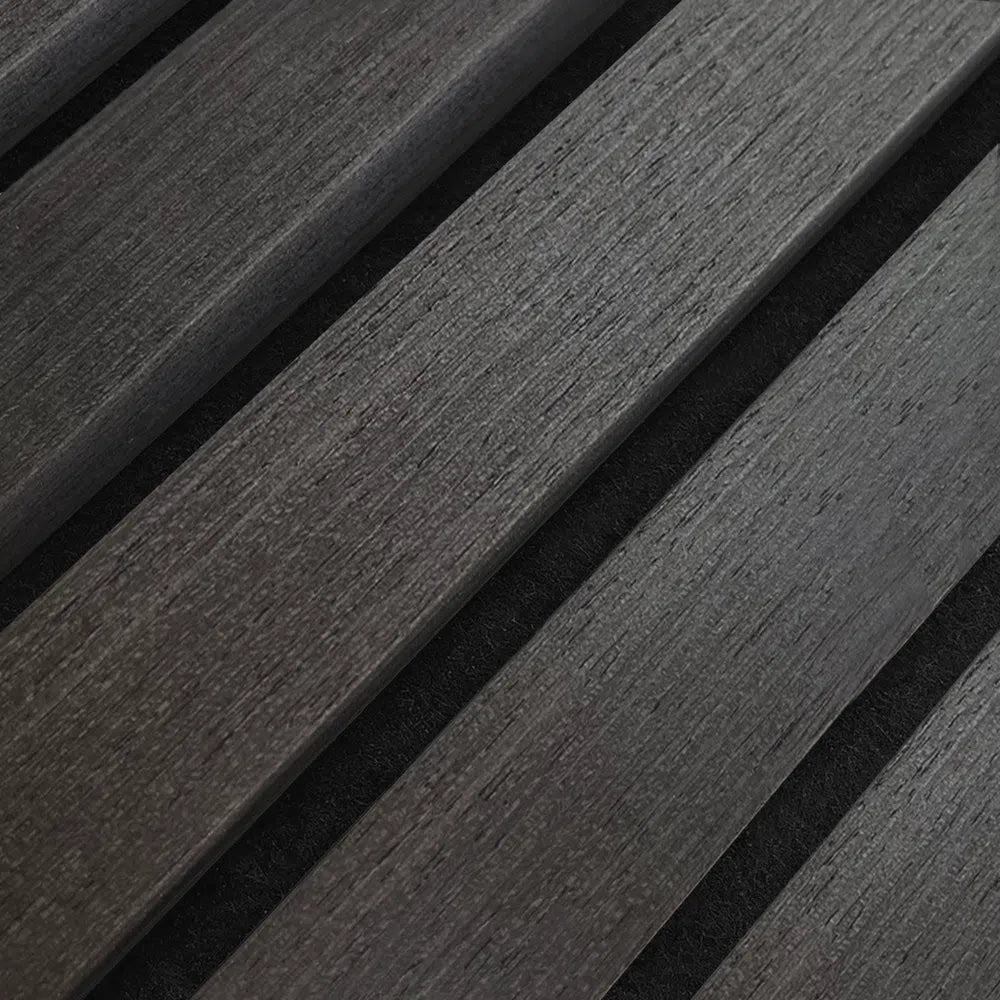
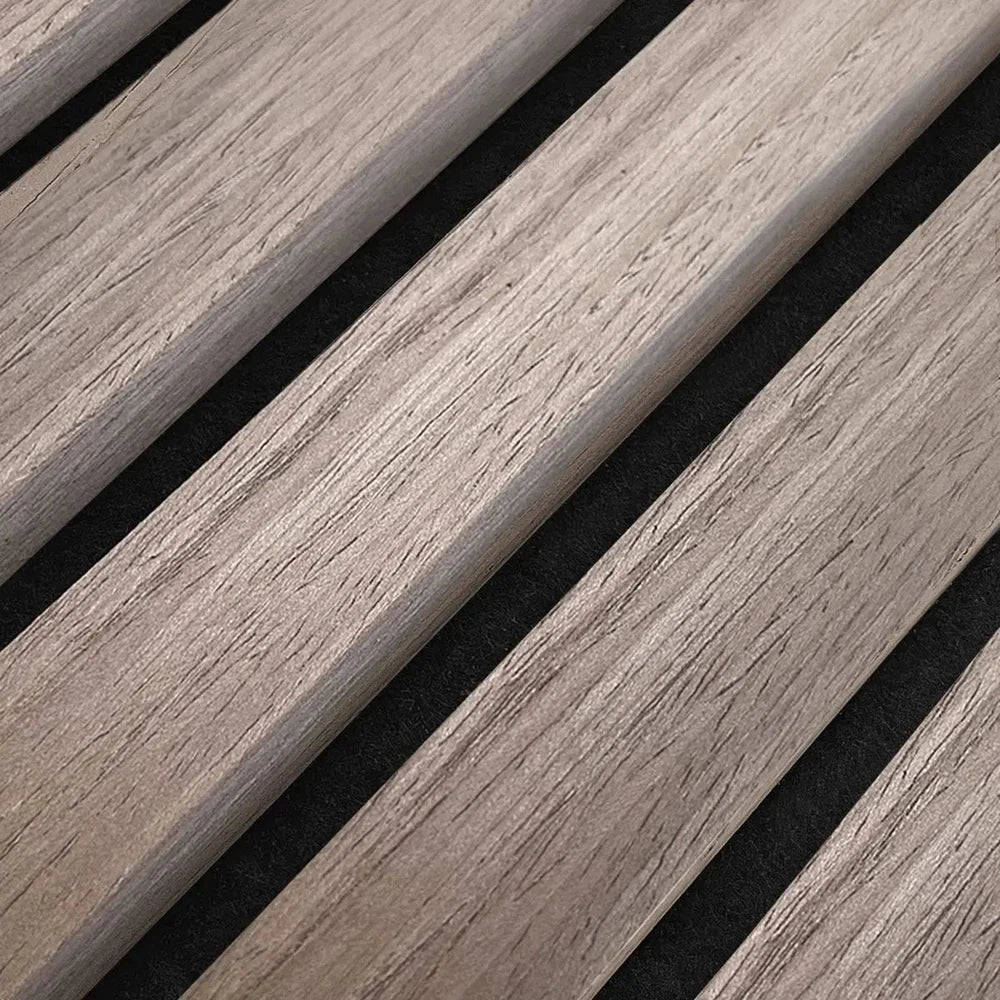
The boardroom pick — Black Oak. At £84.95 per panel, this is the finish that reads as deliberate rather than default in an interview room or a small meeting space where a client sits across the table. Dark tones also hide scuff marks better on a wall that gets touched and leaned against daily. Verdict: Buy for interview and meeting rooms.
The reception statement — Smoked Oak. This is the panel to run floor-to-ceiling on the wall a candidate sees first, walking in. It costs more to cover a full reception wall than a single accent panel would, so it's worth pricing the square metreage before committing. Verdict: Consider for reception feature walls only.
The budget-neutral option — Grey Walnut. Priced at £80.95, this sits just under the natural and black finishes and works if the office palette is already grey-toned. It's a reasonable fallback if Natural Oak Grey Felt is out of stock, but it doesn't have a distinct enough look to be the first choice. Verdict: Consider as a substitute, not a first pick.
What to avoid
- Decorative-only slat panels with no acoustic backing. They look identical in a product photo but do nothing for the echo problem you're actually trying to solve.
- 300cm panels in a standard-height office. Oversized panels mean more cutting waste and a higher material cost for no acoustic gain over the 240cm format.
- Exterior cladding panels used indoors. Outdoor-rated panels are built for weather resistance, not for the finish quality or fixing method an indoor office wall needs.
“If the call floor still echoes above the desks, more felt-backed wall panels fixes it faster than more ceiling tiles.”
Verdict comparison table
| Panel | Best for | Format | Price (2026) | Verdict |
|---|---|---|---|---|
| Natural Oak Grey Felt | Open desk / call floor | 240cm | £83.95 | Buy |
| Black Oak | Interview & meeting rooms | 240cm | £84.95 | Buy |
| Smoked Oak | Reception feature wall | 240cm | — | Consider |
| Grey Walnut | Budget-neutral substitute | 240cm | £80.95 | Consider |
FAQ
What's the best acoustic wood panel for a recruitment agency office?
Natural Oak Grey Felt is the best all-round pick for a recruitment agency call floor in 2026 because the grey felt backing absorbs sound without darkening an open-plan room. Black Oak is the better choice specifically for interview rooms where a formal finish matters more.
Do acoustic wood panels actually reduce noise on a call floor?
Yes — the felt layer behind the wood veneer absorbs sound reflections that bare plasterboard bounces back into the room. The effect is most noticeable on walls near desk clusters, where reflected voices are loudest.
How much does it cost to panel an interview room?
Cost depends on wall area and finish, with individual 240cm panels priced from roughly £81 to £85 in 2026. A single interview room wall typically needs a handful of panels rather than a full room wrap.
Is 240cm or 300cm the right panel size for an office?
240cm covers most standard commercial ceiling heights with minimal cutting. 300cm only makes sense if your ceiling runs taller than that, otherwise it's wasted material.
Can acoustic wood panels go over plasterboard?
Yes, slat panels with a 3-sided wood veneer finish are designed to glue or fix directly onto plasterboard or timber battens. That's what keeps install time down to a weekend rather than a full refit.
Do these panels work in a reception area?
Yes — a darker finish like Smoked Oak or Black Oak reads well as a feature wall in reception, since it's the first surface a visiting client sees. Running it floor-to-ceiling on one wall is more cost-effective than covering the whole room.
What's the difference between decorative and acoustic wall panels?
Decorative panels are wood veneer over a solid backing with no sound absorption. Acoustic panels add a felt layer behind the veneer specifically to reduce echo, which is the layer a noisy office actually needs.
One last thing
Most recruitment offices only need acoustic treatment on the walls closest to the desk clusters and the interview room, not the whole floor — a partial fit on two or three walls often solves the worst of the echo for a fraction of the cost of panelling every wall in the building.