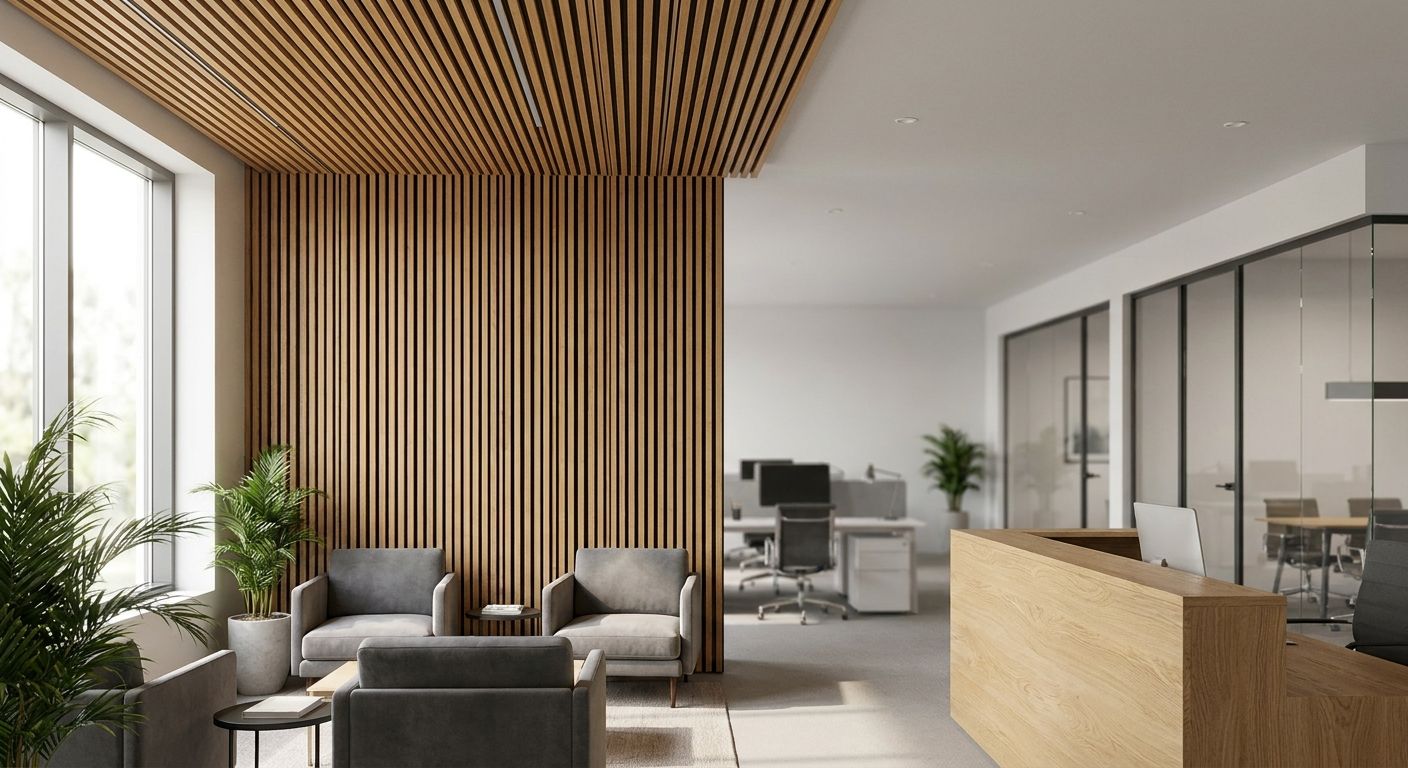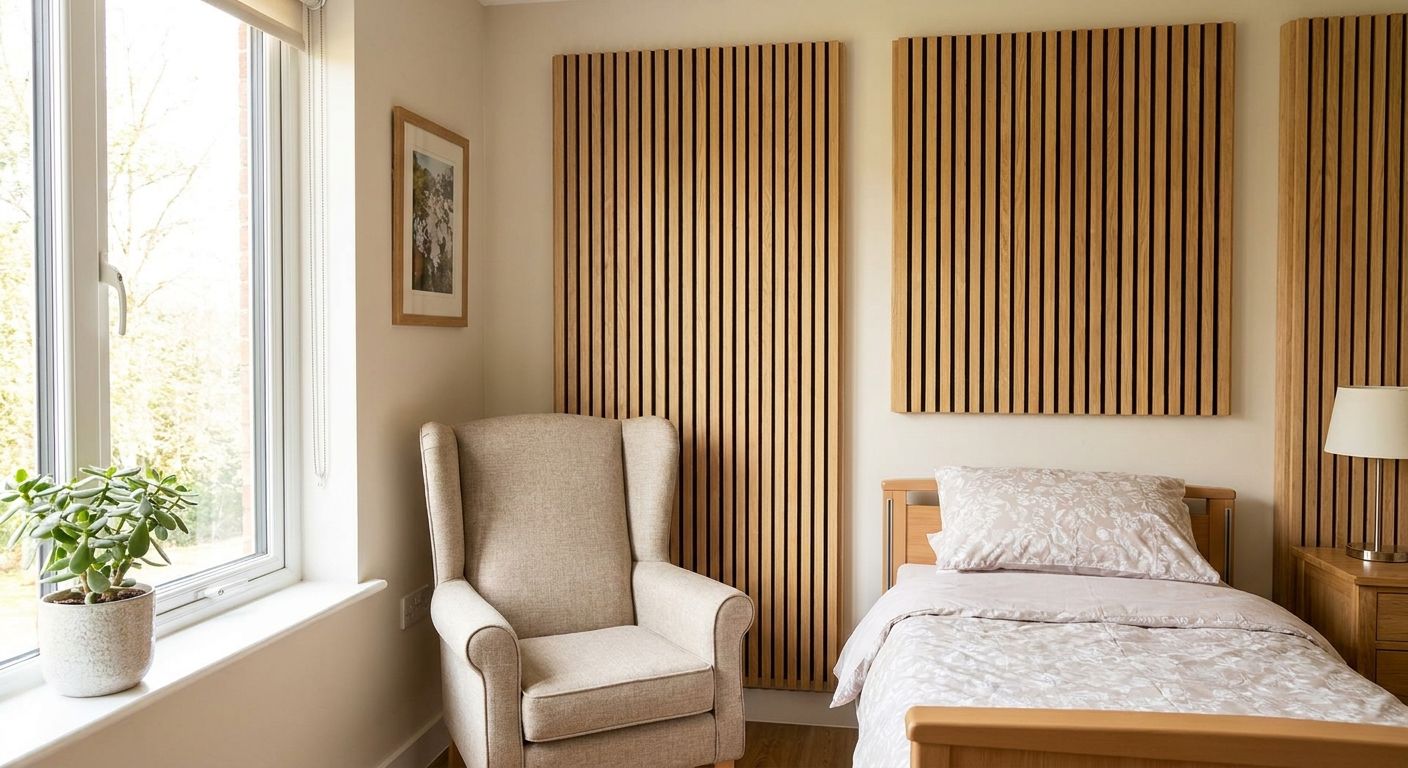
Hospice lounges and family rooms carry two jobs at once: cut the echo that makes quiet conversations exhausting, and still feel like a home, not a hospital corridor. Acoustic wood panels do both if you pick the right finish, backing, and size format for a care setting.
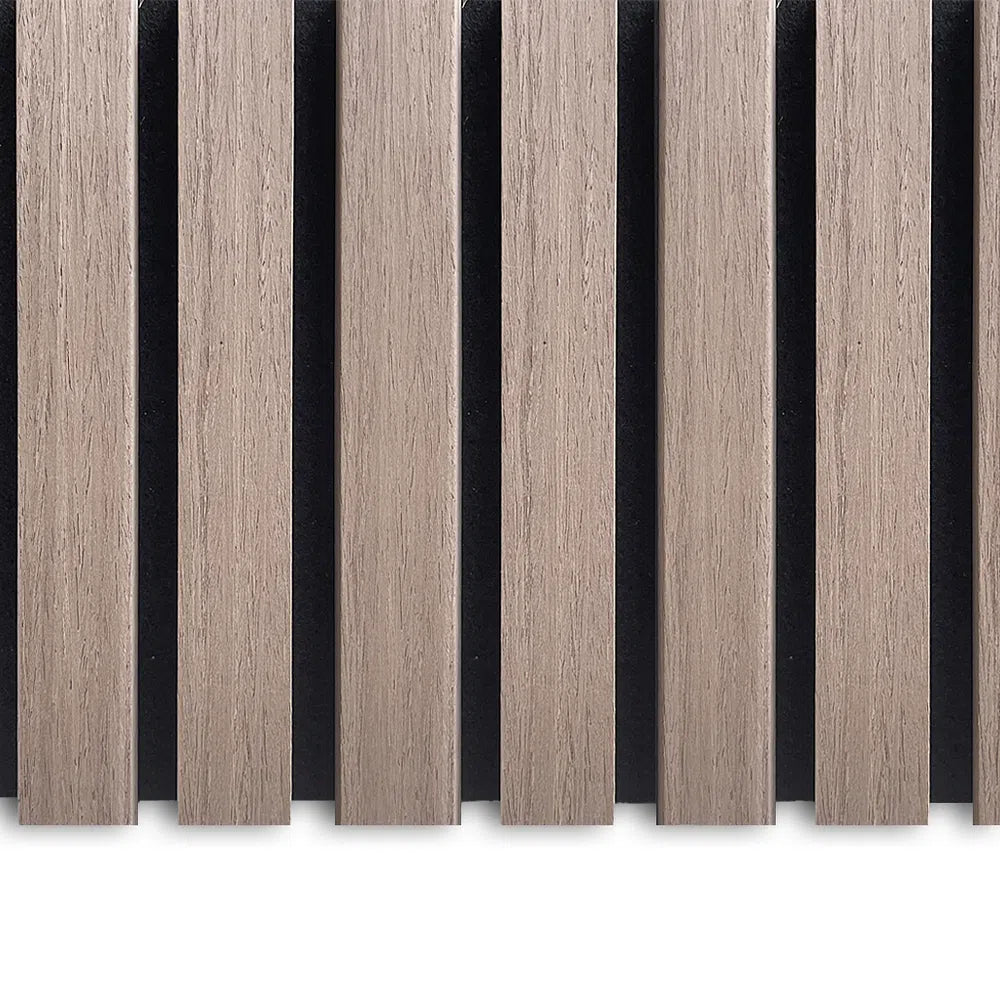
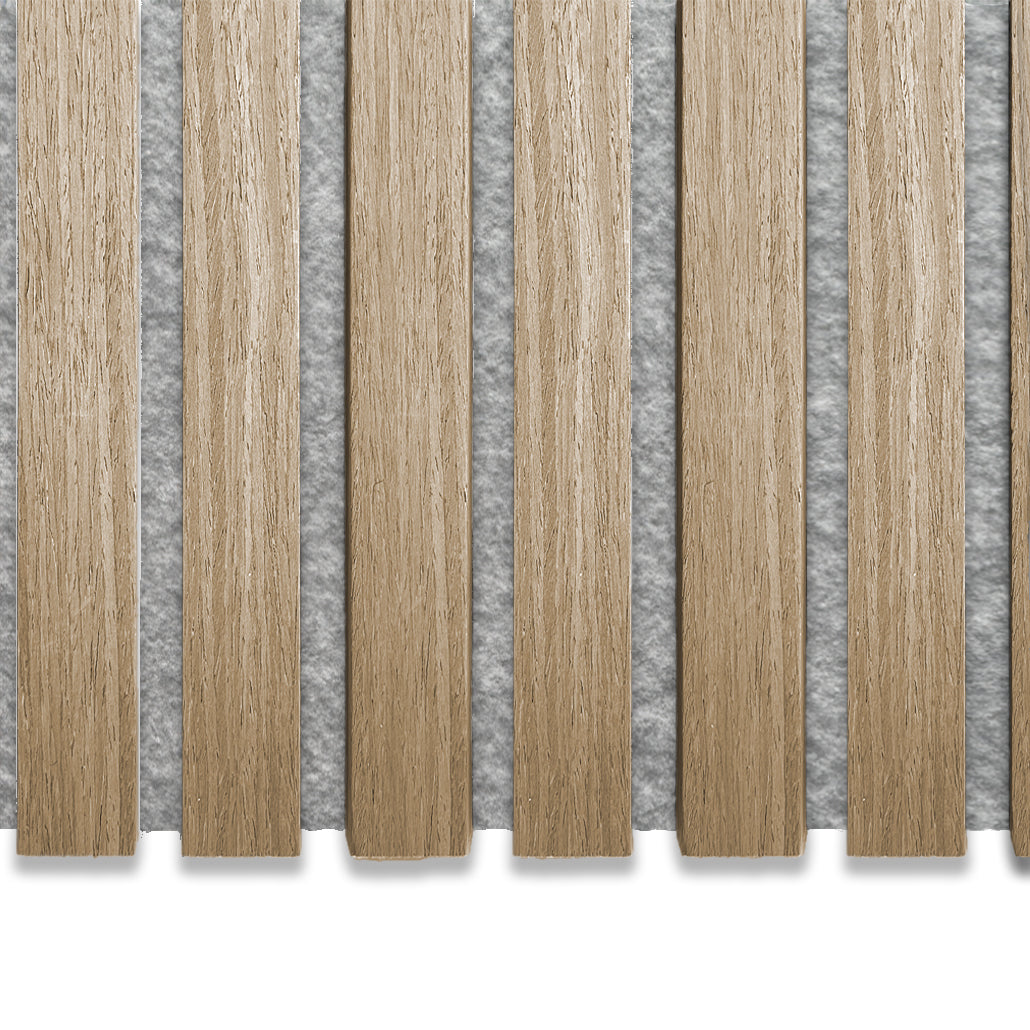
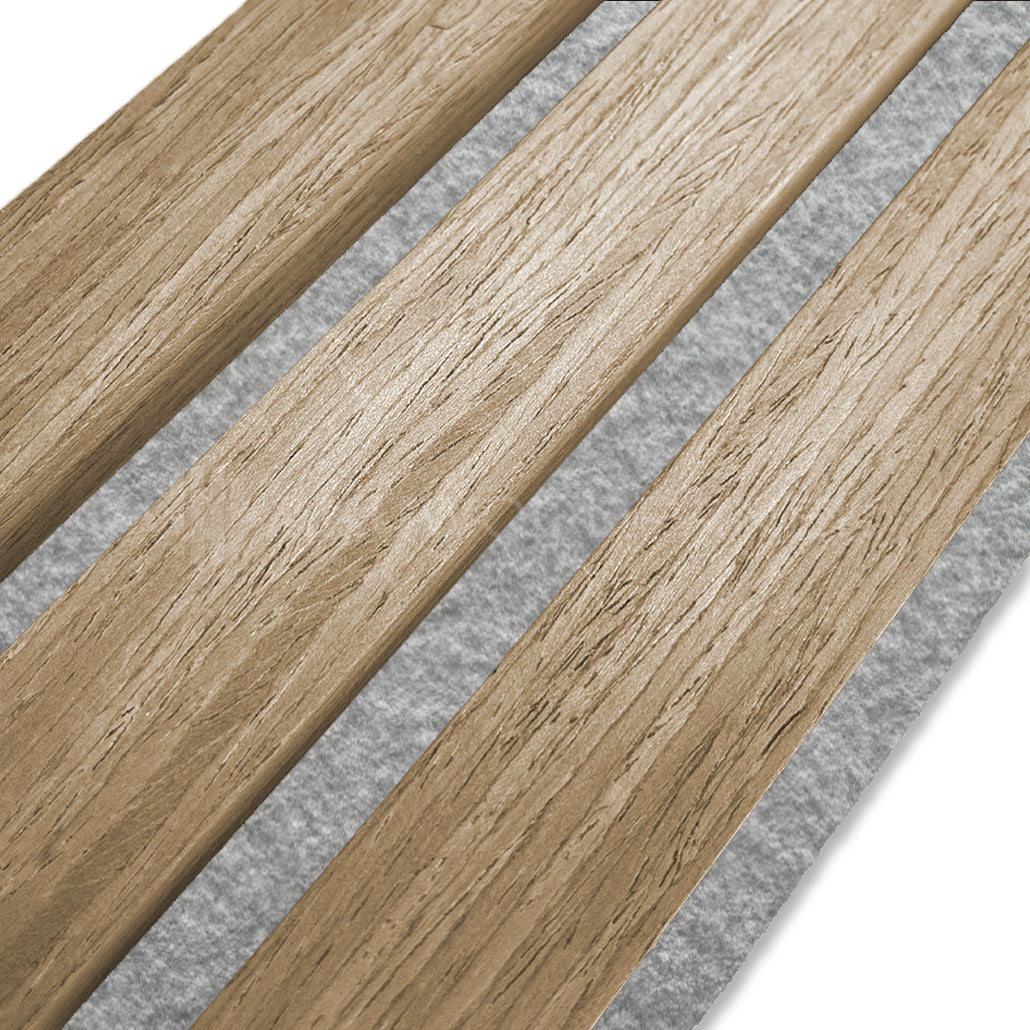
- Acoustic wood panels hospice rooms: Natural Oak Grey Felt wins for family lounges in 2026 — Buy.
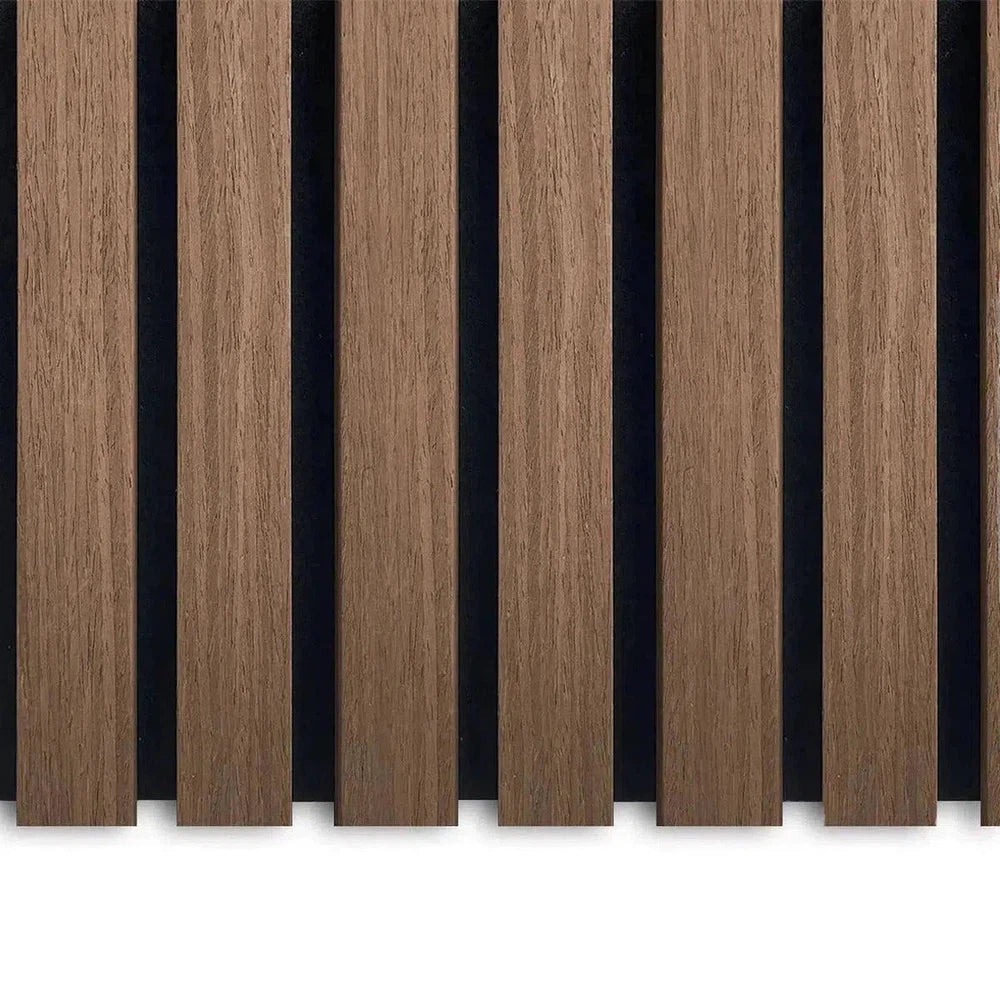
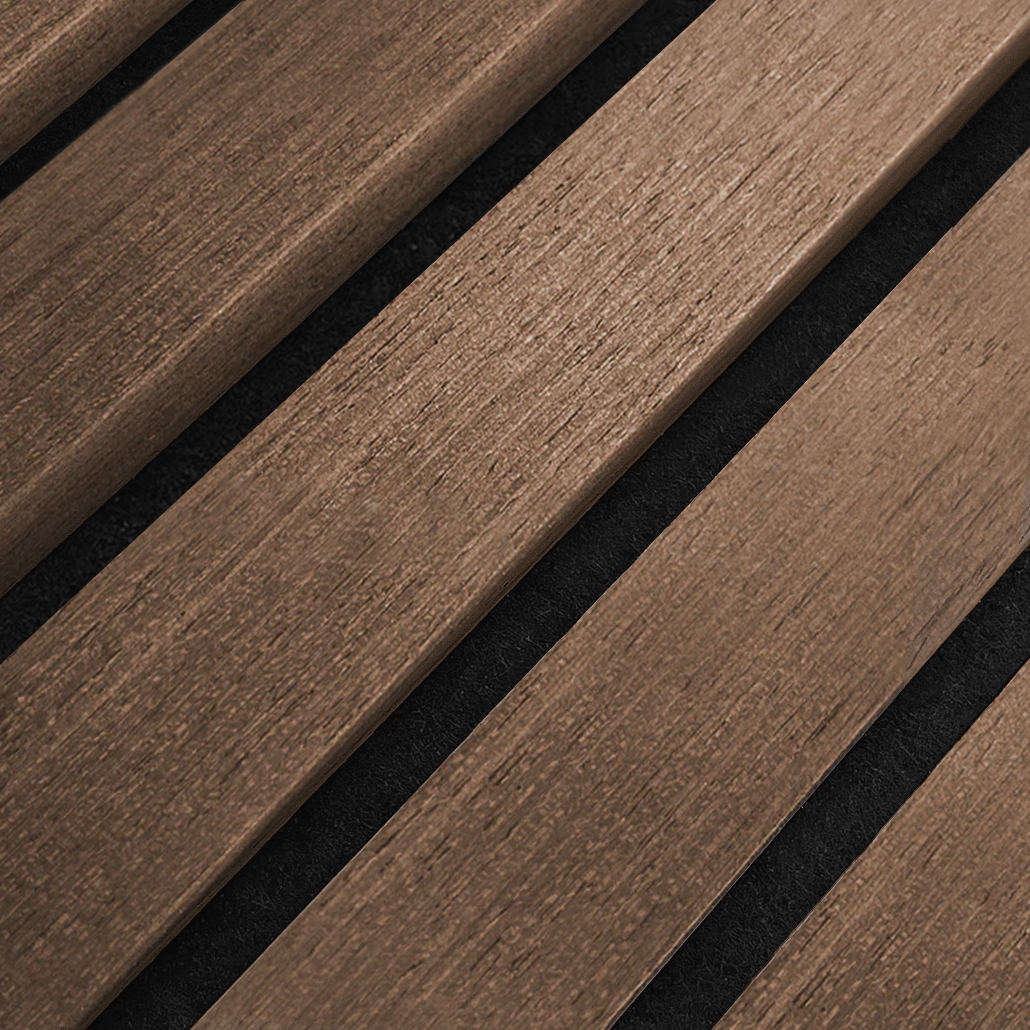
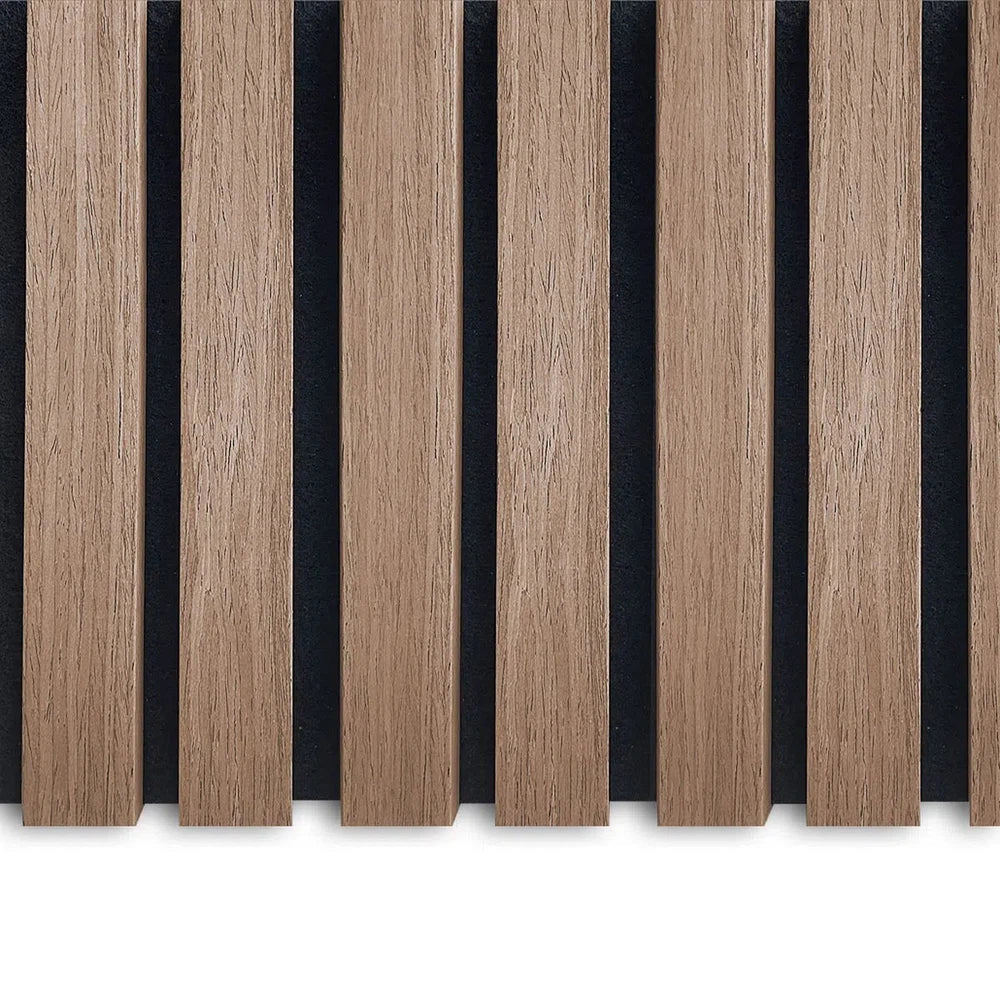
- Mocca panel warms windowless consultation and bereavement rooms without a premium jump in price.
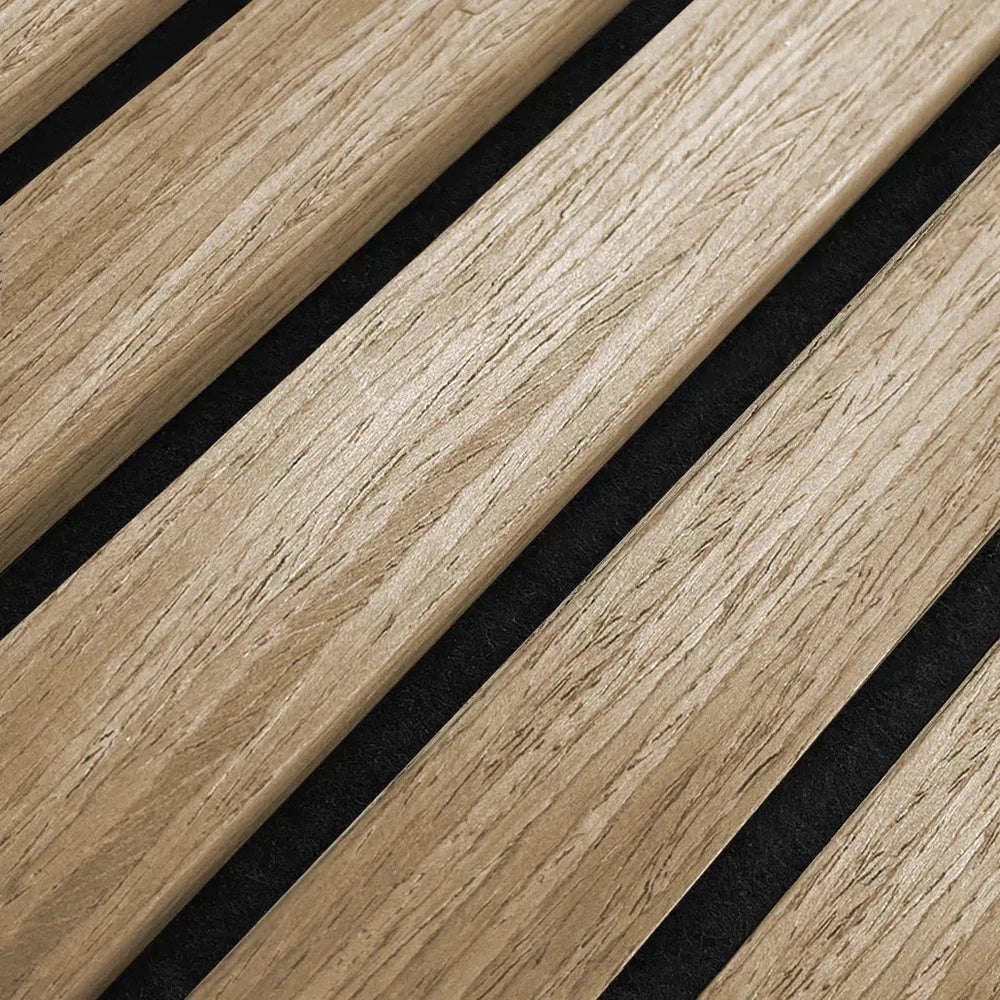
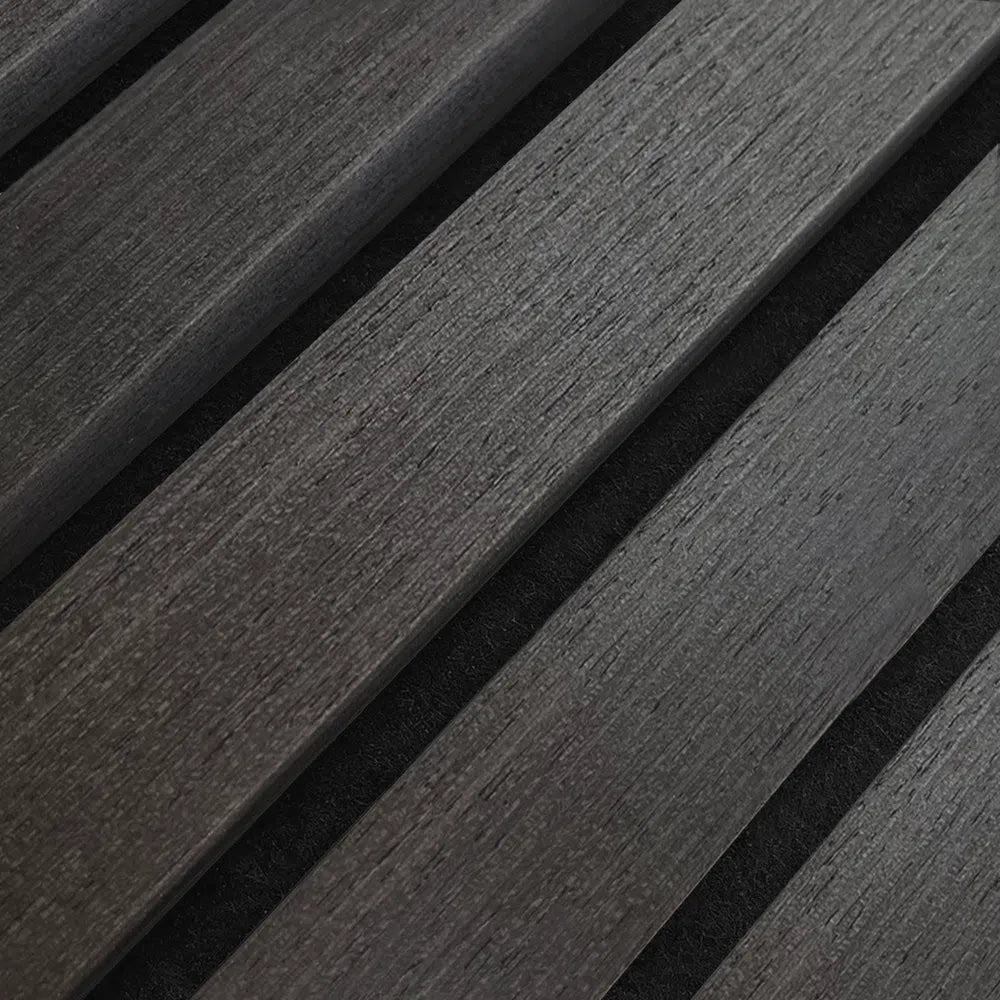
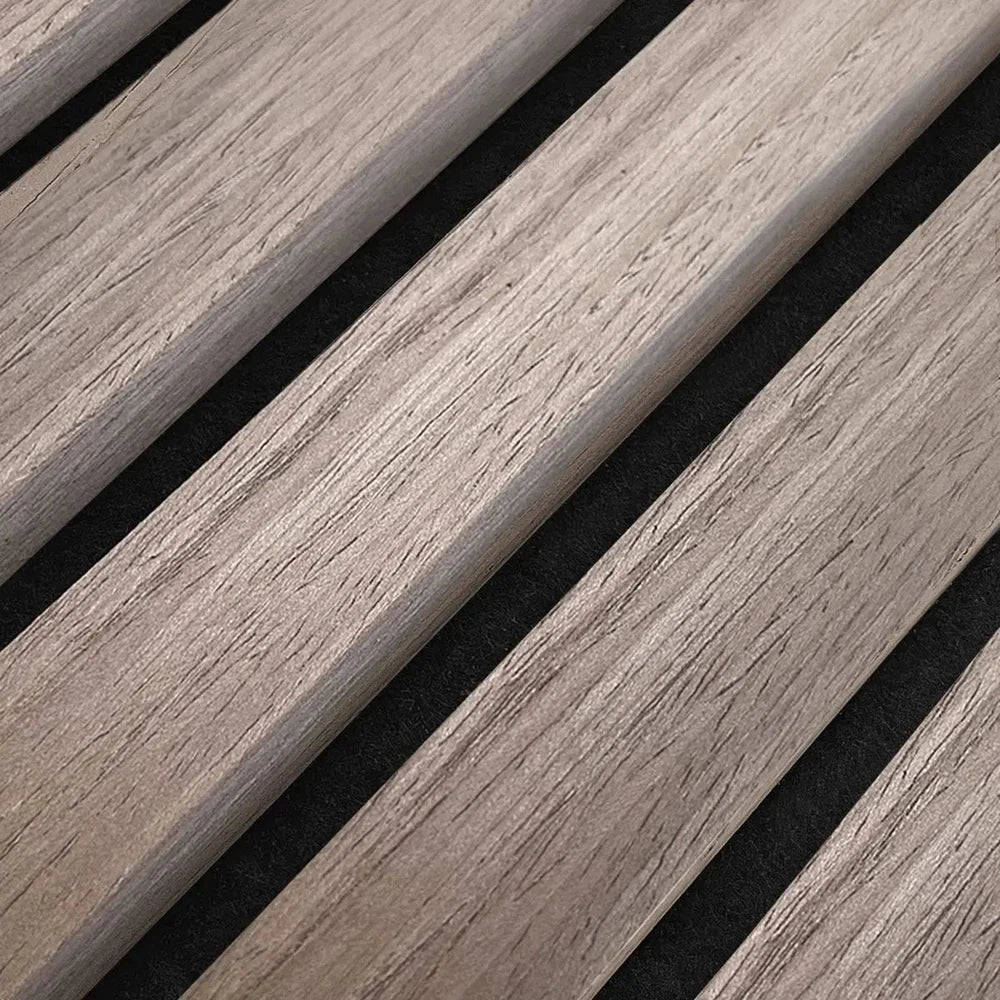
- Grey Oak suits corridors and clinical-adjacent spaces needing lower glare under fluorescent lighting.
- Skip gloss-laminate decorative panels in hospice care rooms — they reflect sound instead of absorbing it.
Why this matters
Bare plasterboard and vinyl flooring in hospice buildings bounce sound between hard surfaces, and in a space where families are already stretched thin, that reverberation reads as noise fatigue rather than background hum. Facilities teams specifying finishes for family and consultation rooms in 2026 are balancing three things at once: acoustic performance, a cleanable surface for infection control, and a tone that doesn't feel institutional.
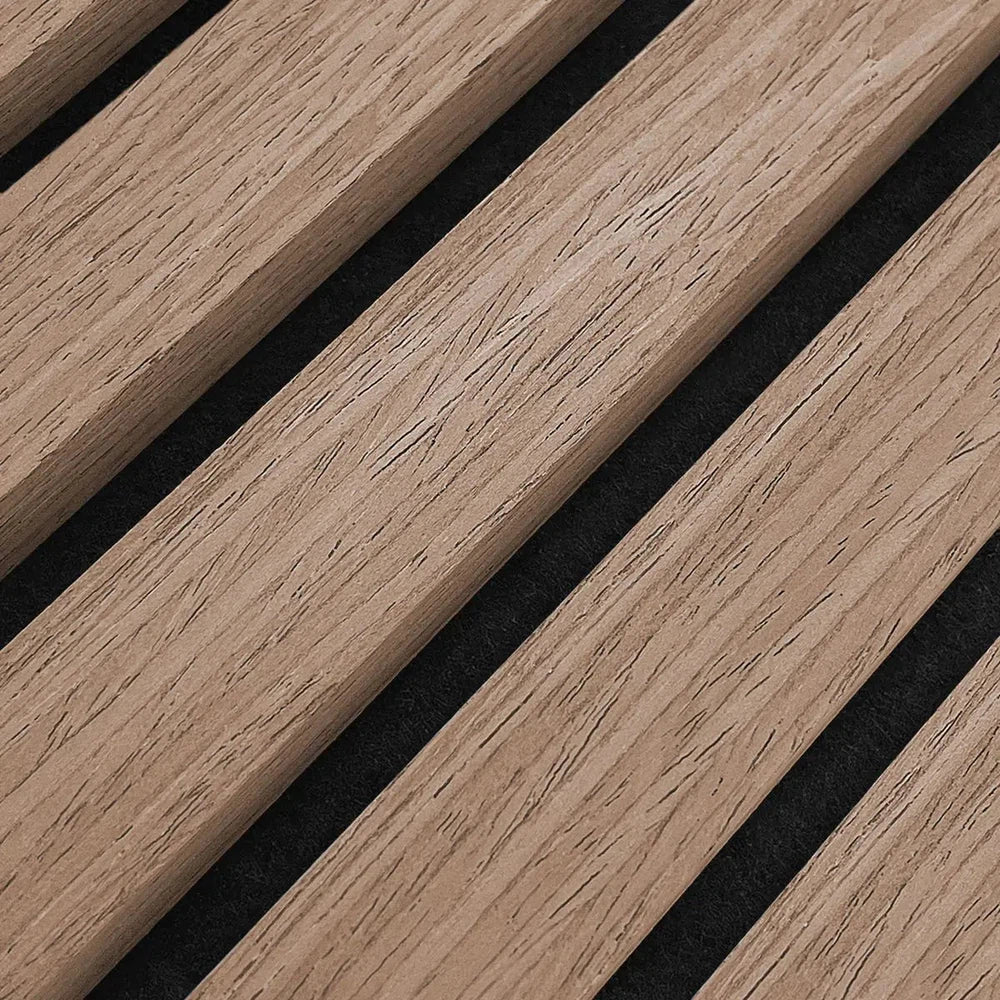
Standard acoustic foam or fabric panels solve the sound problem but look like an office fit-out, not a place someone sits with a dying relative. Wood-veneer panels with a felt backing solve both: the veneer reads as furniture-grade finish, the felt behind it absorbs reflected sound the same way carpet or curtains would, minus the maintenance headache of soft furnishings in a clinical environment.
Who this is for
This guide is for facilities managers, estates teams, and fit-out contractors specifying wall finishes for hospice lounges, family rooms, consultation spaces, and chapels of rest. You're working against a capital budget, an infection-control checklist, and a design brief that says "calm, not clinical" — often all three at once, and often with a contractor waiting on a decision.
What to look for in acoustic wood panels for hospice care rooms
Sound absorption without a clinical look
A panel that absorbs reflected sound needs a felt or acoustic backing behind the veneer, not just a slatted surface for decoration. Decorative wall panels without that backing look identical from three feet away but do almost nothing for reverberation — check the spec sheet, not just the photo.
A wipeable, cleanable surface
Hospice rooms get cleaned to infection-control standards daily, sometimes more. Wood veneer over an MDF core wipes down like painted panelling; fabric-wrapped acoustic tiles trap moisture and odour in ways that fail a cleaning audit within a year.
Warm tone for family and bereavement spaces
Colour reads emotionally faster than any other design choice in a room where someone is grieving. Warmer oak and mocca tones soften a room; near-black finishes work in corridors but rarely belong in a family lounge or chapel of rest.
Fire rating and compliance paperwork
Any wall finish going into a care building needs documentation a fire officer can sign off, not a supplier's marketing claim. Ask for the certificate before the panel goes on the wall, not after the inspection.
Panel size and installation disruption
Akustiq UK panels come in two length formats — 240cm and 300cm. A longer 300cm panel means fewer joins across a feature wall, which matters when the room can't be closed for more than a weekend during a live hospice operation.
Top picks for hospice care rooms
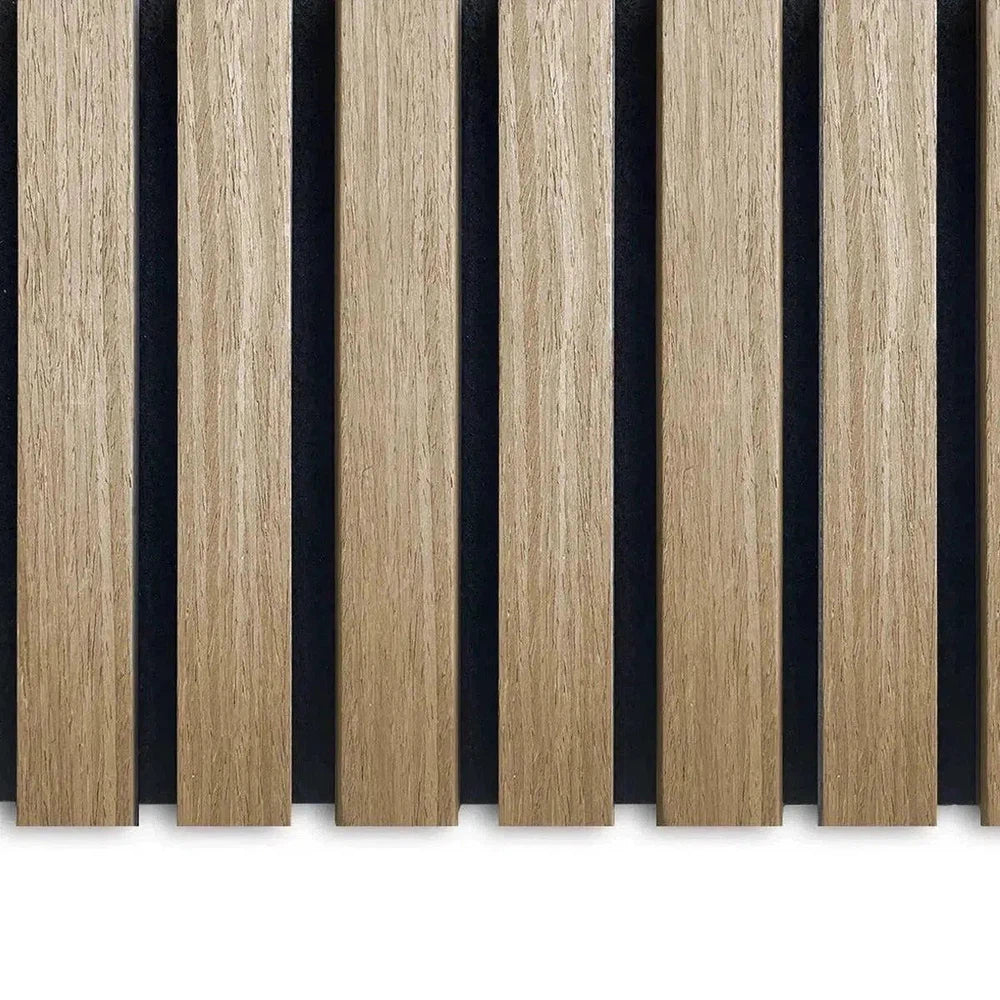
Natural Oak Grey Felt — the safe pick. This is the panel most hospice family rooms land on because the grey felt backing sits neutral against most existing colour schemes, and the oak veneer reads warm without being rustic. At £83.95, it's mid-range against the rest of the Natural Oak Grey Felt range and available in both size formats. Buy for family lounges and general communal areas.
Mocca — the consultation-room pick. Mocca's deeper brown tone works in windowless consultation and bereavement rooms where you want warmth without the room reading dark under low lighting. It's a 3-sided wood veneer finish, same acoustic felt backing as the rest of the range. Consider it for one-to-one rooms where families sit for longer stretches.
Grey Oak — the low-glare pick. Grey Oak at £80.95 is the cheapest of the three picks and the one that holds up best under fluorescent strip lighting in corridors or clinical-adjacent areas, where a warmer tone can look patchy. It's the Grey Oak panel worth speccing where the room sits between clinical and communal use. Consider for transitional spaces; skip it for the main family lounge if the rest of the interior already runs cool-toned.


What to avoid
Gloss or lacquered decorative panels. They look premium in a showroom photo but reflect both light and sound, which is exactly the opposite of what a hospice lounge needs. If the panel's finish catches glare under strip lighting, it's the wrong finish for this brief.
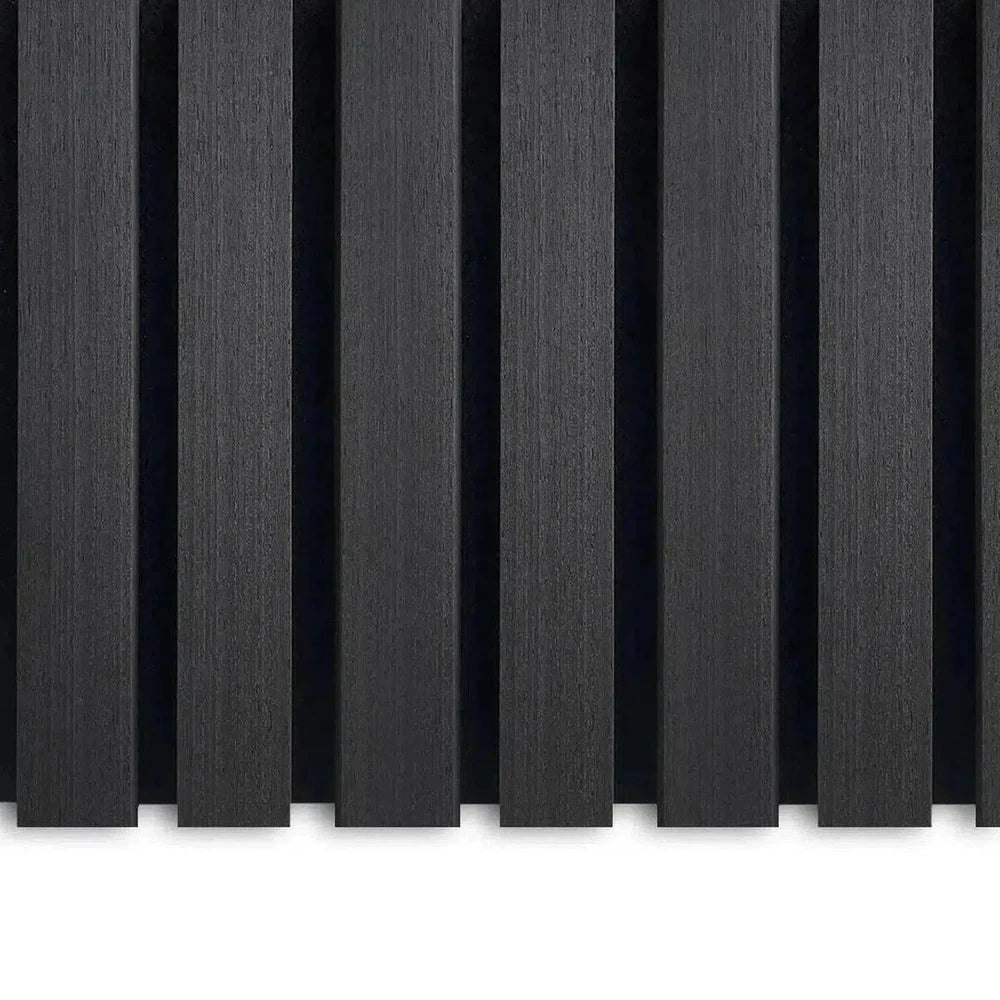
Full-height near-black feature walls in low-vision areas. Elderly patients and family members with reduced vision rely on contrast for wayfinding; a single very dark wall can flatten depth perception in a way a mid-tone oak or walnut doesn't.
Acoustic-branded panels with no felt or backing layer. Some ranges use the word "acoustic" loosely on a slatted MDF panel with nothing behind it. Ask specifically whether the backing is felt, foam, or nothing before it goes on a purchase order in 2026.
Verdict comparison
| Panel | Price | Best room | Size formats | Verdict |
|---|---|---|---|---|
| Natural Oak Grey Felt | £83.95 | Family lounge, communal areas | 240cm / 300cm | Buy |
| Mocca | Check current price | Consultation, bereavement rooms | 240cm / 300cm | Consider |
| Grey Oak | £80.95 | Corridors, clinical-adjacent spaces | 240cm / 300cm | Consider |
All three carry the same 3-sided wood veneer construction and acoustic felt backing — the difference is tone, not performance.
FAQ
What's the best acoustic wood panel for a hospice family room?
Natural Oak Grey Felt is the strongest fit for hospice family rooms in 2026 because its neutral tone works against most existing colour schemes and it carries the same acoustic felt backing across the range. It's available in both 240cm and 300cm formats depending on wall height.
Are acoustic wood panels wipeable enough for infection control in care settings?
Wood-veneer acoustic panels with an MDF core wipe clean like painted panelling, unlike fabric-wrapped acoustic tiles. Confirm the surface finish with the supplier before specifying, since not every acoustic panel range uses the same core material.
How much does it cost to panel a hospice lounge in 2026?
Panel pricing in this range runs from roughly £80.95 to £84.95 per panel depending on finish, before installation. Total room cost depends on wall area and the number of panels needed to cover it.
Do acoustic wood panels need a fire rating for care settings?
Any wall finish specified for a care building needs fire rating documentation a fire officer can review. Ask the supplier for the certificate before installation, not after a compliance inspection flags it.
What size acoustic panels work best for hospice room walls, 240cm or 300cm?
300cm panels mean fewer joins across a longer feature wall, which reduces installation time in a room that can't stay closed for long. 240cm suits standard ceiling heights and smaller consultation rooms.
Is Natural Oak Grey Felt better than Mocca for a bereavement room?
Mocca's deeper tone tends to work better in windowless bereavement rooms where warmth matters more than neutrality. Natural Oak Grey Felt is the safer choice when the room has more natural light and needs to stay flexible for multiple uses.
How long does it take to install acoustic wood panels in an occupied care wing?
Installation time depends on wall area and panel size format, but 300cm panels reduce the number of joins and cuts needed versus 240cm. Contractors typically schedule around ward downtime rather than closing a full wing.
Can acoustic wood panels be used in a chapel of rest?
Yes — the same criteria apply: a felt-backed panel for sound absorption, a warm tone, and a wipeable surface. Mocca or Natural Oak Grey Felt both suit a chapel of rest's need for quiet without a clinical look.
One last thing
The felt sits behind the veneer, not on the surface — procurement teams comparing spec sheets in 2026 often miss this and assume any "acoustic" panel behaves the same way a fabric-wrapped tile does. It doesn't: the wood face wipes clean, the felt does the sound work, and that combination is the entire reason this category exists for care settings instead of standard acoustic foam.