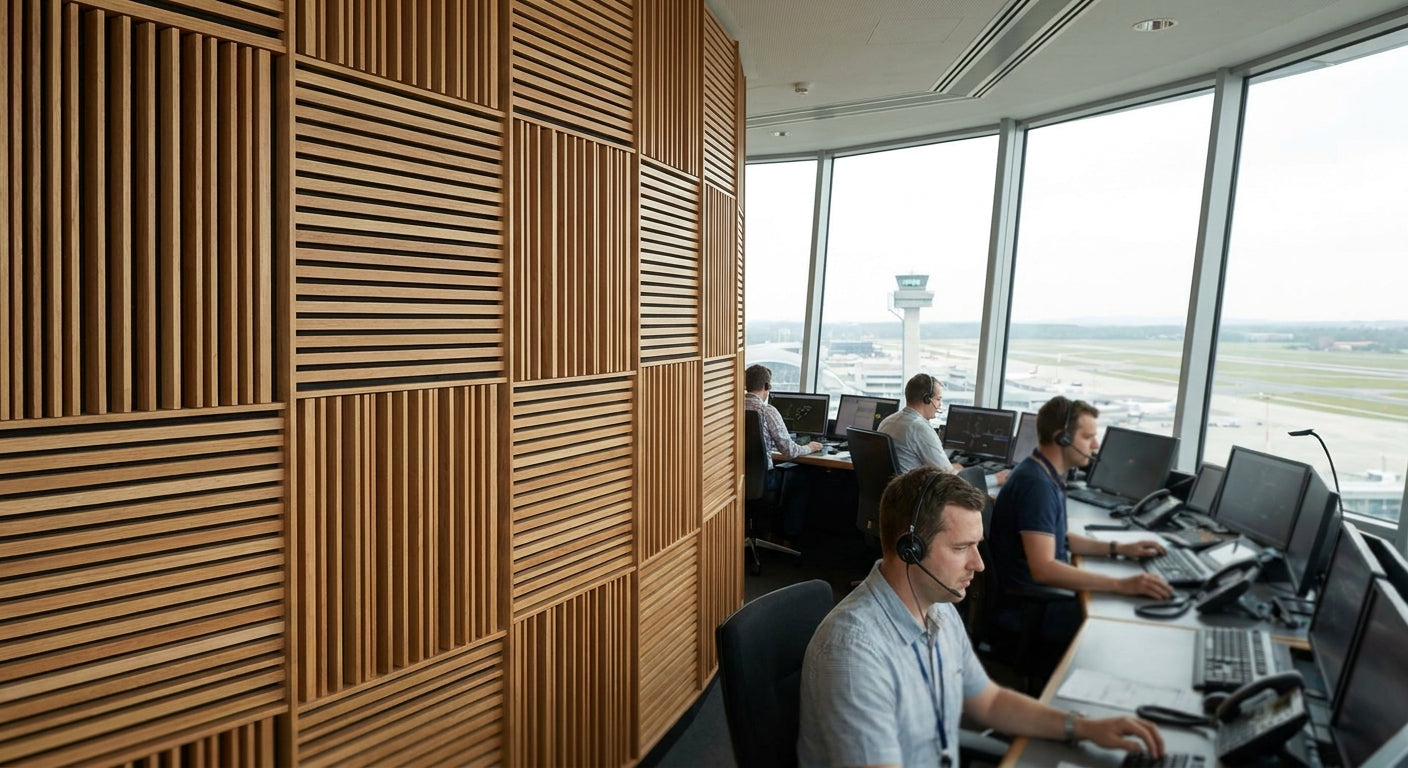
Air traffic control rooms run on radio clarity, not on quiet — bare concrete, glass, and laminate consoles bounce every headset crackle and keystroke back at the controllers who need to hear the callsign, not the echo. Acoustic wood panels fix that reverberation problem without turning a tower cab or radar room into a padded box, and this guide names the finishes and formats that hold up under 24/7 shift use.
- Hexagon Panel Grey Walnut with Grey Felt (£40.95, NRC 0.75) wins for ATC ops floors needing real absorption.
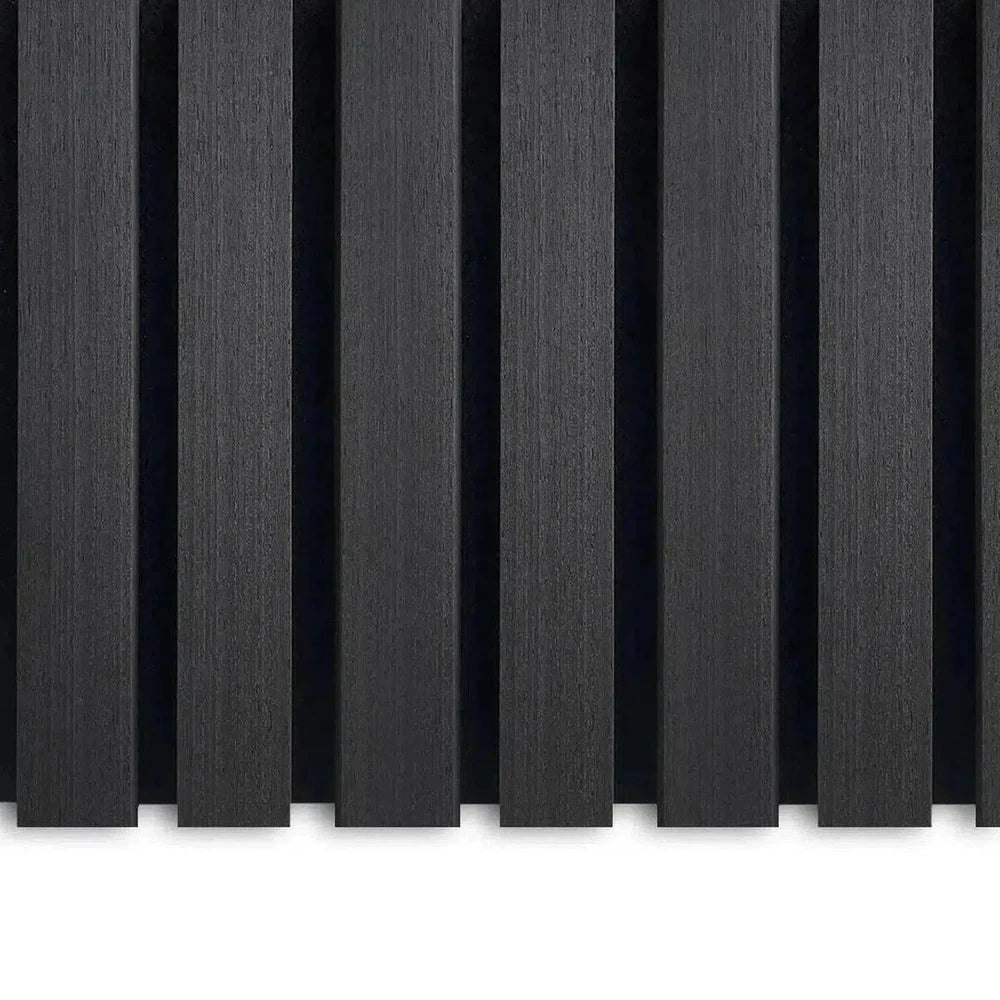
- Wooden Wall Panel Black Oak cuts screen glare on night shifts — pair it with felt-backed hexagon panels for absorption.
- Air traffic control room acoustic panels need NRC-rated felt backing, not decorative veneer alone.
- 240 cm and 300 cm panel formats fit most tower cab and radar room ceiling heights.
- Skip glossy, felt-free decorative panels on the ops floor — save them for break rooms.
Why this matters
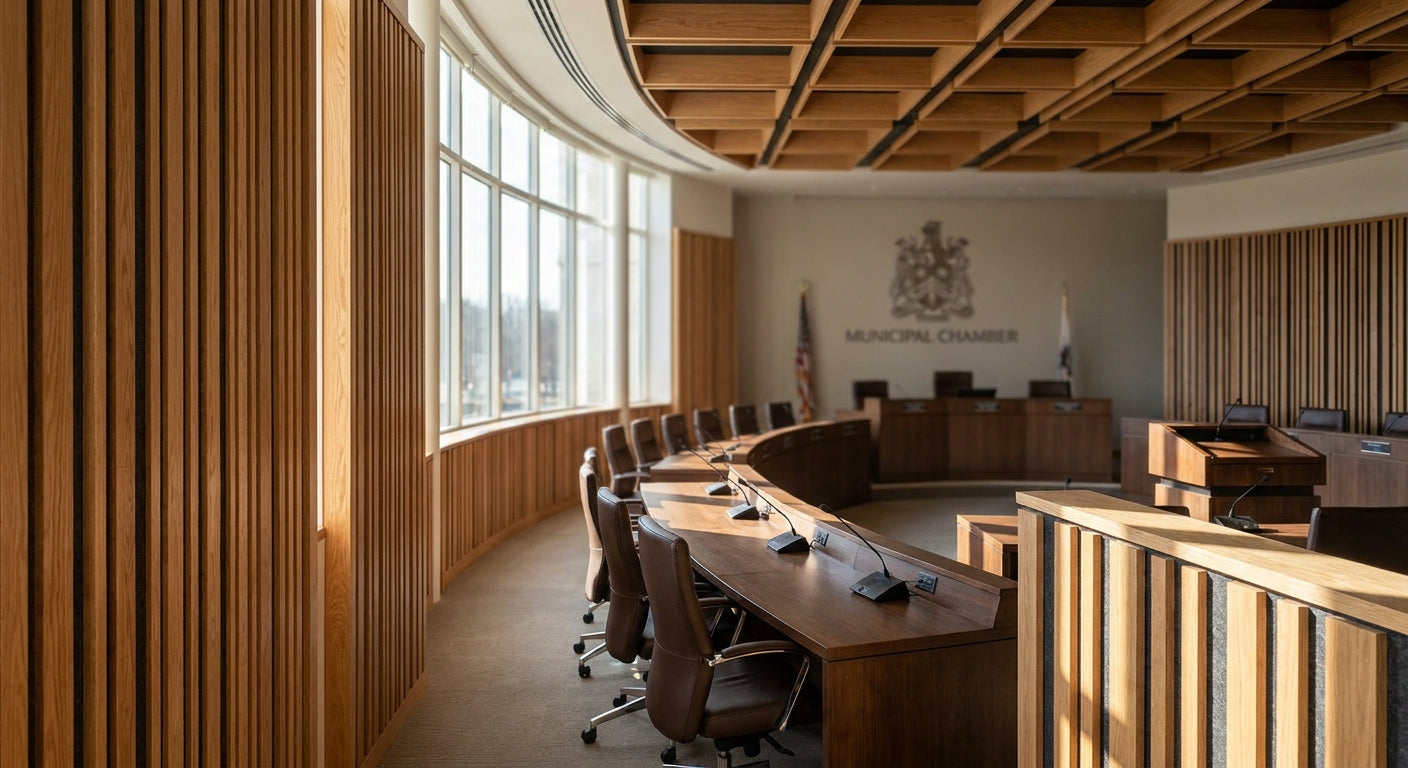
Radio comms in a tower cab or approach room depend on controllers hearing the callback clearly the first time. Hard surfaces — glass curtain walling, painted block, vinyl flooring — reflect mid and high frequencies straight back into the room, and that reflected noise stacks on top of headset audio and console alarms until fatigue sets in mid-shift.
Controllers work off headset audio layered against ambient room noise, and every reflected surface adds a fraction of a second of delay that stacks into perceived echo. In an open-plan tower cab with glass on three sides, that reflection compounds fast — a hard, reverberant room can turn a clean five-word readback into something a controller has to ask a pilot to repeat, which is exactly the failure mode acoustic treatment exists to prevent.
Akuwood Panel's acoustic wood panels solve the same reverberation problem in offices and studios; the logic just scales differently in a life-safety environment. Felt-backed panels absorb that reflected sound instead of bouncing it — the hexagon range carries a 0.75 NRC rating, meaning roughly three-quarters of incident sound energy across the tested range gets absorbed rather than reflected.
None of this has to look institutional. Real wood veneer over acoustic felt reads as a fit-out upgrade, not a soundproofing retrofit, which matters when the same room doubles as a briefing space for visiting inspectors or airline liaison staff.
Who this is for
This guide is for facilities managers, M&E contractors, and airport capital projects teams responsible for acoustic treatment in operational rooms — tower cabs, radar rooms, approach control suites, and the training simulators that mirror them. If you're specifying finishes for a live ops floor where downtime isn't an option, the criteria below apply directly.
Typical projects that land on this brief: a tower cab refurbishment scheduled inside a NOTAM outage window, a new-build radar room fit-out ahead of commissioning, or a training simulator suite that needs to acoustically match the live room it mirrors so controllers train in a realistic sound environment. If you're panelling a briefing room or rest area adjacent to the floor, most of the same logic carries over with more finish flexibility — see how a comparable brief plays out in acoustic wood panels for data centre control rooms, another operations environment with the same glare and reverberation constraints.
What to look for in air traffic control room acoustic panels
NRC rating over raw wood look
A wood-look panel without an acoustic core does nothing for reverberation — it's decoration. Look for a stated Noise Reduction Coefficient before you buy: Akuwood Panel's felt-backed hexagon range carries an NRC of 0.75, absorbing a meaningful share of the mid-to-high frequency range where speech and headset audio sit. A spec sheet that skips the NRC number is a panel built for looks, not for an ops floor, and it will get value-engineered out the moment someone actually measures reverberation time in the room.
Low-glare finish for screen-heavy rooms
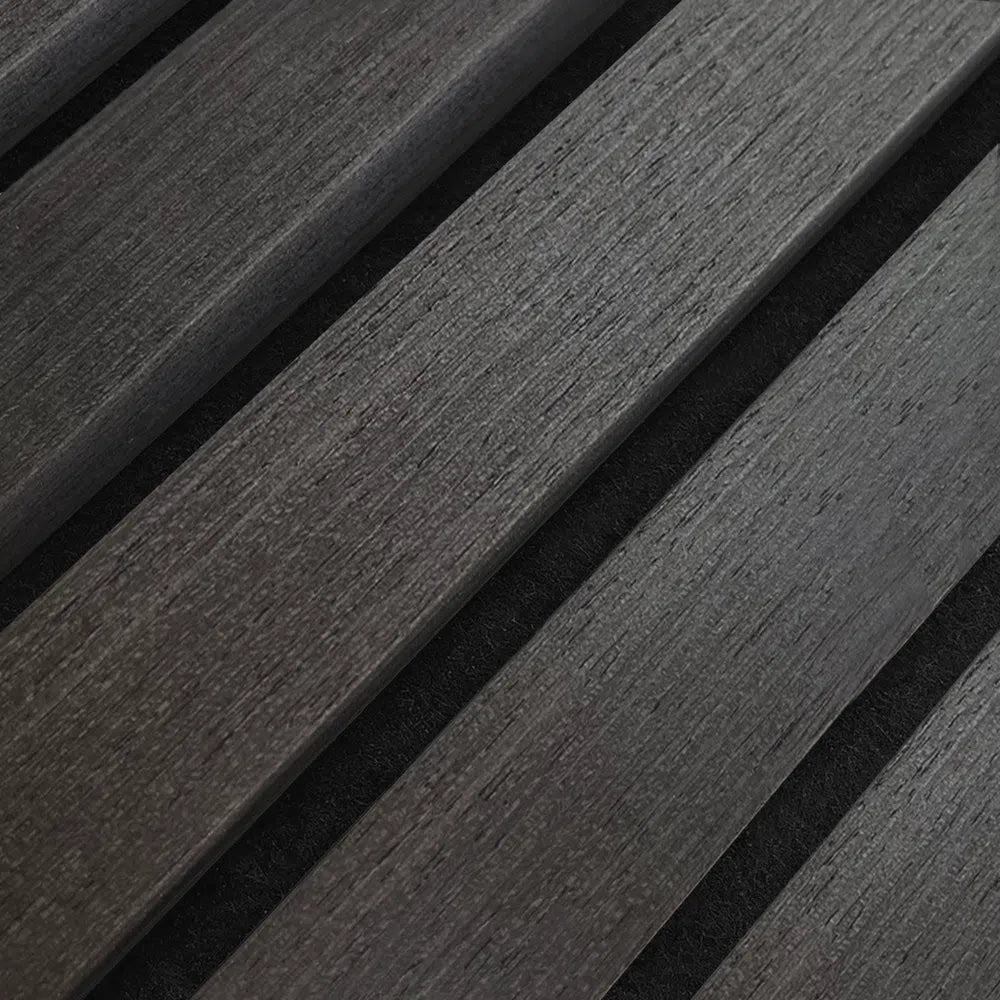
Radar scopes, flight strip displays, and CCTV monitors dominate a control room, and pale, glossy finishes bounce ambient light straight into those screens. Darker veneers — black oak, smoked oak — cut reflected glare on night shifts when overhead lighting is dimmed for screen visibility. This matters more here than in almost any other commercial interior, because the people looking at the wall are also the people staring at a lit screen eight to twelve hours at a stretch.
Panel format that matches your ceiling height
Akuwood Panel's standard range ships in 240 cm and 300 cm lengths. Matching the format to your floor-to-ceiling height avoids a horizontal seam at an awkward point on a feature wall, and it cuts offcut waste on a fit-out specified against a fixed room schedule. Get this measurement wrong on a large ops floor and you're either trimming every panel on site or living with a seam line that draws the eye during every shift handover.
Fire performance paperwork
A control room is a life-safety-critical space, and fire certification requirements vary by building type and local authority. Get the manufacturer's fire test documentation in writing before specification sign-off — check it against your project's fire strategy rather than assuming compliance because a panel looks similar to one used elsewhere in the building. This is the one criterion that can stall a project at commissioning if it's skipped early.
Durability under 24/7 occupancy
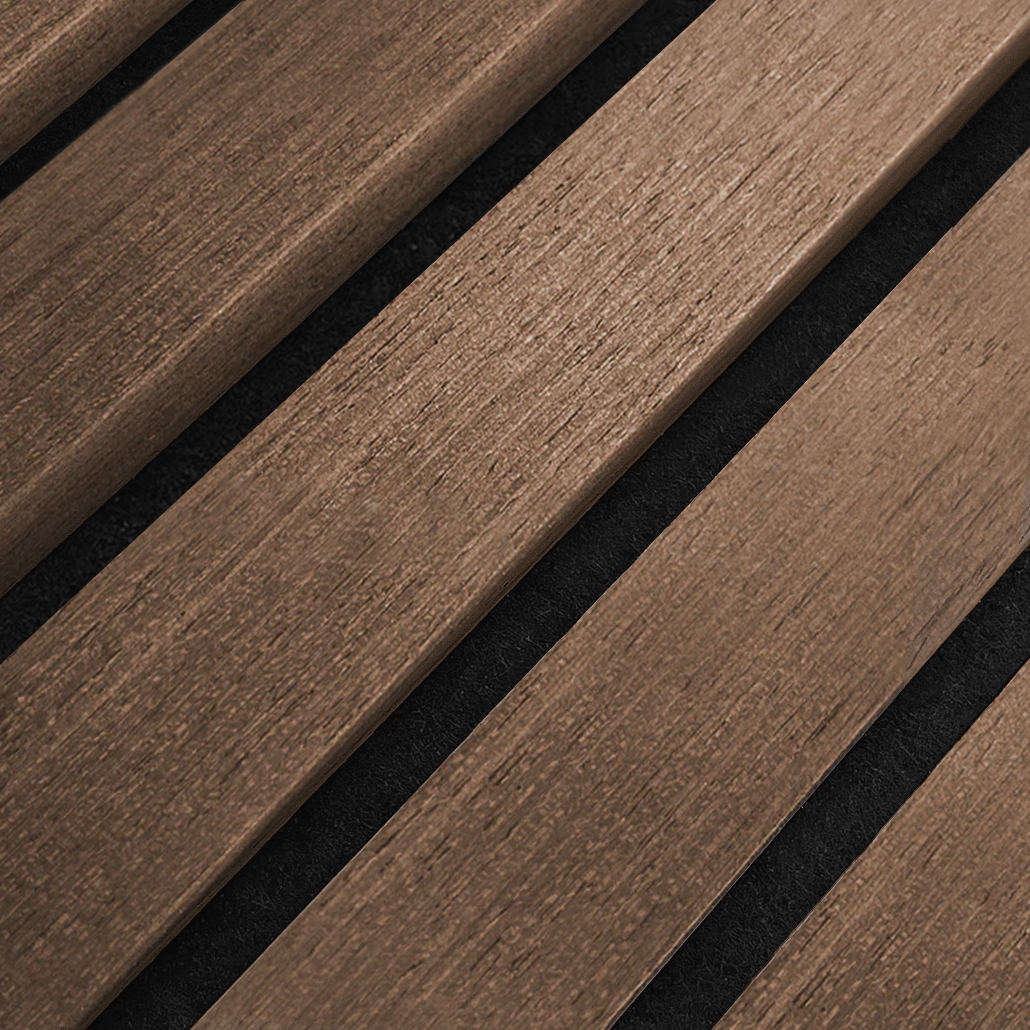
An ops floor doesn't get a quiet period — panels get touched, chairs back into them, and cleaning happens on a rolling shift pattern rather than an overnight office clean. Real wood veneer over a solid panel core resists the wear that printed laminate shows within a year or two of continuous occupancy, and it holds its finish through repeated contact cleaning far better than a painted or vinyl-wrapped surface.
Top picks for control room walls
Four picks cover the operational floor, the low-glare requirement, and the briefing rooms next door. Verdicts assume a 2026 spec build against a live ops floor budget, not a decorative retail fit-out.
Hexagon Panel Grey Walnut with Grey Felt — the absorption workhorse. NRC 0.75 across an 81 cm hexagon format, priced at £40.95 per panel as of 2026. Walnut grain reads as a fit-out upgrade rather than a soundproofing retrofit, and the grey felt backing does the actual acoustic work rather than just filling a colour scheme. Buy it for the tower cab or radar room feature wall: Hexagon Panel Grey Walnut with Grey Felt.
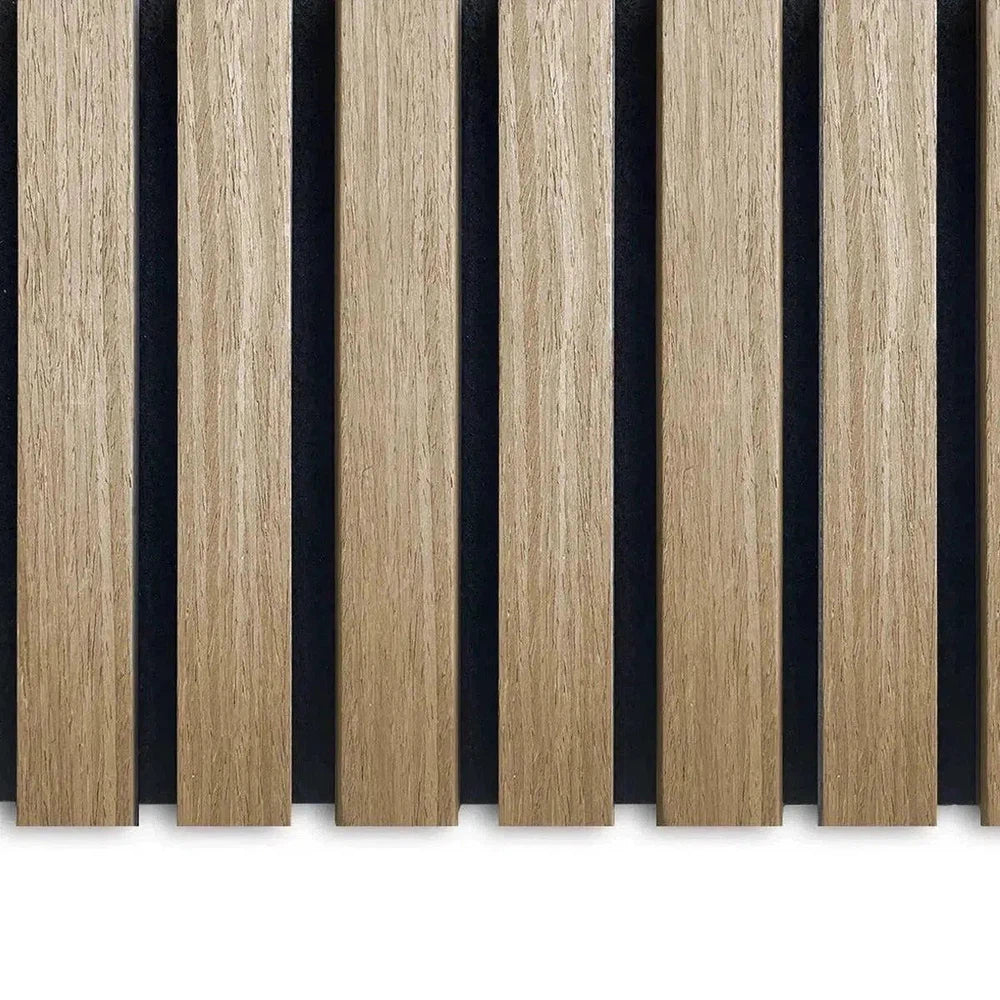
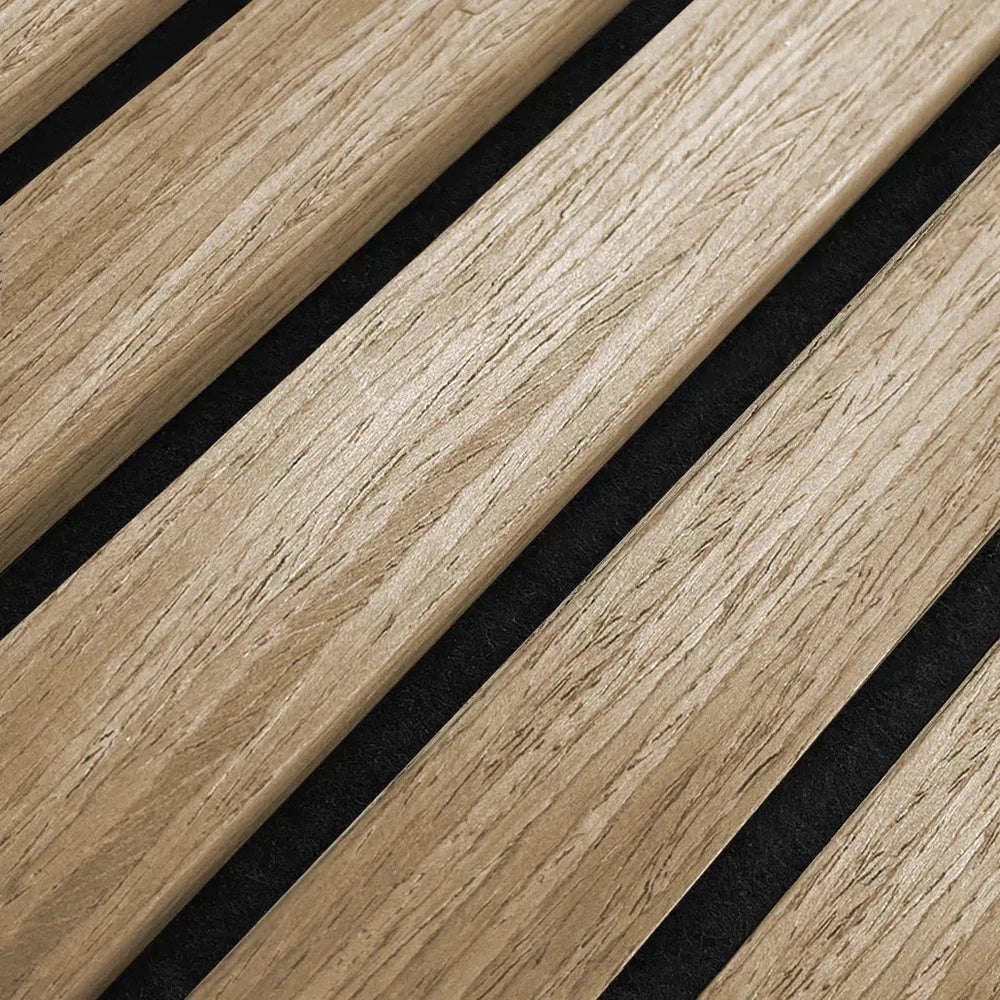
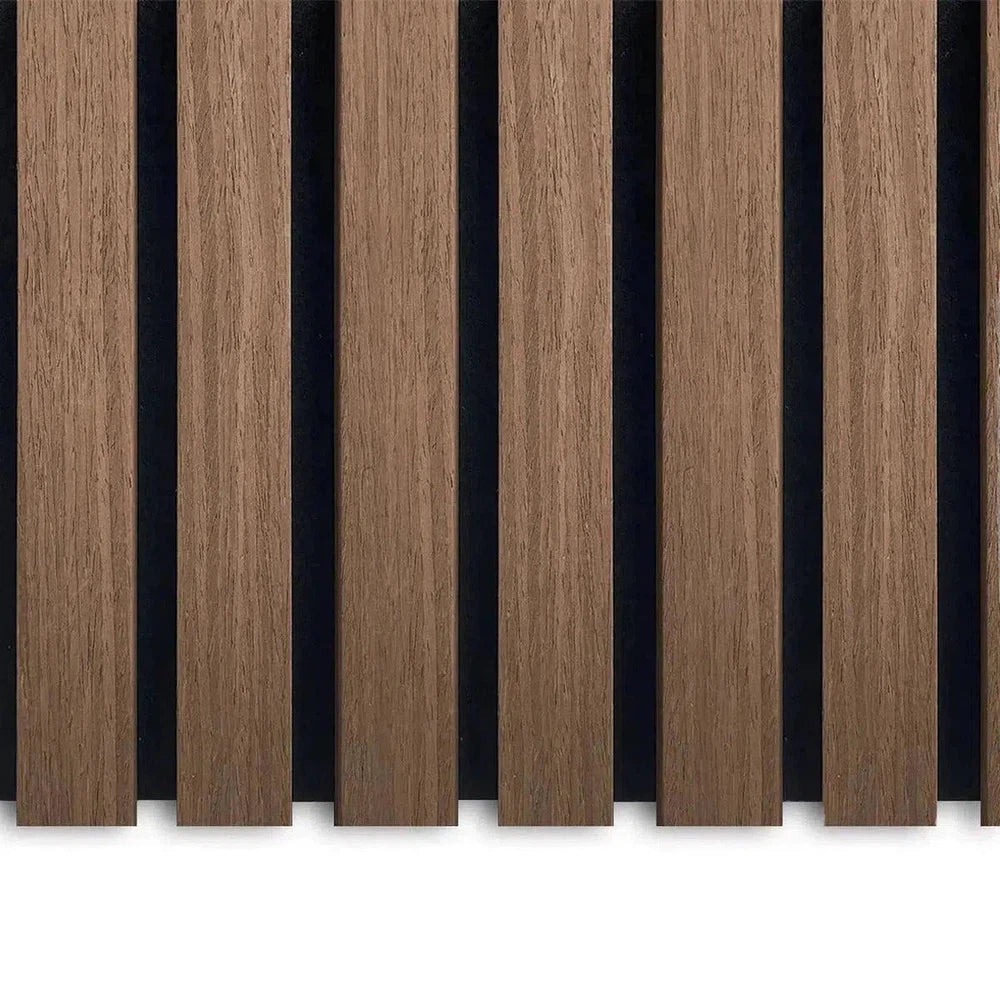
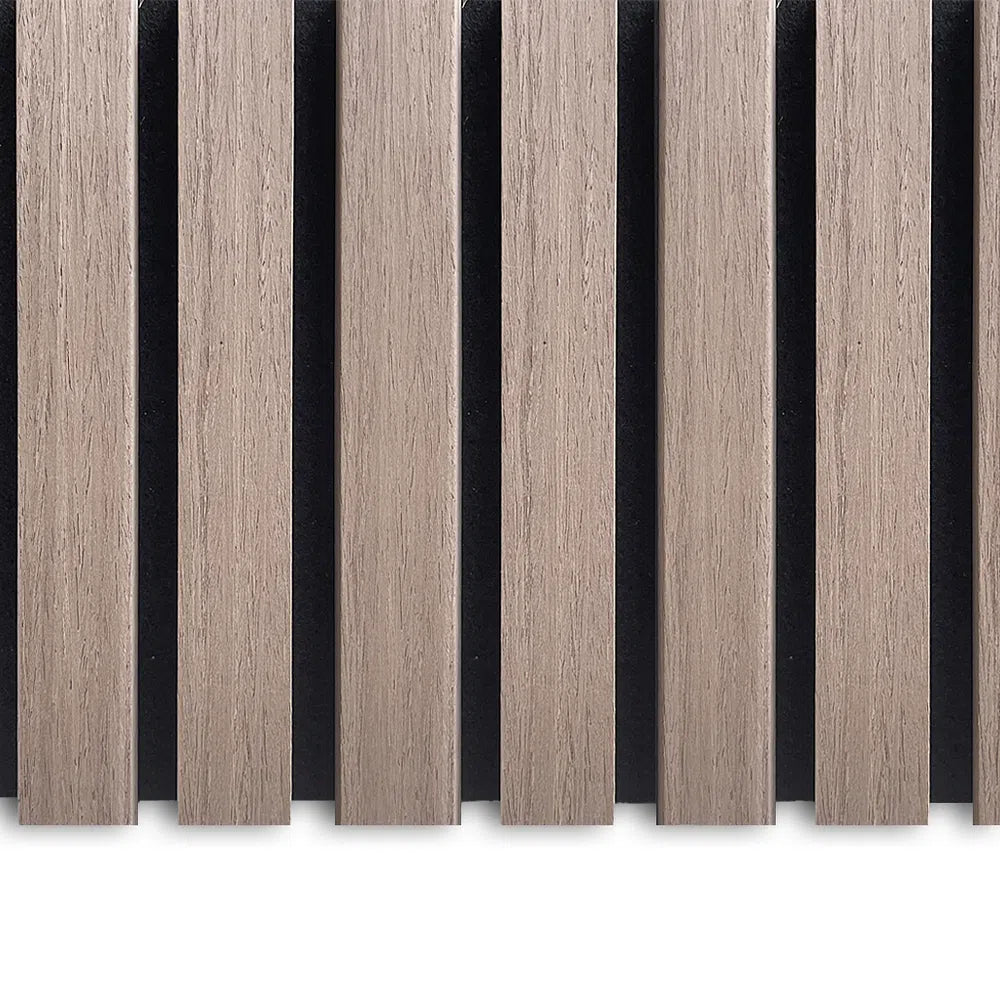
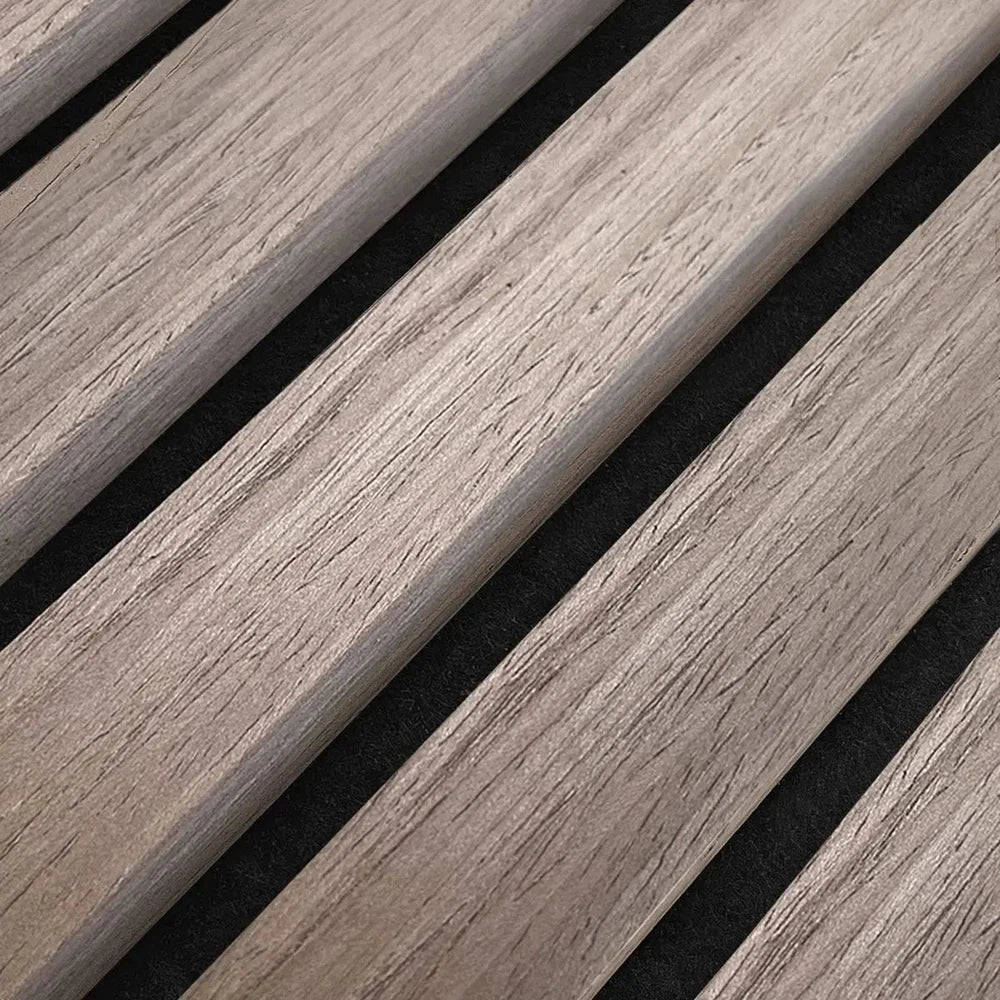
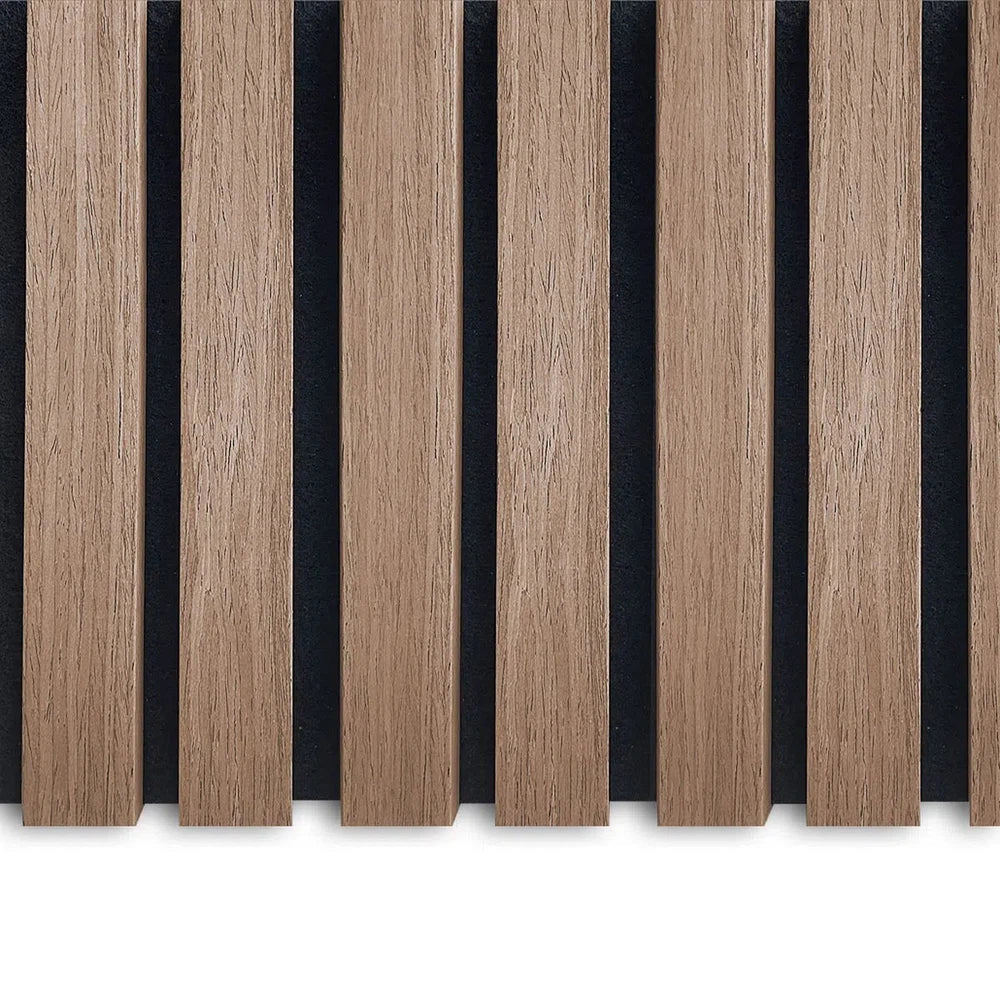
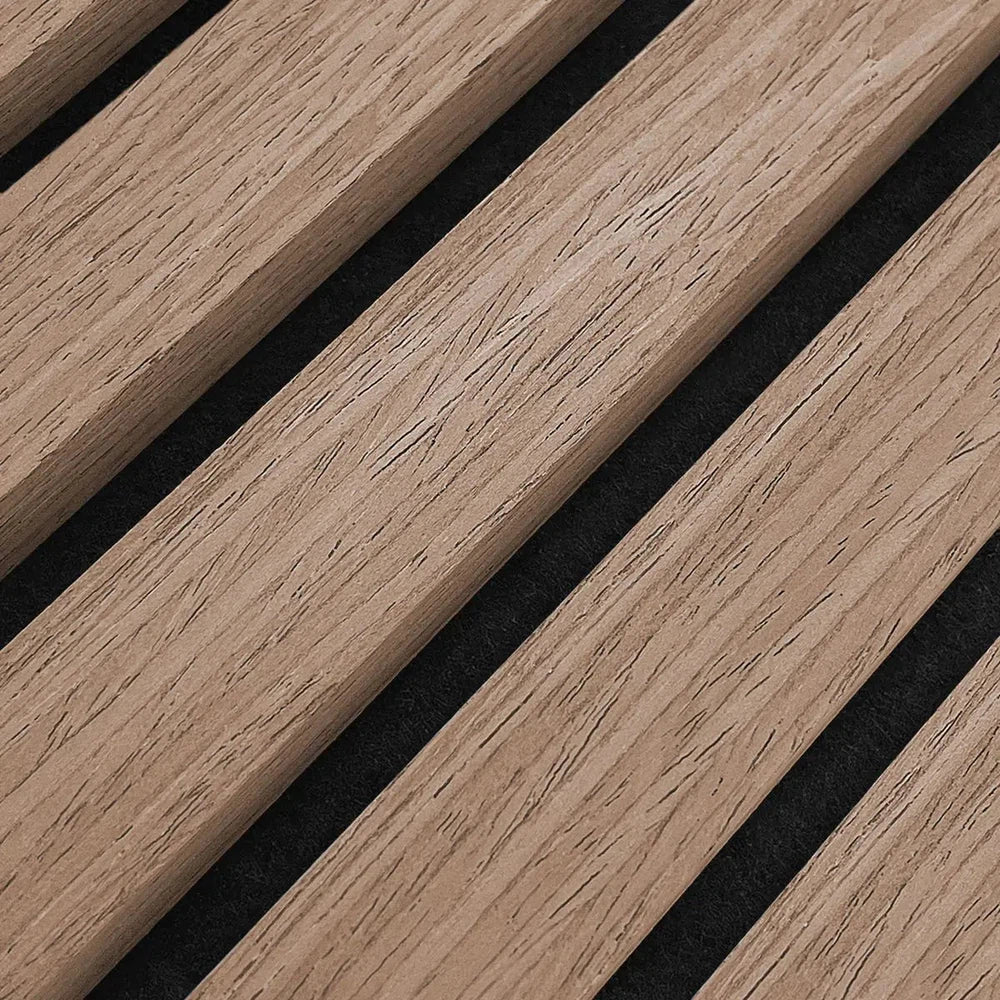
Wooden Wall Panel Black Oak — the low-glare pick. Black oak veneer over acoustic felt backing, available in 240 cm and 300 cm formats to suit longer, uninterrupted runs. The dark tone cuts reflected light off radar scopes and flight strip displays during dimmed night shifts, and the felt core still handles reverberation across the same wall. Buy it for rooms where screen glare is the bigger operational complaint than echo: black oak wall panel.
Wooden Wall Panel Smoked Oak — the mid-tone alternative. Sits between natural oak and black oak on the grey scale, which suits briefing rooms and simulator suites that need some warmth but still sit next to a dimmed ops floor and shouldn't clash with it. Consider it for adjacent rooms rather than the operational floor itself, where the darker black oak pick still does the better glare-control job.
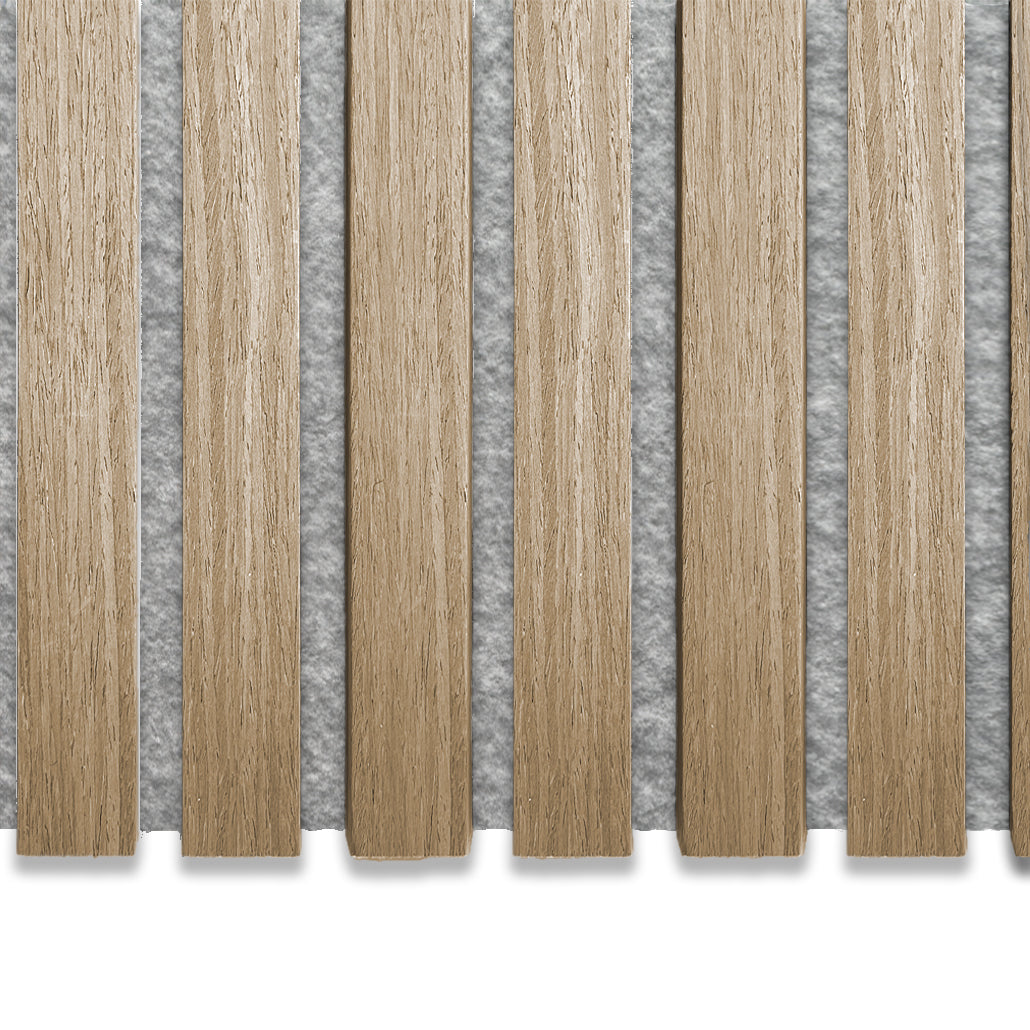
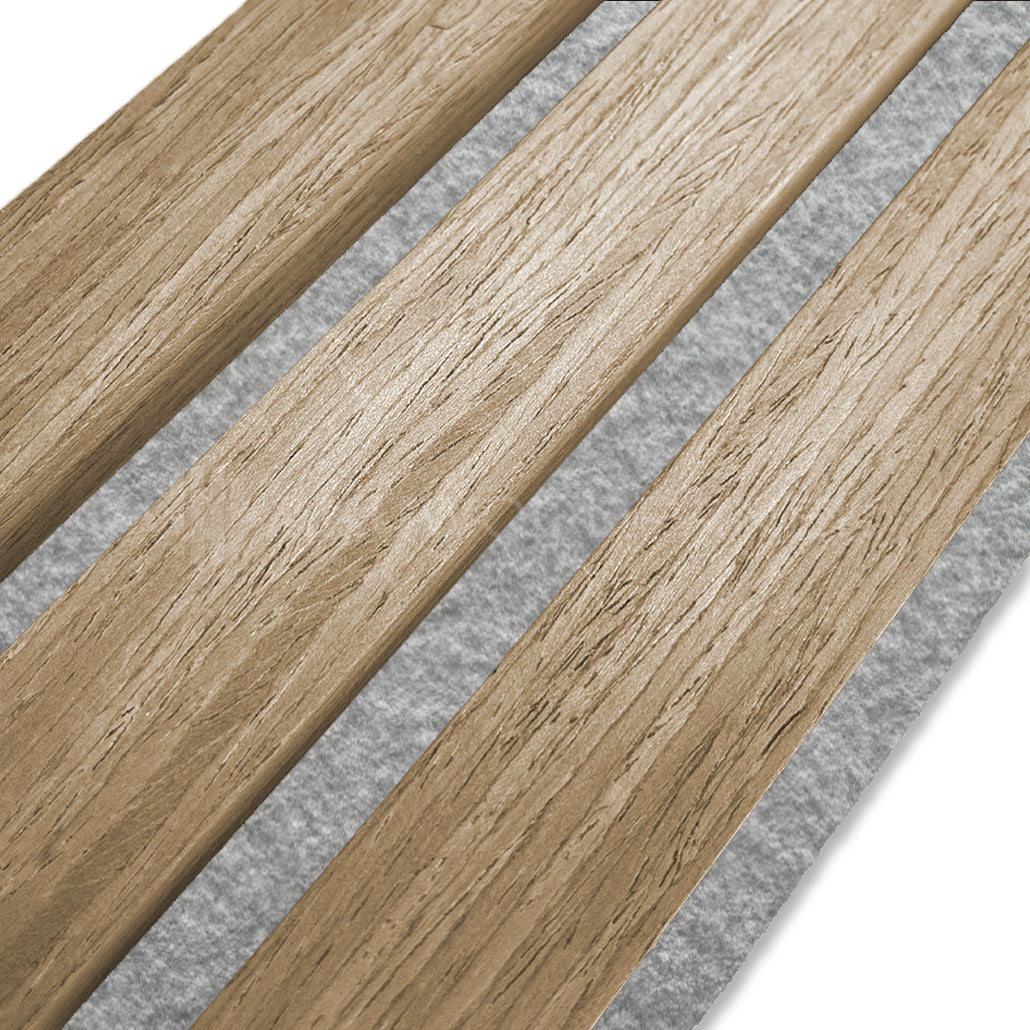
Hexagon Panel Natural Oak — the warmth pick. Pale oak grain shown without the grey felt option, best suited to break rooms, rest areas, and reception zones near the tower rather than the ops floor. Consider it for staff-facing spaces; it won't carry the same acoustic load as the felt-backed range, so don't specify it where reverberation is the primary problem you're solving.


What to avoid
- Glossy laminate panels marketed as "wood look." They photograph well and do nothing for reverberation — no felt core, no NRC rating worth citing on a spec sheet. Fine for a corridor, wrong for an ops floor.
- Pale, high-gloss finishes near radar scopes. They look clean in a rendering and throw light straight back at the screens controllers stare at for an eight-hour shift, undoing whatever glare control the room otherwise has.
- Panels with no fire test documentation on file. A control room is not the space to discover mid-installation that the paperwork doesn't exist — get it before panels ship, not after the wall is half built.
- One-size finish decisions made from a swatch card alone. Grain and tone read differently under tower cab lighting than under an office showroom light; order a sample panel before committing a full wall.
How the top picks compare
| Pick | Finish | Acoustic core | Format | Best for | Verdict |
|---|---|---|---|---|---|
| Hexagon Panel Grey Walnut with Grey Felt | Grey walnut veneer | NRC 0.75 felt | 81 cm hexagon | Ops floor feature wall | Buy |
| Wooden Wall Panel Black Oak | Black oak veneer | Felt-backed | 240/300 cm | Low-glare screen walls | Buy |
| Wooden Wall Panel Smoked Oak | Smoked oak veneer | Felt-backed | 240/300 cm | Briefing rooms | Consider |
| Hexagon Panel Natural Oak | Natural oak veneer | No felt option shown | 81 cm hexagon | Break rooms, reception | Consider |
FAQ
What's the best acoustic panel for an air traffic control room?
Hexagon Panel Grey Walnut with Grey Felt is the strongest pick, carrying an NRC of 0.75 in an 81 cm hexagon format. Pair it with a darker veneer like black oak on screen-facing walls to cut glare as well as echo.
Is wood veneer acoustic panelling as good as foam for sound absorption?
Real wood veneer panels with a felt backing absorb sound the same way foam does, through a porous acoustic layer behind a finished face. The NRC rating on the spec sheet, not the visible material, is what tells you how much sound the panel actually absorbs.
How much does an acoustic panel cost for a control room fit-out?
Felt-backed hexagon panels run £40.95 per panel as of 2026. Larger format wooden wall panels in 240 cm and 300 cm sizes vary by finish, so check current pricing before budgeting a full tower cab wall.
What panel format fits a standard tower cab ceiling?
Most control rooms fit a 240 cm or 300 cm panel format without a horizontal seam. Measure floor-to-ceiling height before ordering so the panel run lands cleanly at cornice or bulkhead level.
Do acoustic wood panels need fire certification for control rooms?
Yes — a control room is a life-safety-critical space, and fire performance requirements vary by building type and authority. Get the manufacturer's fire test documentation in writing before sign-off, not after installation.
Can acoustic panels reduce glare on radar and monitor screens?
Dark, matte finishes like black oak and smoked oak reduce reflected light compared with pale, glossy finishes. This matters more in a control room than in most interiors because operators stare at lit screens for a full shift.
Should a briefing room next to the ops floor use the same panel as the control room?
Not necessarily — natural oak or smoked oak panels without the full felt spec work fine in adjacent, lower-noise rooms. Save the NRC 0.75 felt-backed range for the space that actually needs the acoustic load handled.
One last thing
The felt backing is the part nobody sees and the part that actually matters — strip the veneer away mentally and what's left is an acoustic core rated at 0.75 NRC, the kind of number that shows up on purpose-built studio treatment. Order a sample of the grey felt finish before committing a whole tower cab wall to it in 2026; a small swatch under sodium lighting tells you more about glare than any spec sheet will.