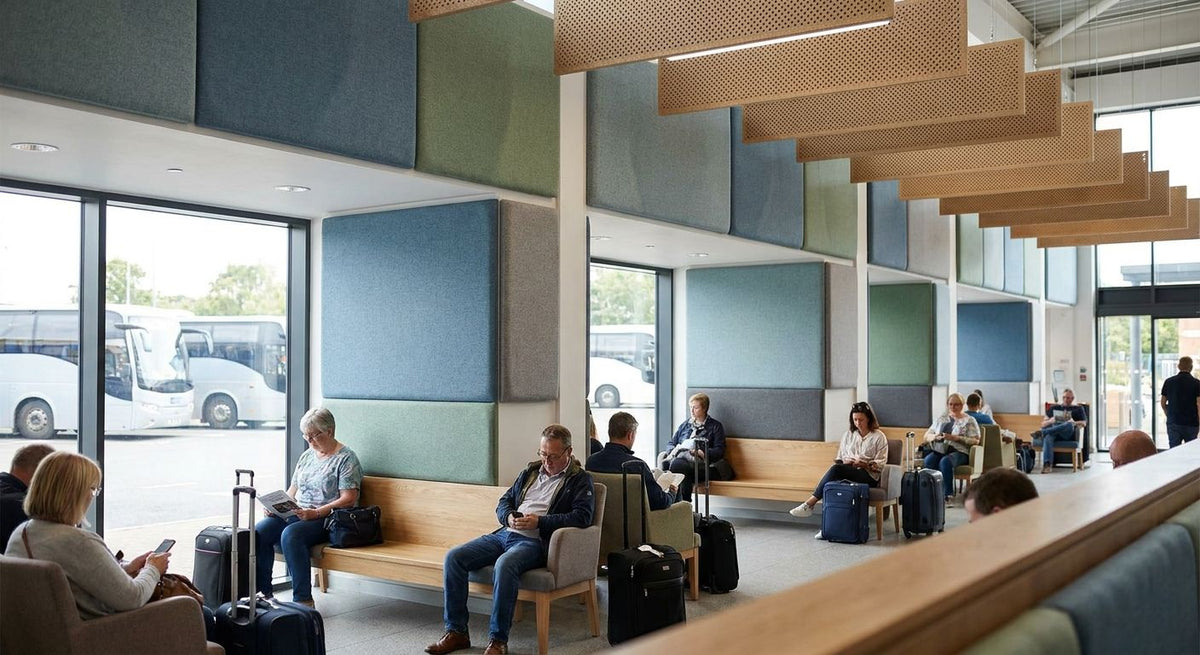
Coach and bus station waiting areas are some of the hardest rooms in the UK to control for noise — concrete floors, glass screens and steel canopies reflect every tannoy call and idling engine straight back at passengers. This guide covers which acoustic wooden wall panels cut reverberation in a transport hub and which products to skip in 2026.
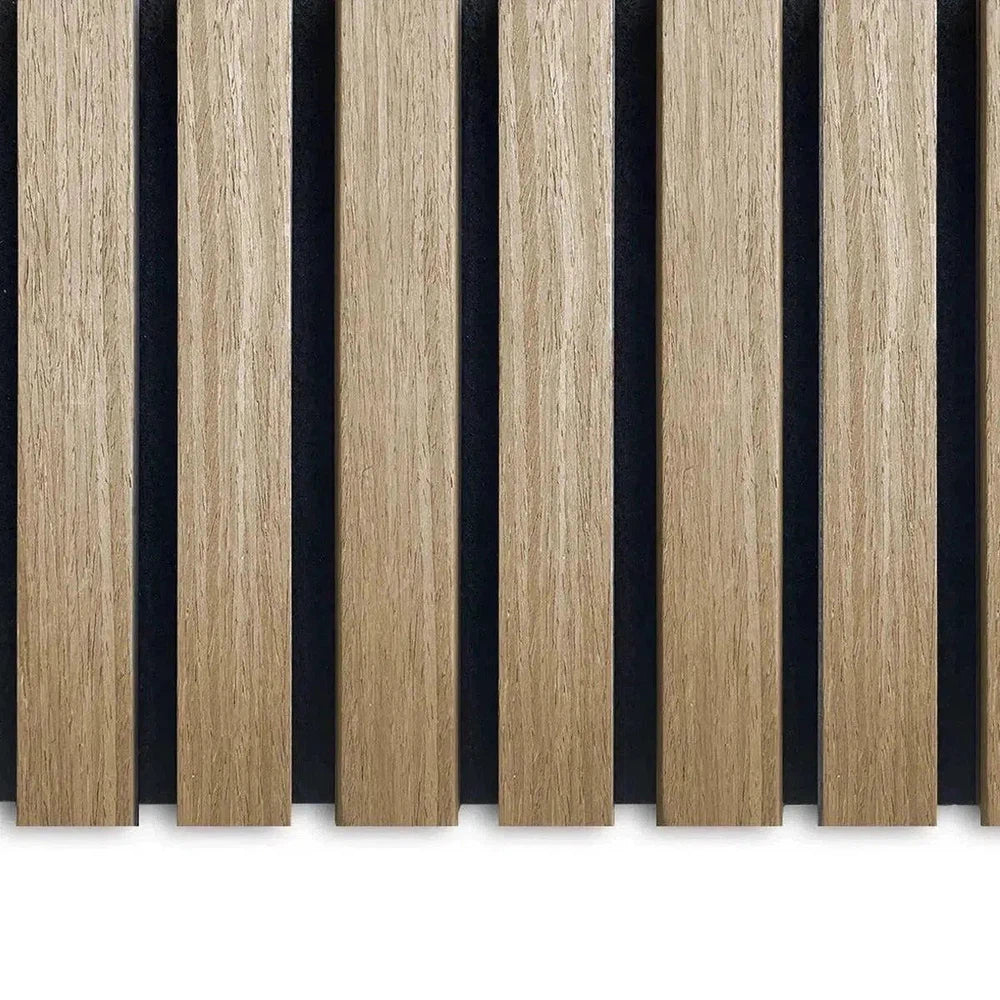
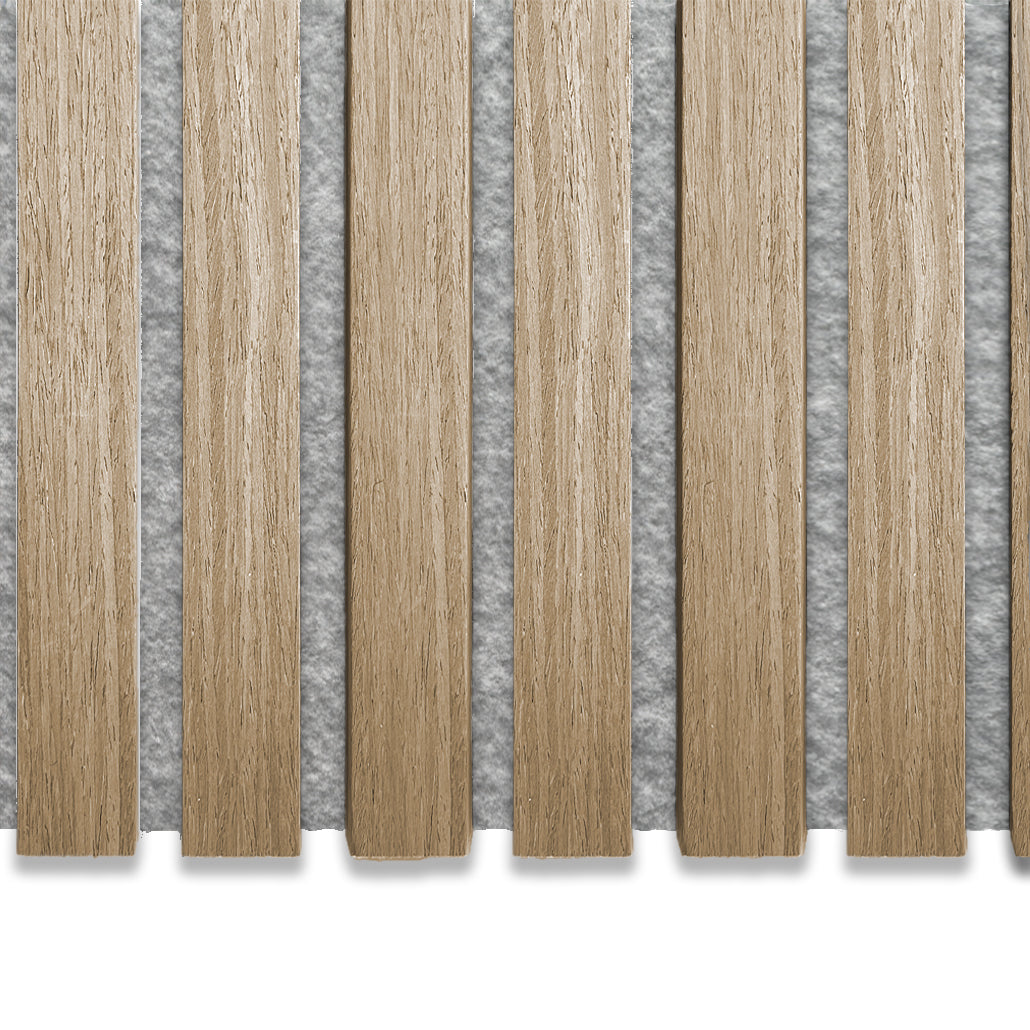
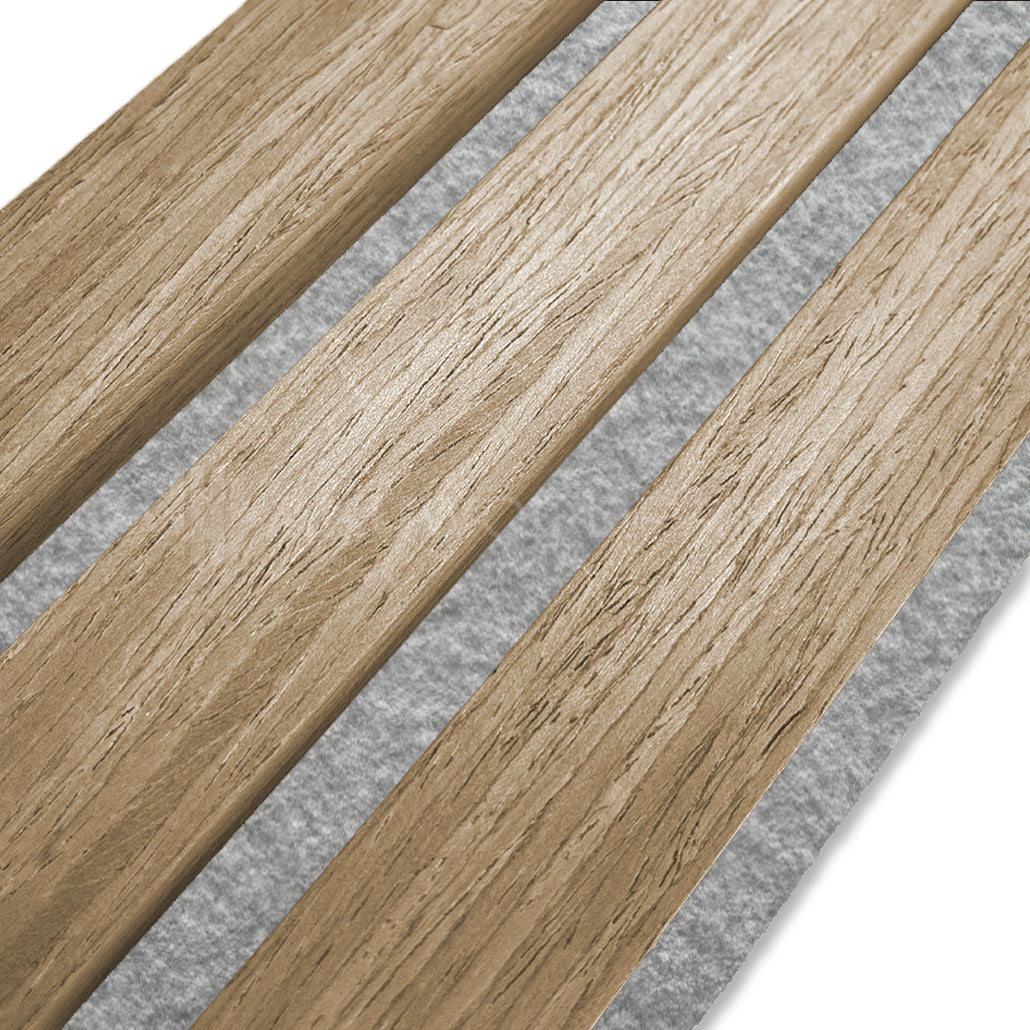
- Natural Oak with Grey Felt panels rate NRC 0.75, making them the safe pick for hard-floored bus station waiting halls in 2026.
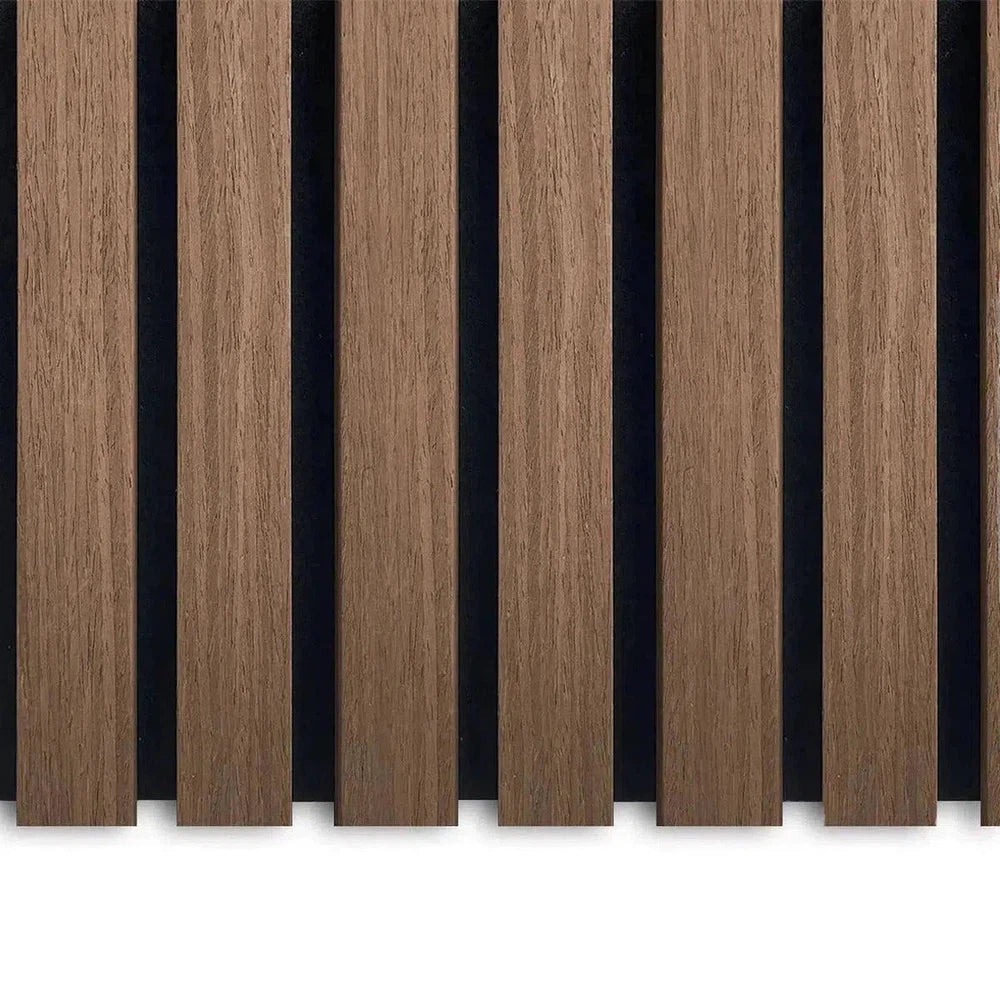
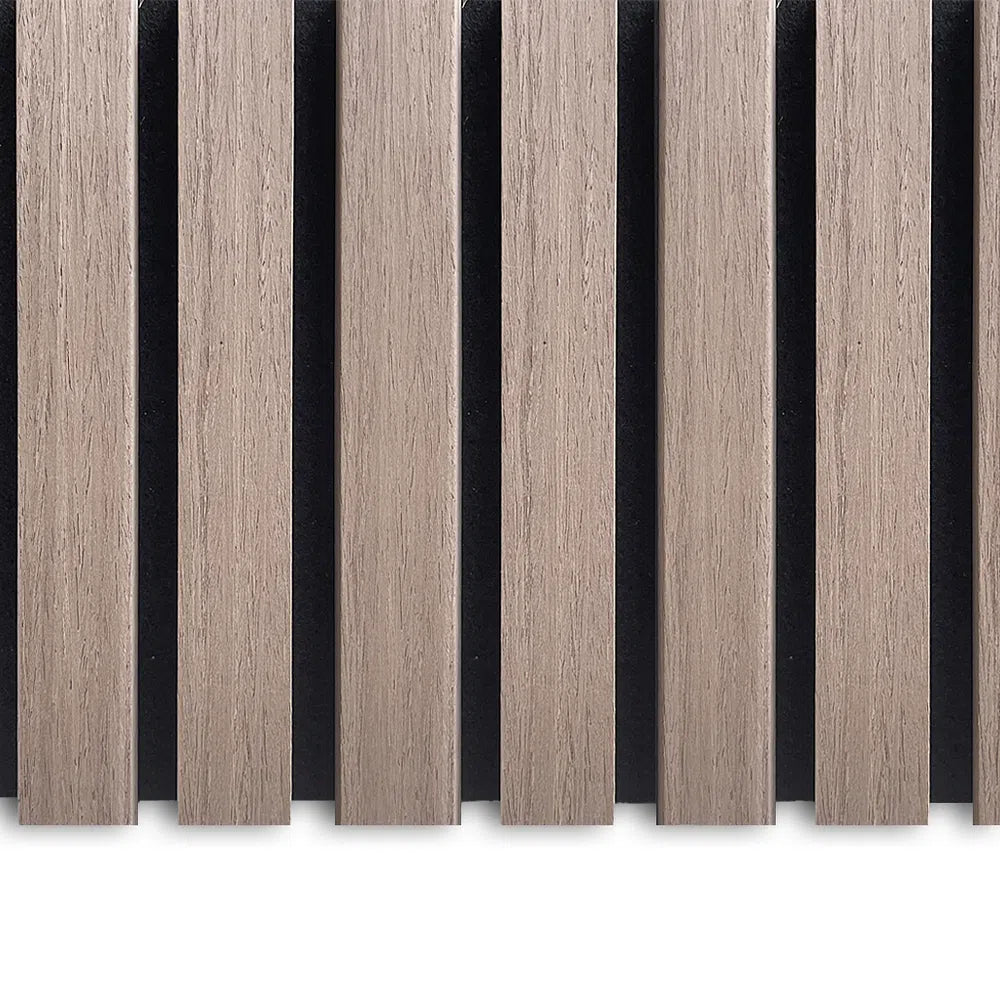
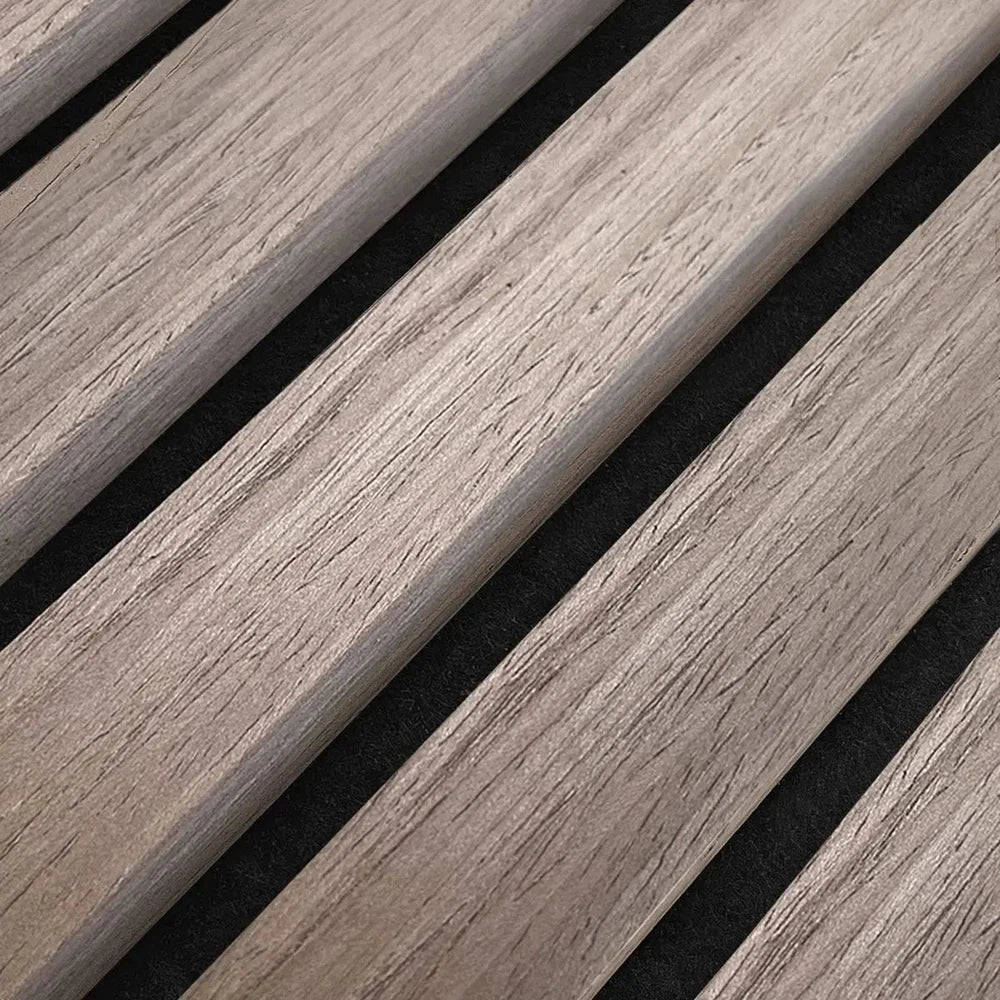
- Rustic Oak Premium 3-Sided Veneer is the workhorse for high-footfall corners and corridor walls.
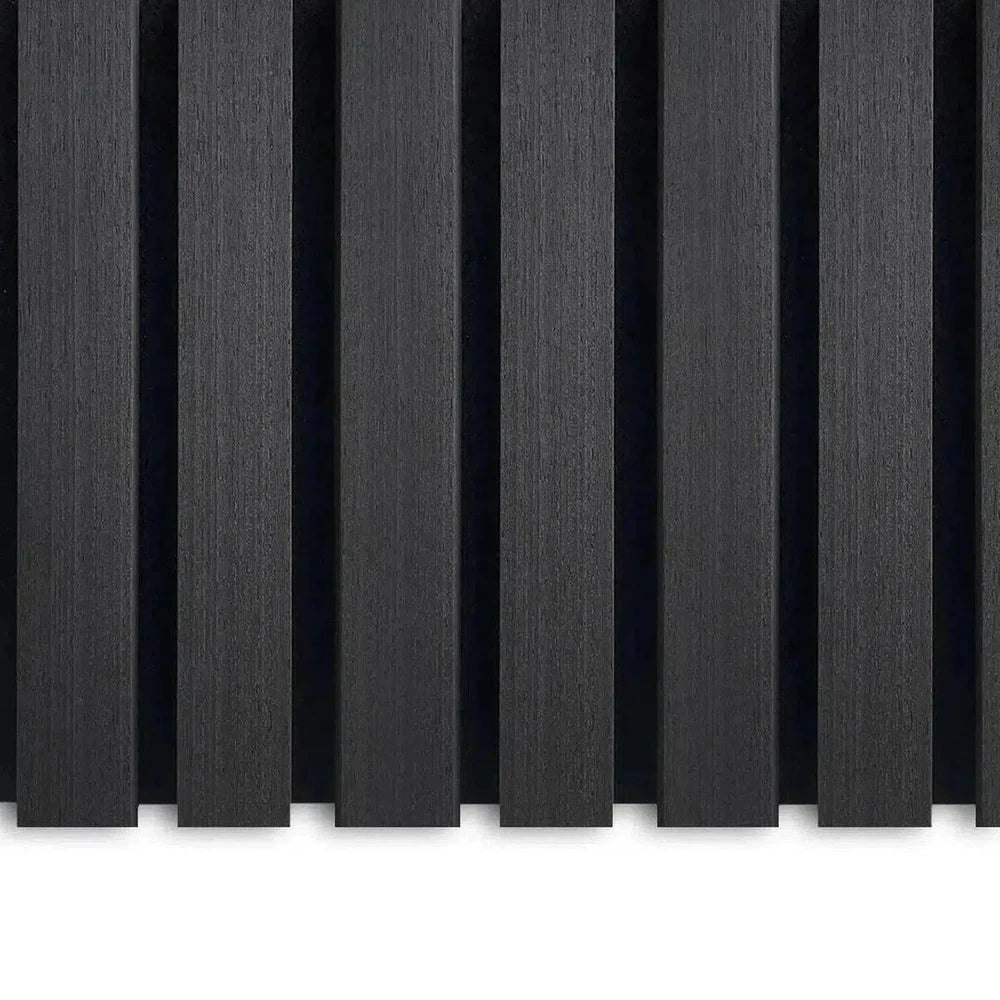
- Exterior Wall Cladding Panel Black is the only pick here rated for covered canopy waiting bays.
- Skip foam acoustic tiles and fabric-wrapped panels in public transport buildings — they fail durability and fire-safety expectations fast.
Why this matters
Reverberation time in a hard-surfaced waiting hall regularly runs past the 1.0 to 1.5 second range that keeps a PA announcement intelligible, and every extra reflection off bare block or glass stacks onto that number. Coach and bus stations rarely get the acoustic treatment a cinema or office does, yet they carry the same core problem: hard parallel surfaces, high ceilings, and constant background noise from idling diesel engines and moving crowds.
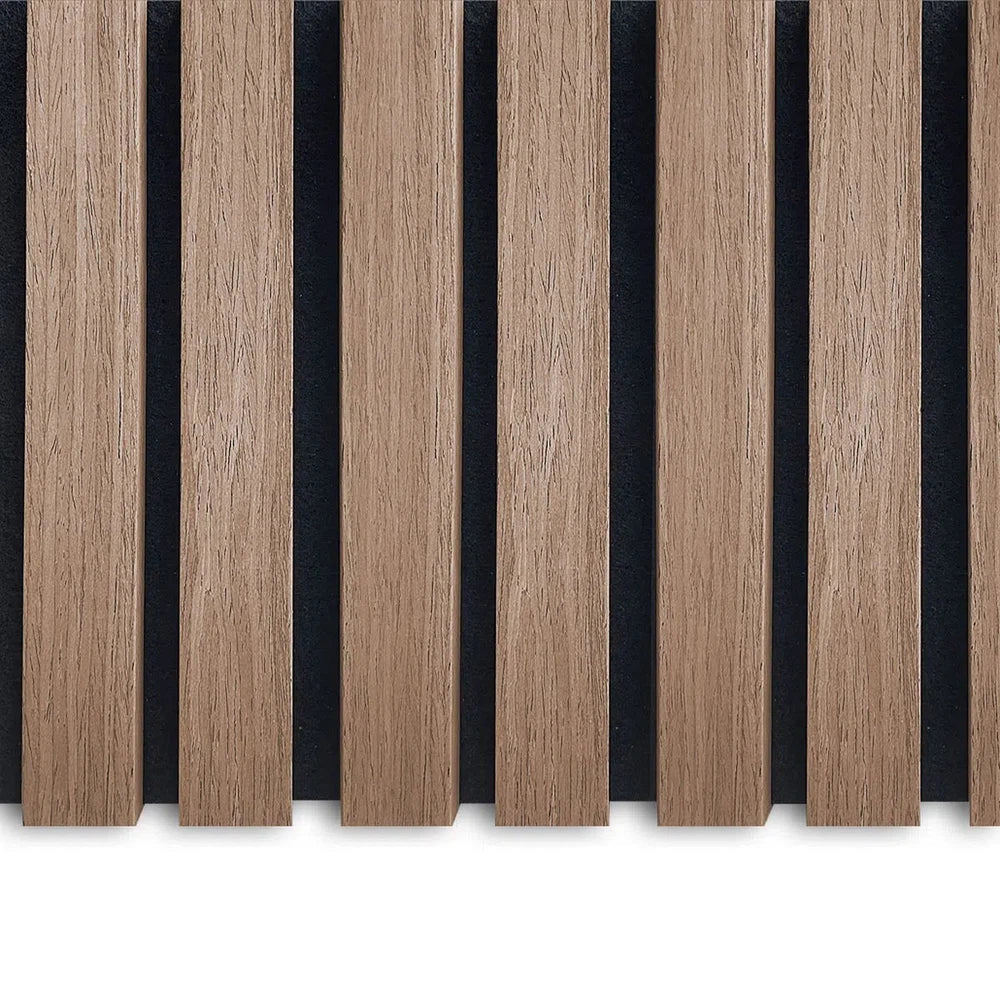
A wood veneer acoustic panel with a felt backing, like the Natural Oak with Grey Felt panel, absorbs mid and high frequency sound at the wall instead of letting it bounce, which is exactly where announcement clarity gets lost in a busy concourse. Fixing this doesn't require stripping the building back to soft furnishings — a slat-and-felt panel system does the acoustic job while surviving the footfall a public building takes every single day.
Who this is for
This guide is for transport operators, coach depot facilities managers, local authority transport teams, and refurbishment contractors specifying waiting rooms with hard floors, glass partitions and a working tannoy system. If passengers are asking staff to repeat gate announcements or complaints about noise are landing on your desk, the wall surfaces are almost certainly the cause, not the speaker system.
What to look for in acoustic panels for coach and bus station waiting areas
Sound absorption rating (NRC)
An NRC rating tells you what fraction of sound hitting the panel gets absorbed rather than reflected — a felt-backed wood panel rated at 0.75 NRC absorbs three-quarters of incoming sound energy at mid frequencies, which is where speech clarity lives. Anything without a stated NRC figure is decorative, not acoustic, and won't move the needle on a busy concourse.
Surface durability against footfall and luggage knocks
Waiting areas take a beating from wheeled cases, trolleys and impatient queuing — a real wood veneer finish holds up to daily contact far better than painted MDF or fabric wrap. Look for a 3-sided veneer wrap on the panel edges specifically, since corners and edges are where cheap panels chip first.
Fire performance for public assembly buildings
Any wall treatment going into a publicly accessible transport building needs to meet the fire performance expectations of that occupancy class, and specifiers should always confirm current fire documentation against the specific project before ordering. This is the single biggest reason to avoid unrated decorative foam in a station environment.
Panel format for fast, low-disruption installs
Stations rarely close for a refurbishment, so panel format matters as much as performance. A modular tile format lets contractors work in sections overnight or during off-peak windows instead of shutting a concourse down for a week.
Weather tolerance for canopy and open-bay areas
Many coach stations have semi-covered waiting bays exposed to wind-driven rain and temperature swings — an interior-only panel will delaminate fast in that environment. Exterior-rated cladding is a separate product category and needs to be specified separately from indoor acoustic panels.
Top picks for bus and coach station waiting areas
Natural Oak with Grey Felt — the safe pick. Felt backing rated at 0.75 NRC, a real wood veneer face, and a neutral tone that works under fluorescent station lighting. It's the panel to specify first for main concourse walls where announcement clarity is the priority. Buy.
Rustic Oak Premium 3-Sided Wood Veneer — the workhorse. The 3-sided veneer wrap means exposed corners and panel joins don't show raw substrate, and it's available in both 240 cm and 300 cm formats to match ceiling height without extra cutting. This is the pick for high-footfall corridor walls and the corners passengers actually lean against. Buy.
Exterior Wall Cladding Panel Black — the canopy pick. Built for exterior exposure rather than indoor acoustic absorption, this is the panel for covered outdoor waiting bays and canopy walls that catch weather. Don't use it where you actually need sound absorption — it's a cladding product, not an acoustic one. Consider.


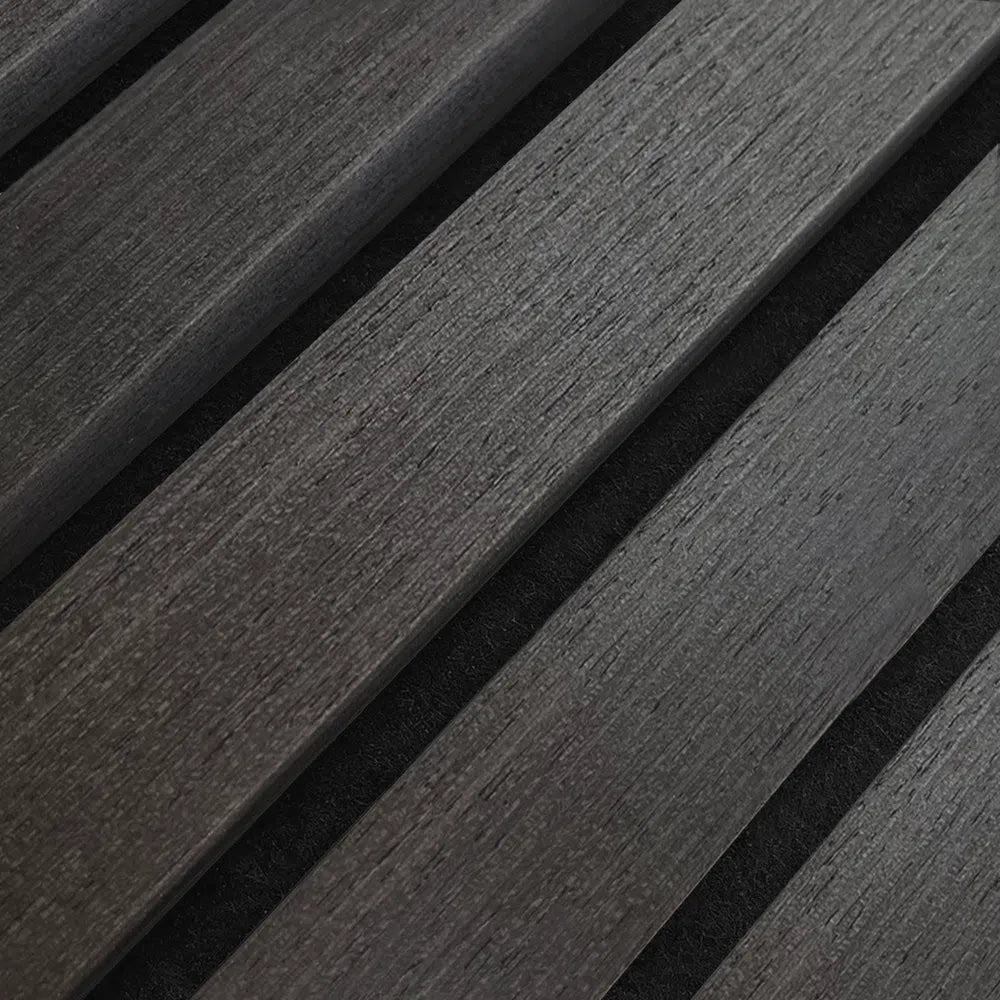
The hexagon format above is worth a mention for ticket counters and feature walls: each tile is £40.95 and swaps individually, so a scratched or graffitied section gets replaced without recladding the whole wall. That's a real advantage in a public building where vandalism and daily wear are ongoing, not one-off, costs.
What to avoid
- Foam acoustic tiles. They absorb sound well on paper but degrade fast under UV and cleaning chemicals, and most aren't rated for the fire and vandalism expectations of a public assembly building.
- Fabric-wrapped decorative panels. Fine in a boardroom, a liability in a station — fabric tears under trolley contact and holds moisture in an unheated waiting hall.
- Unrated thin veneer without felt backing. It looks the same as a proper acoustic panel in a photo but does none of the absorption work; if there's no stated NRC figure, it's decoration only.
Verdict comparison table
| Panel | Absorption / Function | Best for | Verdict |
|---|---|---|---|
| Natural Oak with Grey Felt | NRC 0.75 | Main concourse walls | Buy |
| Rustic Oak Premium 3-Sided Veneer | 3-sided wrap, 240/300 cm | High-footfall corridors & corners | Buy |
| Exterior Wall Cladding Panel Black | Weather-rated exterior | Covered canopy / open bay | Consider |
| Hexagon Acoustic Panel Smoked Oak | Modular tile, spot-replaceable | Feature walls, ticket counters | Consider |
FAQ
What's the best acoustic panel for a bus station waiting area?
A felt-backed real wood veneer panel rated around 0.75 NRC, such as the Natural Oak with Grey Felt panel, is the strongest all-round choice for 2026 waiting halls. It absorbs mid-frequency speech sound while holding up to daily footfall in a way fabric or foam panels don't.
How much does it cost to treat a coach station waiting room for noise?
Cost scales with wall area and panel choice — modular hexagon panels run £40.95 per 81 cm tile, while full-format 240 cm and 300 cm panels are priced per panel on the Akustiq UK site. Budget by measuring the wall area you actually need to cover, not the whole room.
Do acoustic wood panels work outdoors under a bus shelter canopy?
No — standard indoor acoustic panels will delaminate under weather exposure. Covered outdoor waiting bays need an exterior-rated cladding product like the Exterior Wall Cladding Panel Black instead of an indoor acoustic panel.
What NRC rating do you need for a public transport waiting hall?
Aim for panels rated around 0.75 NRC or higher on the walls that face the tannoy speakers and main queuing area. Lower-rated decorative panels won't meaningfully cut reverberation in a large hard-surfaced concourse.
Are wooden acoustic panels fire-rated for public buildings?
Fire performance varies by product and specification, so always confirm current fire documentation for the exact panel against your building's occupancy class before ordering. This is a non-negotiable check for any public assembly space in 2026.
Is hexagon or straight-slat panelling better for a busy waiting area?
Hexagon tiles win where spot repairs matter, since a single damaged tile swaps out without recladding the wall. Straight-slat full panels cover large concourse walls faster and with fewer seams, which suits main waiting halls better than ticket counters.
How long does it take to install acoustic panels in a working bus station?
Modular panel formats let contractors work section by section during off-peak hours or overnight, so most waiting rooms don't need a full closure. Timeline depends on wall area and access, not the panel type itself.
Can acoustic panels handle luggage trolleys and vandalism in a public waiting room?
A real wood veneer with a 3-sided wrap, like the Rustic Oak Premium panel, resists chips and scuffs far better than painted MDF or fabric-wrapped panels. For high-contact corners, this durability matters more than the acoustic spec alone.
One last thing
The detail most facilities managers miss: modular hexagon panels at £40.95 a tile turn wall damage from a recladding job into a five-minute swap, which matters more in a public transport building than almost anywhere else you'd fit acoustic wood panels. Specify a handful of spare tiles at install time in 2026 and repairs stop being a procurement headache a year later.