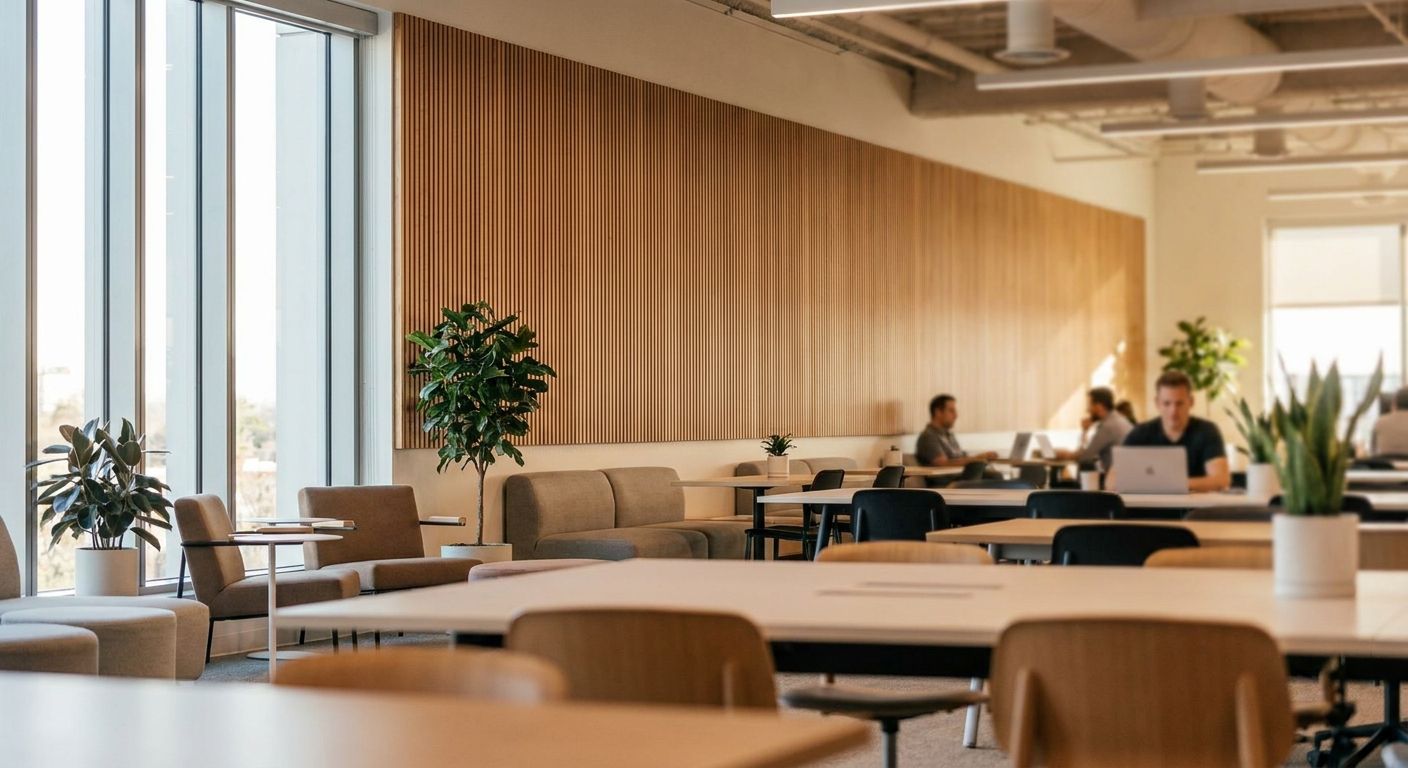
Open-plan floors, glass meeting pods, exposed concrete ceilings — the same design choices that make a tech startup office look funded also make it sound like an airport terminal. Acoustic wood panels fix that without turning the space into a library, and this guide covers which finishes actually work for a startup floor plan, what to skip, and what a real fit-out costs in 2026.
- Natural Oak wall panels at £84.95 per unit are the safe buy for glass-walled meeting rooms and reception walls.
- Skip decorative slat panels without felt backing — they look right but do nothing for echo on hard-floor open-plan offices.
- Black Oak wall panels work best in founder offices and video-call backdrops, not open floor acoustic treatment.
- Budget-conscious startups should compare Grey Oak at £80.95 against Natural Oak Grey Felt at £83.95 before committing to a full wall.
Why this matters
Most startup offices are leased shells with hard floors, plasterboard partitions, and one enormous glass box for the all-hands. That combination reflects sound instead of absorbing it, so a 20-person team on a call floor sounds like 40. A natural oak wall panel with a felt backing behind the veneer absorbs mid and high frequencies where speech lives, which is the actual problem in a startup office — not bass, not machinery noise, just too many voices bouncing off too few soft surfaces.
The fix doesn't require a renovation. Slat panels glue directly to plasterboard or stud walls, so a facilities lead can treat a breakout wall or a reception feature over a weekend without touching the lease's fit-out clause. That's the appeal for a startup on a 12-month rolling lease: acoustic improvement that comes off the wall if the office moves.
Who this is for
This guide is for whoever owns the office at a seed-to-series-B company — an ops lead, a founder still picking out furniture, or an office manager handling the fit-out brief. You're dealing with open-plan noise complaints, video calls that sound hollow, or a reception wall that needs to look like the company raised real money. You're not spec'ing a 200-desk enterprise floor with an acoustic consultant on retainer — you need panels that install fast, look premium on a Zoom background, and don't blow the fit-out budget in 2026.
What to look for in acoustic wood panels for tech startup offices
Felt backing, not just slats
The visual slat pattern is decoration. The acoustic felt bonded behind it is what actually absorbs sound. A panel without felt backing is a decorative wall covering wearing an acoustic panel's marketing copy — it will look identical in photos and do almost nothing for echo.
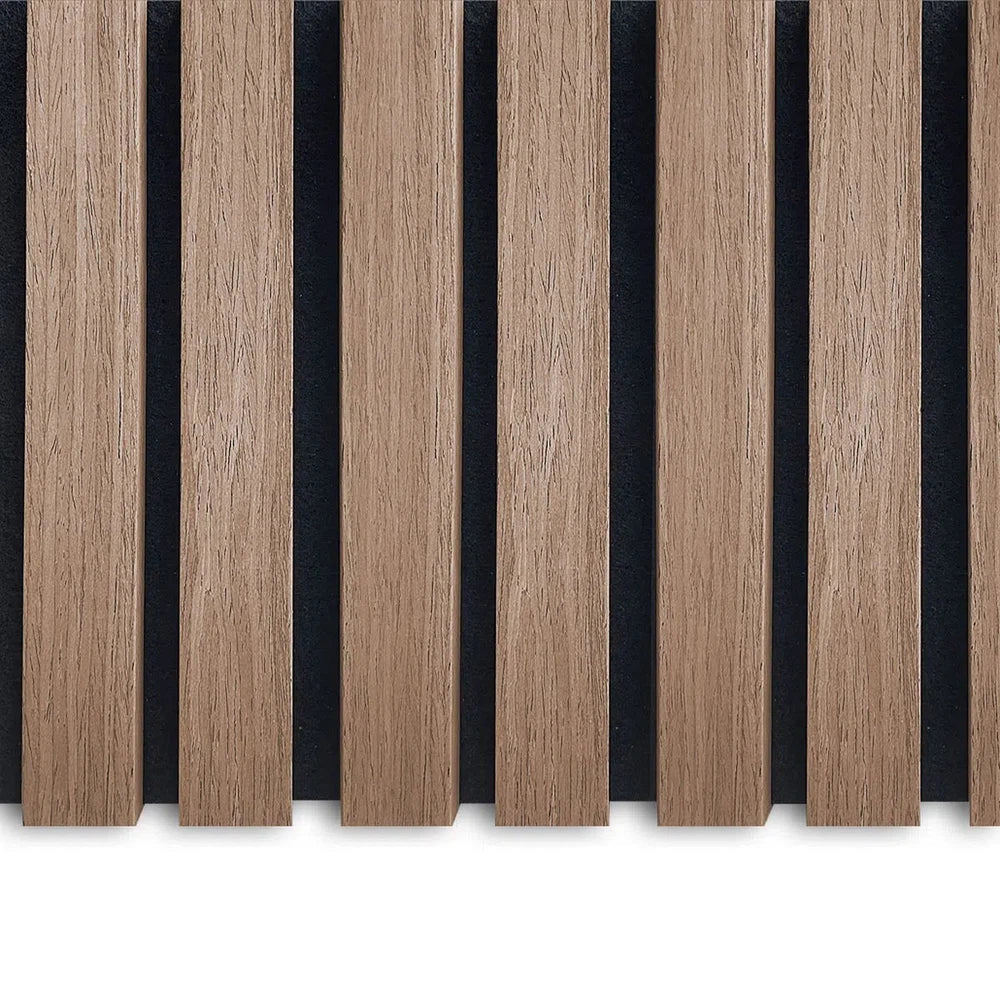
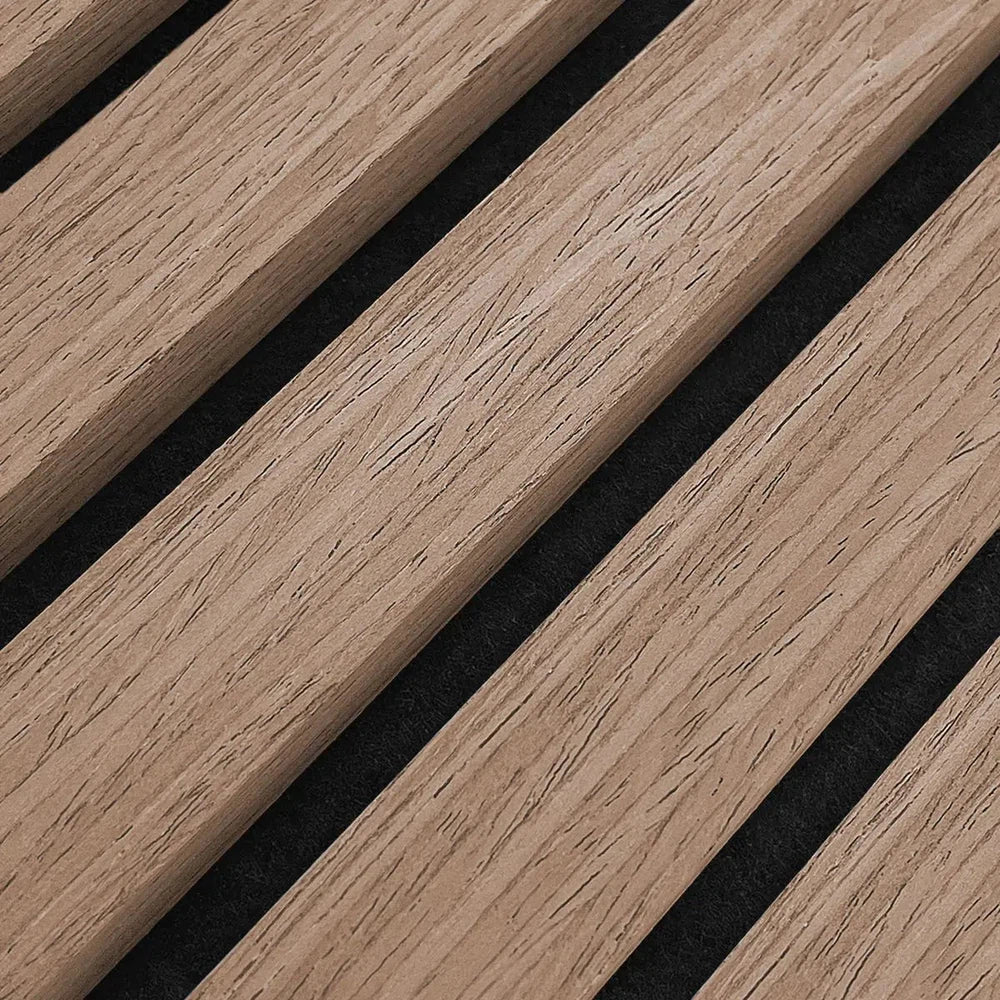
Real wood veneer over printed finish
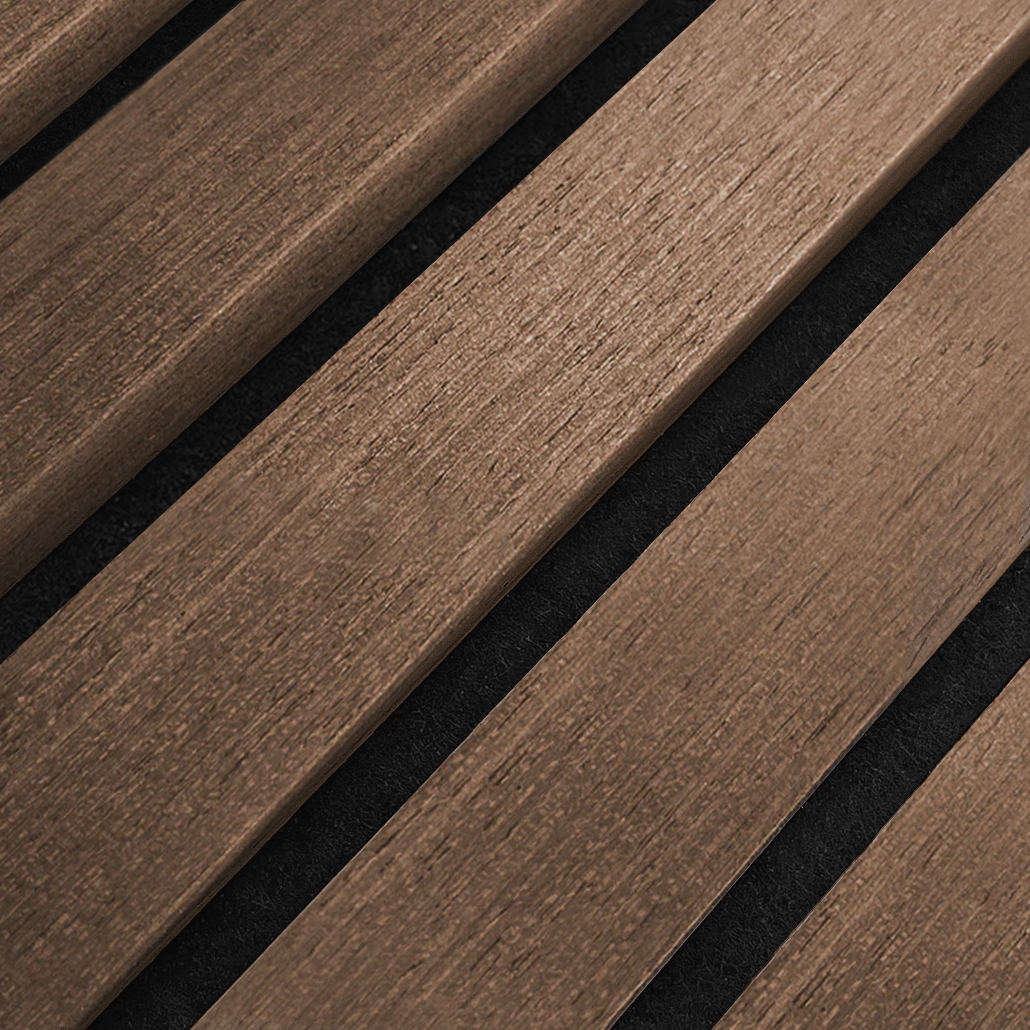
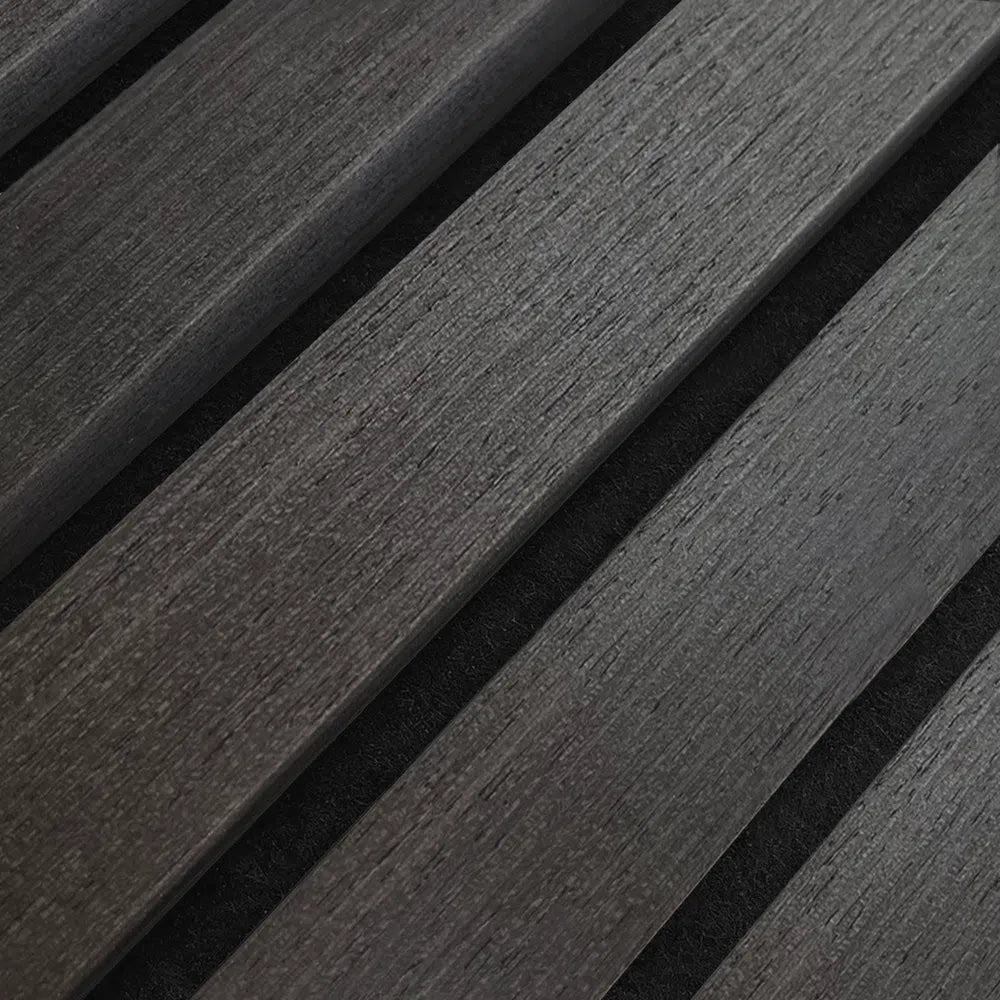
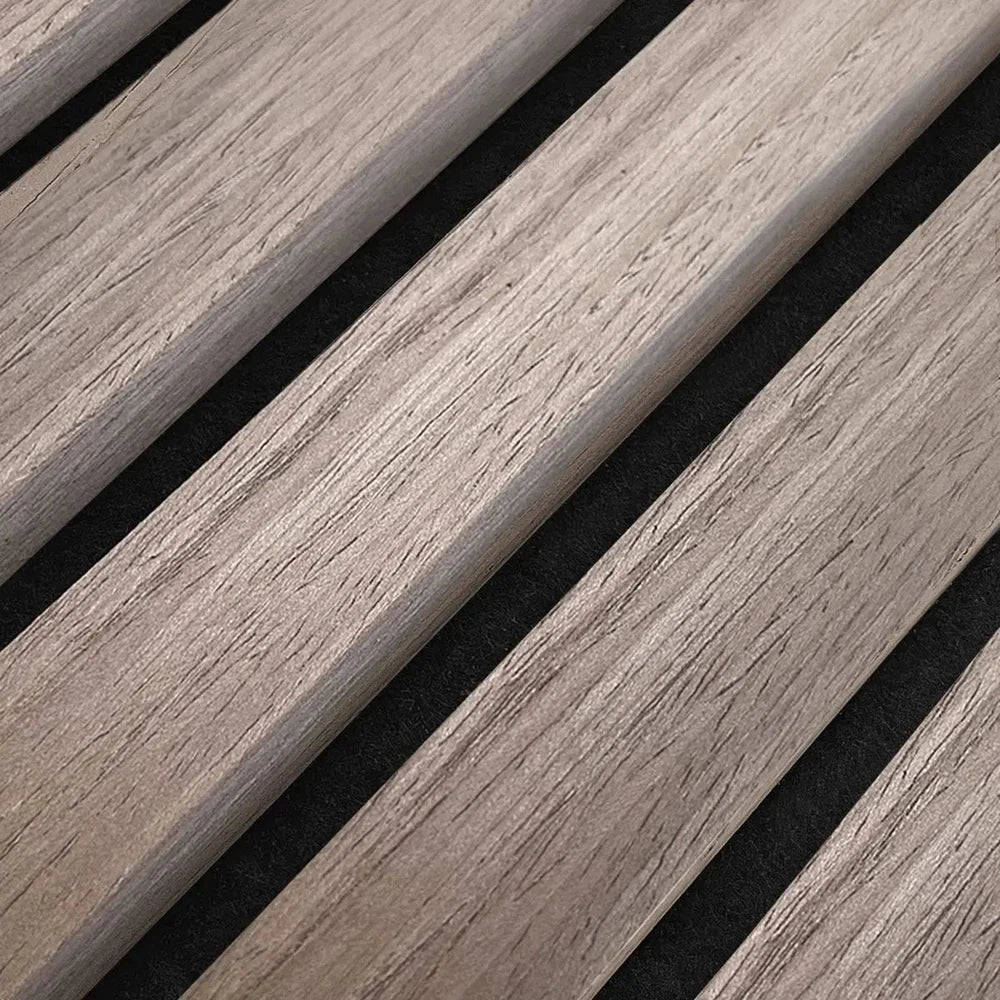
Investors and candidates notice materials up close. A 3-sided real wood veneer reads differently under office lighting than a printed foil finish, and it's the difference that shows up in the video-call backdrop and the reception wall photo that ends up on the careers page.
Panel format that matches your ceiling height
Panels come in 240cm and 300cm formats. Standard suspended-ceiling startup floors (roughly 2.4m to 2.7m) suit the shorter format with minimal cutting; floor-to-ceiling feature walls in a taller warehouse conversion suit the 300cm format. Picking the wrong format means more offcuts and a slower install weekend.
Install speed without a contractor
Startups move fast and don't want a two-week joinery job. Panels that glue up with a high-tack adhesive and install without battens are the difference between a Saturday project and a scheduled contractor visit that blocks the office for a week.
Price per panel against the wall you're covering
A reception feature wall of 8-10 panels at £80-85 each runs a few hundred pounds — a breakout room wrap runs into the low thousands. Know the wall area before you pick a finish, because the finish rarely changes the price by more than a few pounds per panel, but the wall area changes the total by a factor of ten.
Where the panel goes matters more than which panel you pick
A panel that's right for a moody founder's office is wrong for a bright open floor, and the reverse is also true. Match the finish to the room's job, not to what looks best in the supplier's photo.
Top picks for a startup office
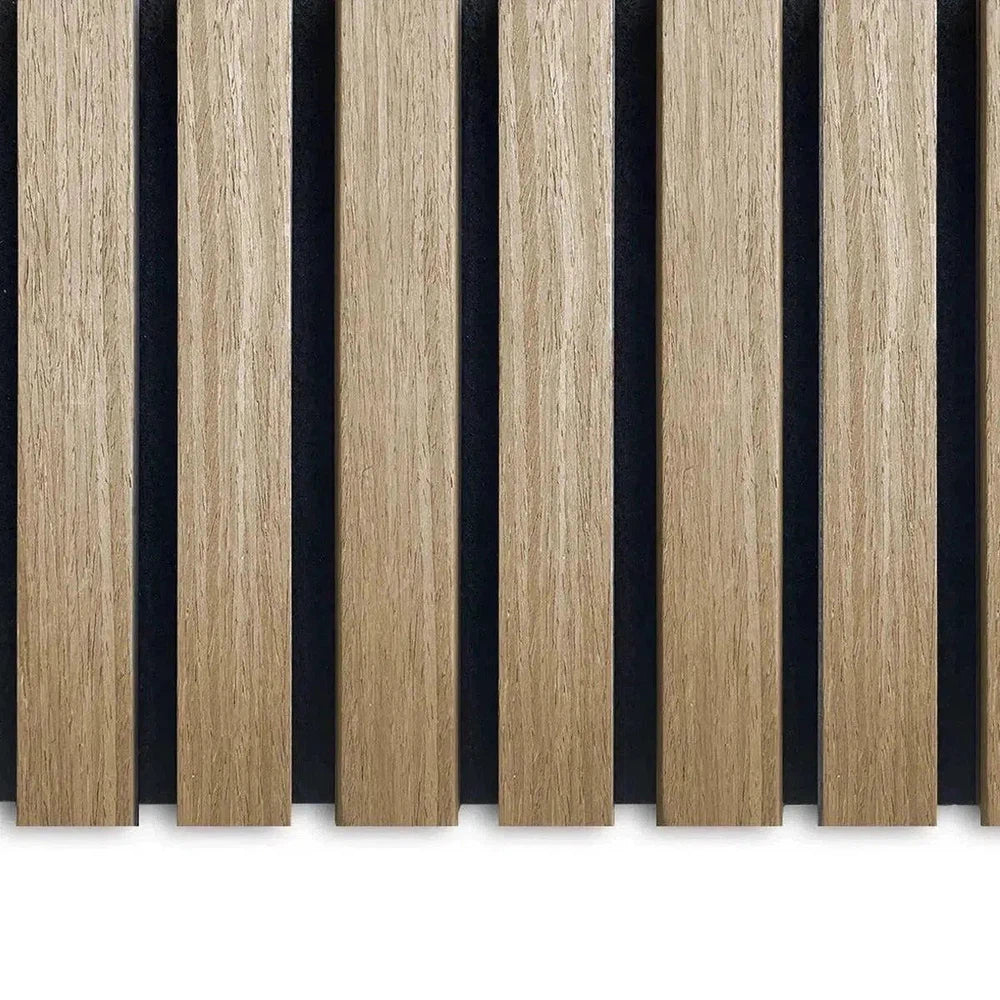
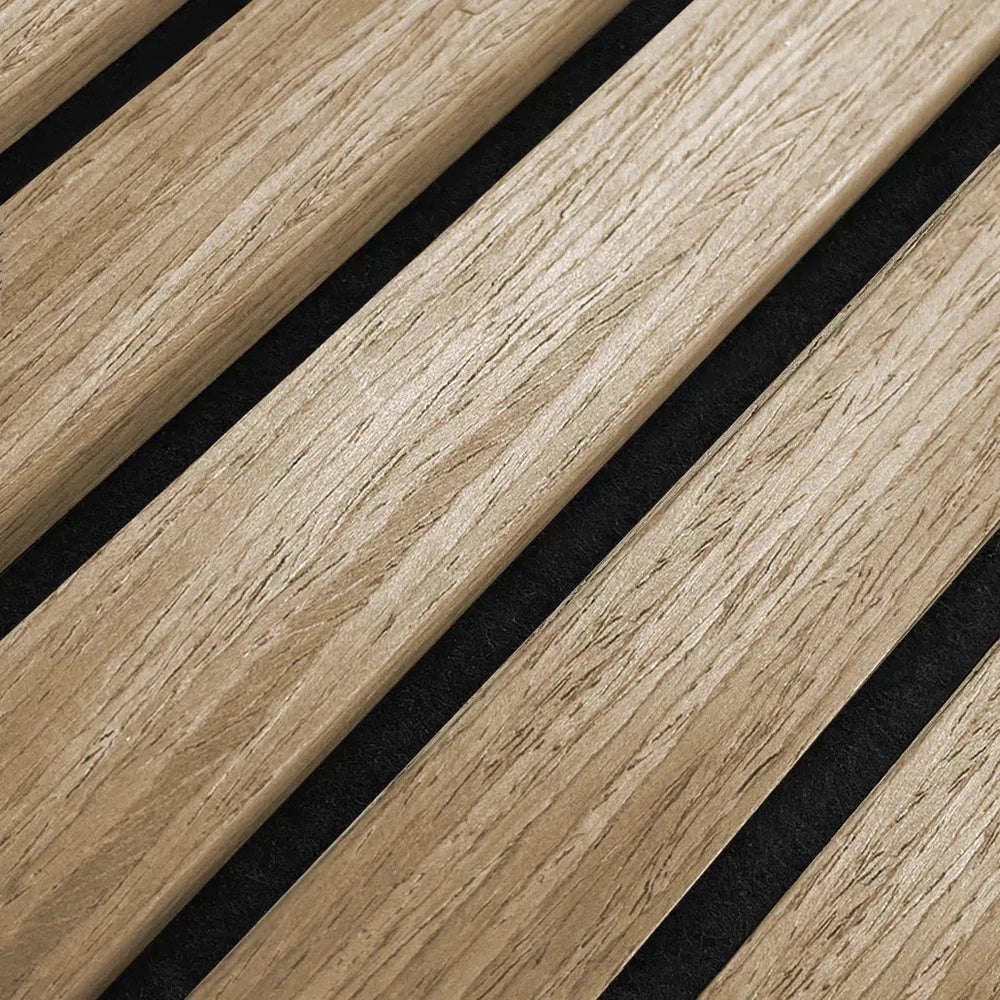
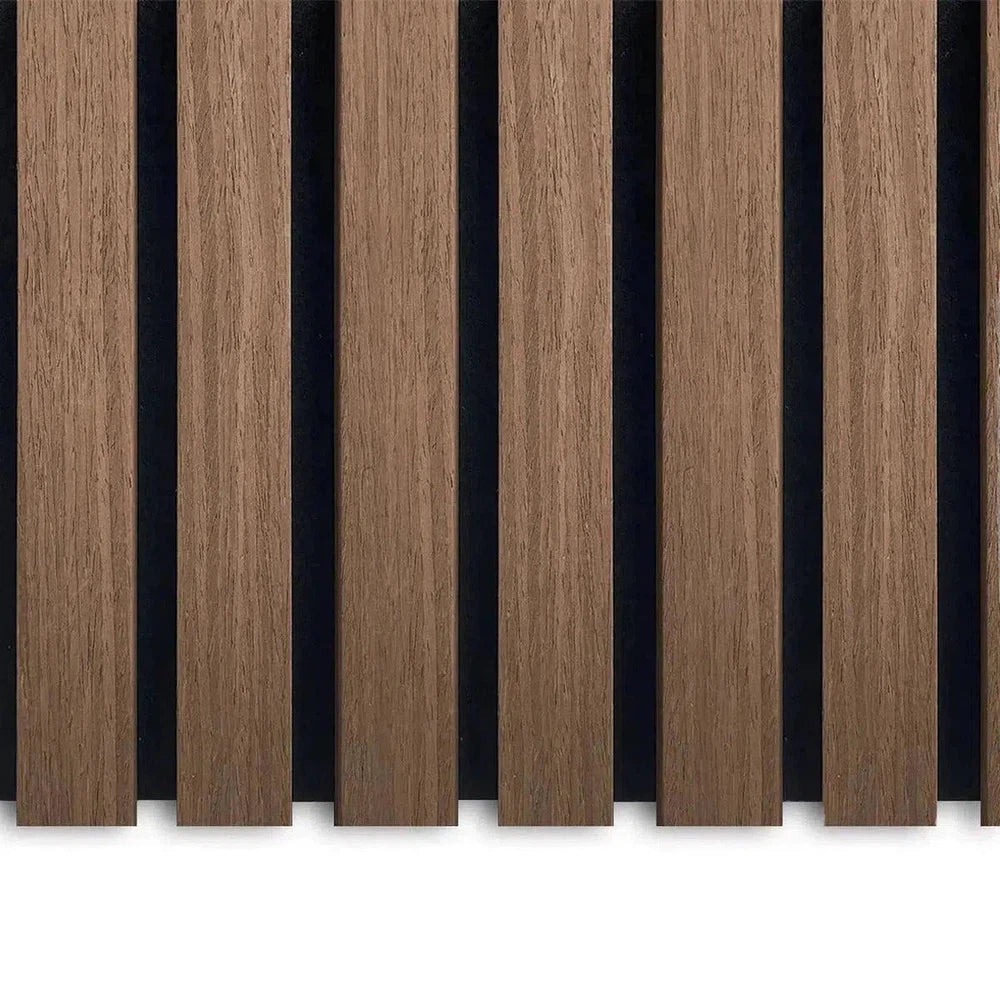
Natural Oak Wall Panel — the safe pick. At £84.95 per panel with a 3-sided wood veneer, this is the finish that works in reception, along glass meeting-room walls, and on breakout room feature walls without clashing with whatever brand colours are on the signage. It reads light and premium rather than corporate. Buy for reception and shared breakout walls.
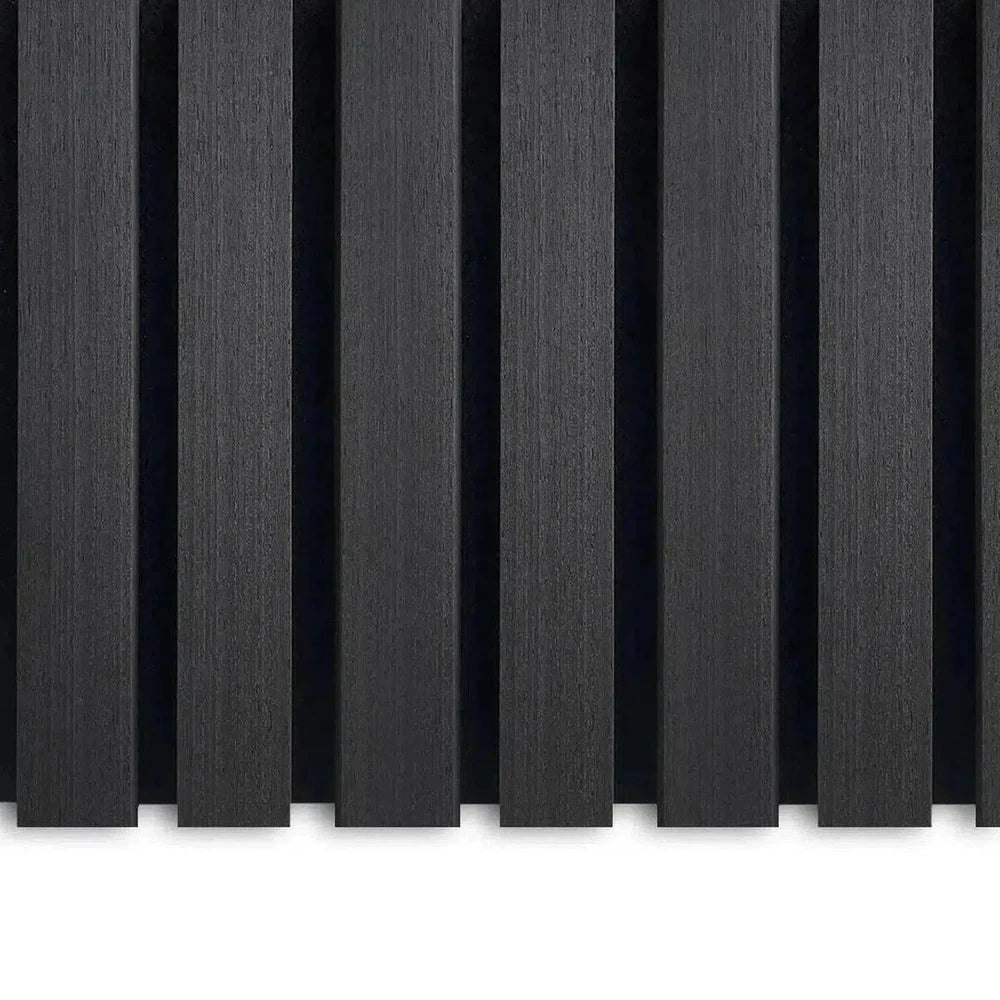
Black Oak Wall Panel — the founder's office pick. Same £84.95 price point, dramatically darker finish. This is the one that reads well behind a founder on a video call or in a small huddle room, but it absorbs light in a way that makes an already-small room feel smaller. Consider for one-person offices and video-call backdrops; skip for open floor space.
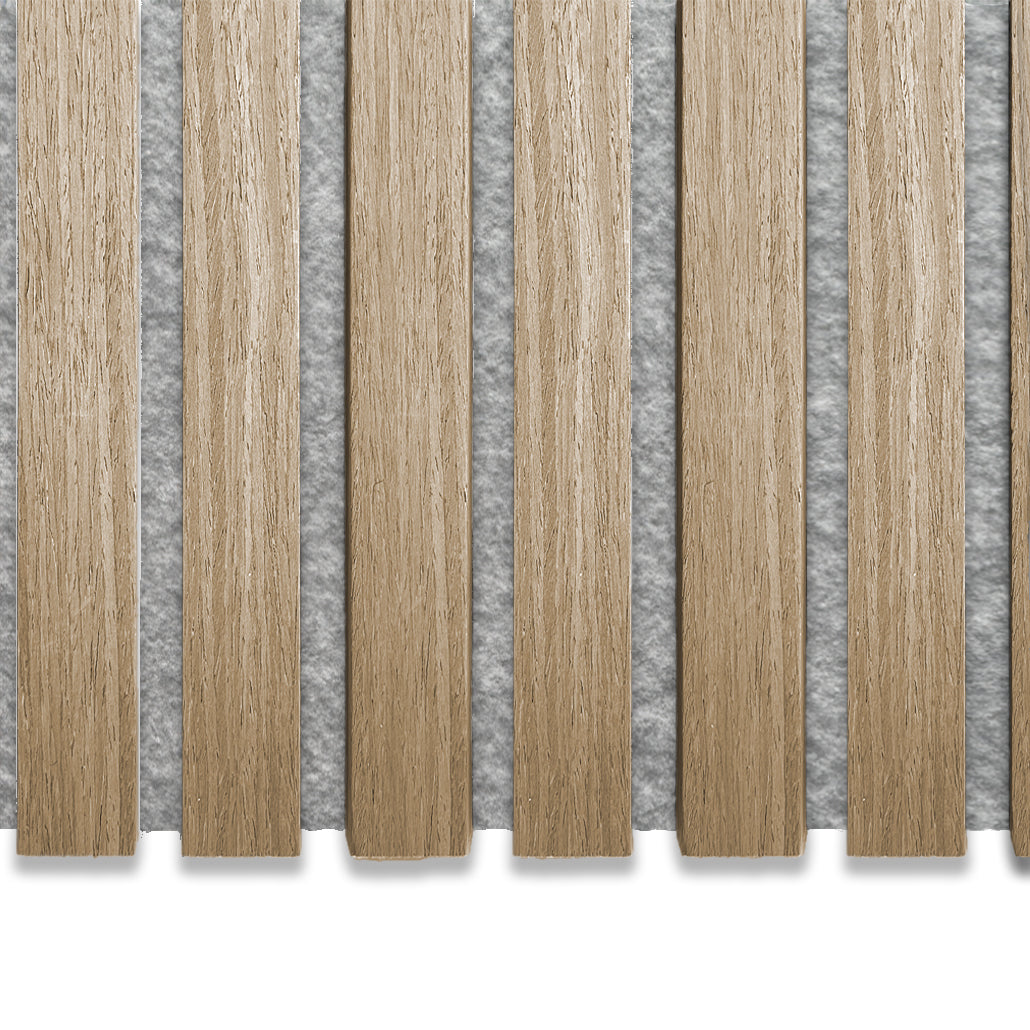
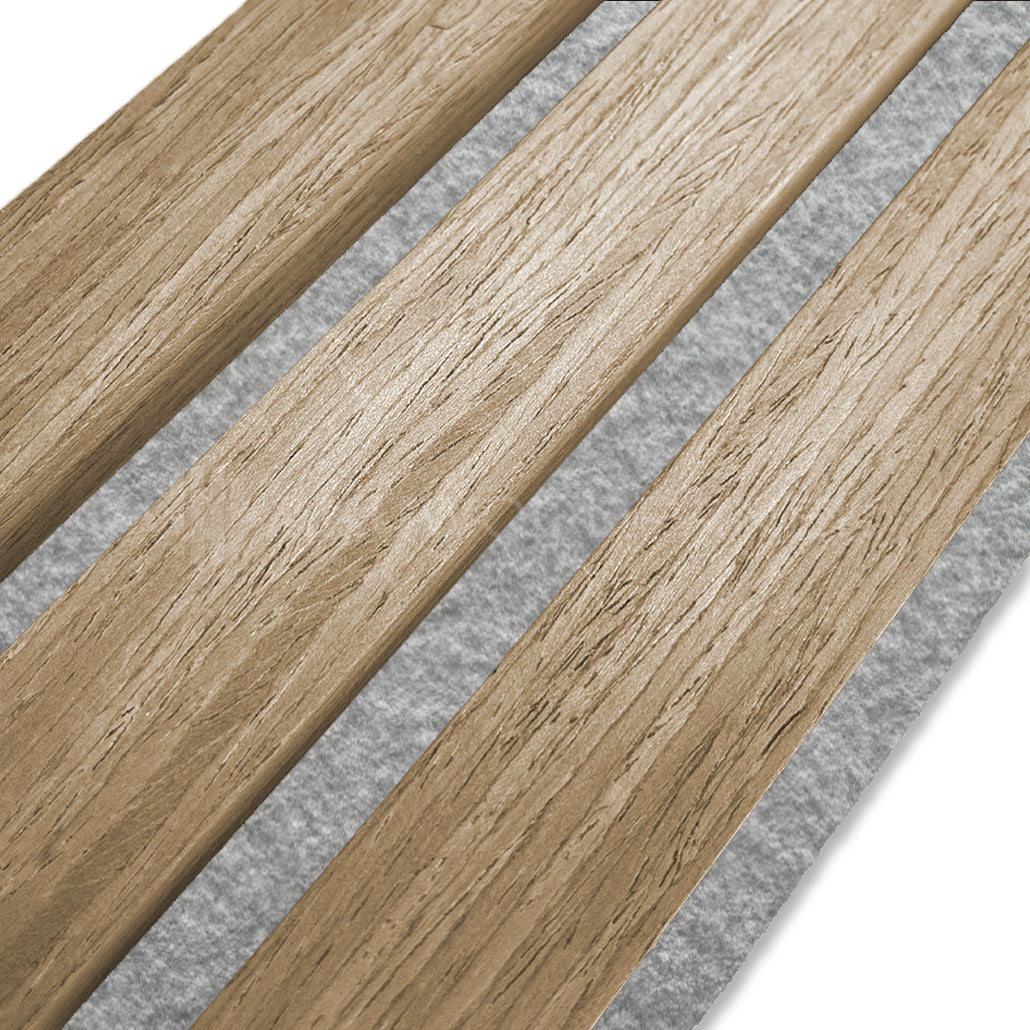
Natural Oak Grey Felt — the wildcard. At £83.95 this finish shows the grey acoustic felt between the slats instead of hiding it, which suits the exposed-brick, unfinished-ceiling aesthetic a lot of startup offices already have. It's a bolder look than the standard Natural Oak and won't suit every brand. Consider if the office already leans industrial.
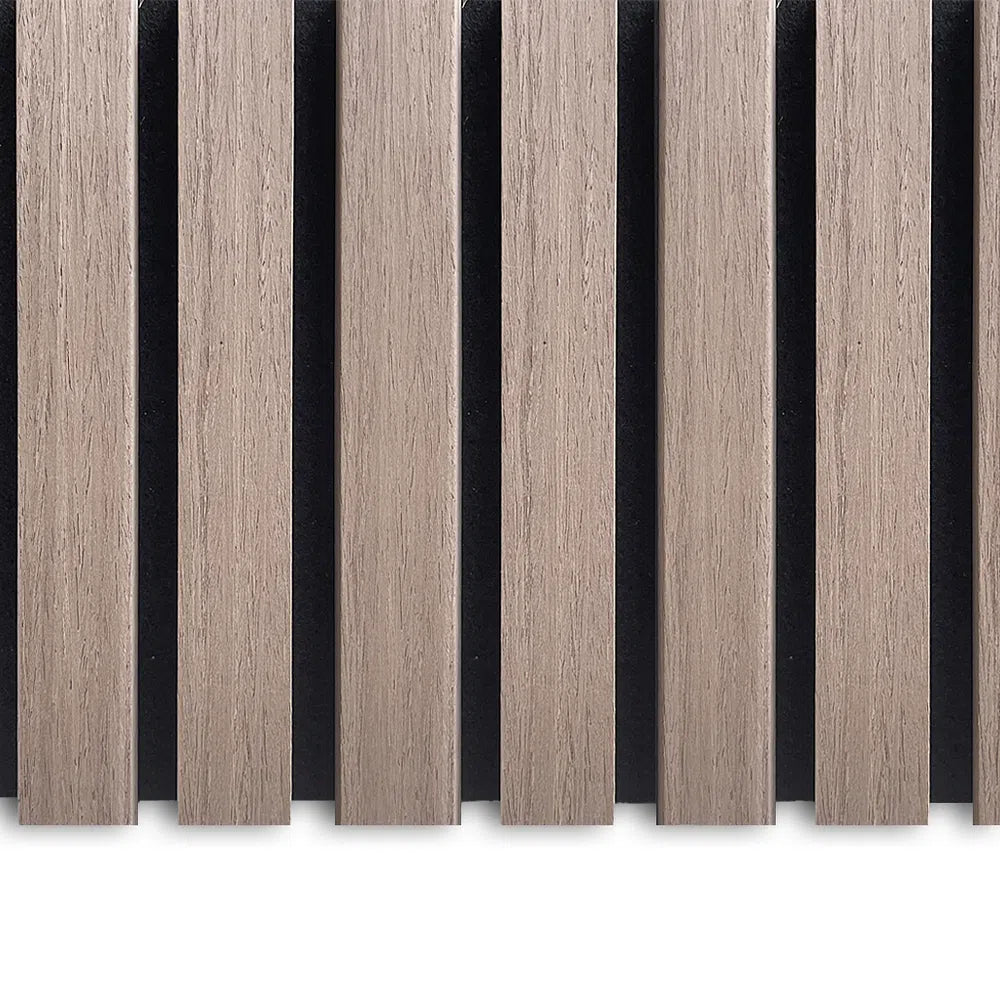
Grey Oak — the budget pick. At £80.95 it's the cheapest of the four and still carries the same 3-sided veneer construction. It reads cooler and more neutral than Natural Oak, which works for tech-forward brands avoiding warm wood tones. Buy if budget per panel is the deciding factor and the room doesn't need warmth.


“If your all-hands still sounds like a swimming pool at 30 people in the room, slats without felt backing won't fix it.”
What to avoid
- Purely decorative slat cladding with no felt layer. It photographs the same as an acoustic panel and does close to nothing for echo — check for the felt backing before buying anything for noise, not just looks.
- Painting over the veneer to match brand colours. It kills the wood grain that made the panel worth buying in the first place and voids the point of choosing real veneer over a printed finish.
- Exterior cladding panels used indoors. They're built for weather resistance, not acoustic absorption, and using them on an internal breakout wall gets the visual right and the acoustic result completely wrong. For a real acoustic fix on an open-plan floor, acoustic panels built for office breakout rooms are the more relevant reference than anything from the exterior range.
Verdict comparison
| Panel | Price | Finish character | Best room | Verdict |
|---|---|---|---|---|
| Natural Oak | £84.95 | Light, warm veneer | Reception, breakout walls | Buy |
| Black Oak | £84.95 | Dark, dramatic veneer | Founder office, video calls | Consider |
| Natural Oak Grey Felt | £83.95 | Grey felt visible between slats | Industrial-style offices | Consider |
| Grey Oak | £80.95 | Cool, neutral tone | Budget-driven fit-outs | Buy |
FAQ
What's the best acoustic wood panel for a tech startup office in 2026?
Natural Oak wall panels at £84.95 are the most versatile choice for 2026 startup fit-outs, working across reception, breakout rooms and glass-walled meeting spaces without clashing with brand colours.
Is a felt-backed panel better than plain slat panels for open-plan offices?
Yes — the acoustic felt behind the veneer is what absorbs sound, while plain decorative slats without felt do almost nothing to reduce echo on an open-plan floor.
How much do acoustic wood panels cost for a startup office fit-out?
Individual panels run £80.95 to £84.95 depending on finish, so a reception wall of 8-10 panels costs a few hundred pounds while a full breakout room wrap runs into the low thousands.
Can acoustic wood panels reduce echo in a glass-walled meeting room?
Yes, when applied to the solid walls around the glass — the felt-backed panel absorbs the reflected speech frequencies that the glass itself bounces straight back.
Should a startup fit acoustic panels before or after the office fit-out is finished?
After the walls, floors and electrics are in — panels glue directly onto finished plasterboard or stud walls and installing early risks damage during the rest of the build.
Do acoustic wood panels work on a fully open-plan coworking-style startup floor?
They help most on the perimeter walls and breakout zones bordering the open floor; a fully open desk area also benefits from freestanding acoustic screens between desks.
What panel size should a startup office choose, 240cm or 300cm?
240cm suits standard suspended-ceiling office floors around 2.4-2.7m, while 300cm suits taller warehouse-conversion offices doing a floor-to-ceiling feature wall.
How long does an acoustic wood panel install take in an office?
A single feature wall of 8-10 panels typically installs in a weekend using panel glue, without needing a contractor or battens on a flat plasterboard wall.
One last thing
The finish that gets photographed for the careers page is rarely the finish that fixes the noise complaint. Reception walls get Natural Oak because it looks premium in a photo; the acoustic complaint usually comes from the open desk floor or the glass meeting room, where the felt backing — not the veneer colour — does the actual work. Budget for the loud room first, the pretty wall second.