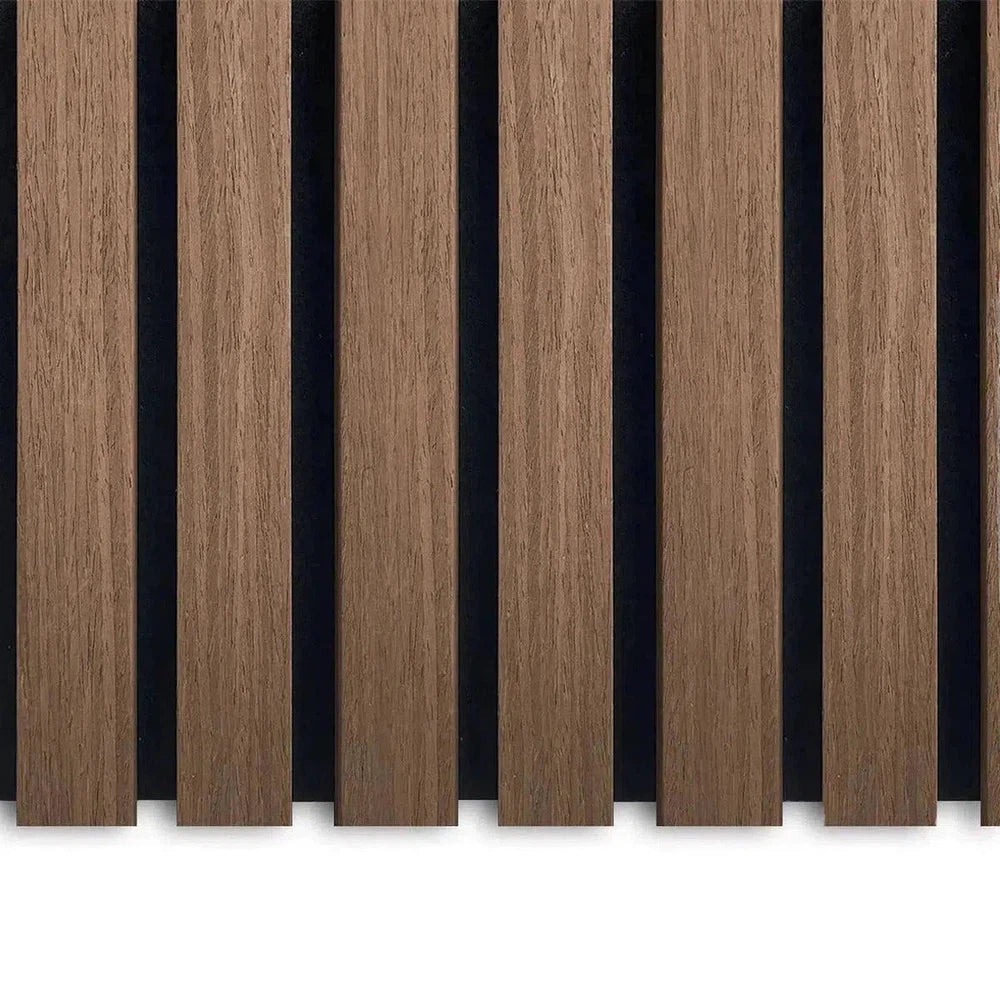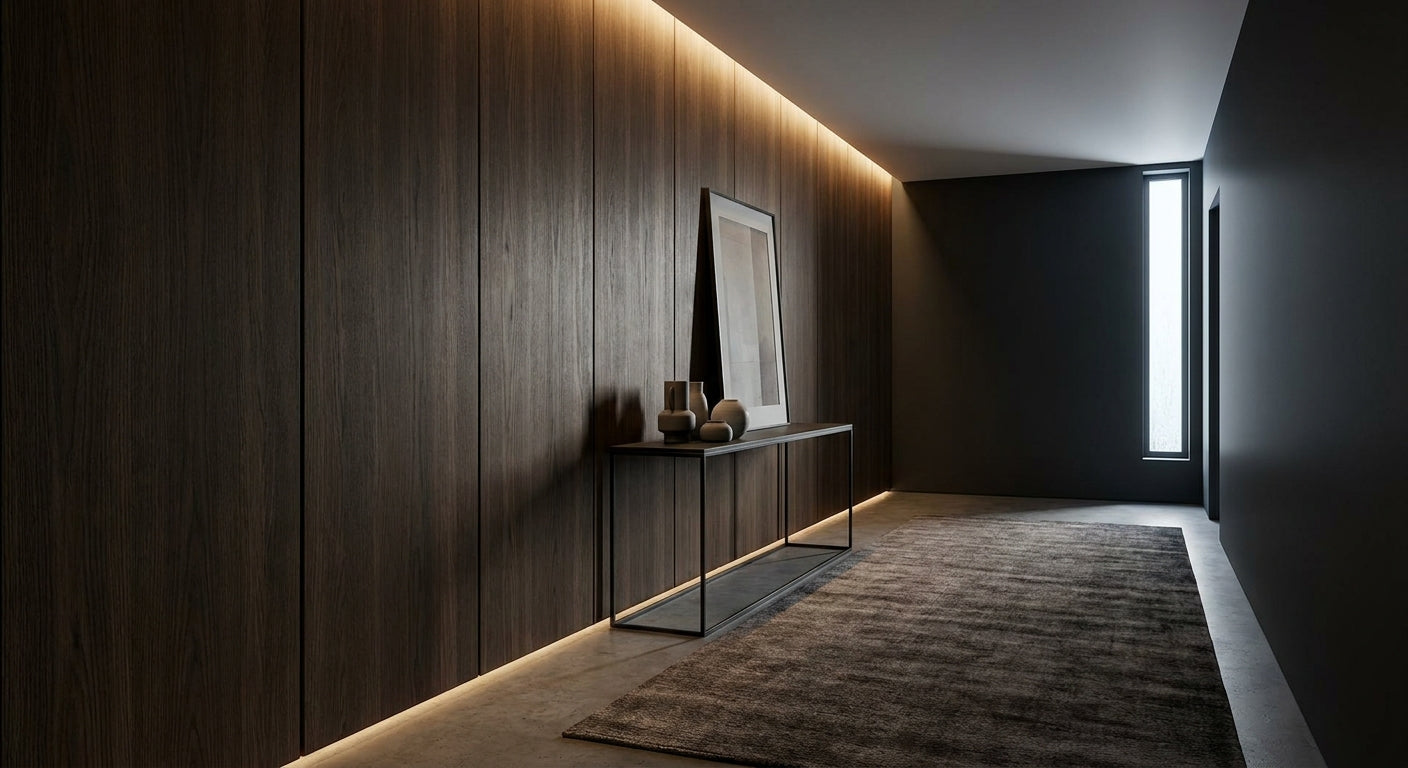
Smoked oak veneer panels turn a flat, echo-prone hallway into a hotel-grade entrance without touching the ceiling height or blocking the door swing.
TL;DR
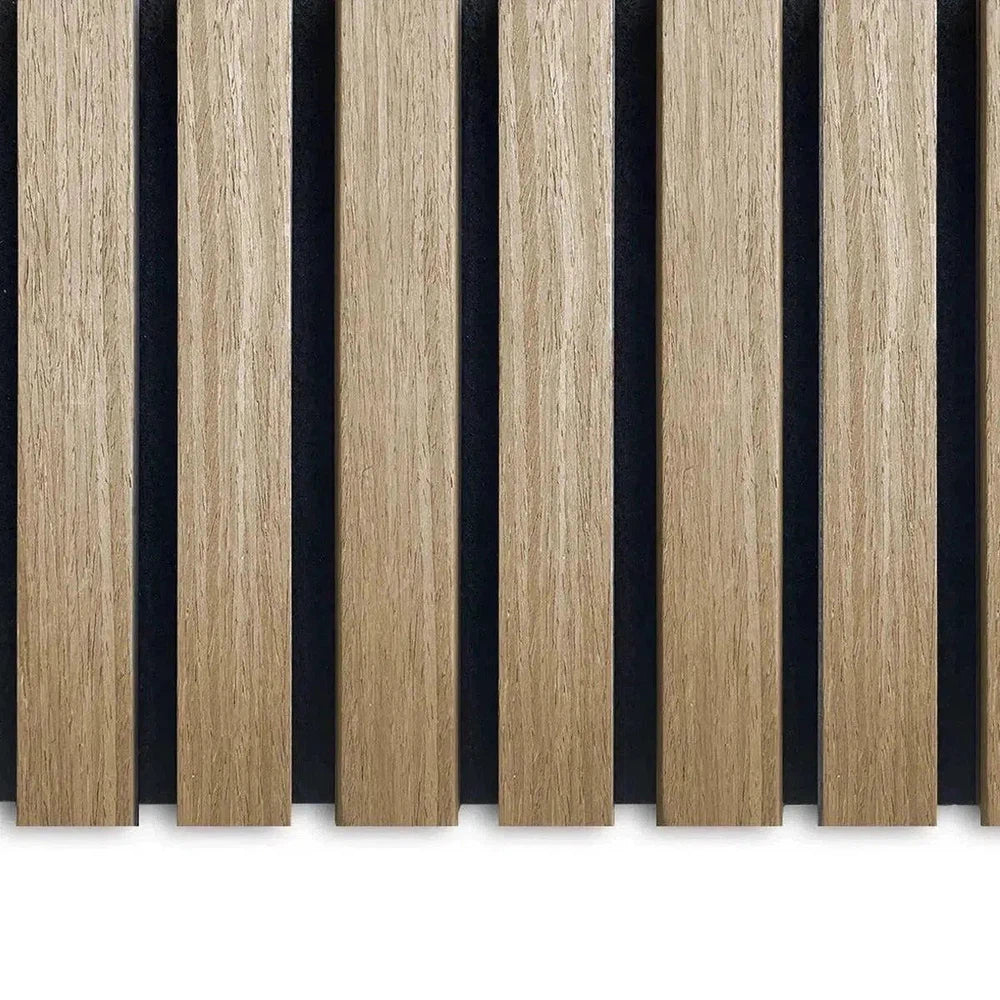
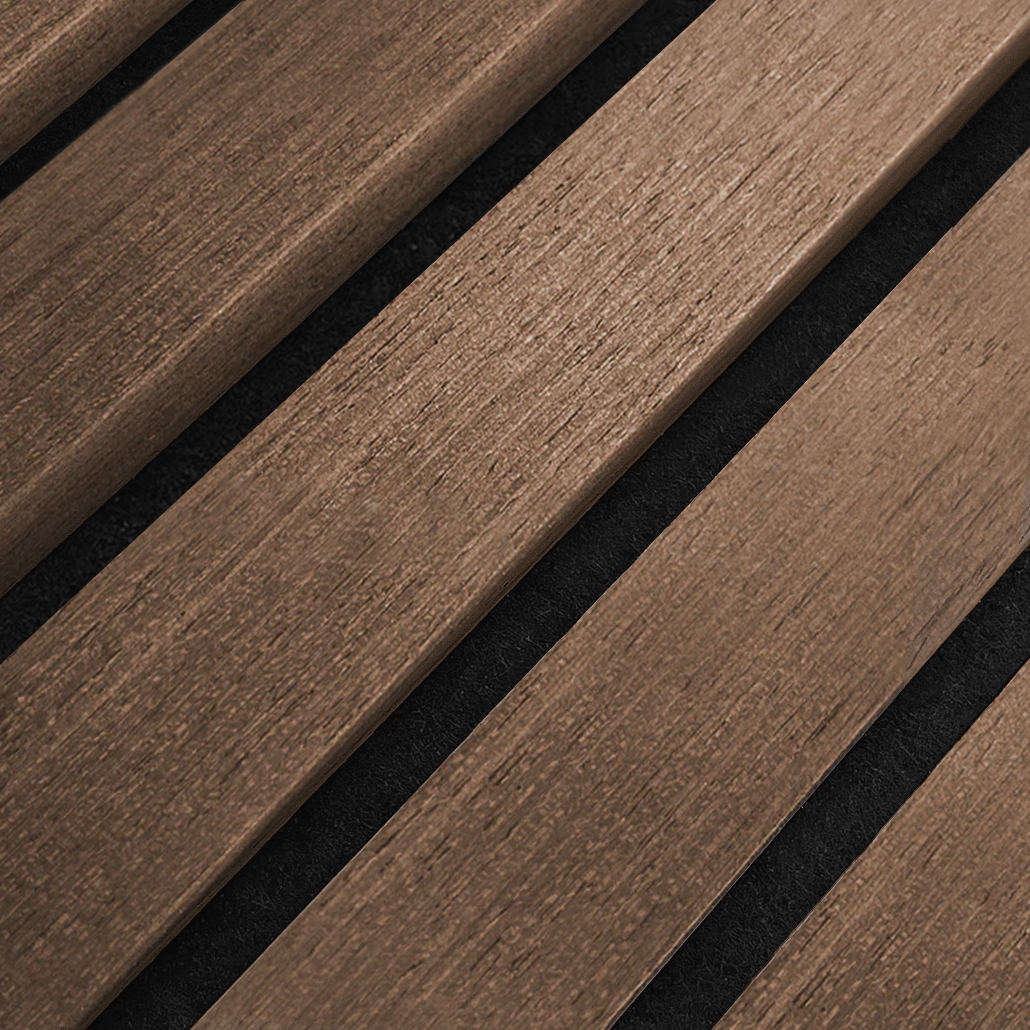
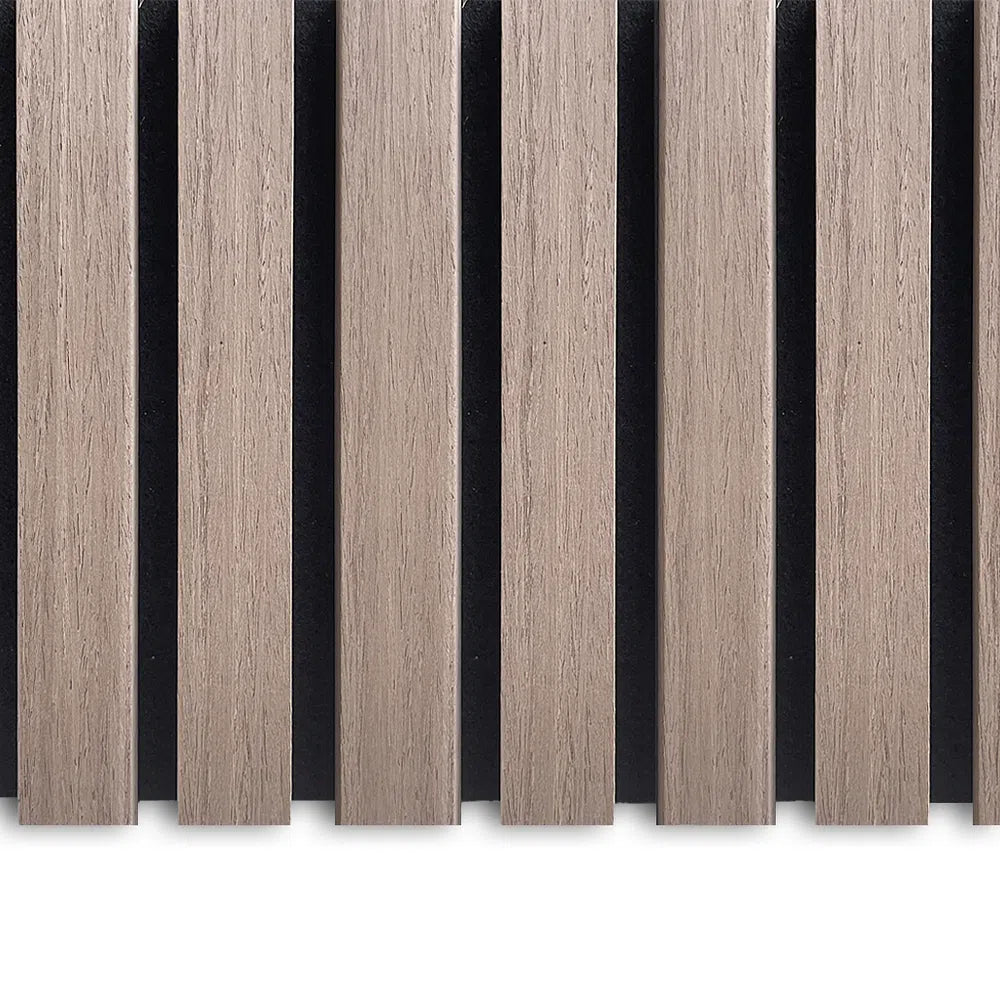
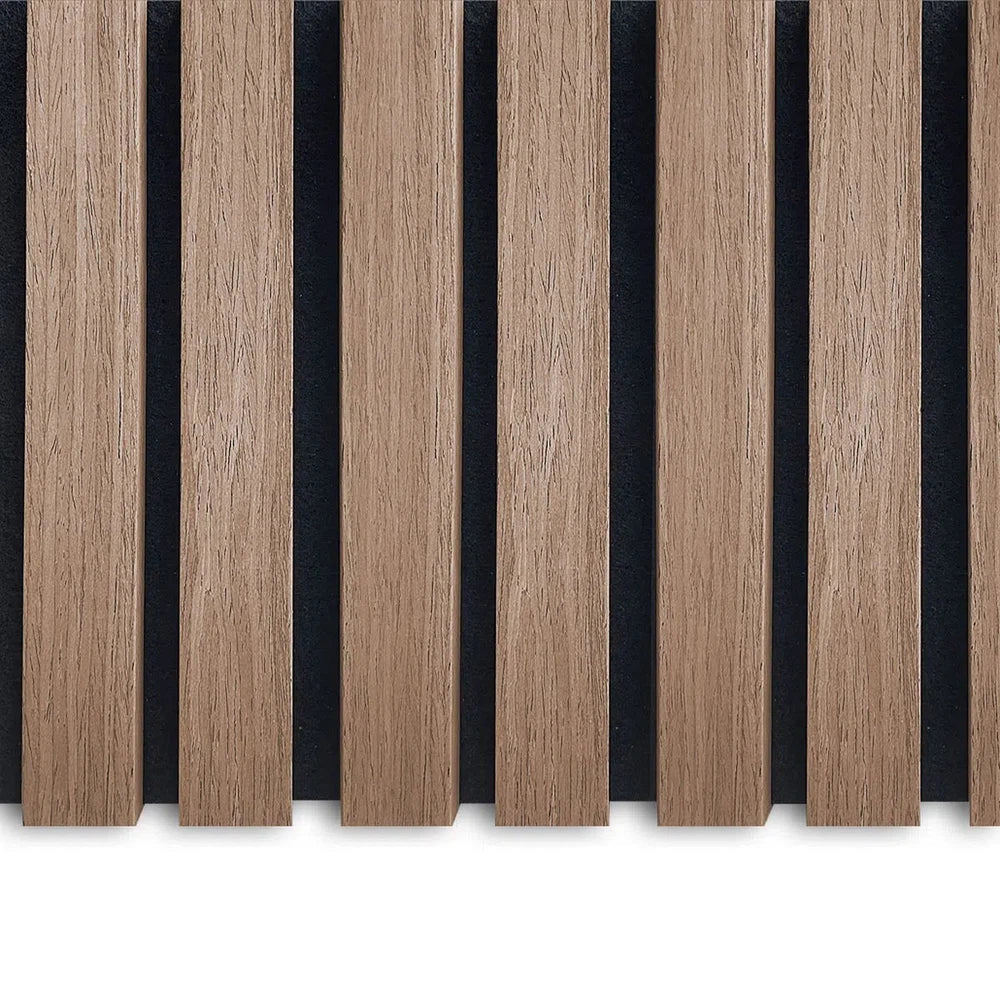
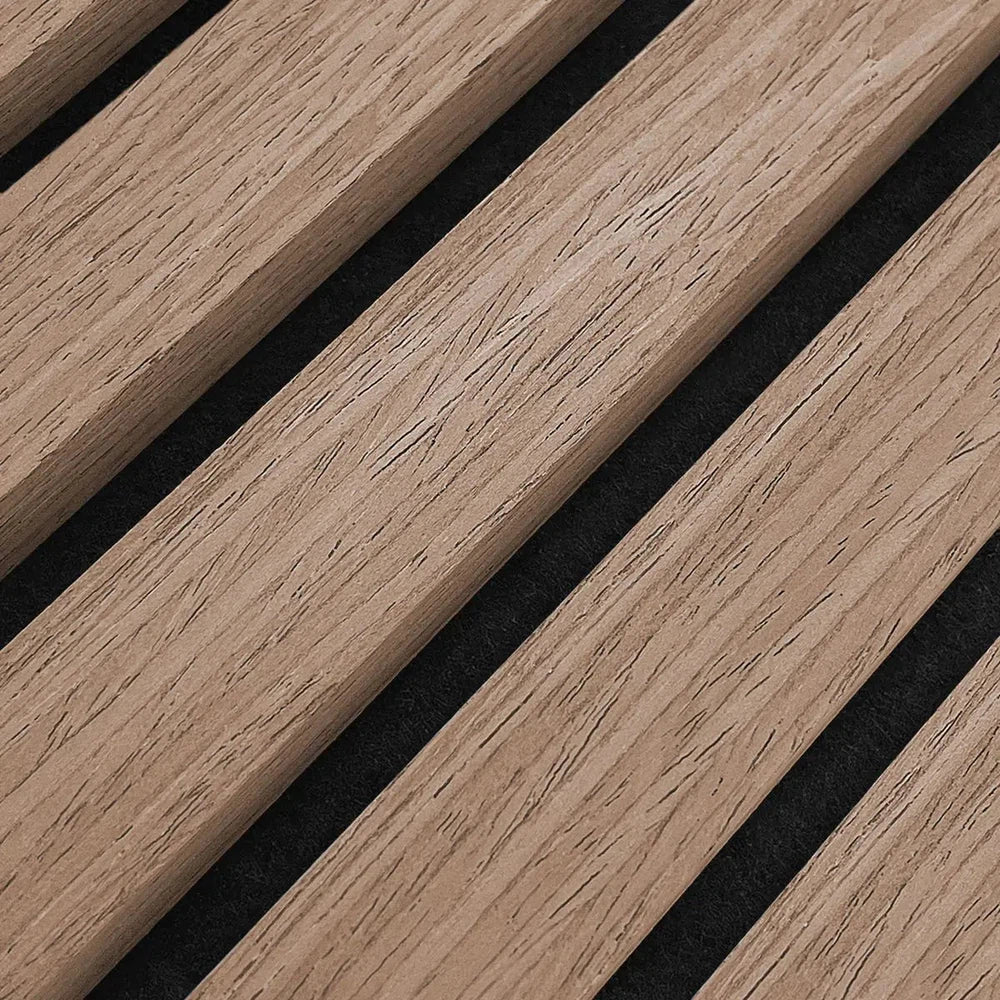
Smoked oak veneer panels for hallway walls are the strongest pick for 2026 dark-hallway makeovers because the grain reads almost black under low light but still shows real wood texture up close. The Smoked Oak Wall Panel from Akustiq UK carries a 3-sided real wood veneer face over an acoustic felt backing, in 240cm and 300cm lengths, and is the safe Buy for narrow entrance corridors. Order a smoked oak panel sample before committing a full hallway run, since smoked oak reads darker in low-light corridors than it does in a showroom photo.
Why this matters
Hallways are the worst acoustic space in most UK homes: hard floors, a front door that slams, no soft furnishings, and a long parallel-wall corridor that bounces every footstep. A smoked oak wall panel fixes two problems at once — it deadens that slap-echo with a felt backing behind the veneer, and it hides scuffs and coat-hook marks better than painted plaster ever will. Dark finishes like smoked oak also do something pale oak can't: they make a narrow hallway feel intentional rather than cramped, because the eye reads a deep, even tone instead of every scuff and shadow on white paint.
Who this is for
This guide is for homeowners with a hallway 90cm to 140cm wide, a front door that gets slammed by kids or a dog, and a decor style leaning moody rather than Scandi-bright. It's also for anyone who has tried a pale oak or white panel in a north-facing hallway and found it just looks grubby by month three. If your hallway gets strong afternoon sun through a glazed door, read the section on light interaction below before you order — smoked oak behaves differently under direct sun than it does under a hallway pendant.
What to look for in smoked oak veneer panels for hallway walls
Veneer consistency across the batch
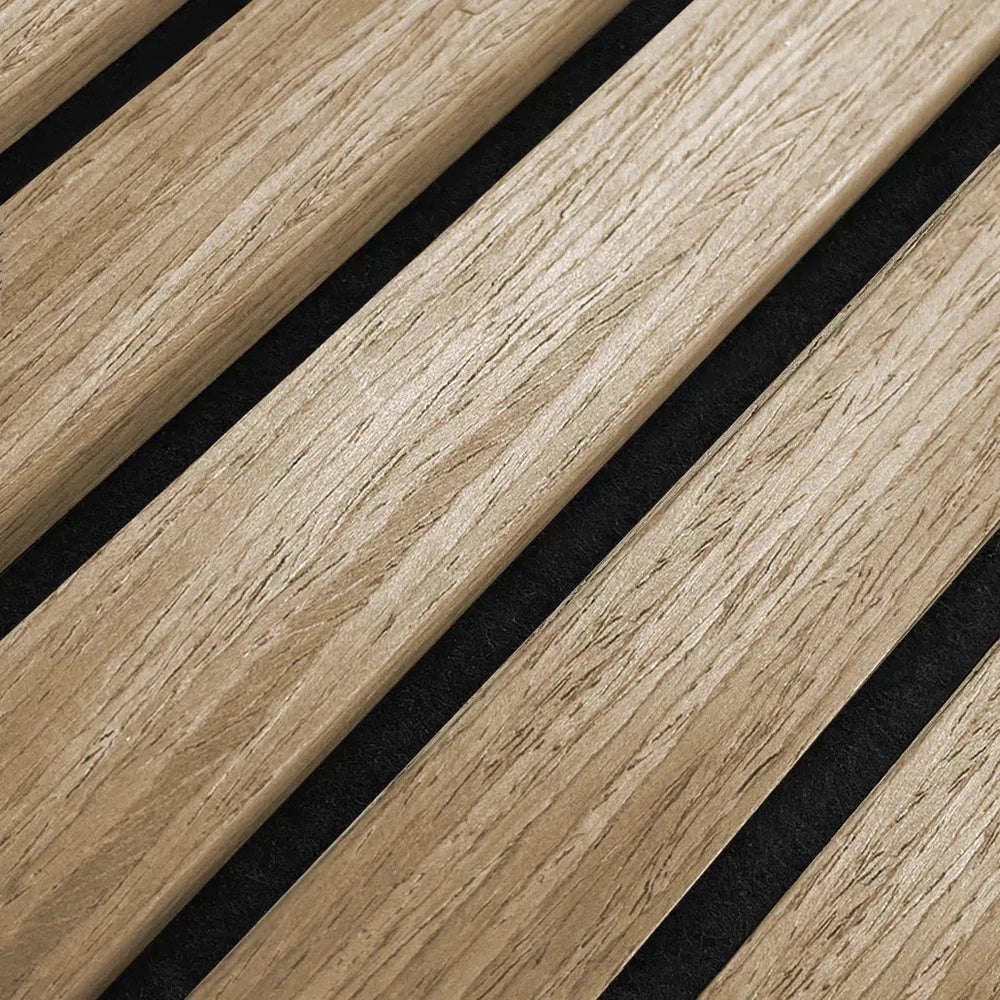
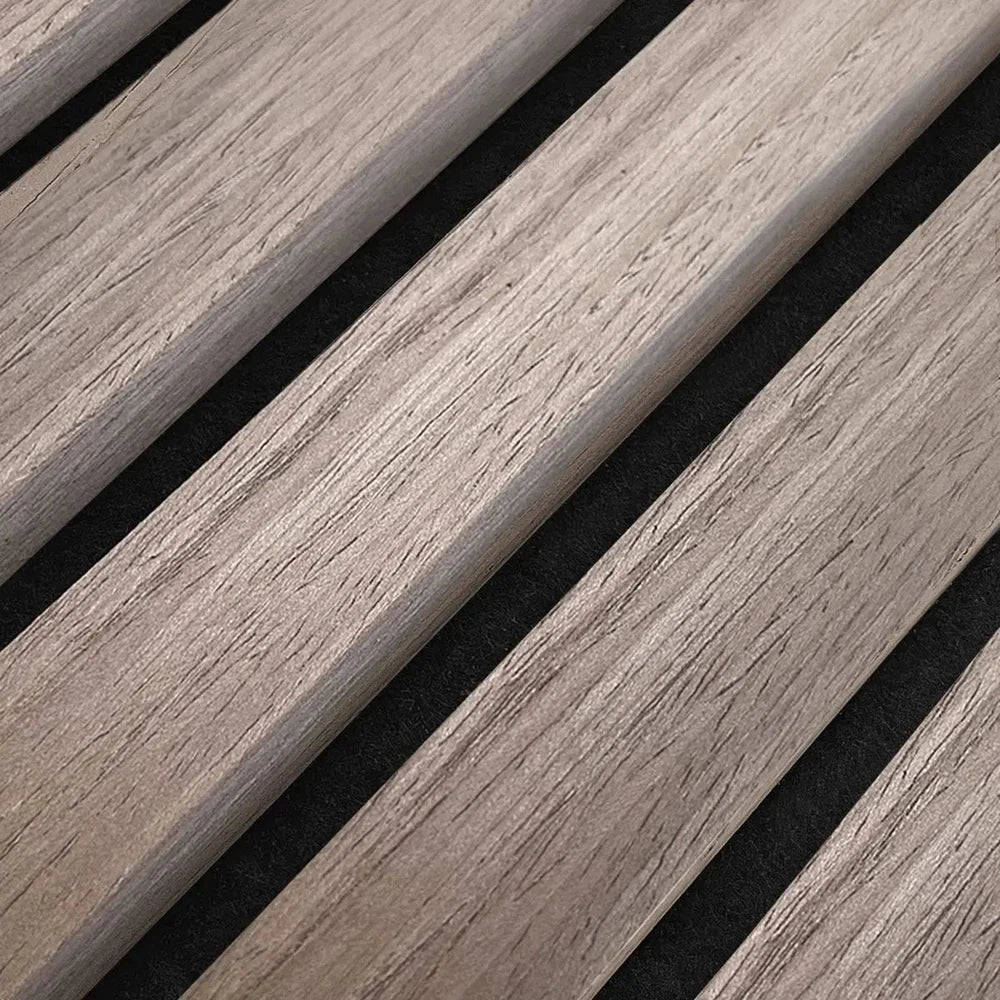
Smoked oak veneer is a natural product, so grain and tone vary panel to panel — check whether the supplier ships 3-sided veneer (visible on both edges, not just the face) so butted panels don't show a pale strip at the seam. A 2-3mm veneer depth on all visible sides means your hallway run looks like one continuous wall, not six separate boards.
Acoustic backing weight
A hallway with hard flooring needs real sound absorption, not just a wood-look surface. Panels with a felt backing behind the slats cut the slap-echo that bounces between two parallel hallway walls — this matters more in a hallway than almost any other room because there's usually zero soft furnishing to compete with.
Panel length vs ceiling height
Most UK hallways run a standard 2.3m to 2.4m ceiling, which makes the 240cm panel format the default choice with minimal offcut waste. If you're panelling a stairwell or a hallway with a vaulted or raised ceiling, the 300cm format avoids a visible horizontal joint at eye level.
Light interaction in a dark corridor
Smoked oak is the darkest standard finish in most acoustic panel ranges, and dark finishes swallow light rather than bounce it. A hallway lit only by a single overhead bulb will read the panel almost black by 2026 winter evenings — pair it with a wall light angled across the grain, not straight at it, so the veneer texture stays visible instead of flattening into a shadow.
Fixing method for narrow walls
Hallways are often too narrow to swing a drill comfortably, so panel glue is worth checking before you buy battens. A high-tack panel adhesive lets you fix directly to plasterboard or painted plaster without losing depth in a corridor where every centimetre counts.
Grain direction and pattern repeat
Vertical slats make a low hallway ceiling feel taller; horizontal runs make a long corridor feel shorter and wider. Decide grain direction before ordering, because mixing orientations mid-hallway looks like an installation mistake, not a design choice.
Top picks for a dark hallway feature wall
Smoked Oak Wall Panel — the anchor pick. This is the core product: 3-sided real wood veneer over acoustic felt backing, available in 240cm and 300cm lengths. It carries the darkest standard tone in the range and is the pick most homeowners land on for a full-length hallway run in 2026. Verdict: Buy.
Smoked oak panel sample — the safe pick. A single sample piece shows you exactly how the veneer reads under your own hallway lighting before you commit to a multi-panel order. Given how much dark finishes shift under artificial light, this is the cheapest insurance against ordering the wrong tone. Verdict: Buy.
End piece for smoked oak panels — the finishing detail. Hallway runs almost always end at a door frame, corner, or stairwell edge, and a matched end piece stops the veneer edge from showing raw board underneath. Skip this and even a perfect install looks unfinished at the termination point. Verdict: Buy.
Panel glue, 290ml — the fixing kit. For narrow hallways where batten depth eats into an already tight corridor, a high-tack adhesive fixes panels flush to plasterboard. One cartridge typically covers a standard hallway wall section; buy a spare if your run exceeds 3-4 metres. Verdict: Buy.
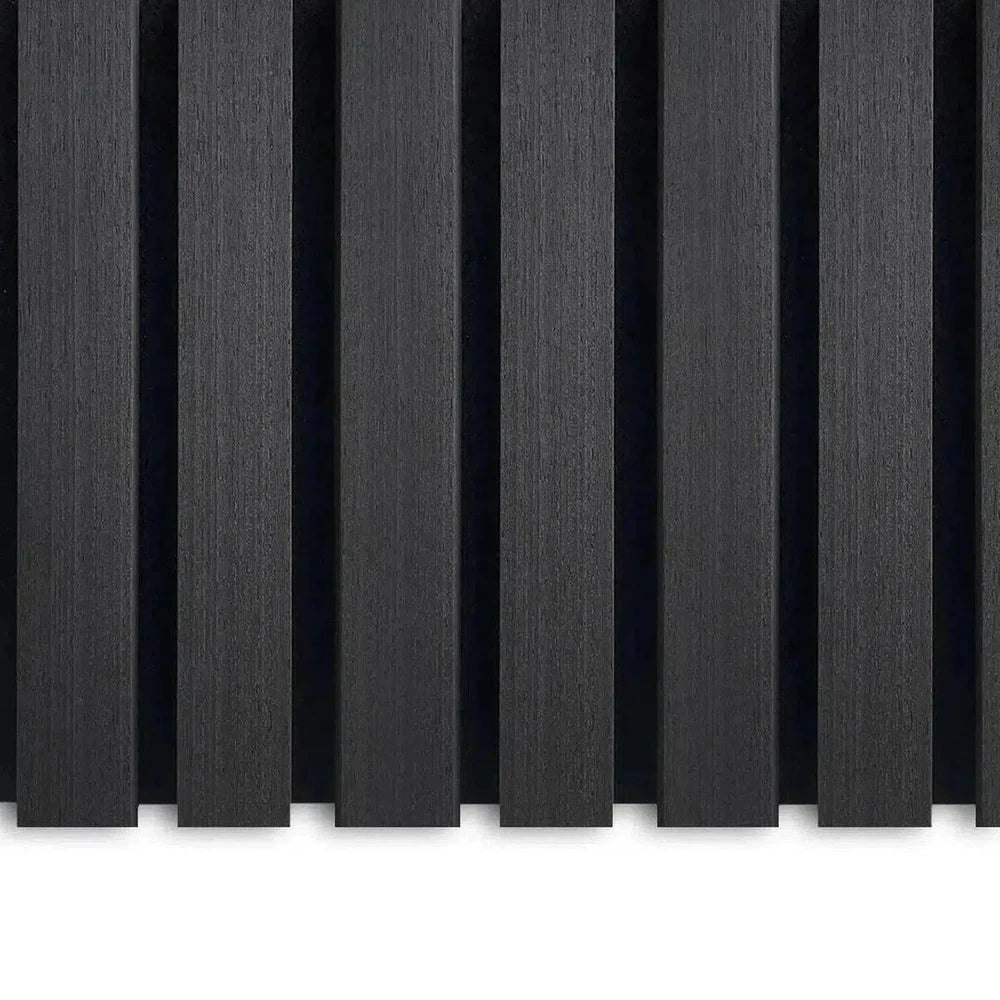
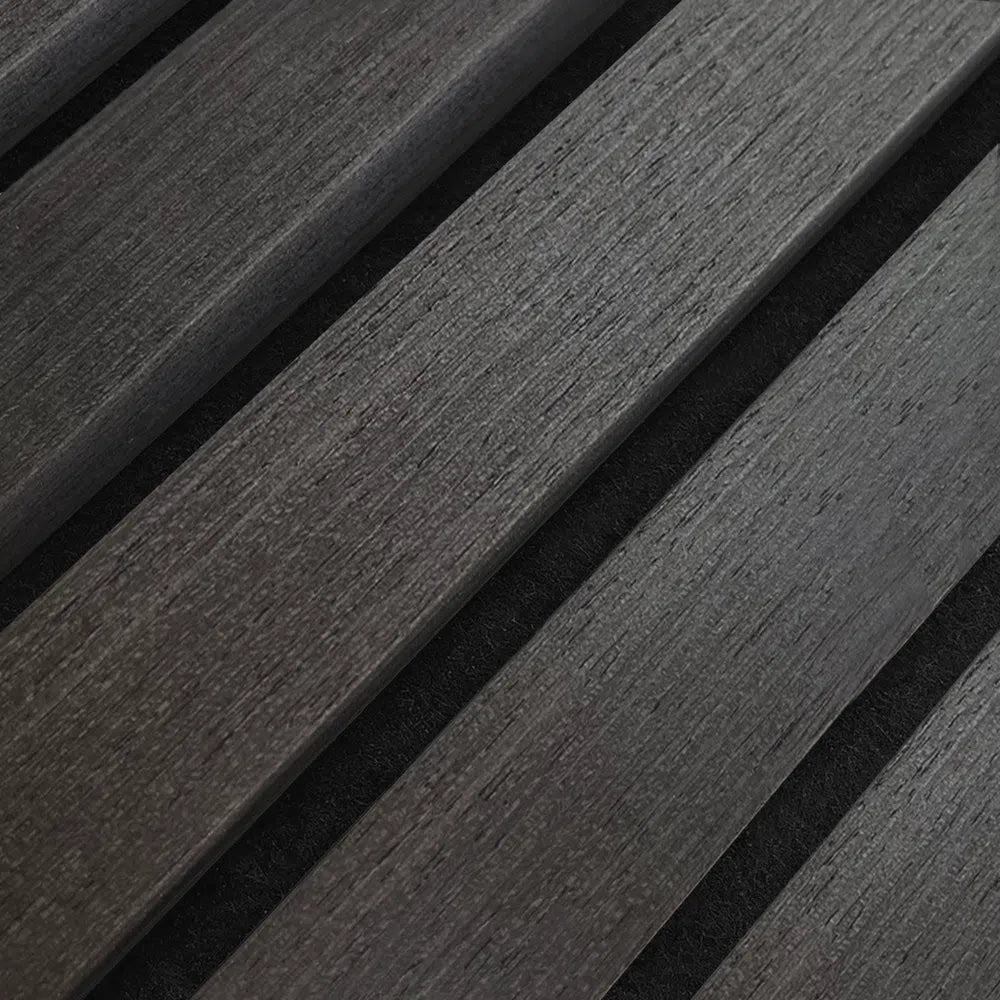
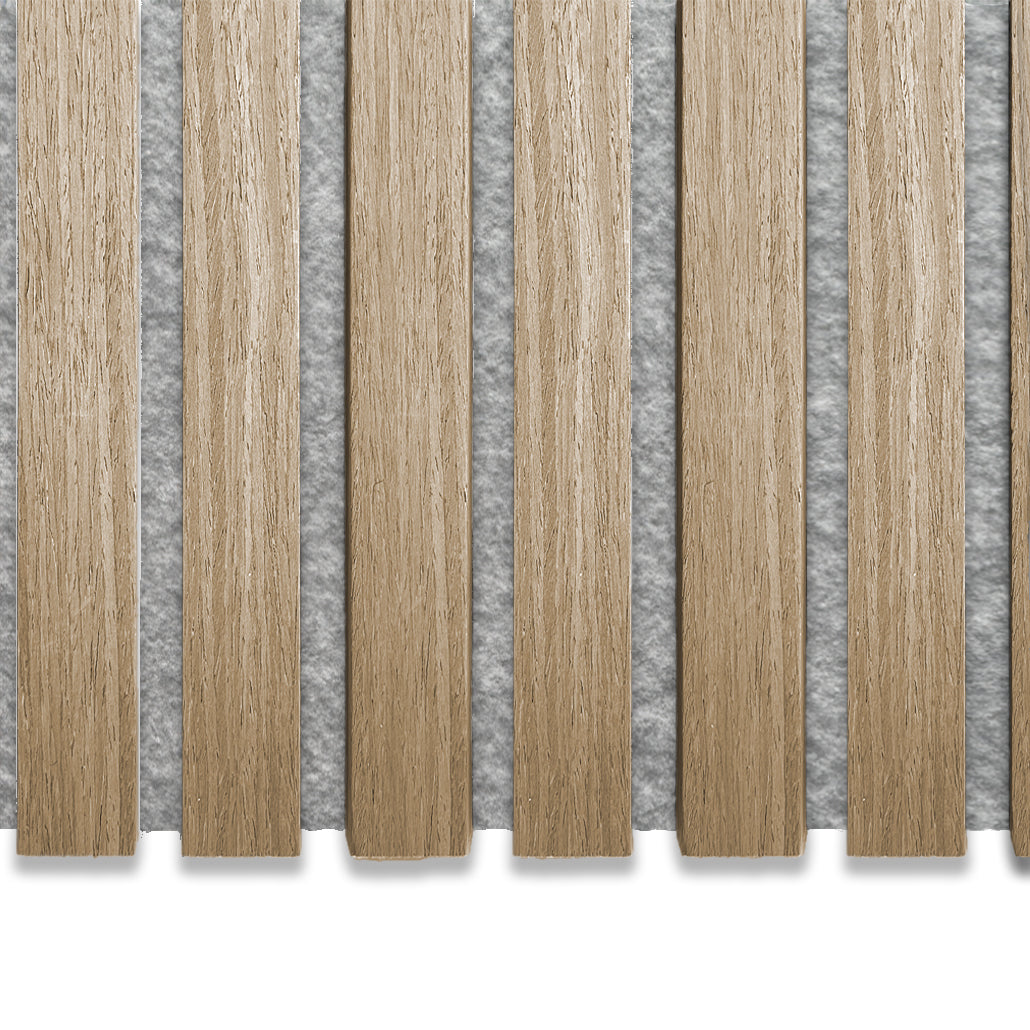
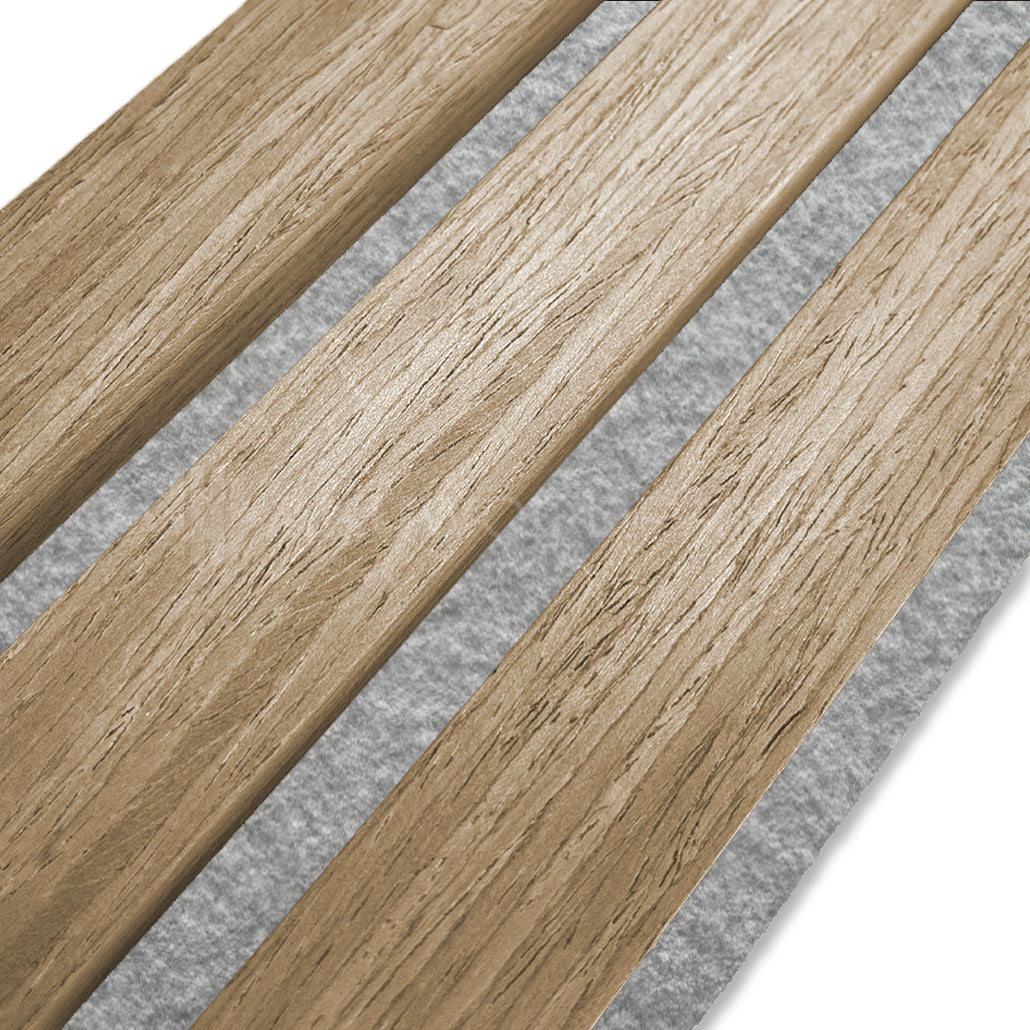
Black Oak Wall Panel — the alternative for very dark schemes. If smoked oak still reads too warm-toned for a fully black-and-brass hallway concept, the black oak finish sits a shade darker with less visible grain contrast. It's worth a sample comparison but isn't the default pick for anyone wanting the wood texture to stay visible. Verdict: Consider.
What to avoid
- Ordering panels without a sample first. Smoked oak's tone shift under low hallway light is the single most common return reason — a sample piece costs almost nothing next to a full re-order.
- Skipping the acoustic backing for a "decorative only" panel. A hallway with hard flooring and no soft furnishings needs the felt layer more than almost any other room in the house; a face-veneer-only panel won't touch the echo.
- Mixing 240cm and 300cm formats on the same run. The seam height mismatch is visible at eye level and reads as a fitting error, not a style choice.
Verdict comparison at a glance
| Product | Best for | Key spec | Verdict |
|---|---|---|---|
| Smoked Oak Wall Panel | Full hallway feature wall | 3-sided veneer, 240/300cm, felt backing | Buy |
| Smoked oak sample | Testing tone before ordering | Single-panel swatch | Buy |
| Smoked oak end piece | Clean termination at doors/corners | Matched veneer edge | Buy |
| Panel glue 290ml | Narrow-wall fixing without battens | High-tack adhesive | Buy |
| Black Oak Wall Panel | Very dark, low-grain schemes | Darker base tone | Consider |
FAQ
What's the best wood veneer panel for a dark hallway? Smoked oak veneer panels are the strongest pick for 2026 dark-hallway projects because the tone reads deep and even under low corridor lighting while still showing real wood grain up close.
Is smoked oak too dark for a narrow hallway? Not if the hallway has at least one light source angled across the wall rather than straight down it — smoked oak swallows flat overhead light but shows its grain well under angled or warm-white fixtures.
Do I need acoustic backing in a hallway, or just a decorative panel? Yes, get the acoustic backing — hallways typically have hard flooring and no soft furnishings, so the felt layer behind the veneer is doing real echo-reduction work, not just decoration.
Should I use 240cm or 300cm panels for a standard UK hallway? Use 240cm for a standard 2.3-2.4m ceiling height to minimise offcut, and reserve 300cm for taller stairwells or vaulted hallway ceilings where a horizontal joint would sit at eye level.
Can I fix smoked oak panels without battens in a narrow hallway? Yes, a high-tack panel adhesive fixes directly to plasterboard or painted plaster, which saves the depth a batten system would otherwise take out of a tight corridor.
How many smoked oak panels does a typical hallway need? It depends on your hallway's linear wall length and chosen panel width, so measure the full run including door reveals before ordering rather than estimating by room size alone.
Does smoked oak clash with a pale oak floor? No, contrast between a dark wall panel and a pale floor is one of the more reliable combinations in 2026 hallway design, since it avoids the flat, all-brown look of matching tones.
What should I avoid pairing with smoked oak in a hallway? Avoid heavy dark flooring alongside a full smoked oak wall run — the combination reads as a corridor rather than a feature, so keep at least one surface light.
One last thing
Most hallway panel failures aren't about the wood at all — they're about lighting placed wrong after the panels go up. A single warm-white wall light angled across a smoked oak run, rather than a downlight aimed straight at it, is the cheapest fix for a hallway that looks flat instead of rich, and it costs nothing extra on the panel order itself.