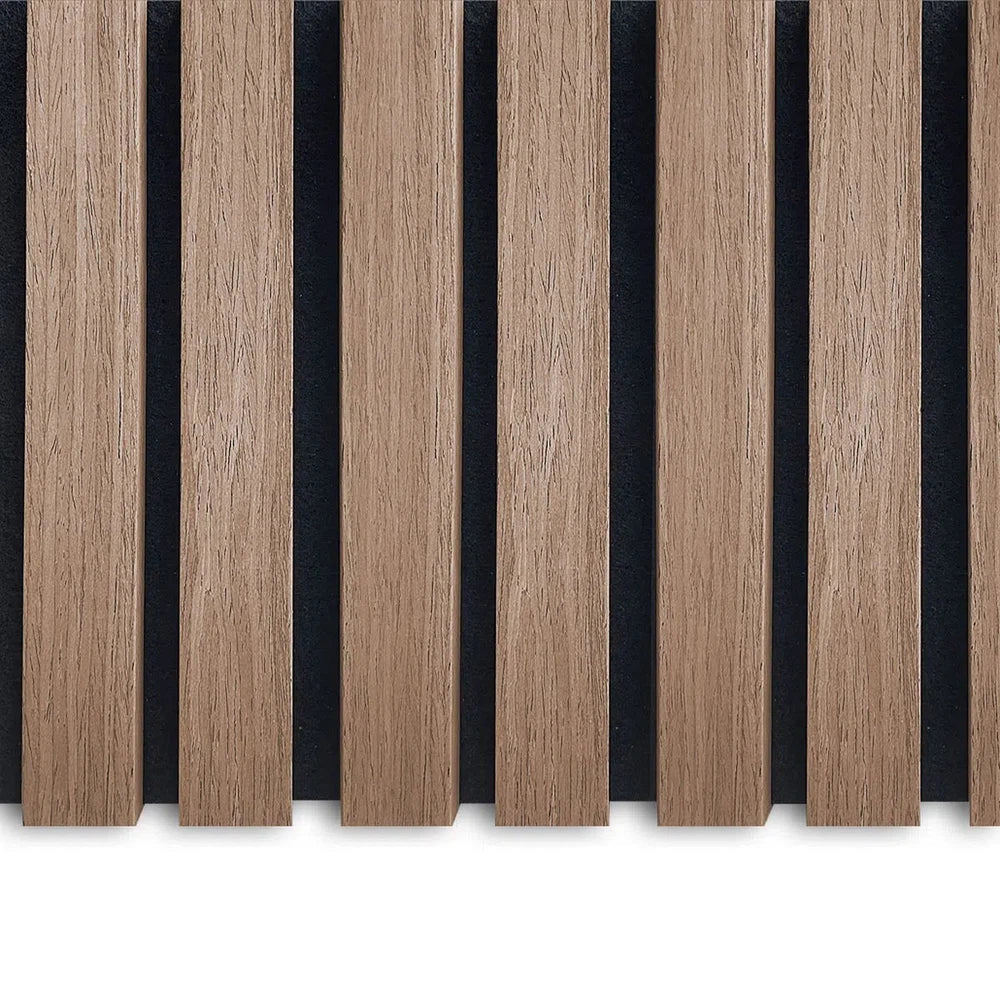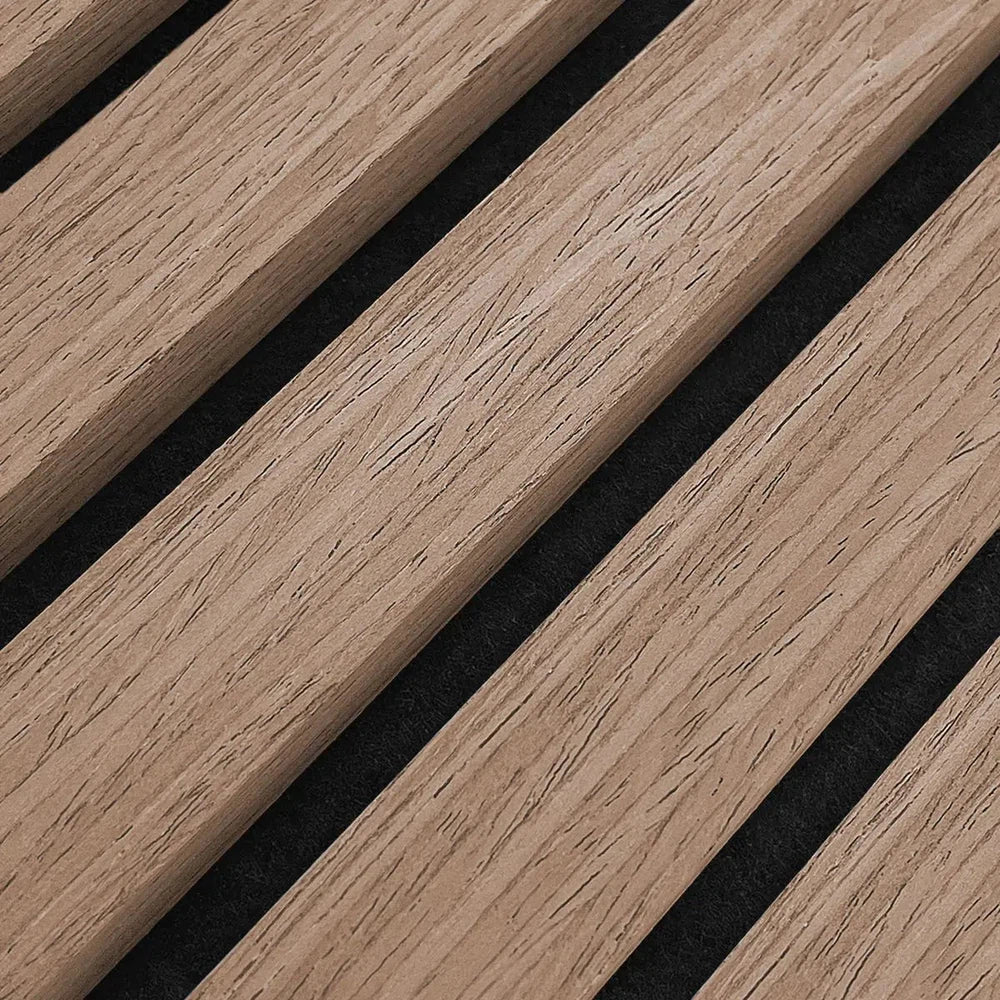
Wall panels hide cables, pipes and wiring by mounting on a batten frame that holds the panel face away from the wall, creating a cavity where cable runs sit out of sight. The catch is access: a panel fixed with strong adhesive is far harder to open again than one fixed with clips or an interlocking edge, so the fixing method matters more than the panel design.
- Batten-mounted wall panels hide cables, pipes and wiring without chasing into plaster.
- Slatted acoustic panels from AKU Woodpanel suit cable runs on stud and masonry walls alike.
- Flush 3-sided veneer wood panels give a cleaner hide for wiring than surface trunking.
- Clip-fixed panels beat glued panels when you need to reach cables again after a 2026 rewire.
- Choose panel type by wall material first, cable type second, room use third.
Why this matters
Trunking and cable clips do the job but they look like an afterthought stuck on top of a wall. A wood panel does the same concealment work while also finishing the wall, which is why more homeowners are asking how to route cables behind panelling rather than along it in 2026.
The risk is doing it wrong: screwing a panel straight through a wall with a live cable behind it, or gluing a panel down so hard that reaching a router or a new speaker cable next year means prising off the whole wall. AKU Woodpanel's own guide on using wall panels to hide cables and pipes covers the same fixing logic in more depth if you're planning a full wall.
Get the batten depth and fixing type right at the start and the panel becomes a permanent, tidy cable route instead of a problem for future you.
How do wall panels hide cables and wiring?
The method is the same whether you're covering a TV wall, a home office, or a run of pipework: build a cavity, route the cable through it, then close it up in a way you can reopen.
- Mark every cable and pipe route on the wall before you fix anything, including sockets and switch positions that need cutouts.
- Fit vertical battens (furring strips) spaced to the panel width, leaving a gap deep enough to clear the cable bundle or pipe run without pinching it.
- Route the cables through drilled holes in the battens, not resting loose against the wall, so nothing gets crushed when the panel goes on.
- Fix the panel to the battens with clips, or with an adhesive such as the high tack panel glue — clips let you unclip a section later, glue is closer to permanent.
- Cut end pieces or trims around sockets, switch plates and pipe exits so the finish stays flush instead of hacked.
- Leave one unglued panel or end piece near the consumer unit or router as a labelled access point, so a future fault doesn't mean stripping the whole wall.
Which wall panel type works best for hiding cables?
Not every panel gives you the same cavity depth or the same access later. A quick comparison against a straight trunking job:
| Panel type | Best for | Removable for access | Verdict |
|---|---|---|---|
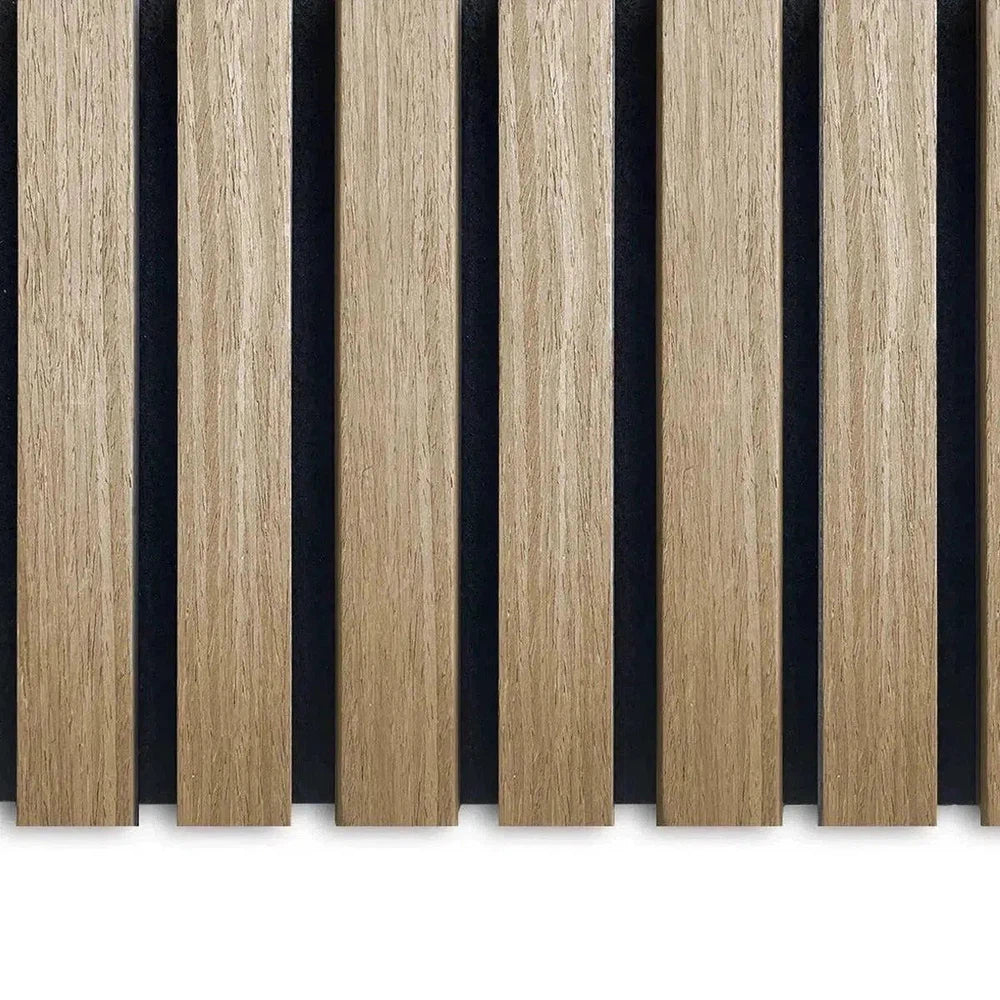
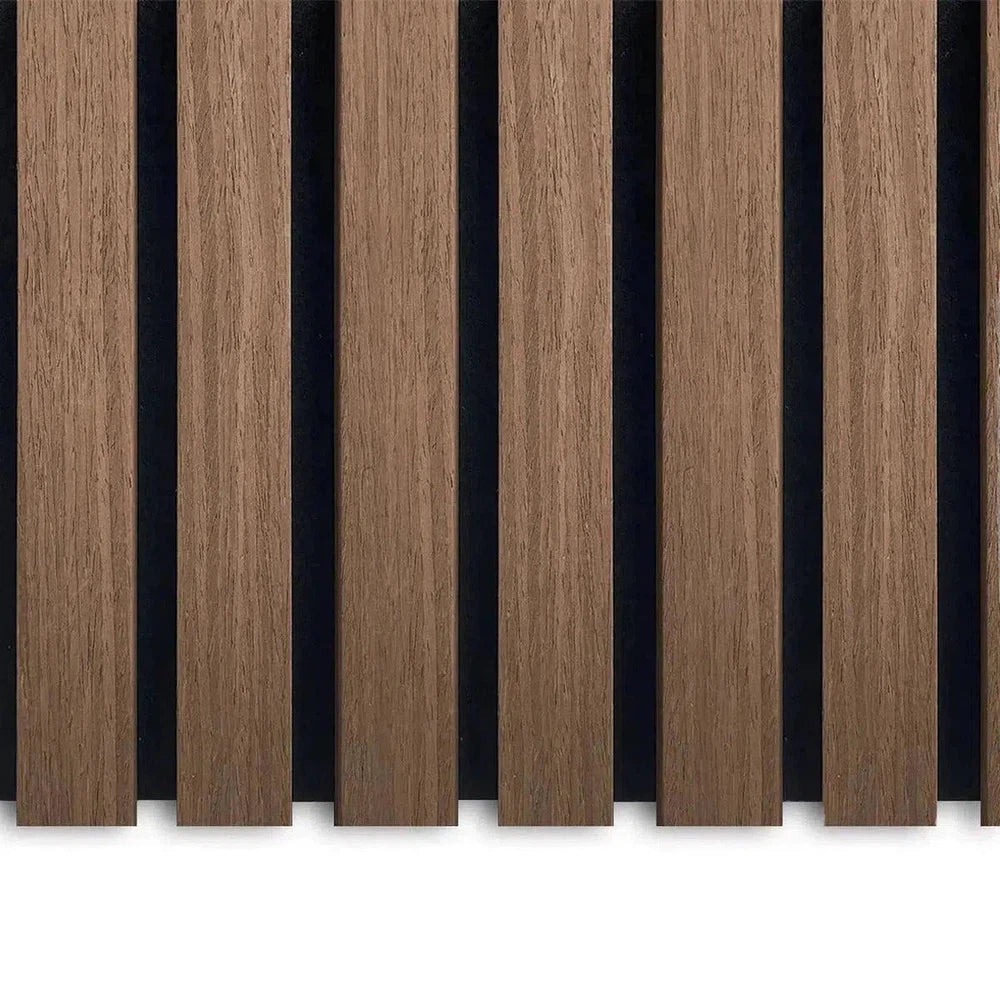
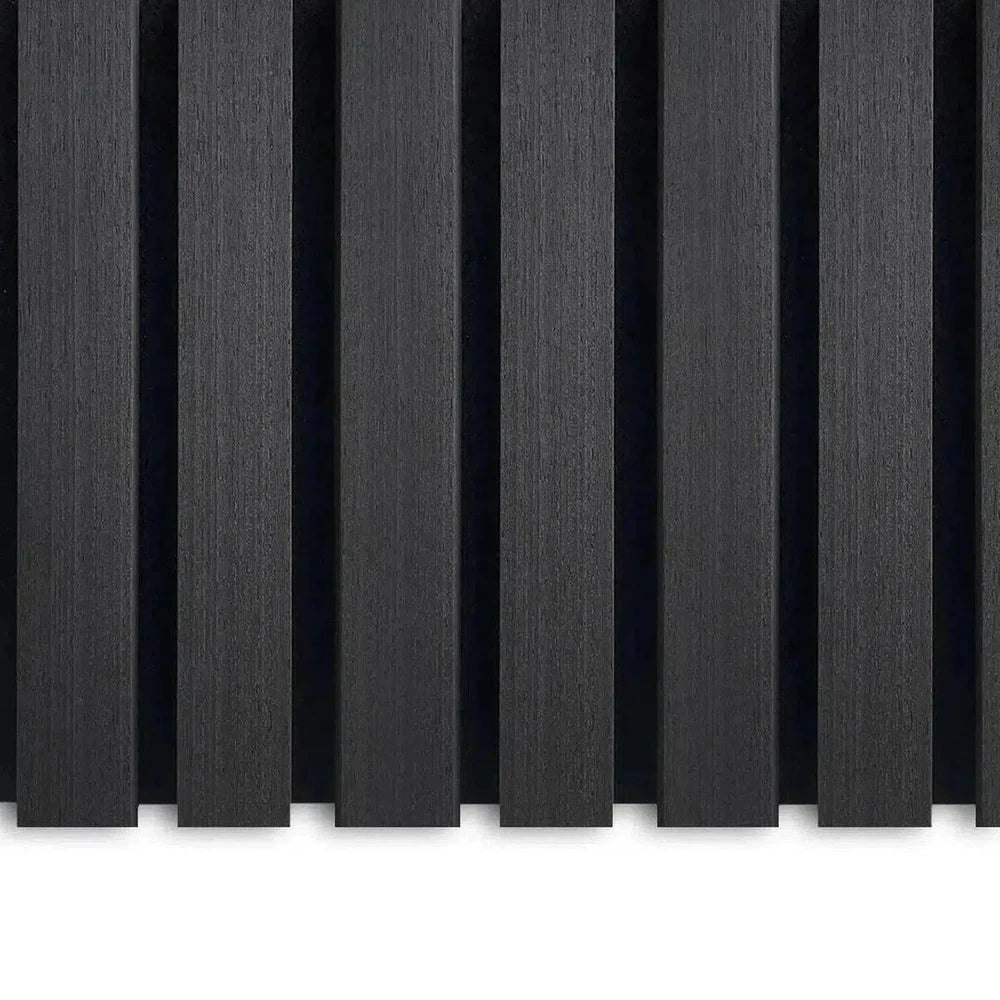
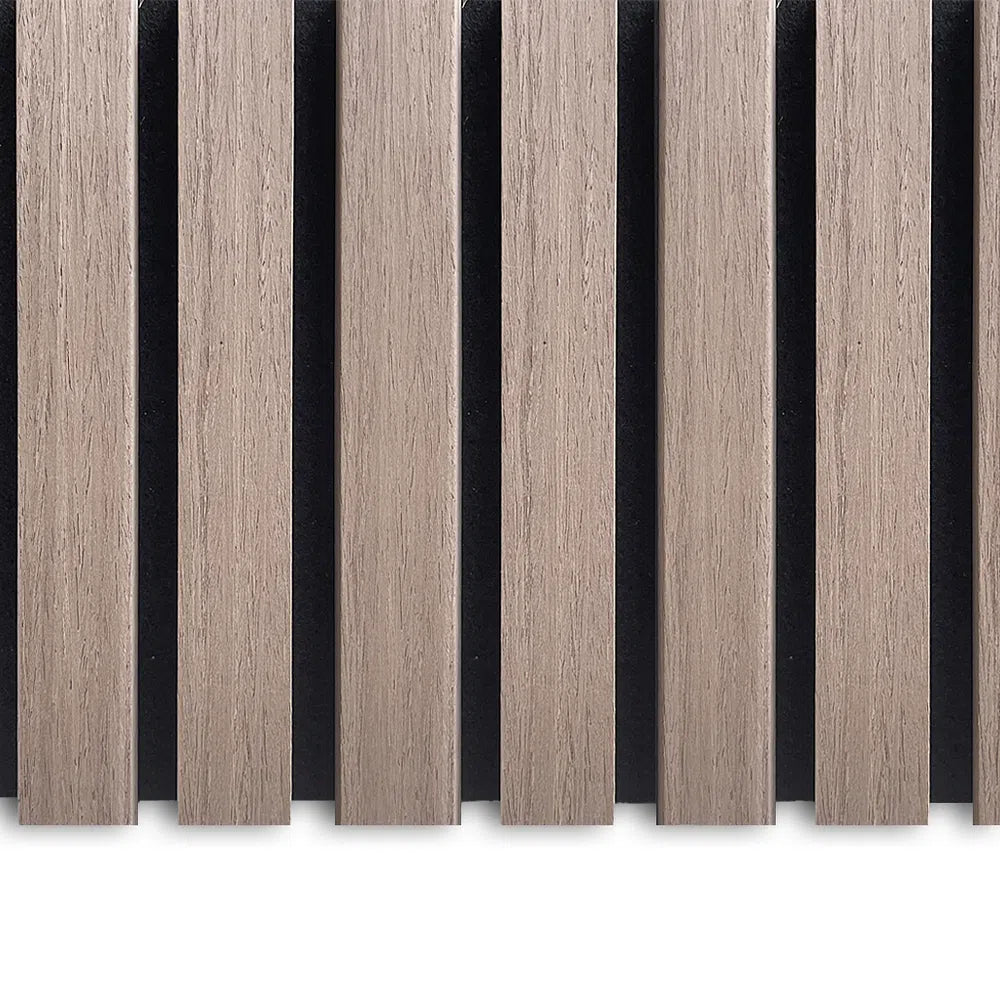
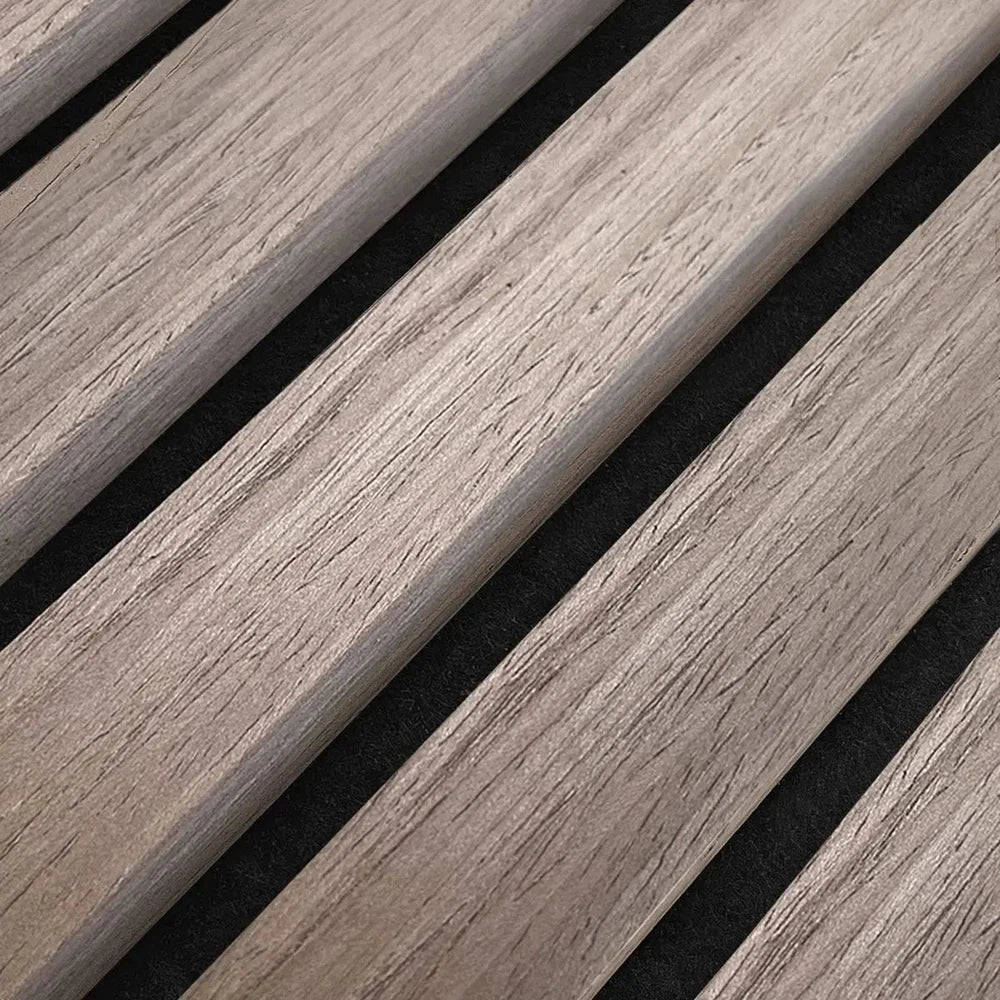
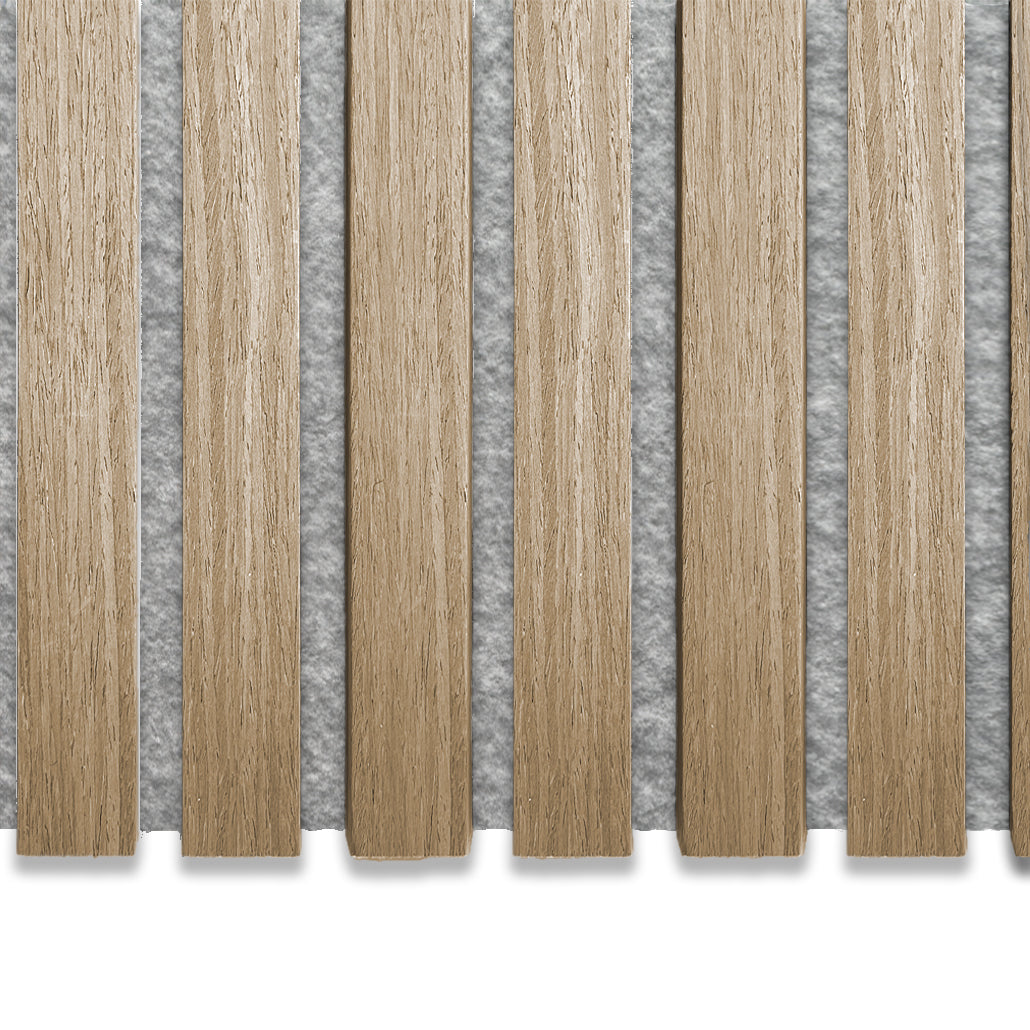
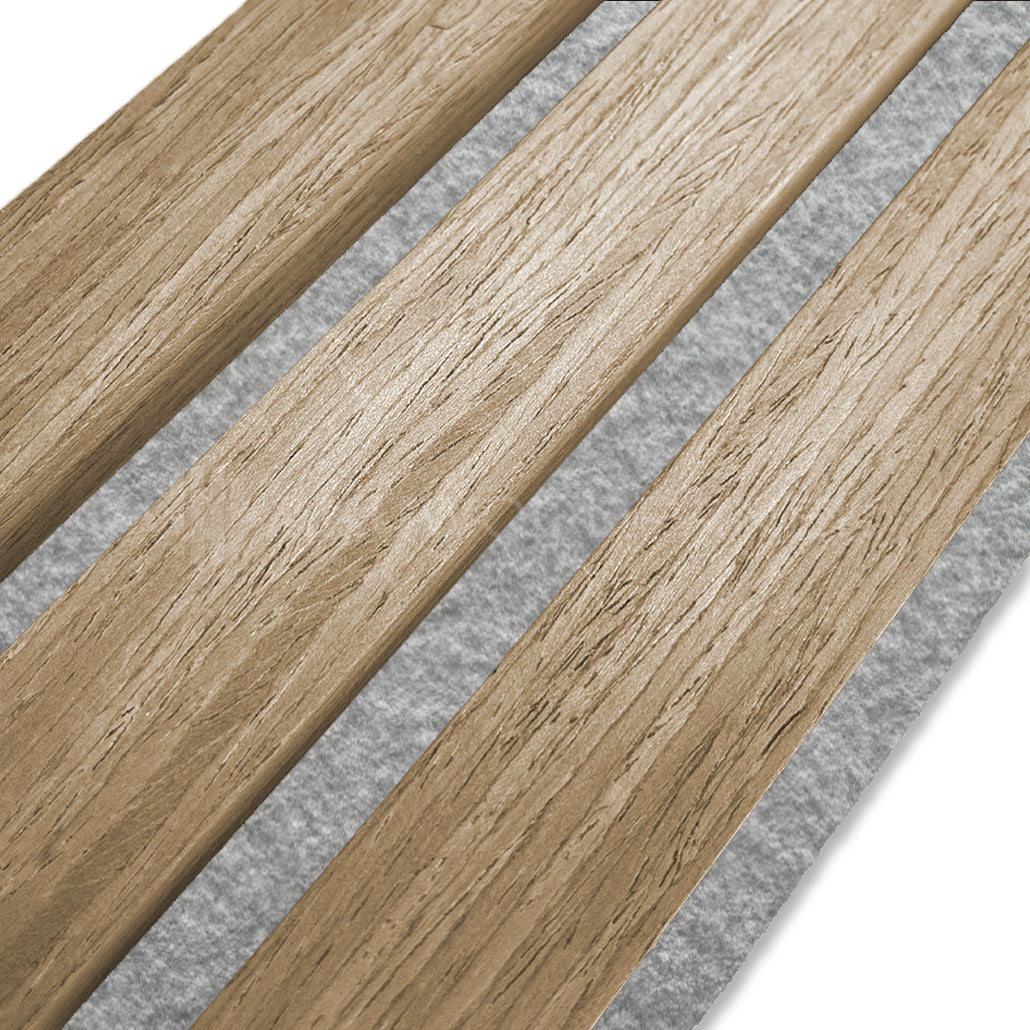
| Slatted acoustic wood panel | Living rooms and home cinema walls with speaker and aerial cable | Yes, with clip fixing | Buy |
| Flush 3-sided veneer wood panel | Home offices and bedrooms with network and power cable runs | Yes, with end pieces | Buy |
| 3D decorative wall panel | Short pipe runs behind a small feature wall, low cable volume | No, usually glued only | Hold |
| Surface-mounted cable trunking | Rental properties where you can't alter the wall | Yes, but looks like an afterthought | Skip for looks, fine for pure access |
Flush 3-sided veneer wood panels are the strongest all-round pick for hiding a normal home cable load — TV, router, a few power sockets — because the batten cavity behind them is deep enough for a bundled run and the panel itself stays serviceable if you fix it with clips rather than glue everywhere.
Why the best method varies
The right approach changes with the wall, the cable, and how often you'll need to get back in:
- Wall material — masonry needs plugs and a different batten fixing than stud or plasterboard, which changes how deep you can safely go.
- Cable type — data and low-voltage cable is forgiving; mains power cable behind a finished wall should still be accessible or certified by an electrician, not just buried.
- Room use — a TV wall or home cinema carries a heavier bundle (HDMI, speaker wire, power) than a hallway with a single doorbell cable.
- Fixing method — adhesive-only panels are close to permanent; batten-and-clip panels stay serviceable for years.
- Panel format — AKU Woodpanel's real wood veneer panels come in 240 cm and 300 cm lengths, and the longer format gives more continuous cavity behind a single run before you hit a joint.
- Future-proofing — if smart-home wiring or extra sockets are likely later, leave more cavity depth than the current cable needs.


Related questions
Can you run pipes behind wall panels, not just cables?
Yes, if the panel is battened off the wall with enough cavity depth, but only low-pressure or cold-water lines belong fully behind decorative panelling. Heating pipes or anything needing regular inspection should keep a proper access point, the same as with wiring.
Do wall panels damage cables if fixed wrong?
Yes — a screw or nail driven blind through a panel and into a hidden cable run is the most common failure, which is why marking the route before fixing anything (step one above) matters more than the panel choice itself.
Can you remove wall panels later to access cables?
Clip-fixed and end-piece panels come off cleanly for access; panels fixed with adhesive across the whole back usually damage the panel or the wall behind it when removed, so glue is a one-way decision.
FAQ
What's the best wall panel for hiding cables in a living room?
A flush 3-sided wood veneer panel mounted on battens is the best option for a living room, since the cavity behind it clears a normal TV and speaker cable load while staying serviceable with clip fixings.
Is a slatted acoustic panel better than a flat panel for hiding wiring?
Slatted acoustic panels work well for cable runs on TV and cinema walls because the felt backing and batten mount both add cavity depth, but a flat 3-sided veneer panel gives a slightly deeper, more even cavity for bundled cable.
Do I need an electrician to hide power cables behind wall panels?
Any mains power cable being rerouted or newly run behind a panel should be handled or checked by a certified electrician; low-voltage data and speaker cable can usually be routed by whoever fits the panel.
How much cavity depth do wall panels need for cables?
The cavity has to clear the full cable bundle without pinching it against the wall, which is why battens are sized to the actual bundle rather than a fixed guess.
Can wall panels hide pipes as well as electrical cables?
Wall panels can hide low-pressure and cold-water pipes the same way they hide cables, using a batten cavity, but heating pipes need an inspectable access point rather than full concealment.
Do glued wall panels make cables impossible to reach later?
Glued panels are much harder to remove without damage, so leaving at least one clip-fixed or unglued end piece near the main cable exit keeps future access possible.
What size wall panels work best for a cable-hiding feature wall?
AKU Woodpanel's wood veneer panels come in 240 cm and 300 cm formats, and the longer 300 cm option reduces the number of joints across a single cable run.
One last thing
The cheapest insurance on a cable-hiding panel wall isn't a bigger cavity — it's one panel section left unglued near the consumer unit or router. Fit it with clips instead of adhesive and a future fault or upgrade in 2026 or beyond means popping one piece off, not stripping a finished wall.