Covered outdoor dining areas take rain drift, grease smoke, and condensation that ordinary exterior walls never see, and picking the wrong panel means a re-clad within two years. This guide breaks down exterior cladding for outdoor dining by exposure risk, cleaning demands, and colour stability, then names the panels worth buying in 2026.
TL;DR
For exterior cladding for outdoor dining in 2026, Akuwood Panel's Black exterior wall cladding panel is the safest all-round buy for covered patios and outdoor kitchens because dark tones hide grease splash and don't show water spotting the way lighter finishes do. The Oak exterior wall cladding panel wins on warmth for pergola-style dining spaces that stay drier, while the Stone Grey panel is the pick when the cladding has to match a rendered house wall. Skip anything without a ventilated fixing gap behind it — trapped moisture under a covered roof is worse than open rain exposure.
Why this matters
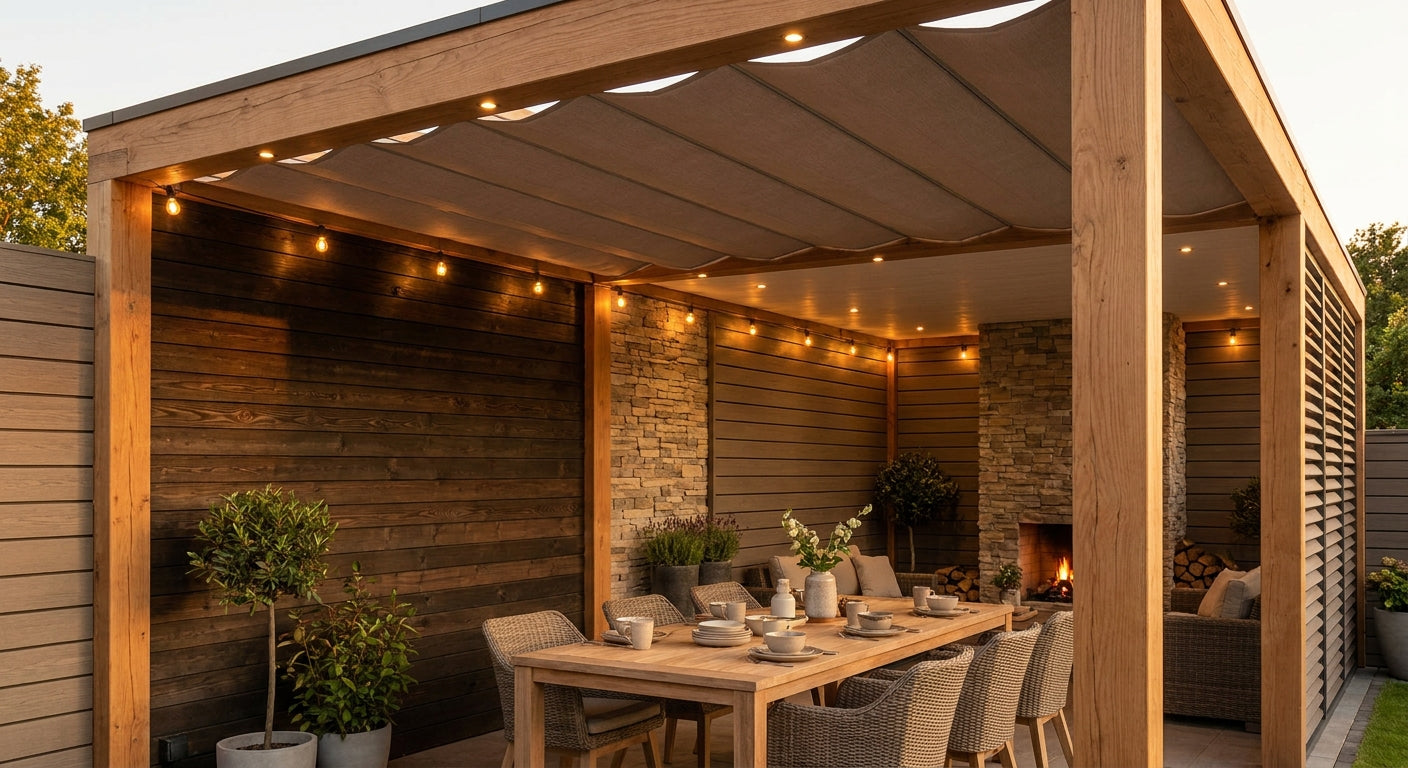
A covered dining area isn't fully sheltered. Wind-driven rain still reaches three sides of most pergolas and garden dining structures, and cooking smoke, spilled sauce, and condensation from hot plates add a layer of grime that indoor cladding never has to survive. Search volume for exterior wall cladding panels has grown alongside the rise in garden dining builds since 2023, and most of that demand is homeowners trying to work out which finish actually holds up outdoors rather than just looking good in a product photo.
Getting this wrong is expensive twice over: once for the panel, once for the labour to strip and refit it. The criteria below are the ones that actually separate a panel that survives five UK winters from one that warps by year two.
Who this is for
This guide is for homeowners and builders fitting cladding to a covered outdoor dining structure — a pergola with side panels, a garden room used mainly for alfresco eating, or a covered patio extension with an outdoor kitchen. If your space has a solid roof and at least one open or partially open side, you're in the right place. If you're cladding a fully enclosed, heated garden room interior, look at Akuwood Panel's indoor acoustic range instead — the felt-backed indoor panels are built for sound, not rain.
What to look for in exterior cladding for outdoor dining
Moisture and splashback resistance
Covered doesn't mean dry. Wind pushes rain sideways under most pergola roofs, and a panel rated only for fully sheltered soffits will swell and delaminate within a season or two. Look for panels engineered specifically as exterior wall cladding rather than interior stock repurposed for outdoor use.
Grease and heat tolerance
If there's a BBQ, pizza oven, or outdoor kitchen anywhere near the cladding, grease vapour will settle on the surface within weeks. Darker finishes and factory-sealed coatings resist staining far better than raw or light-toned wood grain, which shows every mark.
Colour stability under partial shade
Covered dining areas often get patchy sun — bright at the open end, shaded near the back wall. Uneven UV exposure causes uneven fading on cheaper composites. A consistent factory-applied finish avoids the blotchy look that shows up after 12 to 18 months outdoors.
Ease of cleaning
Food residue and rain grime both need wiping down regularly. Smooth, sealed wood-grain finishes wipe clean with a hose and mild detergent; porous or untreated surfaces trap dirt in the grain and need scrubbing that shortens their lifespan.
Ventilated fixing system
A proper rain-screen install leaves an air gap of roughly 20mm behind the panel so moisture that does get through can dry out rather than sit against the wall. Panels fixed flush to a solid substrate without battens trap damp, which rots the substrate faster than the weather itself does.
Match to the existing exterior
Dining structures usually sit against a house wall or render, so the cladding needs to read as intentional rather than bolted-on. Colour-matching to brick, render, or existing timber cuts down on the "add-on shed" look that hurts kerb appeal.
Top picks for covered outdoor dining cladding
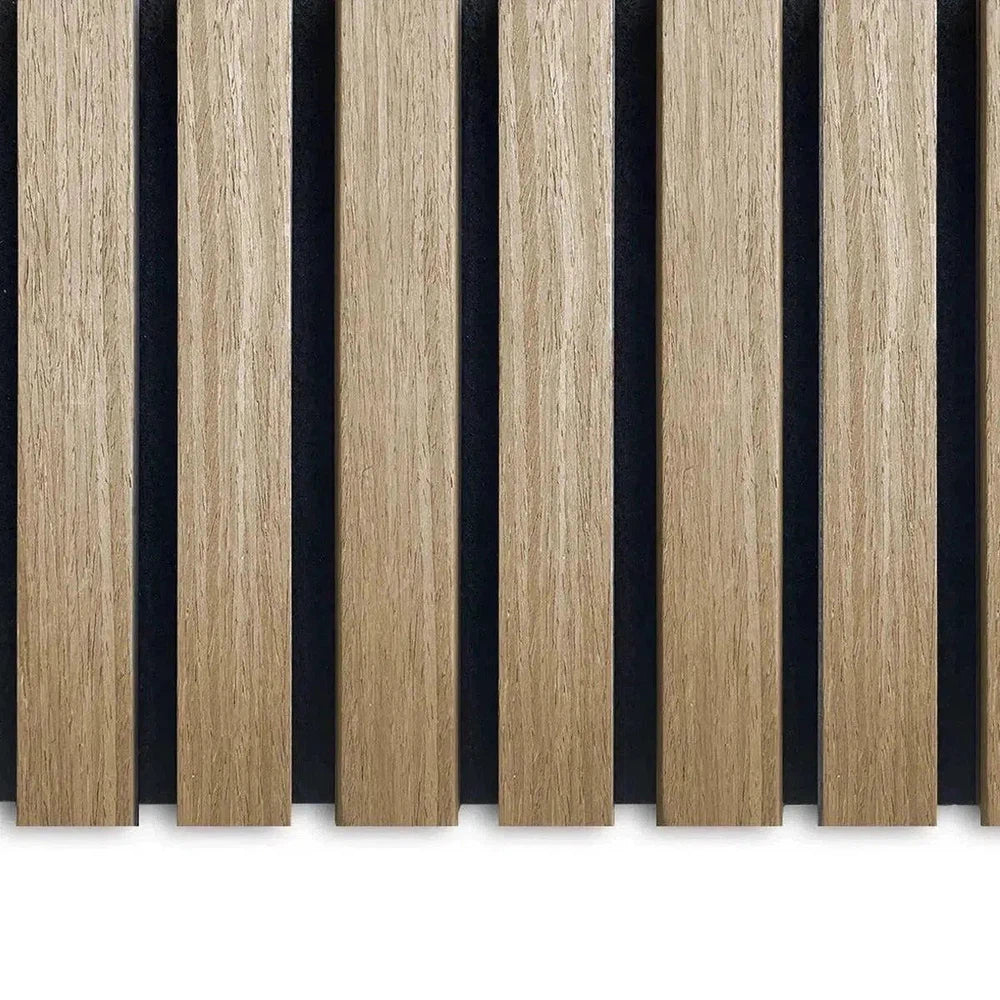
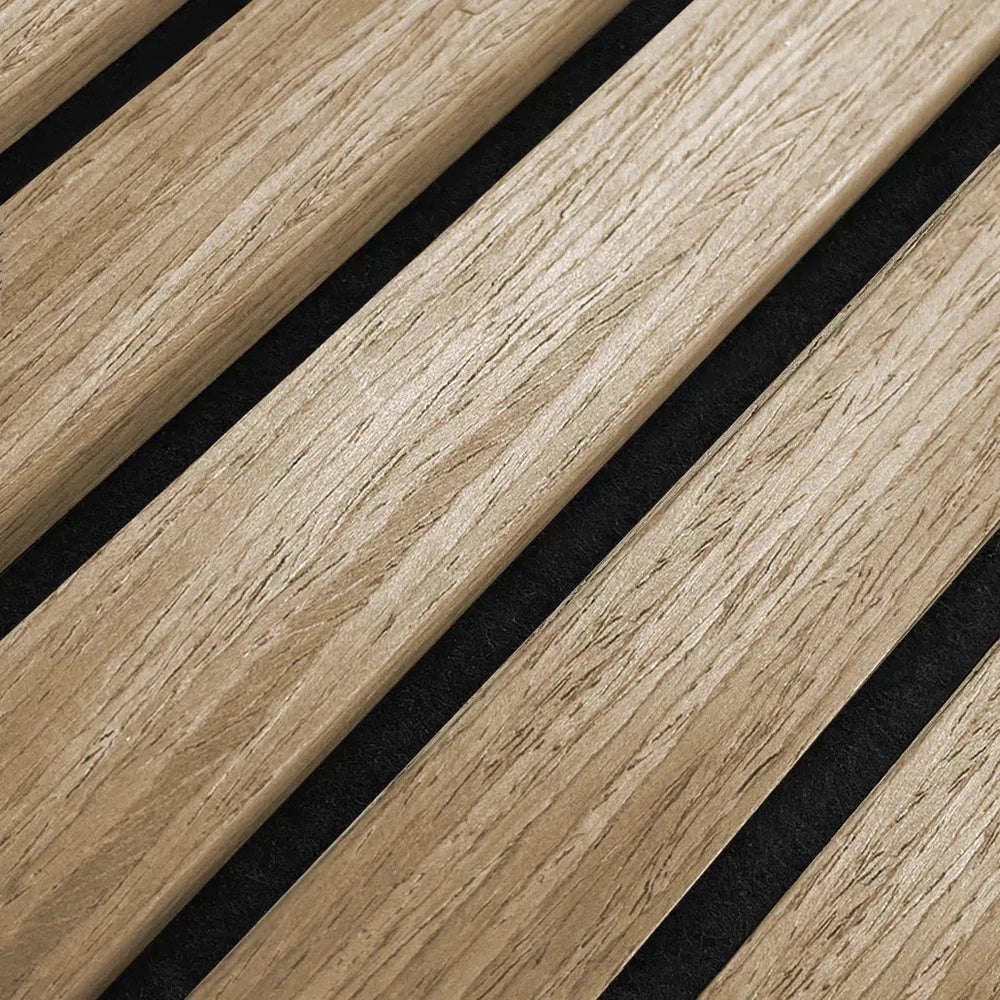
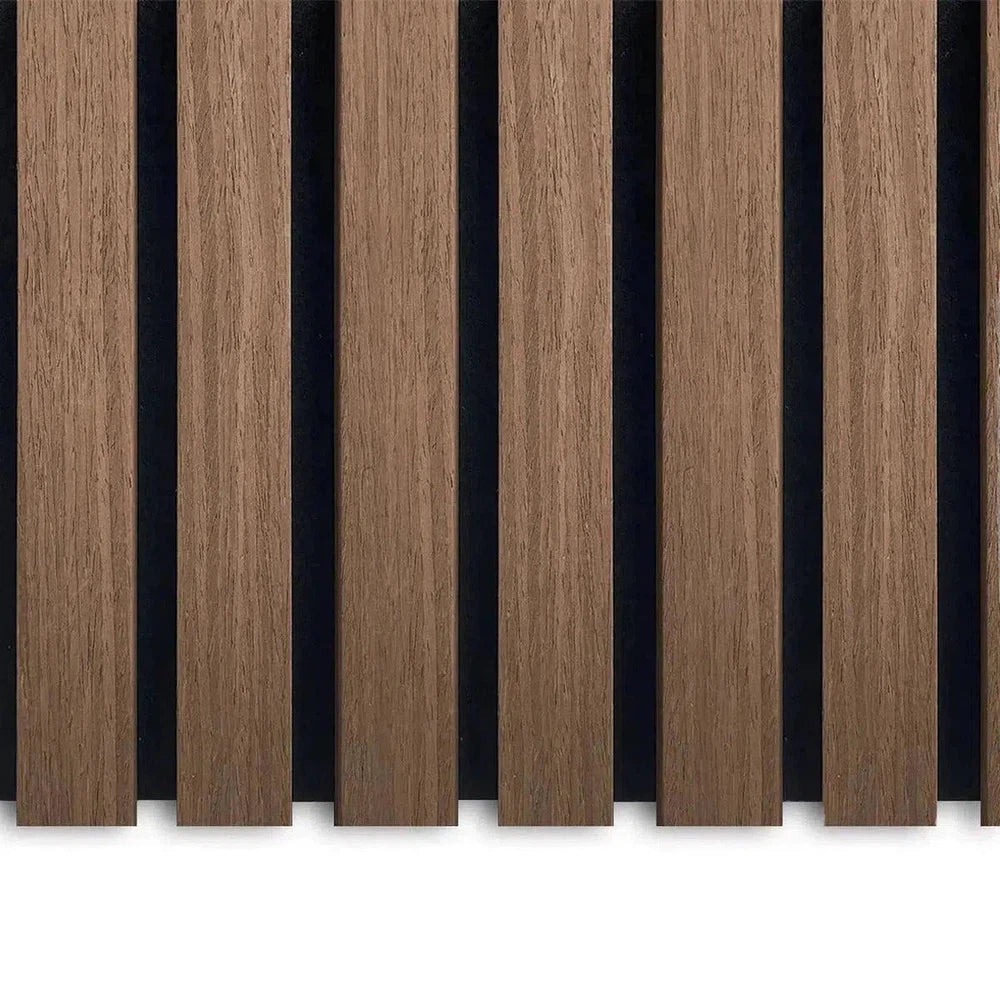
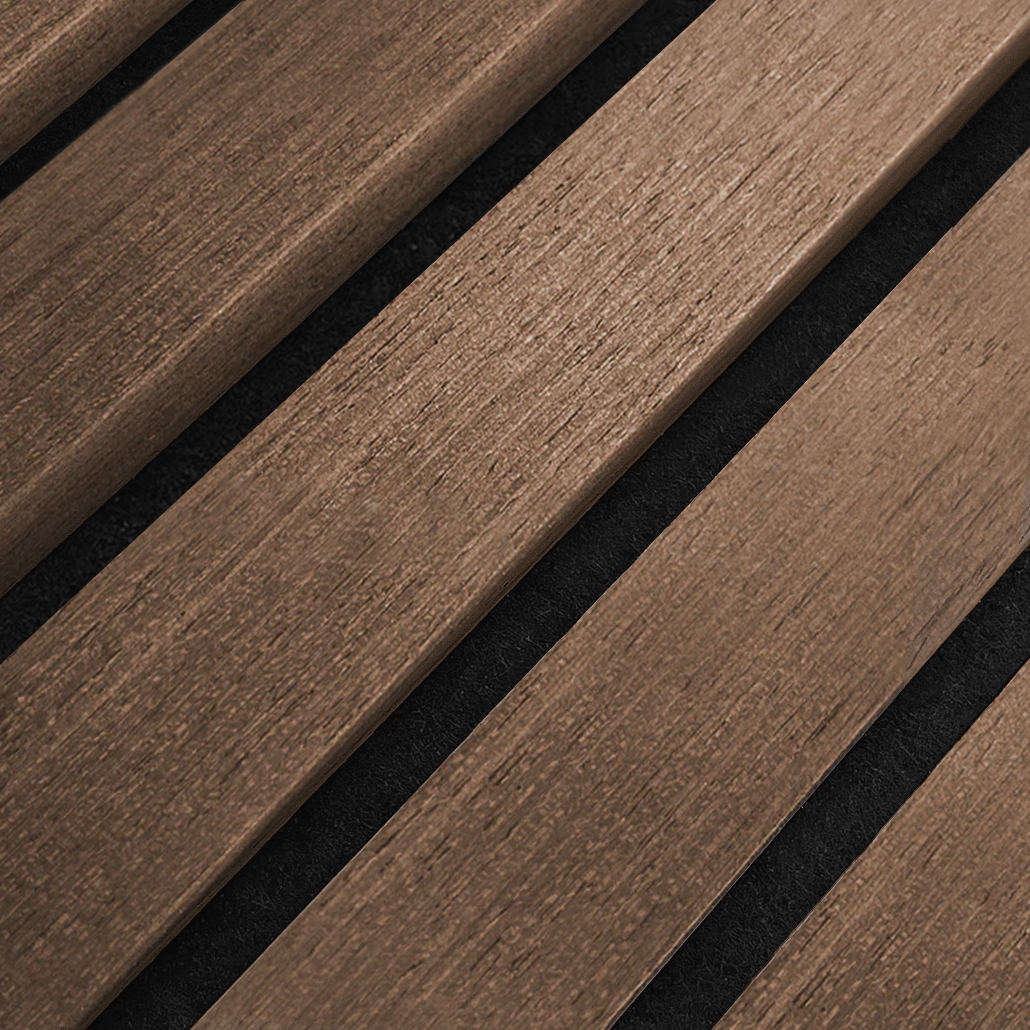
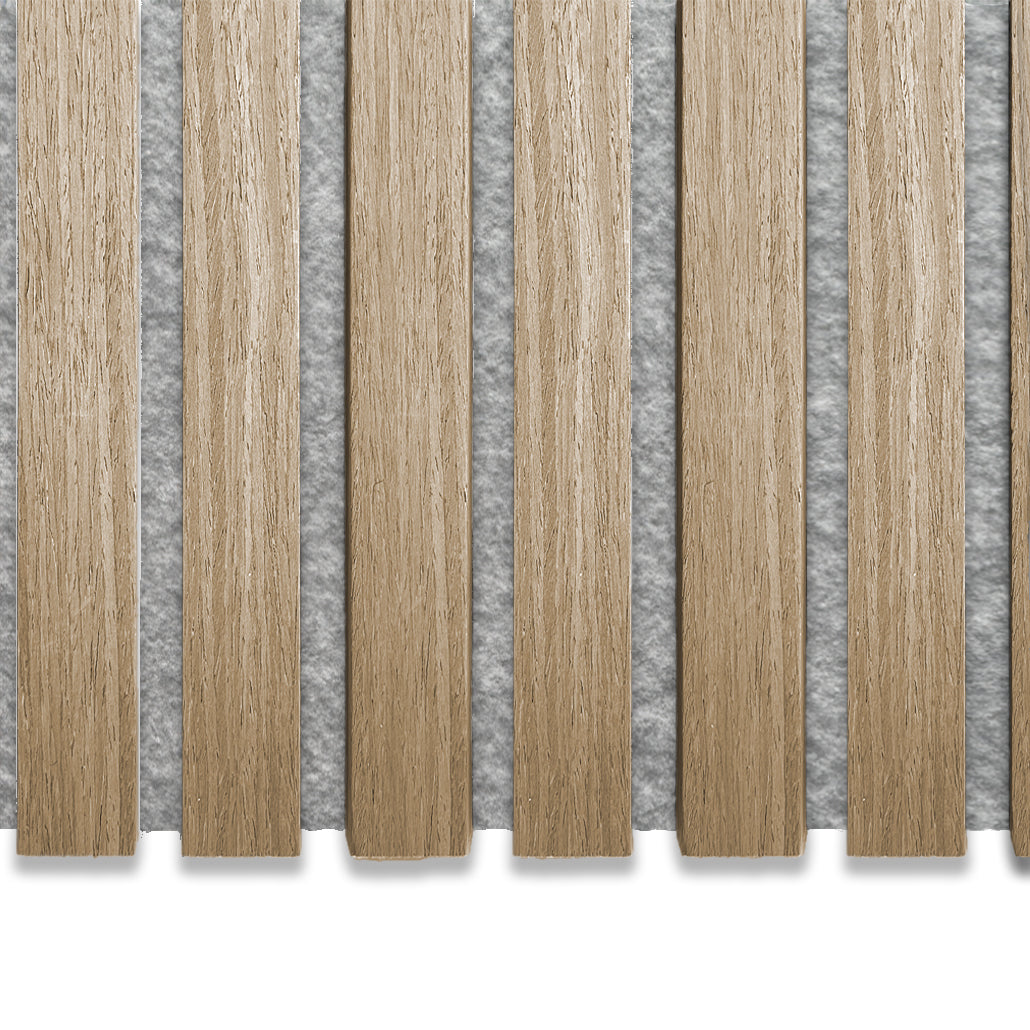
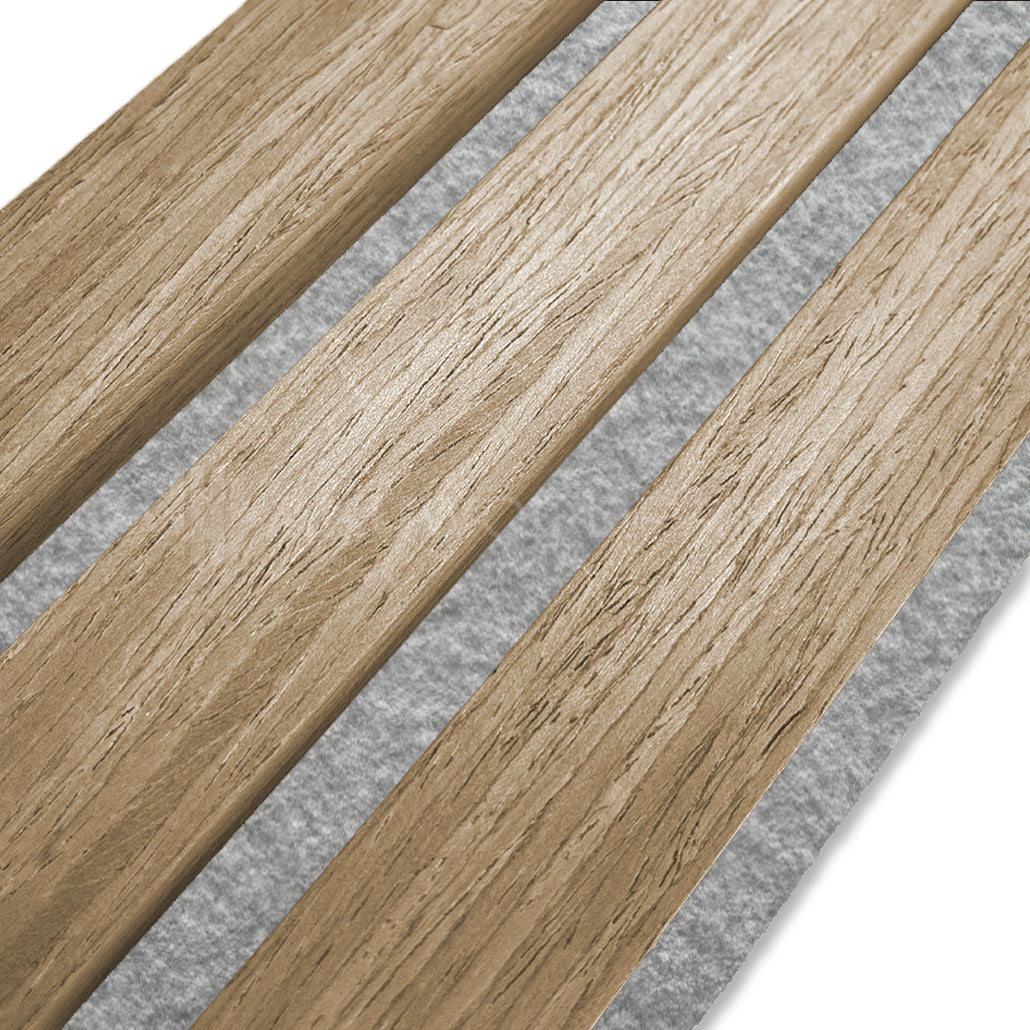
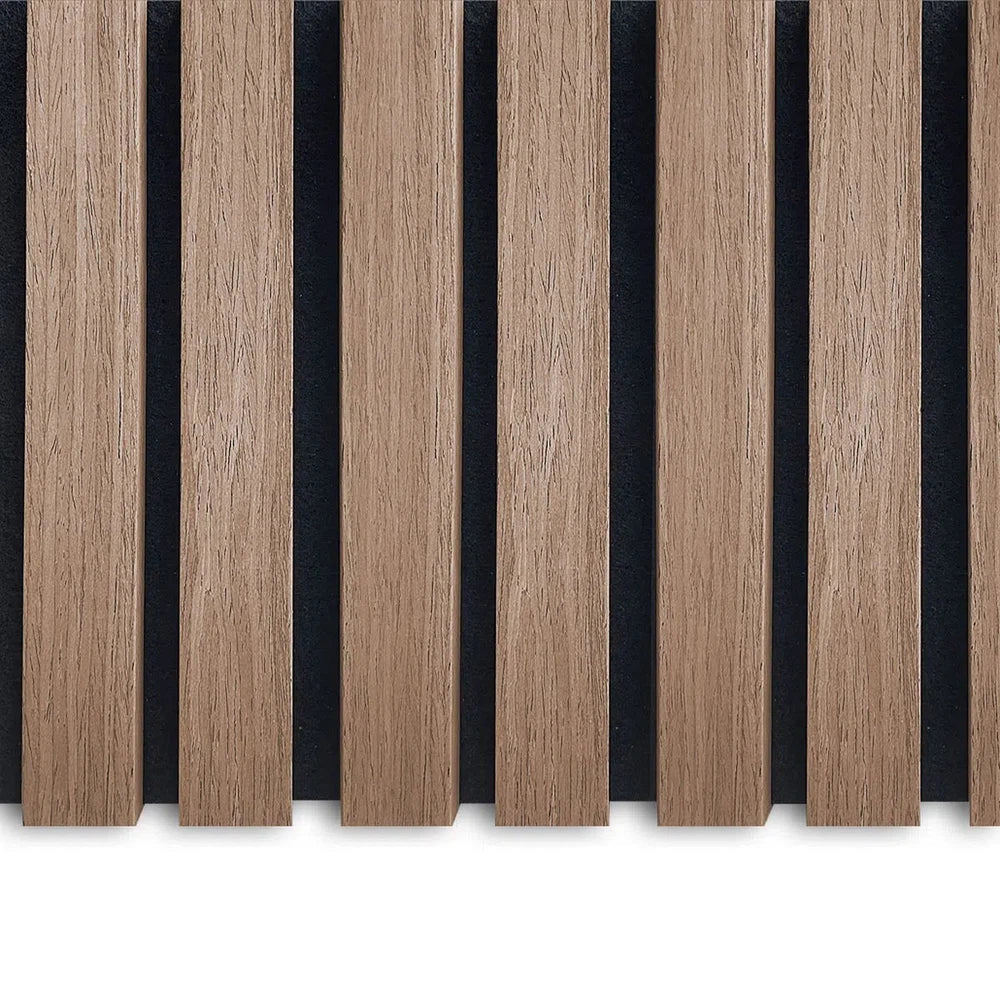
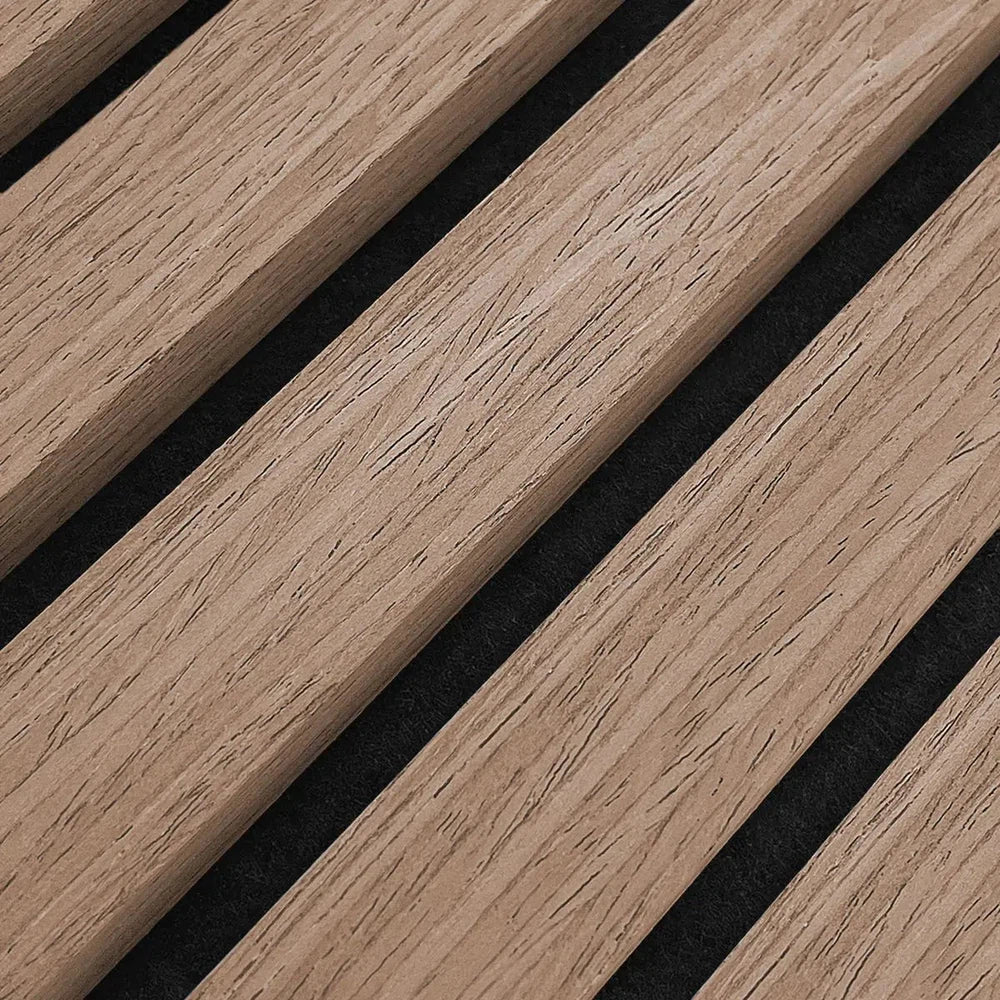
Oak exterior wall cladding panel — the classic pick. Real wood-grain finish designed for exterior use, sold as part of Akuwood Panel's exterior cladding range for 2026. It suits pergola-style dining areas that stay drier and where warmth matters more than heavy grease exposure. Buy if your structure has decent roof overhang and limited direct rain drift.
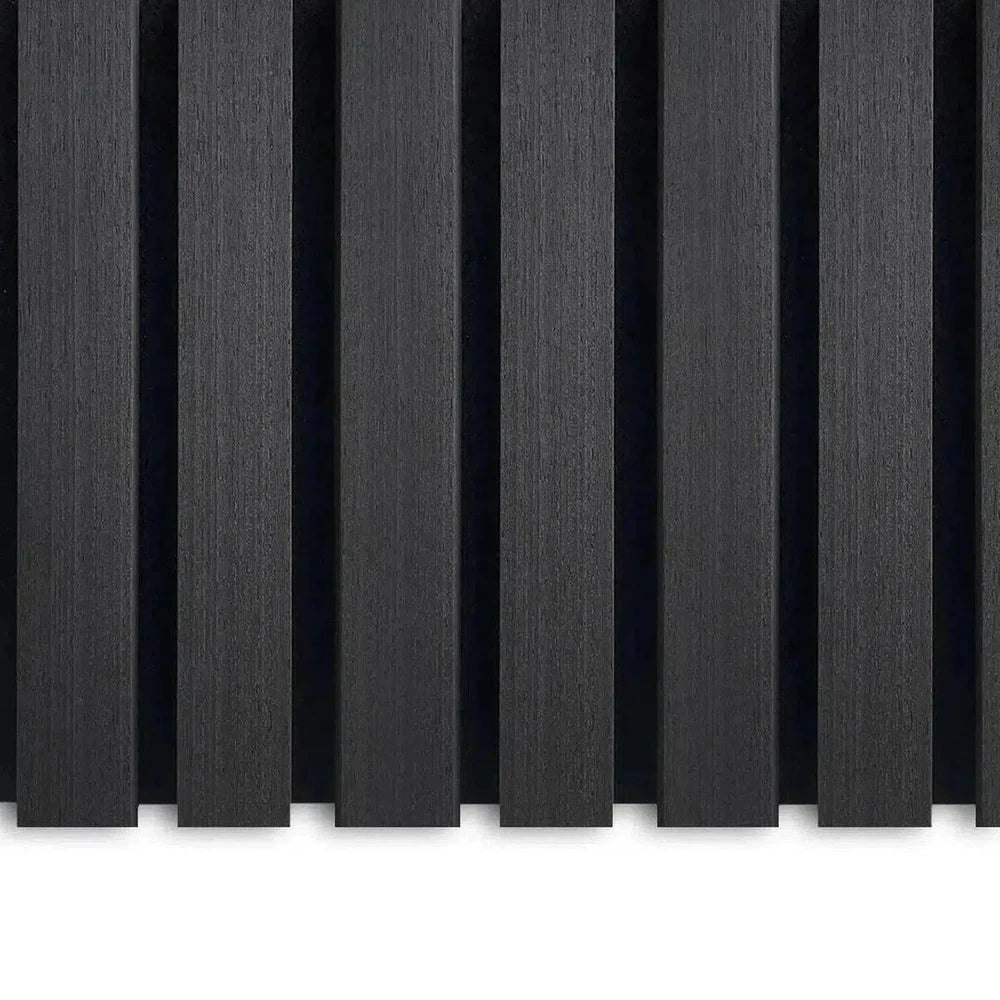
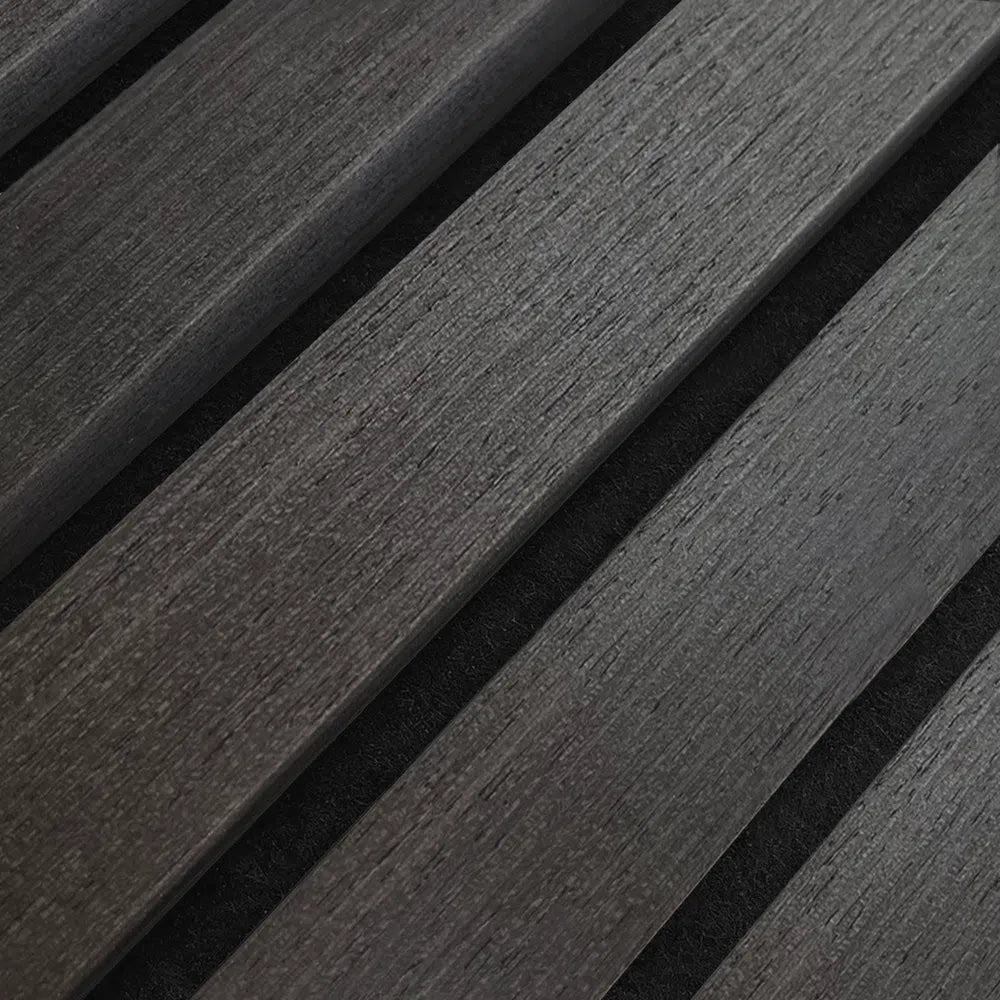
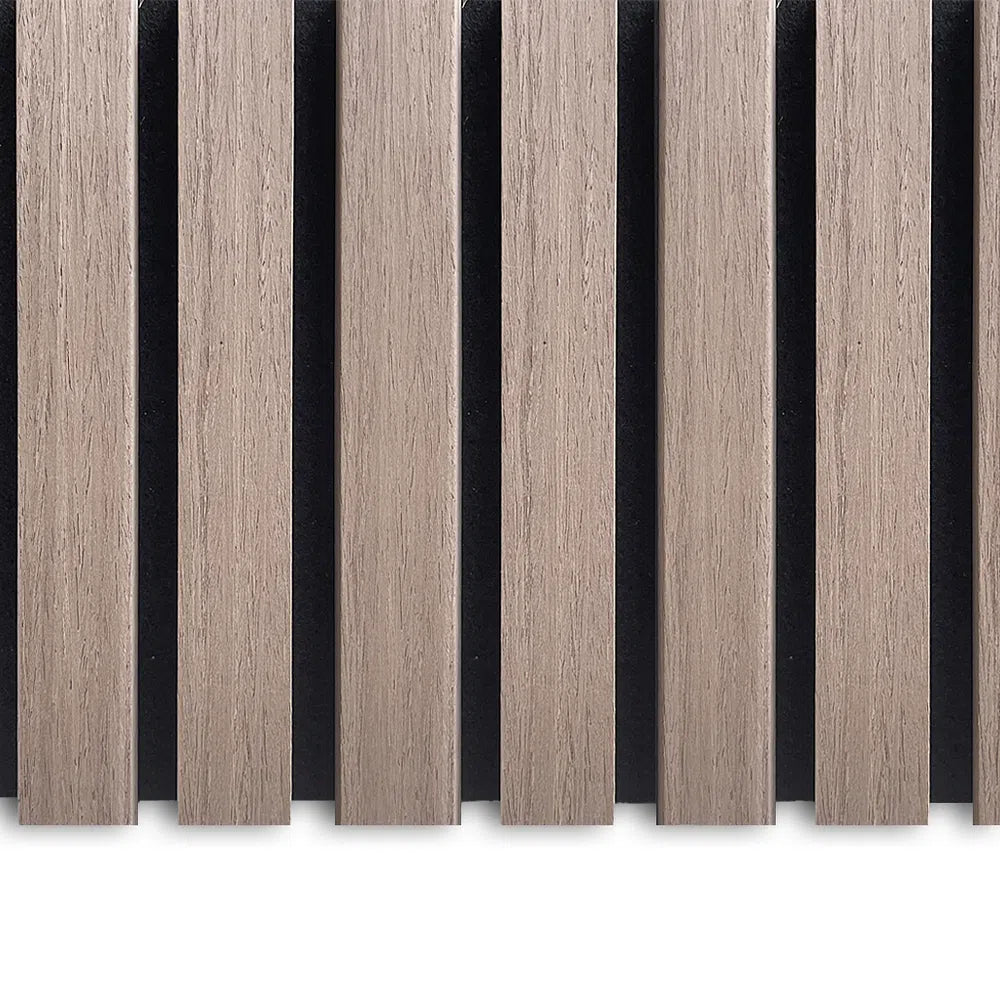
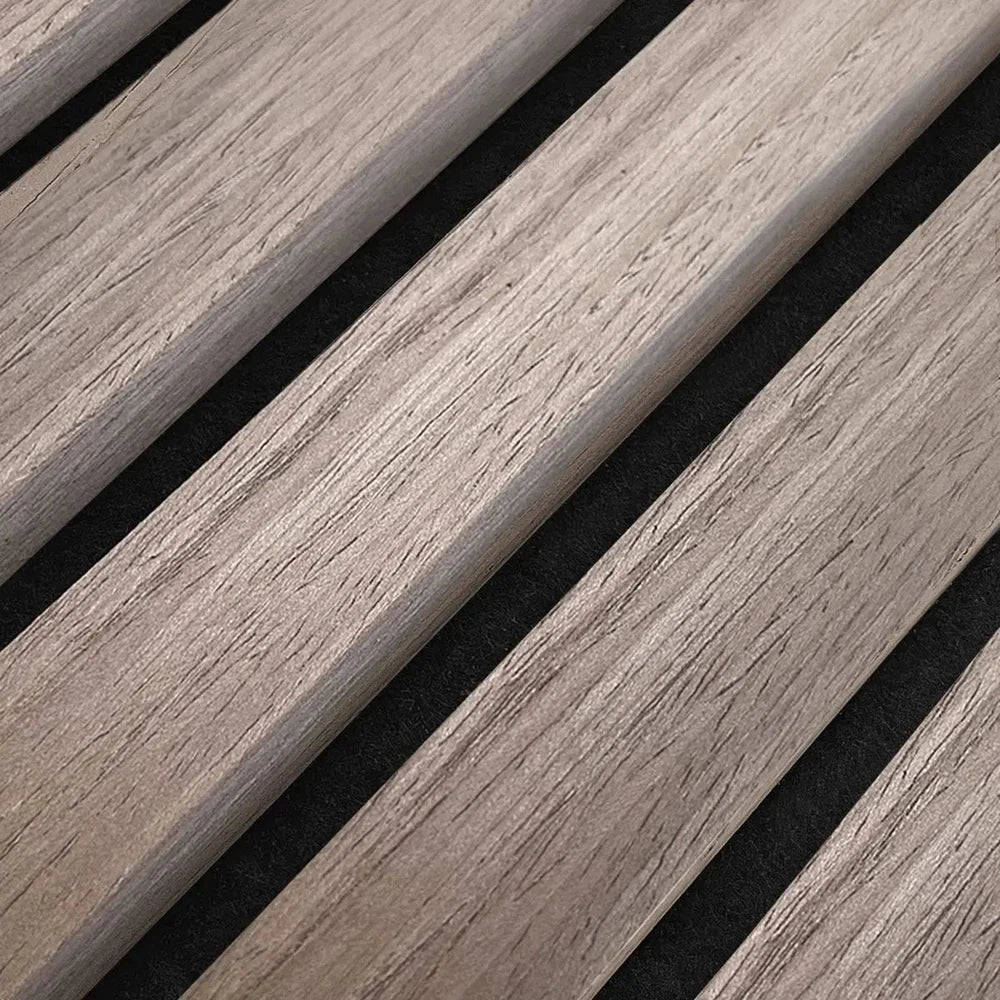
Black exterior wall cladding panel — the modern pick. Dark tone hides grease splash, water spotting, and general grime far better than lighter finishes, which is exactly the problem an outdoor kitchen creates. It also pairs well with contemporary garden builds going up across the UK in 2026. Buy if the dining area sees regular BBQ or pizza oven use.
Stone Grey exterior wall cladding panel — the render-matching pick. Built to sit alongside rendered house walls without looking like an add-on, this finish is the one to specify when the dining structure is attached to the main house. Consider it over the other two if matching the existing exterior matters more than hiding stains.
What to avoid
- Indoor acoustic panels used outdoors. Akuwood Panel's felt-backed indoor range is built for sound absorption inside a room, not for rain and UV exposure — it will fail fast outside.
- Flush-fixed cladding with no air gap. Skipping the ventilated batten system to save on labour cost traps moisture behind the panel and rots the substrate within a couple of seasons.
- Untreated raw timber battens as a budget shortcut. They look identical to a proper panel on day one and start cupping and greying within the first UK winter.
Verdict comparison
| Panel | Grease resistance | Colour matching | Best for | Verdict |
|---|---|---|---|---|
| Oak exterior wall cladding | Moderate | Warm timber tones | Sheltered pergola dining | Buy |
| Black exterior wall cladding | High | Contemporary builds | Outdoor kitchens, BBQ areas | Buy |
| Stone Grey exterior wall cladding | Moderate | Rendered house walls | Attached dining extensions | Consider |
FAQ
What's the best exterior cladding for outdoor dining areas? Black exterior wall cladding panel is the strongest all-round choice for 2026 because it resists grease and water spotting better than lighter finishes, which matters most in areas with an outdoor kitchen or BBQ.
Is exterior cladding better than paint for a covered dining structure? Yes, for longevity. Paint needs reapplying every few years and shows grease stains fast, while a factory-finished cladding panel holds its colour and wipes clean.
Does covered outdoor dining cladding still need a ventilated gap? Yes. Even under a solid roof, wind-driven rain and condensation reach the wall, so a roughly 20mm batten gap behind the panel lets any moisture dry out instead of sitting trapped.
Can I use Akuwood Panel's indoor acoustic panels outside a covered pergola? No. Indoor panels use a felt acoustic backing that isn't weatherproofed; use the exterior wall cladding range instead for any outdoor dining structure.
How often does exterior cladding near an outdoor kitchen need cleaning? Grease-exposed cladding typically needs a wipe-down every few weeks during dining season and a full clean at the start and end of summer to stop buildup from setting into the finish.
Does dark cladding fade faster than light cladding outdoors? Not necessarily — factory-sealed dark finishes like the Black exterior wall cladding panel hold colour well, while light finishes are more likely to show uneven blotching under patchy shade.
What's the difference between exterior cladding and standard decking board cladding? Exterior wall cladding panels are designed for vertical wall fixing with weatherproof faces, while decking boards are built for foot traffic and horizontal loading — using decking as wall cladding leaves gaps that let water track behind the panel.
One last thing
The detail most people skip: the fixing gap matters more than the panel finish. A premium exterior wall cladding panel fixed flush against a solid wall with no ventilation will fail faster than a mid-range panel installed with a proper batten system and 20mm air gap behind it — correct installation is what actually determines how long the cladding survives a covered outdoor dining area, not the price tag on the panel itself.