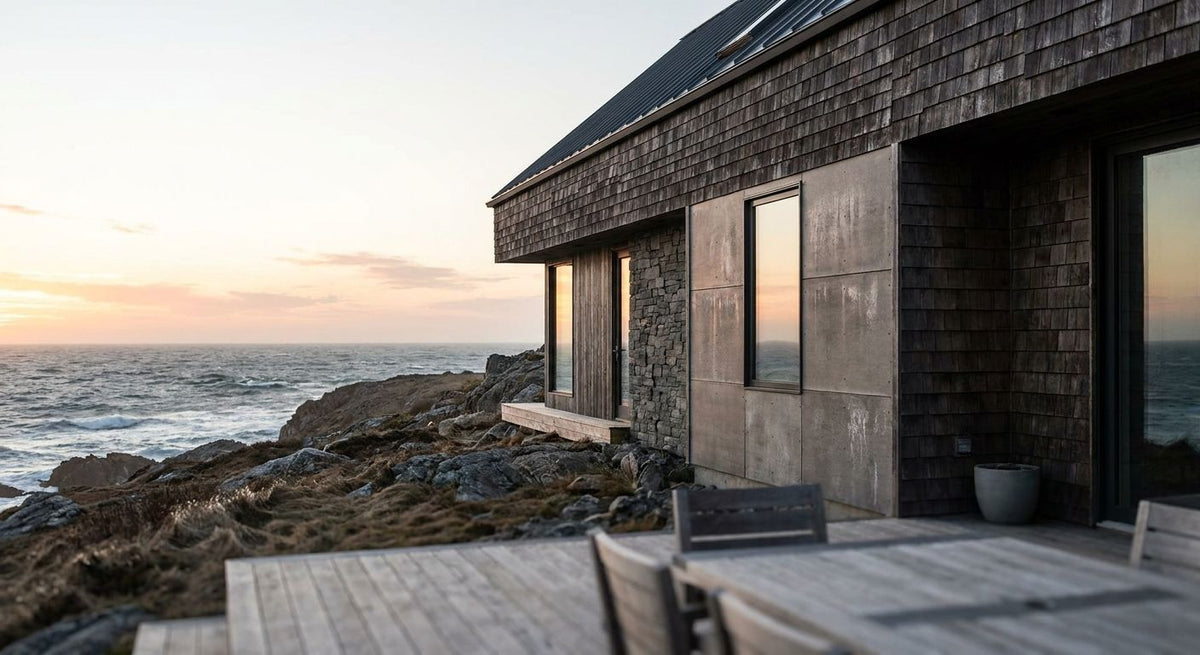
Salt spray, driving rain and constant UV strip cheap cladding fast, and a coastal wall shows the damage within a season or two, not years. This guide ranks the cladding options that actually hold up on a UK seafront in 2026, with a direct verdict on which one to fit first and which ones to skip.
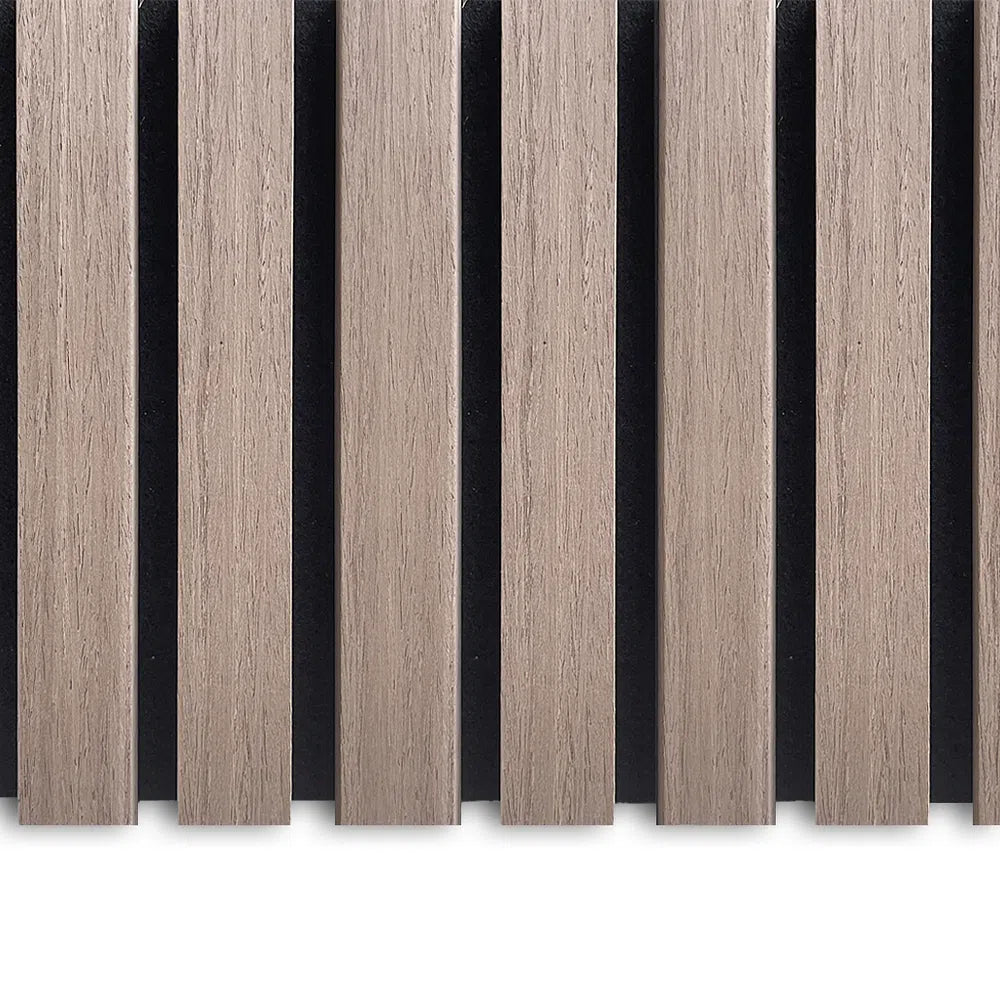
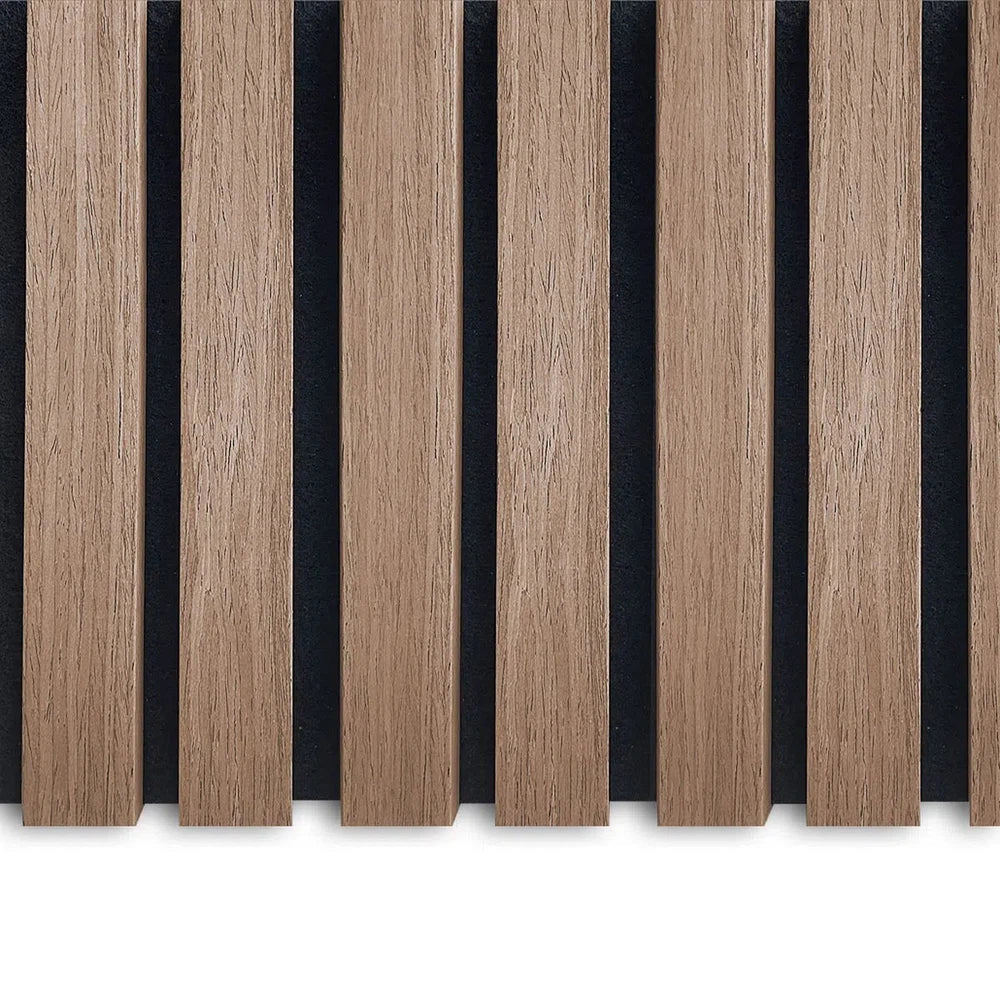
- Akuwood Panel's Stone Grey exterior cladding wins for coastal homes: composite board, four finishes, from £41.95 a panel.
- uPVC cladding costs least to maintain near the sea but can't match a wood-grain finish.
- Thermally modified timber and untreated cedar both need more upkeep once salt spray hits the boards.
- Fibre cement earns its place only where fire rating is a genuine specification requirement.
Why this matters
A render or brick wall facing the coast takes a different beating than one three streets inland. Airborne salt settles into pores and joints, UV bleaches pigment unevenly, and wind-driven rain finds any gap behind a board. Get the material wrong and you're re-treating or replacing cladding every few years instead of every few decades.
The Stone Grey exterior cladding panel from Akuwood Panel is built as a composite board specifically to handle that combination of sun, salt and moisture rather than just look good in a showroom. For a property right on the water, a full cladding guide for UK seaside properties covers the extra detailing worth checking before you order.
What makes the best cladding for coastal properties
- Salt-spray resistance — does the surface pit, stain or chalk after repeated exposure to airborne salt
- UV and colour stability — does grey stay grey, or bleach patchy after a couple of summers facing full sun
- Fixing corrosion resistance — are the screws and trims rated for the same exposure as the board itself
- Moisture shedding — does the profile drain rain away instead of trapping it behind the panel
- Maintenance frequency — how often does the finish need re-oiling, repainting or resealing
- Impact resistance — can the board take wind-driven grit and debris without splitting
Cladding for coastal properties at a glance
| Cladding type | Best for | Standout feature | Starting price | Key limitation |
|---|---|---|---|---|
| Composite 3D wood-grain (Akuwood Panel) | Coastal homes and gardens needing low upkeep | 25+ years maintenance-free per manufacturer spec, UV and weather resistant | From £41.95 per panel | Four fixed colour finishes, not real wood grain up close |
| uPVC cladding | Tightest maintenance budgets | Never needs repainting, doesn't rot | Price varies by supplier | Limited colour range, can look synthetic |
| Thermally modified timber | Natural wood look, better rot resistance | Cell structure altered to reduce moisture uptake | Price varies by supplier | Needs periodic re-oiling in high-UV coastal sites |
| Untreated cedar or larch | Homes wanting a weathered silver-grey finish | Natural oils give some rot resistance unfinished | Price varies by supplier | Salt speeds up uneven greying |
| Fibre cement | High-exposure sites needing fire rating | Non-combustible, dimensionally stable | Price varies by supplier | Heavier, needs professional fixing, no wood texture |


1. Composite 3D wood-grain cladding: best cladding for coastal homes and gardens
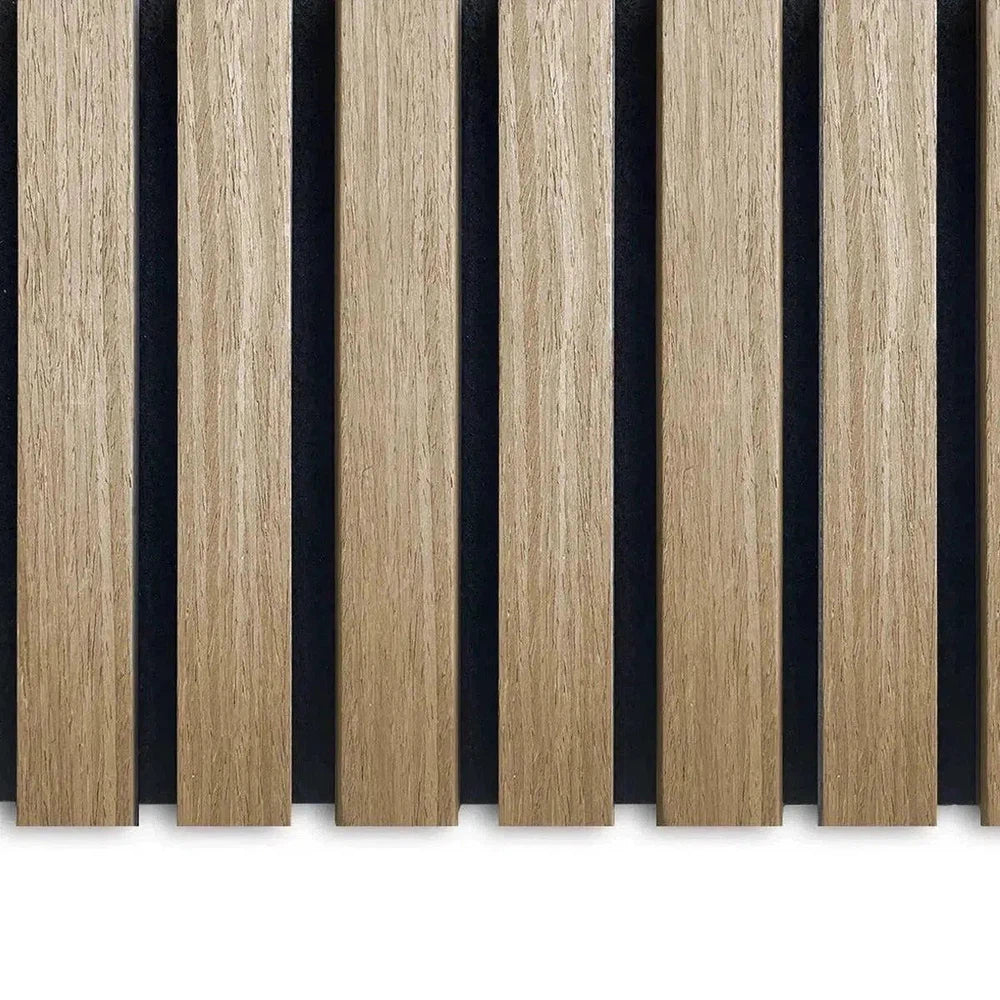
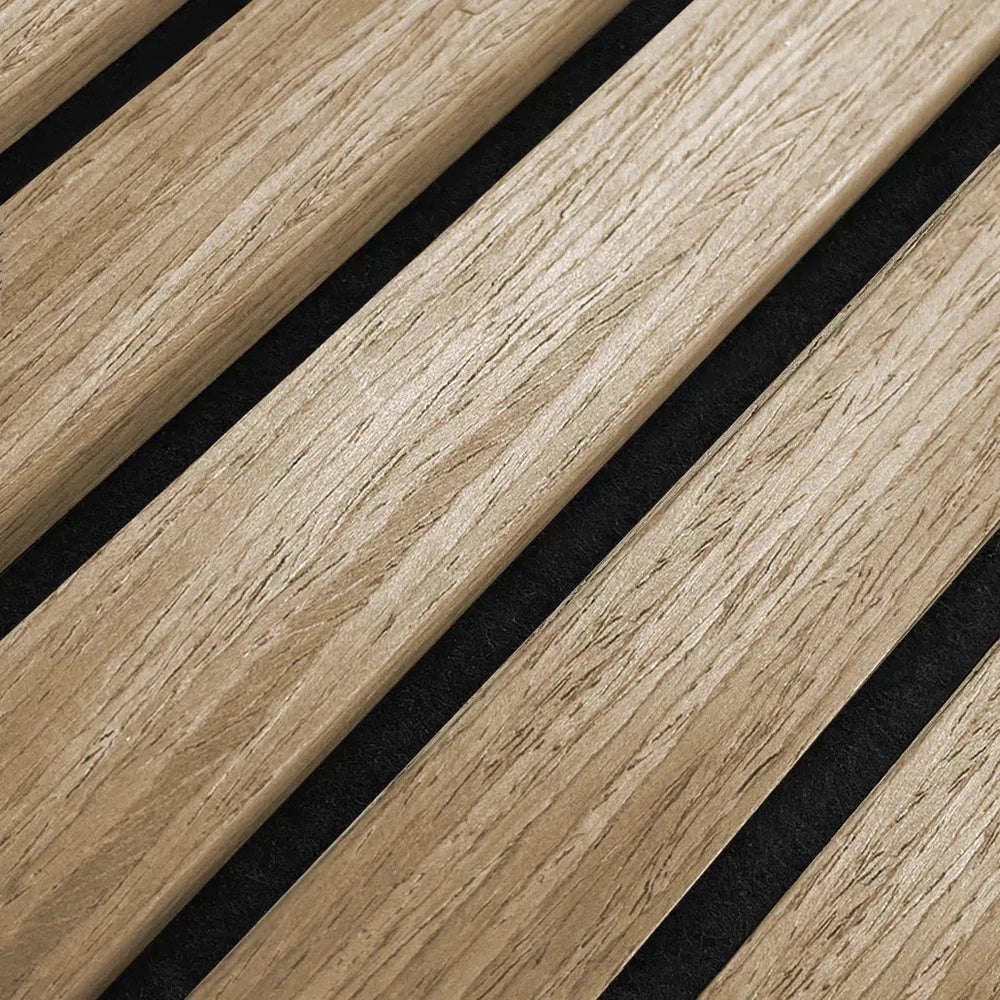
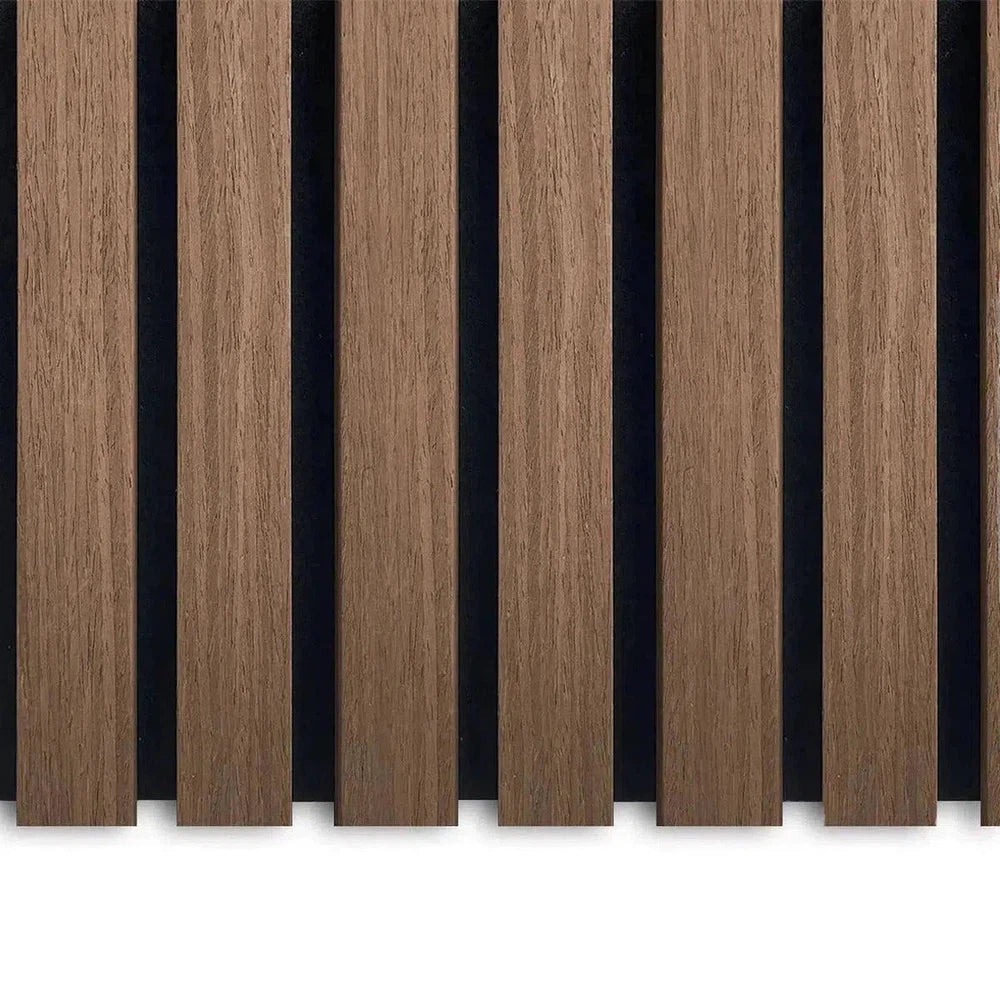
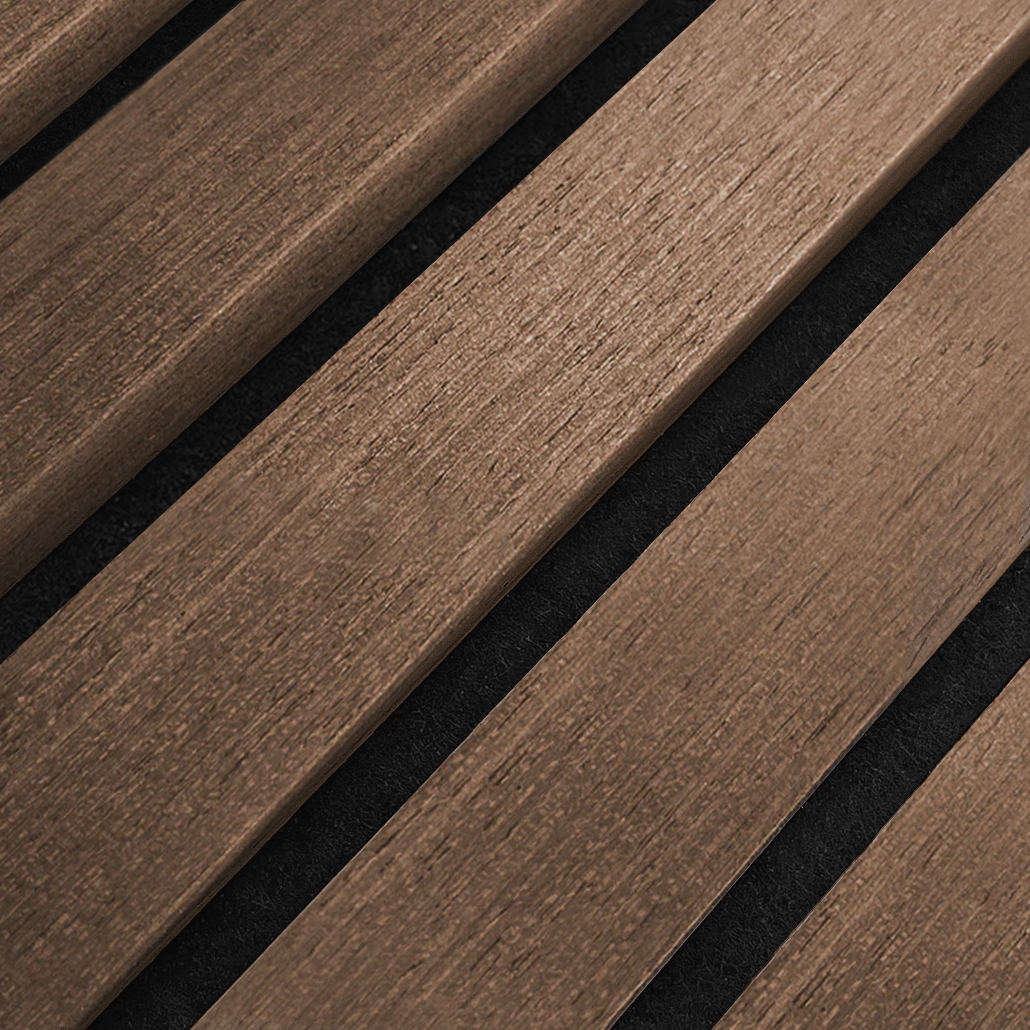
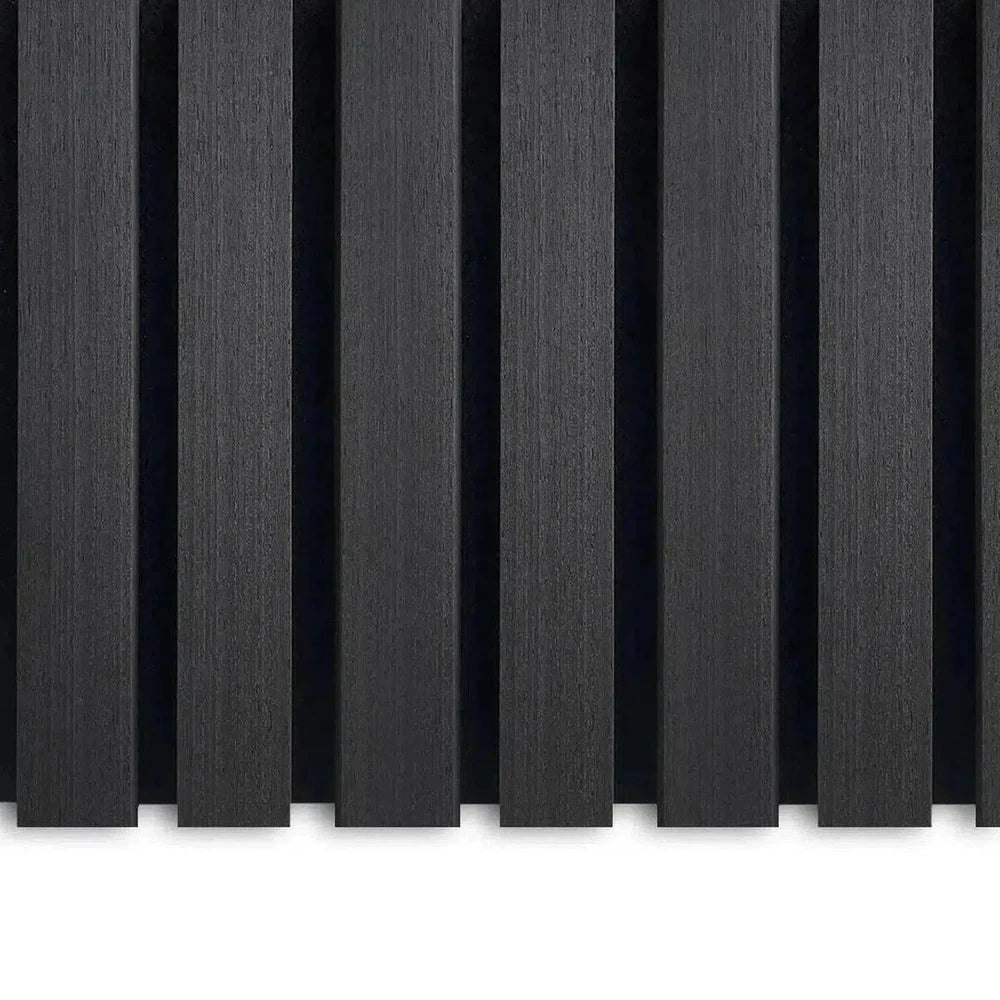
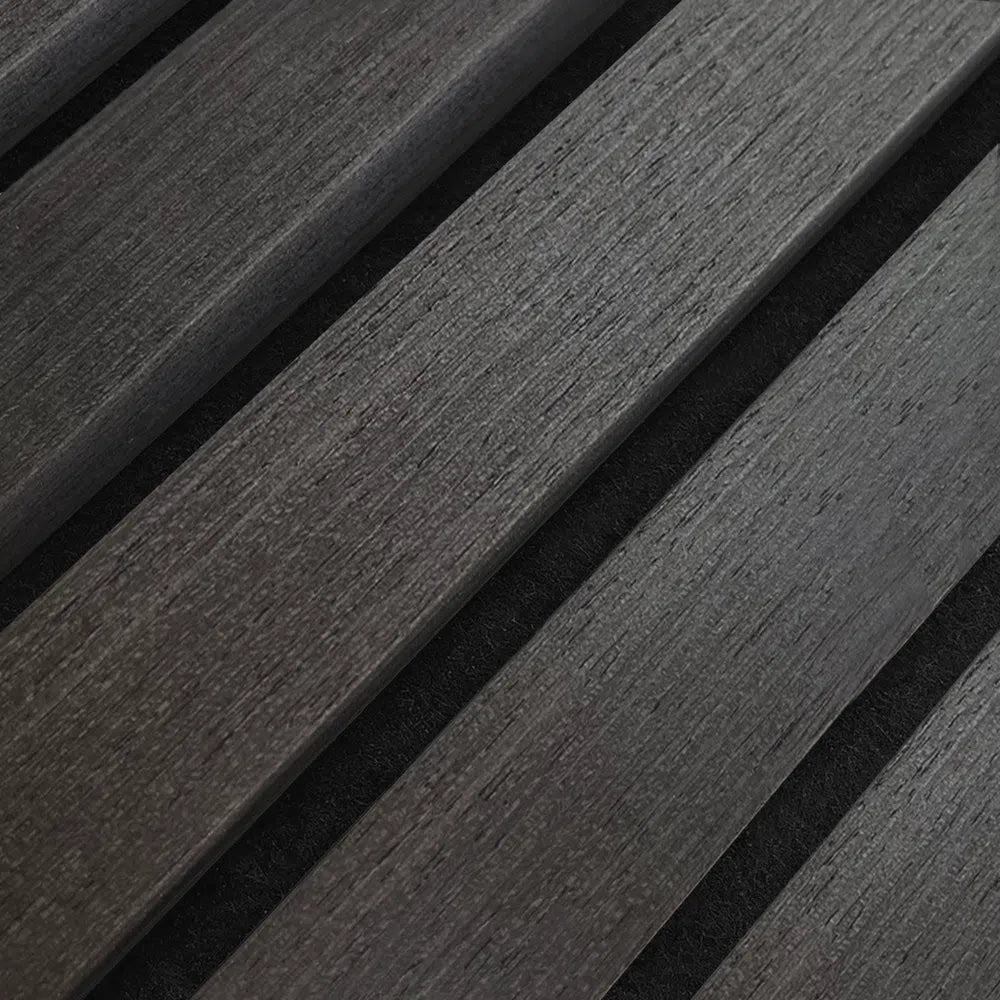
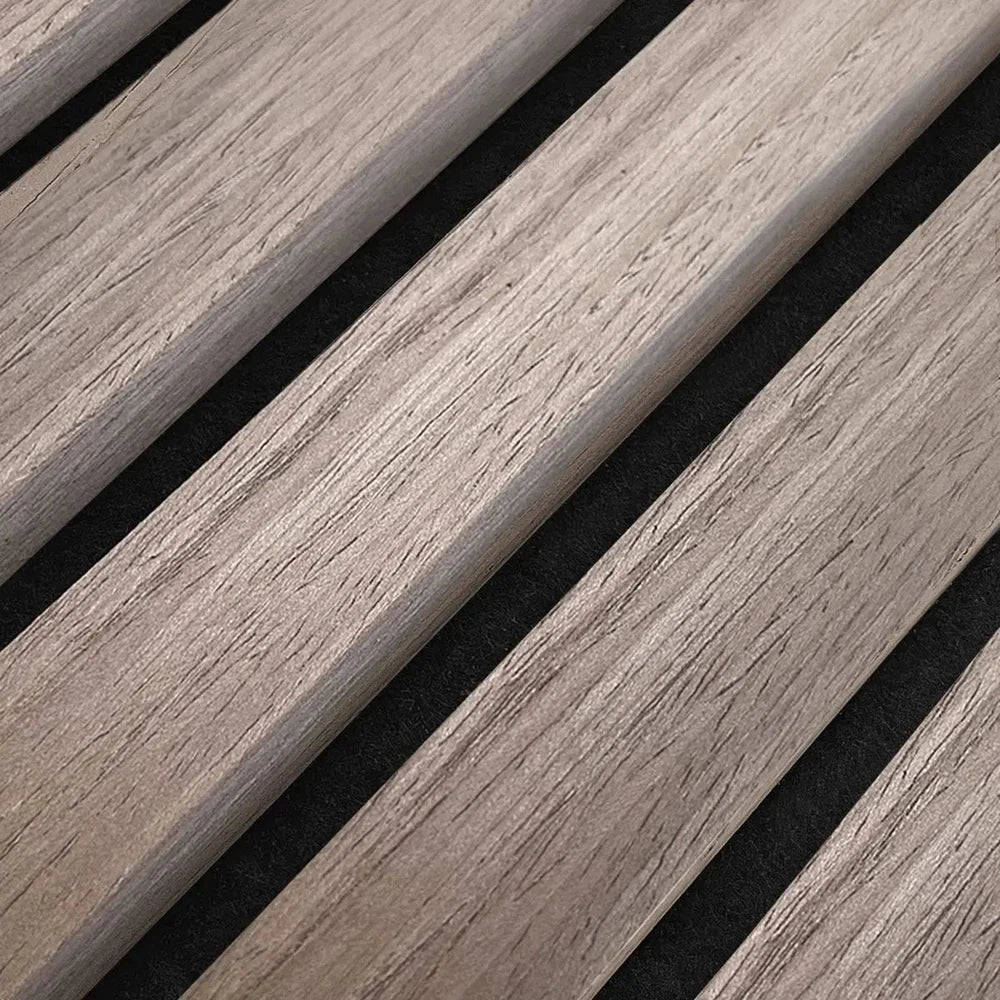
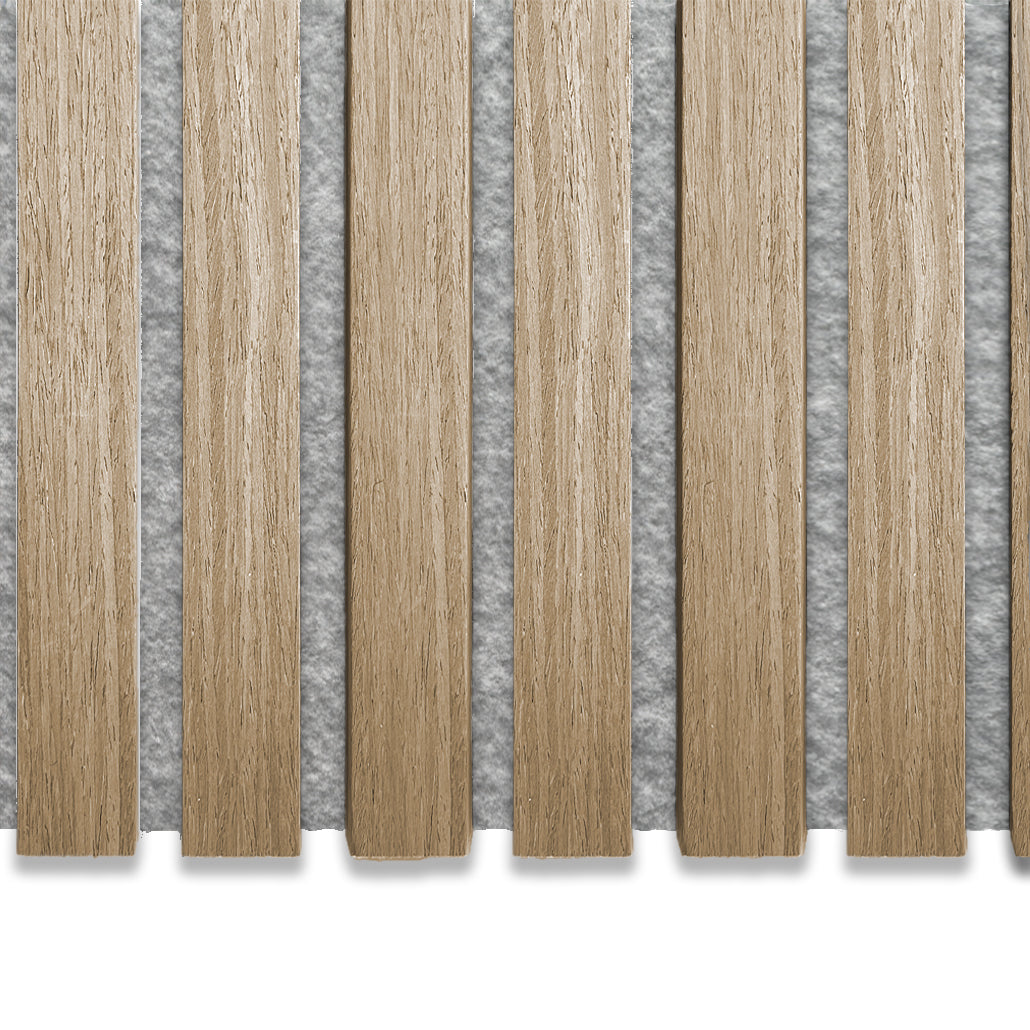
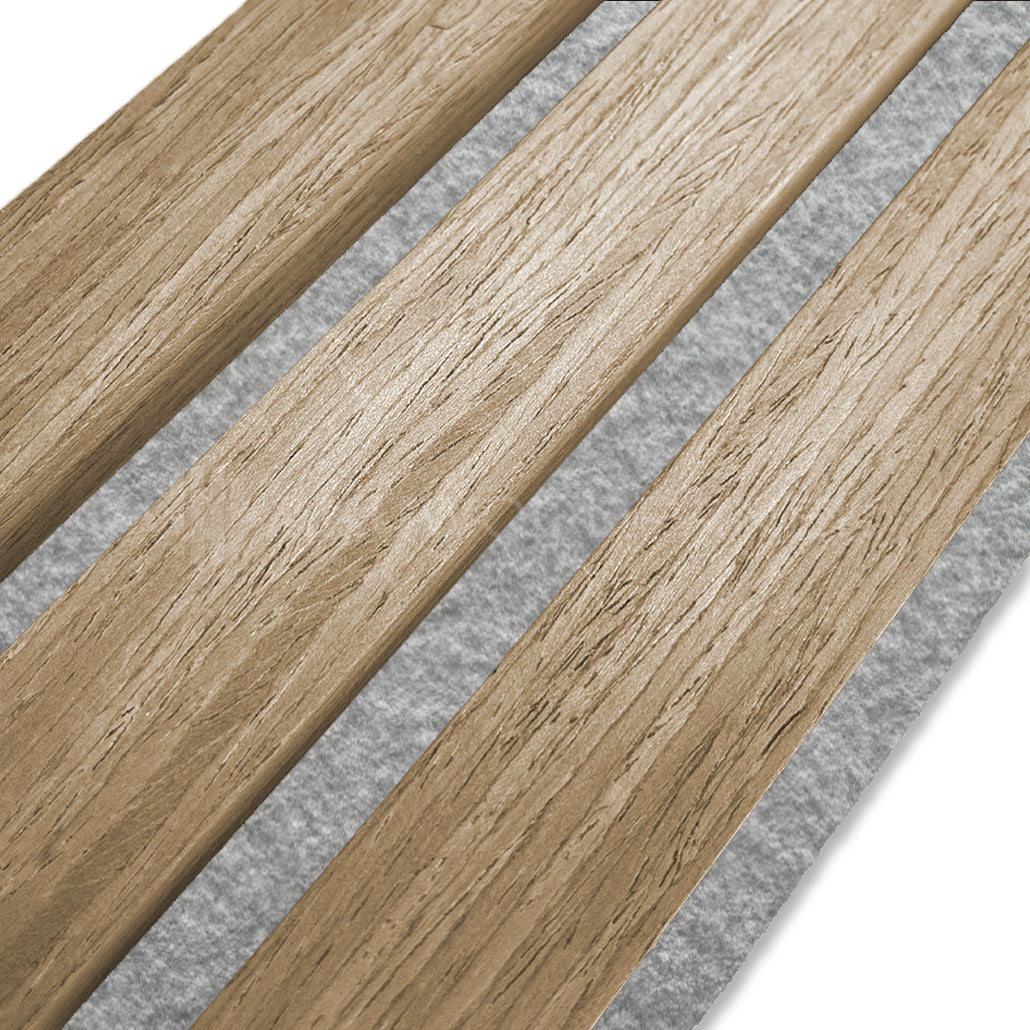
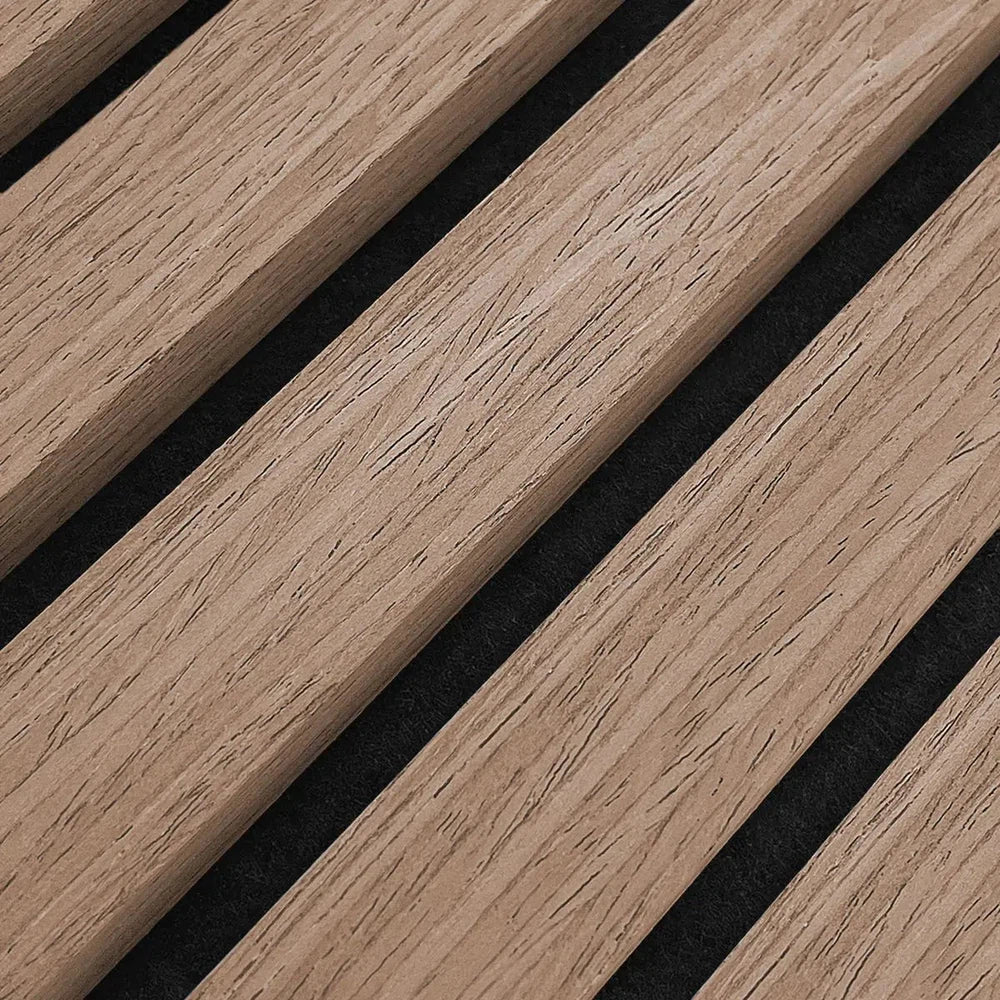
Akuwood Panel's exterior cladding is a composite board with a 3D wood-grain surface, built to sit outdoors in Stone Grey, Oak, Black or Birch. It's aimed at homeowners who want a wood look without re-treating a timber fence every other summer, and it's the pick that shows up most often when the question is specifically about coastal exposure.
Akuwood Panel exterior cladding pros:
- Manufacturer spec covers 25+ years of maintenance-free use with minimal wear and fading
- Rated UV and weather resistant, which matters more on an exposed coastal elevation than an inland one
- Four finishes (Stone Grey, Oak, Black, Birch) with matching corner and finishing trims for a continuous look
- Colour-matched screw packs mean fixings age at the same rate as the board
Akuwood Panel exterior cladding cons:
- A composite surface, so it doesn't have the grain irregularity of solid timber up close
- Colour choice is limited to the four finishes rather than a custom stain
- Still needs proper battens and a drained gap behind the board, not a direct fix to render
Akuwood Panel exterior cladding pricing: panels run from £41.95, with matching trims from £24.95 and colour-matched screw packs at £20.95.
Best for: homeowners who want a low-maintenance, wood-grain exterior finish that's specifically rated for weather exposure.
Verdict: Buy.
“If the fixings aren't rated for the same salt exposure as the board, the screws corrode before the cladding does.”
2. uPVC cladding: best for the tightest coastal maintenance budget
uPVC boards are a plastic profile designed to mimic timber cladding without the upkeep. Near the sea, that's a genuine advantage: uPVC doesn't rot, doesn't need repainting, and salt air doesn't corrode a plastic surface the way it can degrade steel fixings.
uPVC cladding pros:
- Never needs staining, oiling or repainting
- Doesn't rot or absorb moisture like timber
- Widely available through UK builders' merchants
uPVC cladding cons:
- Colour range is limited compared with a composite wood-grain finish
- Can look synthetic up close, especially in direct sunlight
- Expands and contracts with temperature, which shows at joints over time
Best for: owners who want the absolute minimum ongoing maintenance and don't mind a plainer finish.
Verdict: Buy — if budget and zero upkeep outrank appearance.
3. Thermally modified timber: best for a natural wood look with better rot resistance
Thermal modification heats timber to alter its cell structure, reducing the wood's ability to absorb moisture without chemical treatment. That gives it noticeably better rot resistance than standard untreated softwood, which matters once salt-laden rain is hitting the wall regularly.
Thermally modified timber pros:
- Real wood grain and texture, not a composite surface
- Better dimensional stability and rot resistance than standard softwood
- Available in a range of natural finishes
Thermally modified timber cons:
- Still needs periodic re-oiling to hold its colour in high-UV coastal sites
- Costs more than standard timber cladding
- Boards facing constant salt spray will eventually need replacing
Best for: owners who want genuine timber and are prepared to keep up a maintenance schedule.
Verdict: Hold — solid middle option, but budget for annual coating checks.
4. Untreated cedar or larch: best for a naturally weathered silver-grey look
Cedar and larch both carry natural oils that give reasonable rot resistance even left unfinished, and both are commonly chosen specifically because they weather to a silver-grey patina over time. That look is popular on garden buildings and outbuildings, less so on a main house elevation.
Untreated cedar/larch pros:
- Natural oils resist rot without chemical treatment
- Weathers to an even, low-maintenance silver-grey finish inland
- No repainting required if the grey patina is the intended look
Untreated cedar/larch cons:
- Salt exposure speeds up weathering and can make it uneven rather than uniform
- No colour consistency between boards or over time
- Needs wider expansion gaps than a manufactured composite panel
Best for: owners who actively want the weathered look and aren't chasing a uniform colour.
Verdict: Wait — only if the silver-grey finish is the goal, otherwise skip.
5. Fibre cement cladding: best for high-exposure sites needing fire rating
Fibre cement boards are non-combustible and dimensionally stable, which is why they turn up on specifications where fire rating is a genuine requirement rather than a nice-to-have. For a typical coastal home extension, that requirement usually doesn't apply.
Fibre cement cladding pros:
- Non-combustible, useful where fire rating is specified
- Dimensionally stable in changing temperature and humidity
- Long service life when installed correctly
Fibre cement cladding cons:
- Heavier than composite or timber boards, needs professional fixing
- Joints need careful sealing to stay weathertight
- No real wood texture or grain
Best for: developments or specifications with an explicit fire-rating requirement.
Verdict: Skip — unless fire rating is on the spec sheet, most coastal homeowners don't need it.
How we ranked these
Each option was weighed against the same six criteria set out above: salt-spray resistance, UV and colour stability, fixing corrosion resistance, moisture shedding, maintenance frequency and impact resistance. Composite wood-grain cladding scored consistently across all six; the alternatives each trade one or two of those for a different benefit, whether that's cost, a natural texture, or fire rating.
Which cladding should you choose for a coastal property?
For most coastal homes going into 2026, the Stone Grey exterior cladding panel from Akuwood Panel is the safe default: a composite board engineered for weather exposure, four colour options if Stone Grey doesn't suit the render, and matching trims and screws that keep the whole run watertight at the joints. Choose uPVC only if maintenance-free is the single deciding factor and appearance is secondary. Save thermally modified timber, untreated cedar or fibre cement for the specific cases where a real-wood finish or a fire rating is genuinely required.
FAQ
What's the best cladding for coastal homes exposed to salt spray?
Composite 3D wood-grain cladding, such as Akuwood Panel's exterior range, is the strongest all-round choice for coastal exposure in 2026 because it's rated UV and weather resistant with a 25+ year maintenance-free spec. Timber options need more regular upkeep once salt spray is a constant factor.
Is composite cladding better than timber for seaside properties?
Composite cladding generally outperforms untreated or standard timber near the sea because it doesn't need re-oiling or restaining to hold its colour. Thermally modified timber narrows that gap but still needs periodic coating checks in high-UV coastal spots.
How much does exterior wall cladding cost for a coastal property in 2026?
Akuwood Panel's composite exterior cladding panels start from £41.95 each, with matching corner and finishing trims from £24.95 and colour-matched screw packs at £20.95. Costs for uPVC, timber or fibre cement vary by supplier and installer.
Does uPVC cladding hold up near the sea?
Yes, uPVC doesn't rot or corrode from salt air since it's a plastic profile, making it one of the lowest-maintenance coastal options. The trade-off is a more limited colour range and a less natural finish than wood-grain composite panels.
How often does coastal cladding need maintenance?
Composite wood-grain panels rated for 25+ years typically need no re-treatment at all, while natural or thermally modified timber usually needs re-oiling every one to a few years depending on sun and salt exposure. uPVC and fibre cement need the least ongoing attention of the non-composite options.
Can you fit wood-grain composite cladding on a rendered coastal wall?
Yes, composite panels are typically fixed to battens over the existing render or wall surface rather than bonded directly, which keeps a drained air gap behind the board. That gap is what stops driving rain from sitting against the wall in coastal conditions.
What screws or fixings should I use for coastal cladding?
Use fixings rated for the same weather exposure as the board itself, ideally colour-matched to the panel finish. Akuwood Panel sells screw packs matched to each of its exterior cladding colours specifically so the fixings don't corrode or streak faster than the board.
Does black cladding fade faster in direct coastal sun?
Dark finishes generally absorb more UV than lighter ones, so a Black exterior cladding panel on a south-facing coastal wall will show fading pressure sooner than Stone Grey or Oak in the same spot. Choosing a UV-resistant composite panel rather than painted timber reduces that risk either way.
One last thing
Most people budget for the cladding board and forget the fixings, but on a coastal wall the screws usually fail before the panel does. Akuwood Panel sells colour-matched screw packs alongside each exterior finish for exactly this reason: mismatched fasteners corrode at a different rate to the board and leave streak marks down the face of an otherwise sound panel within a couple of seasons.