Training rooms with bare walls and long rows of chairs turn every Q&A session into an echo chamber, and hybrid sessions make it worse on camera. This guide ranks the best acoustic wall panels for training rooms in 2026, split by boardroom-style suites, high-density seminar halls, and video-call-ready breakout spaces.
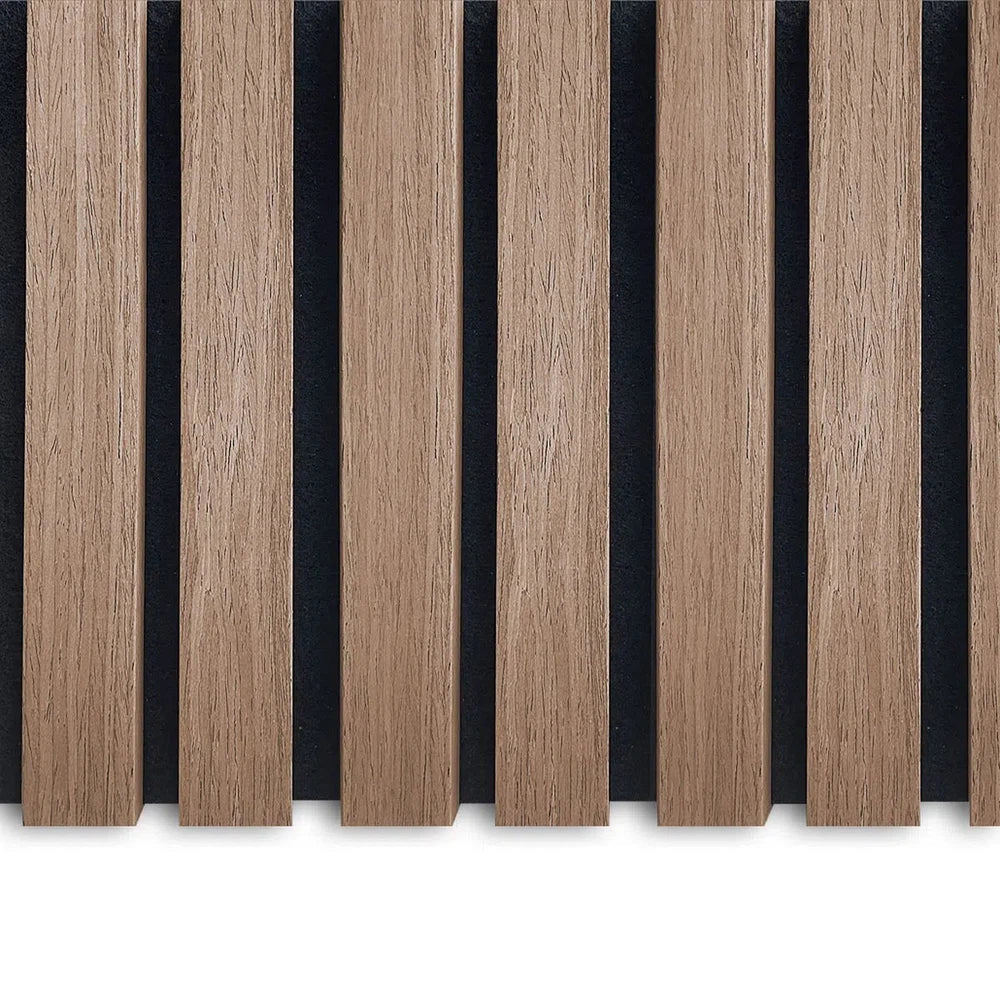
Best overall: the Natural Oak Wooden Wall Panel covers the widest range of corporate training rooms with a neutral 3-sided oak veneer and acoustic felt backing. Best for boardroom-style executive training: the Black Oak Wooden Wall Panel sets a formal tone without extra decor. Best for high-density seminar rooms: the Hexagon Acoustic Panel in Walnut with Grey Felt breaks up reflected sound across a wider surface than flat slat runs.
- Natural Oak Wooden Wall Panel wins for general corporate training rooms in 2026 — neutral tone, felt-backed acoustic core.
- Black Oak Wooden Wall Panel is the pick for boardroom-style executive training sessions.
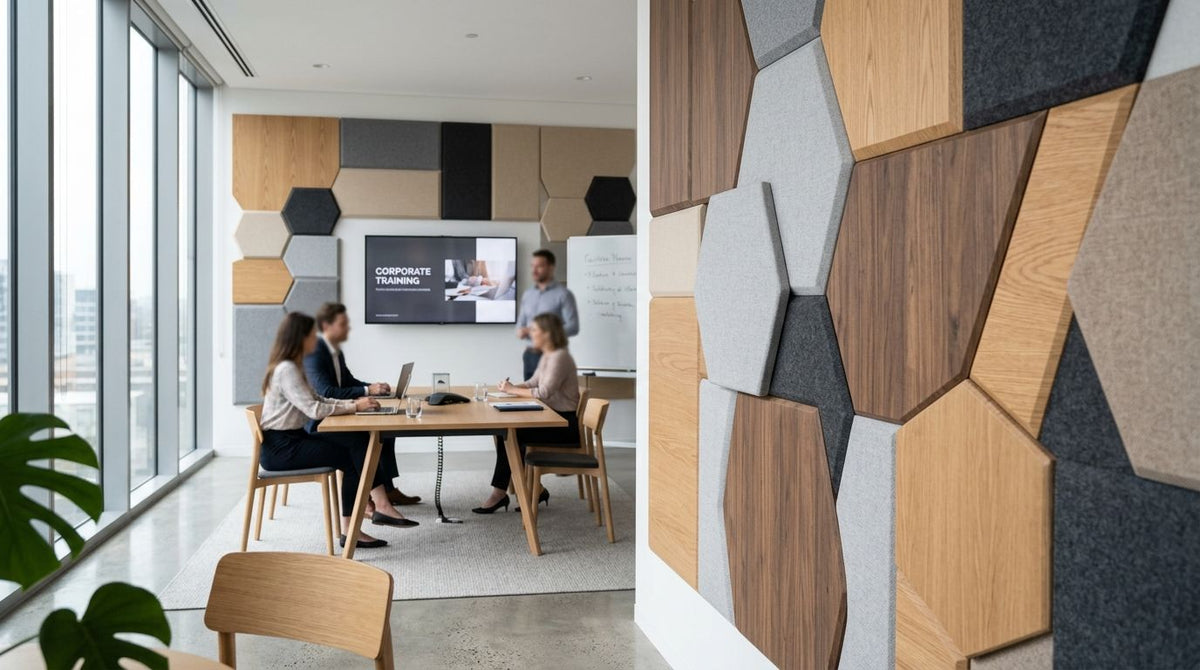
- Hexagon Acoustic Panel in Walnut with Grey Felt suits seminar rooms with 40+ delegates and hard flooring.
- Grey Oak Wooden Wall Panel is built for hybrid training rooms where the camera view matters as much as the room.
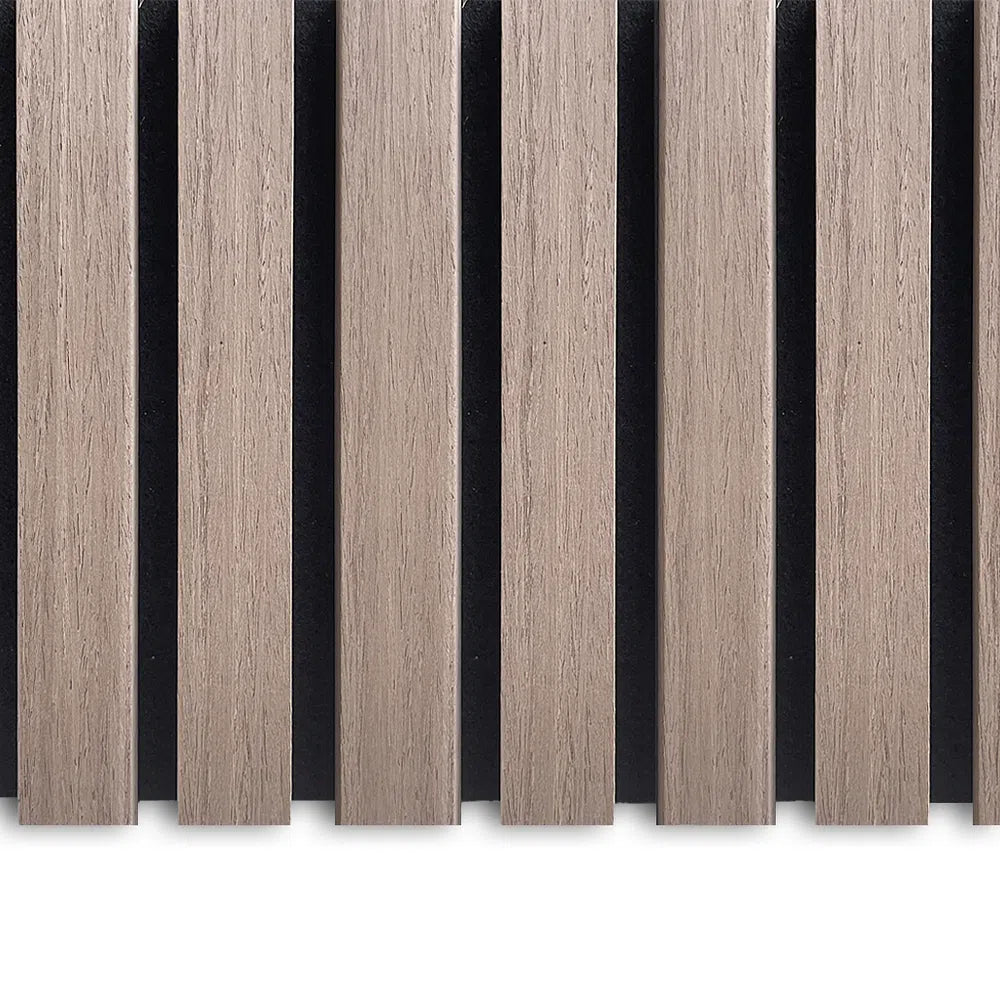
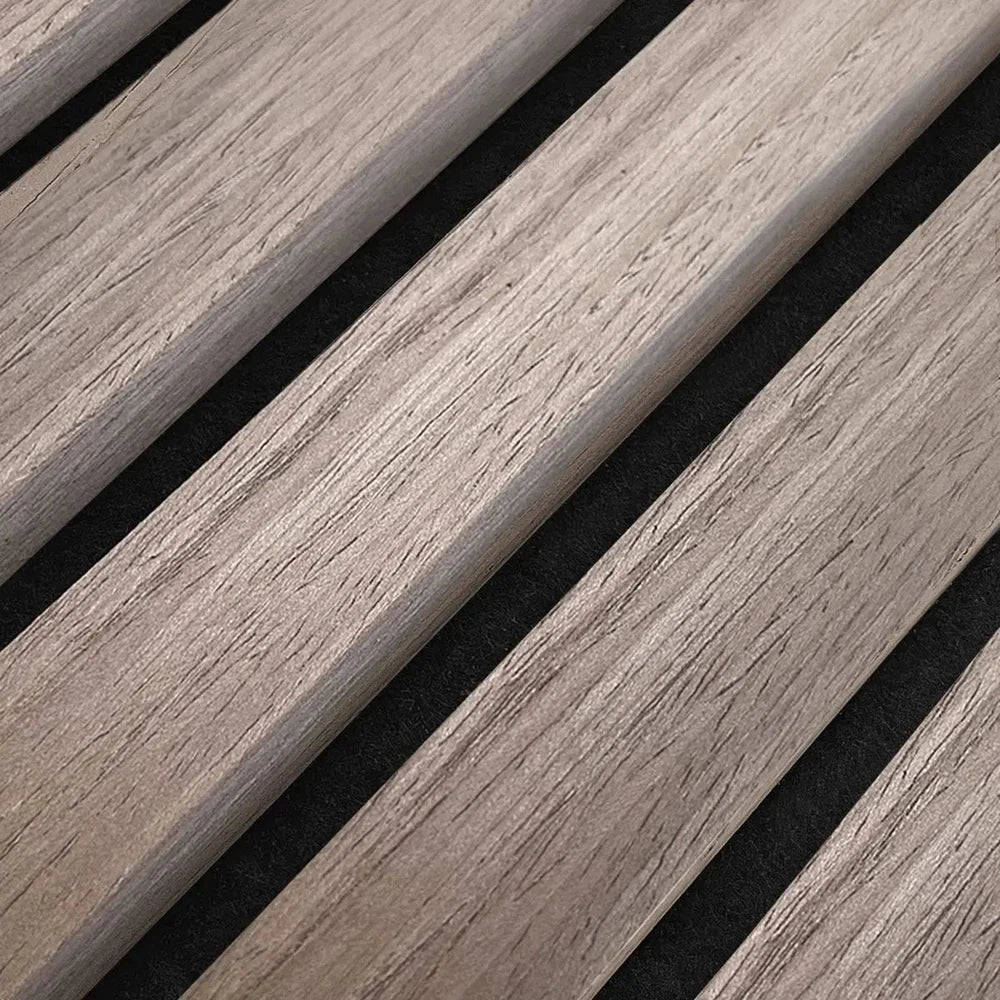
- Every AKU Woodpanel indoor range uses the same 3-sided veneer and felt backing, so acoustic performance doesn't change finish to finish.
Why this matters
Training rooms fail acoustically for a specific reason: hard walls, hard floors, and a projector or monitor bouncing sound straight back at the group. Delegates strain to hear the person three seats away, trainers repeat themselves, and hybrid attendees on the call hear an echo the room does too.
Standard fixes — carpet tiles, curtains, foam wedges — either clash with a corporate interior or don't do enough in a room built for 20-plus people. Acoustic wall panels with a felt backing absorb mid-to-high frequency chatter without changing the room's professional look, which is why they show up on office refurbishment and serviced-office fit-out specifications through 2026.
The panel that fits changes with the room. A 12-seat boardroom used for leadership training has different acoustic and visual needs than a 60-seat seminar hall with a hard floor. The ranking below treats them as separate decisions, not one leaderboard.
“If delegates need to lean in to hear the trainer three seats away, the room needs acoustic treatment, not a louder microphone.”
What makes the best acoustic wall panels for training rooms
- Felt-backed acoustic core that dampens mid-to-high frequency chatter and reduces mic feedback
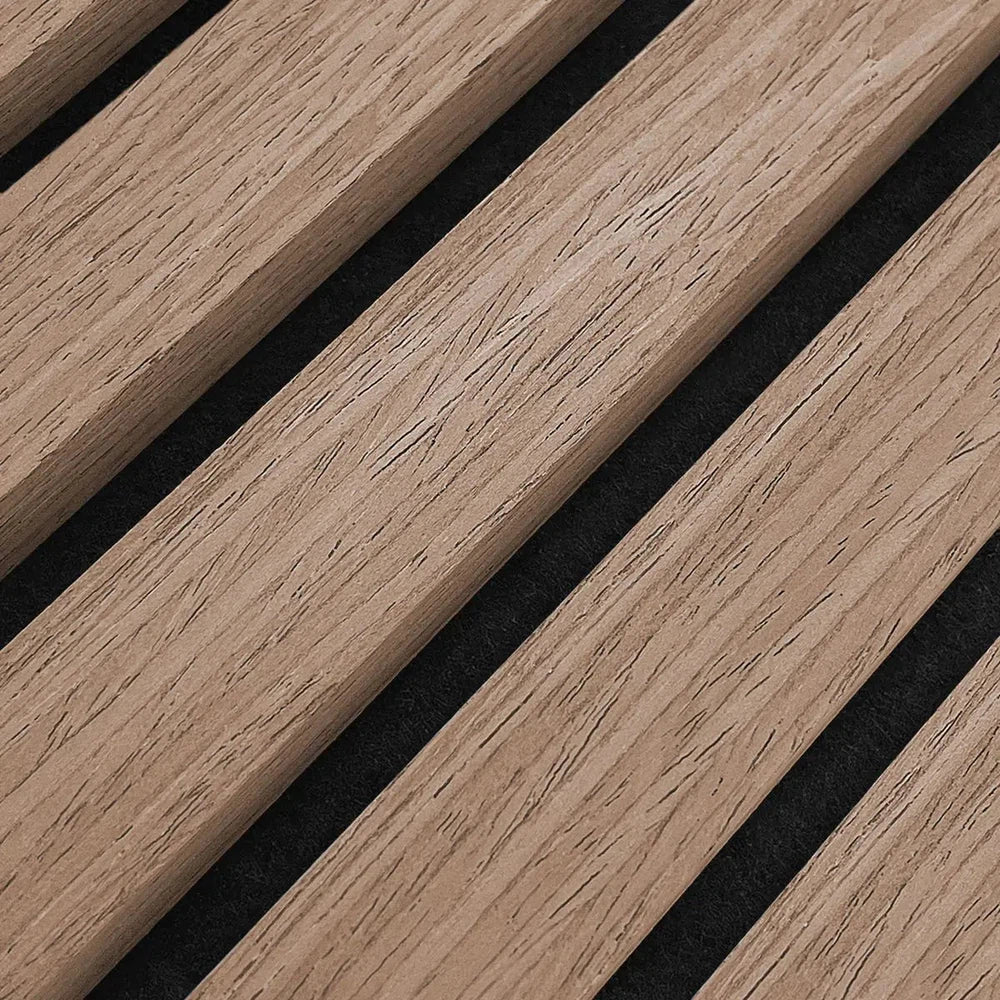
- Real 3-sided wood veneer that holds up to daily wall traffic near seating and AV trolleys
- Two panel sizes (240cm and 300cm) that match standard training room ceiling heights without excess on-site cutting
- Finish consistency across long runs, so a 15-20 metre training suite wall doesn't show batch-to-batch variation
- A fixing method suited to plasterboard and stud walls, common in serviced office buildings and rented training centres
- A finish that reads professional on camera, not distracting behind a trainer on a video call
Acoustic wall panels for training rooms at a glance
| Panel | Best for | Standout feature | Key limitation |
|---|---|---|---|
| Natural Oak Wooden Wall Panel | General corporate training rooms | Neutral veneer fits most brand palettes | Shows scuffs faster than darker finishes |
| Black Oak Wooden Wall Panel | Boardroom-style executive training | Dark tone reads formal in person and on camera | Needs stronger ambient lighting in windowless rooms |
| Hexagon Acoustic Panel in Walnut with Grey Felt | High-density seminar rooms | Hexagon geometry increases exposed surface for reverberation control | More cut edges to align during install |
| Grey Oak Wooden Wall Panel | Hybrid and video-conferencing training rooms | Neutral grey doesn't clash with branded overlays or webcam white balance | Shows dust and marks more visibly |
| Wooden Wall Panel Mocca | Multi-room training centre fit-outs | Warm tone works across formal and informal training spaces | Reads less neutral on camera than grey or natural oak |
1. Natural Oak Wooden Wall Panel: best acoustic wall panel for general corporate training rooms
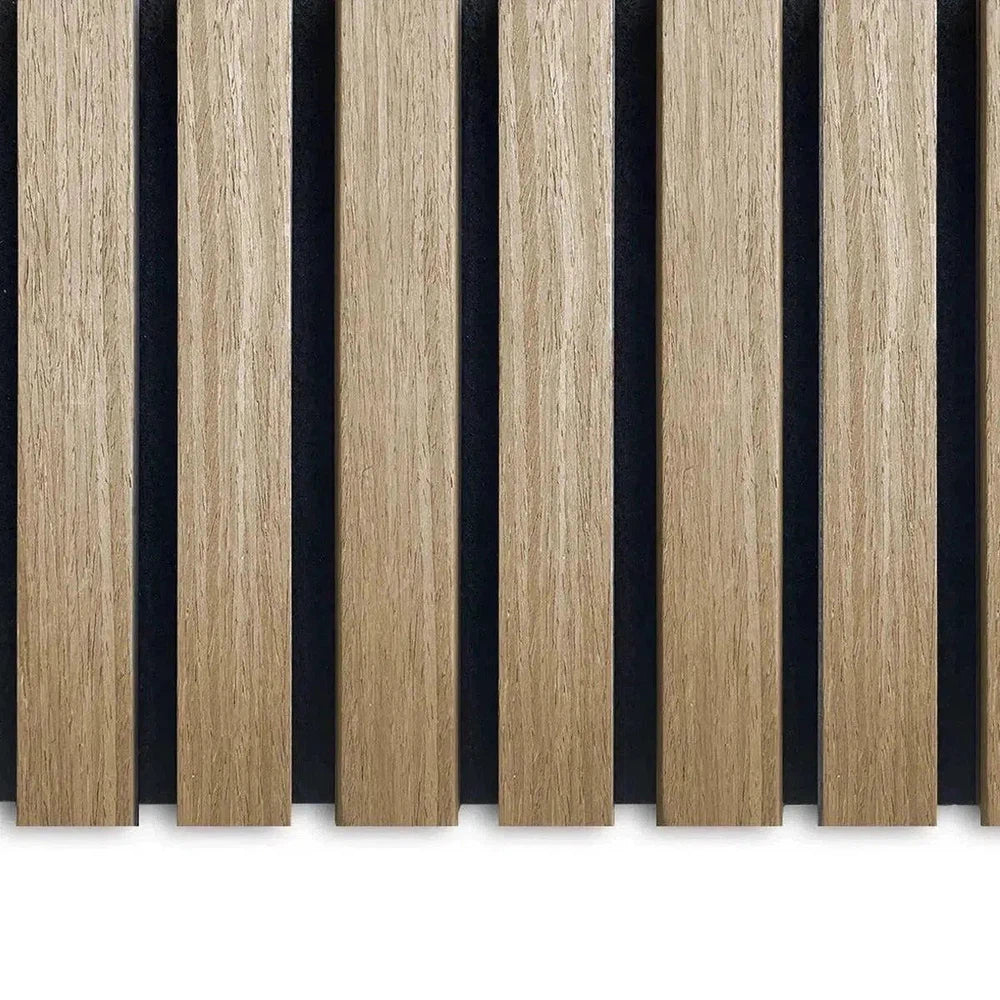
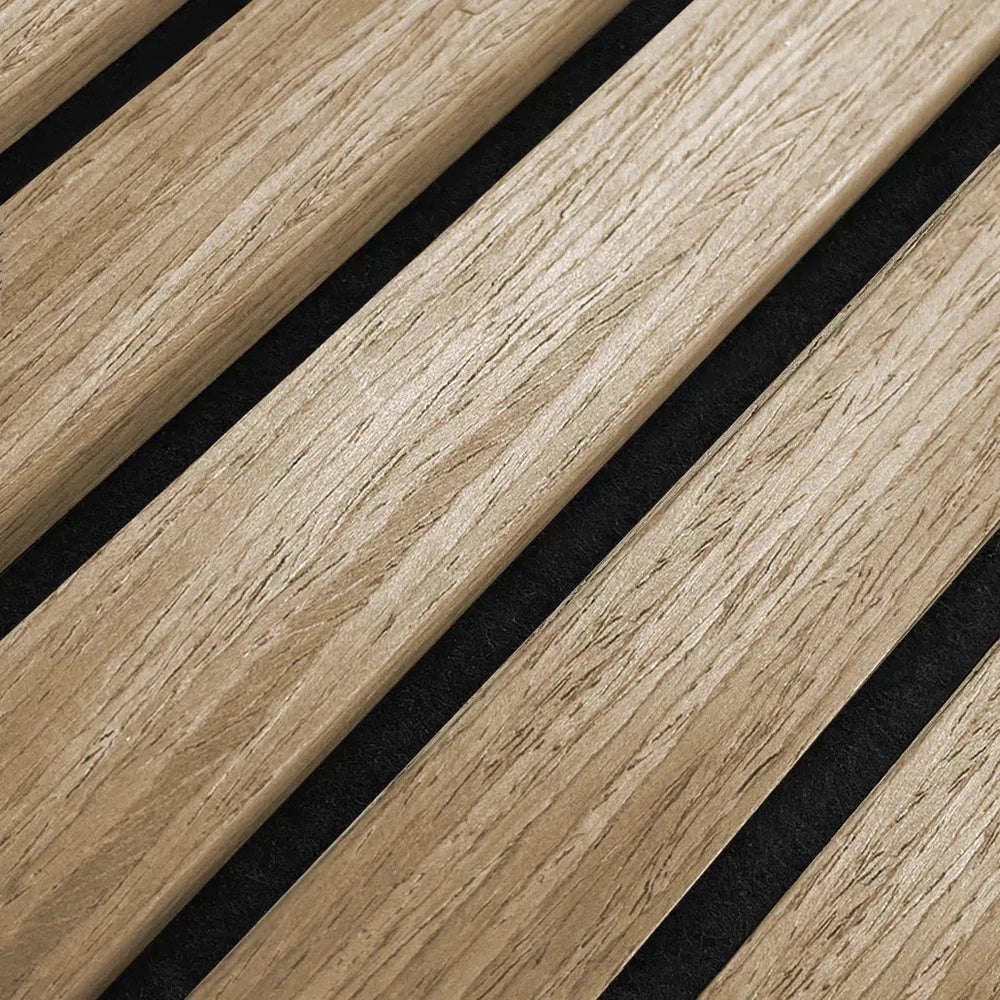
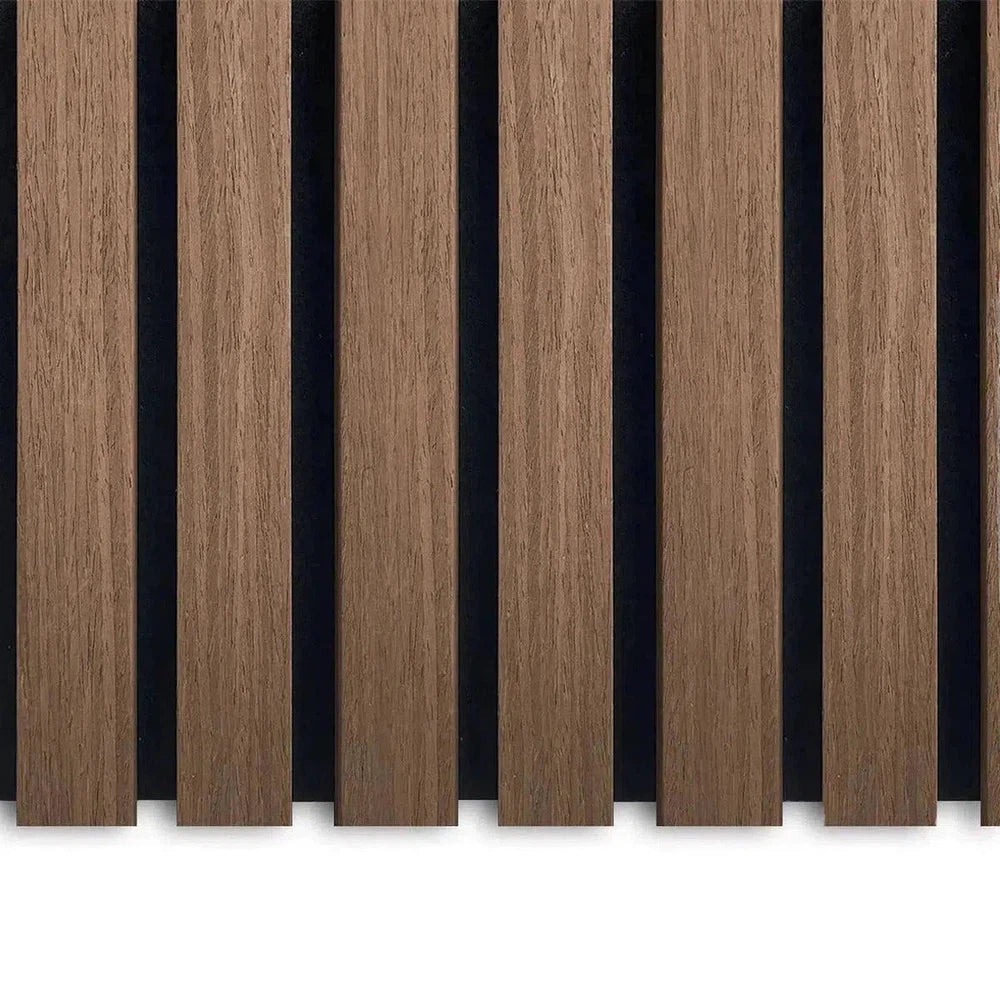
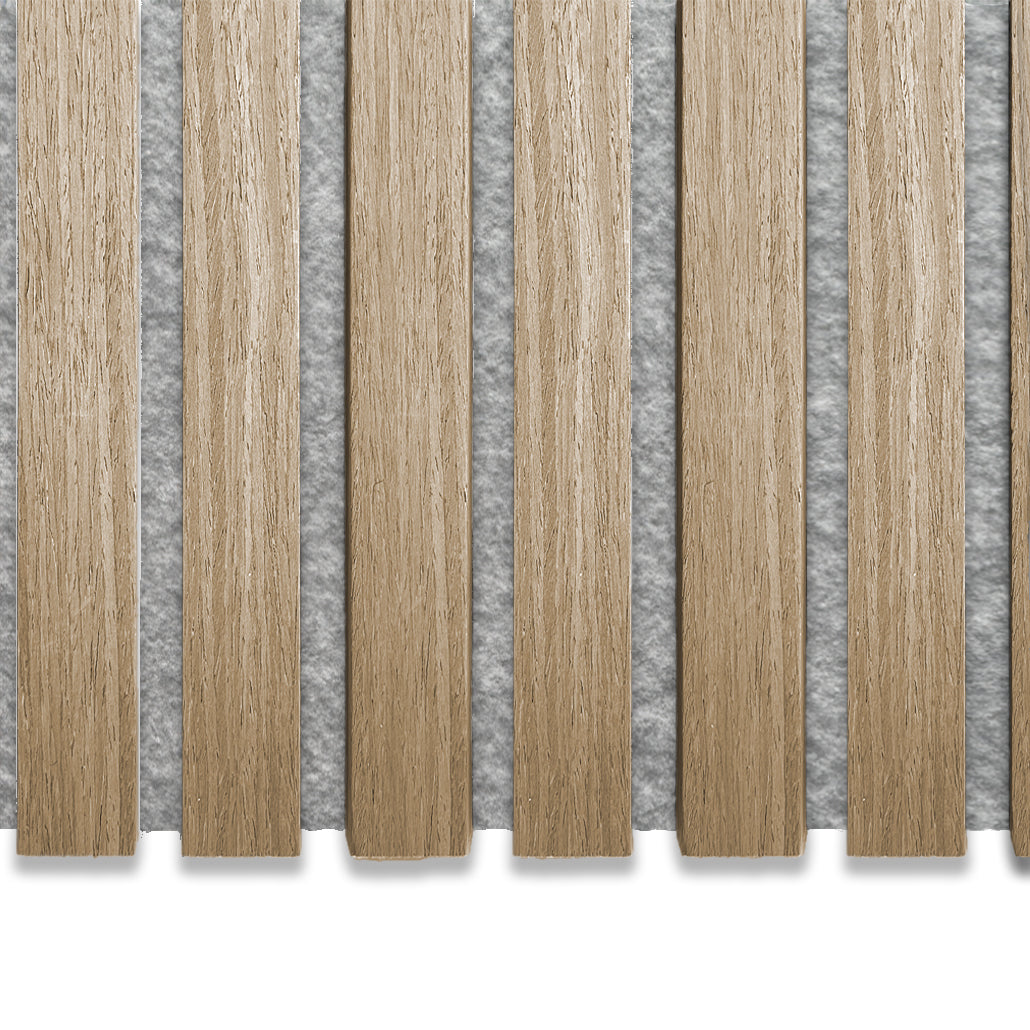
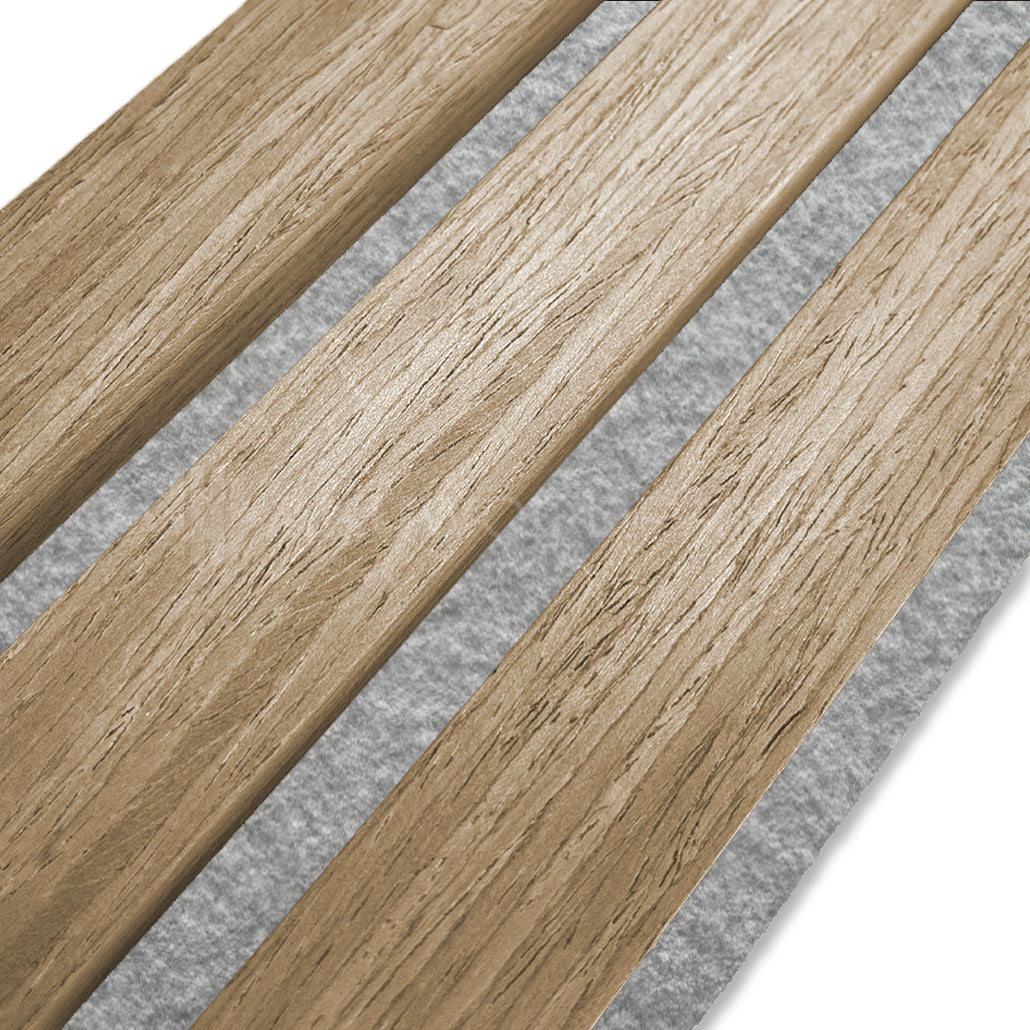
The Natural Oak Wooden Wall Panel is the default recommendation for most corporate training rooms in 2026 because it doesn't force a redesign around it. The 3-sided oak veneer sits neutral against most branded interiors, and the felt backing behind it does the acoustic work without adding visible bulk to the wall.
Natural Oak Wooden Wall Panel pros:
- Neutral tone pairs with most corporate branding without a repaint
- 3-sided wood veneer finish holds up to daily foot traffic near seating
- Available in 240cm and 300cm formats to fit standard training room wall heights
Natural Oak Wooden Wall Panel cons:
- Light finish shows scuffs and fingerprints faster than darker tones
- Needs checking against existing carpet or ceiling acoustic treatment already in the room to avoid over-specifying
Best for: rooms hosting 10-40 delegates where the wall also serves as a photo or branding backdrop. Verdict: Buy.
2. Black Oak Wooden Wall Panel: best acoustic wall panel for boardroom-style executive training
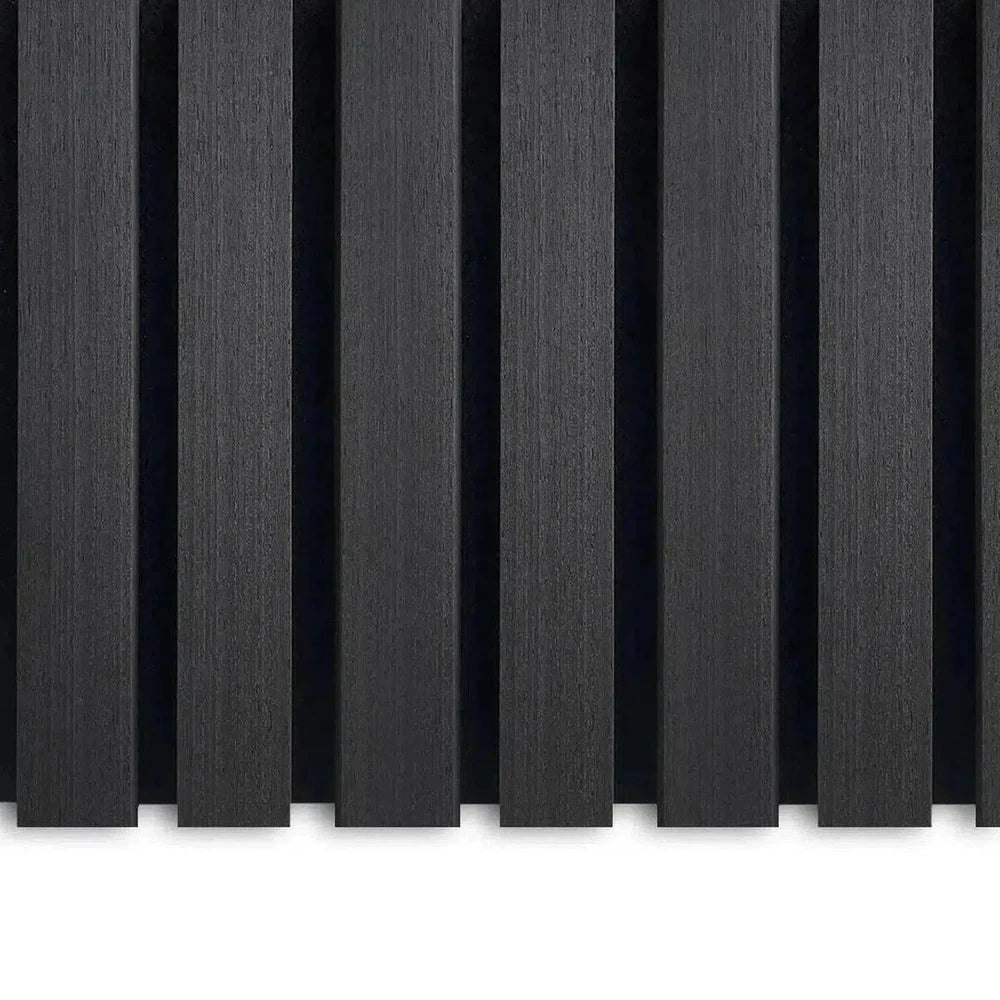
When the training room doubles as a boardroom, the Black Oak Wooden Wall Panel signals that without needing extra art or signage. It uses the same felt-backed construction as the lighter finishes, so acoustic performance doesn't drop for the darker look.
Black Oak Wooden Wall Panel pros:
- Dark tone signals a formal, executive register for leadership training
- Same acoustic felt backing as the lighter finishes in the range
- Reads well behind a trainer on branded video call backgrounds
Black Oak Wooden Wall Panel cons:
- Absorbs ambient light, so rooms without strong overhead lighting can feel closed-in
- Shows dust more than lighter finishes between office cleans
Best for: small executive training rooms and boardrooms doubling as training space. Verdict: Buy.
3. Hexagon Acoustic Panel in Walnut with Grey Felt: best acoustic wall panel for high-density seminar rooms
Flat slat panels work well up to a point, but a 60-seat seminar hall with a hard floor needs more exposed surface area breaking up reflected sound. The hexagon tile format does that by geometry alone, and the grey felt backing keeps the finish neutral against most seminar room colour schemes.
Hexagon Acoustic Panel in Walnut with Grey Felt pros:
- Hexagon geometry breaks up reflected sound across more angles than straight slat runs
- Grey felt backing pairs with most modern seminar room colour schemes
- Modular tiles let installers work around projectors, screens and door frames
Hexagon Acoustic Panel in Walnut with Grey Felt cons:
- More cut edges to align during install than a single rectangular panel run
- Can look busy in small rooms — better suited to larger seminar halls
Best for: seminar rooms seating 40 or more delegates with hard floors and bare walls. Verdict: Buy.
4. Grey Oak Wooden Wall Panel: best acoustic wall panel for hybrid and video-conferencing training rooms
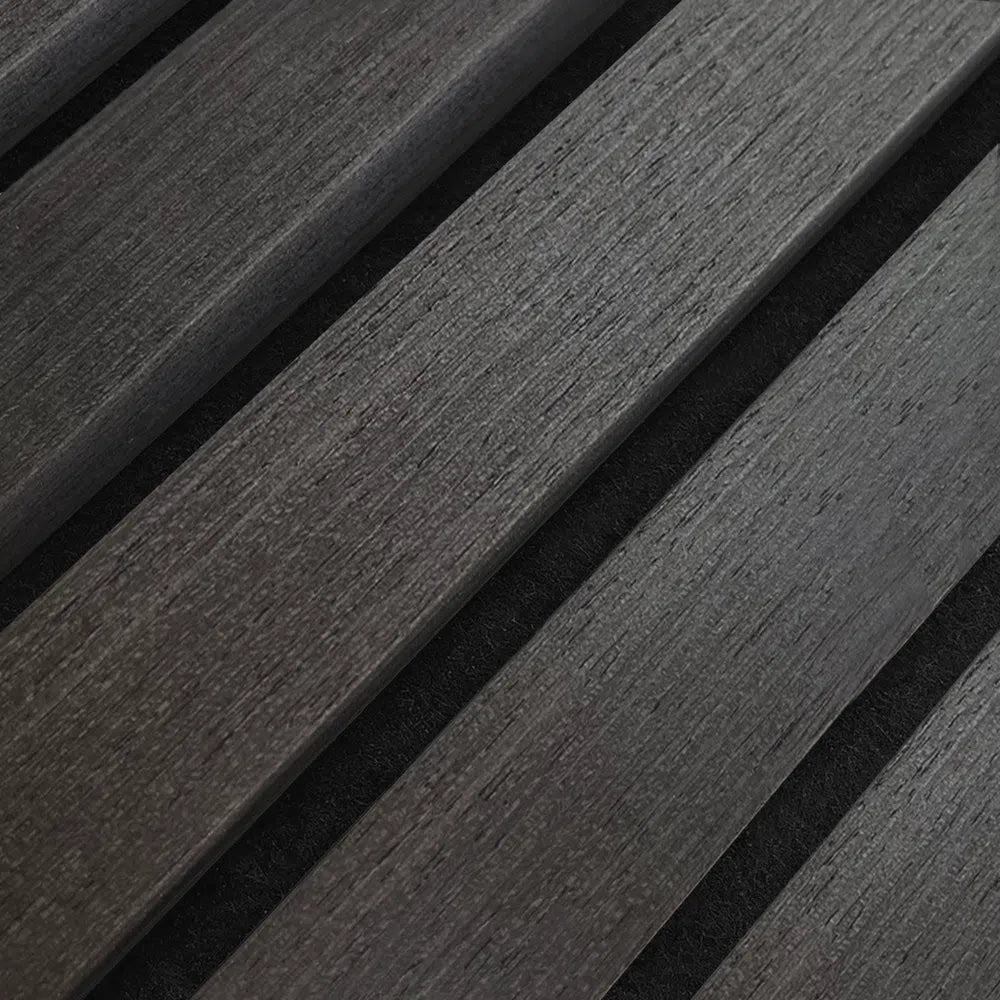
Hybrid training didn't disappear after 2023, and by 2026 most corporate training rooms need a wall that works for the camera as much as the room. Grey Oak Wooden Wall Panel does that: it doesn't clash with branded lower-thirds or screen shares, and it doesn't throw off webcam white balance the way very light or very dark finishes can.
Grey Oak Wooden Wall Panel pros:
- Neutral grey doesn't compete with branded overlays or screen shares on camera
- Same felt-backed construction as the rest of the AKU Woodpanel indoor range
- Sits well against both white and darker meeting room walls
Grey Oak Wooden Wall Panel cons:
- Shows dust and light marks more visibly than black oak or mocca
- Fewer warm tones for rooms wanting a softer, less corporate feel
Best for: hybrid and remote-facing training rooms where the camera view matters as much as the room. Verdict: Buy.
5. Wooden Wall Panel Mocca: best acoustic wall panel for multi-room training centre fit-outs
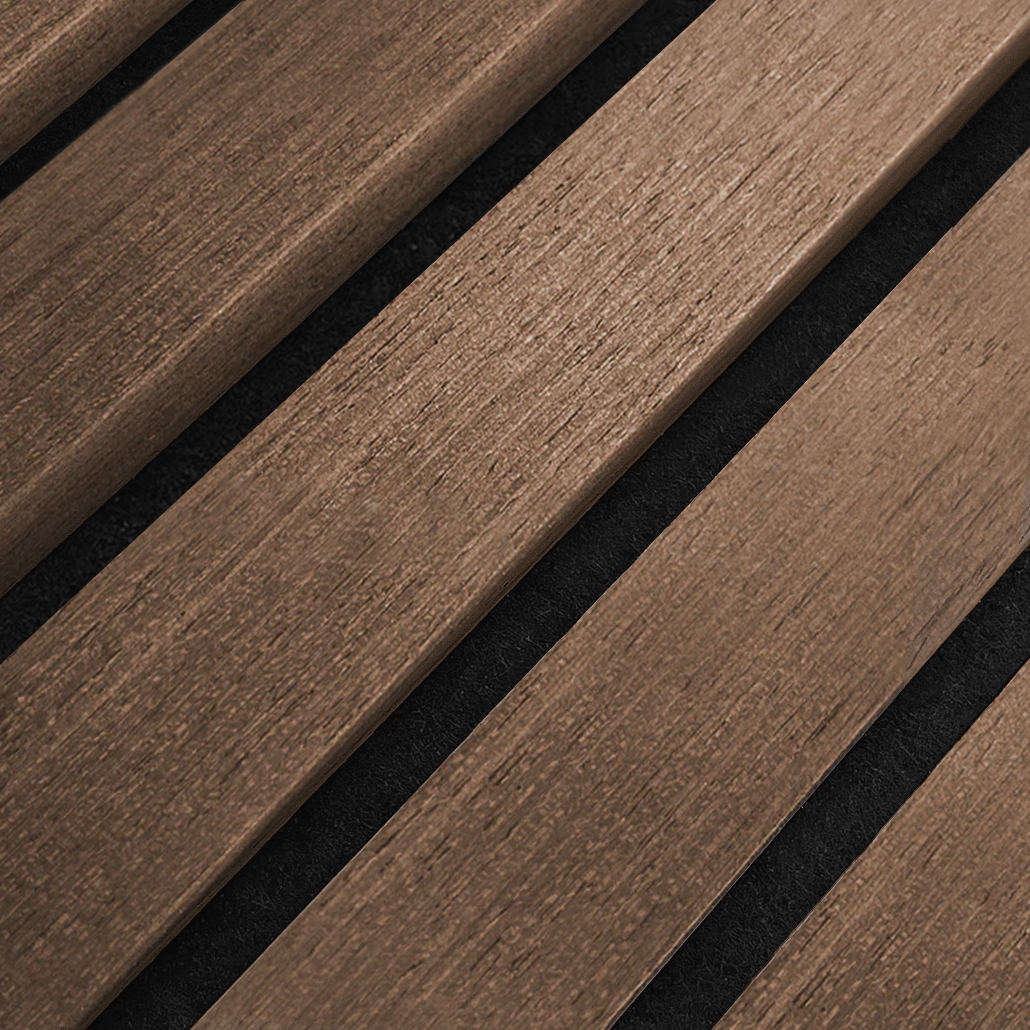
A training centre with a main hall and two or three breakout rooms needs one finish that works everywhere, not a different pick per room. Wooden Wall Panel Mocca's warm tone sits comfortably in both a formal main hall and a softer breakout space used for coaching or one-to-ones.
Wooden Wall Panel Mocca pros:
- Warm mocca tone works in both formal training halls and informal breakout spaces
- Same 3-sided veneer and felt backing as the rest of the range, so acoustic performance doesn't change finish to finish
- Simplifies specification across a training centre with several room types
Wooden Wall Panel Mocca cons:
- Reads less neutral on camera than grey oak or natural oak
- Fewer contrast options if the brand palette is heavily blue or grey
Best for: training centres fitting out several rooms that need one consistent finish. Verdict: Buy for multi-room specification; order a sample first if one room needs an exact colour match.
How we ranked these acoustic wall panels
Each panel above is weighed against the criteria listed earlier: felt-backed acoustic performance, veneer durability under daily traffic, fit against the 240cm and 300cm size formats, finish consistency across long wall runs, plasterboard-friendly fixing, and how the finish reads on camera. No panel wins on all six — that's why the list reads as a decision tree by use case, not a single leaderboard.
Which acoustic wall panel should you choose for a training room?
For most corporate training rooms in 2026, the Natural Oak Wooden Wall Panel is the safe default — neutral, felt-backed, and sized to fit standard wall heights without heavy cutting. Choose the Black Oak Wooden Wall Panel if the room needs to read as executive space first and training room second. Choose the Hexagon Acoustic Panel in Walnut with Grey Felt for large seminar halls with hard floors, and the Grey Oak Wooden Wall Panel if the room spends more time on camera than in person. Fitting out a whole training centre at once points toward Wooden Wall Panel Mocca for consistency across rooms.
FAQ
What is the best acoustic wall panel for a corporate training room in 2026?
The Natural Oak Wooden Wall Panel is the best all-round choice for corporate training rooms in 2026, thanks to its neutral 3-sided oak veneer and felt-backed acoustic core. Boardroom-style rooms suit Black Oak, and large seminar halls suit the hexagon acoustic panel range.
Do wooden slat wall panels actually reduce echo in training rooms?
Yes — the felt backing behind the wood veneer absorbs mid-to-high frequency sound that would otherwise bounce off a bare wall. Rooms with hard floors and no soft furnishings see the biggest improvement.
Is the hexagon acoustic panel better than flat slat panels for large rooms?
For high-density seminar rooms, hexagon panels expose more surface area to break up reflected sound than a flat slat run of the same wall length. Smaller rooms don't need the extra surface and often suit flat panels better visually.
What panel size fits a standard training room wall height?
AKU Woodpanel's indoor range comes in 240cm and 300cm formats, which cover most standard UK training room ceiling heights without needing to cut a panel down. Measure the wall before ordering to confirm which size avoids waste.
Can acoustic wall panels go on plasterboard walls in a serviced office?
Yes, the panels are designed to fix to plasterboard and stud walls, which is the most common wall type in serviced offices and rented training centres. Confirm the fixing approach for your specific wall build-up before ordering.
Do darker panels like black oak affect video call lighting?
Dark finishes like Black Oak absorb more ambient light than lighter oak or grey tones, so rooms without strong overhead lighting can look dim on camera. Grey Oak or Natural Oak are safer choices for camera-heavy training rooms.
How many training rooms can one panel finish cover consistently?
A single finish like Wooden Wall Panel Mocca can be specified across an entire training centre because every panel in the AKU Woodpanel indoor range shares the same 3-sided veneer and felt backing. This keeps the acoustic performance and look consistent room to room.
Should I order a sample before specifying panels for a whole training centre?
Ordering a sample first is the safer route when matching an existing brand colour or lighting condition across multiple rooms. It avoids a full re-order if the finish looks different once it's on the wall under the room's actual lighting.
One last thing
The detail most training-room fit-outs miss: panel size choice affects install speed as much as look. A wall close to 240cm in height uses the smaller format with almost no cutting, while taller training suites built for tiered seating usually call for the 300cm format — checking this against the actual wall height before ordering avoids the most common reason a fit-out runs over schedule in 2026.