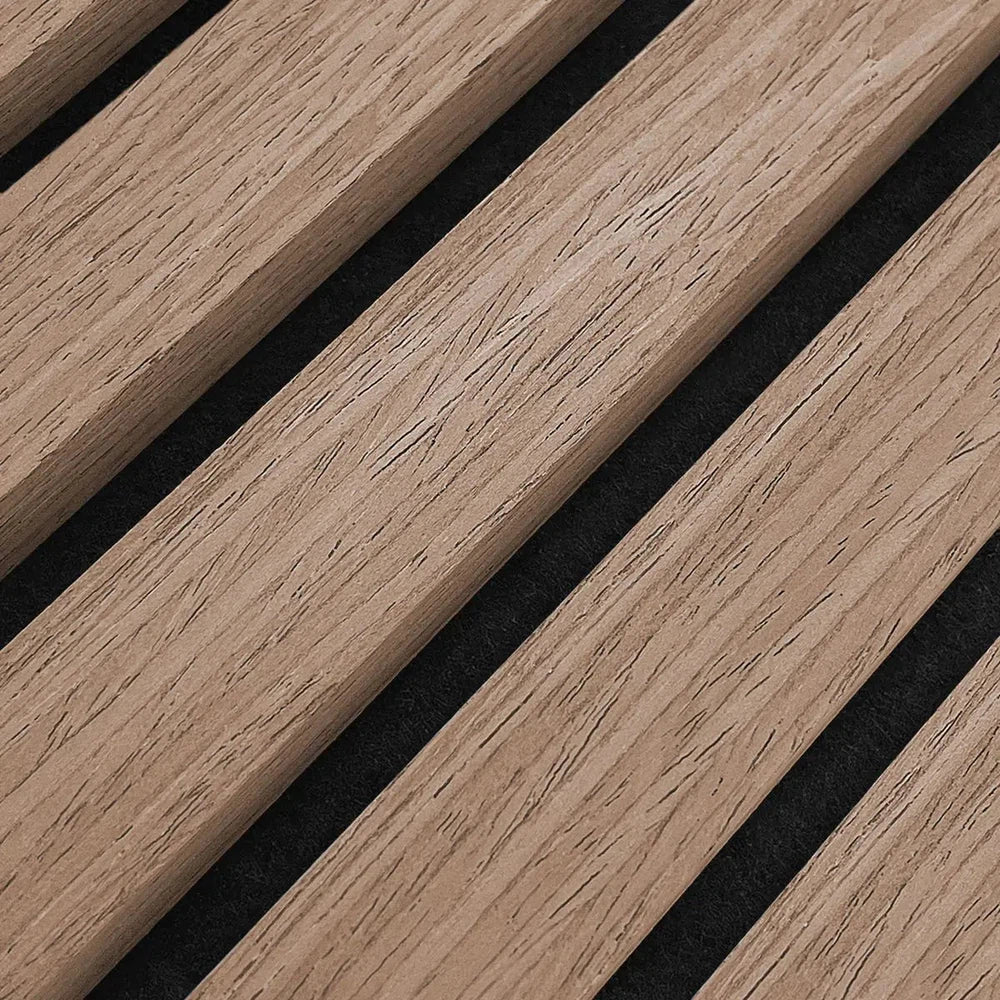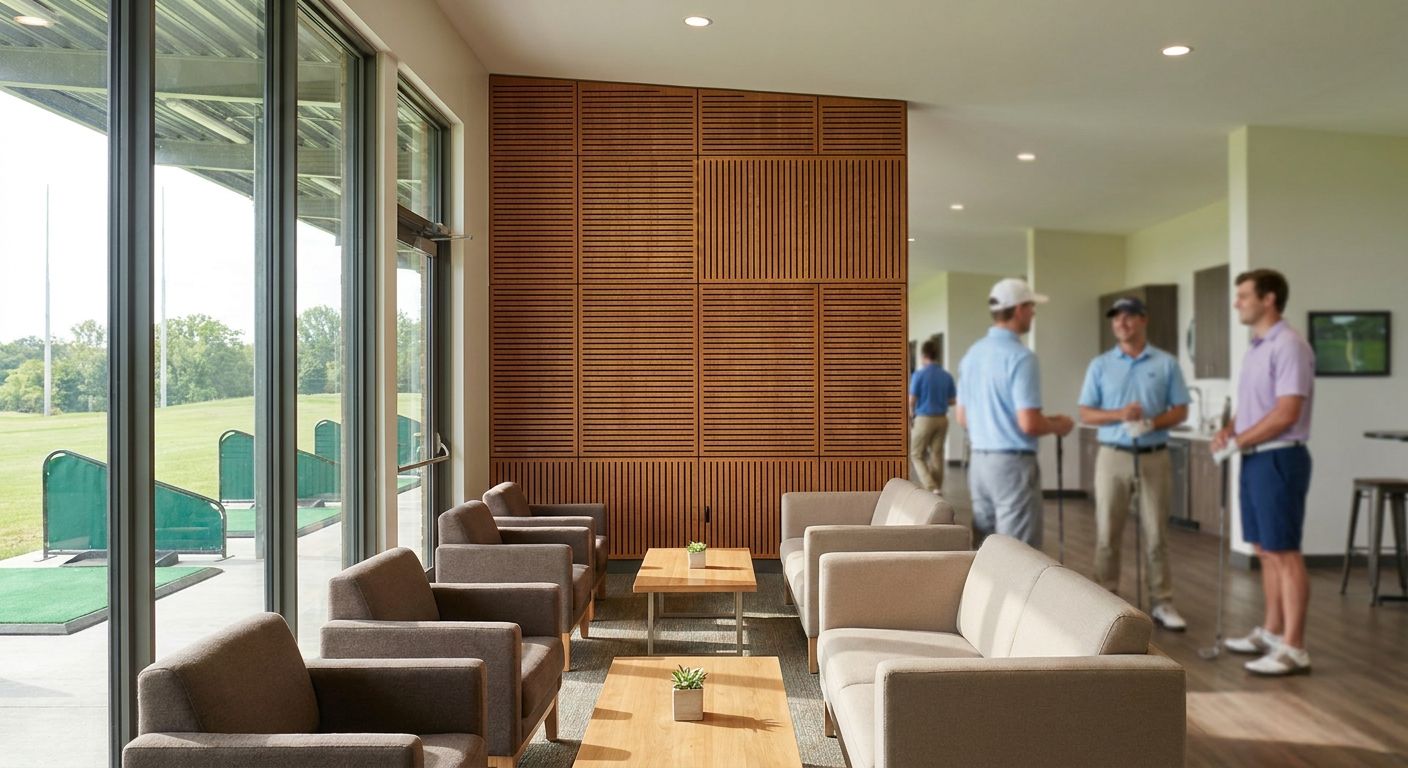
Golf driving range clubhouses run on hard surfaces — concrete bay floors, glass frontages, steel roof trusses — and every one of those surfaces bounces sound straight back at your members. Acoustic wood panels cut that reverberation in the bar, lounge and reception areas while giving the space a finish that matches the rest of a modern driving range fit-out.
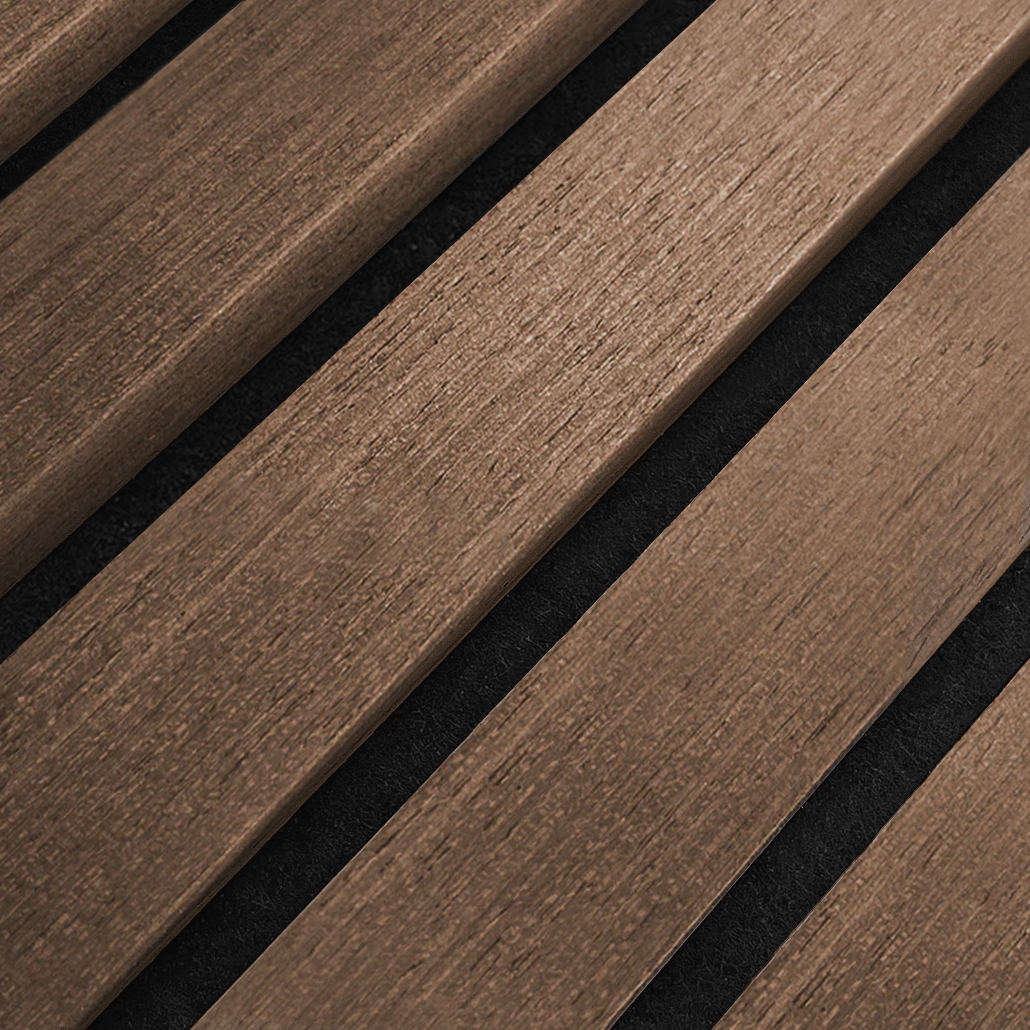
- Rustic Oak Premium 3-sided wood veneer wins for clubhouse lounges and bars in 2026 — buy it.
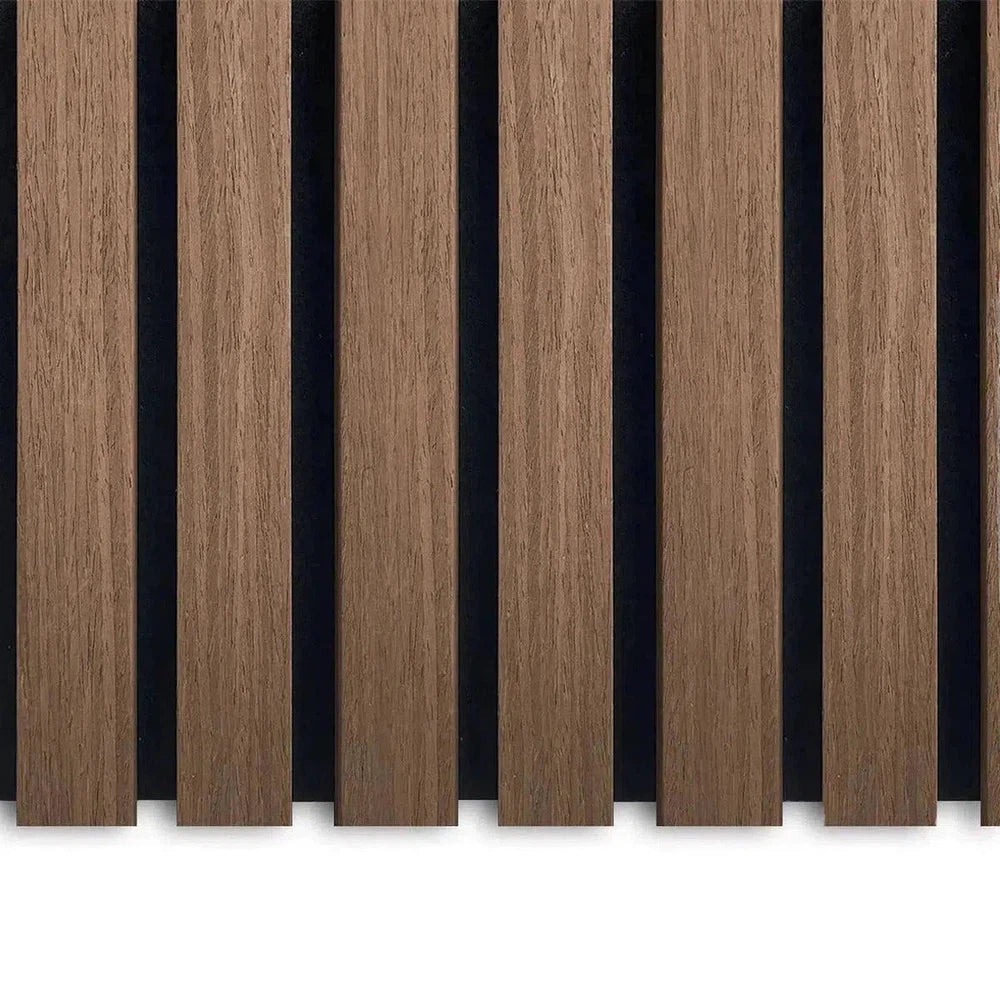
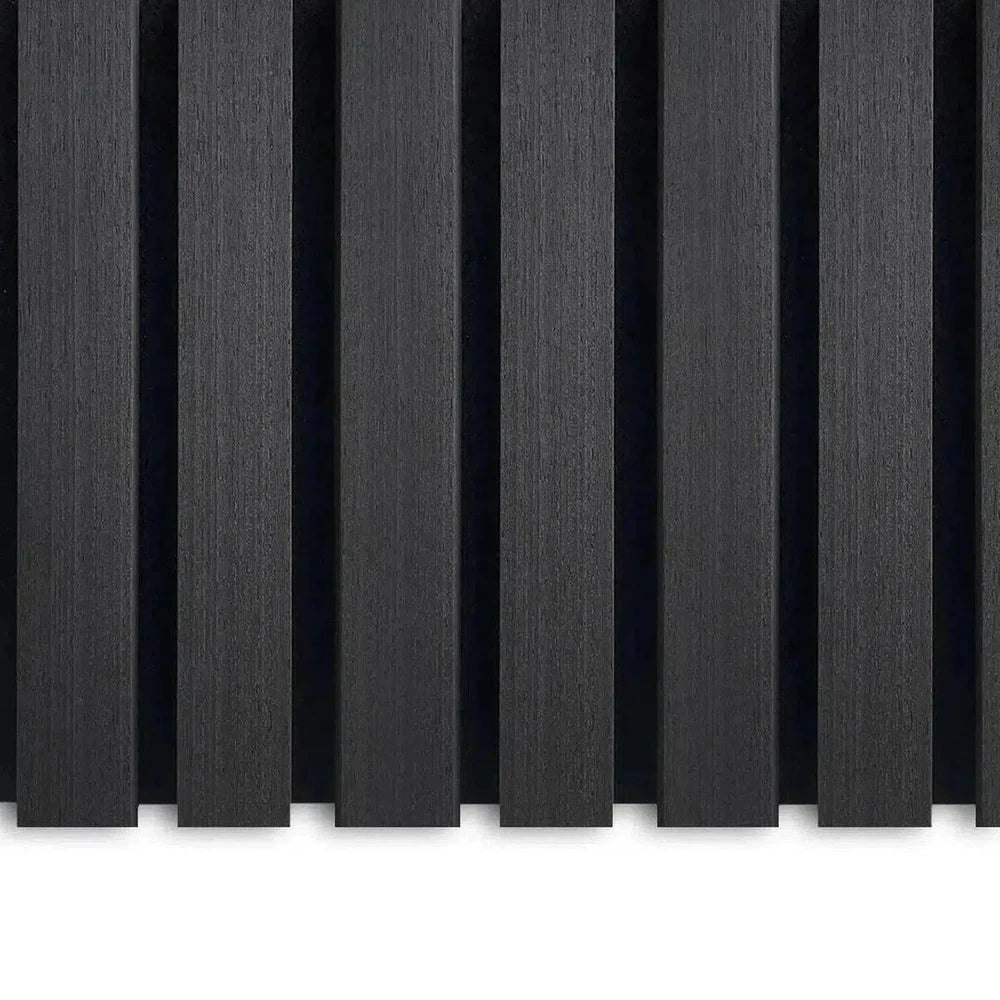
- Black Oak suits dark, simulator-bay styling where screens and low lighting dominate.
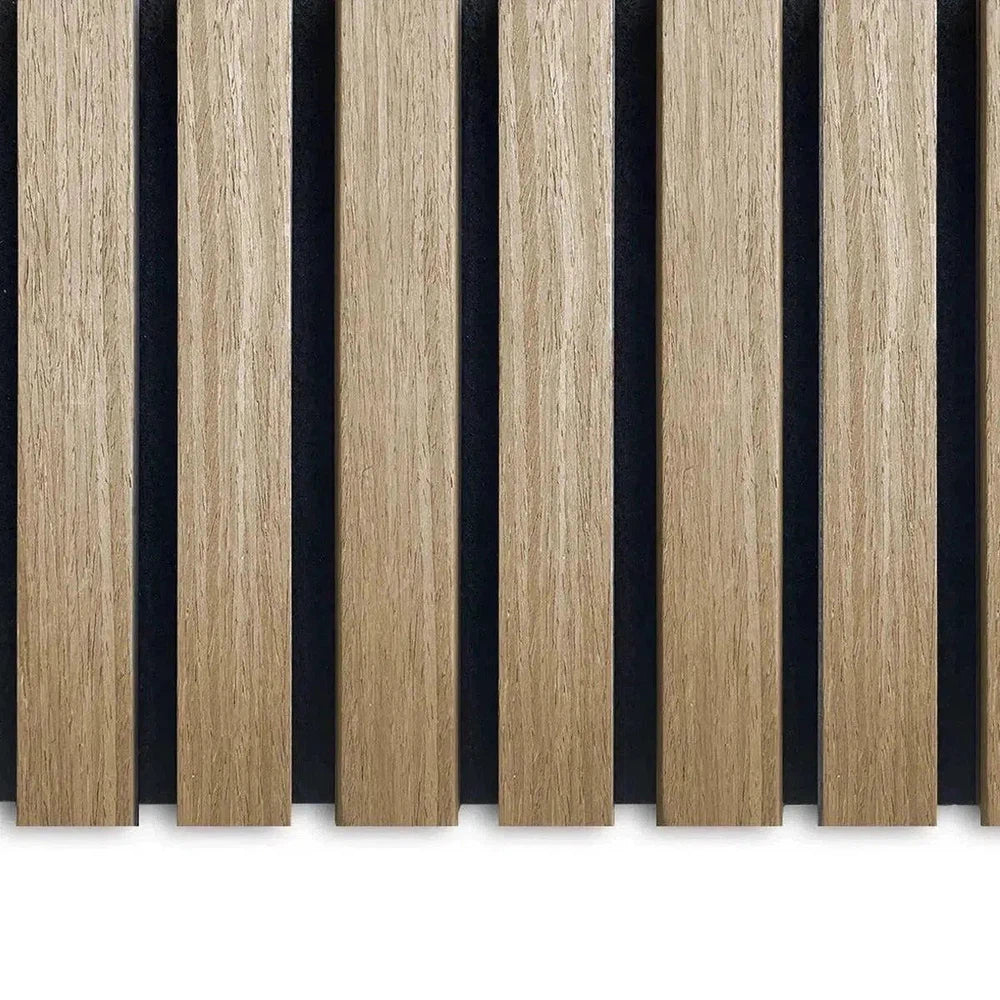
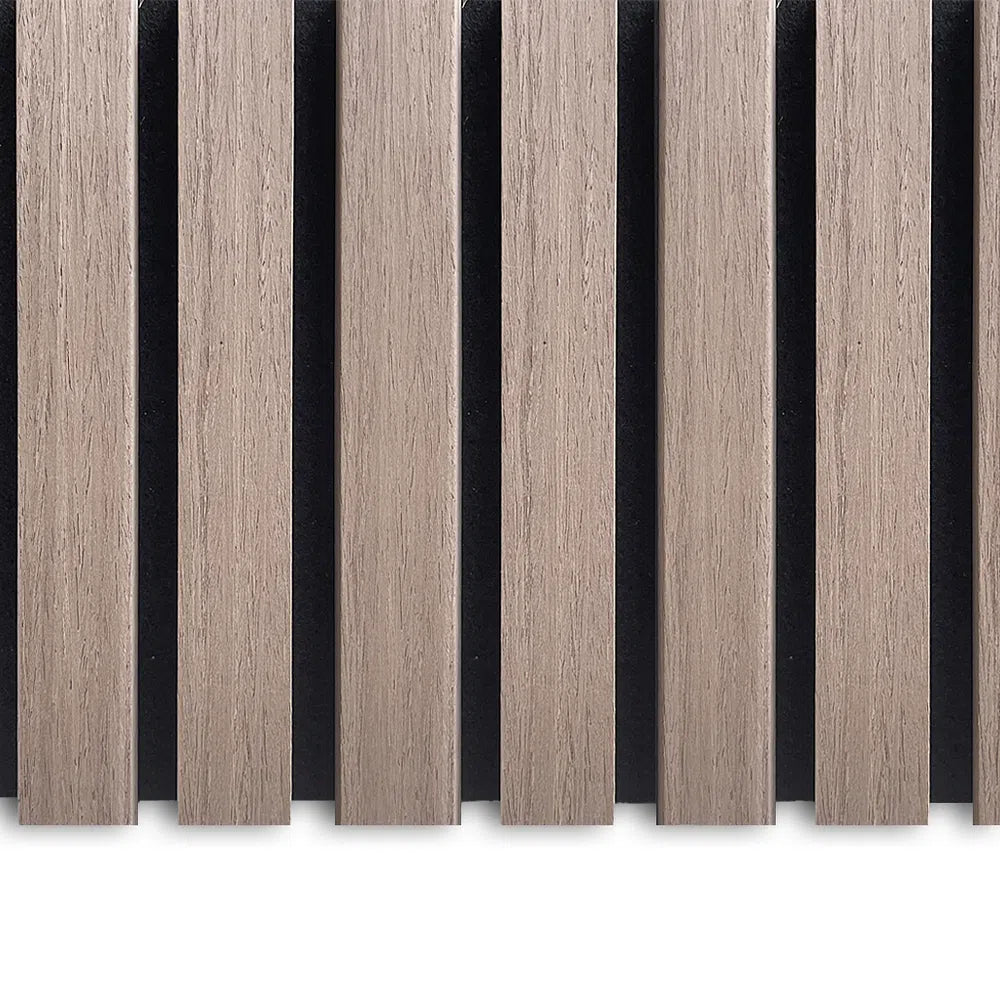
- Natural Oak Grey Felt pairs a lighter finish with felt backing built for acoustic wood panels driving range clubhouse fit-outs.
- Skip printed foil slat panels with no felt backing — they look right but do nothing for echo.
- Panels come in 240cm and 300cm lengths, so measure clubhouse ceiling height before ordering.
Why this matters
A driving range clubhouse bar has TVs running golf coverage, a group at the bar, staff calling out orders, and a wall of glass looking onto the bays. None of that surface absorbs sound — it reflects it, and reflected sound stacks on top of itself until conversations turn into shouting matches. Members notice within their first visit whether a clubhouse feels calm or feels like a squash court with a bar in it.
The fix isn't more carpet or curtains — most clubhouse refurbishments in 2026 lean into a wood-finish, low-maintenance look that survives spilled pints and muddy golf shoes. Felt-backed acoustic wood panels solve the reverberation problem without softening the room into a lounge that looks out of place next to a driving range.
Who this is for
This guide is for facility managers, GMs and refurbishment contractors specifying wall finishes for driving range clubhouse bars, simulator lounges, reception desks and member lounges — anywhere a hard-surfaced space needs to quiet down without losing its commercial finish. If you're speccing panels for a members' bar with a 3.5-metre glass frontage and a TV wall, this is written for that exact brief.
What to look for in acoustic wood panels for a driving range clubhouse
Felt backing that actually absorbs
A slat profile alone doesn't fix echo — the acoustic felt sitting behind the slats is what absorbs the sound energy hitting the wall. Felt-backed slat panels are the standard construction used across the acoustic wood panel category, and it's the backing, not the visible wood face, doing the acoustic work. Confirm the panel you're buying has felt behind it, not a hollow plastic honeycomb.
Real wood veneer over printed foil
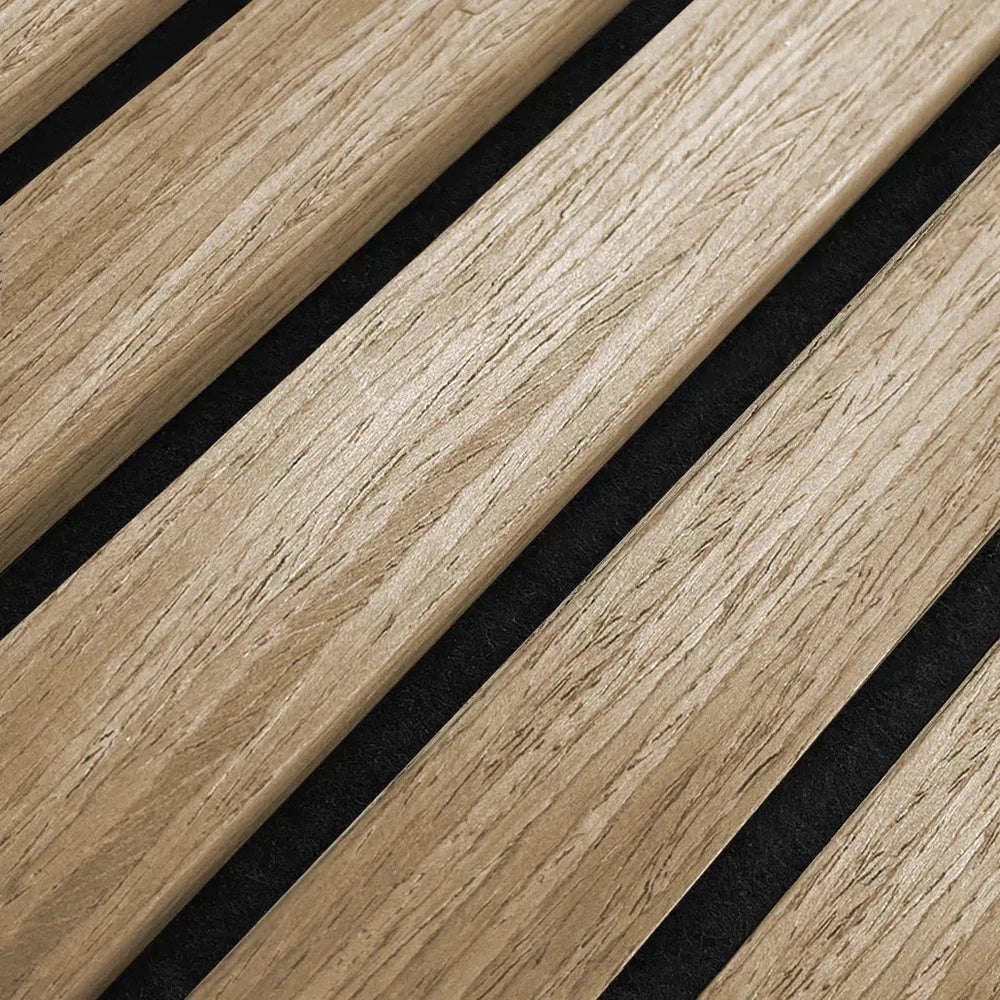
A 3-sided real wood veneer holds up under commercial lighting and close inspection at a bar counter in a way printed foil finishes don't — foil scratches and shows white edges within months of bar-height traffic. For a clubhouse bar where members lean, rest drinks and brush past constantly, veneer durability matters more than in a quiet home office.
Panel length matched to wall height
Clubhouse bars often run floor-to-ceiling feature walls behind the till or TV wall. Panels ship in 240cm and 300cm lengths — measure the wall height first, because a 300cm panel installed on a 2.4-metre ceiling wastes material and adds unnecessary cutting on site.
A finish that survives bar service
Spilled drinks, wiped-down surfaces and constant foot traffic near the counter mean the panel finish needs to tolerate regular cleaning without swelling or discolouring. This is more relevant behind a working bar than in a quiet lounge corner.
Fixing method suited to commercial walls
Most clubhouse refurbishments go over existing plasterboard or block walls rather than a fresh stud build, so confirm whether the panel fixes with glue, battens, or both — a contractor working to a tight refurbishment window needs a fixing method that doesn't add drying time before the bar reopens.
A tone that matches the rest of the build
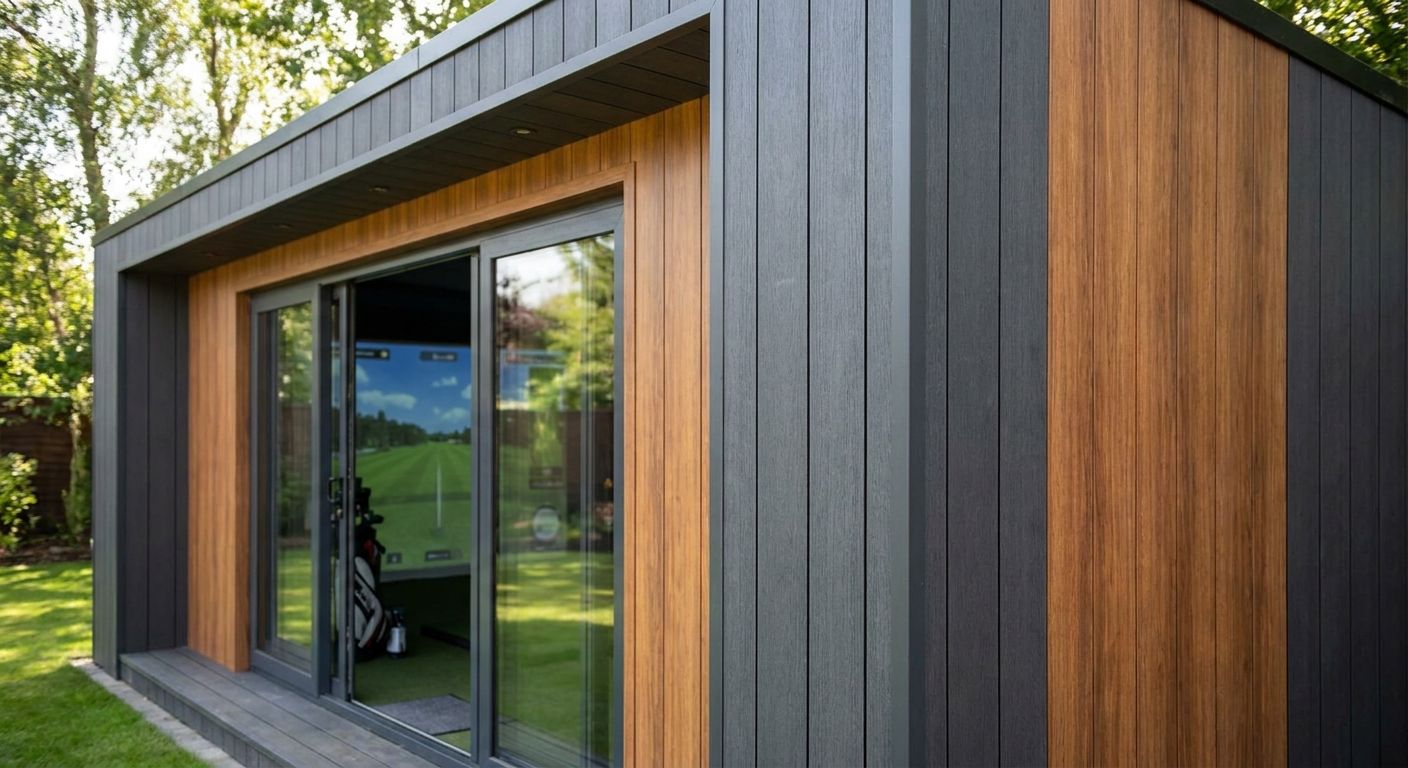
Golf clubhouses lean into natural materials — timber cladding outside, stone or render, oak-toned furniture inside. Matching the interior wood panel tone to the exterior cladding and furniture keeps the fit-out looking specified rather than bolted on.
Top picks for driving range clubhouses
Rustic Oak Premium 3-sided wood veneer — the safe pick. A 3-sided real wood veneer with acoustic felt backing, priced at £84.95 and available in both 240cm and 300cm lengths, it reads as a natural, slightly textured oak that fits almost any clubhouse colour scheme. It works equally well behind a bar, on a reception wall, or lining a simulator bay corridor. Verdict: Buy — see the Rustic Oak Premium 3-sided wood veneer panel.
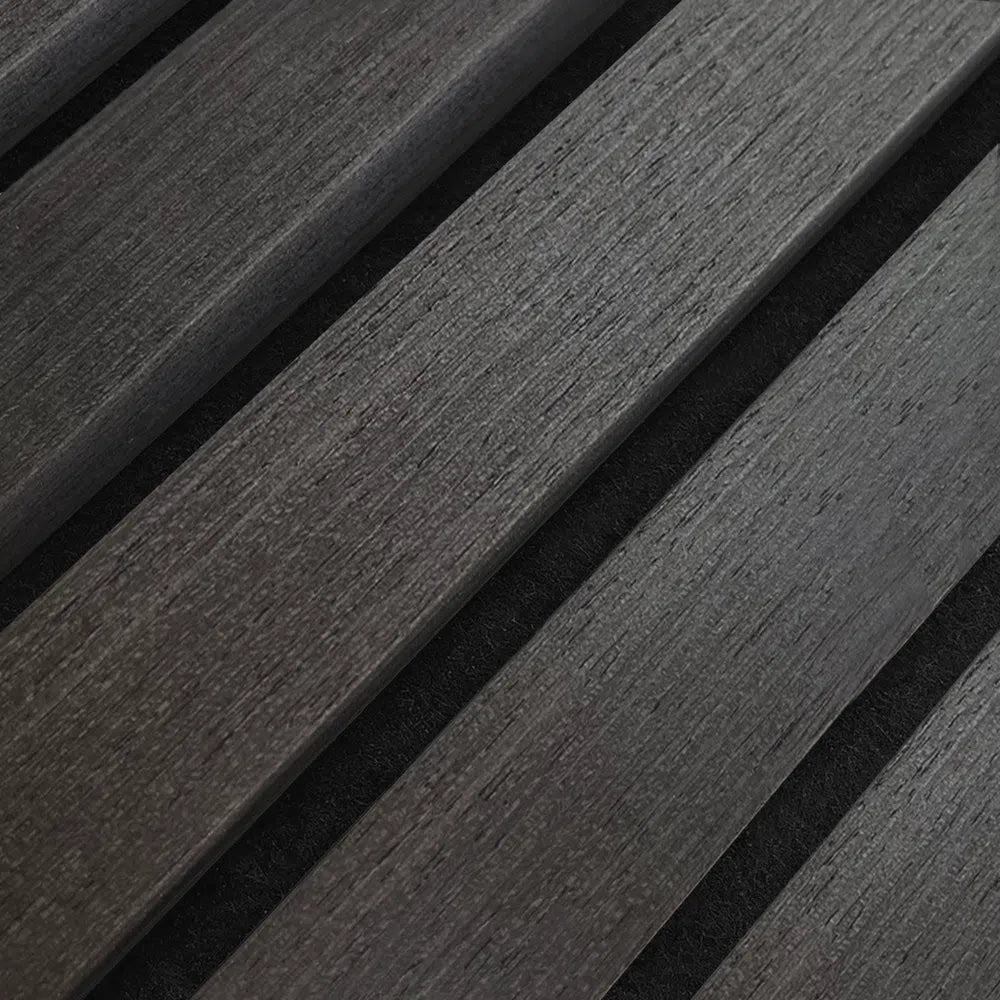
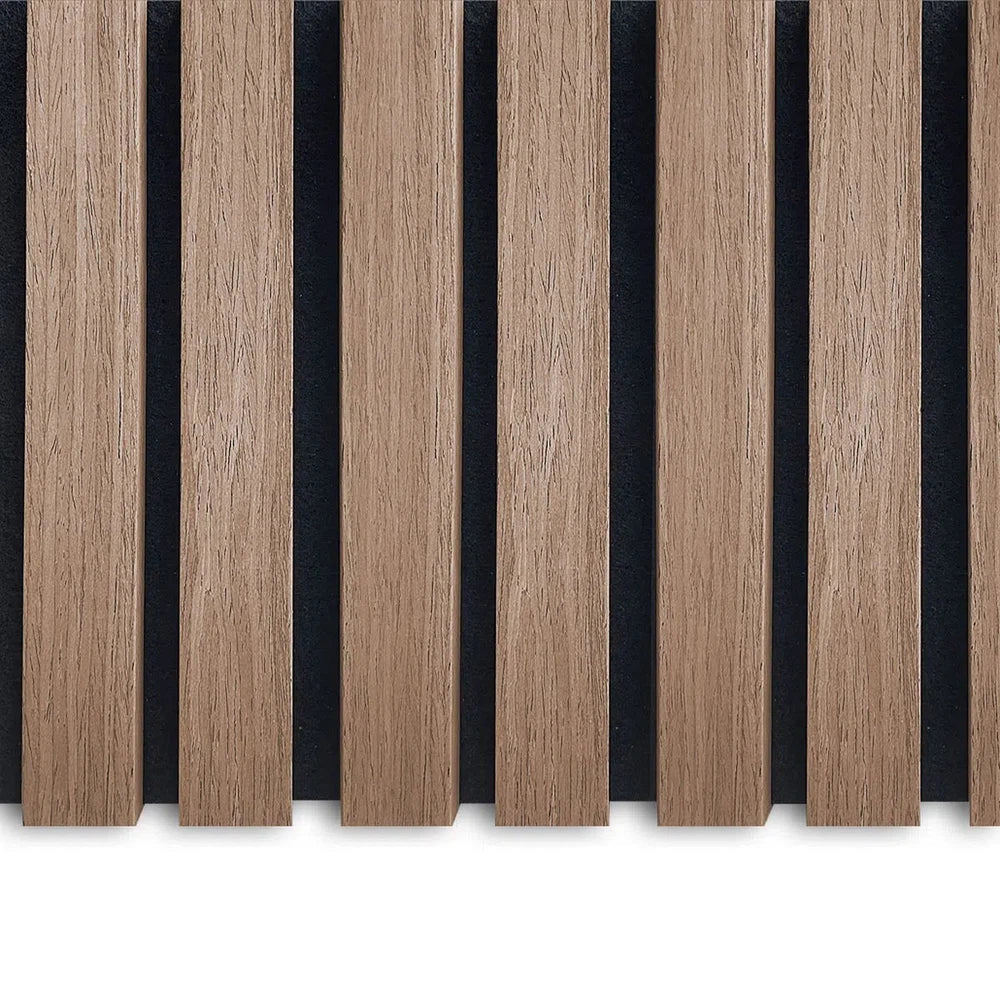
Black Oak — the simulator-bay pick. At £84.95, its dark tone hides scuffs and finger marks better than a light finish, which matters directly behind simulator screens and TV walls where members lean in close. It suits a moody sports-bar look but can read heavy in a bright, glass-fronted lounge. Verdict: Buy for dark-toned bars and simulator zones, Consider for daylight-heavy reception areas — see the Black Oak wall panel.
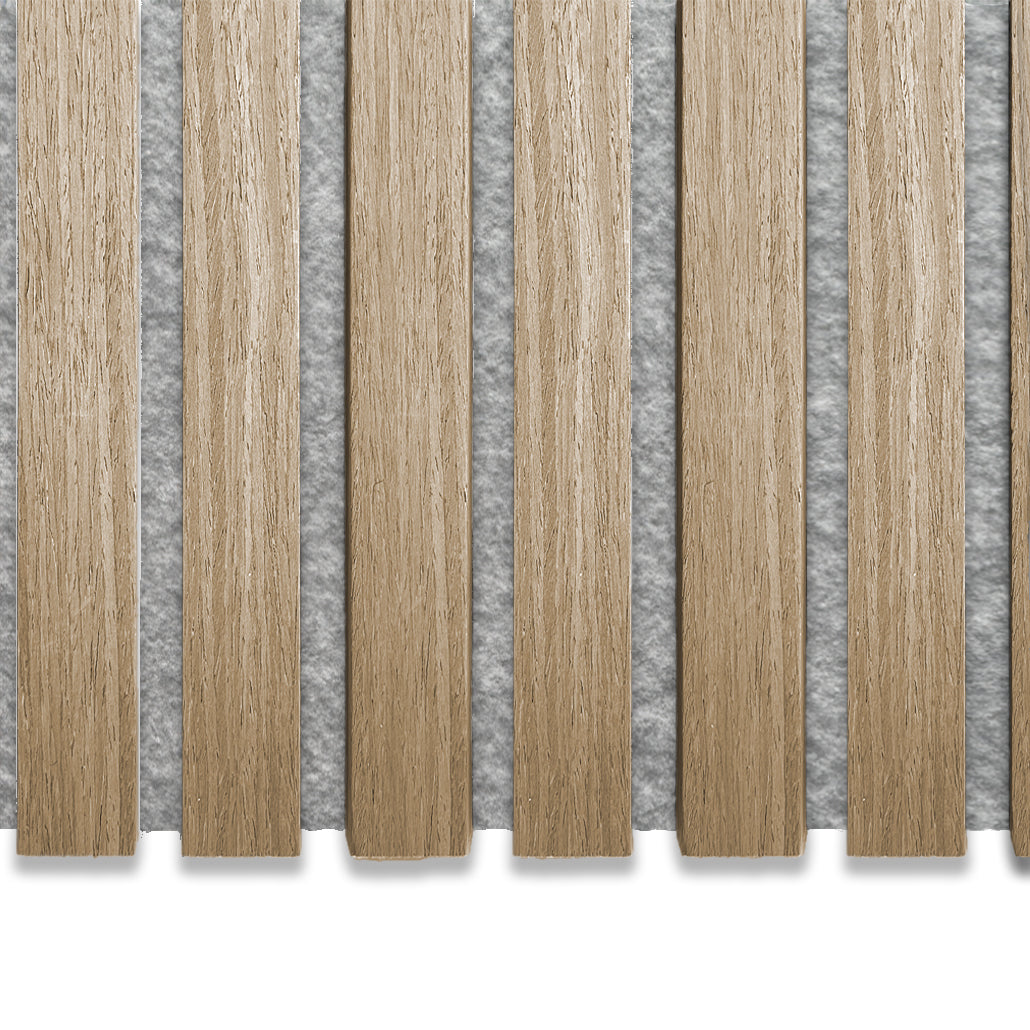
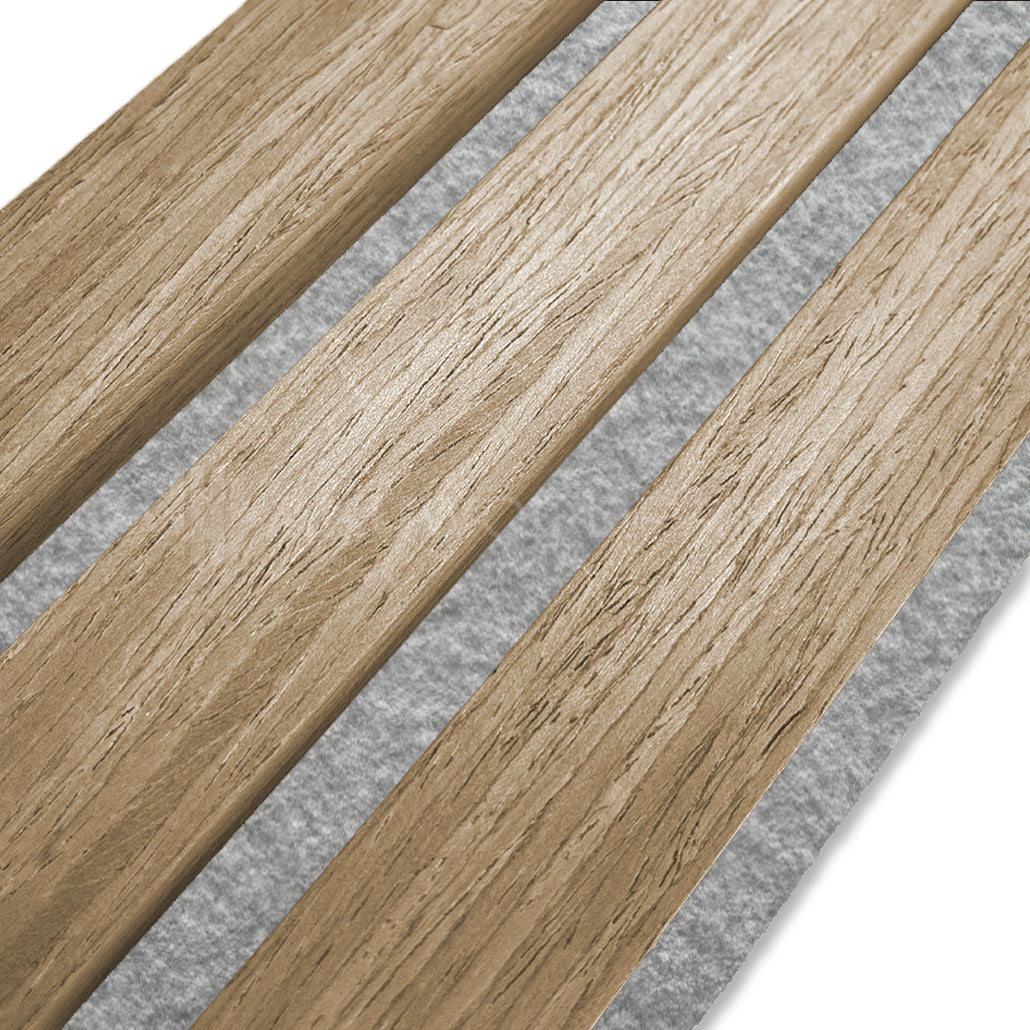
Natural Oak Grey Felt — the acoustic upgrade. Priced at £83.95, it combines a lighter natural oak face with a grey-toned felt backing visible through the slats, giving a contrast look that reads as intentionally acoustic rather than just decorative panelling. It suits clubhouses going for a Scandinavian or minimalist finish. Verdict: Buy — see the Natural Oak Grey Felt panel.
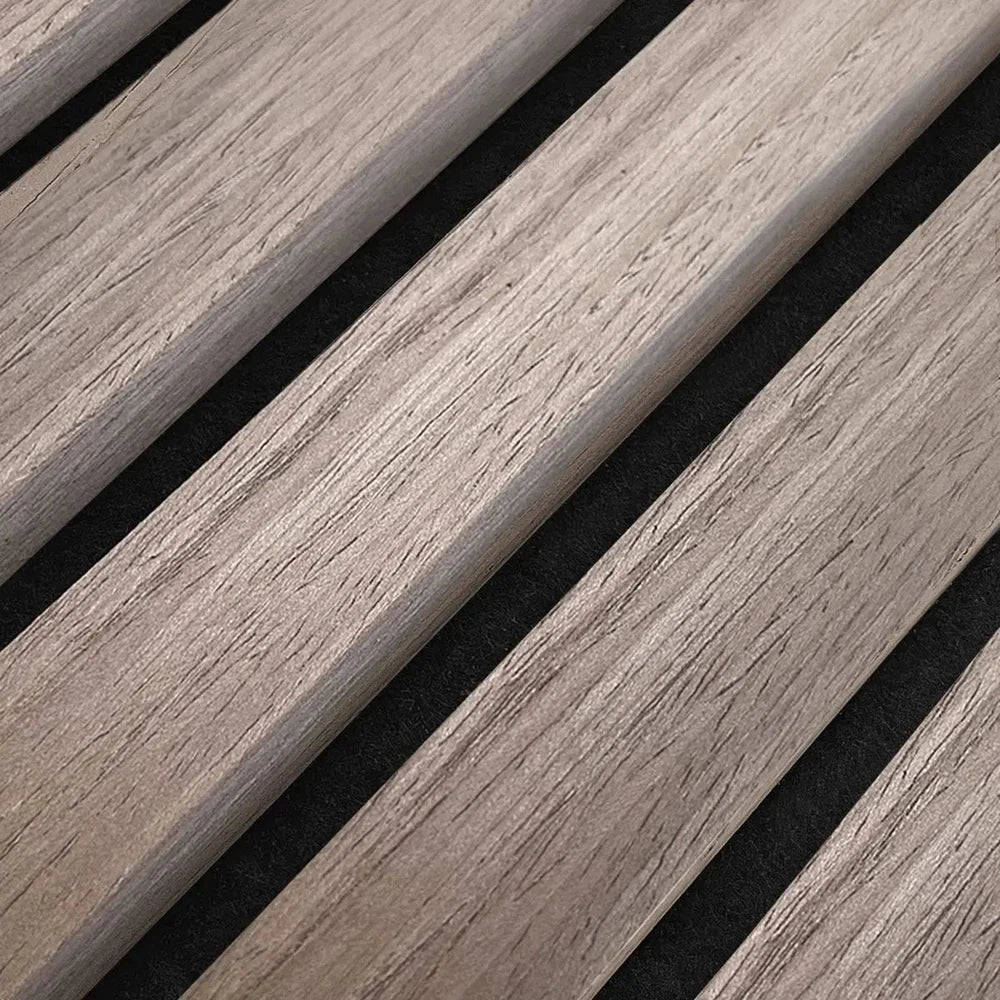
Grey Oak — the budget-neutral pick. At £80.95, it's the cheapest of the group and its neutral grey tone works with most existing clubhouse branding colours without a full repaint. It's a safer choice for a phased refurbishment where budget matters more than a statement finish. Verdict: Consider if budget is the deciding factor, Skip if the brief calls for a warmer, more premium look.


What to avoid
- Printed foil wood-look panels sold as "acoustic" — the slot profile looks identical to a real veneer panel in a product photo, but without felt backing behind it, the wall reflects sound exactly as it did before. Ask directly whether felt sits behind the slats.
- Panels with no fire rating documentation — a clubhouse bar is a public occupancy space, and a contractor who can't confirm a fire rating on the panel spec sheet is a red flag for a commercial fit-out in 2026.
- Mismatched panel lengths cut on site — ordering the wrong length and trimming down on-site wastes material and often leaves an uneven slat spacing at the join, which is obvious under bar lighting.
Verdict comparison
| Panel | Finish | Best for | Format | Price | Verdict |
|---|---|---|---|---|---|
| Rustic Oak Premium | 3-sided veneer, felt backed | Bar walls, reception | 240/300cm | £84.95 | Buy |
| Black Oak | 3-sided veneer, felt backed | Simulator bays, dark bars | 240/300cm | £84.95 | Buy (dark spaces) |
| Natural Oak Grey Felt | 3-sided veneer, grey felt | Minimalist lounges | 240/300cm | £83.95 | Buy |
| Grey Oak | 3-sided veneer, felt backed | Budget-phased refits | 240/300cm | £80.95 | Consider |
FAQ
What's the best acoustic wood panel for a golf driving range clubhouse bar?
Rustic Oak Premium 3-sided wood veneer works best for most clubhouse bars in 2026 because its felt backing absorbs reverberation while its natural tone suits both bright and dim lighting. Darker finishes like Black Oak suit simulator bays specifically.
Do acoustic wood panels actually reduce echo, or is it just marketing?
Felt-backed slat panels genuinely reduce reverberation because the felt behind the slats absorbs sound energy rather than reflecting it, unlike flat plasterboard or glass. The slat profile itself is mostly cosmetic — the felt backing does the acoustic work.
What panel size should I order for a clubhouse feature wall?
Panels come in 240cm and 300cm lengths, so measure the wall height before ordering in 2026 to avoid on-site cutting. A 240cm panel suits a standard ceiling height, while 300cm suits floor-to-ceiling feature walls.
Is Black Oak too dark for a driving range clubhouse?
Black Oak works well in simulator bays and sports-bar zones with lower ambient light but can feel heavy in a bright, glass-fronted reception area. Pair it with a lighter finish elsewhere in the same space if the room gets a lot of daylight.
How much do acoustic wood panels cost for a clubhouse fit-out?
Indoor acoustic wood panels range from £80.95 to £84.95 per panel depending on finish, based on current 2026 pricing. Exterior cladding panels for matching outdoor areas are priced separately.
Can these panels handle a bar area with spills and cleaning?
The 3-sided real wood veneer finish tolerates regular wiping and commercial cleaning better than printed foil alternatives, which scratch and discolour under repeated contact. Avoid soaking the panel face during cleaning regardless of finish.
Should the clubhouse interior and simulator lounge use the same panel finish?
Using one consistent finish across the bar, reception and simulator lounge keeps the fit-out looking specified rather than assembled piecemeal. If the simulator area needs a darker, screen-friendly tone, choosing one lighter and one darker finish from the same wood-veneer range keeps them visually related.
Is acoustic wood panelling better than acoustic foam for a clubhouse?
Wood panels suit a clubhouse better than foam because foam reads as a recording studio finish, not a commercial hospitality space. Felt-backed wood veneer panels absorb sound while matching the timber and stone materials typical of golf facility interiors.
One last thing
The detail most clubhouse refurbishments miss: the exterior cladding and interior wood panels don't have to match in colour, but they do have to feel like the same material family — an oak-toned interior wall next to black exterior cladding reads as two separate projects bolted together rather than one build. Pick the interior and exterior tones together before either order goes in, not after the interior wall is already installed.