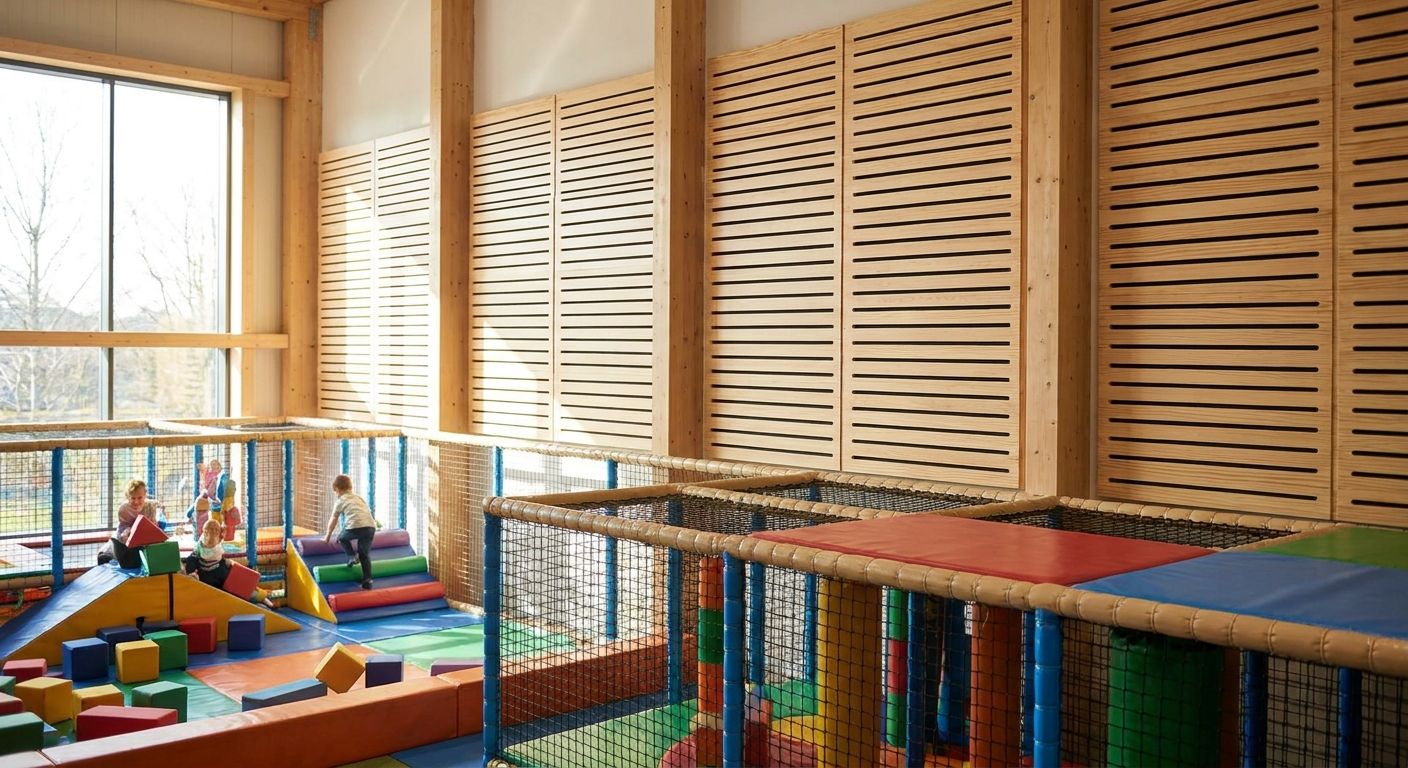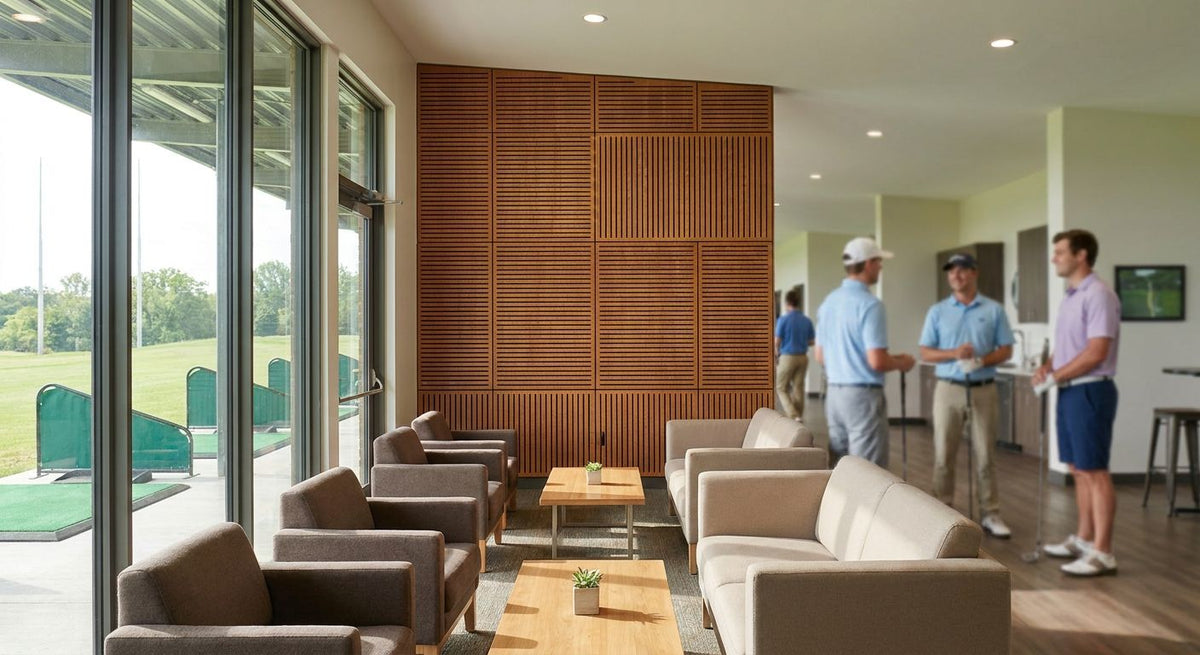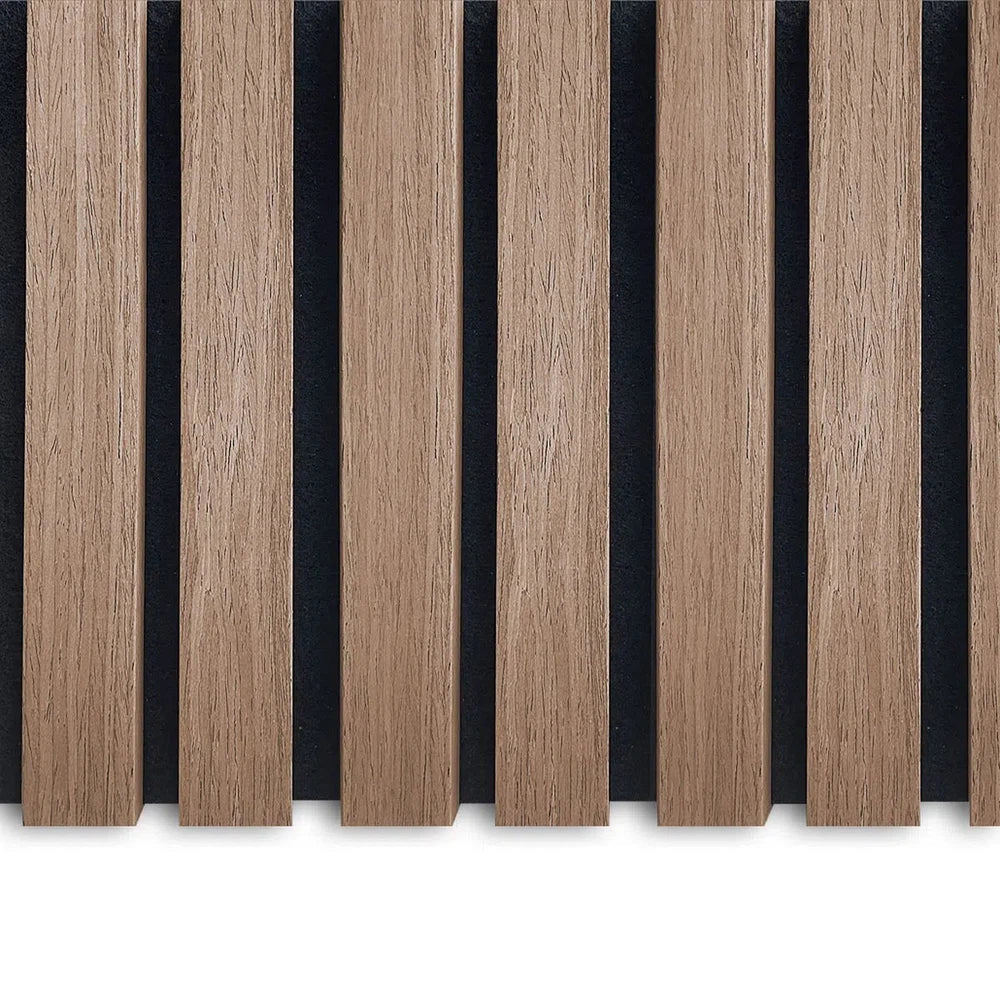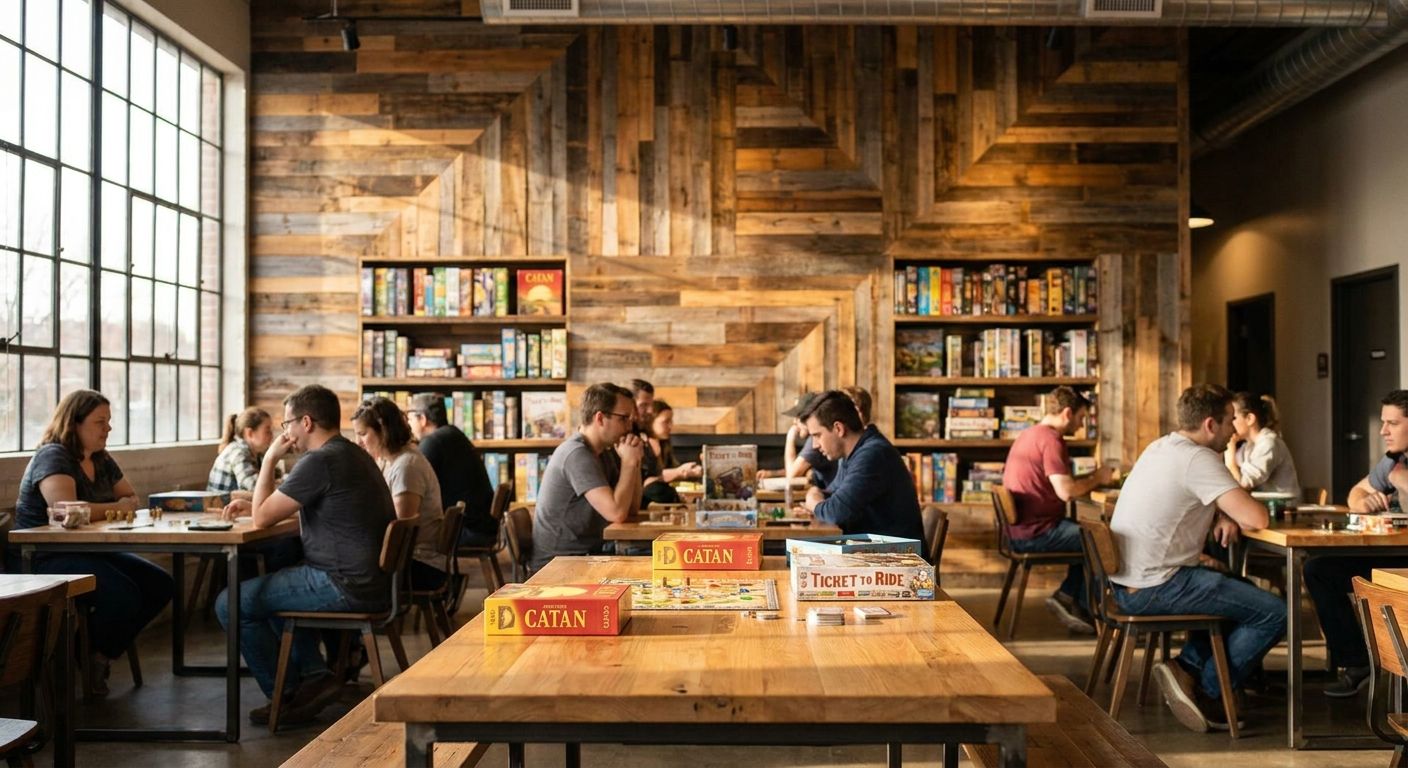
Board game cafes run loud: dice hitting tables, group laughter, chairs scraping, and dozens of overlapping conversations bouncing off bare drywall and glass. Wooden wall panels solve the noise problem and give the space a warmer look than the exposed-brick-and-string-lights formula every other cafe uses.
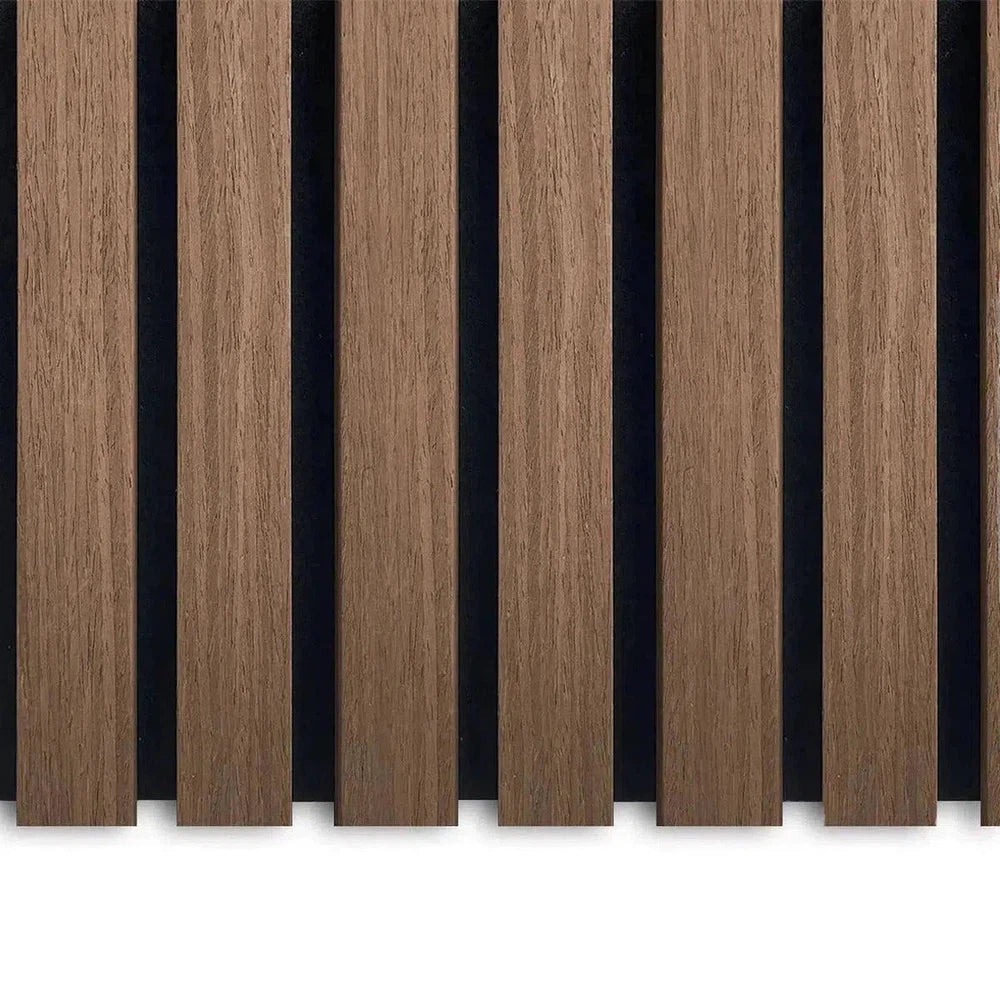
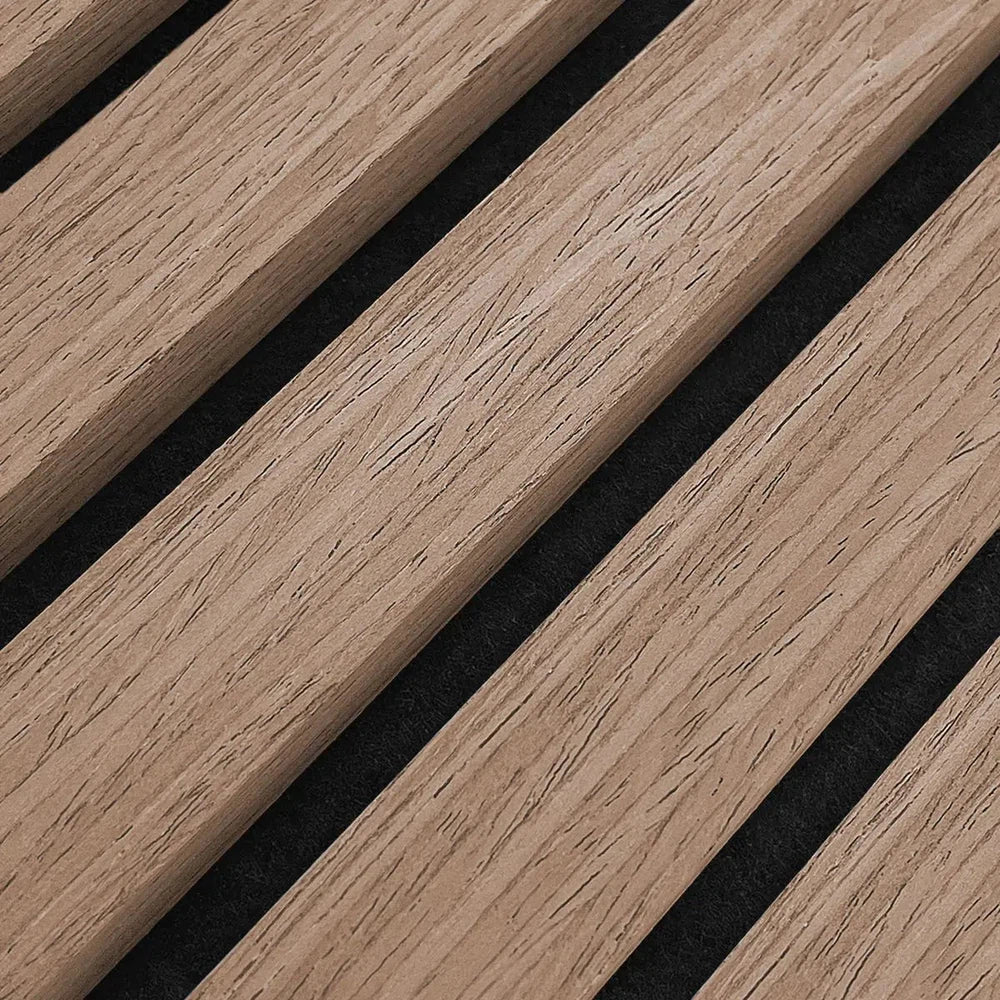
- Rustic Oak Premium 3-Sided Veneer panels are the safe buy for board game cafe walls in 2026 — proven felt backing, real wood face.
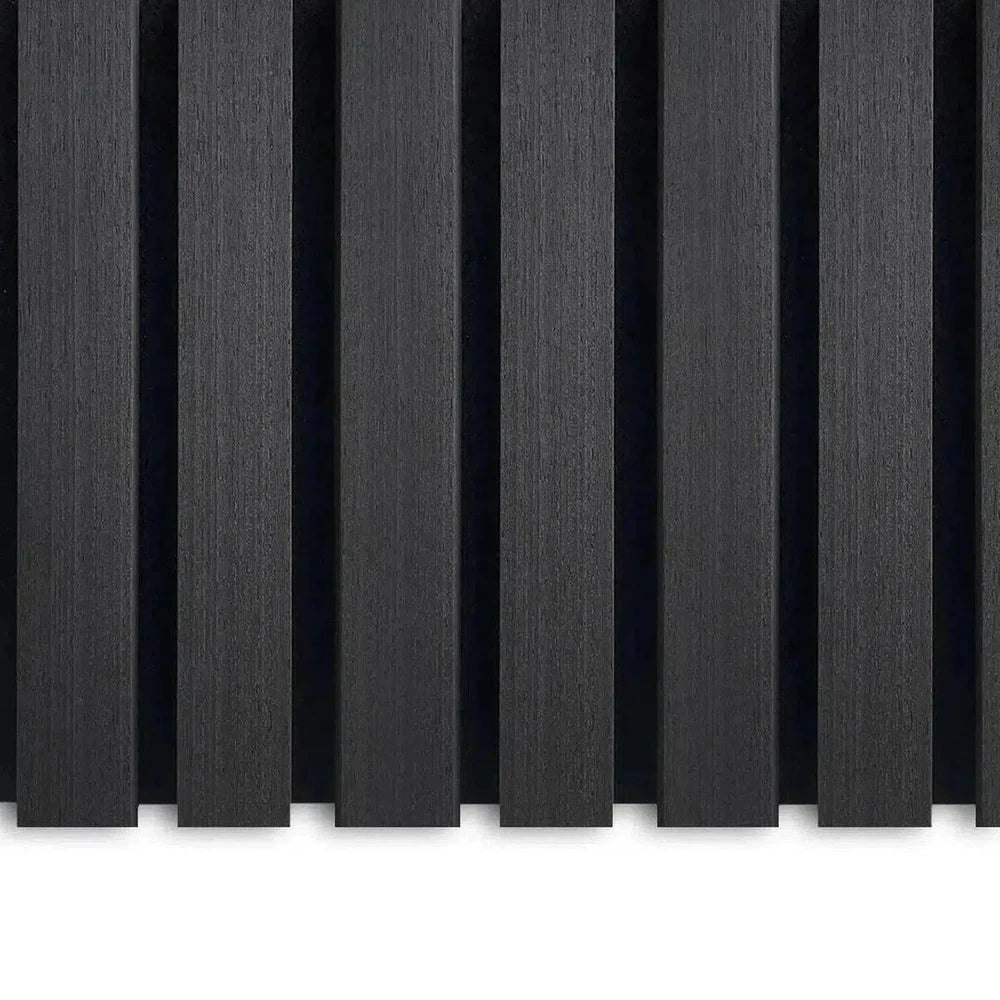
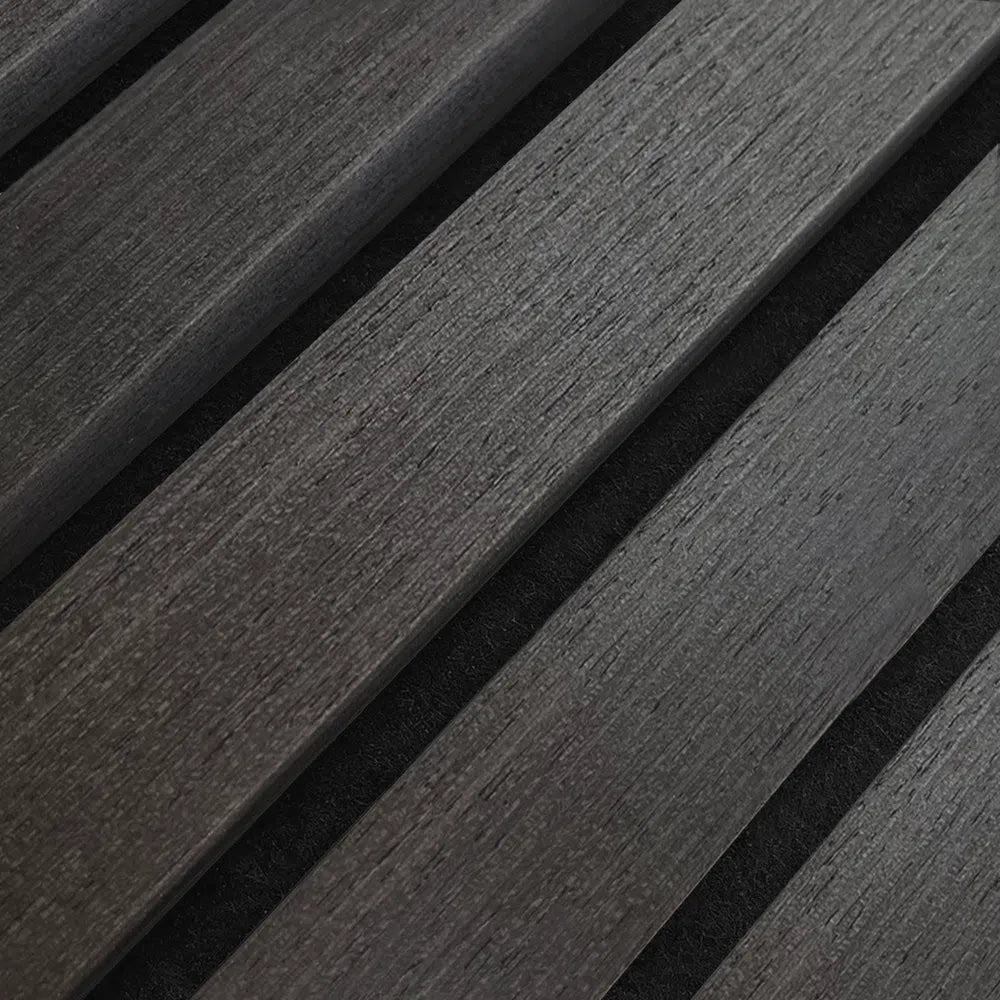
- Black Oak wall panels suit dim, moody cafes but show fingerprints faster near high-touch tables.
- Hexagon Acoustic Panel Natural Oak works as a feature-wall wildcard behind the bar or reception counter.
- Skip decorative slat lookalikes with no felt backing — they look identical but do nothing for reverb.
Why this matters
A board game cafe with 15-20 tables running simultaneously generates a noise floor that climbs fast once every seat fills. Bare walls and hard flooring reflect that sound back into the room instead of absorbing it, and customers start raising their voices to be heard, which raises the noise floor again. Wooden wall panels with a felt acoustic backing break that cycle by absorbing sound at the point of contact instead of bouncing it. Akustiq UK builds its panels around that exact problem — a 3-sided real wood veneer face bonded to an acoustic felt backing, sold in 240 cm and 300 cm lengths to suit most UK ceiling heights.
Who this is for
This guide is for cafe owners and fit-out managers opening or refreshing a board game cafe, tabletop bar, or hybrid gaming lounge where dozens of tables run at once and echo control matters as much as decor. If your venue seats fewer than 20 covers or leans quiet (a single-table specialty shop), the acoustic case is weaker — focus on the aesthetic panels instead and skip the heavier felt-backed options.
What to look for in wooden wall panels for a board game cafe
Sound absorption that survives a full house
A cafe at capacity is a different acoustic environment than an empty showroom, so the felt backing needs to actually be doing absorption work, not just sitting behind a decorative veneer for looks. Panels marketed as "acoustic" without a felt or fibre backing layer are decorative wood cladding wearing an acoustic label.
Real wood veneer, not printed laminate
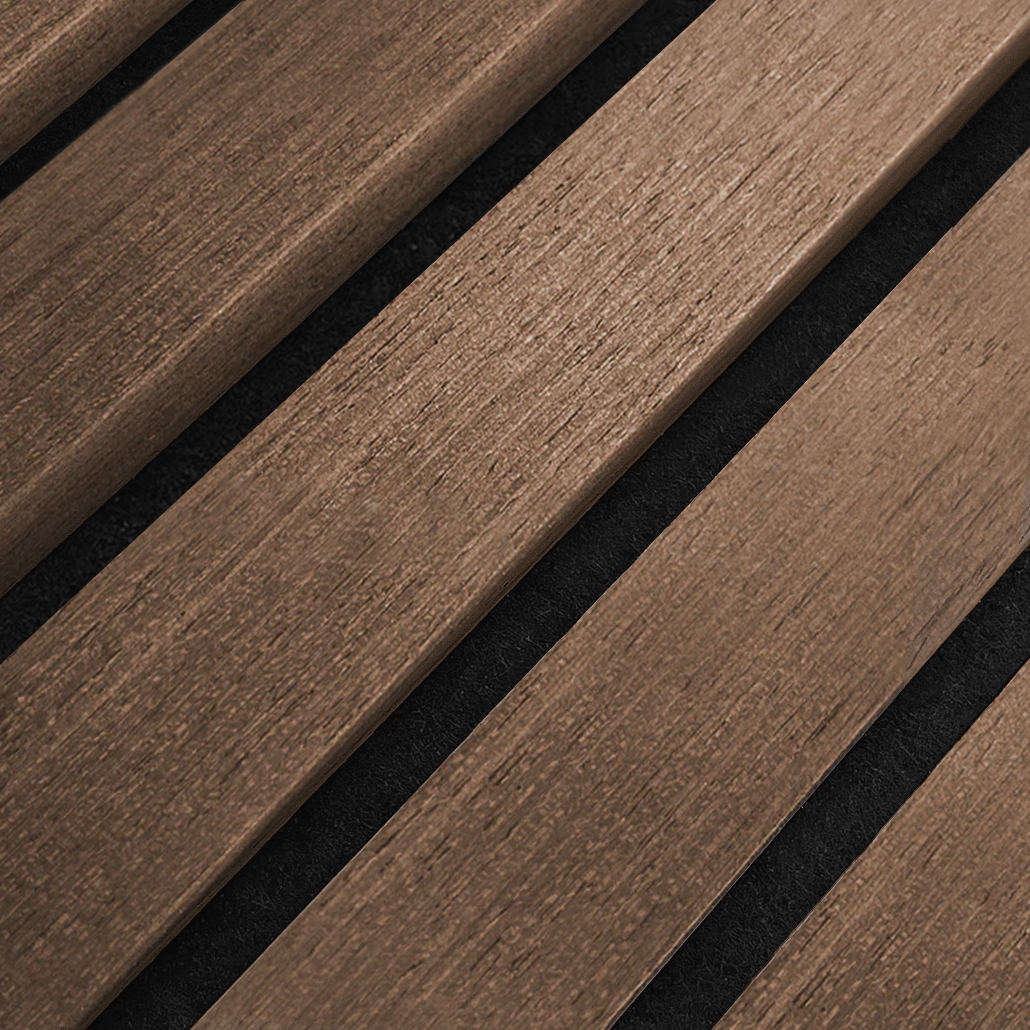
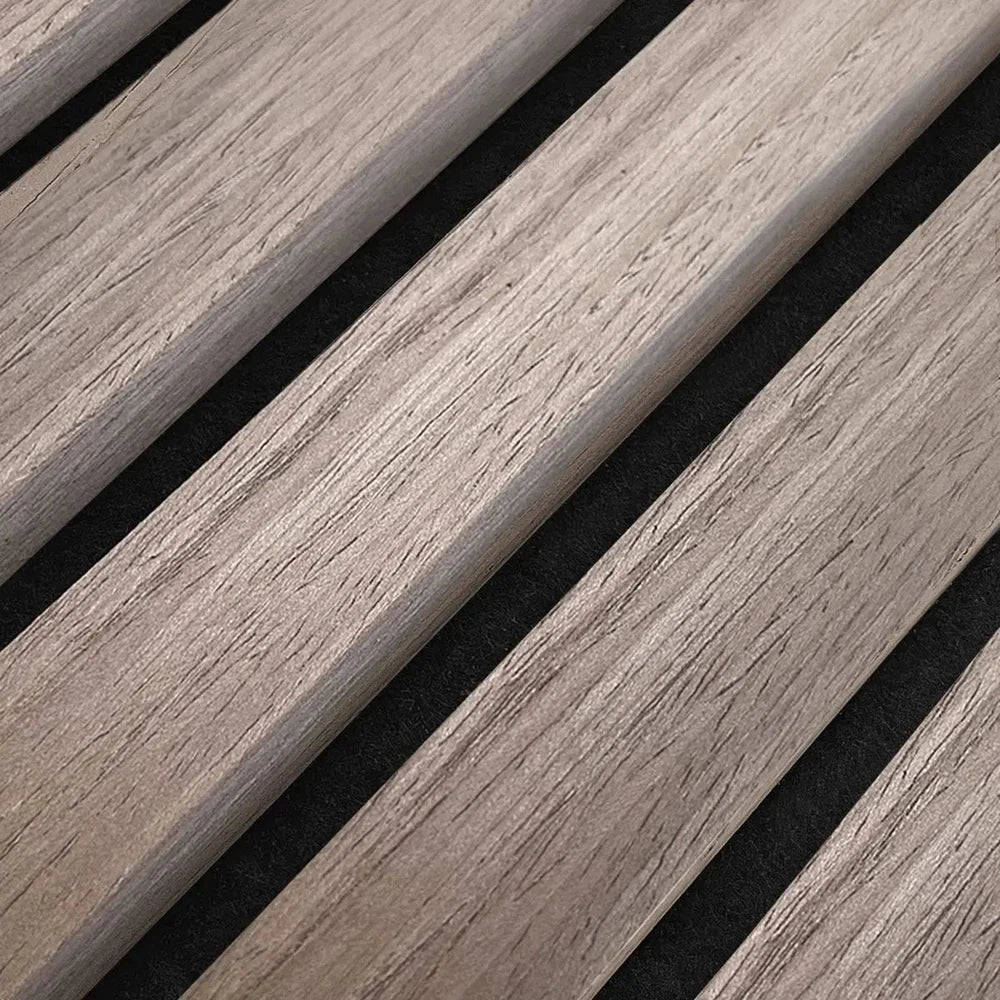
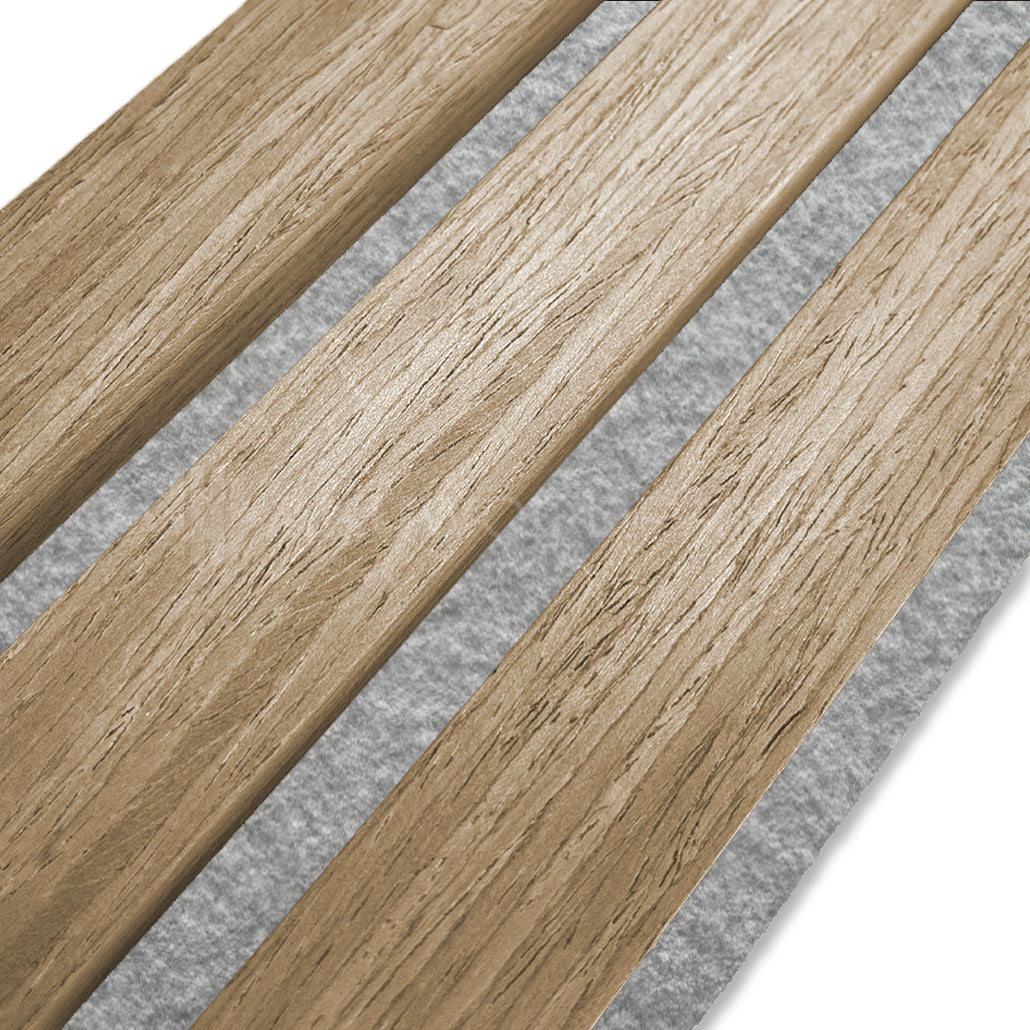
Customers touch these walls while reaching past tables, and printed laminate scuffs and shows wear within months in a high-traffic hospitality setting. A genuine 3-sided wood veneer ages the way real wood ages — it takes knocks better and looks intentional even when slightly worn.
Size format that matches your ceiling run
Most UK cafe fit-outs sit in the 2.4m to 3m ceiling range, which is why panels come in 240 cm and 300 cm formats. Getting this wrong means visible seams at odd heights or wasted offcuts, both of which look cheap in a space customers are staring at for two hours over a board game.
Commercial-grade durability for high-touch walls
Booth seating, bar stools, and bag straps hit lower wall sections constantly in a cafe. Panels need a finish that resists scuffing at chair-back height, not just a nice photo finish for the top half of the wall.
Finish tone that suits table lighting
Board game cafes typically run warmer, dimmer lighting to keep the room cosy for long sessions. Very dark finishes like black oak can look striking under warm light but disappear into shadow under fluorescent strip lighting — match the finish to your actual lighting plan before ordering.
Installation speed for a live venue
A cafe can't close for two weeks mid-fit-out. Panels that install with adhesive rather than requiring a full batten and plaster rebuild get a feature wall up in a weekend rather than a month.
Top picks for board game cafe walls
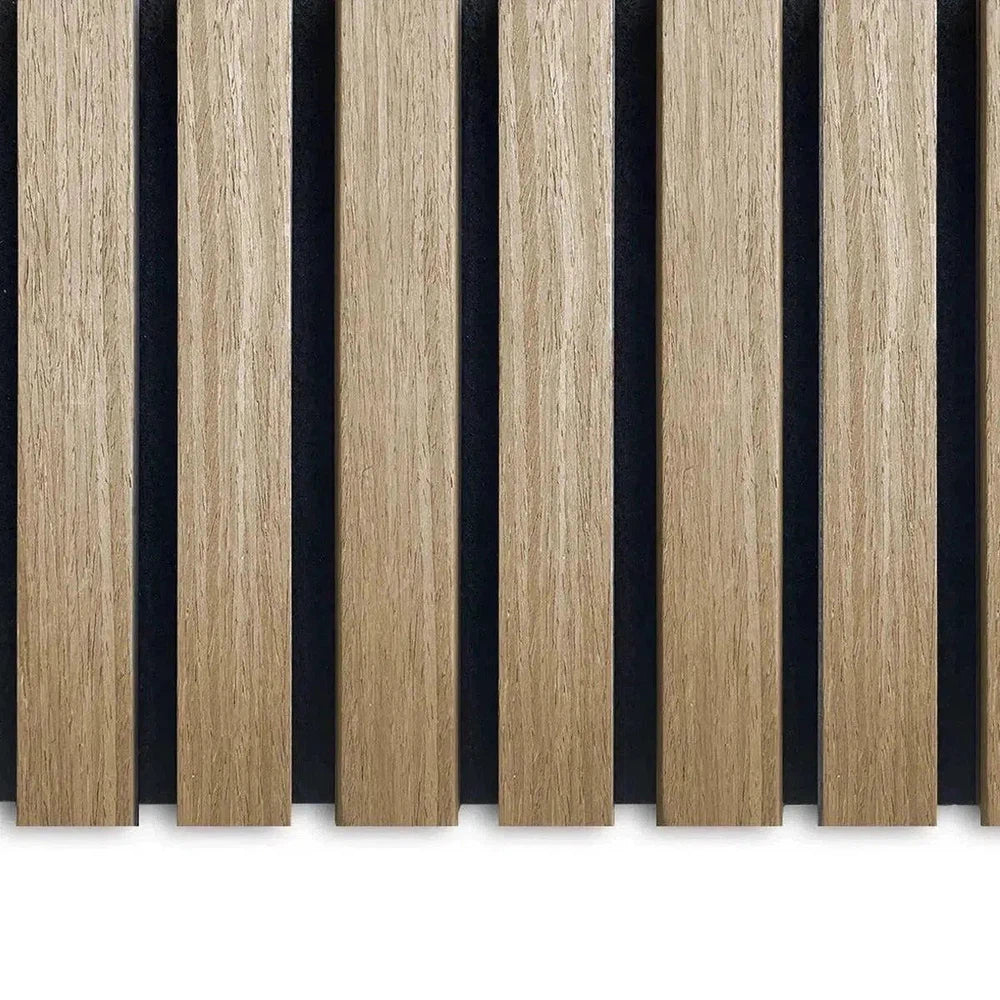
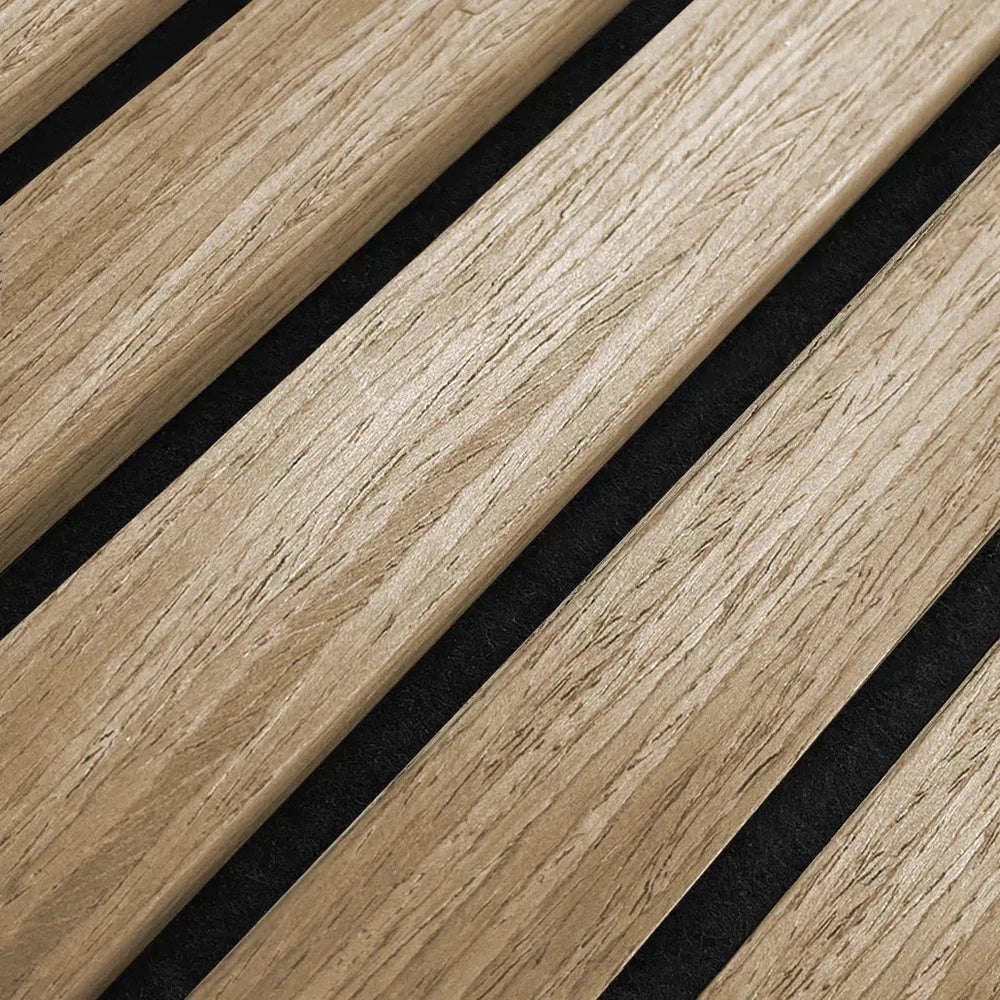
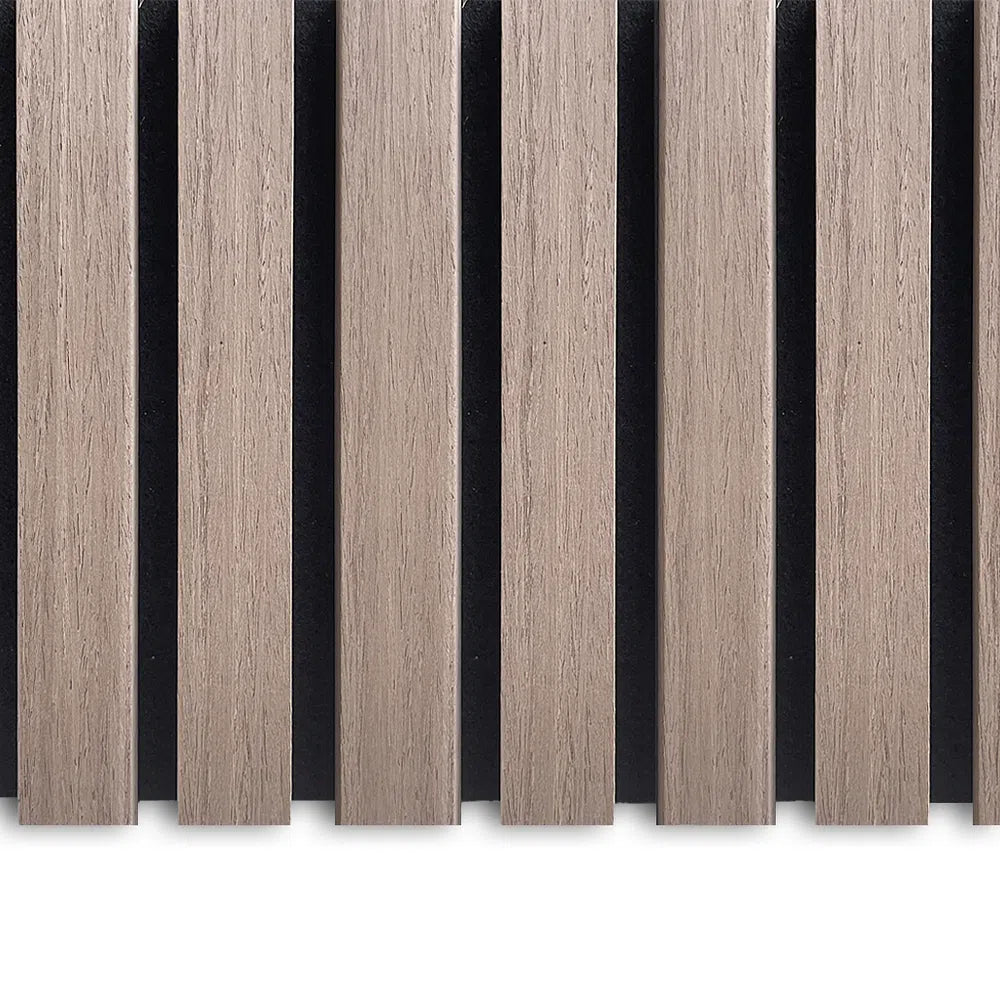
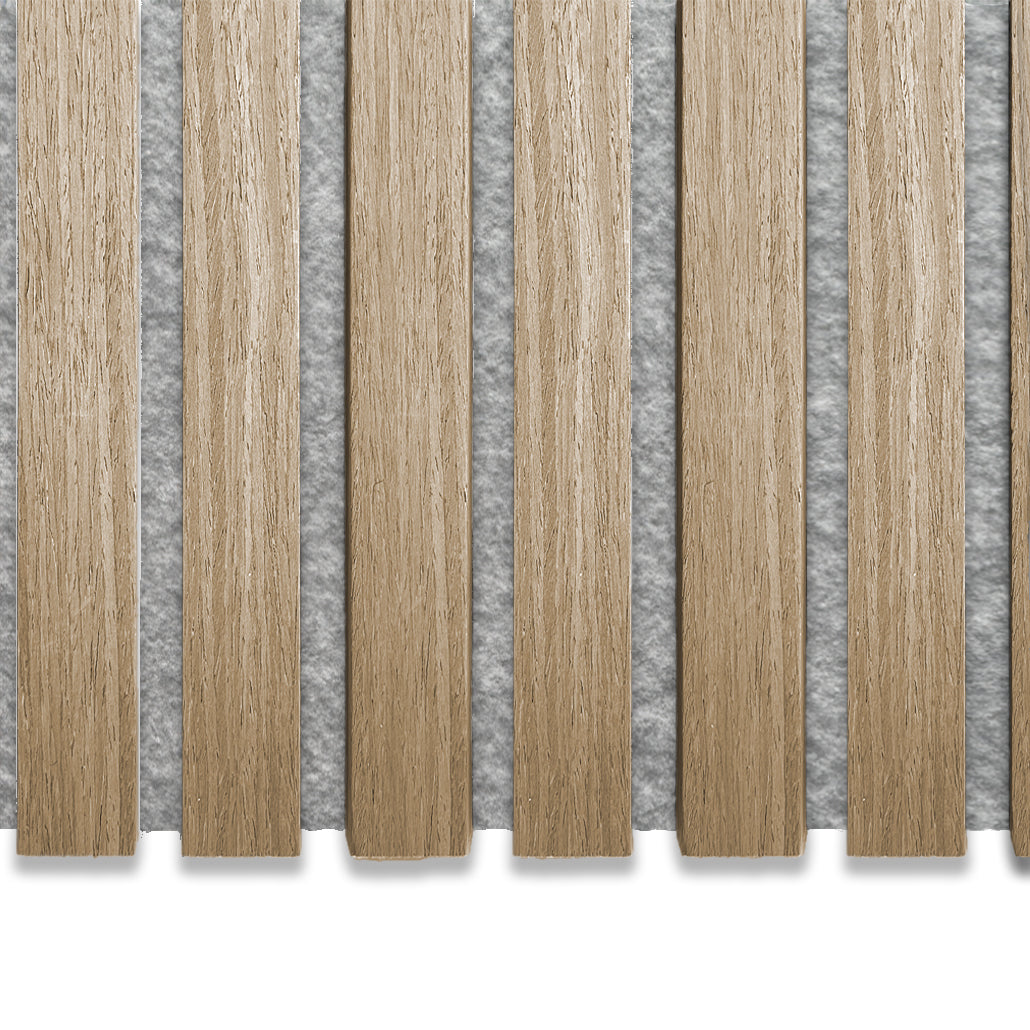
Rustic Oak Premium 3-Sided Wood Veneer — the safe pick. This panel carries a full 3-sided real wood veneer face over the acoustic felt backing, in either the 240 cm or 300 cm format. It reads as warm and textured under both daylight and warm bar lighting, which covers most cafe lighting setups without a redesign. For a venue that needs one finish that works across the whole floor, rustic oak premium 3-sided wood veneer is the panel to start with. Buy.
Black Oak — the moody pick. Black oak leans into the tavern-and-tabletop aesthetic a lot of board game cafes are chasing in 2026, especially venues styling themselves after a dungeon or speakeasy. It shows dust and fingerprints faster than lighter finishes near door handles and low-traffic contact points, so it works best on a single feature wall rather than the whole room. Verdict on the black oak wall panel: Consider for an accent wall behind the games library, Skip as a full-room treatment in a small space.
Hexagon Acoustic Panel Natural Oak — the wildcard. Hexagon-cut acoustic panels break up a flat wall run with geometric texture, which suits the space behind a bar counter or reception desk where customers queue and have time to look at the wall. It's a slower install than straight slat panels because of the cut pattern, so budget extra time on the fit-out schedule. The hexagon acoustic panel natural oak earns a Buy for a single statement wall, Skip if you need to cover a large open-plan floor fast.
Smoked Oak — the budget-conscious alternative. Smoked oak gives a similar warm-dark tone to black oak at a lighter visual weight, which hides scuffs better on lower wall sections near seating. Consider it where black oak felt too heavy for the room.
Walnut — the premium upsell. Walnut reads as the most upscale of the finishes and suits a board game cafe positioning itself closer to a members' lounge than a casual coffee shop. Consider for entrance walls and private booth areas where the extra polish gets seen first.


What to avoid
- Printed laminate slat panels sold as "wood-look" — they photograph fine but chip at the edges within months under bar-stool and bag-strap contact.
- Decorative 3D panels with no felt backing on the whole seating floor — they're built for a single feature wall, not for acoustic control across an open-plan cafe.
- Domestic-length panels stretched across a commercial ceiling height — leftover offcuts and visible seams read as a rushed fit-out to customers sitting three feet away.
Verdict comparison
| Panel | Best use in a board game cafe | Verdict |
|---|---|---|
| Rustic Oak Premium 3-Sided Veneer | Full-room acoustic treatment | Buy |
| Black Oak | Single feature wall, dim lighting | Consider |
| Hexagon Acoustic Panel Natural Oak | Bar/reception feature wall | Buy |
| Smoked Oak | Budget-friendly dark tone | Consider |
| Walnut | Entrance and private booths | Consider |
FAQ
What's the best wooden wall panel for a board game cafe?
Rustic Oak Premium 3-Sided Wood Veneer is the strongest all-round choice for 2026 board game cafe fit-outs because its felt backing handles a full-capacity room and its lighter tone works under most cafe lighting. Darker finishes like black oak suit accent walls better than full-room coverage.
Do acoustic wall panels actually reduce noise in a busy cafe?
Panels with a felt or fibre backing absorb sound at the wall surface instead of reflecting it back into the room, which lowers the reverb that makes a full cafe feel loud. Bare drywall and printed laminate slats without a backing layer don't provide this effect.
Should I use 240cm or 300cm panels for a cafe wall?
Match the panel length to your actual ceiling height to avoid visible seams — 240 cm suits standard ceiling heights and 300 cm suits taller commercial spaces. Measure the wall run before ordering rather than guessing from floor plans.
Is hexagon acoustic panelling harder to install than straight slat panels?
Yes, hexagon-cut panels take longer to fit because of the angled cut pattern, so budget extra install time versus a straight run of slat panels. They work best on a single feature wall rather than a full room for this reason.
Can I mix wood panel finishes in one board game cafe?
Yes — many cafes use a lighter finish like rustic oak or natural oak for the main seating floor and a darker finish like black oak or walnut for an entrance or bar feature wall. Keep the mix to two finishes maximum to avoid a cluttered look.
How do I order samples before committing to a full wall?
Order individual panel samples in your shortlisted finishes and hold them against your actual cafe lighting before buying in bulk, since finish tone shifts noticeably under warm versus fluorescent light. This avoids a costly reorder after installation.
Do I need felt-backed panels on every wall or just the noisiest one?
Prioritise felt-backed acoustic panels on the walls facing the main seating floor where reverb builds up fastest. Feature walls near the entrance or bar can use decorative 3D panels without felt backing since they aren't carrying the acoustic load.
What finish hides scuffs best in a high-traffic cafe?
Mid-tone finishes like smoked oak or natural oak hide scuffs and fingerprints better than very dark black oak or very light finishes, both of which show marks more visibly. Position darker finishes above chair-back height where hand contact is lower.
One last thing
Most board game cafe fit-outs order samples for one finish and skip the rest — order at least two contrasting finishes side by side under your actual bar lighting before committing, because warm pendant lighting shifts oak tones more than most owners expect until the panels are already on the wall.