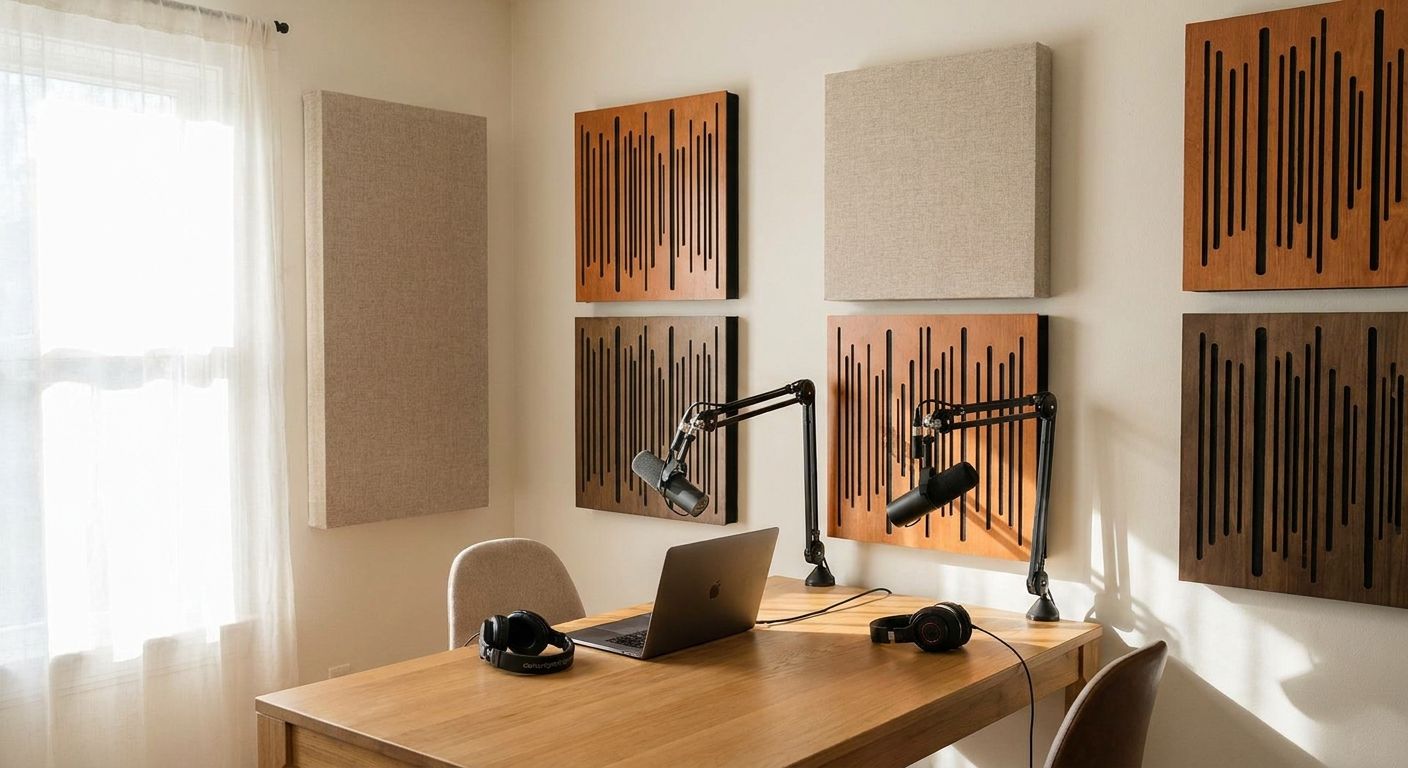
Podcast recording rooms need acoustic wall panels that absorb mid-to-high frequency reflections at the points where sound bounces back into the microphone — not full-room soundproofing. Most home podcast setups run in spare bedrooms or box rooms with hard, parallel walls, which cause flutter echo on every take rather than the outside-noise problem people assume they're solving.
- Podcast recording rooms need acoustic panels at first-reflection points, not full-wall soundproofing — untreated hard walls cause flutter echo on every take.
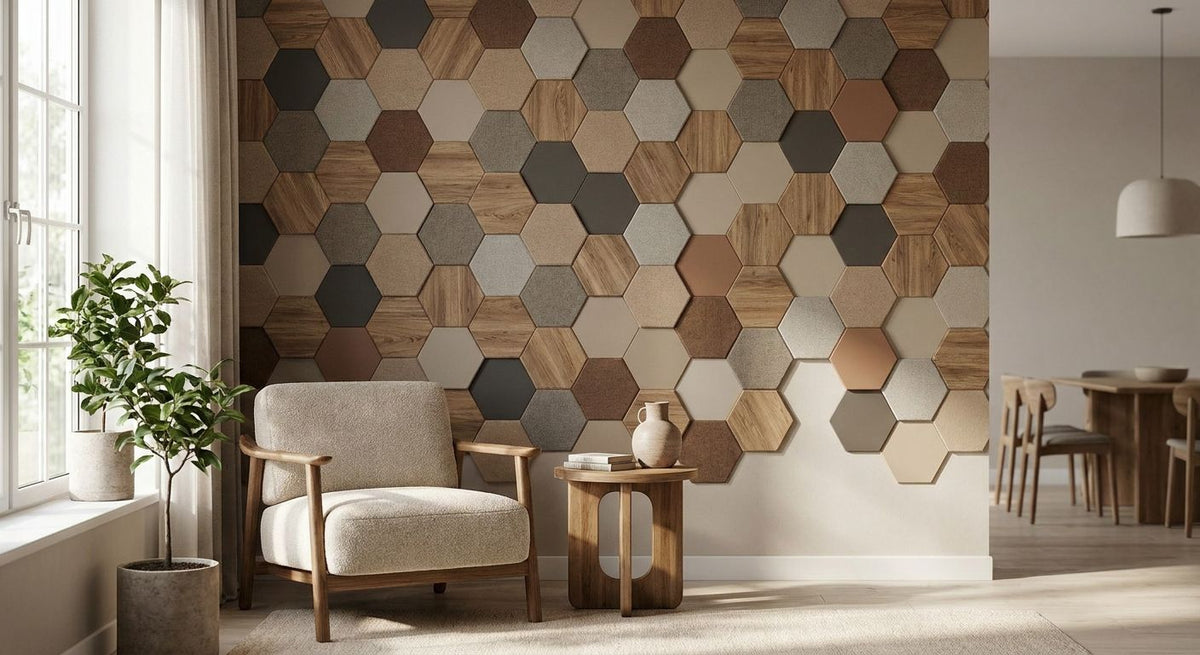
- Akuwood's hexagon acoustic panels with grey felt backing carry an NRC rating of 0.75, built for speech-frequency absorption in small rooms.
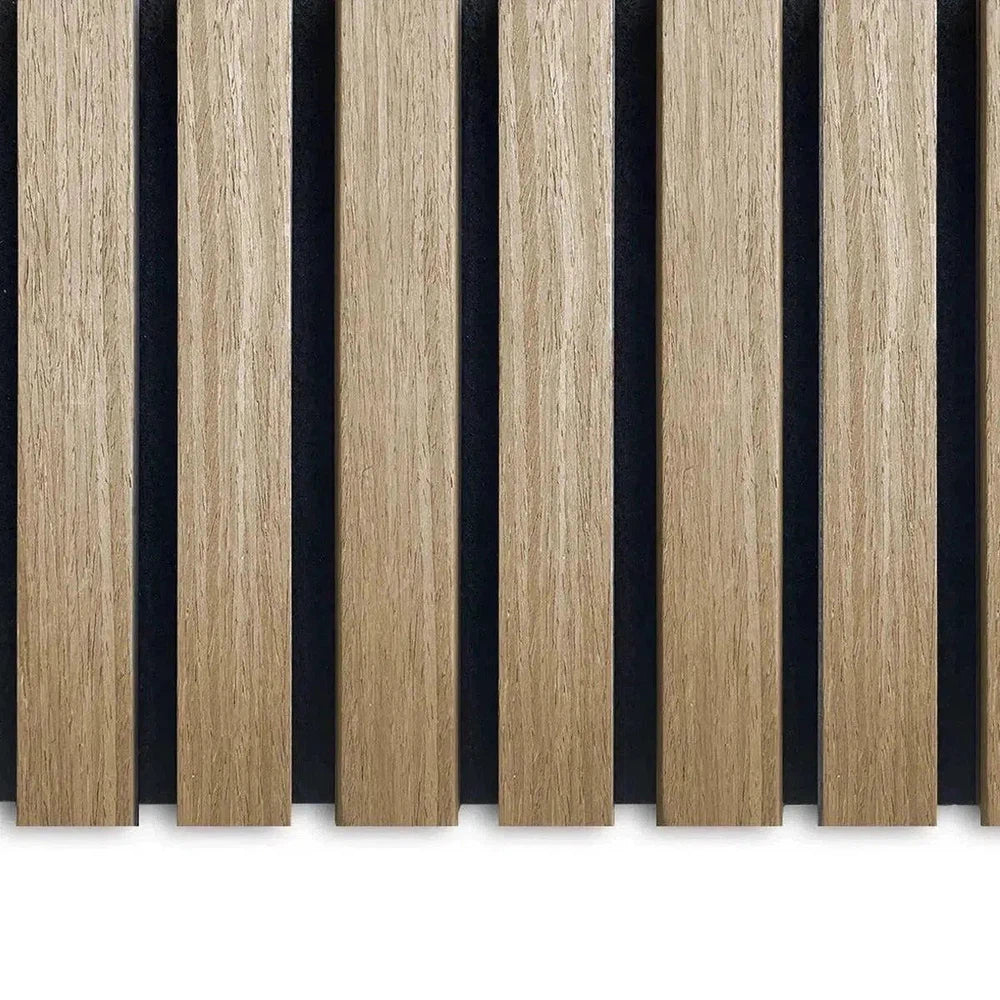
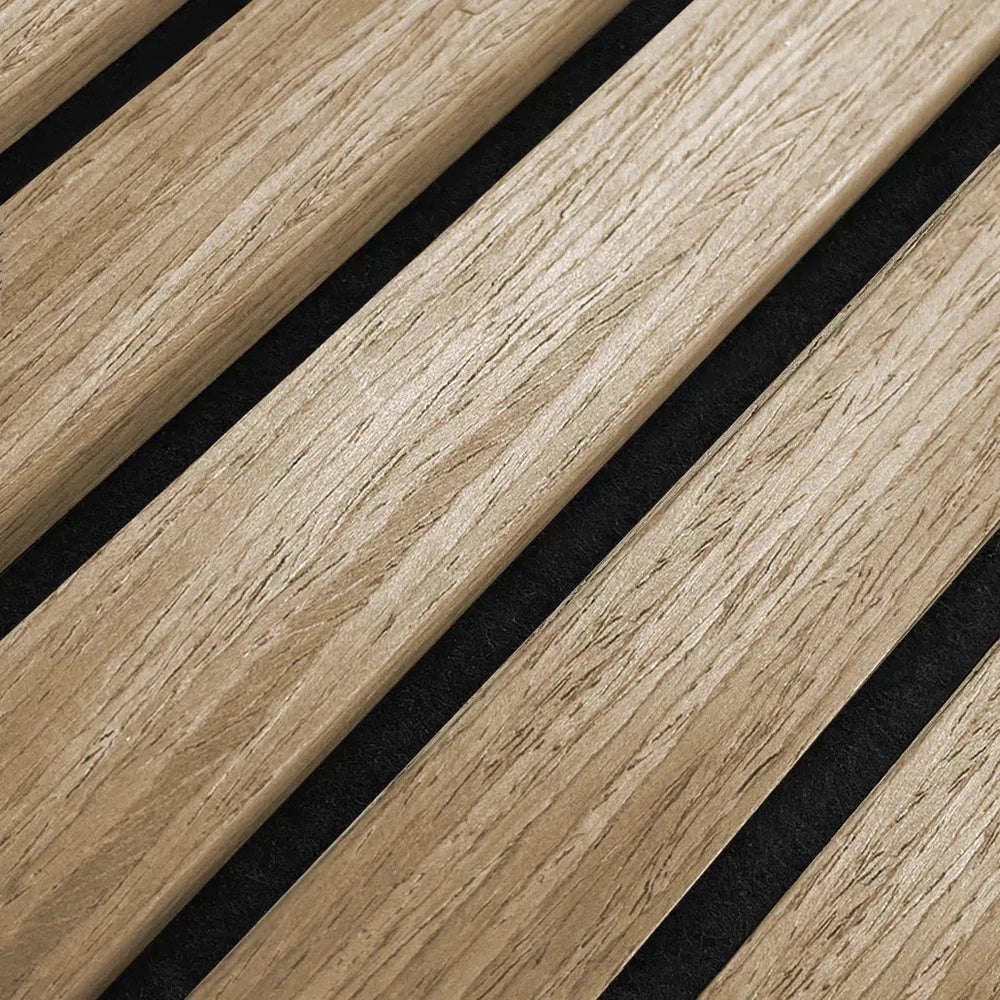
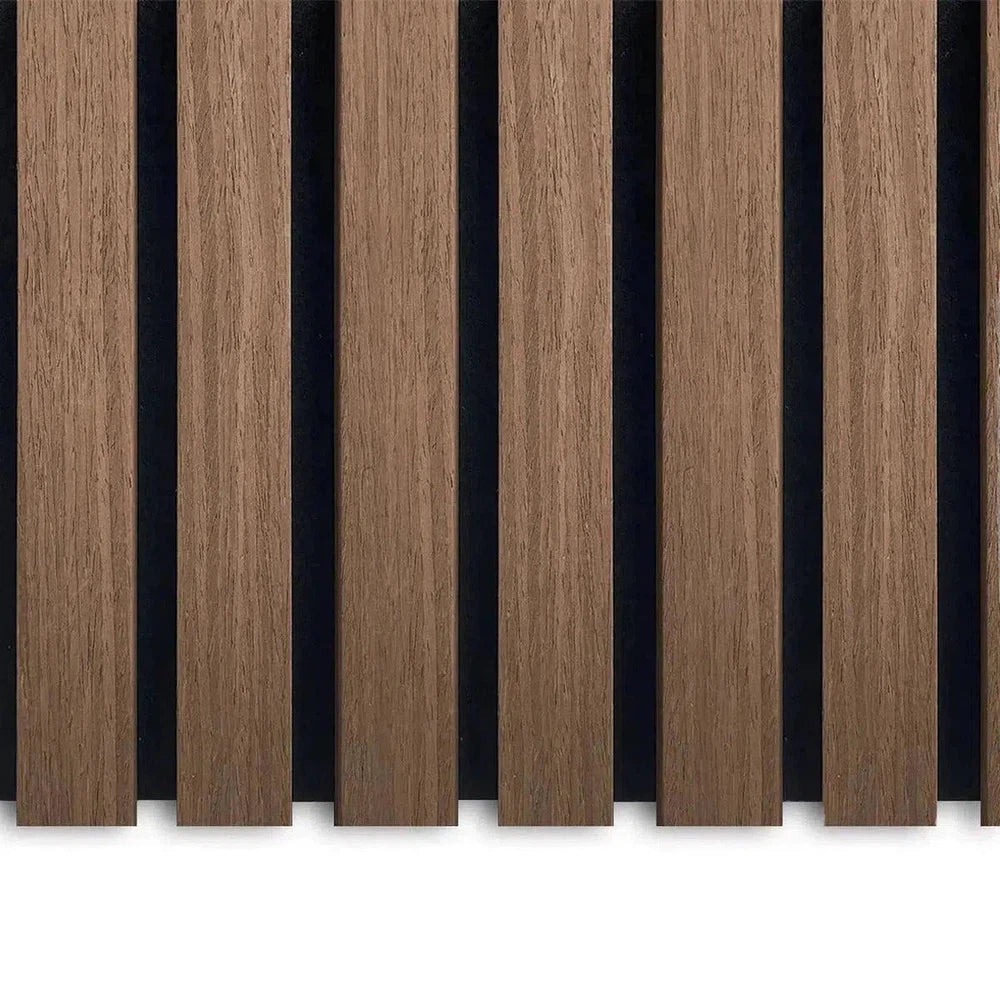
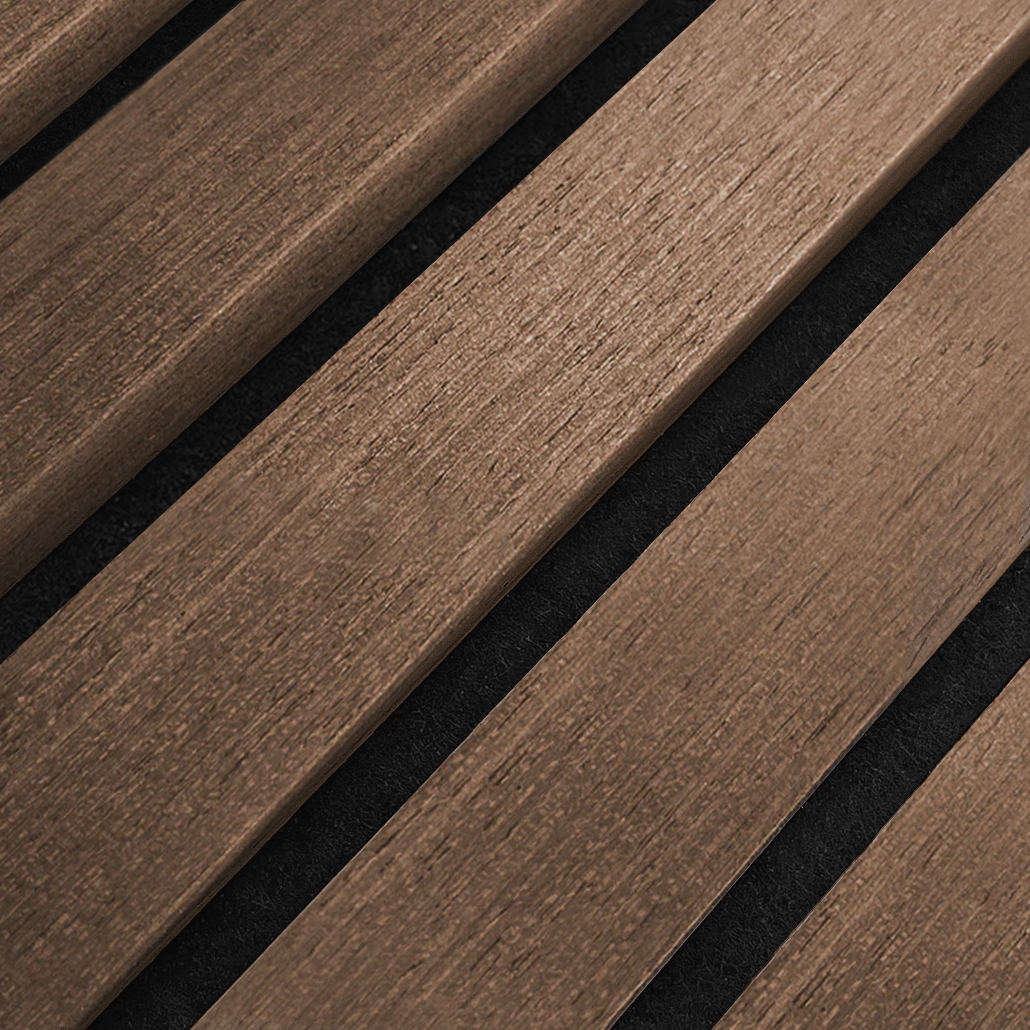
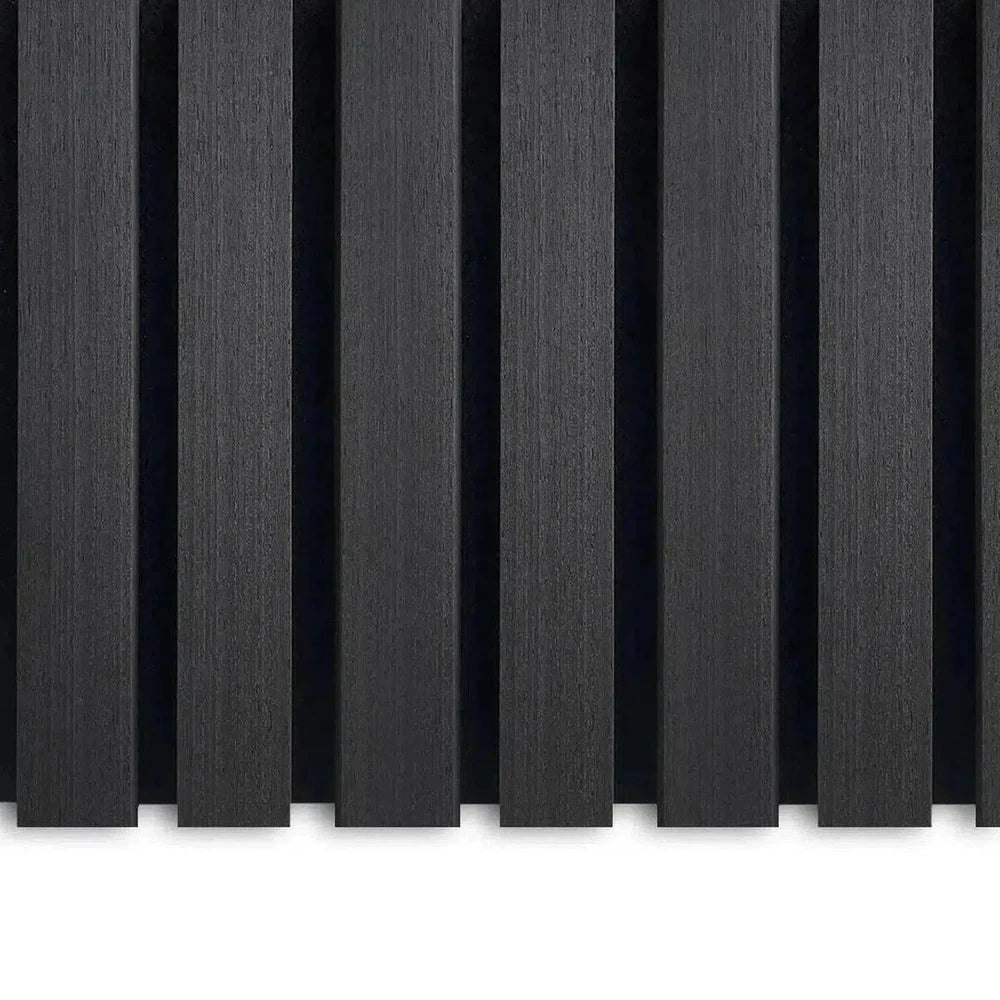
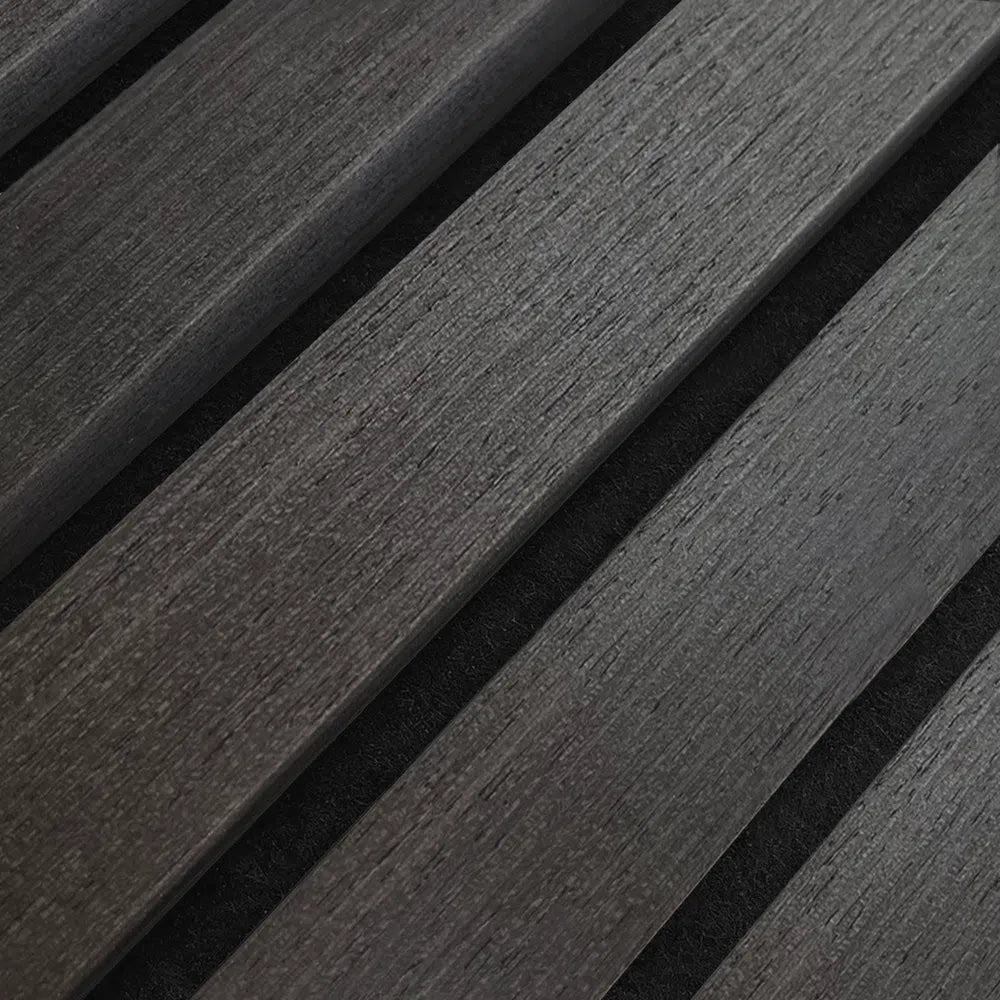
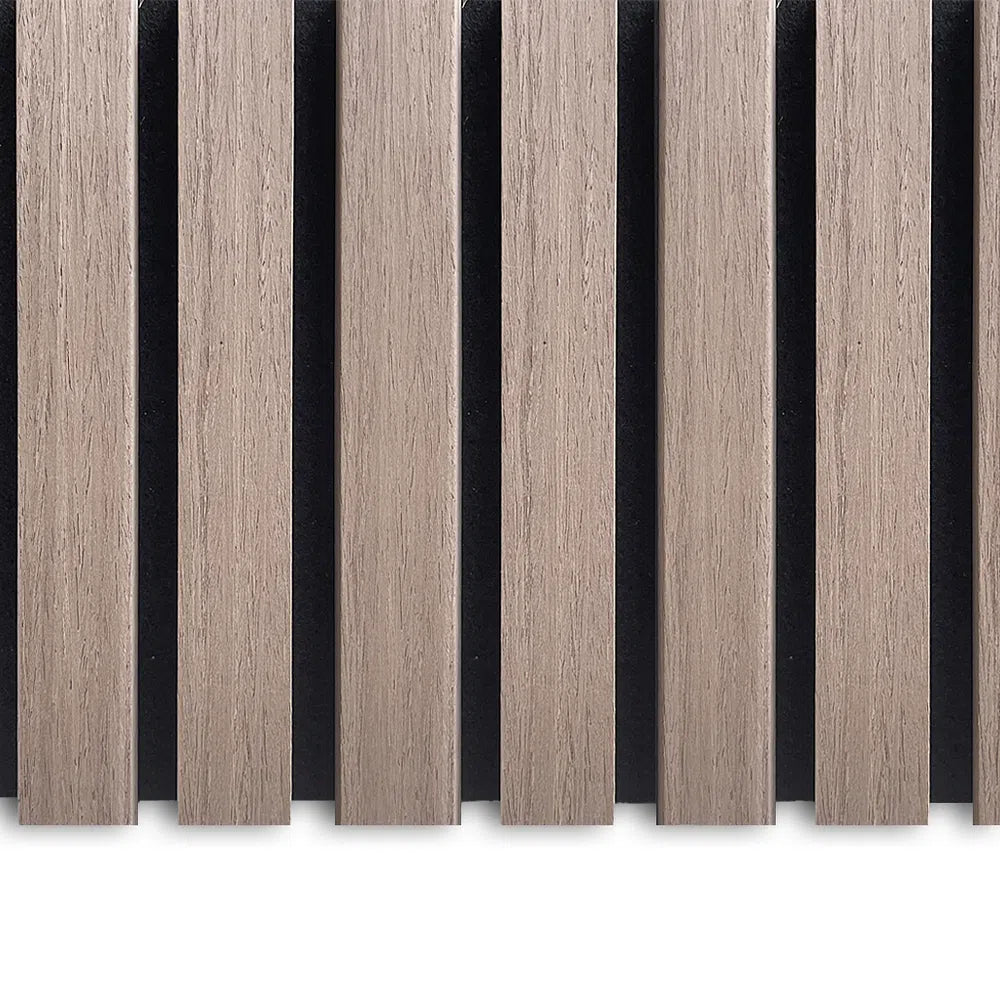
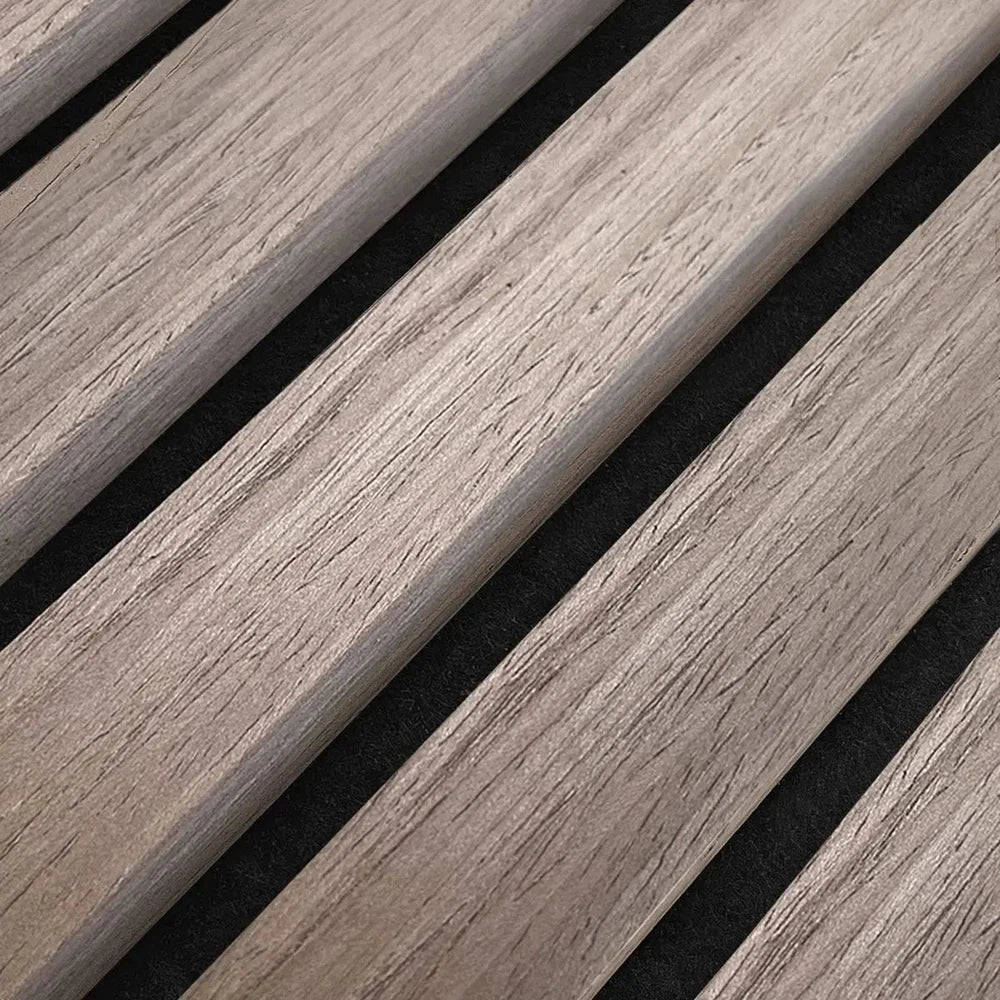
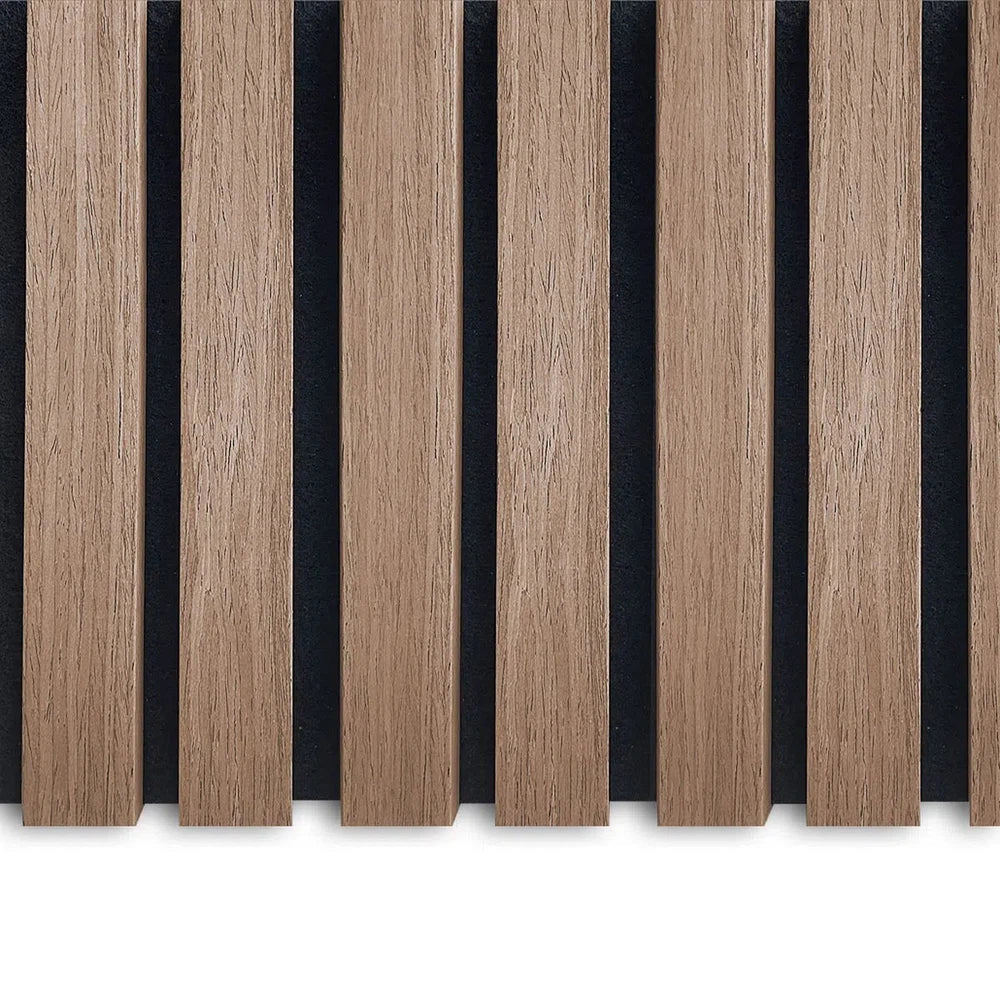
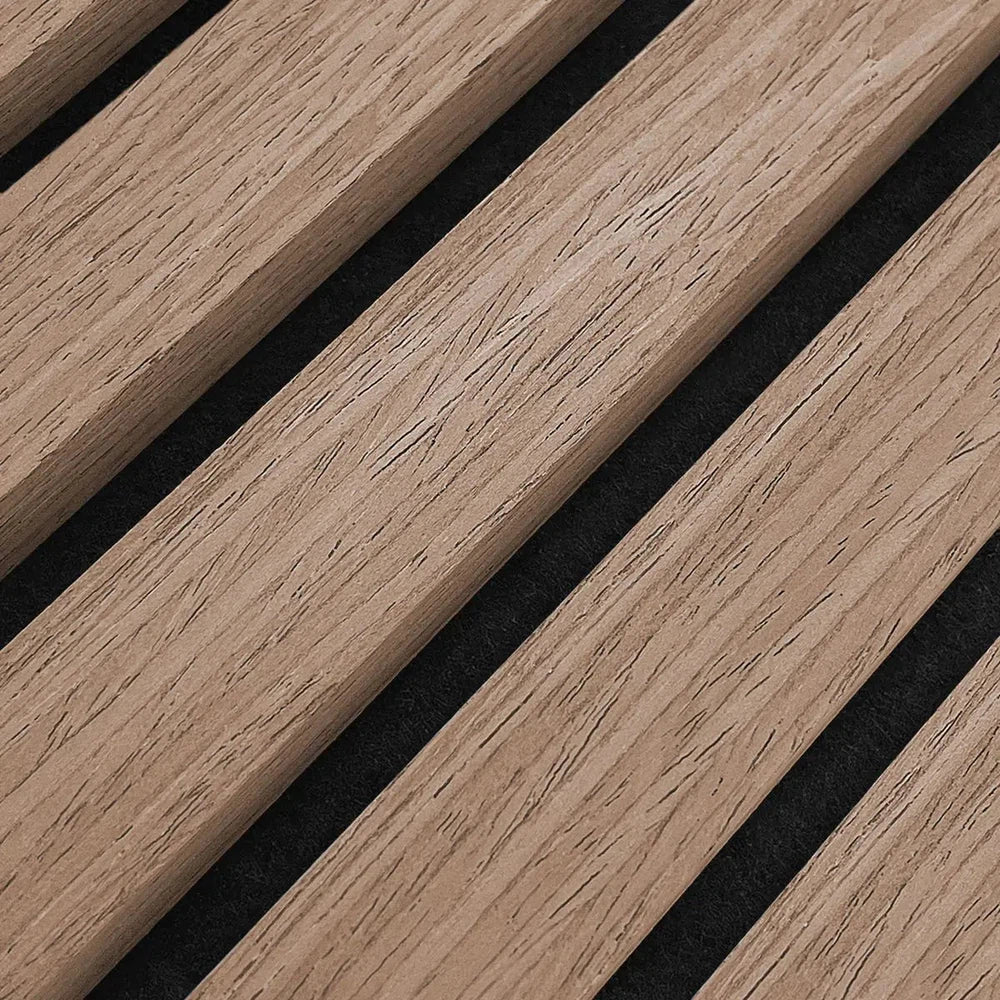
- Wood slat wall panels come in 240 cm and 300 cm formats, useful for box rooms needing full-wall coverage instead of spot treatment.
- Over-treating a small podcast room with wall-to-wall foam deadens natural voice tone — spot-treating reflection points wins over total coverage.
Why acoustic panels matter for podcast recording rooms
Listeners judge audio quality within seconds of hitting play, and a room with hard, bare walls adds a metallic ring or hollow reverb tail to every word. Podcasters searching for acoustic panels podcast recording rooms are usually trying to fix that exact problem — a spare bedroom, home office, or box room that sounded fine for conversation but sounds boxy on playback.
The fix isn't the same as a music studio's isolation booth. A podcast room needs speech-frequency absorption at the mic position, not floor-to-ceiling foam. Akuwood Panel builds wood-finish acoustic panels specifically for this middle ground: enough absorption to kill flutter echo, without turning the room into a dead, lifeless box.
Diagnose the echo in your room first
Before buying anything, work out where the reflections are actually coming from. Most box rooms have two or three problem surfaces, not four.
- Clap once in each corner and listen for a metallic "ring" — that's flutter echo bouncing between parallel walls.
- Note every hard, flat surface near the mic: bare wall, window, wardrobe door, desk.
- Record a 30-second test clip and listen back on headphones for a hollow or boxy tone.
- Check ceiling height — lower box rooms trap more of that ring than taller rooms.
- Hold a small mirror against each side wall from the mic's position; anywhere you see the mic reflected back is a first-reflection point that needs treating first.
Treat the wall behind and beside the microphone
Start with the two or three surfaces closest to the mic before spending on anything else.
- Hang a thick moving blanket or duvet behind the mic as a free, temporary test.
- Stack a loaded bookshelf against the wall behind the recording position — uneven surfaces scatter reflections better than bare plaster.
- Fit acoustic panels at the first-reflection points either side of the mic once the temporary fix confirms it's working; a natural oak hexagon panel breaks up the flat wall geometry as well as absorbing sound.
- Cover the wall the mic actually faces, not just the wall behind the host's head — this is the most commonly skipped surface.
- Leave a small air gap behind rigid panels where the wall allows it; it slightly improves absorption in the low-mid range.
Break up parallel walls and ceiling reflections
Two bare parallel walls are the main cause of flutter echo in small rooms — treating only one of them rarely fixes it.
- Add a rug or thick underlay on hard flooring; bare floors bounce sound straight back up into the mic capsule.
- Treat the ceiling directly above the recording chair if it's plaster or exposed board.
- Angle a shelf or panel pattern on at least one parallel wall to scatter reflections rather than only absorbing them.
- Avoid leaving every surface bare except the mic wall — a room with only one treated wall still rings.
- Use a wood-finish panel on a visible feature wall if the room also doubles as a video call or camera background.
Handle low-end buildup in the corners
Bass frequencies reinforce each other in corners, which is why small box rooms often sound muddy even after the echo is gone.
- Stack soft furnishings — a folded duvet, cushions — into corners as a free bass trap.
- Avoid placing the mic or desk directly in a corner, where low-end buildup is worst.
- Keep the door slightly ajar while testing to see whether closing it changes the room's low-end resonance.
- Note that no amount of thin acoustic panel fixes serious low-end rumble — that's a room shape problem, not a coverage problem.
Choose panel thickness and NRC rating for a small room
The Noise Reduction Coefficient (NRC) tells you how much of the sound hitting a panel gets absorbed versus reflected back into the room.
- Look for a published NRC rating before buying — Akuwood's felt-backed hexagon panels list an NRC of 0.75, built for speech-frequency absorption rather than deep bass control.
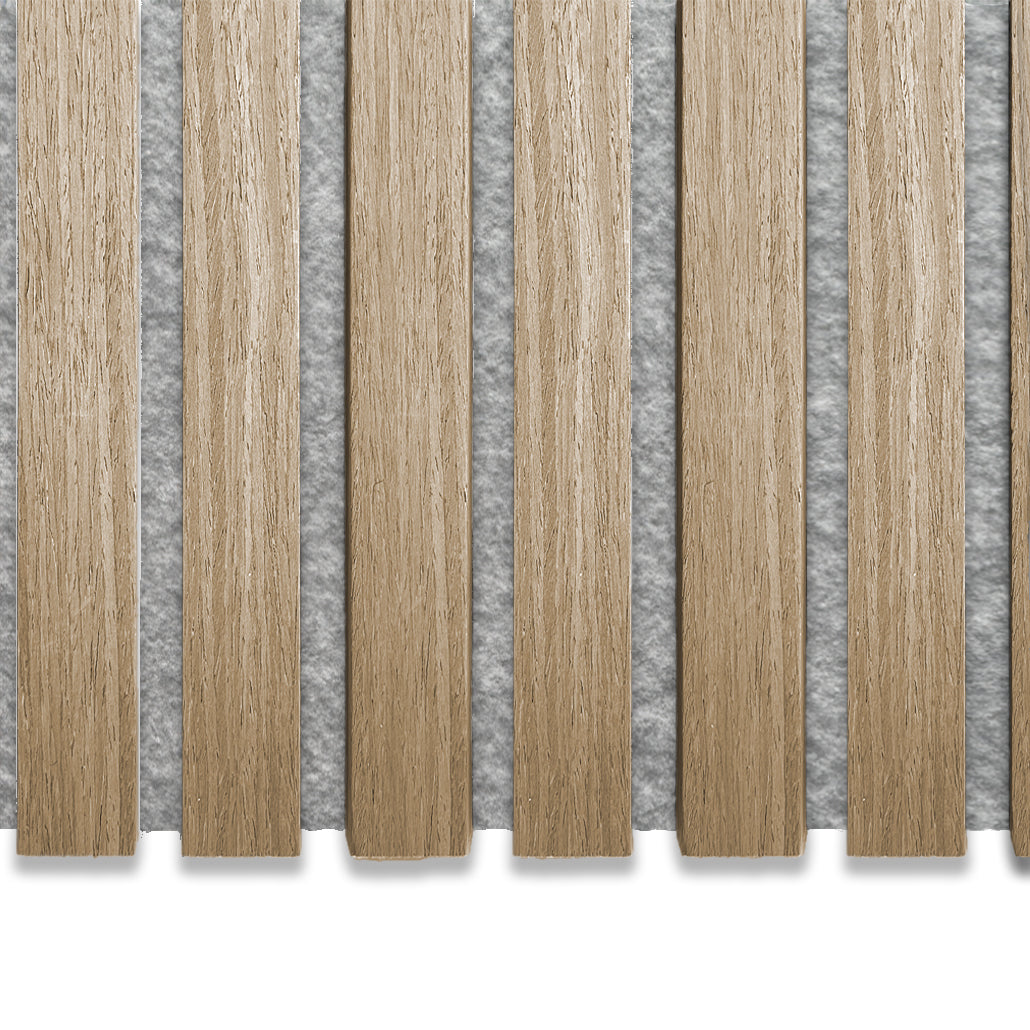
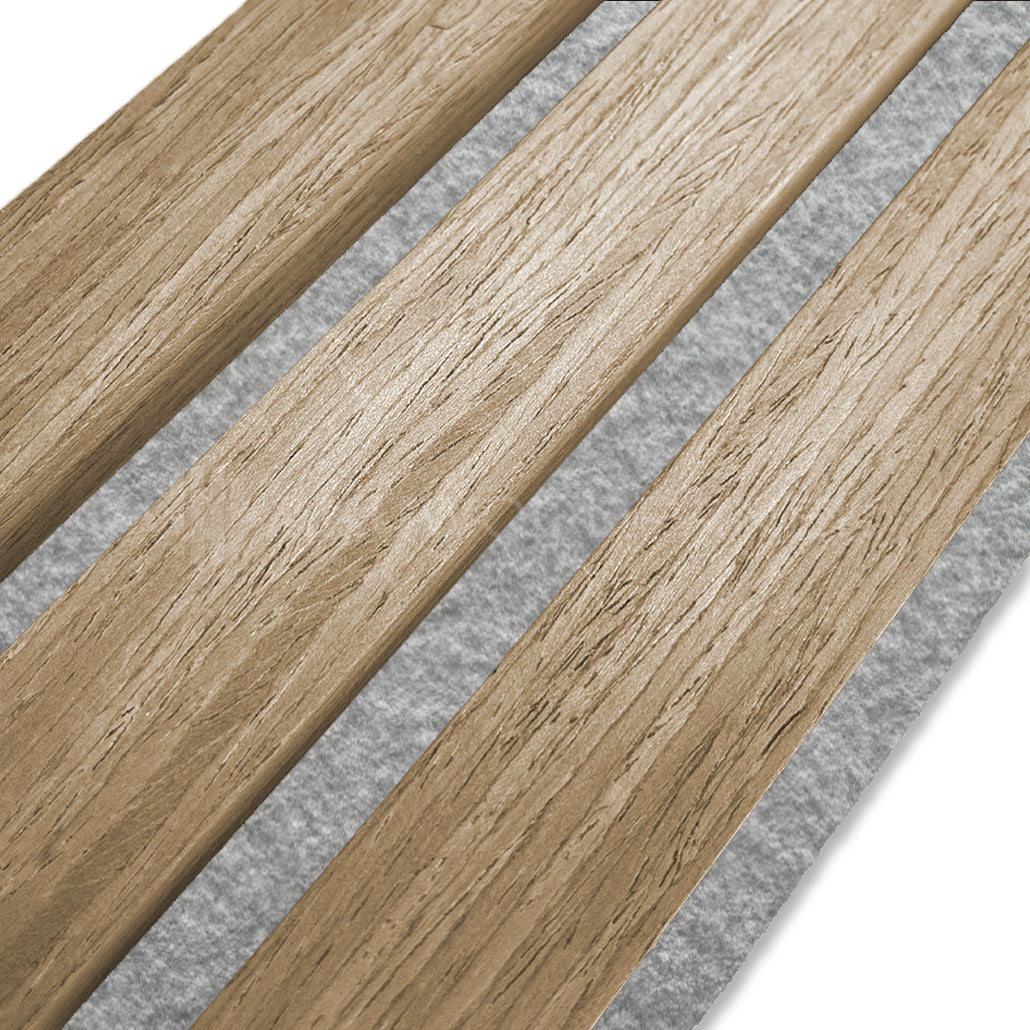
- Pick a grey felt backing if the panel will also sit in frame during video calls, since it reads as a deliberate feature wall rather than acoustic foam.
- Choose 240 cm panels for standard ceiling heights and 300 cm for taller box rooms or loft conversions, both available across Akuwood's wood-finish range.
- Mix two finishes — natural oak and grey felt, for example — if you want visual variation without changing the absorption performance.
Combine panels with basic isolation habits
Acoustic panels absorb reflections inside the room; they don't stop traffic noise, footsteps, or a neighbour's television coming through a shared wall.
- Close windows and doors during recording — panels won't compensate for an open window.
- Record at a quieter time of day if the room backs onto a road or shared wall.
- Use a shock-mounted mic stand to cut desk vibration transfer, which is a separate problem from wall reflections.
- Weatherstrip the door gap if outside noise still bleeds through after treating the walls.
Test, listen, and adjust before you commit further
Stop adding panels once the boxiness disappears, rather than treating every square metre of wall.
- Record a test clip after each panel addition and compare the reverb tail.
- Sit in the guest's chair too if you record co-hosted or interview episodes.
- Re-test after moving furniture — a new bookshelf or rug changes the room your panels are working with.
- Live with the result for a week before ordering more panels; a room that sounds "too echoey" on day one often settles once your ear adjusts to the new tone.
Comparison: acoustic treatment options for podcast rooms
| Option | Best for | Starting price | Key limitation |
|---|---|---|---|
| Akuwood hexagon acoustic panels (felt-backed) | Podcasters wanting a wood finish visible on camera plus NRC 0.75 absorption | £40.95 per panel | Covers less wall area per unit than large-format slat panels |
| Akuwood wood slat wall panels (240/300 cm) | Larger box rooms needing full-wall coverage in one finish | price varies by finish | Needs a flat, prepped wall before fitting |
| Studio foam acoustic tiles | Budget vocal booth corners, function over look | price varies | No wood finish, ages and discolours faster |
| DIY blankets, rugs, bookshelves | Temporary setups or rented rooms | free to low cost | Absorbs high frequencies only, does nothing for low-end rumble |
Verdict: for a podcast recording room in 2026, felt-backed hexagon acoustic panels at NRC 0.75 win on first-reflection treatment where the wall stays visible on camera, and wood slat panels win when the whole wall needs covering.


Common mistakes podcasters make with acoustic panels
- Foam-tiling the whole wall to "soundproof" the room — panels reduce echo, they don't block outside noise, and full coverage burns budget better spent on the mic itself.
- Treating the wall behind the host's head and ignoring the wall the mic faces — the reflection that matters most is the one bouncing straight back into the capsule.
- Skipping the floor and ceiling — a box room with two treated walls and a bare hard floor still rings on every take.
- Buying panels with no published NRC rating and guessing at how many are needed.
- Over-damping a small room until voices sound flat and lifeless — a little natural reflection keeps recordings from sounding artificial.
FAQ
What's the best acoustic panel for podcast recording rooms in 2026?
Felt-backed wood hexagon panels with an NRC rating around 0.75, like Akuwood's hexagon range, work well for podcast rooms because they treat speech-frequency reflections without turning the wall into plain foam. They suit rooms where the wall stays visible on camera or video call.
Do acoustic panels stop outside noise during recording?
No. Acoustic panels absorb reflections inside the room; they don't block traffic, footsteps, or noise coming through a shared wall. Stopping outside noise requires isolation — sealed windows, weatherstripped doors, and mass-loaded materials — which is a separate job from acoustic treatment.
How many acoustic panels does a podcast room need?
There's no fixed count — it depends on room size and where the first-reflection points fall. Most small box rooms only need the two or three surfaces closest to the mic treated, not every wall covered.
Is foam or wood panel better for a podcast recording room?
Both absorb sound; the difference is finish and durability. Foam is cheaper but discolours and ages faster with no visible upgrade, while wood-veneer panels like Akuwood's double as a feature wall that looks intentional on camera.
What NRC rating should podcast acoustic panels have?
Look for panels rated around 0.7 to 0.8 for speech-frequency absorption. Akuwood's grey-felt hexagon panels carry an NRC of 0.75, which suits vocal recording without over-deadening a small room.
Can I use acoustic wall panels in a rented podcast room?
Yes, though check the fixing method first since some panels need screwing or gluing to the wall. Adhesive-mounted panels or freestanding options avoid permanent damage in a tenancy.
What size acoustic panels fit a home podcast studio — 240 cm or 300 cm?
240 cm wood slat panels fit standard UK ceiling heights, while 300 cm suits taller box rooms or loft conversions. Hexagon panels are sold separately at a fixed 81 cm size for spot treatment rather than full-wall coverage.
How much do acoustic panels for podcast rooms cost?
Akuwood's felt-backed hexagon acoustic panels start at £40.95 per panel. Full wood slat wall panel pricing varies by finish, so check current prices on the product pages before ordering enough for a whole wall.
One last thing
The instinct to cover every wall in foam is the single most common mistake in home podcast setups, and it works against you: a completely dead room strips the natural warmth out of a voice, which is why most professional voice booths leave at least one untreated or lightly diffused surface rather than absorbing everything. Treat the reflection points first, listen back, and stop before the room goes silent.