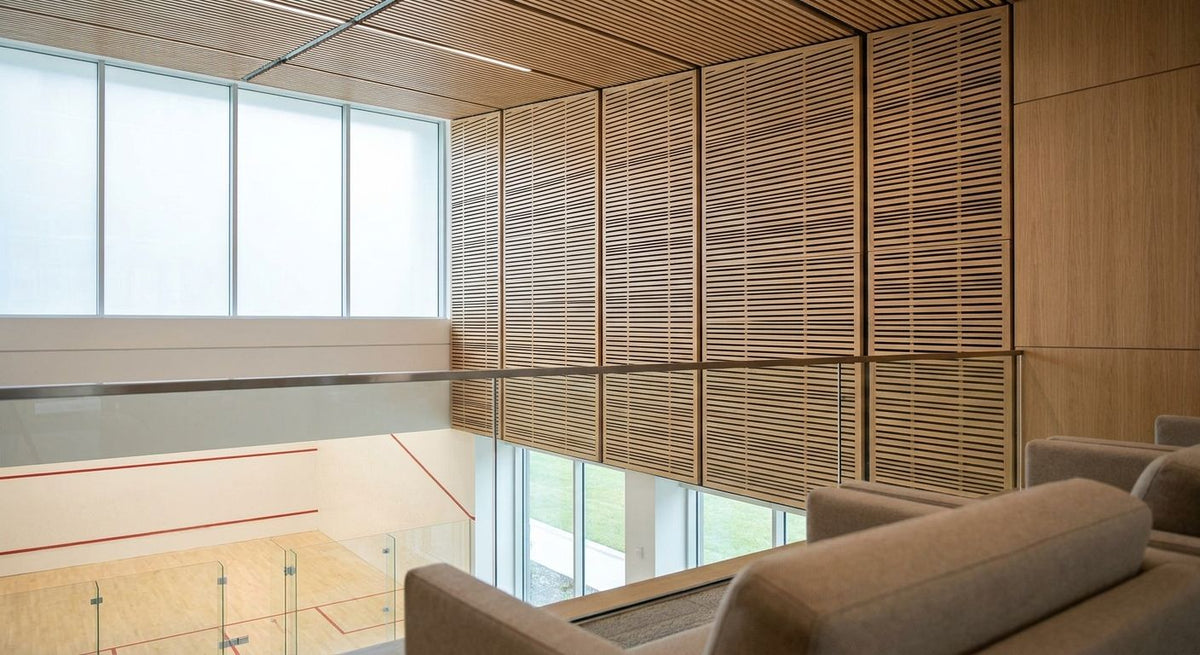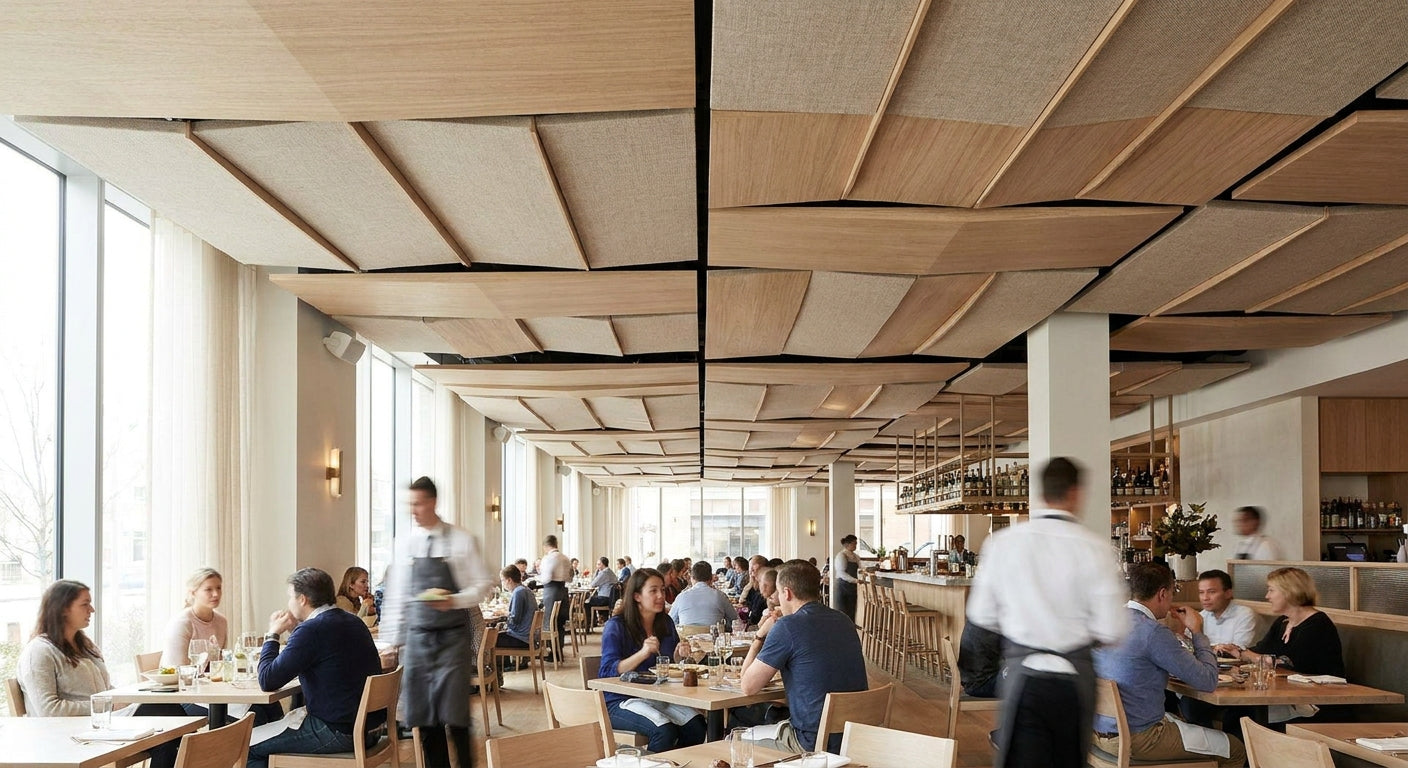
Restaurant dining rooms bounce sound off tile floors, glass windows and bare plaster ceilings, and a felt-backed acoustic wood panel on that ceiling is the fastest way to bring the noise down without ripping up the floor or hanging curtains nobody wants in a dining room.
- Acoustic ceiling panels for restaurants with felt backing hit an NRC of 0.75 -- Buy for open dining rooms.
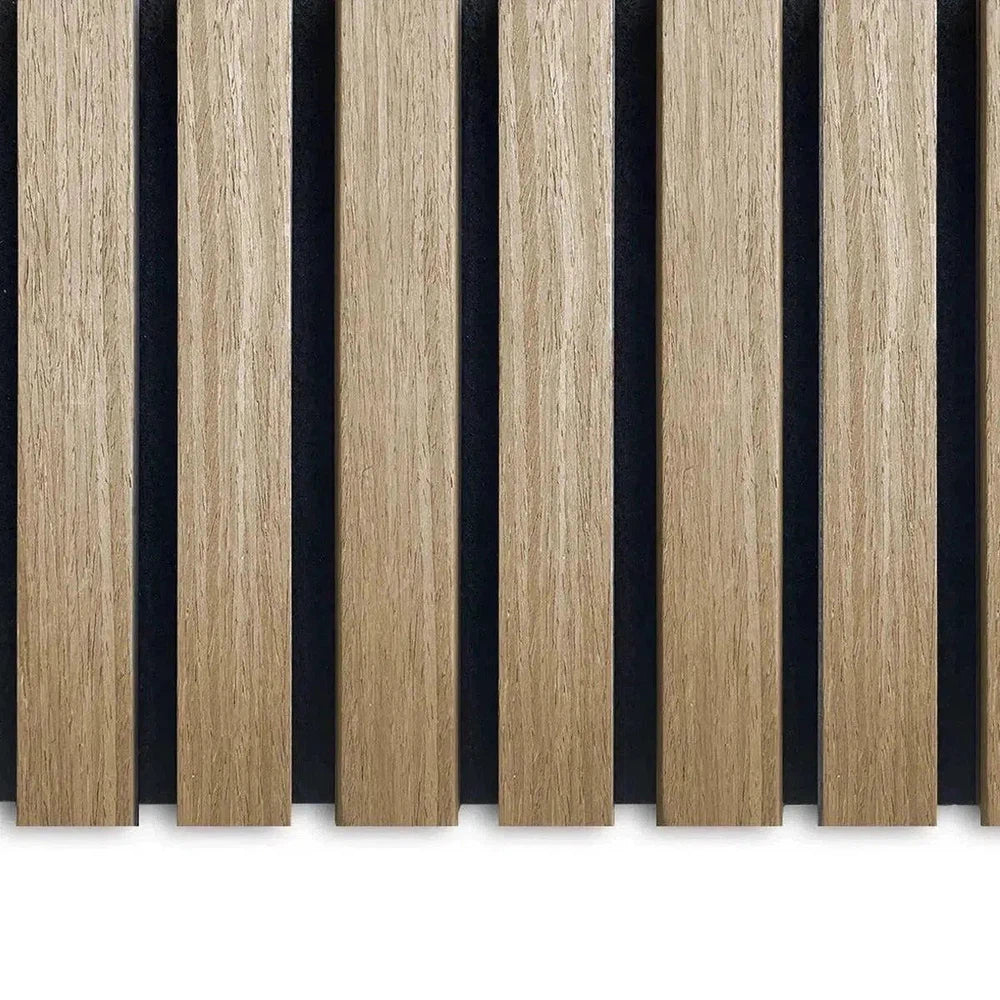
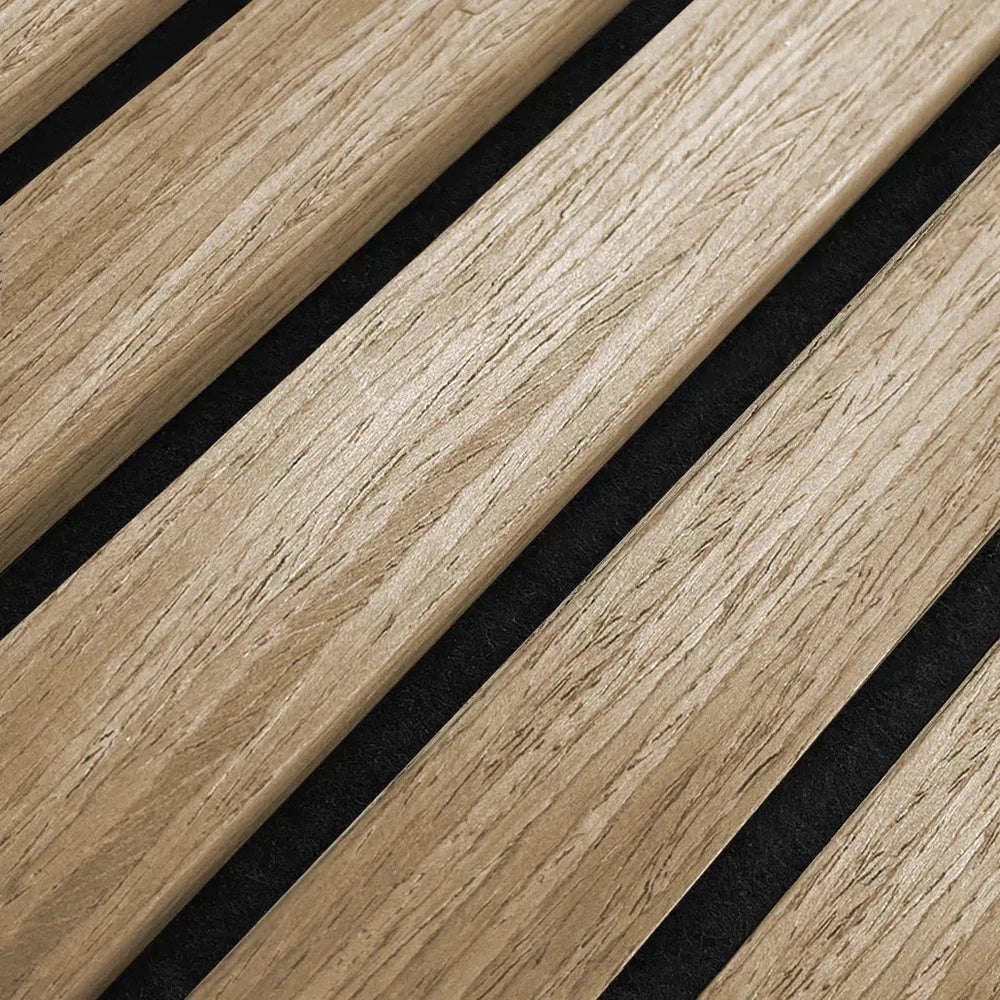
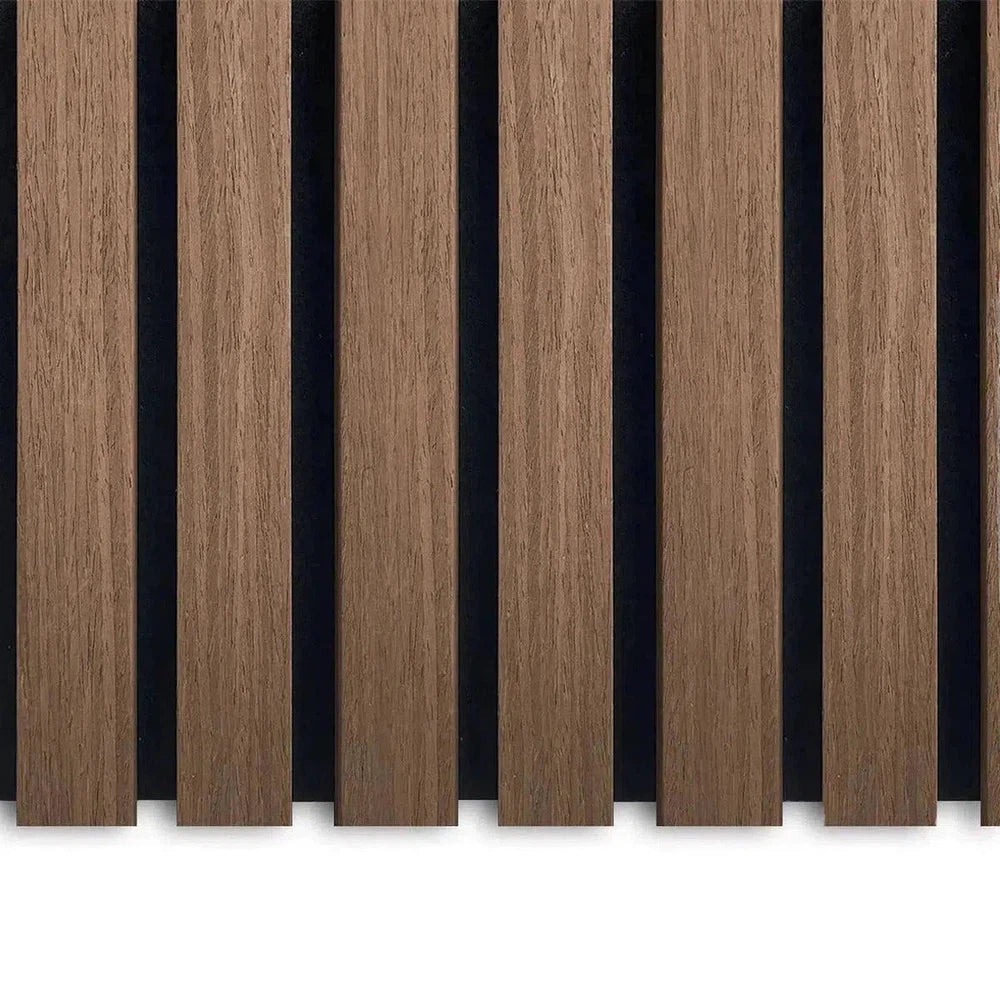
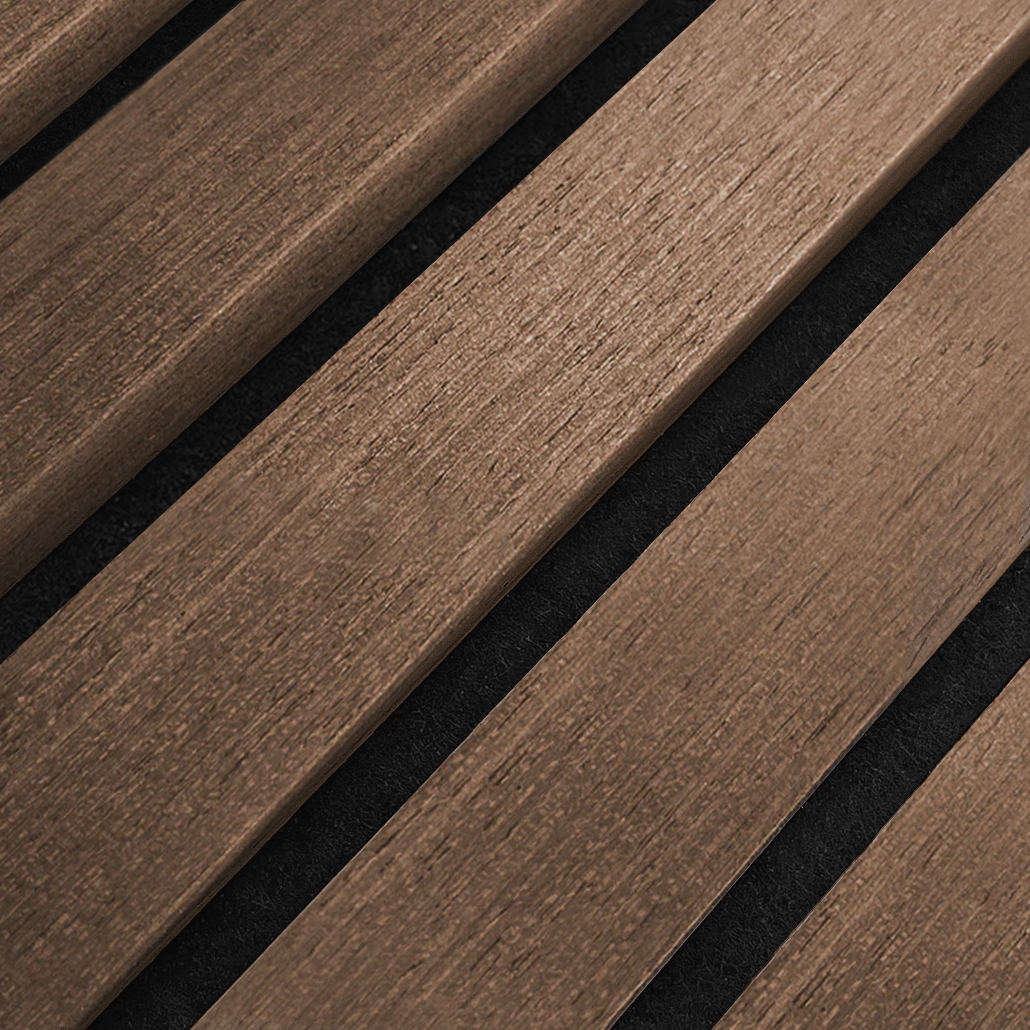
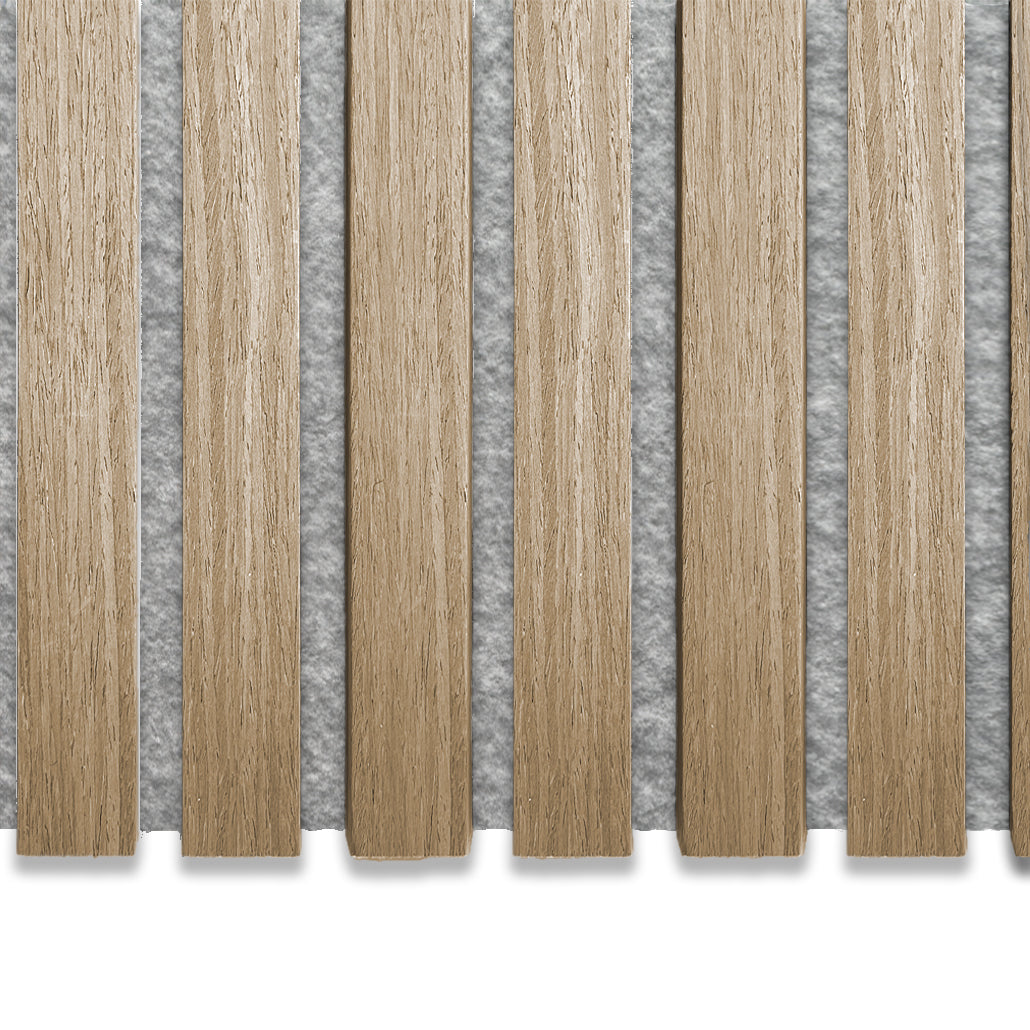
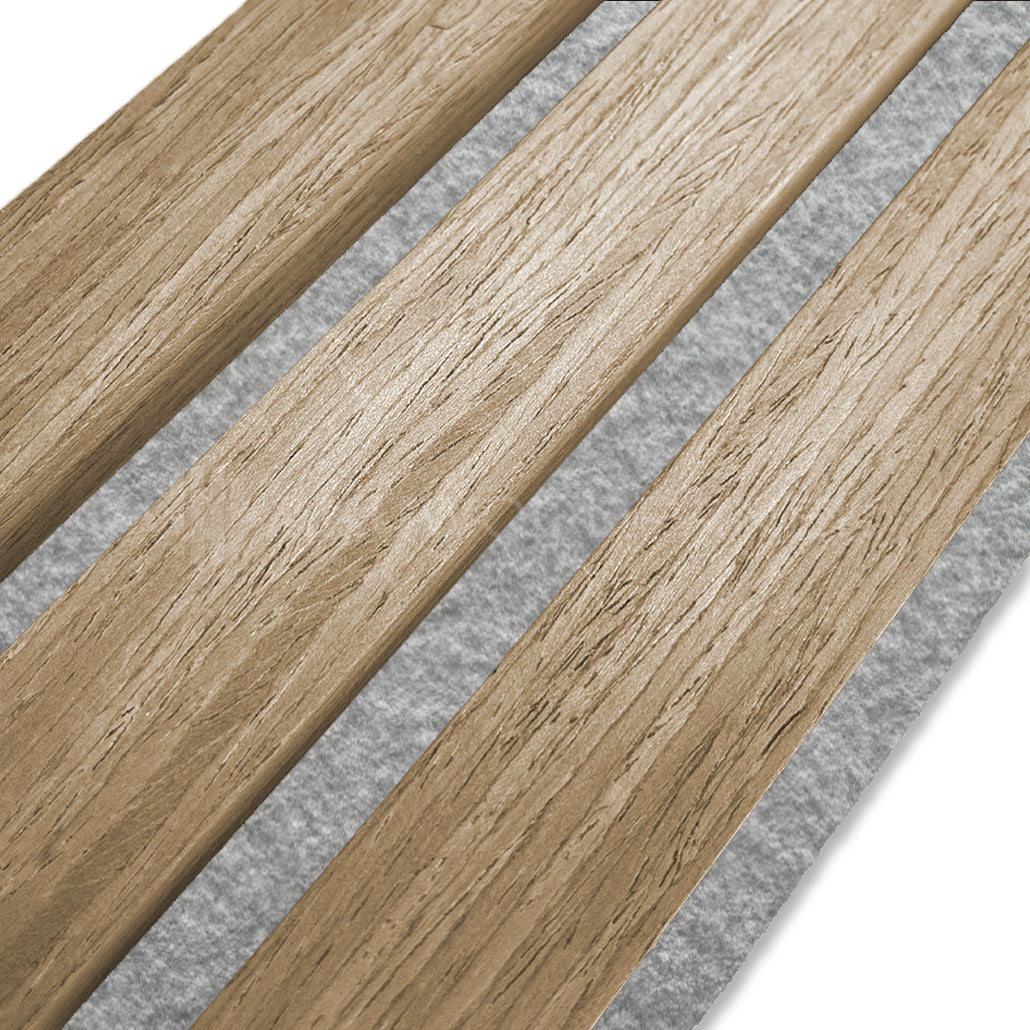
- Wooden Wall Panel Natural Oak with grey felt suits flat bulkhead ceilings over booths -- Buy.
- Hexagon Acoustic Panel Smoked Oak works over a dark bar ceiling -- Consider once fire documentation checks out.
- Skip non-felt panels on a ceiling -- the bare veneer alone does not absorb sound the way the felt-backed range does.
- Panel formats run 240cm and 300cm -- match the format to the ceiling run before ordering in 2026.
Why This Matters
A restaurant dining room with hard flooring, glass frontage and a flat plaster ceiling behaves like a drum. Sound has nowhere to go, so it reflects straight back down onto the tables, and conversation at one table competes with every other table in the room.
Ceilings are the one surface nobody puts a rug or a curtain on, which is exactly why they matter most for acoustic treatment. A felt-backed acoustic wood panel fixed to a ceiling grid or batten absorbs sound at the point it reflects hardest, rather than trying to catch it after it has already bounced twice.
Who Acoustic Ceiling Panels for Restaurants Are For
This guide is for restaurant owners, front-of-house managers and fit-out contractors dealing with a dining room that's too loud once it's more than half full, or a bar area where background music turns into a wall of noise by 9pm. It's also for anyone specifying a new fit-out who wants the ceiling to do acoustic work instead of just hiding pipework.
If you're weighing options, start with a panel that has real sound absorption built in rather than a decorative slat that only looks the part. The Hexagon Acoustic Panel Walnut with Grey Felt is a reasonable benchmark: felt backing, an NRC of 0.75, and a wood veneer finish that reads as design rather than acoustic foam.
What to Look For in Acoustic Ceiling Panels for Restaurants
Sound absorption rating (NRC)
The Noise Reduction Coefficient tells you how much sound a panel absorbs versus reflects, on a scale from 0 to 1. A felt-backed panel rated at 0.75 absorbs three-quarters of the sound hitting it, which is the number that actually moves the needle in a dining room, not the wood finish on top.
Fire rating and compliance paperwork
A restaurant ceiling isn't a bedroom wall. Before specifying any wood panel for a commercial ceiling, get the fire rating documentation from the supplier and check it against your local building control requirements rather than assuming a domestic-grade panel clears commercial rules.
Weight and mounting method
Ceiling installs carry the panel against gravity, not just against a wall. Confirm whether the panel is meant for direct fix to battens or for a suspended grid, because the mounting method changes both the labour and the ceiling void space you need above it.
Finish that matches the room
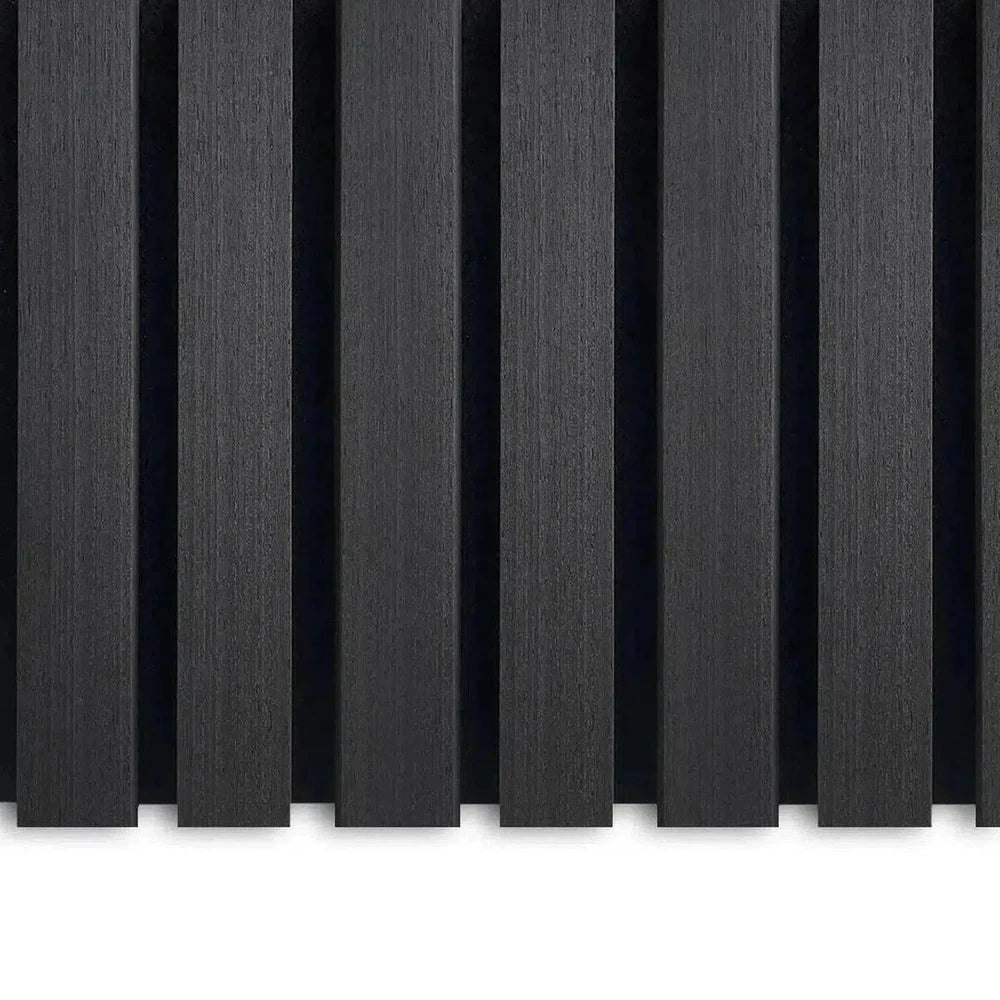
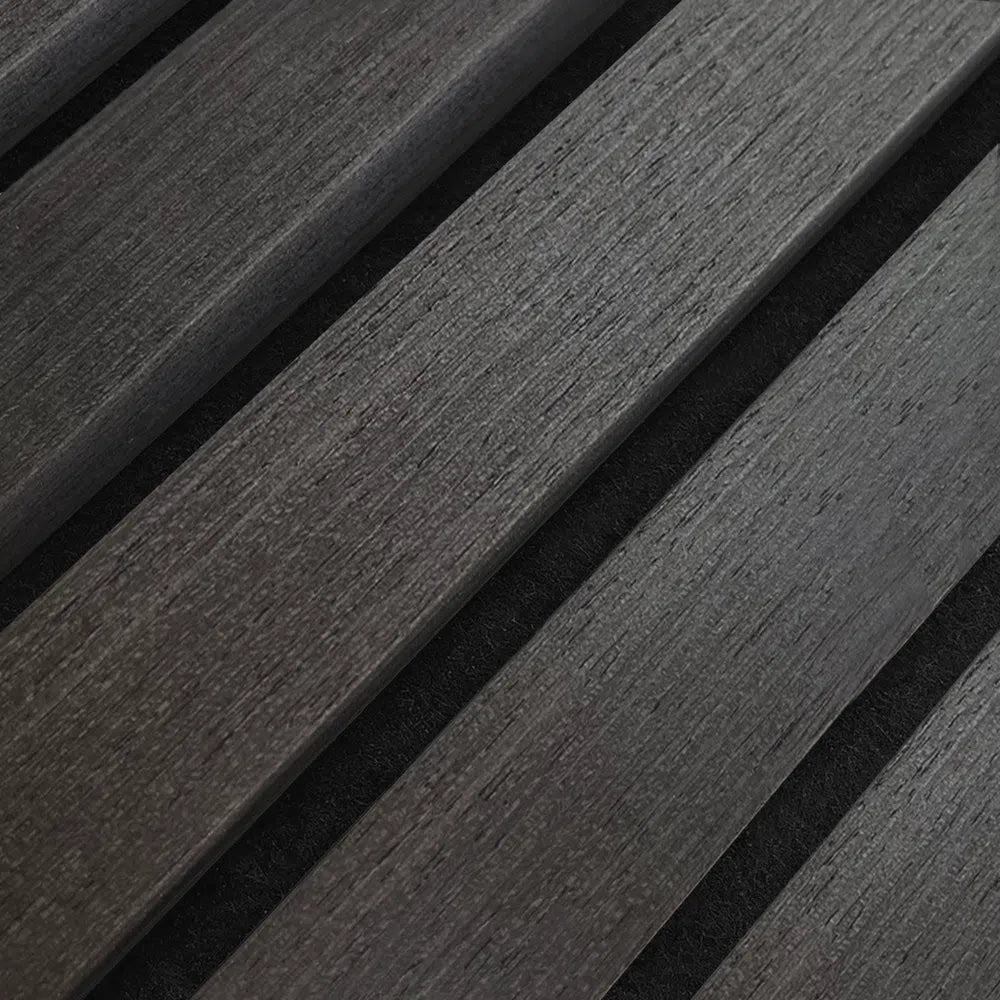
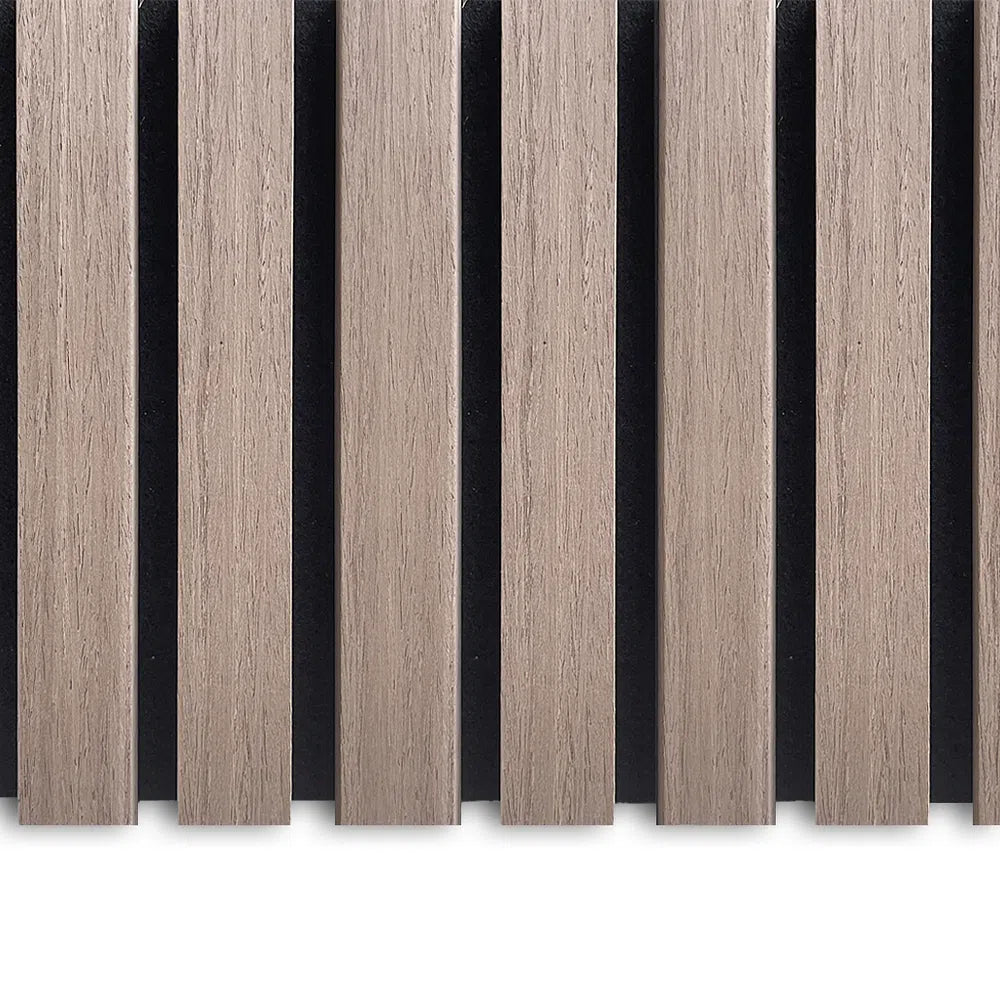
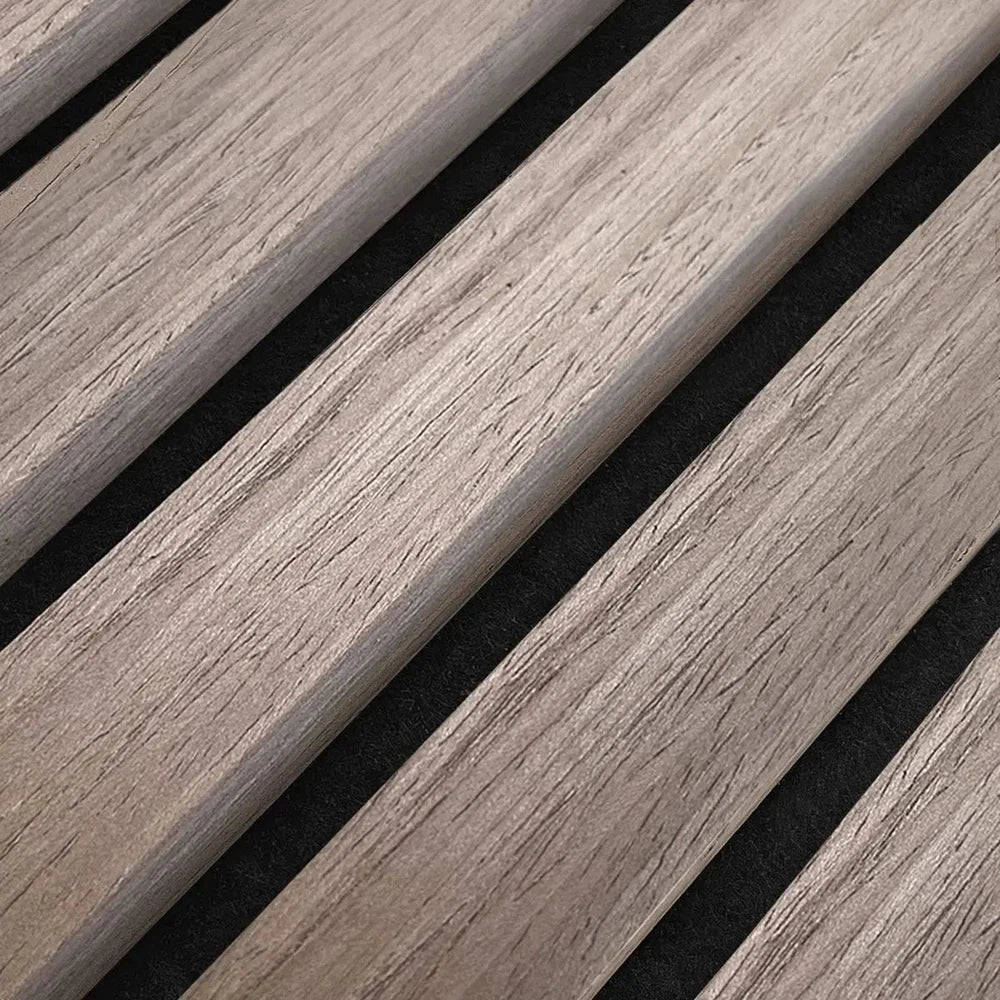
A bright natural oak reads casual and works for daytime cafe-style dining; a smoked oak or black finish reads for evening bar service. Pick the finish for the room's lighting and service hours, not just for what looks good in a product photo.
Panel format size vs ceiling grid
Panels come in two size formats -- 240cm and 300cm. Measure your ceiling run before ordering, because a format mismatch means more offcuts, more joins, and a less clean finish across a long dining room ceiling.
Acoustic backing, not just veneer
A 3-sided real wood veneer panel without acoustic felt still looks like an acoustic panel but does none of the absorption work. Confirm the felt backing is specified, not assumed, before it goes on the ceiling.
Top Picks for Restaurant Ceilings
The dining room pick. Hexagon Acoustic Panel Walnut with Grey Felt carries an NRC of 0.75 and a warm mid-tone finish that works under warm-white pendant lighting. At £40.95 per 81cm hexagon, it's a straightforward spec for an open dining ceiling that needs real absorption, not decoration. Buy.
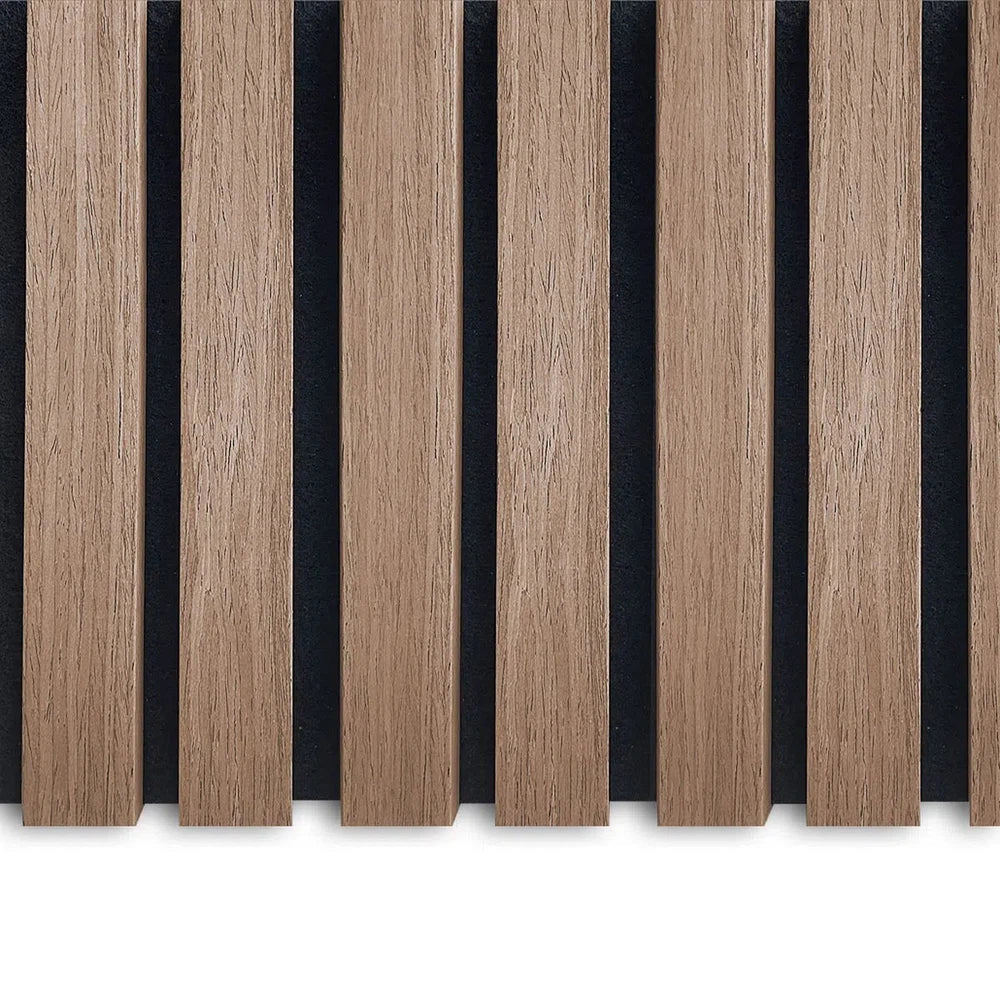
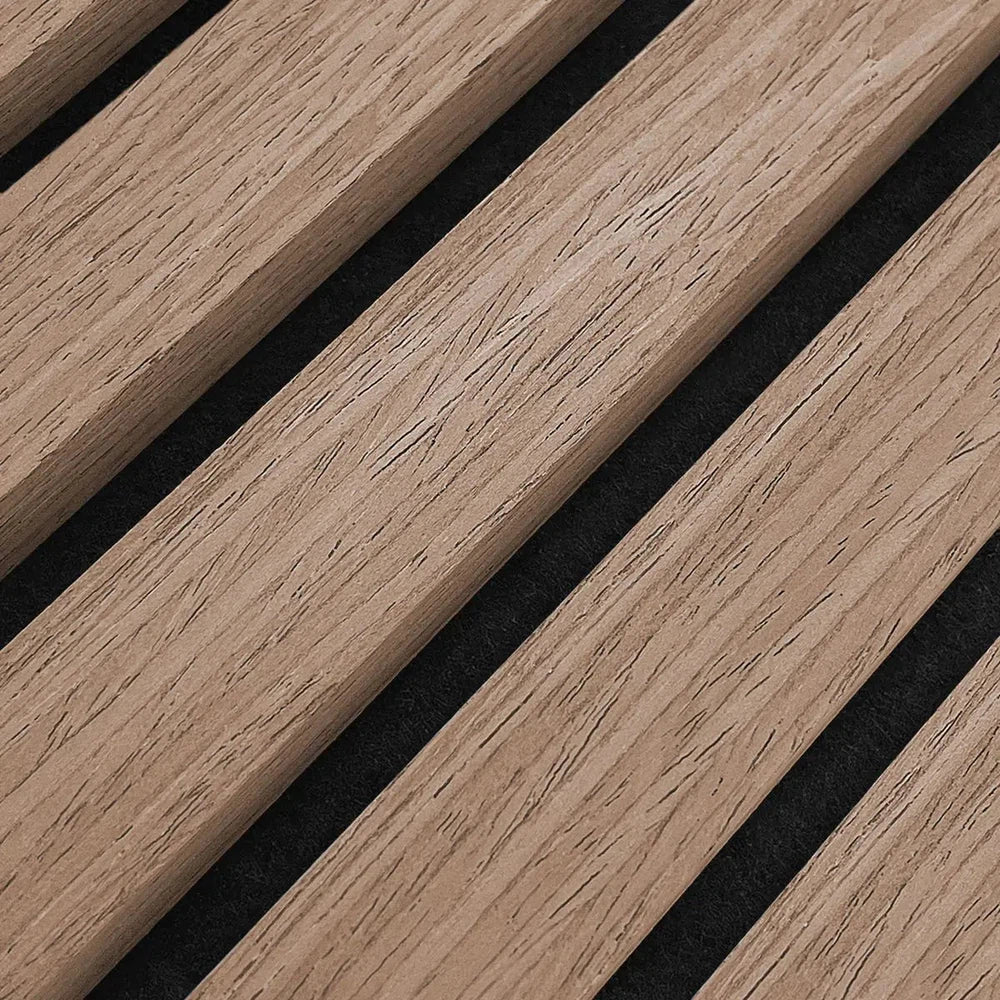
The flat bulkhead pick. For a flat ceiling run over booth seating rather than a hexagon pattern, the Wooden Wall Panel Natural Oak with grey felt backing gives you a continuous slat look across a bulkhead without the pattern-matching work a hexagon layout needs. It comes in the 240cm and 300cm formats, so a standard bulkhead depth usually needs one cut, not three. Buy for flat ceiling sections.
The dark bar ceiling pick. Hexagon Acoustic Panel Smoked Oak suits a bar or lounge ceiling where the brief is moody lighting over noise control. It carries the same 0.75 NRC as the lighter finishes, so you're not trading absorption for tone. Consider it once fire documentation for the space has been checked, since bar ceilings often sit closer to kitchen extraction routes.
The safe middle ground. Hexagon Acoustic Panel Grey Walnut with Grey Felt splits the difference between the natural oak and the smoked oak -- neutral enough for a daytime cafe, dark enough to hold up under evening lighting. Same 0.75 NRC, same £40.95 unit price. Buy if you can't decide between the lighter and darker finishes above.


What to Avoid
- Non-felt panels sold as "acoustic." A 3-sided veneer panel with no felt backing is a wall decoration, not sound treatment. Ask for the backing spec, not just the wood finish, before it goes on a ceiling.
- Mixing panel formats mid-run. Combining 240cm and 300cm panels on the same ceiling run without planning the layout first creates uneven joins that show under downlighting.
- Skipping the fire paperwork. A panel that's fine on a domestic living room wall isn't automatically cleared for a commercial ceiling above a dining floor. Get the documentation before installation, not after building control asks for it.
- Kitchen pass areas treated the same as the dining room. Grease and steam exposure near a kitchen pass changes what's suitable overhead; treat that zone as a separate spec decision from the main dining ceiling.
“A felt-backed panel does the acoustic work a bare veneer panel only looks like it's doing.”
Verdict Comparison Table
| Panel | NRC | Best ceiling zone | Format | Verdict |
|---|---|---|---|---|
| Hexagon Walnut with Grey Felt | 0.75 | Open dining room | 81cm hexagon | Buy |
| Wooden Wall Panel Natural Oak, grey felt | Felt-backed | Flat bulkhead over booths | 240cm / 300cm | Buy |
| Hexagon Smoked Oak | 0.75 | Dark bar or lounge ceiling | 81cm hexagon | Consider |
| Hexagon Grey Walnut with Grey Felt | 0.75 | Undecided / neutral spaces | 81cm hexagon | Buy |
FAQ
What's the best acoustic ceiling panel for a restaurant dining room?
A felt-backed wood panel with an NRC around 0.75, such as the Hexagon Acoustic Panel Walnut with Grey Felt, is the strongest 2026 pick for an open dining ceiling. The felt backing is what absorbs sound; the wood veneer on top is the finish, not the acoustic layer.
Can wooden slat wall panels be installed on a ceiling?
Yes, wooden slat panels can be fixed to a ceiling using battens or a suspended grid, the same way they mount on a wall. Confirm the panel's weight and the mounting method before ordering, since ceiling installs work against gravity differently than a wall install does.
Is NRC 0.75 good for a restaurant ceiling?
An NRC of 0.75 means the panel absorbs roughly three-quarters of the sound that hits it, which is strong performance for a decorative acoustic panel in 2026. Most bare wood or plaster ceilings sit near 0.05 to 0.10 NRC by comparison.
How much do acoustic ceiling panels cost for a restaurant?
Felt-backed hexagon acoustic panels run £40.95 per 81cm unit as of 2026, with flat wooden wall panels priced separately by format size. Total cost depends on ceiling area and how many panels the layout needs.
Do acoustic ceiling panels need a fire rating for commercial use?
Restaurant ceilings sit under commercial building control rules, so fire rating documentation should be checked against local requirements before installation. Don't assume a panel rated for domestic walls automatically clears commercial ceiling rules.
What's the difference between 240cm and 300cm panel formats?
The two formats are simply different panel lengths, and picking the right one reduces offcuts and joins across a ceiling run. Measure the ceiling length first, then choose the format that divides into it most cleanly.
Are hexagon acoustic panels better than flat slat panels for ceilings?
Neither is universally better -- hexagon panels suit a patterned feature ceiling over an open dining area, while flat slat panels suit a continuous bulkhead run over booths. Both carry the same felt-backed acoustic performance when specified with grey felt.
Can acoustic wood panels go near a restaurant kitchen pass?
Kitchen pass areas involve grease and steam exposure that the main dining ceiling doesn't face, so that zone needs its own review before specifying the same panel. Treat it as a separate decision from the dining room ceiling spec.
One Last Thing
The felt backing, not the wood veneer, is doing the acoustic work — a panel with the same finish but no felt layer will look identical in a photo and do almost nothing for the echo in your dining room. Check the backing spec before the finish every time.