

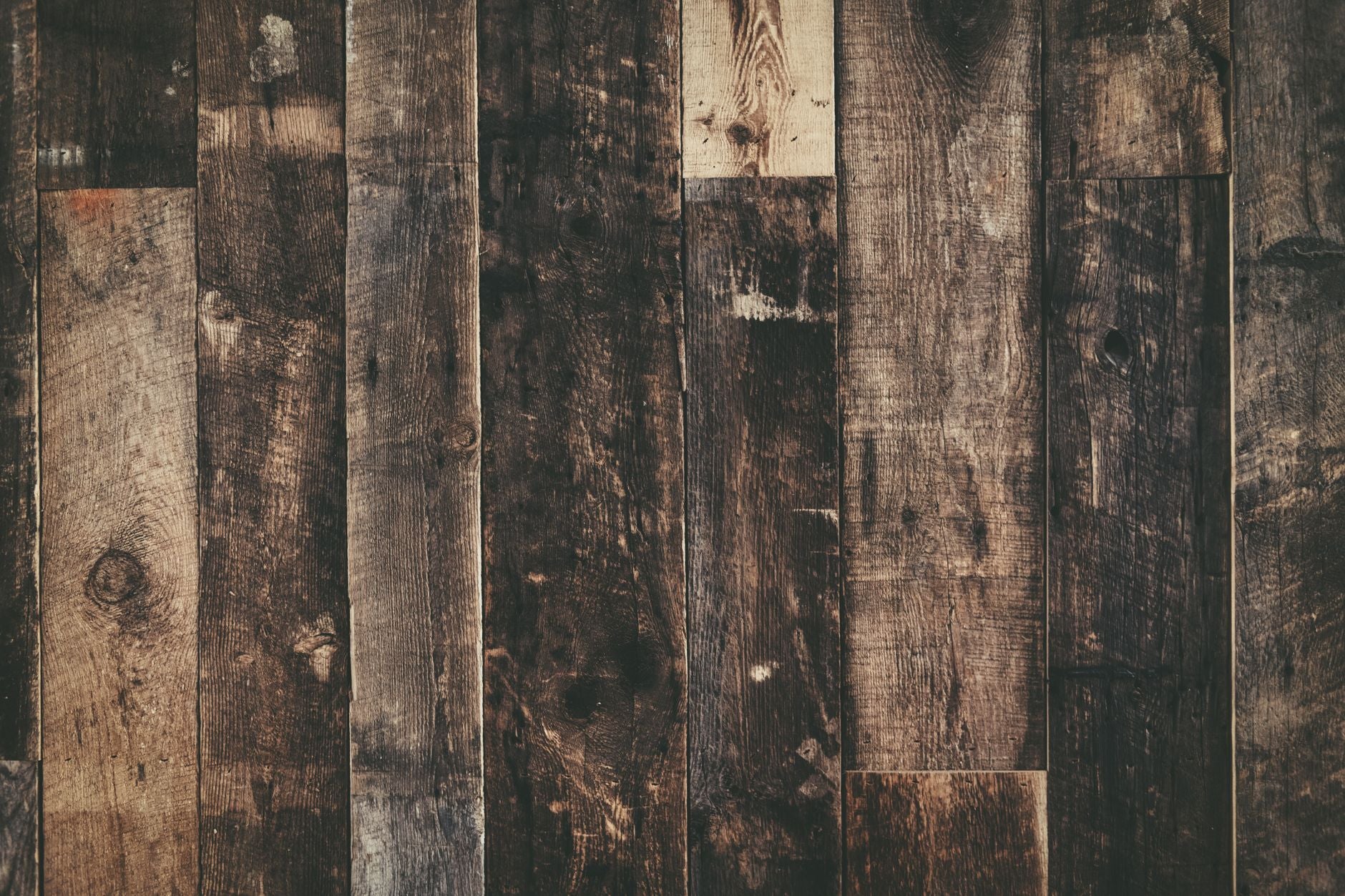
Wooden wall panels for commercial restaurant fit-outs solve two problems at once: they give a dining room its visual identity and they pull down the ambient noise that kills the atmosphere in a busy service.
TL;DR: For restaurant fit-outs in 2026, acoustic wooden wall panels are the spec choice that earns its budget. Smoked Oak and Natural Oak finishes read well under warm hospitality lighting; panels with a grey felt backing absorb mid-range frequencies that dominate a dining room at full cover. Aku Wood Panel manufactures slatted acoustic wood panels sized for commercial installation, with finish samples available before you commit to volume. If you spec one thing right in a restaurant interior, make it the wall panels — the acoustic return alone justifies the cost.
Why this matters in 2026
Restaurant noise is the number one complaint in UK dining reviews, consistently outranking food temperature and wait times in hospitality sector feedback data. A hard-surfaced dining room — plaster, tile, glass — can push reverberation times above 1.5 seconds, which means speech intelligibility drops sharply at full cover. Wooden wall panels with an acoustic backing reduce that reverberation time measurably, and in 2026 building designers are specifying them at the fit-out stage rather than retrofitting after complaints arrive.
The visual case is just as strong. Timber wall finishes signal warmth and craft. Guests read the room in the first 8 seconds — wood grain, lighting, and ceiling height set the expectation for what they are about to pay.
Who this guide is for
This is written for restaurant owners, hospitality interior designers, and fit-out contractors specifying wooden wall panels for a commercial dining environment — whether that is a 40-cover neighbourhood bistro, a 200-seat city-centre venue, or a hotel restaurant undergoing a 2026 refurbishment. The priorities here are durability under commercial conditions, acoustic performance, finish consistency across a large run of panels, and installation speed during a tight fit-out programme.
What to look for in wooden wall panels for a restaurant
Acoustic backing
A slatted wooden panel without any backing is decorative; one bonded to a felt or acoustic foam layer is functional. In a restaurant context — hard floors, parallel walls, high ceilings — you need NRC (Noise Reduction Coefficient) absorption, not just visual texture. Panels with a grey felt backing trap mid-frequency sound between 500 Hz and 2,000 Hz, which is exactly the conversational range that becomes fatiguing at full cover. Specify felt-backed panels for any wall that faces another hard surface.
Finish durability under kitchen humidity
A restaurant kitchen generates humidity spikes multiple times per service. Panels near a pass, an open kitchen, or a bar need a finish that does not delaminate or warp under repeated thermal and moisture cycling. Engineered wood-veneer panels on an MDF core perform significantly better here than solid timber — the core is dimensionally stable and the veneer is sealed. Check that the manufacturer applies a protective finish coat; a raw veneer will absorb grease vapour over time.
Finish consistency across a large run
A 200-cover restaurant might need 80 to 120 linear metres of panelling. Batch colour variation — common with natural oak especially — becomes visible at that scale under directional spotlights. Source from a single manufacturer and, where possible, from a single production run. Order samples first: what reads as "Natural Oak" in a product image can range from pale cream to warm amber depending on the batch and the lacquer.
Installation method for commercial timescales
Fit-out programmes in hospitality are compressed. Panels that can be glued directly to a prepared substrate — plasterboard, skim, or cement board — install faster than mechanically fixed systems that require batten frameworks. High-tack panel adhesive eliminates the need for a stud grid on flat walls and lets a team cover significant square meterage per day. For curved or irregular walls, a mechanical fix may still be necessary, but flat feature walls and back-of-house screens suit a glue-up method.
Fire rating and building regulations compliance
Commercial interiors in England and Wales must comply with BS 9999 and the requirements of Approved Document B. Timber panels in a restaurant dining room typically need a Class B or Class C surface spread of flame rating depending on the floor area and occupancy load. Confirm the panel's fire classification with the manufacturer before specifying; some ranges carry a factory-applied fire retardant treatment, others require on-site treatment.
Finish tone relative to the lighting scheme
Restaurants use warm-spectrum LED or halogen-equivalent sources, typically 2,700 K to 3,000 K. Under that light, cool-toned finishes — Grey Oak, Smoked Oak — pick up warmth and read as sophisticated rather than cold. Pale natural oak panels can look slightly washed out under very warm directional light. Darker finishes like Walnut, Black Oak, or Mocca anchor a feature wall visually and handle the contrast between lit and shadow areas better than light timbers.
Top picks for restaurant fit-outs
Smoked Oak — the workhorse finish
Hook: The safe spec for almost any restaurant brief.
Smoked Oak sits in the mid-tone range — darker than Natural Oak, lighter than Walnut — which means it reads clearly without dominating a room. Under 2,700 K restaurant lighting it takes on a warm, slightly amber cast that photographs well and ages gracefully. The wooden wall panel smoked oak from Aku Wood Panel is a slatted acoustic panel suitable for full-wall installation; it is the finish most requested for hospitality environments in 2026 precisely because it bridges industrial and warm-contemporary aesthetics.
Verdict: Buy. Order a sample wooden wall panel smoked oak before committing to volume.
Natural Oak with Grey Felt — the acoustic specialist
Hook: The pick when noise reduction is the primary brief.
The Natural Oak Grey Felt variant pairs a pale oak veneer slat face with a dense grey felt acoustic backing. The felt layer does the acoustic work; the oak face keeps the panel sympathetic to light interiors and Scandinavian-influenced dining room schemes. It suits venues with hard concrete or tiled floors where reverberation is a known issue. At full cover — a restaurant running 60-plus covers on a Friday night — the difference between panelled and unlined walls is audible within a single service.
Verdict: Buy for venues with hard flooring and parallel hard-surface walls. Consider the wooden wall panel natural oak grey felt for feature walls opposite the kitchen pass or bar.
Walnut — the premium feature wall
Hook: The wildcard that earns a higher average cover price.
Deep-toned Walnut panelling signals luxury dining more directly than any other timber finish. It suits city-centre restaurants, hotel dining rooms, and private members' clubs where the interior needs to justify a premium price point. Walnut also absorbs visible wear — scuffs and contact marks that show on pale oak disappear into the grain of a dark walnut finish. The trade-off is cost per panel and the need to balance a dark feature wall with adequate artificial light so the room does not read as oppressive.
Verdict: Buy for premium dining fit-outs. Consider for casual dining venues where the budget needs to stretch across the whole room.
Black Oak — the bold call
Hook: Right for one wall; wrong for four.
Black Oak panelling creates a strong focal point — behind a bar, framing an open kitchen, or as the head wall of a private dining room. It photographs dramatically, which matters for social media visibility in 2026. Applied to all walls in a mid-sized room, it becomes oppressive and requires a substantial lighting budget to compensate. Specify it as a single feature wall with adjacent surfaces in a contrasting pale or neutral finish.
Verdict: Consider for feature walls. Skip as an all-over treatment in rooms under 80 square metres.
Comparison table
| Finish | Acoustic backing option | Best for | Lighting requirement | Maintenance |
|---|---|---|---|---|
| Smoked Oak | Standard / felt | All-rounder, any brief | Standard warm LED | Low |
| Natural Oak Grey Felt | Grey felt | High-noise venues | Warm or neutral | Low |
| Walnut | Standard | Premium dining, hotels | Higher lux output | Low |
| Black Oak | Standard | Single feature wall | High lux required | Very low |
What to avoid
Unfinished or raw-edge timber. Solid timber boards without a sealed finish will absorb kitchen grease, humidity, and cleaning chemicals. In a commercial environment, unfinished timber degrades within 12 months and cannot be deep-cleaned to food-safety standards.
Panels specified without fire-rating confirmation. Ordering panels for a commercial restaurant interior without confirming the BS EN 13501-1 classification against your building control officer's requirements is the most common and most costly mistake in hospitality fit-outs. Some panel ranges carry a Class B rating as standard; others do not. Do not assume.
Choosing finish from a screen image alone. Monitor calibration, photography lighting, and jpeg compression all distort timber tone. A finish that reads as warm mid-oak online can arrive on site reading as yellow or grey under your actual lighting conditions. Always request a physical sample — most manufacturers, including Aku Wood Panel, supply them — and view it under the actual light source specified for the venue before placing a volume order.
FAQ
What are the best wooden wall panels for a restaurant? Acoustic slatted wood panels — specifically those with a felt or foam backing — are the best choice for restaurant environments in 2026. Smoked Oak and Natural Oak Grey Felt are the most-specified finishes for UK hospitality fit-outs because they balance visual warmth with genuine noise absorption.
Do wooden wall panels reduce noise in restaurants? Yes, when the panel has an acoustic backing layer. A plain veneer or MDF-faced panel adds negligible absorption. Felt-backed slatted panels reduce mid-frequency reverberation — the frequency range of speech — which is the primary driver of perceived noise in a busy dining room.
Are wooden wall panels suitable for a commercial kitchen environment? Panels should not be installed in a direct-heat or high-steam zone — directly above a hob or fryer, for example. For the dining room, pass area, or bar back wall, an engineered-veneer panel with a sealed finish performs well under the humidity levels generated by a busy service.
How do you fix wooden wall panels in a restaurant fit-out? High-tack panel adhesive applied to a flat, prepared substrate (plasterboard, skim coat, or cement board) is the fastest method for commercial timescales. Mechanical fixing to battens is an alternative for uneven walls. Most slatted panel systems are designed for glue-up installation on flat surfaces.
What fire rating do wooden wall panels need in a UK restaurant? Under Approved Document B and BS 9999, commercial dining rooms typically require wall linings to achieve at minimum Class C (or Class B in higher-risk configurations). Confirm the specific requirement with your building control officer before specifying. Some panel ranges carry factory-applied fire retardant treatment; others require on-site treatment after installation.
How much do wooden wall panels cost for a restaurant fit-out? Panel cost varies by finish and whether an acoustic backing is included. The total installed cost across a full-wall restaurant fit-out depends on area, adhesive specification, and whether end-pieces or finishing trim are required. Request a sample first to confirm finish, then price the volume requirement against the square meterage of the walls being panelled.
Is Smoked Oak or Natural Oak better for a restaurant interior? Smoked Oak handles warm restaurant lighting better and shows less variation across a large run of panels. Natural Oak is the better choice when acoustic performance is the primary requirement and the design scheme calls for a lighter, more Scandinavian aesthetic. Both are appropriate for 2026 restaurant interiors.
Can wooden wall panels be cleaned in a commercial environment? Yes. Panels with a factory-sealed veneer face can be wiped down with a damp cloth and a mild detergent. Avoid abrasive cleaners or steam cleaning directly on the panel face. The sealed finish protects against the low-level grease vapour present in any restaurant dining room.
One last thing
The single most overlooked detail in restaurant panel specifications in 2026 is the end piece. Where a panelled wall meets a door frame, a column, or a return wall, a raw-cut panel edge reads immediately as a contractor shortcut. End-piece trims — matching the panel finish — are a small addition to the order but the difference between a fit-out that looks considered and one that looks unfinished. Price them into your initial quote, not as an afterthought.
Share:
Acoustic Panels for Recording Studio Walls 2026
How to Soundproof a Home Office Wall in 2026