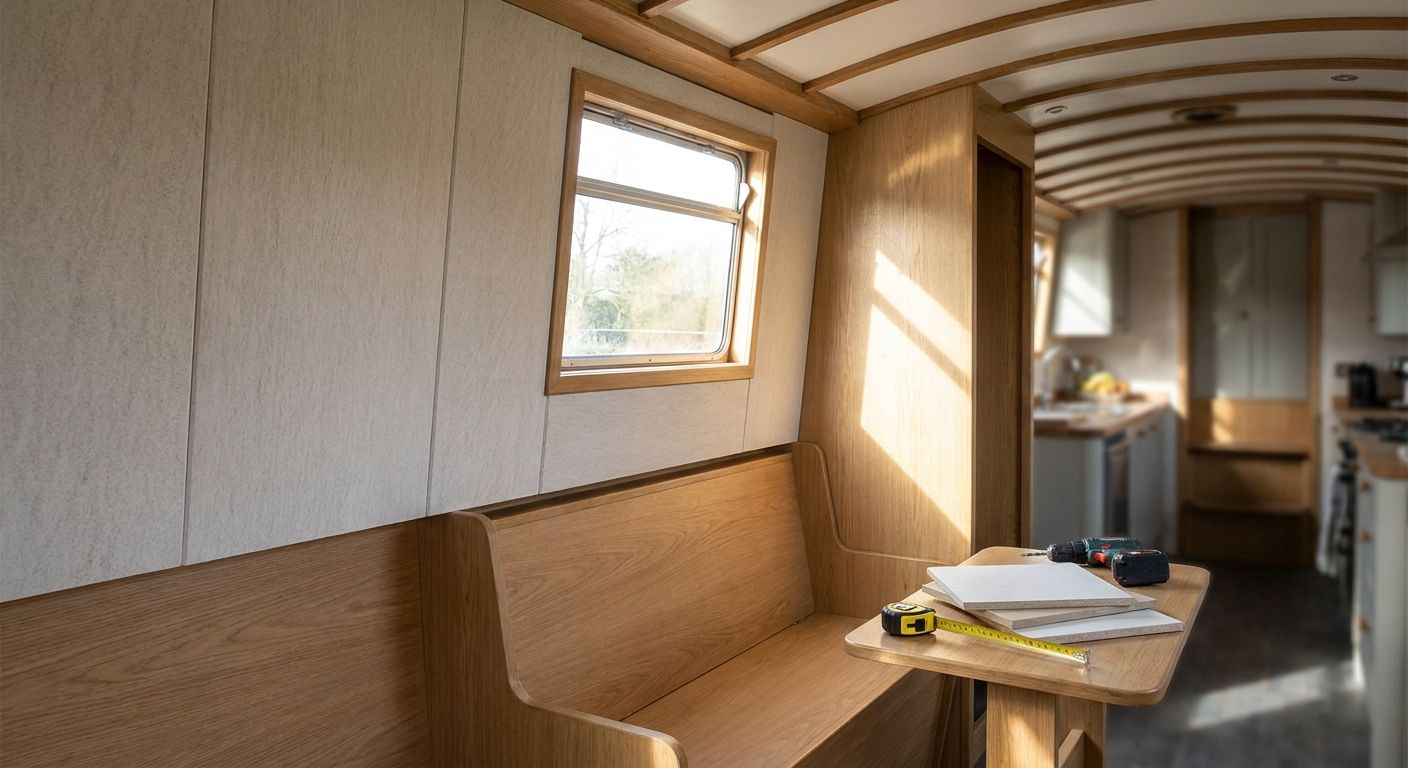
Canal boat cabins on a standard narrowboat run about 6'10" (2.08m) wide, so every wall finish you add either eats into that headroom or adds hull weight you didn't budget for. A lightweight panel wall solves both problems at once, provided you pick the right size format and fixing method for a steel-hulled interior in 2026.
- Akustiq UK's Wooden Wall Panel Natural Oak Grey Felt is the safest lightweight panel wall pick for most narrowboat cabins in 2026 - buy it.
- Hexagon Acoustic Panel Natural Oak suits curved bulkheads and rated NRC 0.75 for engine noise - consider it for tight corners.
- Skip solid tongue-and-groove timber boards on a canal boat - they swell with bilge damp and add hull weight you don't need.
- Standard narrowboat beam is 6'10" (2.08m), so measure before ordering 240cm or 300cm panel lengths.
Why this matters
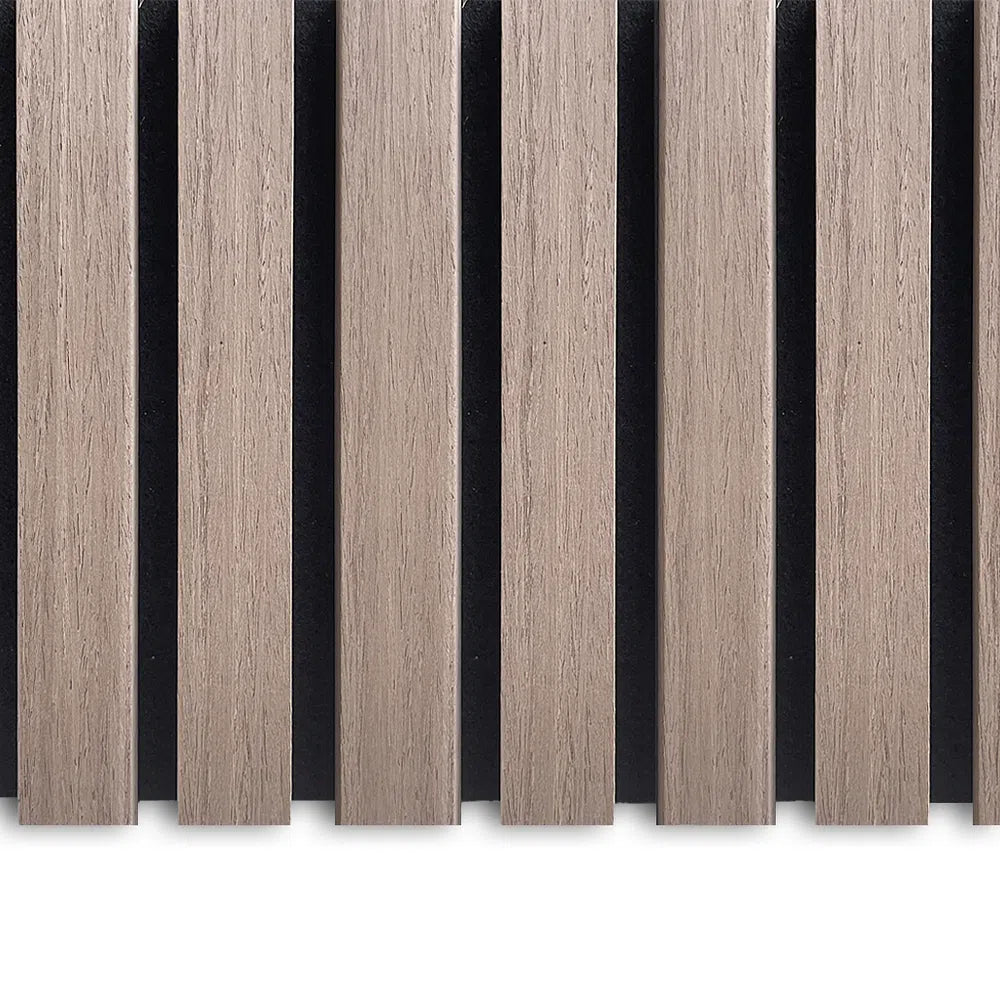
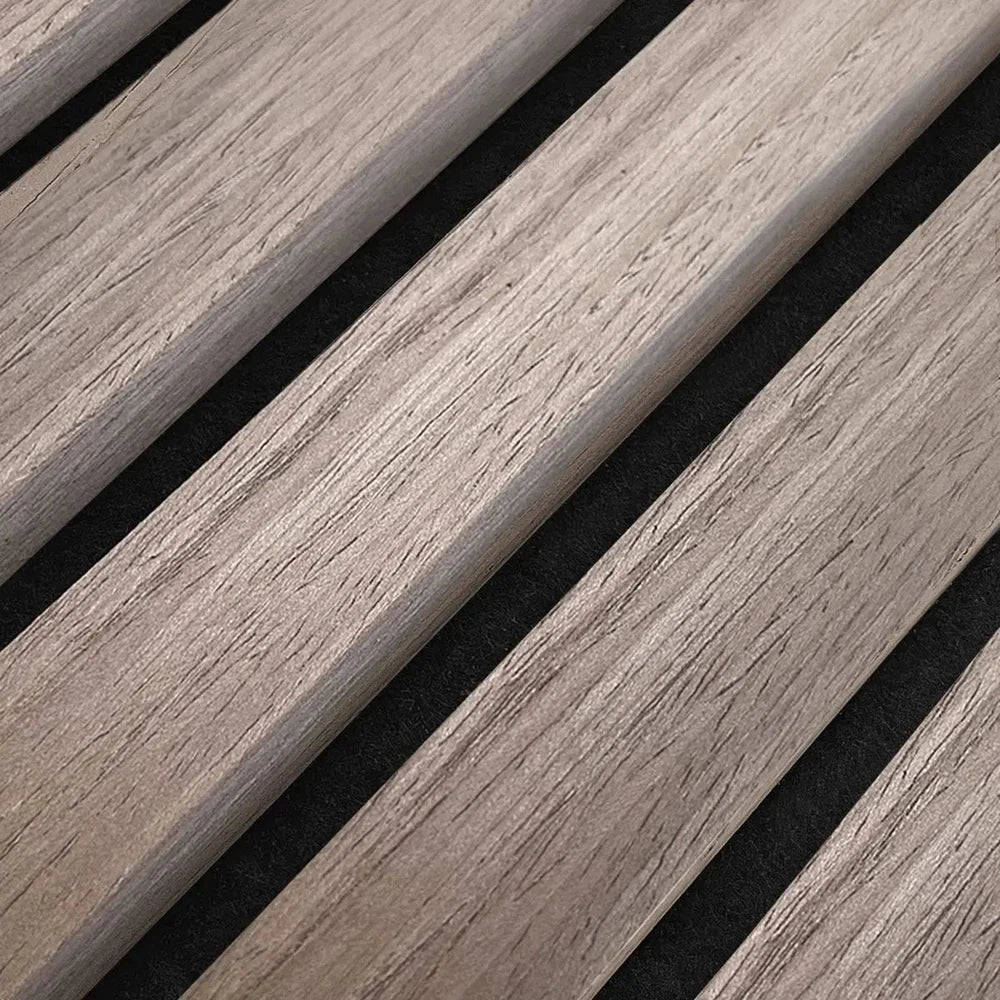
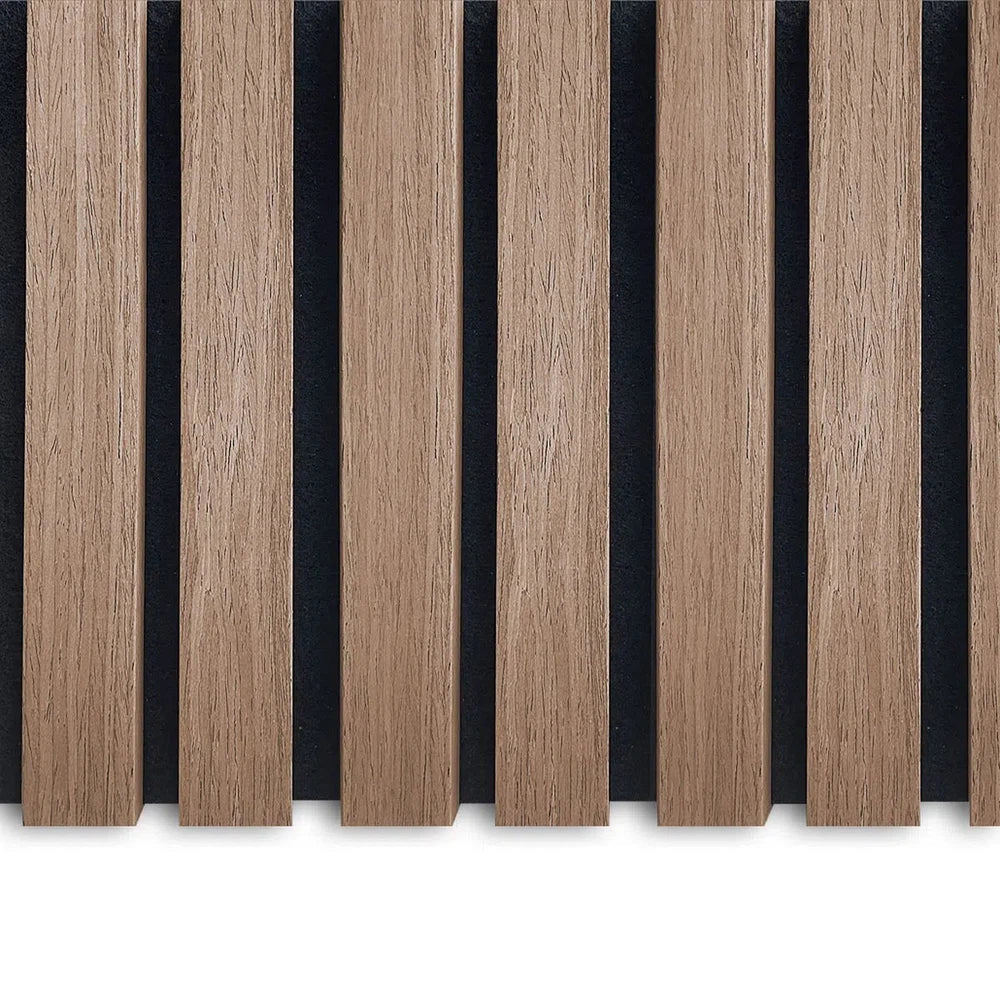
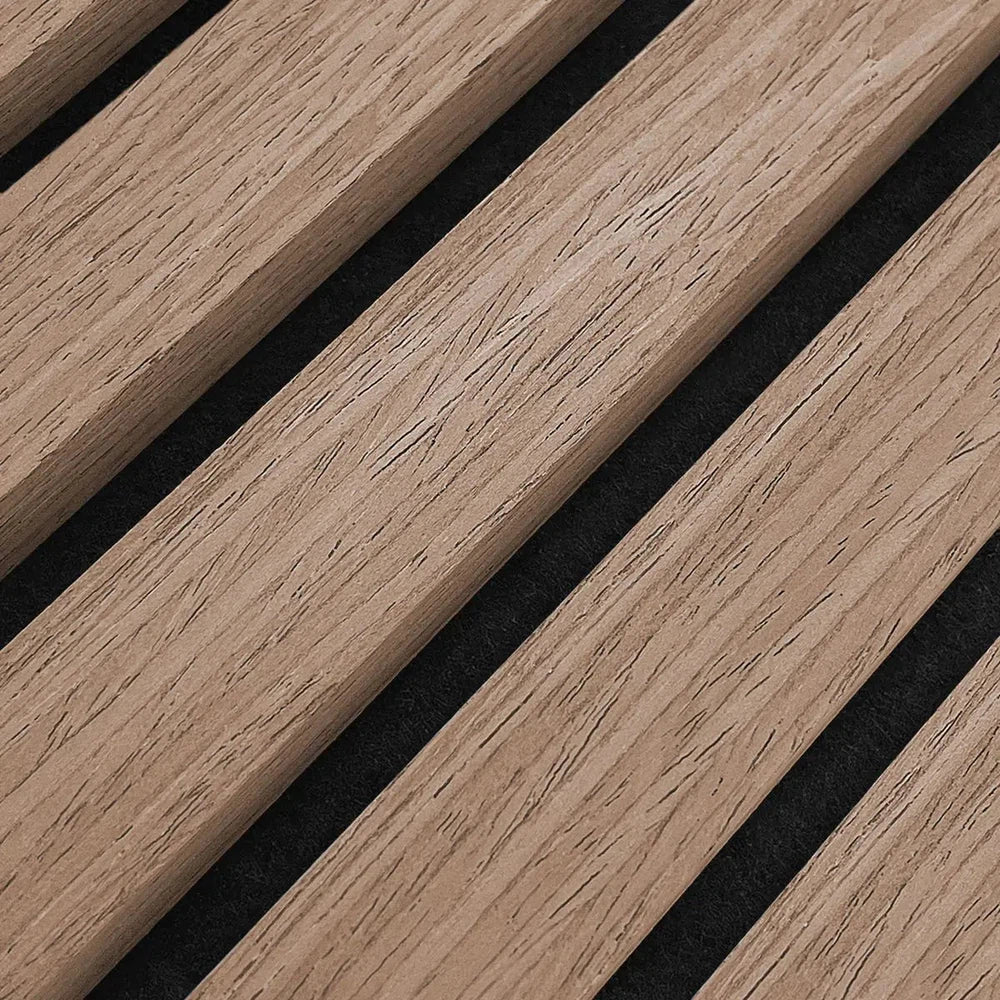
A steel hull traps condensation, echoes footfall and engine noise, and punishes anything heavy fixed to a wall that's already carrying insulation and lining board. Akustiq UK builds its wall panels with a real wood veneer face over an engineered core and an acoustic felt backing, which keeps the panel lighter than solid tongue-and-groove pine while still cutting reverberation in a small, hard-surfaced cabin.
On a narrowboat that headroom and beam width are fixed, a lightweight panel wall is the only variable you control. Get the size format wrong and you're either trimming panels on-site with an angle grinder or leaving unsightly gaps at the gunwale line.
Who this is for
This guide is for narrowboat and canal boat owners refitting a cabin interior in 2026 - whether that's a full sanitary-to-bow renovation or just replacing tired ply lining behind the dinette. It assumes a steel or GRP hull, a stud-and-batten lining system already in place or planned, and a beam width close to the UK standard 6'10" lock-width narrowboat rather than a wide beam.
What to look for in a lightweight panel wall for canal boats
Total installed weight, not just panel weight
A panel that feels light in your hand still adds up across 8-10 metres of cabin wall, and a narrowboat's trim affects how it sits in the water. Wood veneer over an engineered core keeps the added load lower than solid timber cladding of the same thickness, which matters more on a boat than in a house.
Moisture tolerance in a steel-hulled cabin
Condensation runs down the inside of an unlined steel hull constantly, especially overnight in colder months. A panel finish that swells, delaminates, or lifts at the joints when it picks up ambient moisture will fail faster on a boat than in a dry-walled home.
Panel length matched to your cabin run
Akustiq UK panels come in 240cm and 300cm formats. A 240cm panel suits shorter cabin sections and cross-walls near the galley or heads; the 300cm format covers a longer saloon run with fewer joints, which matters when every seam is a potential moisture trap.
Fixing method that won't compromise the hull lining
Screwing through thin marine ply battens into a steel hull risks piercing vapour barriers and insulation you've already fitted. A glue-fix system spreads load across the panel face instead of concentrating it at a handful of screw points, which is gentler on a narrow lining cavity.
Acoustic value against engine and towpath noise
Bare steel and hard furniture surfaces bounce sound around a narrowboat cabin far more than they do in a normal room, because the space is smaller and every surface is close. A felt-backed panel or a hexagon acoustic panel rated at 0.75 NRC absorbs more of that reflected engine drone and towpath chatter than a plain painted lining board.
Top picks for narrowboat and canal boat interiors
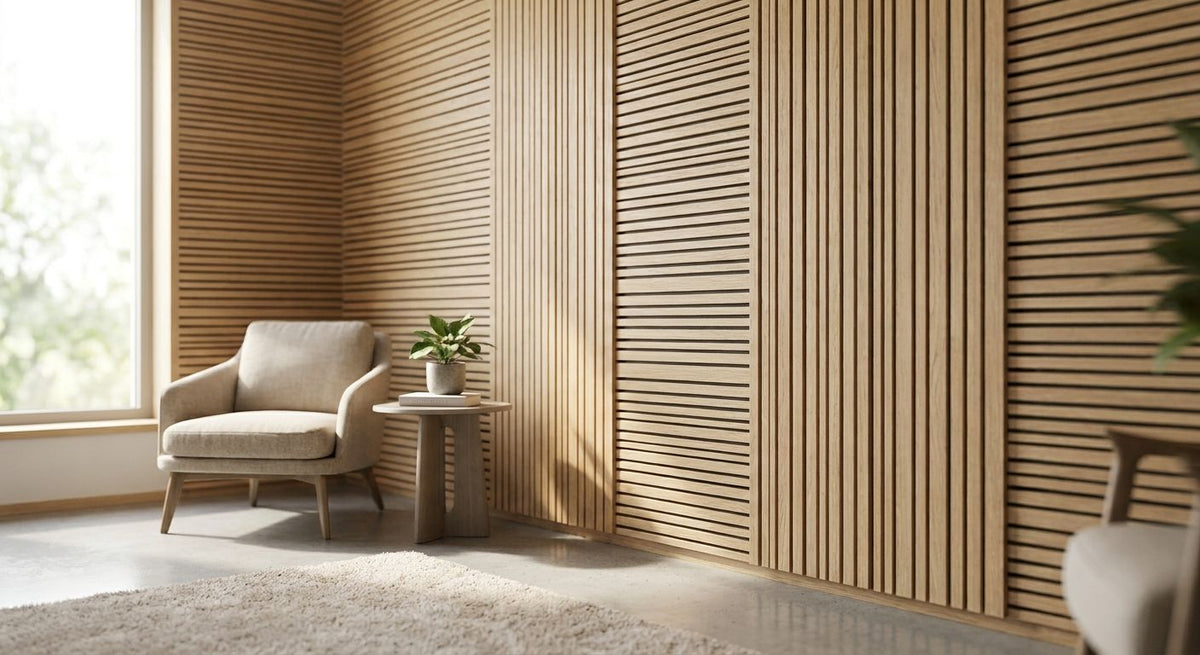
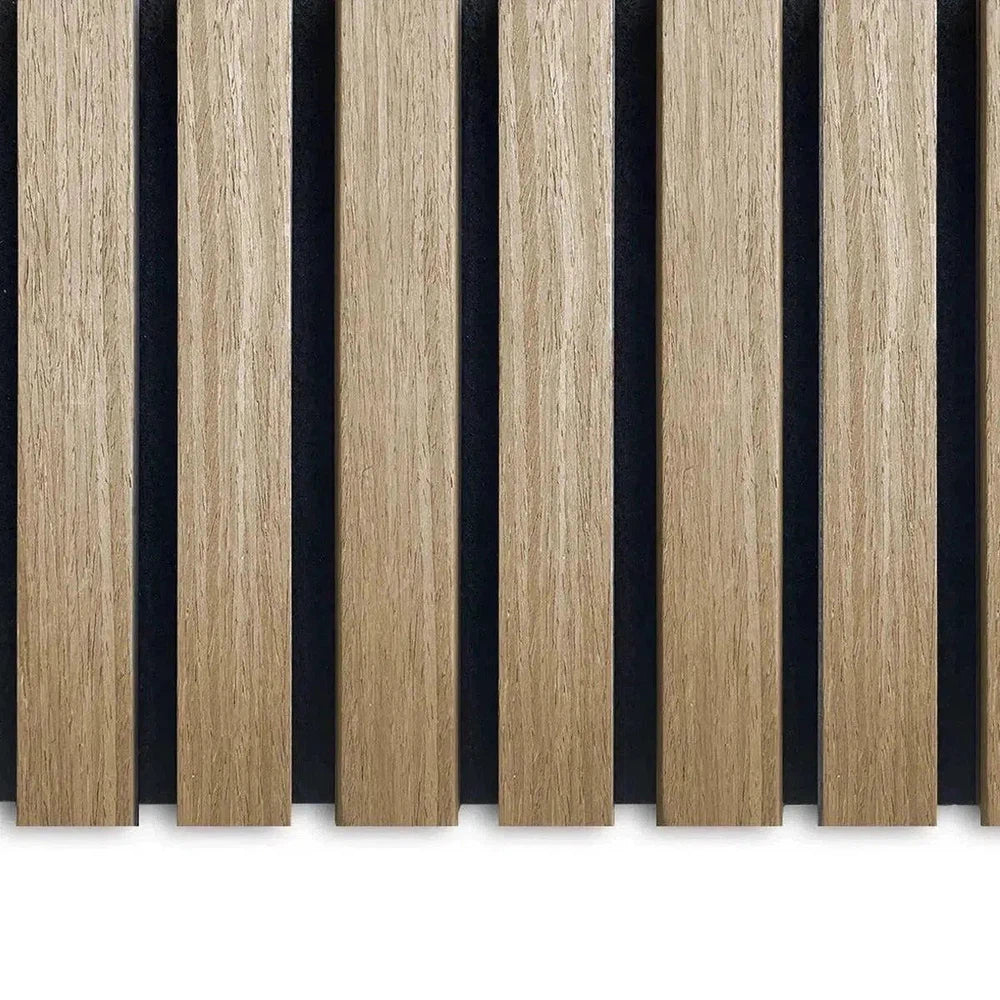
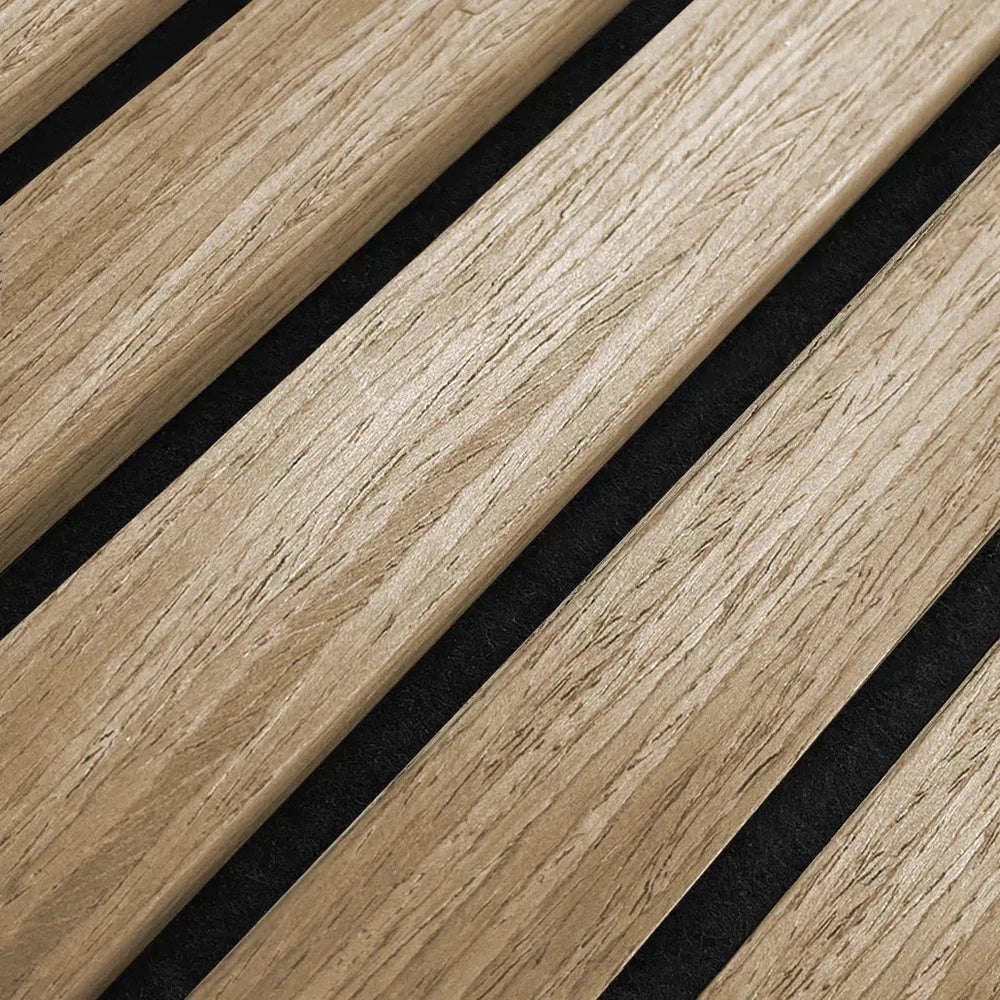
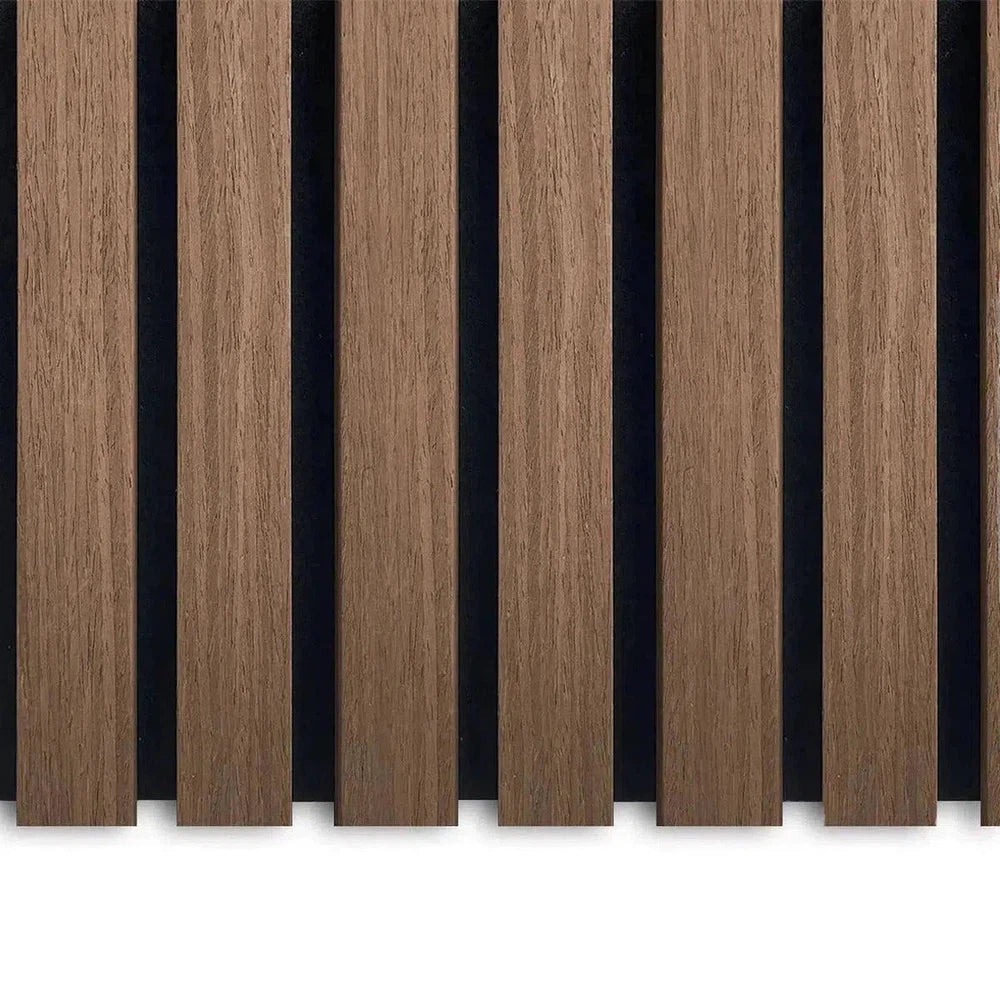
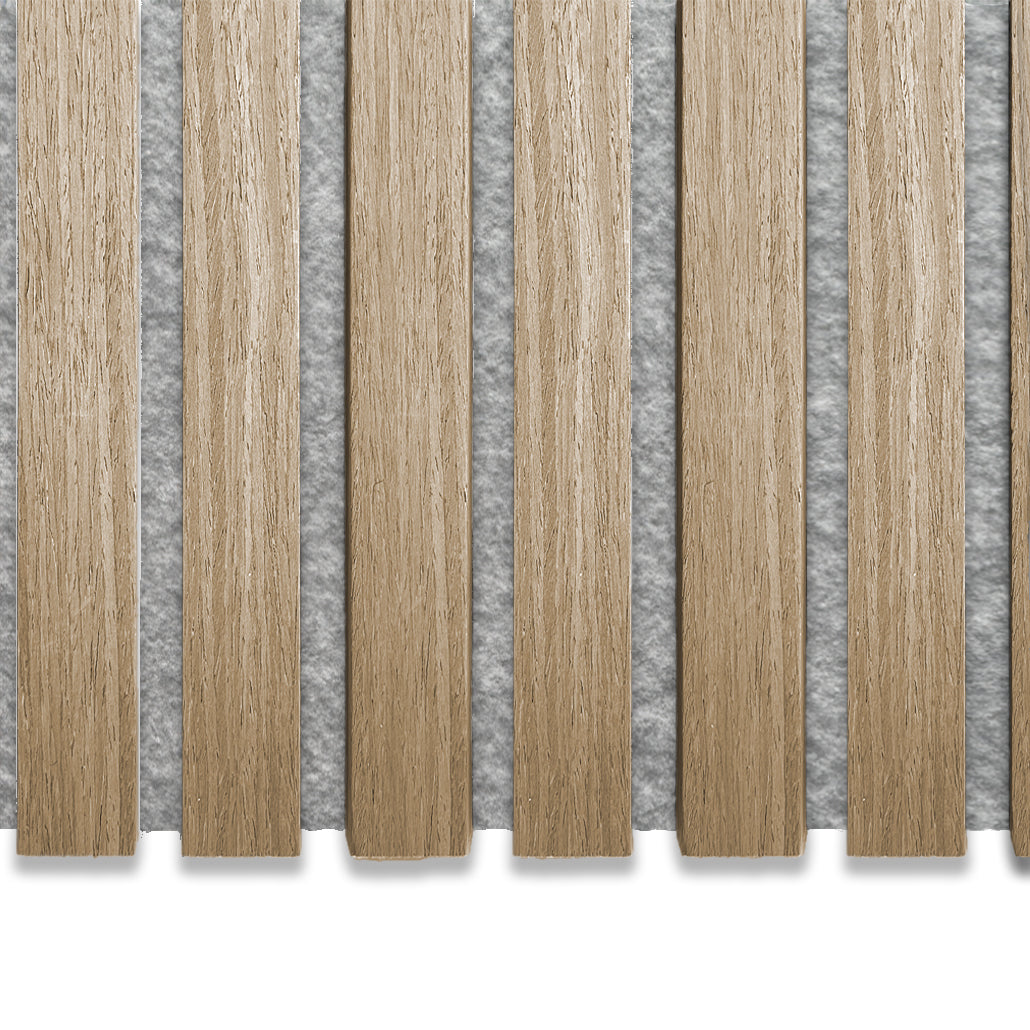
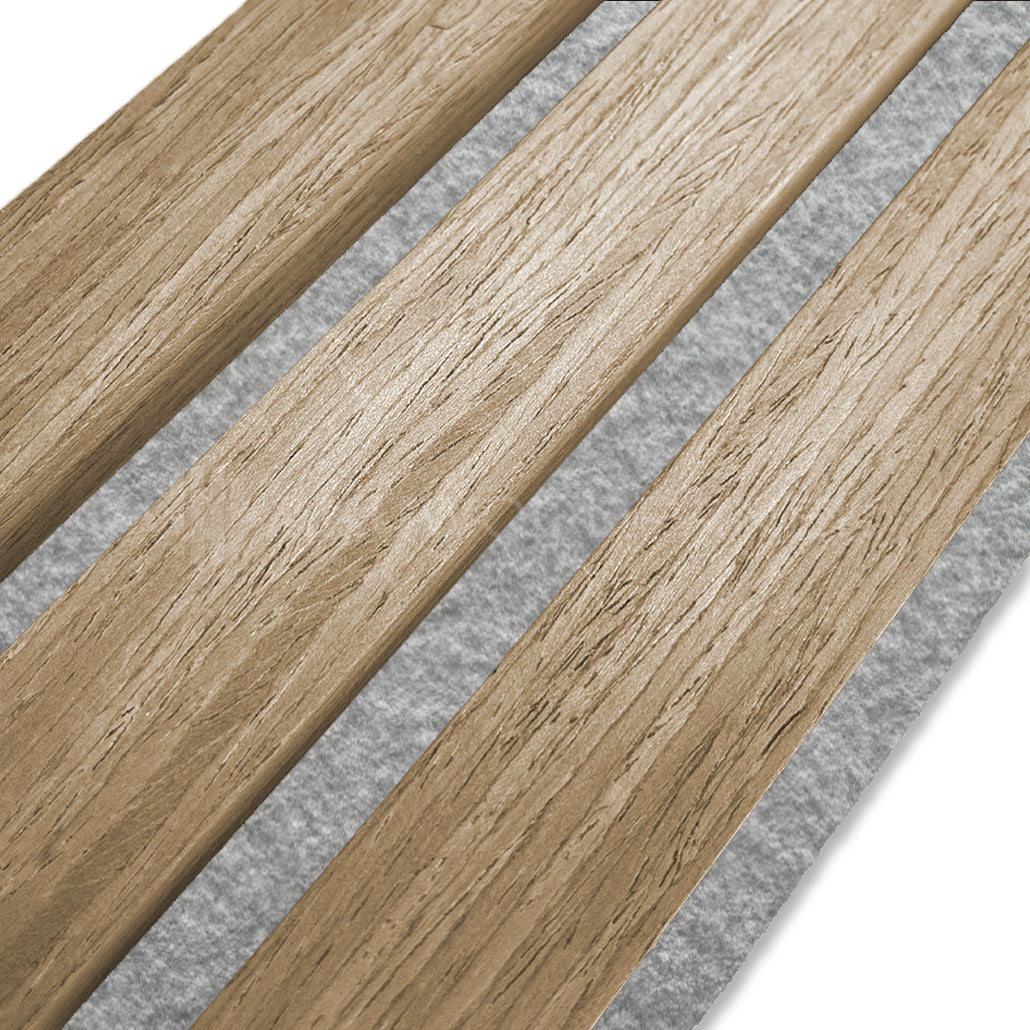
Wooden Wall Panel Natural Oak Grey Felt - the safe pick. Three-sided real wood veneer over a grey felt acoustic backing, available in both 240cm and 300cm lengths, so it fits a short heads wall or a full saloon run without extra joints. It reads neutral against most galley and upholstery colours, which matters when you can't repaint a whole cabin easily. Buy for general living space walls. See the Natural Oak Grey Felt panel.
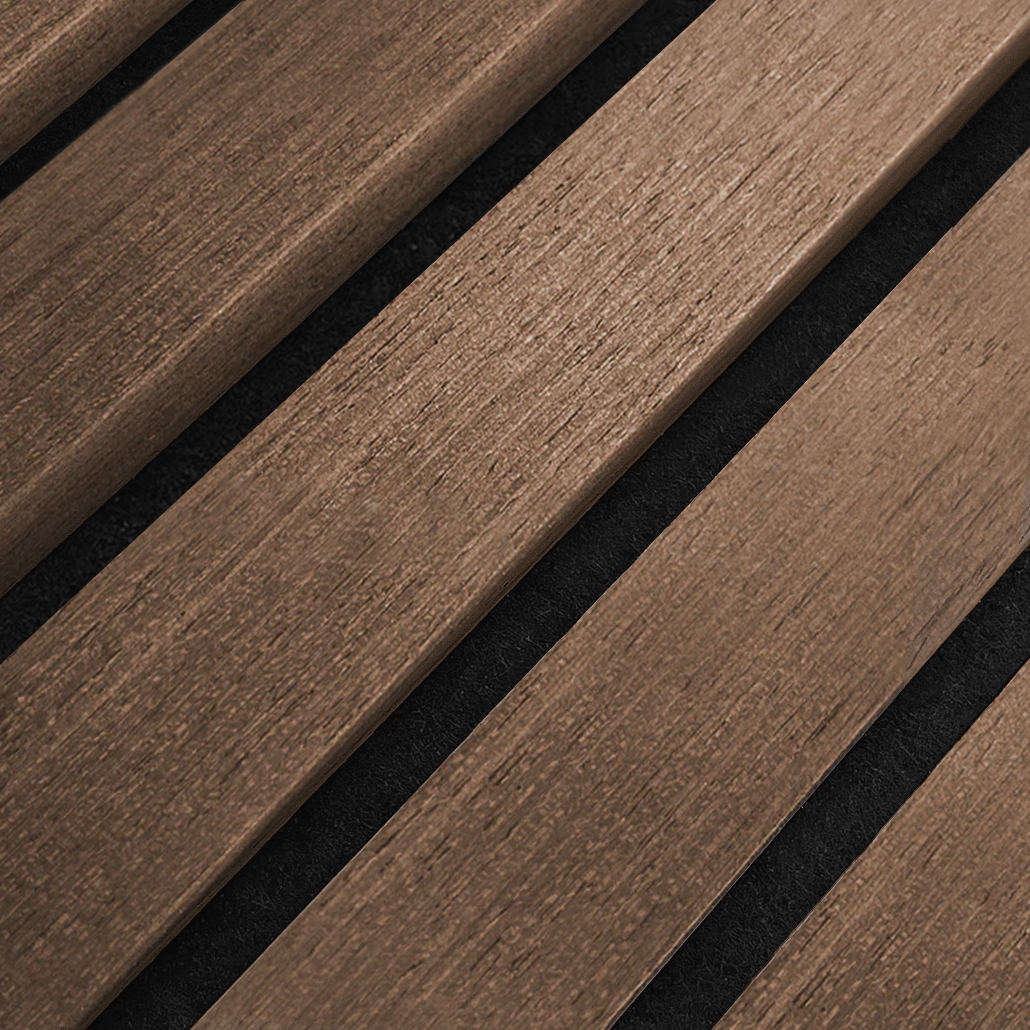
Wooden Wall Panel Rustic Oak Premium 3-Sided Wood Veneer - the feature-wall pick. The heavier grain pattern works as a single accent wall behind a berth or dinette without needing extra trim pieces to make it look intentional. It's still a wood veneer panel, not solid board, so it doesn't carry the weight penalty of full timber panelling along a whole cabin side. Buy for one feature wall, not the full boat. Check the Rustic Oak Premium panel.
Hexagon Acoustic Panel Natural Oak - the tight-corner pick. Modular hexagon tiles work around curved bulkheads, engine bay partitions, and other narrowboat geometry that a flat 240cm or 300cm sheet can't follow without cutting. Rated at 0.75 NRC for sound absorption, it earns its keep specifically where engine noise is worst. Consider it for engine-room partitions and awkward corners rather than flat cabin walls.
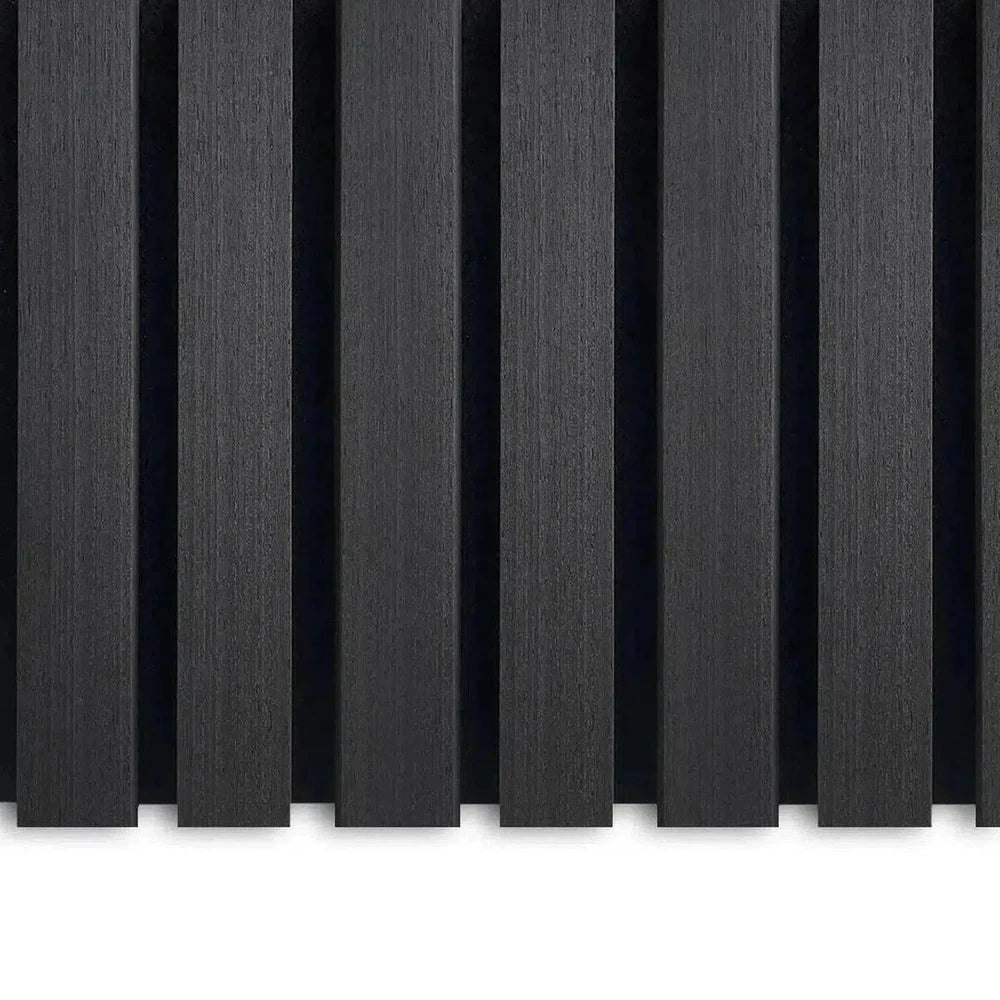
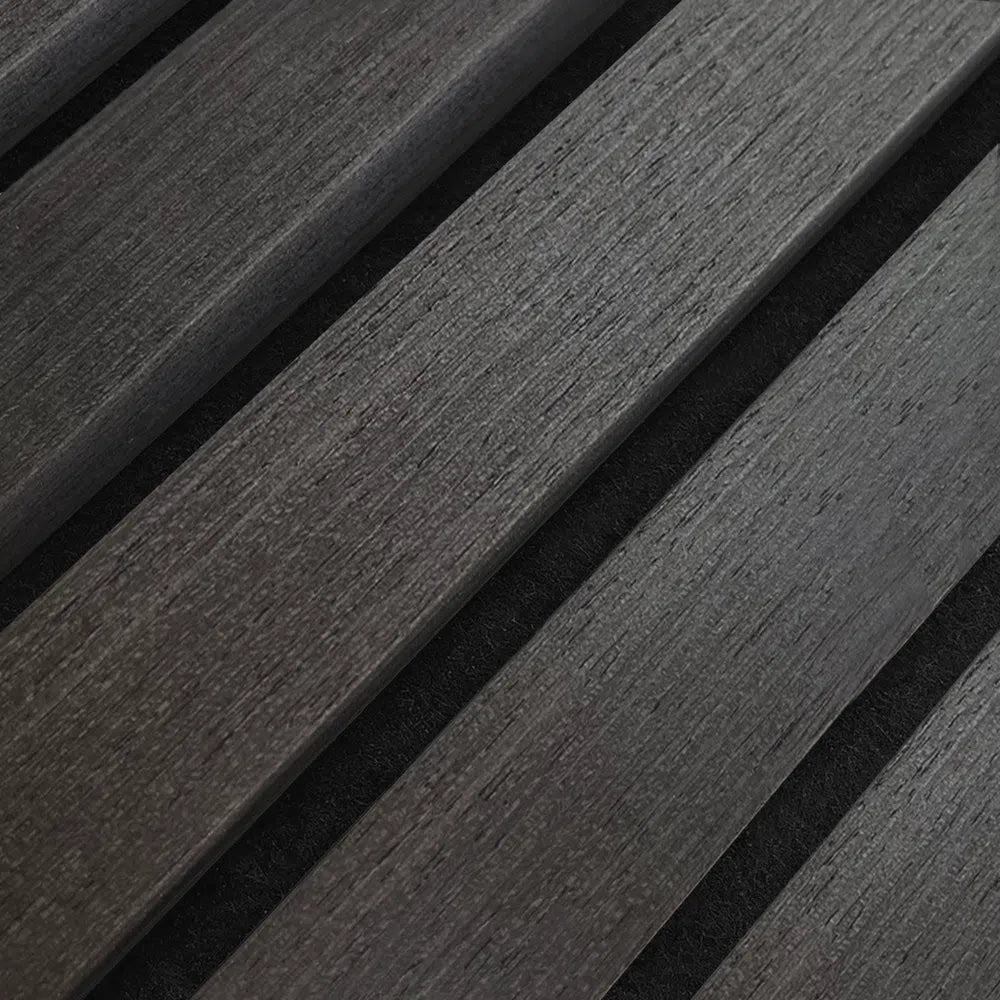
Wooden Wall Panel Black Oak - the contrast pick, proceed carefully. A dark finish reads well in a wide beam boat with taller headroom and more natural light, but it visually shrinks an already tight standard narrowboat cabin. Consider on a widebeam with good window coverage; skip it on a standard 6'10" beam narrowboat with low headroom.


What to avoid on a canal boat interior
- Solid tongue-and-groove timber boards. They look period-appropriate but swell and cup with bilge and condensation moisture faster than a veneered engineered panel, and they add more hull weight than a wood-slat wall panel of the same coverage.
- Plain painted MDF sheet with no veneer or felt backing. It's cheap per square metre but gives you none of the acoustic benefit of a felt-backed panel, so engine drone and towpath noise still bounce around the cabin.
- A single continuous panel run with no expansion gap. Boats flex and the humidity swings more than in a house; a tight, gap-free run is more likely to bow or lift at the joints within a season.
Verdict comparison table
| Panel | Sizes available | Best narrowboat use | Verdict |
|---|---|---|---|
| Natural Oak Grey Felt | 240cm / 300cm | Saloon and heads walls, general living space | Buy |
| Rustic Oak Premium 3-Sided Veneer | 240cm / 300cm | Single feature wall behind berth or dinette | Buy |
| Hexagon Acoustic Panel Natural Oak | Modular tiles | Curved bulkheads, engine partition corners | Consider |
| Black Oak | 240cm / 300cm | Widebeam accent wall with good natural light | Consider on widebeam, skip on standard beam |
FAQ
What is the best lightweight panel wall option for a narrowboat interior in 2026?
The Wooden Wall Panel Natural Oak Grey Felt from Akustiq UK is the safest lightweight panel wall for most narrowboat cabins in 2026 because it comes in both 240cm and 300cm lengths and adds an acoustic felt backing without the weight of solid timber board.
Are wooden wall panels too heavy for a canal boat?
A veneer panel over an engineered core is lighter than solid tongue-and-groove timber cladding covering the same wall area, which is why veneer-and-felt panels are a better fit for hull-weight-conscious refits than solid board.
What size wall panels fit a standard narrowboat cabin?
Standard narrowboats run about 6'10" (2.08m) beam, and Akustiq UK panels come in 240cm and 300cm lengths, so a 240cm panel usually suits shorter cross-walls while 300cm covers a longer saloon run with fewer joints.
Can you glue wall panels directly onto a steel narrowboat hull?
Panels are designed to fix onto a batten or lining surface rather than bare steel, and a high-tack panel glue spreads the load across the panel face instead of concentrating it at screw points that could pierce insulation or a vapour barrier.
Do acoustic wood panels help with engine noise on a boat?
Yes - a felt-backed wood panel or a hexagon acoustic panel rated at 0.75 NRC absorbs reflected engine drone and towpath noise far better than bare steel or plain painted lining board in a small, hard-surfaced cabin.
Is real wood veneer panelling suitable for a damp boat interior?
A three-sided wood veneer panel with a sealed acoustic felt backing tolerates ambient condensation better than raw solid timber, though any wall panel needs a properly vented lining cavity behind it to avoid trapped moisture.
Should I order samples before panelling a boat interior?
Yes - order a physical sample before committing to a full cabin run, since colour and grain read differently under a boat's low, angled window light than they do on a screen or in a showroom.
One last thing
Most first-time narrowboat refitters underestimate how much a 6'10" beam limits margin for error - a panel cut half an inch short at the gunwale line is visible from across the cabin, not hidden behind furniture like it would be in a house. Order a hexagon sample or a standard panel sample before you commit to a full 240cm or 300cm run, and always fix onto battens rather than bare steel to keep a ventilation gap behind the panel face.