

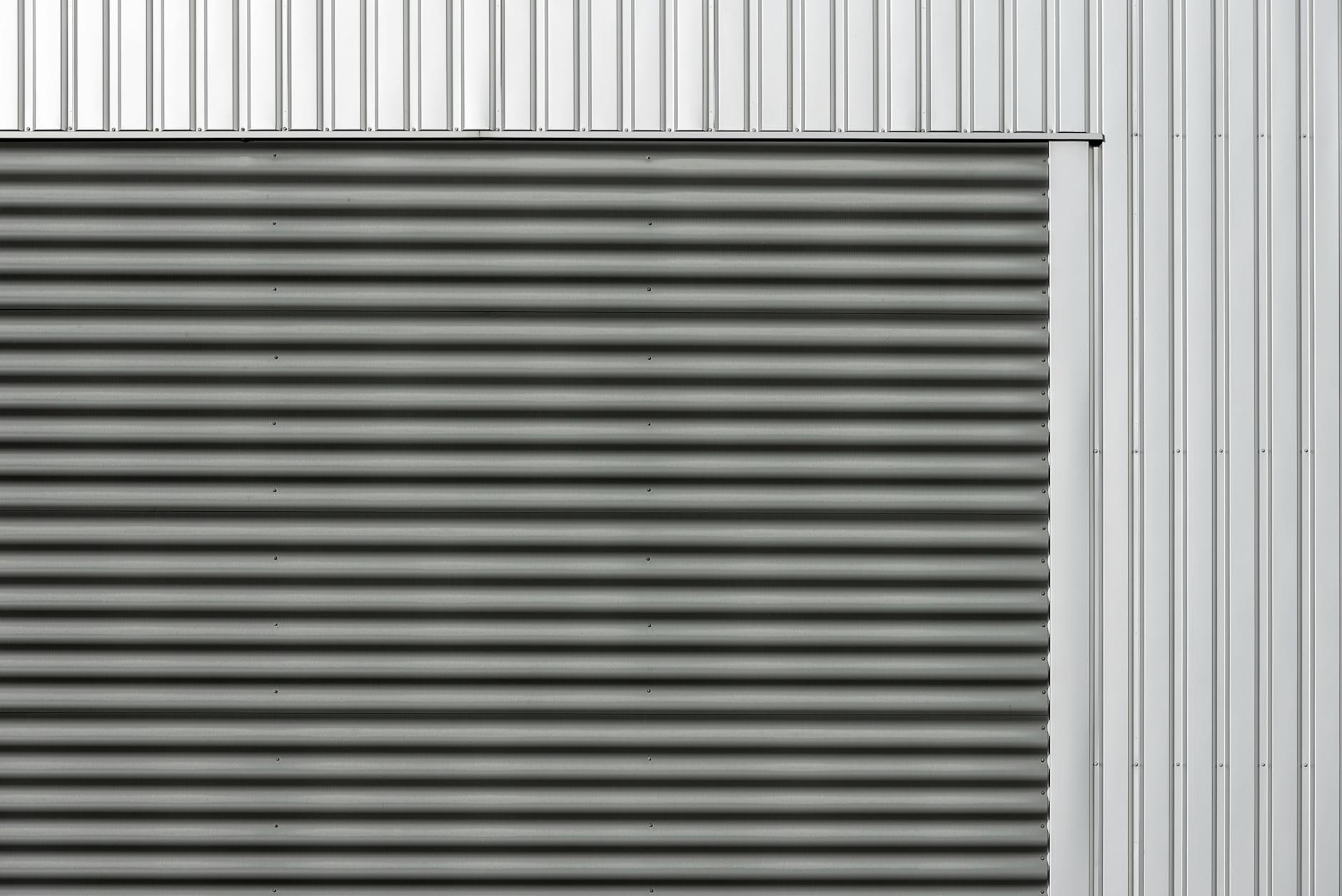
Choosing the right external wall cladding for a new build is one of the few decisions that affects both the building's performance and its kerb appeal for decades. This guide covers what actually matters when specifying cladding for new build homes in 2026 — materials, weather resistance, fire compliance, and finish options — so you can make an informed call before installation begins.
TL;DR: For new build homes in 2026, external wall cladding needs to balance Building Regulations compliance (particularly Part B fire safety and Part L thermal performance), long-term weather resistance in the UK climate, and aesthetic longevity. Engineered wood and composite panels are the most practical category for self-builders and developers specifying external wall cladding today. Order samples before committing to full panels — colour and texture read differently at scale than on a product page.
Who this guide is for
This guide is written for self-builders, architectural technicians, and developers specifying external wall cladding on new build homes in the UK. If you are sourcing materials for a timber-frame build, a flat-roof extension, or a rendered new build that needs a partial cladding feature, the criteria below apply directly to your project. Contractors fitting cladding to existing homes will find most of the technical guidance relevant too, but the compliance references are framed around new build requirements as they stand in 2026.
What to look for in external wall cladding for new builds
Weather resistance and moisture management
The UK's wet, temperate climate makes moisture ingress the single biggest cause of premature cladding failure. Panels must resist driving rain without trapping moisture behind the face. Look for products rated for exterior use with a ventilated cavity system — this allows moisture to escape and prevents rot or delamination. Engineered wood composites with factory-applied surface treatments outperform untreated timber on this measure in almost every independent durability assessment.
Fire classification under Building Regulations
Since the amendments to Approved Document B following the 2017 Grenfell tragedy, external cladding on new residential buildings above 18 metres must meet European Classification A2 or A1 (non-combustible). For buildings under 18 metres — which covers most new build houses — the guidance is less prescriptive, but specifiers and warranty providers increasingly expect a minimum of Class B or C reaction-to-fire. Always check the specific fire classification of any panel you are considering and confirm it with your building control officer before ordering at volume.
Thermal bridging and Part L compliance
External cladding sits in the fabric energy efficiency calculation. Poorly detailed cladding fixings create thermal bridges that push a new build outside Part L compliance even when the insulation layer behind is correctly specified. Continuous insulation boards behind the cladding panel, combined with low-thermal-conductivity fixings, are the standard approach in 2026. Specify fixings and substrates at the same time as the panel — they are one system, not three separate decisions.
Dimensional stability and fixings
Wood-based panels expand and contract with temperature swings. Panels that are not dimensionally stable enough for exterior use will gap at joints in summer and buckle in winter. Engineered composites with a consistent density profile across the board perform better than solid timber boards on this metric. When reviewing product datasheets, check the coefficient of thermal expansion and confirm the recommended fixing centres — over-spacing fixings on a long panel is one of the most common installation errors on new builds.
Maintenance requirements over a 25-year horizon
New build buyers and mortgage lenders increasingly scrutinise whole-life maintenance costs. A cladding product that needs re-staining every 3 years carries a hidden cost compared with a factory-finished composite that only needs washing down. Be specific: ask suppliers for the recommended maintenance interval in writing. A product that lasts 25 years with annual cleaning and no recoating is categorically different from one that needs refinishing every 5 years.
Aesthetic compatibility with planning requirements
Planning consent for new builds commonly specifies materials or colour families. In conservation-adjacent zones, natural timber tones — birch, oak, and grey finishes — consistently pass pre-application enquiries more easily than highly synthetic colours. If your new build is in an area with an Article 4 direction or within 20 metres of a listed building, confirm material acceptability with the local planning authority before finalising your specification.
Top picks
The safe pick — Exterior Cladding Panel Oak
The exterior cladding panel oak from Aku Wood Panel is a factory-finished engineered panel in a warm oak tone. It is rated for exterior use, installs with the brand's dedicated screw system, and the oak finish reads as a natural material to planning officers while being dimensionally more stable than solid oak boards. Available matching corner and finishing trims keep reveals and returns clean on a new build where junction details matter for airtightness.
Verdict: Buy for new builds where planning requires a natural timber aesthetic and you need a complete, matched system including trims and fixings.
The contemporary choice — Exterior Cladding Panel Stone Grey
The exterior cladding panel stone grey suits the current preference among new build architects for mineral-toned facades that pair with grey aluminium windows and anthracite doors. The stone grey finish absorbs less visible soiling than lighter colours in urban and semi-urban settings, reducing the visual impact of weathering between maintenance cycles. Corner trims and finishing trims are available in the same finish, which is essential for consistent detailing at external angles.
Verdict: Buy for contemporary new builds, flat-roof extensions, and any facade where a grey window and door palette is already specified.
The bold contrast option — Exterior Cladding Panel Black
Black cladding is specified increasingly on new builds where the design intention is a strong contrast between the cladding zone and rendered sections or glazing. The exterior cladding panel black from Aku Wood Panel delivers this without the maintenance burden of a painted timber board. In 2026, black cladding on new builds reads as a design-led choice rather than an outlier, and planning authorities in most regions accept it on contemporary schemes.
Verdict: Consider — strong visual impact but verify planning acceptability in your specific local authority before committing.
The light natural option — Exterior Cladding Panel Birch
Birch is the palest finish in the exterior range, closer to a Scandinavian whitewashed aesthetic than a traditional UK timber tone. It works well on new builds with large amounts of glazing where the cladding zone needs to recede rather than dominate. The lighter colour will show biological growth — algae and moss — more quickly in sheltered or north-facing elevations, so factor in a cleaning regime of at least once per year.
Verdict: Consider — excellent where aesthetics demand a light tone; requires more consistent cleaning maintenance than darker finishes.
What to avoid
- Untreated or pressure-treated softwood boards sourced separately from fixings and trims. The cost saving is real at purchase, but you lose the dimensional consistency, matched system trims, and factory-applied surface protection that engineered exterior panels provide. On a new build warranty-backed home, untreated timber cladding creates liability risk for the developer.
- Interior-rated wood panels specified as external cladding. Several acoustic and decorative panel ranges are manufactured for internal use only — they are not rated for moisture exposure or UV. In 2026, the distinction between interior and exterior panel ratings is non-negotiable under UK building warranty requirements. Verify the exterior-use rating on the datasheet, not just the product name.
- Cladding without a matched fixing and trim system. Mismatched screws and trims create visual inconsistency at reveals and corners that is difficult to correct post-installation. They can also void the product warranty. Aku Wood Panel supplies dedicated exterior cladding screws and finishing trims in matched finishes — use them as a system.
Verdict comparison table
| Panel | Weather Resistance | Fire Class | Maintenance | Planning Compatibility | Verdict |
|---|---|---|---|---|---|
| Exterior Cladding Panel Oak | High | Check datasheet | Low | High — natural tone | Buy |
| Exterior Cladding Panel Stone Grey | High | Check datasheet | Low | High — contemporary | Buy |
| Exterior Cladding Panel Black | High | Check datasheet | Low | Medium — verify locally | Consider |
| Exterior Cladding Panel Birch | High | Check datasheet | Medium | High — light aesthetic | Consider |
FAQ
What is the best external wall cladding for a new build house in the UK? Engineered wood composite panels in matched system finishes — panel, screws, corner trims, and finishing trims — are the most practical choice for new build homes in 2026. They offer better dimensional stability than solid timber, consistent factory-applied finishes, and the complete accessory system that installers need for clean detailing.
Does external wall cladding need planning permission on a new build? The new build itself requires full planning consent, and the materials specification is usually controlled by planning condition. For alterations to an existing new build within its permitted development rights, cladding may not need a separate application — but check with your local authority. Conservation areas and Article 4 directions remove permitted development rights entirely.
Is wood cladding suitable for external walls in the UK climate? Engineered wood composite cladding rated for exterior use performs well in the UK climate when installed with a ventilated cavity and the manufacturer's recommended fixings. Solid timber boards require more maintenance. In 2026, most new build developers specify engineered composites rather than solid timber for this reason.
How long does external wall cladding last on a new build? Factory-finished engineered composite panels with a correctly installed ventilated cavity system are typically warranted for 10 to 15 years and, with annual cleaning, have a realistic service life of 25 years or more. Solid timber boards with a stained or painted finish require re-coating every 3 to 5 years to maintain the same durability.
What fixings should I use for exterior cladding panels? Use fixings from the same manufacturer as the panel wherever available. Mismatched fixings — particularly those with the wrong corrosion resistance rating — will stain the panel face and can cause premature failure at the fastening point. Aku Wood Panel supplies exterior cladding screws in all finish colours to match each panel option.
Can external cladding improve a home's thermal performance? Cladding itself contributes minimally to U-value improvement. The insulation board installed behind the cladding layer does the thermal work. However, correctly detailed cladding with low-conductivity fixings reduces thermal bridging, which is a measurable improvement in fabric energy efficiency calculations under Part L of the Building Regulations in 2026.
How do I choose between oak, stone grey, black, and birch exterior cladding? Start with your planning context: natural tones (oak, birch) pass planning scrutiny more easily in most areas. Then consider your facade palette: if aluminium windows are anthracite or grey, stone grey cladding creates a cohesive material relationship. Black works on contemporary schemes with strong contrast intent. Birch suits Scandinavian-influenced designs with large glazing areas. Order samples before finalising — colours read differently at elevation scale than on a screen.
Do I need to order samples before buying exterior cladding panels at full volume? Yes. Surface colour and texture vary between monitor calibrations and real-world conditions. Aku Wood Panel supplies samples for all exterior cladding finishes — order samples in oak, stone grey, black, and birch to compare them against your render colour, window frame, and roof material before placing a full panel order.
One last thing
The most common specification mistake on new build cladding projects in 2026 is not the panel choice — it is ordering panels without the matching corner trims and finishing trims at the same time. Lead times on trim accessories can run 2 to 4 weeks separately from panel deliveries, and a cladding installation that stalls waiting for corners is expensive. Order the complete system — panels, screws, corner trims, finishing trims — in a single purchase.
Share:
Exterior Cladding Panels for Timber Frame 2026
Best Composite Wall Panels for UK Homes 2026