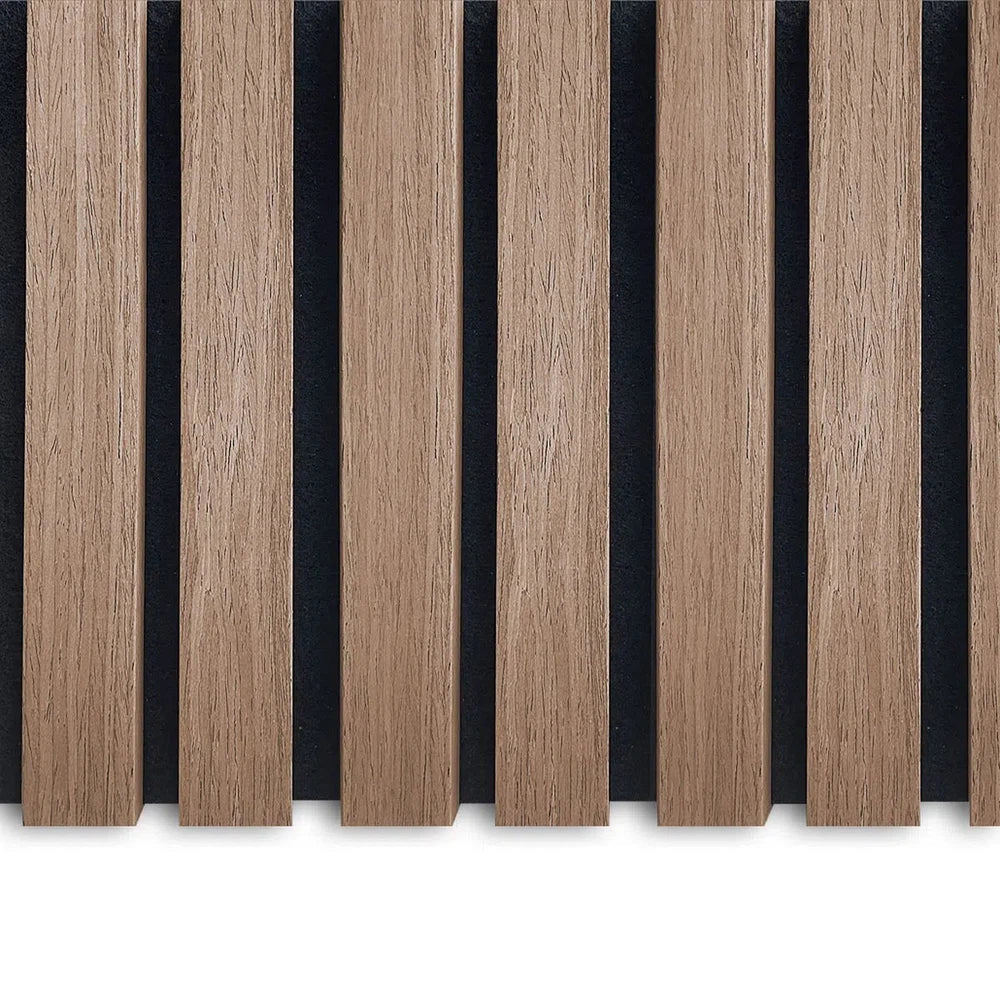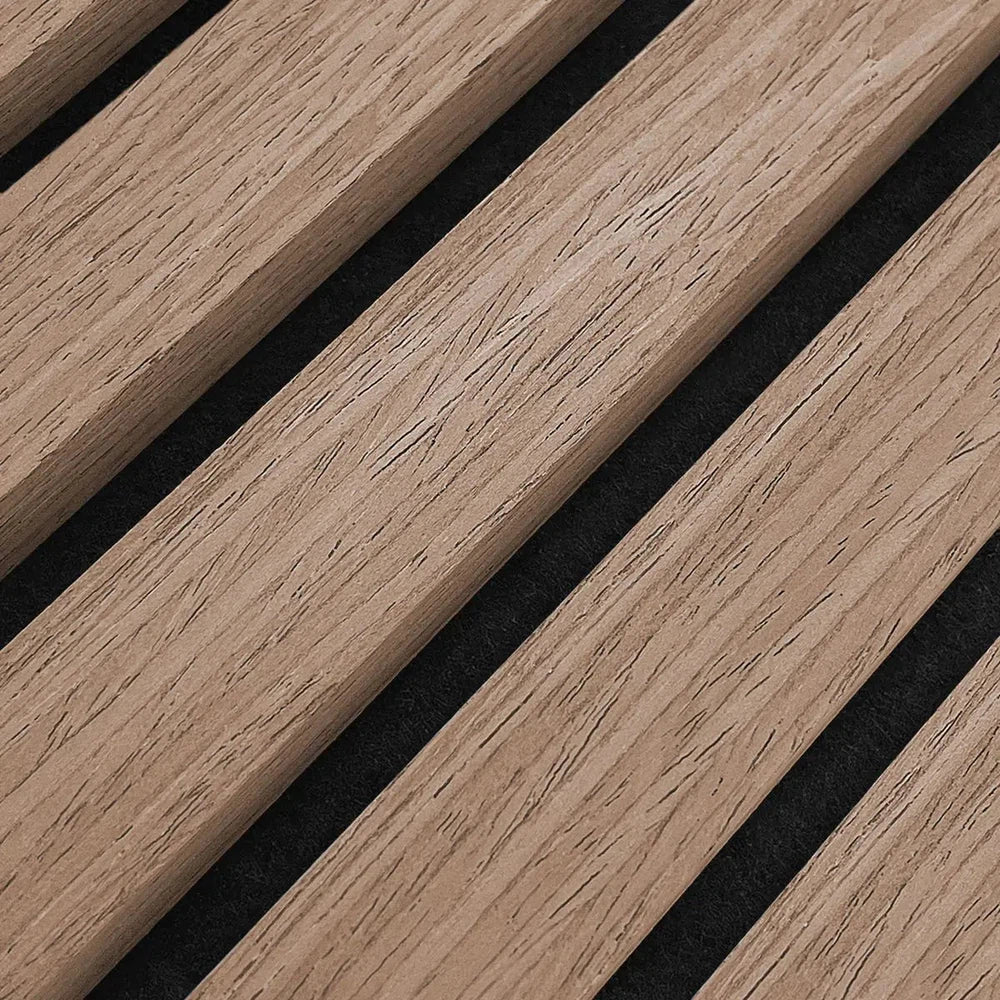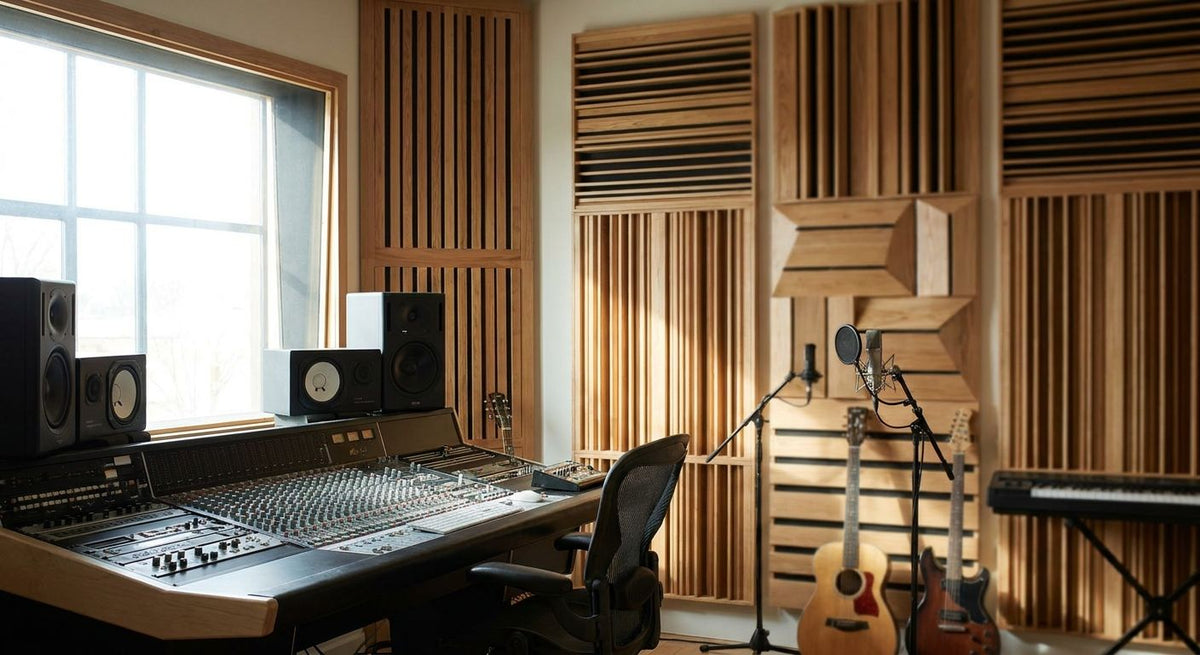
Recording studio walls covered in glass, monitors, and hard desking bounce sound right back into every take, and that reflection is what turns a clean vocal into a boxy, roomy mess. Acoustic wood panels fix that without turning your studio into a padded cell, and this guide ranks the acoustic wood panels recording studios actually need in 2026, based on felt backing, veneer finish, and price per panel.
- Akuwood Panel's Natural Oak Grey Felt panel at £83.95 pairs acoustic felt backing with real oak veneer for vocal booths. Buy.
- Rustic Oak 3-sided veneer panels cost £84.95 and suit control rooms wanting warmth over dead-flat white walls. Buy.
- Black Oak panels at £84.95 give a darker on-camera backdrop for podcast setups but show dust more. Consider.
- Don't mix three or more wood tones in one booth; acoustic wood panels for recording studios need consistent grain to avoid visual noise.
- Both 240cm and 300cm panel formats fit standard UK ceiling heights without heavy cutting waste in 2026 builds.
Why this matters
A studio with bare plasterboard, a glass isolation window, and a desk full of monitors is an echo chamber by default. Sound waves hit those hard surfaces and bounce straight back into the mic, adding a smeared, boomy quality that no amount of EQ fixes cleanly.
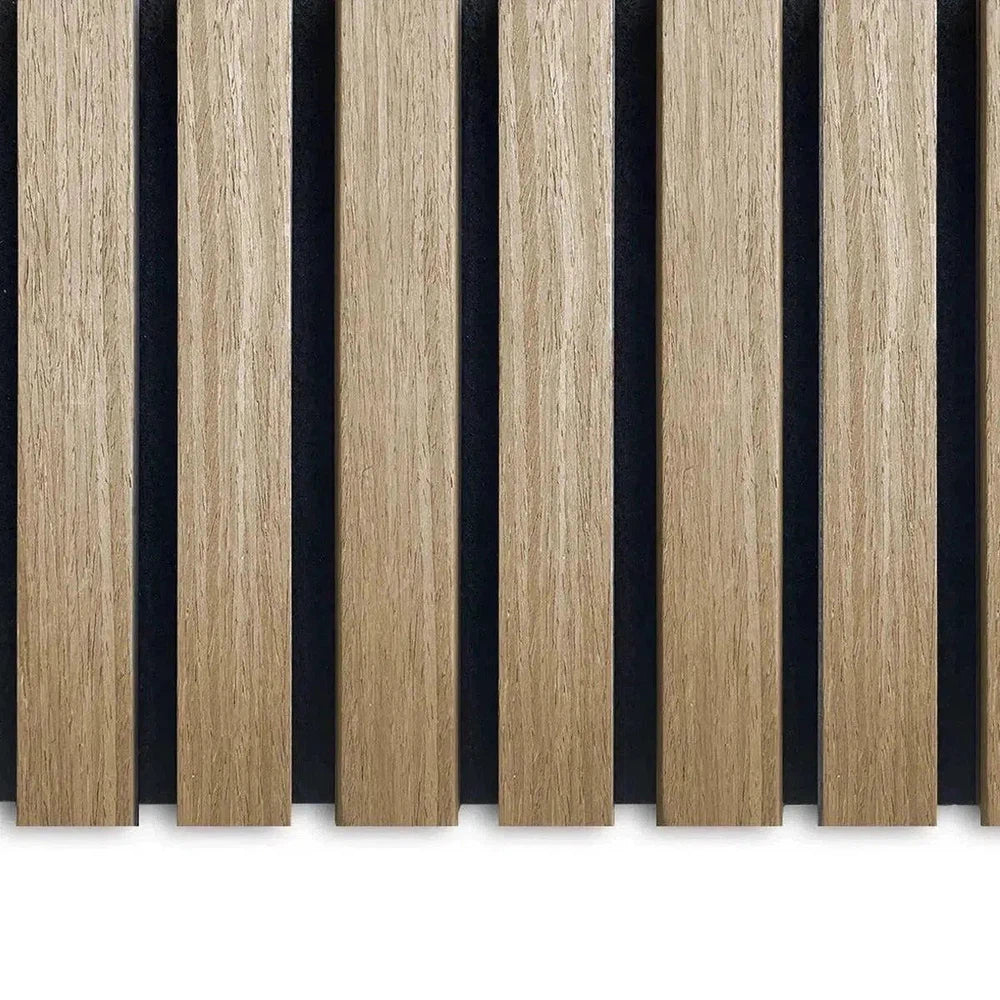
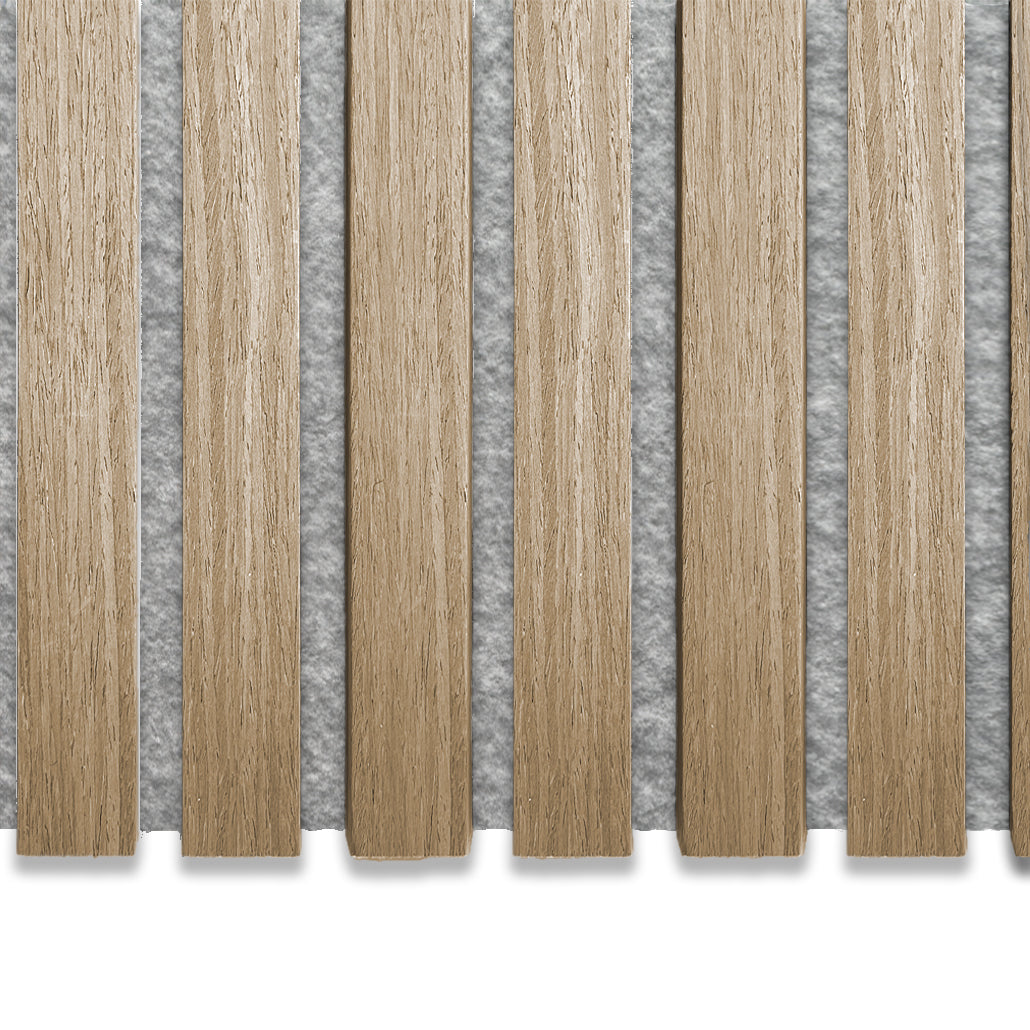
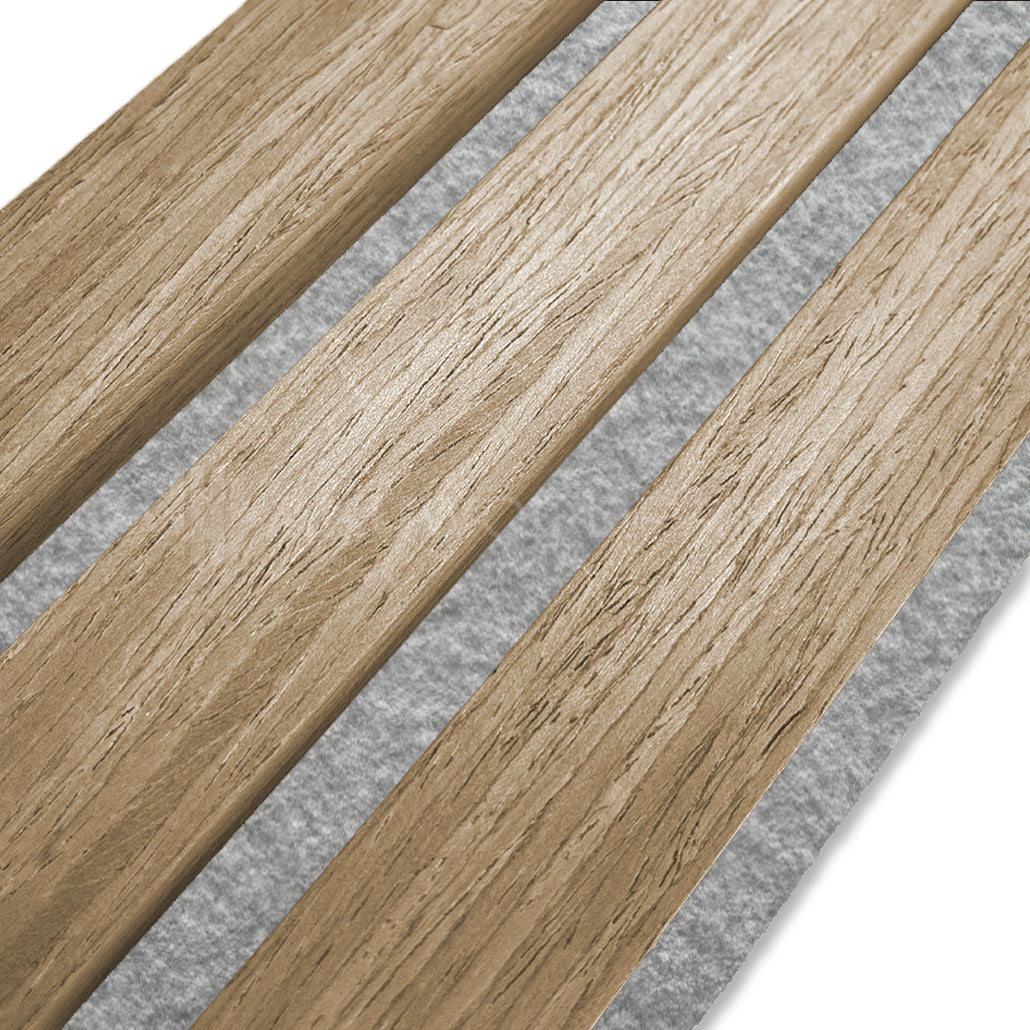
Foam tiles absorb some of that energy but do nothing for the room's appearance, and most studios end up looking like a padded cell rather than a space anyone wants to work in. Acoustic wood panels solve both problems at once: the slatted front diffuses reflections while an acoustic felt backing behind the veneer absorbs the rest. The Natural Oak Grey Felt panel is the clearest example in Akuwood Panel's 2026 range, combining a grey acoustic felt layer with a 3-sided oak veneer front.
That's the trade every studio owner is actually making in 2026: dead-quiet foam versus wood panels that treat the room and look finished on camera.
How this list was ranked
Every panel in this list ships from Akuwood Panel with the same base construction: a 3-sided real wood veneer front over an acoustic felt backing, available in a 240cm or 300cm format. Ranking criteria for a studio context are narrower than for a living room wall: felt backing consistency, how the finish reads under studio lighting or on camera, price per panel, and how forgiving the grain is when panels get cut around cable runs and rack mounts.
Pricing reflects the 2026 listed price per panel on Akuwood Panel's site. Akustiq UK's guide to acoustic panels for recording studio walls covers placement patterns in more depth if you're treating a full booth rather than a single feature wall.
The ranked list
1. Natural Oak Grey Felt — the safe pick
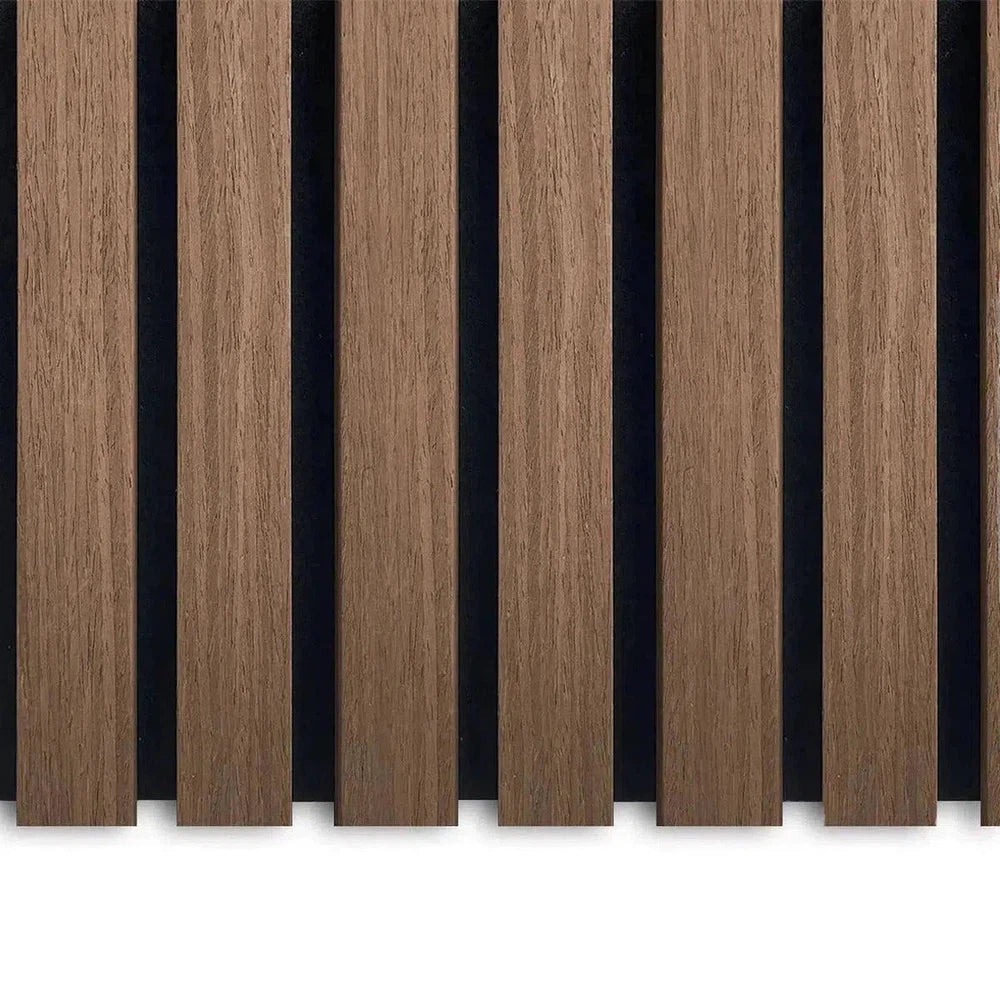
This is the panel built specifically around the acoustic use case: a warm oak veneer over a grey felt backing that doesn't scream "acoustic treatment" the way black foam does. At £83.95, it's mid-range in the Akuwood Panel lineup and the felt color reads neutral under most studio LED setups.
It suits vocal booths and control rooms where you want the wall doing acoustic work without becoming the visual focal point of every video call recorded in the room. Verdict: Buy.
2. Rustic Oak — the character pick
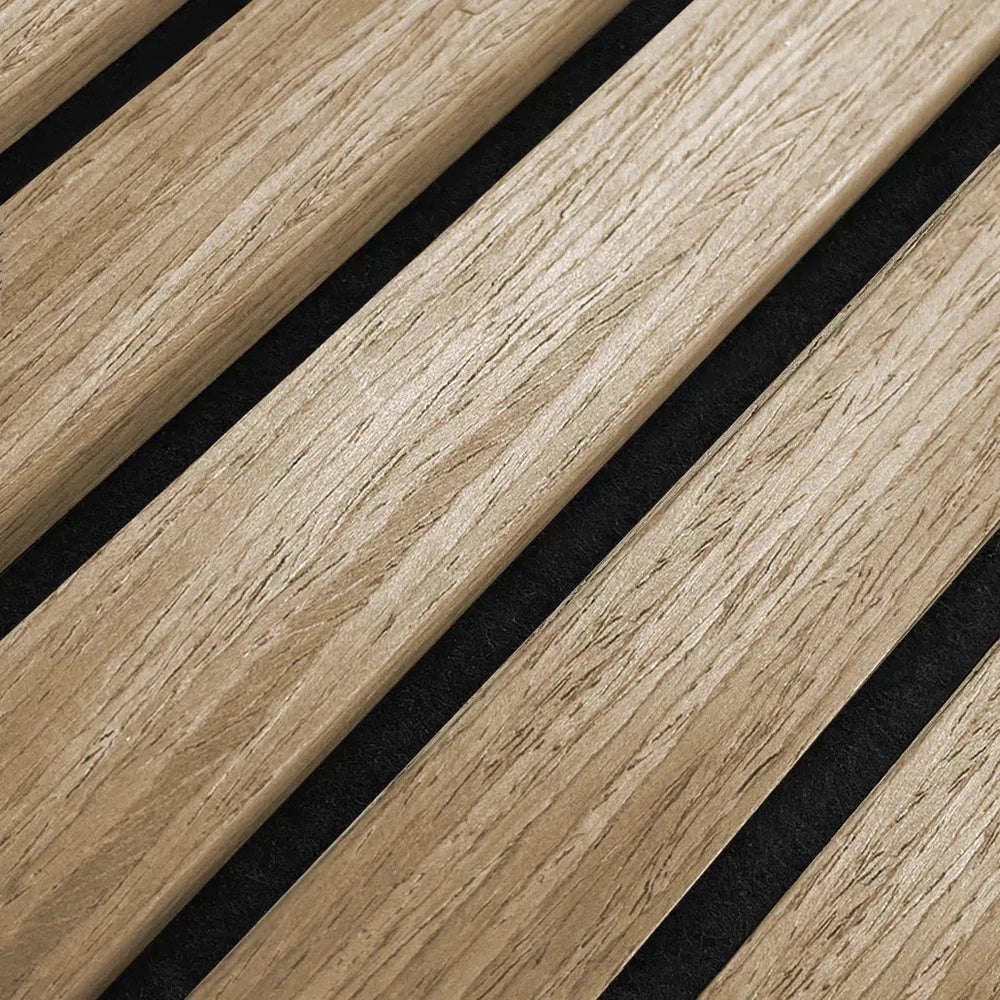
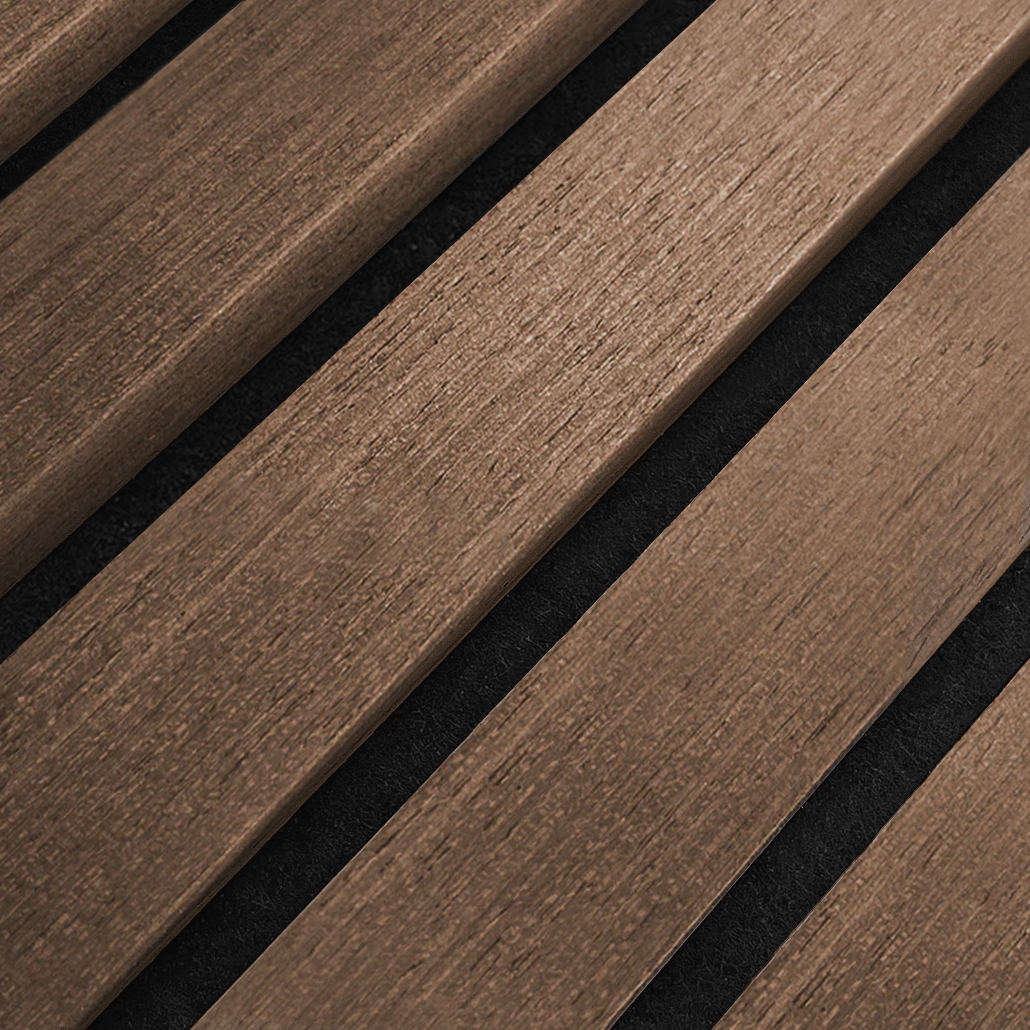
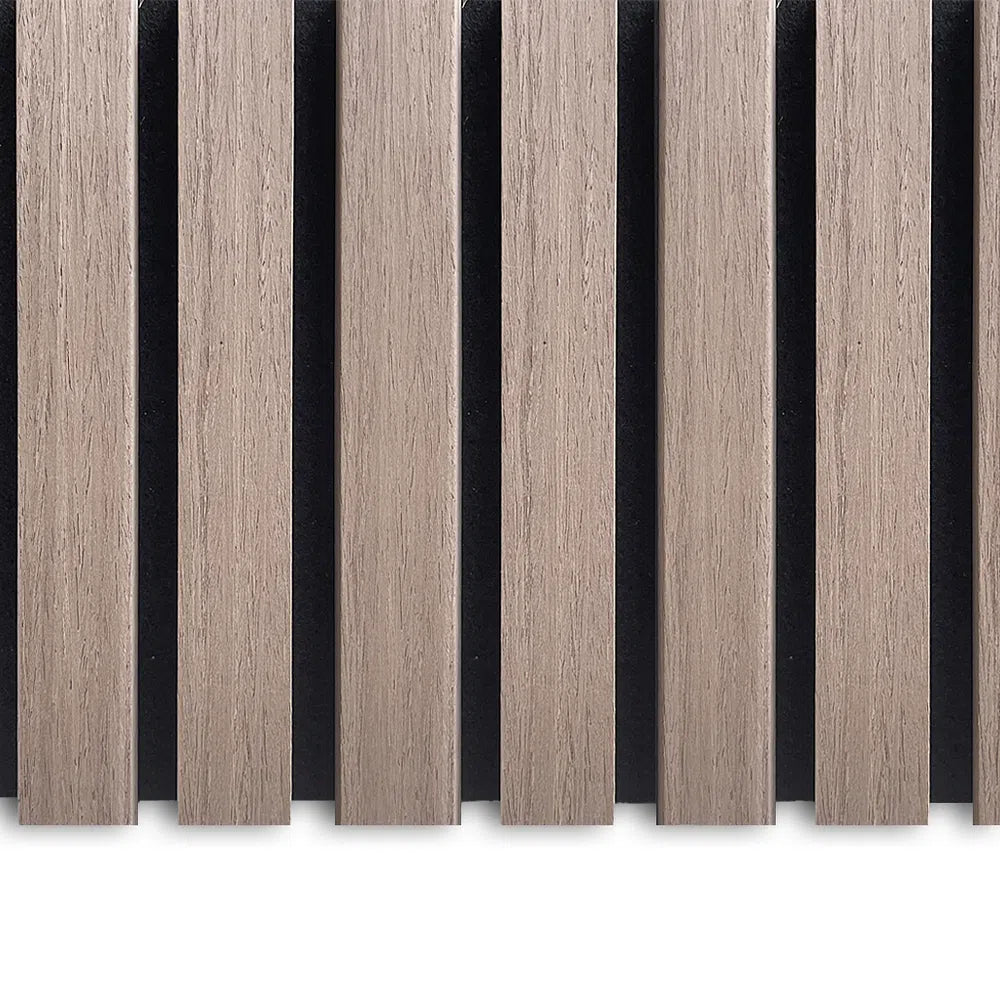
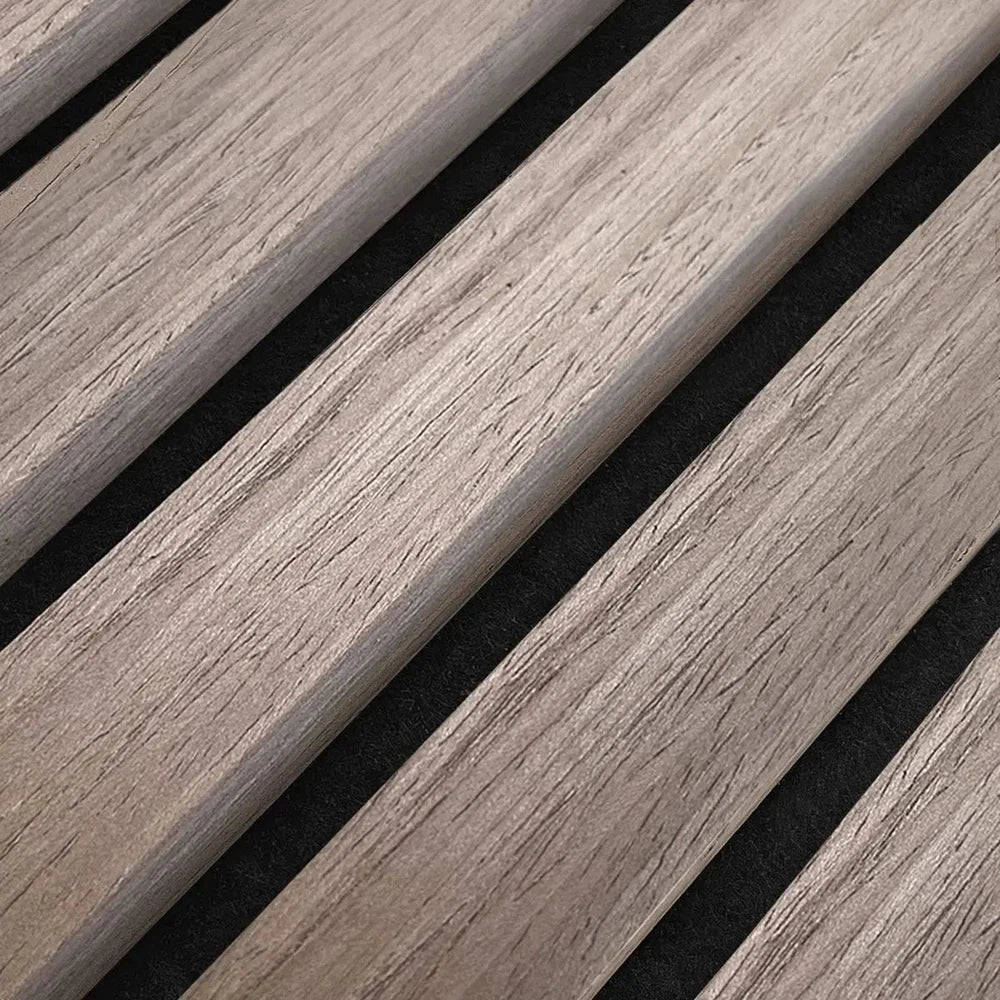
The Rustic Oak 3-sided wood veneer panel has heavier grain and knot variation than the standard Natural Oak finish, which is an advantage in a studio: the busier grain hides screw points, cable clips, and slight cut-line mismatches around rack mounts far better than a clean, uniform finish would.
At £84.95 it costs roughly the same as the flagship oak options. If your control room already has warm wood furniture or a wood-topped desk, this panel matches rather than fights it. Verdict: Buy.
3. Black Oak — the moody pick
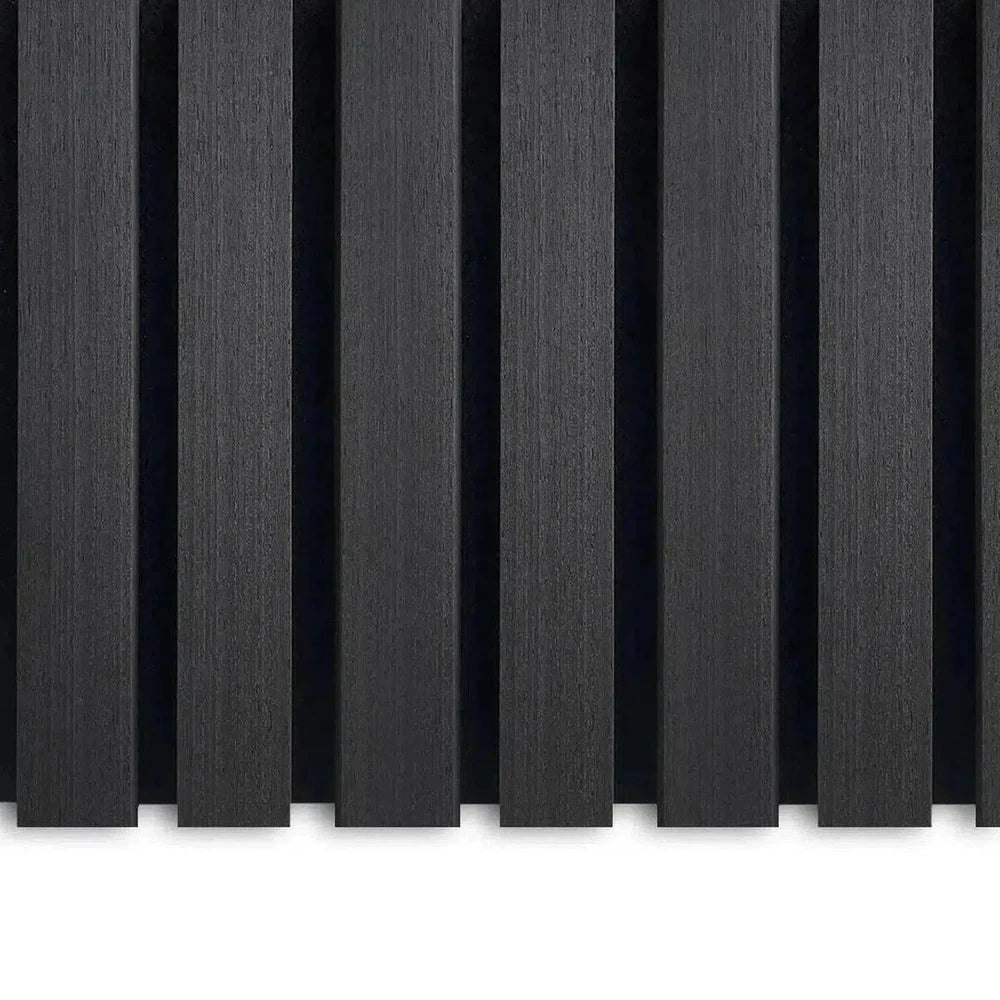
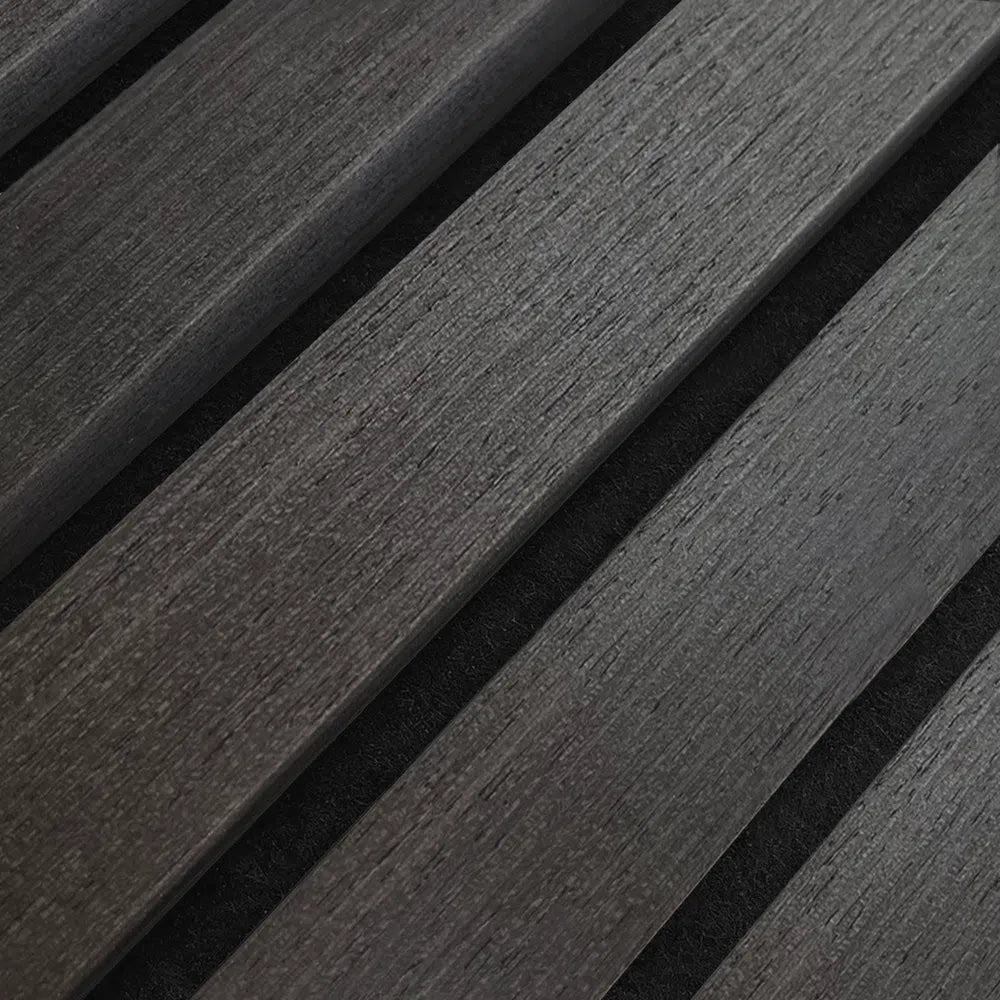
For podcast studios and video-first setups where the wall behind the host is the on-camera backdrop, Black Oak at £84.95 gives a dark, deliberate look that reads well on stream. The trade-off is practical rather than acoustic: darker veneer shows dust and fingerprints more visibly than the oak or grey tones, which matters in a room people touch constantly while adjusting mic stands. Verdict: Consider.
4. Grey Oak — the neutral pick
Grey Oak sits at the bottom of the price range at £80.95, the cheapest panel in this comparison, and its cooler tone matches broadcast-style lighting setups better than warmer wood finishes do. It won't be the most distinctive wall in the room, but for a studio built around consistent white balance on camera, that's the point. Verdict: Consider.
5. Forest Oak — the natural-tone pick
Forest Oak brings a deeper green-brown cast than the standard oak finishes, priced at £83.95. It works in home studios going for a natural, less corporate look, though it's a less common choice than Natural Oak or Rustic Oak, so check current stock before committing a full wall to it. Verdict: Consider.
6. Natural Oak — the brightening pick
The standard Natural Oak panel, at £84.95, is the lightest tone in the range and the one most likely to make a small vocal booth feel less like a closet. If your studio room is under 3 square metres, a lighter panel does more visual work than a dark one, even though the acoustic performance is identical across finishes. Verdict: Buy for small rooms.


Comparison table
| Panel | Finish tone | Price | Sizes | Best for | Verdict |
|---|---|---|---|---|---|
| Natural Oak Grey Felt | Warm oak, grey felt | £83.95 | 240cm / 300cm | Vocal booths | Buy |
| Rustic Oak | Heavy grain oak | £84.95 | 240cm / 300cm | Control rooms | Buy |
| Black Oak | Dark, near-black | £84.95 | 240cm / 300cm | Podcast backdrops | Consider |
| Grey Oak | Cool grey | £80.95 | 240cm / 300cm | Broadcast lighting | Consider |
| Forest Oak | Deep green-brown | £83.95 | 240cm / 300cm | Home studios | Consider |
| Natural Oak | Light oak | £84.95 | 240cm / 300cm | Small booths | Buy (small rooms) |
What to avoid
- Mixing more than two wood tones on the same wall. A studio wall with Rustic Oak, Black Oak, and Natural Oak panels side by side reads as visual clutter on camera, not intentional design.
- Skipping the felt-backing spec entirely. A plain veneer panel with no acoustic backing looks identical from three feet away but does far less work absorbing mid and high frequencies in a small booth.
- Buying a single size format for a room with mixed ceiling heights. If your booth ceiling drops for a bulkhead or duct run, mixing 240cm and 300cm panels without planning the cut lines wastes material.
Where to buy
- Order directly from Akuwood Panel rather than a reseller, since panel batches and felt-backing color can vary between production runs.
- Buy a sample of your chosen finish before committing to a full wall's worth of panels — grain and tone shift slightly under studio LED lighting compared to daylight photos.
- Read Akustiq UK's grey felt acoustic panels guide for recording studios before ordering if felt color consistency across a full wall matters to your build.
FAQ
What are the best acoustic wood panels for a recording studio in 2026?
The Natural Oak Grey Felt panel at £83.95 is the strongest pick for 2026 because it pairs an acoustic felt backing with a 3-sided oak veneer front. Rustic Oak and Black Oak are solid alternatives depending on whether you want warmth or a darker on-camera look.
Do acoustic wood panels actually reduce echo in a studio?
Yes — the slatted front diffuses sound reflections while the felt backing behind the veneer absorbs mid and high frequencies. This combination treats a room differently than flat foam, which only absorbs and doesn't diffuse.
Are acoustic wood panels better than foam for vocal booths?
Wood panels combine diffusion and absorption in one product, while foam tiles only absorb. Foam is cheaper per square metre, but wood panels double as a finished wall surface rather than looking like a treatment afterthought.
How much do acoustic wood panels cost per panel in the UK?
Akuwood Panel's 2026 range runs from £80.95 for Grey Oak up to £84.95 for Natural Oak, Black Oak, and Rustic Oak. Price differences between finishes are minor; the bigger cost driver is how many panels the wall needs.
What's the difference between 240cm and 300cm panel sizes?
The 240cm format suits standard UK ceiling heights with minimal cutting, while 300cm panels work better for taller studio walls or floor-to-ceiling installations. Mixing both in one room needs planning around cut lines.
Can you install acoustic wood panels over plasterboard in a studio?
Yes, plasterboard is a standard substrate for these panels, though a level wall surface matters more for a clean seam than the substrate material itself. Uneven walls should be checked before installation to avoid visible gaps between panels.
Is Black Oak or Natural Oak better for a podcast studio backdrop?
Black Oak gives a darker, more deliberate on-camera look at the same £84.95 price as Natural Oak, but shows dust and fingerprints more visibly. Natural Oak brightens a small room better if the booth doubles as a tight recording space.
Do all Akuwood Panel finishes include acoustic felt backing?
Yes, the flagship indoor panel range ships with a 3-sided wood veneer front over an acoustic felt backing across every finish, including Grey Oak, Rustic Oak, and Black Oak. The felt color itself is most explicitly called out on the Natural Oak Grey Felt option.
One last thing
Most studio builds treat only the wall directly behind the mic and ignore the corners, where low-frequency buildup actually does the most damage to a recording. A cheap fix worth considering: pair your flat wood panels with hexagon acoustic panels in the room's corners rather than adding more flat panels where you already have coverage — the angled geometry breaks up bass buildup that flat slats don't touch.