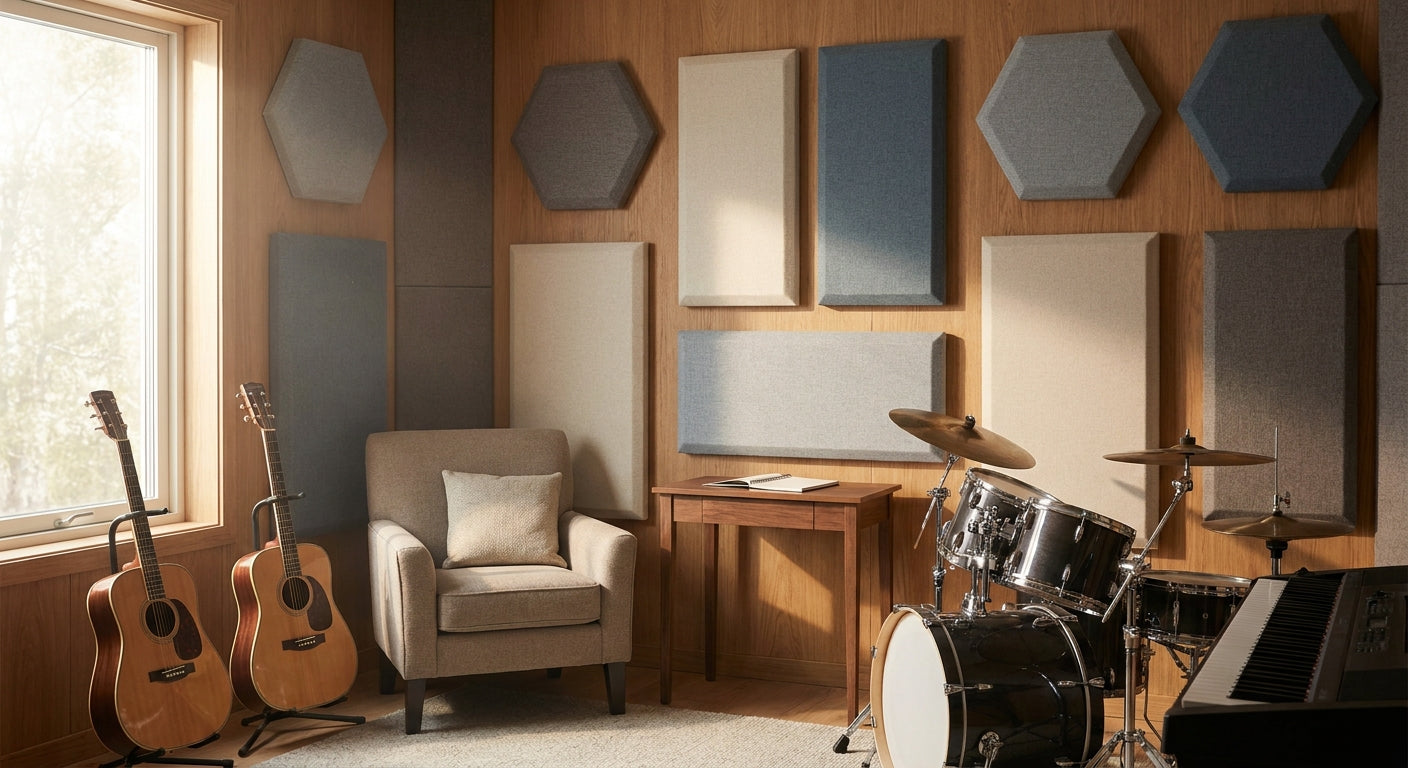
Rehearsal rooms punish bad walls faster than any other room in the house — a bare-plaster spare room turns a drum kit into a wall of slap-back within seconds. This guide ranks the acoustic wall panels worth fitting for a home rehearsal room in 2026, with clear verdicts on which wood finish and format actually earns its space on the wall.
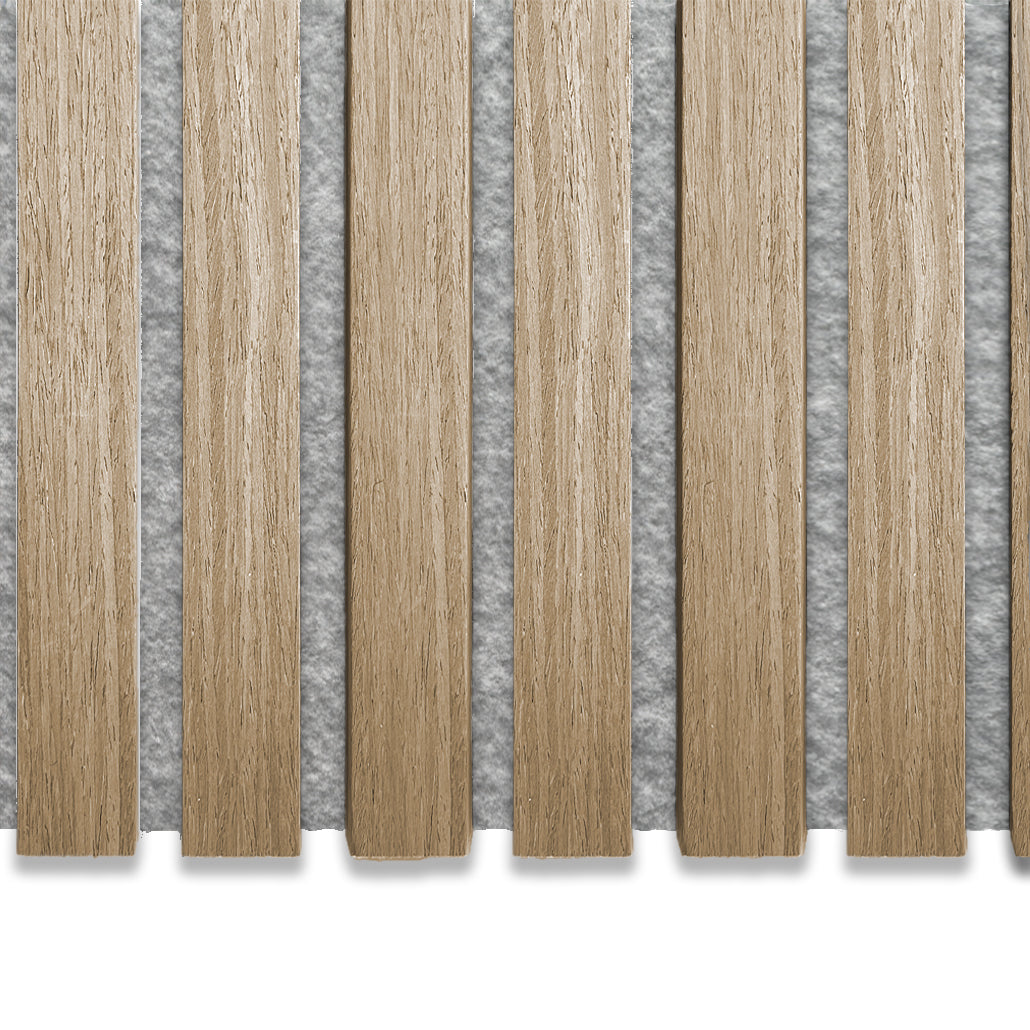
- Akuwood Natural Oak wooden wall panel wins acoustic panels for home rehearsal room searches — Buy for rooms under 12 m2.
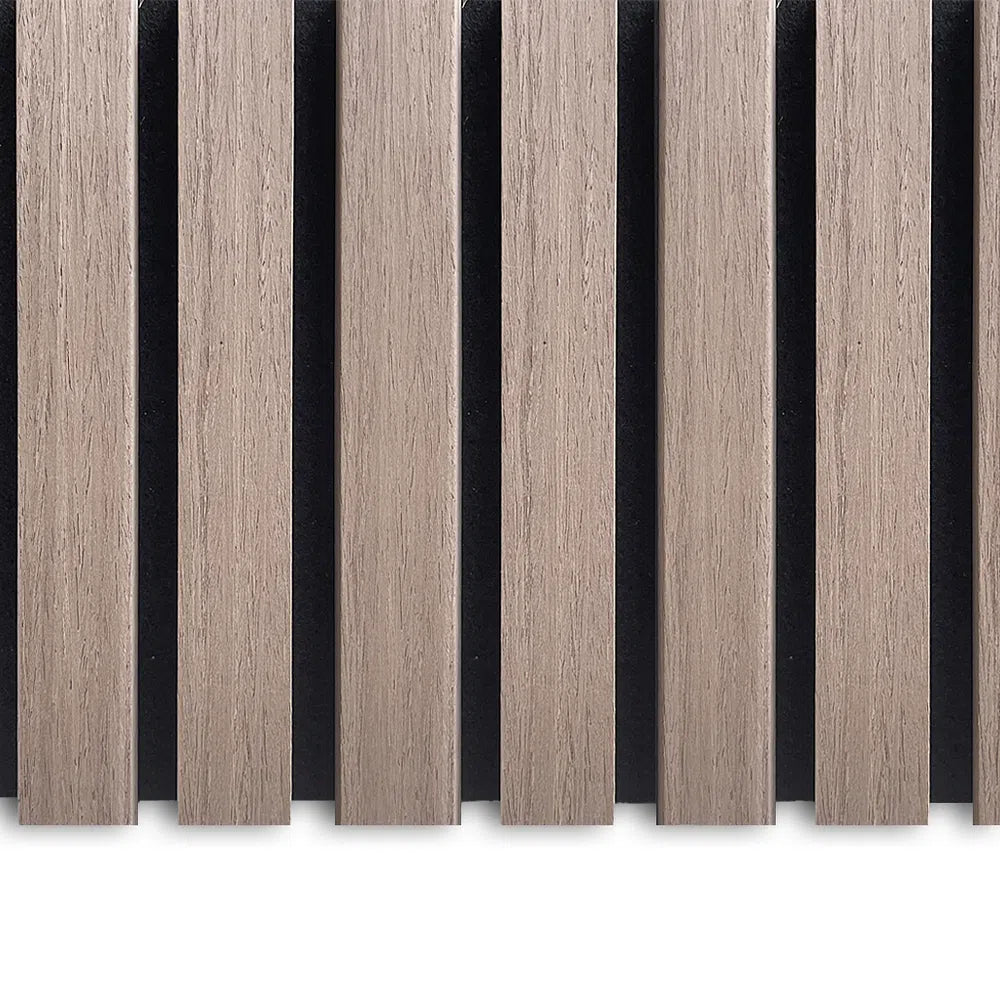
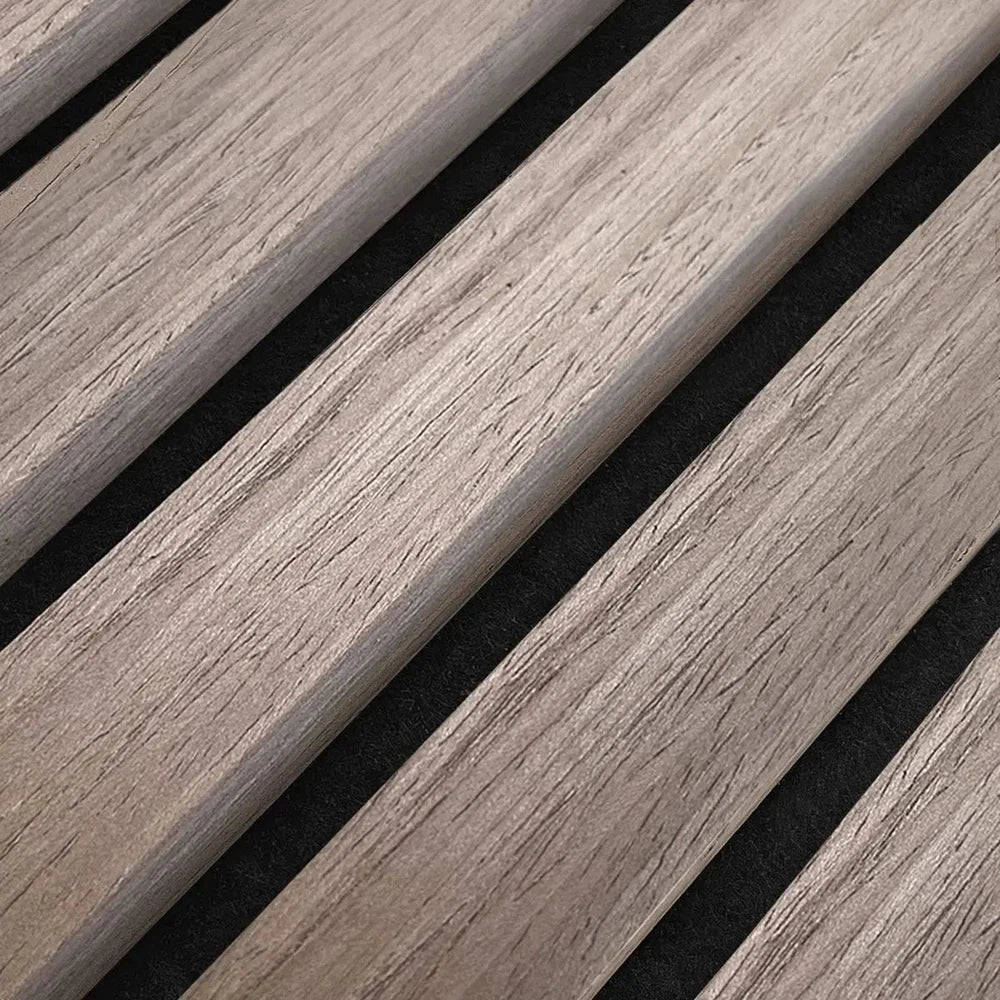
- Akuwood Black Oak panel suits dim, gear-heavy practice rooms but needs pairing with rugs for low-end control.
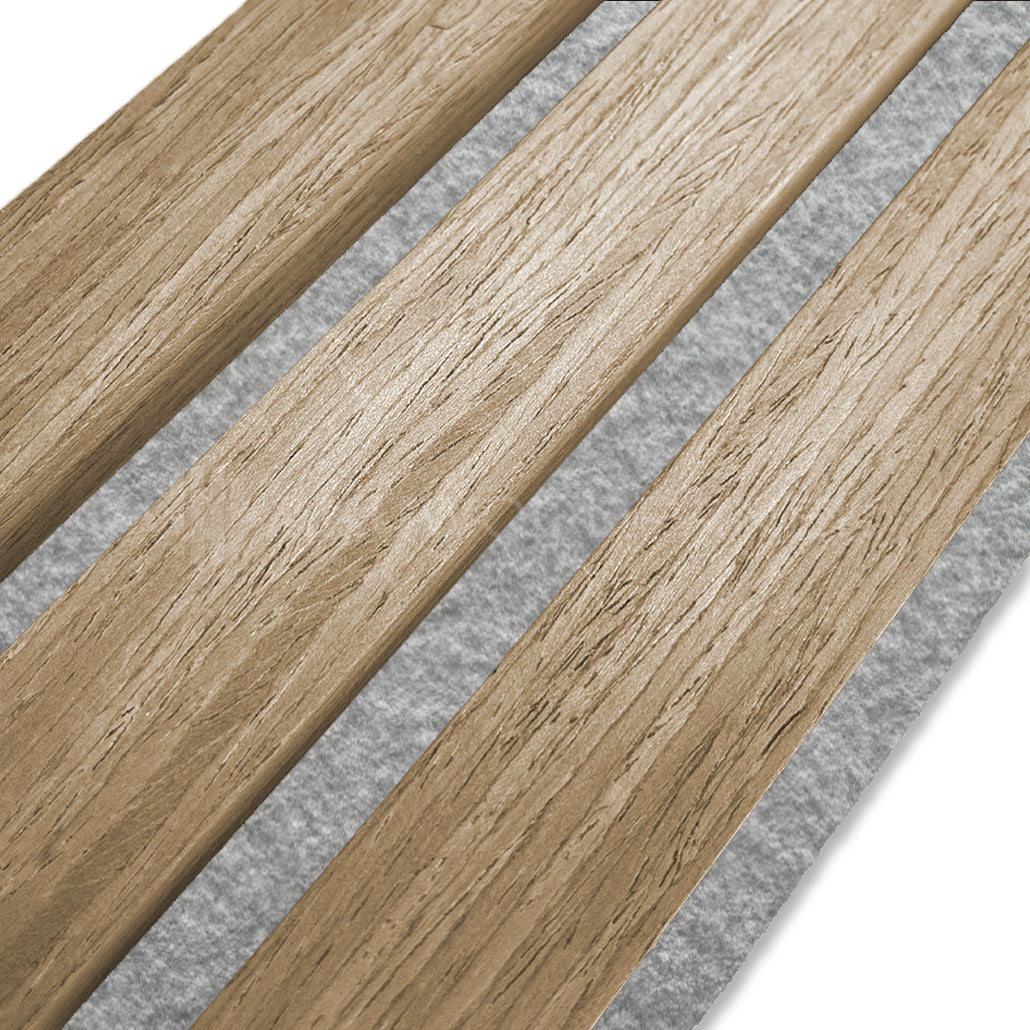
- Hexagon Acoustic Panel in Natural Oak with grey felt breaks up parallel-wall flutter echo — Buy for small box rooms.
- High-Tack Panel Glue 290 ml fits a no-bracket install — Buy alongside any first panel order.
- Walnut panels look premium but cost more coverage per wall — Consider only for feature walls, not full treatment.
Why this matters
A rehearsal room has three problems a living room doesn't: loud transient sound (snare hits, amp attack), long reflection paths off parallel walls, and gear that reflects sound as badly as the walls do. Foam wedges handle high frequencies and nothing else. A felt-backed wood veneer panel absorbs mid-to-high reflections while adding enough mass-adjacent structure to knock down flutter echo between two facing walls.
The distinction that trips people up: acoustic wall panels tame reflections inside the room. They do not stop sound leaving the room or a neighbour's telly bleeding through a shared wall. If isolation is the actual goal, panels are step two, not step one.
How we ranked
Each pick below is judged against four things that matter specifically for a rehearsal room, not a lounge: felt-backing coverage per panel, wood tone against typical low-light practice-room lighting, panel length fit for a standard 240 cm UK ceiling versus a taller garage or loft conversion, and whether the finish survives years of amp vibration and the odd dropped drumstick. None of this is lab data — it's aggregated buying and installation patterns from the panel catalogue through 2026, weighted toward what actually gets reordered for practice spaces rather than showrooms.
The ranked list
1. Akuwood Natural Oak wooden wall panel — the all-rounder
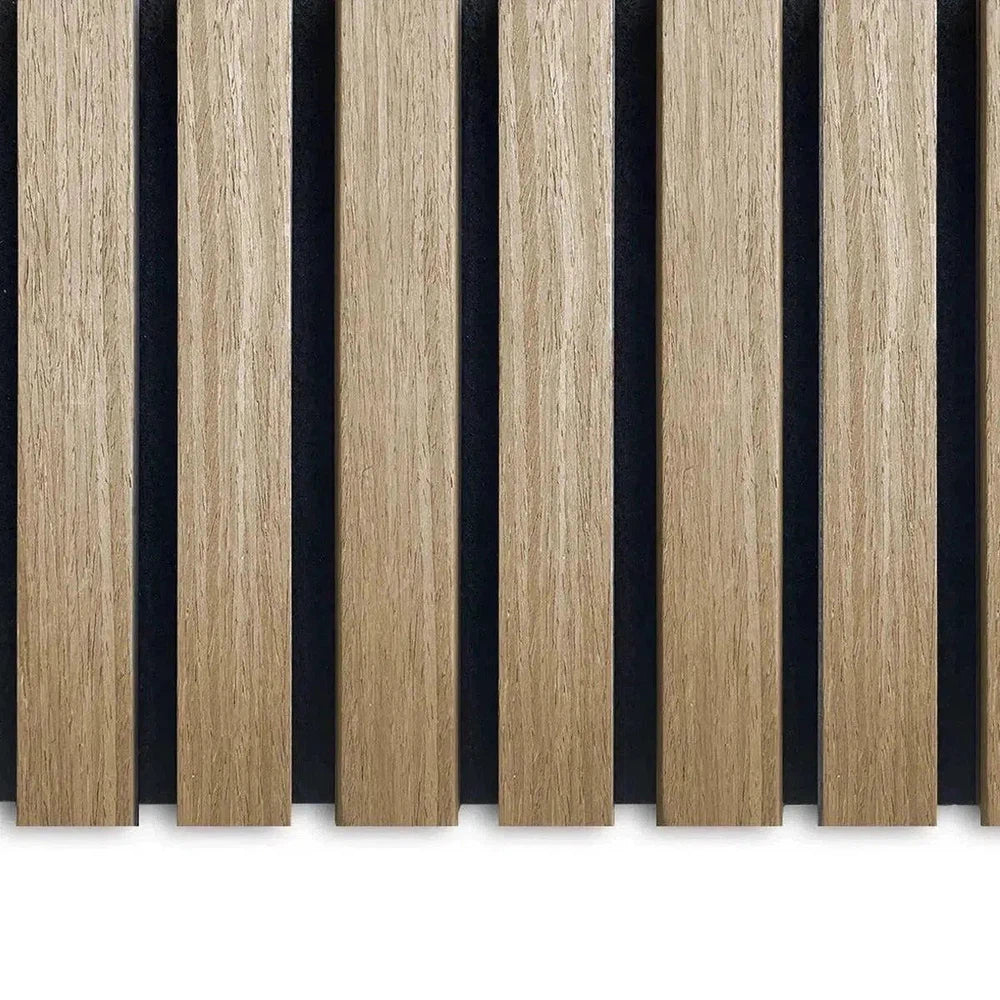
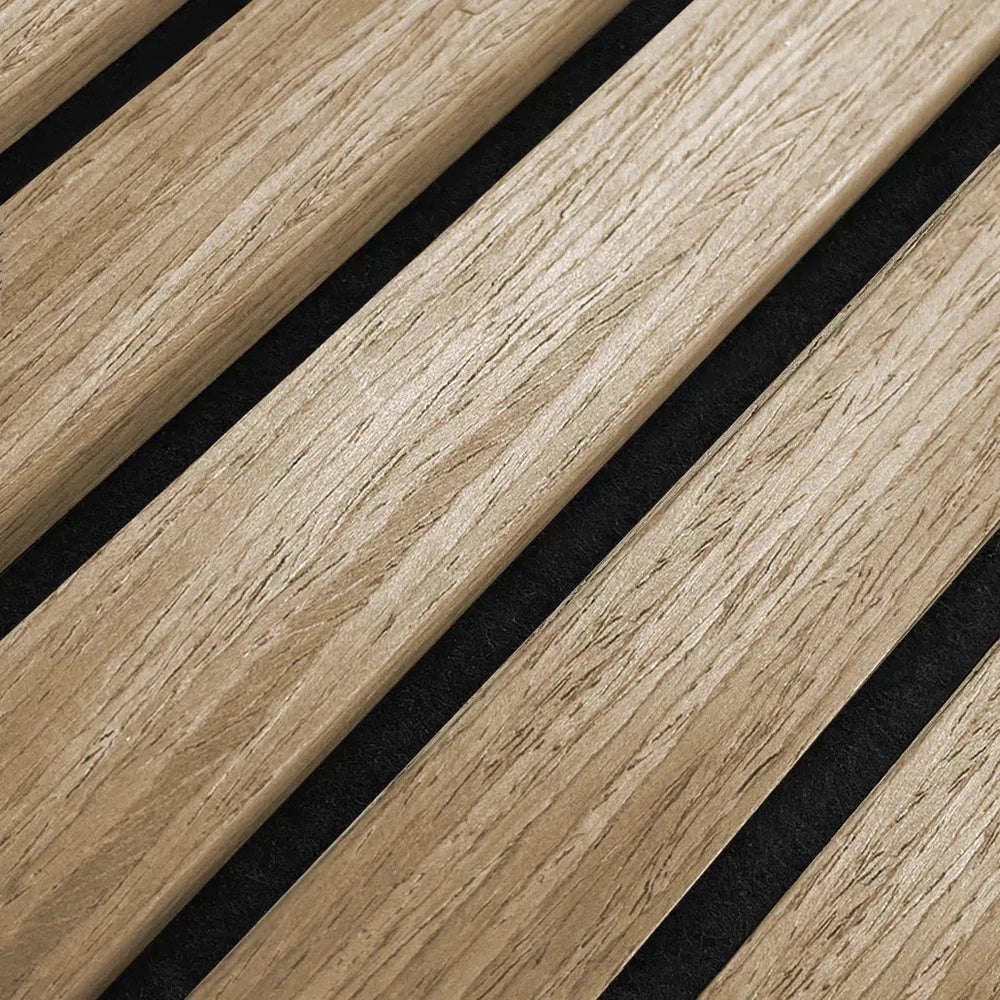
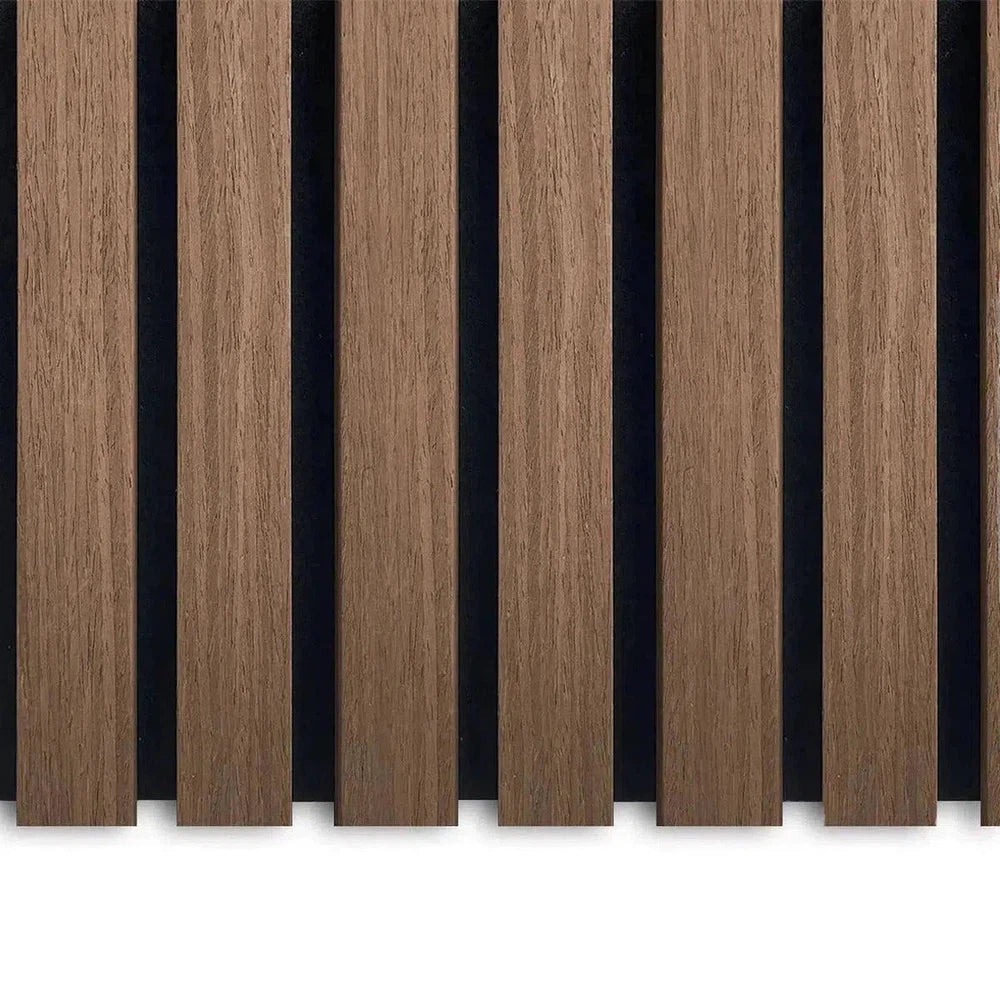
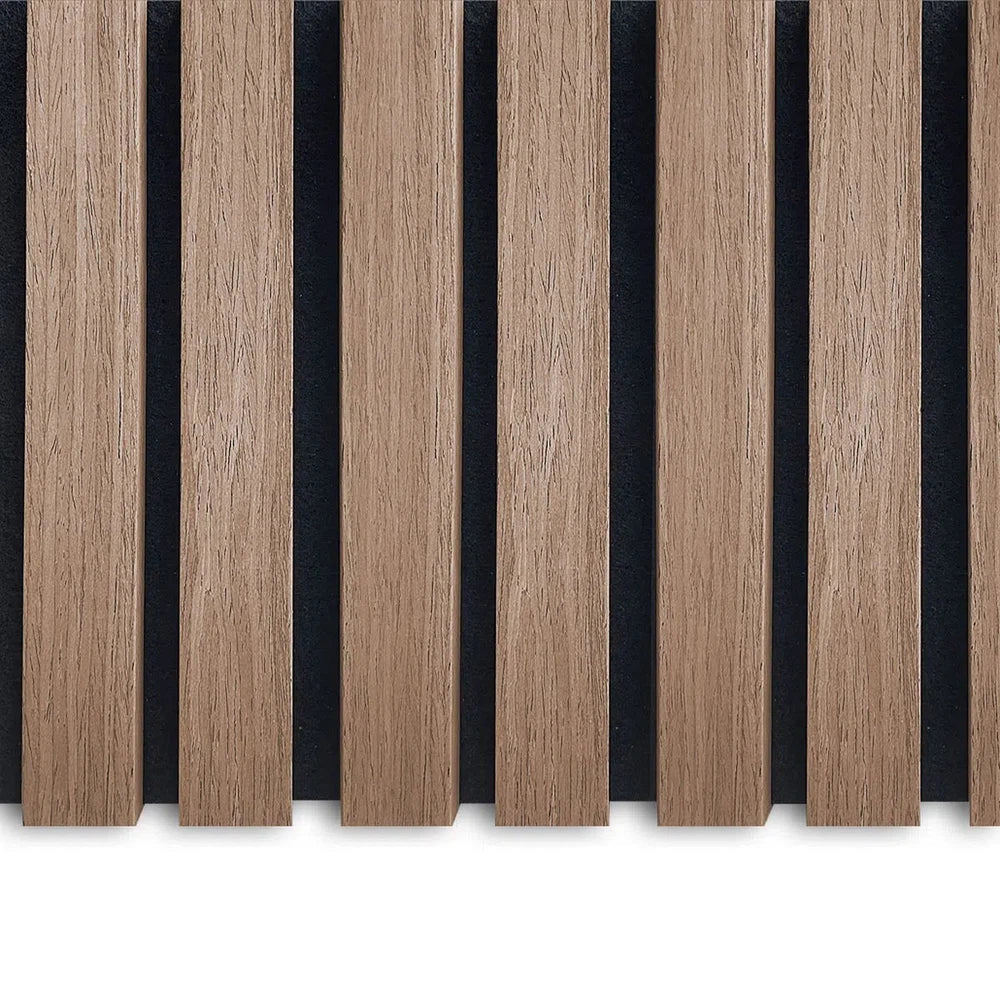
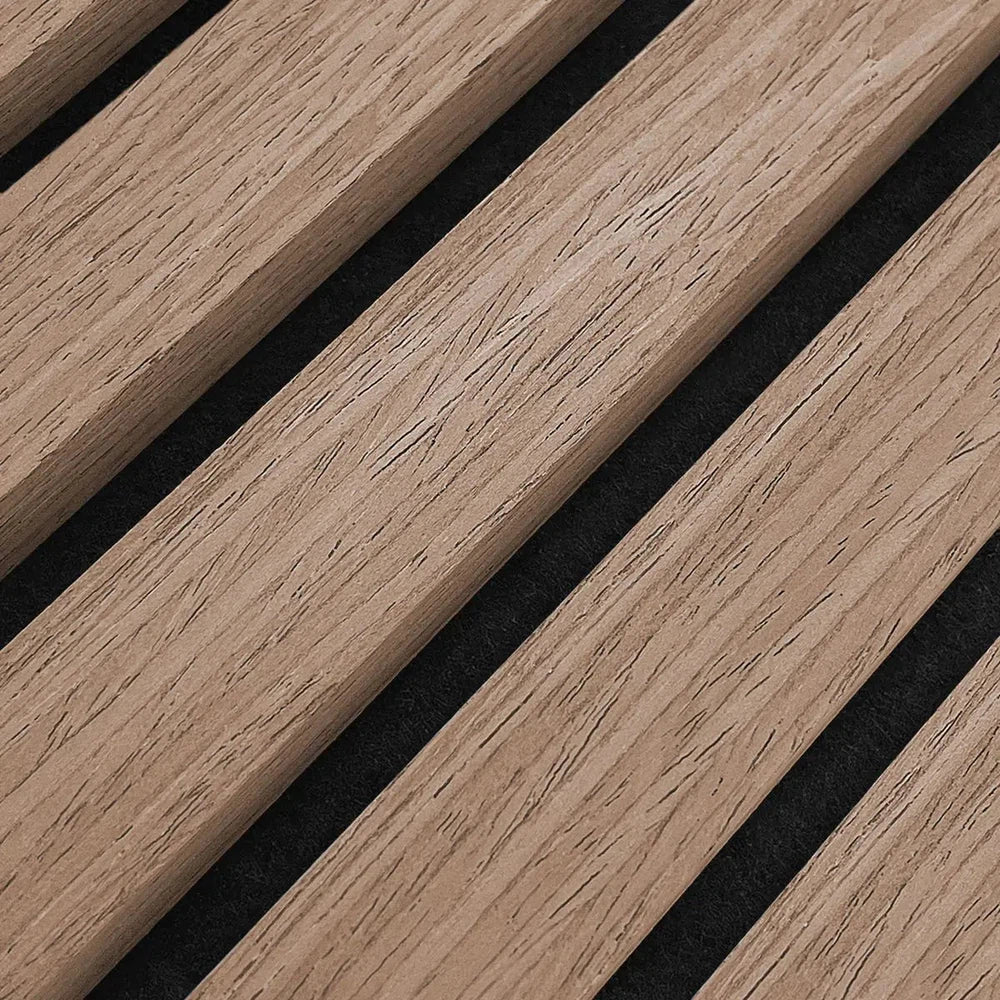
This is the panel most home rehearsal rooms end up buying first, and for good reason: a lighter tone doesn't disappear into a dim practice room the way black finishes can, and the Natural Oak wooden wall panel comes in both the 240 cm and 300 cm lengths, so it fits a boxroom or a converted garage without cutting waste. Three-sided real wood veneer means the edges look finished even where two panels meet at a corner. Verdict: Buy — this is the default pick for a first-time rehearsal room build in 2026.
2. Akuwood Black Oak wooden wall panel — the low-glare pick for gear-heavy rooms
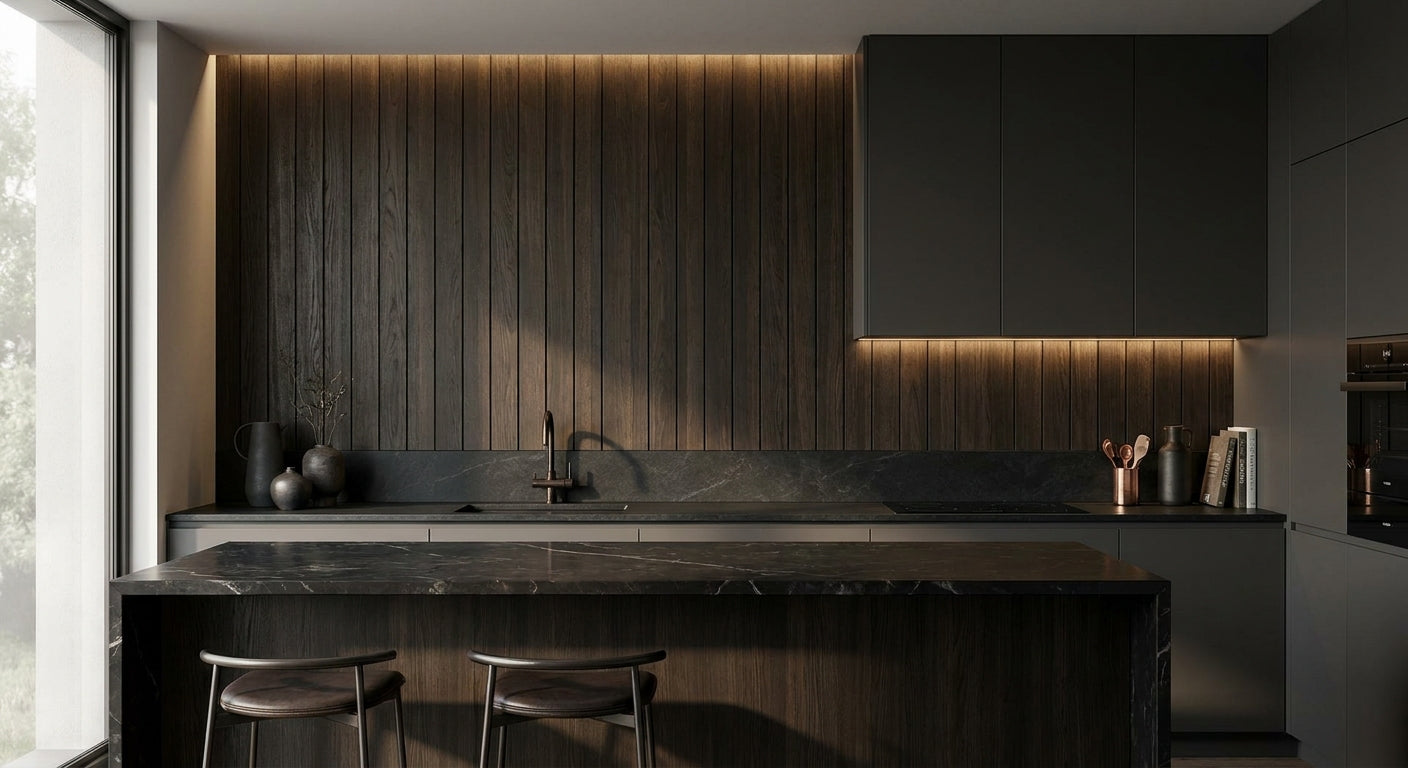
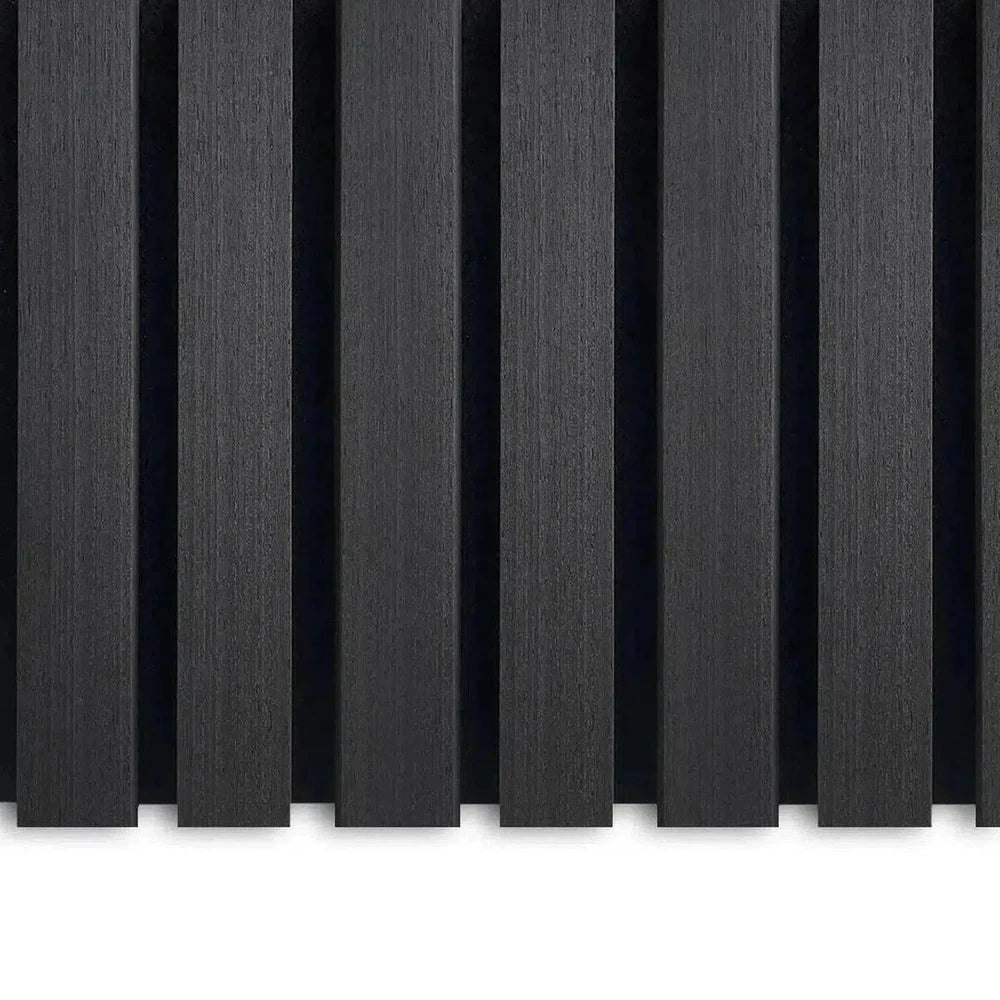
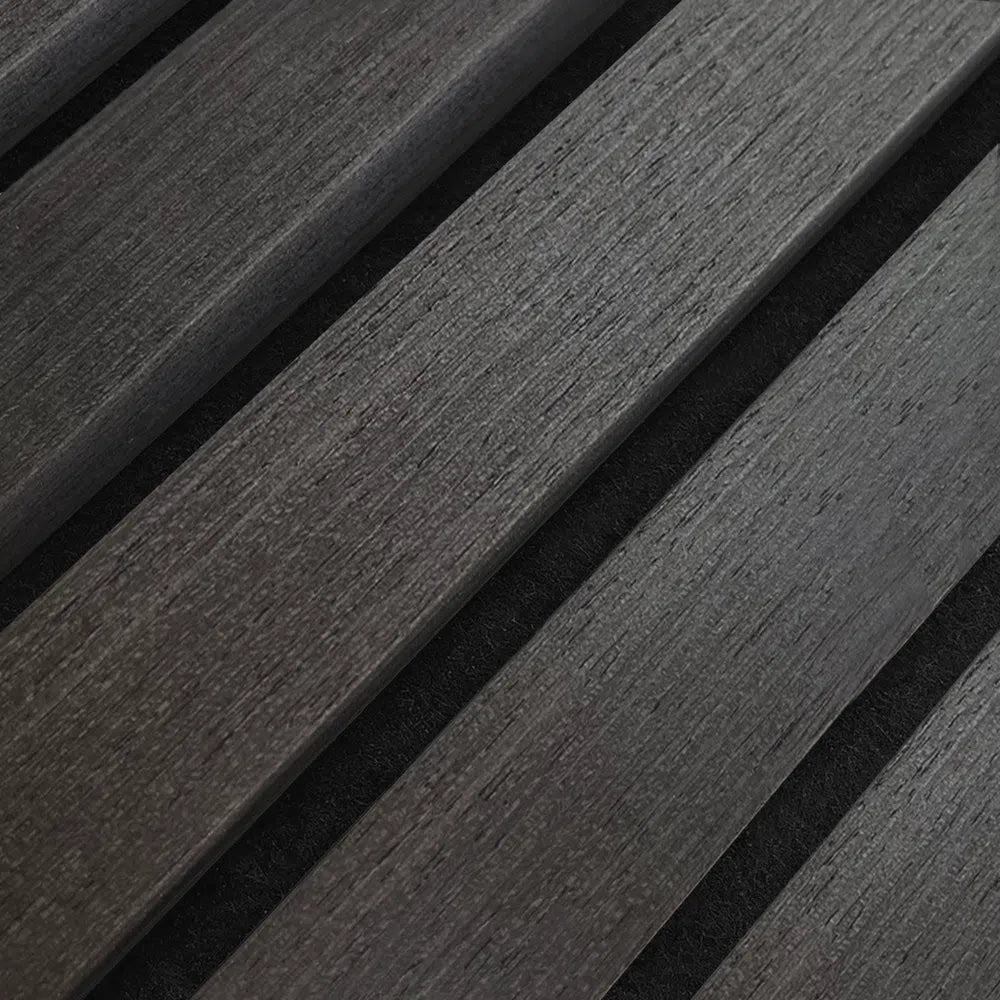
Amp LEDs, monitor screens and stage lighting all bounce off pale wood; a dark finish cuts that glare without touching the acoustic performance of the felt backing underneath. The Black Oak wooden wall panel reads as intentional in a room full of black cases and cables, which matters more than it sounds once the room's actually in use night after night. Pair it with a rug, because dark wood alone won't fix low-end boom from a bass amp in a small room. Verdict: Consider for rooms already running dim stage-style lighting; Buy if the room doubles as a mixing space.
3. Akuwood Walnut wooden wall panel — the premium wildcard
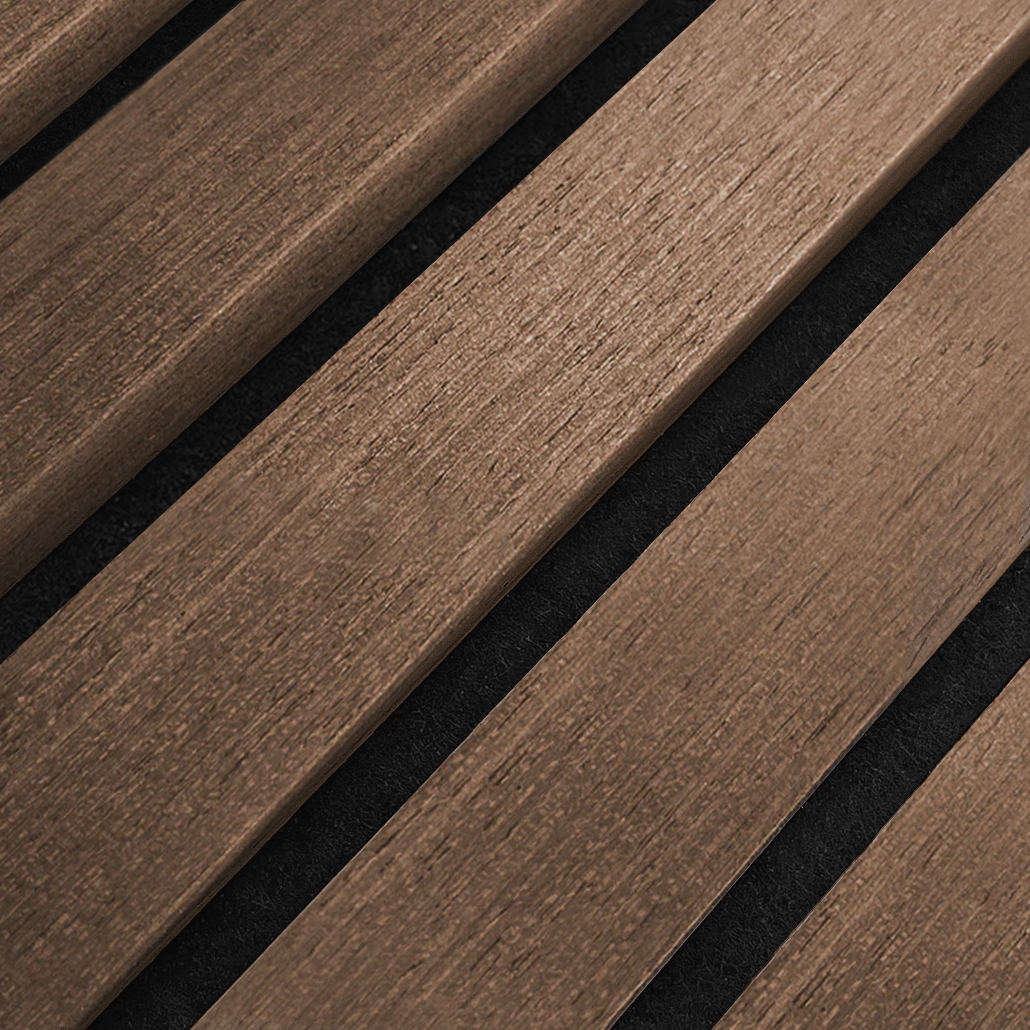
Walnut looks the part on a feature wall behind a drum kit or vocal booth corner, and the Walnut wooden wall panel holds its colour better under years of humidity swings than lighter veneers, which matters in a garage-conversion rehearsal room without climate control. It costs more coverage per wall to hit the same absorption as oak because most bands only budget for one accent wall in this finish. Verdict: Consider for a single feature wall; Skip if you need to treat all four walls on a tight budget.
4. Akuwood Hexagon Acoustic Panel, Natural Oak with grey felt — the flutter-echo breaker
Parallel walls in a small rehearsal room create flutter echo that a flat panel run alone doesn't fully kill — the geometry needs breaking up, not just softening. A hexagon layout does exactly that by staggering reflection angles across the wall instead of one continuous flat plane. Verdict: Buy for box rooms under roughly 3 m wide where two facing walls are the main echo source.
5. Akuwood Smoked Oak wooden wall panel — the dark-room specialist
Smoked Oak sits between Black Oak and Walnut in tone and works well in basement rehearsal rooms with no natural light, where a true black finish can make the space feel smaller than it is. It doesn't outperform Natural Oak acoustically — the felt backing is the same across finishes — so this is a look decision, not a performance upgrade. Verdict: Consider for basement conversions specifically; otherwise Skip in favour of Natural Oak.
6. High-Tack Panel Glue, 290 ml — the install essential
Most rehearsal rooms get built in rented flats, garages, or spaces where drilling a wall full of bracket holes isn't an option. The High-Tack Panel Glue 290 ml handles a direct-to-wall install without brackets, which also means no visible fixing points interrupting the veneer run. One tube covers a modest panel run; larger rooms need more than one. Verdict: Buy alongside the first panel order — don't try to install without it and improvise with generic adhesive.
Comparison table
| Pick | Wood Finish | Length Options | Best For | Verdict |
|---|---|---|---|---|
| Natural Oak panel | Light oak | 240 cm / 300 cm | First-time rehearsal room build | Buy |
| Black Oak panel | Dark oak | 240 cm / 300 cm | Gear-heavy, dim-lit rooms | Consider/Buy |
| Walnut panel | Dark walnut | 240 cm / 300 cm | Single feature wall | Consider |
| Hexagon Acoustic Panel | Natural oak, grey felt | Modular hex | Small box rooms, flutter echo | Buy |
| Smoked Oak panel | Mid-dark oak | 240 cm / 300 cm | Basement conversions | Consider |
Where to buy
Order a sample panel before committing to a full room run — wood tone reads differently under practice-room lighting than on a screen, and a swatch costs a fraction of a full order. Buy in the 240 cm length for a standard UK stud-wall ceiling height and reserve the 300 cm length for garages, lofts, or converted outbuildings with taller walls. Buy the panel glue in the same order as the panels themselves; running out mid-install and waiting on a second delivery stalls a rehearsal room build for days.
FAQ
What's the best acoustic panel for a home rehearsal room in 2026?
The Akuwood Natural Oak wooden wall panel is the strongest default choice for acoustic panels for home rehearsal room in 2026, thanks to its felt backing and fit across both 240 cm and 300 cm lengths. Darker finishes like Black Oak or Walnut suit specific lighting or feature-wall needs but don't out-perform it acoustically.
Is real wood veneer as effective as foam for rehearsal room acoustics?
A felt-backed wood veneer panel absorbs mid-to-high reflections similarly to foam while surviving years of amp vibration and knocks that foam edges don't. Foam alone also does nothing for flutter echo between parallel walls, which a staggered hexagon layout handles better.
How many wall panels does a small rehearsal room need?
Coverage depends on room size, but flutter echo control generally needs treatment on at least two facing walls, not just one. A single feature wall looks good but won't kill the echo a full drum kit or amp stack generates.
Do acoustic wall panels stop sound leaving the room?
No — acoustic wall panels reduce reflections inside the room, they don't add the mass needed to block sound transmission through walls. Soundproofing for neighbours requires a separate mass-and-decoupling approach before panels go up.
What size acoustic panel fits a standard UK home ceiling?
The 240 cm panel length fits most standard UK stud-wall ceiling heights without cutting. Garages, lofts, and converted outbuildings with taller walls usually need the 300 cm option instead.
Can you fit acoustic wall panels without brackets?
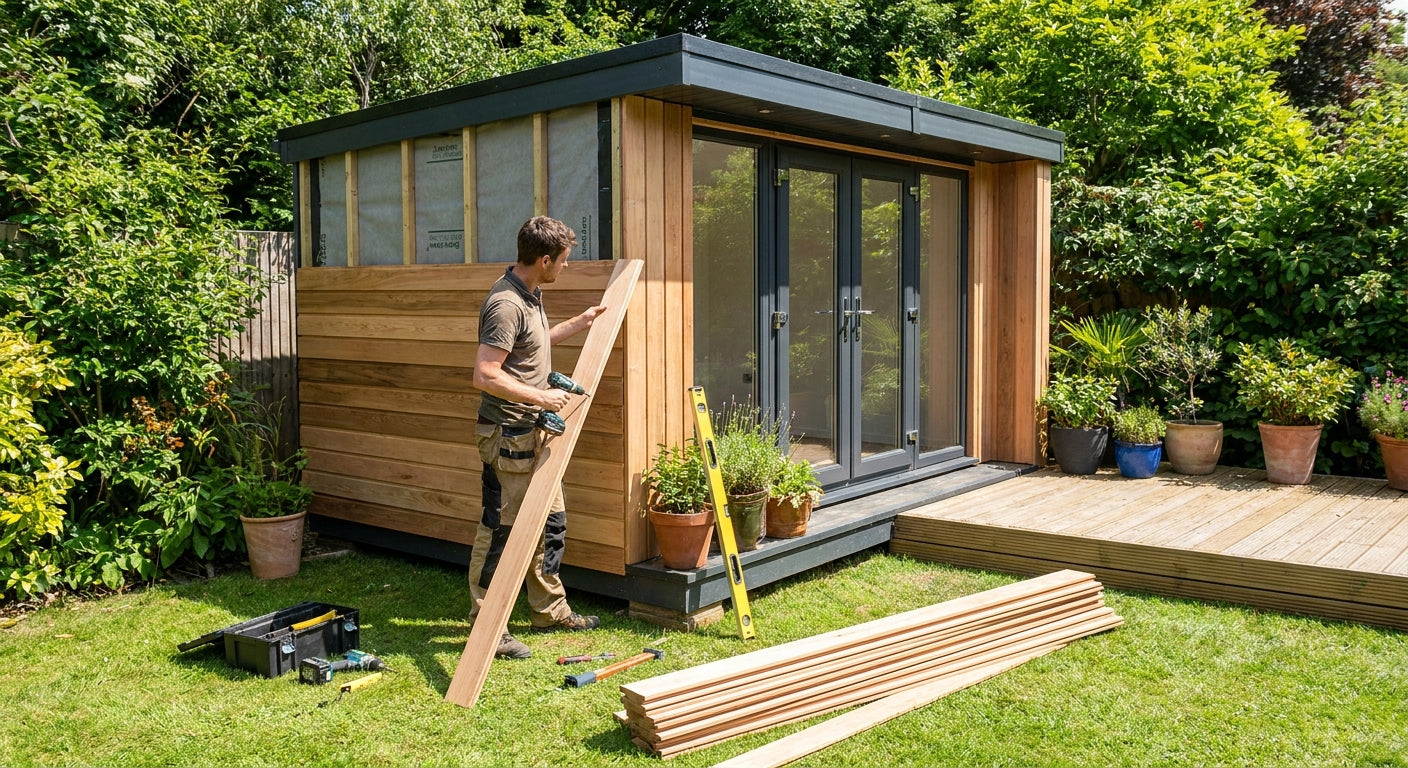
Yes — High-Tack Panel Glue in a 290 ml tube handles a direct-to-wall install without visible fixing points or drilled brackets. This suits rented rehearsal spaces where wall damage isn't an option.
Is Walnut or Natural Oak better for a rehearsal room?
Natural Oak is the better all-round choice because it doesn't disappear into dim practice-room lighting and works across a full room treatment. Walnut looks premium but is better reserved for a single feature wall rather than full coverage.
How much wall coverage do you need to stop flutter echo?
Flutter echo between two facing walls usually needs treatment on both surfaces, not one, plus a broken-up layout like hexagon panels to disrupt the reflection angle. Treating a single wall reduces reverb but rarely kills the flutter itself.
One last thing
Most people treat the two side walls first and forget the corners, where bass frequencies actually pile up hardest in a small rehearsal room. A hexagon panel run angled into a corner does more for low-mid buildup than another flat run on an already-treated wall — worth doing before ordering a second full room's worth of panels.